TESS展亭,圣保罗 / Leonardo Zanatta
设计与环境性能DESIGN AND ENVIROMENTAL PERFORMANCE
TESS展亭采用被动热效应策略与结构非整合式构造。其平屋顶为一块独立的悬挑楼板,与主体体量分离,实现了持续通风与恒定遮阳。开口位置经过精确计算,冬季可获得最佳日照,夏季则减少直射阳光,从而降低能耗并提升热舒适度。
The Tess Pavilion adopts strategies of passive thermal efficiency and structural desolidarization. The flat roof is designed as an autonomous cantilevered slab, detached from the main volumes, allowing for continuous ventilation and permanent shading. The openings were positioned to optimize solar gain in winter and mitigate direct sunlight in summer, reducing energy consumption and improving thermal comfort.
▼项目概览,overall of the project
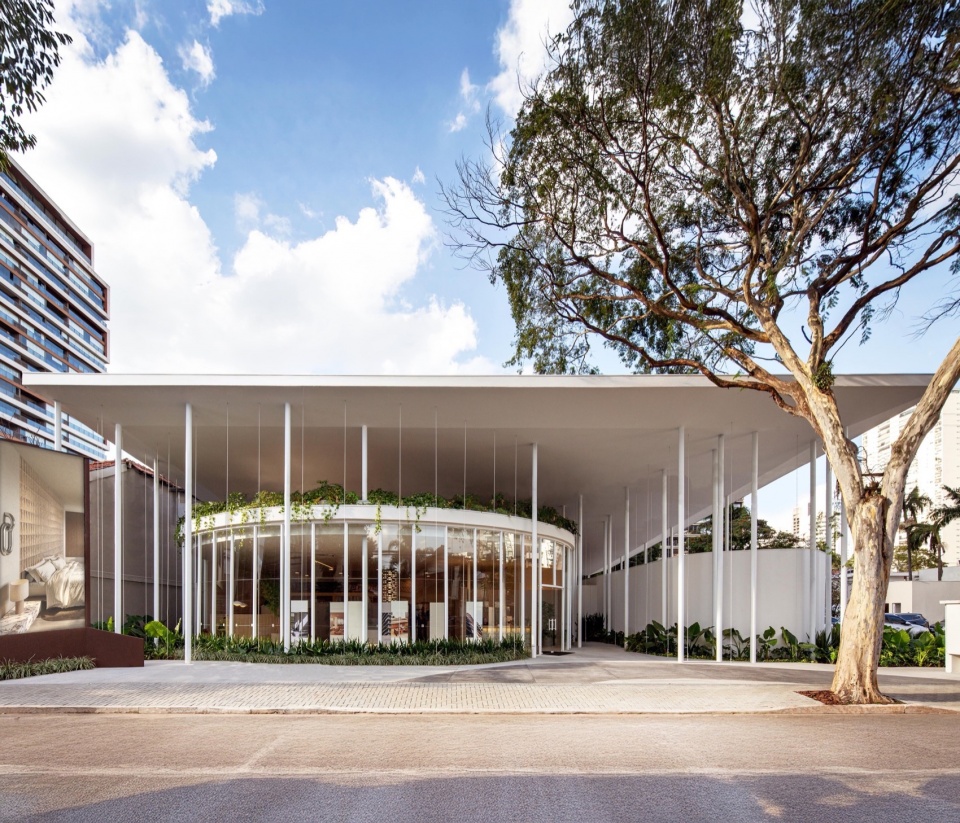
▼入口,entrance
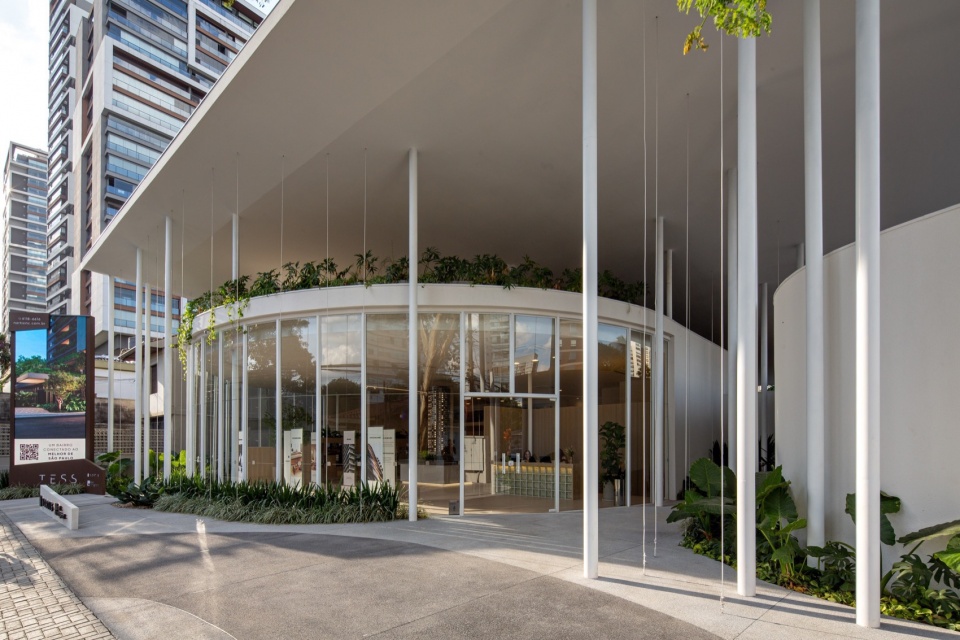
▼侧立面,side facade
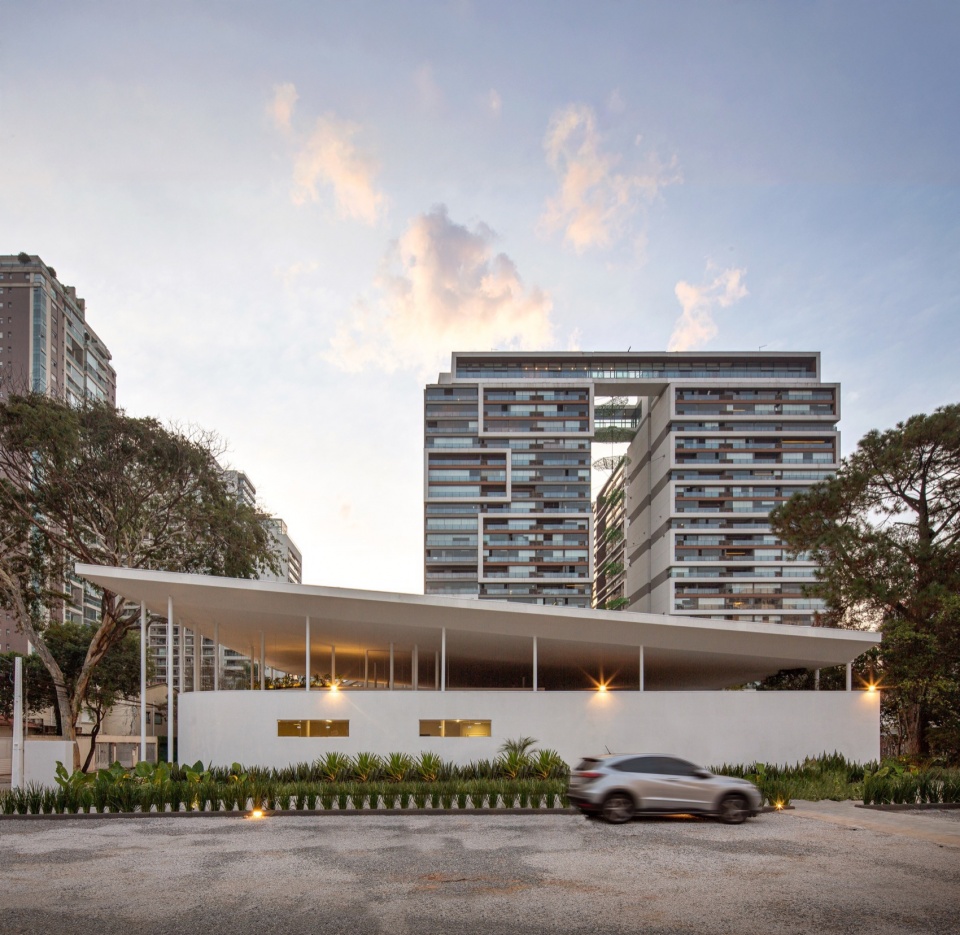
▼景观与灯光设计,landscape and light design
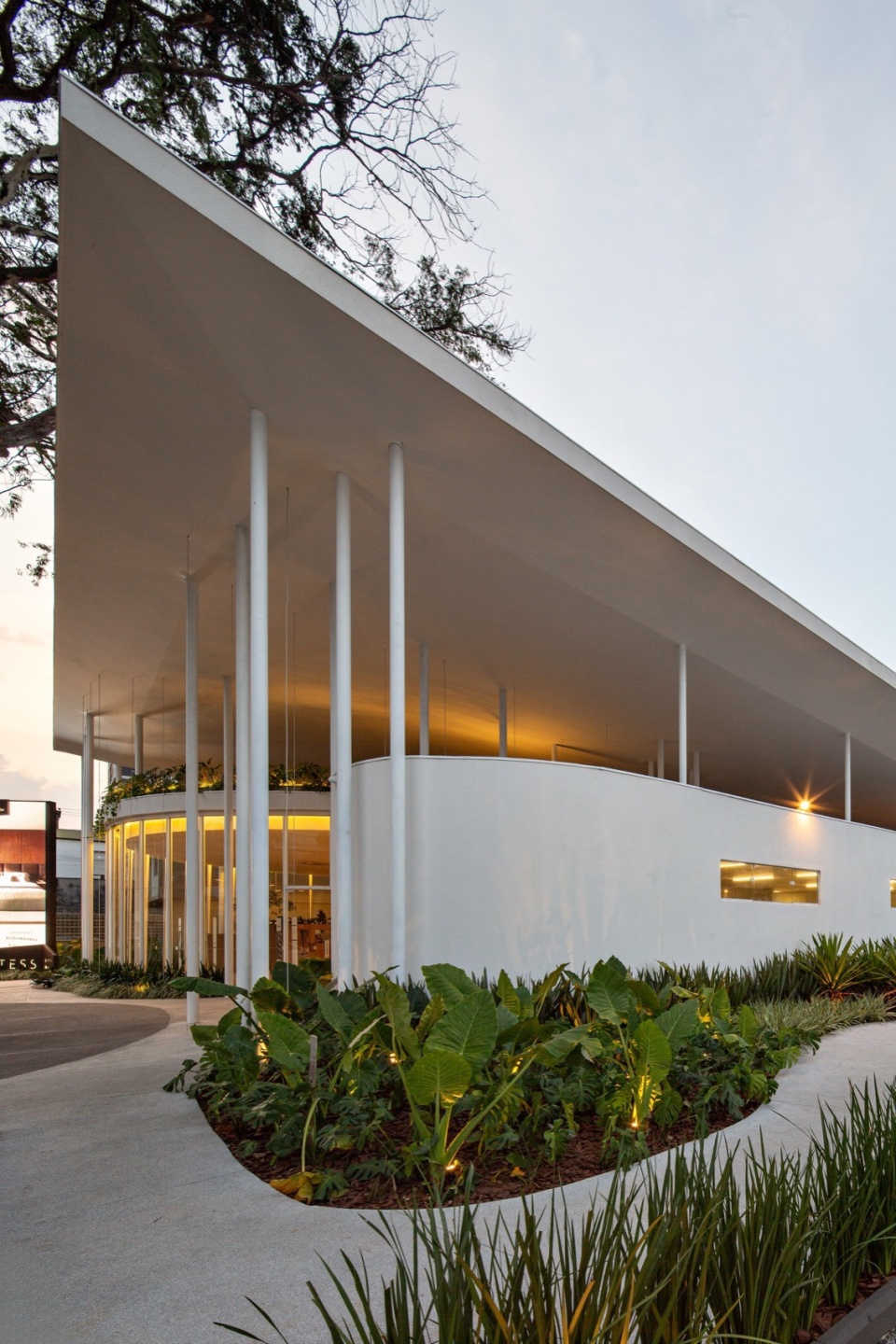
结构与形式构成STRUCTURE AND FORMAL COMPOSITION
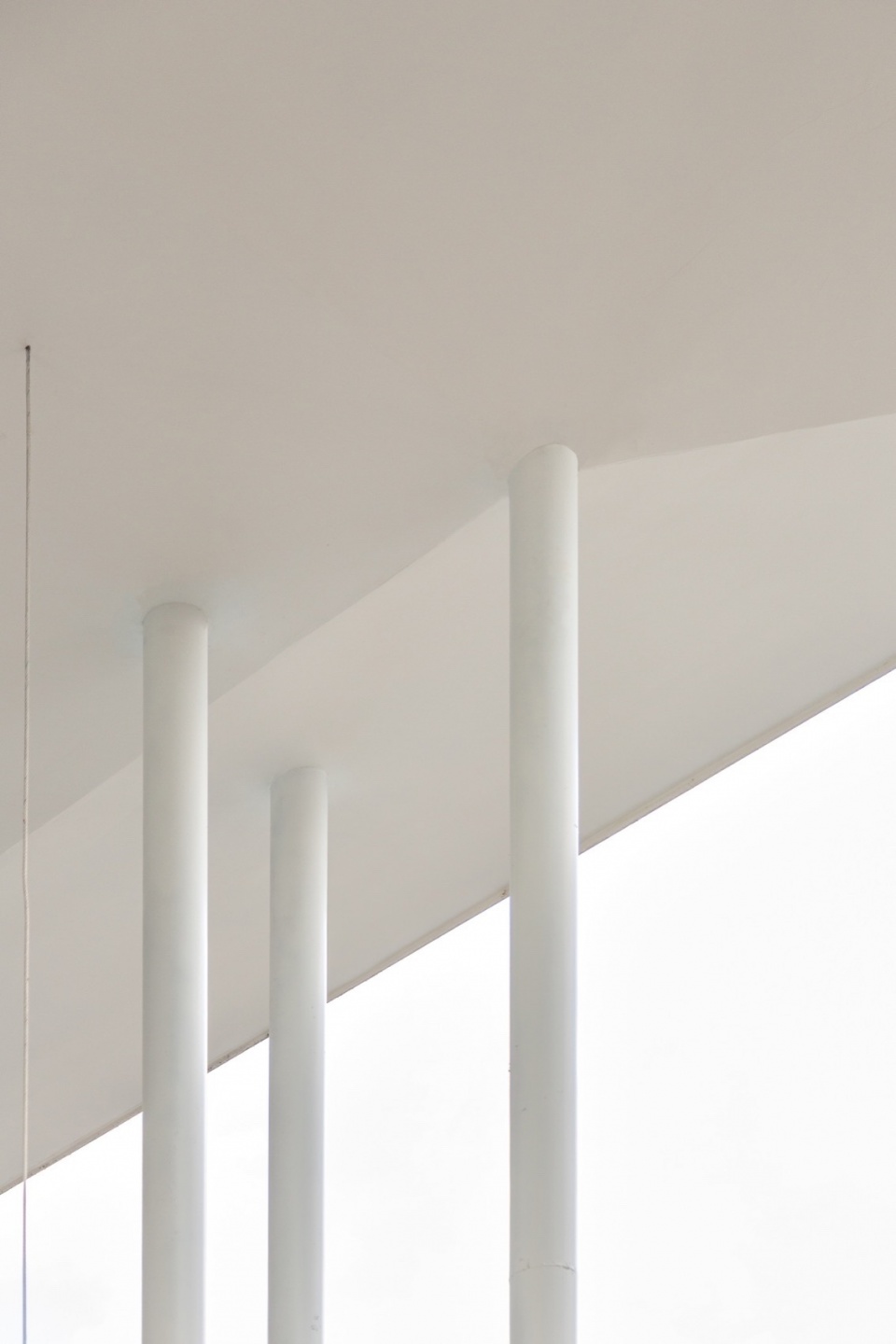
展亭采用韵律感十足的金属结构,由细柱与张力构件组成,灵感来自竖琴的意象,作为空间的组织矩阵。结构裸露呈现,无饰面包裹,清晰传达建造逻辑与形式克制。夸张的悬挑屋顶构成内外之间的过渡遮蔽空间。屋顶下方体块的布局受到俄罗斯至上主义绘画构图影响,强调不同方向上几何基本形体的并置与张力关系,使各体块在开放的正交网格中呈碎片化布置,形成抽象且富动态的视觉体验。建筑空间随着人的移动而不断变换。
The rhythmic metal structure, composed of slender columns and tension elements, was inspired by the image of a harp, functioning as an organizing matrix for the space. The structure is left exposed, without cladding, clearly communicating the building’s constructive logic with formal economy. The extended roof, with expressive cantilevers, creates shaded transitional zones between interior and exterior.The spatial arrangement of the volumes beneath the roof was influenced by compositions from Russian Suprematism, emphasizing the juxtaposition of primary geometric shapes in varying orientations and visual tensions. This influence guides the fragmented positioning of the volumes beneath an open orthogonal grid, giving the ensemble an abstract and dynamic reading. The resulting spatiality allows for multiple perceptions of the building as one moves around it.
▼展亭采用韵律感十足的金属结构,the rhythmic metal structure
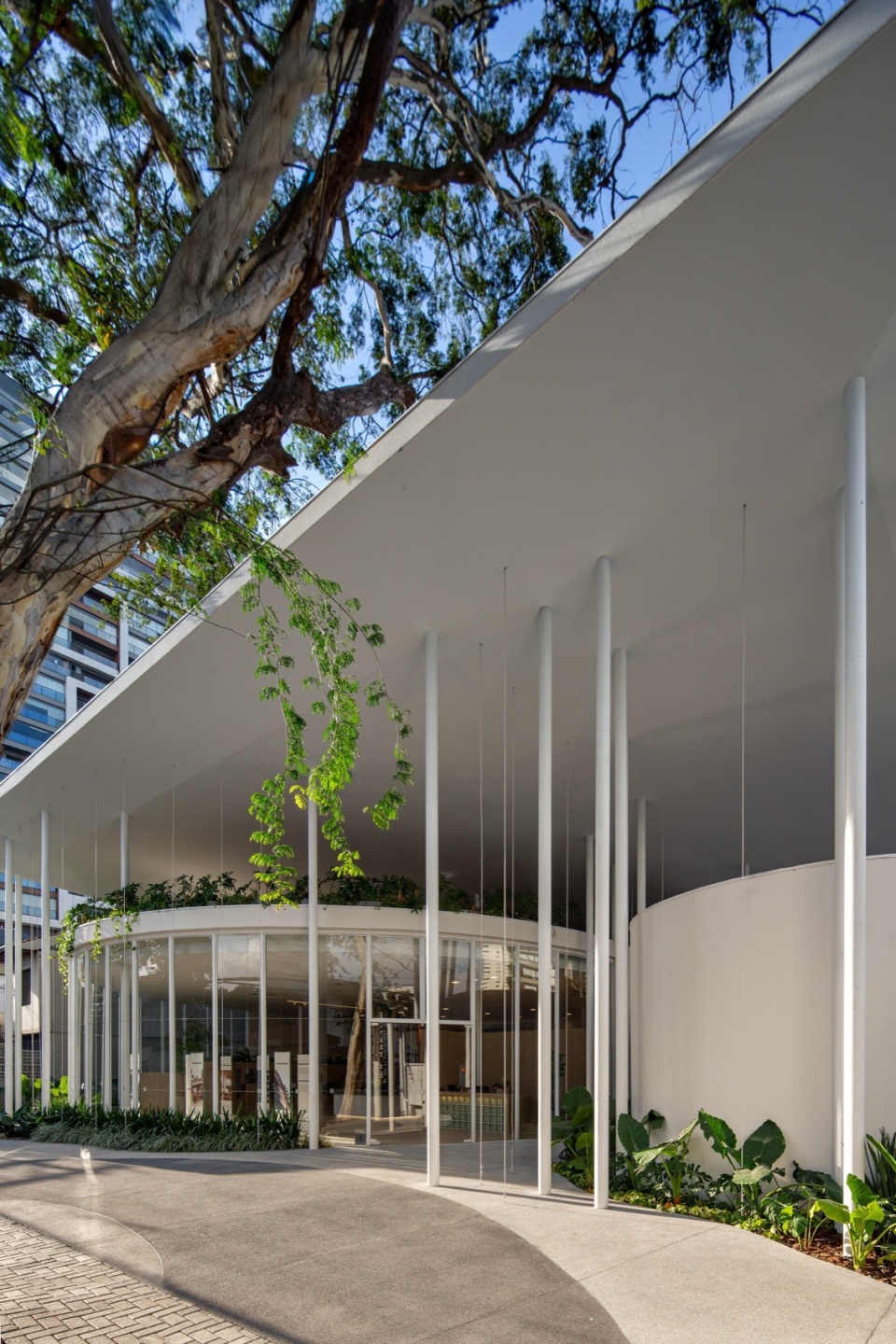
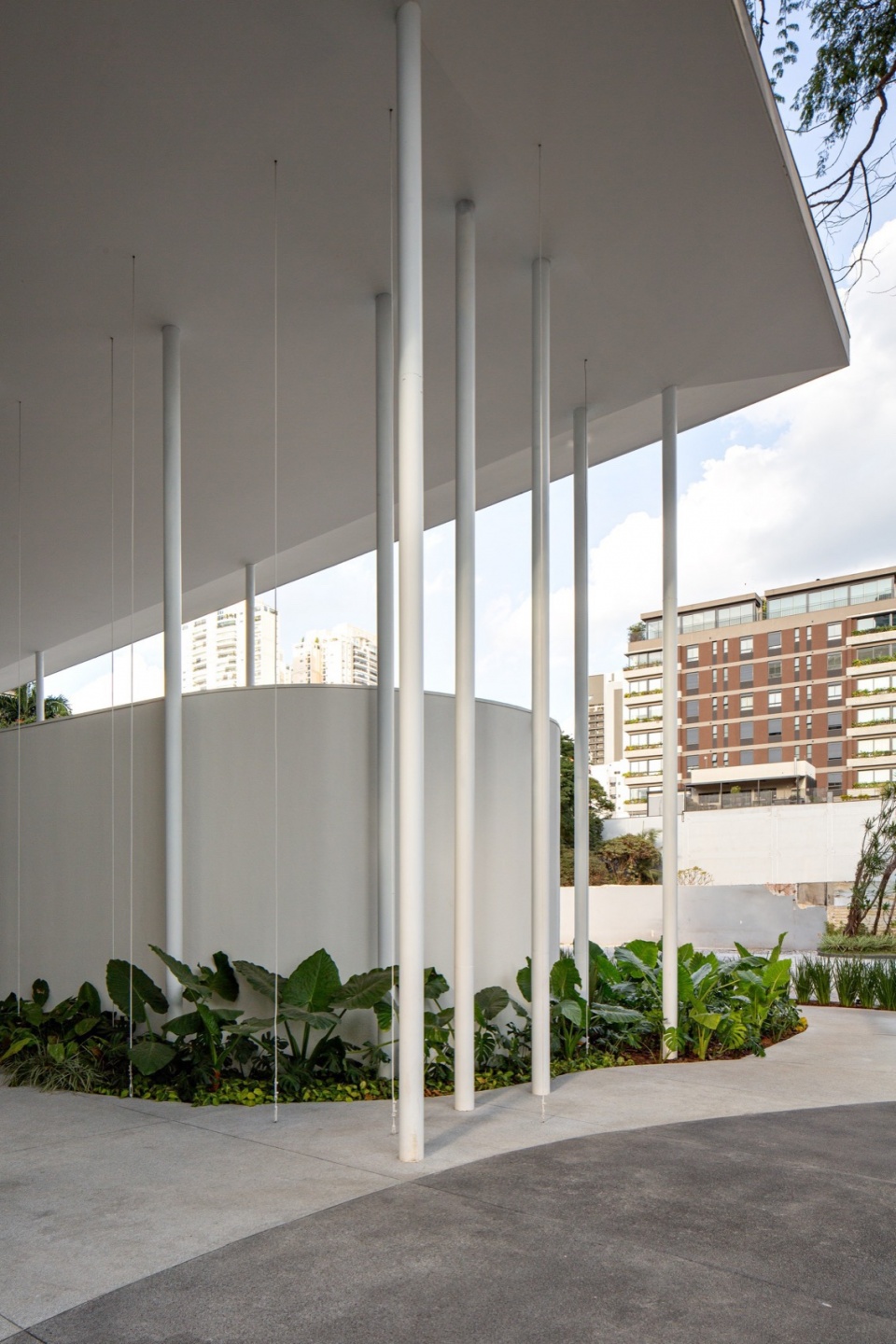
▼入口,entrance
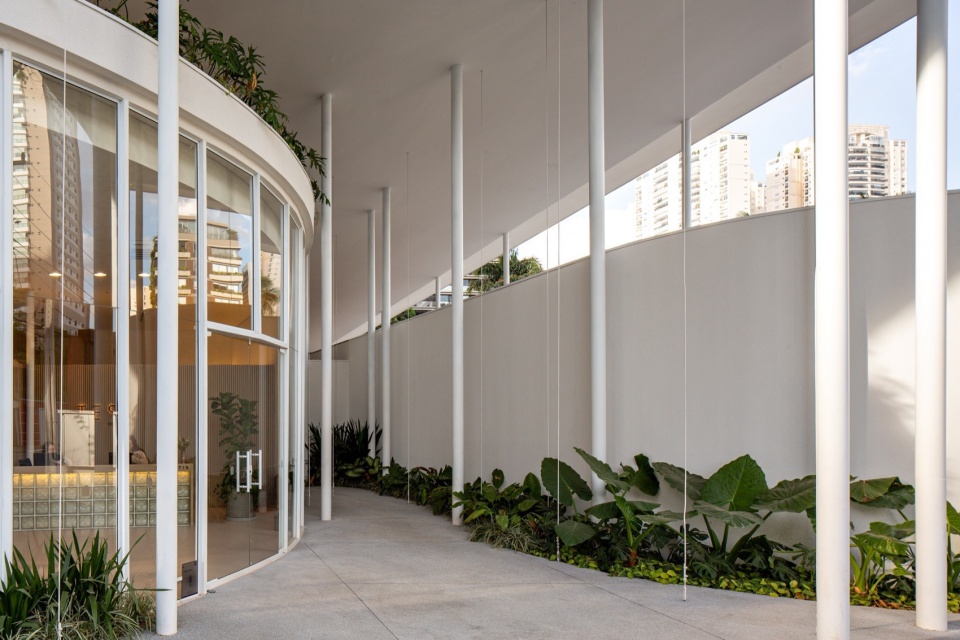
▼设计灵感来自竖琴的意象,the design inspiration comes from the image of the harp
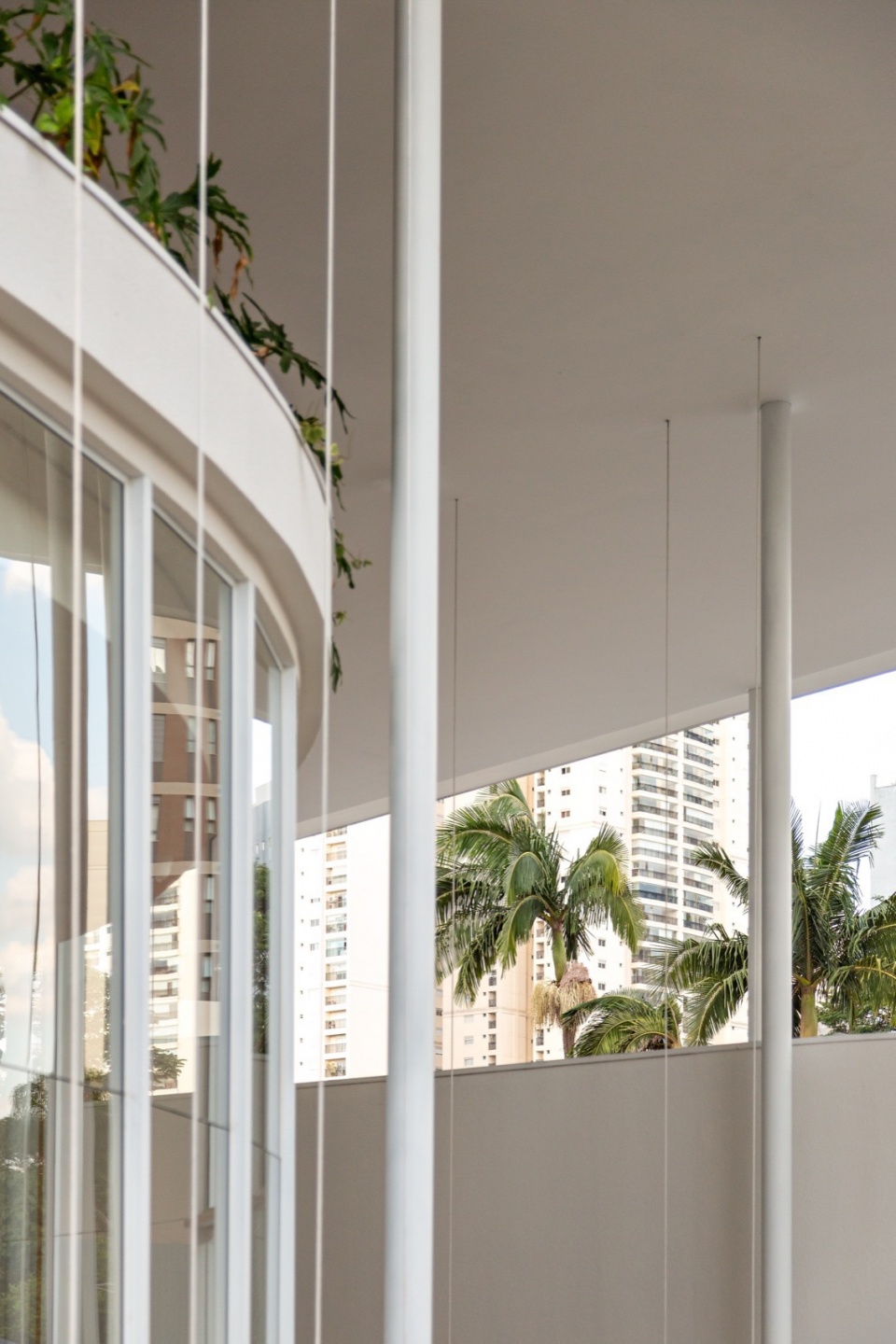
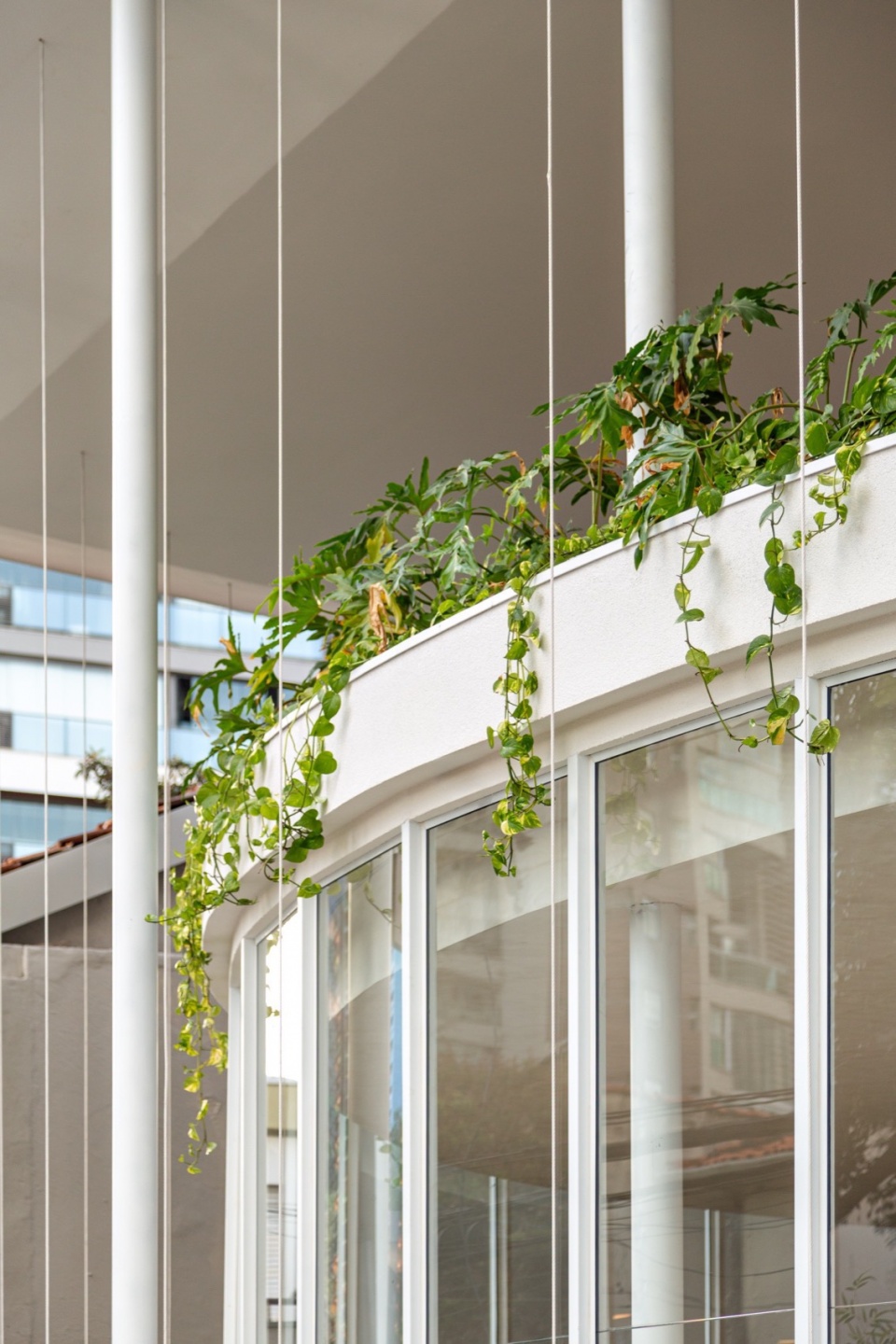
▼细部,details
城市融合URBAN INTEGRATION
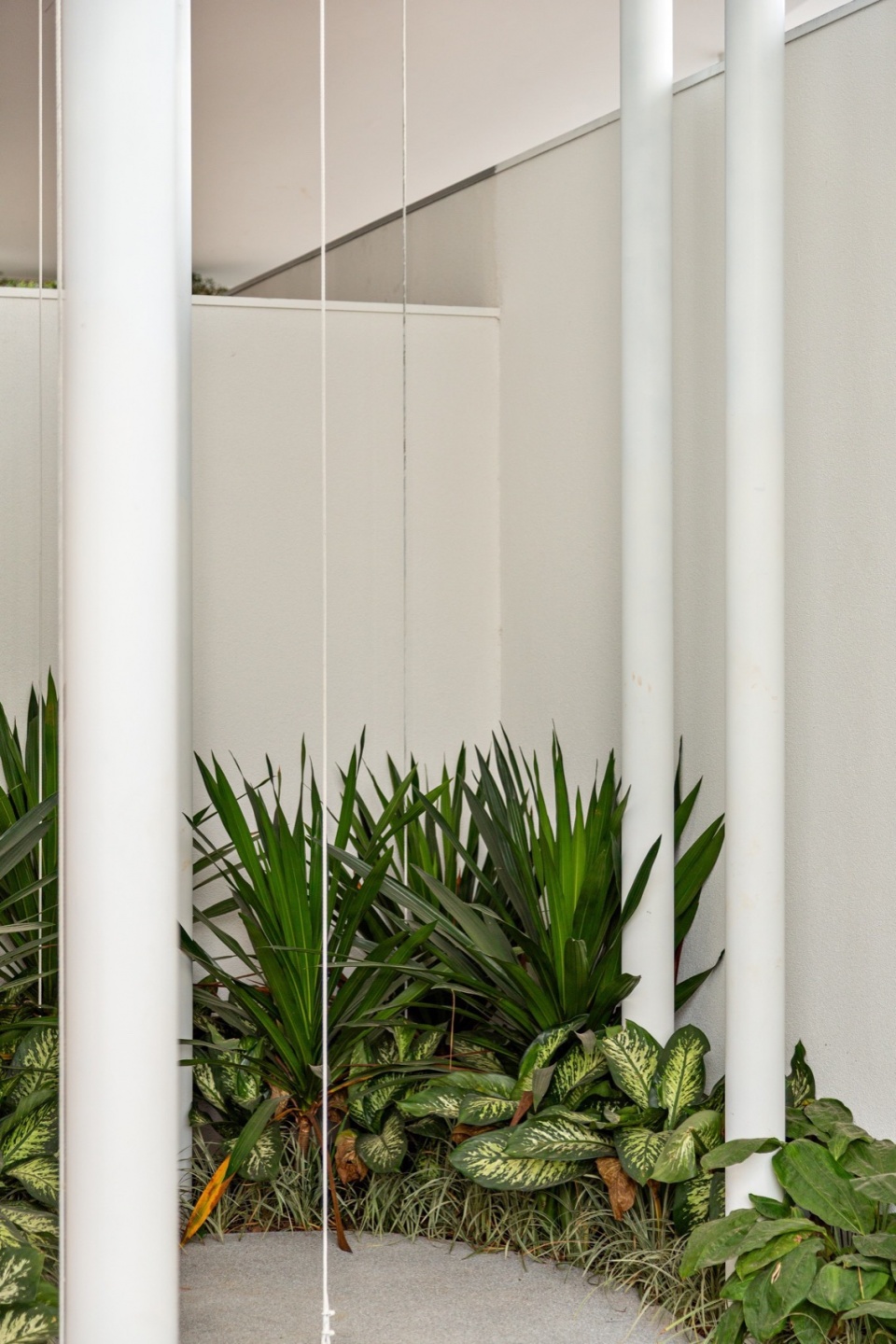
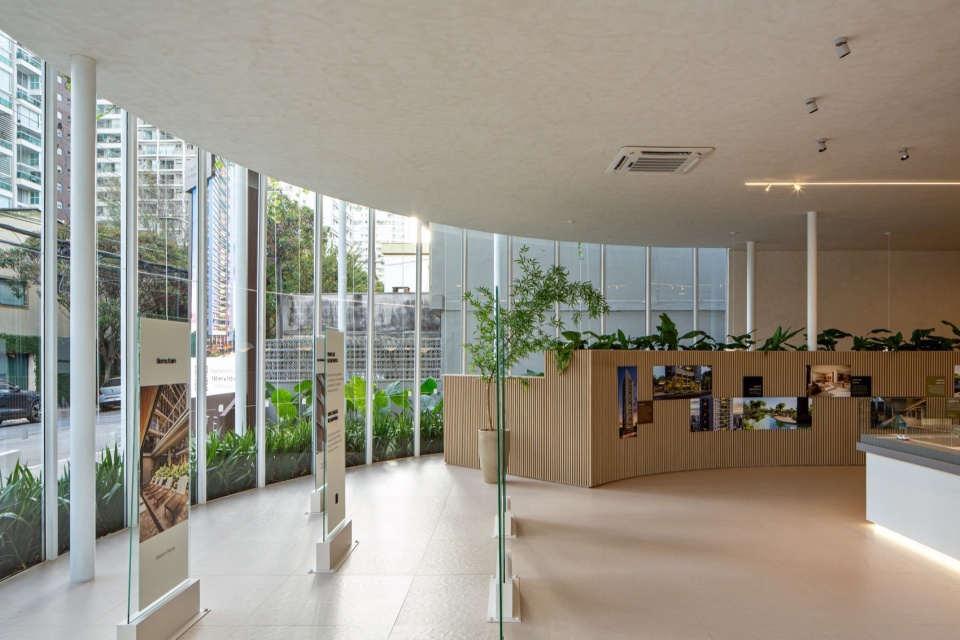
项目位于布鲁克林街区,该区域以住宅为主。展亭采用水平布局,尊重周边低矮建筑肌理。体量处理轻盈,重在视觉通透,营造出低调而亲切的建筑存在感。建筑语言注重轻盈与“形式的静默”,自然地融入城市环境中。
Located in the Brooklin neighborhood, predominantly residential in character, the pavilion adopts a horizontal layout that respects the surrounding low-rise context. The occupation avoids heavy volumes and prioritizes visual permeability, creating a discreet and welcoming architectural presence. The project proposes a reading of lightness and formal silence, integrating naturally into the urban fabric.
▼室内概览,interior overview
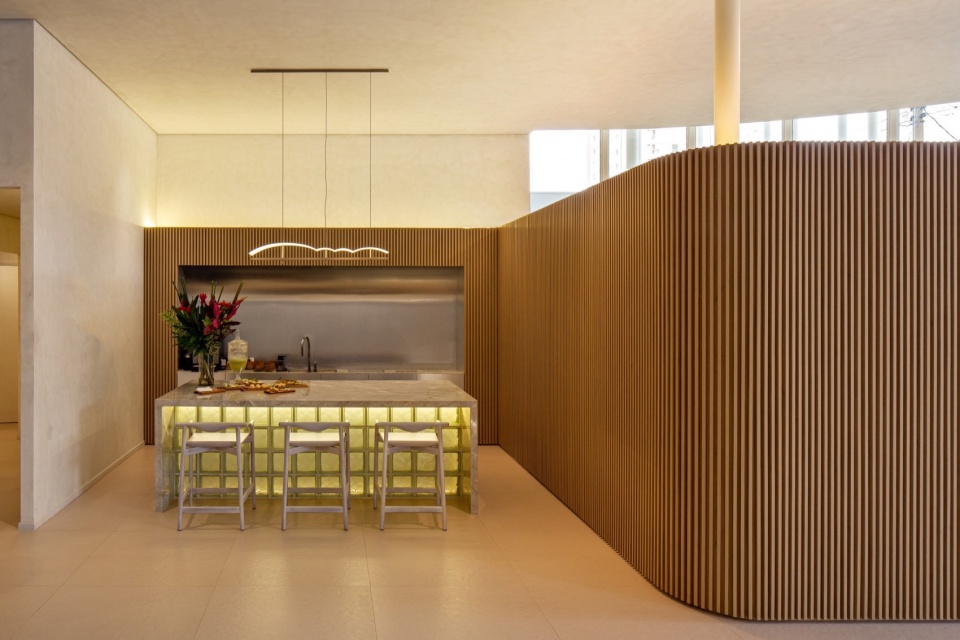
▼厨房餐厅,kitchen-dining area
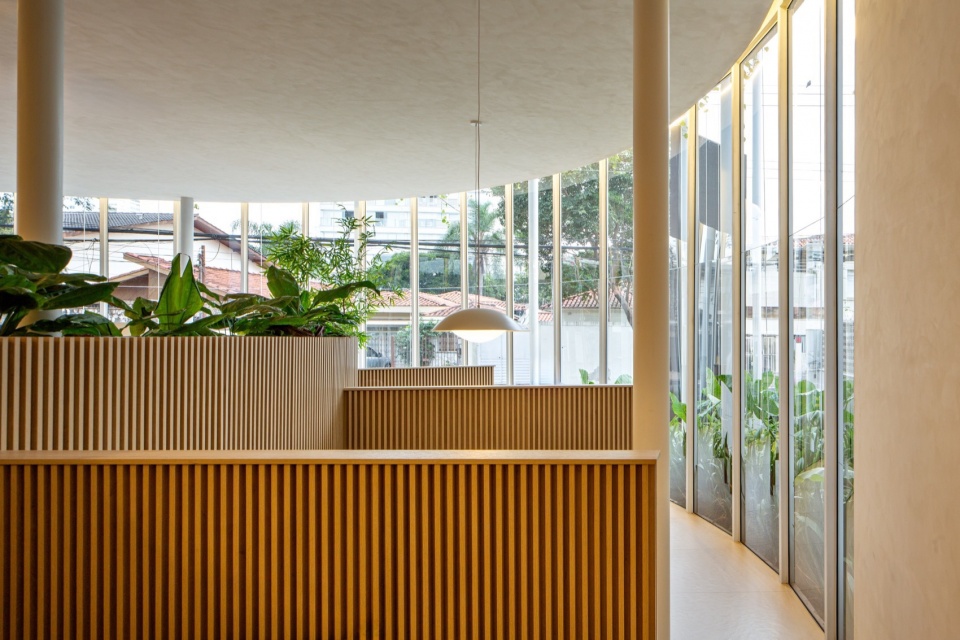
▼室内细部,interior details
功能与使用PROGRAM AND USE
尽管最初规划为商业用途,该建筑也具备举办文化轮展的能力,是一处复合型的城市基础设施。其架构模糊了公共与私人之间的界限,强调无等级的空间组织,为社区提供可达性良好的共享场所。TESS展亭作为一个城市激活器,具备承载艺术、商业与社交的多元潜力。
Although initially planned as a commercial space, the building was also designed to host rotating cultural exhibitions, functioning as a mixed-use urban infrastructure. The architecture proposes an accessible space for the community, articulating public and private functions without formal hierarchy. The pavilion acts as an activator of the urban space, with the potential to host art, commerce, and social interaction.
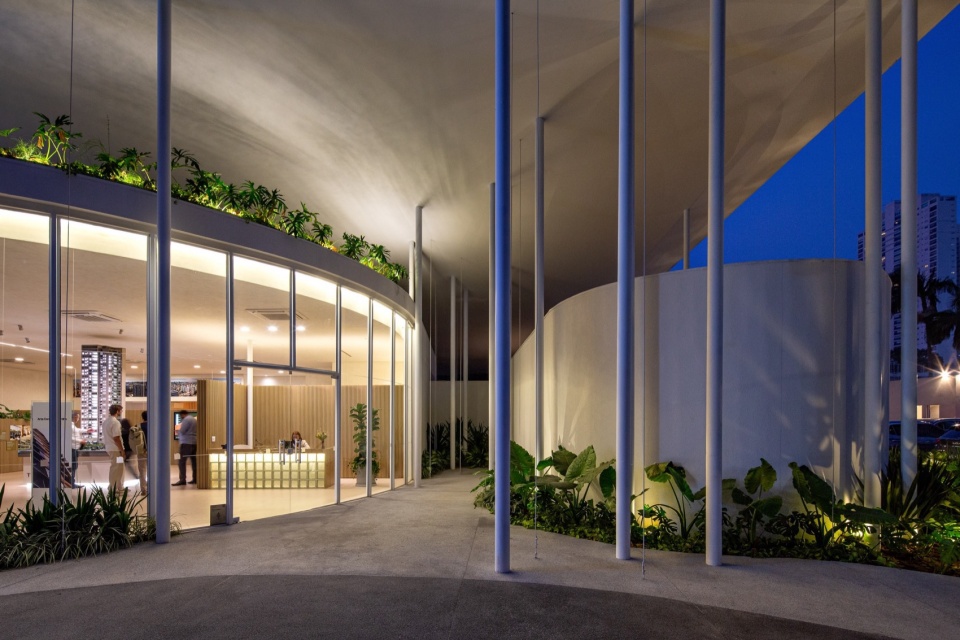
▼夜景,night view
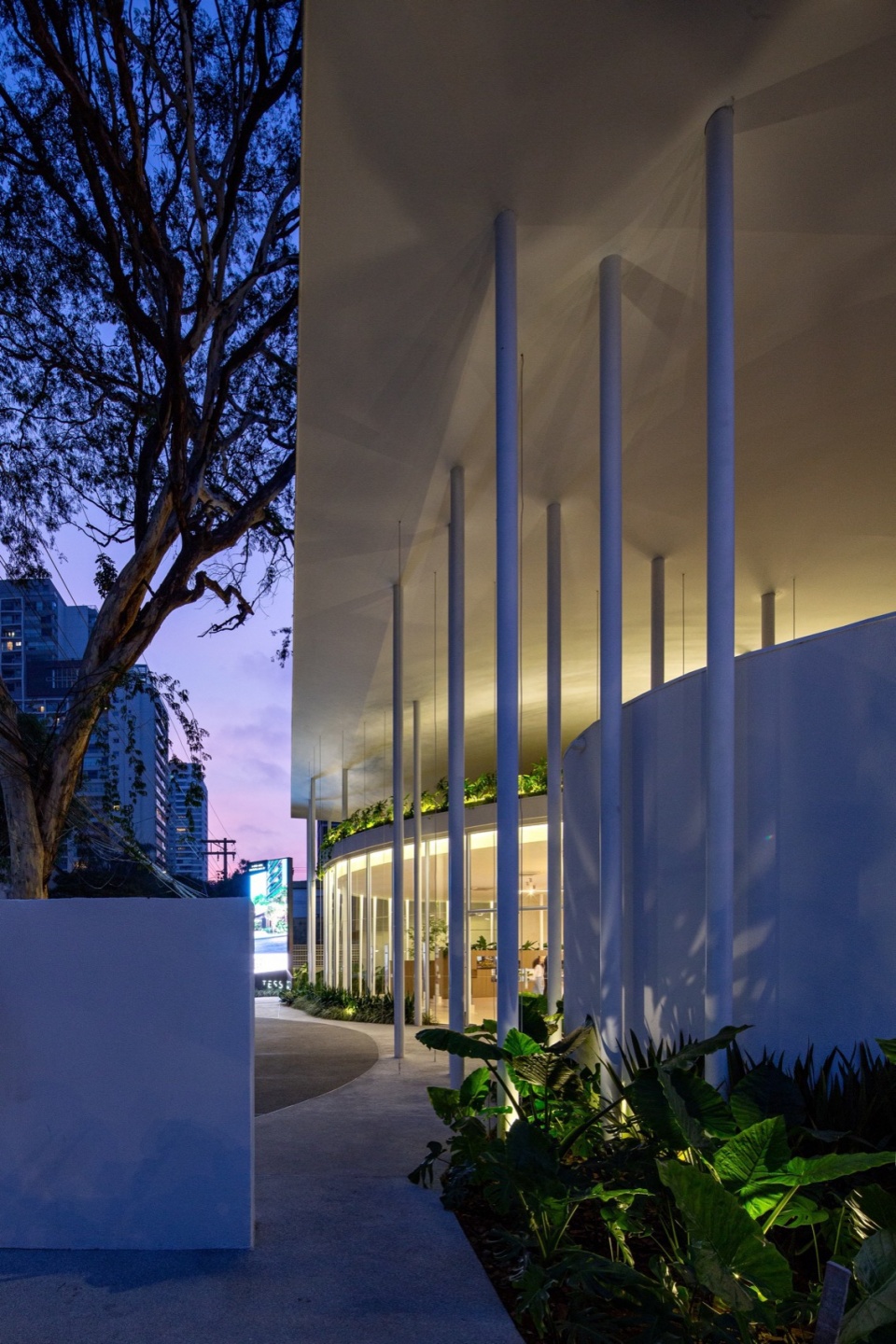
▼入口夜景,night view of the entrance
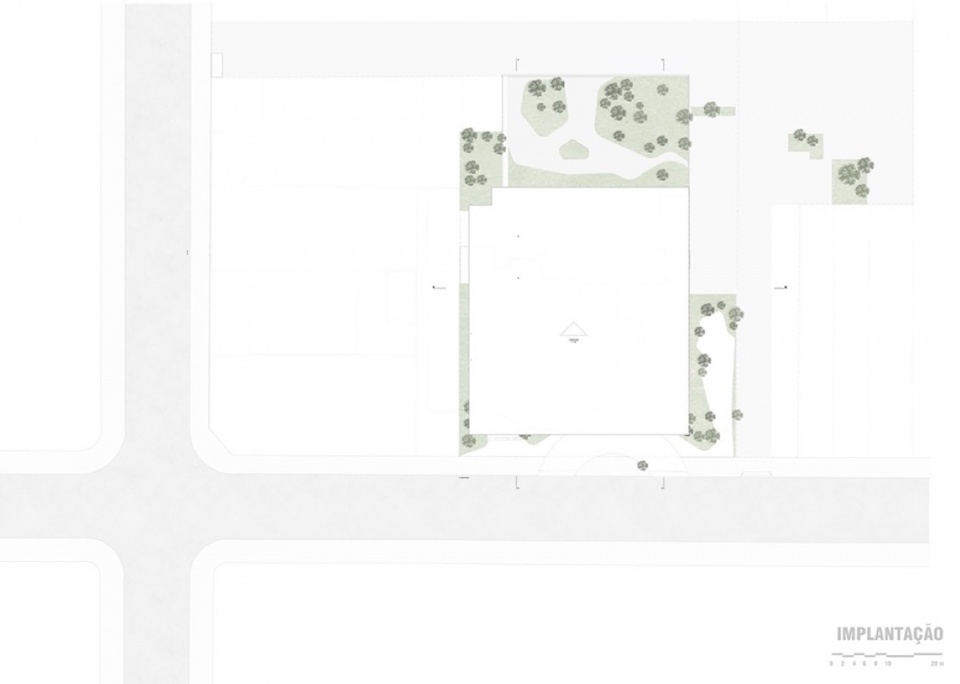
▼总平面图,master plan
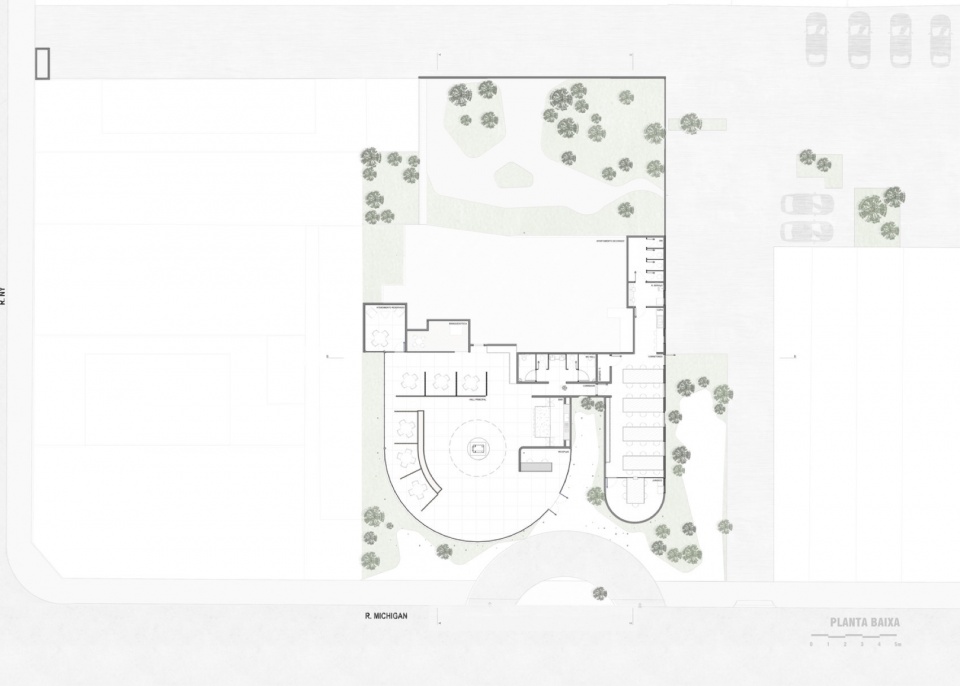
▼平面图,plan
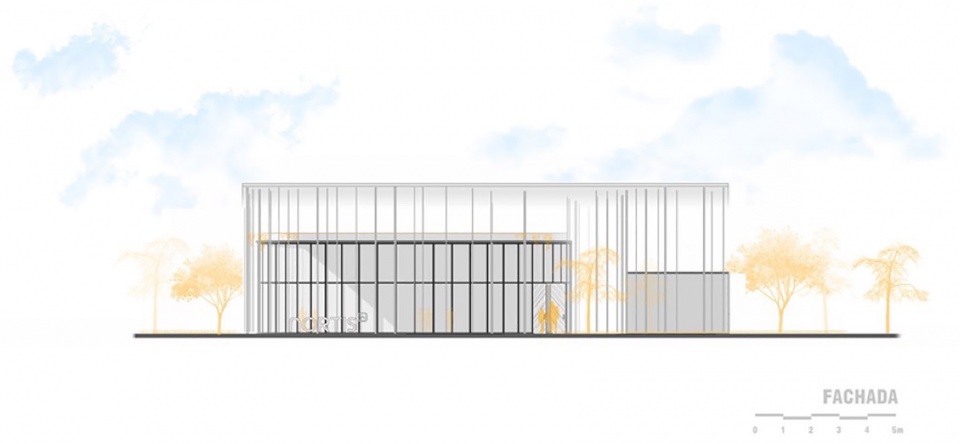
▼立面图,elevation
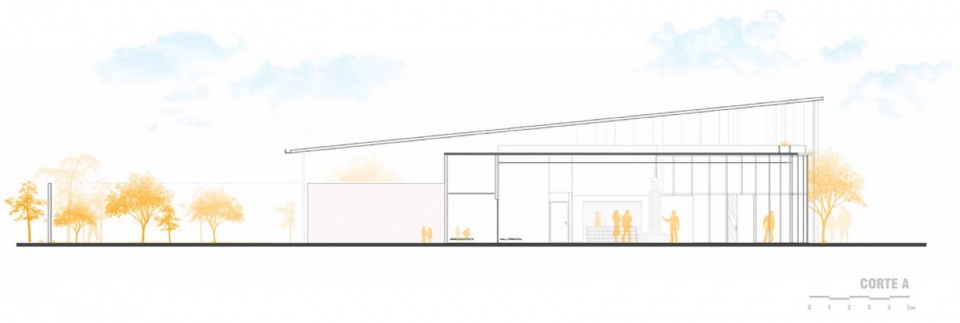
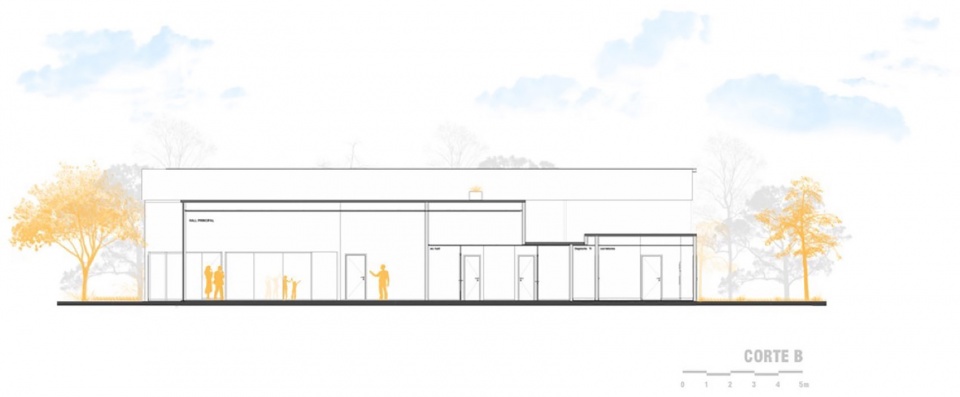
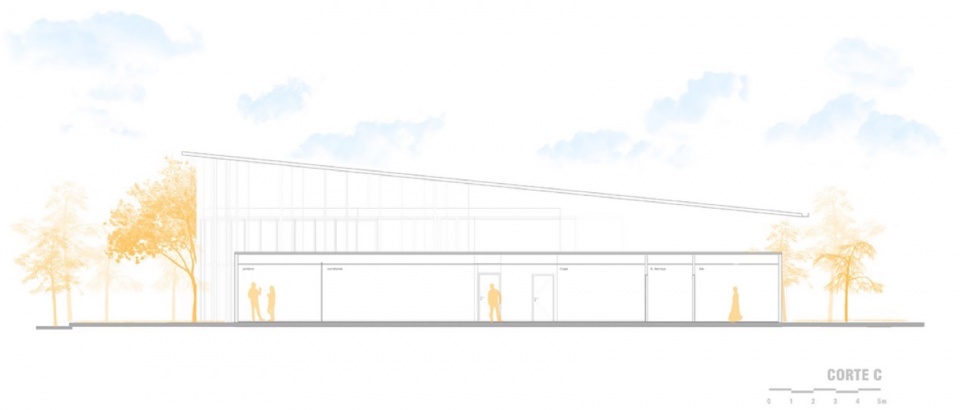
▼剖面图,section
Architects: Leonardo Zanatta
Colaborators: Anna Schmutzler
Davi Erbs
Henrique Azevedo
Lucas Carilli
Nathalia Whemuth
Client: Nortis Incorporadora
Completion: 2025
Built area: 350 m²
Location: Brooklin, São Paulo – SP
Use: Commercial and rotating cultural exhibitions