01
场地的挑战
Site challenges
记得初次踏勘,我们看到几乎一片空白的场地。新的开发区,新的工业园,千篇一律的新建厂房,找不到与城市,场所或是历史的一点联系。这可能也是在中国广大次达地区的建筑实践中常常面临的问题,一片虚无的现状切断了通往永恒的道路。于是,设计的挑战转化为:如何设计一个有内在生命力的独立世界,以抵抗虚无的边界。为此,我们需要重新向聚落和自然学习,这种思考方式在中国有着漫长的传统。
I remember the first survey, we saw almost a blank site. New development zones, new industrial parks and new factories are the same. There is no connection with the city, place or history. This may also be a problem often faced in the architectural practice in China's vast CIDA area. The current situation of nothingness cuts off the road to eternity. Therefore, the challenge of design is how to design an independent world with internal vitality to resist the boundary of nothingness. Therefore, we need to learn from settlements and nature again. This way of thinking has a long tradition in China.
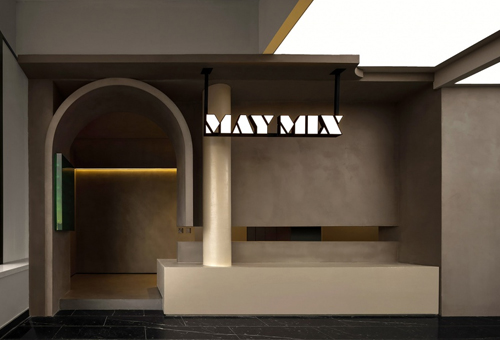
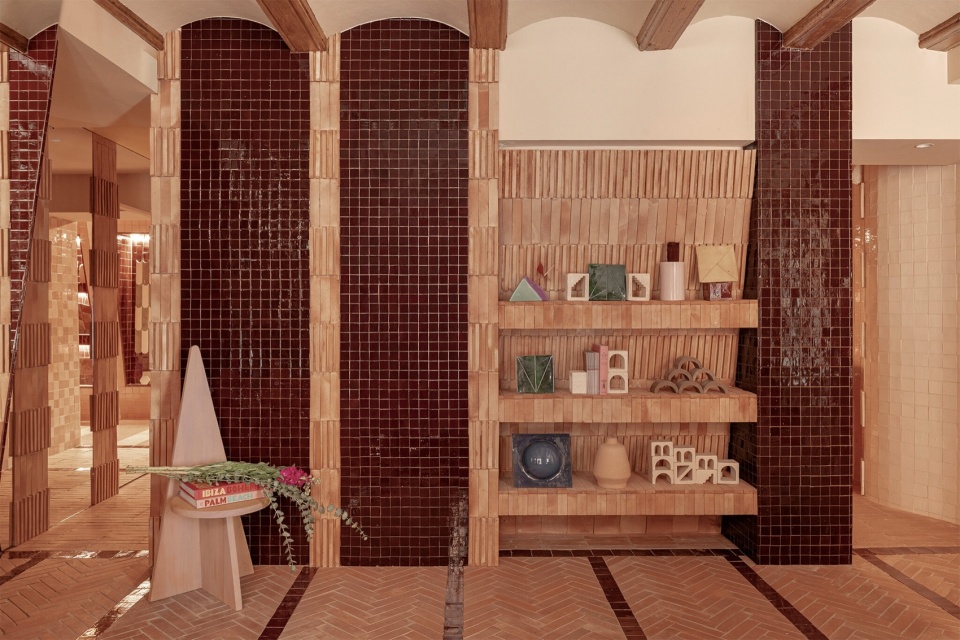
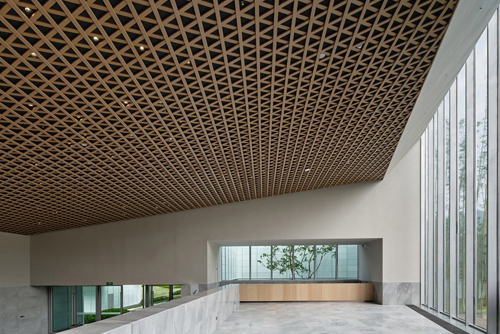
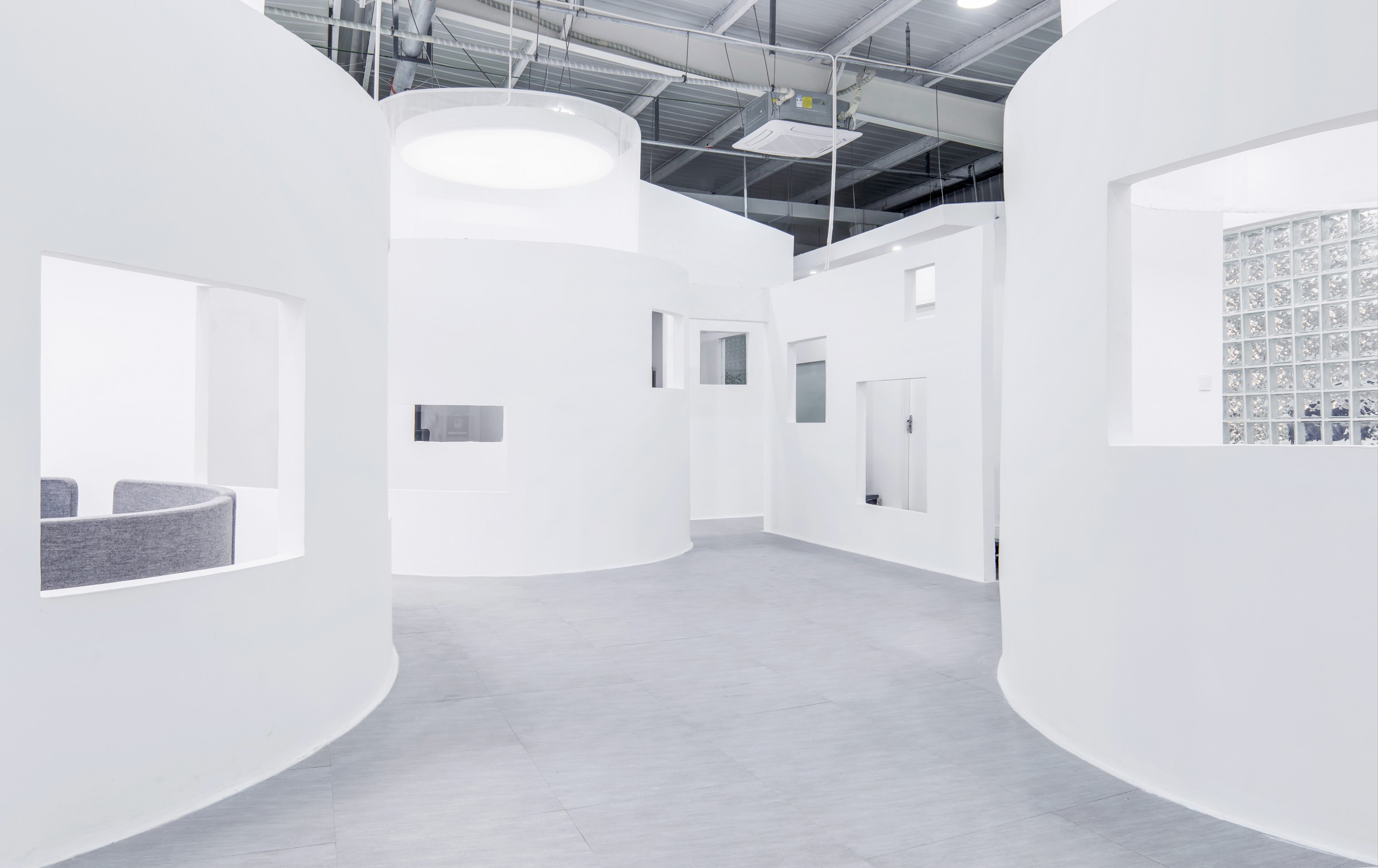
▼完工后的室内聚落,Indoor settlement after completion
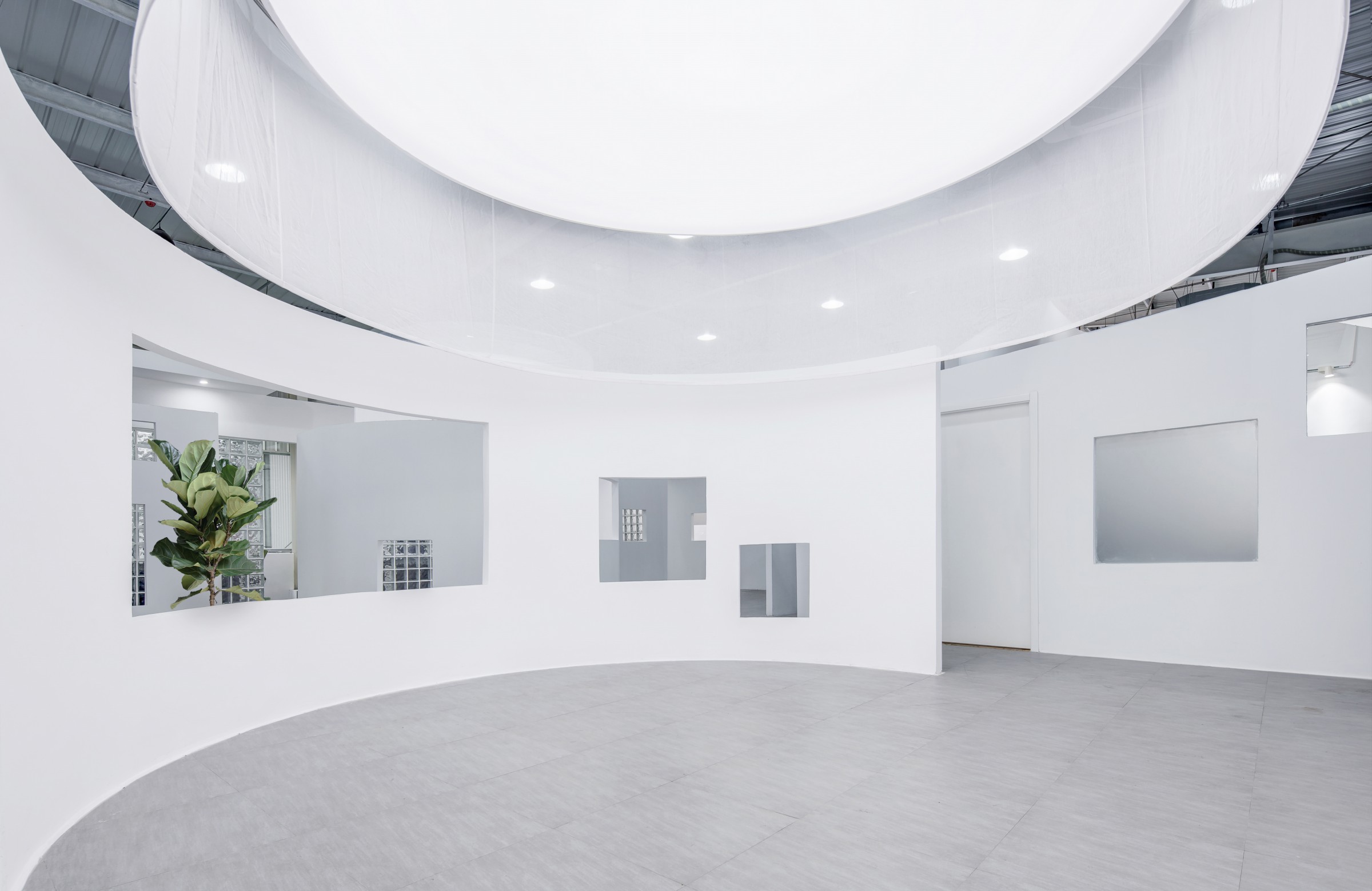
▼广场,未来的展厅,Square, future exhibition hall
02
聚落的格局
Settlement pattern
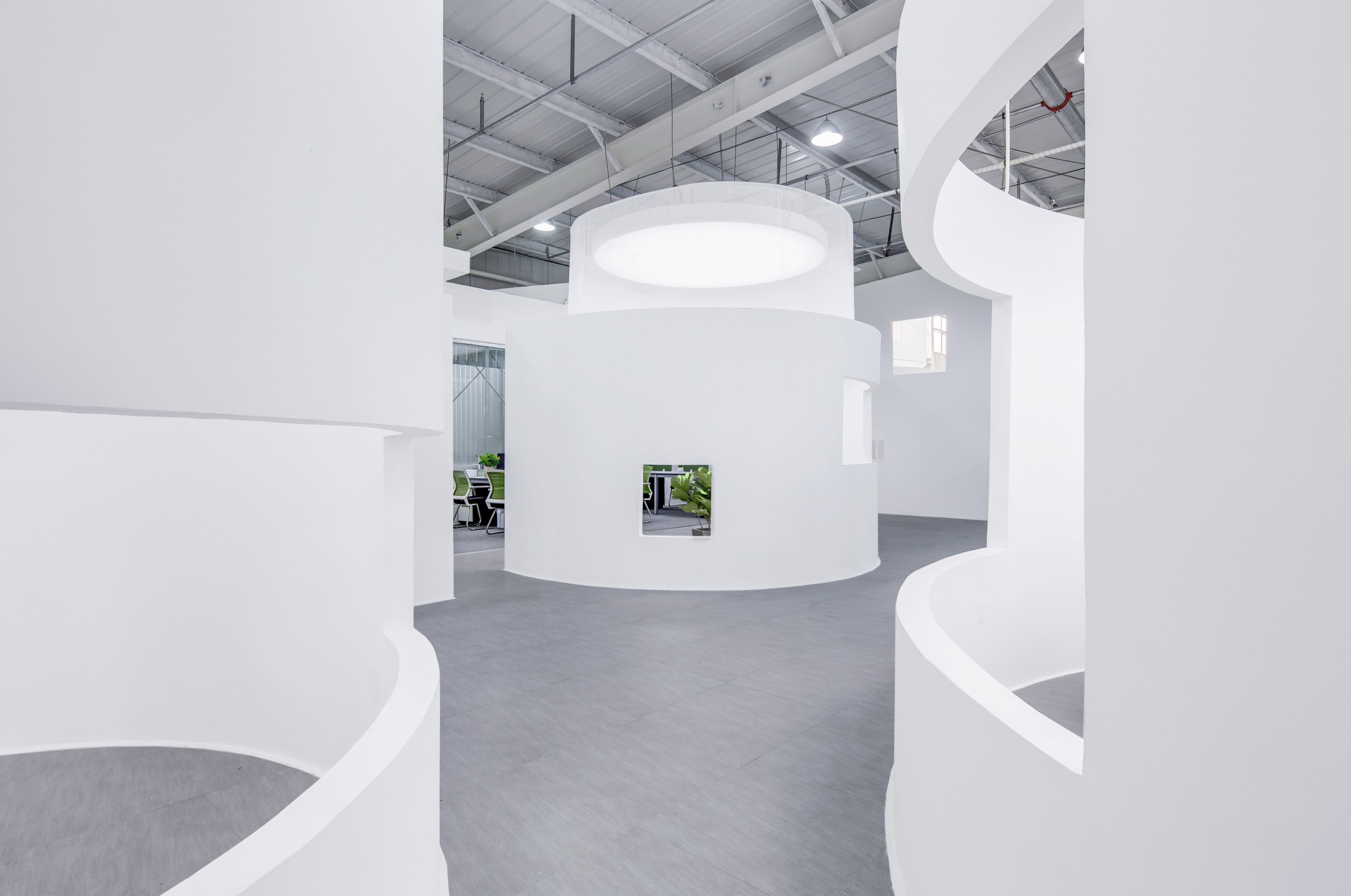
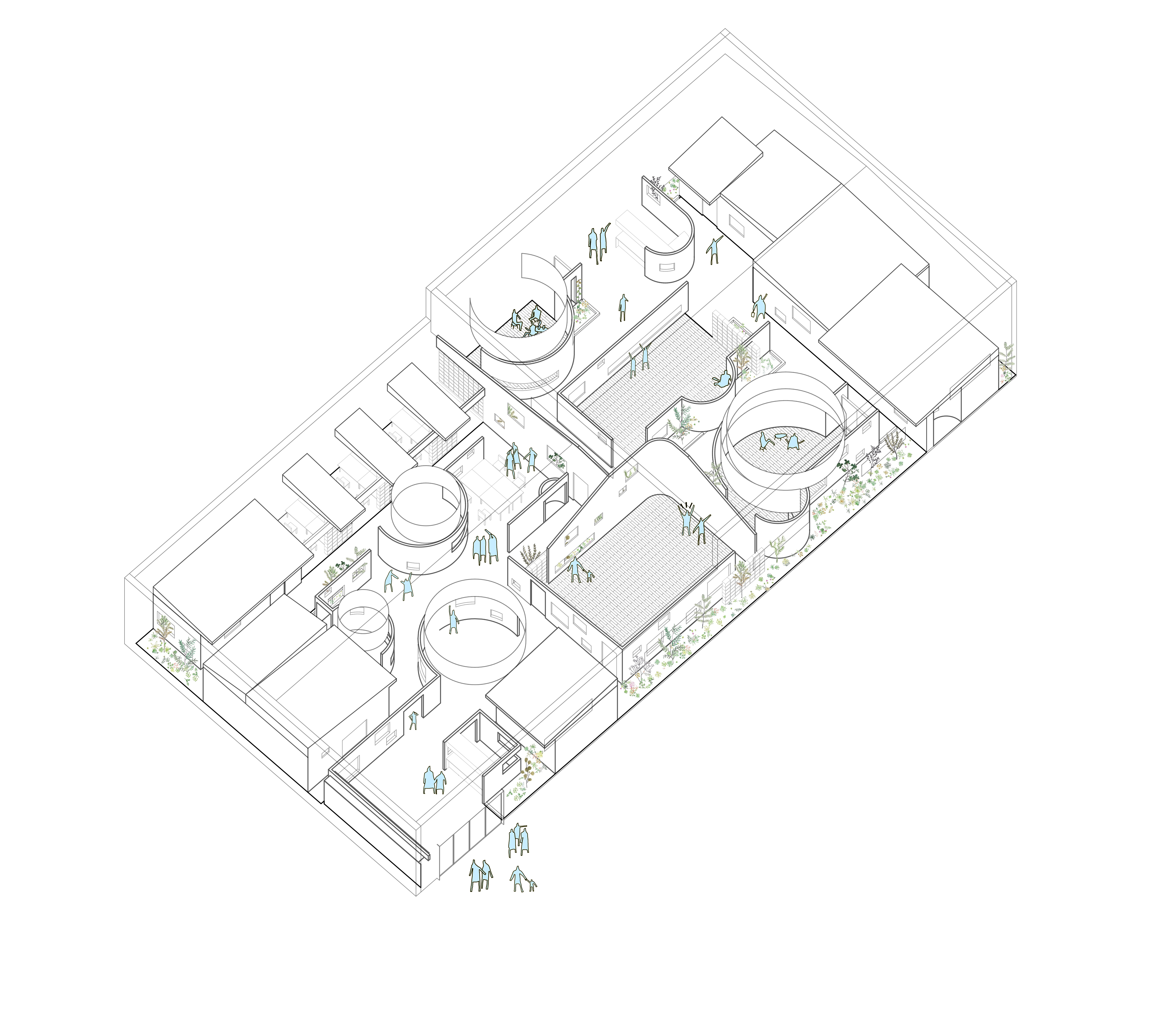
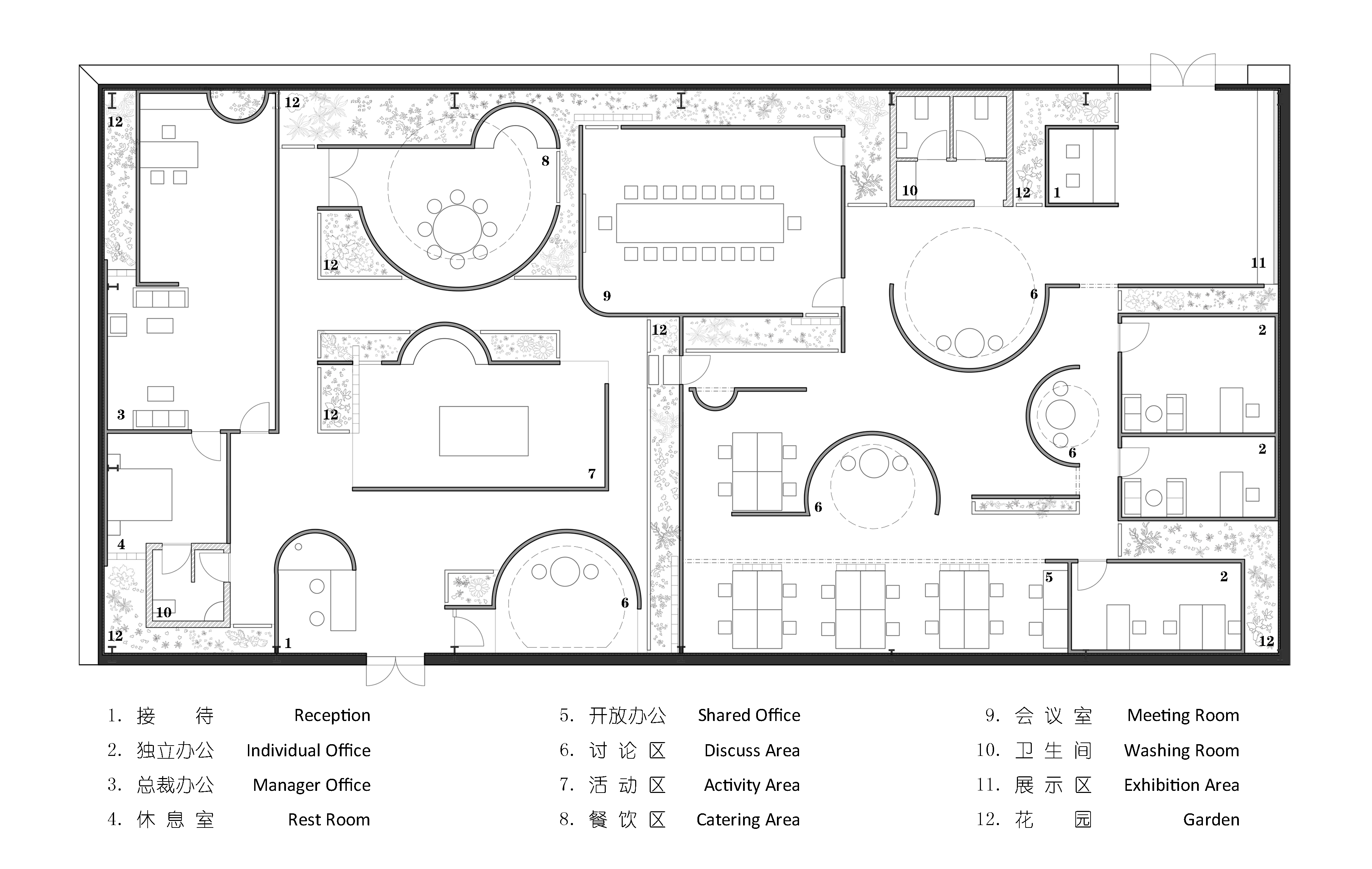
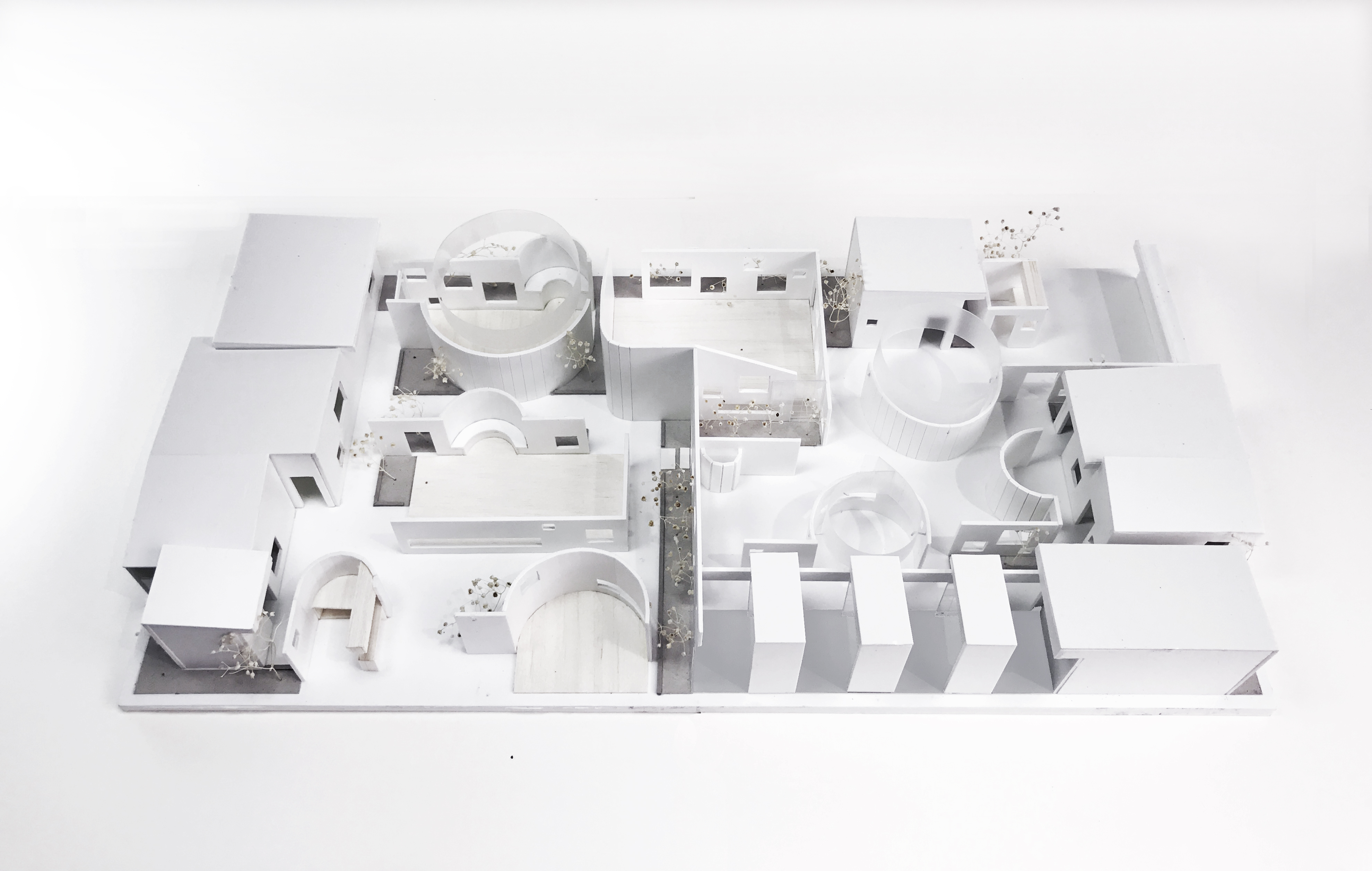
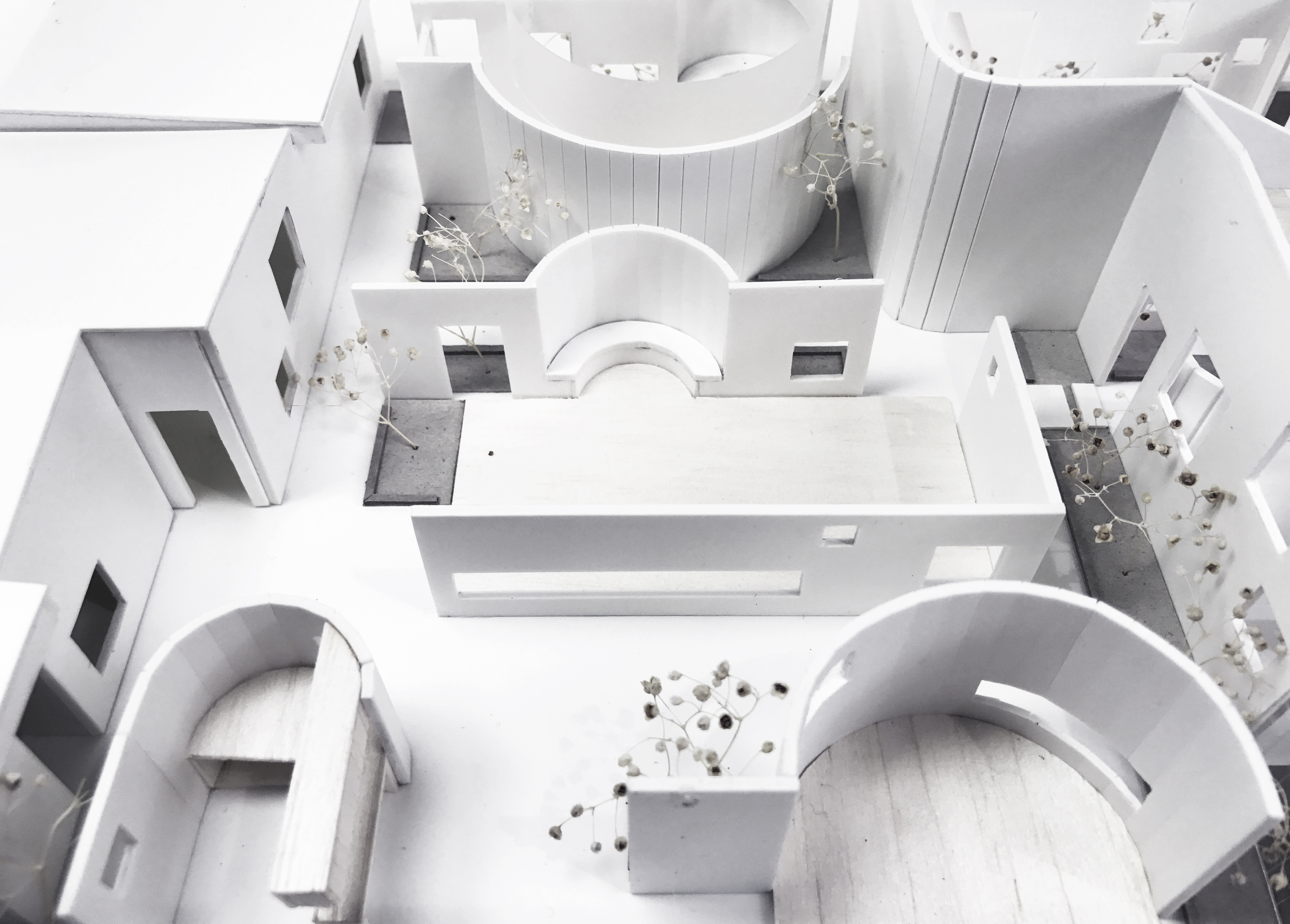
虽然处于物理环境定义下室内区域,我们仍将设计作为一个整体的建筑群进行考虑。这样的方式在开始就天然赋予了它一种城市密度的概念,一个内向空间的自治模式。它延续着我们持续关注的试验方向:在内部重新划分内与外的秩序,并以一种抽象的方式介入。功能被区分为私密和公共:私密指向那些功能明确的独立房间;公共代表那些没有定义的中性区域,它们被模糊的称为前厅,讨论,聚会,展示,休息……私密区域是完整围合的独立“房屋”,它们的独立性被不同方向的坡度顶在视觉上强化出来。公共区域则对空开敞,被墙体划分为尺度各异的“街道”,又放大为一个“广场”,或缩小成一处“巷弄“。以这样的方式,空间获得了一种可贵的城市属性:街道串联起公共节点,房屋沿线分布,绿地间隔其中。
Although the interior area is defined by the physical environment, we still consider the design as a whole building complex. This way naturally endows it with a concept of urban density and an autonomous model of inward space from the beginning. It continues the experimental direction we continue to pay attention to: re dividing the internal and external order internally, and intervening in an abstract way. Functions are divided into private and public: private points to independent rooms with clear functions; Public represents those undefined neutral areas, which are vaguely called lobby, discussion, gathering, display, rest... Private areas are completely enclosed independent "houses", and their independence is visually strengthened by the slope top in different directions. The public area is open to the air, which is divided into "streets" with different scales by the wall, enlarged into a "square" or reduced into a "lane". In this way, the space obtains a valuable urban attribute: the streets connect public nodes, the houses are distributed along the line, and the green space is separated among them.
借用一些城市术语描述空间并非为了字面的取巧,更多是对行为的判断:步入空间,眼前展现出弯曲的廊道,放大空间,角落,门洞和高塔错落有致,人们不可避免的相遇,聚合和冲突。共享和私密,有序或随机,目的与巧合,适当的密度赋予行为多义的可能。
The use of some urban terms to describe space is not for literal dexterity, but more for the judgment of behavior: stepping into the space, the front shows a curved corridor, magnifying the space, corners, door openings and tall towers are scattered, and people will inevitably meet, converge and conflict. Sharing and privacy, order or randomness, purpose and coincidence, and appropriate density make behavior polysemy possible.
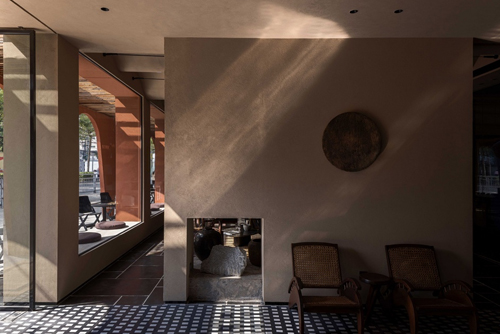
▼巷弄,街道的尺度,Lane, street scale
03
有趣的联想
Interesting associations
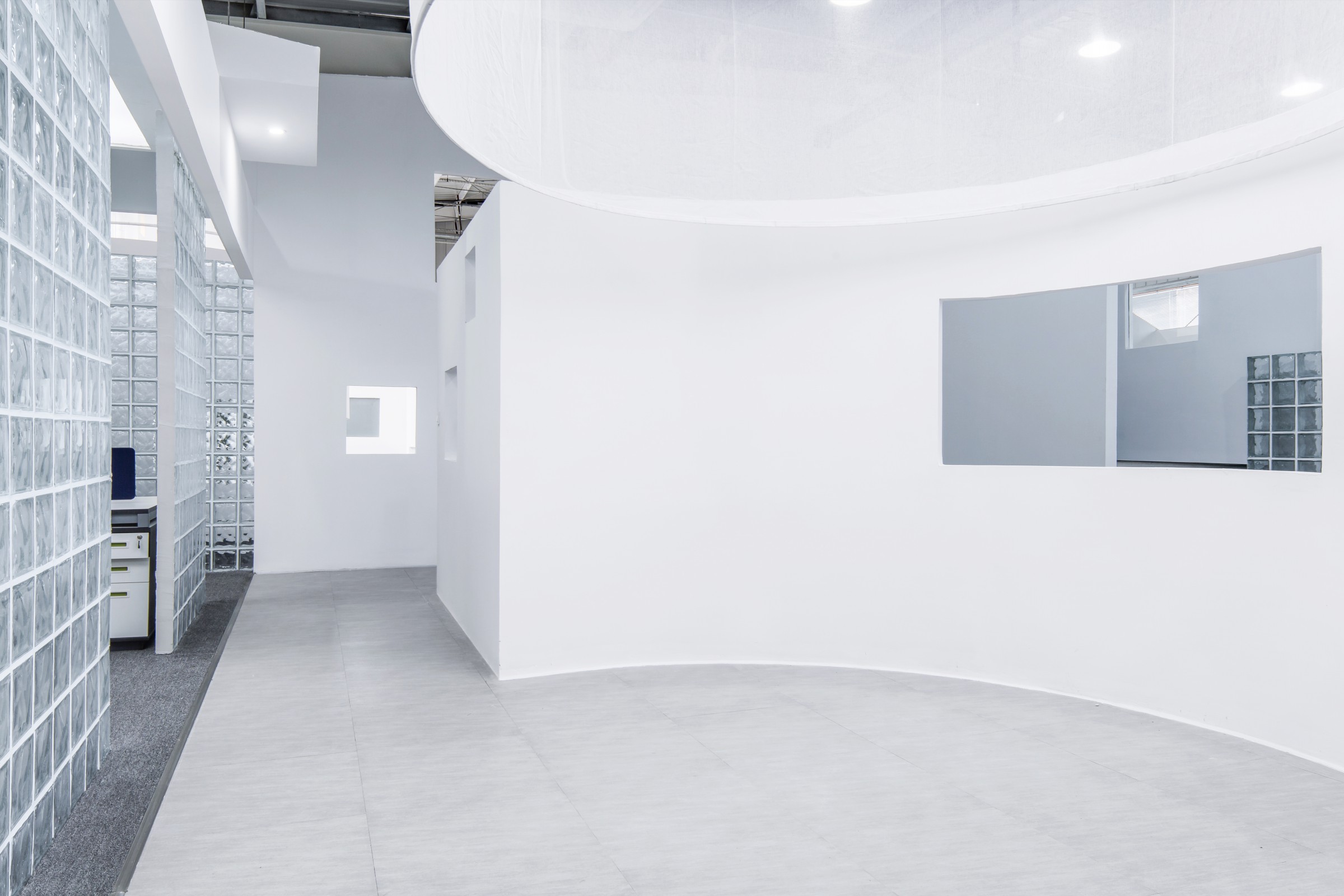
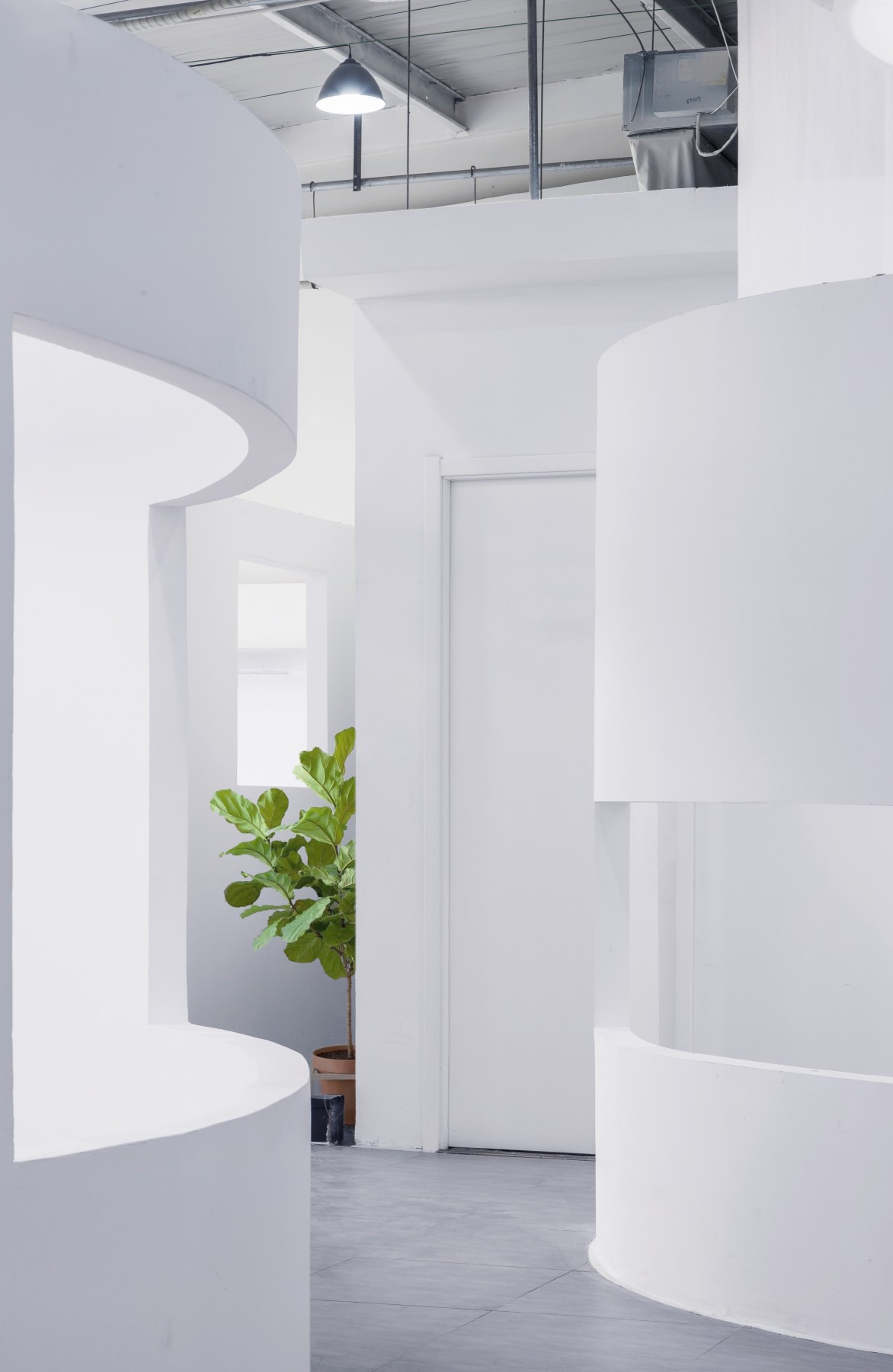
这里是一座城市,也是一片花园。新的隔断与外墙之间留出空隙,是办公室的后花园;笔直的绿化沿着片墙,消失在弧线的转折里;圆形的天花散发柔和的光,像是一个个天井。这些关于园林的联想在空间中不断出现,持续的提示着自然。
This is a city and a garden. The space between the new partition and the outer wall is the back garden of the office; The straight greening along the wall disappears in the turning point of the arc; The round ceiling emits soft light, like patios. These associations about gardens continue to appear in space, constantly reminding nature.
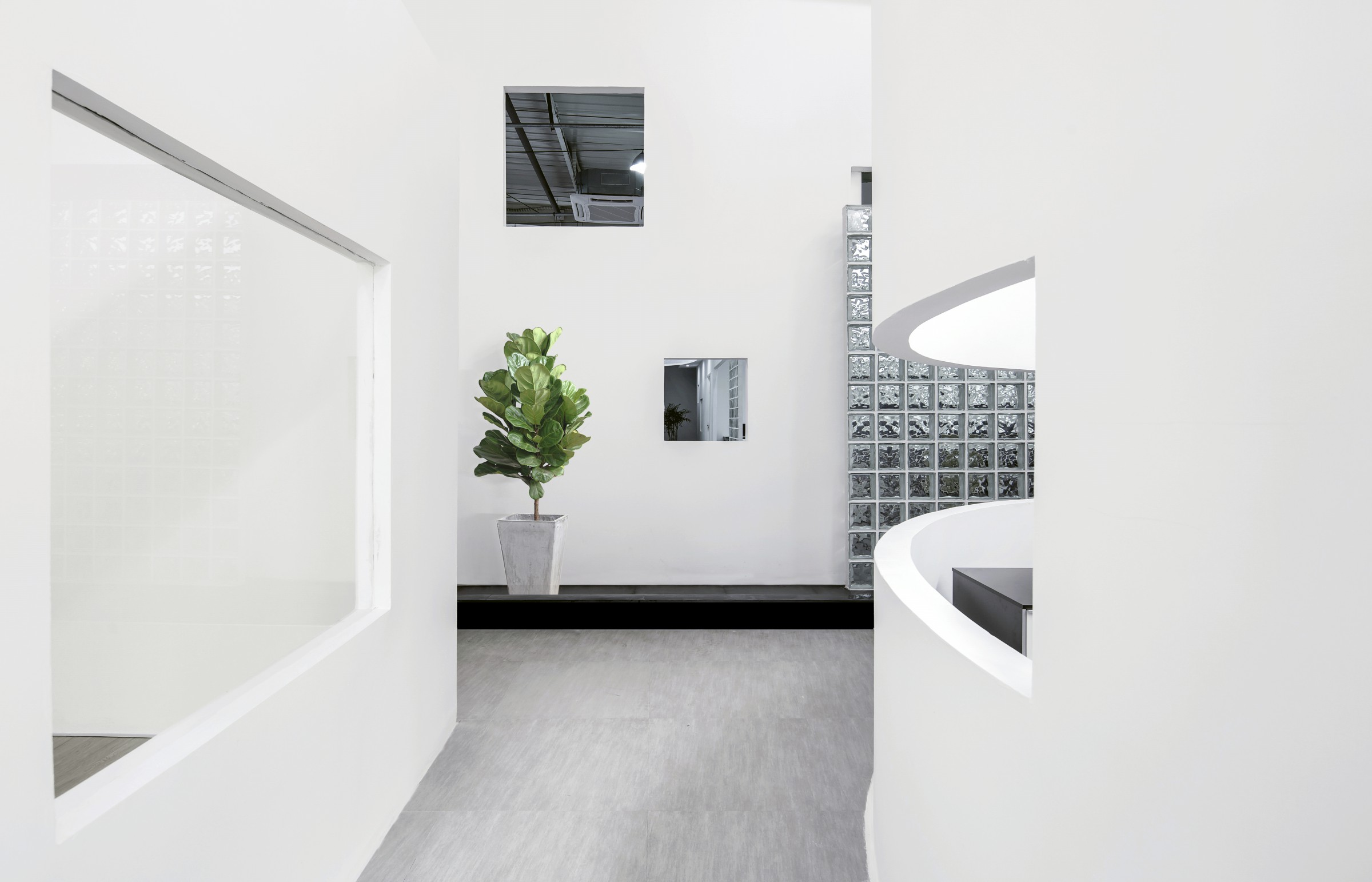
公共区的序列,连接起东北和西南方位的两个出入口,形成一个对角相接的格局。于是,每次身体的转向都对应一次空间的正观。随机分布的洞口,将空间的透明性无保留的呈现于每一次看的动作中。
The sequence of public areas connects the two entrances and exits in the northeast and southwest, forming a diagonal pattern. Therefore, every turn of the body corresponds to a positive view of space. The randomly distributed openings present the transparency of the space unreservedly in every viewing action.
以设计的意图,留白的区域应是室内的景园,布置上盆栽植物,一眼望去,由近及远,层层叠叠。这个想法最终没能实现,业主零散的摆上了几盆琴叶榕,疏疏朗朗,偶尔冒头,也别有意趣。
For the purpose of design, the blank area should be the indoor landscape garden, with potted plants arranged. At a glance, it is stacked from near to far. This idea failed to come true in the end. The owner put a few pots of banyan leaves scattered, sparse and Langlang, and occasionally appeared, which was also interesting
我们最后一次来到场地,它还没有投入使用。那些曲曲绕绕的街道中,那些眼眼相望的景窗里会发生些美好的故事吗?这可能就是一座梦中的花园吧。
The last time we came to the site, it hasn't been put into use. Will there be some beautiful stories in the winding streets and the sight windows facing each other? This may be a dream garden.
▼街巷连接的公共节点,Public nodes connected by streets and alleys
▼后花园,Back garden
▼相遇的可能,The possibility of meeting
▼天井、光井,Patio and light well
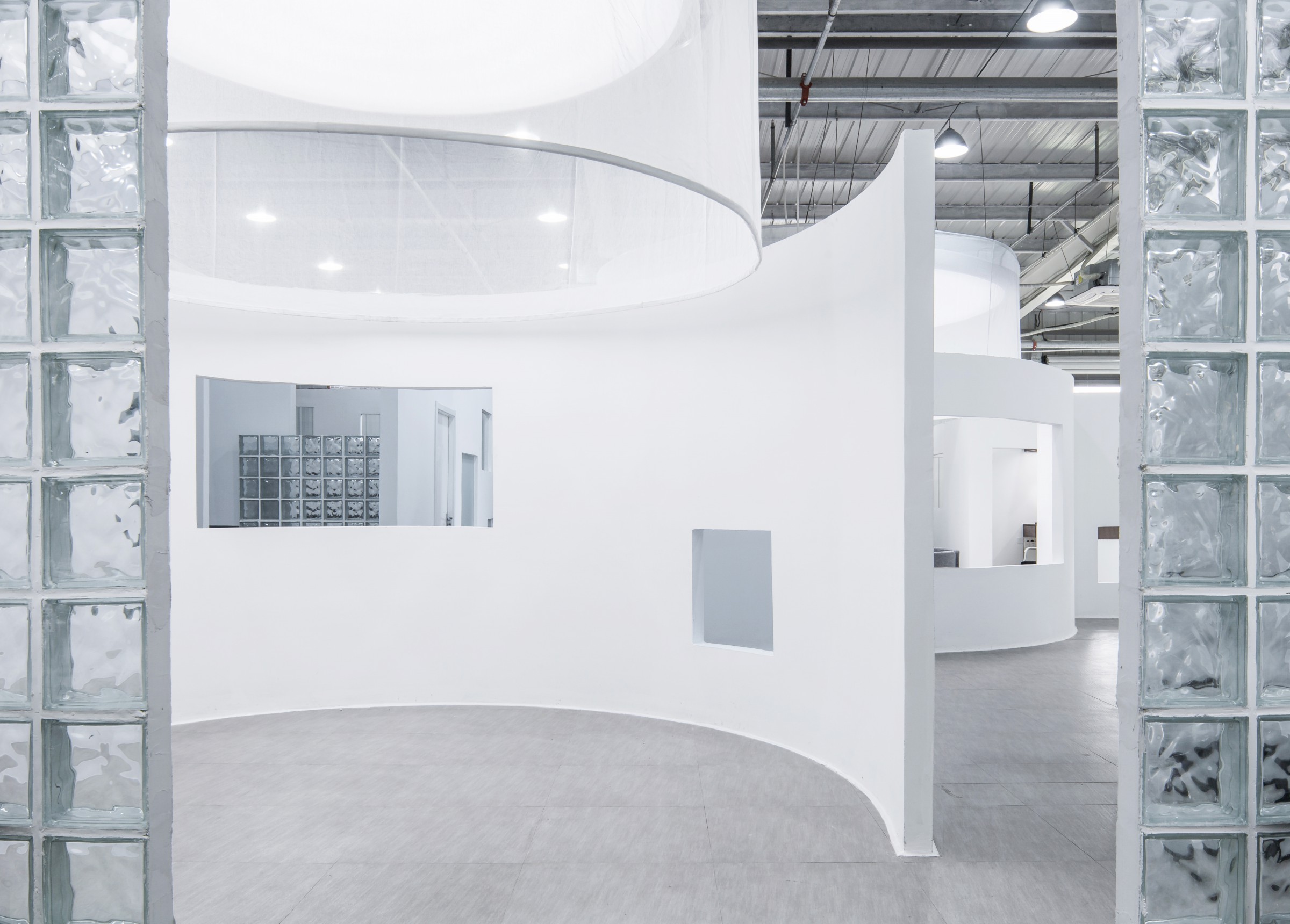
▼半遮半掩,Half cover up
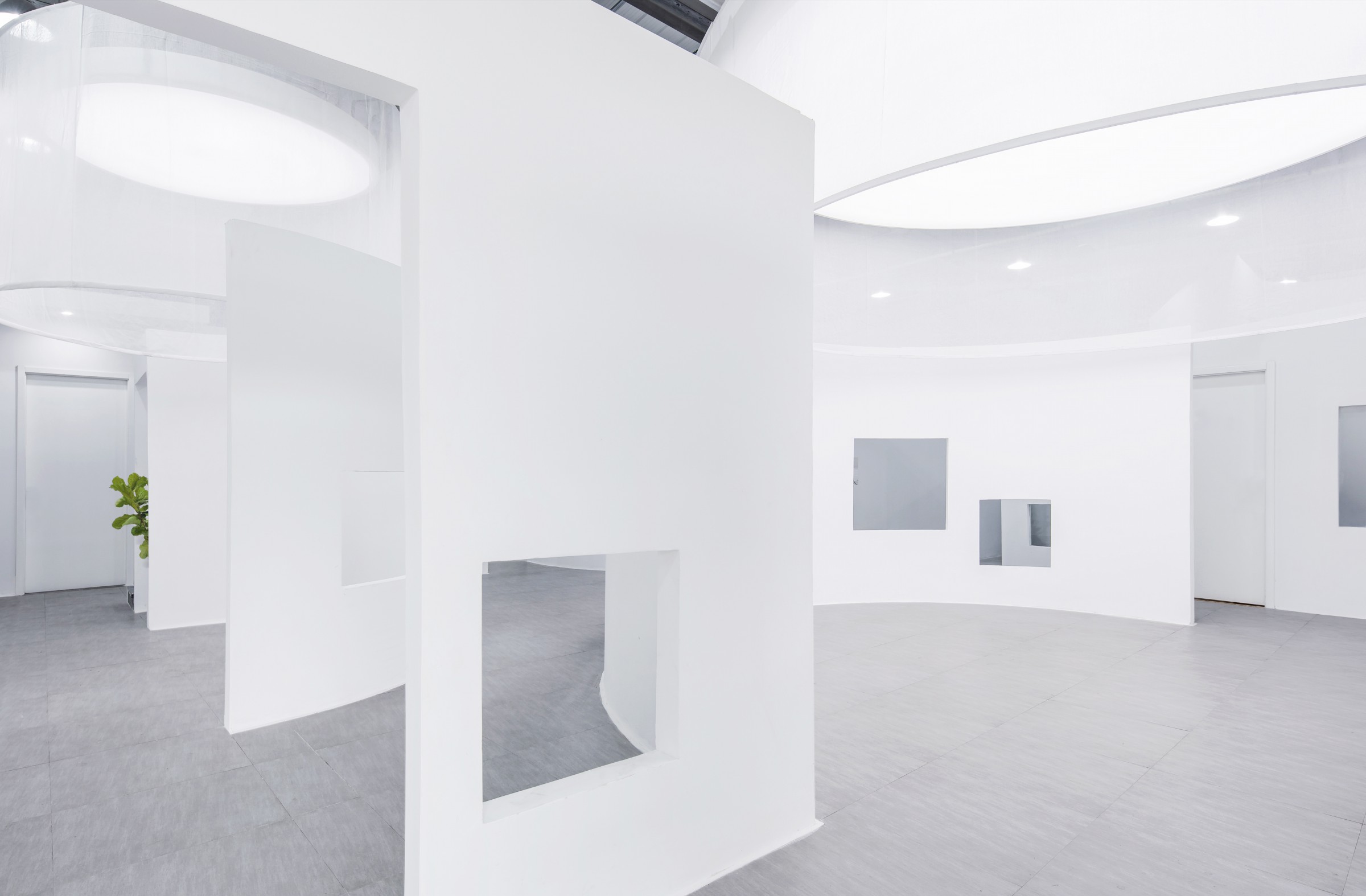
▼透明性,Transparency
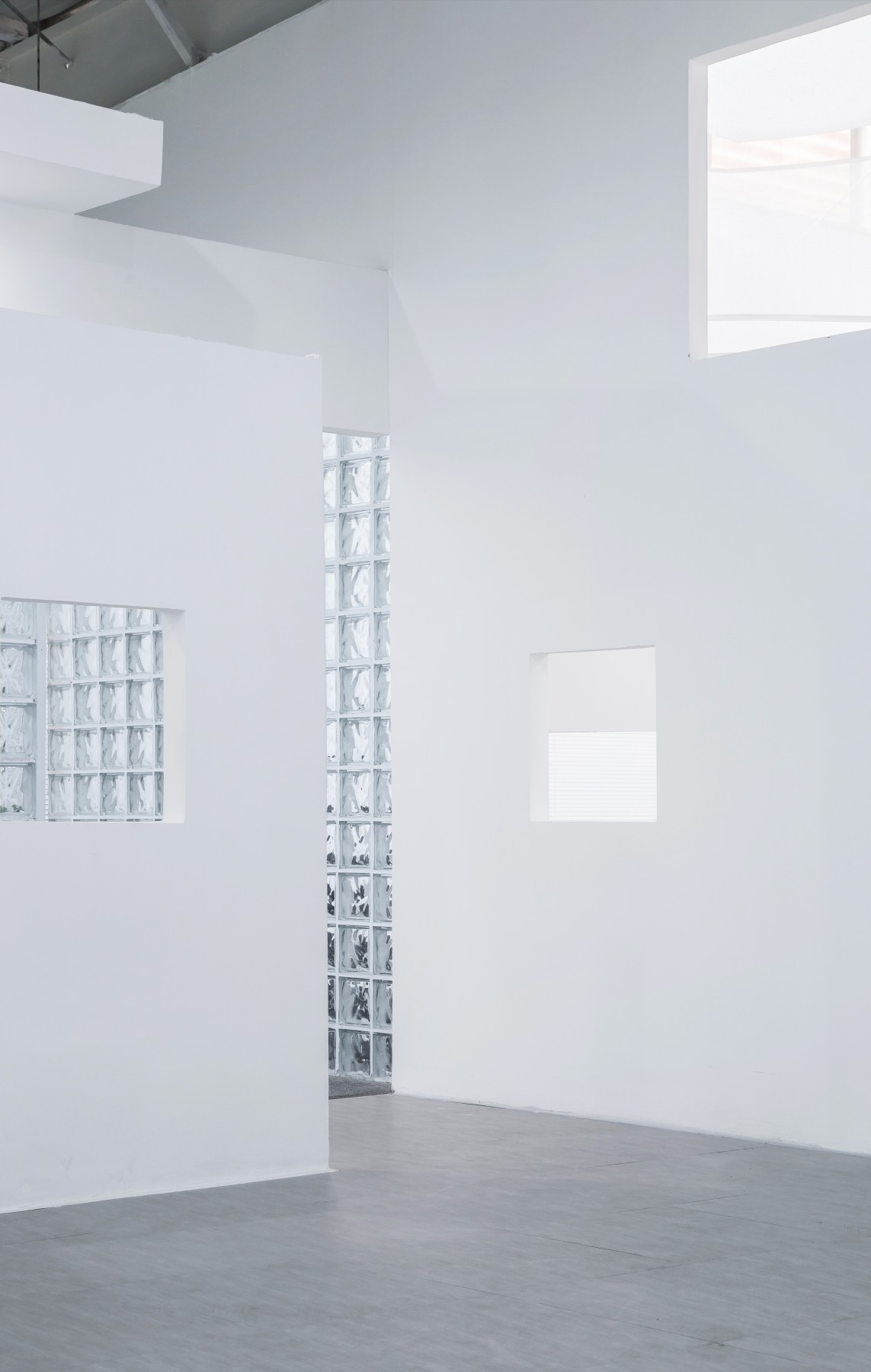
▼几何分析,Geometric analysis
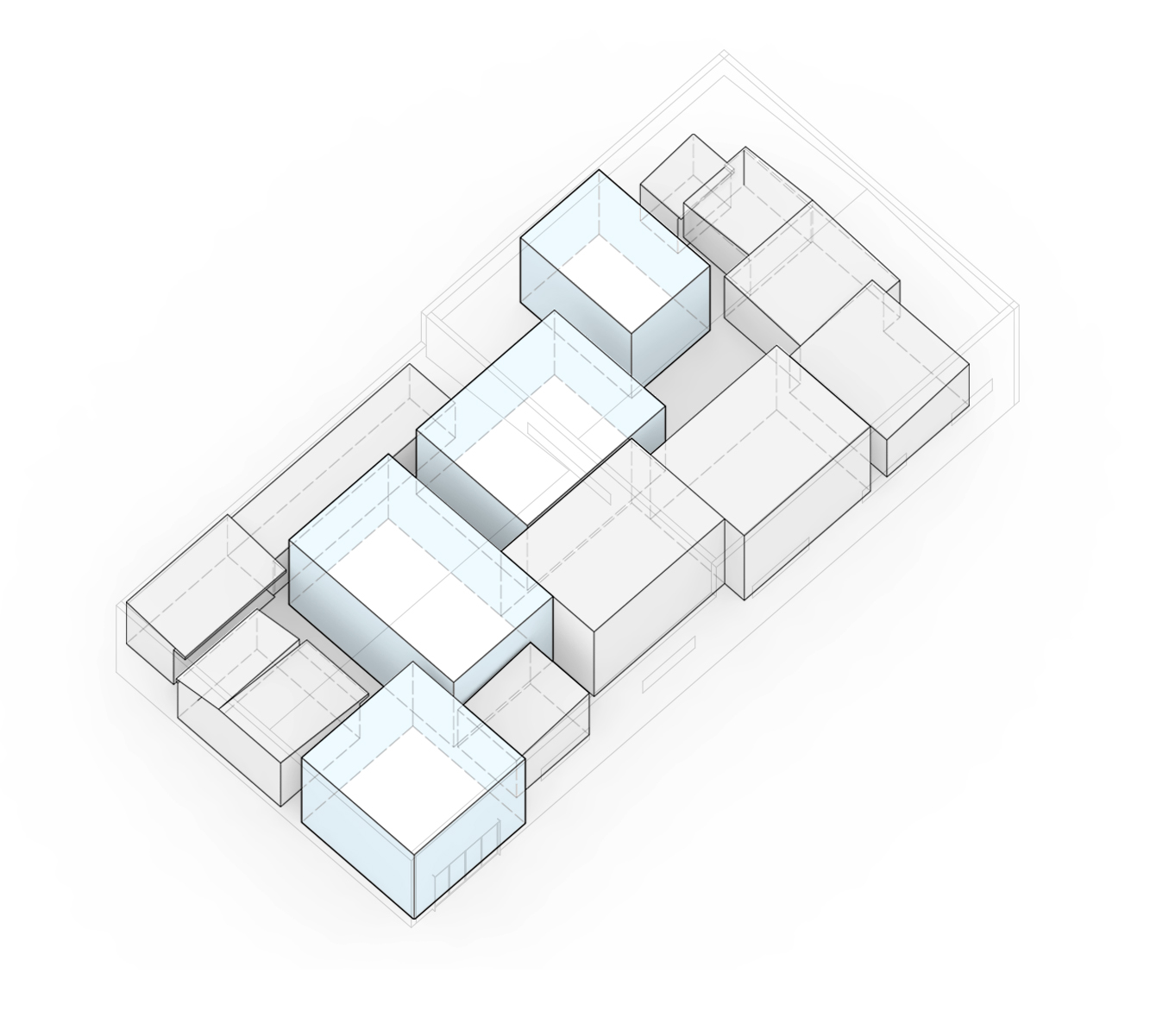
▼分析图,Analysis diagram
▼平面图,Plan
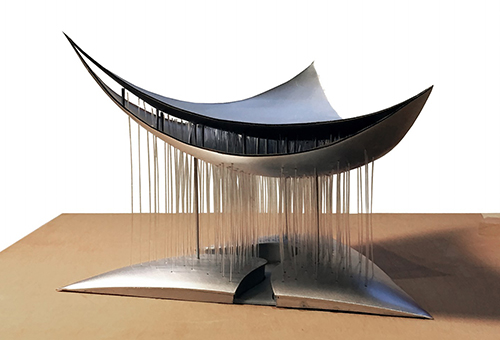
▼模型鸟瞰,Aerial view of model
▼模型局部,Model local
项目信息
项目名称:梦中的花园
设计团队:李智,Ray,夏慕蓉,鲍艳婷
文章分类:室内设计-办公会议
设计公司:Mur Mur Lab
项目地址:上海
项目规模:约300 m²
项目年份:2017,秋
摄影版权:Arttteeezy
Project information
Project Name: Dream Garden
Design team: Li Zhi, ray, Xia Murong, Bao Yanting
Article classification: Interior Design - office meeting
Design company: Mur Mur Lab
Project address: Shanghai
Project scale: about 300 m²
Project year: Autumn 2017
Photography Copyright: Arttteeezy