DUCHESSE住宅社区,比利时 / NOTAN OFFICE
微型城市 MICROCITY
项目位于布鲁塞尔一处高密度城区,毗邻运河区域,这里历史上为工业地带。基地前方的广场是一个活跃的城市节点,电车、市集、学校、教堂以及各类公共活动在此交汇。
The project is built in a dense area of Brussels, near the canal, a historically industrial area. The square facing the plot is an active urban pocket where trams, markets, school, church and public activities meet.
▼项目周围环境,surroundings of the project
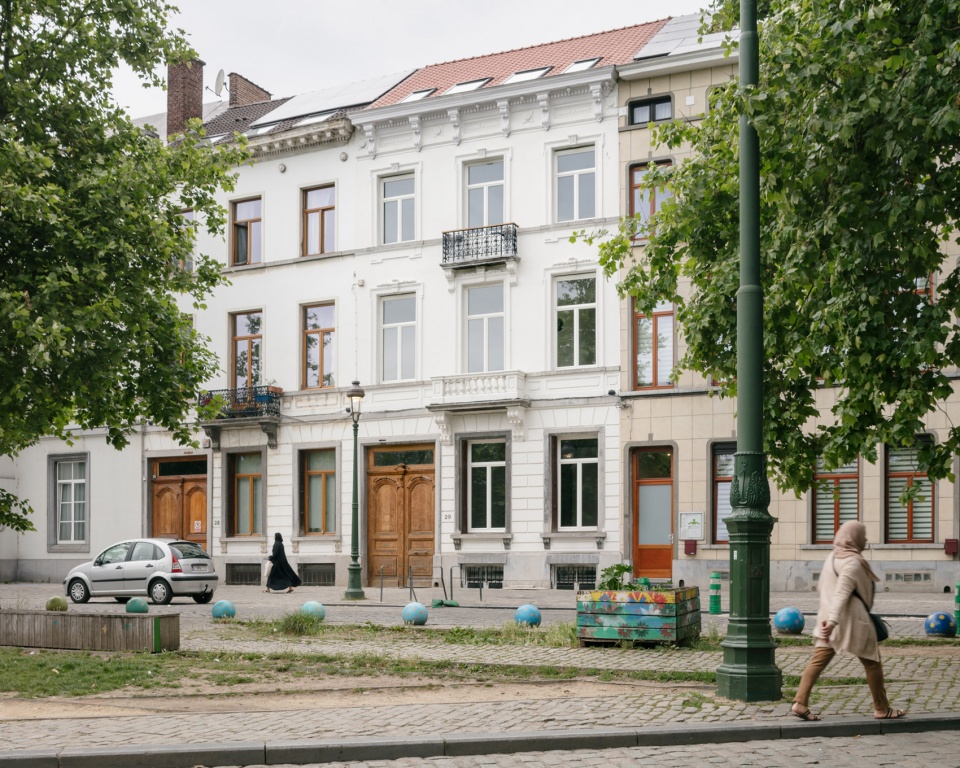
这种“混合性”同样体现在项目地块本身。临广场一侧是一栋建于19世纪末的传统城市住宅,其后隐藏着两座共享庭院的纵深工业厂房。在这一高度饱和的环境中,项目通过在既有体量内部“挖掘”的方式,构建出一个由三个多向朝向体量组成的居住集合体,并共享一个宽敞的中央花园。
This mixity was also very present on the given plot. On the square an old town house from the late 1800s hides two long industrial halls sharing a courtyard. In this saturated context and by “digging” inside the built mass of the plot, a housing ensemble is created with 3 multi-oriented volumes sharing a generous common garden.
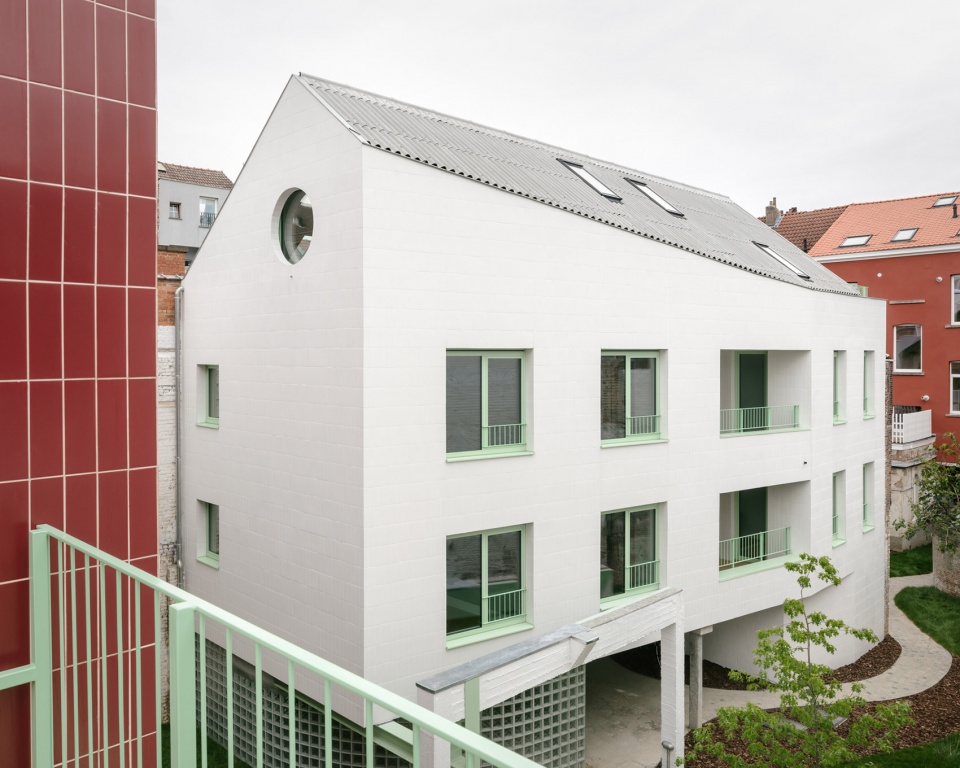
▼由三个多向朝向体量组成的居住集合体,a housing ensemble is created with 3 multi-oriented volumes
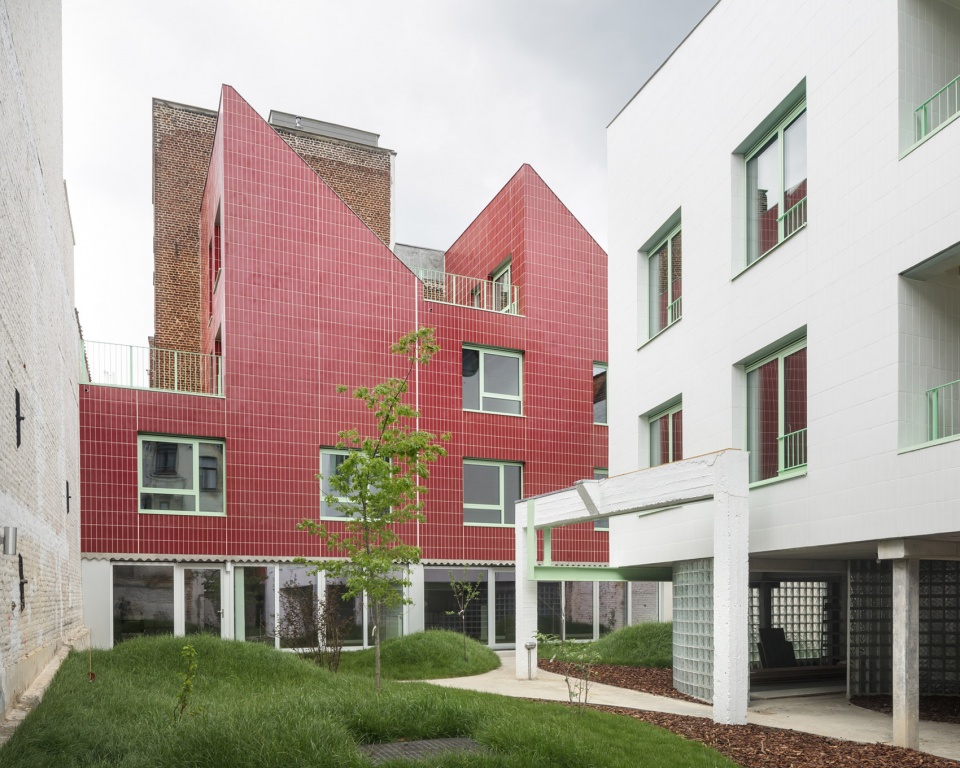
▼住宅围合成的中央花园,
The central garden enclosed by the residential buildings
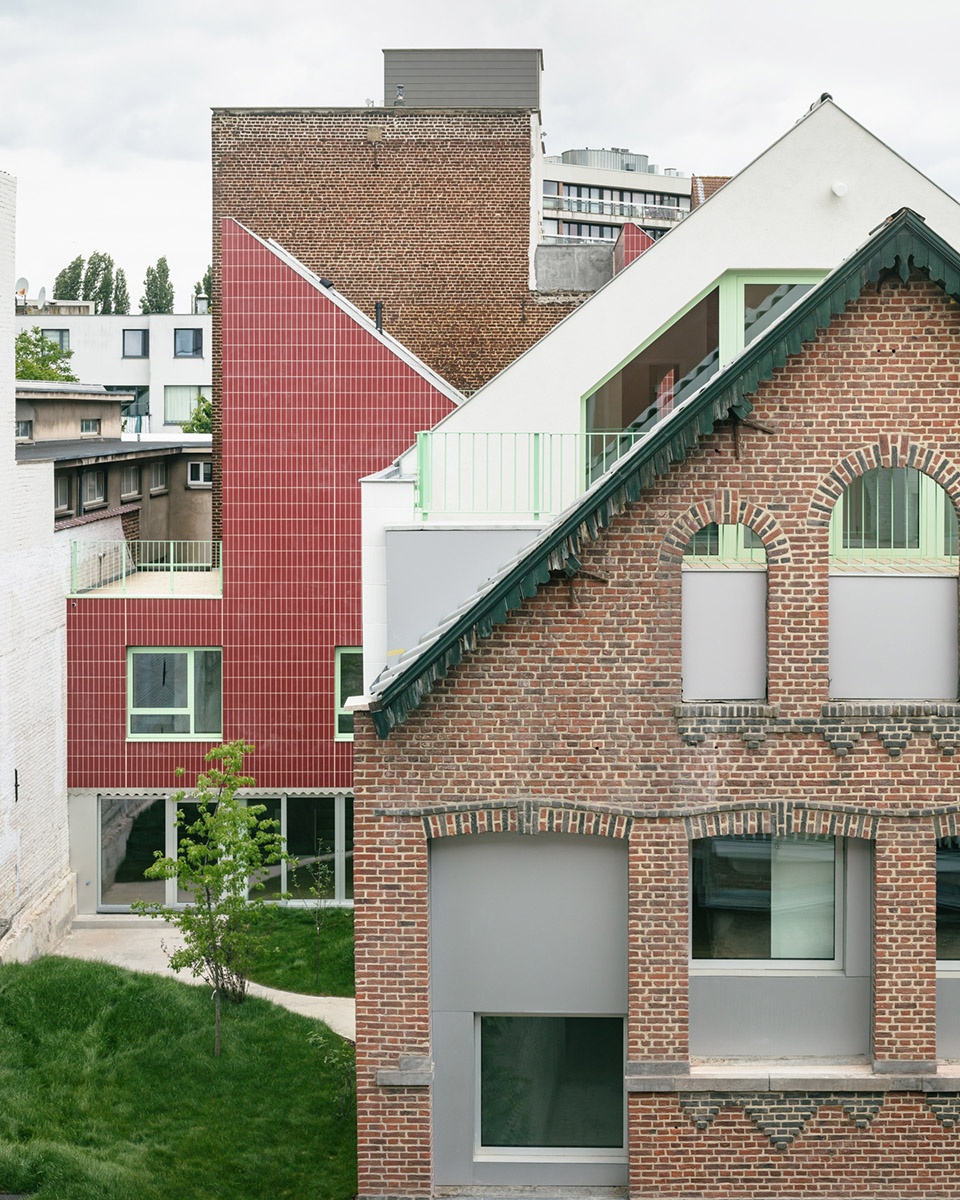
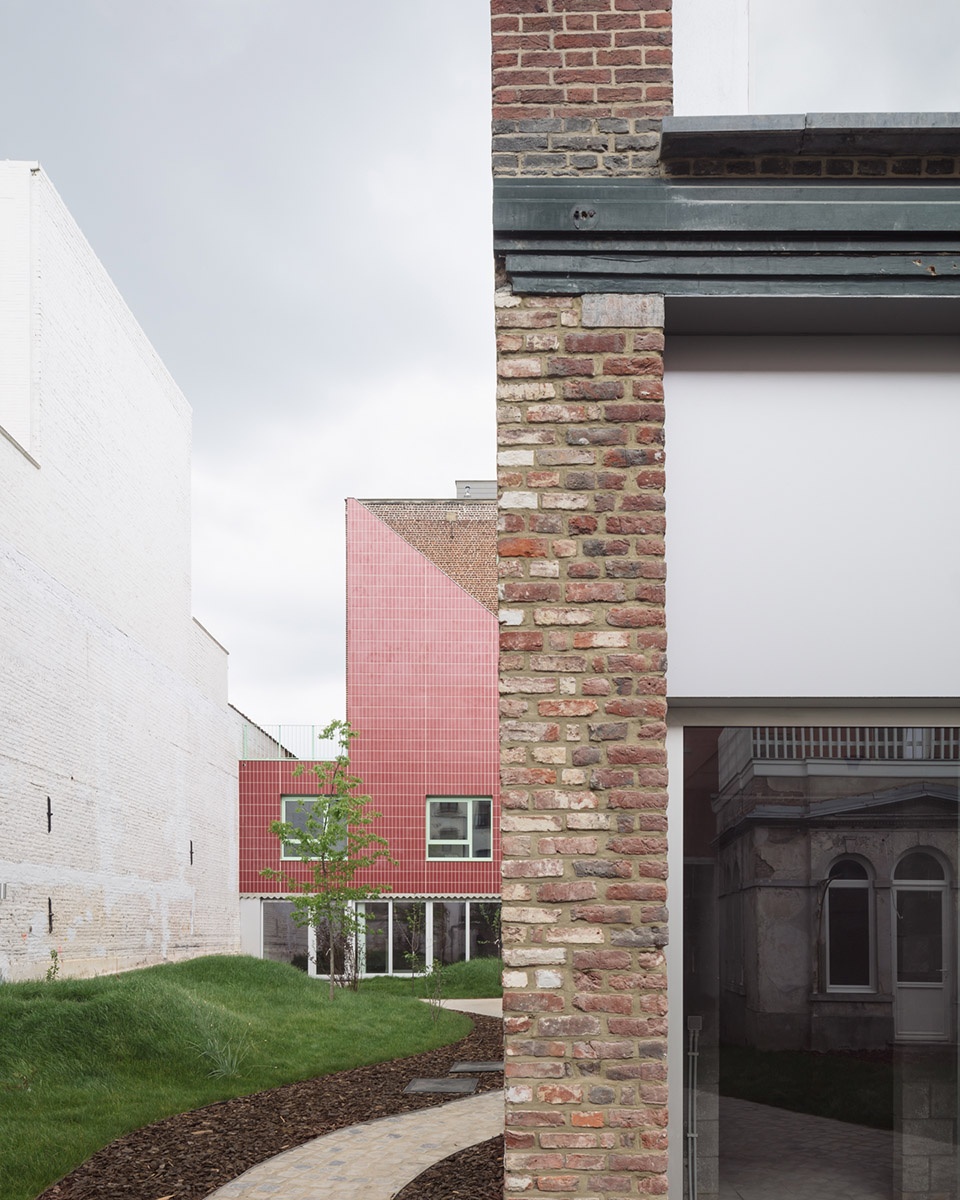
项目呈现为一个在绿色空间中不断叠加的体量与尺度的聚合体:典型的布鲁塞尔联排住宅、类似古罗马遗迹般的扩建部分、砖砌工业立面、弧形台阶、保留的历史构件以及新的瓷砖体量,共同构成一个层叠的空间系统。每个单元均拥有面向中央花园的私属室外空间。从公共广场进入,当主入口开启,公共—半公共—私密空间之间实现了柔和过渡,建筑之间的流动关系仿佛漫步于一座小型村落,一座“微型城市”。
▼轴测图,axonometric
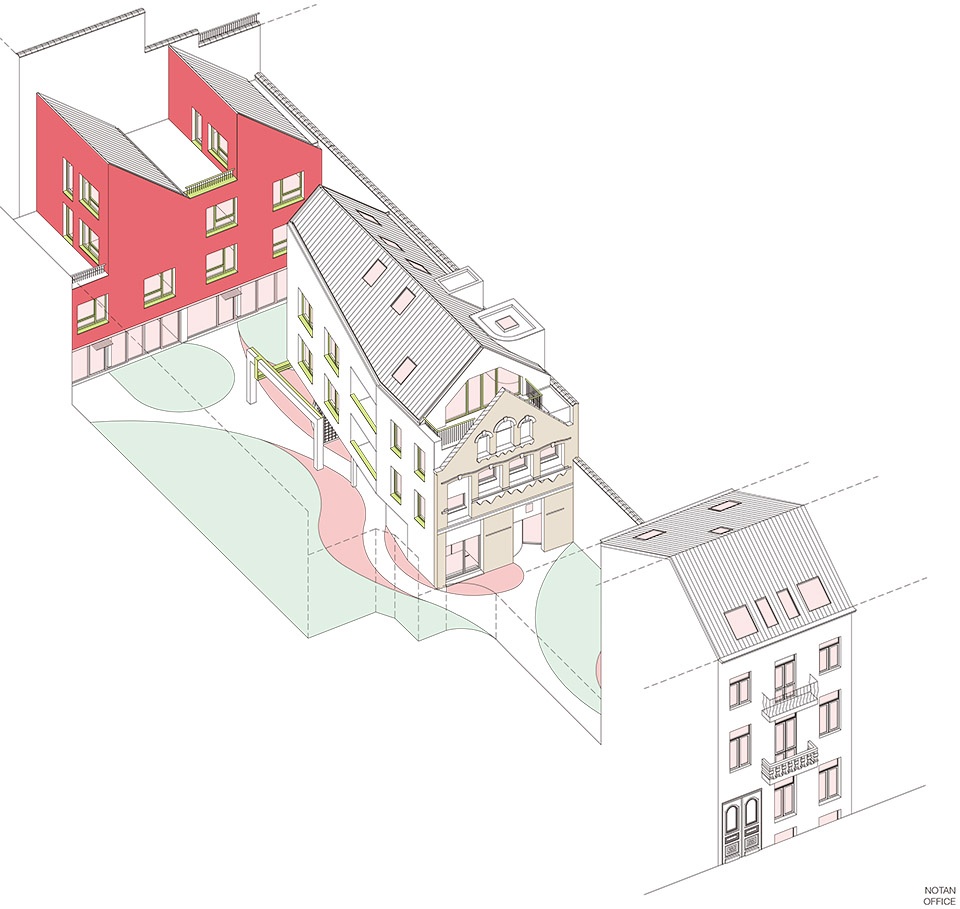
The project is an agglomeration of volumes and scales in a green area. A typical Brussels town house, its extension resembling to a roman ruin, a brick industrial façade, some rounded steps, some elements of the past constructions and the new tiled volumes; all with their private outdoor space overlooking the common garden… From the public square, as soon as the main door opens, a smooth transition between public, common and private and the flowing between the built feels like walking in a small village, a microcity.
▼形成一座“微型城市”,a small village, a microcity
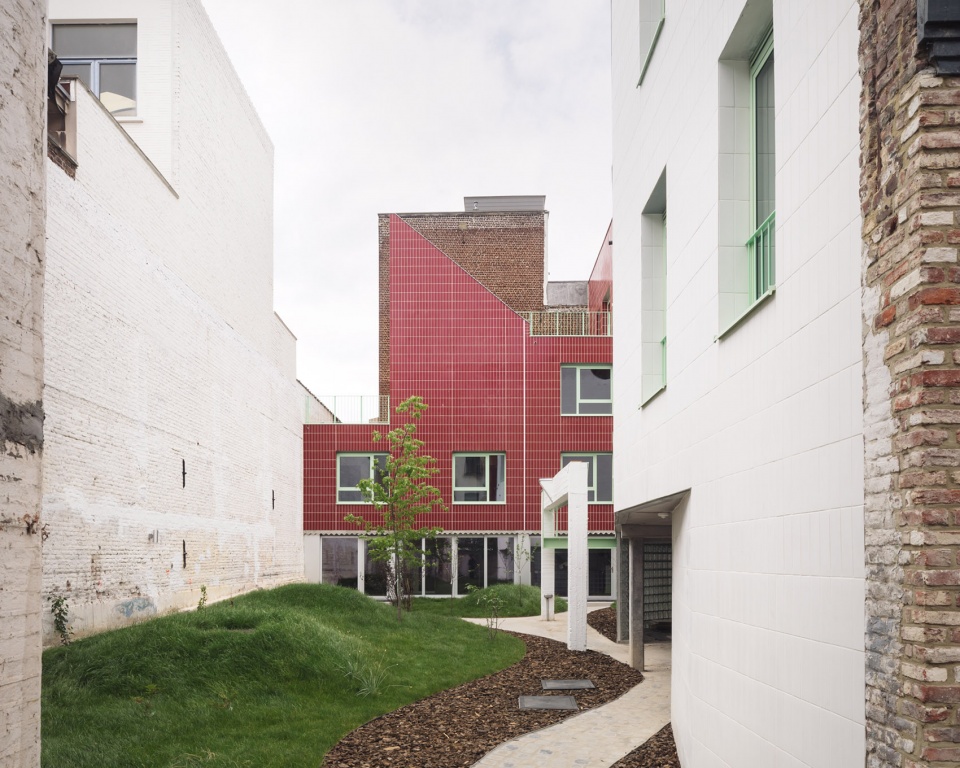
▼砖砌工业立面,a brick industrial façade
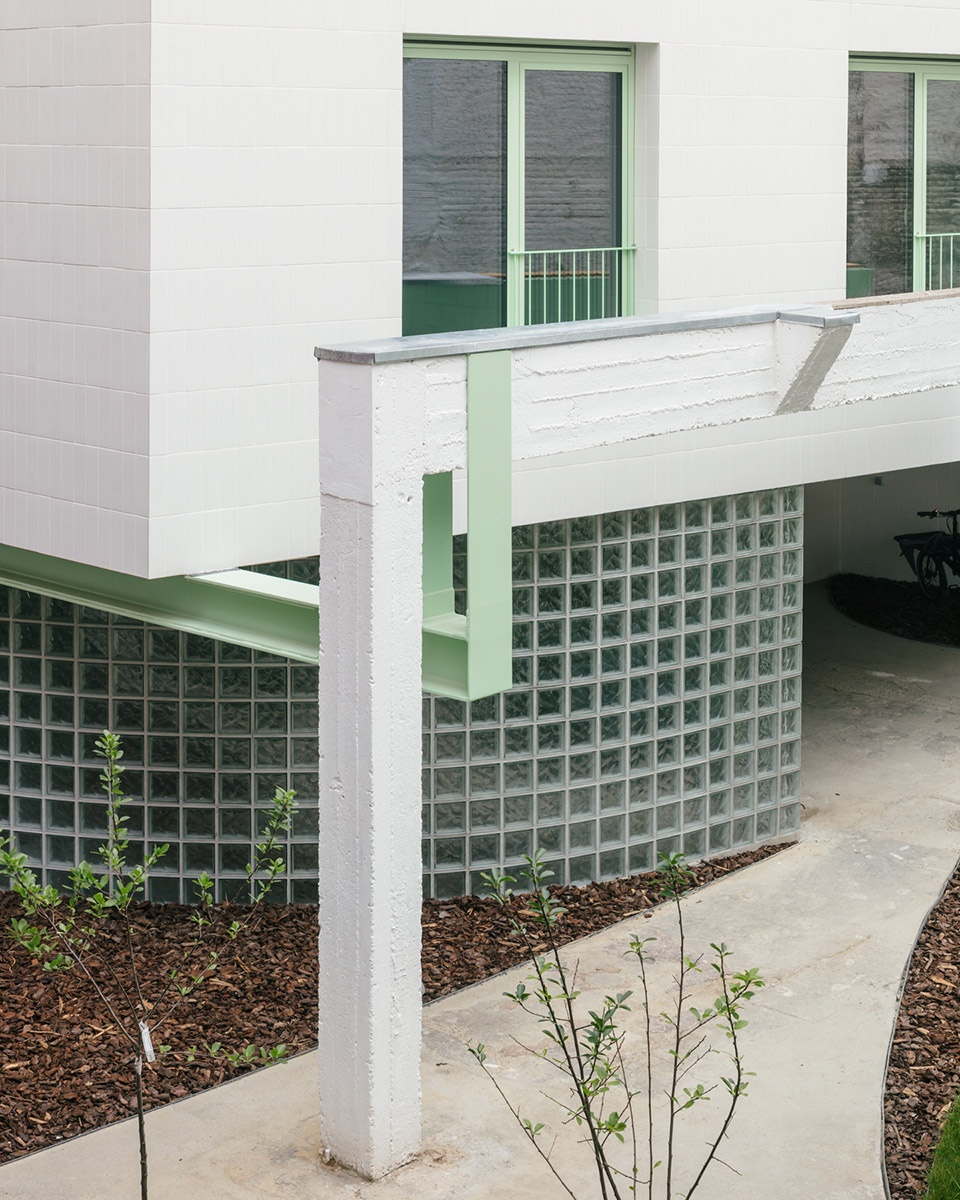
在构建小型社区的理念下,首层布置了面向全体使用者的共享功能:中央体量下设有自行车停车区与一间由玻璃砖围合的小型工作室;半私密花园与起居空间共同组织起公共区域。在这一共享底层中,空间呈现出流动与通透的特质,强化了整体归属感。
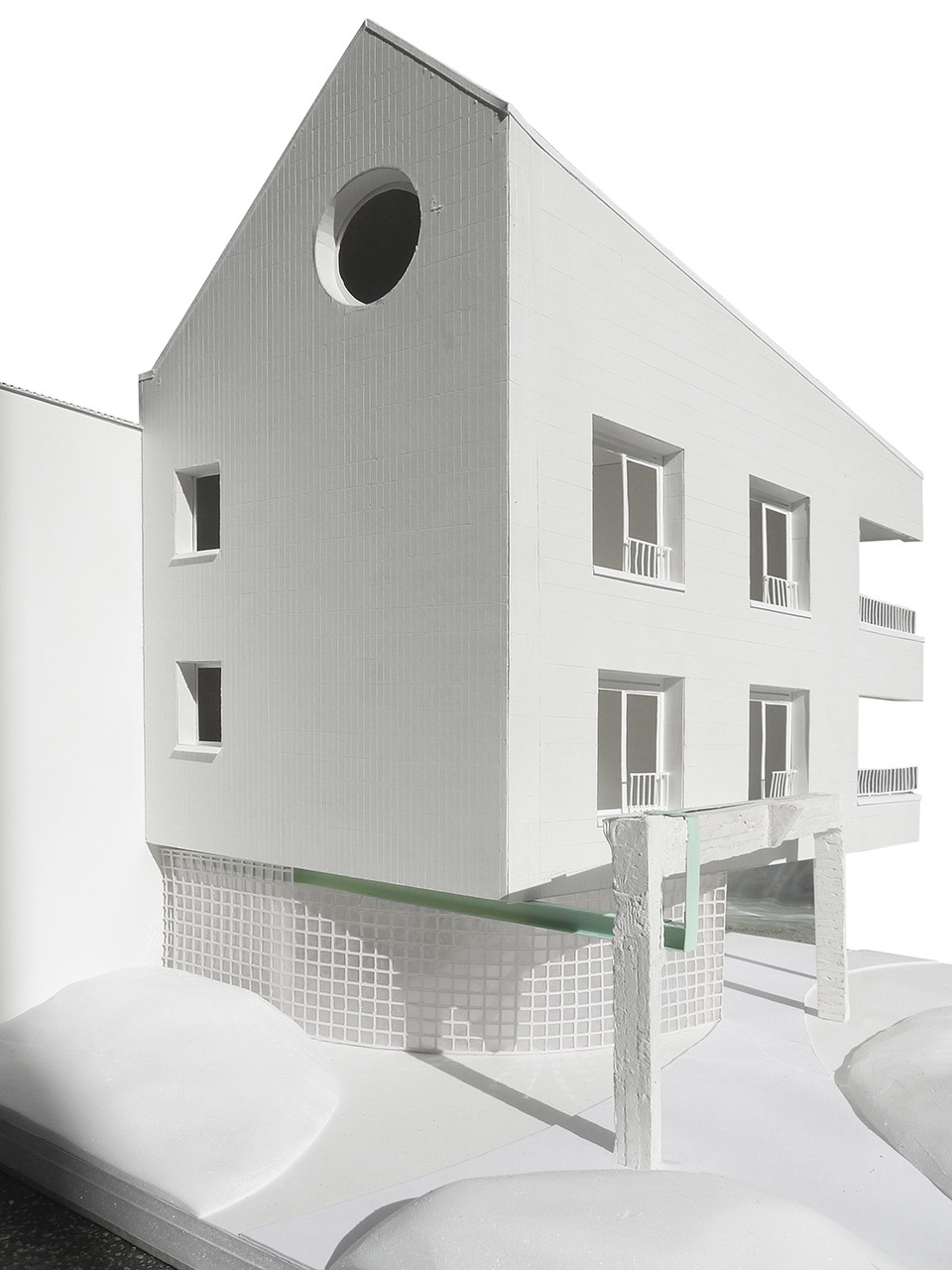
▼模型,model
In this idea of generating a small community, the ground floor is organised with programs that belong to everyone. The bicycle parking and a small atelier inside glass bricks are under the central volume. Semi-private gardens and living spaces articulate the common area. On this shared ground floor, all is fluid and transparent accentuating this sense of belonging to the ensemble.
▼下层设有自行车停车区与一间由玻璃砖围合的小型工作室,The bicycle parking and a small atelier inside glass bricks are under the central volume
▼一间由玻璃砖围合的小型工作室,a small atelier inside glass bricks
场所精神 GENIUS LOCI
项目尊重场地的“基因”。工业场地向居住功能的转化,并不意味着对其原有身份的抹除。在这样的语境中,开发性项目不应简单转化为粉刷洁白的立面与塑料窗框。
The project respects the DNA of the place. Transforming an industrial site to housing should not kill its original identity. A promotional project in such a site should not rhyme with white plastered facades and plastic windows.
▼花园小径,the pathway in the garden
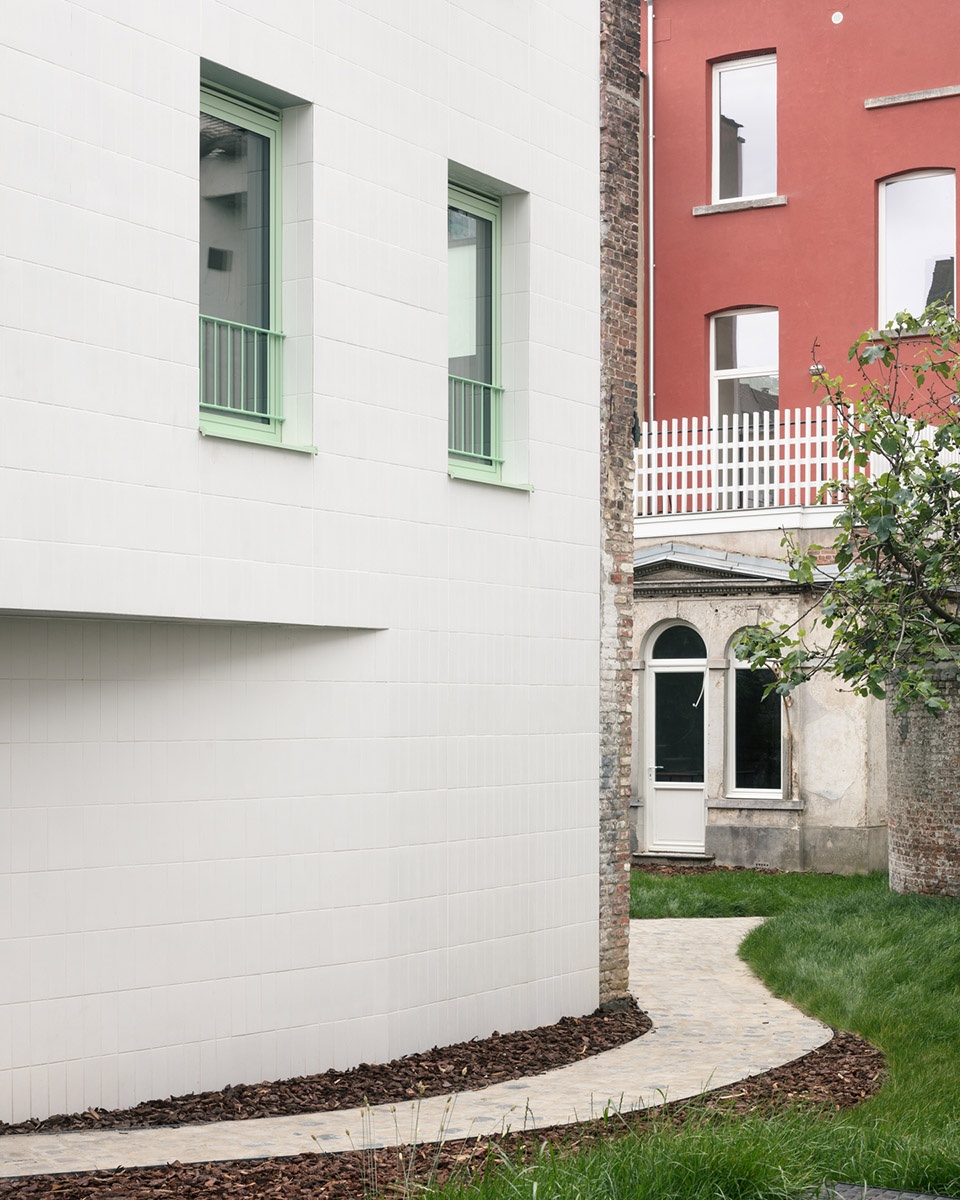
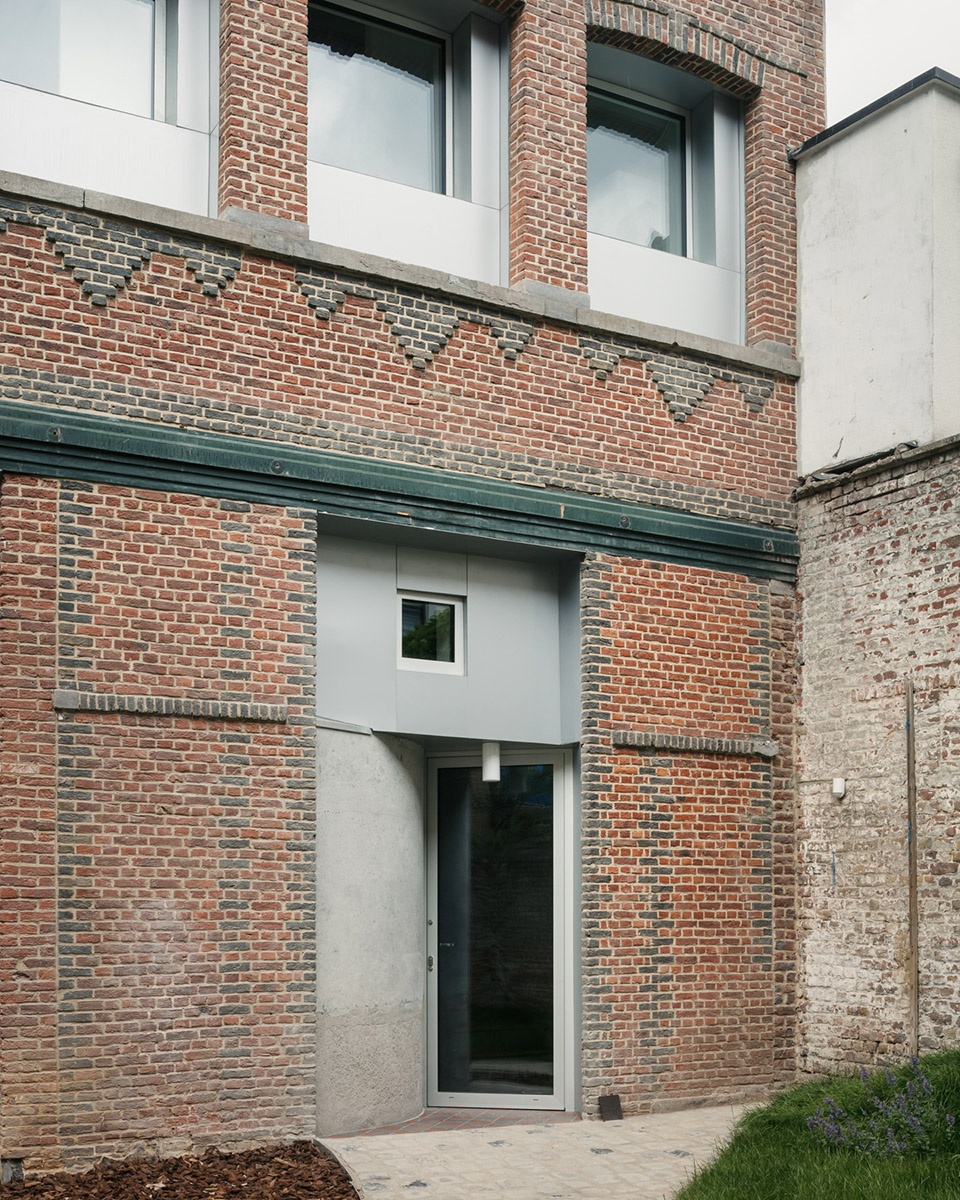
项目在材料选择上投入了极高的关注。无论室内还是室外,材料均避免任何矫饰,以其本真状态呈现,并被赋予装饰价值。混凝土砌块不加涂饰,结构直接显现,建筑设计围绕其展开组织。没有“半块砖”或“半片瓷砖”,所有尺度都经过精确协调。此外,大量原有场地元素被再利用、再诠释与重组:公寓内部的旧门被保留,室外路径使用重新拼接的斑岩砖铺设,中央体量部分依托原有厂房的混凝土结构支撑。
A huge attention was given to the materials. For the outdoor as well as for then the indoor, the materiality avoids any artifice. They are shown as they are and valued as ornaments. The concrete blocks have no paint, the structure is shown and the project composes with them. No half blocks, no half tiles; all fits. On top of that many elements present on site before the project are reused, reinterpreted and reorganised. Existing doors inside the apartments, the “porphire” tiles reorganised for the outdoor path, the central building is partly supported by the former concrete structure of the former shed.
▼混凝土砌块不加涂饰,the concrete blocks have no paint
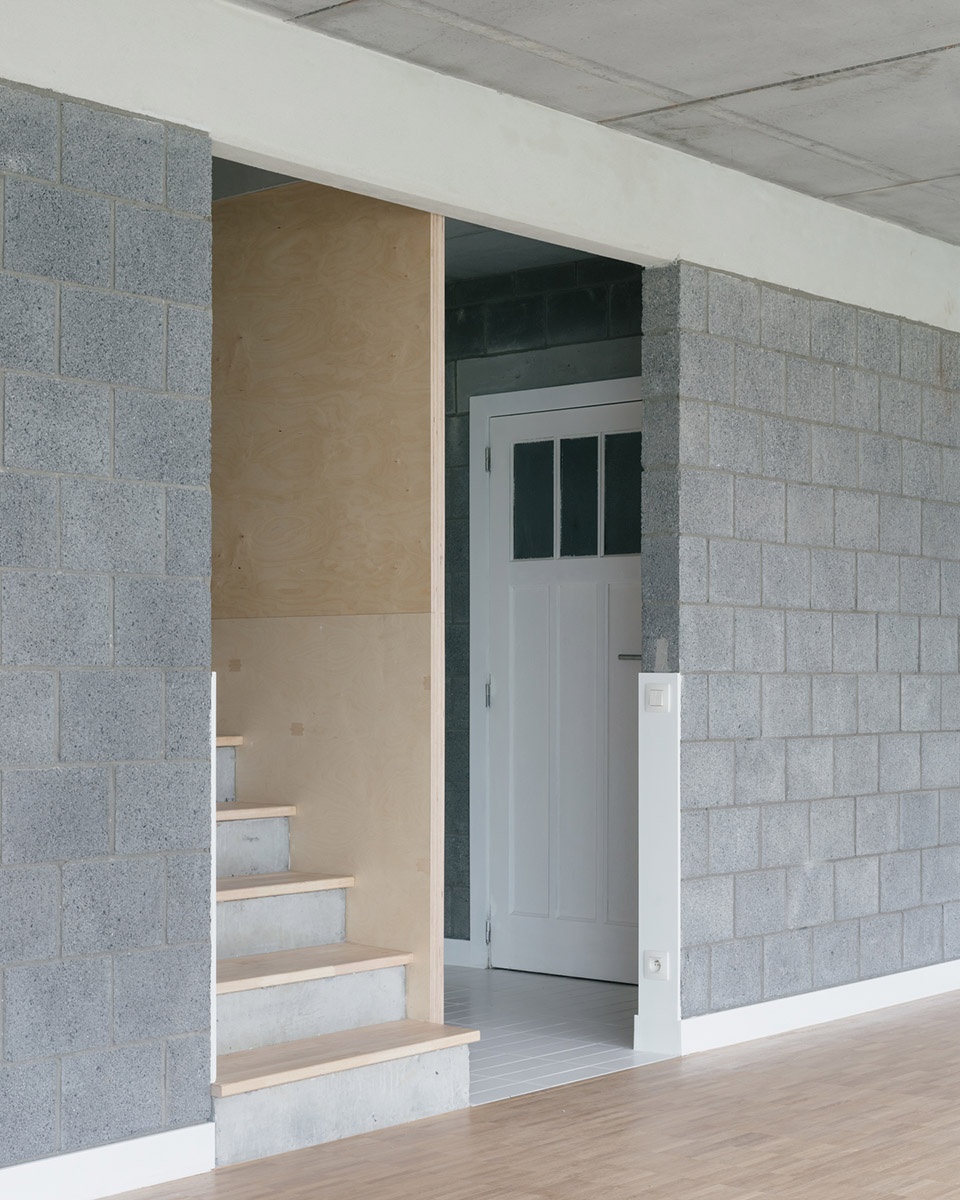
▼入口,entrance
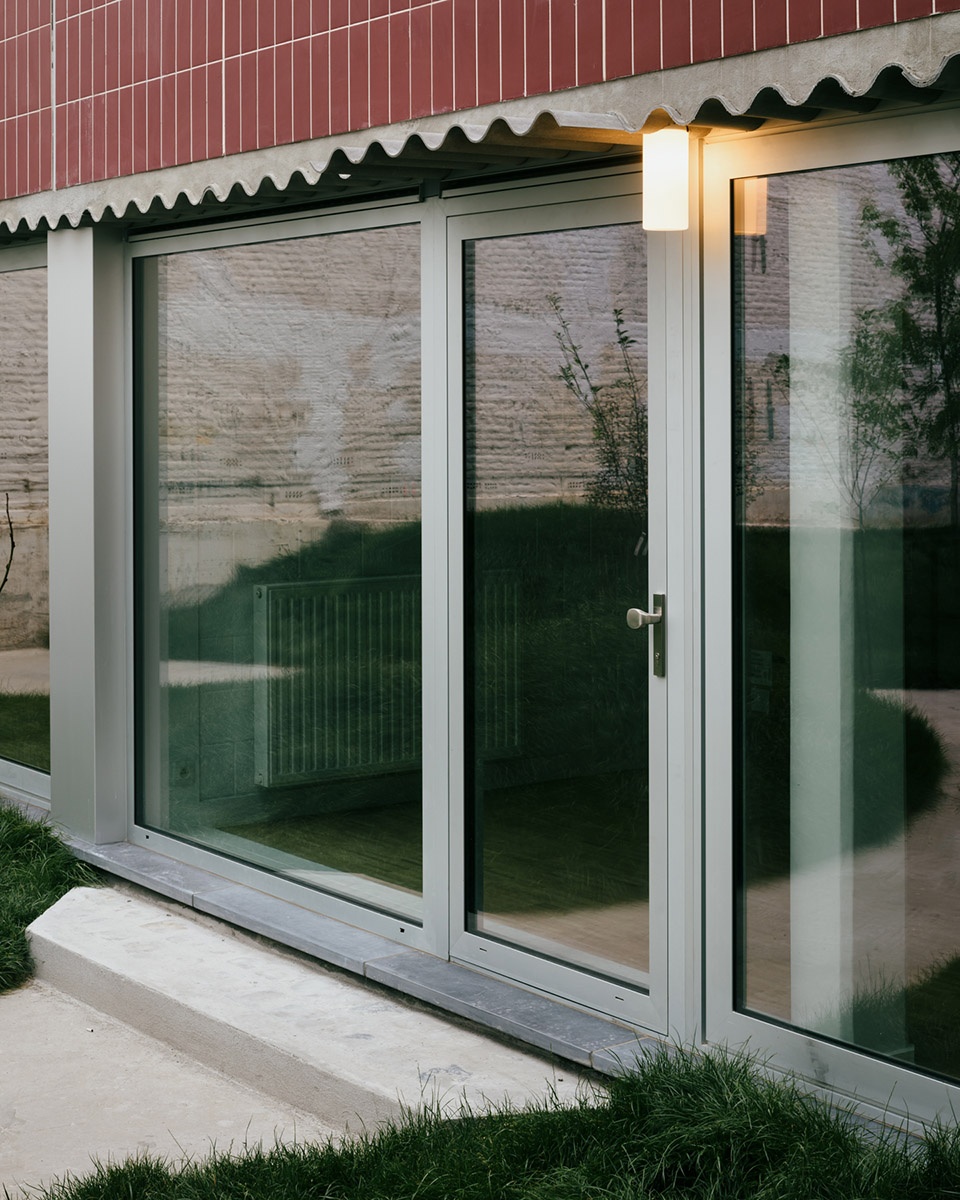
新建体量的形态遵循原有厂房轮廓,并在必要处进行退让,以提升各单元的居住品质。这种有机的形态转化生成了独特的空间特征,使其成为只属于该场地的建筑表达。其中红色体量以一种抽象而厚重的形象立于通透的首层之上,这种强烈的身份既延续了工业语言,又适应了居住功能的转译。项目试图延续场地历史并尊重“场所精神”,从工业转向居住,但仍然扎根于其工业语境之中。
The new volumes shape is within the former sheds outlines. Setbacks were necessary to improve the living quality of each unit. This organic transformation of shapes generates peculiar spatial qualities that can only belong to that specific place. The red volume is a massive abstract volume standing on a transparent ground level. This strong identity belongs to the industrial language but also becomes adapted to housing in this environment. The project wants to prolong the past history and respect the “spirit of the place”, it went from industry to housing but is still in an industrial environment.
▼延续了工业语言的红色体量,the red volume continues the industrial language
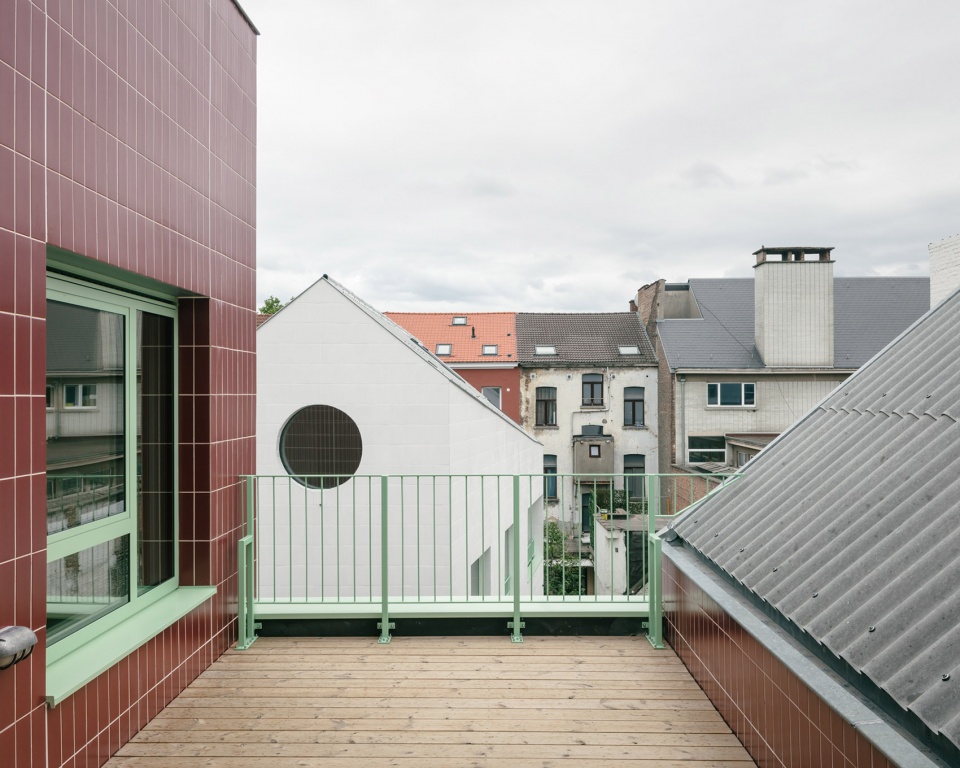
▼延续了工业语言的红色体量,
the red volume continues the industrial language
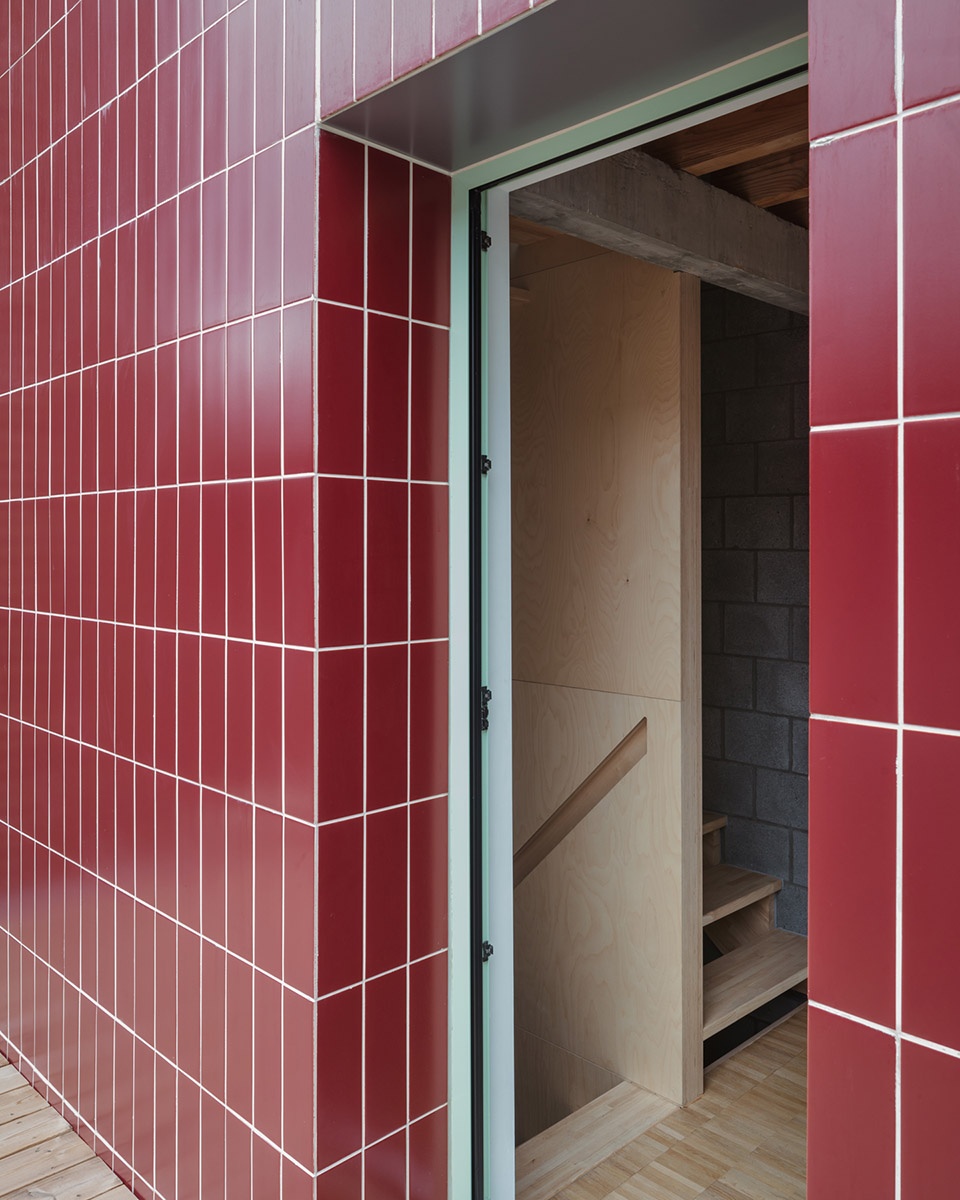
室内部分INSIDE
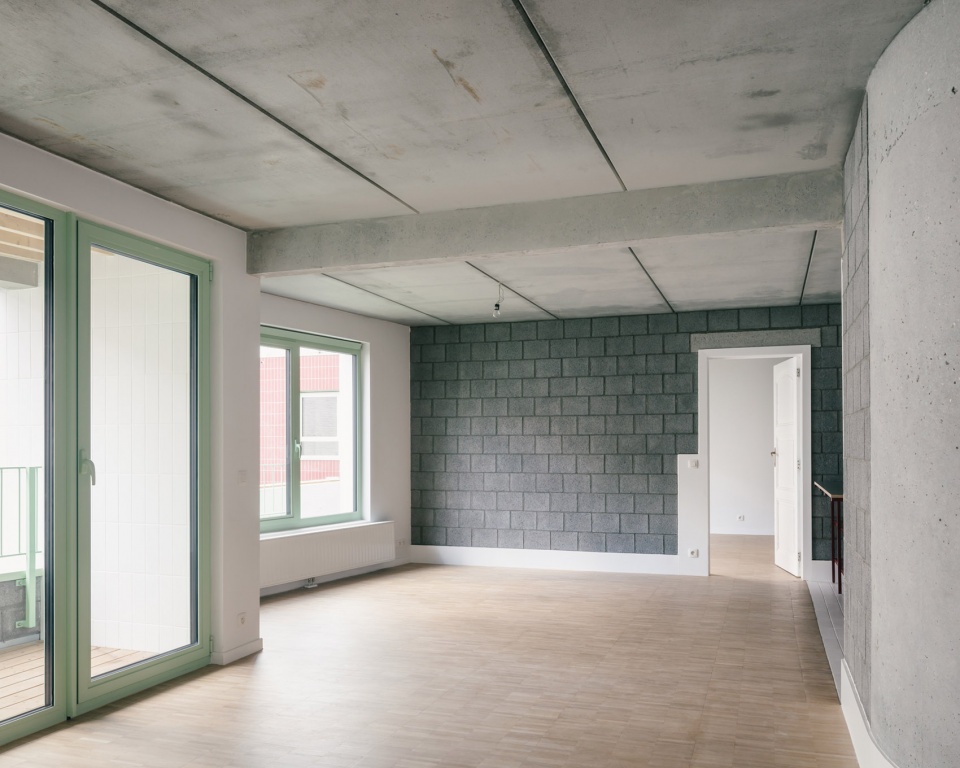
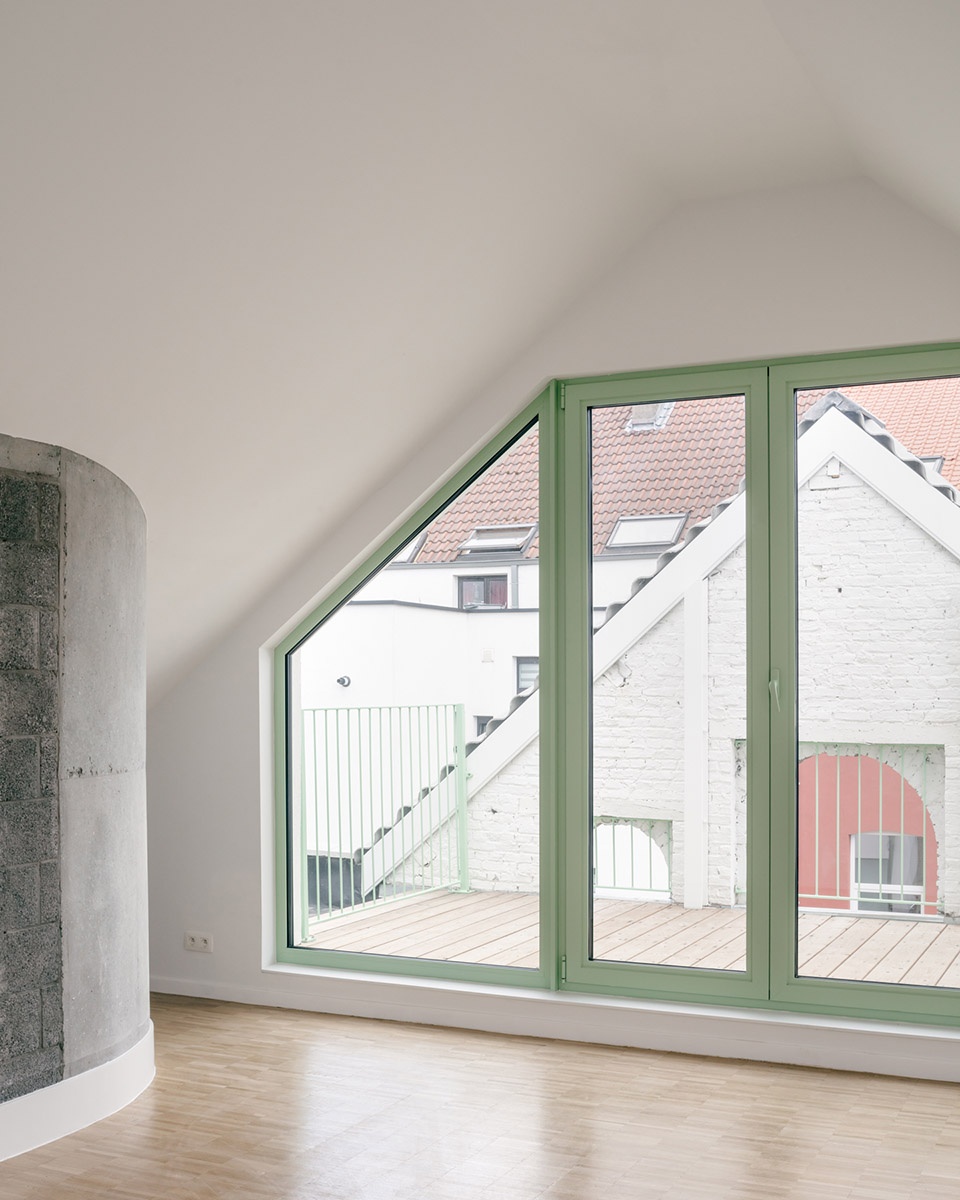
庭院内部的两座新体量紧贴相邻建筑的界墙布置。这些墙体被“加厚”处理,以容纳所有技术设备及交通空间,同时整合厨房、卫生间等功能。因此,起居空间与卧室被推向立面一侧,面向光线展开。
Both new volumes inside the courtyard are against the neighbouring walls. Those walls are “inflated” in order to host all technical elements as well as circulation, kitchens, toilets and bathrooms. Living areas and bedrooms are therefore pushed towards the façade and the light.
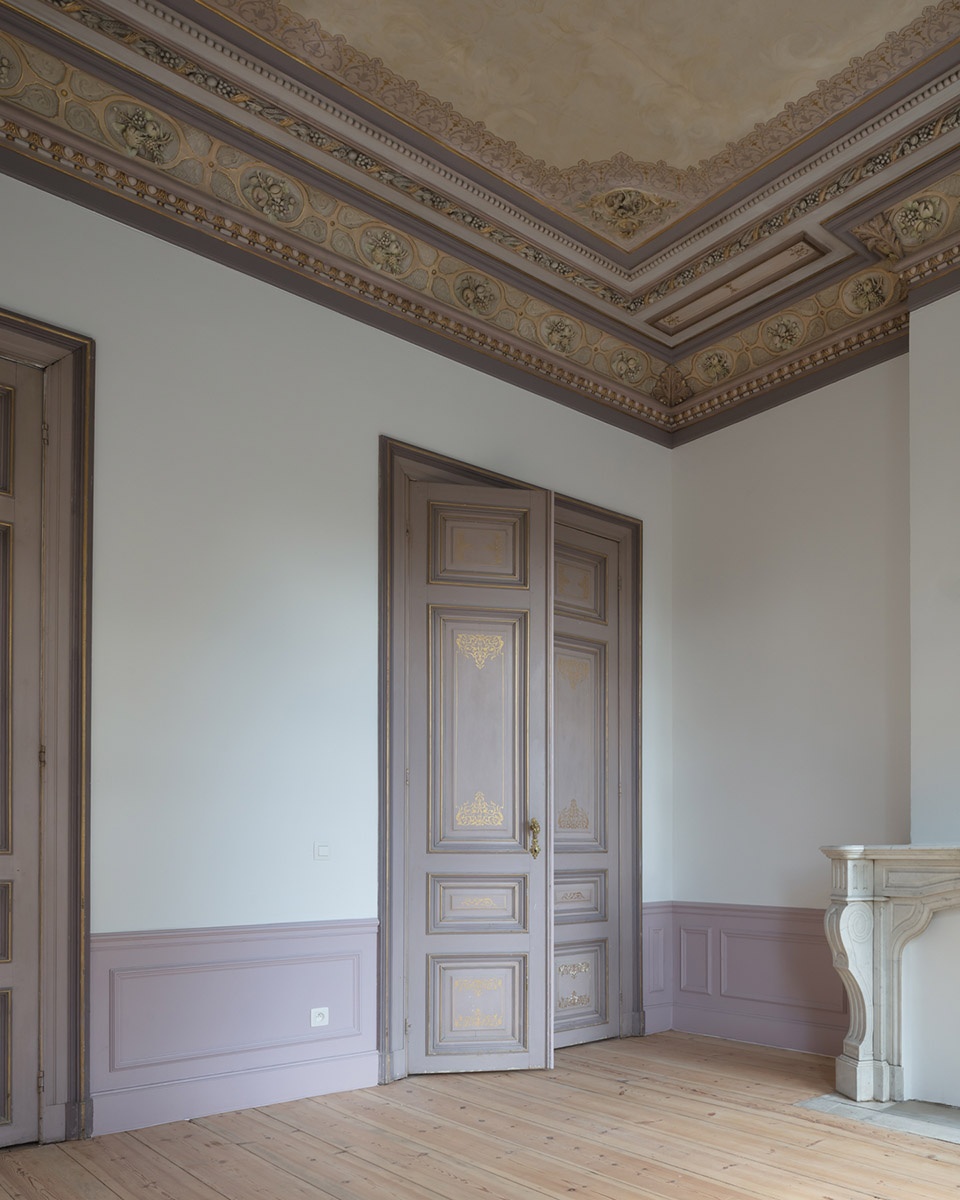
▼延续19世纪末的装饰传统,Continuing the decorative tradition of the late 19th century
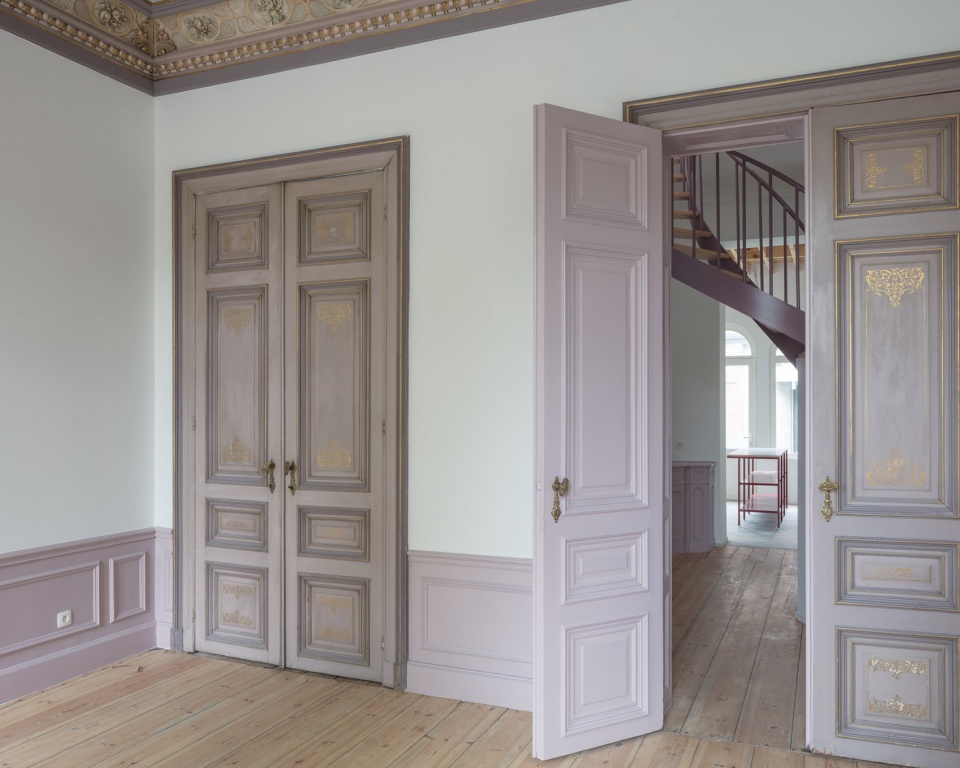
▼延续19世纪末的装饰传统,
Continuing the decorative tradition of the late 19th century
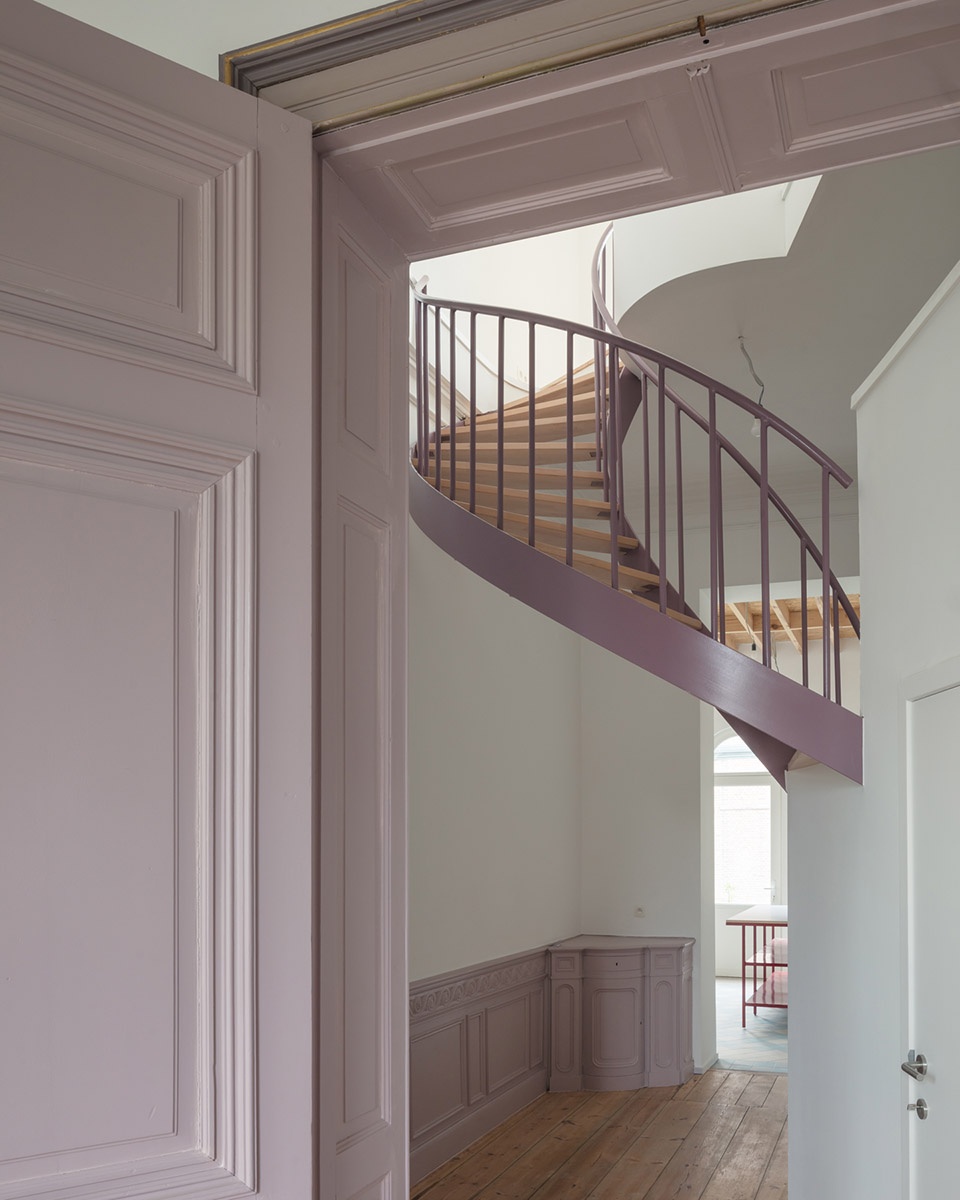
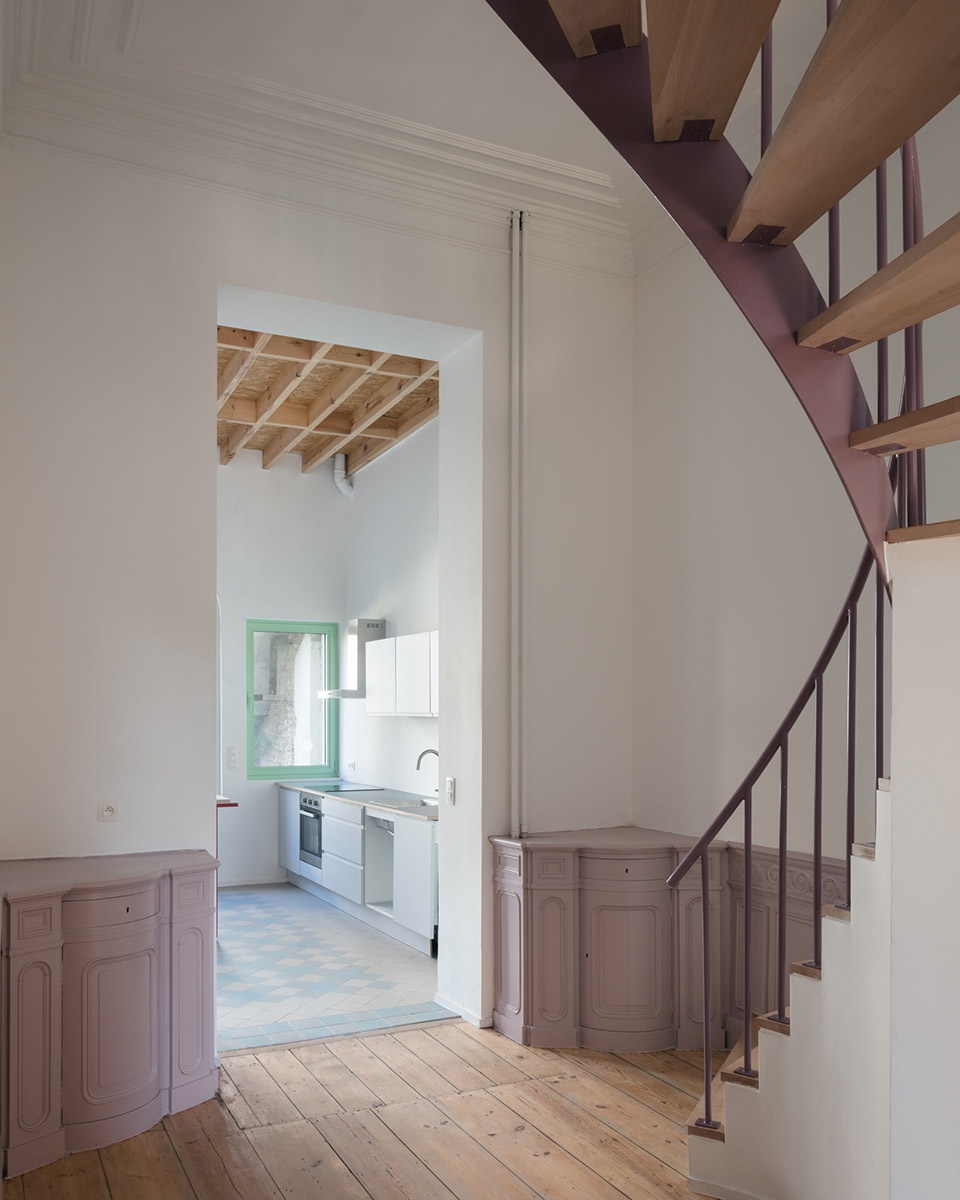
▼面向光线展开的起居空间与卧室,Living areas and bedrooms are therefore pushed towards the façade and the light
▼面向光线展开的起居空间与卧室,
Living areas and bedrooms are therefore pushed towards the façade and the light
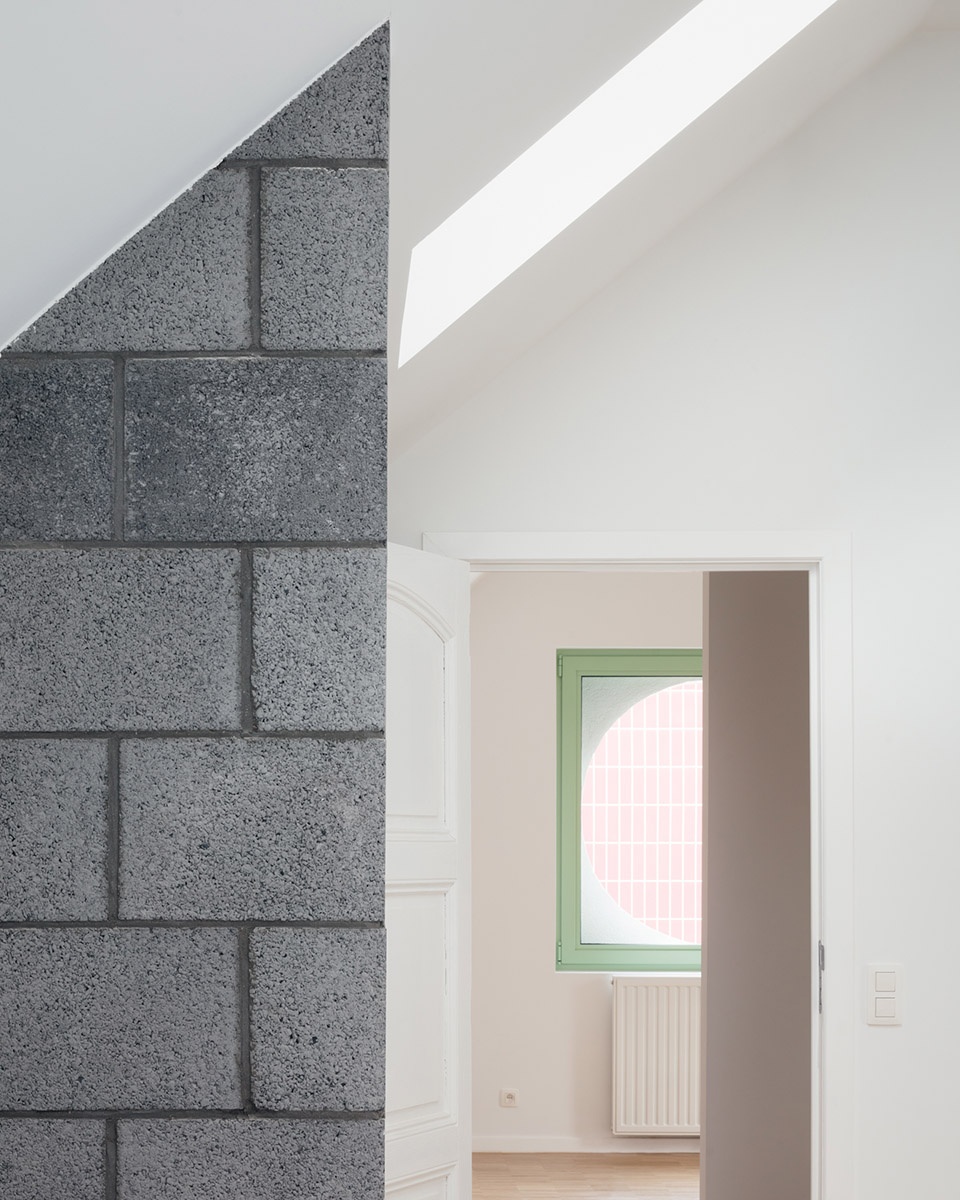
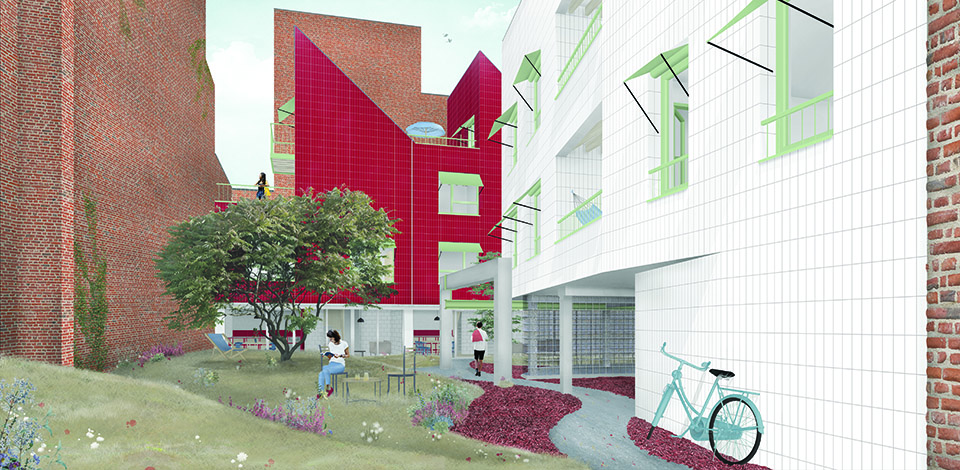
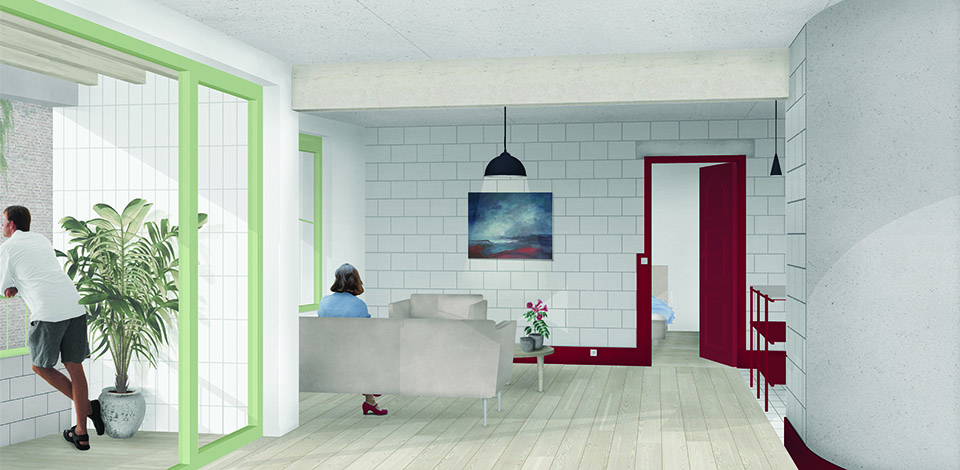
▼效果图,rendering
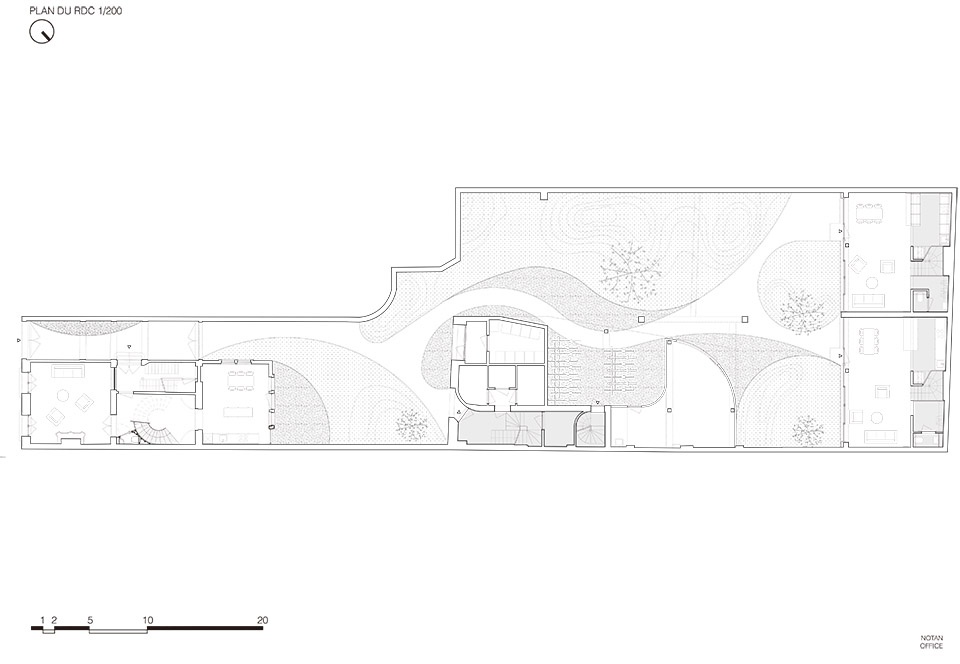
▼一层平面图,ground floor plan
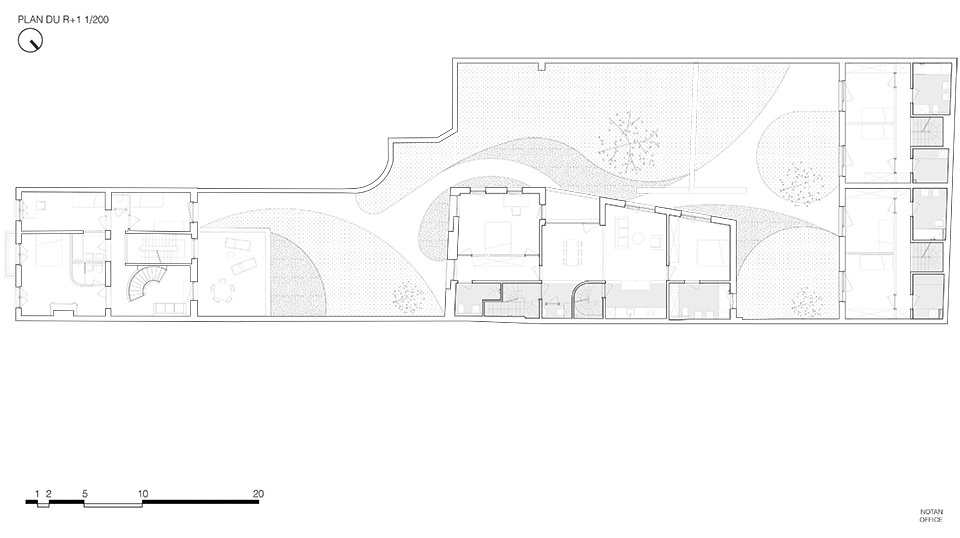
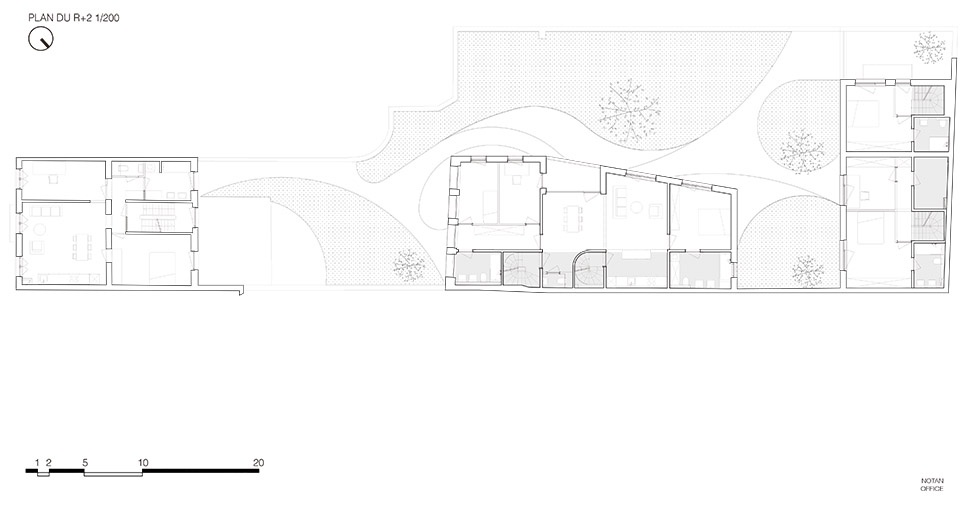
▼二层平面图,first floor plan
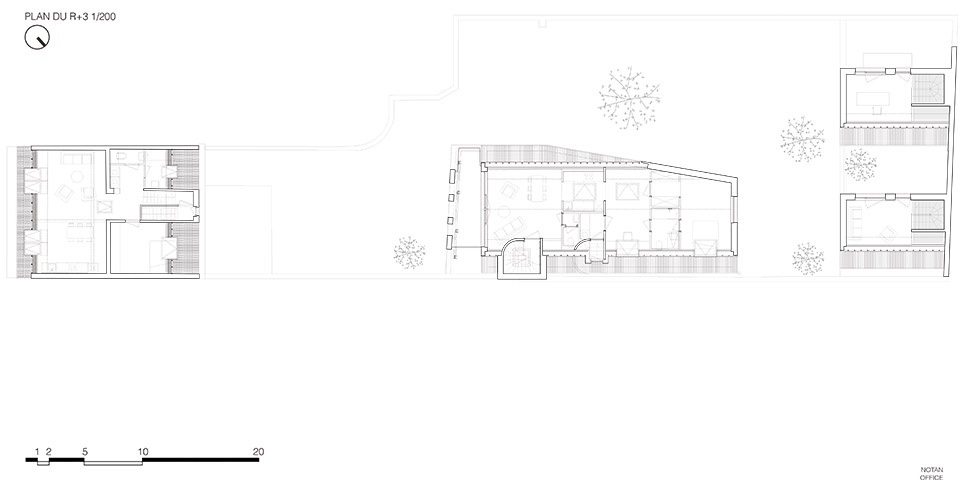
▼三层平面图,third floor plan
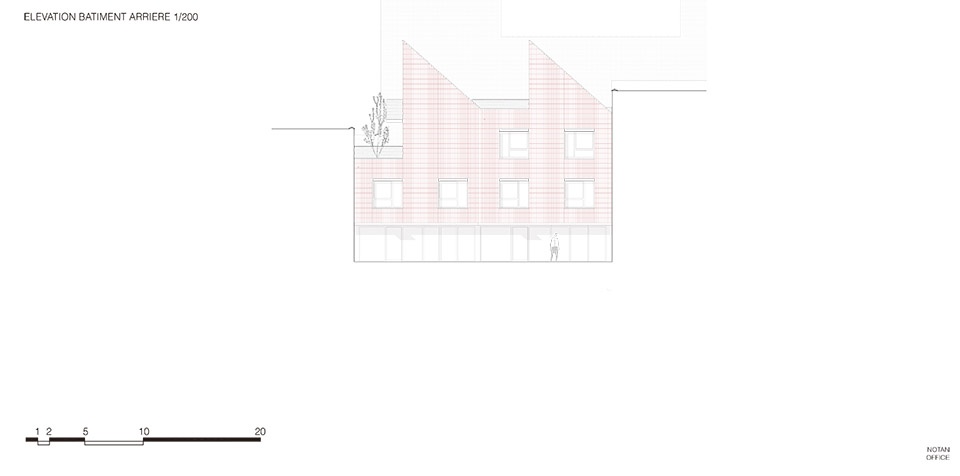
▼四层平面图,fourth floor plan
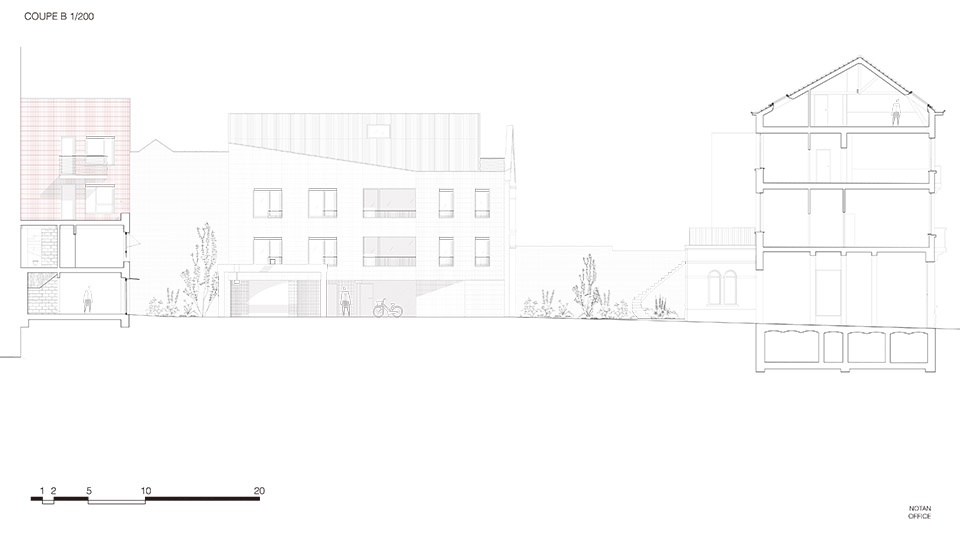
▼立面图,elevation
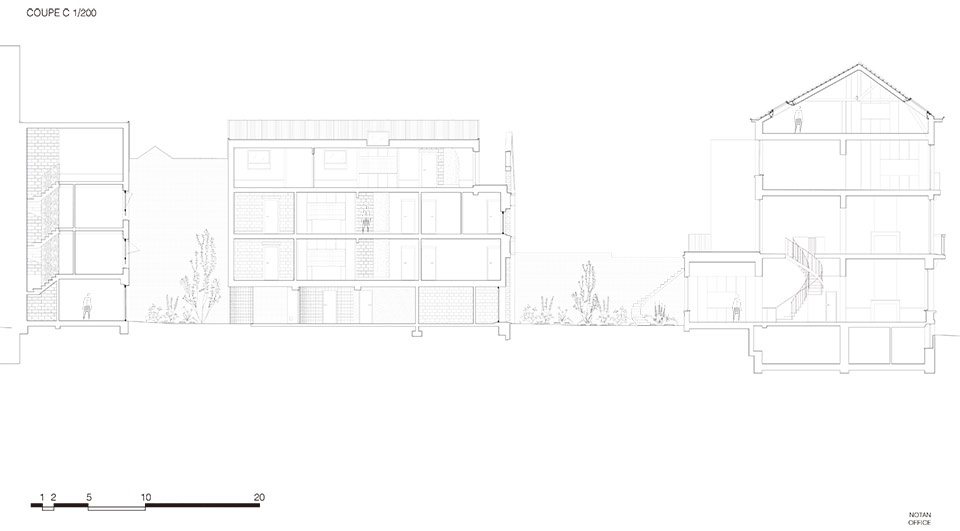
▼剖面图,section
Project Name: DUCHESSE
Architecture Firm: NOTAN OFFICE
Website: http://www.notanoffice.be
Instagram: notanoffice
Facebook: http://www.facebook.com/NOTANarchitects
Contact e-mail: notan@notanoffice.be
Firm Location: Brussels
Completion Year: 2022
Gross Built Area: 1080m2 (+450 outdoor)
Project location: Brussels, Belgium
Lead Architects: Frédéric Karam
Photo credits: STIJN BOLLAERT
Photographer’s website: https://www.stijnbollaert.com/
Photographer’s e-mail: mail@stijnbollaert.com
Clients: Private
Engineering: Forme et structure