“街道共同体”展览,深圳 / 室内
个体流动的常态化,城市场景的同质化,都使得我们逐步陷入一种“无地方性”。在互联网和疫情的进一步消解下,人们越发期望实体空间能够映射我们真实的身份认知,承载人与人之间的连接互动。是谁塑造了今天我们所在的城市?在规划师,建筑师与工匠之外,作为个体是否也能参与构筑属于我们的“附近”?
The normalisation of individual mobility and largely homogenized urban scene have led us into a kind of ‘placelessness’. Internet penetration and pandemic controls further disintegrated our social connection, yet we crave increasingly for physical spaces that map our true identity and interaction. Who (can/will) shape the cities we live in today? Beyond planners, architects and artisans, can we as individuals also participate in the construct of our own ‘nearby’?
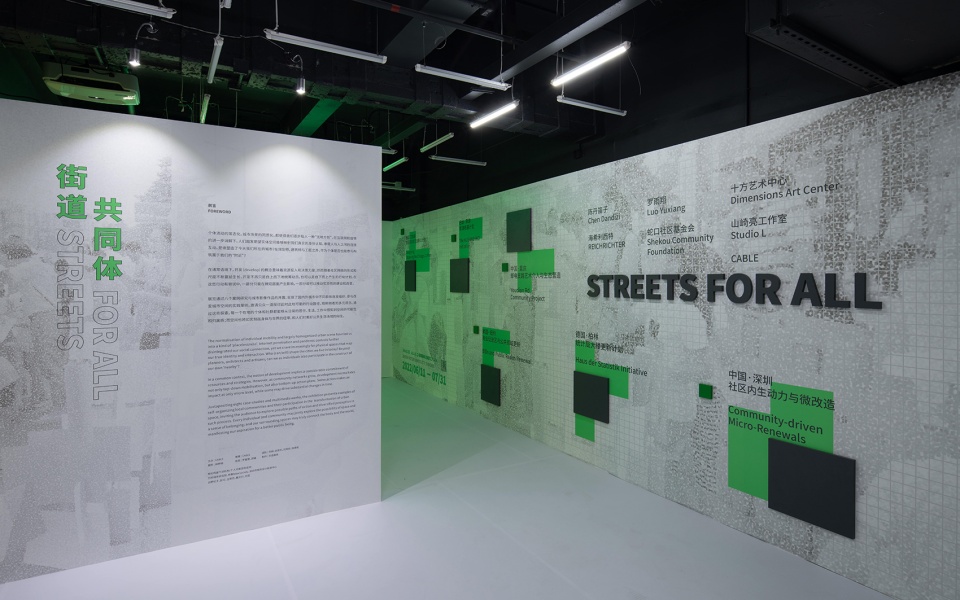
在通常语境下,开发(develop)的概念意味着资源投入和决策力量;然而随着社区网络的形式和尺度不断蔓延生长,开发不再只是自上而下地统筹动员,也可以是自下而上产生的行动计划。在这些行动和尝试中,一部分只能在微观层面产生影响,一部分却可以推动实质性的建设和改变。
In a common context, the notion of development implies a considerable commitment of resources and strategies. However, as community networks grow, development necessitates not only top-down mobilisation, but also bottom-up action plans. Some action makes an impact at only micro level, while some may drive substantial changes in time.
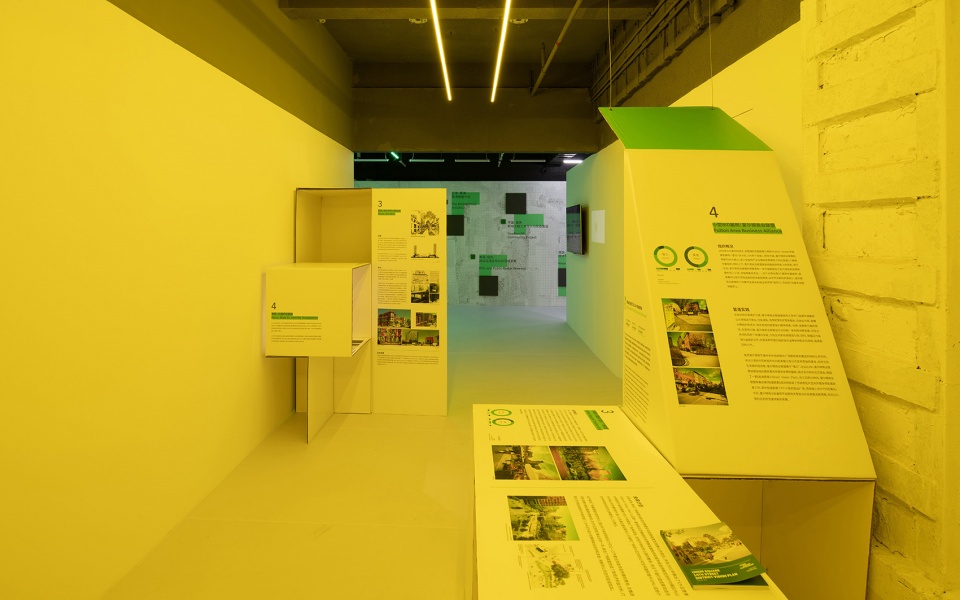
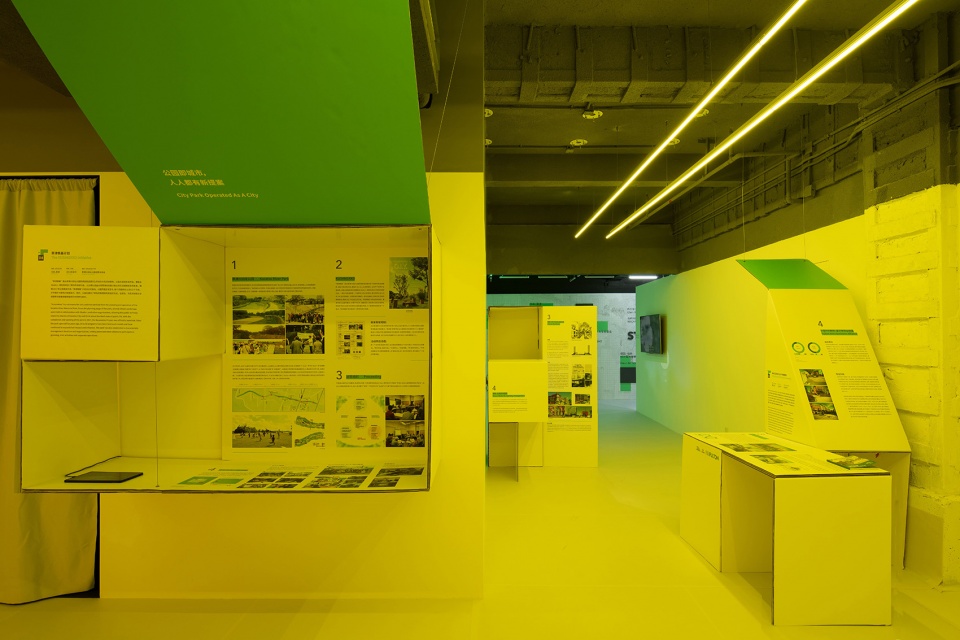
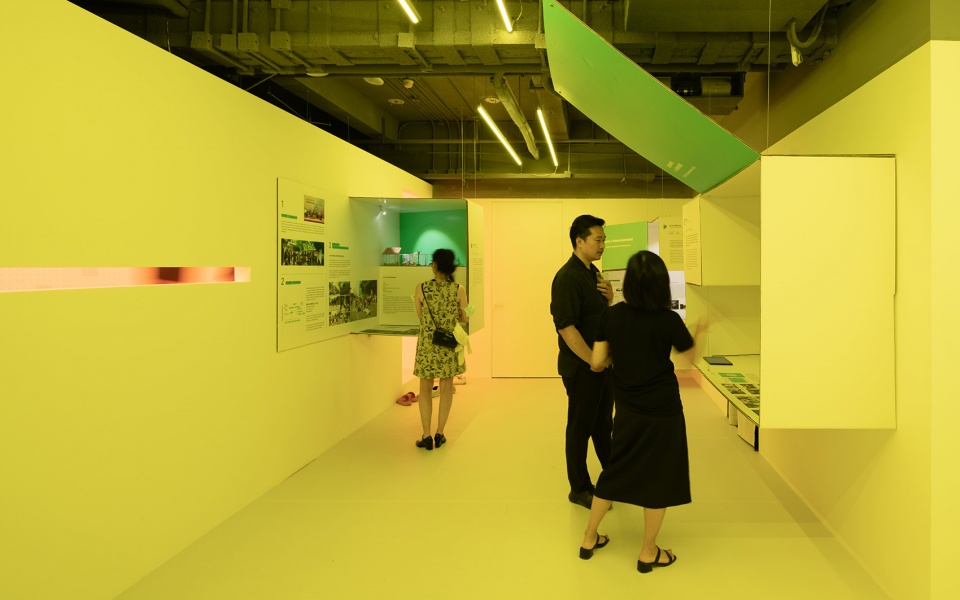
展览通过八个案例研究与城市影像作品的并置,呈现了国内外城市中不同群体自发组织、参与改变城市空间的实践案例,邀请公众一道探讨此时此地可能的行动路径,观照他者的多元观念。通过这些探索,每一个在地的个体和社群都能够从日常的居住、生活、工作中感知到空间的可能性和归属感;而空间也将如实刻画身体与世界的纽带,和人们对美好公共生活场域的向往。
Juxtapositing eight case studies and multimedia works, the exhibition presents examples of self-organizing local communities and their participation in the transformation of urban space, inviting the audience to explore possible paths of action and diversified perception in such process. Every individual and community may jointly explore the possibility of space and a sense of belonging; and our surrounding spaces may truly connect the body and the world, manifesting our aspiration for a better public being.

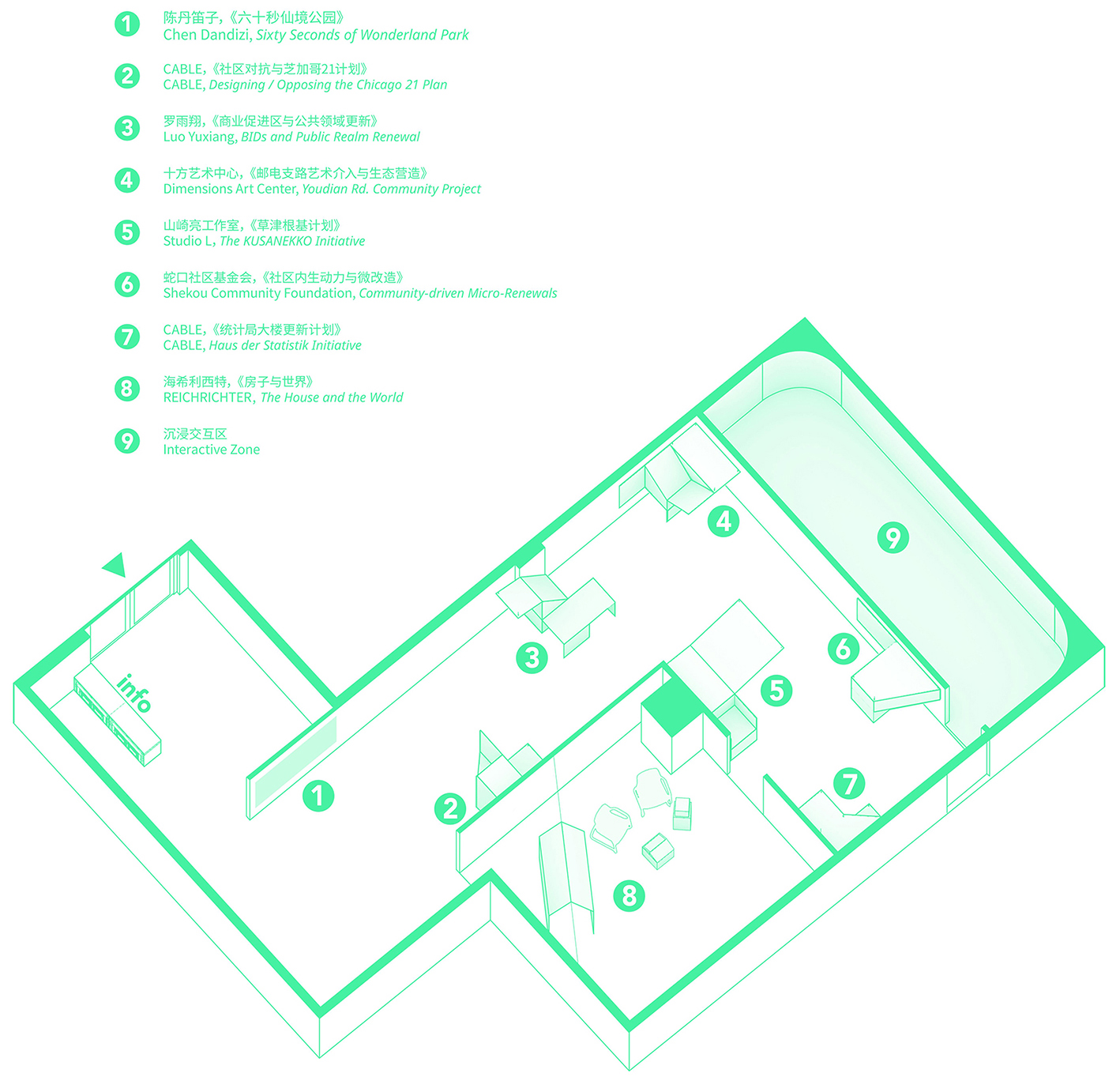
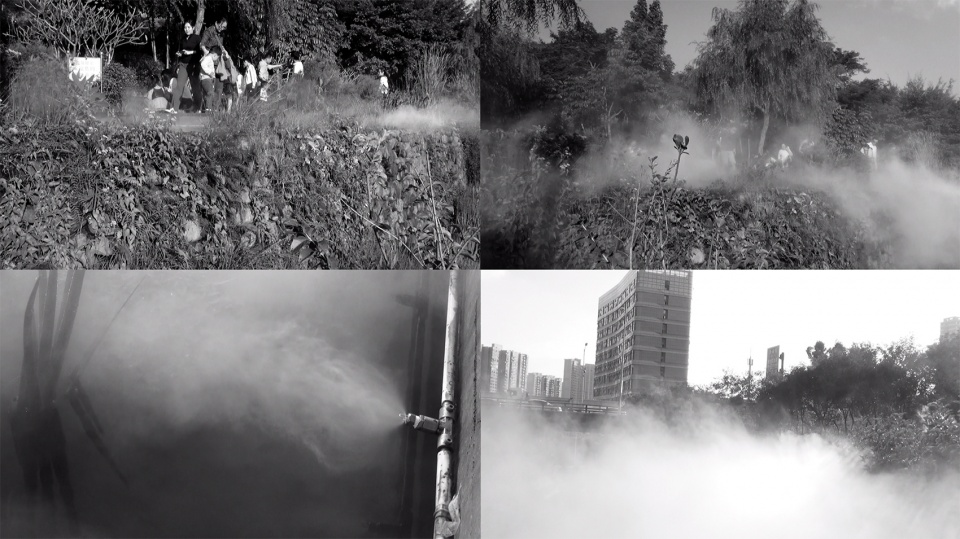
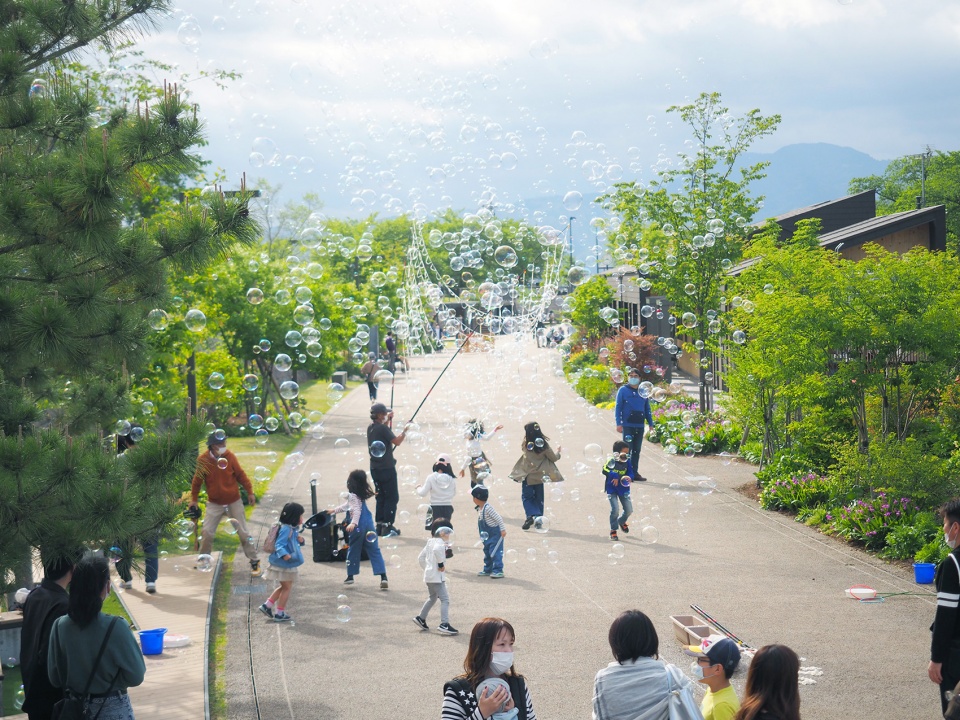
公园里每日下午烟雾缭绕的仙境场景由四点到六点间准时喷射的大量水雾营造而成。人们相聚于这种稍纵即逝的喜悦中,进入长达六十秒的异化都市景观并“置身他处”,淤积的情绪从四方赶来在此处释放、堆叠、升腾。艺术家在看似悠长的梦境里,发起对城市的无际想象和轻轻诘问。
A massive water spray creates the park’s smoky wonderland scene from four to six o’clock on the dot, and people join each other in this fleeting joy, shaping an ‘alienated urban landscape’ that lasts 60 seconds. Their pent-up emotions come from all directions to be released, gathered, and rose from the void. In this seemingly long dreamscape, the artist imagines and gently interrogates the city in an endless way.
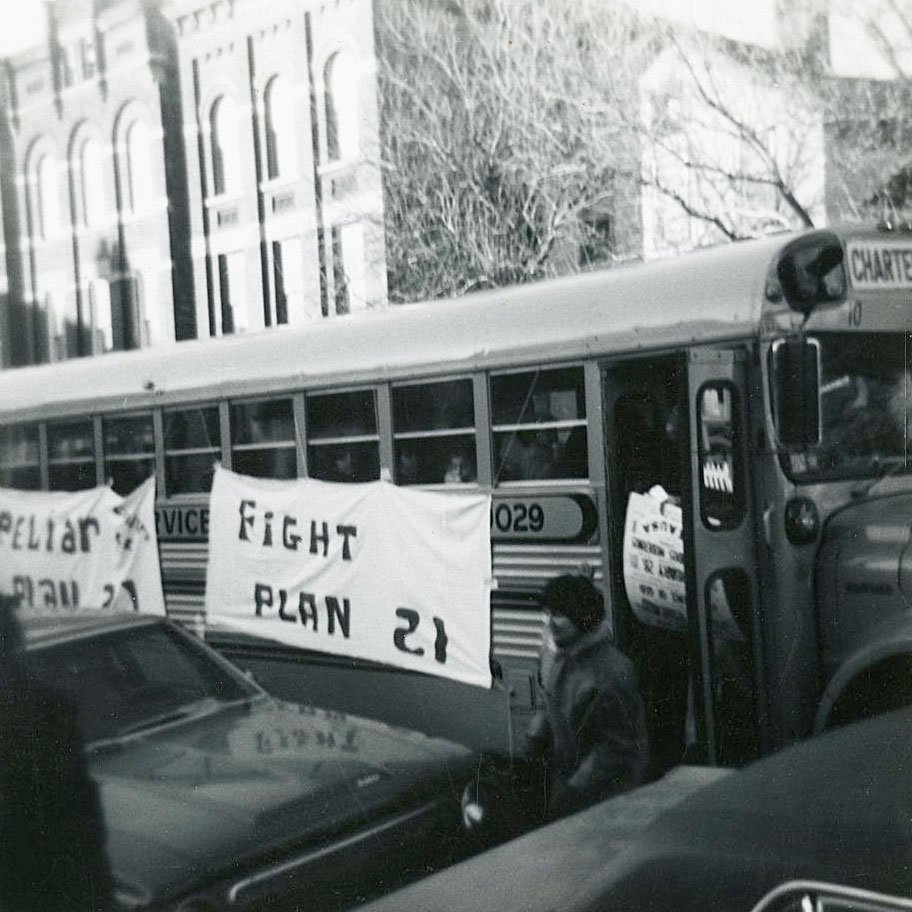
面对战后中心区衰退和郊区化趋势,芝加哥商界组织自发成立规划委员会,联合市政厅发起了“芝加哥21”战略规划,倡议将城市发展聚焦于中心城区,希望借此复兴城市经济。周边少数族裔社区则发起了针对该计划的反对联盟,抗议社区隔离、公共住房投入和环境配套建设资金的下降。最终,在迪尔伯恩公园住区项目的实施进程中,反对派取得了一定成效;而“芝加哥21”的规划大部分得以实施,影响力至今仍在延续。
In the post-war recession and suburbanization, a strategic Chicago 21 Plan was initiated by the Chicago Central Area Commission (CCAC) and the City Hall in 1973, focusing on the development of Chicago’s city centre and economic revival. Meanwhile, minority communities nearby formed a coalition against the plan, protesting segregation and declining funding for public housing and facilities. In the end, the opposition maintained partially their community rights in the implementation of the Dearborn Park Project, while the Chicago 21 plan was mostly realized, and its influence lives today.
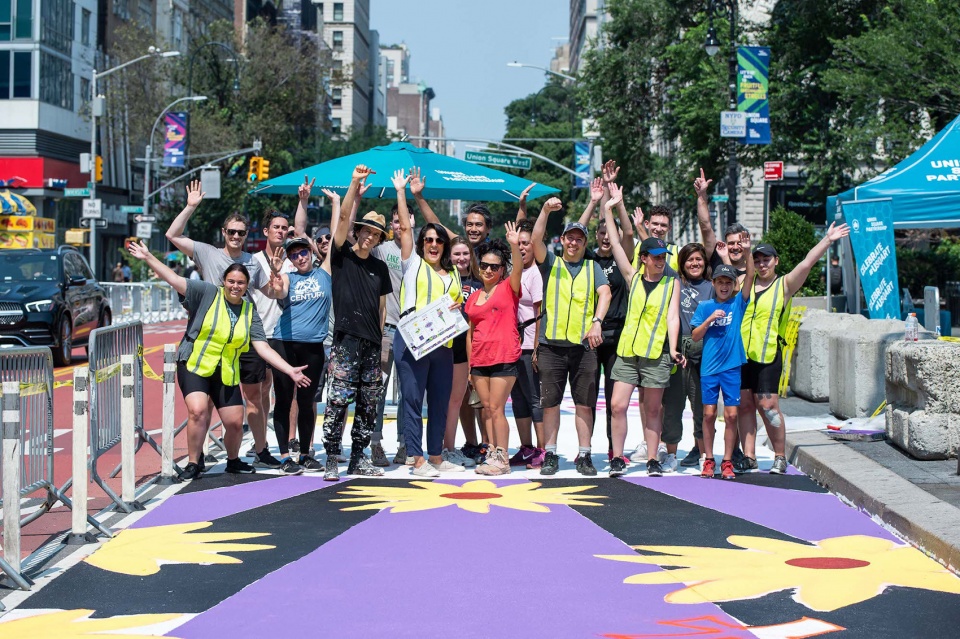
BID(Business Improvement District)是一种非政府、非盈利组织,由商业街区的业主与经营者代表共同管理,其制度基因是自治。通过区域内向全体地产所有者征收与地产价值成正比的费用,BID促使街区内的个人和机构通过经济利益团结起来,自下而上地主导街区公共领域的运营和投资,推动空间环境品质、品牌运营和公共活动等多方面提升。纽约中央车站、联合广场和富尔顿这三个不同规模的BID案例,展现了管理、融资和营造更新的多样策略。
BID is a non-governmental, non-profit organization jointly managed by representatives of owners and tenants in the urban commercial areas. Autonomy is the gene. BID urges individuals and institutions in the block to unite through economic interests, leading the operation and financing of the public realm from the bottom up to promote space quality and brand identity, by collecting fees proportional to real estate value. Operations and public activities are thus improved and promoted in many ways. Grand Central Partnership, Union Square Partnership and FAB Fulton, there NYC BIDs of different scales, demonstrate diverse strategies of management, financing and development.
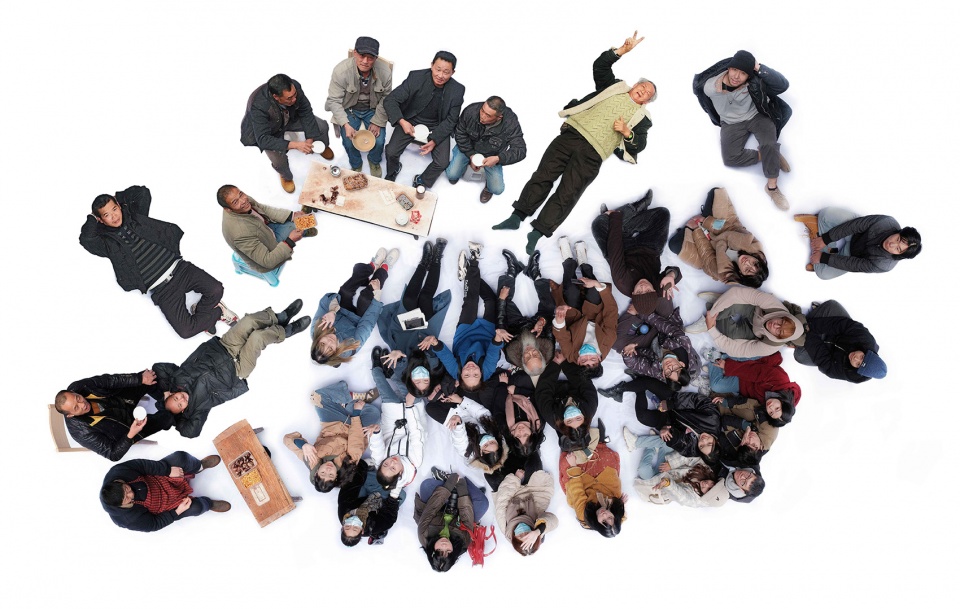
“邮电支路社区生态花园营造项目”由川美教授曾途与曾令香、盖娅工作室高健和高级工程师倪澜策划发起,联合居民(社区、商会、义工协会等)、设计工作室、50余位青年艺术家以及社会观察员共同参与。项目不仅通过细致的环境再设计,改善了社区环境污染与资源闲置,同时也通过艺术介入加强了社区内外联结,更以朴门永续理念探索了可持续生活方式。通过艺术创新与生态理念传播,社区居民之间重新建立起互信、亲密、归属感,构建出新的社区精神。
“Youdian Rd. Community Project” was planned and initiated by Professor Zeng Tu and Zeng Lingxiang from the Sichuan Fine Arts Institute, Gao Jian from Gaia Studio and senior engineer Ni Lan. They have united the local residents (communities, chambers of commerce, volunteer associations, etc.), design studios, and more than 50 young artists and social observers to participate. The project not only decreases the discharge of residential environmental pollution and waste through a meticulous environmental redesign but also strengthens the connection between inside and outside communities through artistic intervention. It keeps exploring a sustainable way of life. Through artistic innovations and dissemination of ecological concepts, community residents have re-established mutual trust, intimacy, and a sense of belonging, in order to create a new sense of community spirit.
“草津根基”是从草津川旧址公园的规划和运营衍生开来的市民活动昵称。公园从规划阶段开始,便联合Studio L等机构举办了数场市民研讨会,公众得以自由分享草津市的魅力和公共生活理想状态的思考。随着2017年公园建成开放,草津根基计划也正式启动。公园开园五年至今,每个月都举办15至30个节目,并不断扩大影响力和感染力。同时,公园也建立了特色的管理架构和组织方式,在绿化、市民活动和企业经营等方面邀请越来越多的市民参与其中。
“Kusanekko” is a nickname for civic activities derived from the planning and operation of the Kusatsu River Memorial Park. From the planning stage of the park, several citizen workshops were held in collaboration with Studio L and other organizations, allowing the public to freely share the charms of Kusatsu City and think about the ideal state of public life. With the completion and opening of the park in 2017, the Kusanekko Project was officially launched. Since the park opened five years ago, 15 to 30 programs have been held each month and have continued to expand their impact and influence. The park has also established a characteristic management structure and organization, inviting more and more citizens to participate in greening, civic activities and corporate operations.
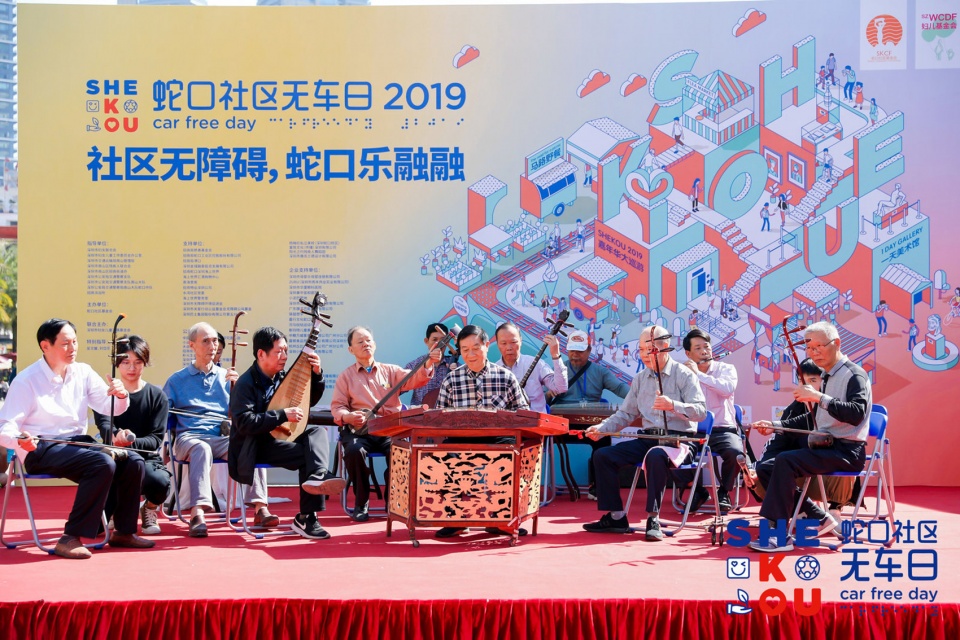
四十年前的改革开放成就了“蛇口模式”,也成为了蛇口人引以为豪的历史传统。国内首个由居民自发创建、筹资设立的深圳蛇口社区基金会,则在四十年后继续“敢为人先”,成为基层共治模式探索的样本案例。社区基金会被视为是转型社会治理下的新实践,而蛇口社区基金会也正在成为社区空间、文化、教育等公共资源的链接枢纽,通过无车日、共建花园、袁庚书院等一系列品牌活动和持续运营,积极促进环境更新和社区融合。
40 years ago, the Reform and Opening-up of China achieved the “Shekou Model”, which has also become a historical tradition of the Shekou people. The Shenzhen Shekou Community Foundation, the first community organization in China that was voluntarily established and funded by residents, continued to “precede others”. Meanwhile, it has become a sample case for exploring the co-governance community model from the grassroots. Community foundations are regarded as a new practice under the transformation of social governance, and the Shekou Community Foundation becomes a linking hub for communal space, culture, education and other public resources, through a series of activities like “Car-free Days”, “Co-building Gardens”, “Yuan Geng Academy”, etc. The continuous operations actively promote environmental renewals and community integrations.
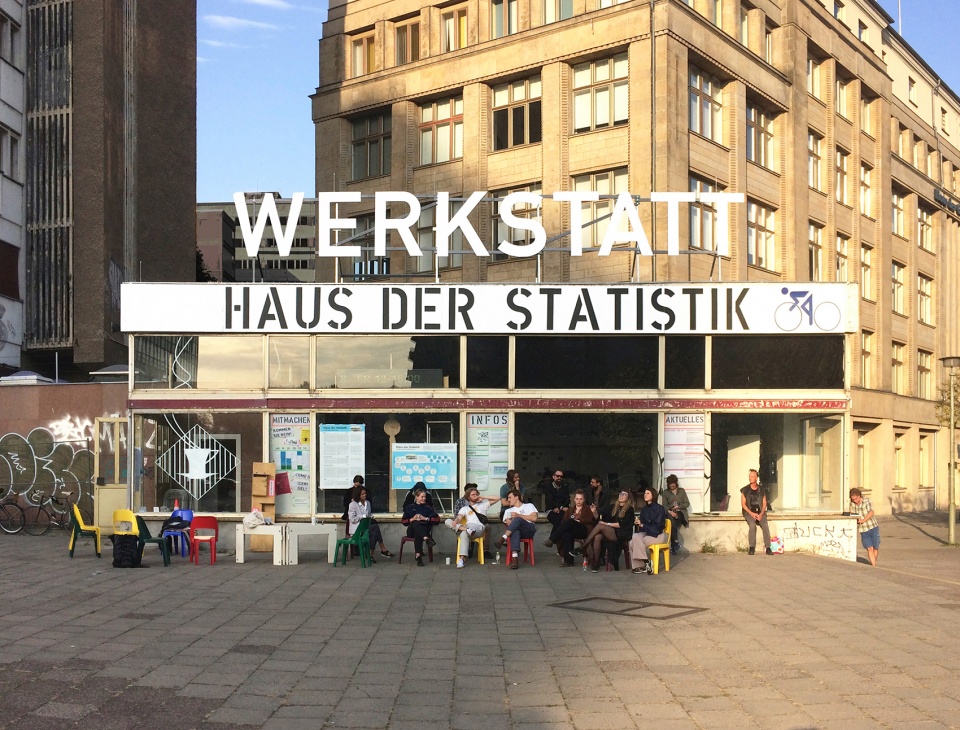
统计局大楼位于柏林亚历山大广场附近,近十年来一直闲置废弃。2015年,一群艺术家联合当地社会文化机构、艺术团体、建筑师和基金会等提出大楼改造倡议,呼吁通过建筑更新规划,在市中心创造可负担、可持续的公共复合社区。倡议成员随后注册成立城市发展合作社(ZKB),与四个行政部门和国有企业展开密切合作,最终形成一个创新、平等的项目合作平台Koop5。在持续推进规划设计和落地的同时,Koop5还陆续举办了许多鼓励民众参与的文化活动。项目已于2022年动工,预计2025年全面投入使用。
The Haus der Statistik, located near Berlin’s Alexanderplatz, has been unused for nearly a decade. In 2015, a group of artists joined forces with local socio-cultural institutions, art groups, architects, and foundations to create an initiative for renovating the building into an affordable and sustainable public complex in the city centre. Key members subsequently registered as ZUsammenKUNFT Berlin. They worked closely with four administrations and state-owned enterprises to form Koop5, an innovative and egalitarian collaboration platform, which continues to advance the project’s planning, design, and implementation while organizing cultural events to encourage public participation. Construction of the project began in 2022 and is expected to be fully operational by 2025.
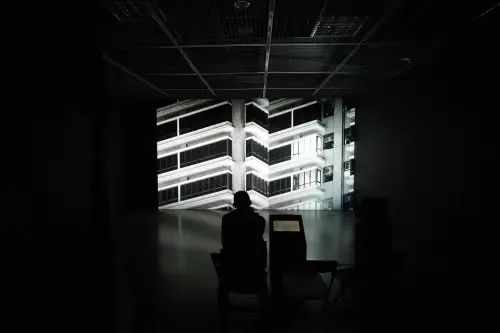
《房子与世界》是一个在科隆、纽约、台北等地持续三年的社区纪录。艺术家将摄影机设置在自家窗户上长达数周,每分钟拍摄一张照片。作品中的影像和声轨长度相异,长达19小时非同步交相播映。座椅旁独立的喇叭则喃喃自语般播放着住在同一个社区长达50年之久的长者间的对话,艺术家试图在只言片语中探寻他们的内在观点。影像、声音和声景之间的连结以优雅姿态缓缓移动,沉浸式的场域刻划出我们所处的都市肌理和空间。
“The House and the World” is a community document encompassing Cologne, New York, and Taipei for three years. The artists set up the camera in the window of their house for several weeks, taking a photograph every minute. The images and soundtracks vary in length and play asynchronously for 19 hours. A separate speaker murmurs conversations of elders who have lived in the same community for 50 years, where the artist seeks to explore their inner perspectives in fragmentation. The connection between image, sound, and soundscape moves slowly and gracefully, creating an immersive field that delineates the urban textures and spaces we live in.
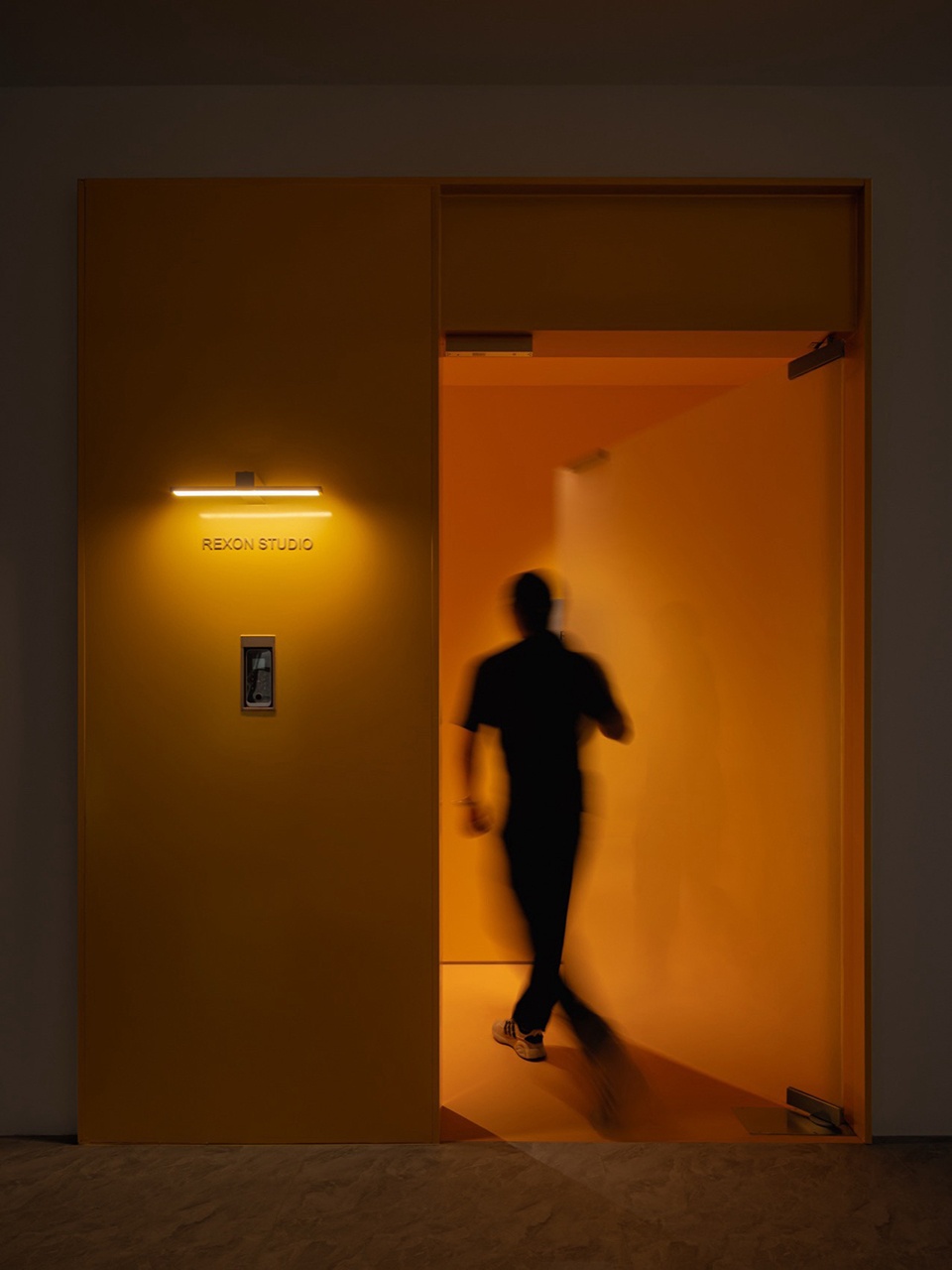
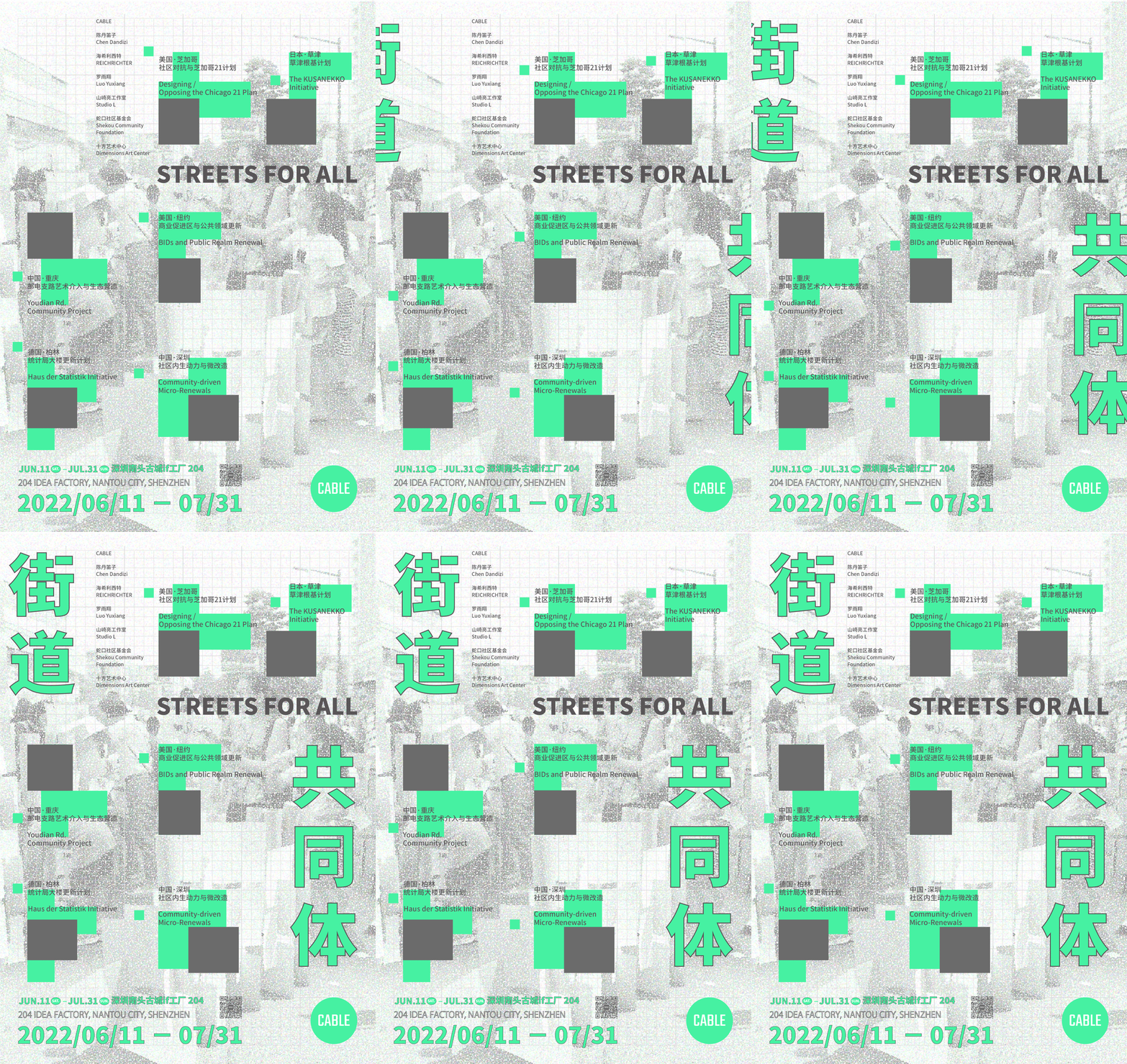
2022年6月11日至7月31日,CABLE全新展览“街道共同体”在深圳南头古城与观众见面。展览邀请来自中国、日本、美国、德国的社会组织、研究者与艺术家一道,共同探讨社区的定义,寻找个体连接和改变的路径,邀请观众重新审视个体在城市空间营造中所能产生的能量。展览通过八个案例研究与影像作品,借由装置、影像和沉浸式交互空间并置和崭新的视觉语言,呈现了国内外城市中不同群体自发组织、参与改变城市空间的实践案例。无论是持续介入的社造团队,还是因为共同理念走到一起的机构、艺术家、商家、少数族裔,总有一种行动路径能承载此时此地的探索和表达。
From June 11 to July 31, 2022, CABLE’s new exhibition “Streets for All” opens in Nantou, Shenzhen. The exhibition invites social organizations, researchers and artists from China, Japan, the United States and Germany to jointly explore the definition of community, discovering paths of individual connection and change, and inviting the audience to re-examine the energy that individuals can generate in the creation of urban space. Juxtaposing eight case studies and multimedia works, the exhibition presents examples of self-organizing local communities and their participation in the transformation of urban space, inviting the audience to explore possible paths of action and diversified perception in such process. Every individual and community may jointly explore the possibility of space and a sense of belonging; and our surrounding spaces may truly connect the body and the world, manifesting our aspiration for a better public being.
1973年,芝加哥商界组织联合市政厅发起“芝加哥21”战略规划,倡议复兴城市中心(Downtown),同时周边少数族裔社区则发起了针对该计划的反对联盟,抗议社区隔离、公共住房投入资金的下降。1984年,在纽约联合广场,首个商业促进区(BID)正式成立,街区以经济利益团结起来,自下而上地推动空间环境、品牌等多方面提升。成功抑或失败,来自芝加哥和纽约的启示,都点亮了人们的探索之路。 在重庆黄桷坪爬坡上坎儿,或是在深圳蛇口漫步荔枝林下,我们都能和充满智慧与理想的在地机构相遇,见证他们联动各方资源,改造身边低效城市角落。在日本草津,KUSANEKKO的亲昵称谓则将大家紧密团结在公园改造的平台之上。最后,我们将来到柏林亚历山大广场一座正在改造中的大楼前,见证一次艺术行动转化为各界联盟、最终落地的“突破性成功”。
In 1973, Chicago business organizations launched the “Chicago 21” strategic plan, advocating the revival of the city center, while the surrounding minority communities launched an opposition coalition against the plan, protesting community segregation and public housing decline. In Union Square, New York, the first Business Improvement District (BID) established in 1984. Street blocks are united by economic interests to promote the improvement of environment, branding and other aspects. Success or failure, inspirations from Chicago and New York light up people’s exploration till this day. Climbing up the hills in Huangjueping, Chongqing, or strolling under the lychee trees in Shekou, Shenzhen, we can meet local institutions utilizing all resources to transform inefficient urban corners. Then in Kusatsu, Japan, where under the KUSANEKKO initiative everyone is united throughout the park’s transformation. Finally, a building currently under renovation at Alexanderplatz in Berlin has witnessed the “breakthrough success” of an artistic intervention transformed into a firm alliance.
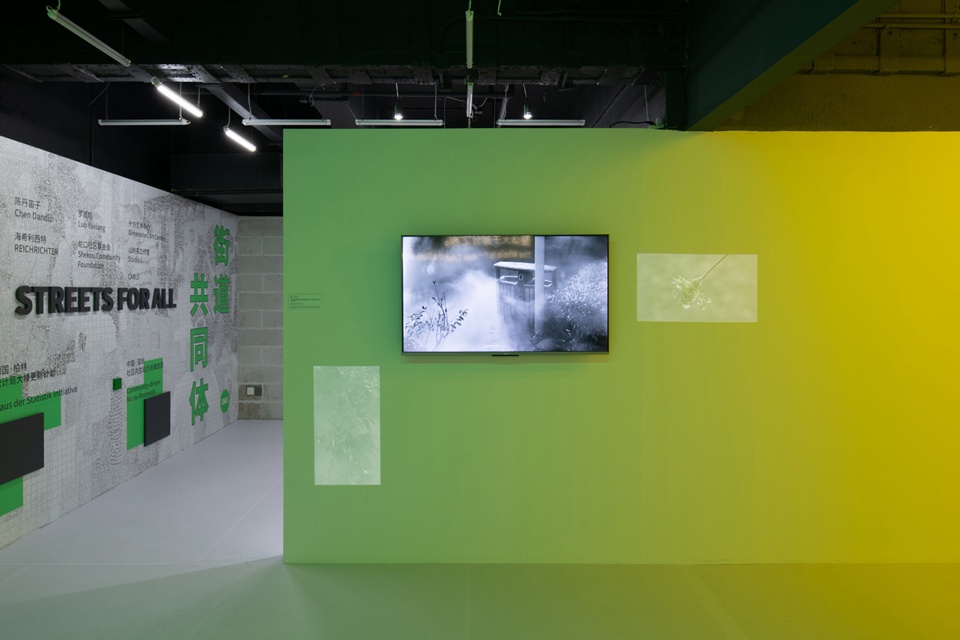
我们如何记录并反思身边的城市场域?展览中的两组影像装置作品做出了不同温度的回应。中国艺术家陈丹笛子的镜头记录了公园每日下午喷射的大量水雾,和人们相聚于这种“想象共同体”里的无限情绪释放。德国艺术组合海希利⻄特则在科隆、纽约、台北等地的旧城社区中,从他们居所的窗外展开连续摄影,“小屋”装置的一侧传出社区长者间的对话,影像、声音和声景以优雅姿态缓缓移动,唤醒对日常都市肌理和空间的珍重审视。
How do we document and reflect on the urban space around us? The two video installations in the exhibition responded differently. The lens of Chinese artist Chen Dan Dizi records the large amount of water mist spray in the park every afternoon, and the infinite emotional release of people gathered in this “imaginary community”. The German artist duo REICHRICHTER took continuous photography from the windows of their residences in the old city communities of Cologne, New York, Taipei and other places. On the side of the “Hut” installation, there is a dialogue recorded between the elders in the community. The soundscape moves slowly and gracefully, evoking a cherished examination of everyday urban fabrics.
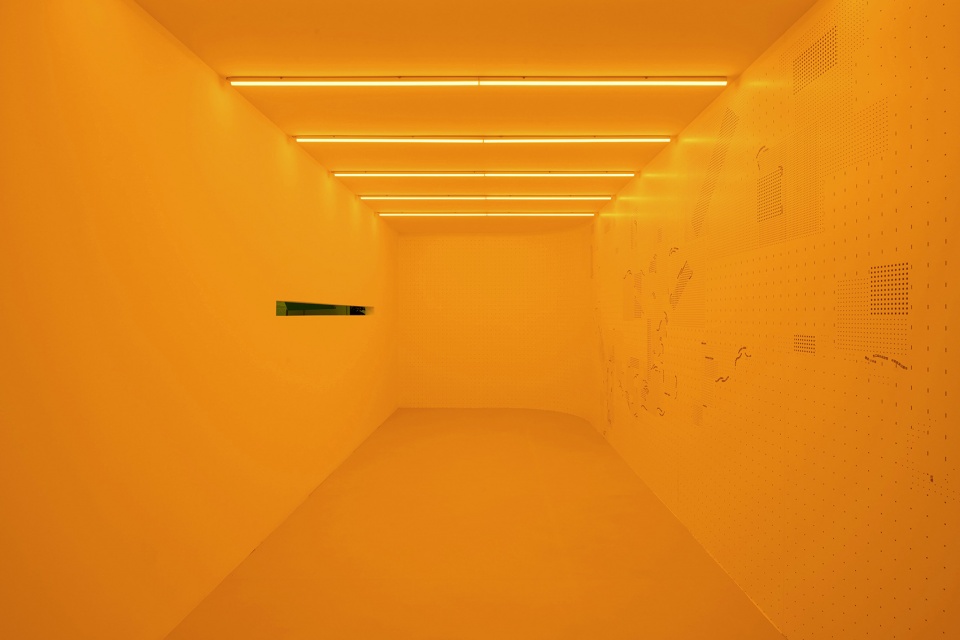
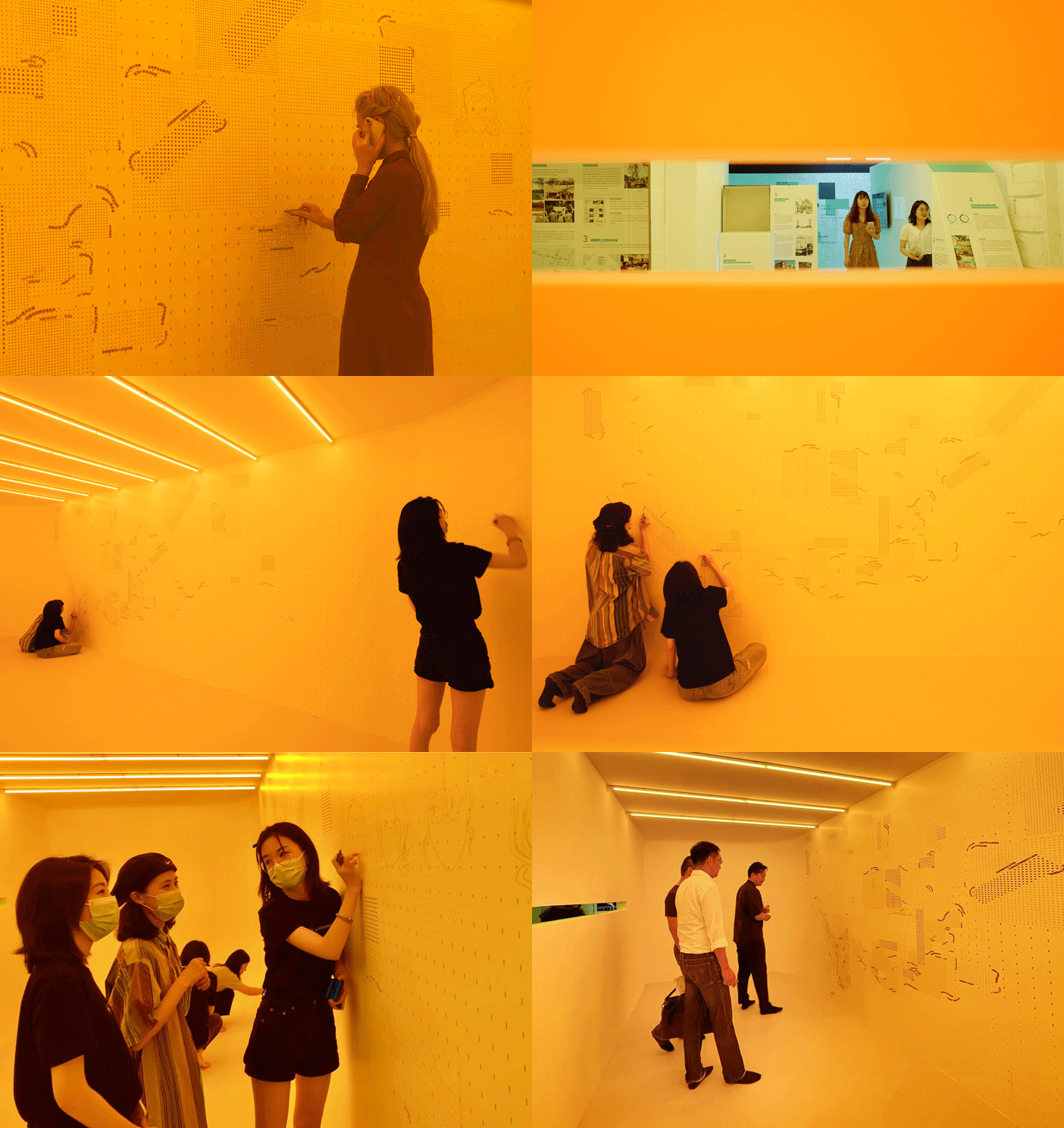
街道承载着多样的组织,而组织创造了街道的日常。展览特别联合梓集fabersociety共同策划了一个沉浸的深圳城市街道矩阵,容纳社区密度、街区理想和城市信心,而观众将用画笔补全个体情感和细节,绘制属于个人的人物、场景、事件,或与他人的足迹对话联动。
Streets carry diverse organizations, and organizations create the daily life on the streets. CABLE and fabersociety jointly designed an immersive Shenzhen city matrix, accommodating architectural density, block ideals and urban confidence. The audience are invited to use a highligther to complete individual emotions and details, drawing their own characters, scenes, events, or connecting with others’ footprint: individuality will greet with commonality in the shared warm light.
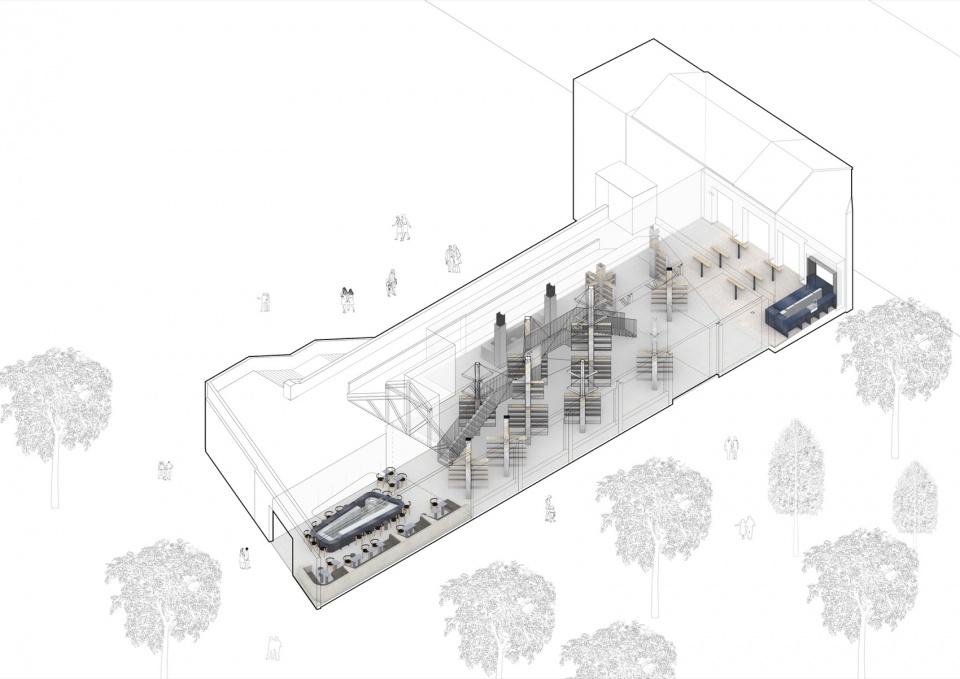
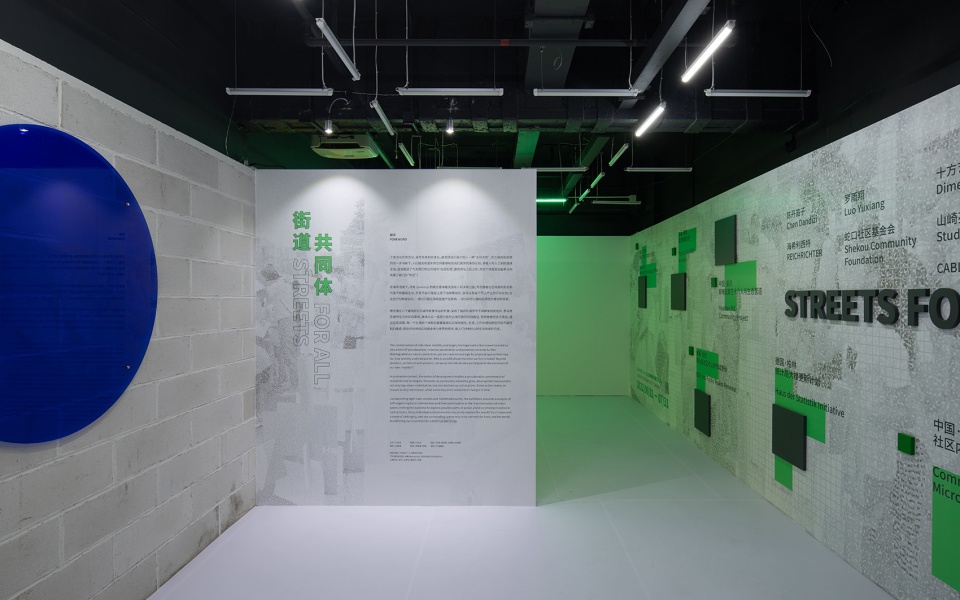
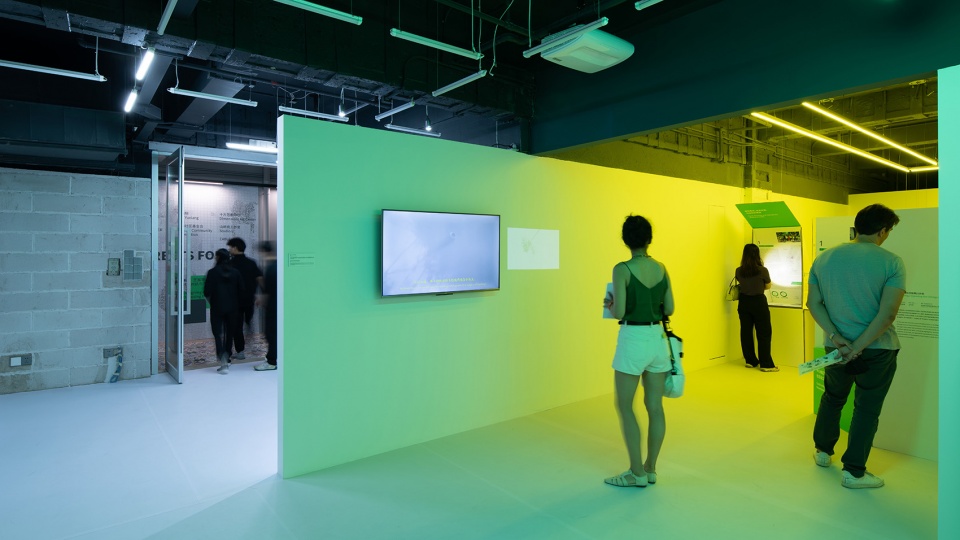
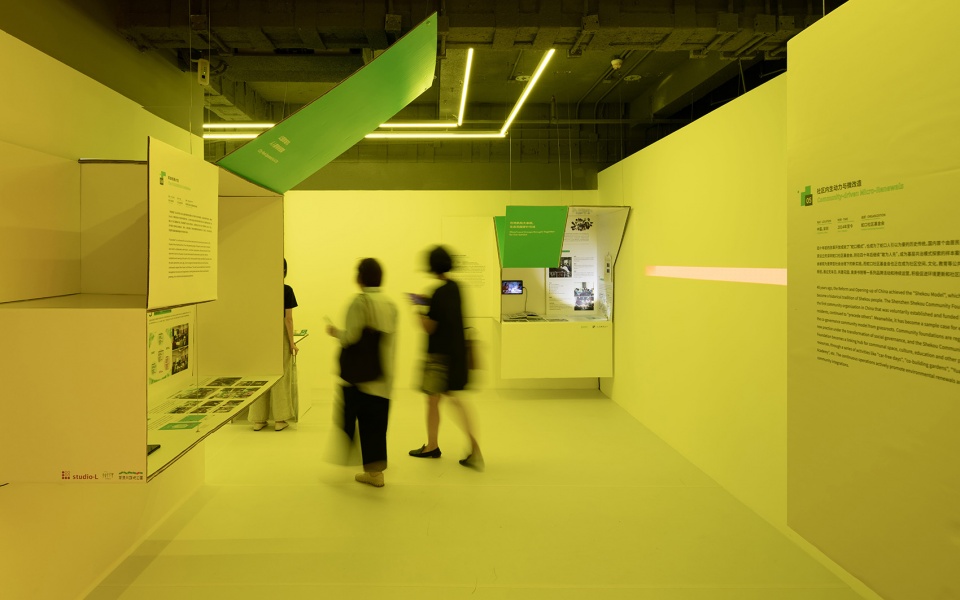
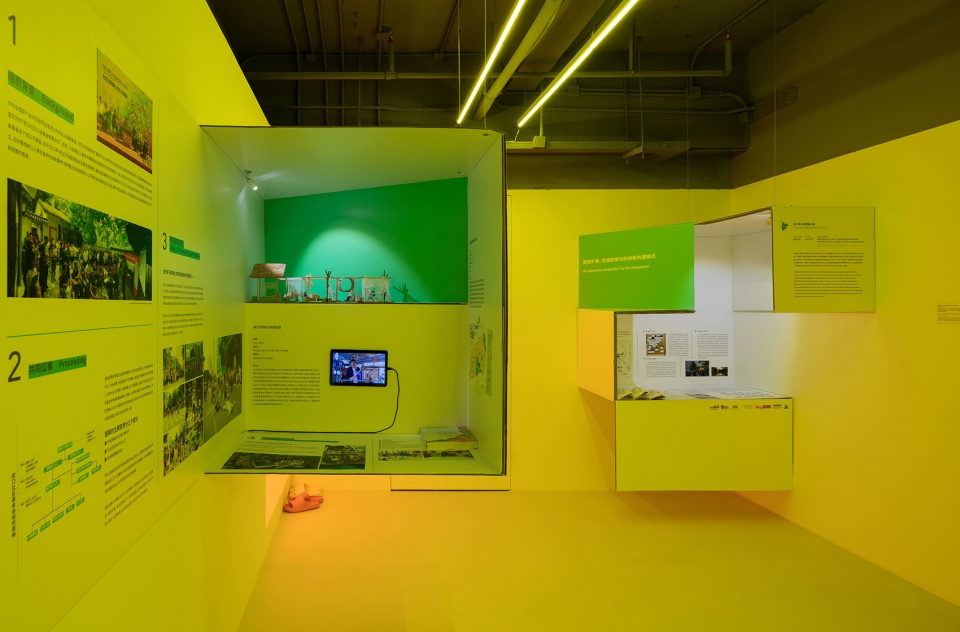
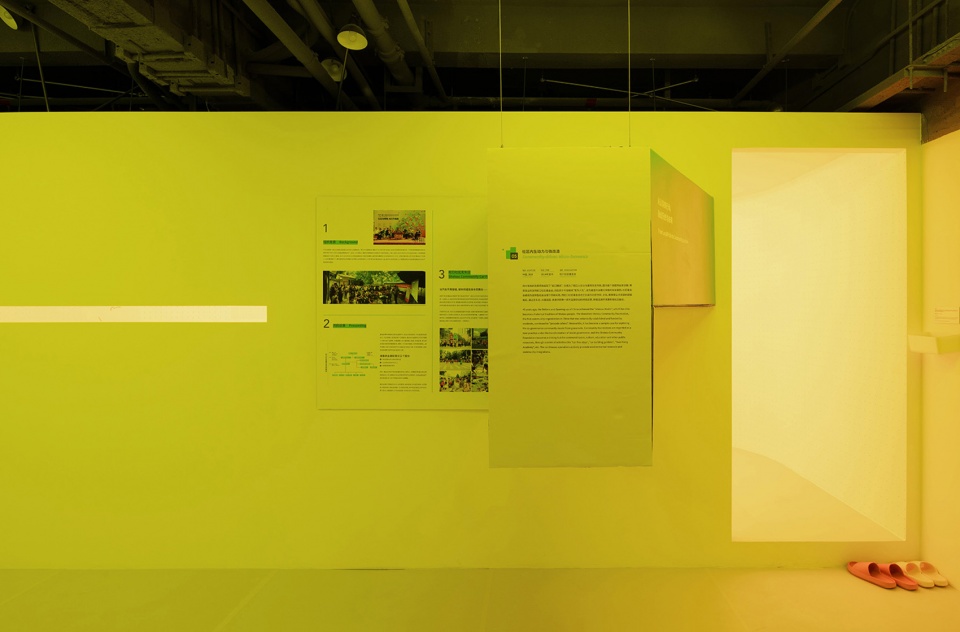
本次展览中呈现的大部分案例为首次在国内展出,包括由市政府授权参展的日本草津川旧址公园共建,和罗雨翔关于不同规模BID的研究等项目。因此,展陈设计用模块形体的聚散来具象化社区的“相聚合”,以不规则、非标准的模块表达不同社区的特殊性。立方体原型被拆解为六组表情变化的装置体,通过瓦楞纸板的灵活变形适配内容信息与观看距离,不同色彩、不同浓度的灯光参与到空间中自然形成分区,增加阅读趣味,希望邀请更多非专业观众的参与。
Most of the cases presented in this exhibition are exhibited in China for the first time, including the Kusatsu River Park authorized by the municipal government, and Luo Yuxiang’s research on BIDs on different scales. Therefore, the exhibition design uses the gathering and dispersing of units to visualize the “convergence” of community, while expresssing the particularity of different communities with irregular and non-standard modules. The cubical prototype is disassembled into six sets of devices with changing expressions. Through flexible deformation of corrugated cardboard, it adapts to the content and viewing distance. Different lighting naturally form spatial partitions, increasing the interest of more non-professional audiences.
展览信息
主办:CABLE
时间:2022年6月11日 – 7月31日,逢周一闭馆
地址:深圳市南山区南头古城if工厂204
策展:CABLE
团队:何柳、邱奕枳、刘雨欣、徐靖宛
空间:梓集fabersociety
展陈:林梓瑜
视觉:罗嘉慧、郑璐
制作:乐造展务
特别鸣谢:
万科城市研究院
梓集fabersociety
深圳市城市设计促进中心
德国驻广州总领事馆
出野纪子、彭可、全荣花、戴天行、何宏、何京
Credits
Organizer: CABLE
Curation: CABLE
Team: He Liu, Qiu Yizhi, Liu Yuxin, Xu Jingwan
Exhibition Design: Lin Ziyu
Visual Identity: Luo Jiahui, Zheng Lu
Production: LEZAO
Special thanks to the following institutions and individuals:
Urban Research Institute of China Vanke, fabersociety,
Shenzhen Urban Design Promotion Center, Generalkonsulat der Bundesrepublik Deutschland Kanton
Noriko Deno, Peng Ke, Quan Ronghua, Dai Tianxing, Michael He Hong, He Jing