Mana工作室,印度 / Studio IKSOI
▼工作室外观,exterior of the workplace
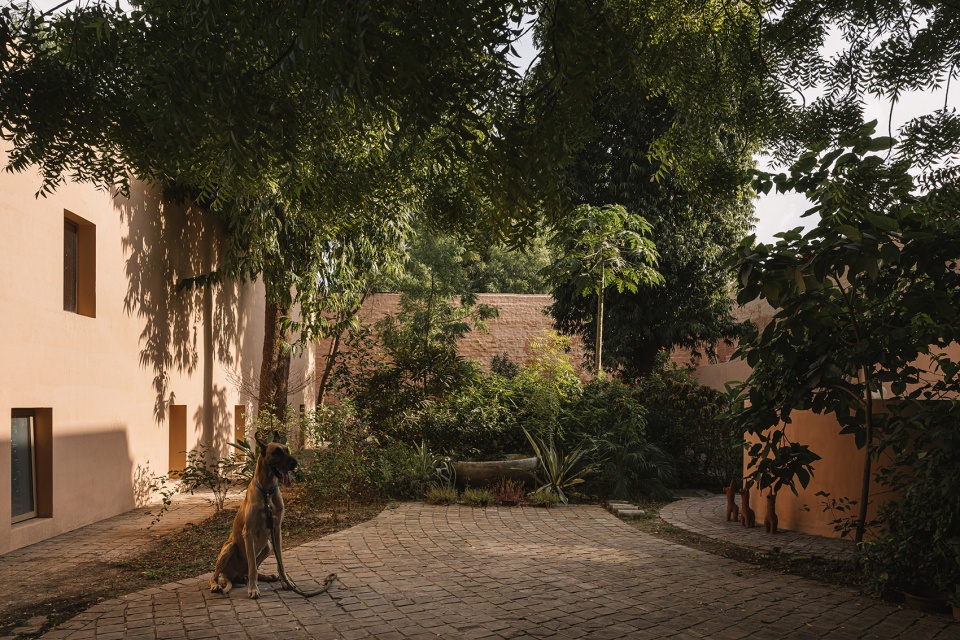
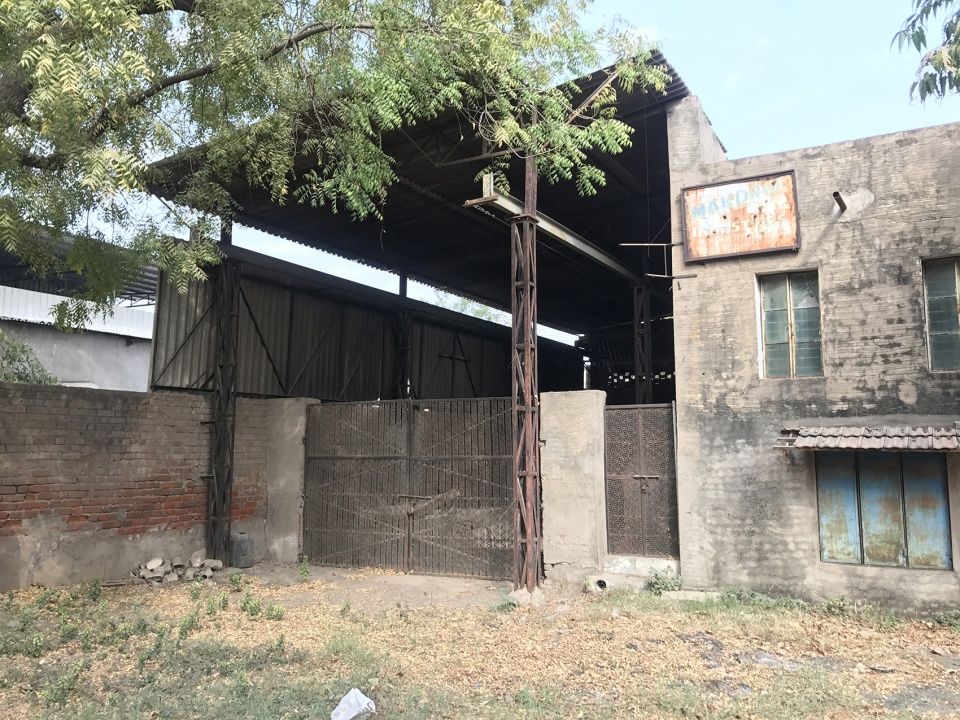
由 Studio Iksoi改造的Mana工作室,并未试图抹去原有的历史,而是与之展开对话。该工作室坐落在一座废弃工厂中,这片2000平方英尺的场地曾属于Dhawal和Mansi的父亲。Mana是一场关于记忆、发现与设计的空间实验。改造手法克制而深刻:在保留原有场地格局的同时提升了庭院地坪,使熟悉的空间变得陌生;原本分隔功能的墙体如今引导探索。它既不是单纯的修复,也不是彻底的重塑,而是在“过渡”中生成,让建筑成为过去与未来的低声对话。
Mana, Studio Iksoi’s workspace does not seek to overwrite its history, but to engage with it. Retrofitted within an abandoned factory that belonged to Dhawal and Mansi’s father, this 2000 sq.ft. workspace is an evocative exploration of memory, discovery, and design. The intervention is subtle yet profound—retaining the site’s original footprint while raising the ground level, IKSOI has created a space where the familiar becomes unfamiliar, and where walls once enclosing functions, now invite curiosity. Neither a mere restoration nor a stark reinvention, Mana exists in the in-between, where architecture becomes a quiet dialogue between what was and what could be.
▼改造后工厂外观,exterior of the factory after renovation
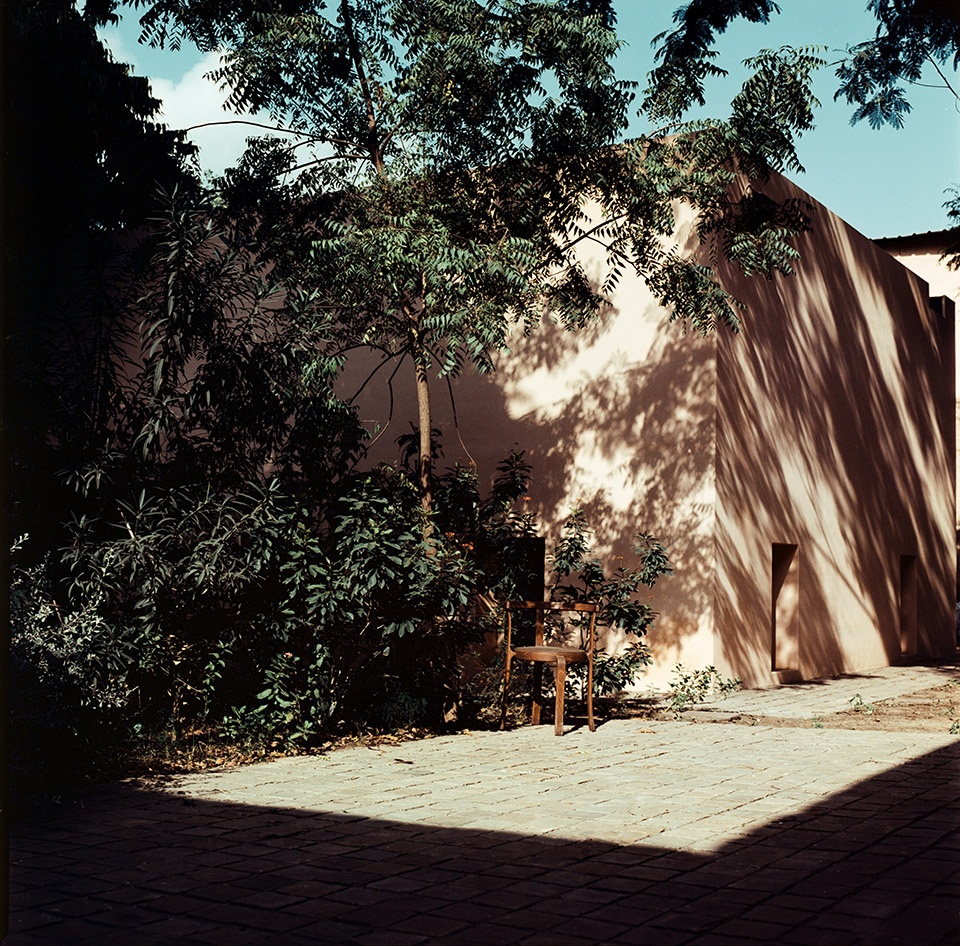
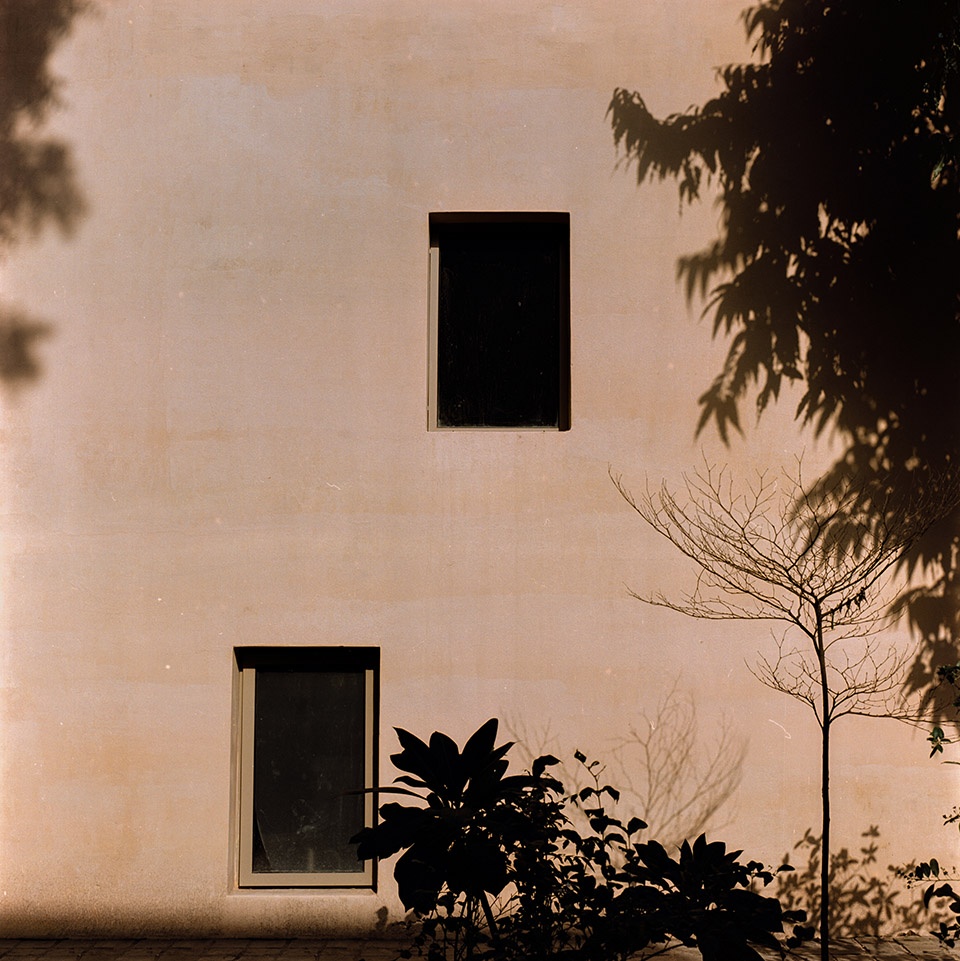
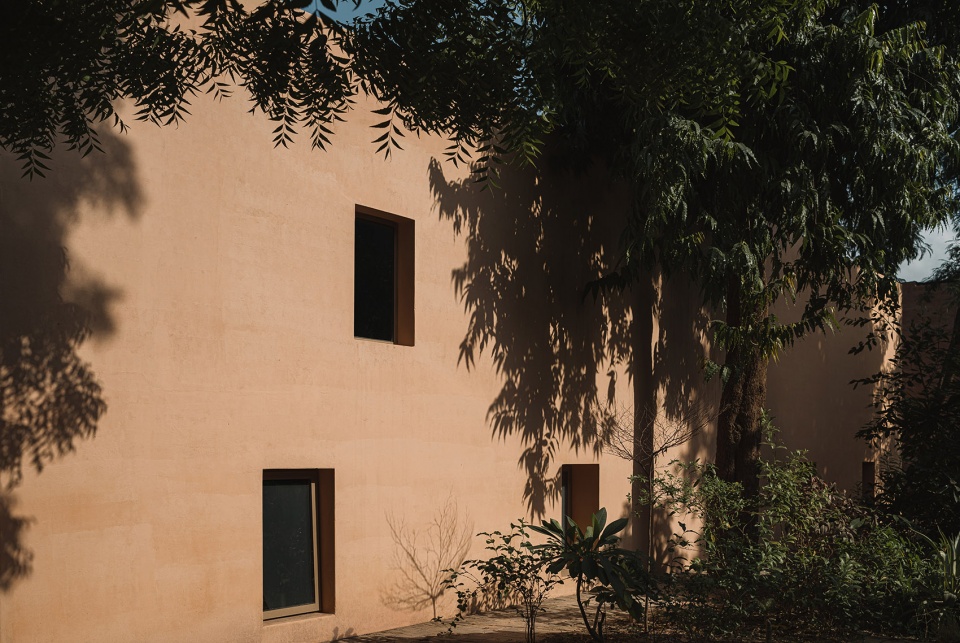
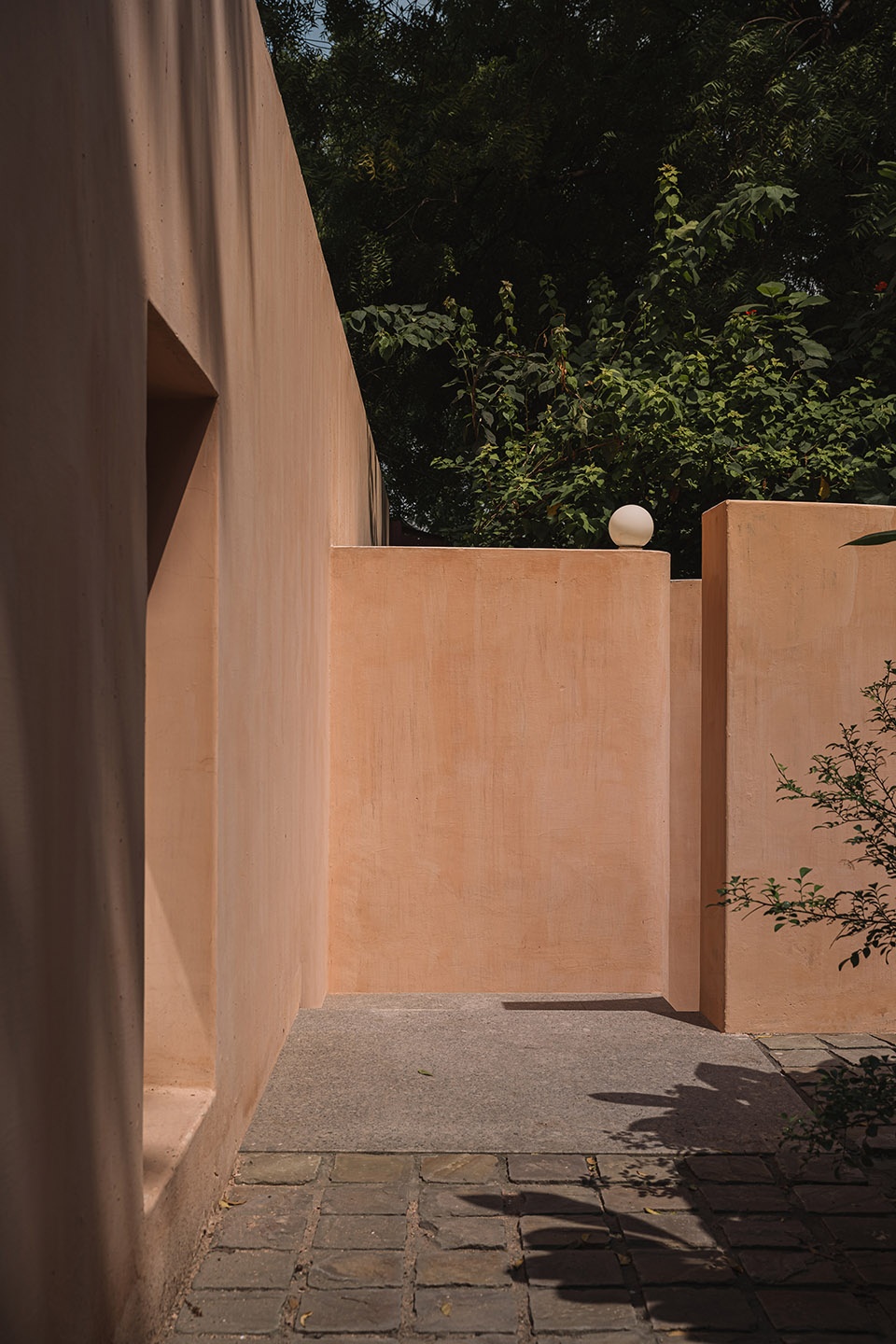
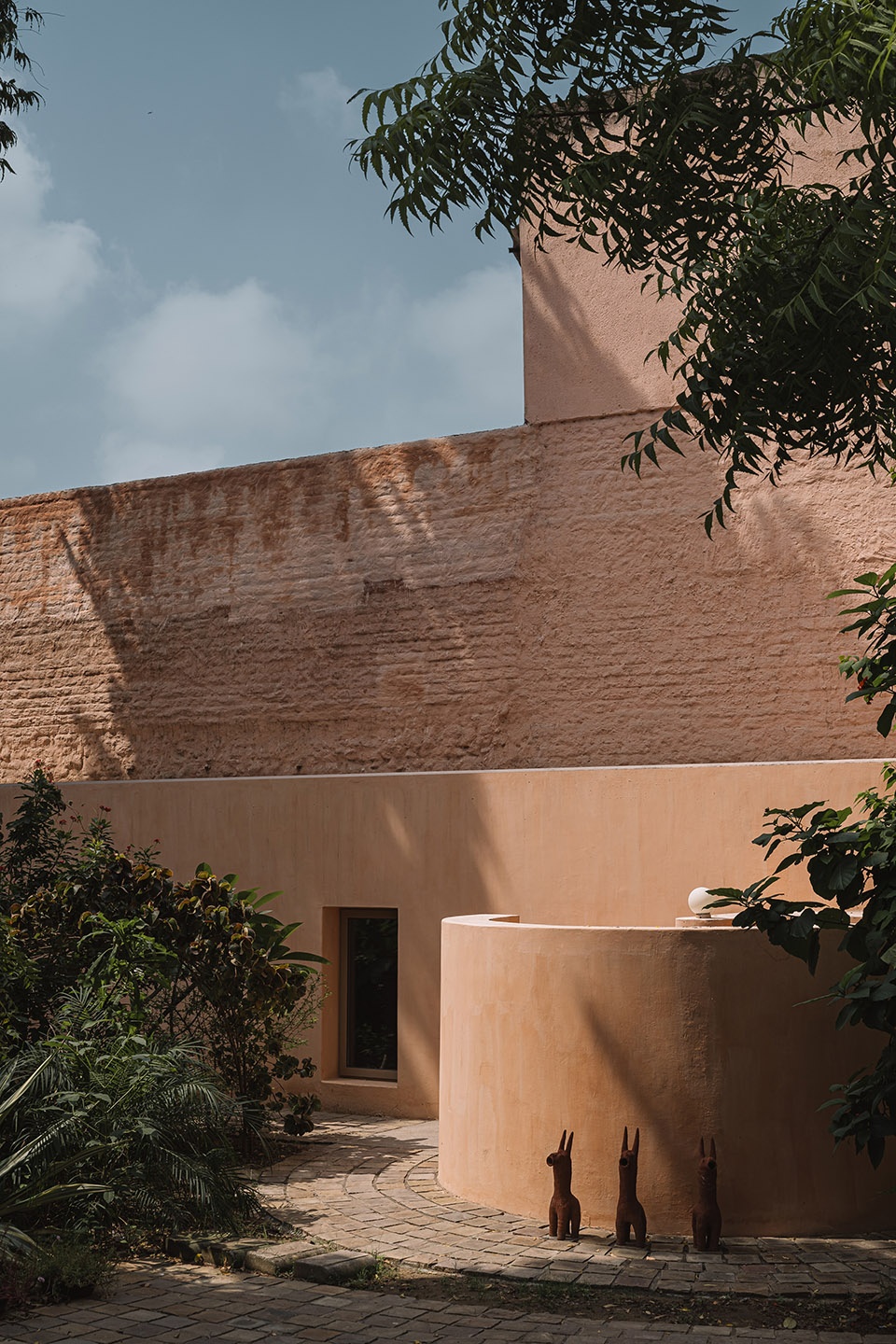
从外部看,工作室几乎隐去自身。高达4.5至6米的围墙,将场地与灰暗粗砺的工业环境隔绝开来。步入其间,一抹意想不到的色彩打破沉寂:石灰抹面墙体涂以柔和的粉色,构成单体式的空间序列,让人惊讶,甚至着迷。随之而来的是安静的好奇心——“没有一个元素在你预期的位置上”,Mansi如此形容。缺乏显性的入口,更加深了这种探索感。
From the outside, the studio reveals little. The site is enclosed by towering compound walls, rising between 4.5 and 6 meters, creating a stark boundary with the gray and gritty industrial surroundings. As one steps inside, a striking pop of color immediately disrupts the monotony. A monolithic composition of lime-plastered walls painted in a muted pink hue, leaves one surprised, if not mesmerised. Then, a quiet sense of curiosity takes over. “No element is where one would expect it to be,” observes Mansi. The absence of an obvious entry only heightens this intrigue.
▼石灰抹面墙体涂以柔和的粉色,lime-plastered walls painted in a muted pink hue
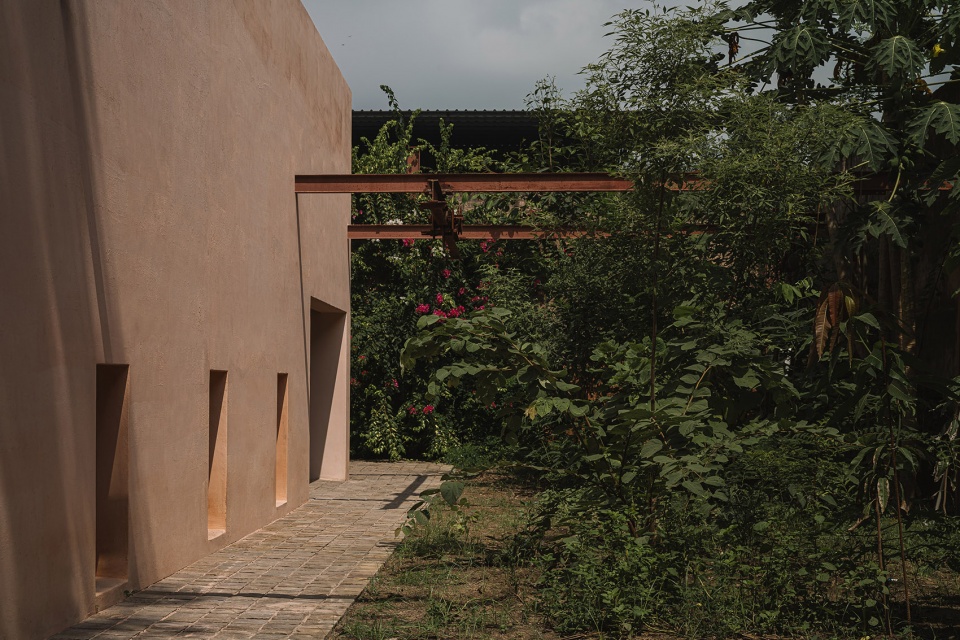
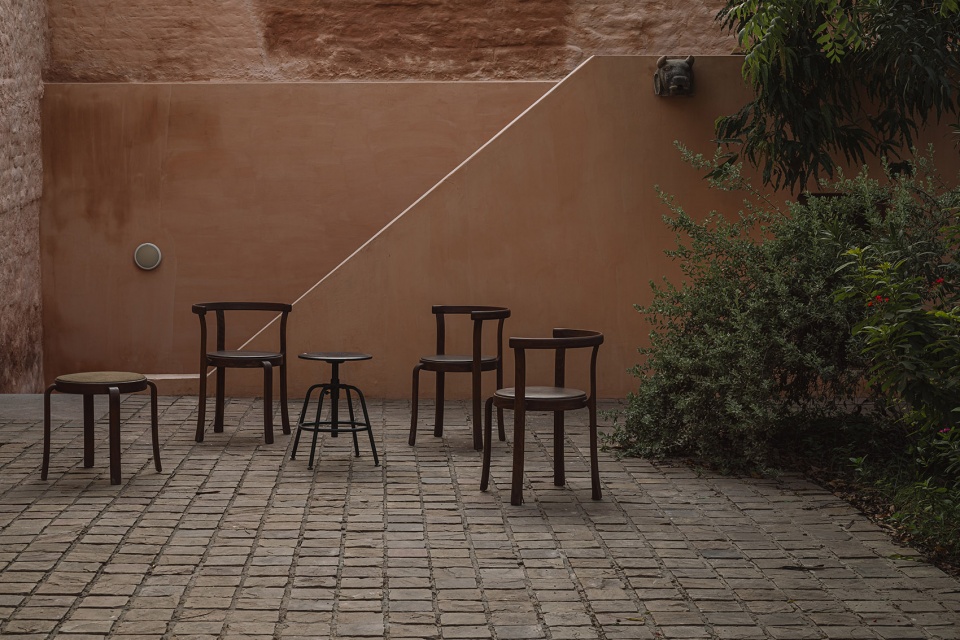
▼构成单体式的空间序列,a monolithic composition of lime-plastered walls
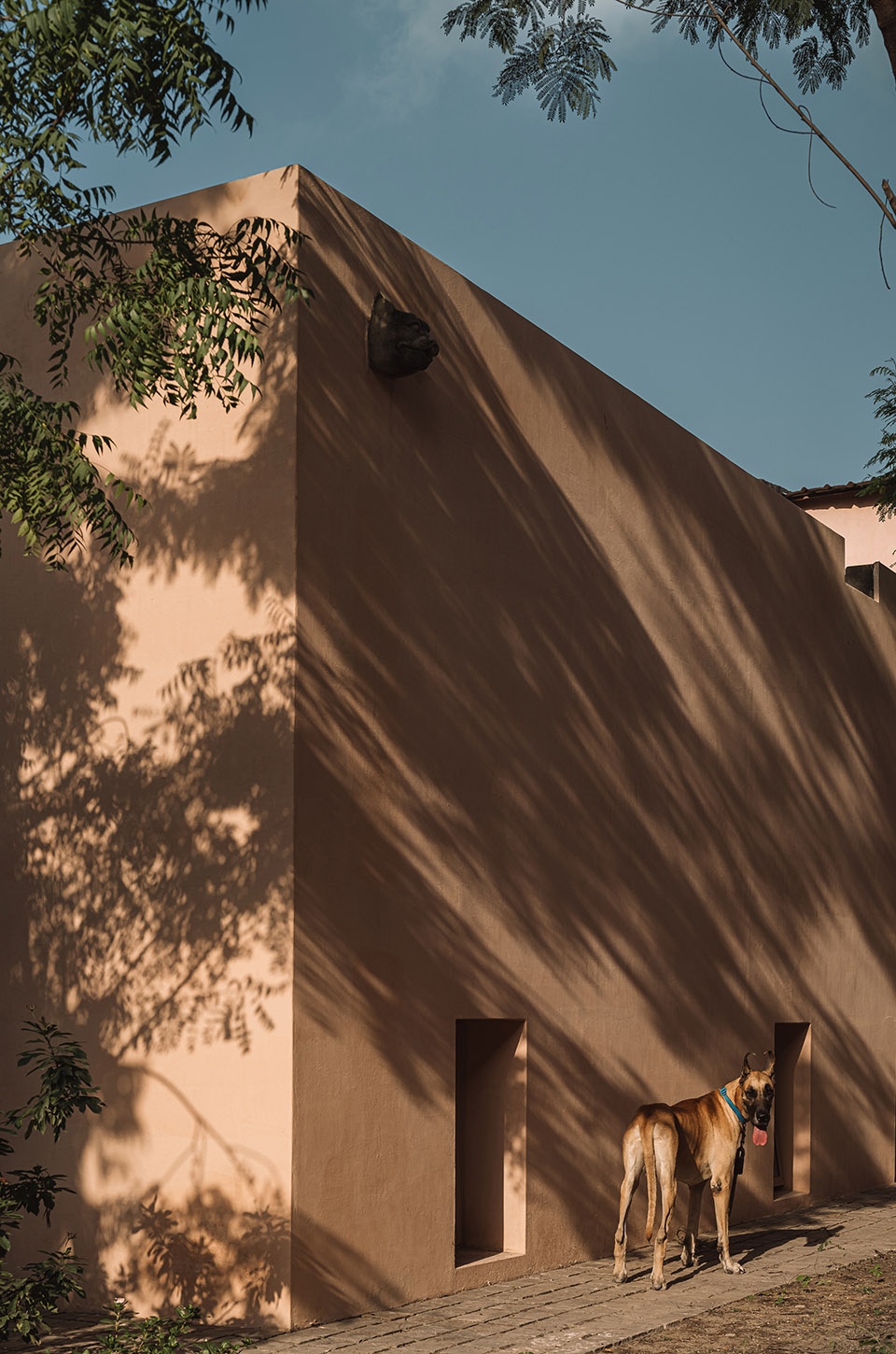
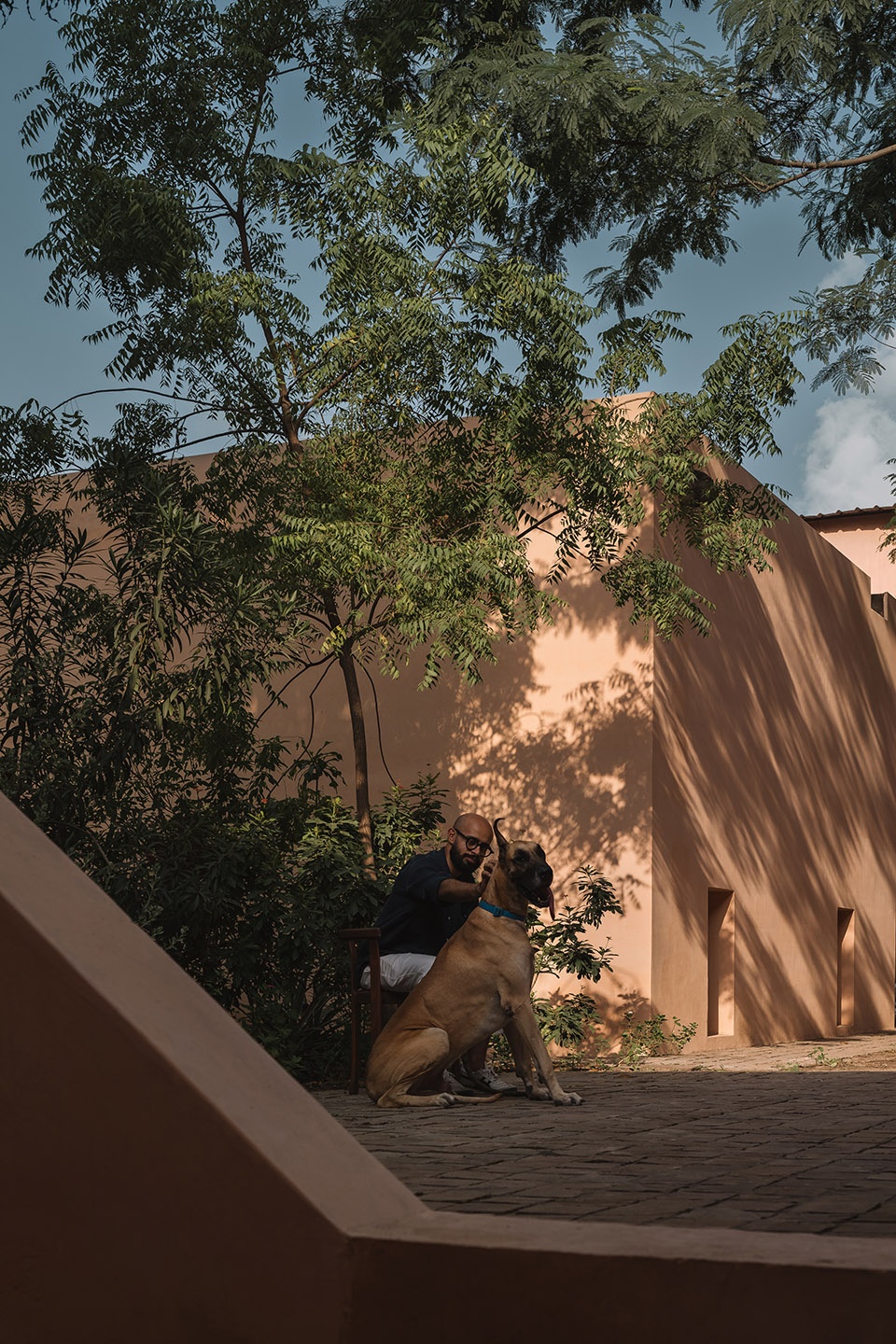
▼以色彩打破沉寂,a striking pop of color immediately disrupts the monotony
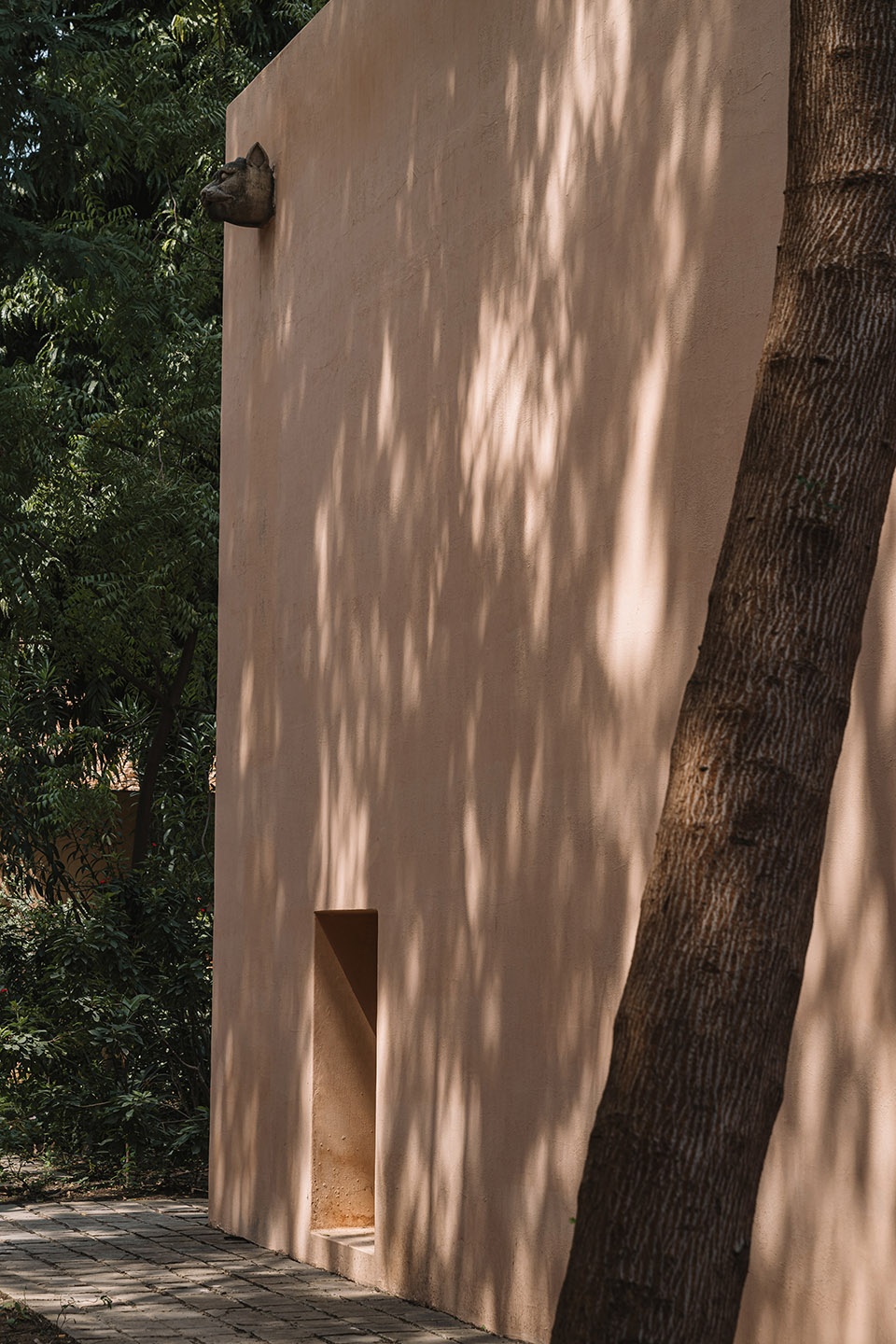
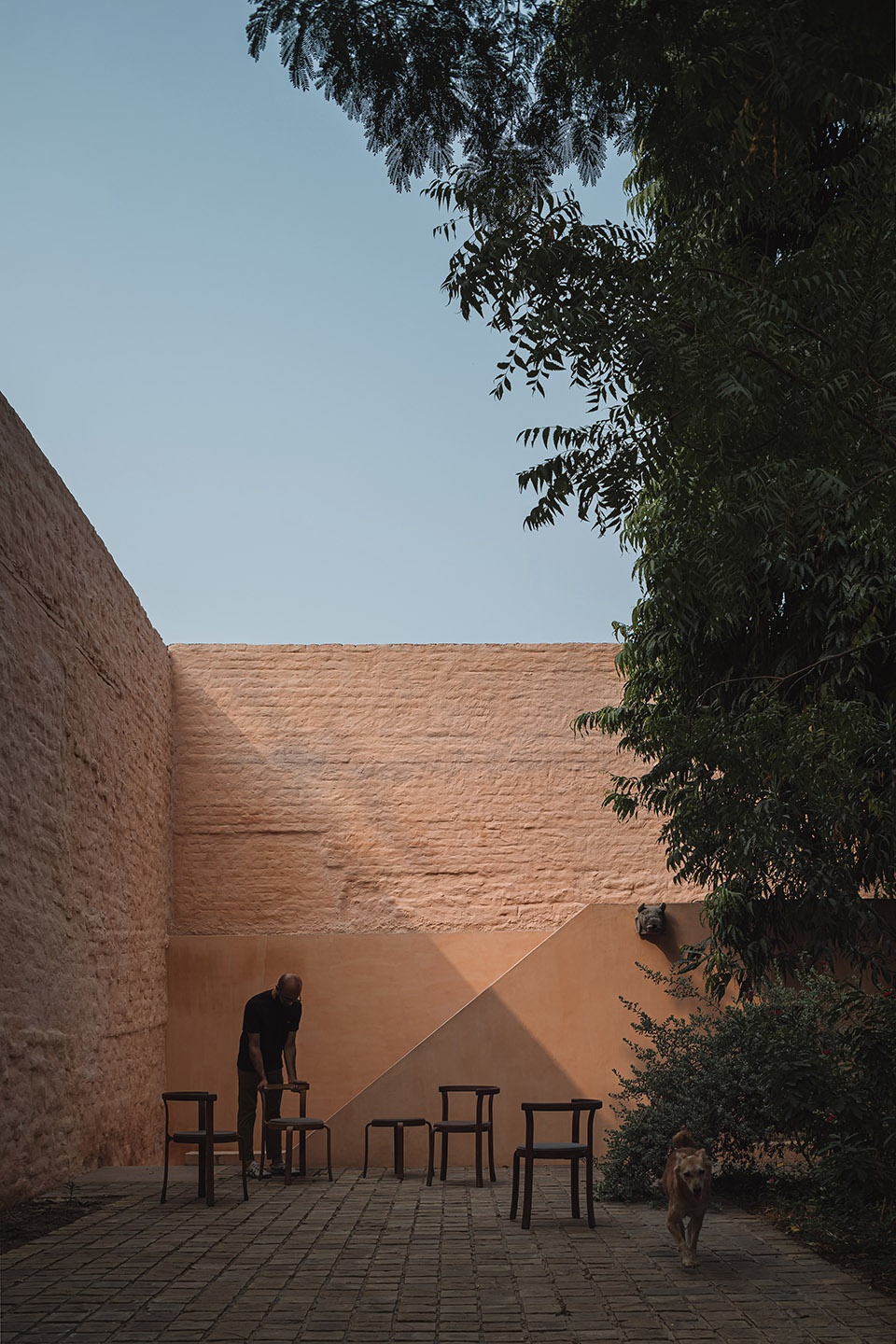
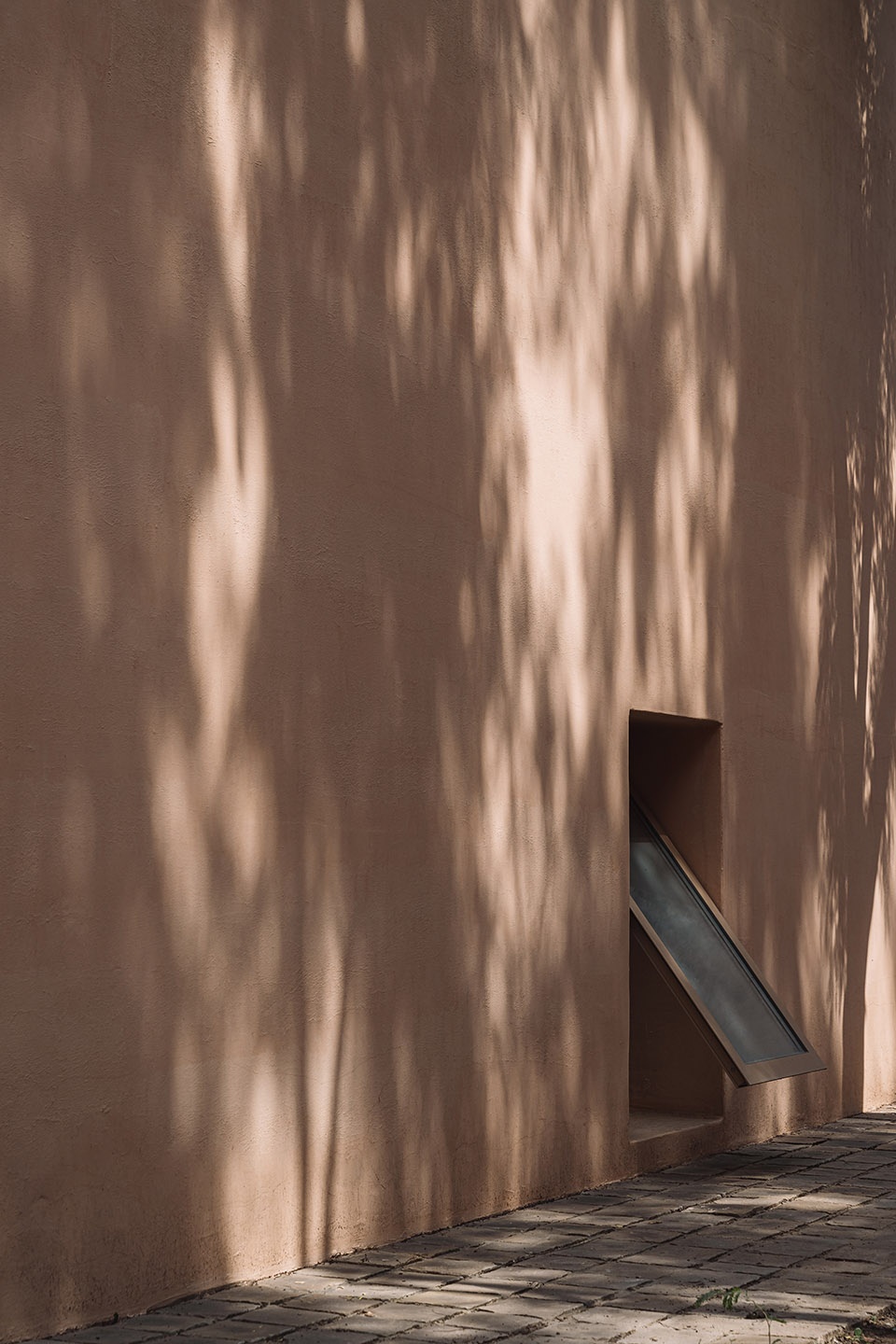
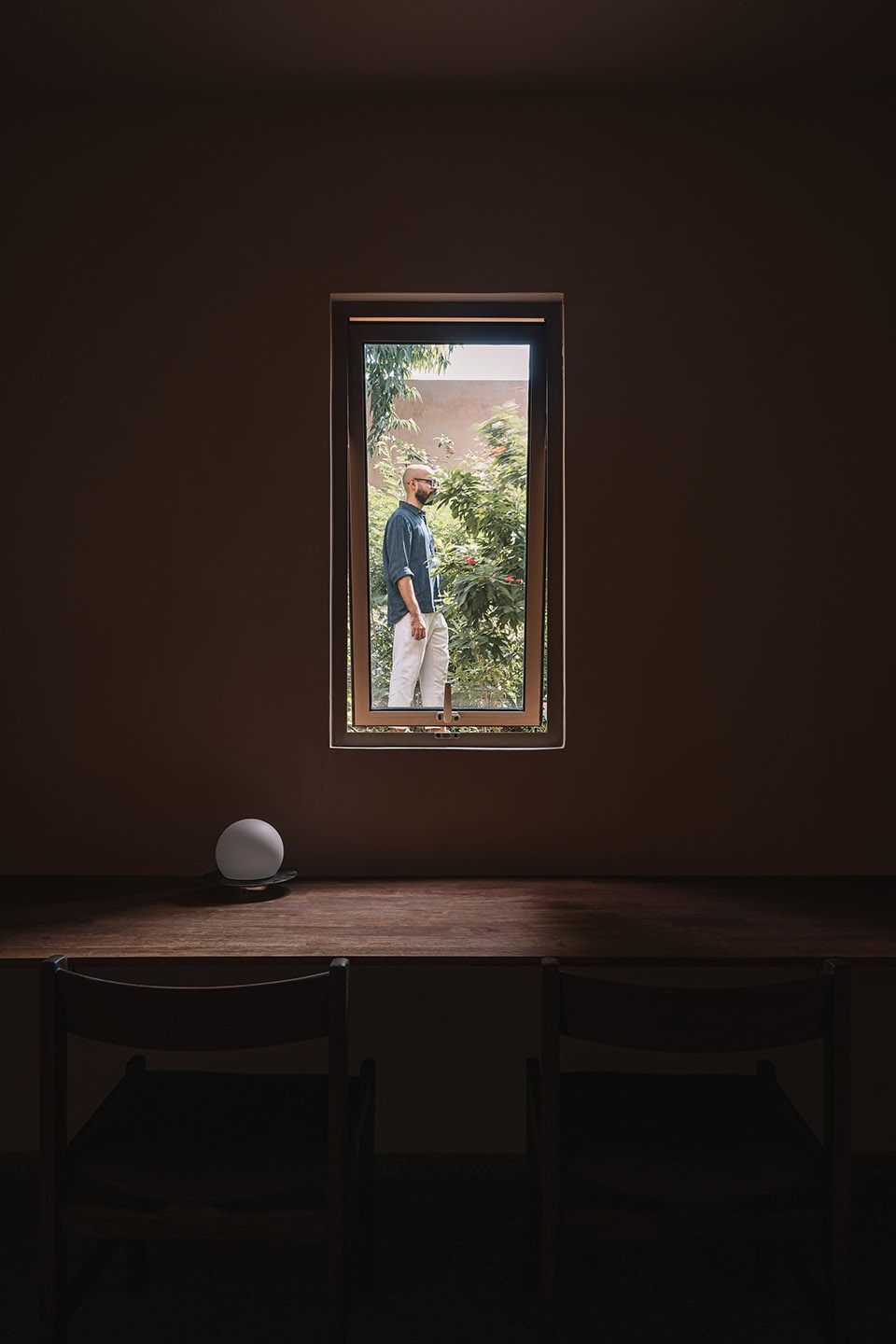
Mana的改造手法蕴含于细微的姿态之中:设计没有抹去历史,而是改变了人们对建筑的感知。办公室布局遵循原有厂房的基底,但中庭的地面被抬高,带来出乎意料的空间效果——翻新的建筑部分陷入地面之中,曾经的厂房大门,如今成为工作区的窗口。这些门窗处于不寻常的高度与尺度,并非出于设计常规,而是源于建筑师对旧有结构的尊重。
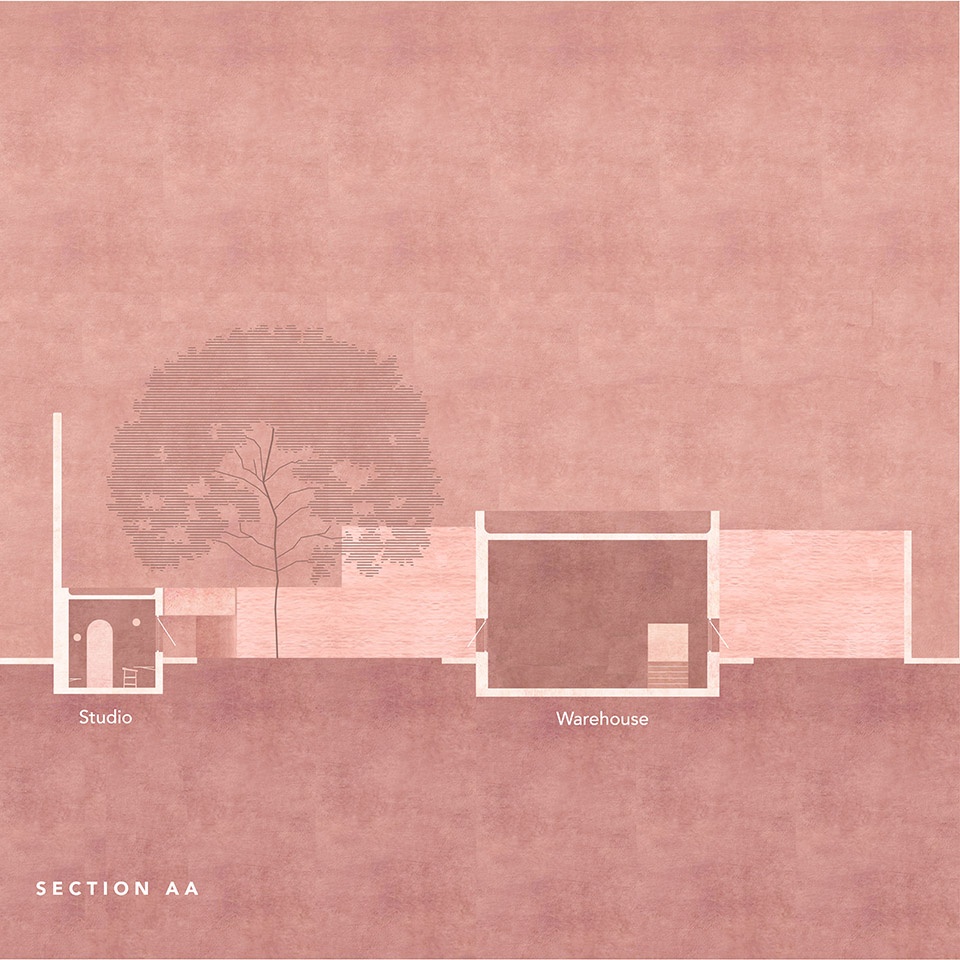
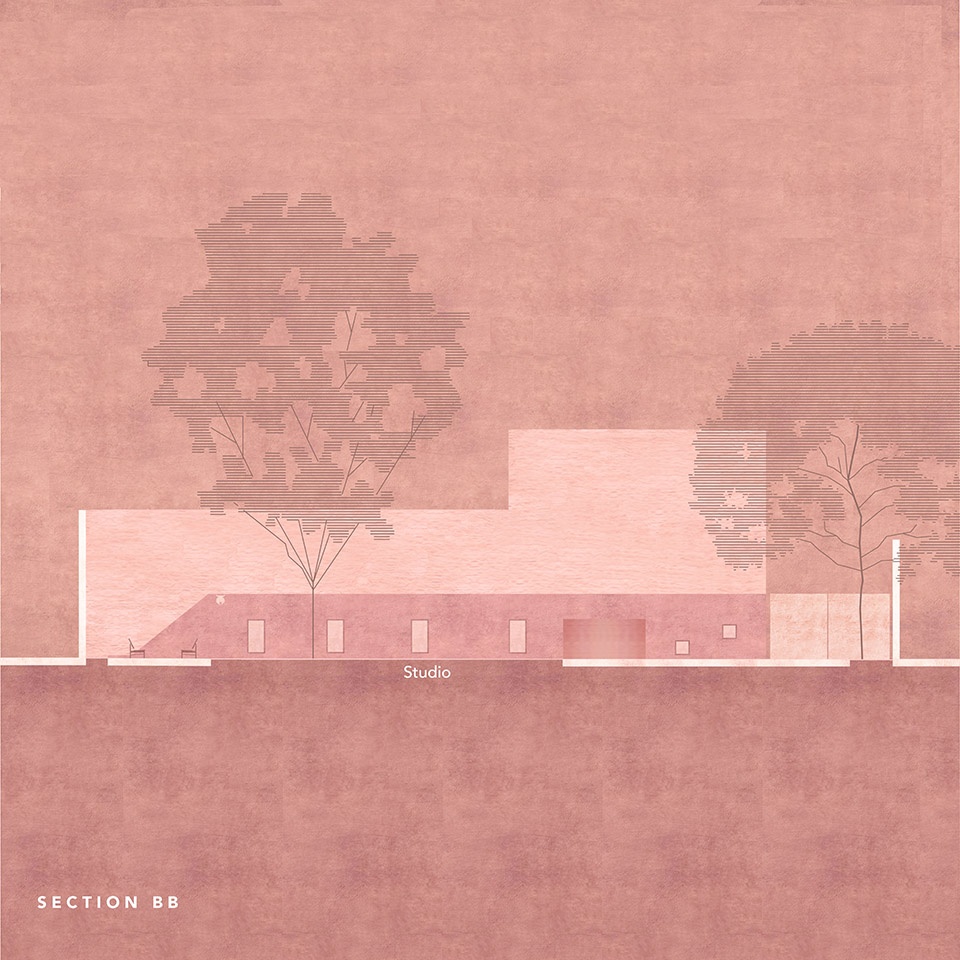
The architectural interventions at Mana—embedded in subtle gestures, where the design doesn’t erase the site’s history but shifts the perception of the building—adds to the mystique of the whole space. While the office layout follows the footprint of the site’s original structure, the ground level in the middle courtyard has been raised to create an unexpected effect: where the new refurbished buildings now sit partly sunken into the earth. This shift in the site level, turns what were once the doors to the factory hall, into windows for the workstation, thereby maintaining the memory of the site’s past life. Their appearance at unconventional heights and in varying sizes, are dictated not by design conventions but by the architect’s resolve to retain the framework of the past structure.
▼门窗处于不寻常的高度与尺度,windows appearance at unconventional heights and in varying sizes
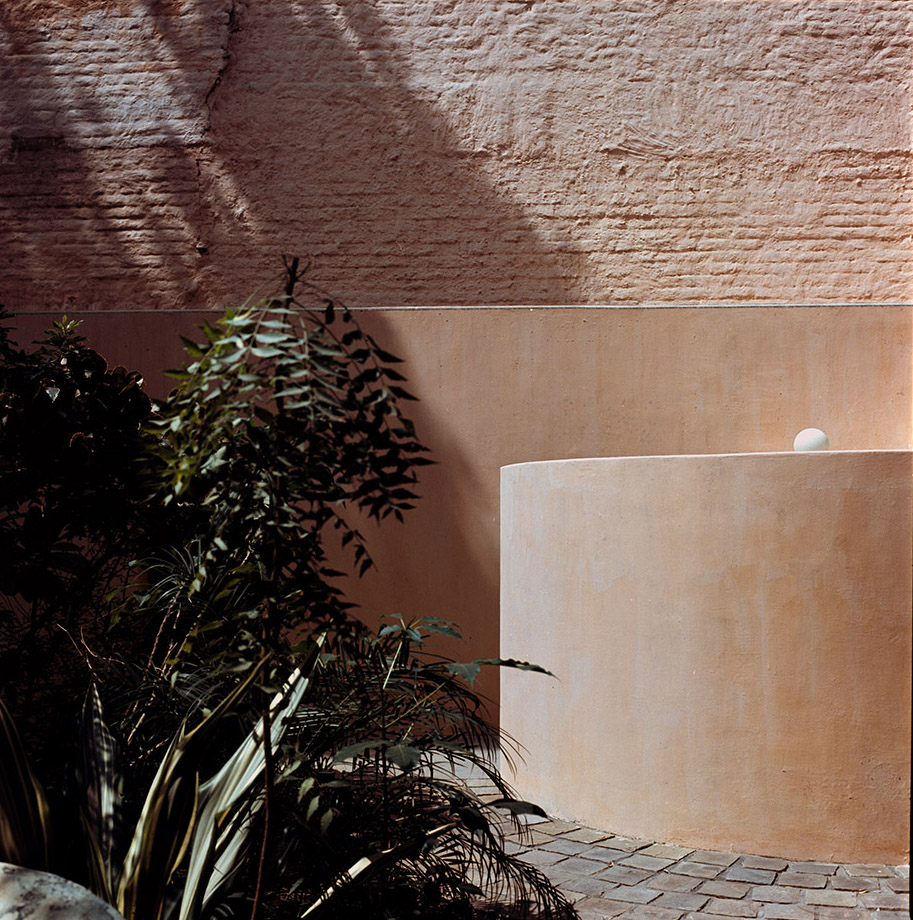
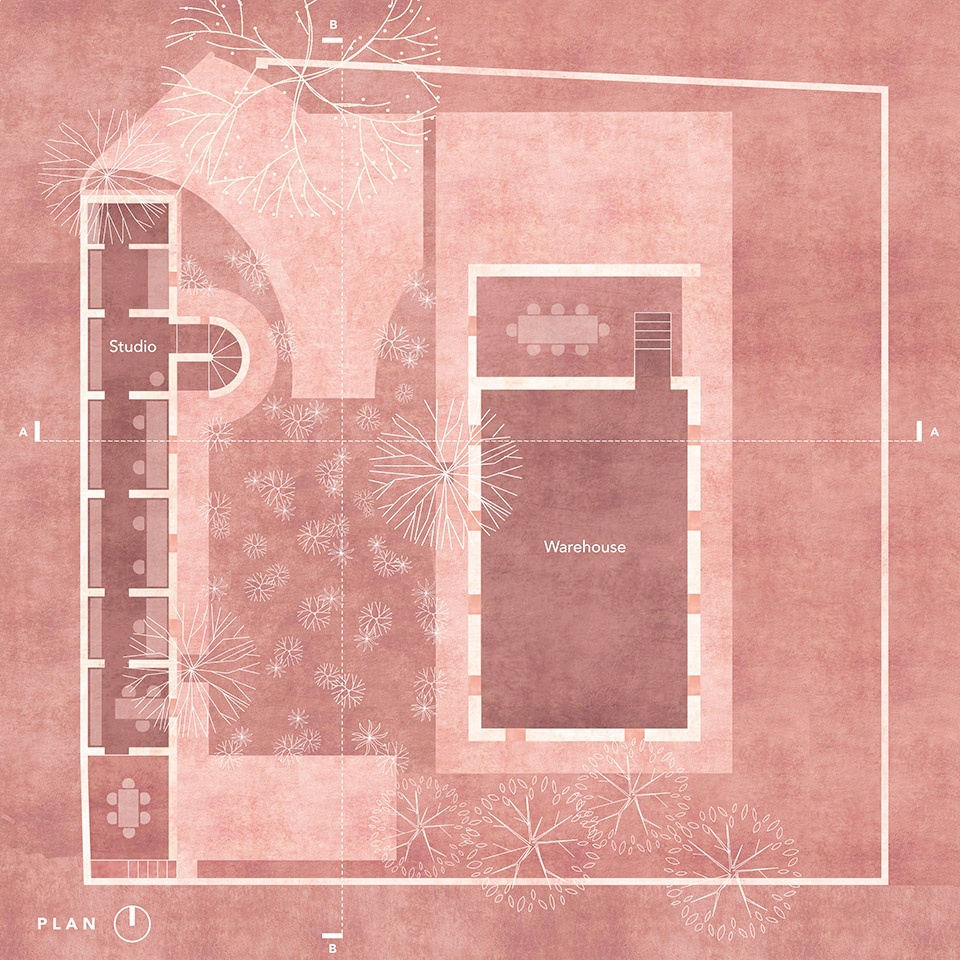
这一地势变化亦重塑了场地的动线。场地由两部分构成:沿边界墙布置的较小体量,以及中央曾安放机器的大体量。虽然延续了原有布局,但流线不再由单一轴线主导,而是交由访客自行探索。路径自然生成,有些显而易见,有些则需慢慢发现。比如,通往办公空间的主入口隐藏在弧形墙体之中,而中央体量的入口则潜藏于一条低调的通道内。
This reconfiguration of the courtyard also shapes the way one navigates the site. Defined by two distinct blocks—the smaller one running along the boundary wall, and the larger central volume that once housed the factory’s machines—the site maintains its original footprints. However, with no singular axis directing the movement, the circulation is left to the visitor. Pathways emerge organically, while some are revealed instantly, others happen only upon exploration. For instance, the primary entry to the office space is camouflage within the curved walls, while that of the central block can be found in an unassuming place, hidden within a passage.
▼入口潜藏于一条低调的通道内,the entrance is hidden in an inconspicuous passageway
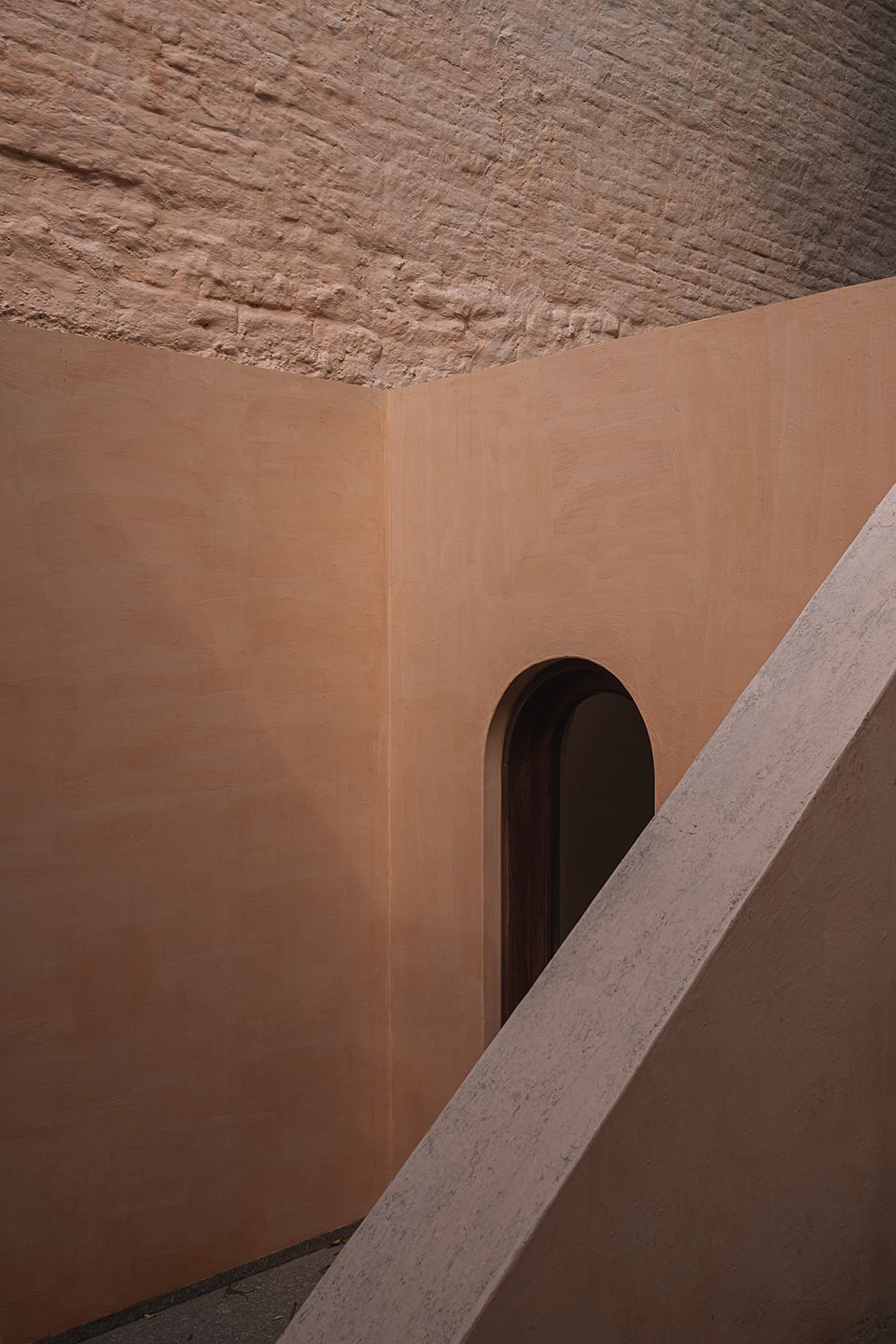
▼办公空间的主入口隐藏在弧形墙体之中,the primary entry to the office space is camouflage within the curved walls
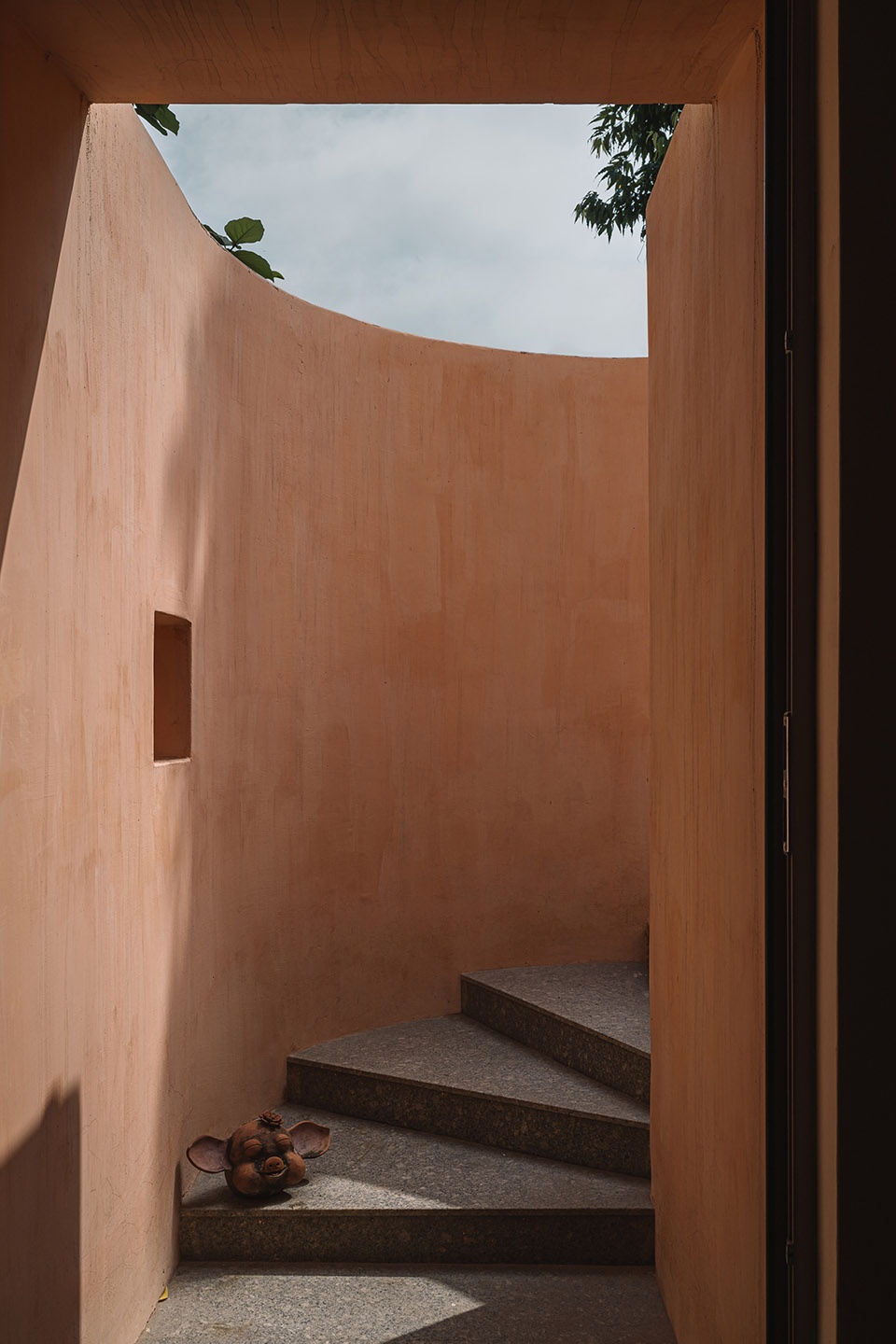
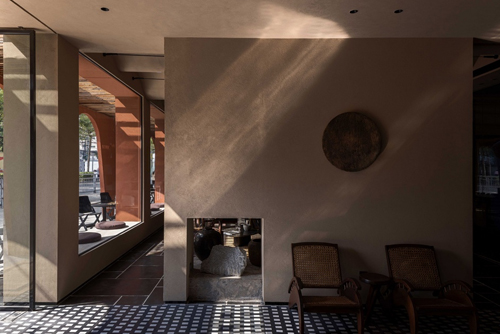
室内体验通过克制的材料语言展开:深色花岗岩地面带来厚重感,柚木元素则为单体空间引入温润的质感。沿主轴线,拱券序列打破线性狭长的空间,化解为一系列相对独立的工位。首席建筑师办公室位于走廊的静谧一端,直通一处隐秘庭院。该庭院藏于场地边缘,只有抵达时才会被揭示,成为日常工作间隙的安静休憩点,可用于非正式聚会,或在一天结束后松弛身心。
Inside, the experience of Mana unfolds through a restrained material palette, with dark granite floors providing a grounding presence, while teak wood elements introducing warmth and texture to an otherwise monolithic structure. Along the primary axis, a series of arches punctuate the linear expanse, thereby transforming an otherwise long and narrow building into a series of work-cubicles. The Principal Architect’s office occupies the quiet end of the corridor with direct access to a concealed courtyard. This courtyard is tucked away at the edge of the site, and is revealed only upon arrival. Its discreet location offers a quiet retreat, to break-out during the work hour, host an informal gathering, or unwind after a long day.
▼室内空间,interior space
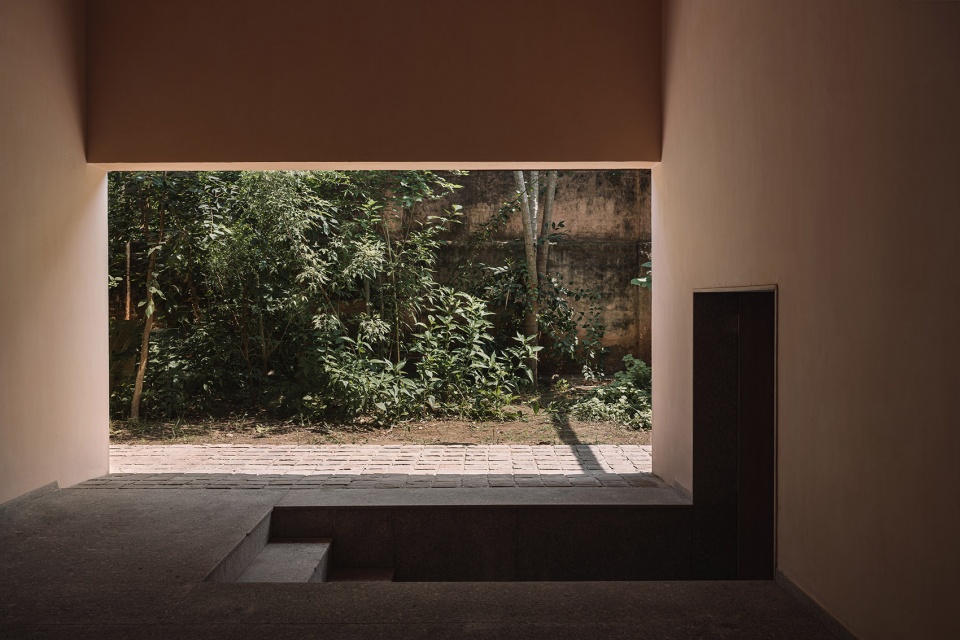
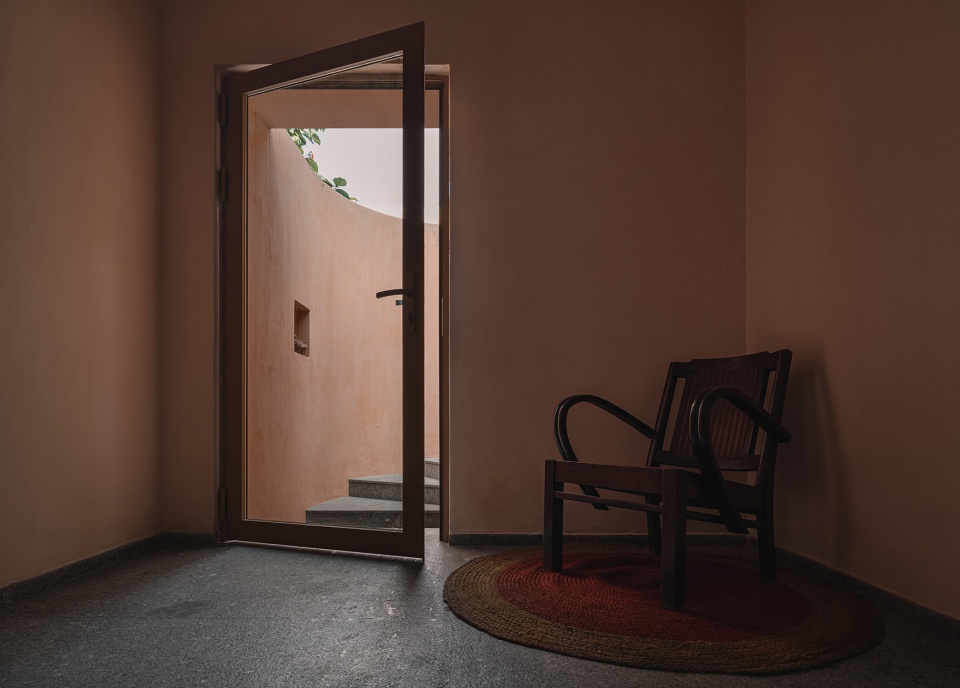
▼办公空间,office space
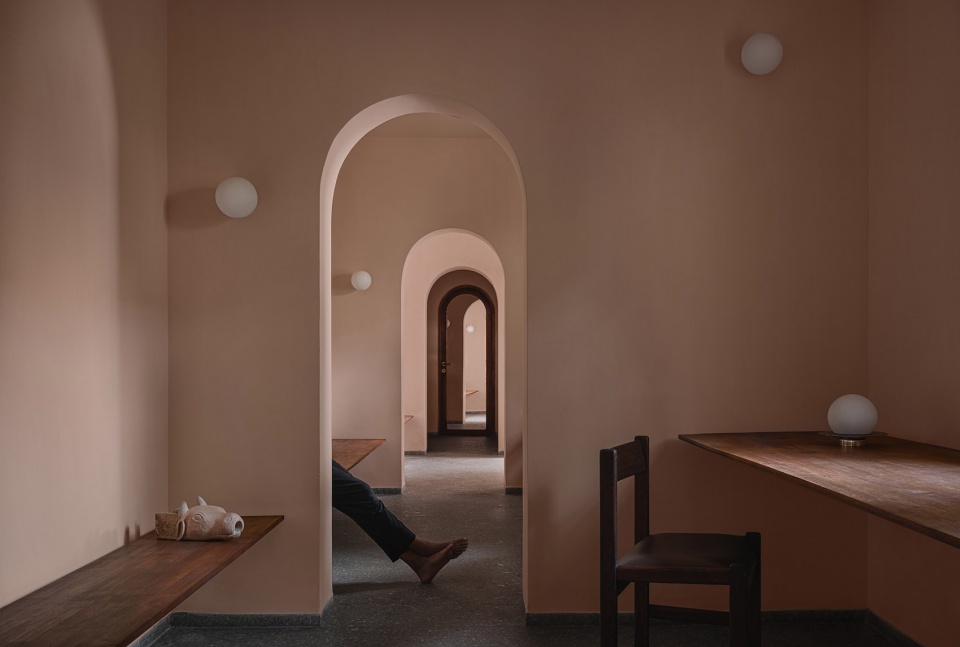
▼拱券序列打破线性狭长的空间,a series of arches punctuate the linear expanse
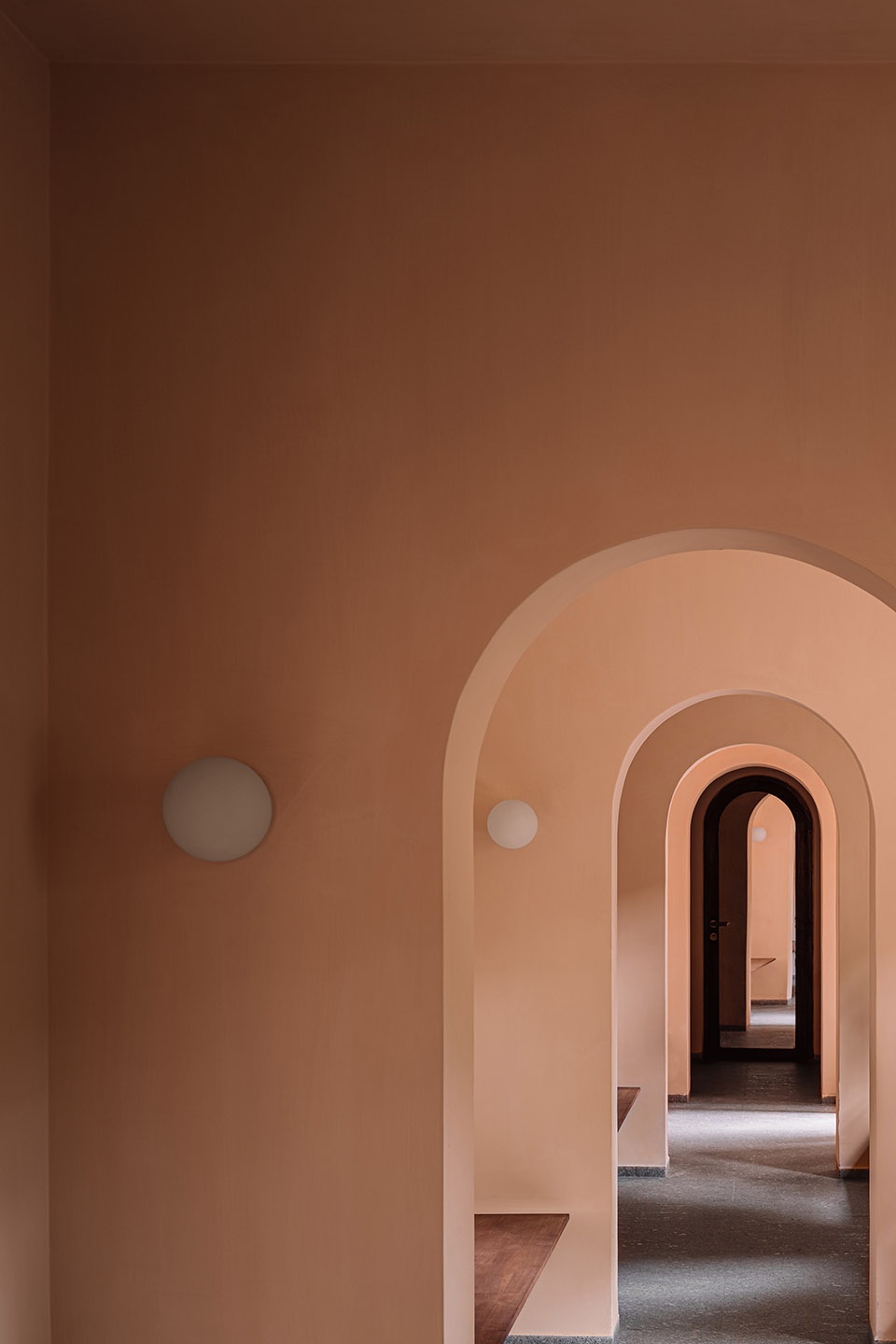
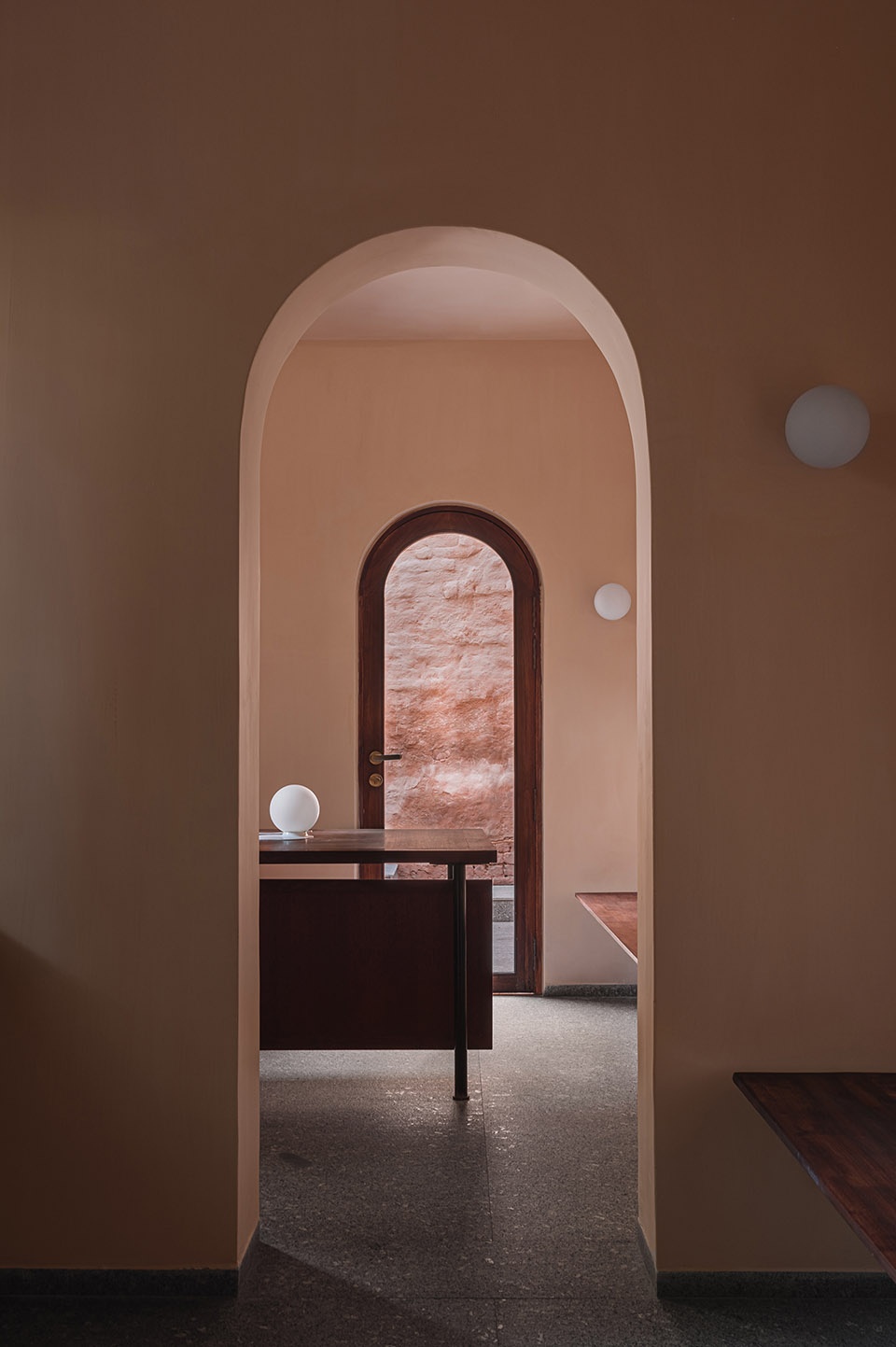
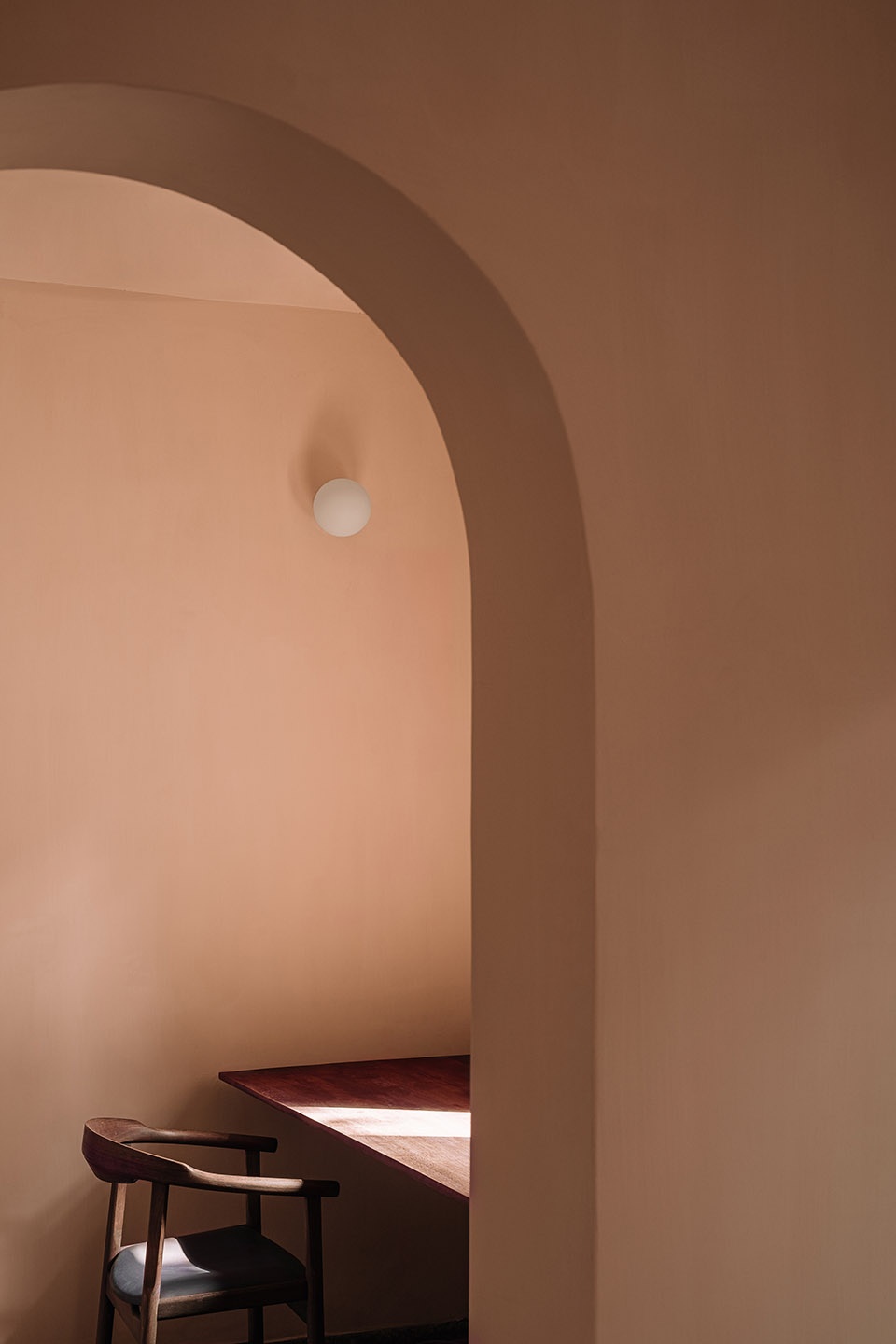
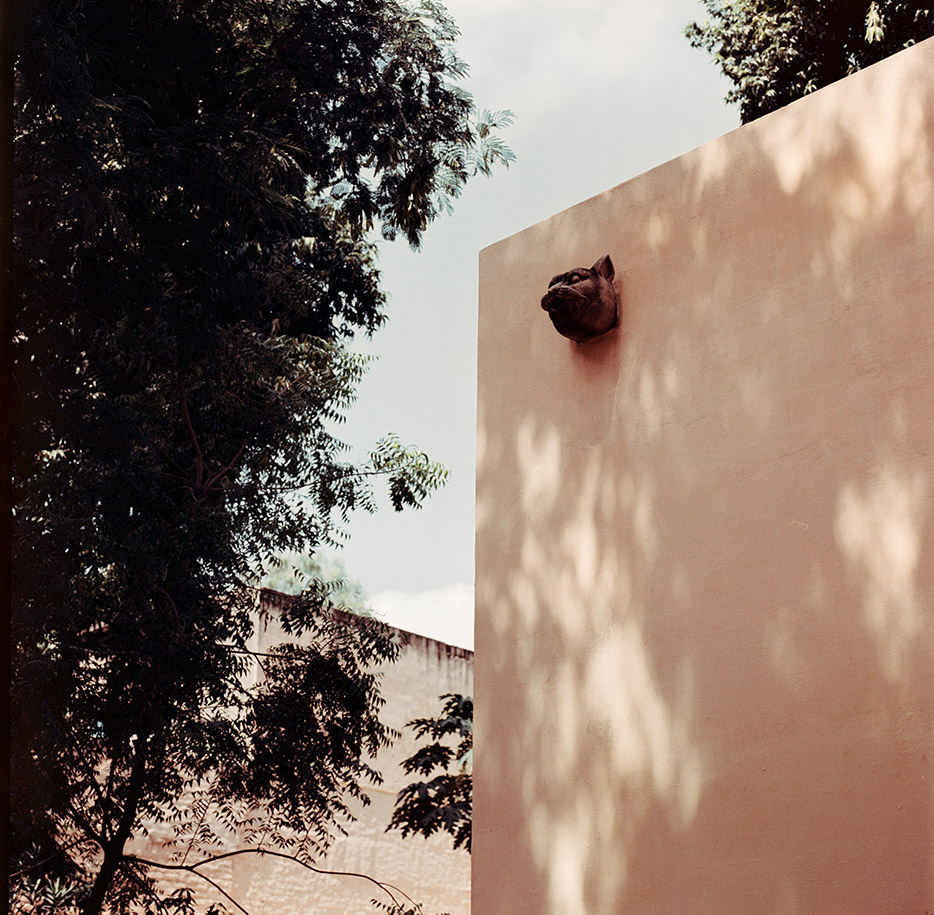
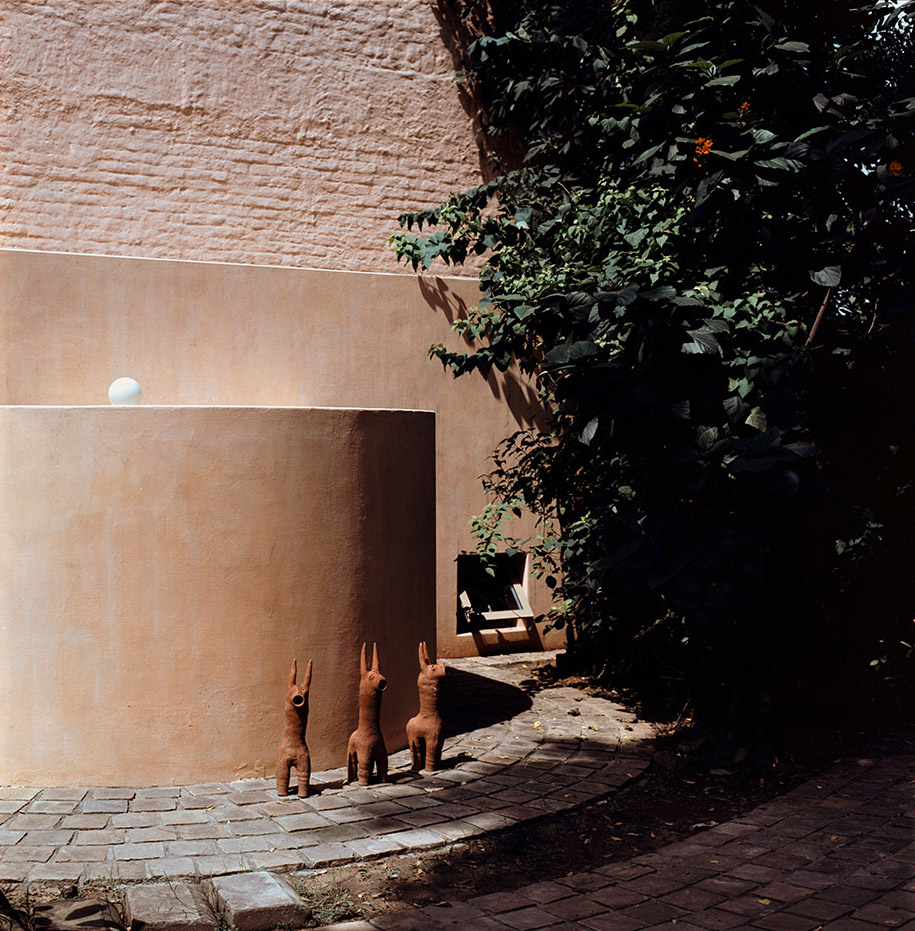
延续Mana对“过去与当下”的对话,Dhawal特意从印度古吉拉特邦阿朗拆船厂购置了原版丹麦中世纪椅子。场地中散布的滴水嘴(gargoyles)则为环境增添一丝戏谑与神秘感:猫、牛、狗与猴子形态的滴水嘴既具功能又具装饰,伫立于墙体之上。这些细微而充满趣味的元素,引导访客停下脚步,观察与互动。
In keeping with Mana’s dialogue between the past and present, Dhawal sourced original mid-century Danish chairs from Alang, Gujarat’s ship-breaking yard. Playful and unexpected elements in the form of gargoyles, scattered throughout the site add to the site’s mystique. Perched atop the walls, these gargoyles–both functional and aesthetic–appear as a cat, a cow, a dog and a monkey. Subtle yet whimsical, these elements infuse the space with a sense of curiosity, encouraging visitors to pause, observe, and engage with the architecture in unexpected ways.
▼猫、牛、狗与猴子形态的滴水嘴,these gargoyles appear as a cat, a cow, a dog and a monkey
▼细微而充满趣味的元素,subtle yet whimsical elements
▼细微而充满趣味的元素,subtle yet whimsical elements
IKSOI通过对遗存的接纳与在当代语境下的再阐释,塑造了一个既关乎记忆,又关乎再生的工作场所。在这里,人们不只是抵达,而是被引入一场体验。其单体构成、非常规的入口与细节,激发探索与思考。Mana以安静而层次丰富的姿态表明:建筑在最深刻的层面,不仅仅是建造,更是揭示——让空间在机器沉寂之后,依然能诉说自己的故事。
It is a negotiation between the two.” By embracing what was left behind and reframing it within a contemporary context, IKSOI has crafted a workspace that is as much about memory as it is about reinvention. It is a place where one does not merely arrive, but is drawn into an experience. The monolith structure, the absence of conventional entryways and details invite exploration and introspection. In its quiet, layered gestures, Mana demonstrates that architecture, at its most profound, is not just about building but about revealing—about allowing space to tell its own story, long after the machines have gone silent.
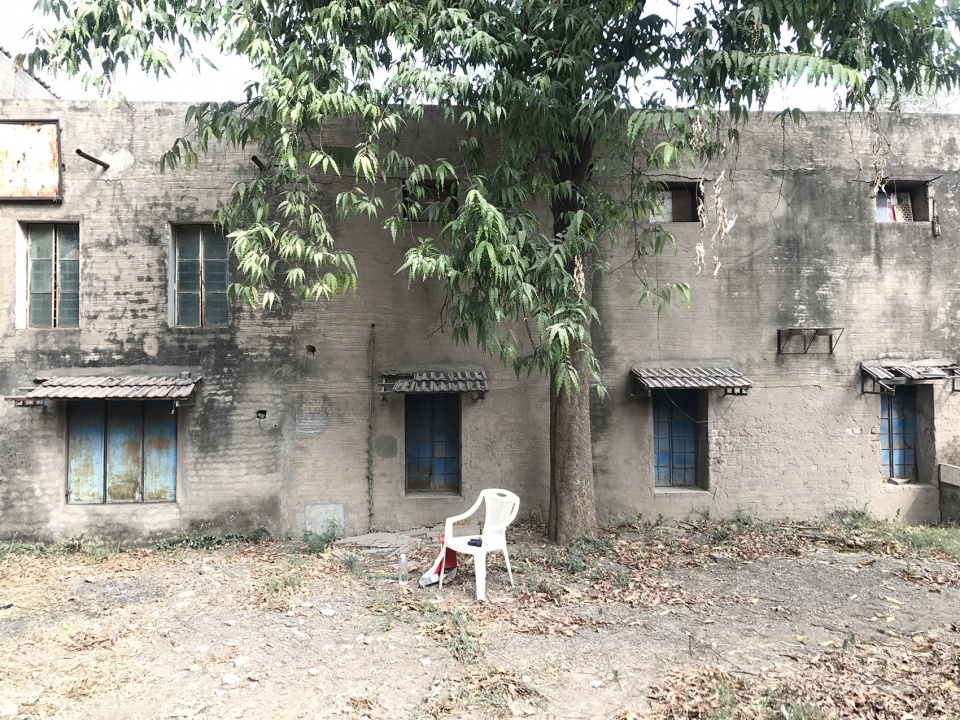
▼改造前工厂,the factory before renovation
▼平面图,plan
▼剖面图,section
Location: Ahmedabad, India
Architects: IKSOI
Typology: Workplace
Site Area: 800 sqm
Built up Area: 190 sqm
Year of Completion: 2022
Photography Credits: Ishita Sitwala
Structural Consultants: Caes consultants
Furniture: Sourced from Alang