Seddülbahir要塞修复项目,土耳其 / KOOP Architects
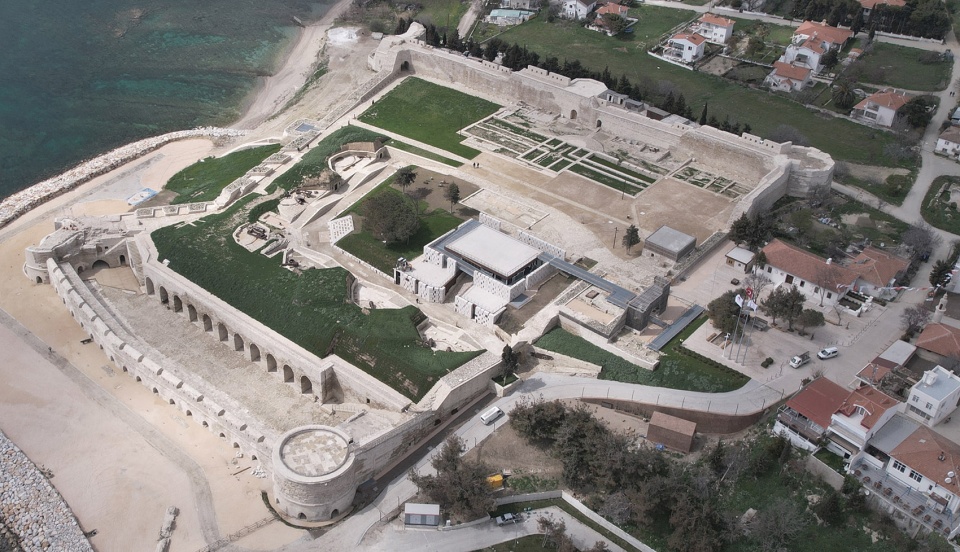
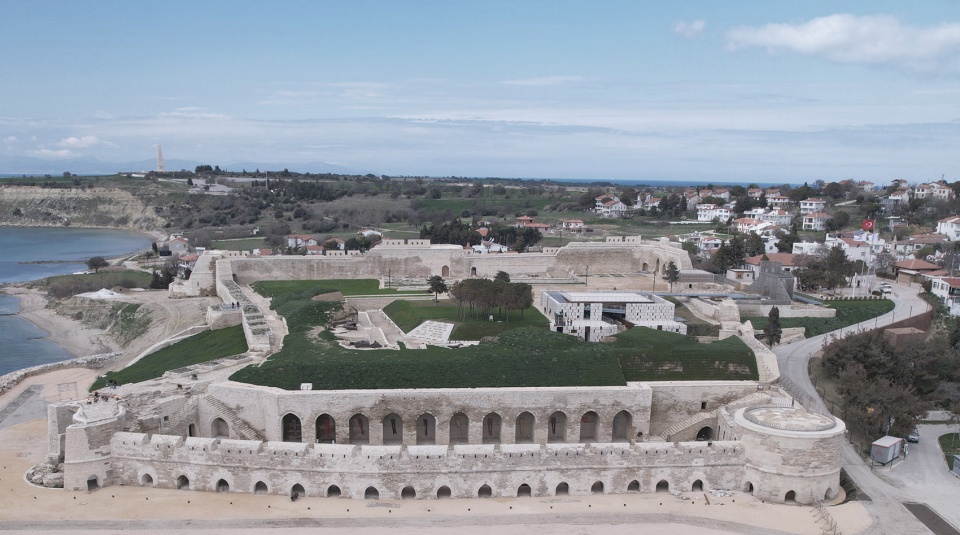
Seddülbahir要塞位于达达尼尔海峡南入口处的加里波利半岛欧洲岸边。该要塞最初由奥斯曼帝国苏丹穆罕默德四世之母——哈蒂杰·图尔汉·苏丹(Hatice Turhan Sultan)于17世纪中期主持修建。塞杜尔巴赫尔的名字意为“海之墙”,它曾保护着这条连接爱琴海与奥斯曼帝国首都伊斯坦布尔的战略水道。尽管经历了严重的海岸侵蚀与多次地震,要塞及其毗邻的村庄在20世纪初依然保存得相对完整。然而在第一次世界大战期间的加里波利战役中,它们遭受协约国军队的猛烈轰炸。许多石砌塔楼和城墙,以及大部分内部建筑均受到严重破坏,但该要塞仍继续作为土耳其的军事哨所使用,直至1997年才启动了塞杜尔巴赫尔的记录、修复与再利用进程。
The Seddülbahir Fortress is located at the southern entrance to the Dardanelles on the European shore of the Gallipoli Peninsula. Initially built in the mid-17th century by Hatice Turhan Sultan, the mother of the Ottoman Sultan Mehmet IV, Seddülbahir, or “the Wall of the Sea,” protected the strategic waterway that connected the Aegean Sea to Istanbul, the Ottoman Empire’s capital. Despite severe coastal erosion and numerous earthquakes, the fortress, and its adjacent village survived into the early 20th century relatively intact. Both were severely bombarded by the Allied Forces in WWI, during the Gallipoli campaign. While many of the masonry towers and walls, and most of its interior structures were severely damaged, the fortress continued to be used as a Turkish military outpost until 1997 when the documentation, restoration, and re-use process of Seddülbahir began.
▼项目鸟瞰,aerial view of the project
一个由建筑师、工程师、建筑历史学家、档案学者、口述历史学家、修复专家、博物馆学者及景观设计师组成的跨学科团队,与多所大学和政府部门合作,开展了长达25年的档案研究、考古调查、文物保护、修复及大地测量工作。经过这一长期努力,Seddülbahir要塞终于于2023年3月18日正式向公众开放。
A multi-disciplinary team of architects, engineers, architectural historians, archivists, oral historians, restoration specialists, museologists, and landscape designers conducted extensive archival, archeological, conservation, restoration, and geodesic research, in collaboration with universities and different government ministries, working for 25 years to open Seddülbahir Fortress to the public on March 18, 2023.
▼修复后的景观广场,the landscape plaza after renovation
▼反思和平的场所,a place to reflect on peace
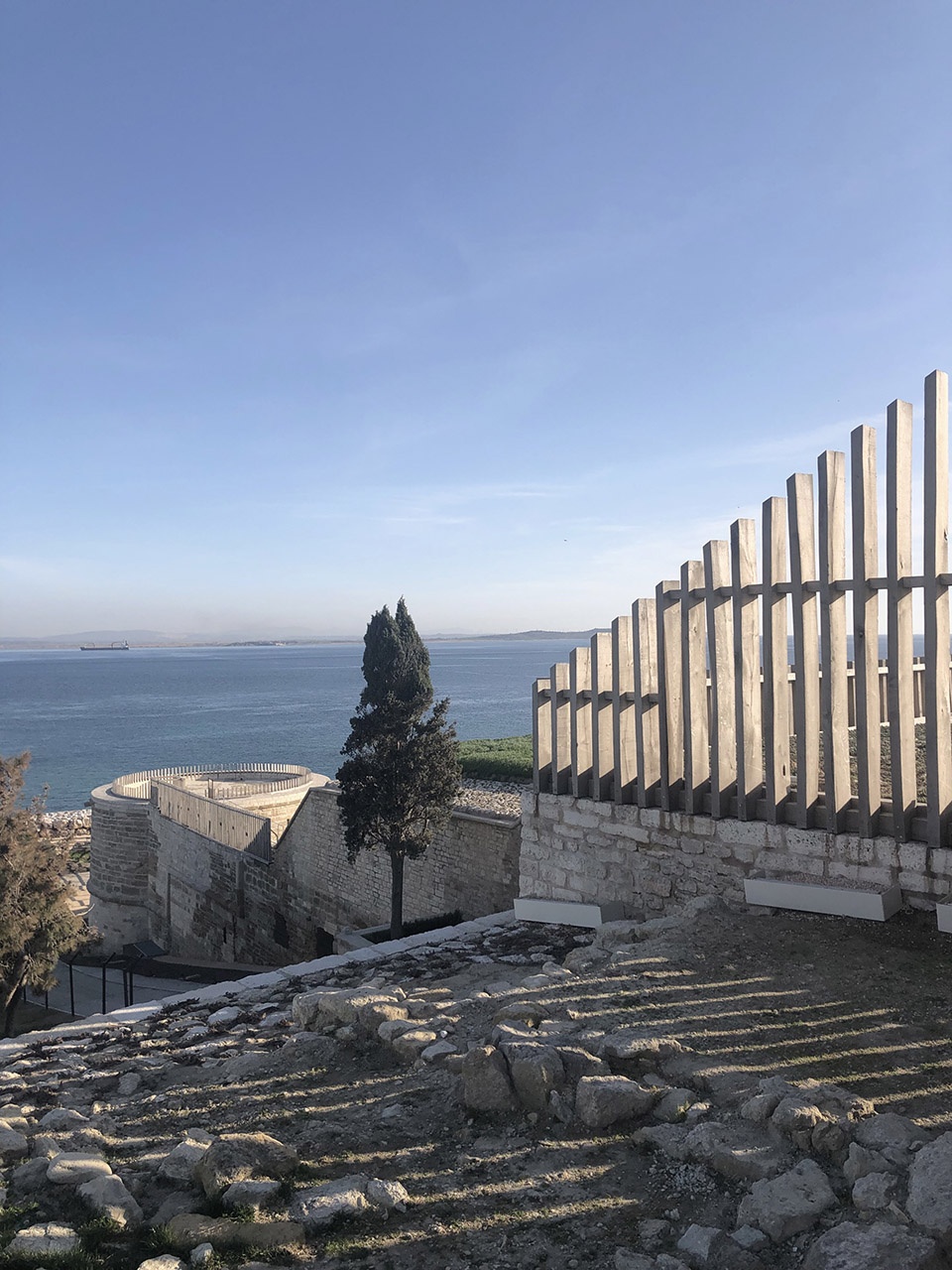
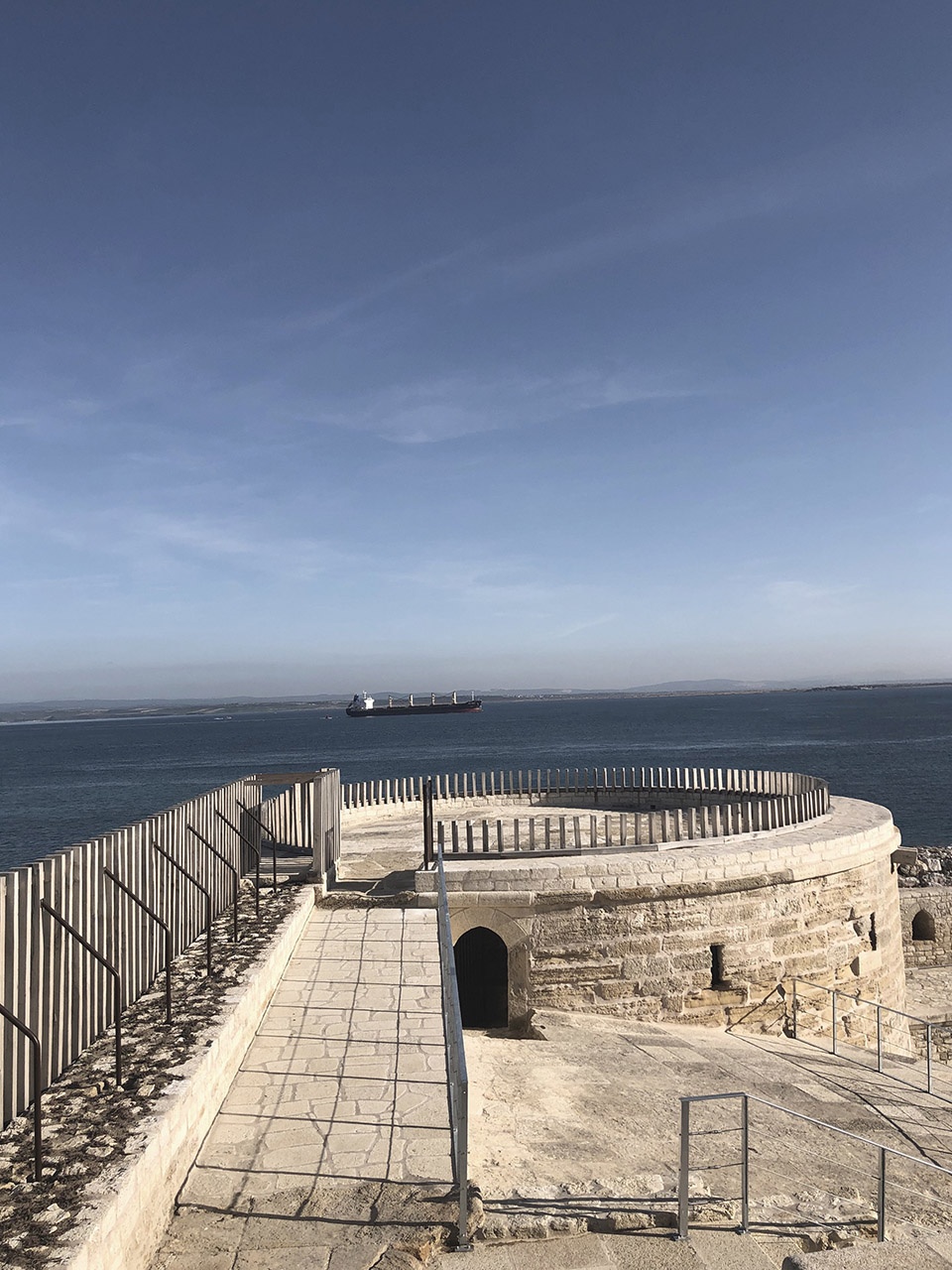
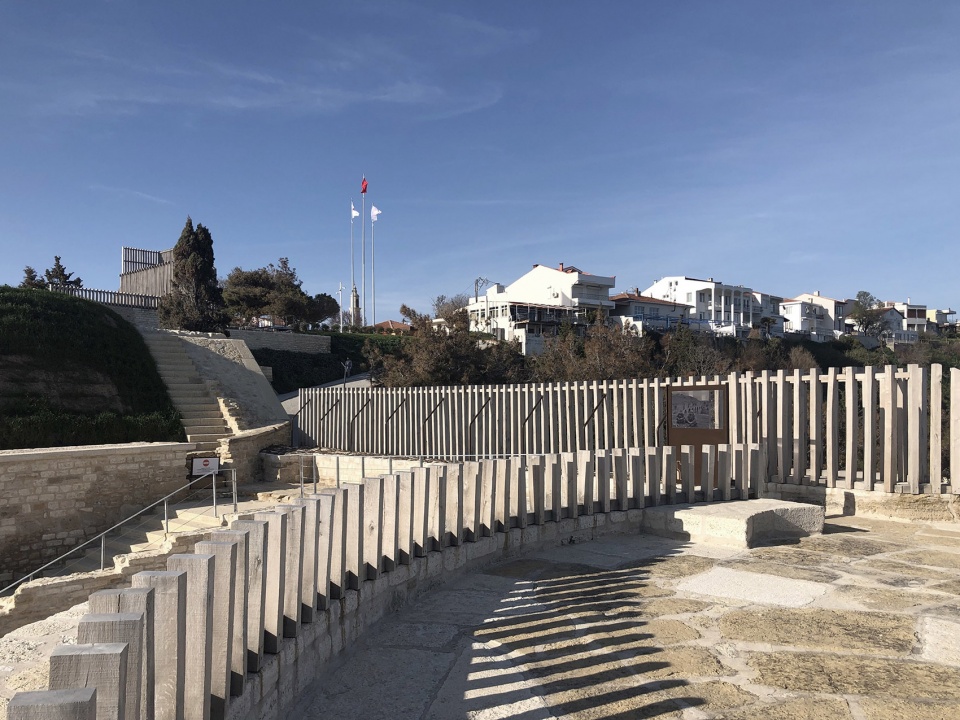
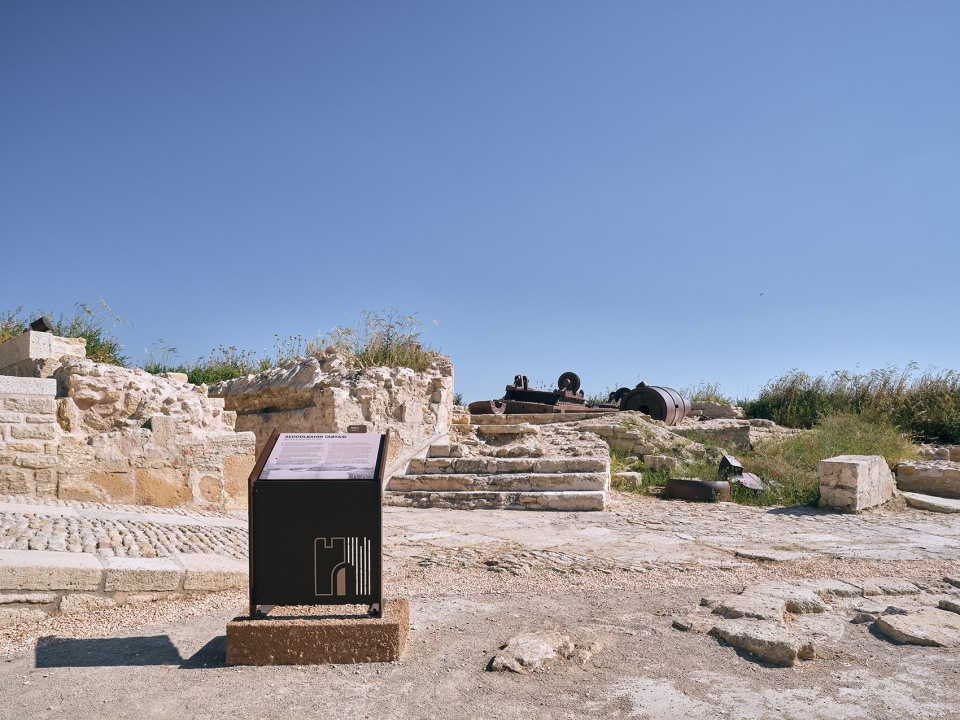
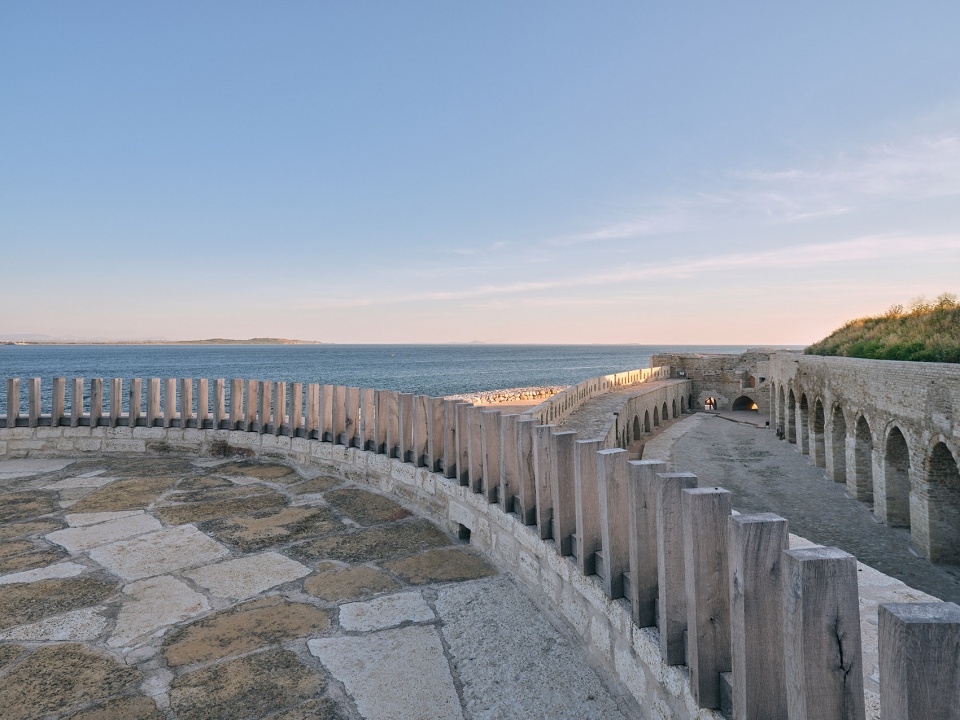
如今的加里波利半岛是一座国家公园,宁静的景观中分布着整齐维护的公墓和洁净肃穆的纪念碑,用以悼念来自多个国家的一战阵亡者。半岛上已鲜少留有当年激烈战斗的痕迹。Seddülbahir要塞修复工作的核心理念之一,便是保留一战破坏的记忆,并创造一个反思和平的场所。要塞的部分遗迹,如西塔和南塔,被刻意保留为废墟,作为“记忆之地”(lieux de mémoire),提醒人们战争对建筑与环境造成的沉重代价。
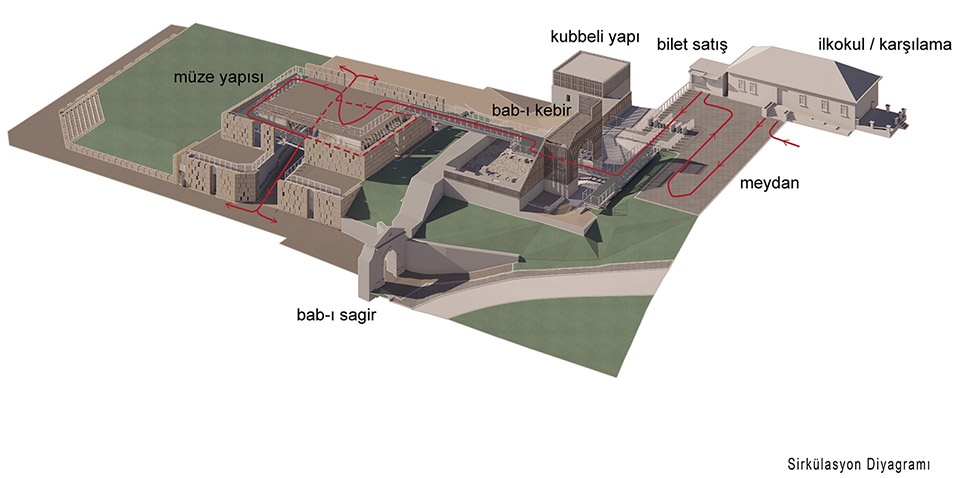
▼动线分析,circulation diagram
Today the Gallipoli peninsula is a national park and a peaceful landscape of manicured cemeteries and pristine commemorative monuments to honor the WWI dead from many countries. There is little left on the peninsula that recalls the violent destruction of the battles fought there. A guiding concept in the restoration process at the Seddülbahir Fortress was to preserve the memory of the destruction of WWI and create a space to reflect on peace. Several elements of the fortress, such as the West and South Towers, are preserved as ruins and serve as “lieux de mémoire” of the toll that war has on buildings and their landscapes.
▼提醒人们战争对建筑与环境造成的沉重代价,as “lieux de mémoire” of the toll that war has on buildings and their landscapes
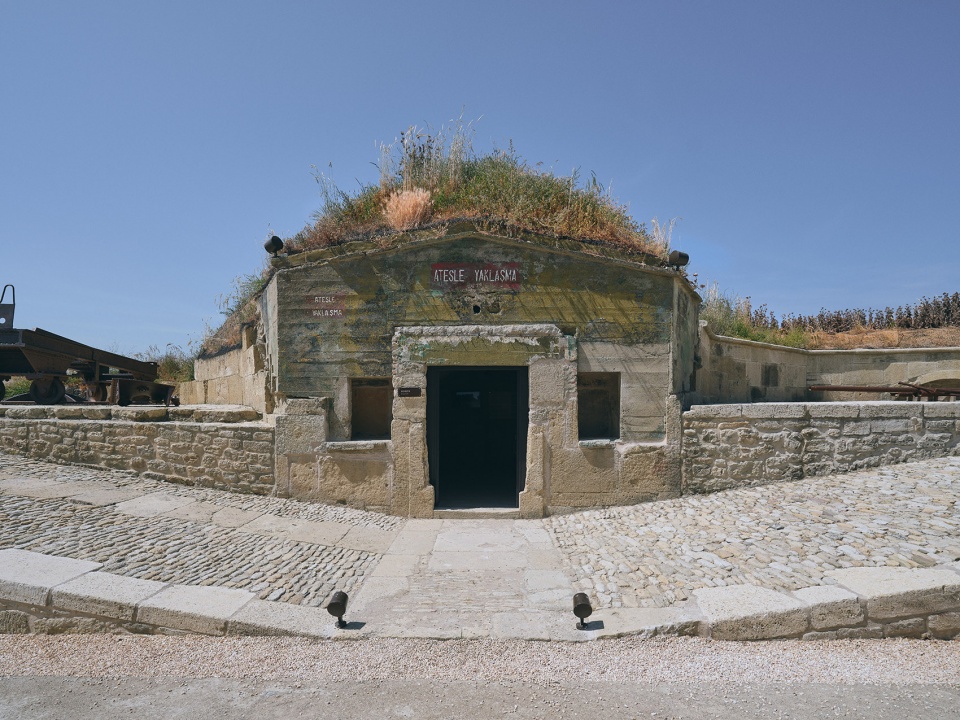
▼刻意保留的战争遗迹,preserved as the ruin of the war
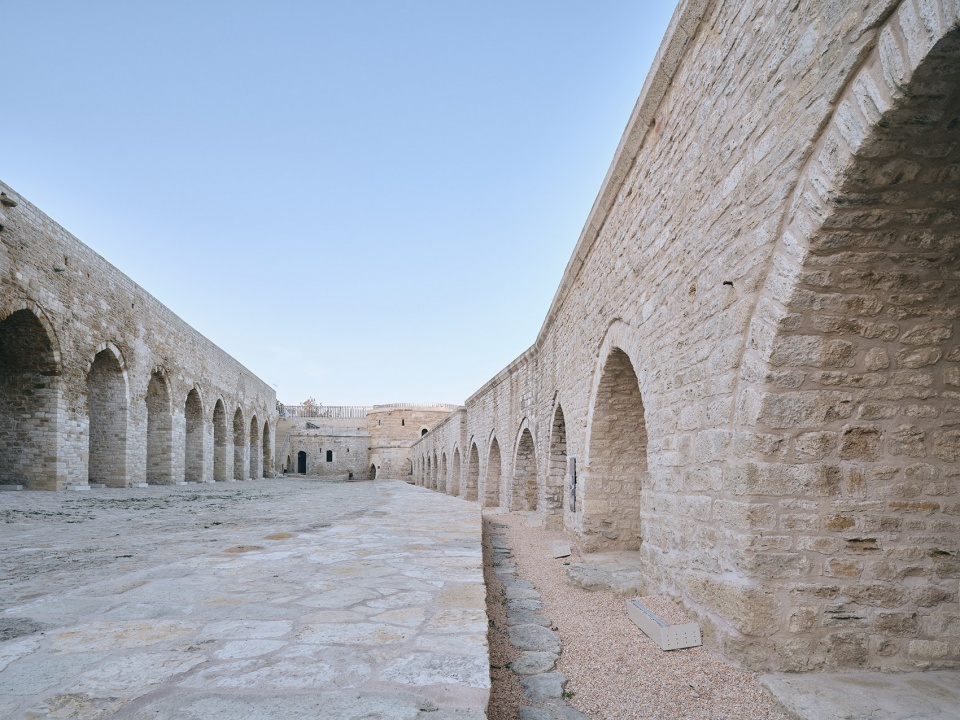
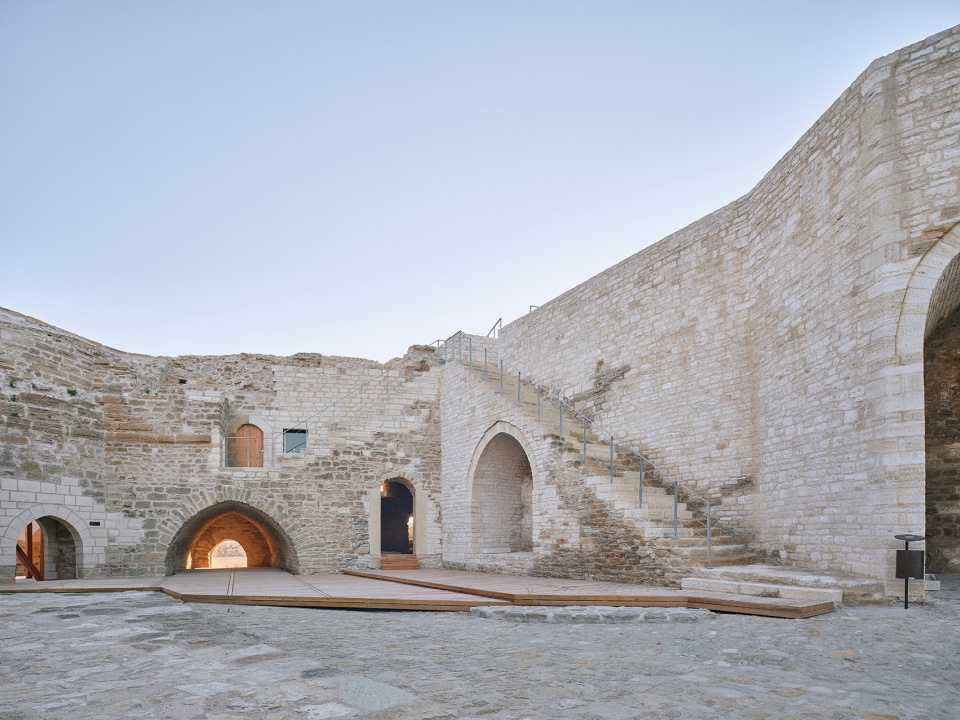
▼要塞的部分遗迹,several elements of the fortress
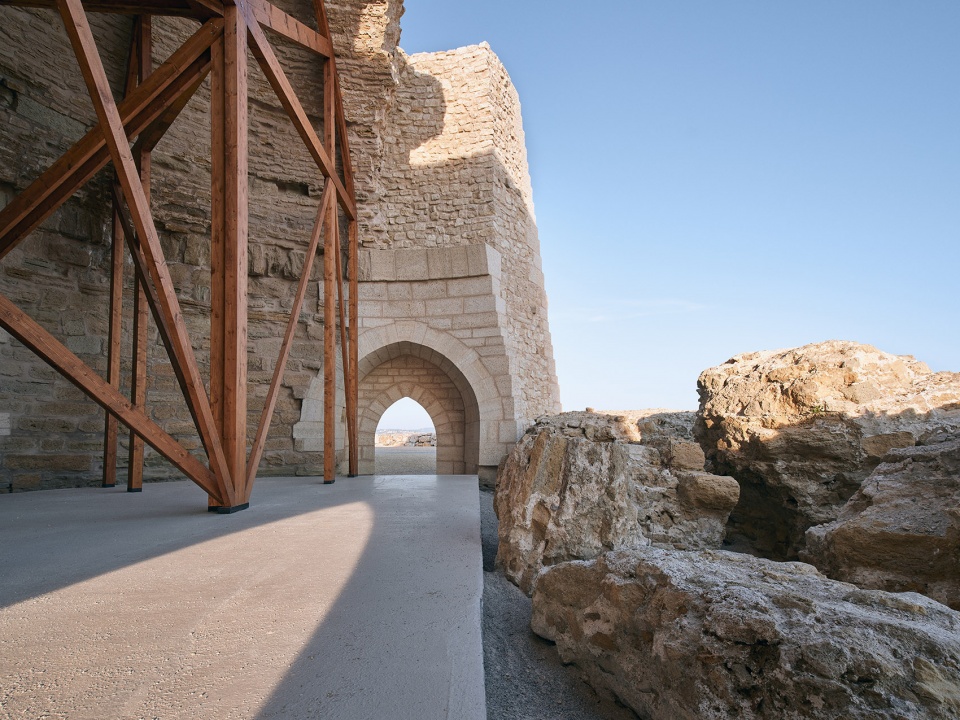
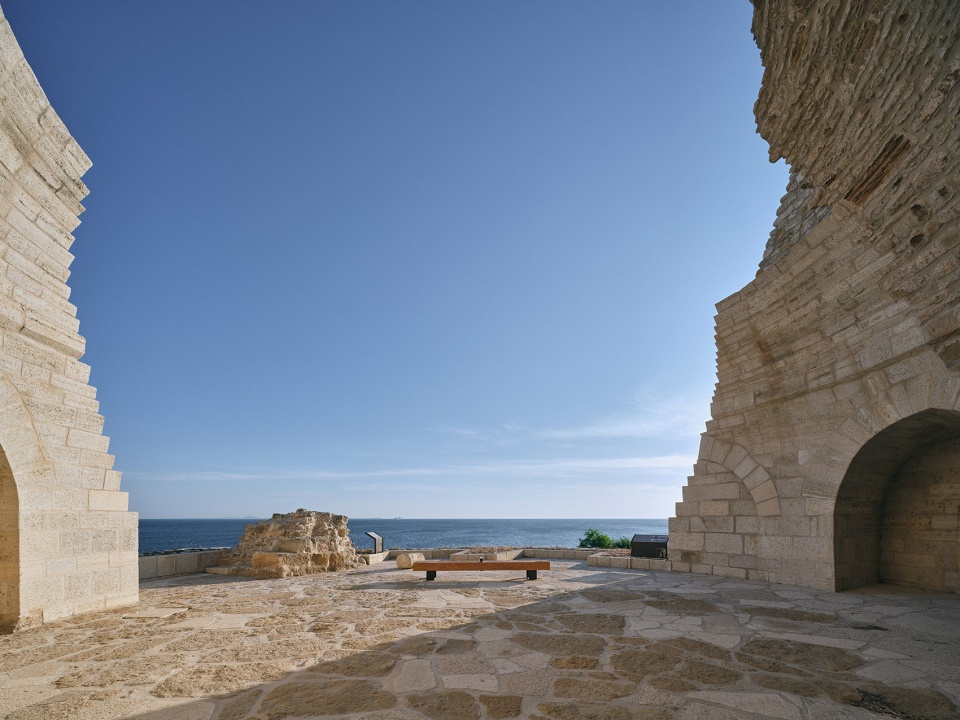
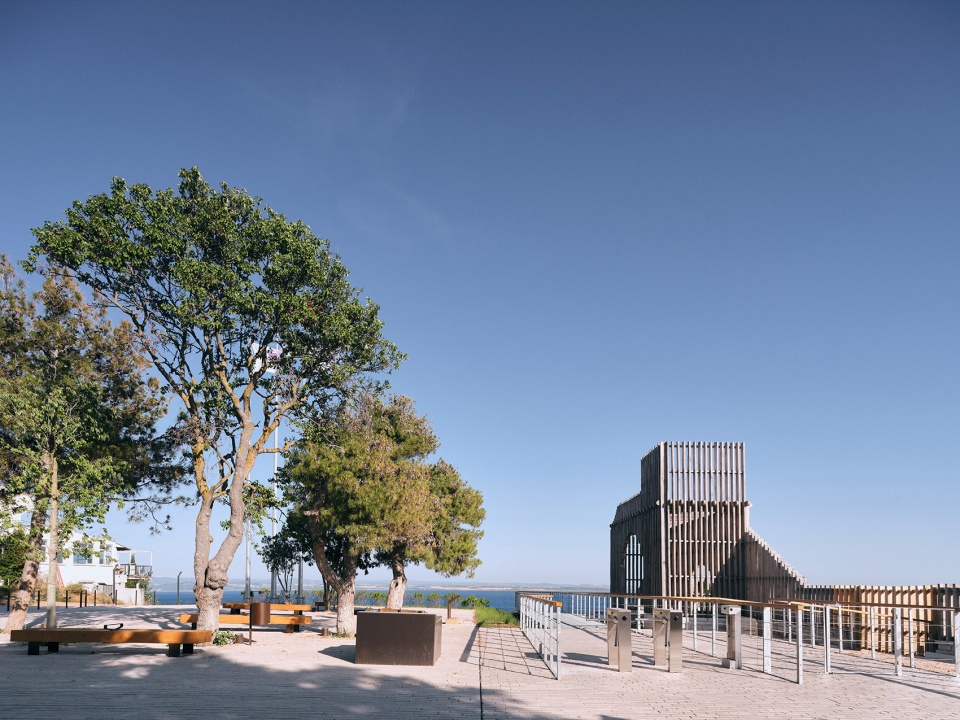
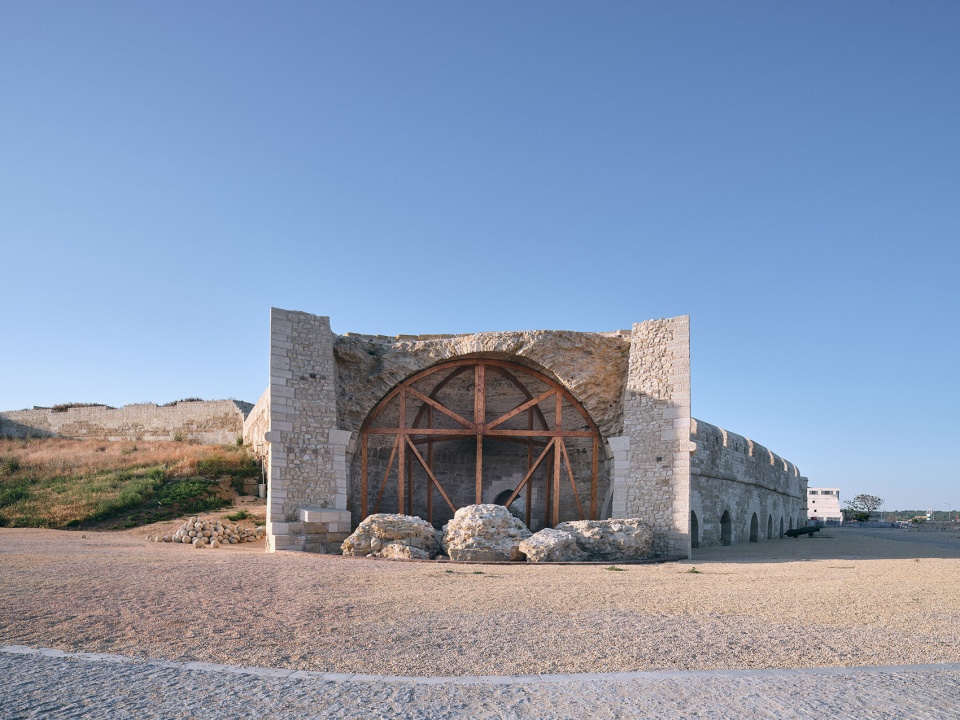
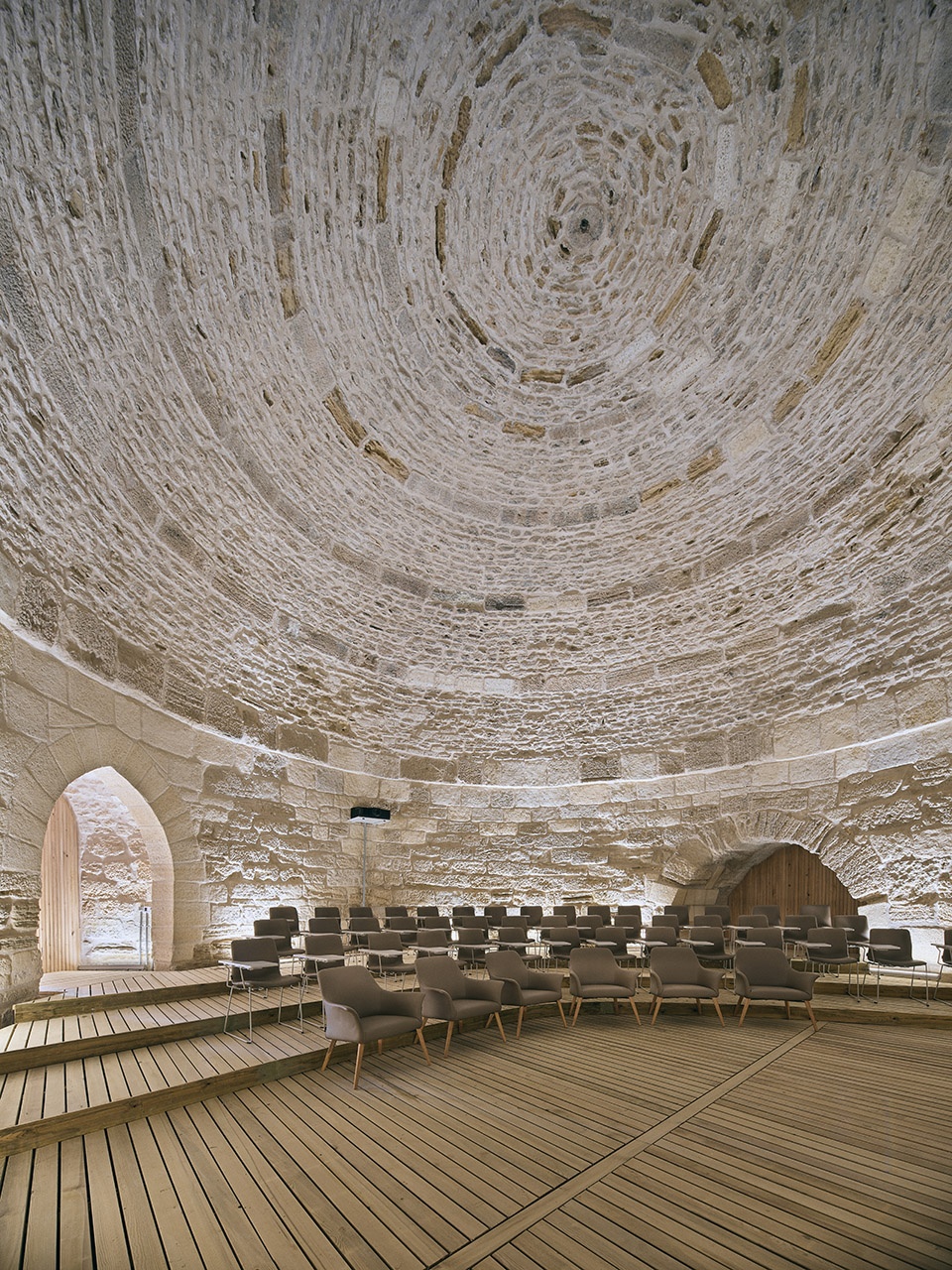
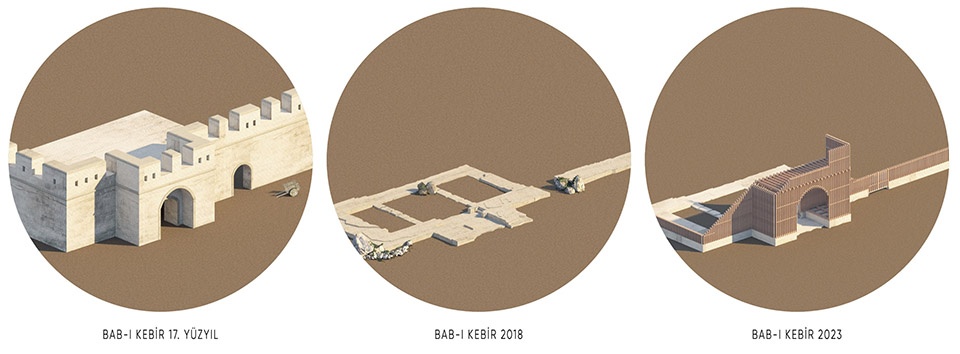
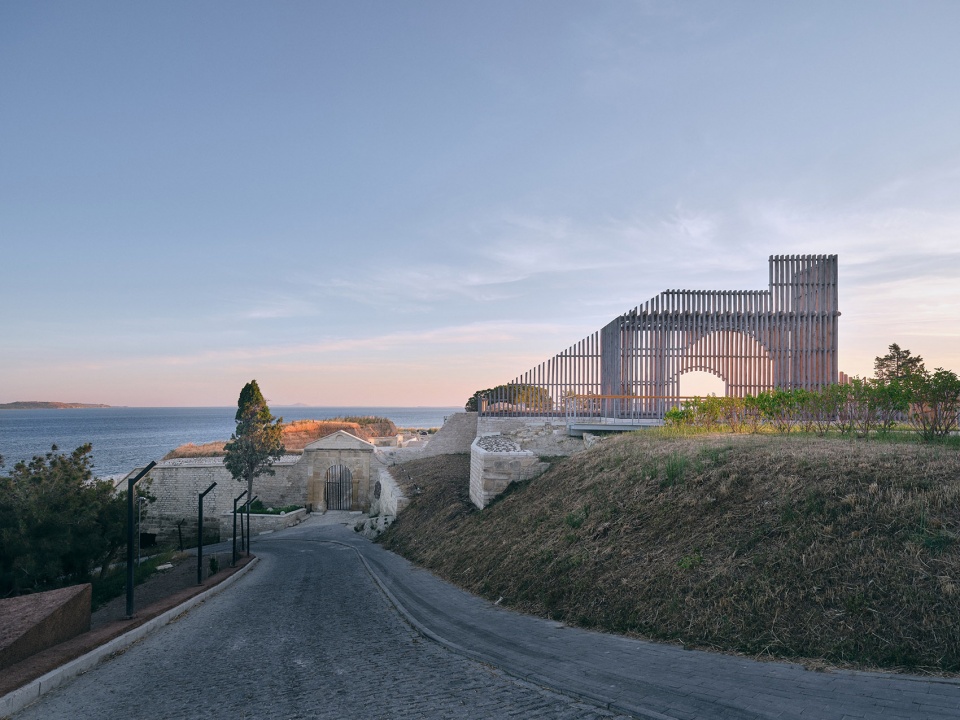
Seddülbahir要塞的主城门及其他被毁的部分(如穹顶建筑),通过轻质木结构的轮廓加以暗示——却并不完全复原——这些空间在最初的模样。主城门的木格栅框架让阳光和空气——生命的基本要素——渗透进要塞的入口。此门与穹顶建筑强调了修复干预中“可逆性”的重要原则。要塞中的当代木质构件被克制使用,与奥斯曼时期的建造技艺形成呼应。
The Main Gate of Seddülbahir Fortress, and other demolished sections of the fortress, such as the Domed Building, with their silhouettes of light timber suggest– but do not declare– what these sections of the fortress may have looked like originally. The slatted wood frame of the Main Gate allows sunlight and air, essential elements of life, to permeate the entrance to the fortress. This gate and the Domed Building emphasize the importance of reversibility in any restorative intervention. Contemporary wood elements in the fortress are used sparingly, echoing the construction techniques used by the Ottomans.
▼要塞的主城门,the Main Gate of Seddülbahir Fortress
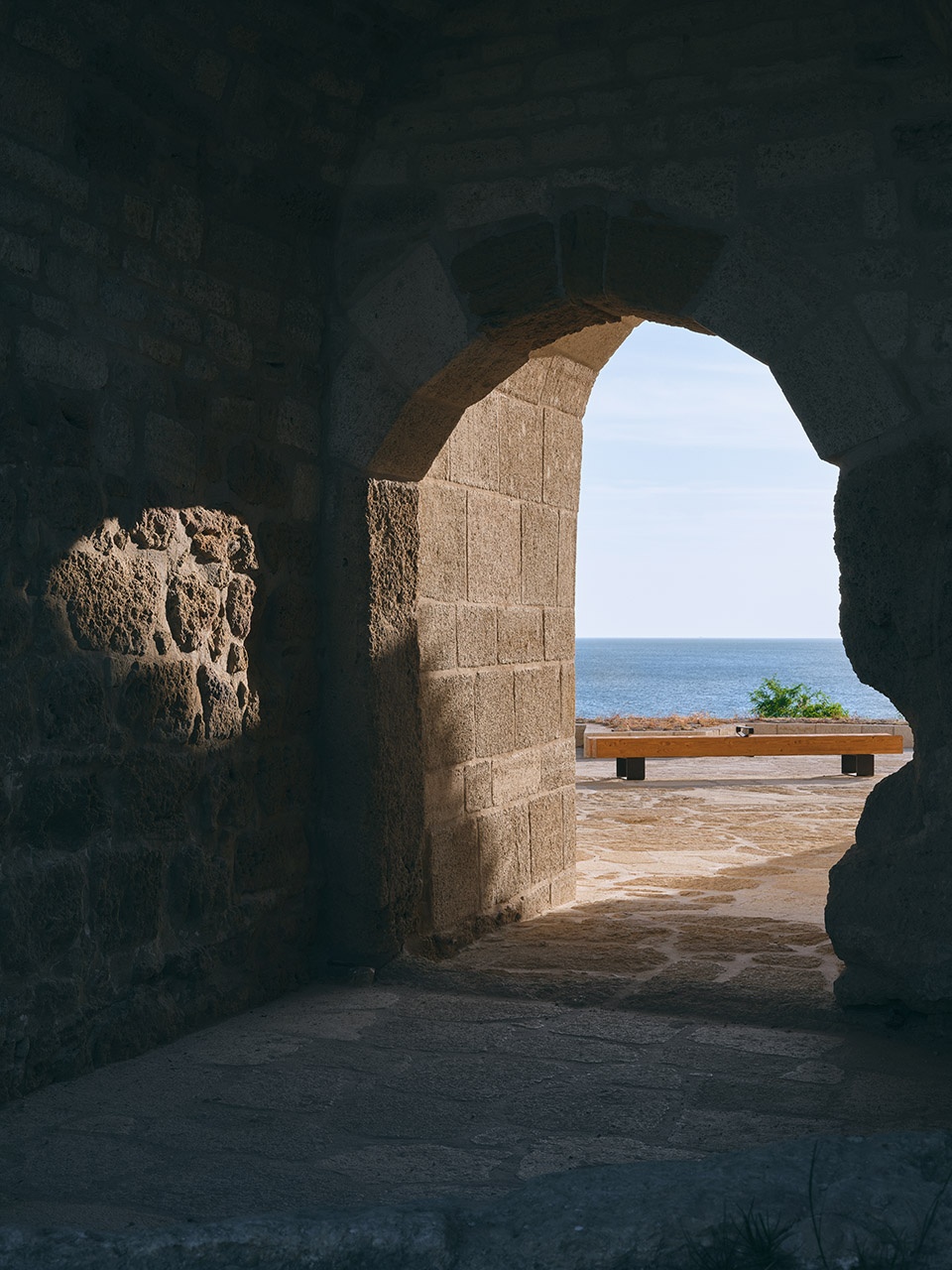
▼修复后的格栅门,the slatted door after renovation
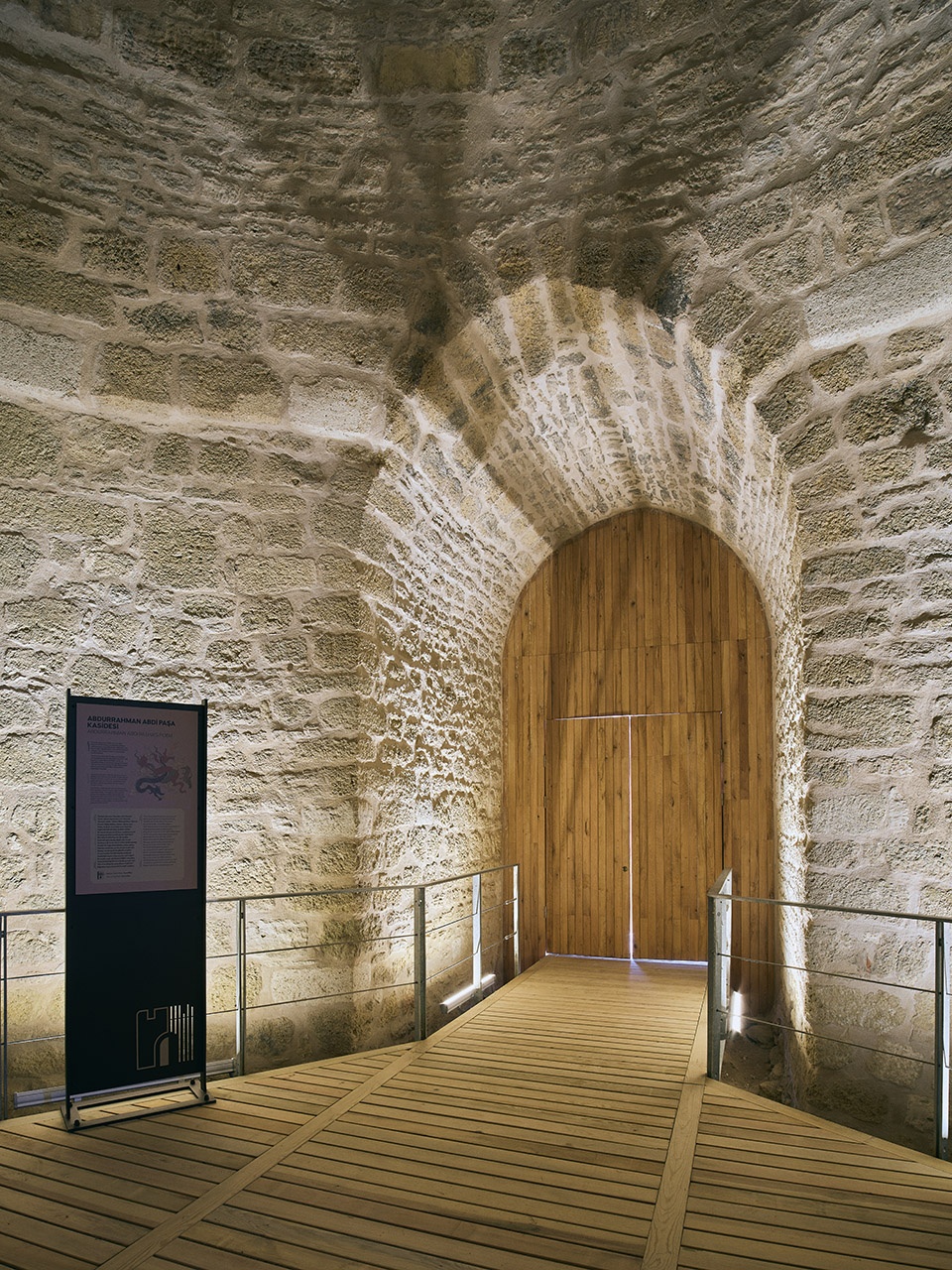
▼轻质木结构的轮廓加以暗示这些空间在最初的模样,light timber suggest what these sections of the fortress may have looked like originally
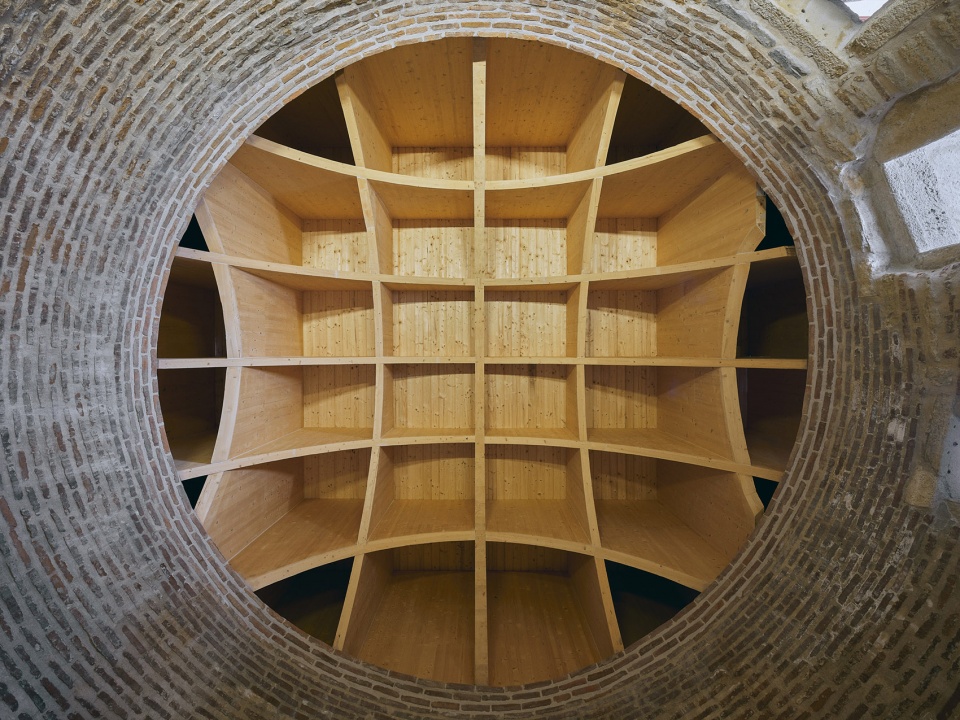
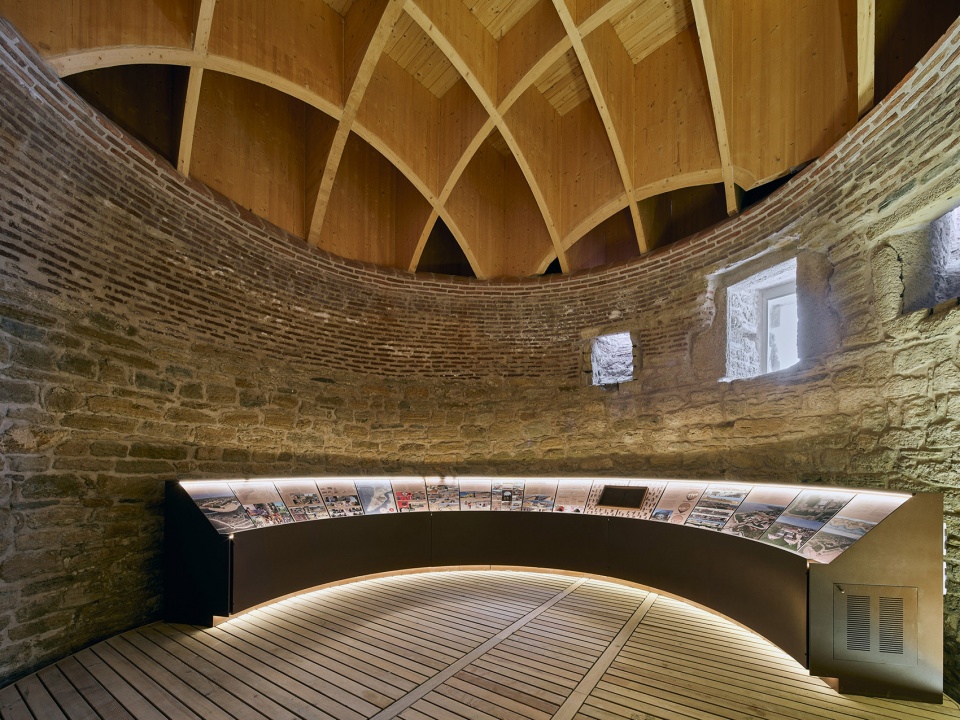
▼修复后的穹顶,the dome after renovation
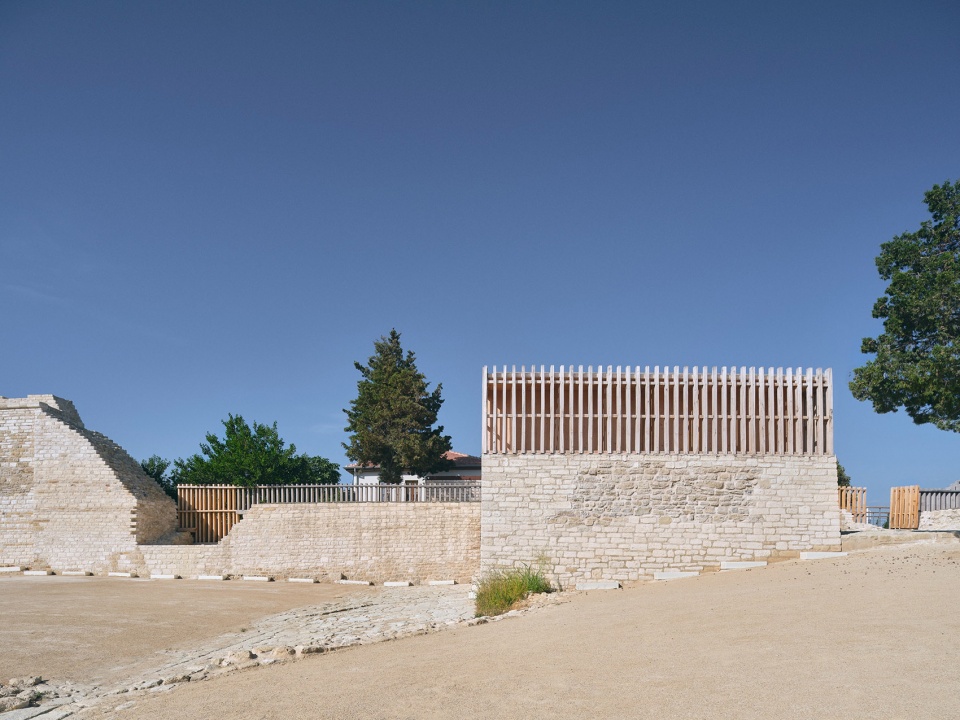
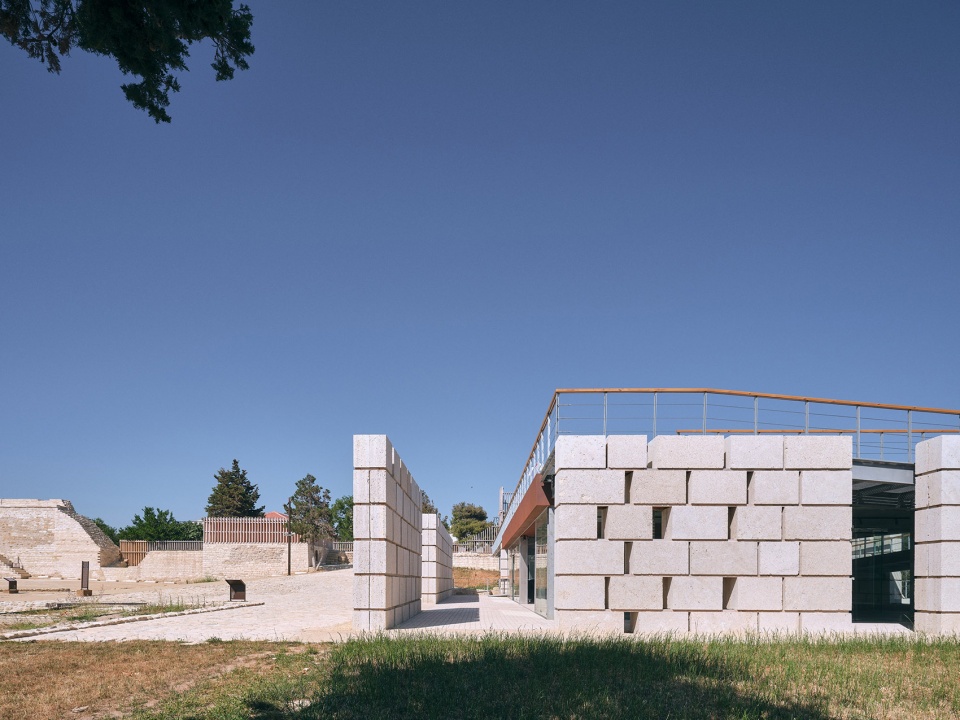
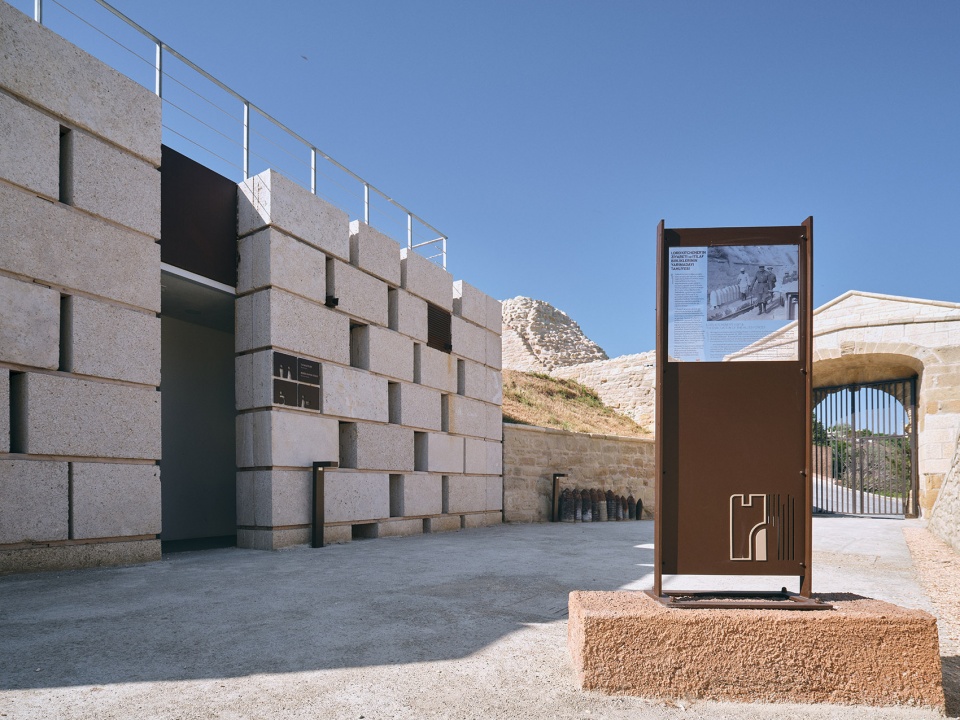
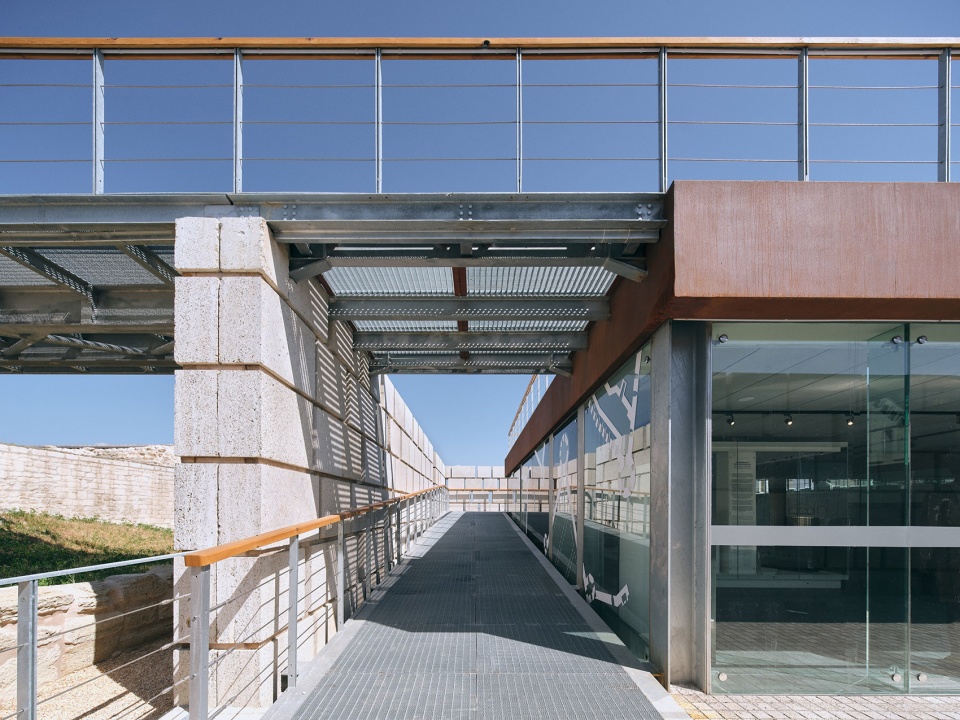
一座新博物馆建筑取代了20世纪60年代废弃的混凝土兵营,馆内展出来自遗址的考古发现,其中包括一条奥斯曼时期的古道,这条道路直接贯穿博物馆建筑。新砌的石块与奥斯曼城墙的原有石料相互呼应,从而降低了新建筑在视觉上的突兀感。
▼一条奥斯曼时期的古道直接贯穿博物馆建筑,an Ottoman era road which divides the museum building itself
A new museum building replaced abandoned concrete barracks from the 1960s and exhibits archaeological finds from the site, including an Ottoman era road which divides the museum building itself. Here the new masonry blocks resonate with the original masonry of the Ottoman walls lowering the visual impact of this new structure.
▼新博物馆建筑, a new museum building
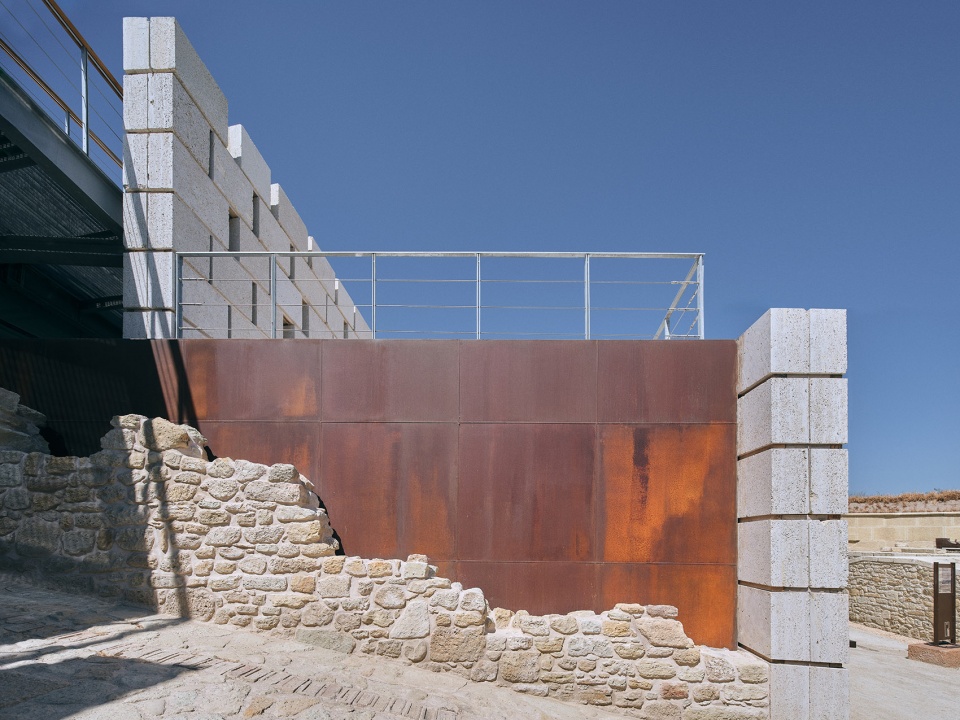
▼新博物馆建筑入口, the entrance of the new museum building
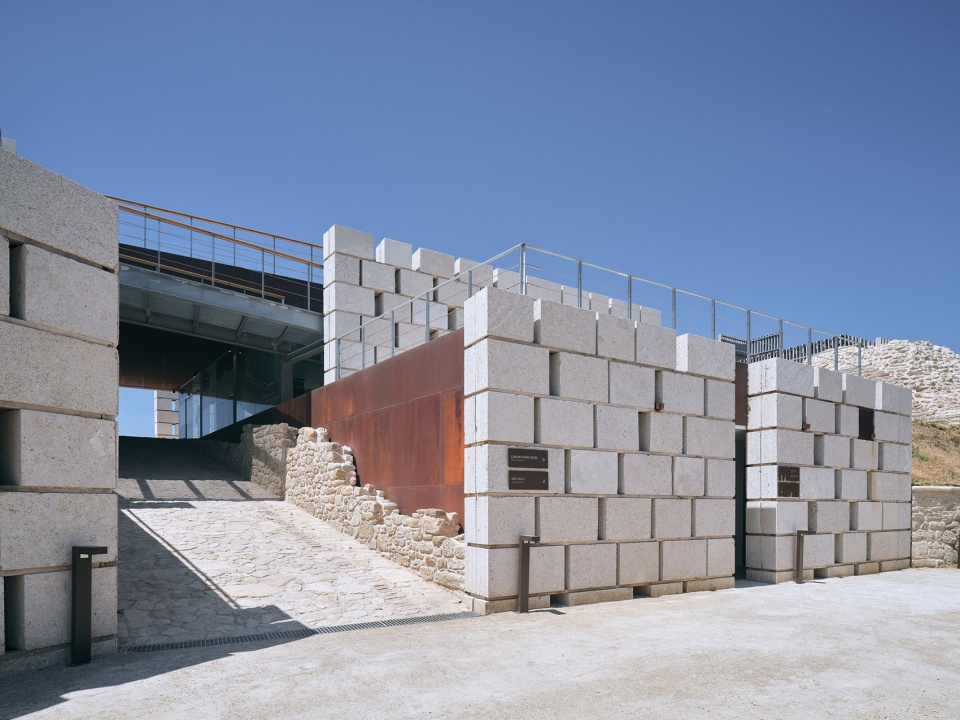
▼奥斯曼时期的古道,an Ottoman era road
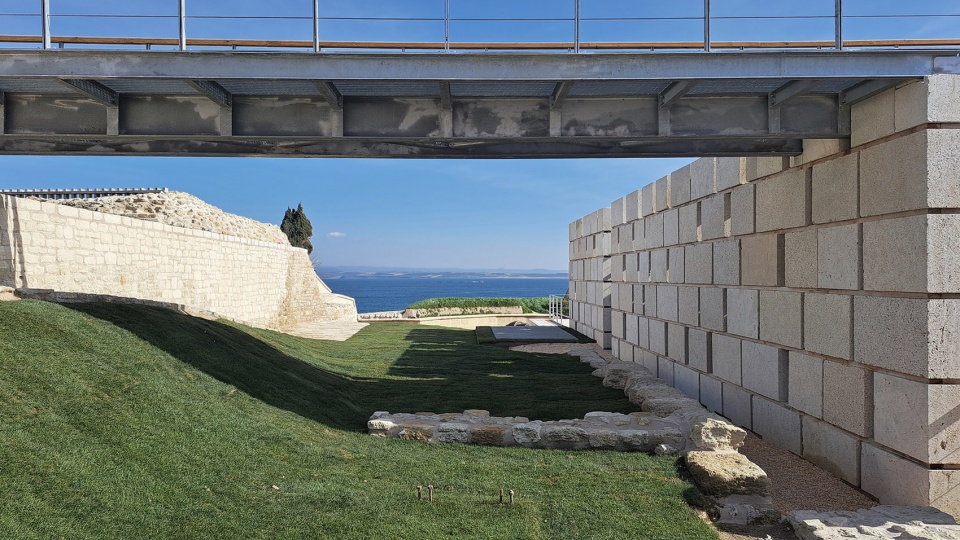
▼新砌的石块与奥斯曼城墙的原有石料相互呼应,the new masonry blocks resonate with the original masonry of the Ottoman walls
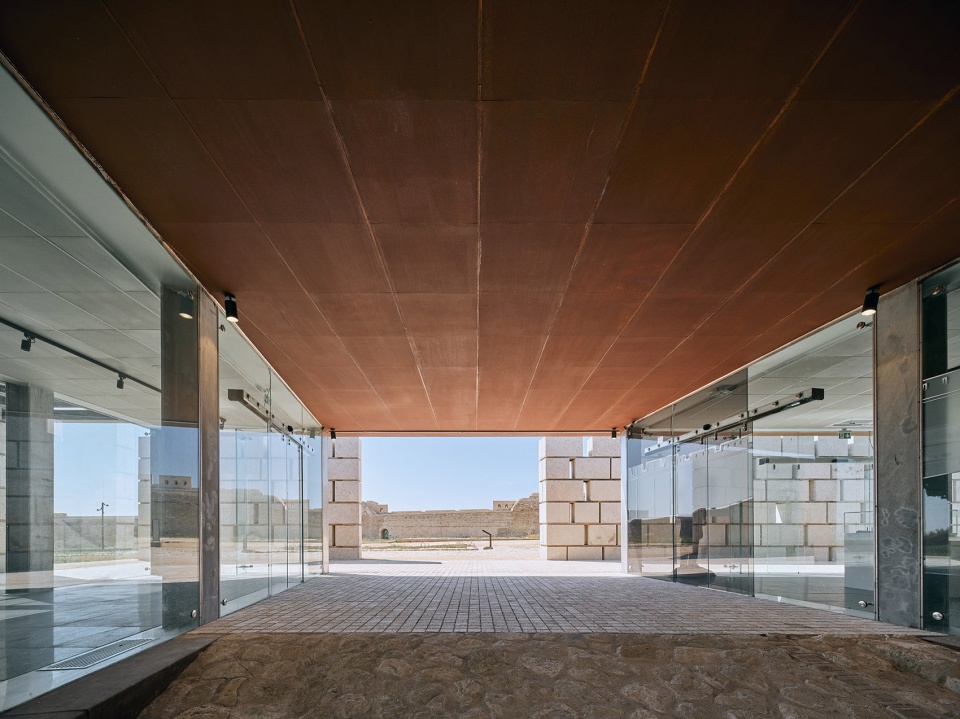
▼新砌的石块与奥斯曼城墙的原有石料相互呼应,the new masonry blocks resonate with the original masonry of the Ottoman walls
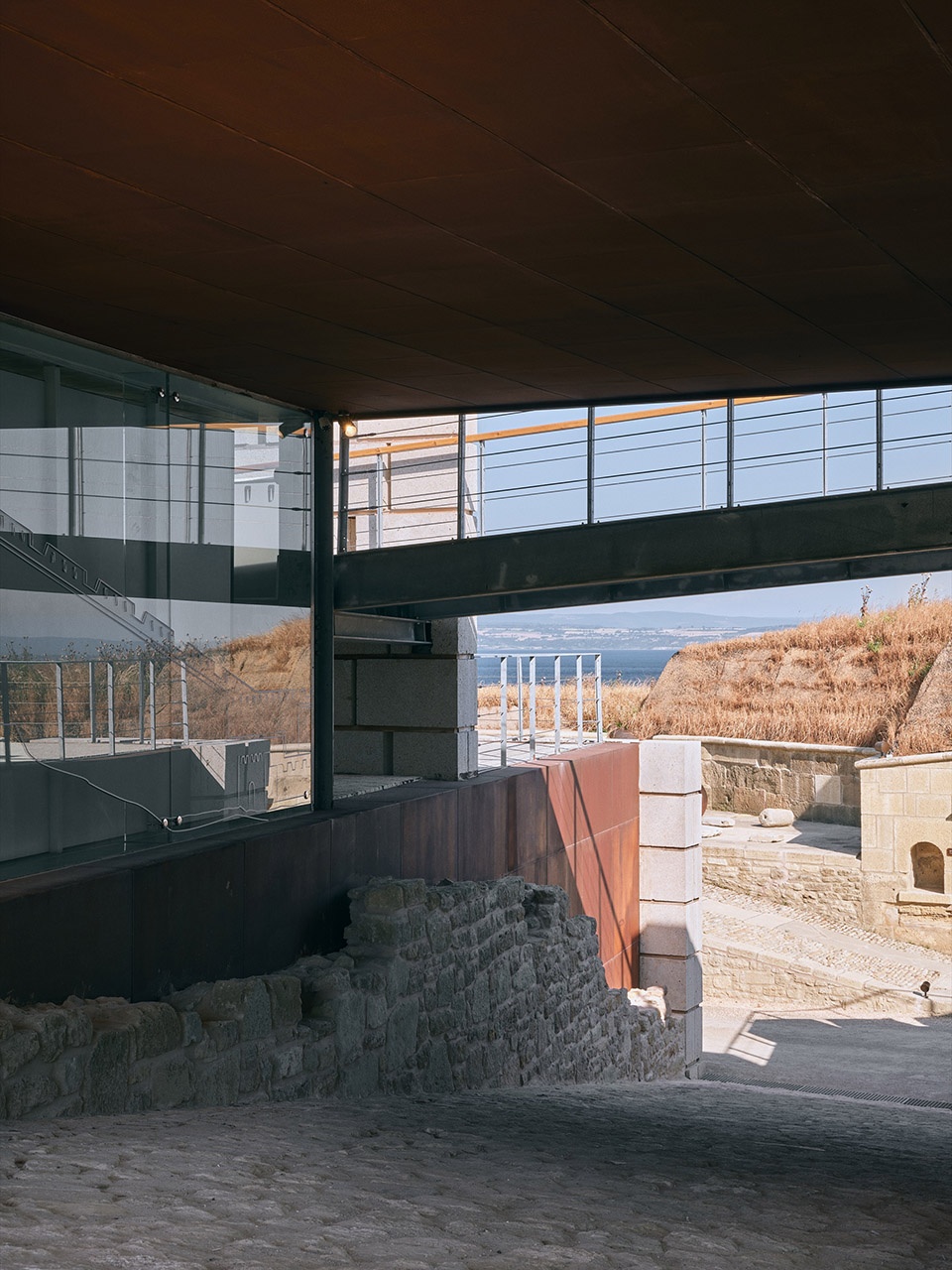
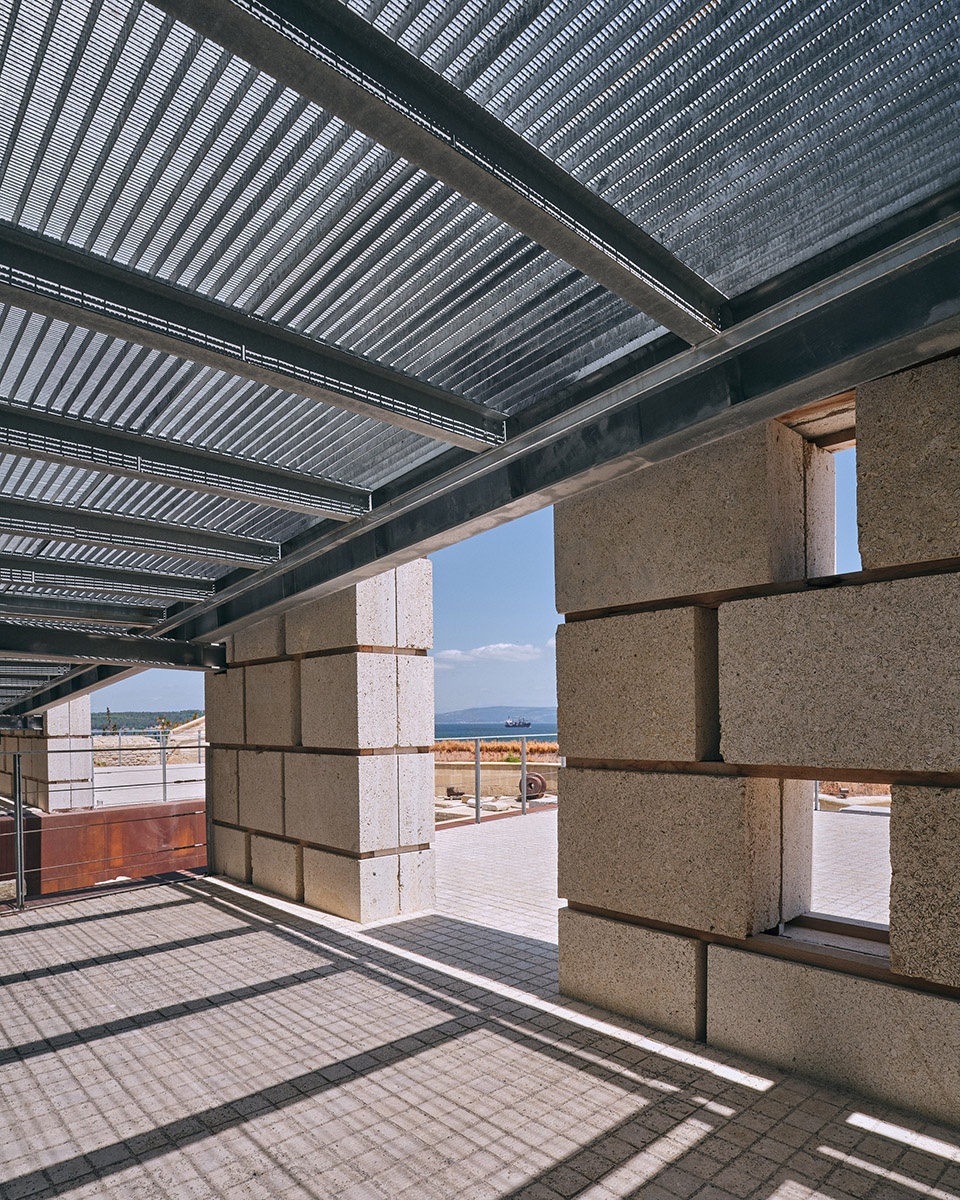
▼屋顶连廊,the roof corridor
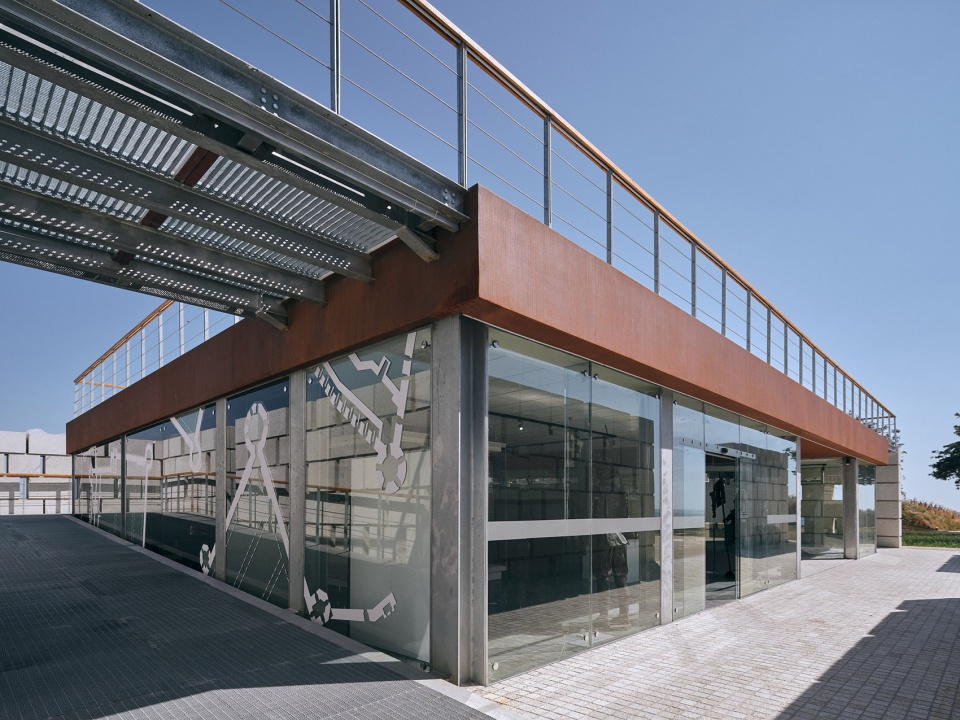
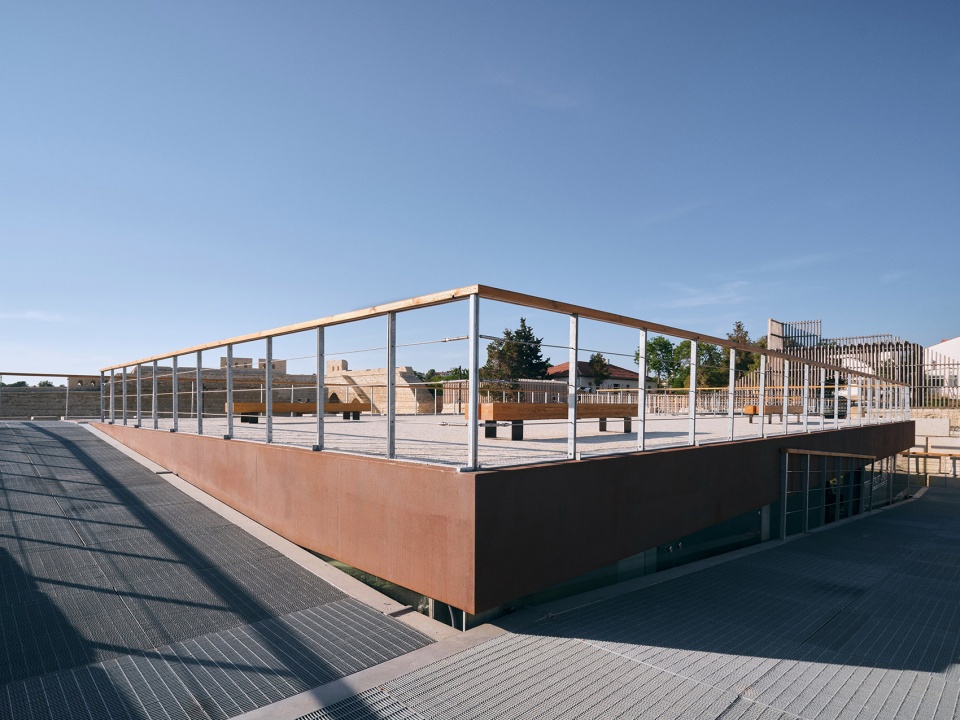
▼屋顶露台,the roof terrace
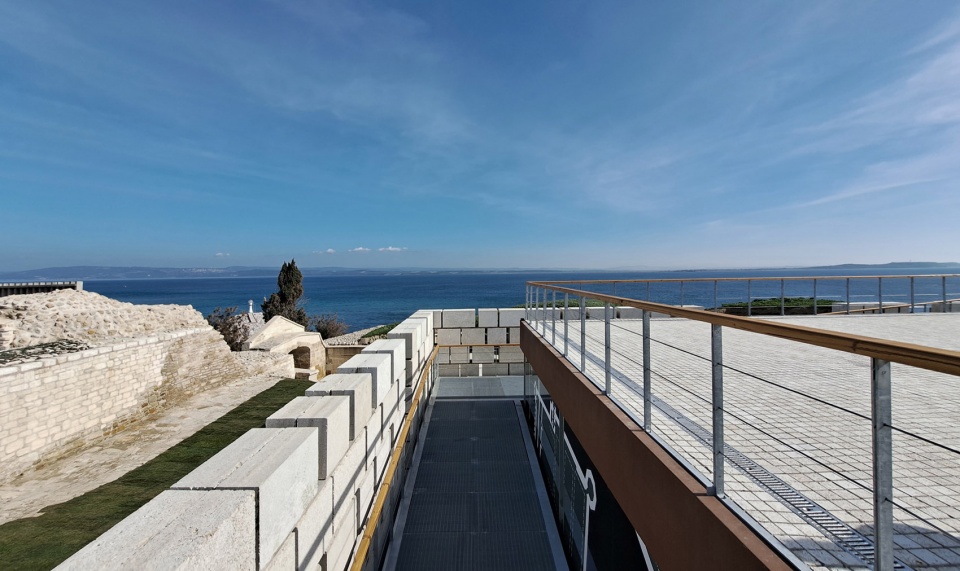
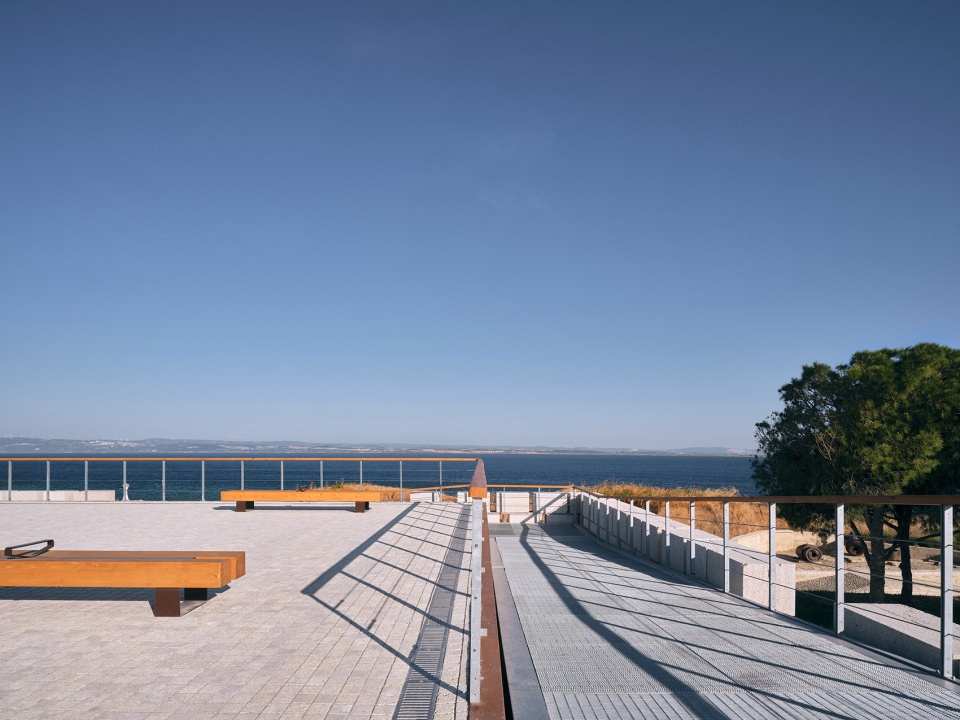
如今的Seddülbahir要塞已焕发新生。它的建筑邀请人们共同追忆战争与破坏的历史,并珍视和平。独特的入口建筑群、博物馆、艺术家工作坊与重新设计的村庄广场,共同服务于游客与当地社区,让要塞展现出一个面向未来的姿态:战争已远去,但作为重要的记忆,依然长久留存。
Today the Seddülbahir Fortress is a vibrant place. The architecture invites all to reflect upon the history of past destruction and war, and to cherish peace. With its unique entrance complex, museum, an artists’ workshop, and redesigned village square, all serving visitors and the local community, the fortress looks to a future in which war is now a distant, but important memory.
▼夕阳下的要塞,the Fortress under sunset
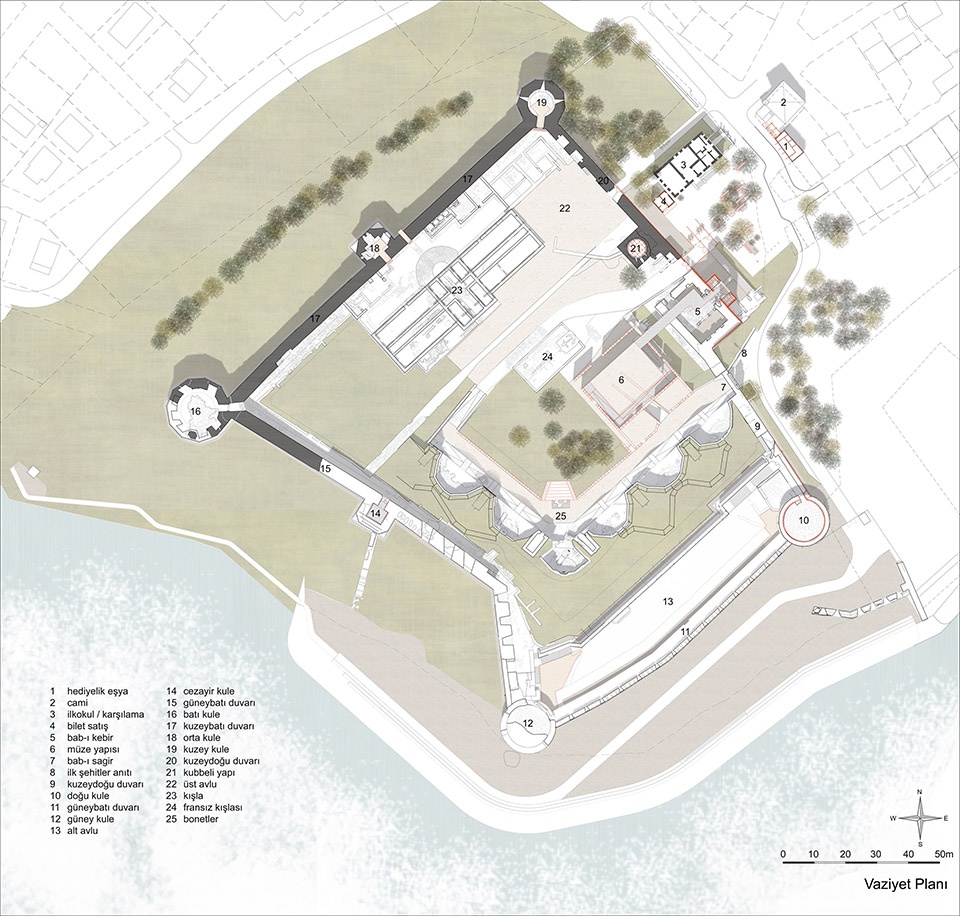
▼总平面,site plan
PROJECT AUTHORS
Restoration Project Author Arzu Özsavaşcı (AOMTD)
Re-Use Project Author Y. Burak Dolu (KOOP Architects)
Landscape Project Author Mehmet Cemil Aktaş (caps.office)
PROJECT DATES
1997-2004 Research and Documentation Project Koç University – Istanbul Technical University
2004-2009 Survey, Restitution and Conservation Projects Koç University – Istanbul Technical University
2015-2023 Restoration Construction, Restoration and Re-Use Projects Directorate of Gallipoli Historic Site
CLIENT
2004-2009 Ministry of Environment and Forestry – Directorate of Nature Conservation and National Parks
2015-2023 Directorate of Gallipoli Historic Site