KOKUYO DIG办公空间,日本 / DDAA
学习和理解那些你原本并不知晓的事物,能够改变你看待世界的方式。学习是一个过程,它让我们以更高的“分辨率”去观察世界,并意识到世界正溢满着我们尚未了解的事物。学习激发新的问题,而问题又引发好奇心,好奇心进一步推动学习的循环。出于好奇与求知欲而不断深入的过程,丰富了我们的生活。正是因为前人积累的努力,世界才逐渐成形。
Learning and understanding things you didn’t know can change the way you see the world. Learning is a process that allows us to see the world at a higher resolution and understand how it is overflowing with things we don’t know. Learning inspires new questions, which in turn spark curiosity, and curiosity stimulates a cycle of further learning. Delving deeper into things, driven by curiosity and a desire to learn further, enriches our lives. Thanks to the cumulative efforts of our predecessors, the world has gradually taken shape.
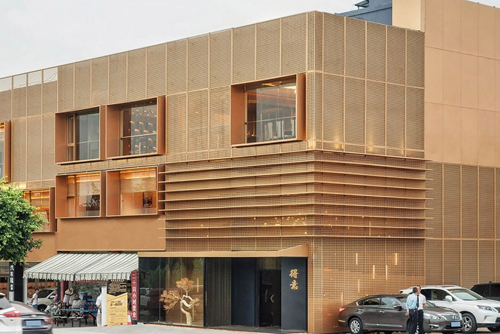
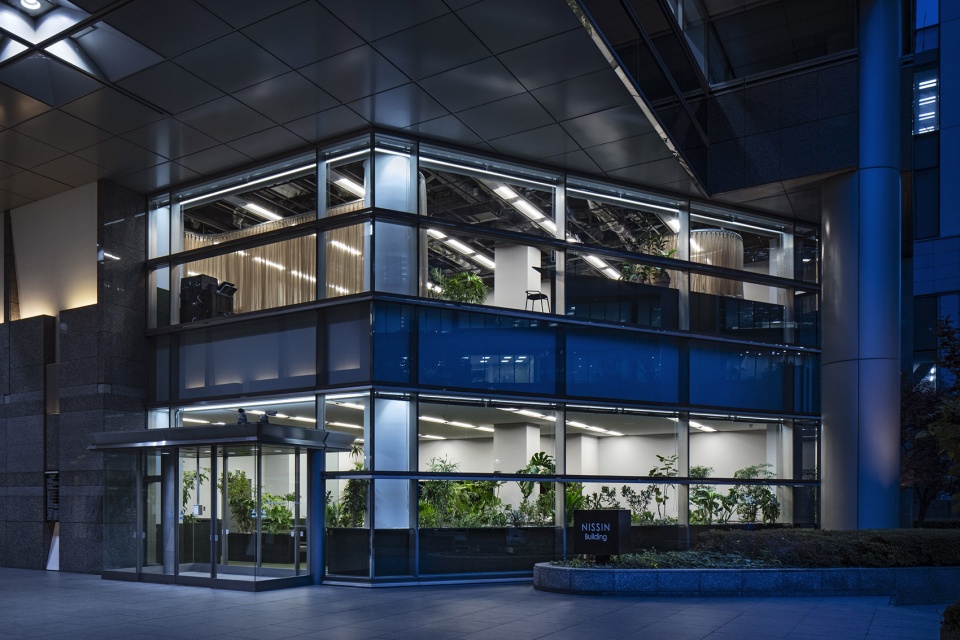
▼办公空间外观,exterior of the office space
当 Kokuyo 邀请我们基于“学习”这一主题创造一个空间,让员工能够自发探索兴趣并扩展知识时,我们对这个主题本身非常感兴趣,但也坦言心中有些模糊的疑虑:我们是否真的能够成功打造一个“学习的空间”?因为“教育”的功能——信息的传递与接收——是可以提供的,但学习的根源,即他人的好奇心与探究精神,却无法被控制。
When Kokuyo asked us to create a space based on the theme of “learning,” where their employees could spontaneously explore their interests and expand their knowledge, we were very interested in the theme itself, but honestly, we had vague doubts about whether we could successfully create a “space for learning.” This was because while one can provide an “educational” function in terms of delivering and receiving information, one cannot control others’ curiosity and spirit of inquiry that are at the root of learning.
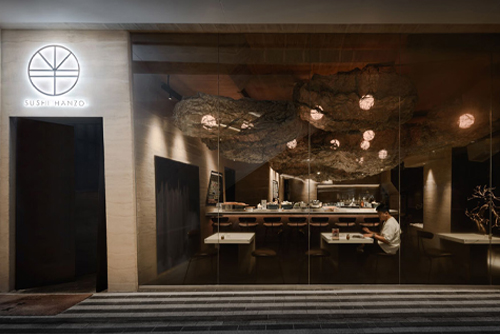
▼办公空间概览,overview of the office space
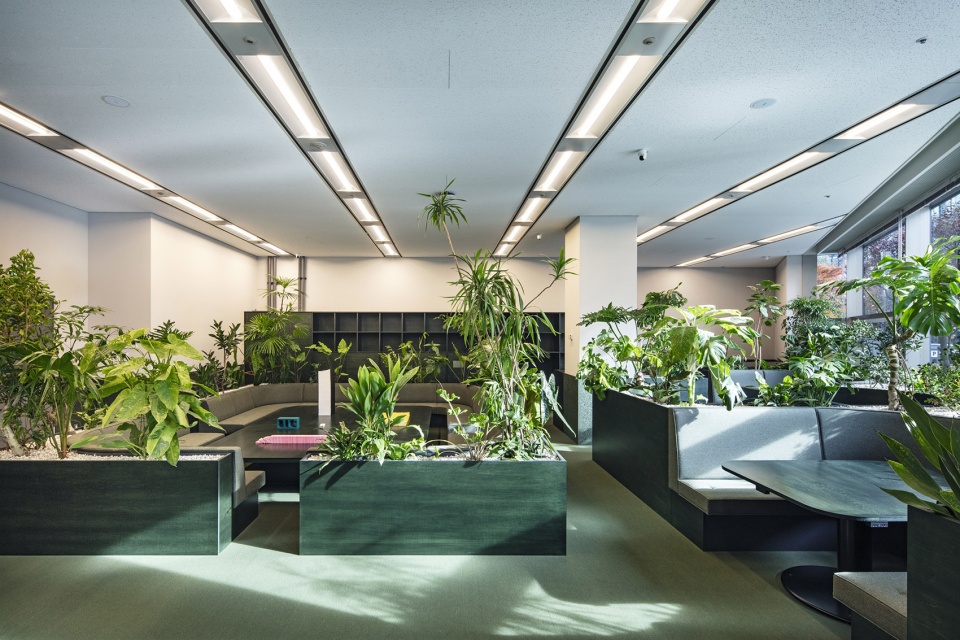
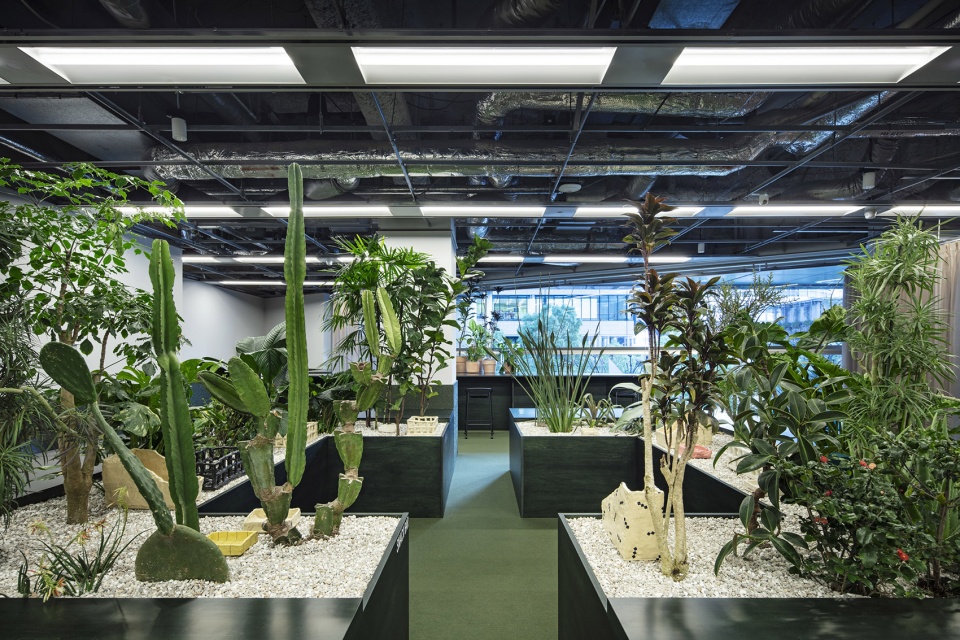
然而,我们或许能够从建筑与空间的角度去支持这种自发的学习。虽然对于“学习的空间应该是什么”这一重大问题的答案并非立刻显现,但思考它并不是徒劳无益。再者,公司致力于为员工营造促进自发学习与跨部门知识分享的场所,这一承诺无疑将惠及整个组织,并在长期推动进一步成长。DDAA也希望建立一支以学习与好奇循环为核心的团队,以同样的心态来推进项目。
However, we may be able to support such spontaneous learning by addressing it from an architectural and spatial viewpoint. And while the answer to the big question of what a space for learning should be may not be immediately apparent, thinking about it is not a waste of time. In addition, the company’s commitment to creating a space that promotes spontaneous learning among employees and the sharing of knowledge across business divisions will undoubtedly benefit the entire organization and lead to further growth in the long run. DDAA also wants to build a team that centers on this cycle of learning and curiosity, and pursue our projects with the same mindset.
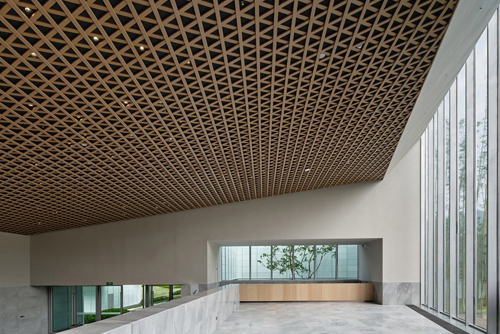
▼营造促进自发学习与跨部门知识分享的场所,
creating a space that promotes spontaneous learning among employees and
the sharing of knowledge
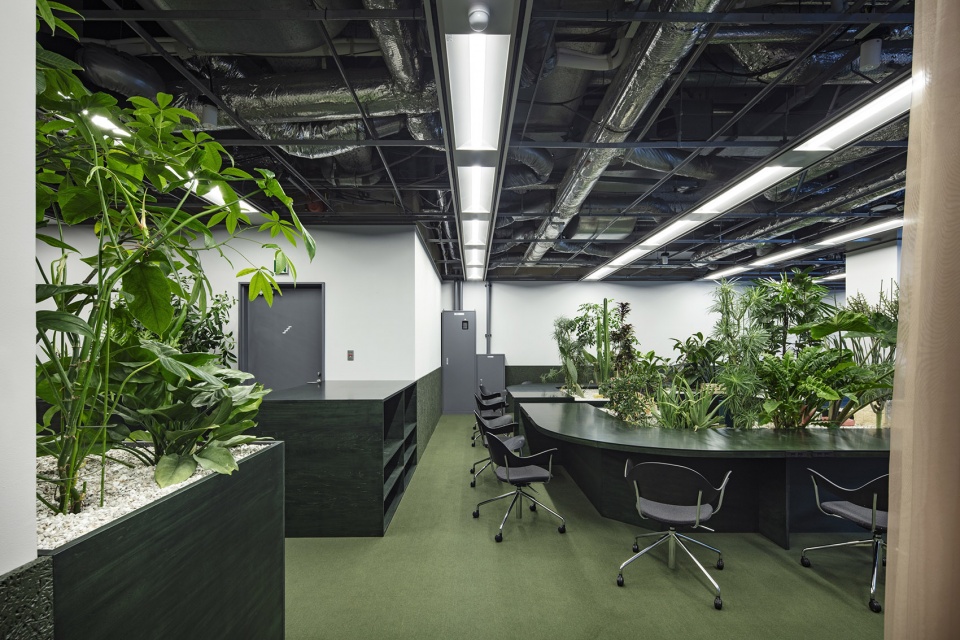
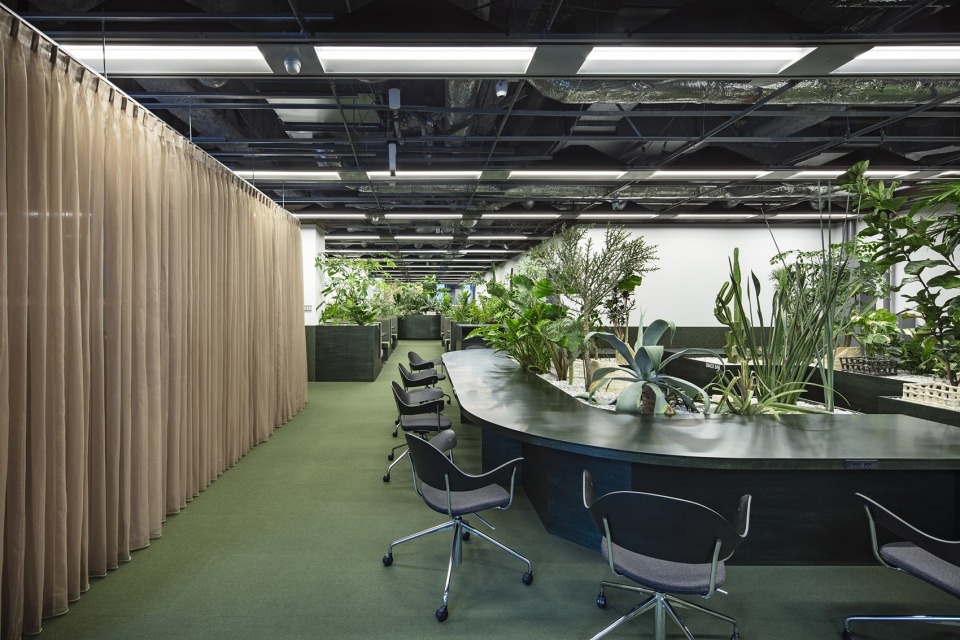
此外,我们希望这个探索“学习空间”概念的过程本身,也能成为一次学习的机会。为此,DDAA负责项目的整体方向,并与KOKUYO的设计团队协作。他们在过程中了解了我们不同于以往的设计方式,而我们则与他们合作,将我们的设计与研究经验整理为一套共享的方法论。通过这种方式,我们希望使项目本身成为双方的学习经历。如今空间已完工,我们正将整个设计过程汇编成册。
Furthermore, we wanted the process of this project, which explored the concept of a “space for learning,” to be a learning opportunity in itself. To this end, DDAA undertook the direction and collaborated with KOKUYO’s design team to carry out the project. They learned about our design process, which differed from their usual way of working, while we collaborated with them to organize our design and research expertise into a shared methodology. By doing so, we aimed to make the project a learning experience for both parties. Now that the space is complete, we are currently compiling a book that summarizes the design process for this project.
▼营造促进自发学习与跨部门知识分享的场所,
creating a space that promotes spontaneous learning among employees and the sharing of knowledge
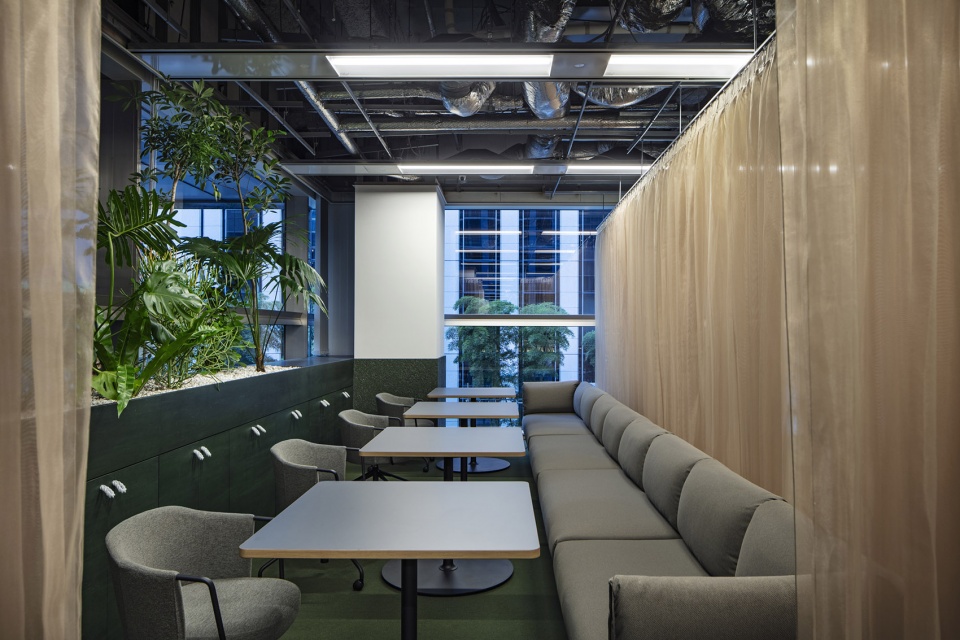
那么,如何从空间层面支持“学习”?如前所述,个体的好奇心与探索欲望无法被他人操控,但我们希望这个场所能为拥有这些欲望的人提供一个平台。除了必须具备一个安静舒适、不受干扰的专注环境外,理解彼此的同伴存在也会促成积极的互动。或许来自邻座的一段对话,正好成为某种启发。我们可以利用空间与环境要素来促进这样的情境。我们希望营造一种状态:每个人都能自发学习,同时与他人分享热情与信息。换句话说,这是一个让“专注”与“分享”这两种看似矛盾的元素得以共存的空间。
What does it mean to support “learning” spatially? As mentioned earlier, one’s curiosity and desire to explore cannot be manipulated by others, but we wanted this place to serve as a platform to accommodate those who possess these desires. While it is essential to have a comfortable space where you can concentrate on your work without distractions, the presence of understanding colleagues and peers will foster positive interactions. A conversation overheard from the next seat may become a catalyst for something. We could leverage spatial and environmental elements to facilitate such situations. We wanted to create a state where each person can learn spontaneously while sharing their passion and information with others, in other words, a space where the contradictory elements of “concentration” and “sharing” can coexist.
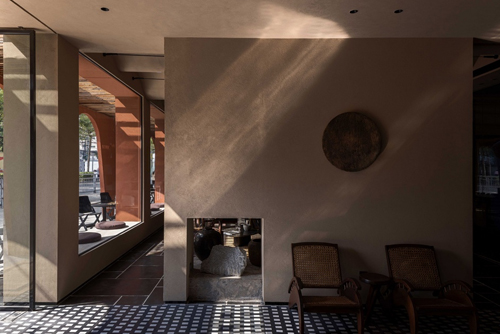
▼促成积极互动的场所,foster positive interactions
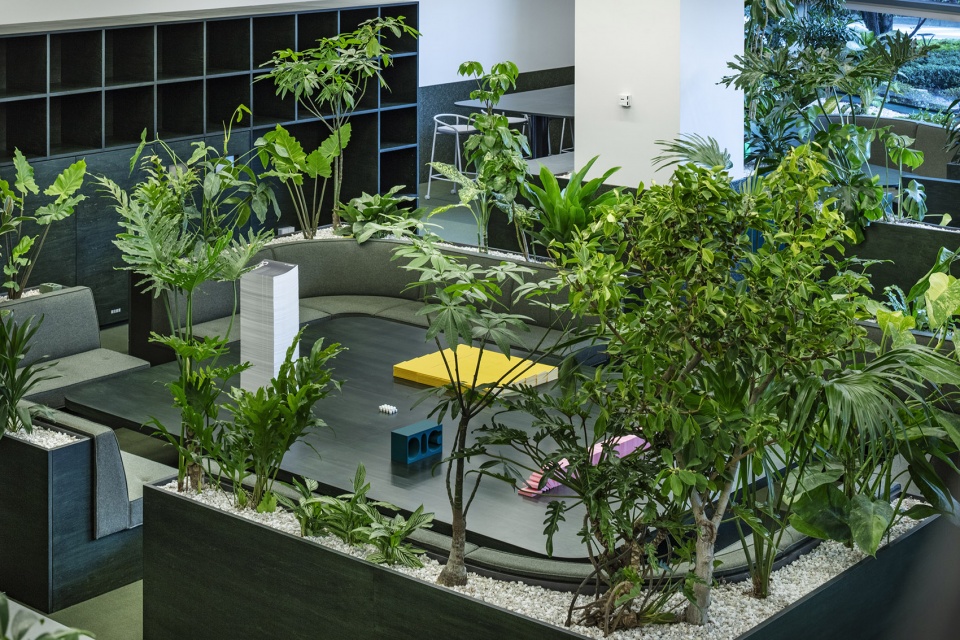
基于这一思路,我们以家庭餐厅作为项目的参考原型。家庭餐厅——在日本广泛存在的连锁餐饮场所——并不仅仅是吃饭的地方。它们为顾客提供了一定的自由度:有人会与朋友一同备考,在此长时间专注学习;有人只是安心工作,不必担心时间;也有人在此闲聊甚至小吵。家庭餐厅24小时营业,提供饮品吧与轻食。一些顾客专注其中,另一些则放松休憩。我们本能地感受到,这种氛围——每个人共享同一空间,却又自由地做着自己的事——正可以应用于我们希望创造的“专注”与“分享”并存的学习空间。首先,我们对家庭餐厅展开了多维度的研究。这包括对家庭餐厅及其行业的历史考察,分析涉及家庭餐厅的电影与歌词,以及对不同餐厅中模块化家具的实地测量。基于研究结果,我们归纳出三大特征,并将其转化为设计要素:
With that in mind, we decided to use family restaurants as a reference for this project. Family restaurants, which are typical chain restaurants widely visited by many people in Japan, are not just places to eat. They offer a certain freedom for customers to engage in various activities: one would study for exams with friends and concentrate on their work without worrying about the time, or sometimes couples would get into petty squabbles there. Family restaurants are open 24 hours a day, offering a drink bar and light meals. Some of the customers are concentrating on something, while others are relaxing. We instinctively felt that the atmosphere, where everyone shares the space but feels free to do their own thing, could be applied to creating a space for both “concentration” and “sharing.” First, we conducted multifaceted research on family restaurants. We conducted extensive research, including the history of family restaurants and the industry, as well as the analysis of movies and song lyrics featuring family restaurants, and on-site measurements of modular furniture in various restaurants. Based on the findings, we identified the following three main elements that characterize the space of family restaurants and incorporated them into our design.
▼以家庭餐厅为原型设计,Designed based on the prototype of a family dining room
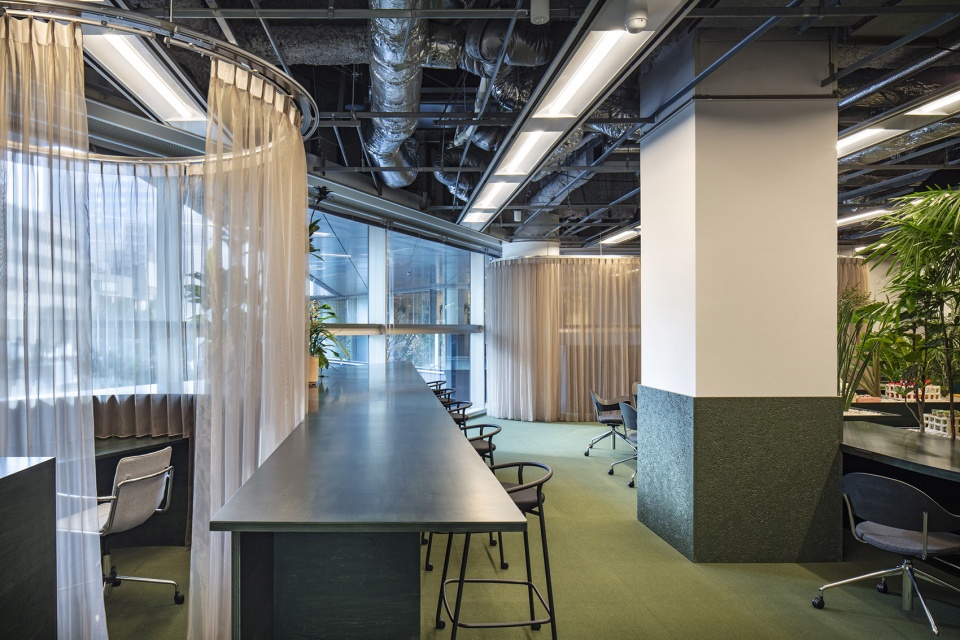
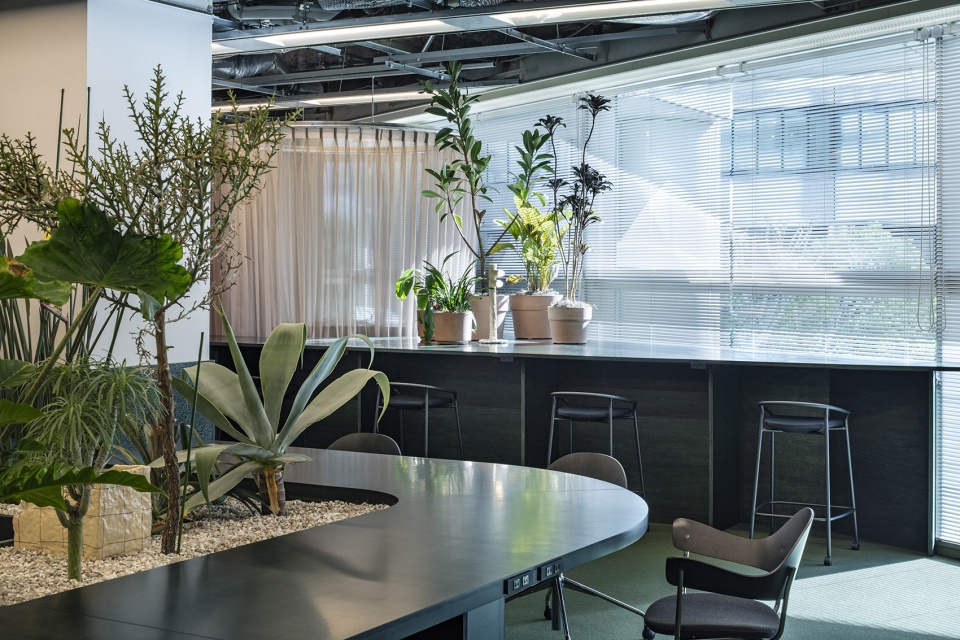
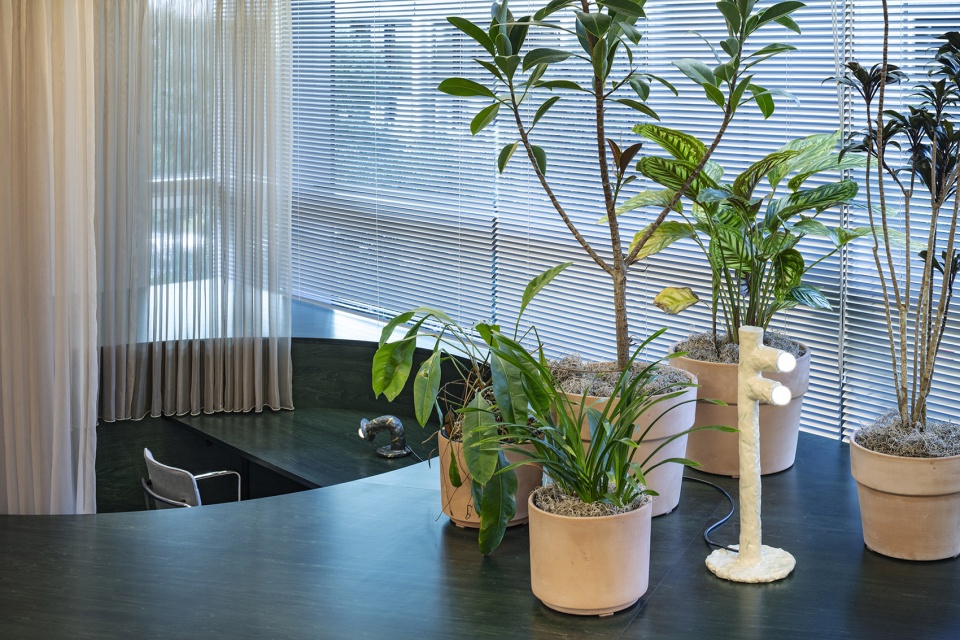
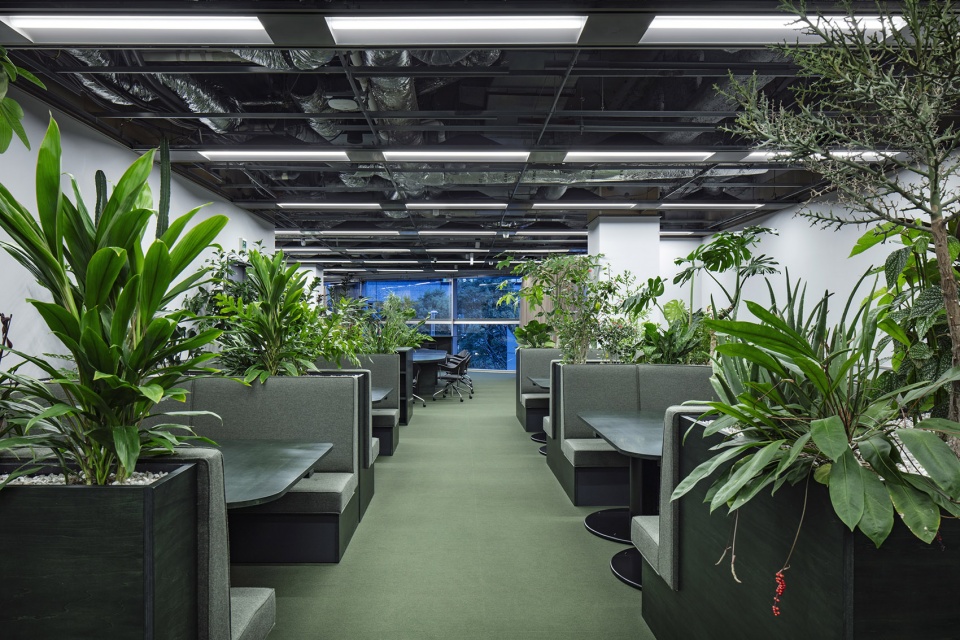
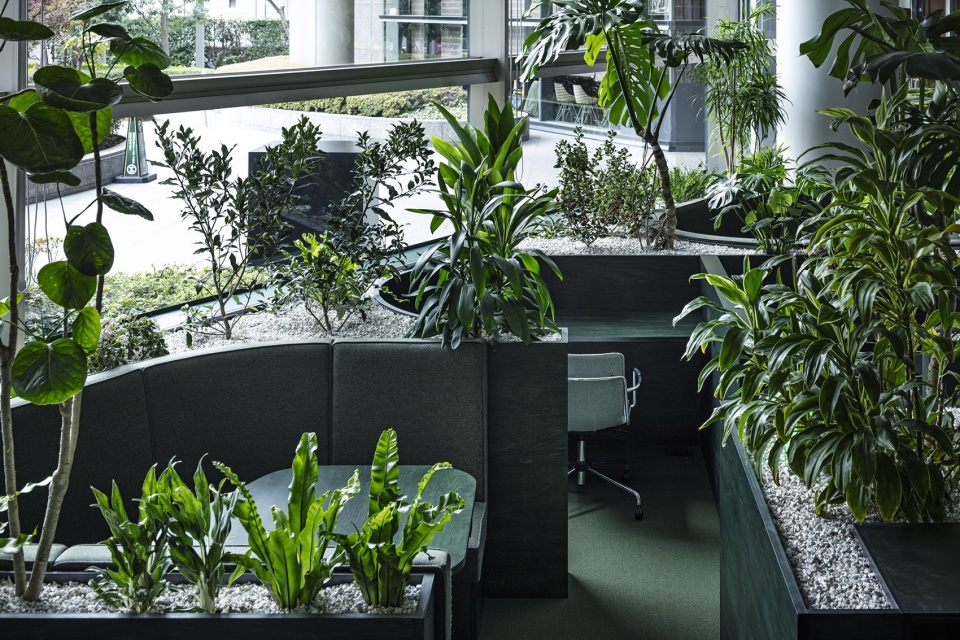
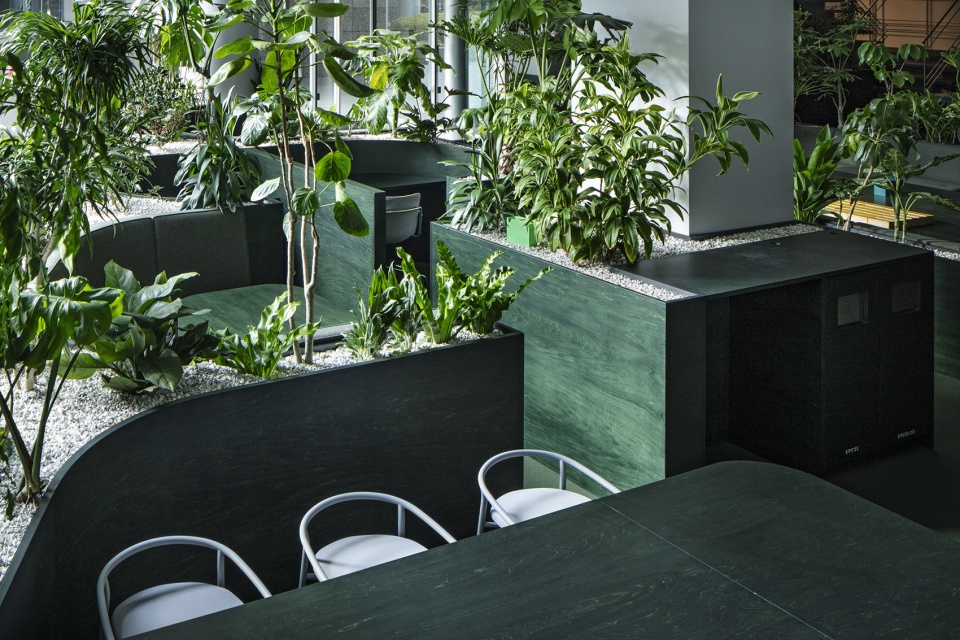
(1)下部作为专注的私密空间,上部作为具有可见性的共享空间在家庭餐厅的空间中,上部是共享的氛围,下部则被分隔为各组的私密空间。这种安排使顾客在共享氛围中,仍能自由做自己的事情。在本项目中,我们通过精确调整家具高度与视线,使其从空间中心向后逐渐升高,并布置大量植物作为适度的隔断,既阻挡部分视线,又保持自然感。我们设计了与地面呼应、并与植物相融合的绿色家具,从而在视觉上区分上下层空间特征,力求在“坐下时的专注”与“站立时的分享”之间取得平衡。
(1) The lower half serves as a private space for concentration, and the upper half is a shared space with good visibility
The upper half of the family restaurant is a shared space, while the lower half is divided into private spaces for groups. This arrangement allows customers to enjoy the shared experience and atmosphere of the restaurant while still feeling free to do their own thing. In this project, the height of the fixtures and sightlines were carefully adjusted so that they gradually rise from the center of the space toward the back, and many plants were placed to serve as partitions that moderately block the view of the neighboring seats. By creating green furniture that matches the flooring and blends well with the plants, we visually distinguished the characteristics of the upper and lower spaces, aiming to achieve a balance between “concentration” when seated and “sharing” when standing.
▼布置大量植物作为适度的隔断,many plants were placed to serve as partitions
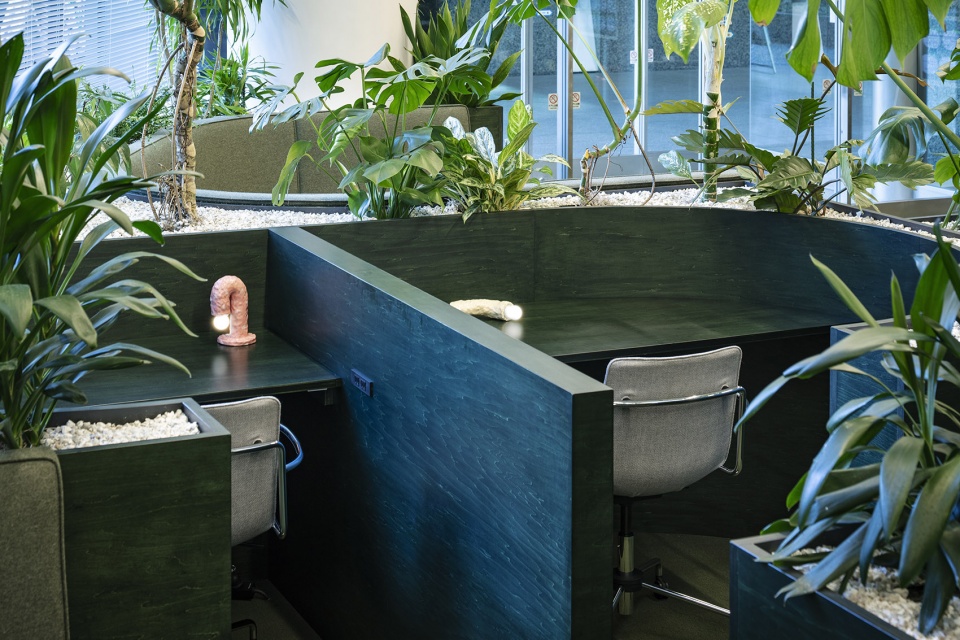
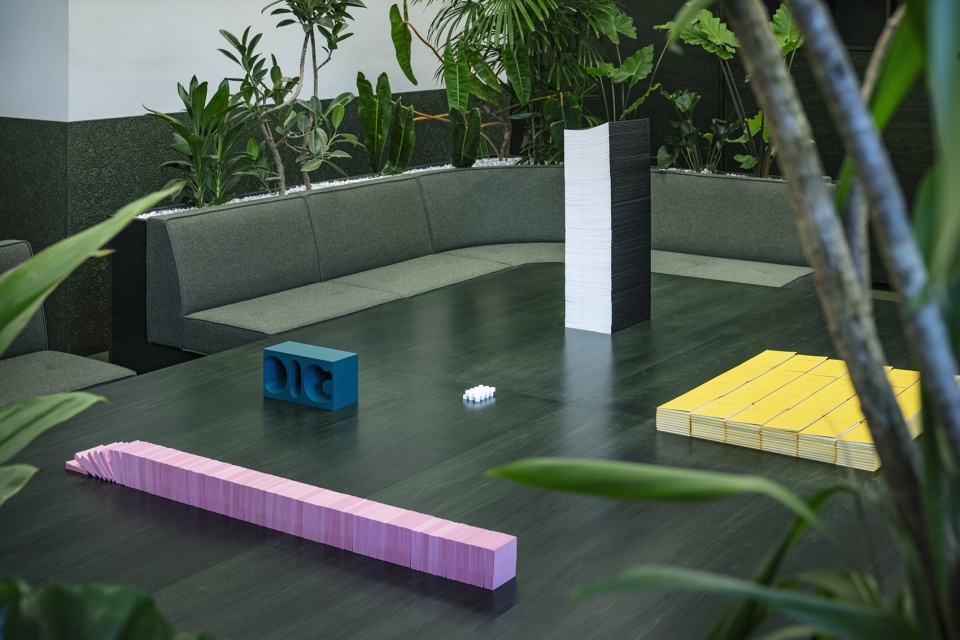
(2)通过设置分散目的地来引导流动的动线为了鼓励人们起身并开启分享,我们在楼层内分布了多个功能区:一层设有图书馆与轻食吧,二层设有小吃吧、饮品吧与补给区,让人们在走动过程中能够看到他人正在做什么。以这些目的地为起点,我们绘制出动线——就像用黄油刀在软黄油上划过,又如蚂蚁掘土筑巢一般——并在动线周围布置家具,从而最大化工作空间的利用率。
(2) A circulation plan that allows people to walk around the facility by locating destinations such as drink bars and restrooms throughout the facility
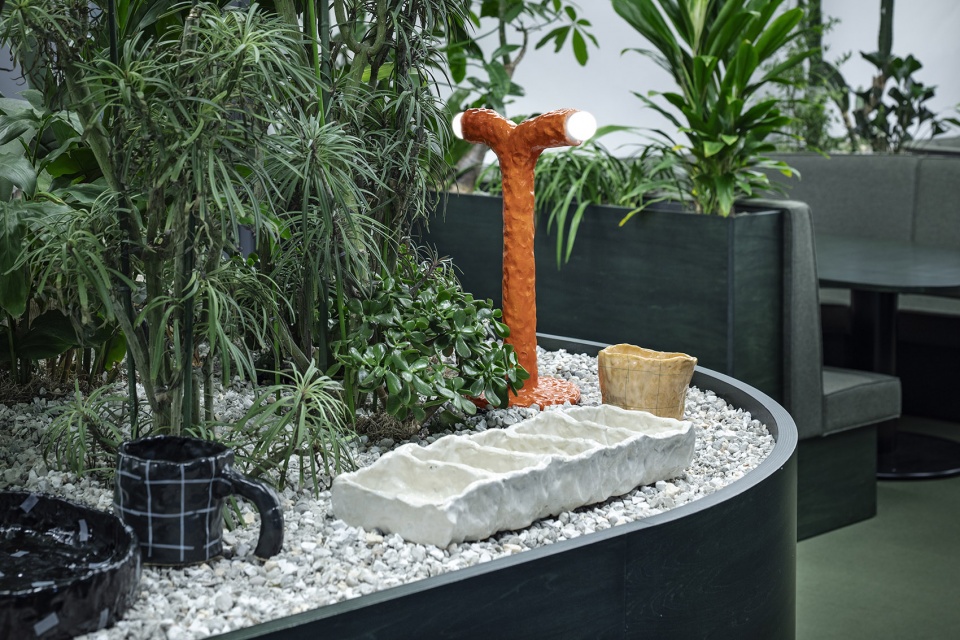
To encourage people to stand up and start sharing, we distributed various functions across the floors, including a library and light meal bar on the first floor, and a snack bar, drink bar, and supply dock on the second floor, so that people can see what others are working on. Then, starting from those destinations, we drew paths as if drawing lines with a butter knife on soft butter, or like ants digging away at soil to build a nest, and arranged furniture to fill in the spaces around the paths, maximizing the amount of usable workspace.
▼轻食吧,snack bar
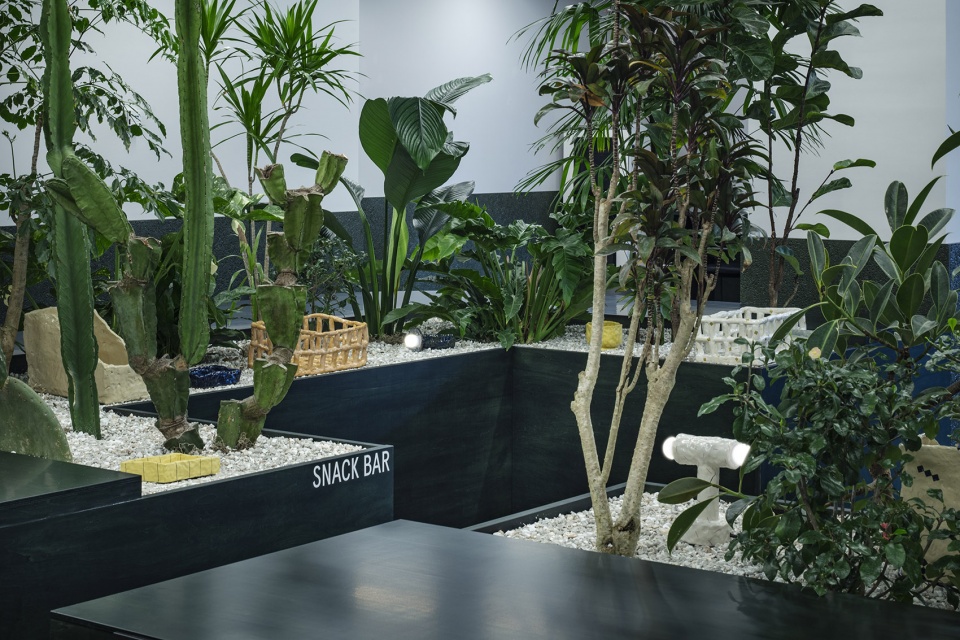
▼补给区,supply dock
(3)多种尺寸的桌子,满足不同任务需求我们尽量扩大可用的工作区,并将除动线外的空间划分为不同尺寸的桌子。家庭餐厅常见的“包厢式沙发座”有一个优点:它并不限定使用人数。这使得用户能够根据需求自由使用空间:可以铺满文件独自使用,也可以只带笔记本电脑工作,或者与几个人讨论。空间因情境而异。在一层,我们设置了大型低矮桌子,延续同样的理念:多人可共享空间一起工作,也可以随意放置文件,营造出一种生动活跃的氛围,并吸引来访者的注意。这张桌子被布置在入口附近,成为最能代表这个场所精神的象征性元素。我们希望,这个空间能成为所有人持续学习与好奇循环的一部分,成为积极变化的催化剂。
(3) Tables of various sizes to choose from to suit each task
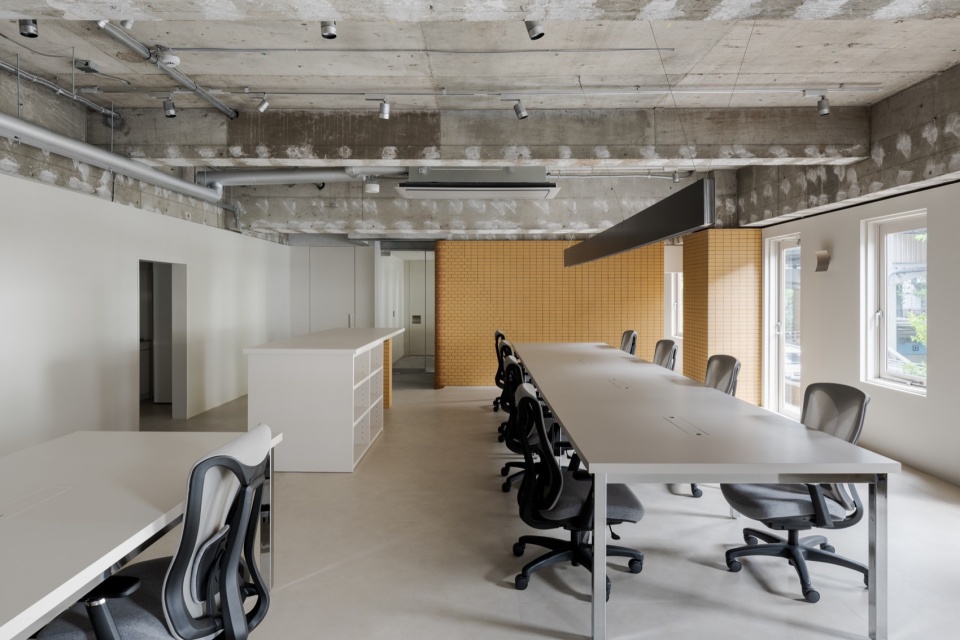
We maximized the workspace area and divided the entire area, except the circulation paths, into tables of different sizes. One of the advantages of the box-style sofa seats often seen in family restaurants (generally known as “family restaurant seats”) is that they do not specify the number of people to use them. This allows users to use the space as they wish: you can spread out documents and use the space all to yourself, bring only your laptop to work, or hold discussions with several people, choosing the space that best suits each situation. The large low tables on the first floor are designed with the same idea, allowing several groups to share the space and work together, or leave their documents scattered about, creating a lively atmosphere that catches the eye of visitors to the facility. This table was placed near the entrance as a symbol that best represents the very essence of this place. We hope this place will become part of an ongoing cycle of learning and curiosity for all, as a catalyst for positive change.
▼多种尺寸的桌子,Tables of various sizes
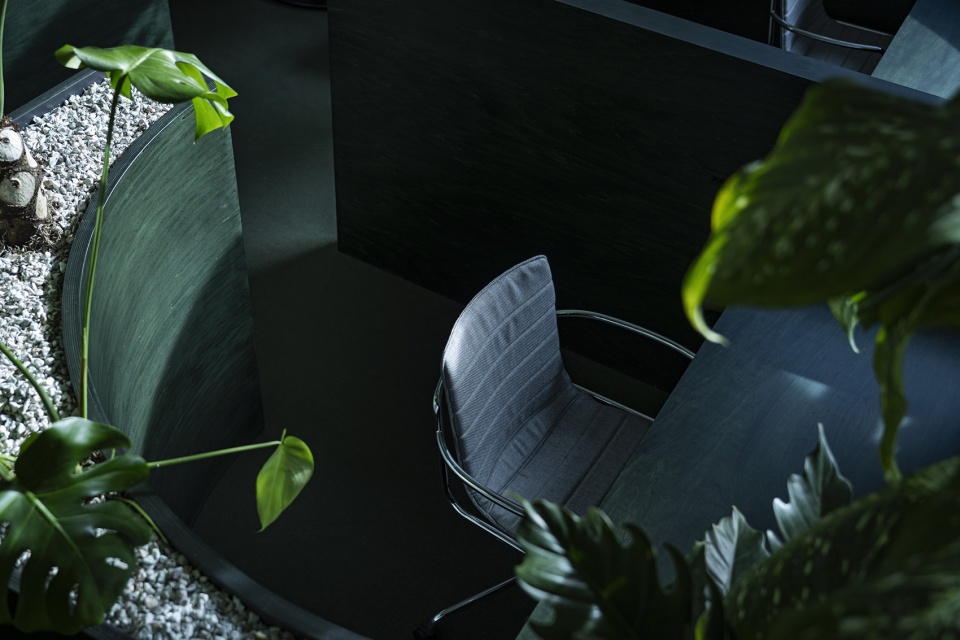
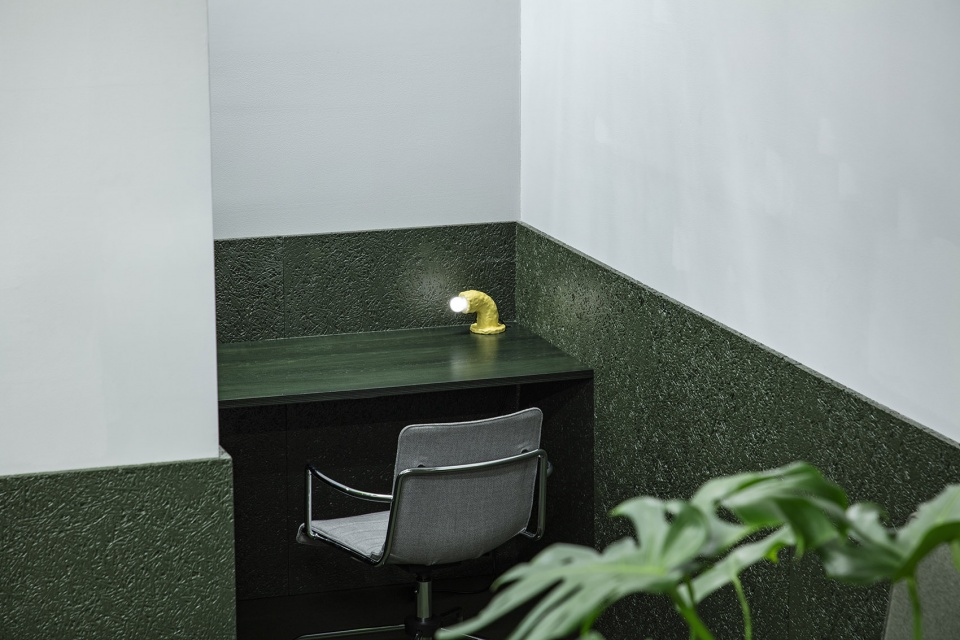
▼细部,detail
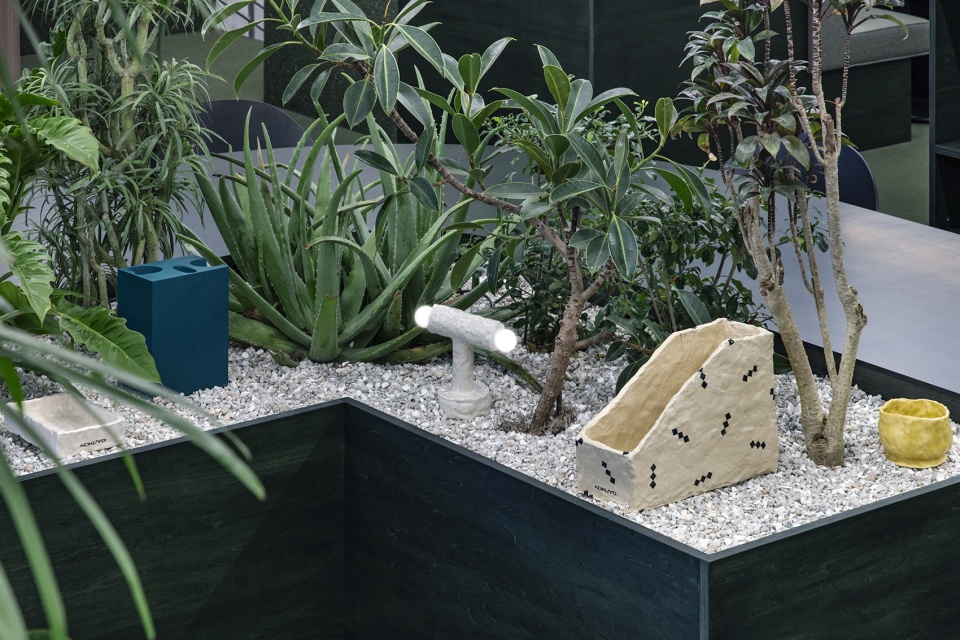
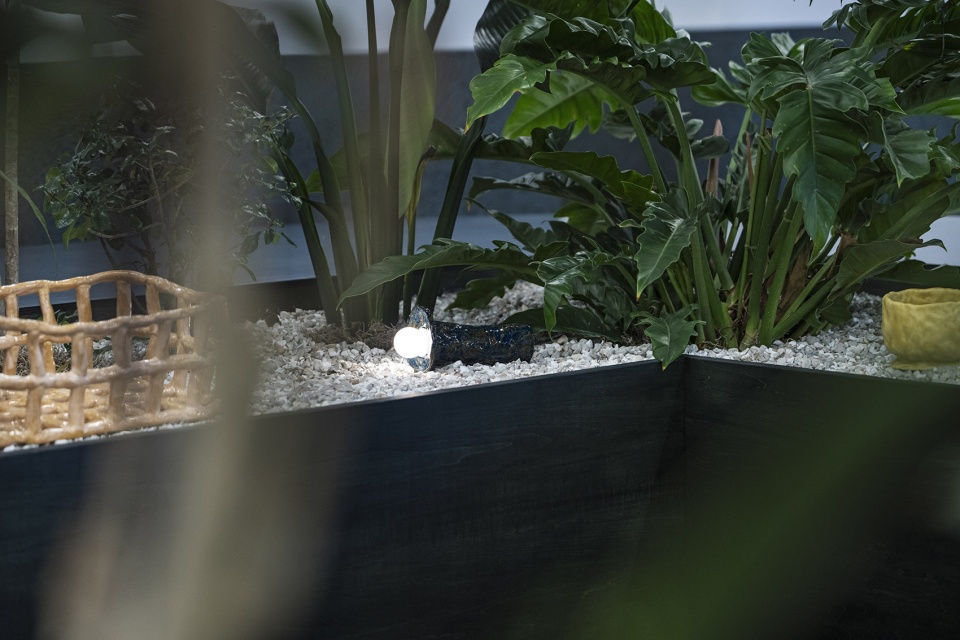
Client: KOKUYO
Location: Minato-ku, Tokyo
Usage: Office
Structure: Steel Reinforced-Concrete / Steel
Total site area: 494㎡
Date of completion: December / 2024
Interior Design Direction: DDAA
Project Team: Daisuke Motogi / Taiki Nakamura / Yui Yokoi (DDAA)
Interior Design: KOKUYO
Construction: Nomura Real Estate Partner / TANK
VI Design: KOKUYO
Lighting Design: SHOKKI
Planting Design: Oryza
Photo: Kenta Hasegawa
Editor/Writing Supervisor: Soyoka Tsuji
Translator: Kazuko Sakamoto