Ekya住宅,印度 / The Pinewood Studio
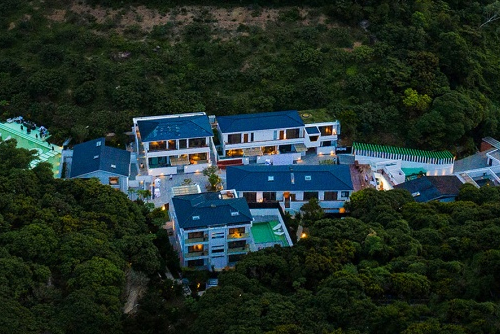
在位于海得拉巴朱比利山(Jubilee Hills)、面积达12000平方英尺的住宅Ekya中,人们首先感知到的,是一种属于荒野的寂静。庭院与露台在不同标高上层层展开,遍布茂密植被。一面高达三层楼的巨石墙,让整座住宅仿佛由岩石雕刻而成,而鸟鸣声则进一步强化了这种静谧感。正是这种奇异的悖论,定义了Ekya——一种将城市住宅转化为私人荒野的居住体验。
The first thing one notices at Ekya, a 12,000 sqft house in Hyderabad’s Jubilee Hills, is the silence of the wilderness. Courtyards and terraces rise at different levels rife with dense foliage. A three-storey high boulder wall gives an impression of the house being carved from the rock, while chirps of birds add to the quietude. It is this strange paradox that defines, Ekya, an urban house experience as a private wilderness.
▼项目概览,overview of the project
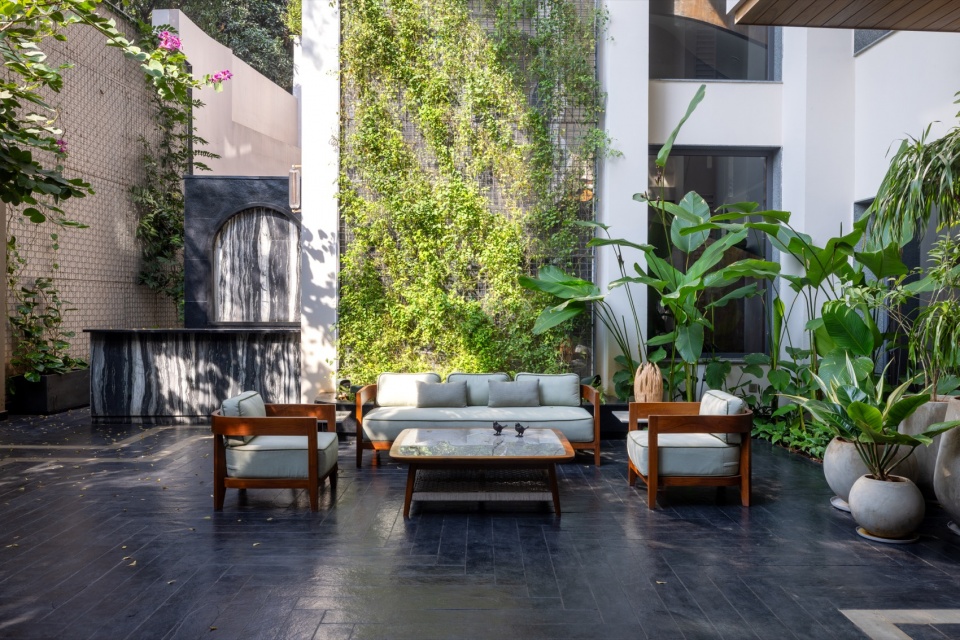
住宅的景观策略始于场地本身。The Pinewood Studio的Meghna Dulani与Shashwat Gehenwar保留了场地后侧原有的巨石墙,这一元素成为场地地质特征的标记;与此同时,那些在施工期间依然顽强生长于场地中的本土植物,则为整体种植策略提供了依据。通过将景观深植于更广泛的地域生态之中,设计减少了长期维护需求,并使其能够自然融入环境语境。
The landscape strategy for the house began with the site itself. Meghna Dulani and Shashwat Gehenwar of The Pinewood Studio, retained the existing boulder wall at the rear side, a marker of the site’s geology, while indigenous species that thrived on the site during its construction, informed the planting scheme. By rooting the landscape in the larger geographical region, the design reduces long-term maintenance and allows it to settle naturally into its context.
▼住宅景观,landscape
▼庭院,courtyard
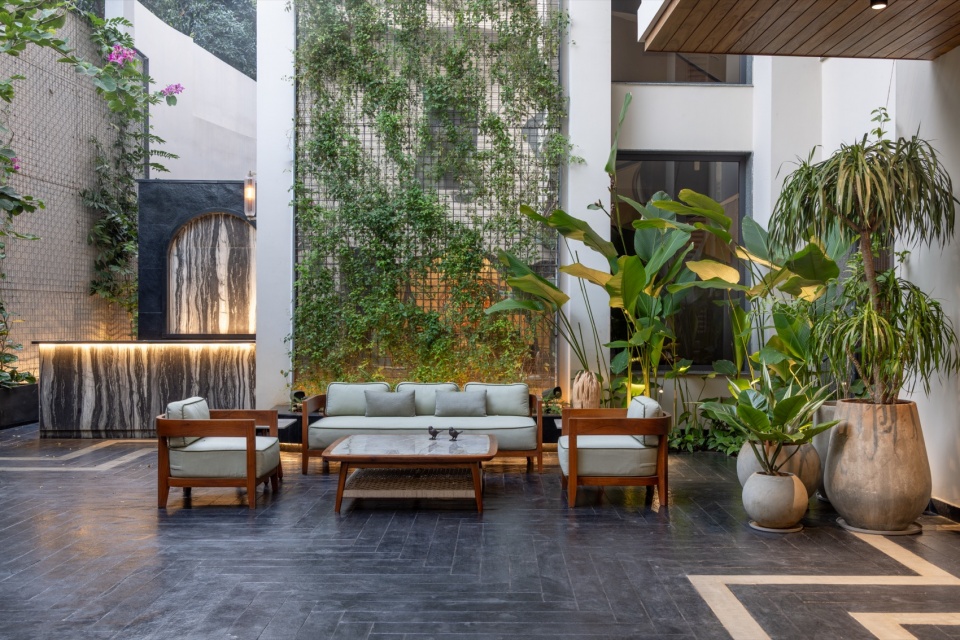
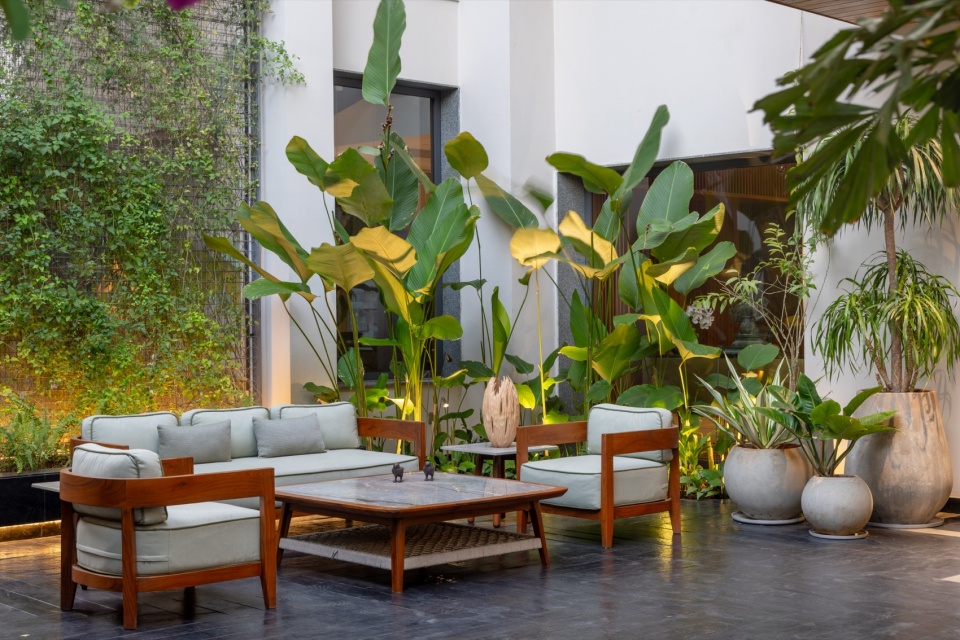
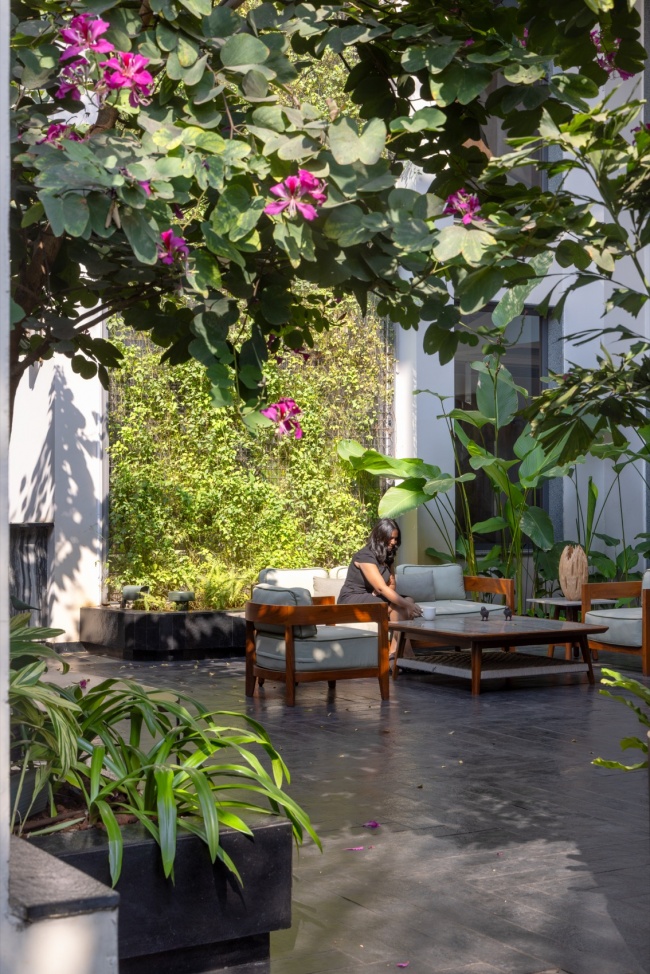
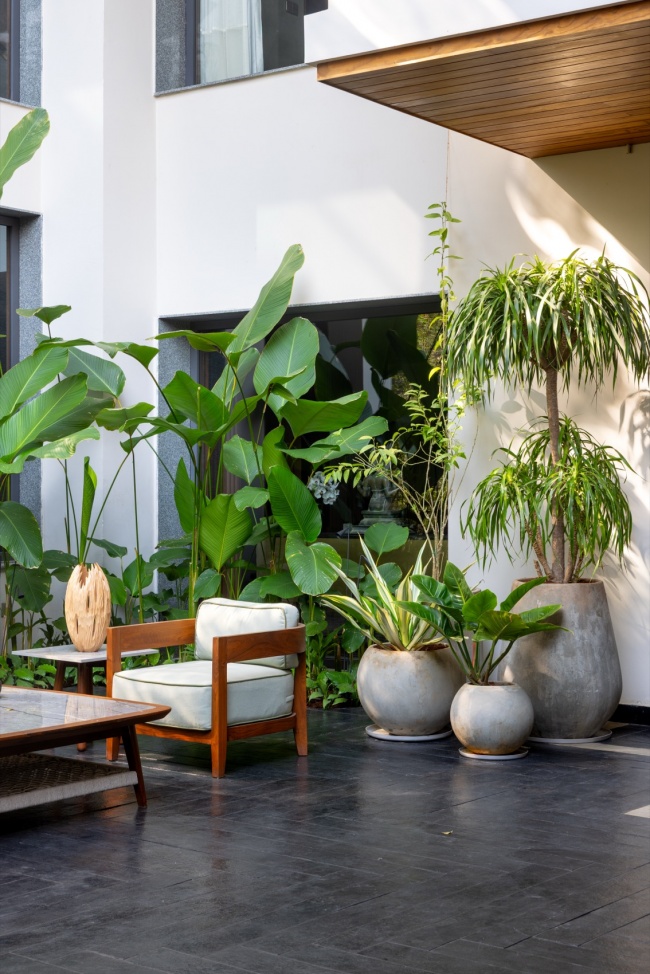
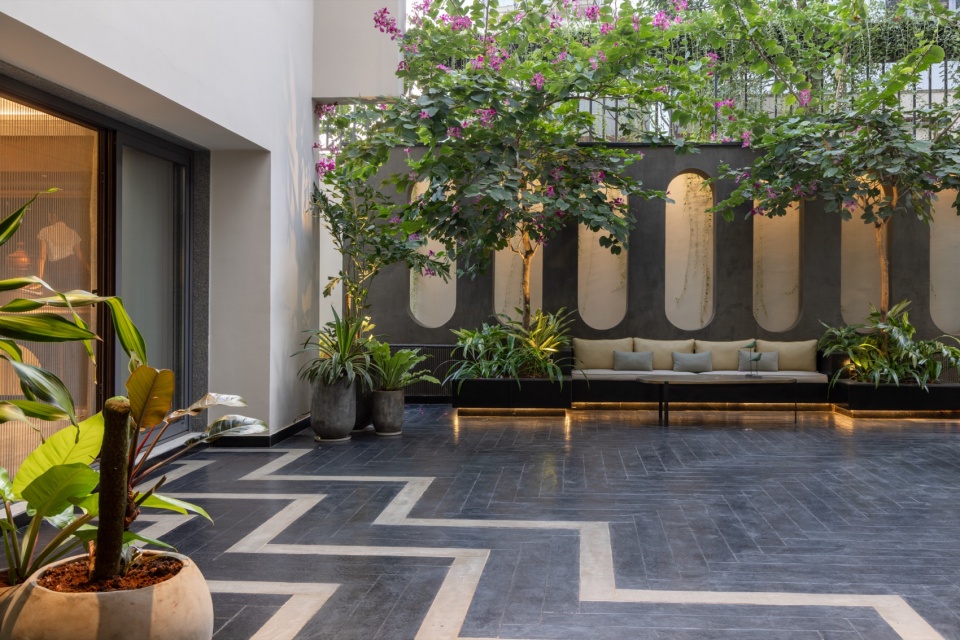
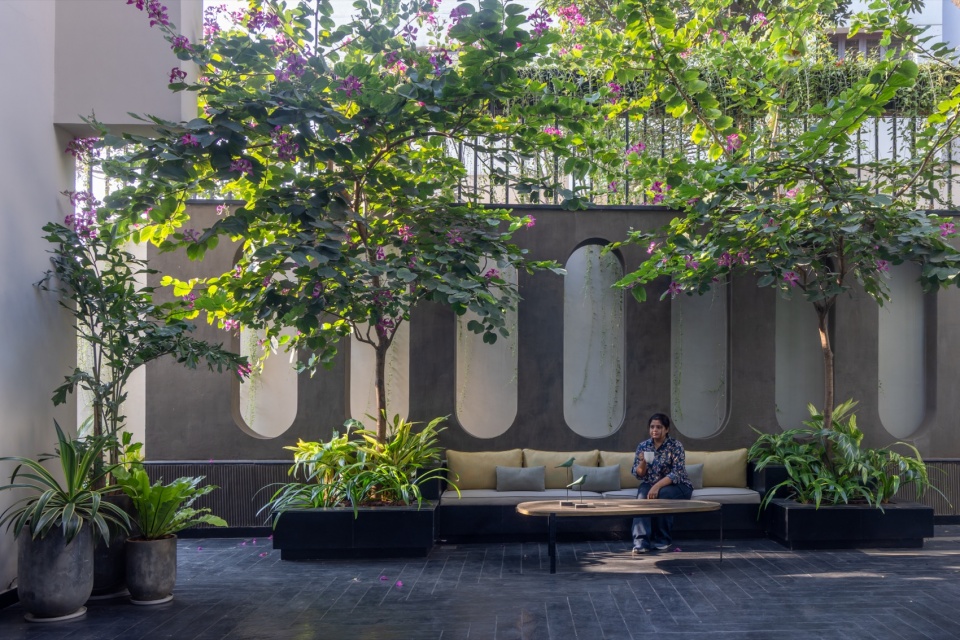
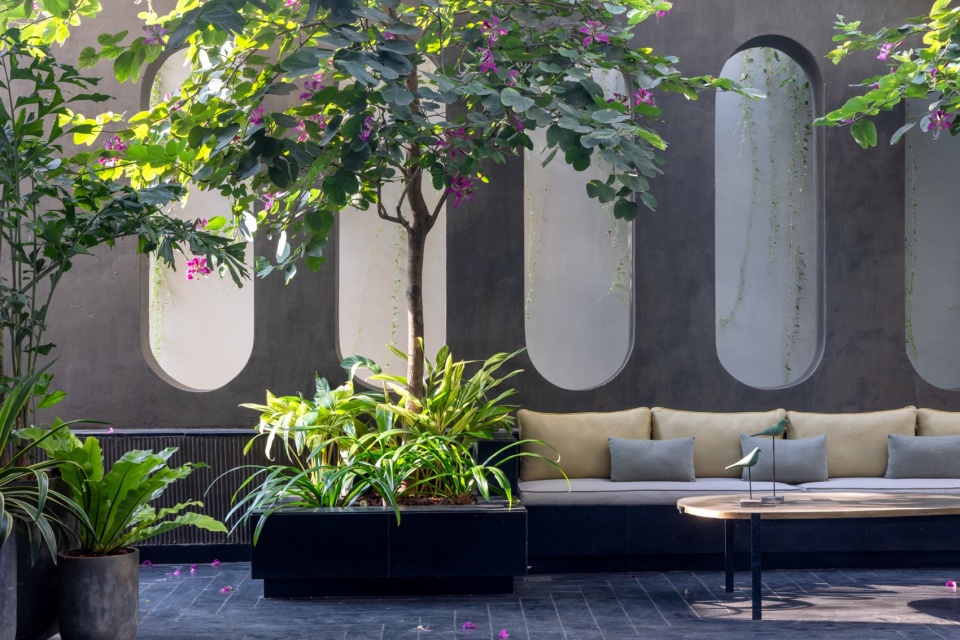
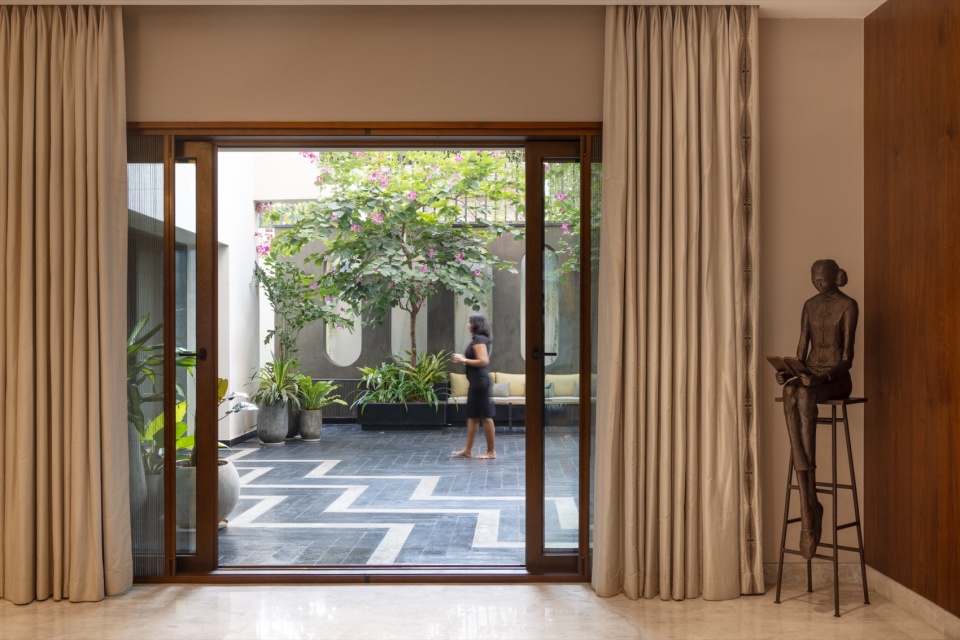
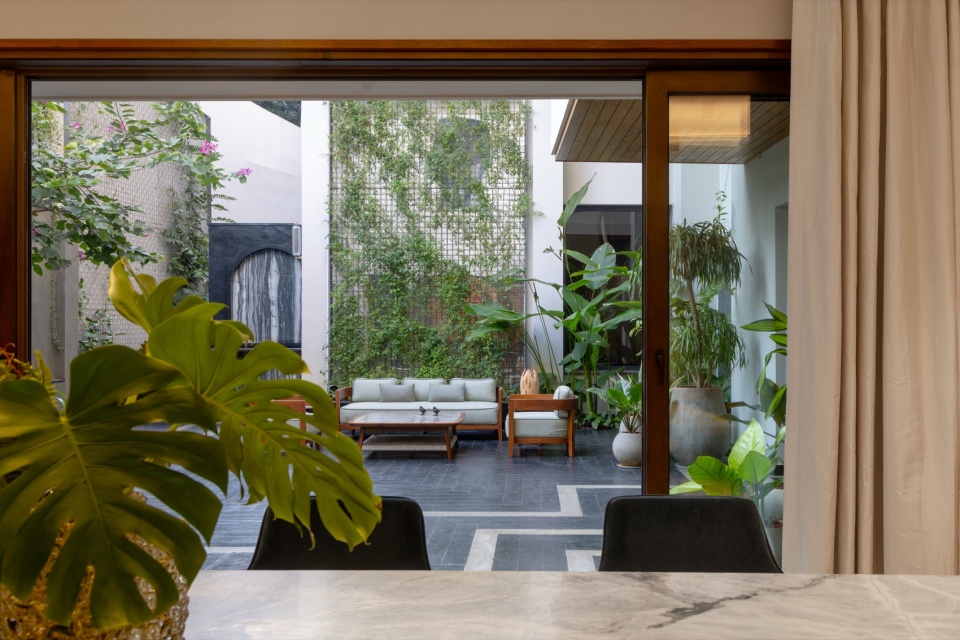
从项目伊始,景观设计便围绕业主对于各空间使用方式的构想展开。庭院构成整个景观系统的核心,两株羊蹄甲树穿越空间生长,在白天为座位区域投下斑驳树影。花期来临时,粉色花朵与石灰石铺地形成鲜明对比,空气中的香气也不断刺激着感官。一片高耸的金属网格贯穿三层空间,其上攀爬的藤蔓构成了主要户外座席与转角吧台的背景,强化了这里作为住宅社交空间的角色。种植土壤沿边界被引入,使植物得以自然生长。
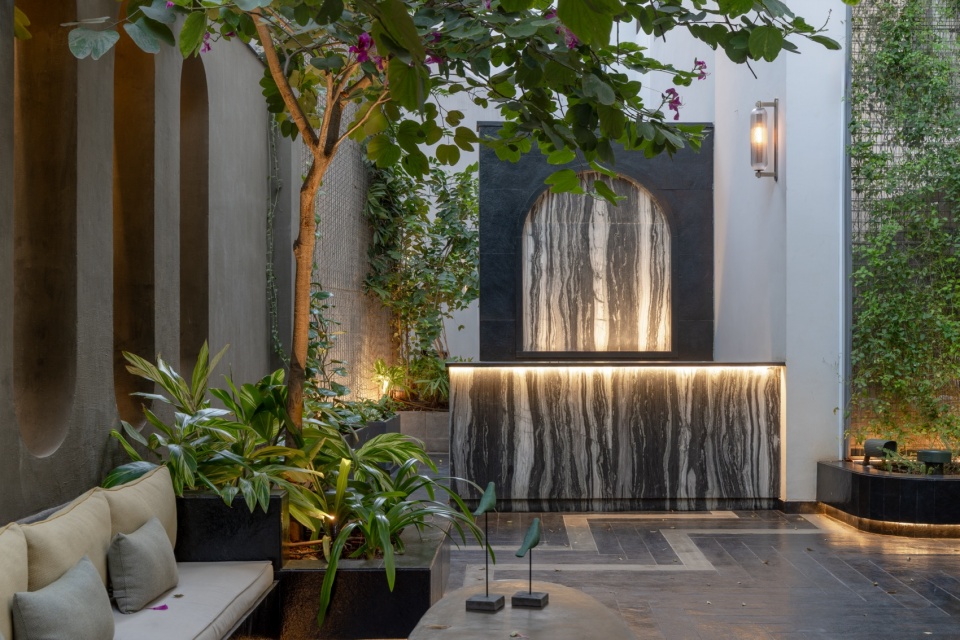
From the outset, the landscape was shaped by the client’s vision for how each space would be used. The courtyard forms the central anchor of the landscape, with two Bauhinia trees rising through the space, casting filtered shade over the seating area through the day. During the flowering season, pink blooms create a beautiful contrast against the limestone flooring, while fragrance tantalises the senses. A tall metal mesh with creepers climbing across the three floors, form a backdrop to the main outdoor seating and the bar on the corner, reinforcing the space’s role as a social space within the house. Soil beds are introduced along the edges to allow plants to thrive naturally.
▼在白天为座位区域投下斑驳树影,casting filtered shade over the seating area through the day
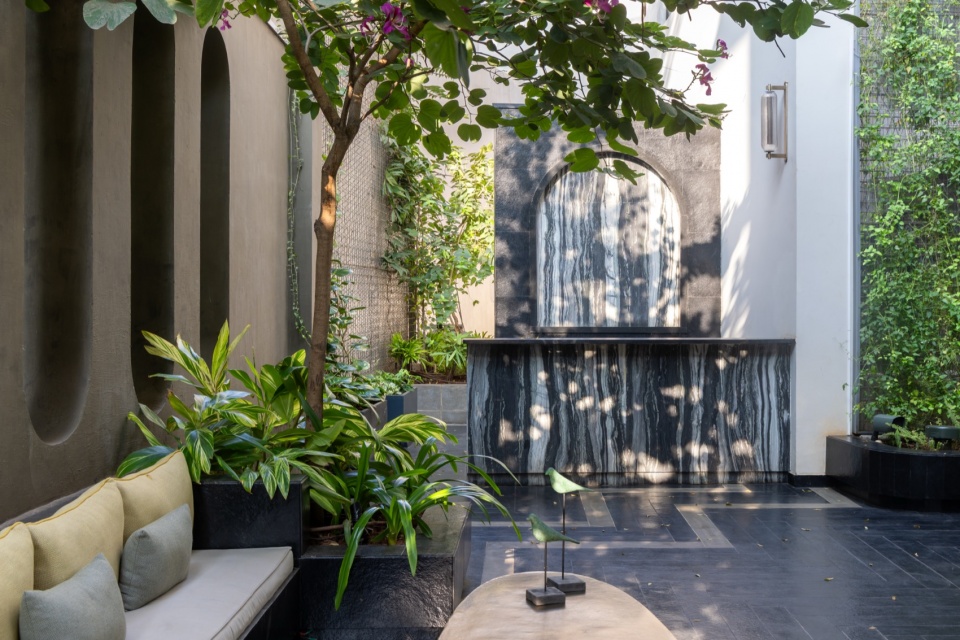
▼粉色花朵与石灰石铺地形成鲜明对比,
pink blooms create a beautiful contrast against the limestone flooring
▼望向庭院,look to the courtyard
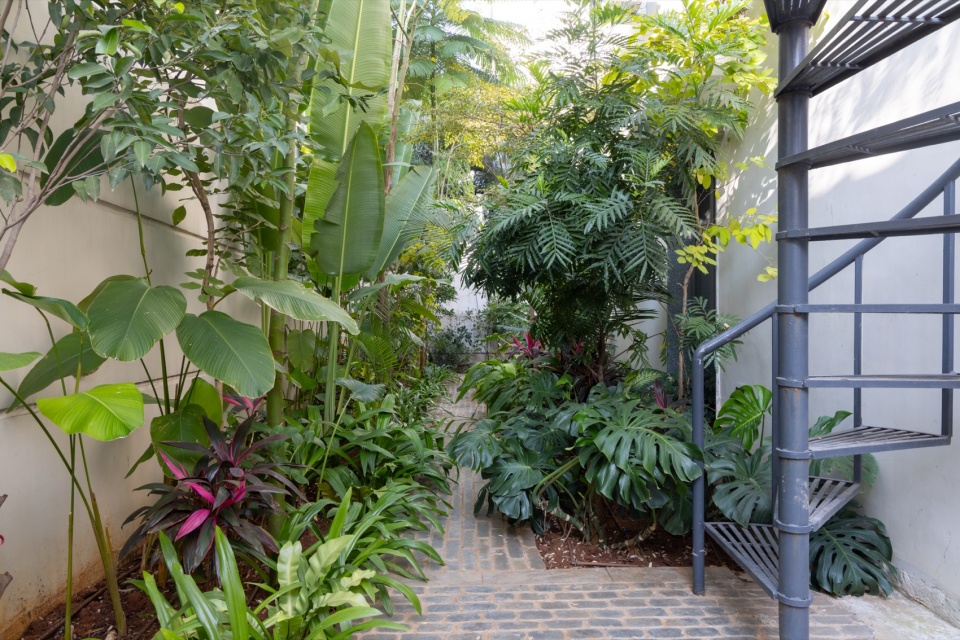
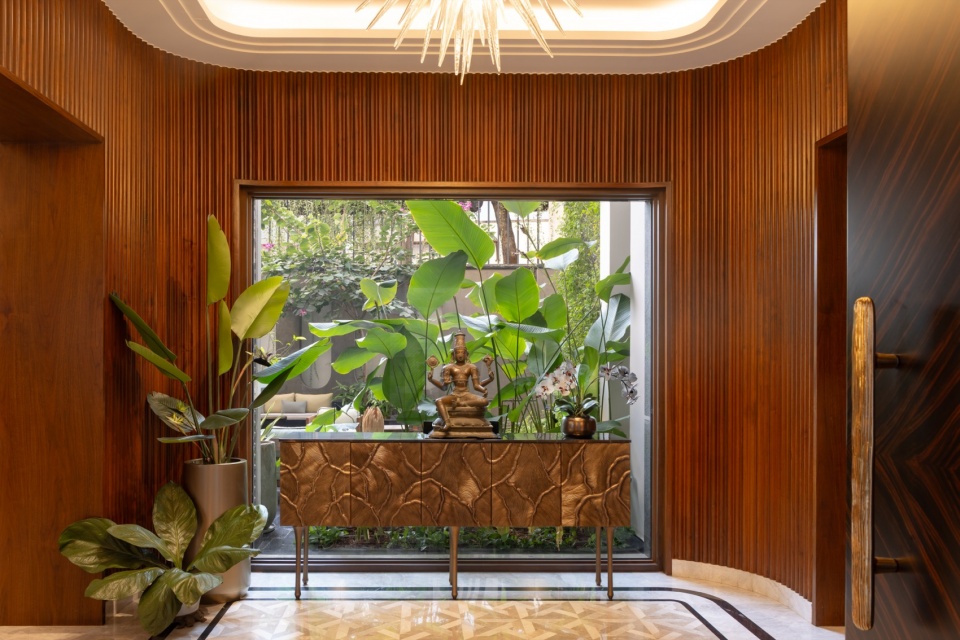
二层主书房后方的私密花园,则改变了人们对于“荒野”的体验。该空间位于自然地面标高,被构想为一片热带森林,种植有密集的竹芋(Calathea lutea)、旅人蕉、石榴树与印度醋栗树。由于进入方式受到限制,这里更像是一处用于观察、静止与漫游的空间。业主自婚礼以来一直珍藏的一尊象头神甘尼许雕像,则为场地引入了一层私人记忆与仪式感。
On the second floor, the private garden behind the master study shifts the experience of the wilderness. Set at natural soil level, this space is conceived as a tropical forest, with dense planting of Calathea lutea, Traveller’s Palm, pomegranate, and Indian gooseberry trees. With limited access, this space becomes a space for observation, stillness and wandering. Idol of Lord Ganesha, a gift carried by the owner since her marriage, introduces a layer of personal memory and ritual into the space.
▼二层空间,the second floor space
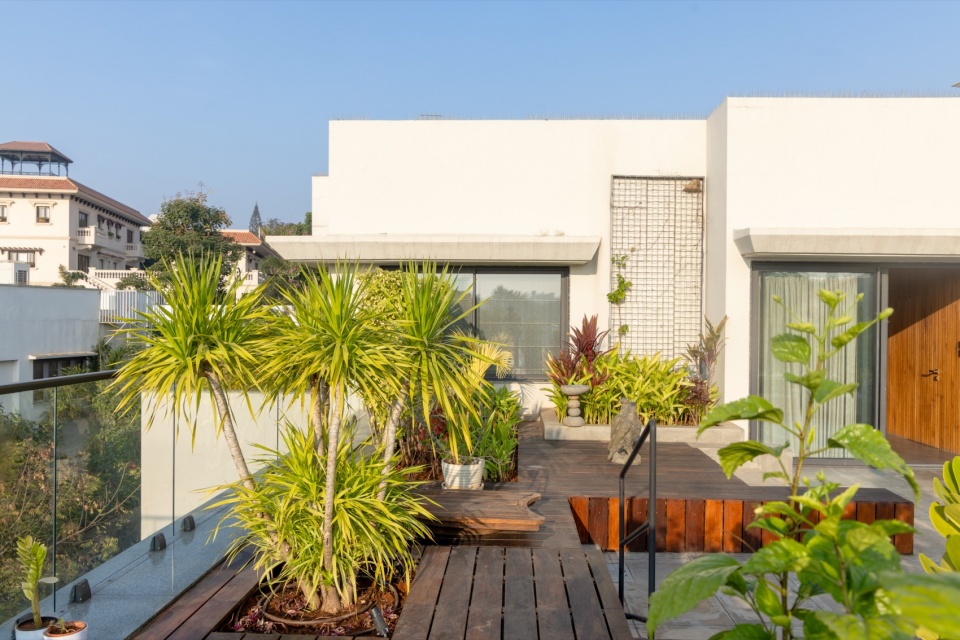
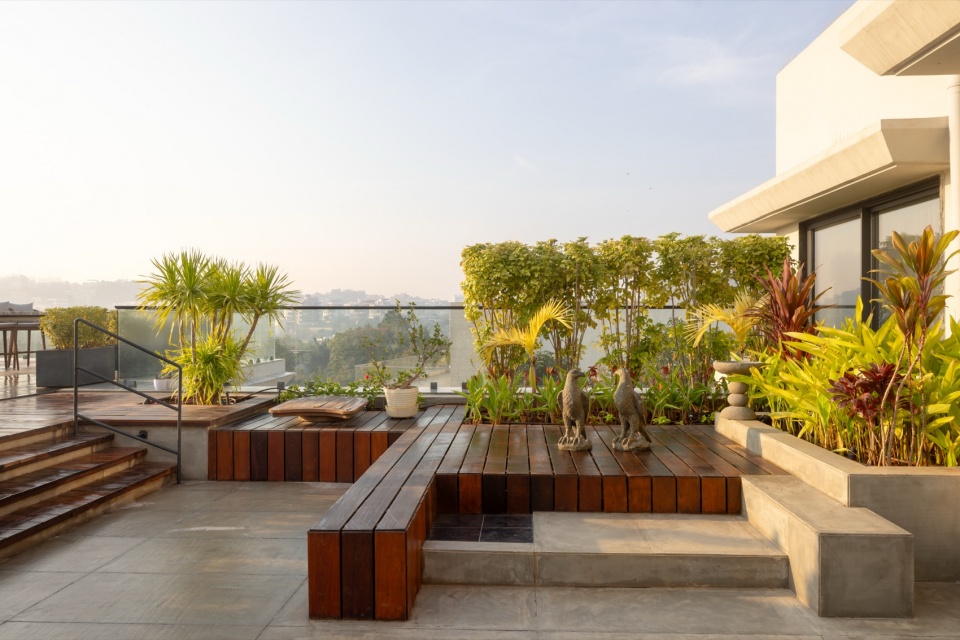
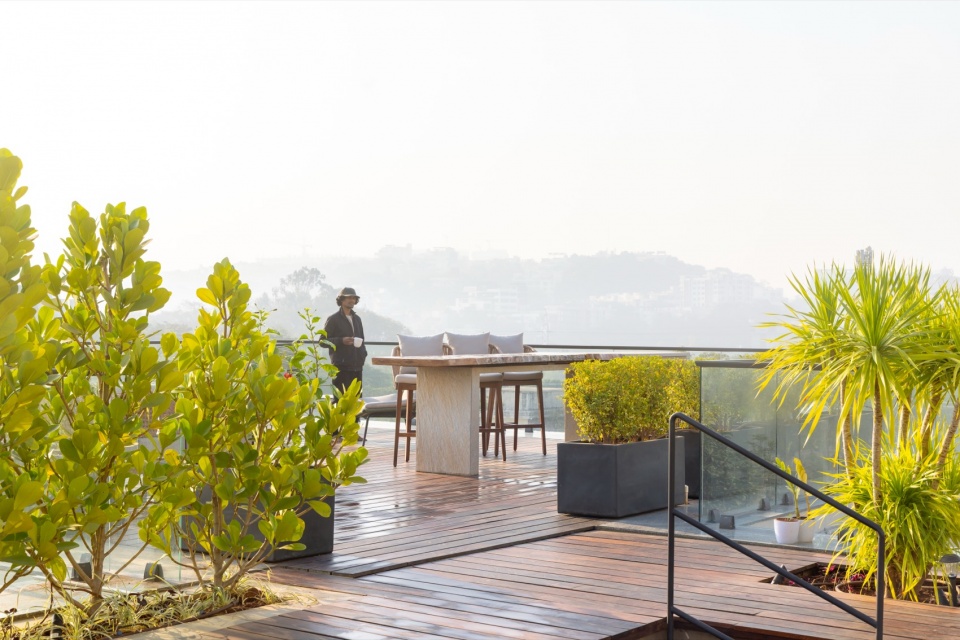
屋顶露台则将景观向垂直方向延伸,并重新诠释了原本仅被视为设备平台的空间。设计意识到其作为观景点的潜力后,将其改造为一座可停留的花园,并采用砂岩与木平台铺装完成。大尺度种植土层与精心规划的灌溉系统,使这里得以维持茂密种植,形成一层层过滤视线的绿色边界,同时柔化周边城市环境。露台既成为小型聚会与夜晚活动的场所,也作为一道缓冲界面,降低来自外界的噪音与视觉干扰。
The upper terrace extends the landscape vertically and reinterprets what was originally conceived as a service slab. Recognising its potential as a vantage point, the space was transformed into an inhabitable garden finished in sandstone and wooden decking. Large soil volumes and carefully planned irrigation allow dense planting to thrive here, creating a layered edge that filters views and softens the surrounding city. The terrace becomes a place for small gatherings and evening use, while also functioning as a buffer that reduces noise and visual exposure from the outside.
▼屋顶露台,The upper terrace
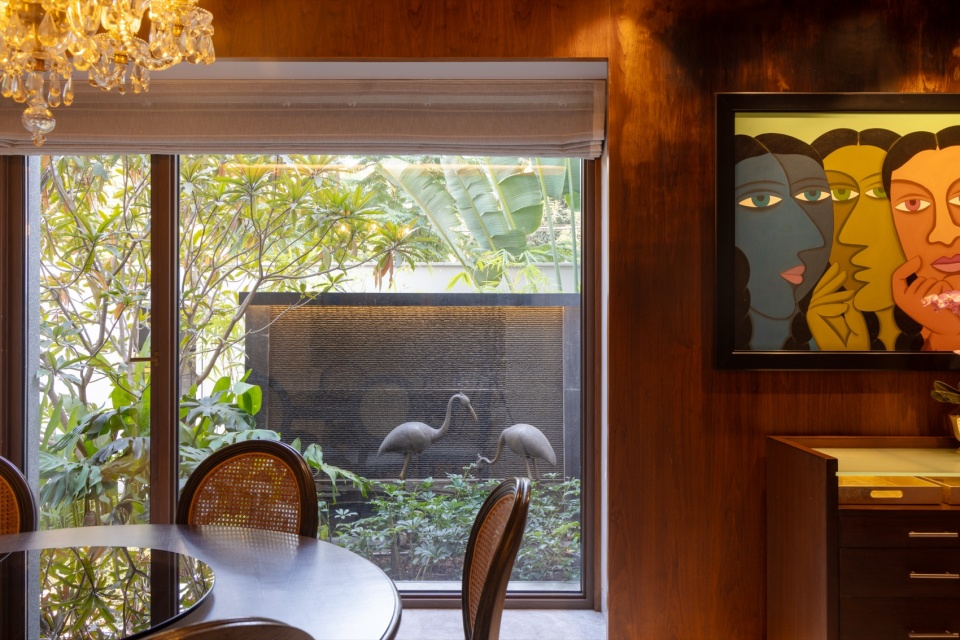
住宅退界空间与入口区域同样经过细致思考,并被整合进整体种植体系之中。沿住宅前侧退界区域,服务功能被策略性地隐藏在水景与茂密植被之后,而这些景观则可从背后的餐厅空间中被看见。与此同时,车道采用多孔爪哇石铺设,使植物能够在表面自然生长。入口门廊则以一棵成熟的橡皮树为核心,这棵树对业主而言具有特殊的情感意义。
Setbacks and the entry into the house are equally thought of and integrated into the larger planting scheme. Along the front setback of the house, service areas are strategically screened behind a water feature and dense foliage that is visible from the dining space behind it. Similarly, the driveway is finished with porous Java stone that allows plants to thrive on the surface. The entry porch is anchored by a mature rubber tree that carries personal significance to the homeowners.
▼走廊,corridor
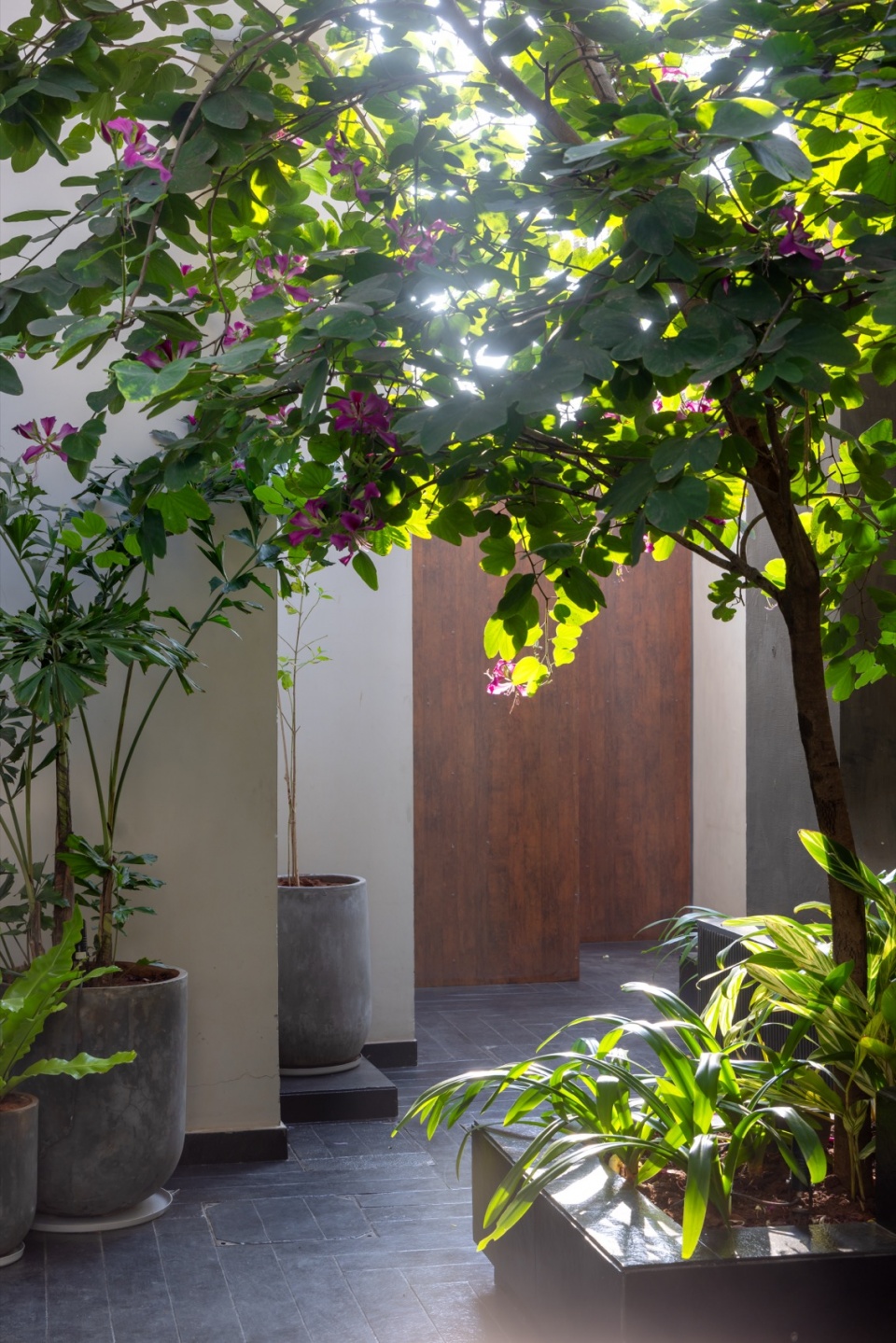
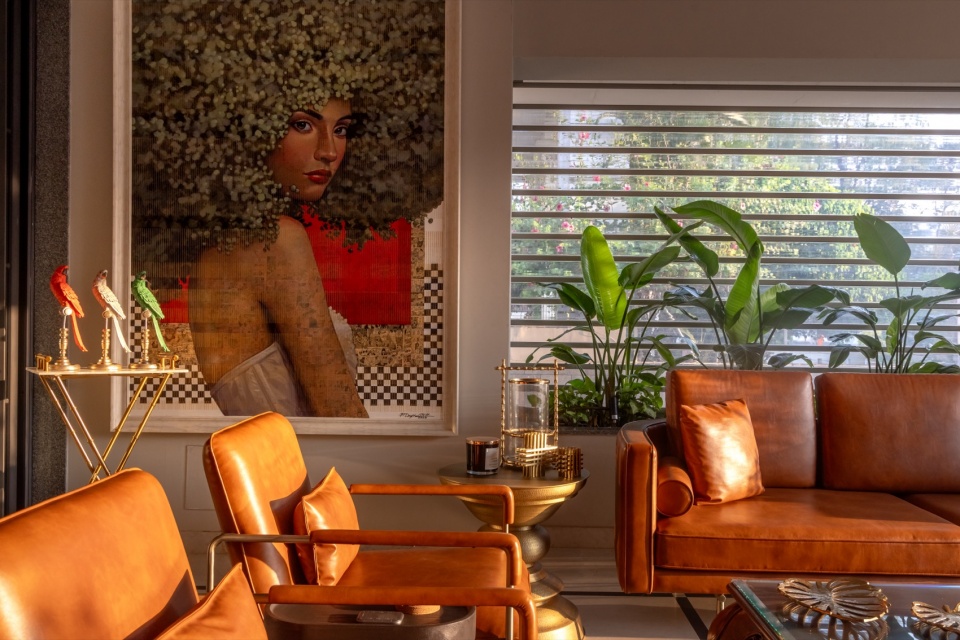
在整个住宅中,景观并未被视为一系列独立的姿态,而是作为一个连续系统存在,使“荒野”能够跨越不同标高与边界被持续感知。通过保留场地原有的本土生态,植物得以随着时间自然演化。而随着景观不断生长,它逐渐模糊了建筑与自然之间的边界,构建出新的视线关系,引入更多动植物,也进一步强化了人与自然之间的沉浸感,让人仿佛真正漫游于荒野之中。
Across the house, the landscape is not treated as a series of individual gestures but as a continuous system where wilderness is read across levels, and edges. By keeping what was native to the site, it allows the plants to gradually evolve over time. And as the landscape grows, it blurs the boundaries between the built and the wild, it frames new views, brings more flora and fauna, and deepens the sense of immersion with nature, making one feel as if they are really wandering into the wild.
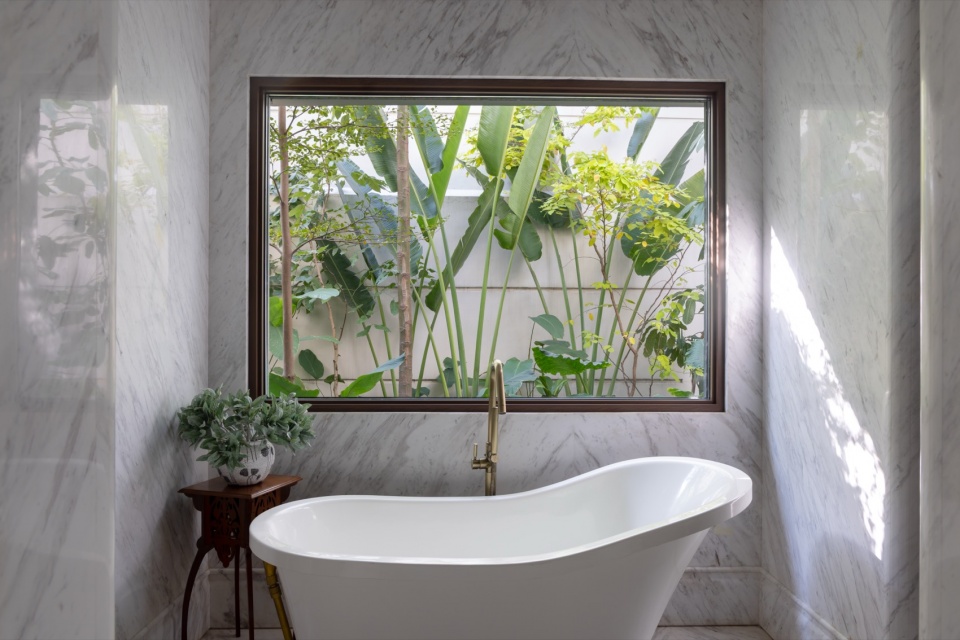
▼浴室,shower room
Factfile
Project Name: Ekya
Location: Hyderabad, India
Typology: Residence
Built-up Area: 12,000 Sqft
Landscape Design: The Pinewood Studio
Photography: Ravi Varma