赖兴瑙城堡遗址修复,奥地利 / Tp3 Architekten
赖兴瑙城堡遗址——对抗遗忘的修复项目,致力于对一处建于1310至1315年的中世纪建筑群进行审慎修复,旨在永久性地加固其历史结构,同时赋予其当代文化使用功能。在经历数十年的持续衰败之后,这座城堡自2004年起,通过一个长期、分阶段推进的过程重新焕发生机。
The project Reichenau Castle Ruin – Restoration Against Oblivion is dedicated to the careful restoration of a medieval complex dating from 1310–1315, with the aim of permanently securing its historic fabric while simultaneously enabling contemporary cultural use. After decades of progressive decay, the castle has been revitalised since 2004 through a long-term, phased process.
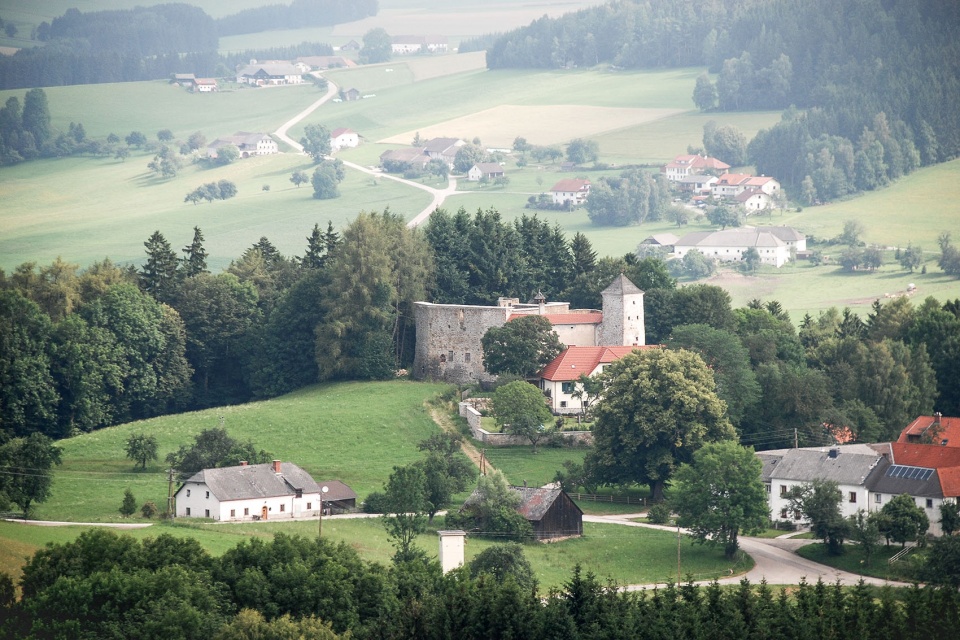
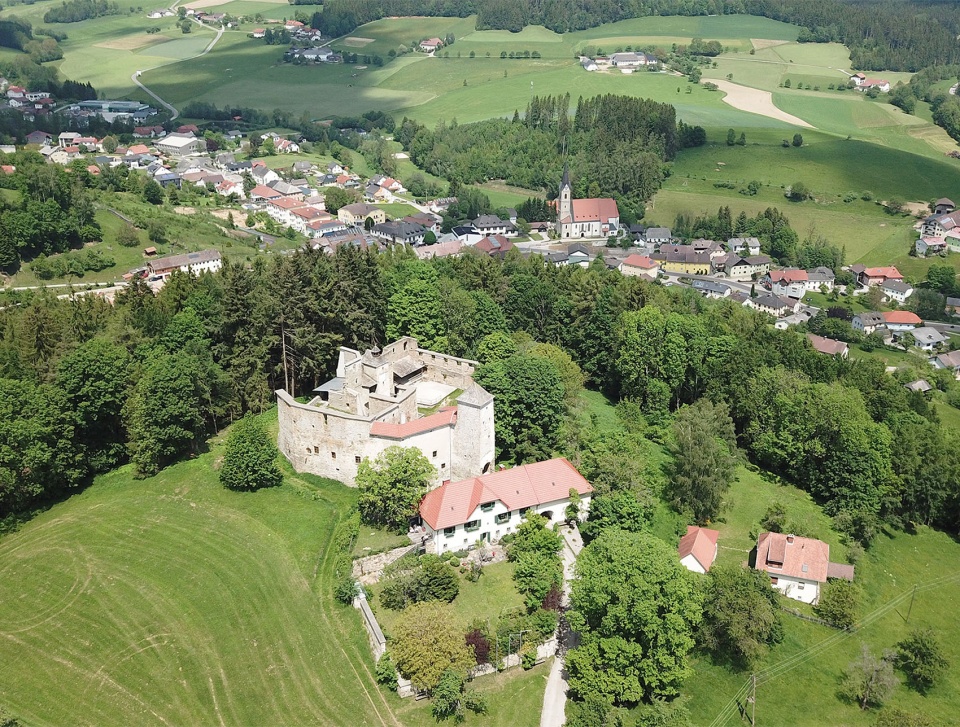
▼遗址与周边景观,Ruin and surrounding landscape
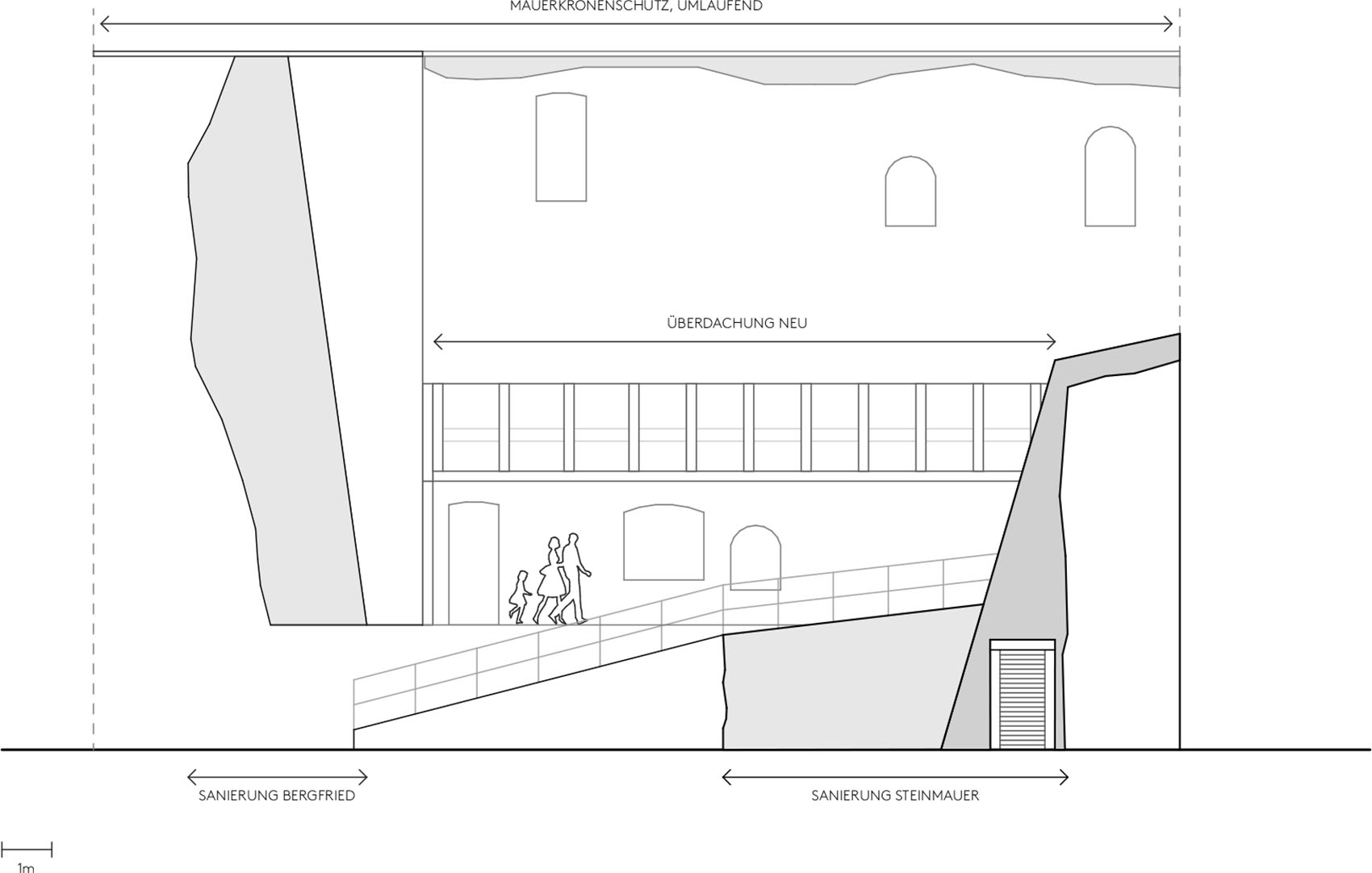
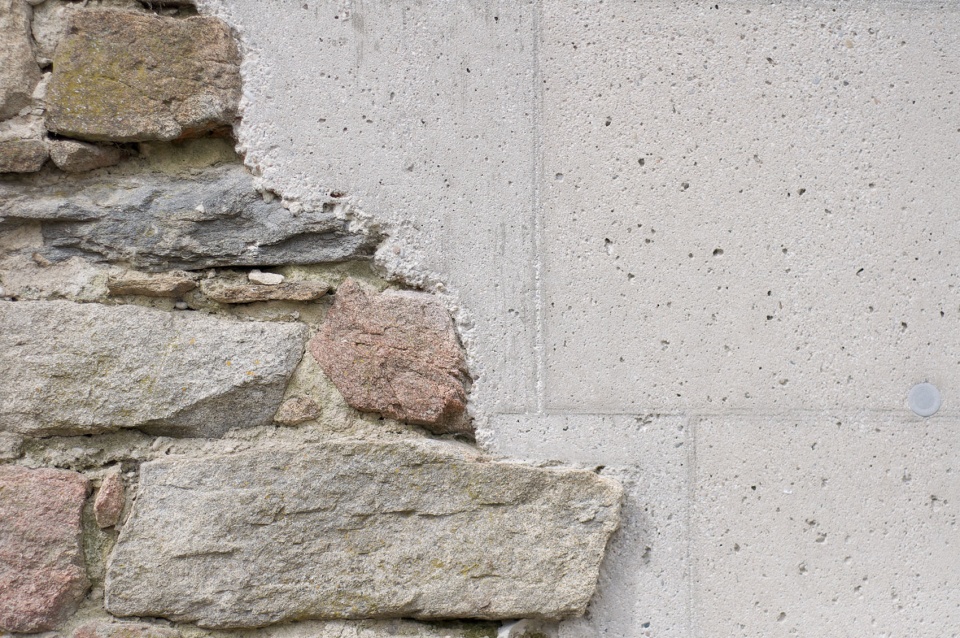
项目干预的核心包括遗址墙体的结构稳定、基于考古研究的主塔(bergfried)加固,以及对暴露墙顶的保护。一道连续的混凝土环梁对砌体结构进行稳定处理,防止水分进一步渗透,同时也作为文化活动临时使用空间的结构支撑。所有措施始终遵循在原有基础上继续建造的原则:凡仍具备结构与历史意义的既有构件均予以保留,而新增部分则有意保持可辨识性,并避免任何形式的历史主义式重建。
At the core of the interventions are the structural stabilisation of the ruin walls, the archaeologically informed consolidation of the keep (bergfried), and the protection of the exposed wall crowns. A continuous concrete ring stabilises the masonry, prevents further moisture penetration, and at the same time serves as a structural support for temporary uses within the cultural programme. All measures consistently follow the principle of building on: existing fabric is preserved wherever it continues to bear structure and meaning, while new elements remain deliberately legible and avoid any form of historicising reconstruction.
▼城堡遗址鸟瞰,Aerial view of the castle ruin
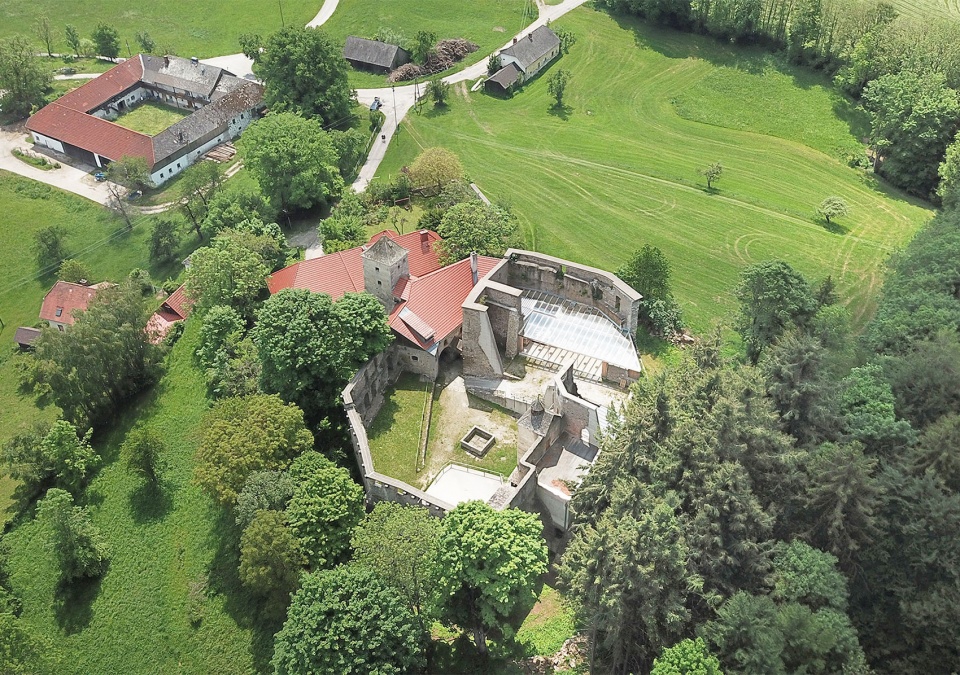
▼城堡遗址鸟瞰近景,Aerial close view of the castle ruin
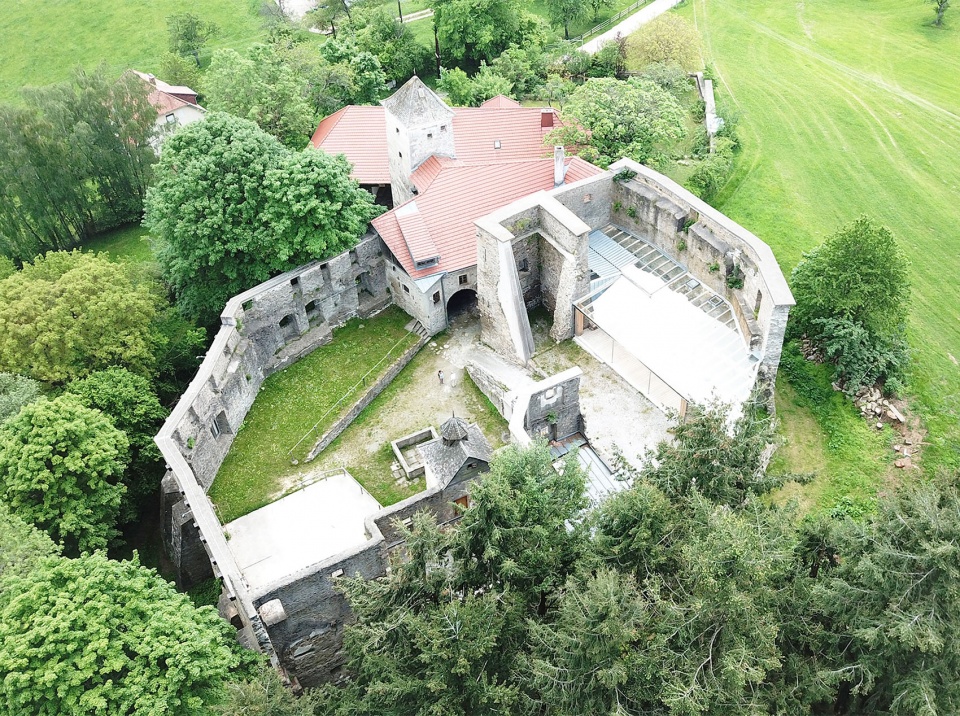
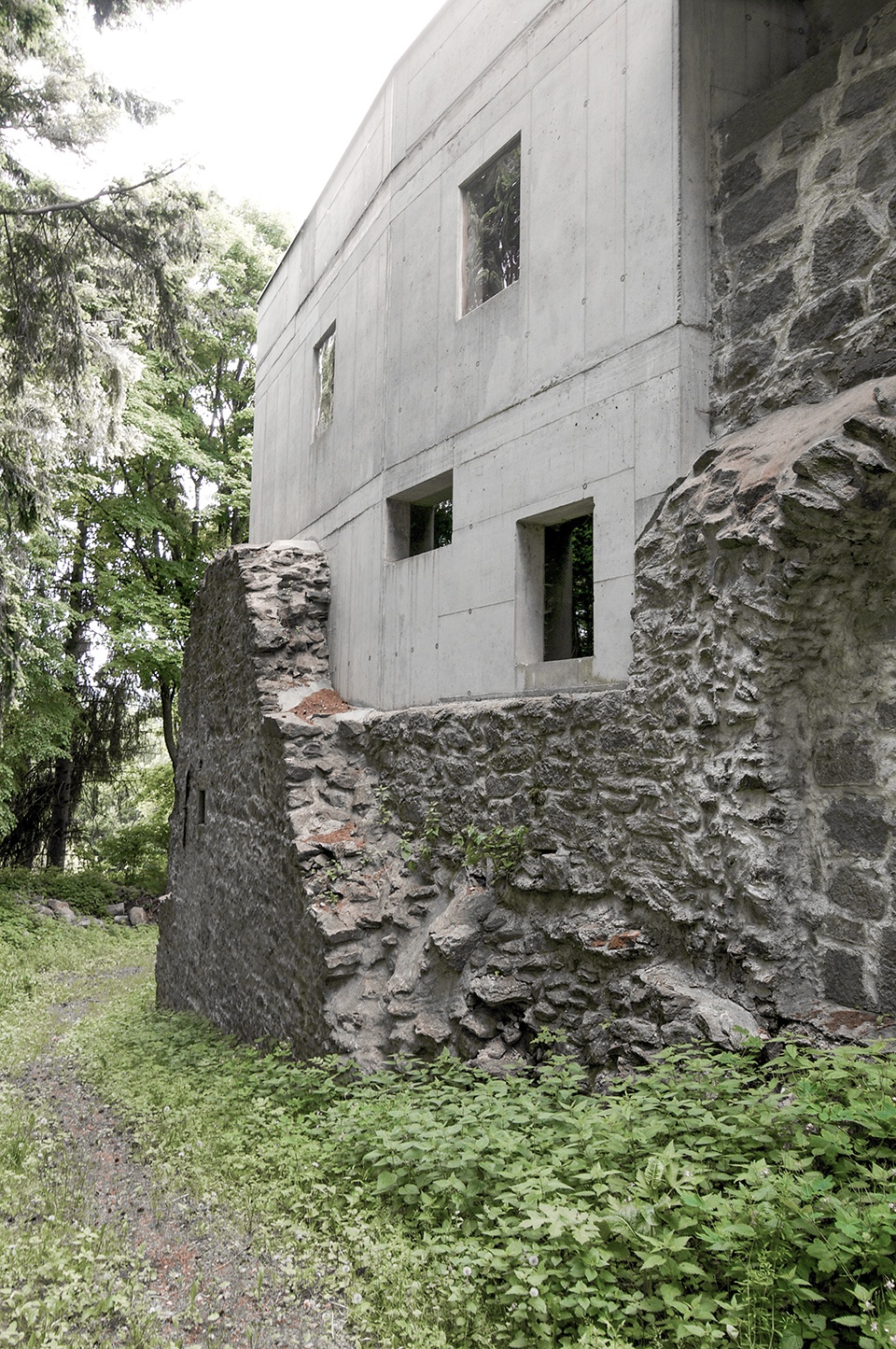
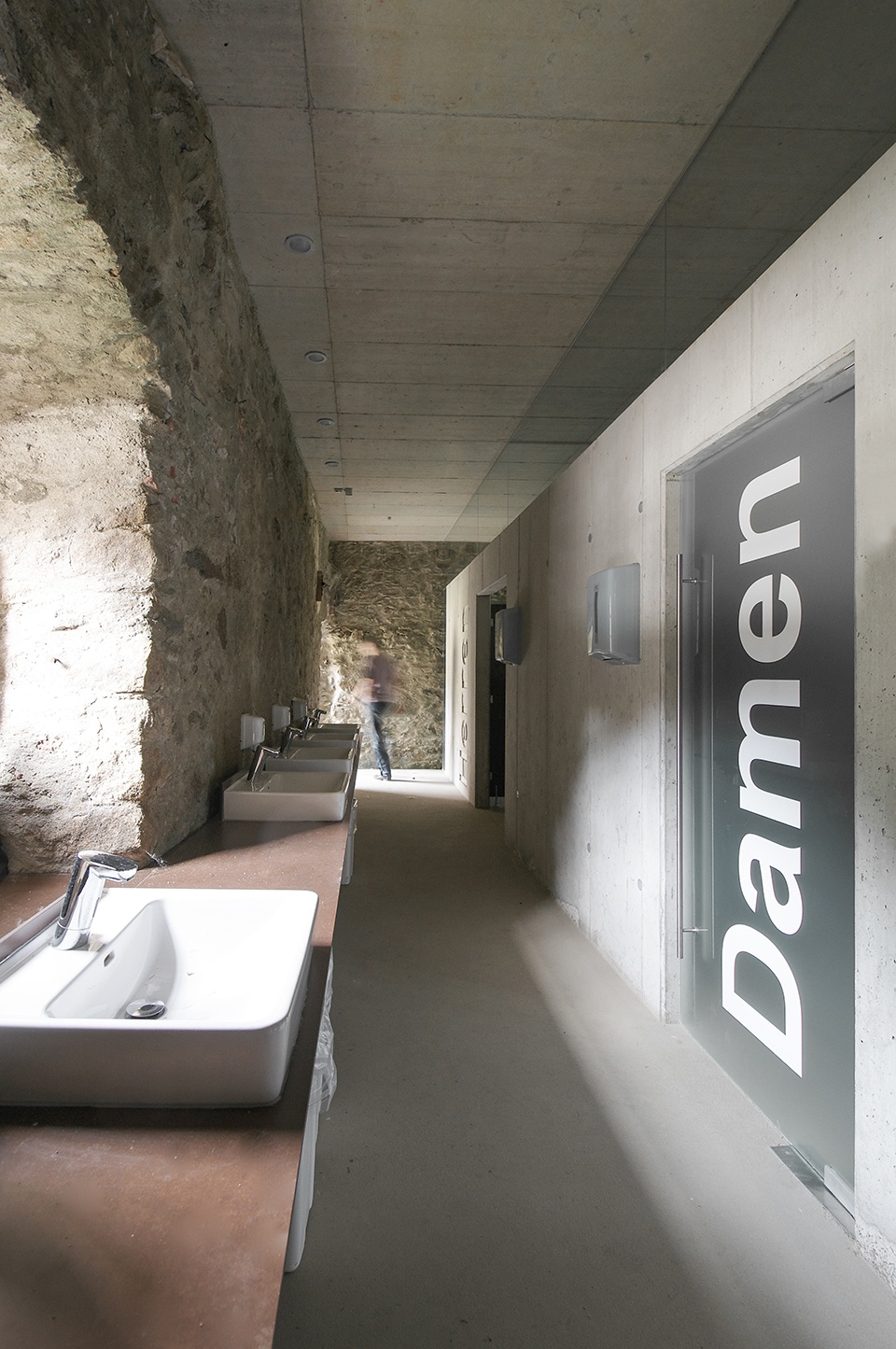
无障碍卫生设施、露台以及临时舞台与看台等当代基础设施,以清晰而现代的建筑语言被植入遗址之中,使城堡废墟得以作为活动场地继续使用。材料与建造方式的选择——尤其是现浇混凝土的针对性运用——均出于结构需求,并尊重历史遗存原有的不规则性与岁月痕迹。
Contemporary infrastructure such as barrier-free sanitary facilities, terraces, and temporary stage and grandstand structures has been inserted in a clear, modern architectural language, enabling the ruin to function as an event venue. The choice of materials and methods of construction—particularly the targeted use of in-situ concrete—is structurally motivated and respects the irregularity and patina of the historic fabric.
▼城堡遗址外观,Exterior view of the castle ruin
▼城堡遗址外观近景,Exterior close view of the castle ruin
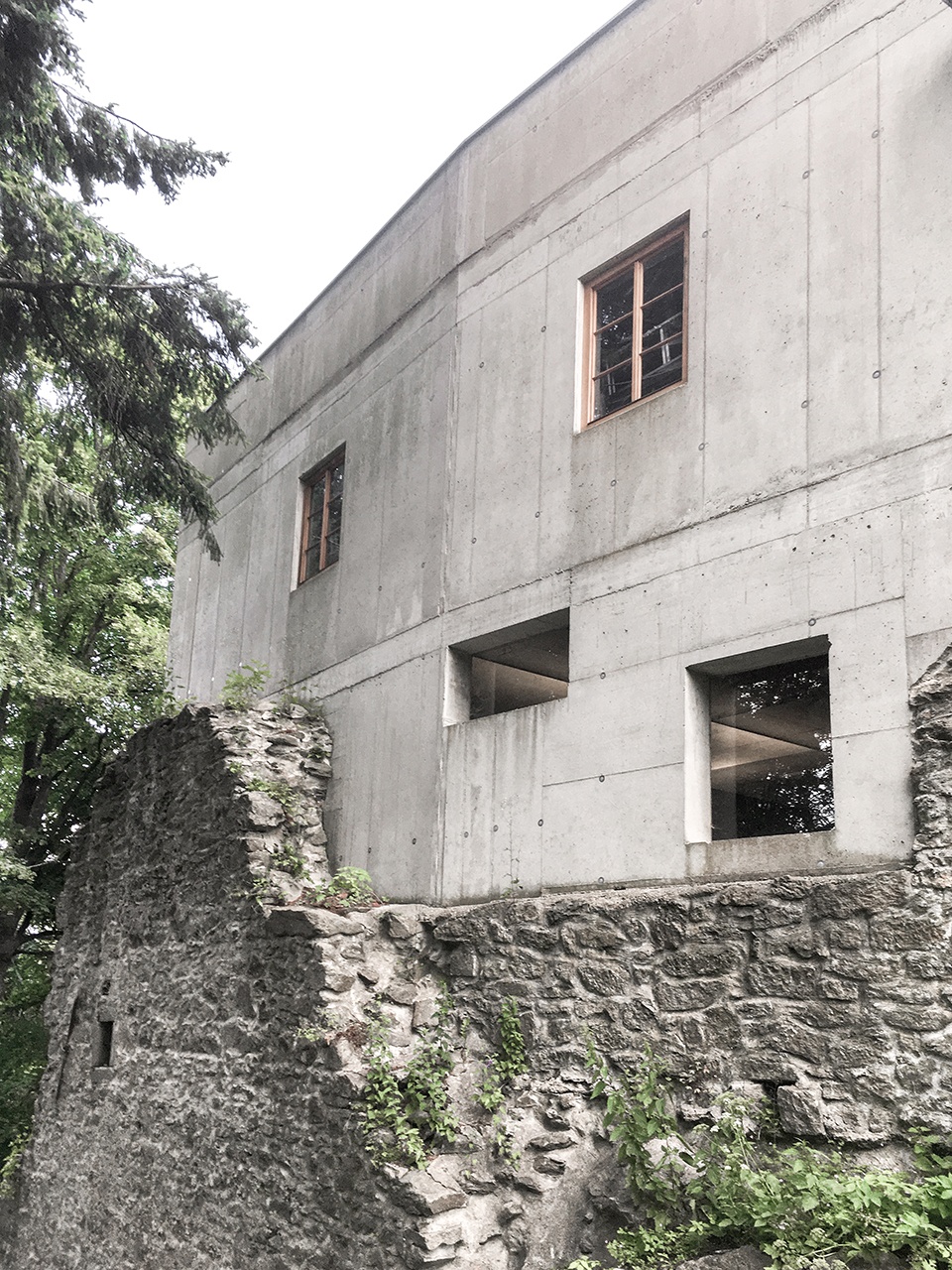
▼混凝土结构与古城墙对话,Concrete structure adjoining historic masonry
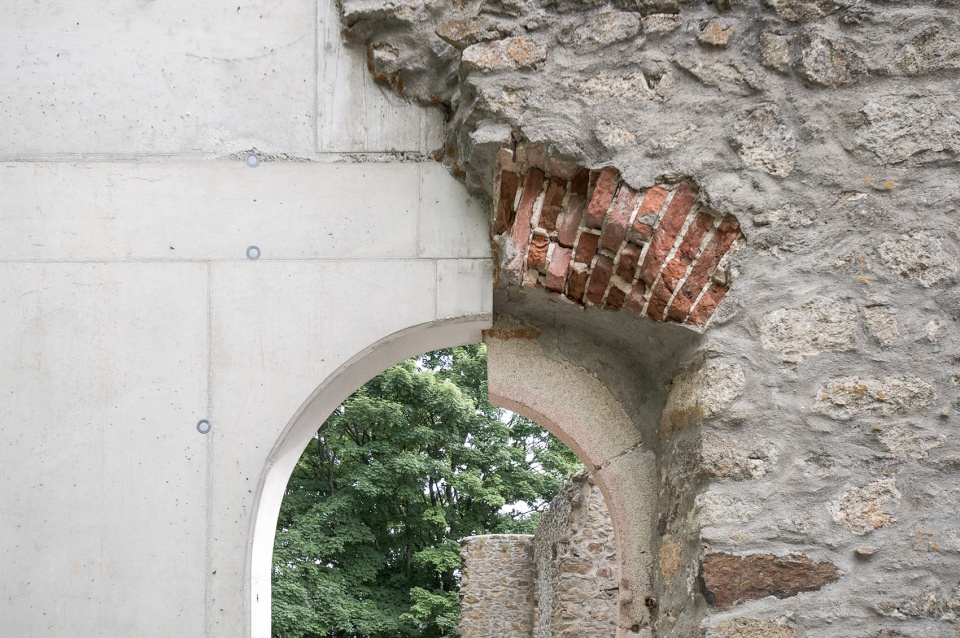
▼拱券遗迹与混凝土补强,Vault remains and concrete reinforcement
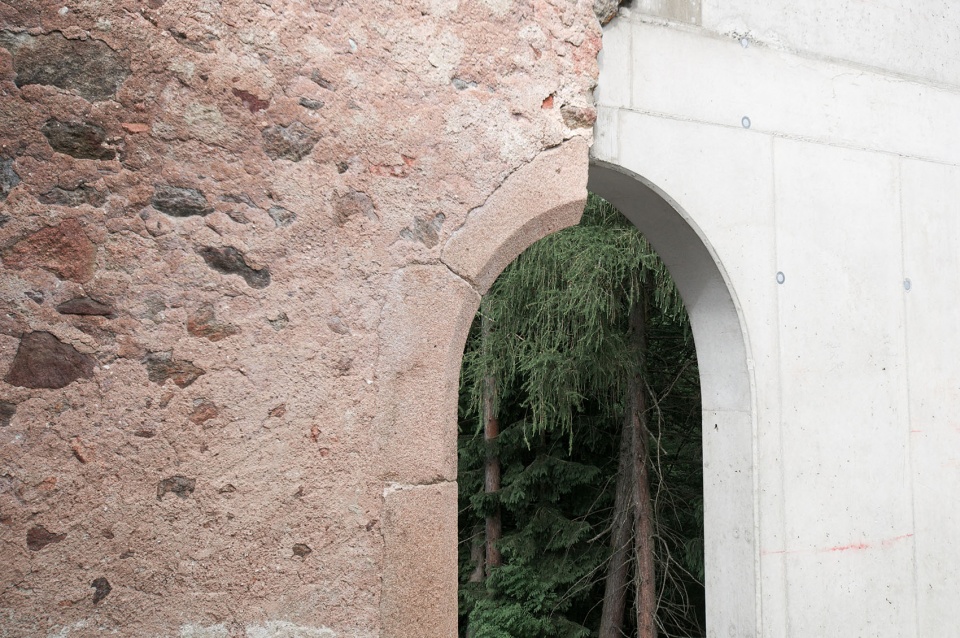
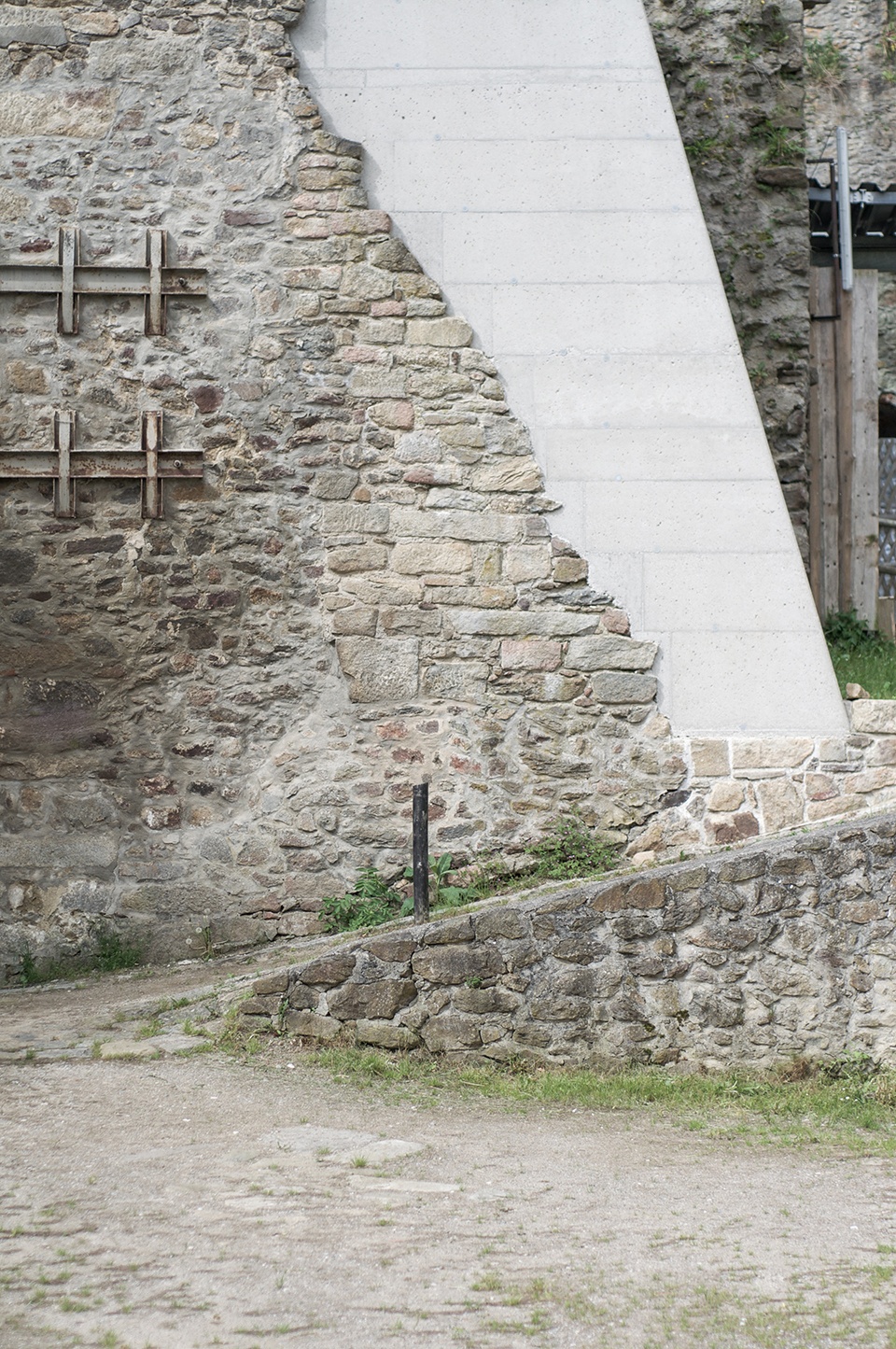
▼新旧交接,Junction between old and new fabric
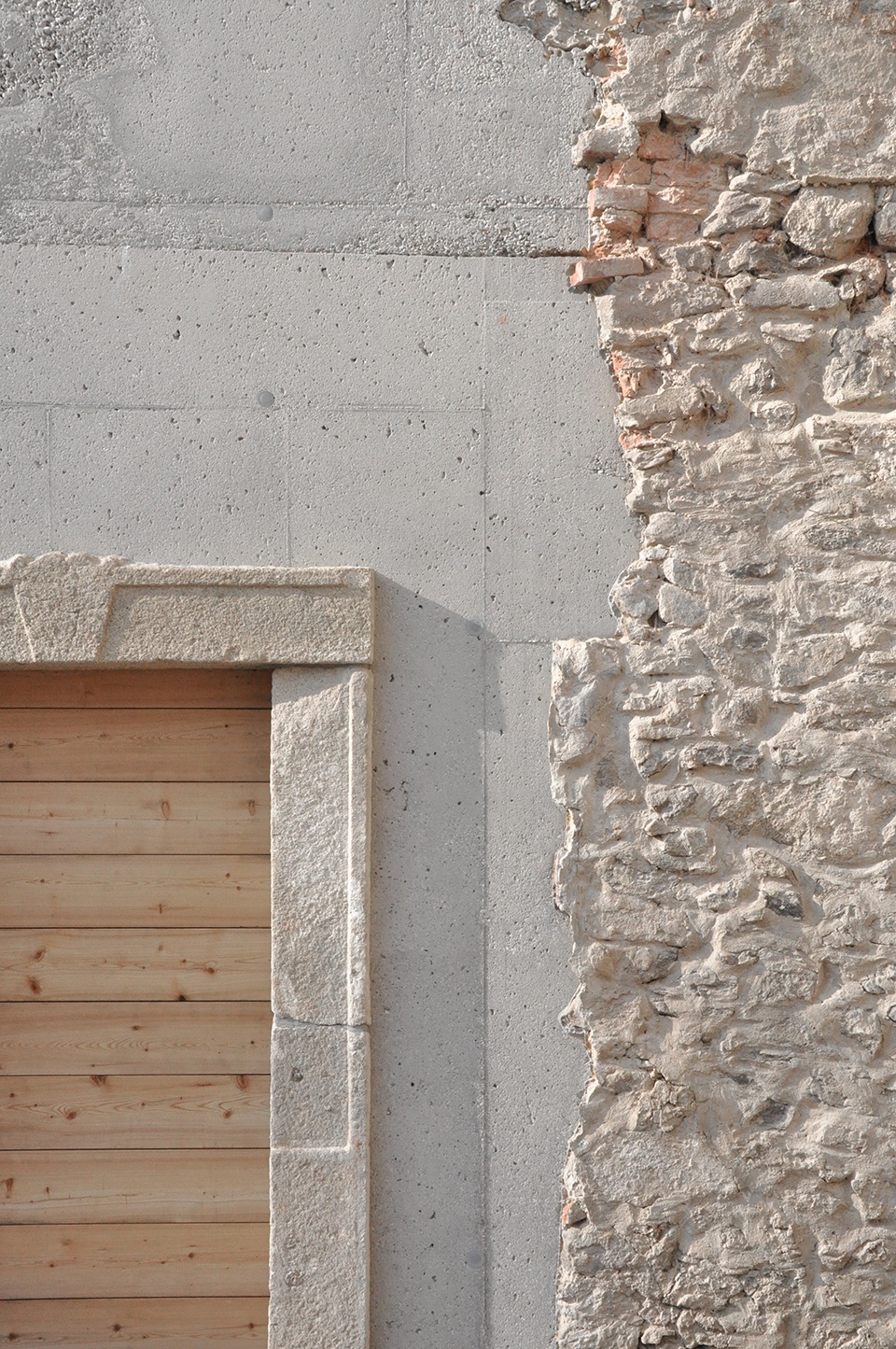
▼新旧交接细部,Junction between old and new fabric detail
此次修复将使用视为保护遗产的重要策略。通过戏剧演出、节庆活动与各类文化事件,赖兴瑙城堡遗址再次成为充满活力的场所,并已重新融入区域经济体系。该项目展示了遗产保护中的责任意识、建筑表达的清晰性以及文化激活之间,如何共同推动历史建筑的可持续保存。
The restoration understands use as a key strategy of preservation. Through theatre performances, festivals, and cultural events, Reichenau Castle Ruin has once again become a vibrant place and is now economically integrated into the region. The project demonstrates how responsibility in heritage conservation, architectural clarity, and cultural activation can jointly contribute to the sustainable preservation of historic structures.
▼遗址庭院,Ruin courtyard
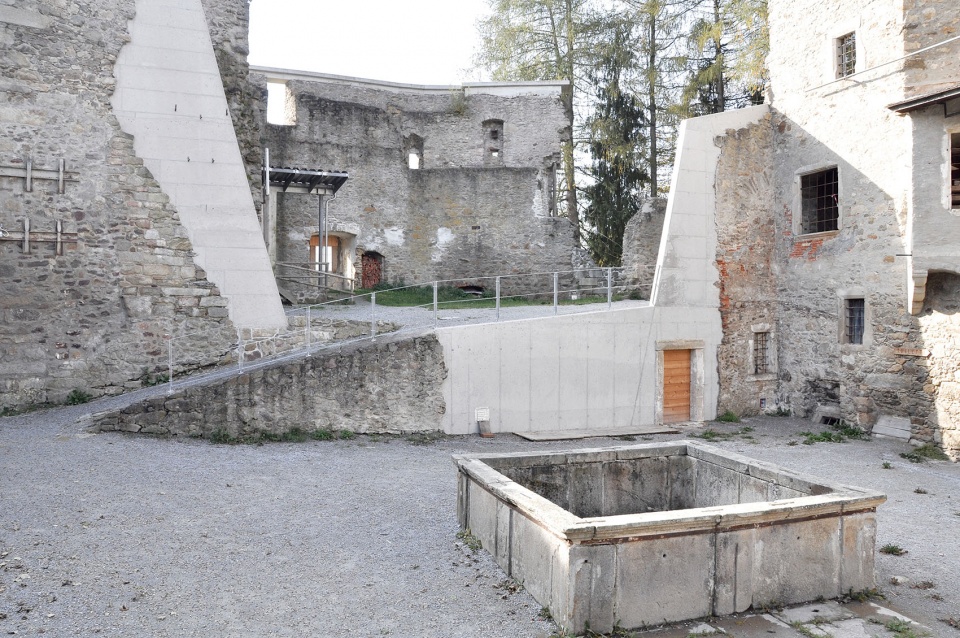
▼庭院一角,A corner of ruin courtyard
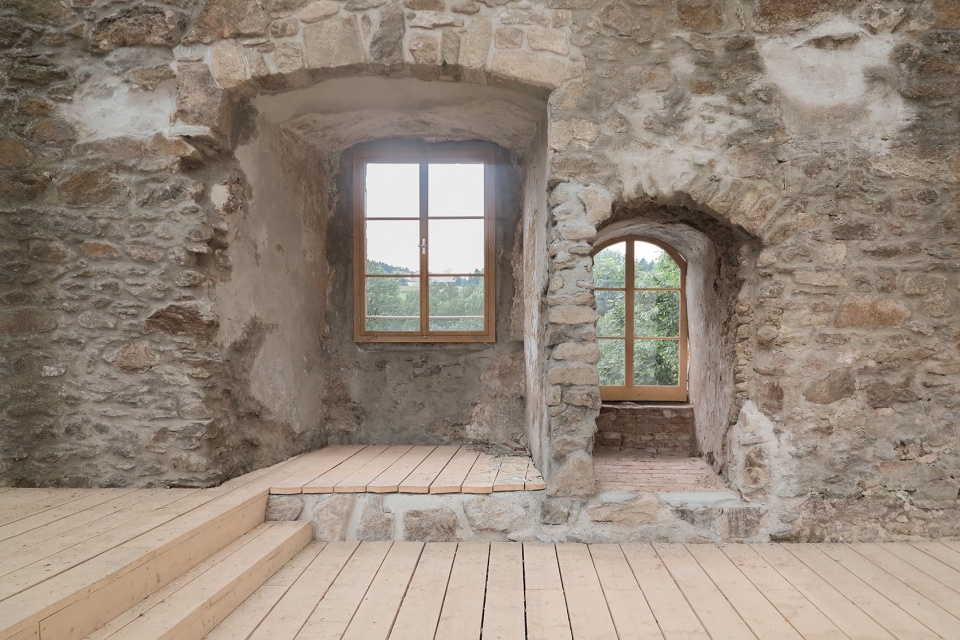
▼廊下空间,Veranda space
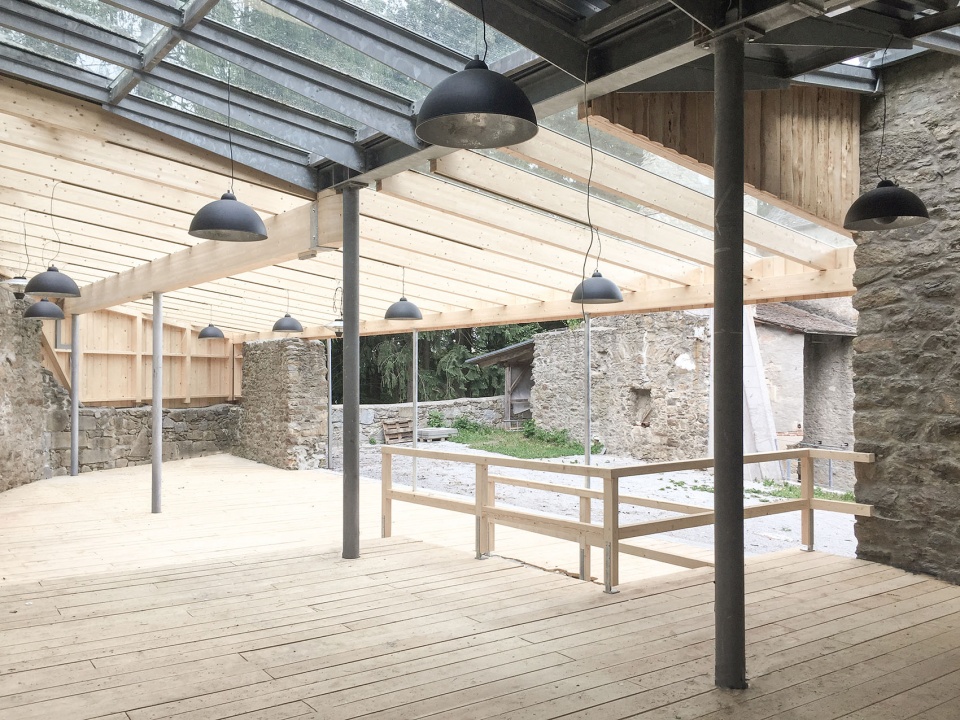
尽管规模相对较小,赖兴瑙城堡遗址项目仍体现出纪念性遗产保护中的整体责任意识。该项目将审慎修复与社区自发参与相结合,证明即便是规模有限的项目,也能够同时实现卓越的遗产保护、社会责任以及对历史的积极体验。
Despite its relatively small scale, the Reichenau Castle Ruin exemplifies a comprehensive sense of responsibility in monument conservation. The project combines careful restoration with voluntary community involvement and demonstrates that even modest projects can unite conservation excellence, social responsibility, and the active experience of history.
▼室内空间,Interior space
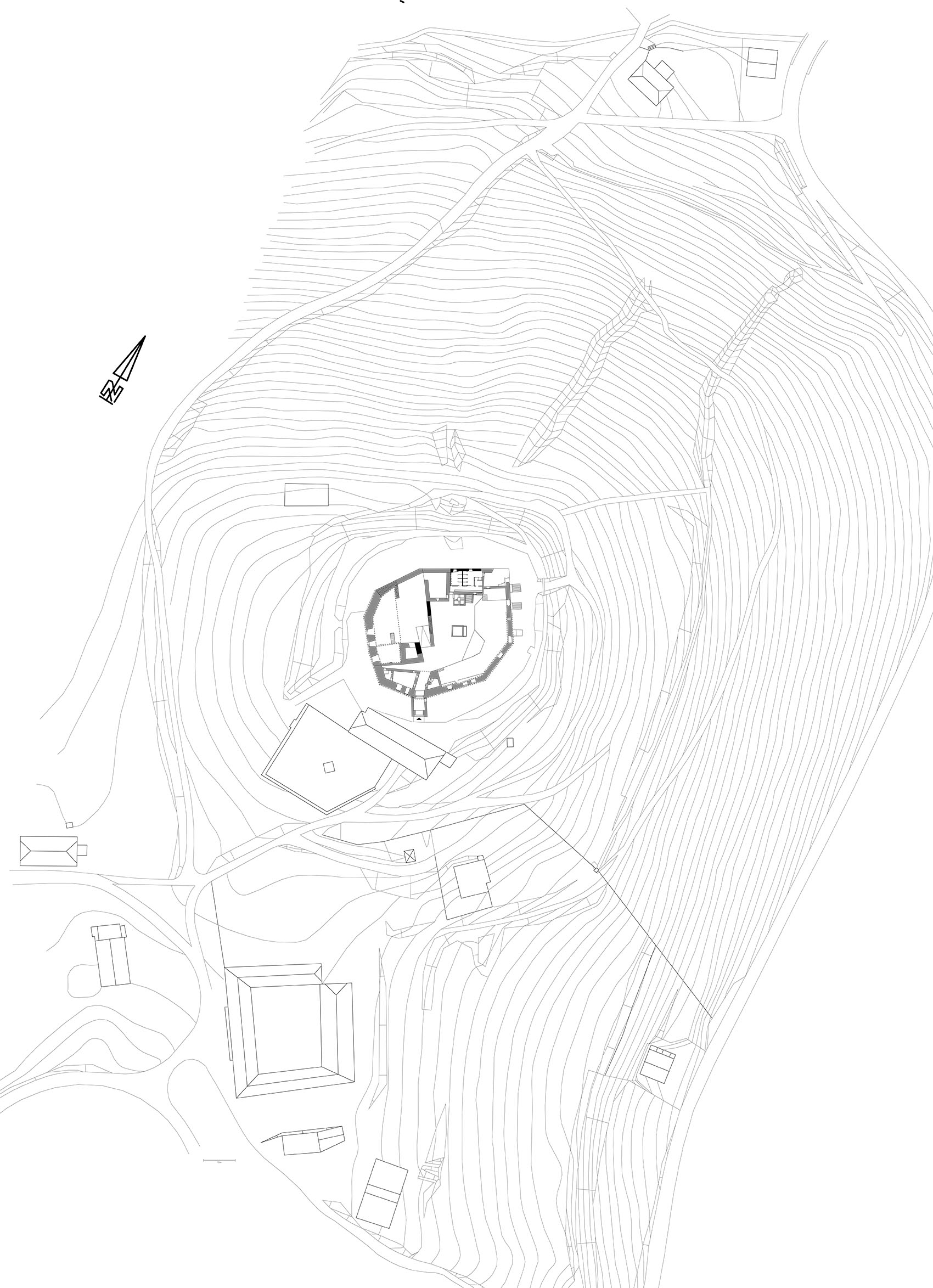
▼城堡遗址总平面,Overall site plan of the castle ruin
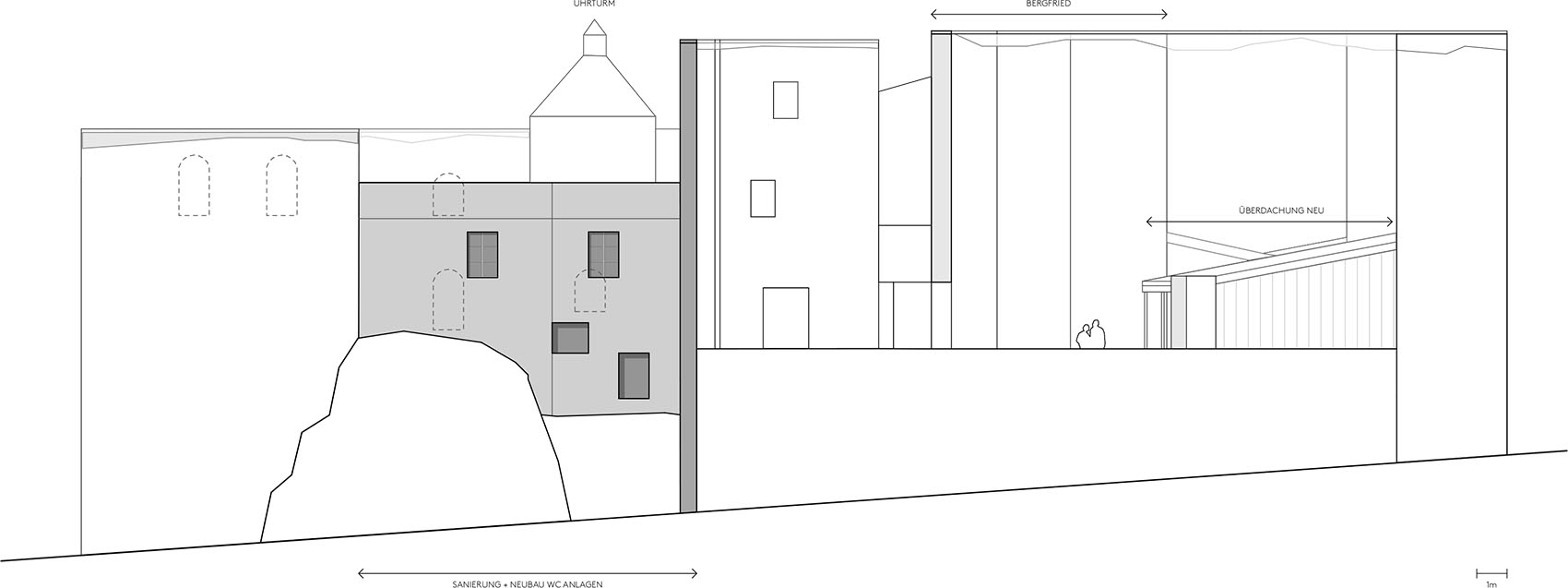
▼东北立面图,Northeast elevation
▼主塔东立面图,East elevation of the keep