Casa Iriarte住宅,西班牙 / SOCO ESTUDIO
该项目将住宅居所构想为一种开放且可适应变化的结构,能够在时间推移中容纳功能使用的转变,同时不失空间品质。与基于固定功能划分的住宅模式不同,项目建立在一种“适度性”的伦理之上:空间精准、无等级之分,也不被预设的功能程序所限定。住宅通过清晰的结构体系与一个偏移布置的庭院组织起来,庭院同时调节气候与空间关系。这一策略提升了环境舒适性,也回应了加那利群岛的岛屿环境特征——在这里,资源的高效利用与对气候的智慧运用至关重要。
The project conceives the domestic habitat as an open and adaptable structure, capable of accommodating changes of use over time without losing spatial quality. In contrast to models based on rigid functions, the project is grounded in an ethic of sufficiency: precise spaces, non-hierarchical and without fixed programmatic assignments. The house is organized through a clear structural system and a displaced courtyard that regulates both climate and space. This strategy improves environmental comfort and responds to the insular condition of the Canary Islands, where efficiency in the use of resources and the intelligent use of climate are essential.
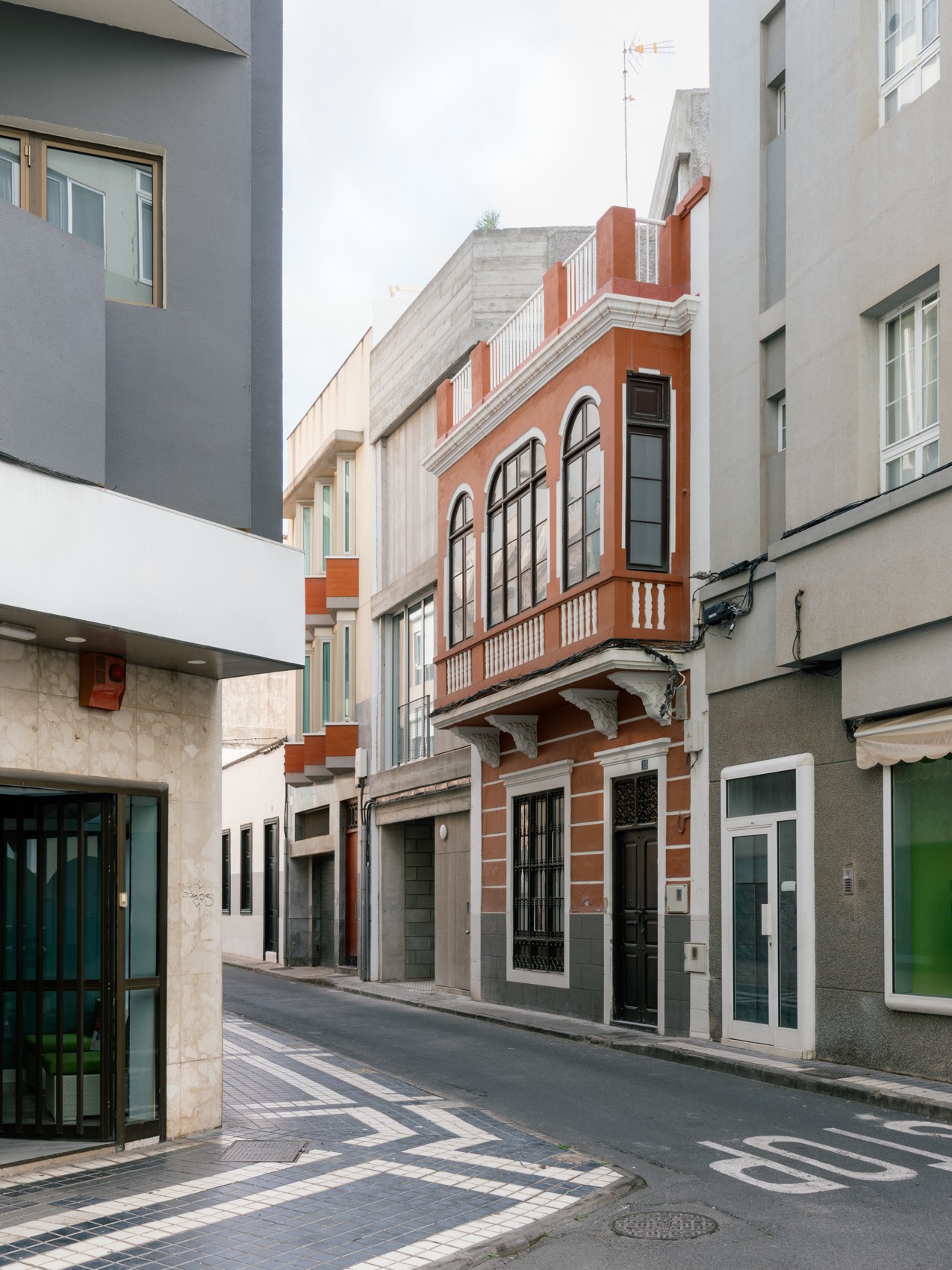
▼住宅体量与周边街区关系,
Relationship between the house volume and surrounding streetscape
建筑系统依据各自的使用寿命进行分层:混凝土结构(超过50年)、火山渣加那利砌块墙体与木水泥外立面作为可更新层(30-40年),以及可轻松更换的室内木构元素(15-25年)。技术、气候与日常使用在此取得平衡,共同构成一种“适度”的居住生活支撑。
Construction systems are hierarchized according to their lifespan: a concrete structure (>50 years), walls of picón Canary block and wood-cement façades as renewable layers (30-40 years), and interior timber elements that can be easily replaced (15-25 years). Technique, climate and everyday use are balanced as the support for a sufficient domestic life.
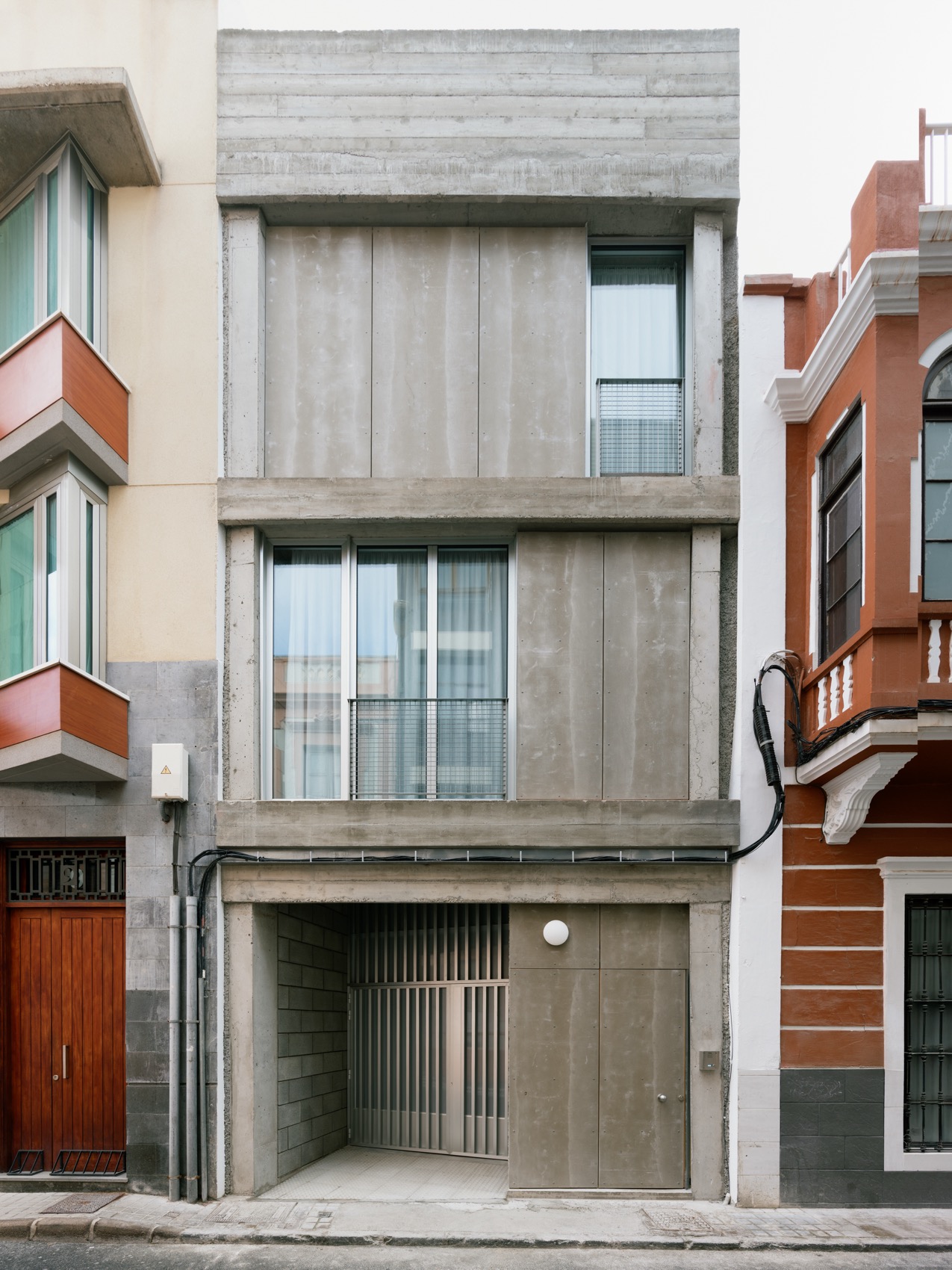
▼嵌入历史街区中的住宅界面,
Residential frontage inserted into the historic urban fabric
场地背景Context
在大加那利岛拉斯帕尔马斯历史中心,这座住宅将狭窄地块的限制转化为一种创造性的框架。一个偏移布置的庭院成为气候调节的“肺部”与空间组织核心,打破传统的分隔式布局,提出一种经济性与愉悦感交叠的开放空间。狭长地块不再只是规范性的限制条件,而成为组织空间、通风以及日常生活方式的设计基础。
▼模型,Model
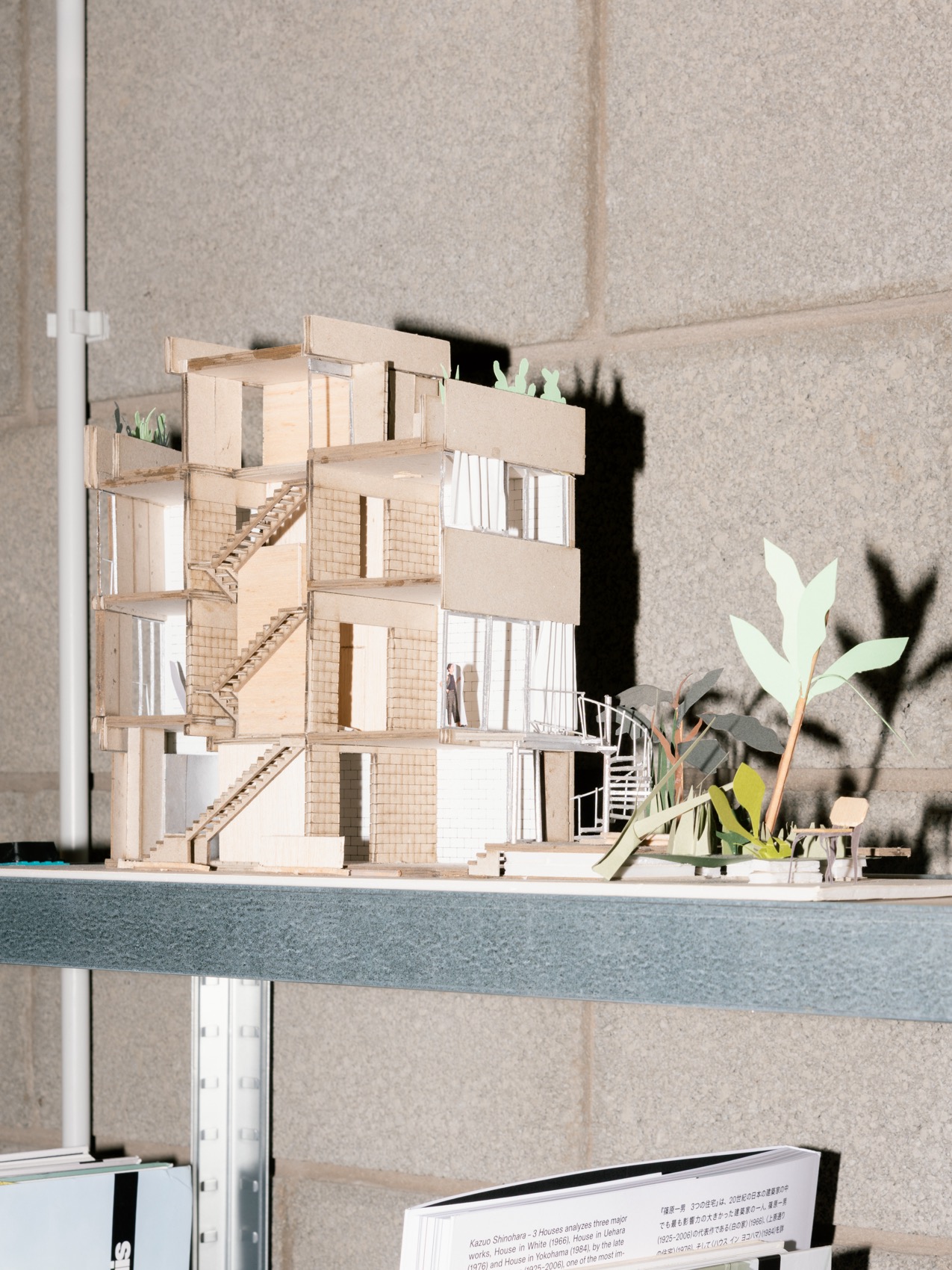
In the historic center of Las Palmas de Gran Canaria, this house transforms the constraint of a narrow plot into a framework for invention. A displaced patio acts as a climatic lung and spatial organizer, breaking with conventional compartmentalization and proposing an open space where economy and pleasure overlap. The narrowness of the plot no longer operates as a regulatory imposition but becomes a project condition that organizes space, ventilation, and the everyday use of the house.
▼庭院立面,Patio façade
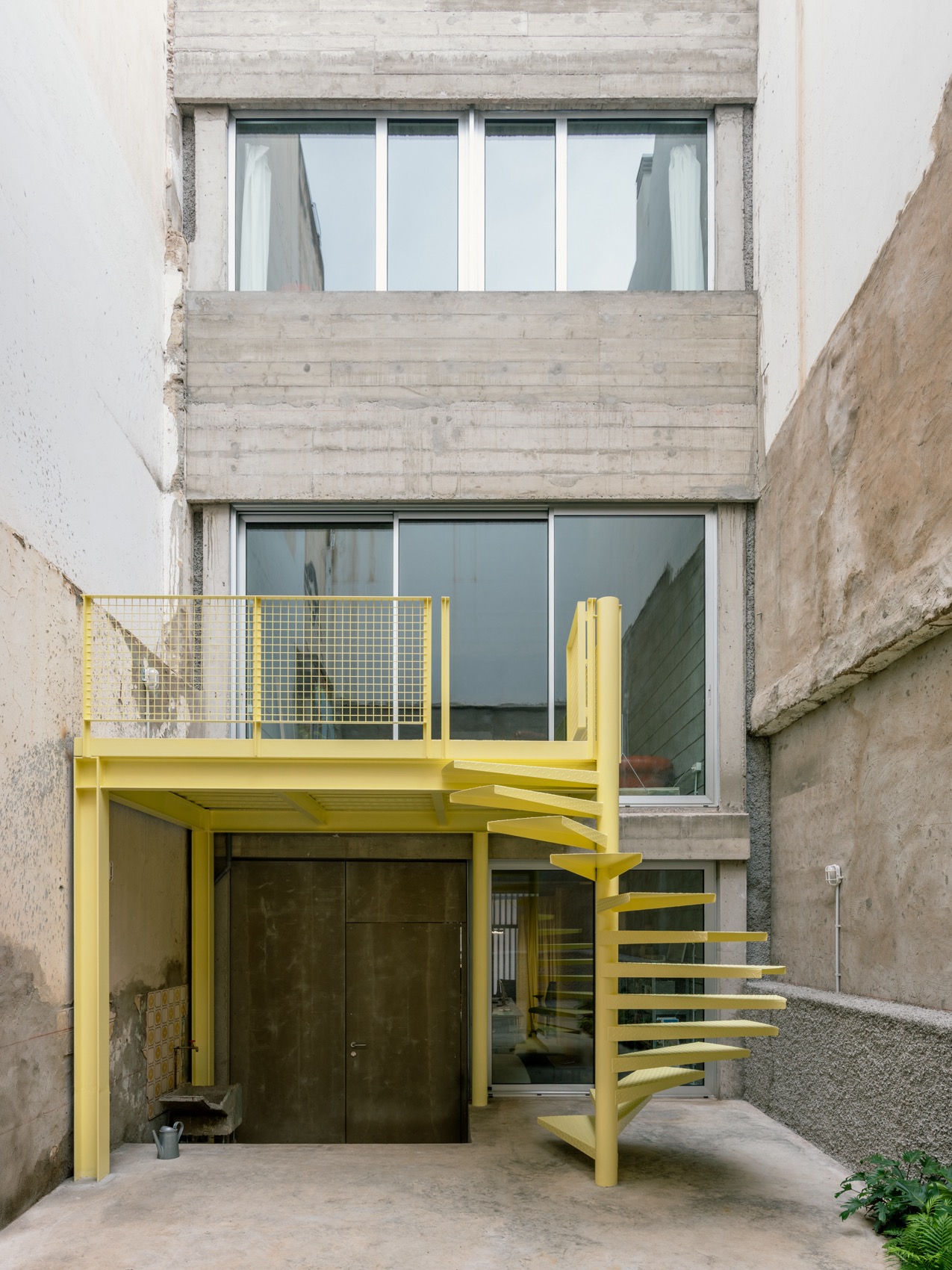
开放结构Open Structure
住宅通过“大房间”组织,这些空间被构想为连续且灵活的体量。受到套间式空间(enfilade)逻辑的启发,同时摆脱功能等级关系的束缚,它们通过可移动家具与非固定化的功能设置,使居住生活具有可变性。住宅空间被视为一个持续协商中的领域——可被占用、可被重新定义,并始终向变化开放。这种开放性使住宅如今既可以作为居所,也可以作为工作室存在,它们并非彼此独立的功能,而是在同一空间基础设施中的不同强度状态。空间表面、房间及其相互关系,使这些功能能够随着时间扩张、收缩或被替代,而无需改变建筑整体逻辑。
▼爆炸图,Exploded axonometric diagram
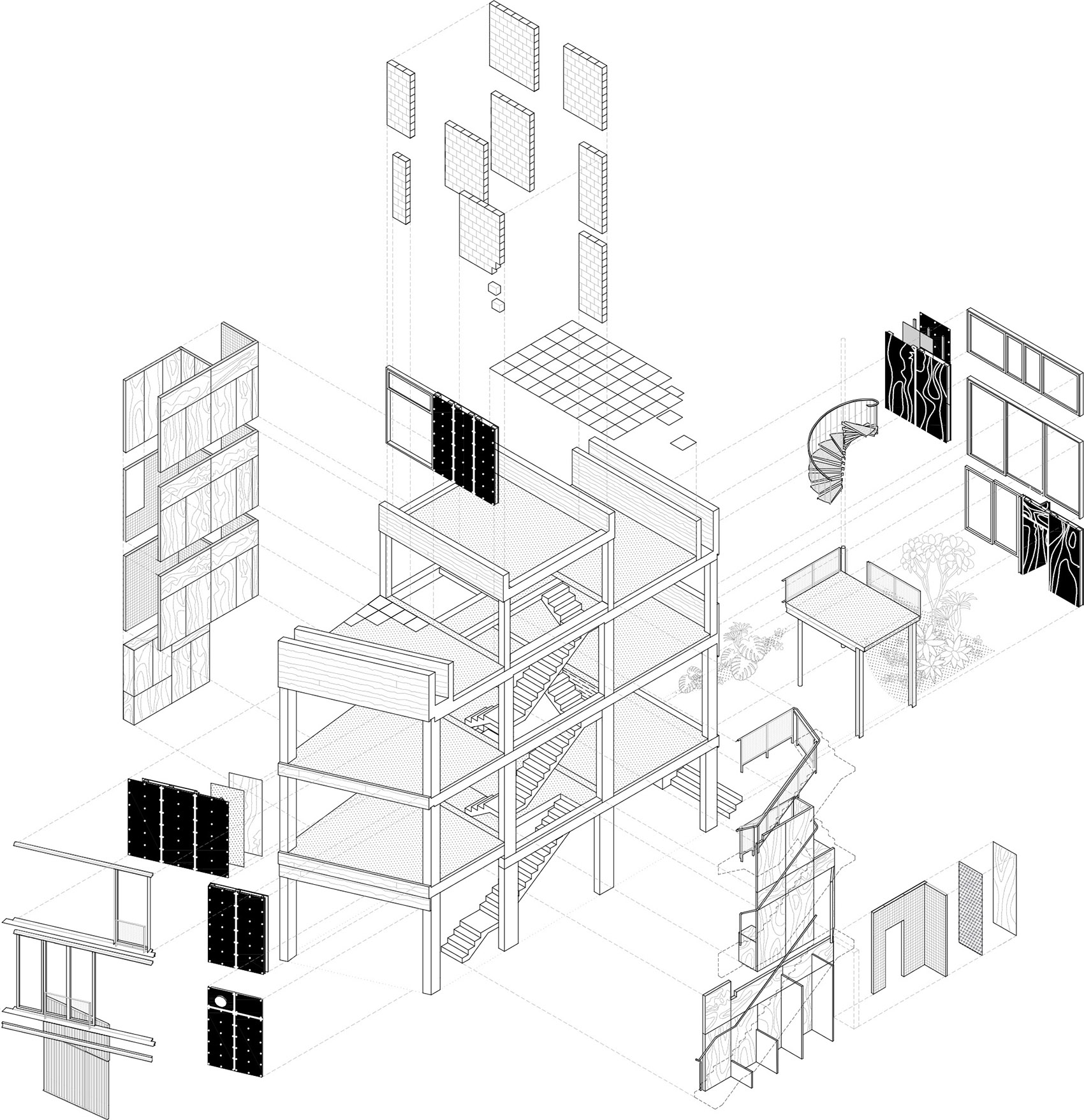
The house is articulated through large rooms conceived as continuous and flexible volumes. Inspired by the logic of the enfilade, yet free from functional hierarchies, they allow for a mutable domesticity thanks to movable furniture and the absence of fixed programs. The domestic realm is conceived as a territory under constant negotiation – appropriable and open to transformation. This open condition allows the dwelling to function today as both house and studio, understood not as separate programs but as variable intensities within the same spatial infrastructure. Surfaces, rooms, and their relationships allow these functions to expand, contract, or be replaced over time without altering the building’s overall logic.
▼室内空间与庭院楼梯的视觉联系,
Visual connection between the interior and courtyard staircase
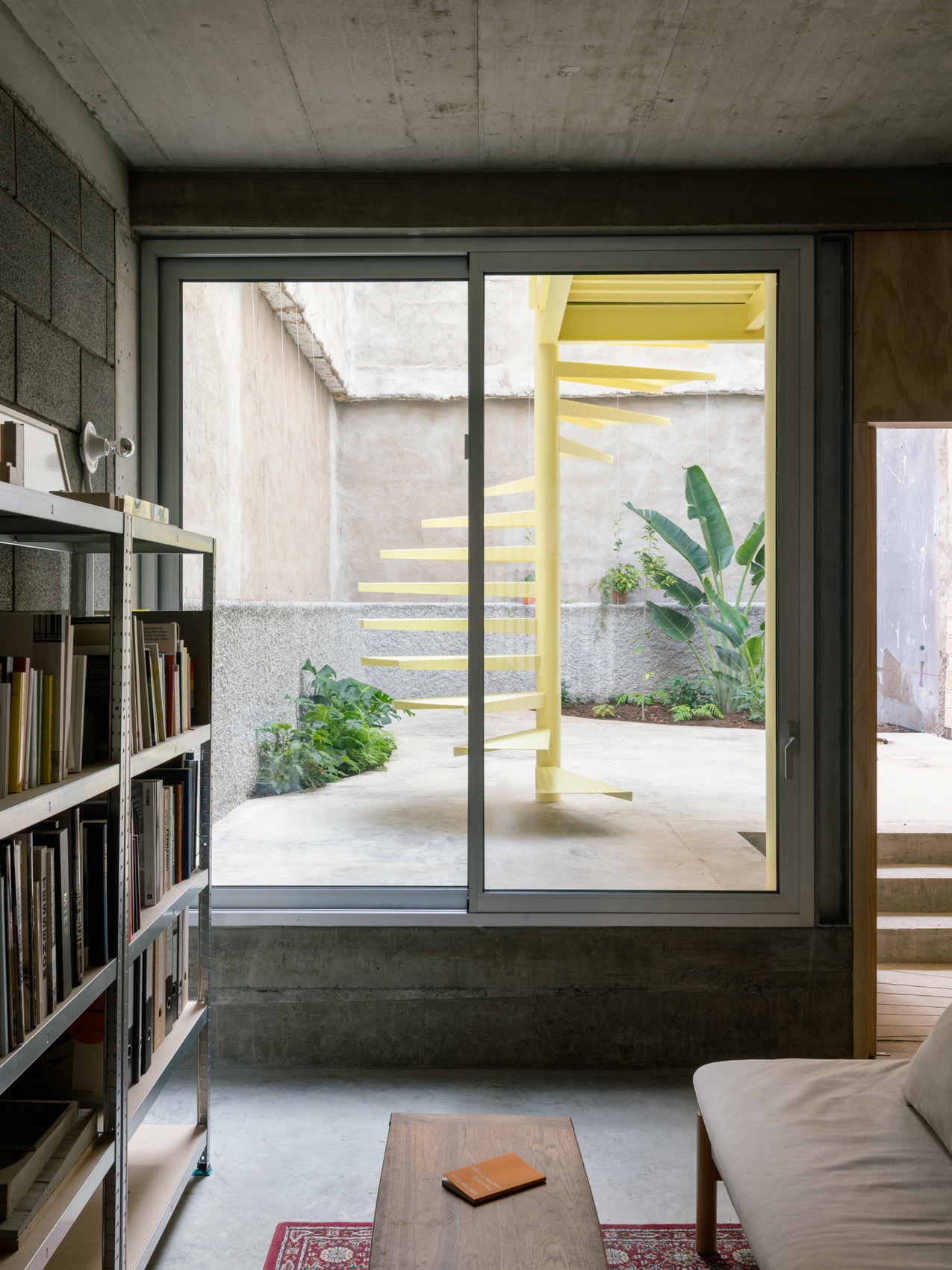
▼开放式住宅内部空间关系,
Spatial continuity within the open domestic interior
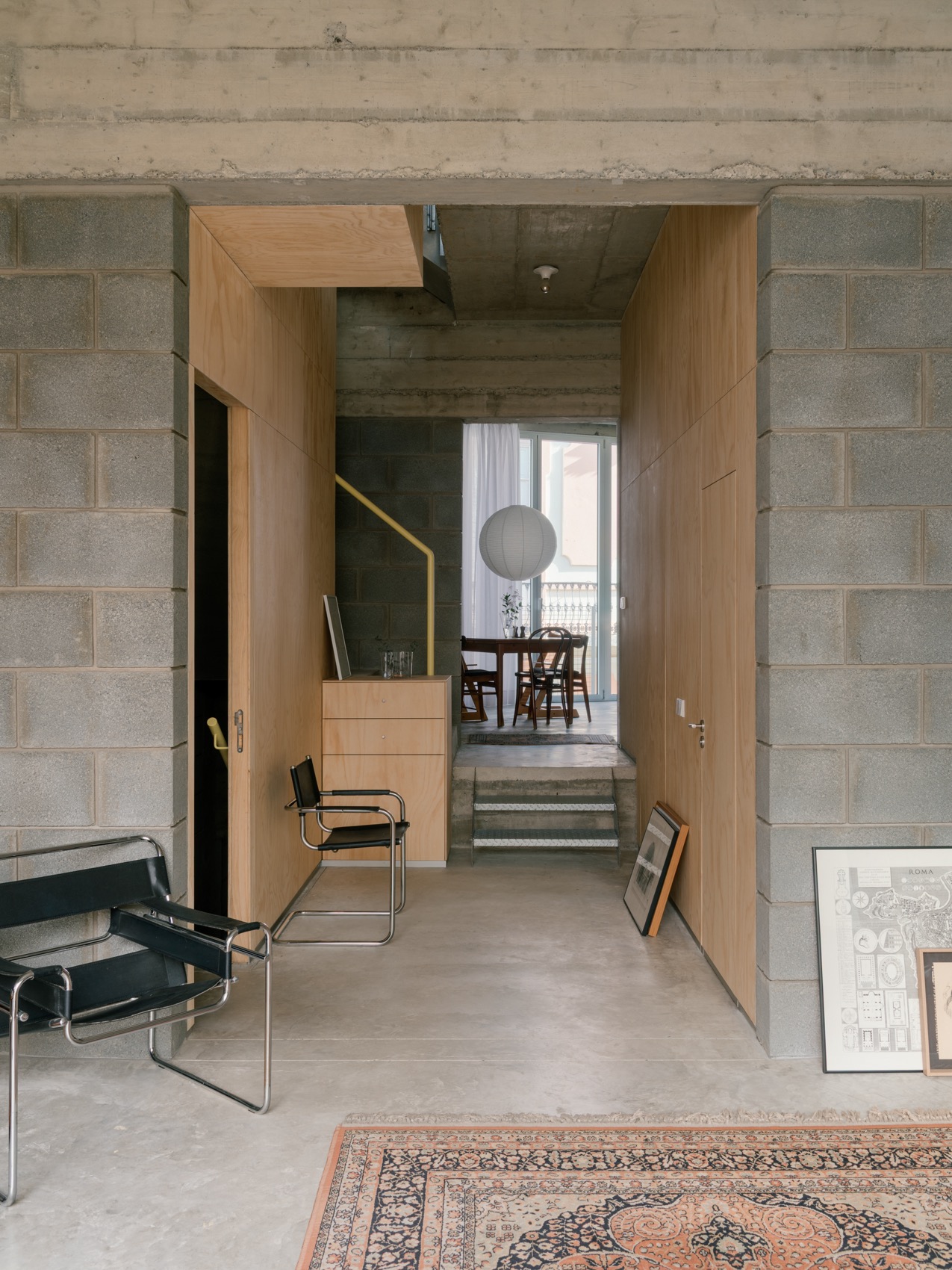
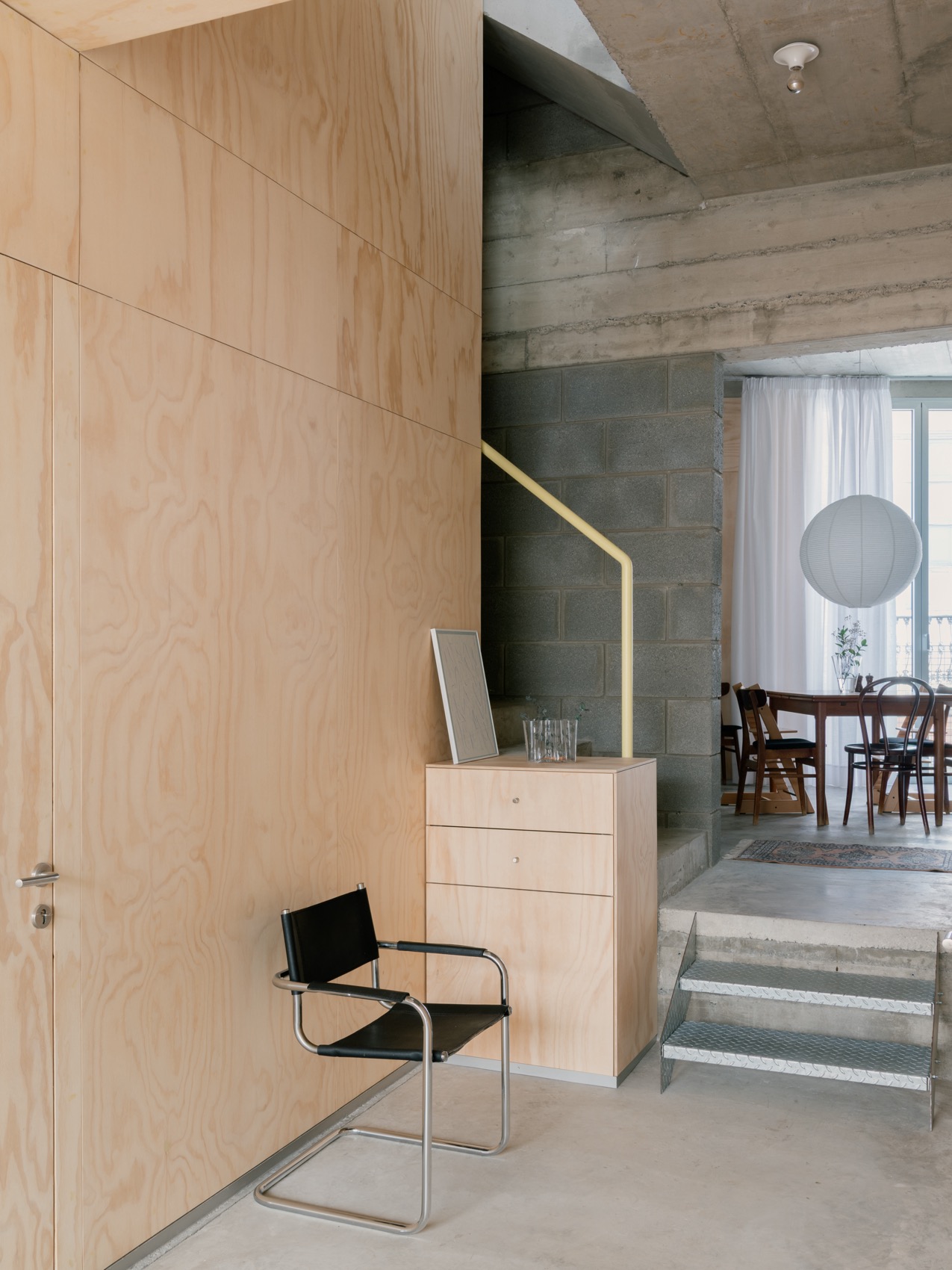
▼餐厅空间中的木质家具与混凝土结构,
Timber furniture and exposed concrete structure in the dining space
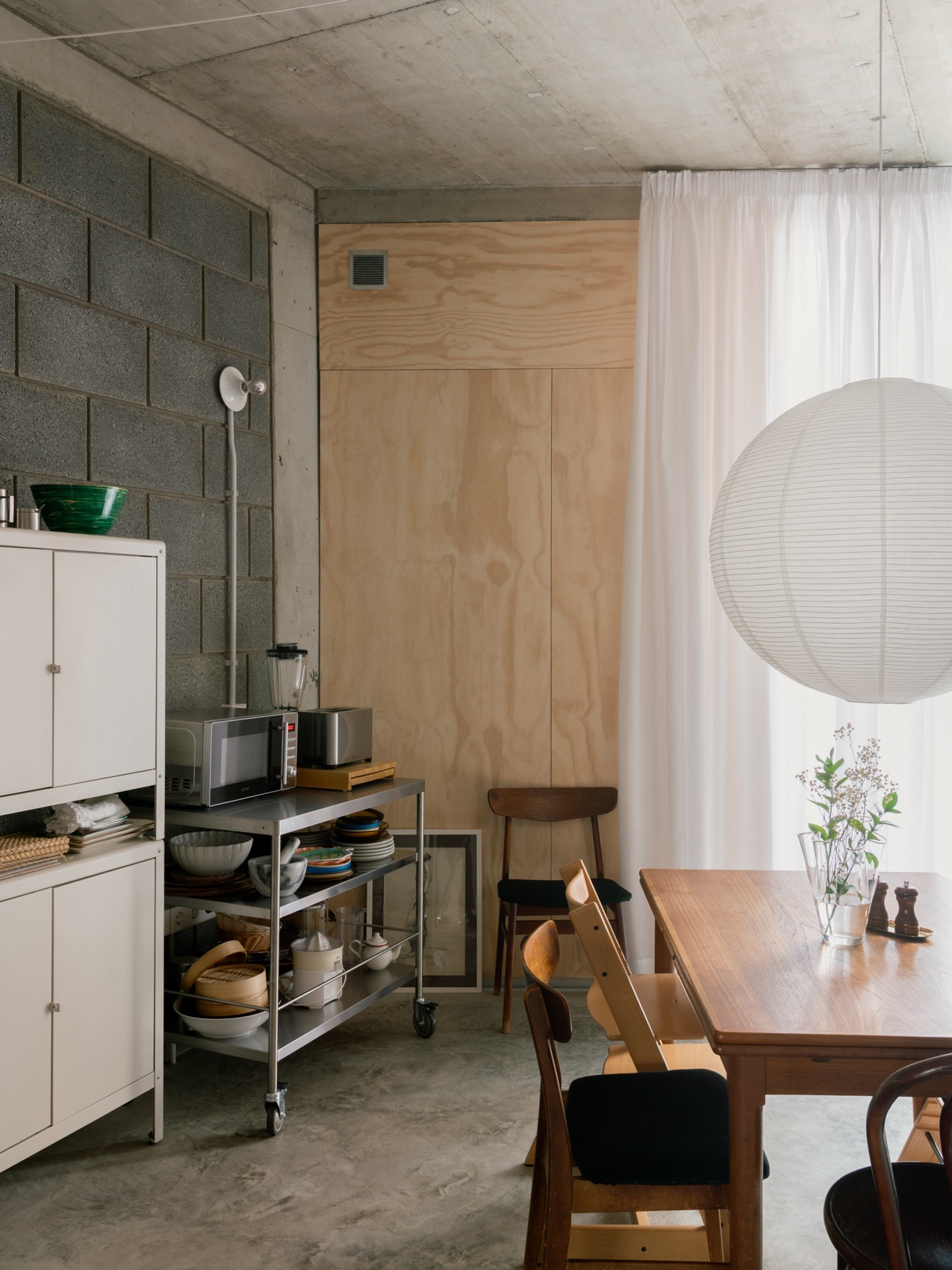
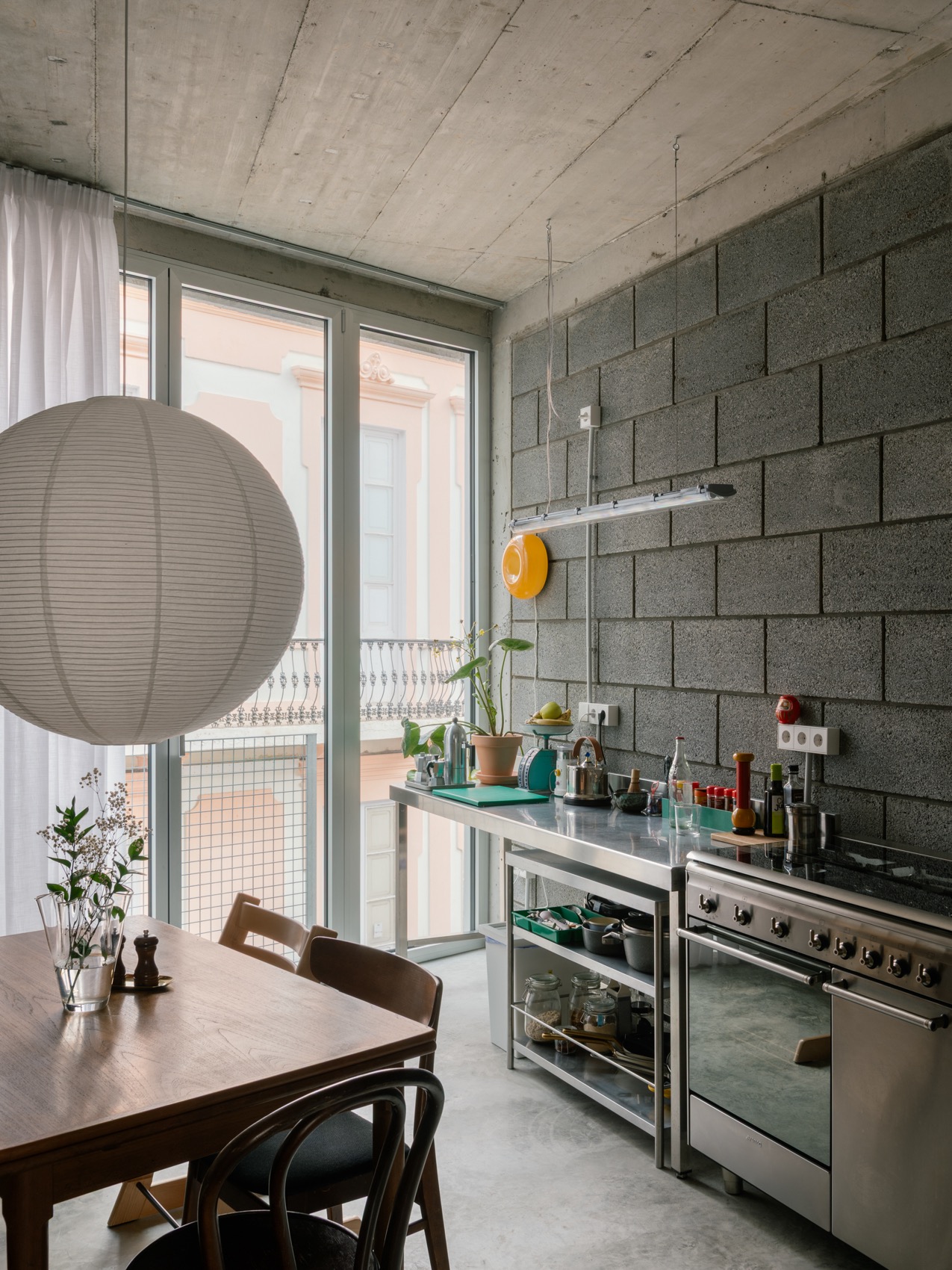
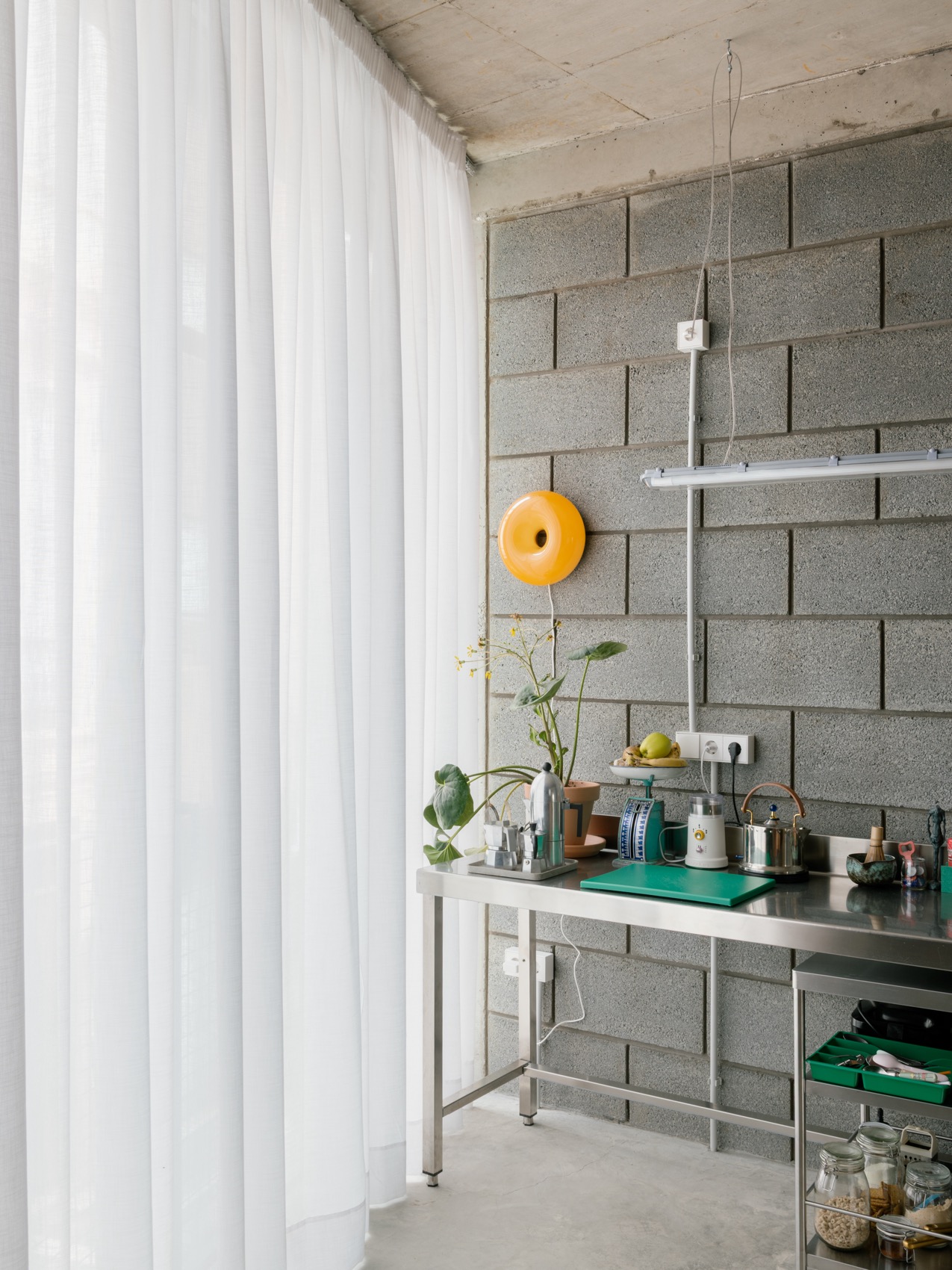
使用寿命Lifespan
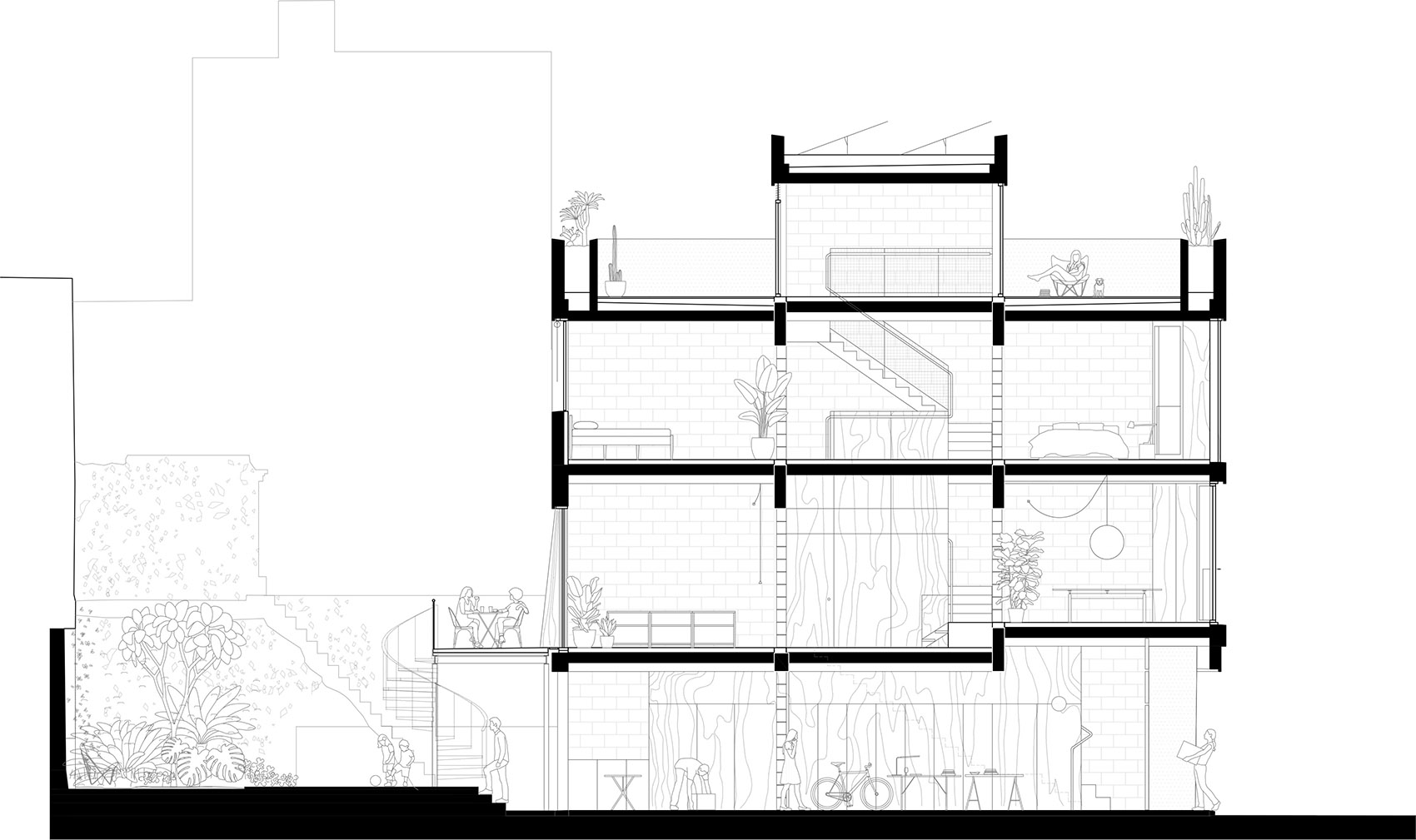
建筑体系依据明确的耐久性层级进行组织。钢筋混凝土结构骨架与裸露的加那利火山渣砌块(picón)墙体——一种深植于当地建造传统中的材料——构成永久性支撑体系,其预计寿命超过80至100年。与这种长期结构相对应,隔墙、木作以及室内构件则采用轻型木结构系统,其生命周期较短,约为25至40年,同时也便于替换或调整。模块化、可拆卸的外立面作为独立技术层被设计,其使用寿命约为30至50年,并预设未来可在不影响承重体系的前提下进行更新。因此,可持续性在这里被视为一个“时间性”问题,而非单纯的技术问题:建筑设计应区分哪些必须持久存在,哪些可以变化。住宅并非一个封闭对象,而是一种为功能、技术与使用程序不断变化做好准备的居住基础设施。
The construction system is organized according to a clear hierarchy of durabilities. A reinforced concrete structural skeleton with exposed Canarian volcanic block (picón) walls— a material deeply rooted in the local building tradition—acts as the permanent support, with an estimated lifespan exceeding 80-100 years. Against this long-term structure, lightweight timber systems are used for partitions, carpentry, and interior elements, with shorter life cycles of around 25-40 years, easily accessible for replacement or adaptation. Modular and demountable façades, conceived as independent technical layers, are designed with an intermediate lifespan of approximately 30-50 years, assuming their possible renewal without affecting the load-bearing system. Sustainability is therefore framed as a temporal question rather than a technological one: designing architecture through the distinction between what must endure and what can change. The house is understood not as a closed object, but as a domestic infrastructure prepared to accommodate functional, technical, and programmatic transformations throughout its life.
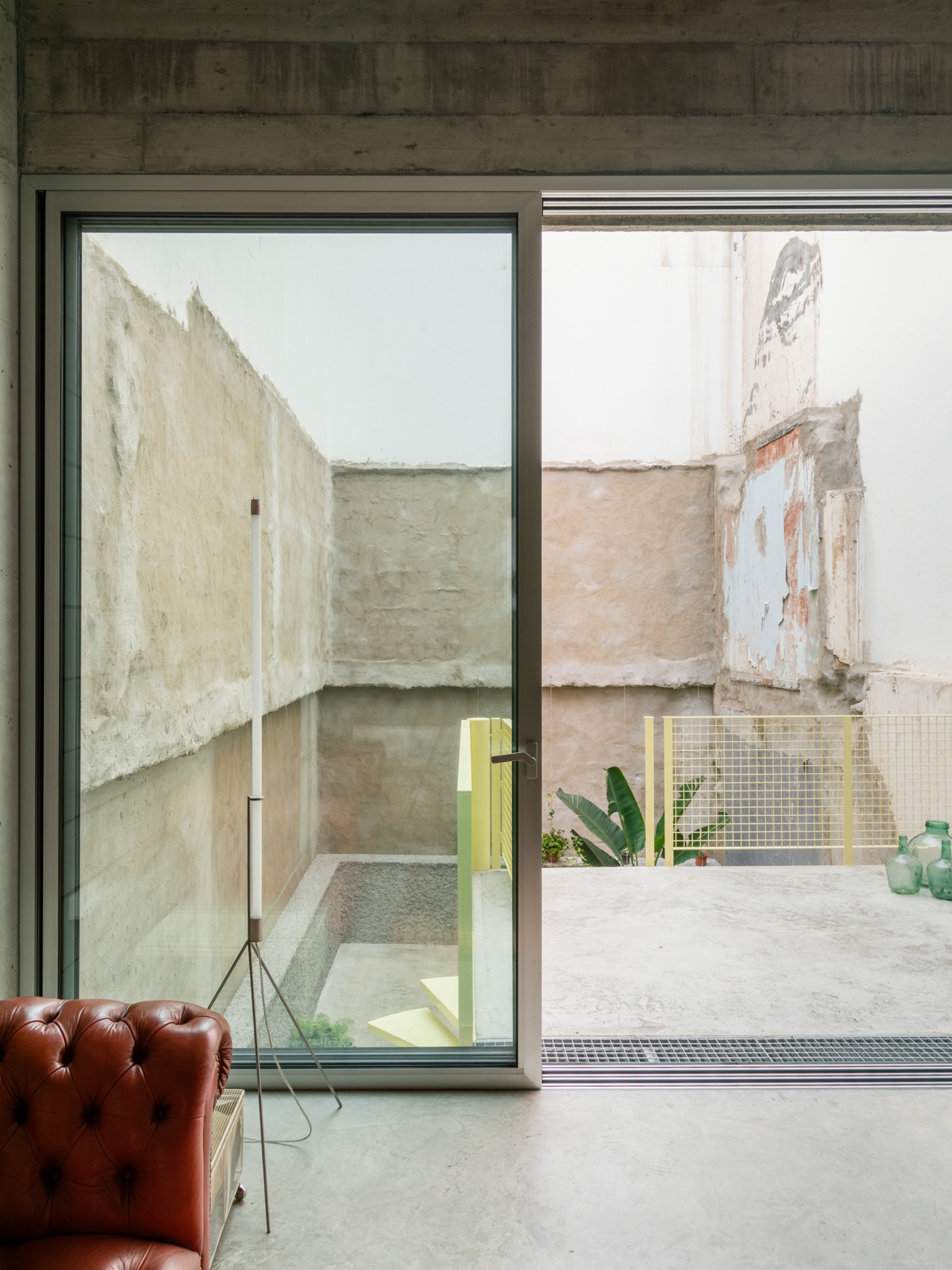
▼室内空间面向露台庭院展开,
Interior space opening toward the terrace patio
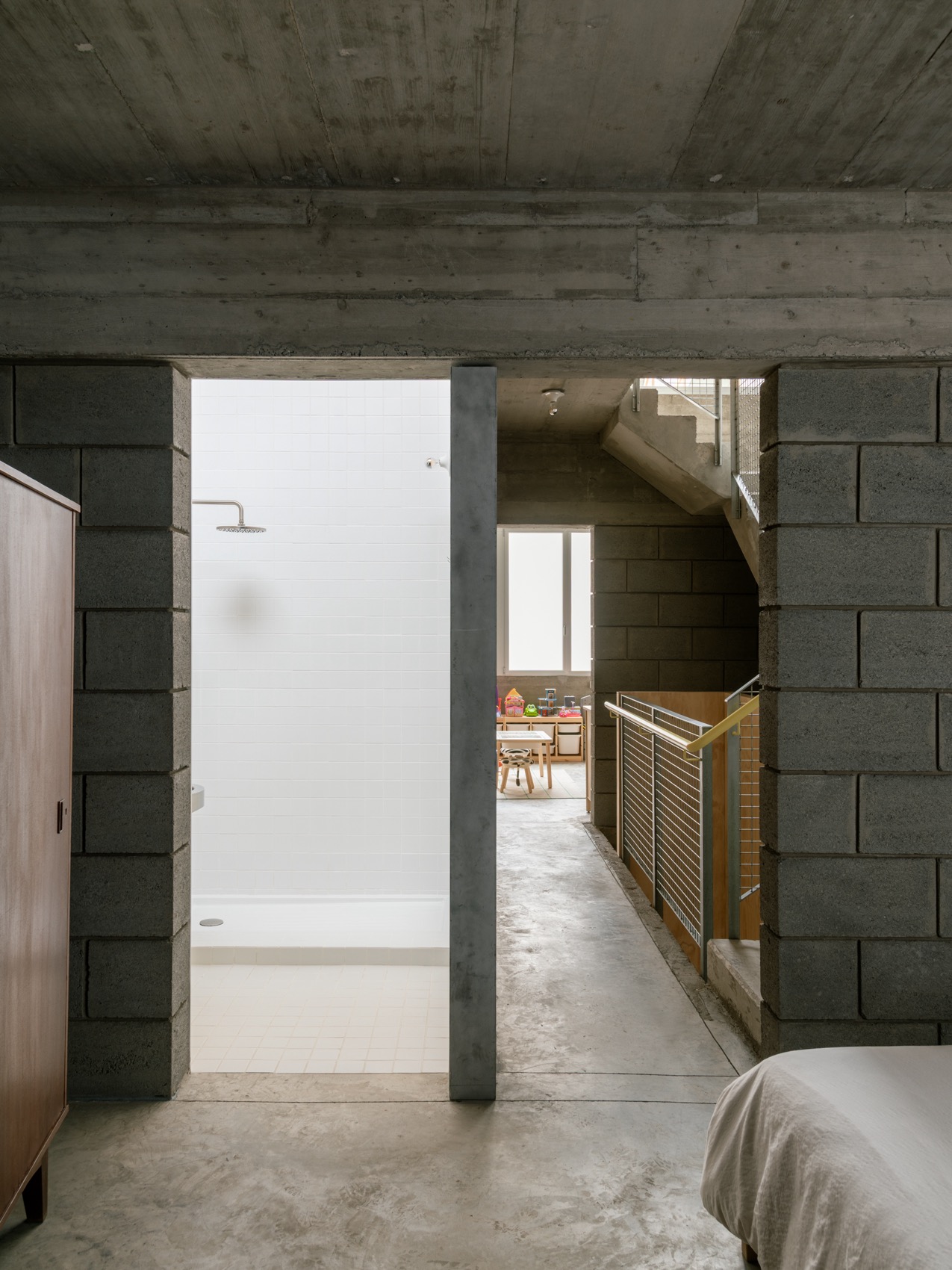
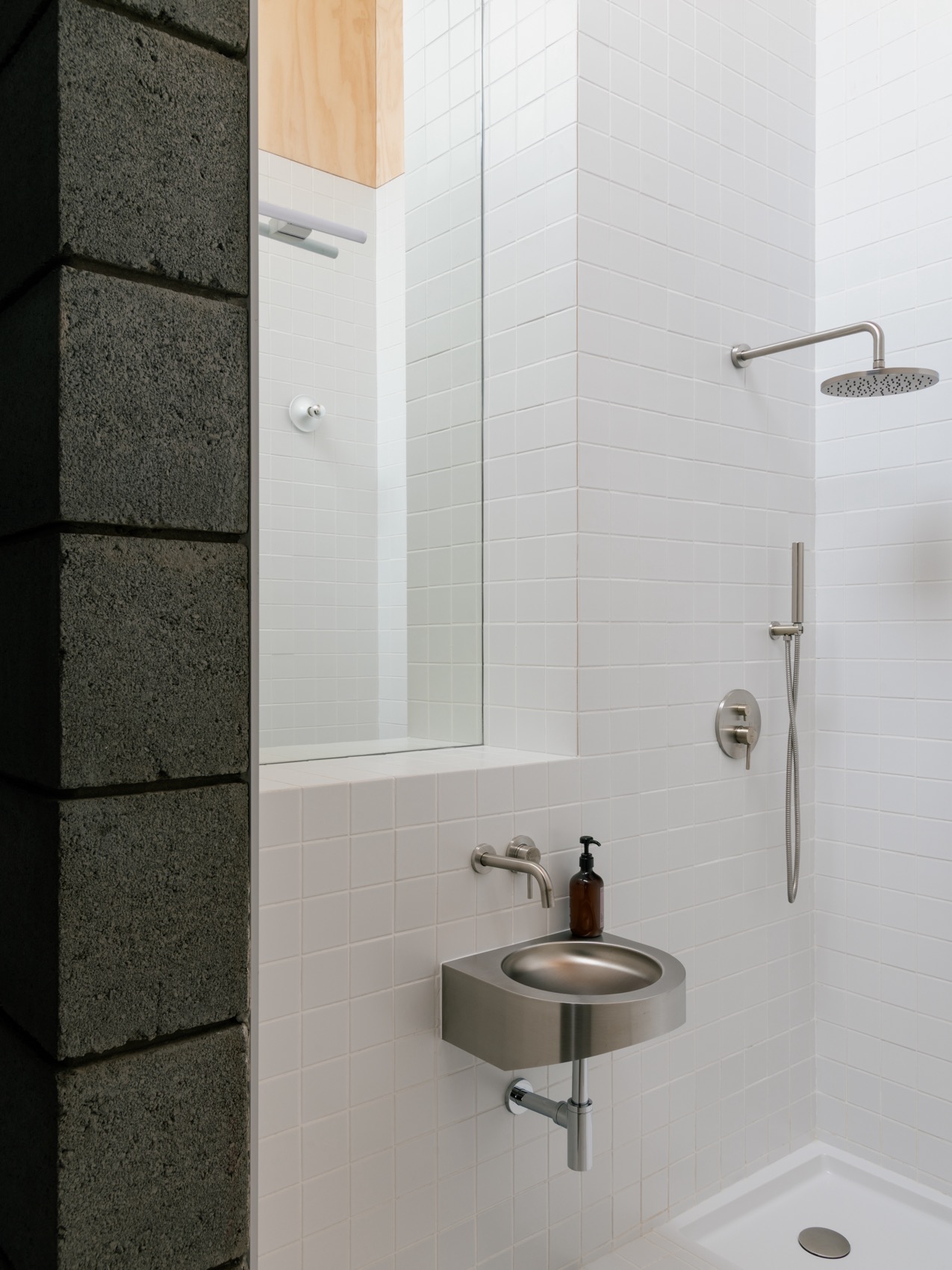
▼卧室与开放式浴室空间关系,
Relationship between the bedroom and open bathroom
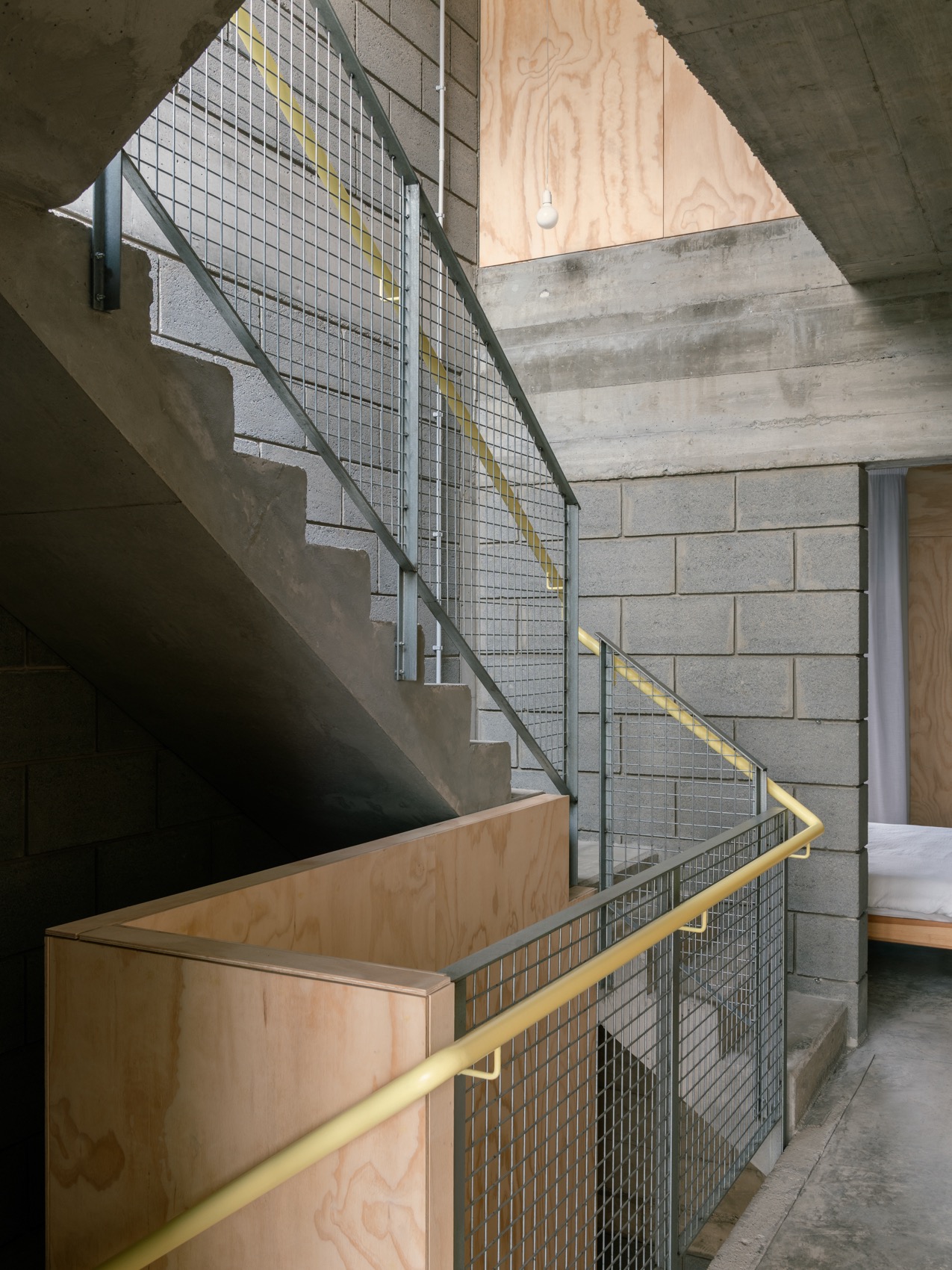
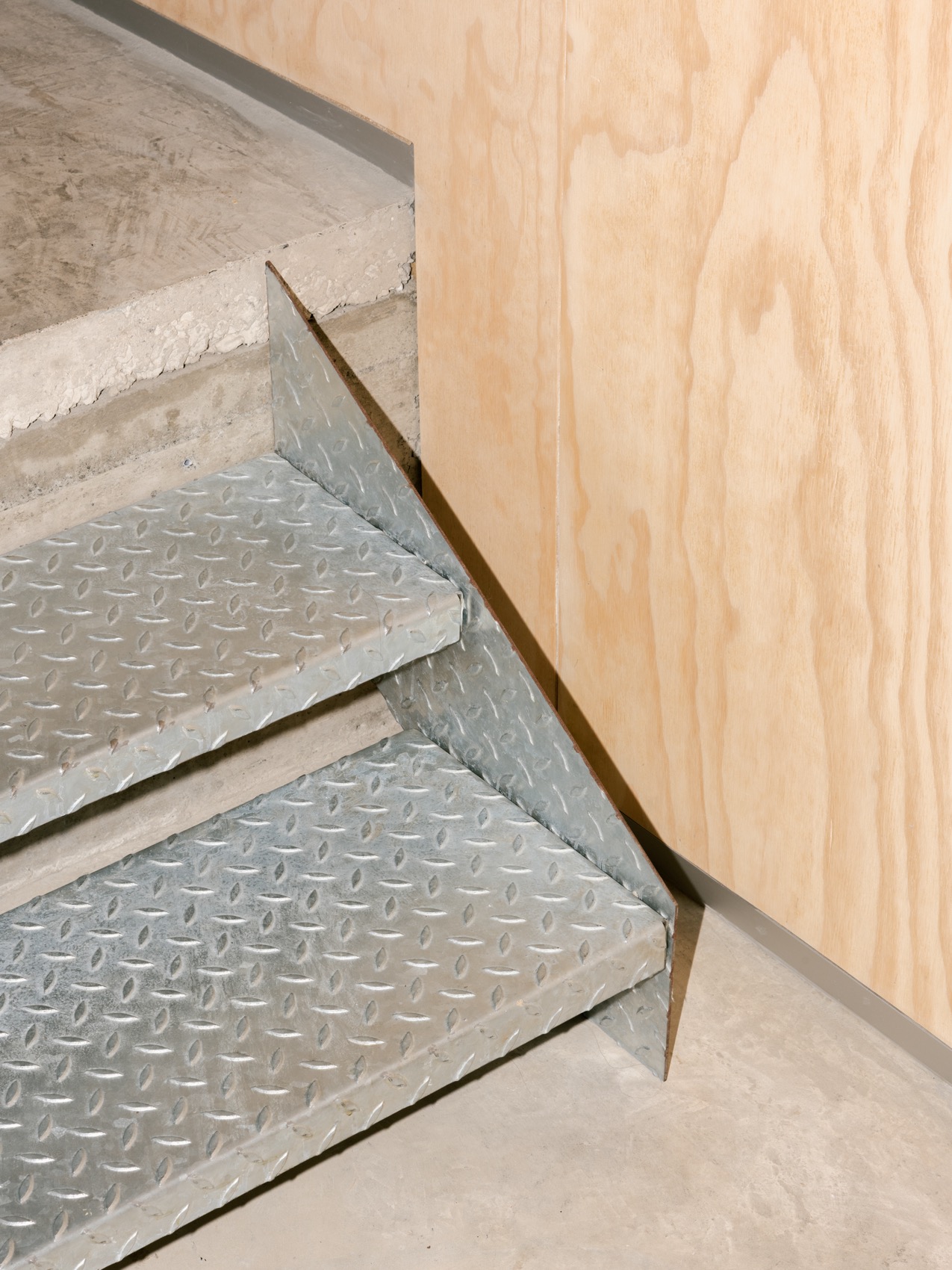
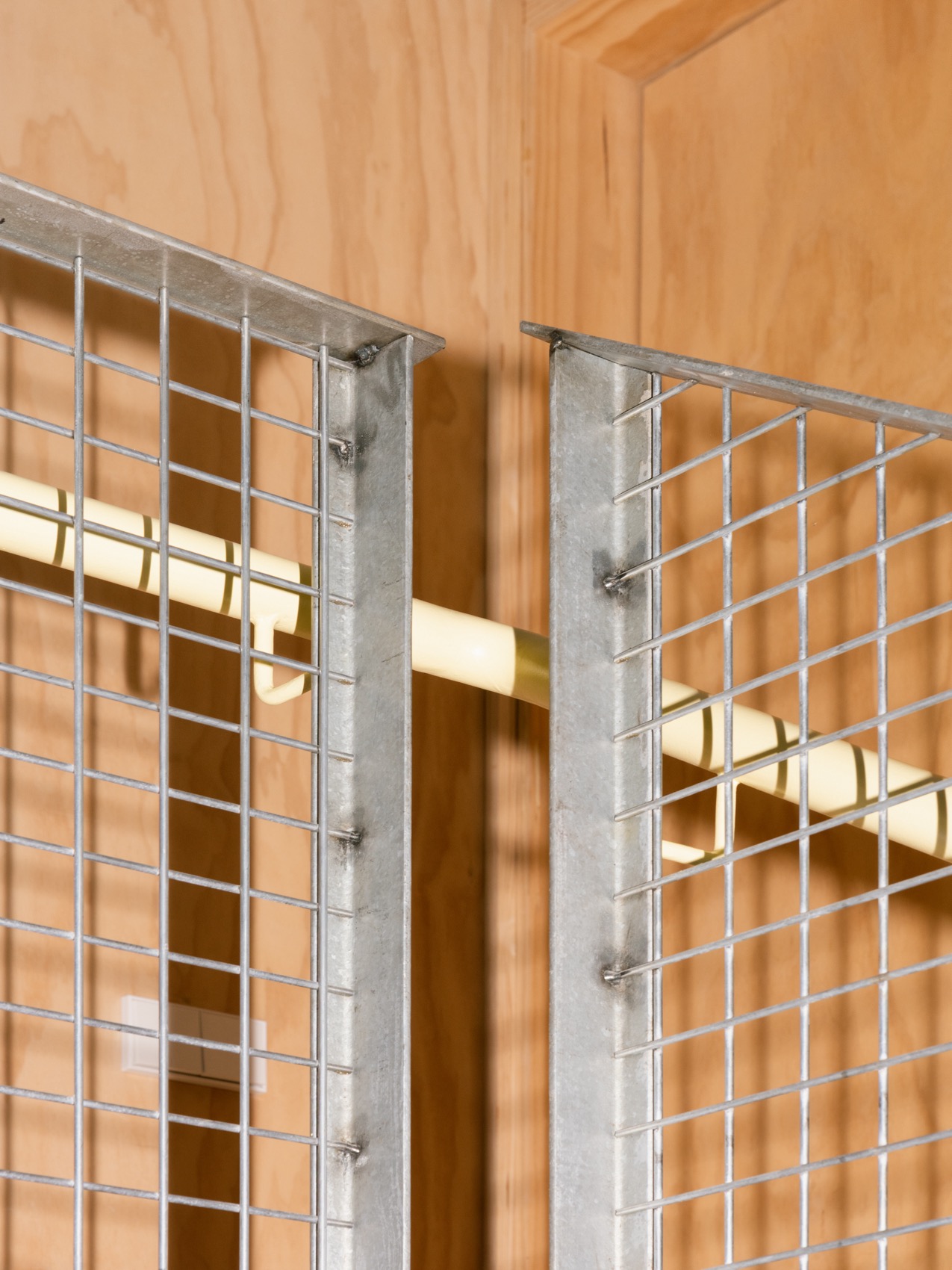
▼混凝土楼梯与钢网扶手细部,
Concrete staircase and steel mesh handrail details
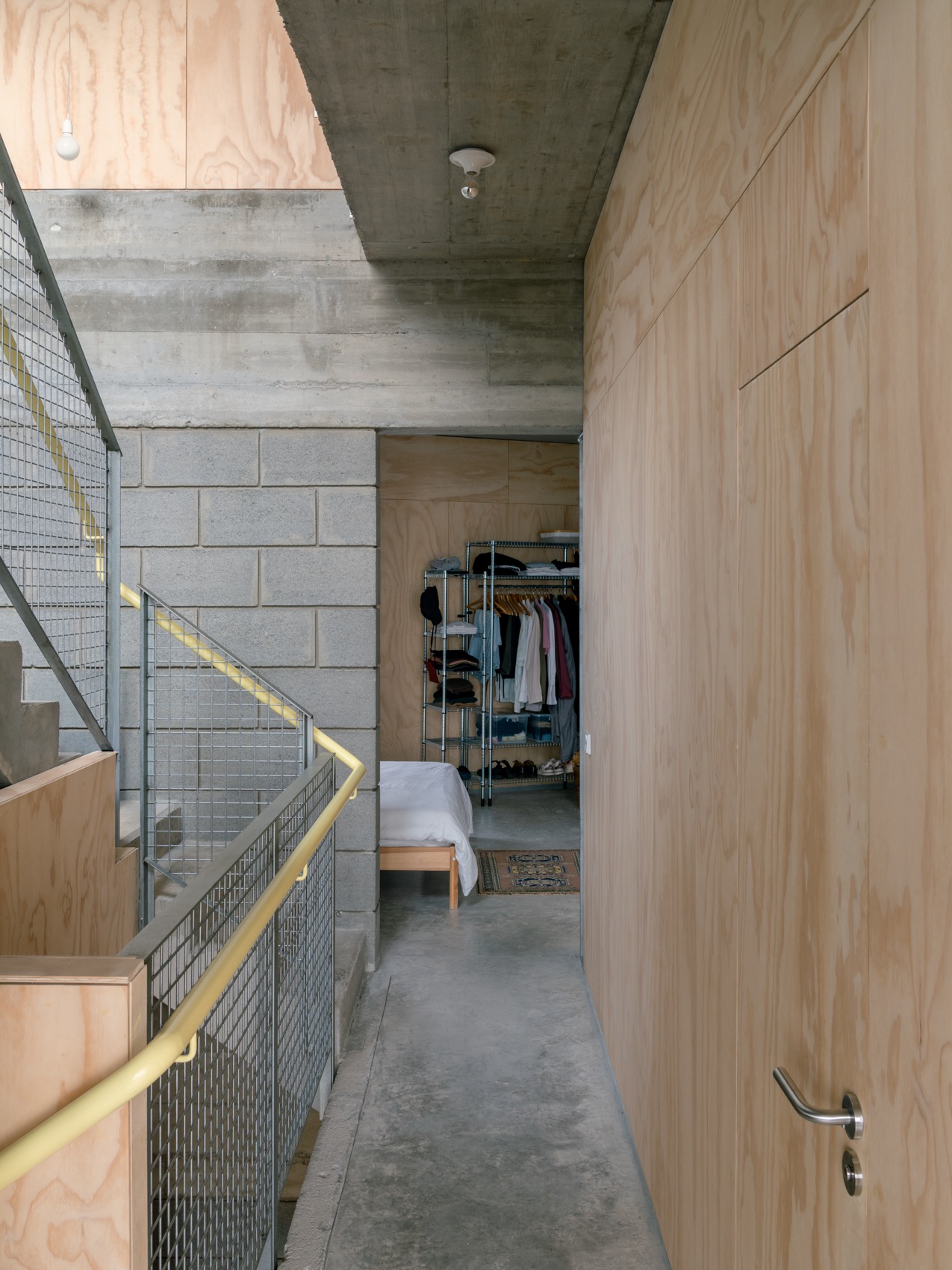
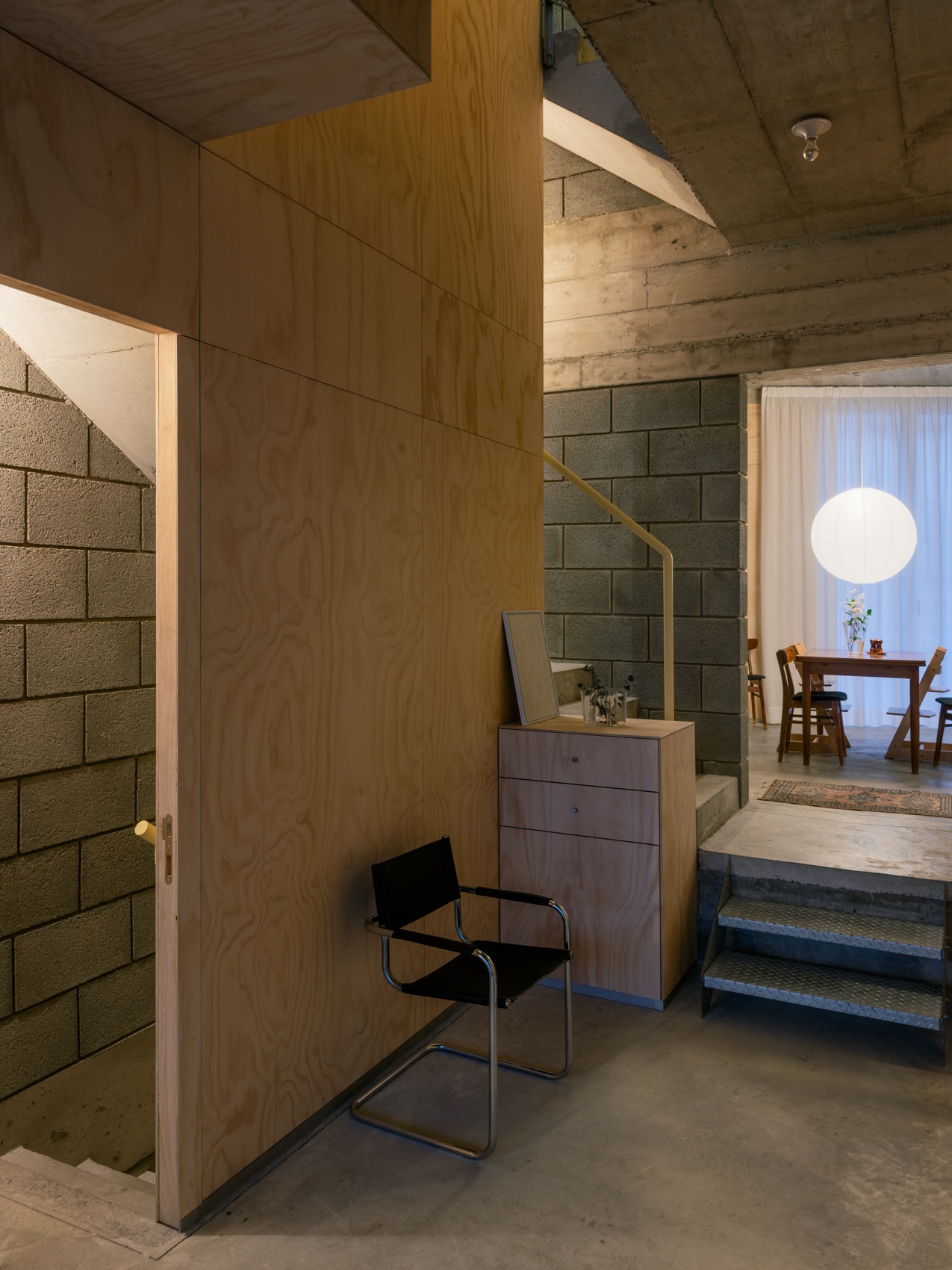
▼餐厅空间与楼梯区域关系,
Relationship between the dining area and staircase
岛屿条件Insular Condition
在像加那利群岛这样的岛屿地区——大多数材料都需要进口,本地资源也相对有限——建造决策会直接影响成本、施工周期以及项目的可实施性。因此,使用现有材料、依赖熟悉的建造技术与本地劳动力,并避免冗余方案,本身便是一种对“过度”的抵抗。建筑精准、直接,并始终意识到自身所处的环境。除了必要之物,它不再添加任何多余元素。而真正的建筑特质,也正存在于这种克制之中:一种“适度性”的伦理。
In an island territory such as the Canary Islands—where most materials must be imported and local resources are limited—construction decisions directly affect cost, construction time, and the project’s feasibility. Building with what is available, relying on familiar techniques and local labor, and avoiding redundant solutions thus becomes a form of resistance to excess. Precise, direct, and conscious of its place, the architecture adds nothing beyond what is essential. In that restraint lies its true character: the ethics of sufficiency.
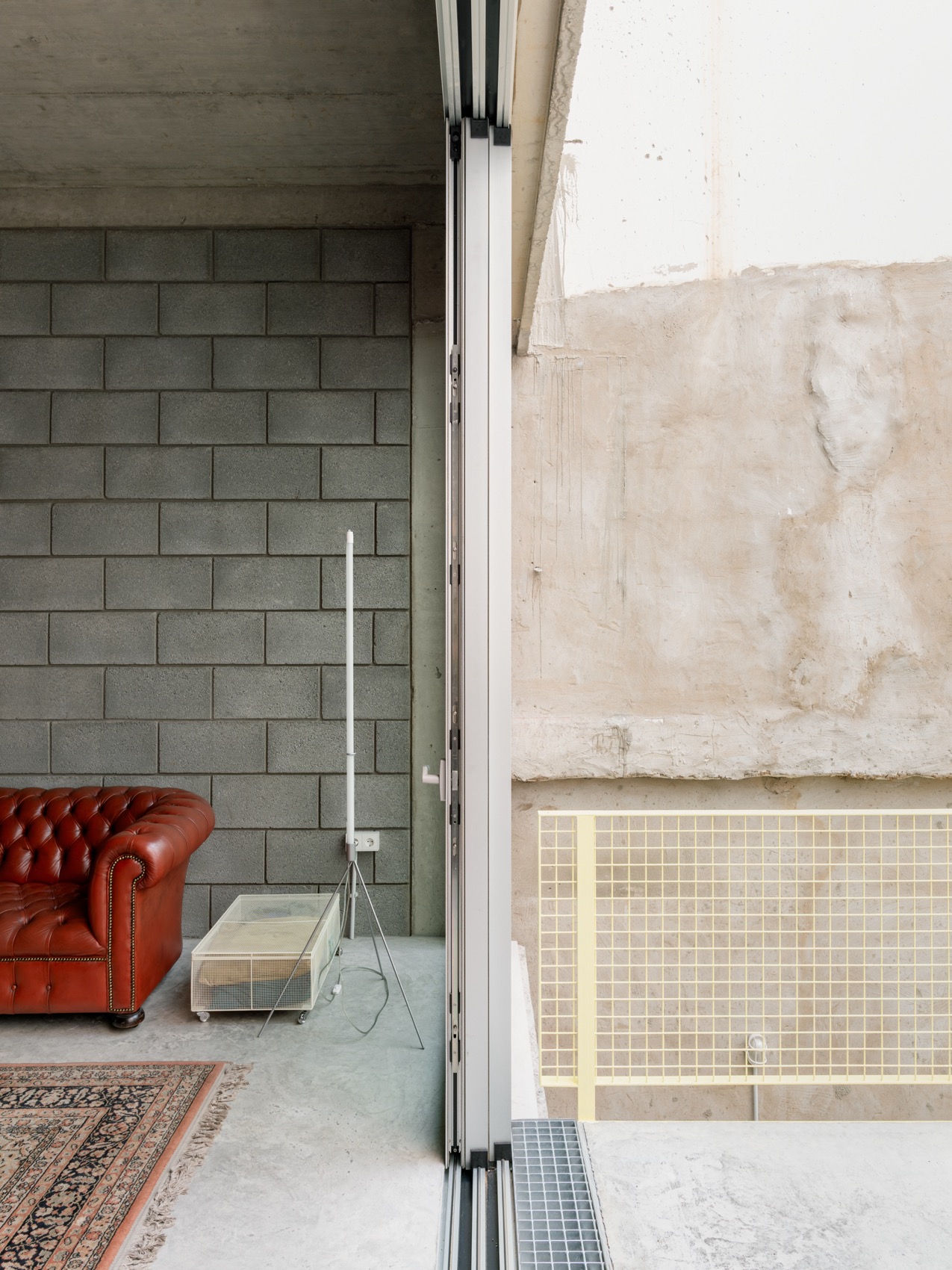
▼可完全开启的滑动玻璃界面,
Fully openable sliding glass façade
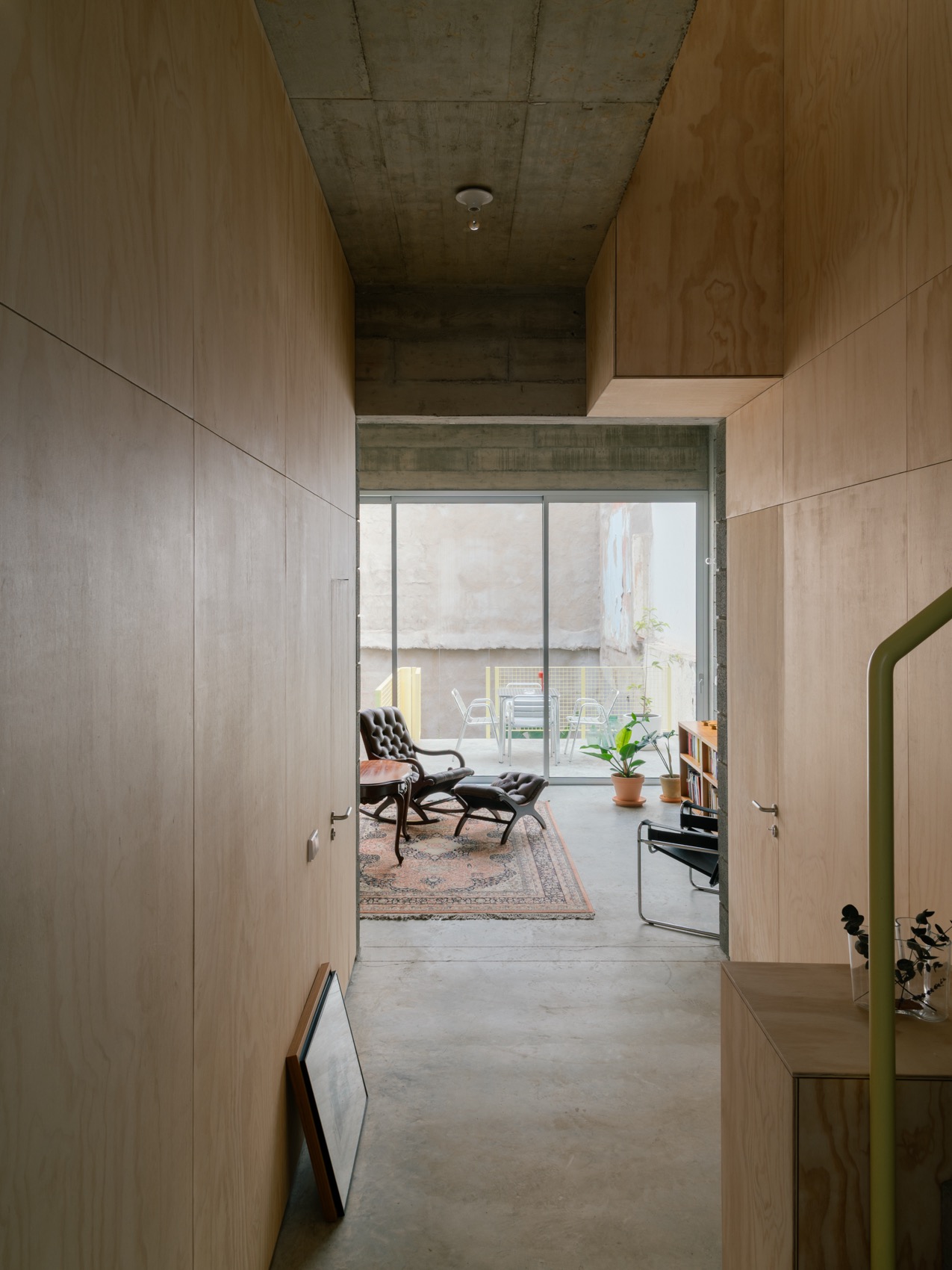
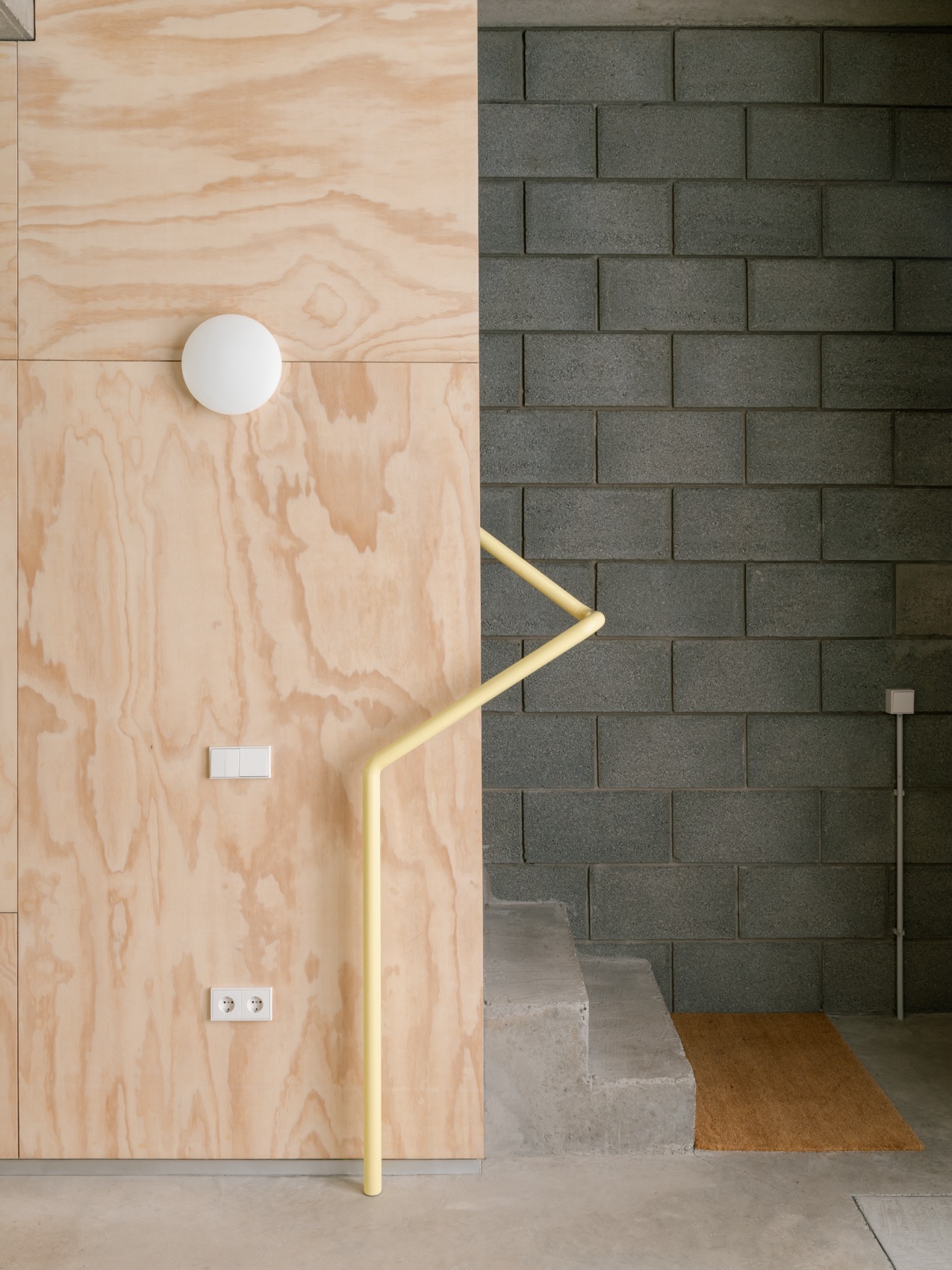
▼浅色木饰面与楼梯扶手细部,
Light timber finish and stair handrail detail
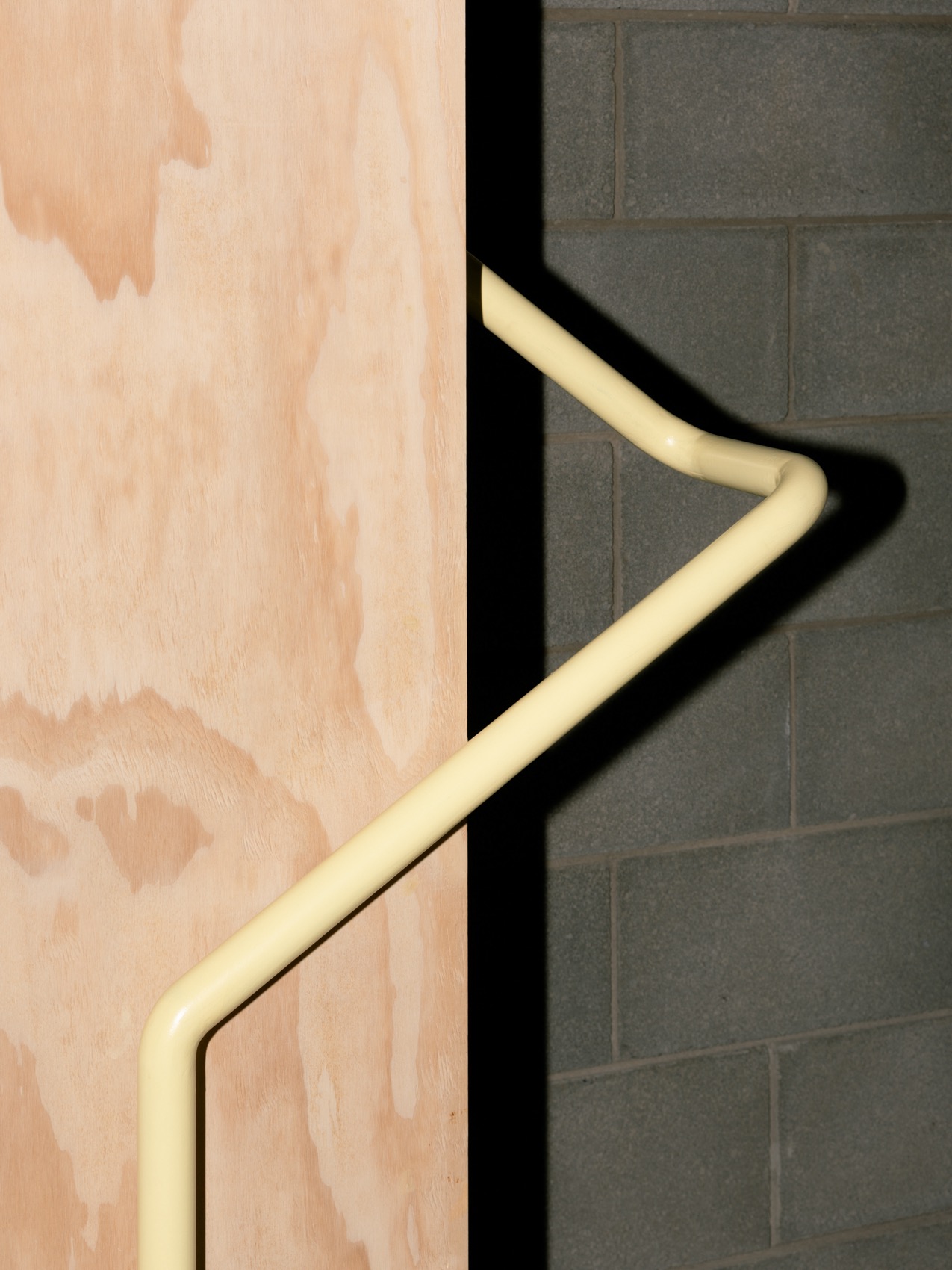
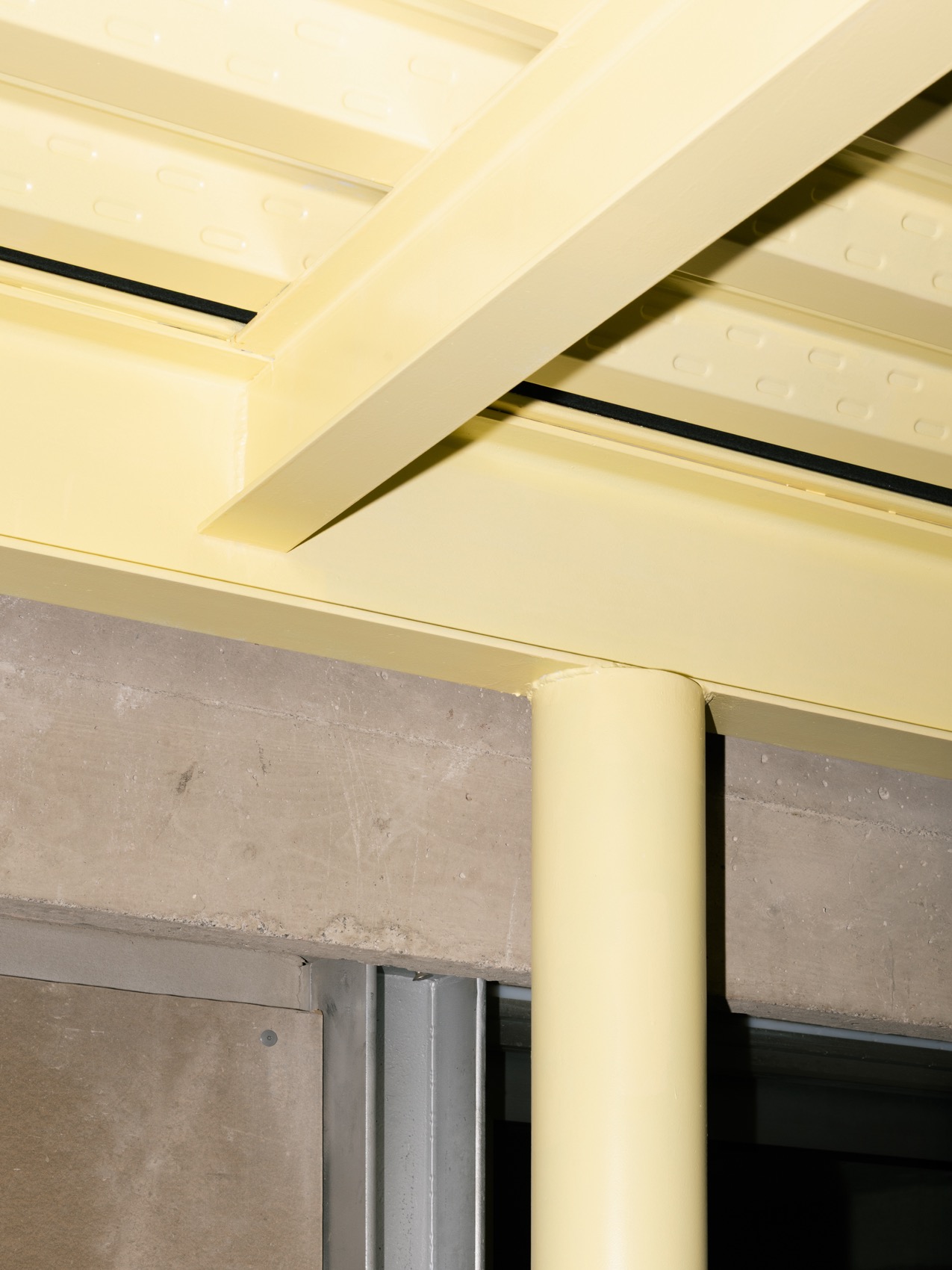
▼室内细部,Interior details
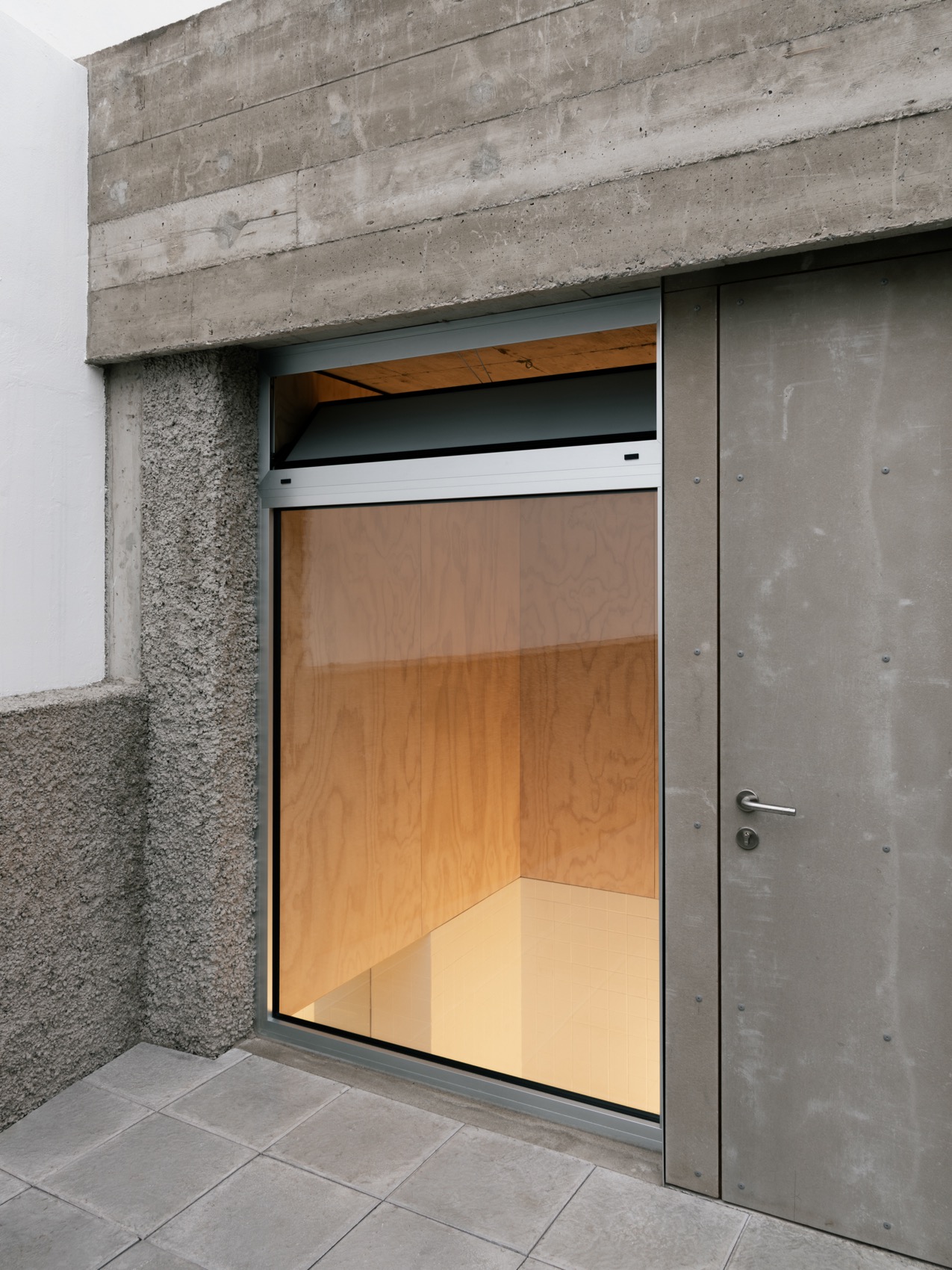
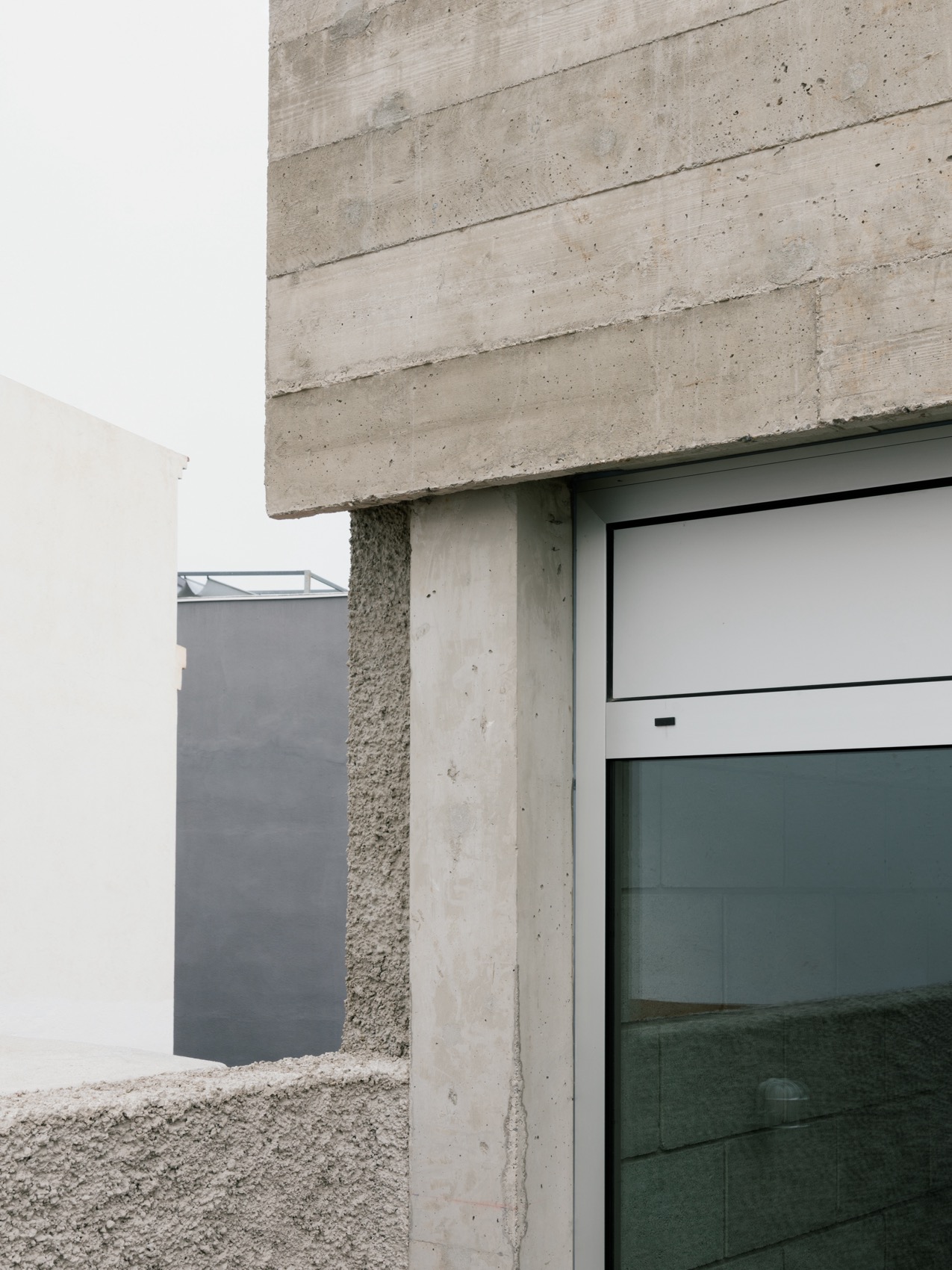
▼住宅外部空间中的材料对比,
Material contrast within the outdoor domestic space
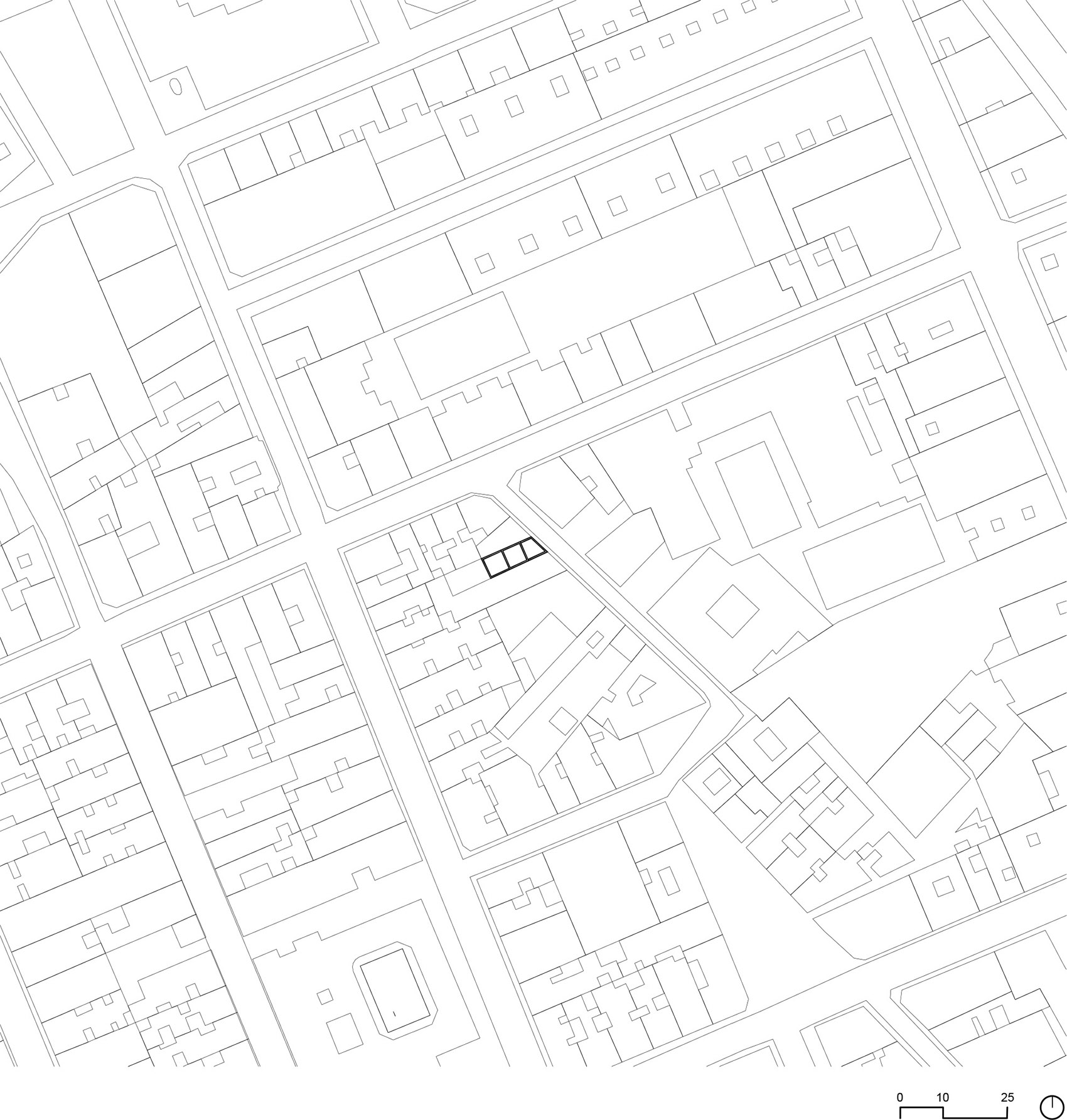
▼项目区位图,Site plan
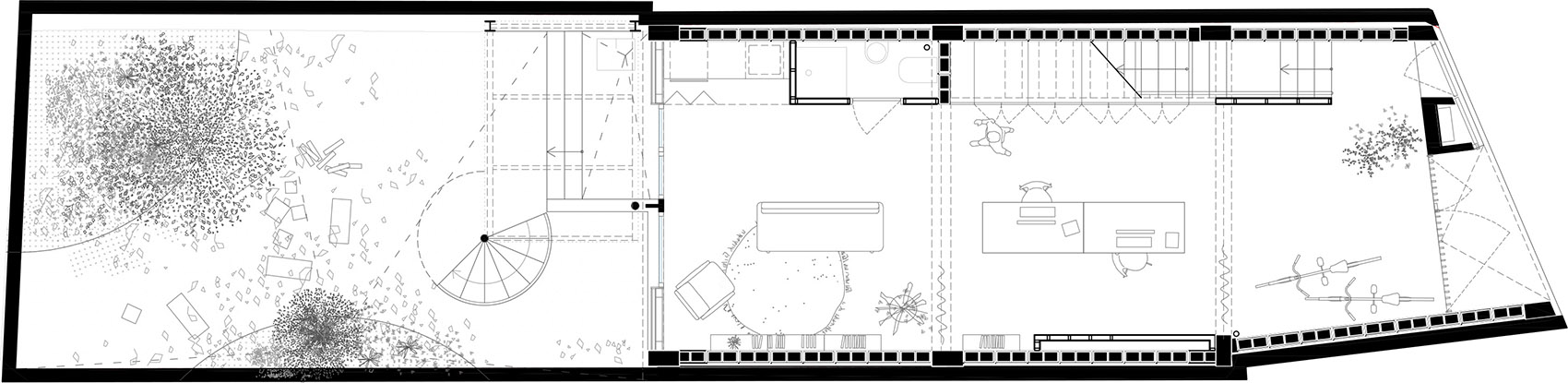
▼一层平面图,Ground level floor plan
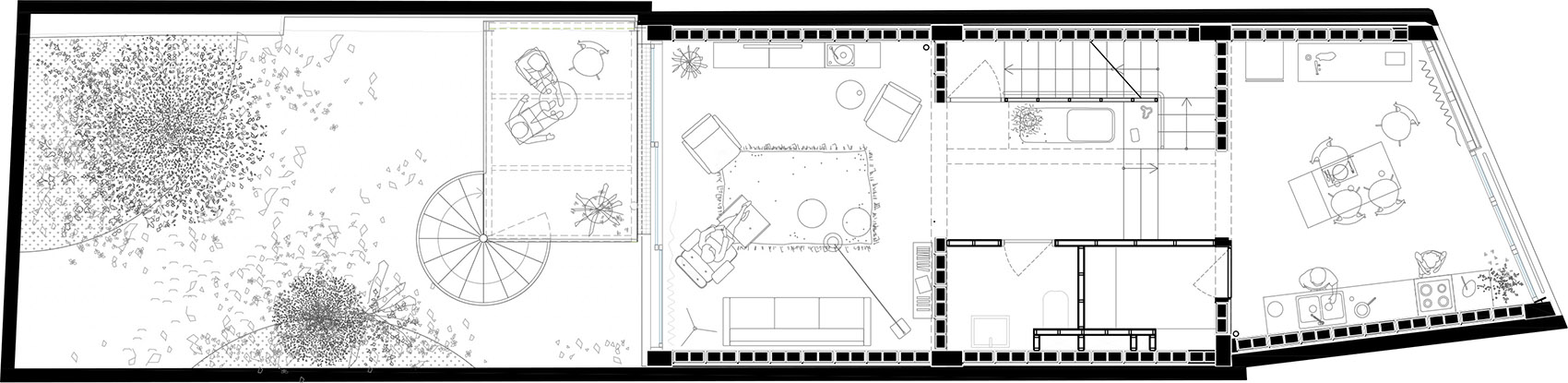
▼二层平面图,Second level floor plan
▼剖面图,Section
Equipo/ Team:SOCO
Iñaki Pérez Anzola, Pablo Delgado
Núñez
Colaboradores/ Collaborators:
Susana Aparicio Lorenzo, Santiago Brillas Ruiz de la Prada
Programa/ Program:Casa-estudio/ Studio-house
Localización/ Location:Las Palmas de Gran Canaria,
Islas Canarias (ES)
Año/ Year:2025
Cliente/ Client:Privado/ Private
Superficie construida/ Gross area:230m2
Fotos/ Photos:Simone Marcolin
RRSS/ Social media: @soco_estudio
Web: www.socoestudio.com
Contacto/ Contact: info@socoestudio.com