实践大学体育馆和图资大楼,台湾/建筑
实践大学的前身,是台湾家政专科学校,并以「力行实践,修齐治平」为办学理念,故名为「实践」。创校初期,创办人谢东闵就提出「一个观念:勤劳是快乐的;三个习惯:礼貌、整洁、物归原处」作为学生的教育方针,凡事从小到大的务实与实践的精神,就是实践的创校基本理念。实践在 1958 年成立时,名为「实践家政专科学校」,1979 年改名为「实践家政经济专科学校」,办学方针已经扩展至经济方面。 1991年改制为「实践设计管理学院」,也正式像宣告实践朝设计领域跨出。 1997 年正式成立「实践大学」,拥有民生学院、设计学院、管理学院、商学与资讯学院(高雄)、文化与创意学院(高雄),是台湾专门以设计教学的大学。
The predecessor of the Practical University is the Taiwan Academy of Home Economics, and it is named "Practical" because of its educational philosophy of "practicing hard and maintaining harmony and peace". At the beginning of the founding of the school, the founder Xie Dongmin put forward "one concept: hard work is happy; three habits: courtesy, neatness, and returning to the original place" as the education policy of students. The pragmatic and practical spirit of everything from small to large is the basic concept of practice. When Shi Shi was founded in 1958, it was called "Practical Home Economics College". In 1979, it was renamed "Practical Home Economics College". The school policy has been extended to the economic aspect. In 1991, it was restructured as "Practice Design Management College", which also officially announced that practice has stepped out of the design field. The "Practical University" was officially established in 1997, with Minsheng College, School of Design, School of Management, School of Business and Information (Kaohsiung), and School of Culture and Creativity (Kaohsiung). It is a university specializing in design teaching in Taiwan.
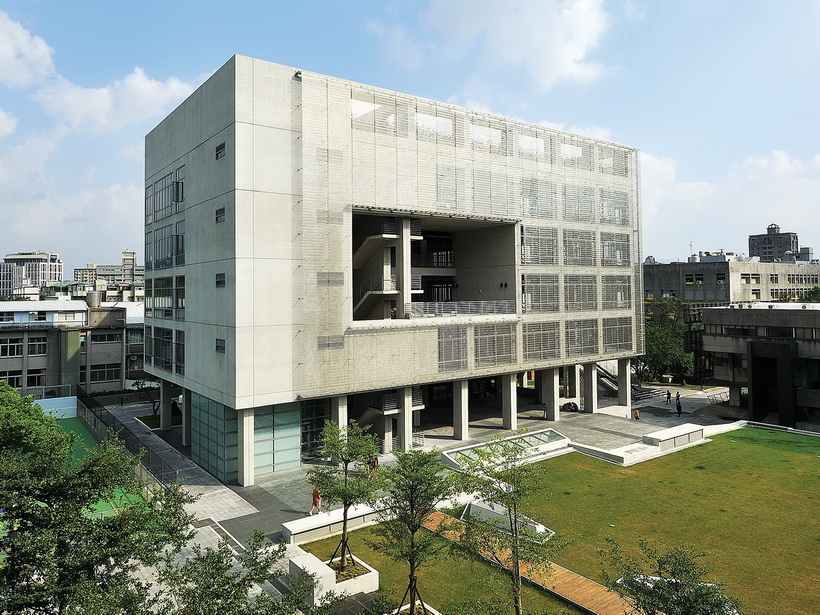
在台北的实践大学校本部,最出名的莫过于它的设计学院,目前共拥有工业产品设计、建筑设计、媒体传达设计、服装设计等四个重要系所,已经培育出无数个知名的台湾平面设计师、动画设计师、产品设计师和服装设计师。
At the headquarters of Taipei's Shiji University, the most famous is its design institute. At present, it has four major departments, including industrial product design, architectural design, media communication design, and clothing design. It has cultivated numerous well-known Taiwanese graphic designers, animation designers, product designers, and clothing designers.
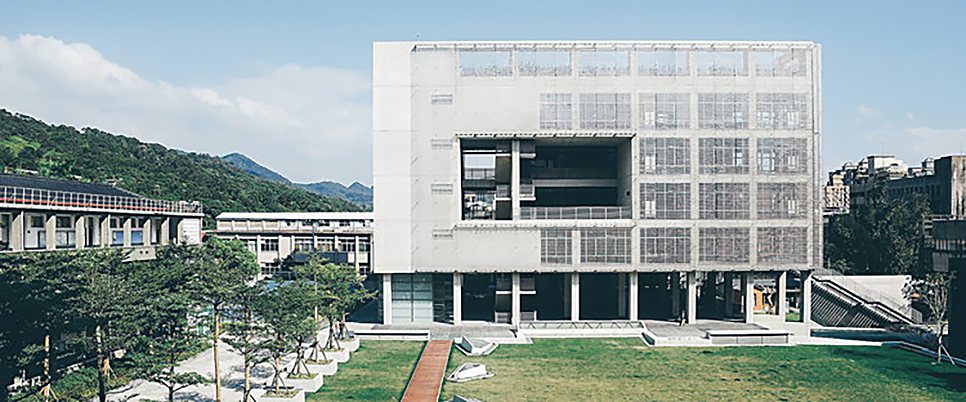
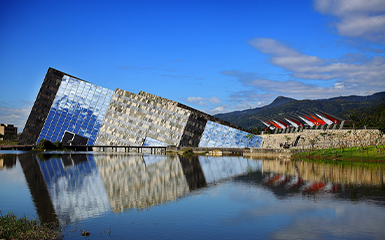
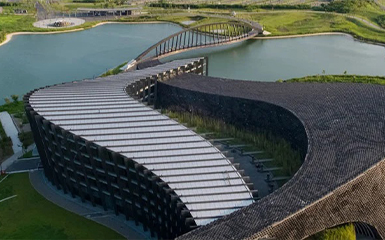
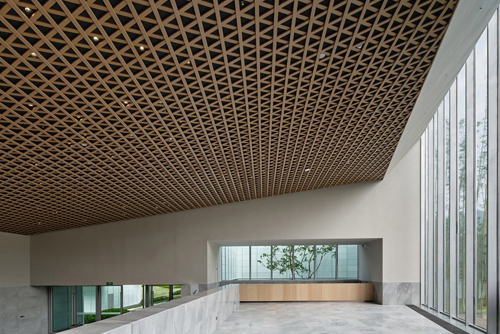
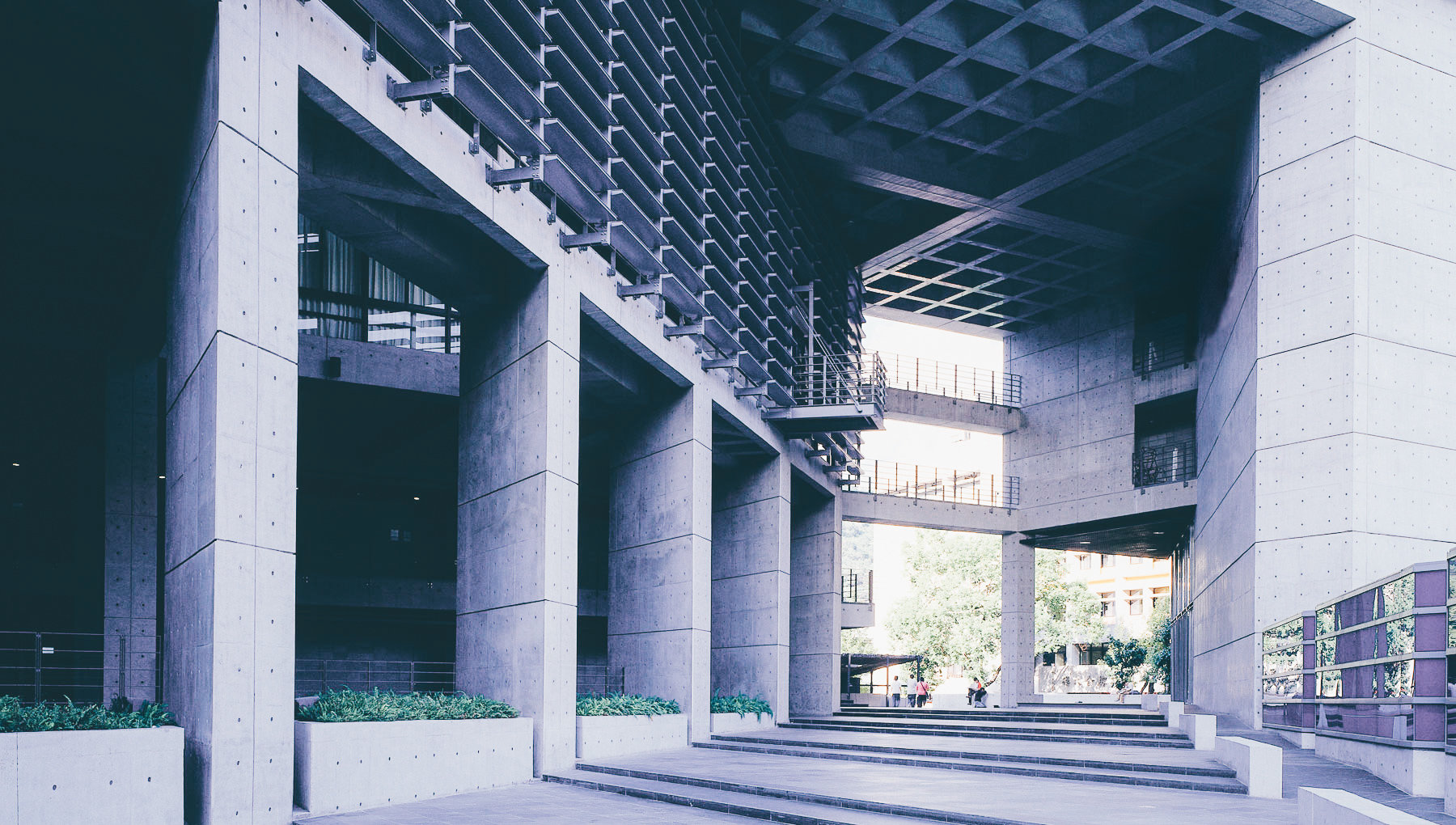
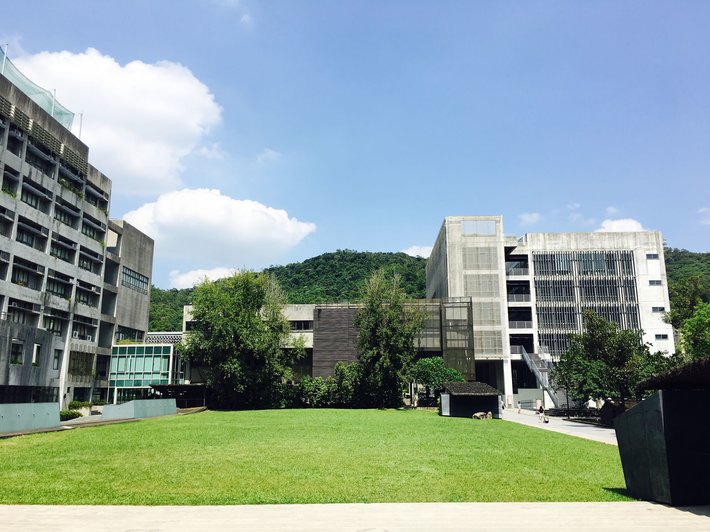
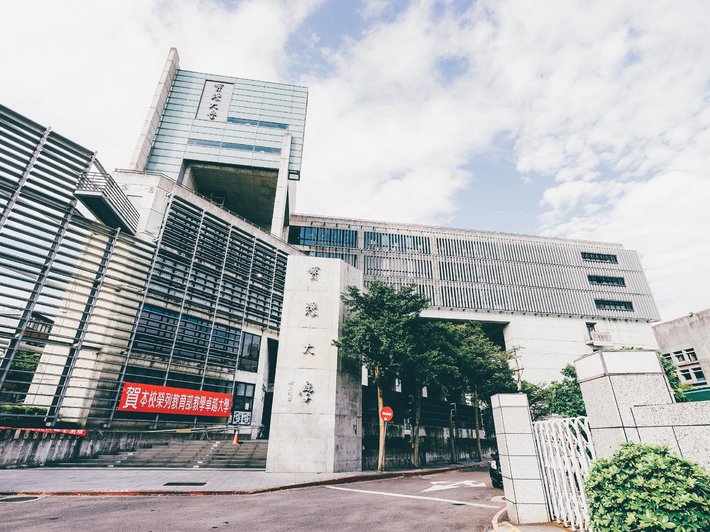
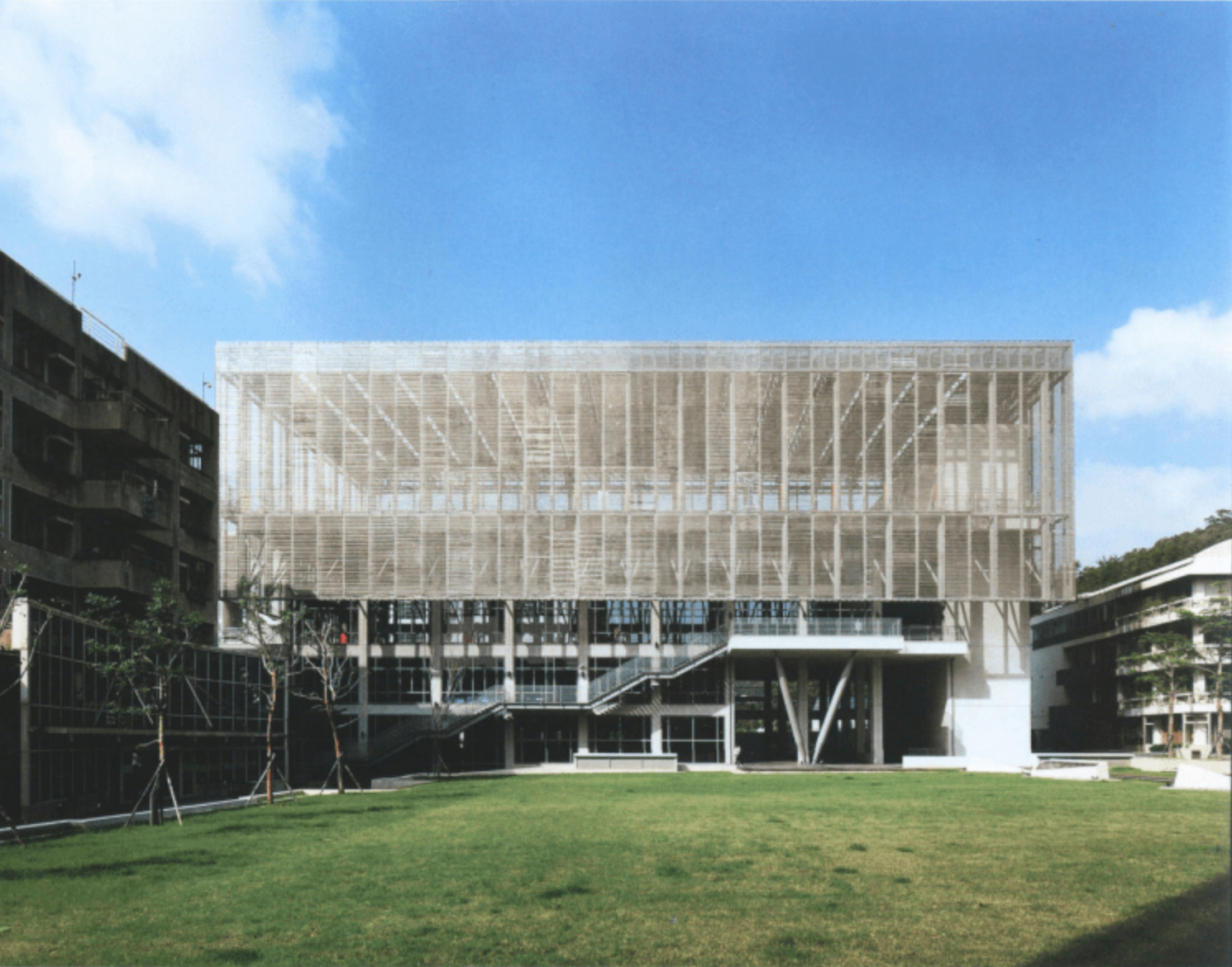
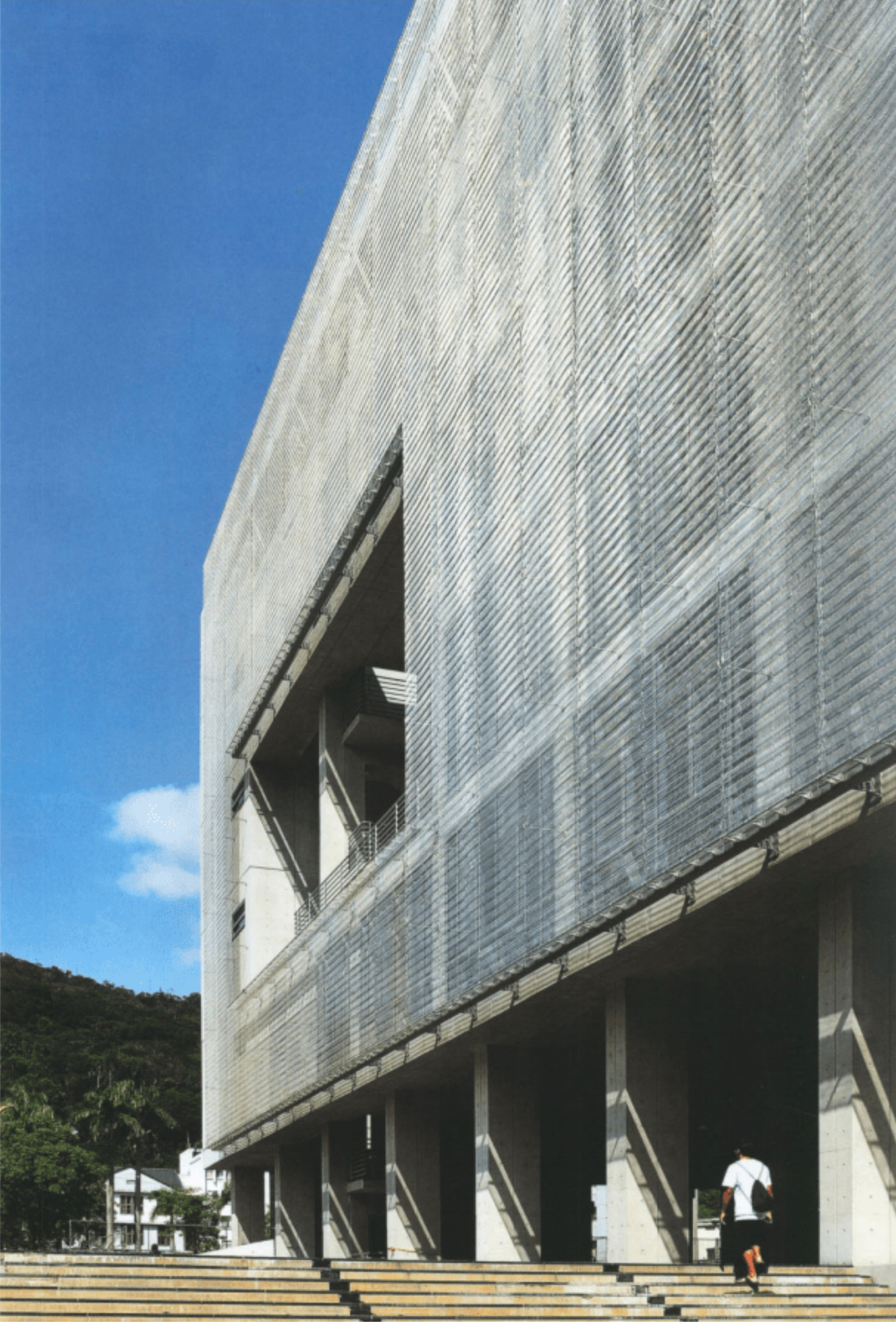
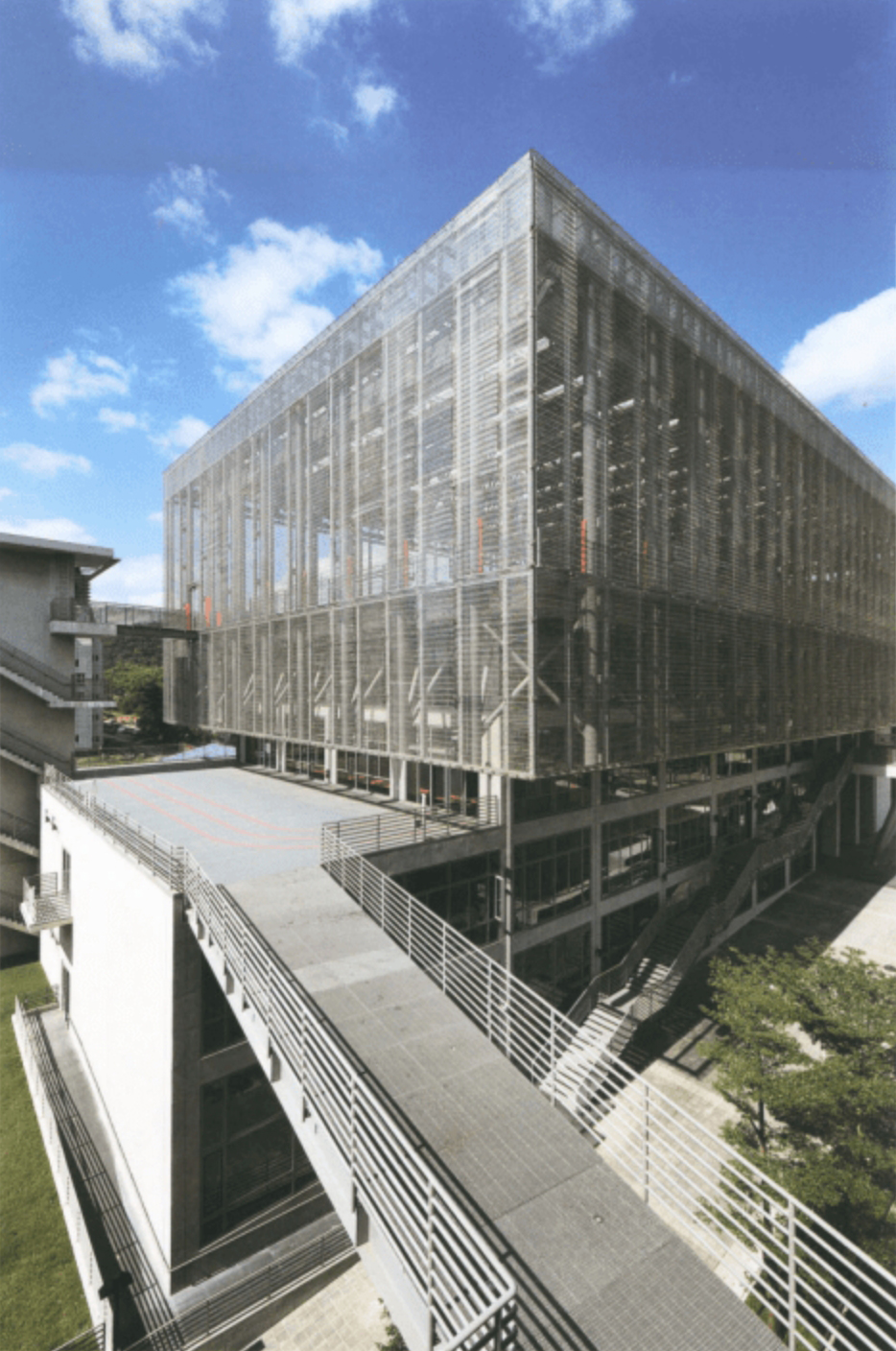
而每个人来到实践大学,都想要到校园来走走。包括设计学院的大楼和图资大楼等,都是由知名建筑师姚仁喜设计,以清水混泥土为材料、斩石子、洗石子、钢骨、玻璃、金属等材质建构。
Everyone wants to walk around the campus when they come to the University of Practice. The buildings of the Design Institute and the Tuzi Building are designed by the famous architect Yao Renxi, and are constructed of clear concrete, stone cutting, stone washing, steel skeleton, glass, metal and other materials.
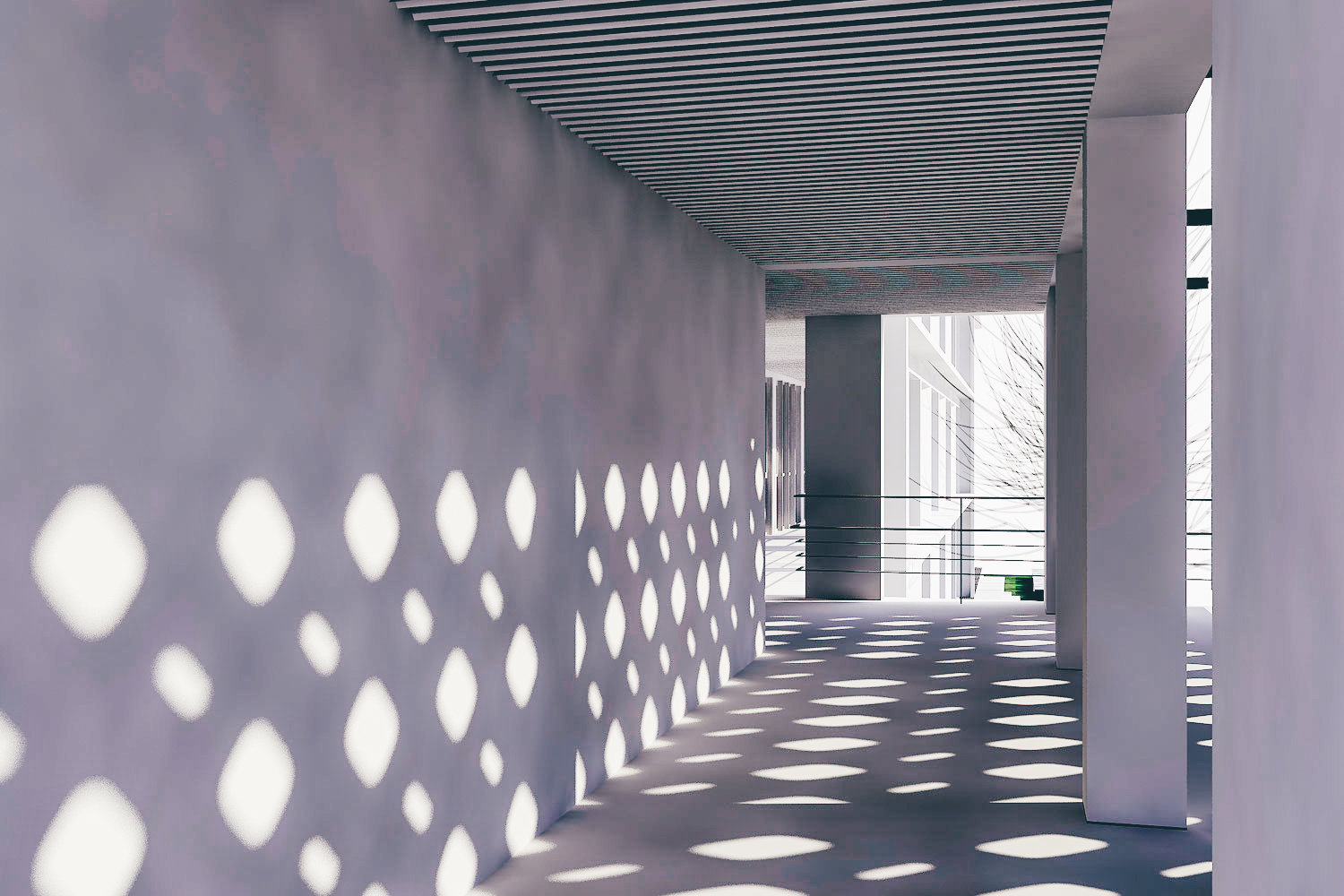
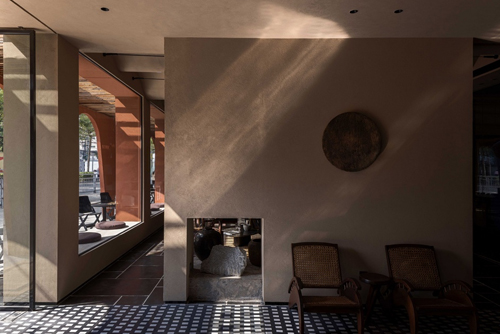
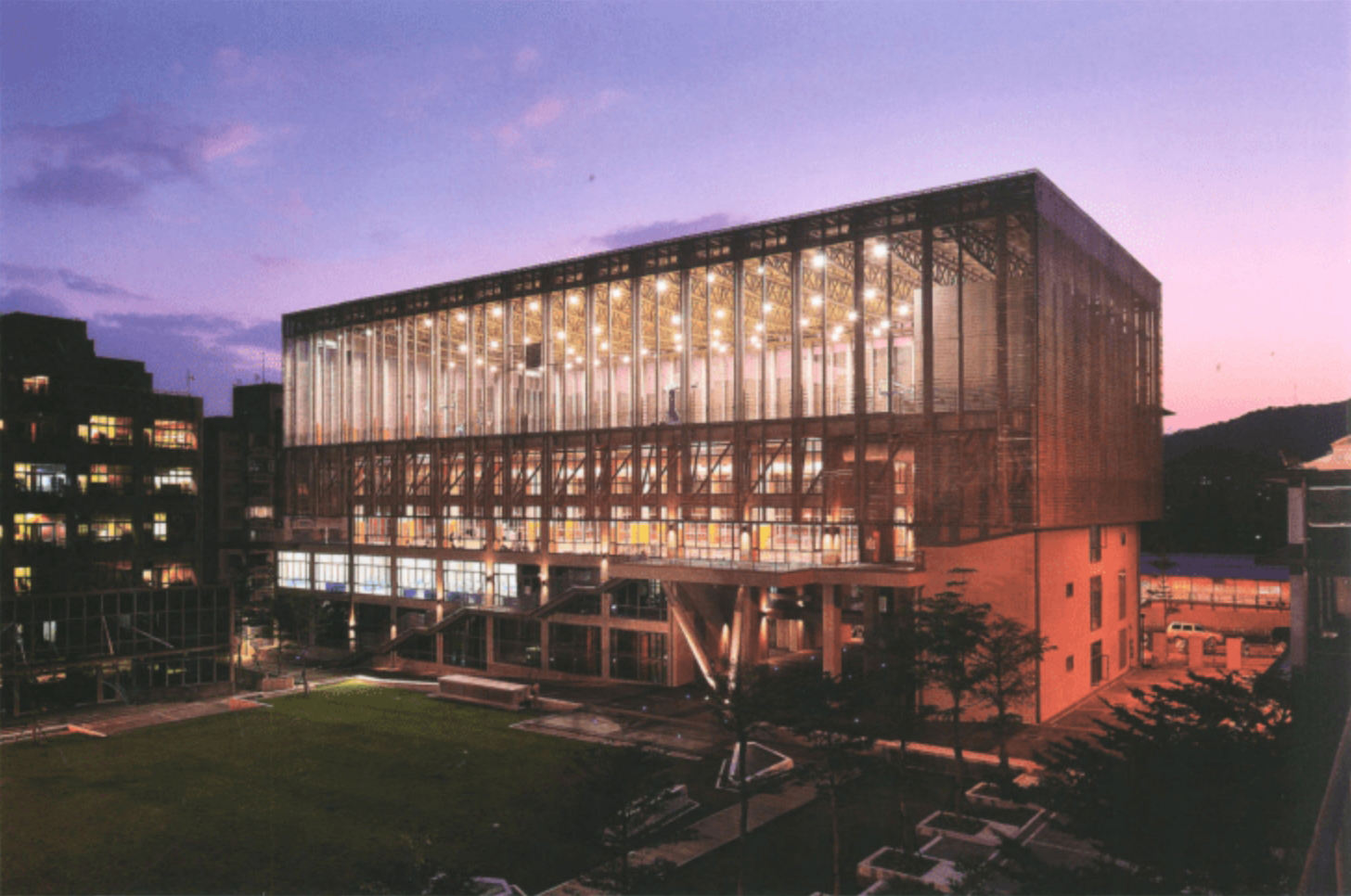
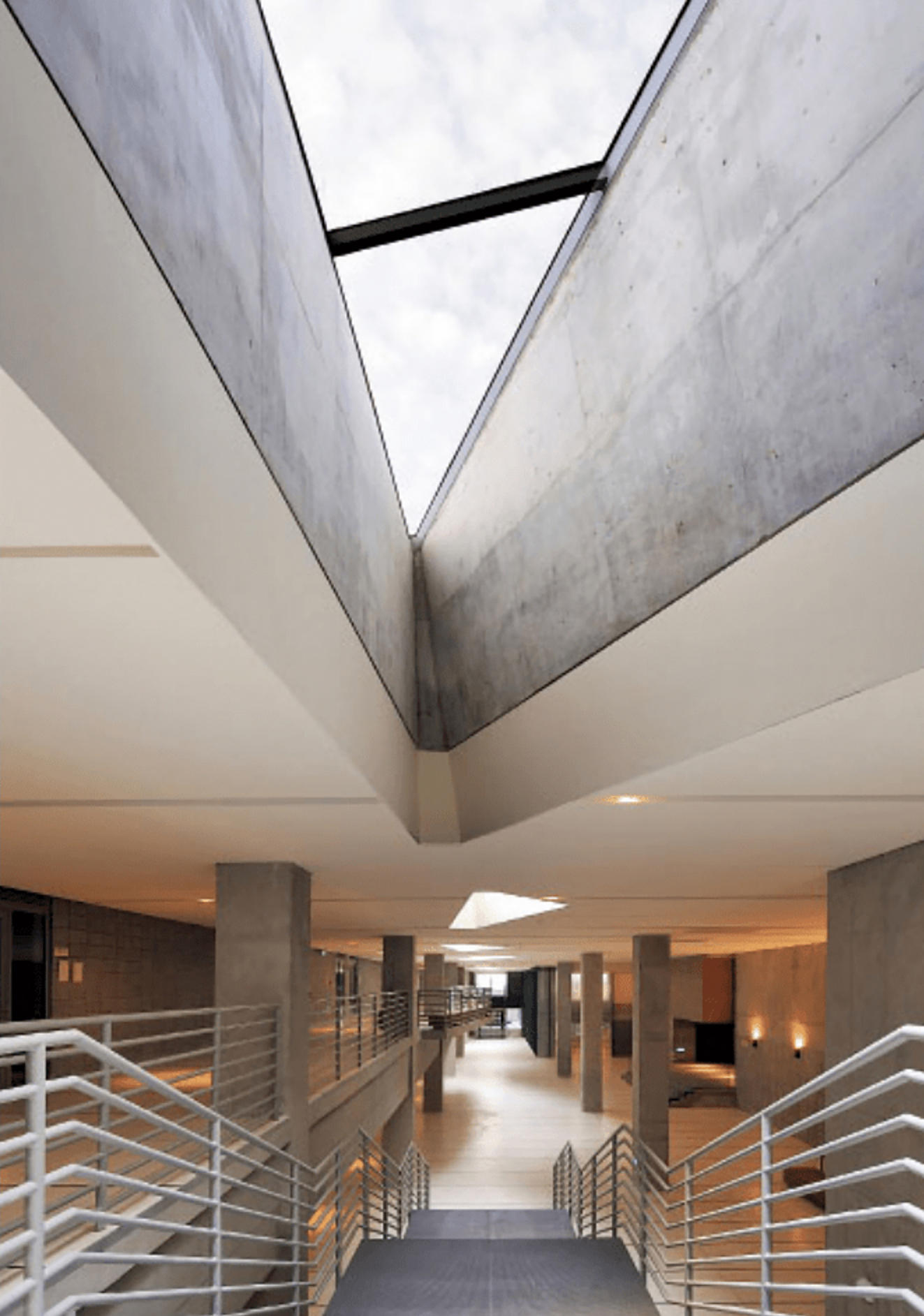
而图资大楼的内部空间,则是由台湾诚品的幕后推手,建筑师陈瑞宪规划设计。
The interior space of Tuzi Building is planned and designed by Chen Ruixian, the architect behind Taiwan Chengpin.

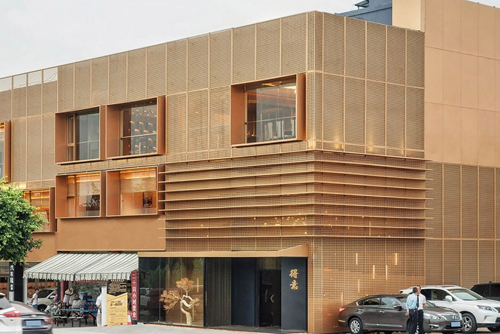
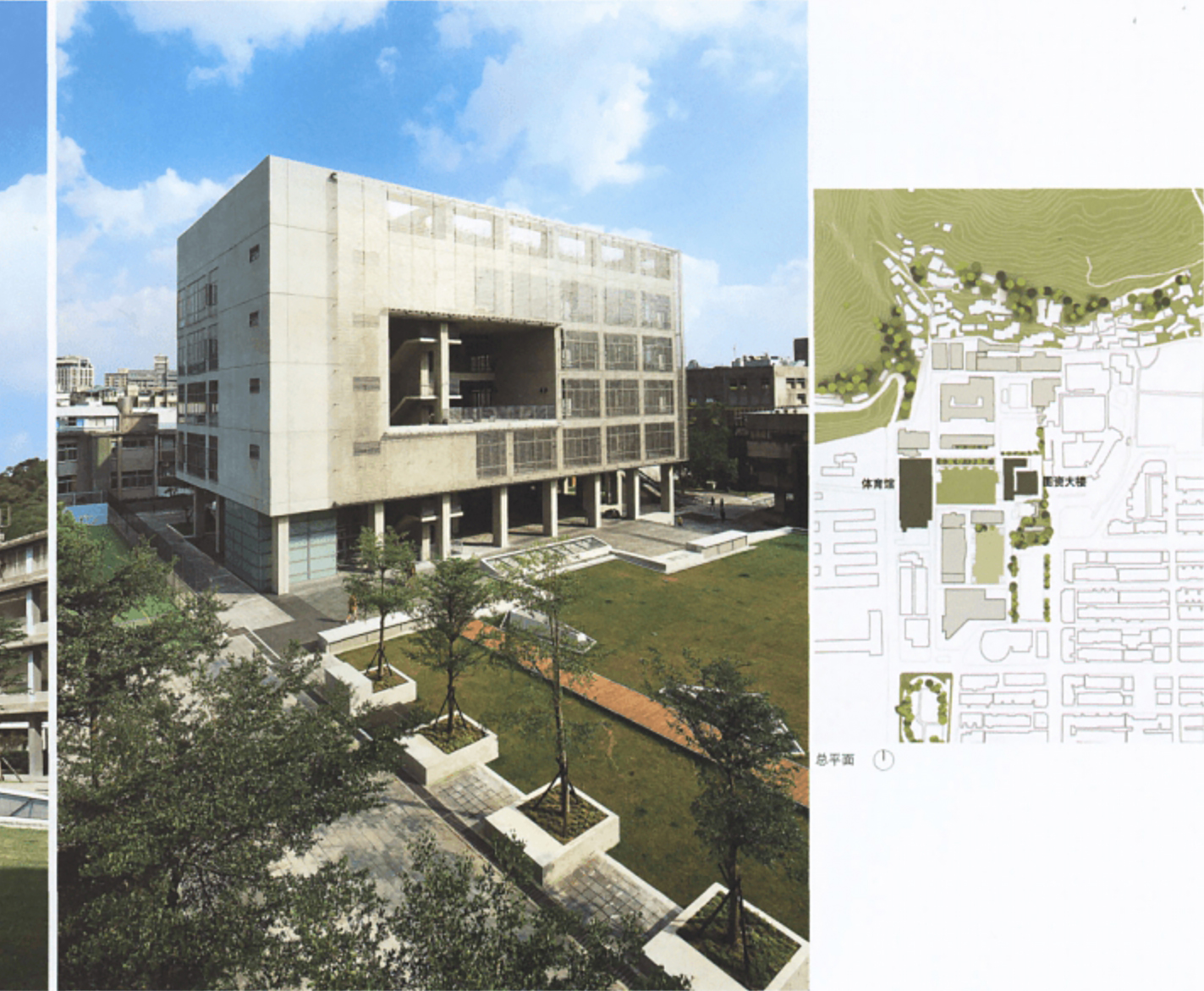
土地的稀有性、法令规范的限制和有限的预算,造成了设计实践大学项目极度限制的挑战,它就是在台湾都市环境下设计建筑物的具体缩影。从都市纹理与景观的层次来看.量体配置考虑未来40m计划道路的开辟.外墙材质也以质朴的清水混凝土及具现代感的不锈钢网格.来维持与周遭环境的共生.又同时凸显其自明性。从校园脉络及环境的层次来看,建筑语汇形塑了新的校园门户意象及核心空间。
The scarcity of land, the limitation of laws and regulations and the limited budget have created the challenge of extreme limitation of the University of Design and Practice project, which is the concrete epitome of building design in the urban environment of Taiwan. From the perspective of urban texture and landscape, the volume configuration takes into account the opening of the planned 40 m road in the future. The exterior walls are also made of plain concrete and modern stainless steel mesh to maintain the symbiosis with the surrounding environment, and at the same time highlight its self illumination. From the perspective of the campus context and environment, the architectural vocabulary forms a new campus portal image and core space.
地点:台湾省台北市
设计时间:2003-2005年
竣工时间:2005-2009年
设计单位:大元联合建筑师事务所
建筑师:姚仁喜 等
业主:实践大学
基地面积:4.2 hm²
楼地板面积:2.68 万m²
结构形式:钢结构、钢筋混凝土结构
Place: Taipei, Taiwan
Design time: 2003-2005
Completion time: 2005-2009
Designer: Dayuan United Architects
Architects: Yao Renxi, etc
Owner: Practice University
Base area: 4.2 hm²
Floor area: 26800 m²
Structural form: steel structure, reinforced concrete structure