多巴胺商业街区,合肥 / 丛青空间设计
在钢筋森林与霓虹交织的城市中,我们总在寻找一方既能安抚心灵、又能触碰烟火的栖息地。罍街四期・罍囍地,以陶渊明笔下的 “桃花源” 为灵感原点,将自然诗意与现代商业巧妙融合,打造出一个 “可呼吸的都市乌托邦”。该项目从建筑外侧改造以及下沉庭院景观设计和室内空间设计以及美陈设计都由丛青设计团队独立完成。
In a city where concrete forests intertwine with neon lights, we are always searching for a place that can soothe the soul and let us experience the vibrancy of everyday life. Leijie Phase IV – Leixidi, inspired by Tao Yuanming’s “Peach Blossom Spring,” ingeniously blends natural poetry with modern commerce to create a “breathable urban utopia.” The Congqing Design team independently completed the exterior architectural renovation, sunken courtyard landscape design, interior space design, and artistic decoration for this project.
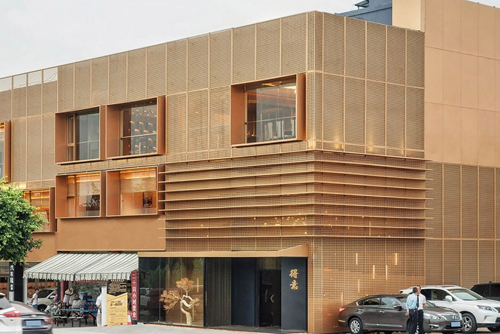
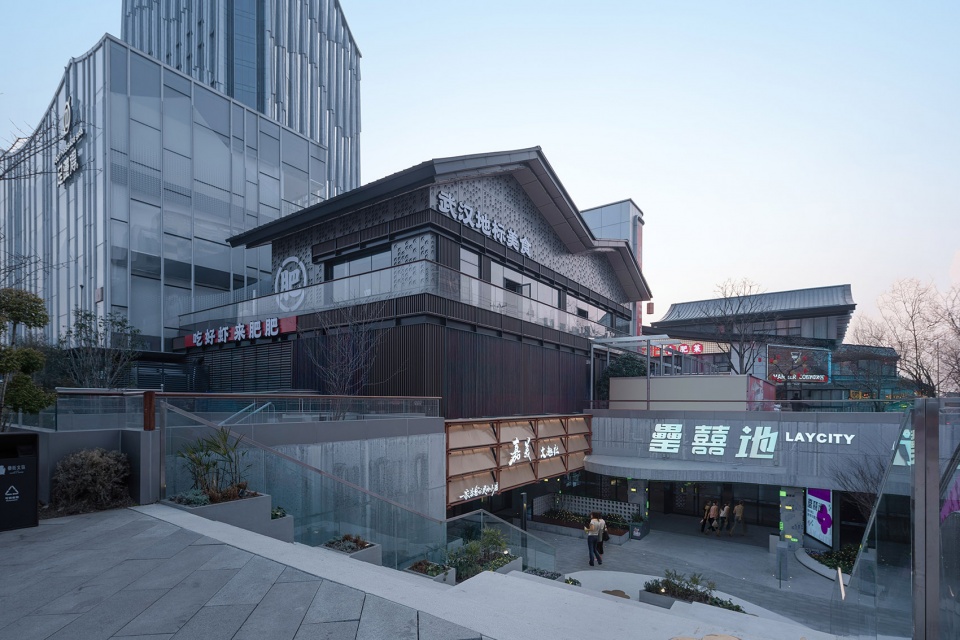
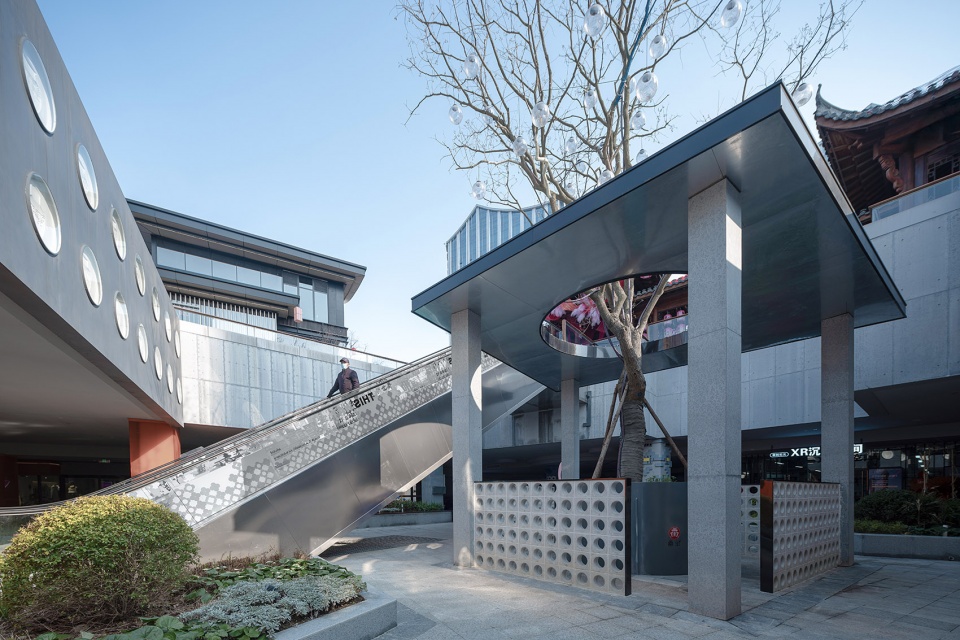
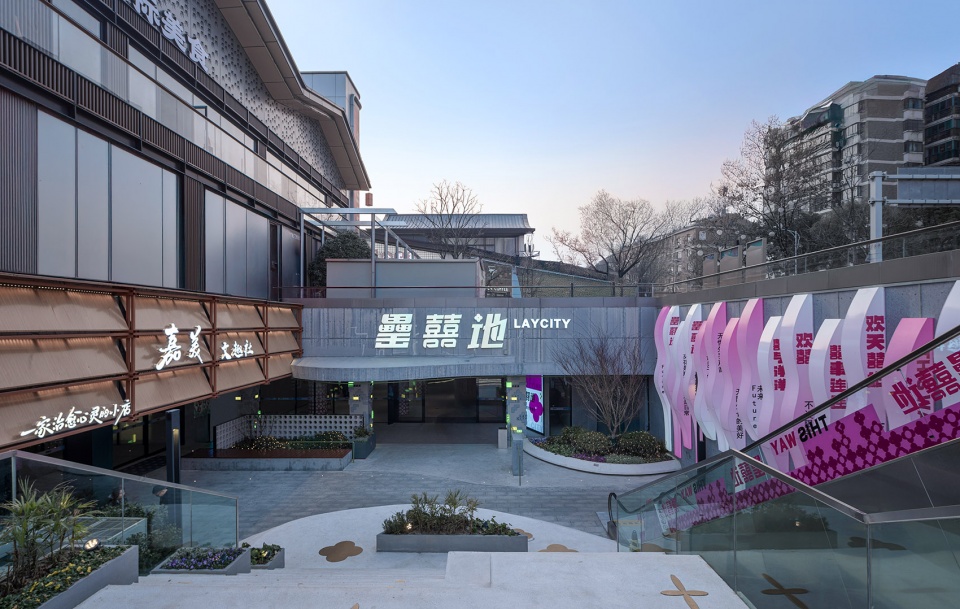
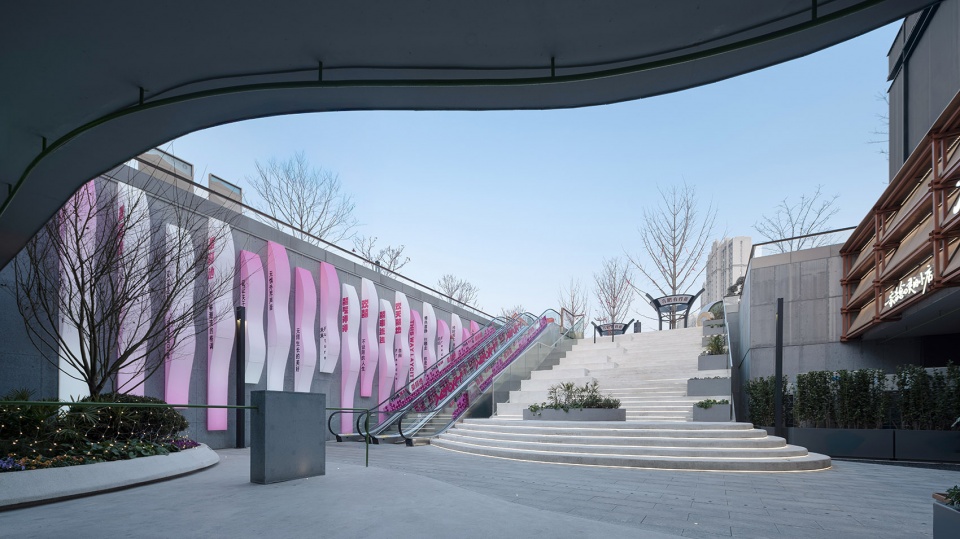
▼罍街四期概览,overview of the Leijie Phase IV
建筑如诗:飞檐叠嶂间的东方哲思Architecture as Poetry: Eastern Philosophy Amidst Soaring Eaves and Layered Ridges
当陶渊明笔下的渔人拨开桃林,发现”芳草鲜美,落英缤纷”的世外秘境时,他或许未曾想到,千年后的都市人会在钢筋森林里重构属于自己的精神乌托邦。罍街四期以”下沉的花园”为叙事蓝本,用建筑的飞檐写就一首立体的山水诗——那些层叠起伏的屋檐如群峦般延展,又似无数个”人”字在天地间执笔,将市井烟火与诗意栖居编织成当代都市的《桃花源记》。
When the fisherman in Tao Yuanming’s writings parted the peach forest to discover a secluded paradise of “lush grass and fallen blossoms,” he may never have imagined that, millennia later, urban dwellers would reconstruct their own spiritual utopia within the concrete jungle. Drawing on the narrative blueprint of a “sunken garden,” Leijie Phase IV composes a three-dimensional landscape poem with its architectural eaves—layered and undulating like mountain ranges, and resembling countless “ren” (human) characters penned between heaven and earth—interweaving urban vibrancy with poetic living to create a contemporary “Peach Blossom Spring” for the city.
▼罍街四期概览,overview of the Leijie Phase IV
Chapter 1 自然为幕Nature as a Curtain
穿过都市喧嚣,步入下沉式花园,仿佛踏入陶渊明笔下的 “豁然开朗” 之境。
Passing through the clamor of the city and stepping into the sunken garden, one feels as if entering the world of sudden clarity described by Tao Yuanming.
▼下沉式花园,the sunken garden
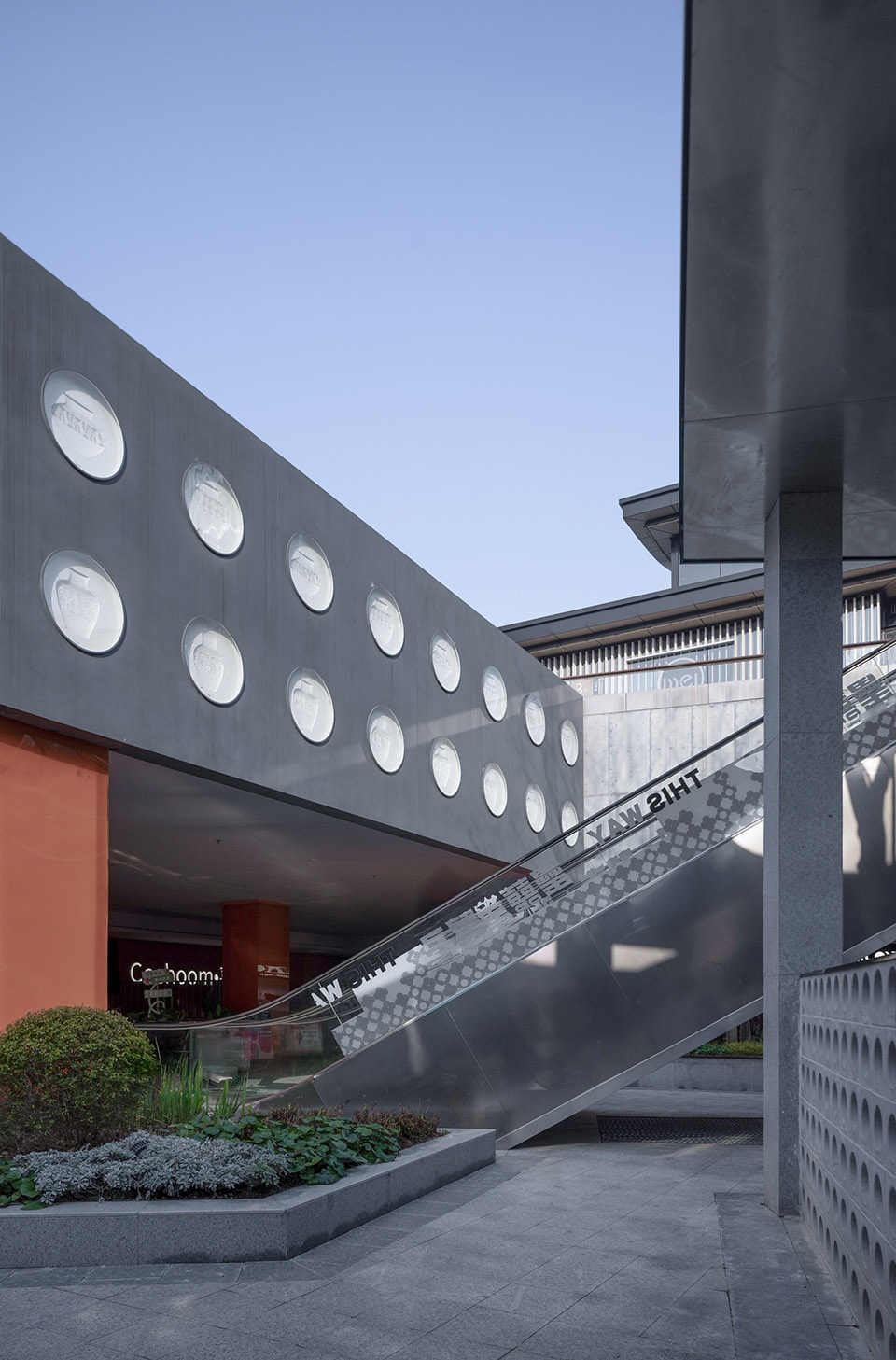
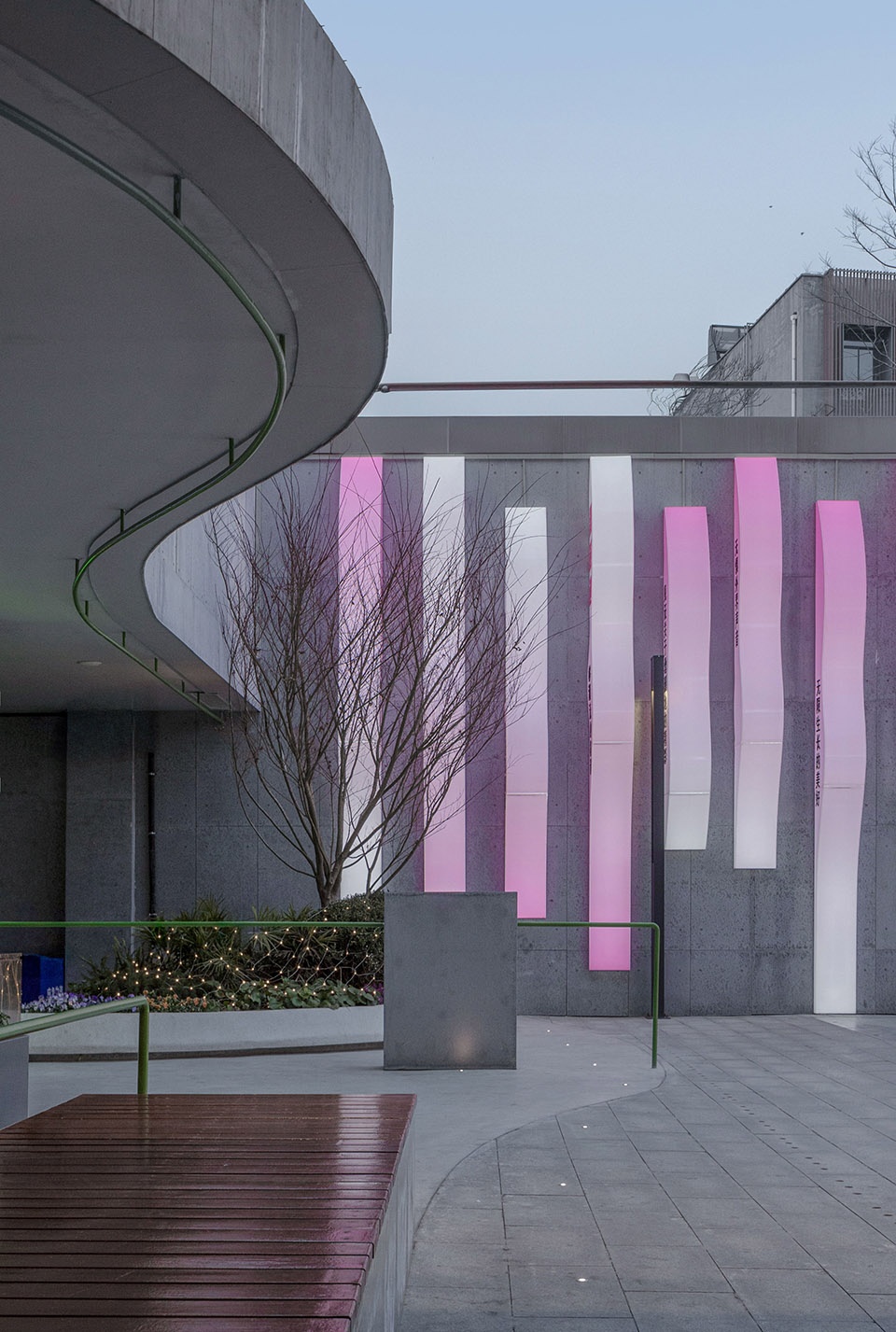
▼下沉式花园景观,the sunken garden landscape
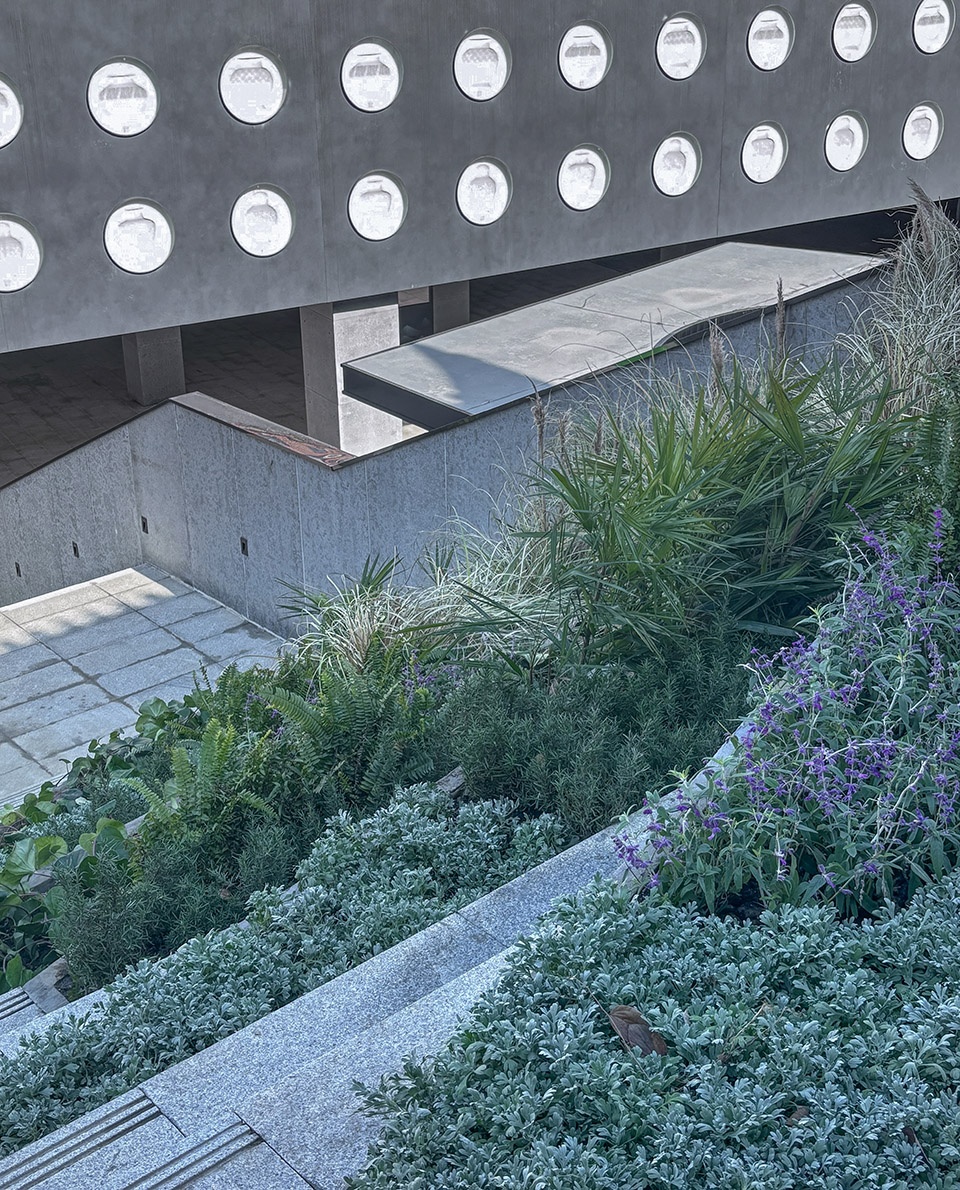
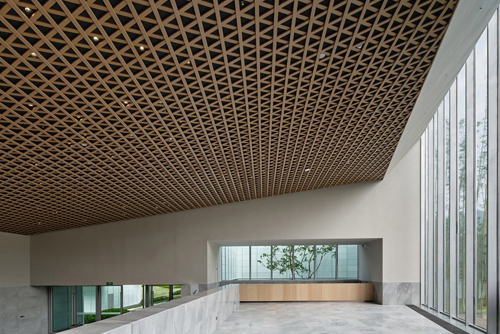
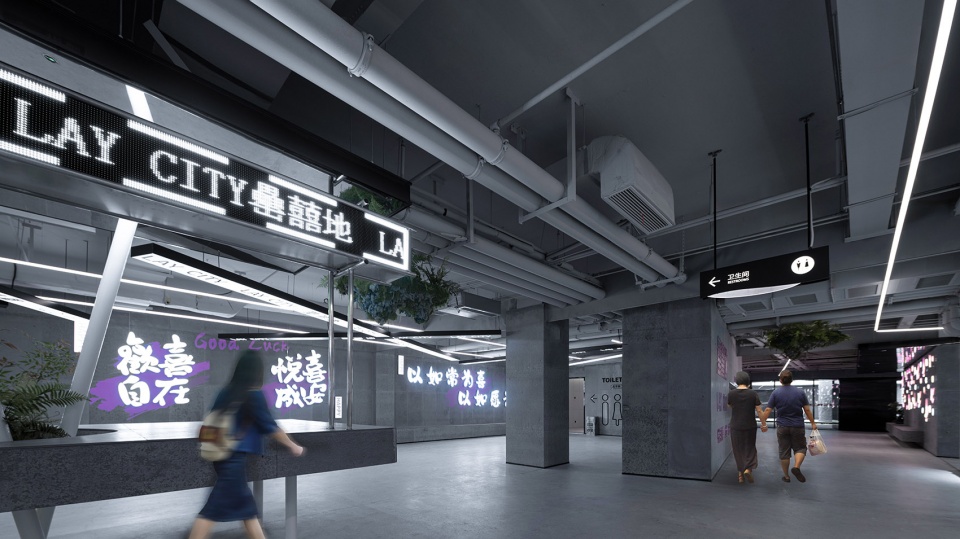
阳光穿透穹顶,在青石台阶上铺陈光斑的密码;和煦微风裹挟着绿植清芬,在回廊间谱写出无声的韵律。这里摒弃了传统商区的喧嚣霓虹,以原生石材、原木格栅与垂直绿植构建出”会呼吸的空间”。下沉式庭院将日光引入地下,苔藓墙在阴影处生长出时间的肌理,水景装置倒映着流动的天空——设计师以”自然的语法”重构空间,让每个转角都成为梭罗《瓦尔登湖》式的沉思角落。
Sunlight penetrates the domed roof, scattering a secret code of dappled light across the bluestone steps; gentle breezes carry the fresh scent of greenery, composing a silent rhythm along the corridors. Here, the cacophony and neon lights of traditional commercial districts are left behind. Instead, native stone, natural wood grilles, and vertical greenery form a “breathable space.” The sunken courtyard draws daylight underground, where moss-covered walls reveal the texture of time in the shadows, and water features mirror the ever-changing sky above. The designer uses the “grammar of nature” to reshape the space, making every corner a contemplative retreat reminiscent of Thoreau’s Walden.
▼以”自然的语法”重构空间,uses the “grammar of nature” to reshape the space
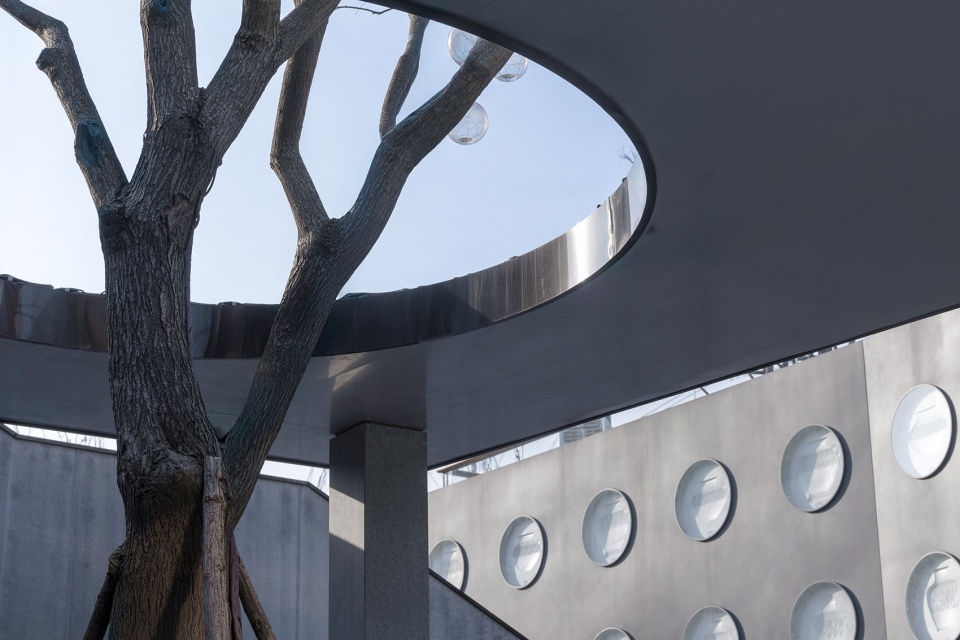
▼下沉式庭院将日光引入地下,the sunken courtyard draws daylight underground
Chapter 2 商业与情怀共生Business and emotions coexist harmoniously
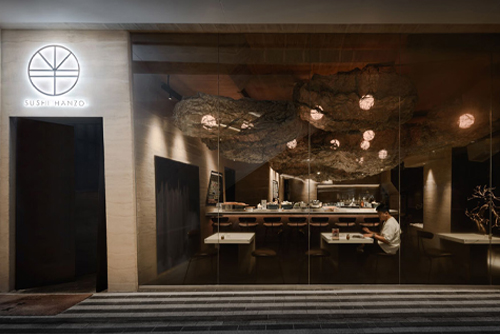
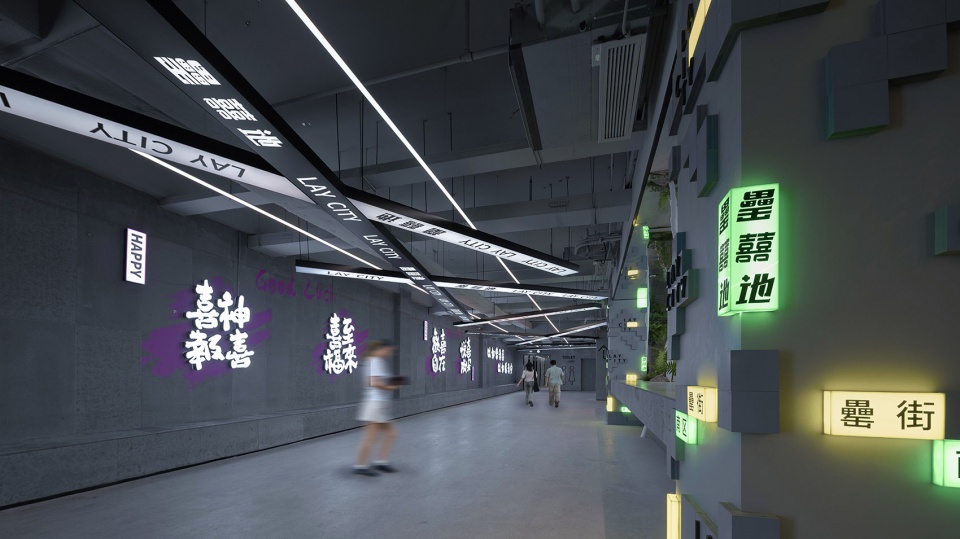
罍街四期拒绝千篇一律的商业模板,而是将 “有趣” 与 “文艺” 注入每个角落。独立设计师品牌、小众咖啡馆、手作工坊与艺术展览空间交织,形成 “逛展式购物” 的独特体验。在这里,你可能转角遇见装置艺术展,在门店的落地窗前品读《瓦尔登湖》,或在街角咖啡馆听一场即兴爵士乐。商业不再是冰冷的交易,而是一场关于生活美学的对话。
Leijie Phase IV rejects monotonous commercial templates, instead infusing every corner with “interest” and “artistic flair.” Independent designer brands, niche cafés, artisan workshops, and art exhibition spaces are interwoven, creating a unique “exhibition-style shopping” experience. Here, you might stumble upon an installation art show around the corner, read *Walden* by the floor-to-ceiling windows of a shop, or listen to an impromptu jazz performance in a corner café. Commerce is no longer a cold transaction, but rather a dialogue about the aesthetics of life.
▼商业空间与艺术展览空间交织,commercial space and art exhibition spaces are interwoven
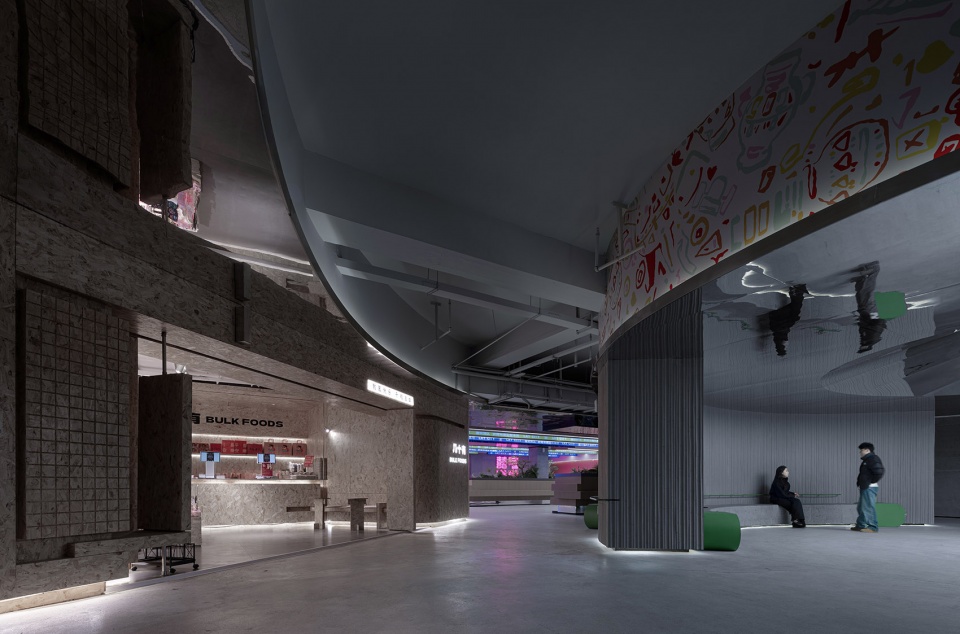
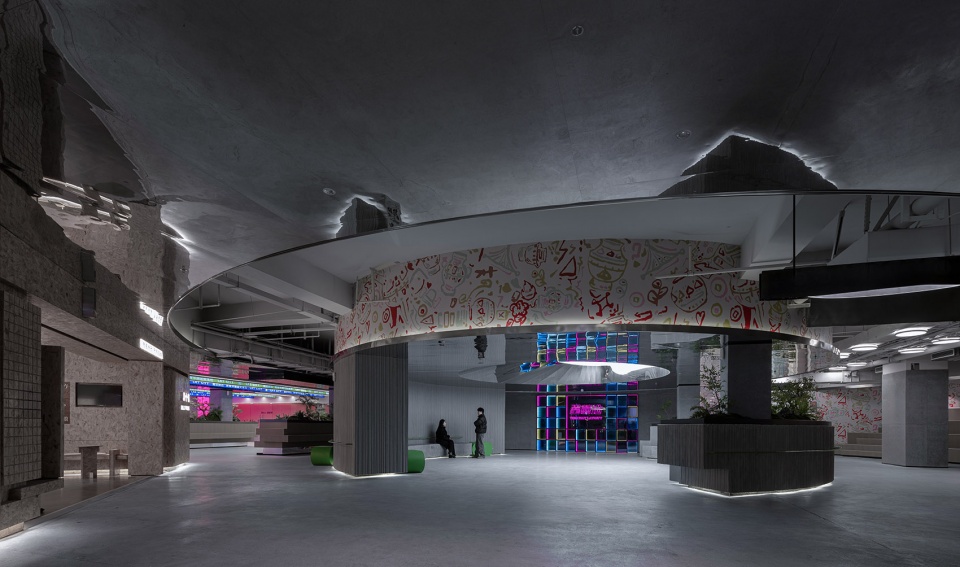
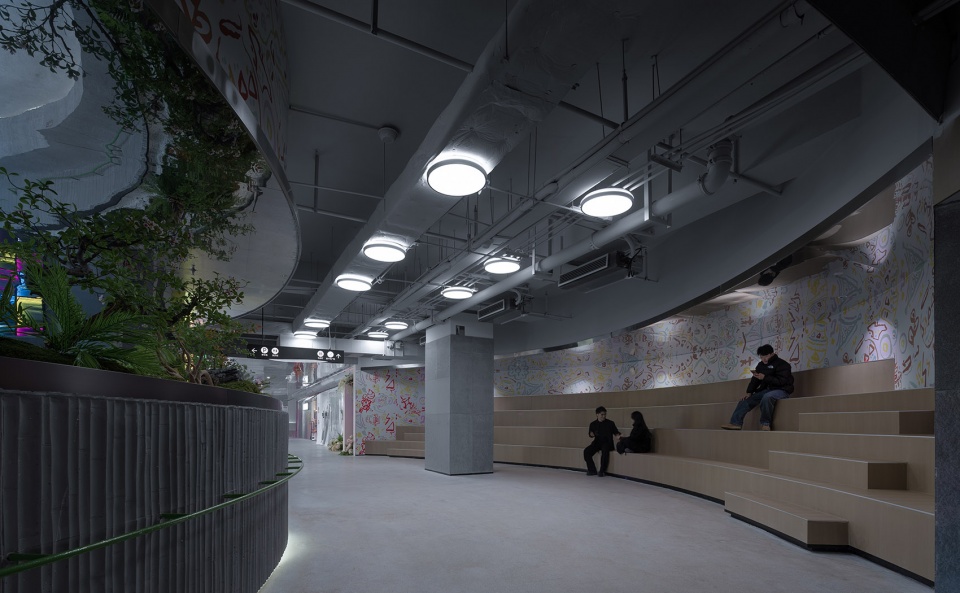
▼形成 “逛展式购物” 的独特体验,creating a unique “exhibition-style shopping” experience
Chapter 3
链接东西的诗意长廊:从桃花源到瓦尔登湖
Poetic Corridor Linking Things: From Peach Blossom Spring to Walden Lake
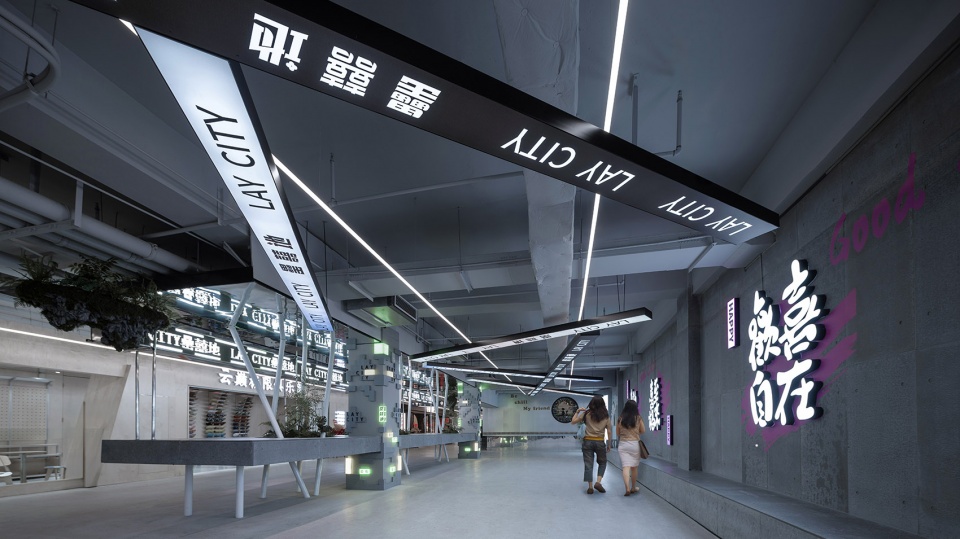
设计师以 “东西合璧” 为线索,将东方的隐逸情怀与西方的自然哲学串联。从桃花源到瓦尔登湖的体验过程让人们沉浸在自然丰富的场景氛围种,塑造一种抽象的自然元素和情景转化。
The designer uses “the fusion of East and West” as a guiding thread, connecting Eastern reclusive sentiment with Western natural philosophy. The journey from Peach Blossom Spring to Walden Pond immerses people in a richly natural ambiance, shaping an abstract transformation of natural elements and scenarios.
▼塑造一种抽象的自然元素和情景转化,shaping an abstract transformation of natural elements and scenario
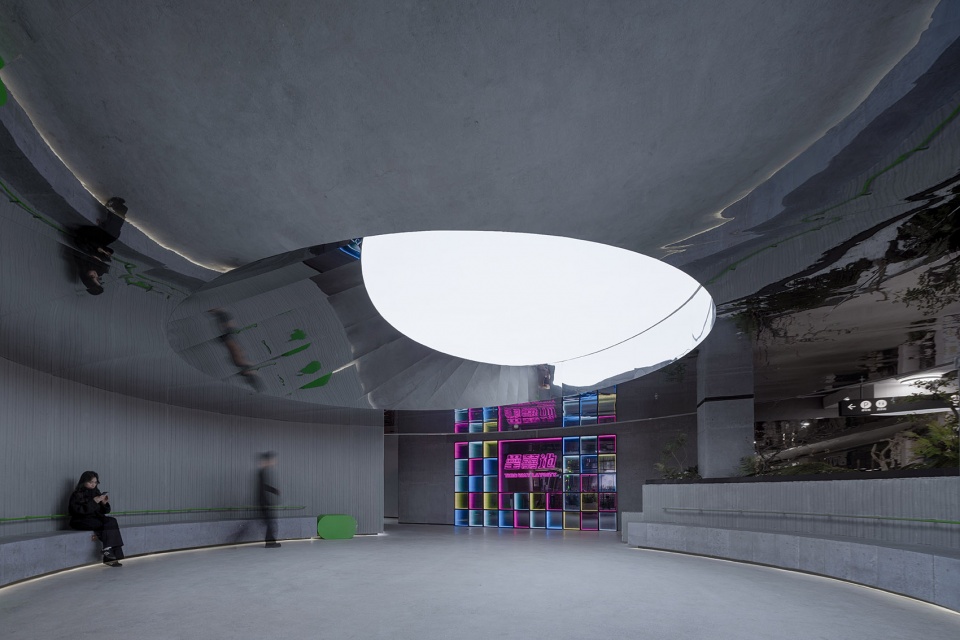
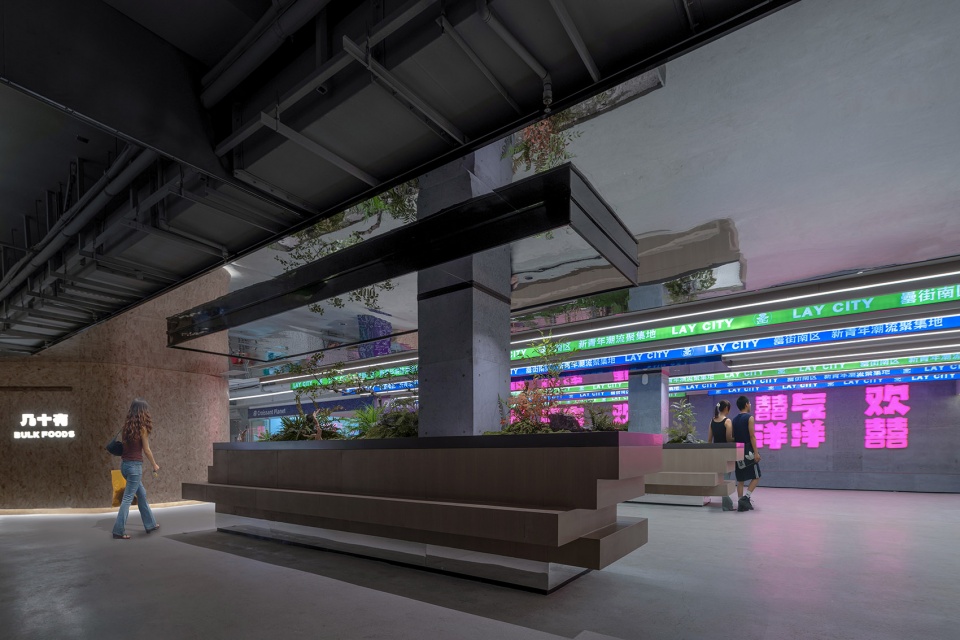
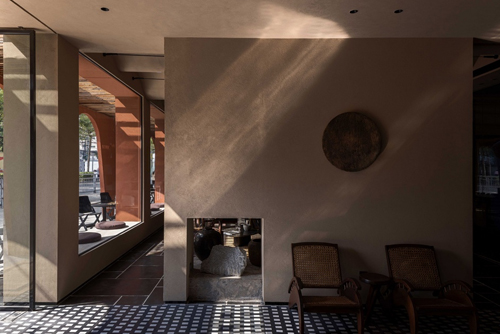
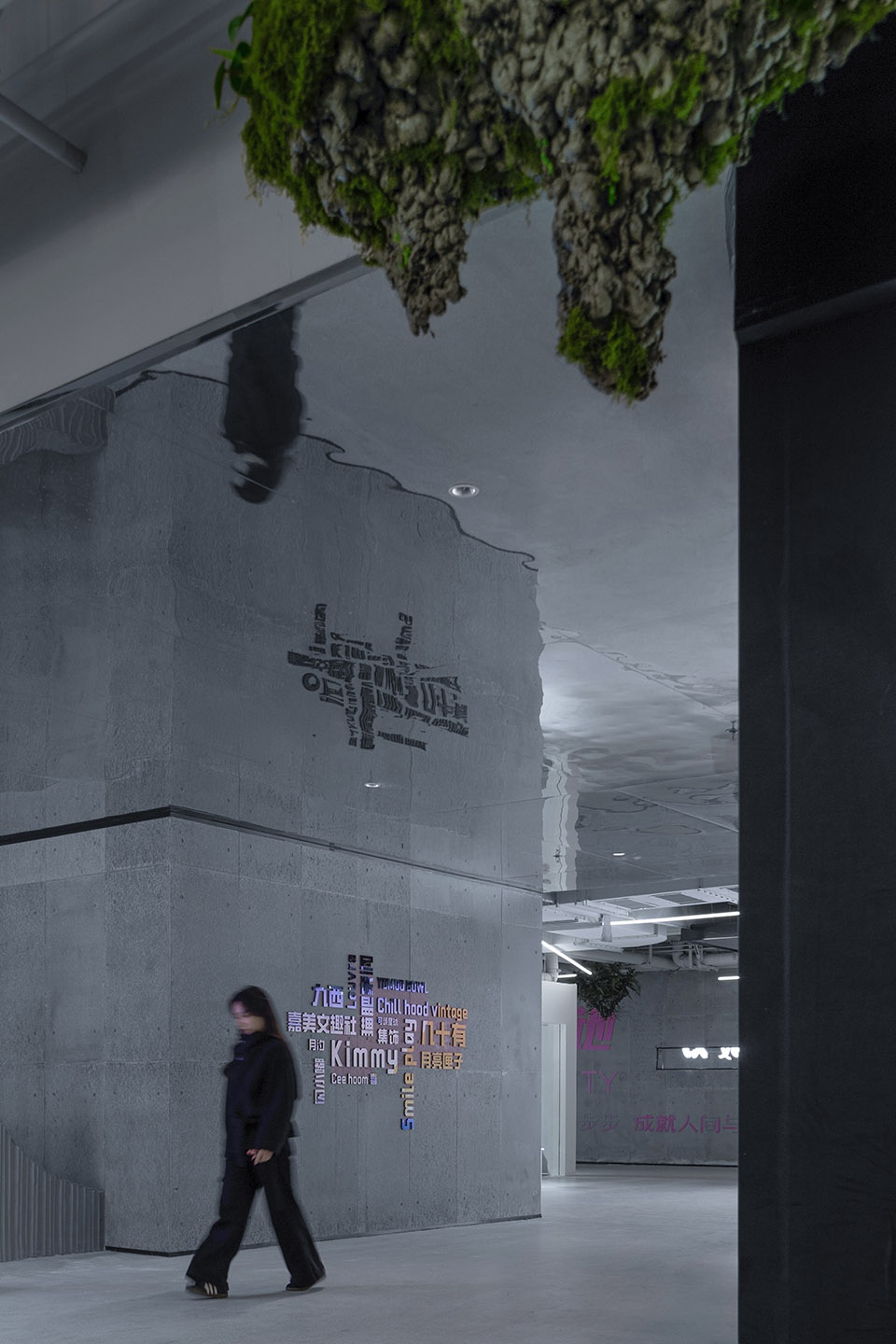
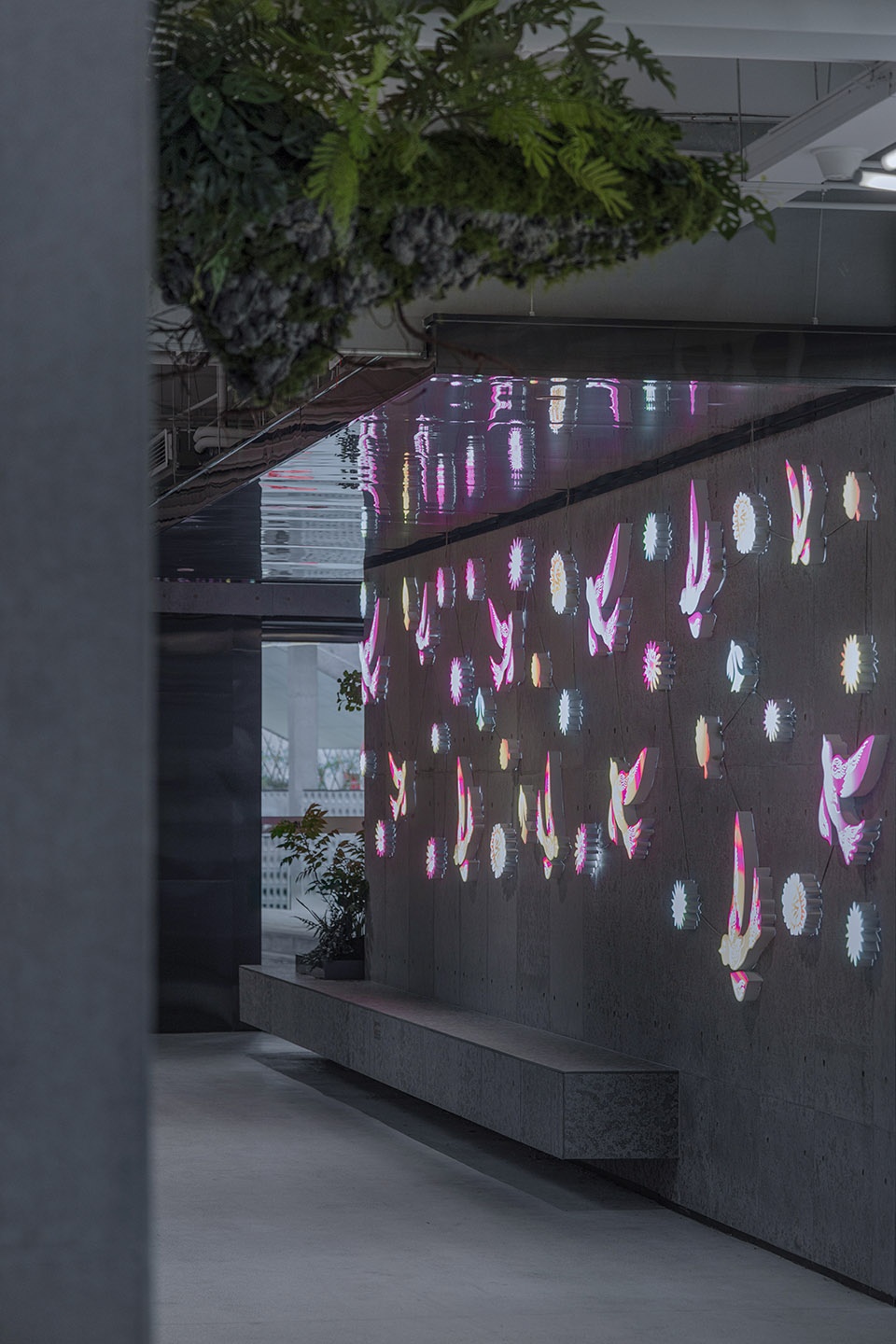
入口处的小径通向 “桃花源” 主题景观,而另一端倒映着都市天际线,暗喻 “大隐隐于市” 的当代生活方式。沿着长廊漫步,你会看到陶渊明的诗句与梭罗的箴言隔空对话,传统与现代艺术装置相映成趣,仿佛一场跨越时空的精神漫游。
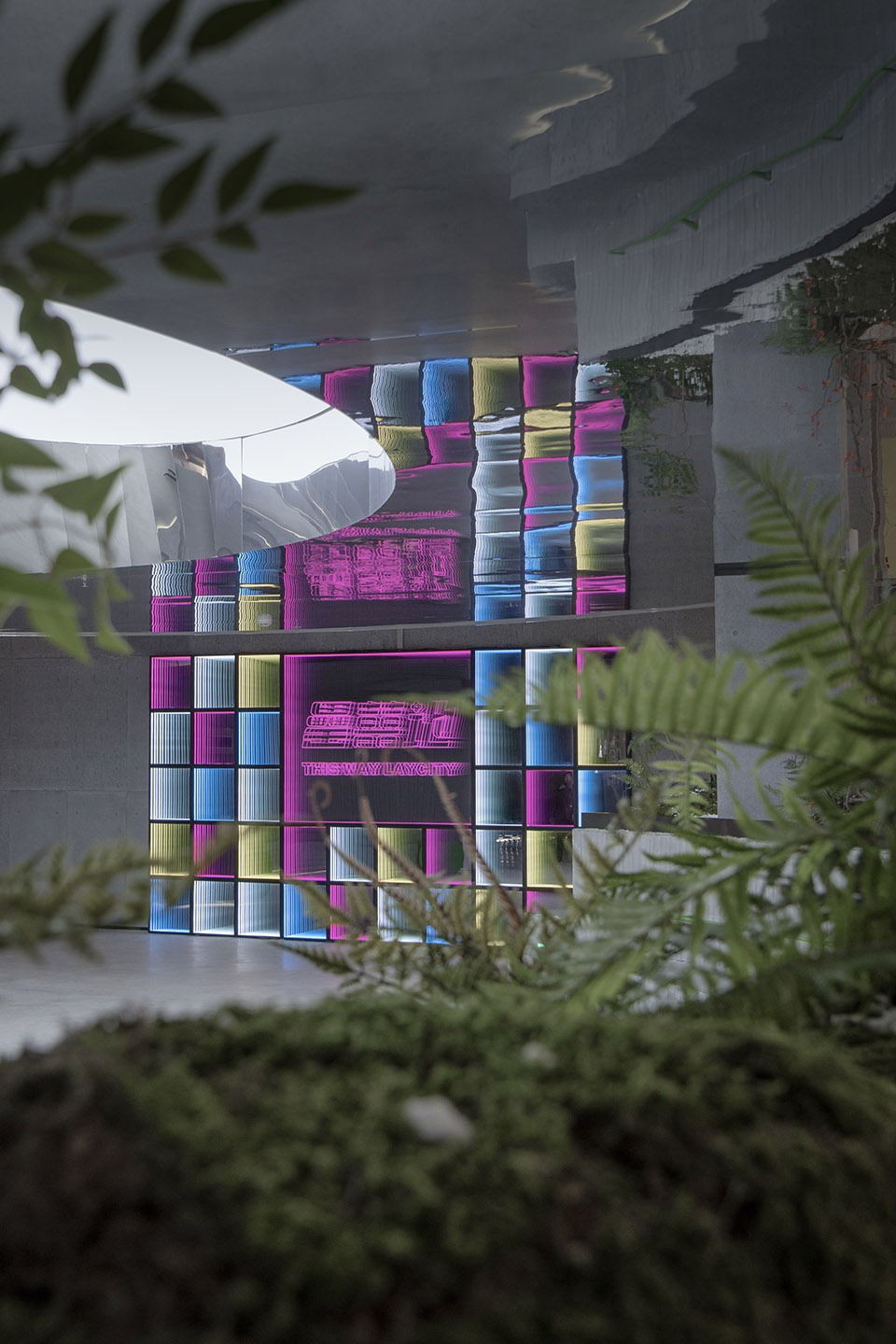
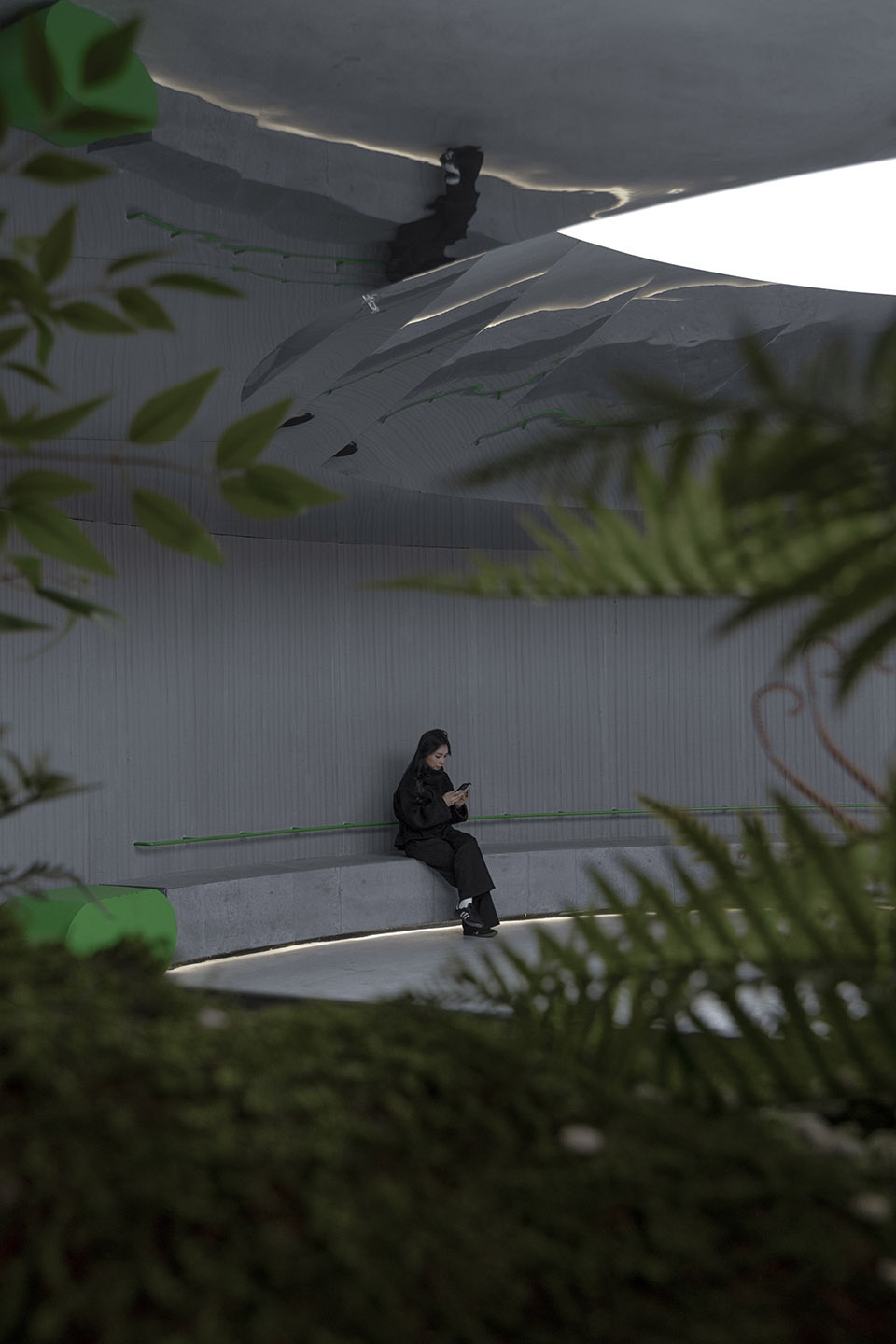
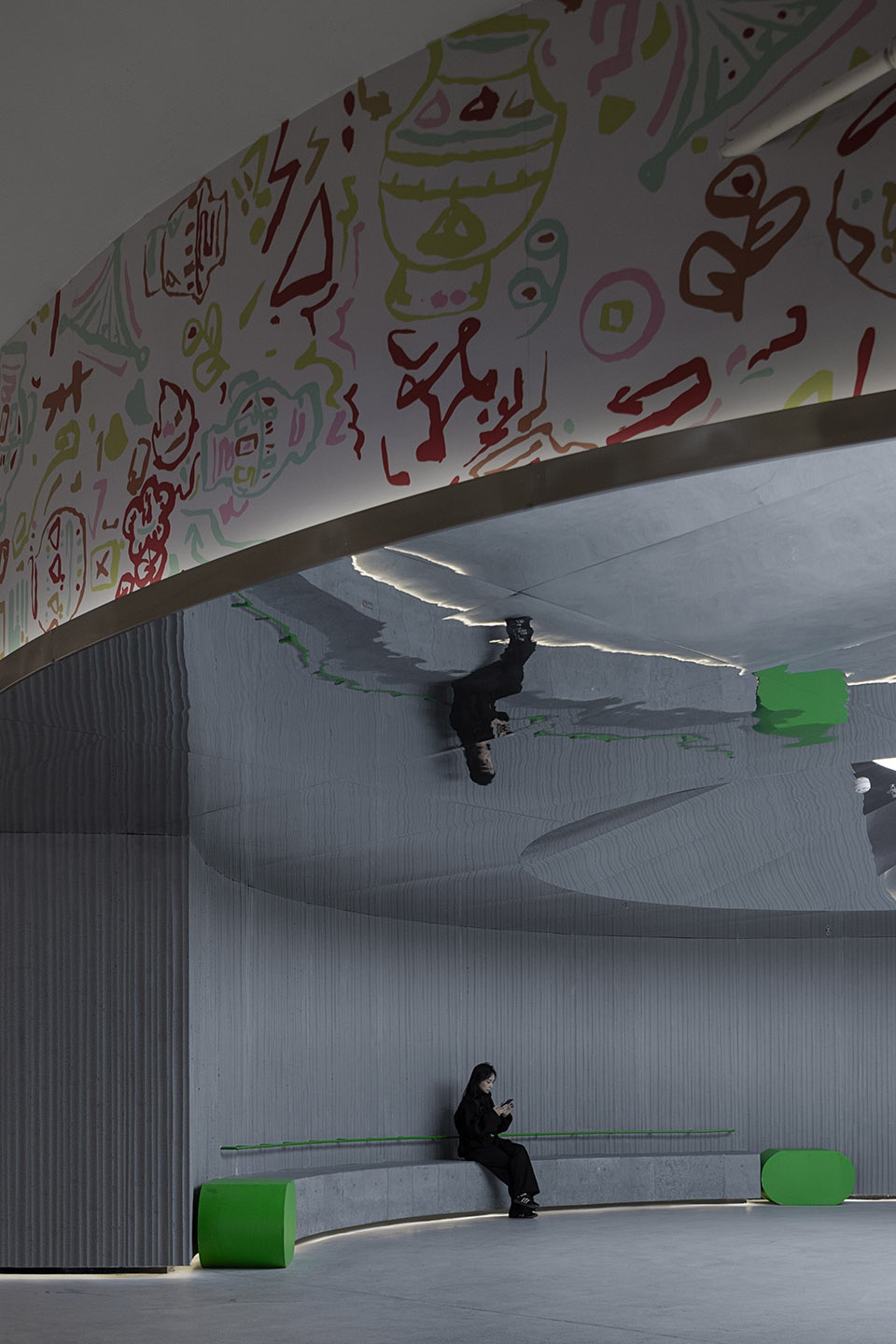
The path at the entrance leads to a “Peach Blossom Spring”-themed landscape, while the other end reflects the city skyline, symbolizing the contemporary lifestyle of “great reclusion within the city.” As you stroll along the corridor, you will see verses by Tao Yuanming in conversation across time and space with Thoreau’s maxims, and traditional and modern art installations complementing each other, creating a spiritual journey that transcends time.
▼镜面天花的反射,the reflection from the mirror ceiling
Chapter 4人聚为景People gather as scenery
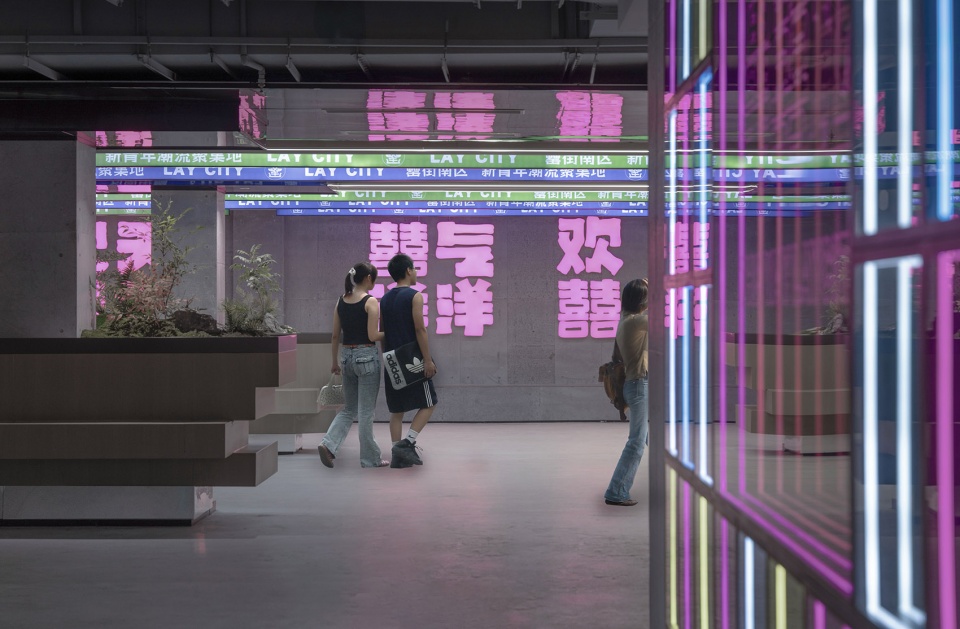
街区的本质是 “人的聚合”。罍街四期通过开放式空间设计,鼓励陌生人在此相遇、停留、互动。周末的市集、不定期的艺术沙龙,让这里成为年轻人表达自我、寻找同好的舞台。当个体在此交汇,便构成了都市中最温暖的人文风景。
▼人的聚合,the gathering of people
The essence of a neighborhood lies in the gathering of people. Through open-space design, Leijie Phase IV encourages strangers to meet, linger, and interact. Weekend markets and occasional art salons make this a stage for young people to express themselves and find like-minded friends. When individuals meet here, they together form the city’s warmest humanistic landscape.
▼鼓励陌生人在此相遇、停留、互动,encourages strangers to meet, linger, and interact
▼构成了都市中温暖的人文风景,form the city’s warmest humanistic landscape
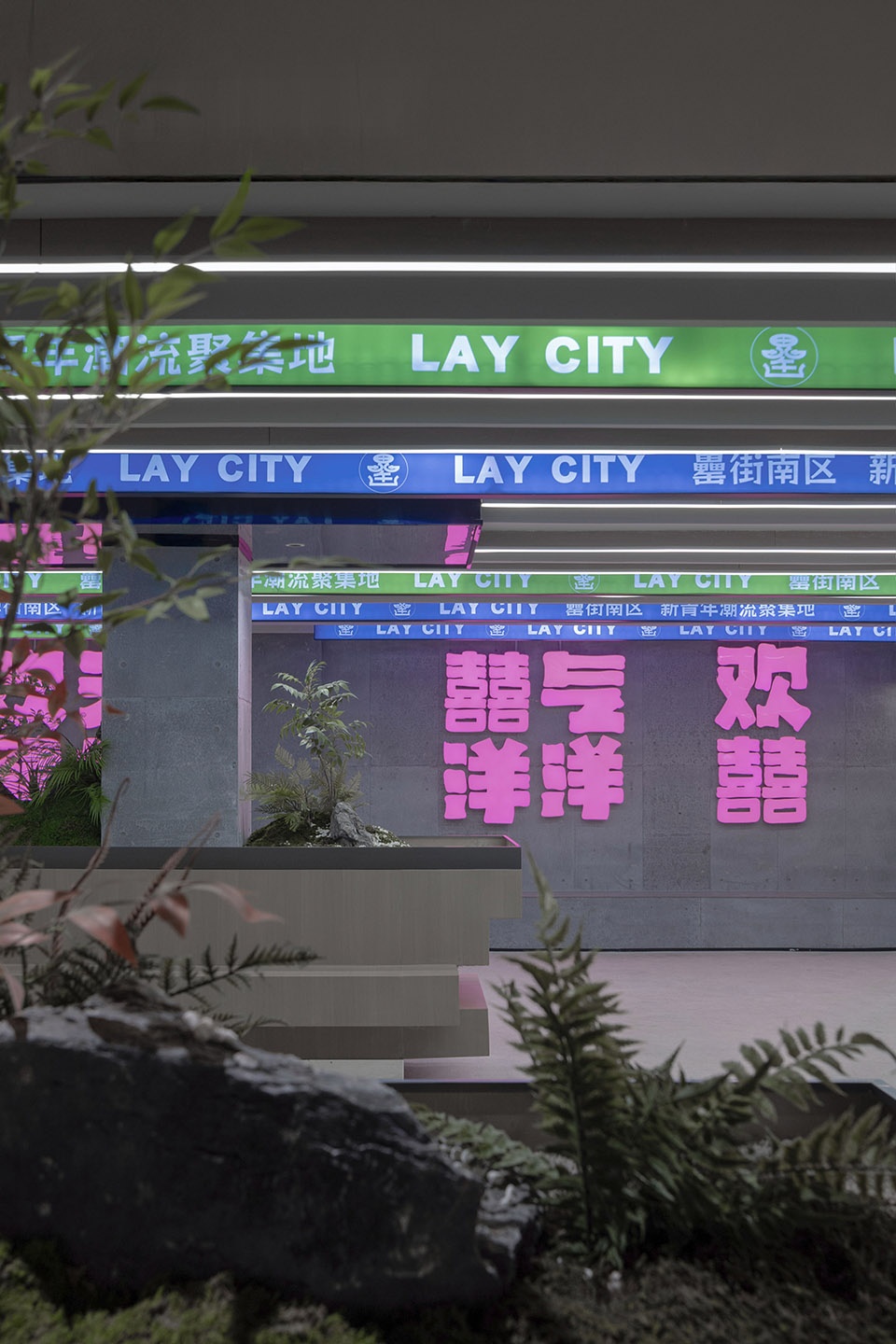
在罍街四期,商业与情怀不再对立,自然与艺术无需妥协。它是陶渊明笔下的 “良田美池桑竹之属”,也是梭罗心中的 “瓦尔登湖”;是霓虹灯下的烟火人间,更是钢筋森林里的理想国。当你厌倦了千篇一律的都市日常,不妨走进这里,让阳光、绿植与艺术,重新定义生活的诗意。
In Leijie Phase IV, business and sentiment are no longer at odds, and nature and art need not compromise. It is the “fertile fields, beautiful ponds, and mulberry groves” described by Tao Yuanming, and also the “Walden Pond” in Thoreau’s heart. It is both the lively urban life under neon lights and an ideal realm within the concrete forest. When you tire of the monotonous city routine, step inside—let sunlight, greenery, and art redefine the poetry of everyday living.
▼重新定义生活的诗意,redefine the poetry of everyday living
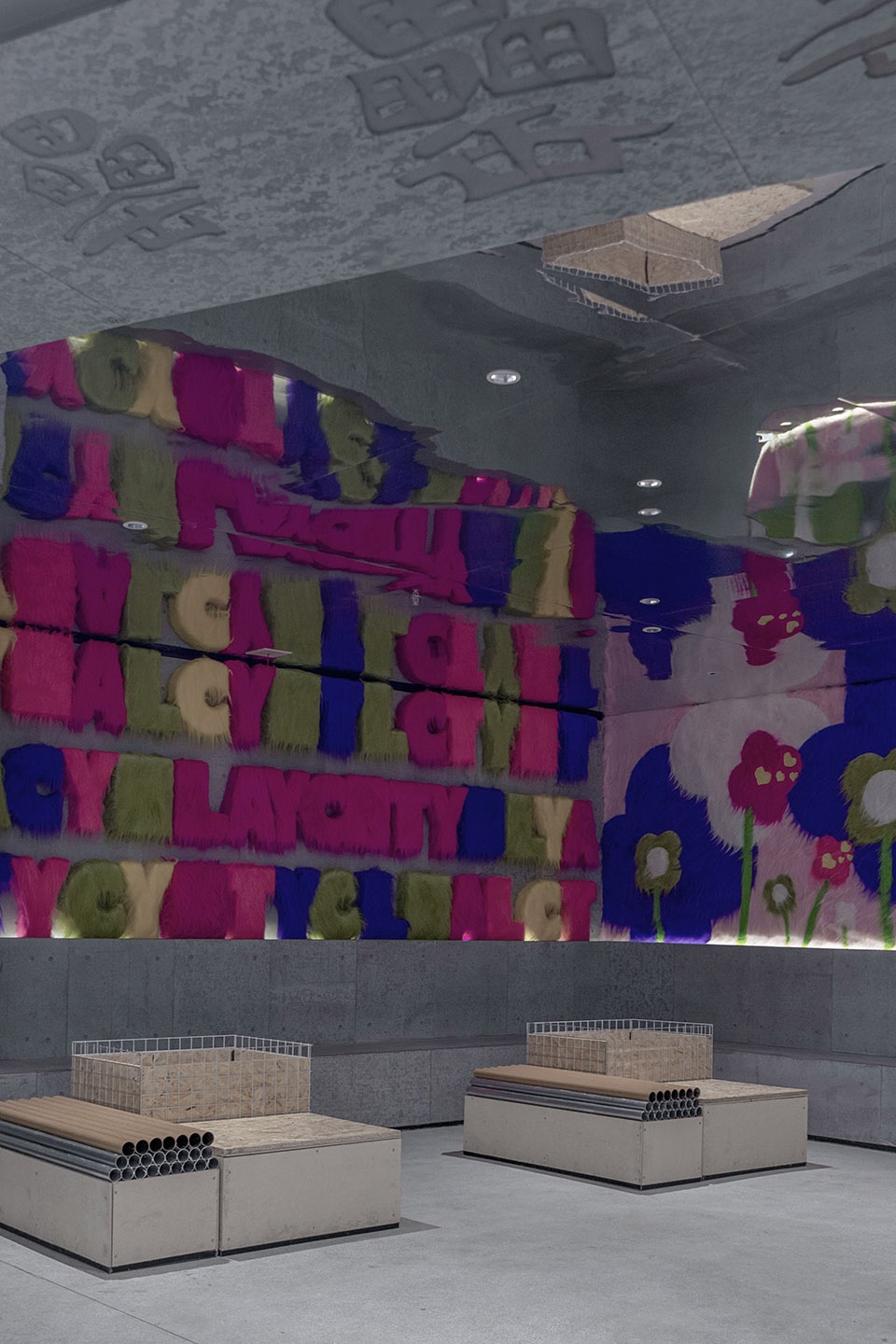
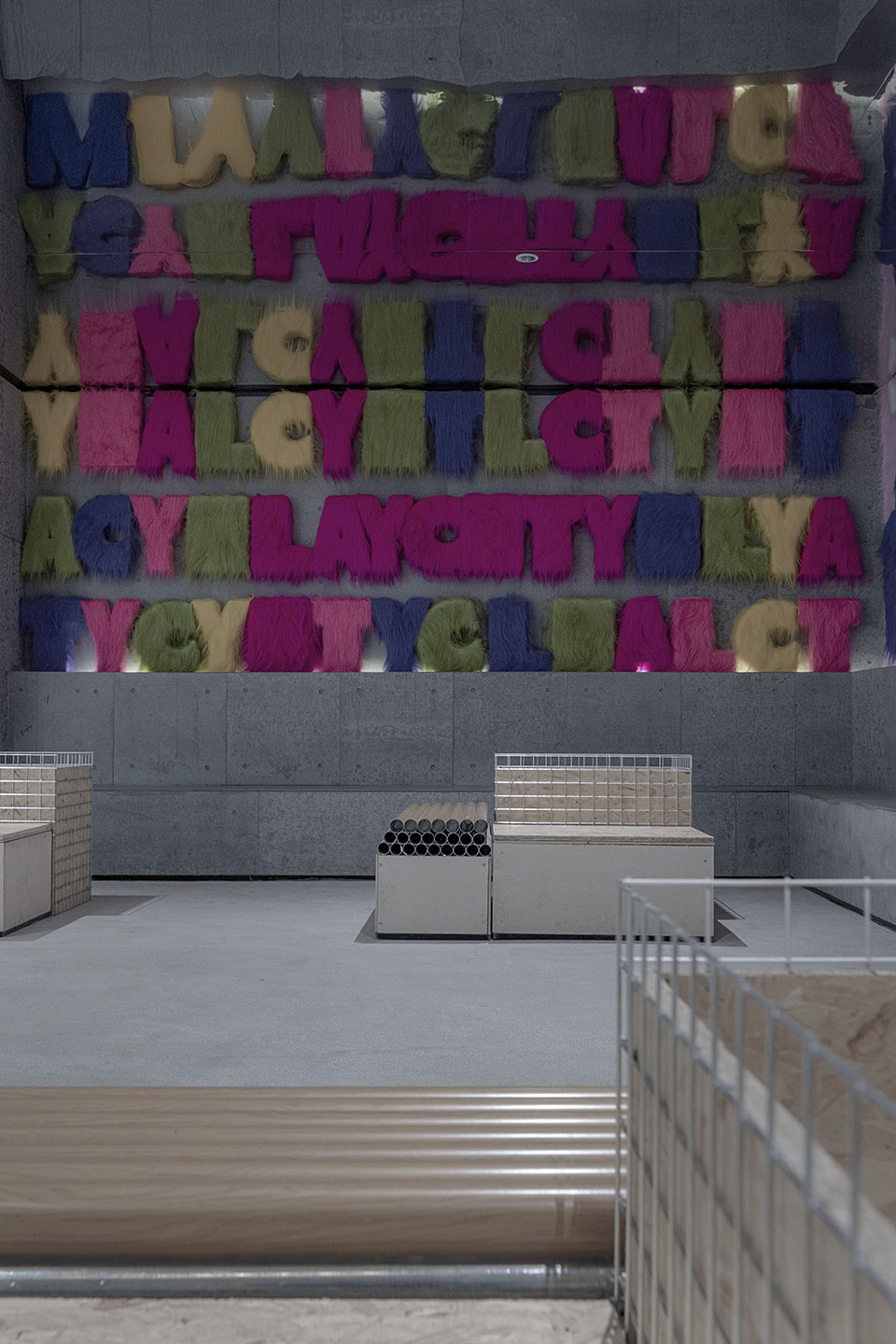
罍囍地是城市的 “负空间”,更是精神的 “正托邦”。它用自然消解地下的压抑,以艺术调和商业的喧嚣,在钢筋水泥中开辟出一方可呼吸的桃花源。当你厌倦了霓虹的燥热,不妨走进这里,让阳光、绿植与艺术,重新定义都市生活的温度。
Leixidi is the “negative space” of the city, and even more so, a “positive utopia” for the spirit. Here, nature dissolves the underground sense of oppression, and art harmonizes the commercial bustle, carving out a breathable Peach Blossom Spring amid steel and concrete. When you grow weary of the feverish glow of neon lights, step inside—let sunlight, greenery, and art redefine the warmth of urban life.
▼重新定义生活的诗意,redefine the poetry of everyday living
Chapter 5 街区多巴胺卫生间Dopamine Restrooms in the Block
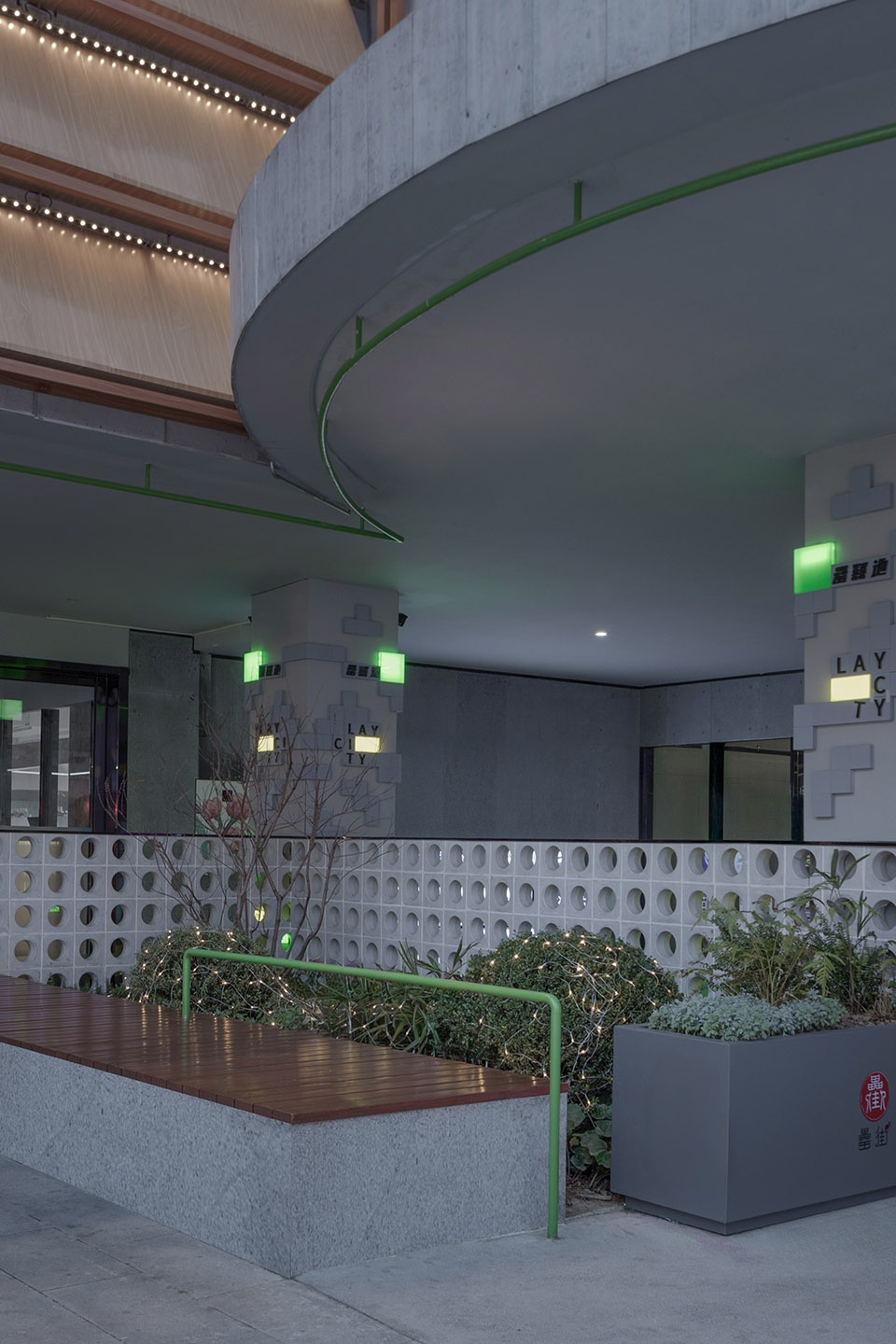
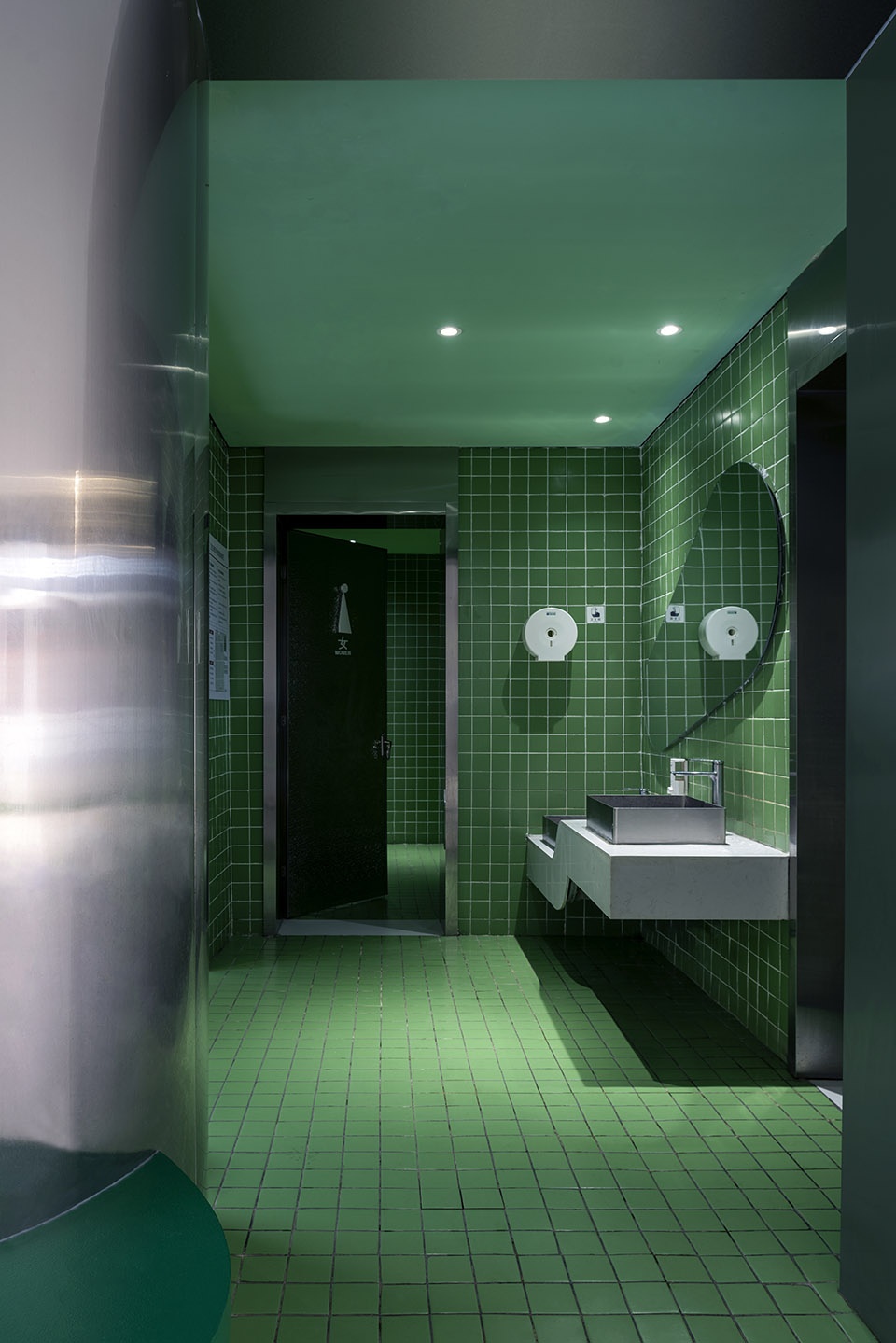
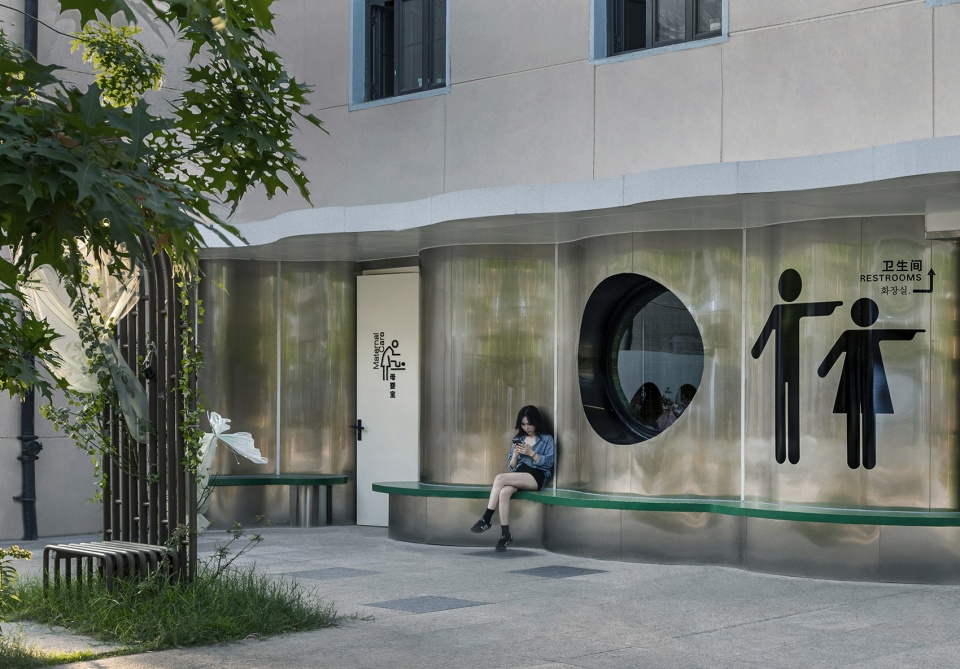
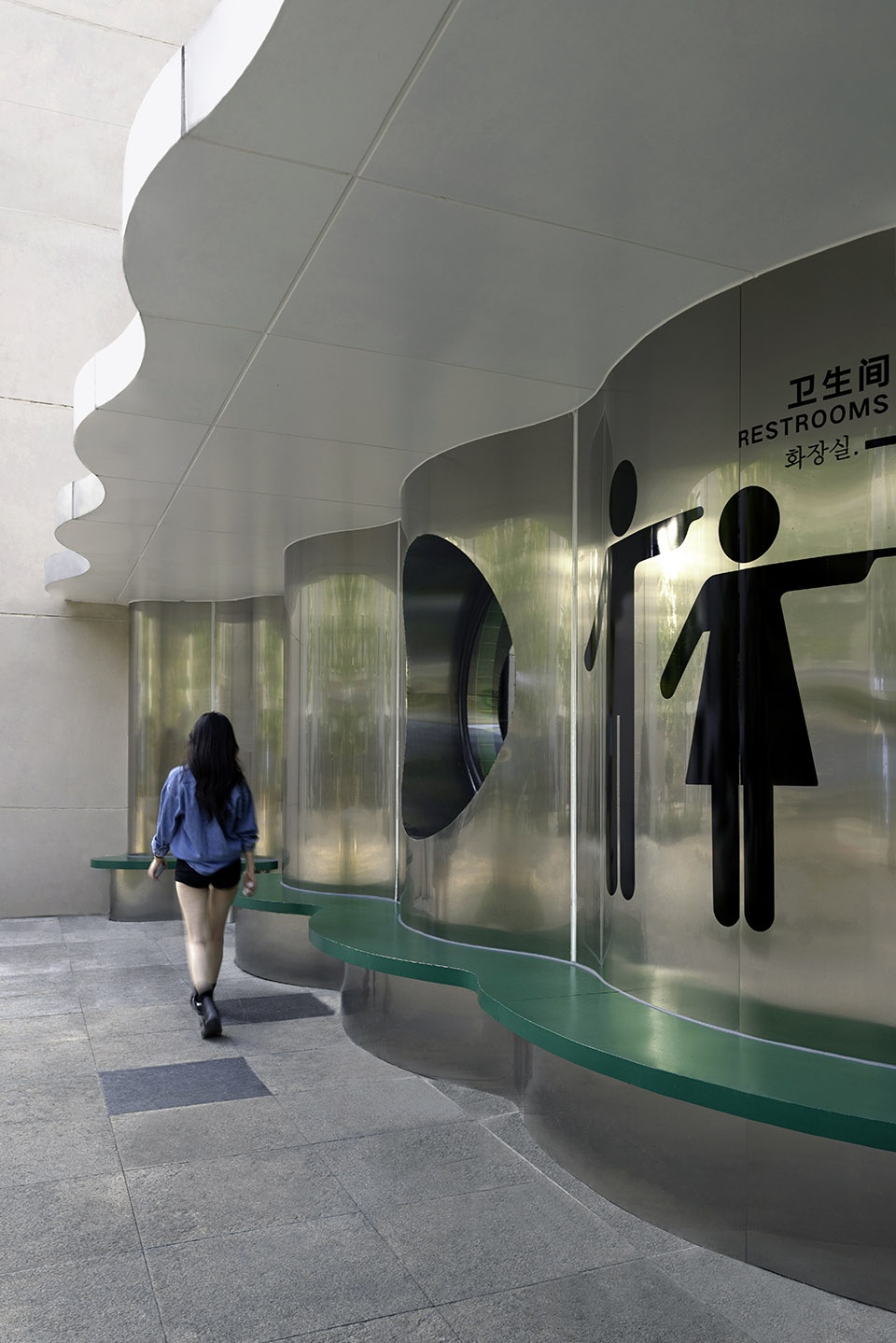
文创街区西侧的公共卫生间内为女生设置了独立化妆区域,一处是窗外一处是镜中的自己,窗外绿树掩映。外侧的等候区曲线变化让人可以驻足休息,室内和室外的空间连续又惬意。文创街区东侧的公共卫生间,入口公共区域的三原色搭配和鲜明的色彩让人眼前一亮,入口的装置可爱有趣。东西卫生间的色彩变化让驻足的人们有着不一样的多巴胺色彩体验。
In the public restroom on the west side of the cultural and creative district, a dedicated makeup area is provided for women—one space opens to the view outside the window, while the other reflects one’s own image in the mirror, surrounded by greenery. The curved waiting area outside invites people to pause and rest, with indoor and outdoor spaces flowing seamlessly and comfortably together. The public restroom on the east side of the cultural and creative district features a vibrant primary color scheme and striking hues in the entrance area, making a strong visual impression. The installations at the entrance are charming and playful. The changing color palettes of the east and west restrooms offer people a distinct “dopamine color” experience as they pause in the space.
▼公共卫生间,the public restroom
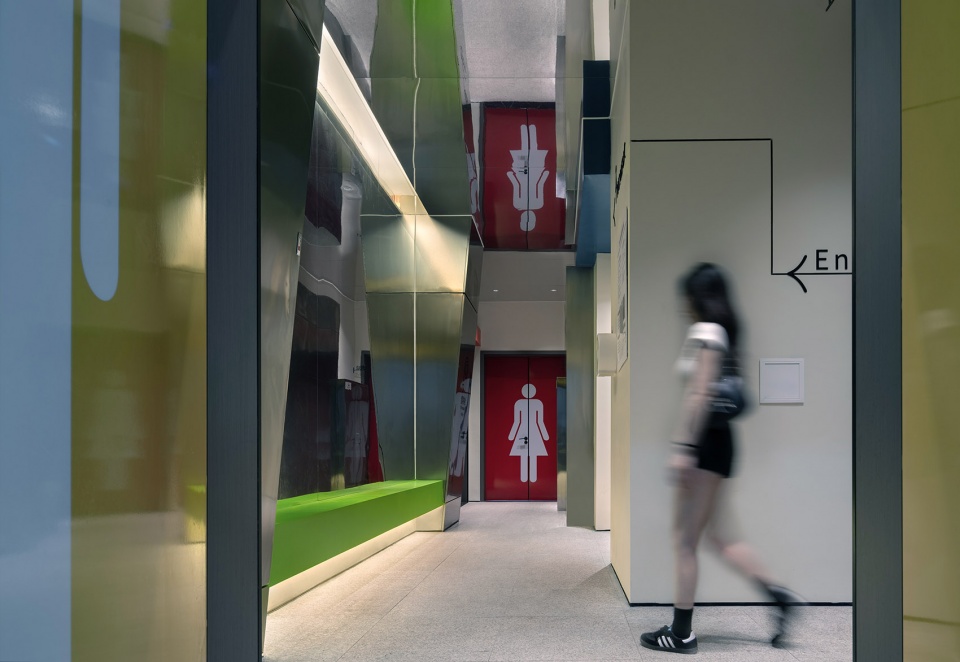
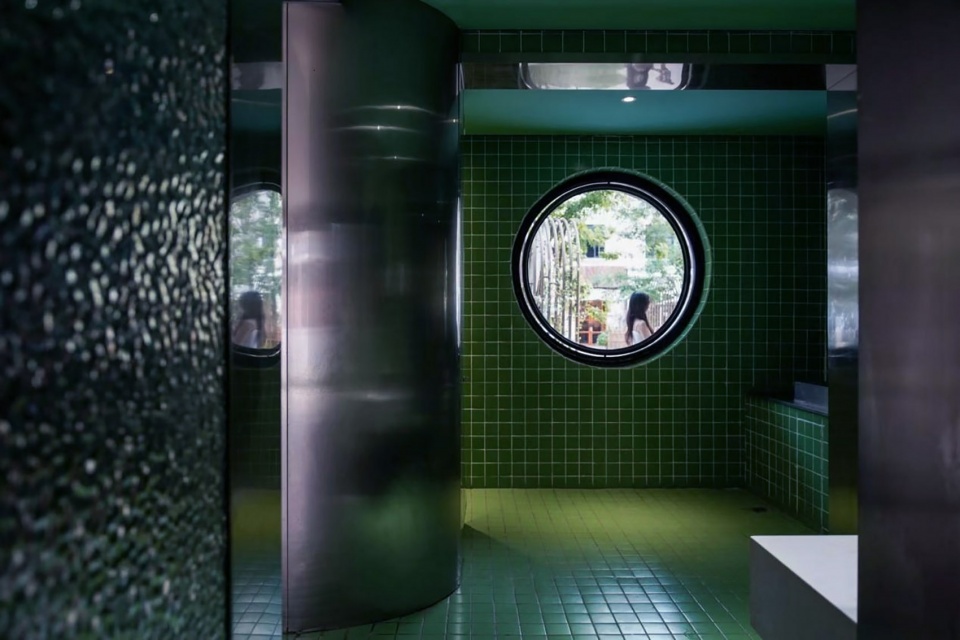
▼公共卫生间,the public restroom
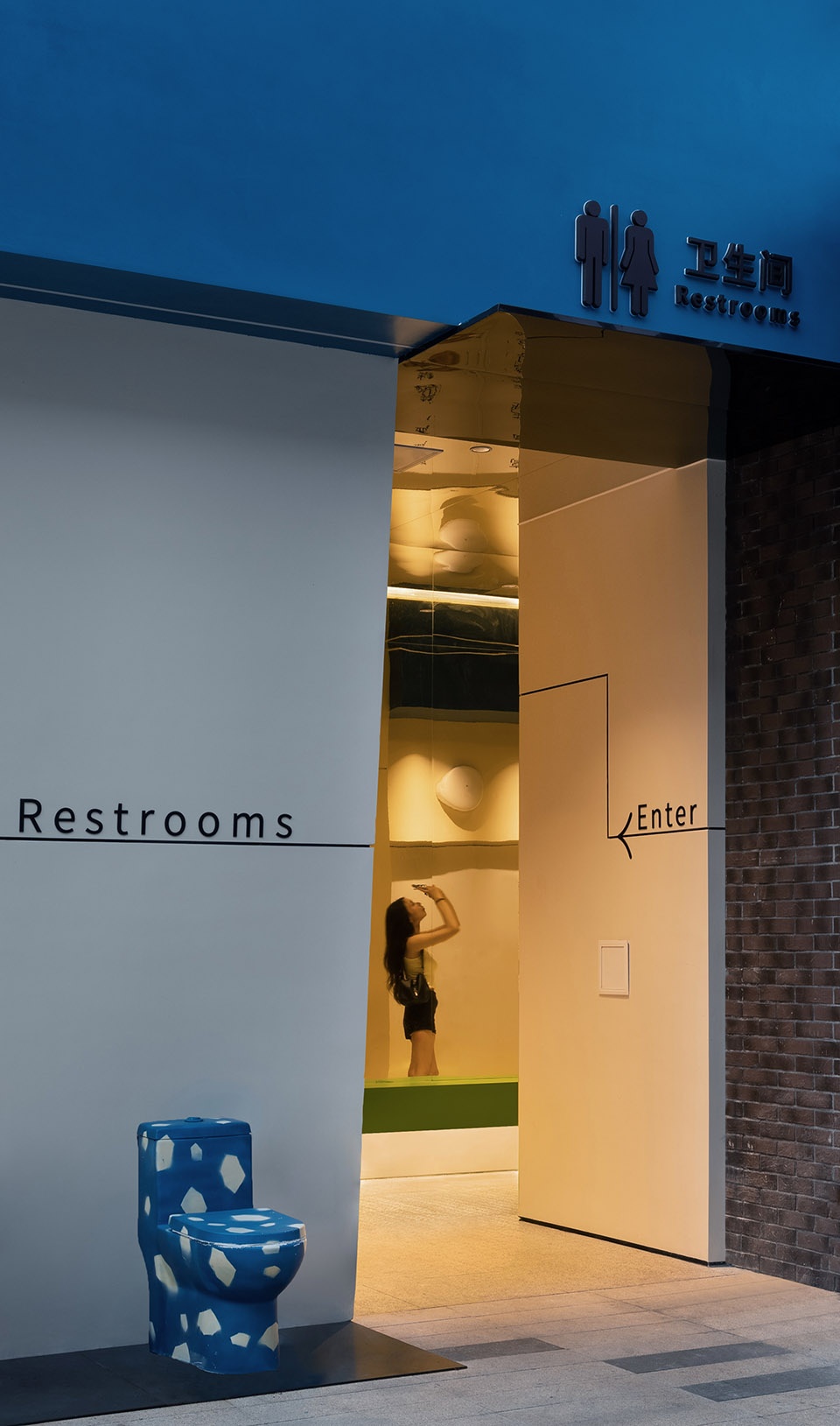
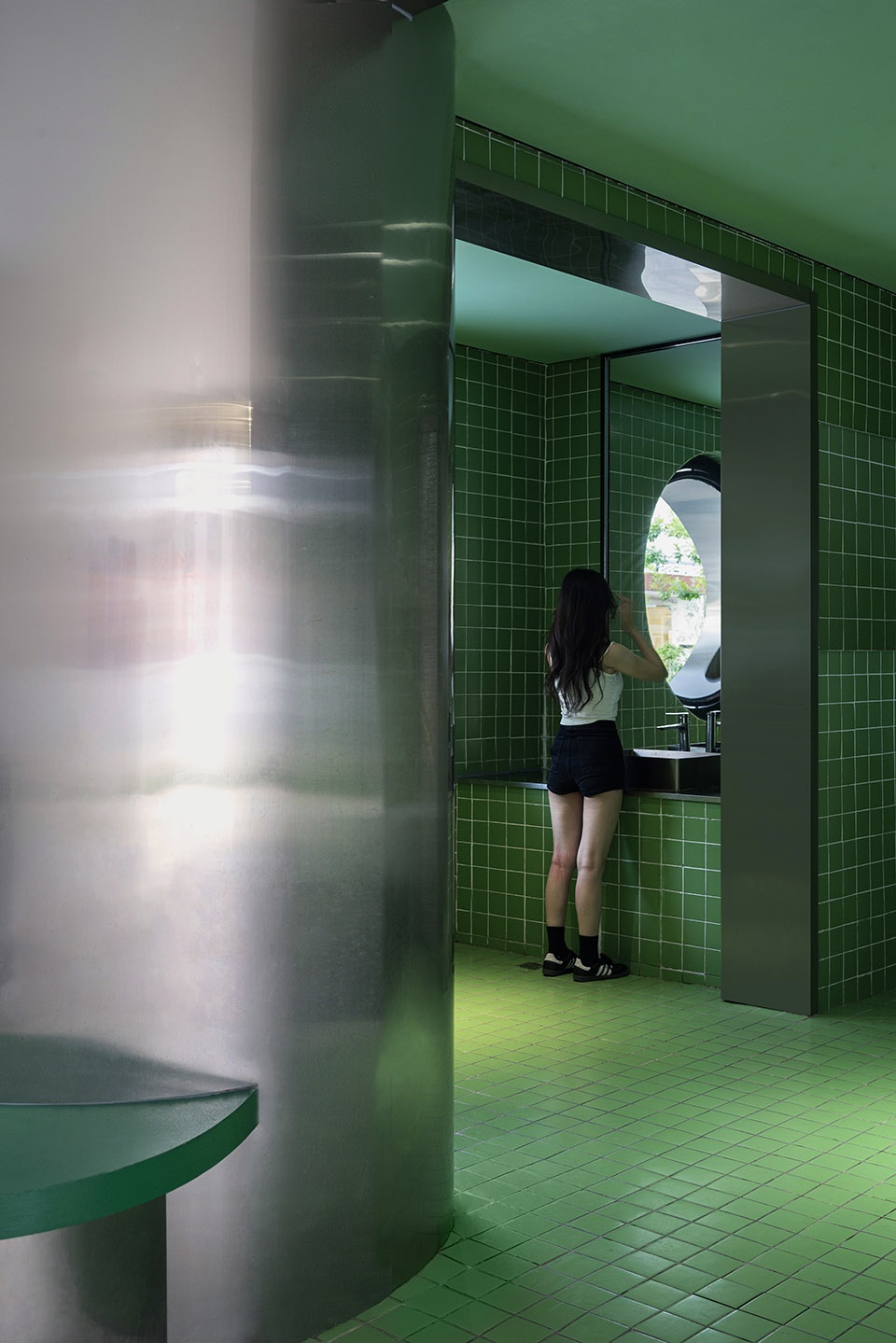
▼卫生间外廊,the exterior corridor of the public restroom
▼卫生间外廊,the exterior corridor of the public restroom
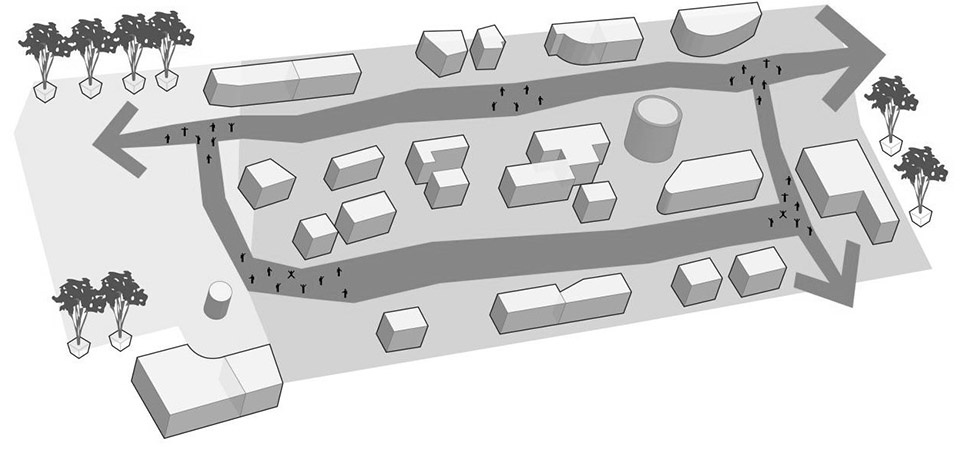
▼街区轴测图,block axonometric
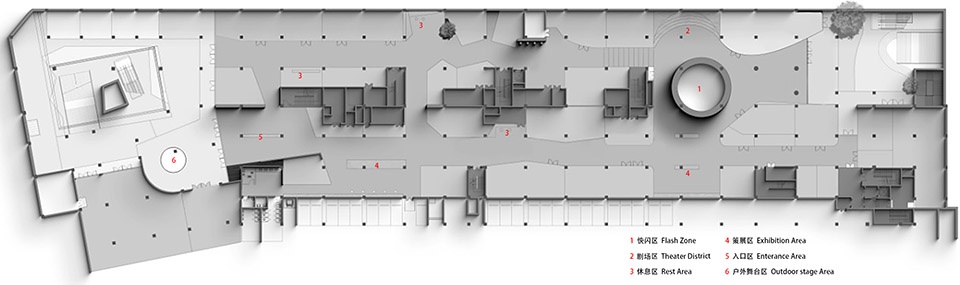
▼平面图,plan
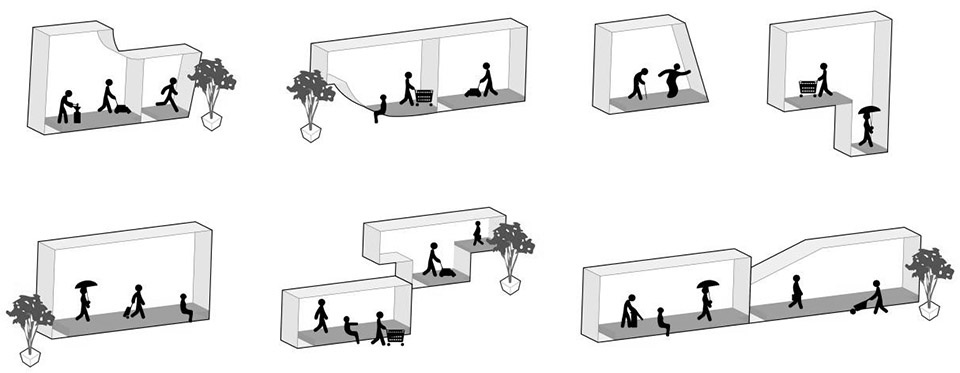
▼人的聚合,the gathering of people
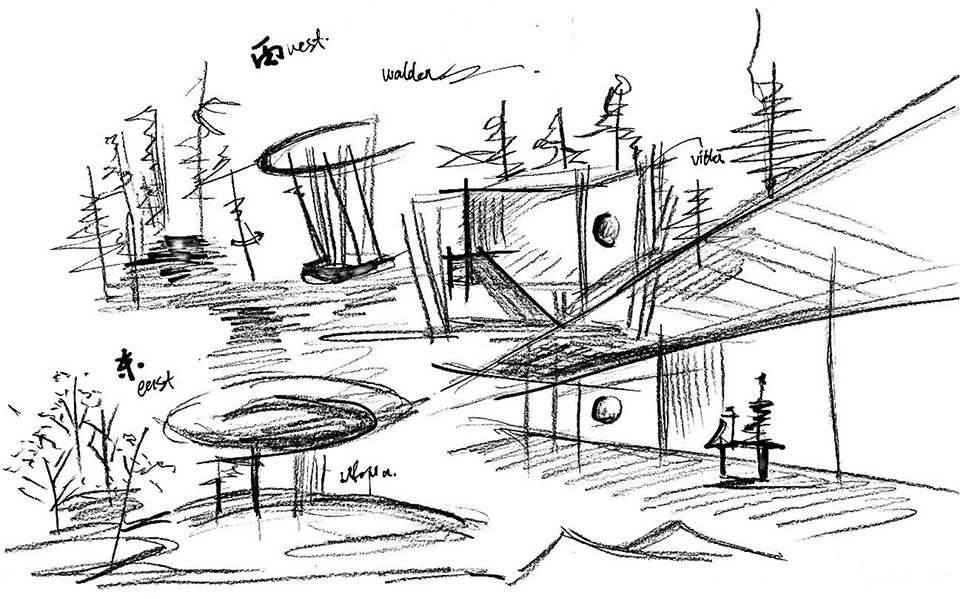
▼草图,sketch
Project Name | Leixidi & Hechai 1972
Project Address | Hefei, Anhui
Owner | Hefei Binhu Group
Design Area | 6,000 m²
Design Team | Congqing Architectural Design / Qingjishe Center
Planning Team | Congqing Cultural Communication
Chief Designer | He Wenjing
Participating Designers | Xu Zhongtian, Dao Peng, Li Tiantian, Ding Feng, Tang Yue, Ji Qing, Da Hai, Xiao Hu
Photography: Feiyu & Huabin
Website:www.qs-space.com
Email:18096685157@163.com