北京朝来森林公园(三期)营建 / 笛东规划设计(北京)股份有限公司
综述Intro
朝来森林公园占地89公顷,位于北京市朝阳区一道绿隔城市公园环和九楔生态廊廊道交汇处,是肩负首都生态安全屏障的大尺度森林绿化空间。公园地处产业和居住核心范围,也是周边人口活动的热点区域。设计的关键在于突破场地历经百万亩平原造林工程后“苗圃化”的林地模式,以森林健康为出发点,创造富有弹性的林地空间和多元丰富的社交交往空间,同时强化地域文化的认同感和归属感,形成“人—城—景”多位一体的绿色系统。朝来森林公园跨越了首都绿化建设的多个时期,探索人造林生态基底的转化模式,为存量时代下的首都花园城市“大尺度森林公园”提供了实践样本。
The Chaolai Forest Park covers a total area of 89 hectares, and it is located at the intersection of the First Green Barrier urban park ring and the Nine Wedge-shaped ecological corridor in Chaoyang District, Beijing. It is a large-scale forest greening space that shoulders the ecological security barrier of the capital. The park is also located in the core area of industry and residence, and is a hot spot for surrounding resident activities. The key to the design is to break through the “nursery” forestland model after the site has undergone the “Million-Acre Plain Afforestation” project. By taking forest health as the starting point to create a flexible forestland space and a diverse and rich social interaction space, while strengthening the sense of identity and belonging of regional culture, forming a multi-dimensional green system of “people-city-landscape”. Chaolai Forest Park has spanned multiple periods of greening construction in the capital, exploring the transformation model of the ecological base of artificial forests, and providing a practical sample for the “large-scale forest park” of the capital’s garden city in the stock era.
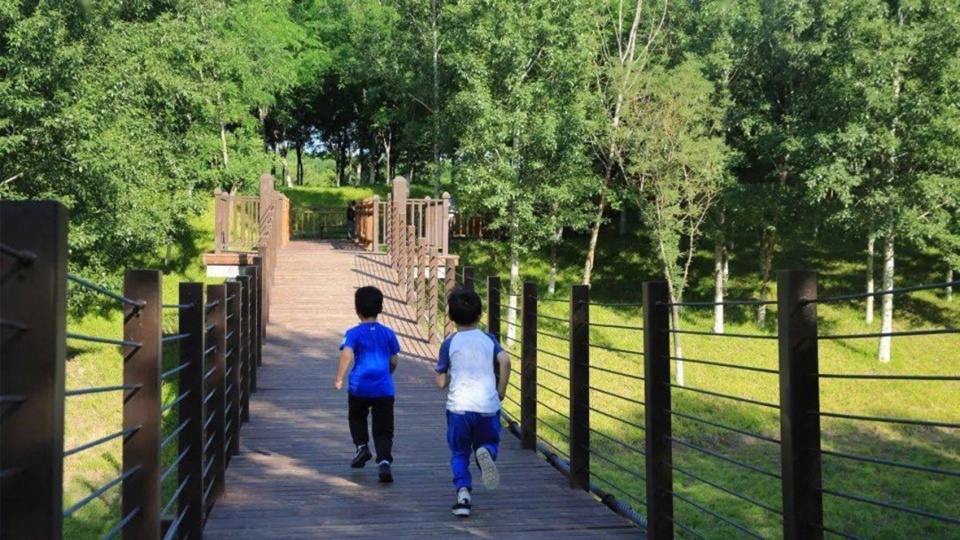
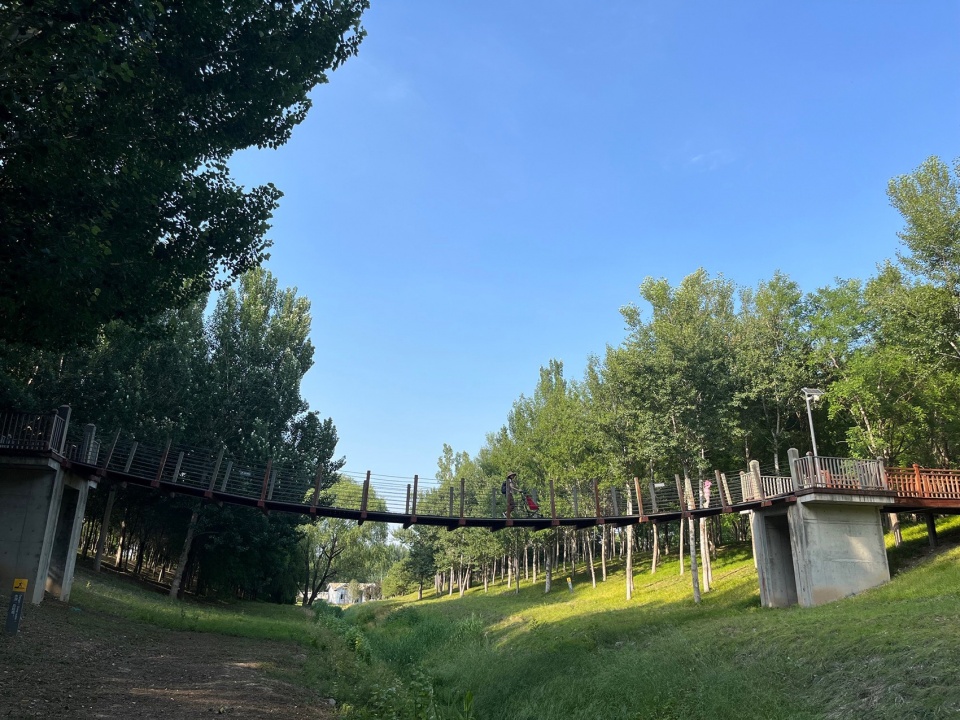
▼孩童在公园吊桥内玩耍 (形象照),Children playing on the suspension bridge in the park (image photo)
背景Background
朝来森林公园三期位于北京市朝阳区来广营乡,总面积约89.20公顷,南起京包铁路线,与勇士营郊野公园相连,北至清河营郊野公园,是朝阳区大尺度结构性绿化的重要组成部分。
Chaolai Forest Park Phase III takes a total area of about 89.20 hectares which locating in Laiyuanying Township, Chaoyang District of Beijing. It starts from the Beijing-Baotou Railway Line in the south direction, connects to the Yongshiying Country Park, and ends at the Qingheying Country Park in the north direction. It is the critical part of the large-scale structural greening in Chaoyang District.
▼公园建设前场地造林工程范围,The scope of afforestation project on the site before the construction of the park
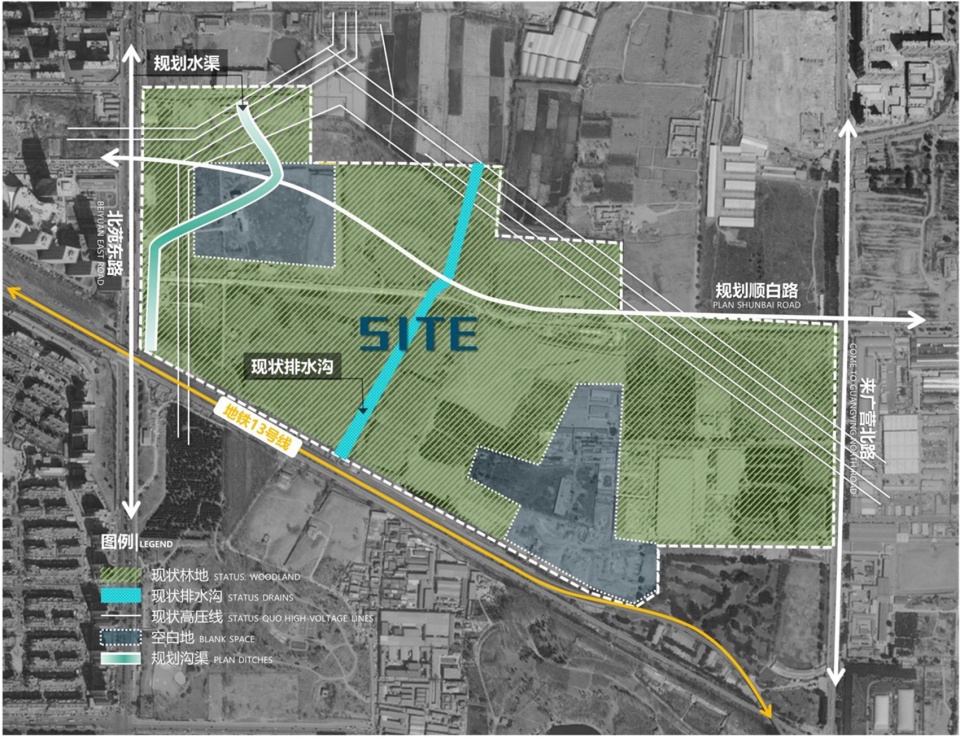
公园于2018年启动建设,以“百万亩平原造林工程”存留的64.59公顷,约38752株乔木为重要生态背景。林木以国槐、刺槐、毛白杨、油松等乔木为主,林分单一,“苗圃化”特征明显。大面积的亚健康人工林,为碳汇等重要生态功能提供了重要支撑,但已不足以适应当下城市园林绿化发展提质阶段的综合需求。
The park starts to construct in 2018, with the remaining 64.59 hectares and approximately 38,752 trees from the “Million-Acre Plain Afforestation Project” serving as its key ecological basement. The forest, primarily composed of Sophora Japonica, Robinia Pseudoacacia, Populus Tomentosa, and Pinus, which shows a monoculture pattern and a distinct “nursery” mode. Even the large areas of sub-healthy plantations provide crucial ecological support for carbon sequestration and other important functions, they are no longer sufficient to meet the comprehensive needs of the current phase of urban landscaping development.
▼朝来森林公园(三期) 总平面图,Master plan
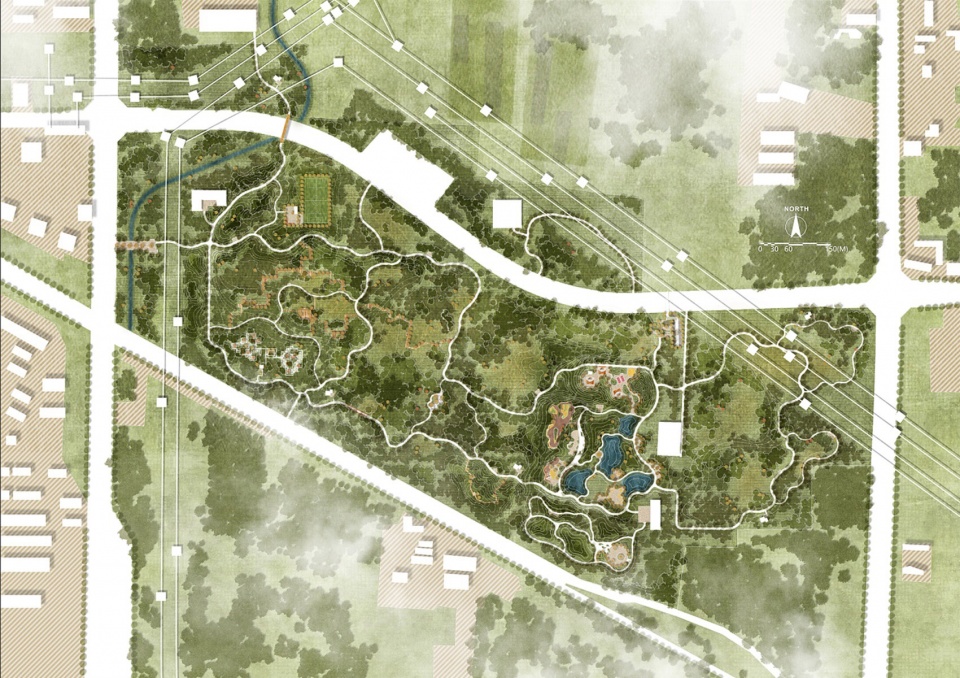
过去,人工林经营与城市公园建设一直作为两套相对独立的课题来看待。人工造林工程在发挥防风固沙、水土保持和碳汇等方面发挥了重要的生态功能,是城乡统筹固绿强基阶段城市绿化发展的重要举措。尽管林相茂密,但苗圃化的人造林,其规则化的种植与单一的林相组成,在林地健康、观赏属性、功能兼容等多方面均有所缺失。
In the past, plantation management and urban park construction have always been considered as two relatively independent disciplines. Artificial afforestation projects play a vital ecological role in preventing wind and sand, conserving soil and water, and sequestering carbon. They are a key measure for urban greening development during the phase of strengthening the greening foundation in both urban and rural area. Despite the density of the forest, the nursery-style artificial forest with their regular planting and monotypic composition, still suffer from deficiencies in the area of forest health, ornamental properties, and functional compatibility.
▼人造林基底现状,Artificial afforestation basement situation
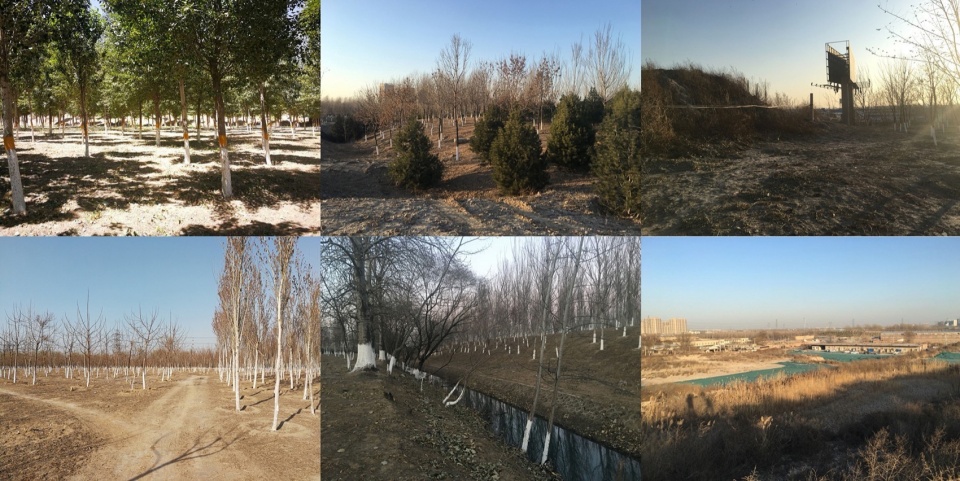
设计团队多次组织林勘、地勘和实地走访,摸清现状林的品种、规格及生长状态等现场情况,积累扎实的调研数据。以“近自然经营”为目标的人工林木抚育与林相丰富,是公园设计的关键,也是首要步骤。
The design team has conducted quite a few times of forest survey, geological surveys, and field visits to understand the existing the existing forest species, sizes, and the growth status, to accumulate a relatively robust research data. With the goal of “near-natural management,” it is crucial and the primary to start with the cultivation of artificial trees and the enrichment of forest forms for the park’s overall design.
▼ “人造林”场地价值仍有待进一步发掘,The value of “artificial forest” sites still needs to be explored more
“近自然”林地优化Optimization of forest land
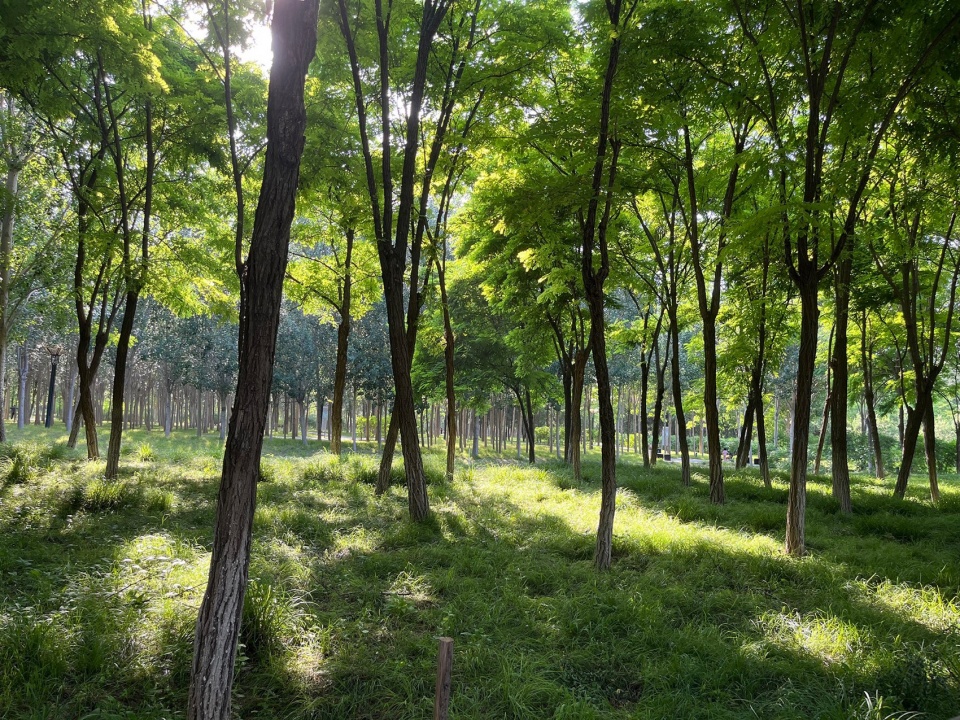
公园植物群落结构优化,运用异龄、复层、混交的种植手法,搭配多种乔木、灌木、地被组合,补植80余种乡土树种,35000余株乔灌木。既具备水平层次的自然混交,又具备多层次的竖向结构片林类型,模拟自然环境中自然演替所形成的复层群落,密林区域增加郁闭度至0.65。
The plant community structure has been optimized by mixing varying ages of trees, shrubs, and groundcovers, including over 80 native species (35 000 trees and shrubs). The park features both natural horizontal interspersed forests and multi-layered vertical forest formations, simulating the complex communities formed by natural succession in the wild. The canopy density in dense forest areas has been increased to 0.65.
▼补植树木层次,Replanting trees
此外,设计进一步完善森林服务功能,每100亩设置一处食源、筑巢场所,选择浆果、核果、荚果、翅果等果实丰富的植物不少于5种,灌木层盖度达到40%,草本层高度30公分、盖度30%。延伸、拓宽区域原有的生境,结合场地环境,增加新的生境类型,形成森林、灌草等各类动物栖息地生境,吸引本地优良的鸟类、昆虫、植物等多样生物种类,最终形成一个物种丰富、自我调节、自我修复、稳定的生态系统。
Besides, the park design further enhances the forest service functions by providing a food source and nesting site for every 100 mu (approximately 1.5 acres). At least five species of fruit-rich plants including berries, drupes, pods, and samaras are selected adding to the existing plant community. Shrub cover reaches 40%, and the herbaceous layer is 30 centimeters tall and 30% covered to extend and broaden the existing habitats in the area, adding new habitat types based on the site environment. This creates habitats for various animals, in forms of forests and shrubs and grasses, attracting diverse species of local birds, insects, and plants, ultimately creating a species-rich, self-regulating, self-repairing, and stable ecosystem.
▼结合场地环境,In combination with the site environment
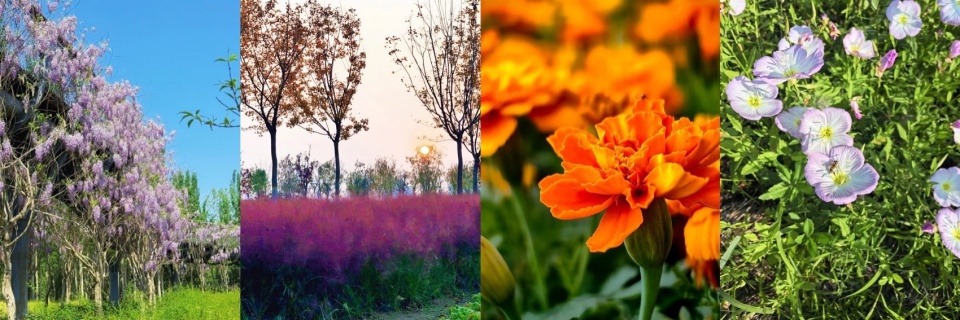
设计强化指示性生物类群生境营造,选择鸟类、蝴蝶和蜻蜓作为指示生物类群,重点营建北京平原区多种鸟类以及蝴蝶、蜻蜓生境,有效推动森林动物生态系统复育以恢复生物多样性。
The design also strengthens the creation of habitats for indicator biological groups, select birds, butterflies and dragonflies as indicator biological groups, focus on building habitats for a variety of birds, butterflies and dragonflies in the Beijing Plain area, and effectively promote the restoration of forest animal ecosystems to restore biodiversity.
▼丰富物种兼顾生态与休闲功能,A rich biodiversity balances ecological and recreational uses
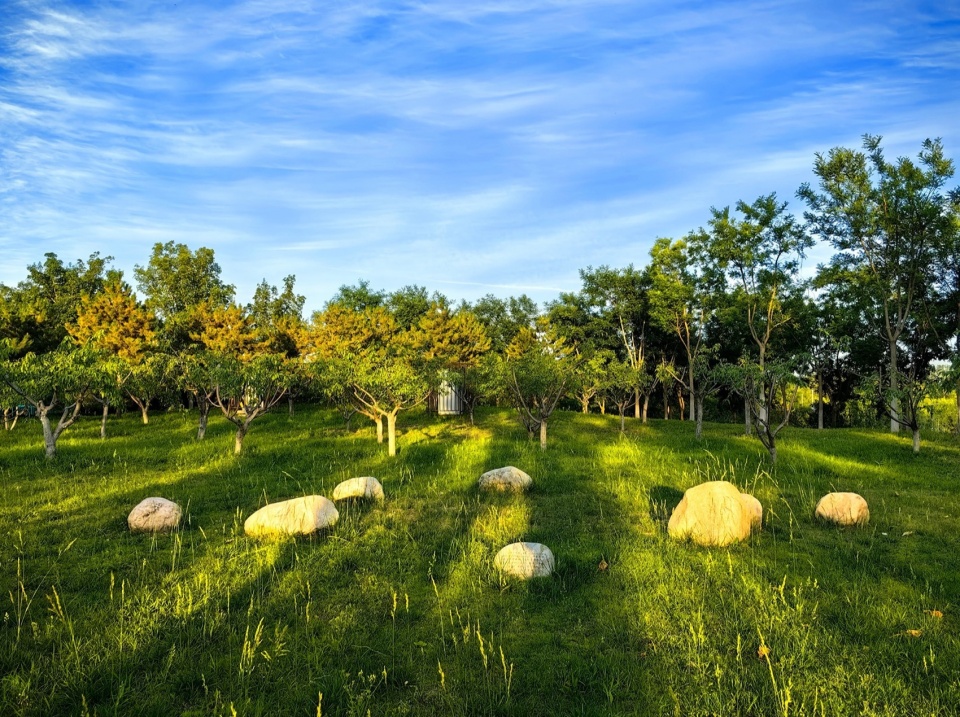
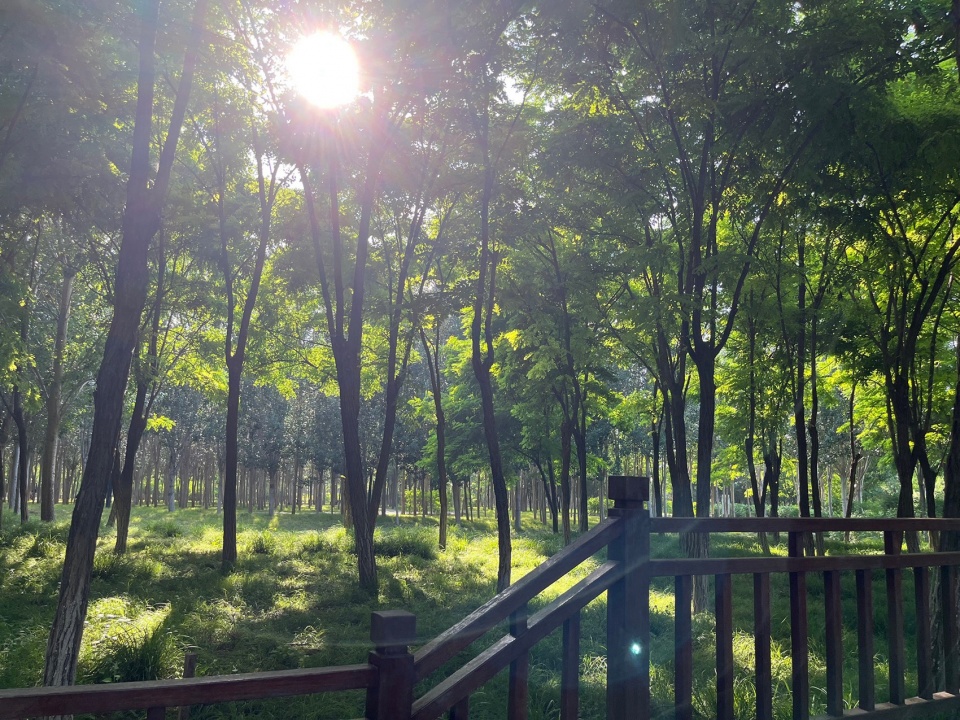
▼轻干预手法介入林地, Low intervention method designed for the woodland
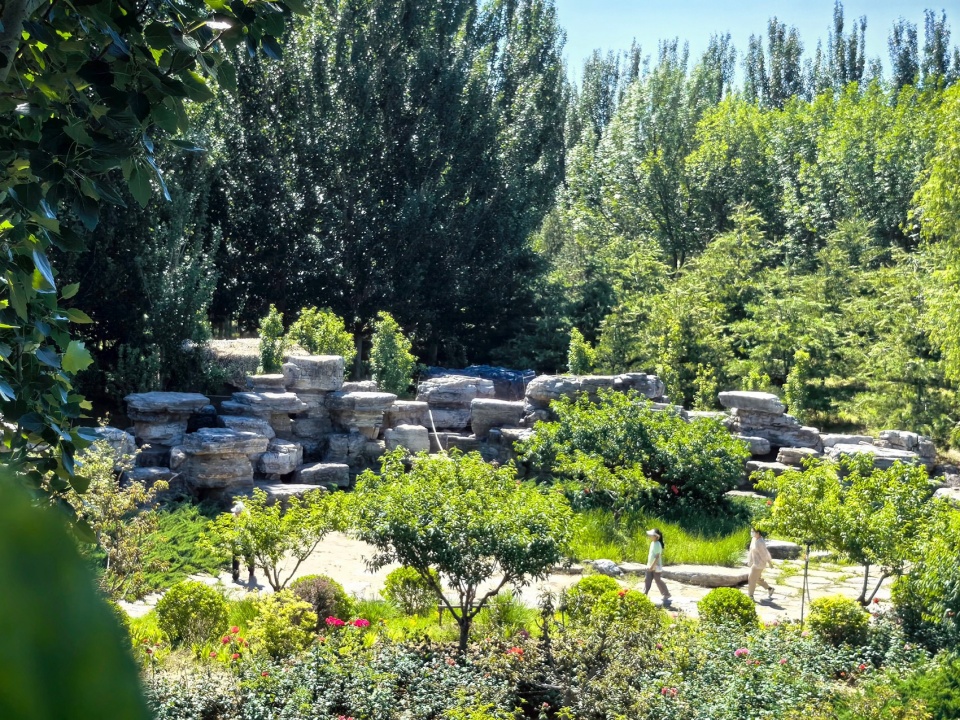
▼置石造景,Stone landscaping
地表蓝绿系统升级Surface blue and green system upgrade
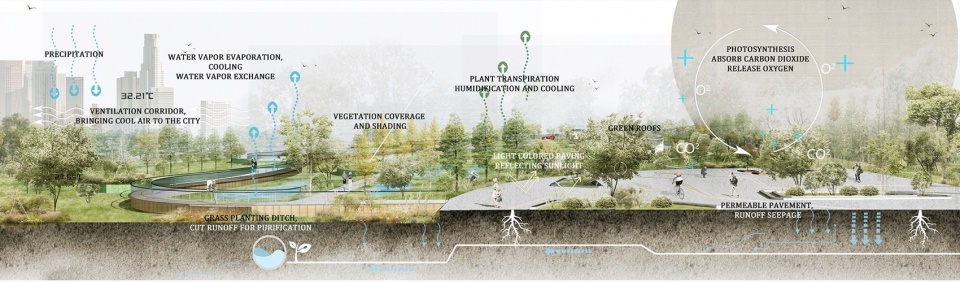
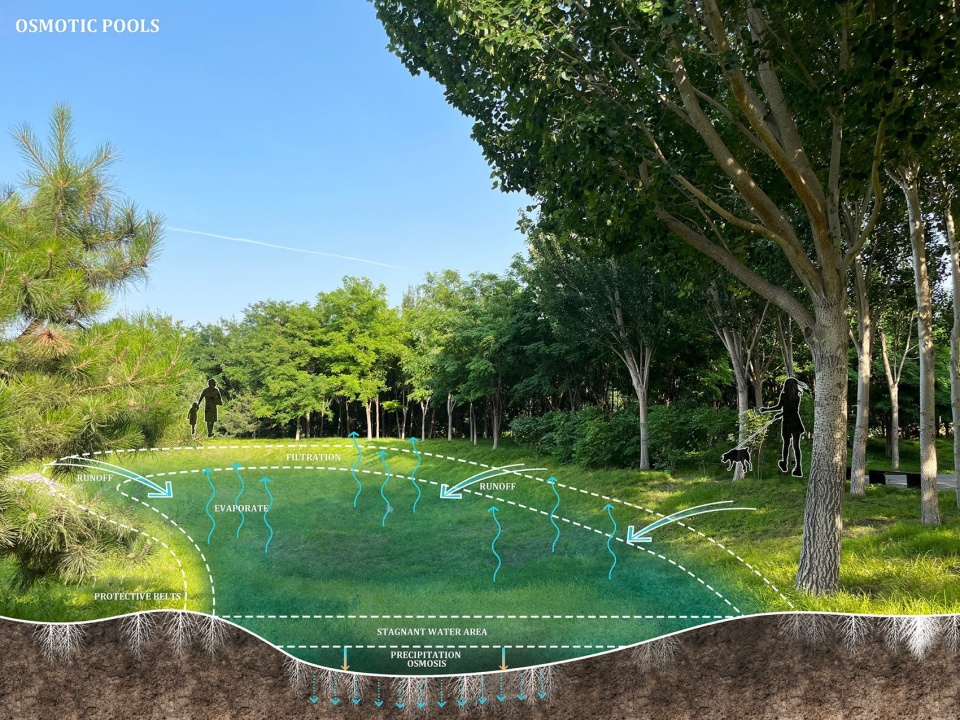
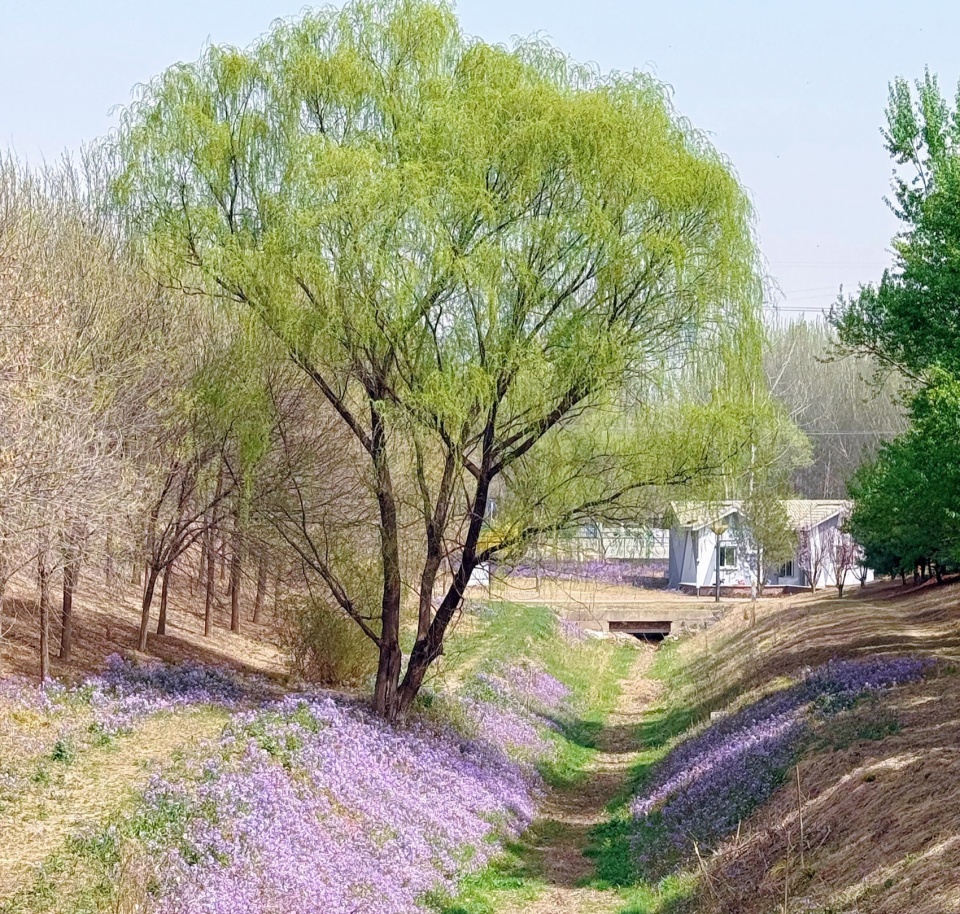
公园地表斑块情况复杂,林地与硬质地面分散布置,及场地原本存在的大量现状沟渠。设计合理规划地形,科学布局集雨凹地,利用园区沟渠水系及下凹绿地等进行调蓄,可消纳雨水量约12709.2立方米 ,建设成小微湿地给小动物提供水源地,同时通过蒸发作用降低环境温度。
The park’s surface is complex, with scattered woodlands and hard surfaces, and numerous existing ditches left on the site. The new design implement topography layout and the scientifically organize the rainwater collection depressions. The park’s original ditch system and sunken green spaces for storage and regulation which could accommodate approximately 12,709.2 cubic meters of rainwater, creating micro-wetlands that provide a water source for small animals and lower the ambient temperature through evaporation.
▼科学布局集雨凹地,Scientific layout of rainwater collection depressions
▼ 海绵渗透,Sponge penetration
▼自然沟渠同时满足生态和美学需求, Natural ditches meet both ecological and aesthetic needs
公园硬质空间尽量设计为南-北向,以减少夏季太阳辐射时长,并营造较为合理的遮阴环境。在材料的选择上使用凉爽材料,选用浅色传统材料和透水路面,占公园整体铺装面积的82%;植物以针阔混交林为主,选用蒸腾作用强、固碳能力强、叶片厚且叶片数量多的植物,有效缓解城市热岛效应。
The park’s hard surfaces are mostly designed to be north-south oriented to minimize summer solar radiation in order to create a more effective shade environment. Cool materials with light-colored permeable pavement account for 82% of the park’s total paved area. In order to effectively mitigating the urban heat island effect, the overall plantation is a mixed coniferous and broad-leaved forest, with species exhibiting high transpiration, strong carbon sequestration capacity, typically with thick, abundant leaves.
▼点状增补林下休憩空间,Adding dotted rest spaces under the forest
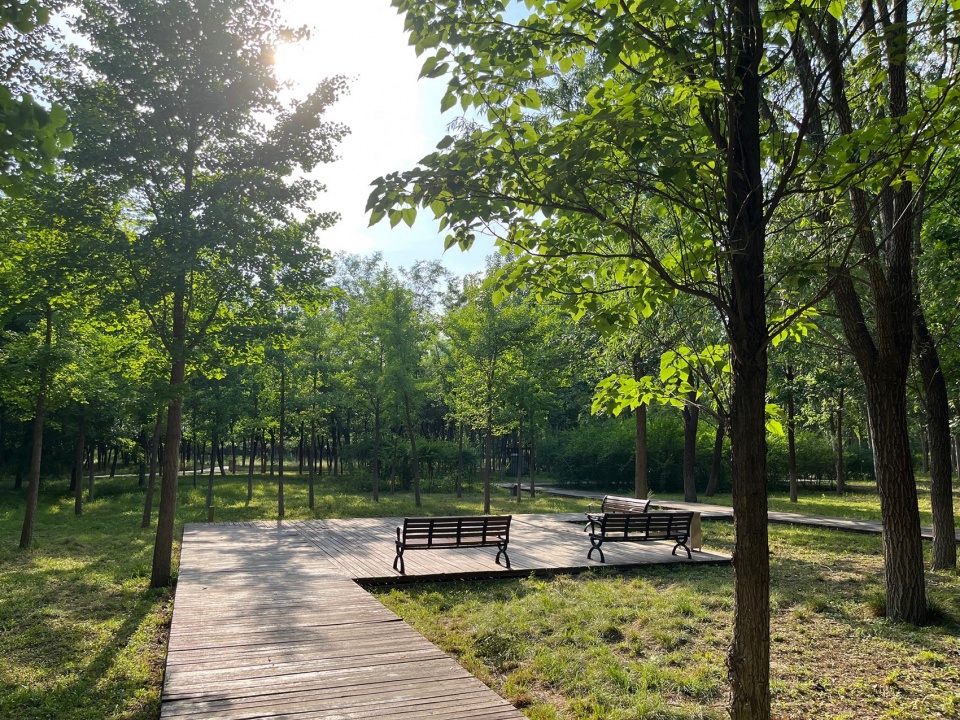
▼林下步道建设,Construction of forest trails
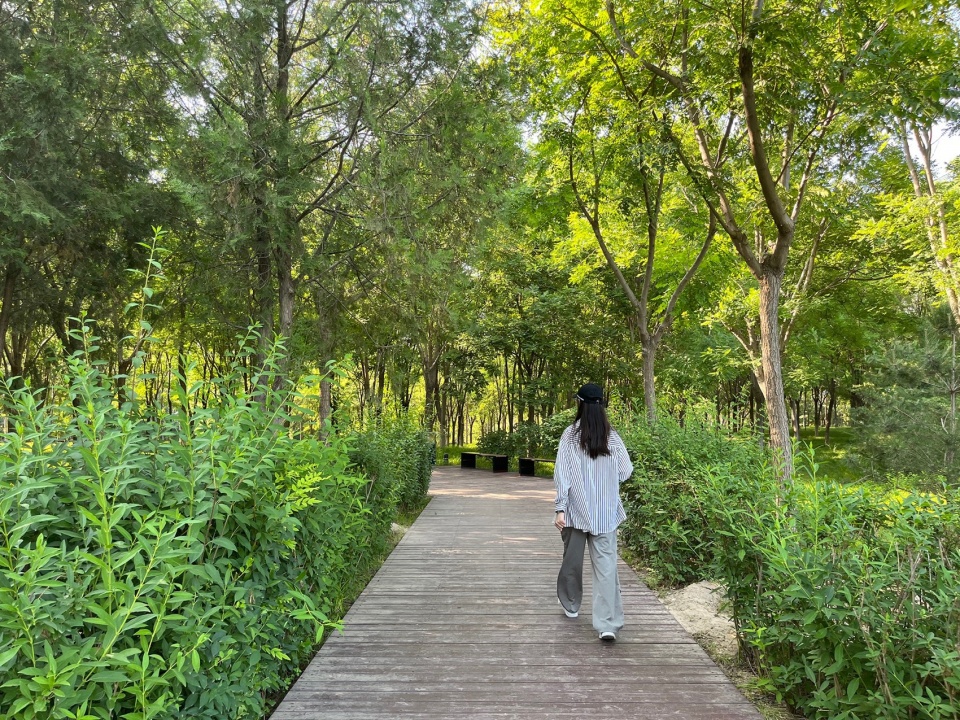
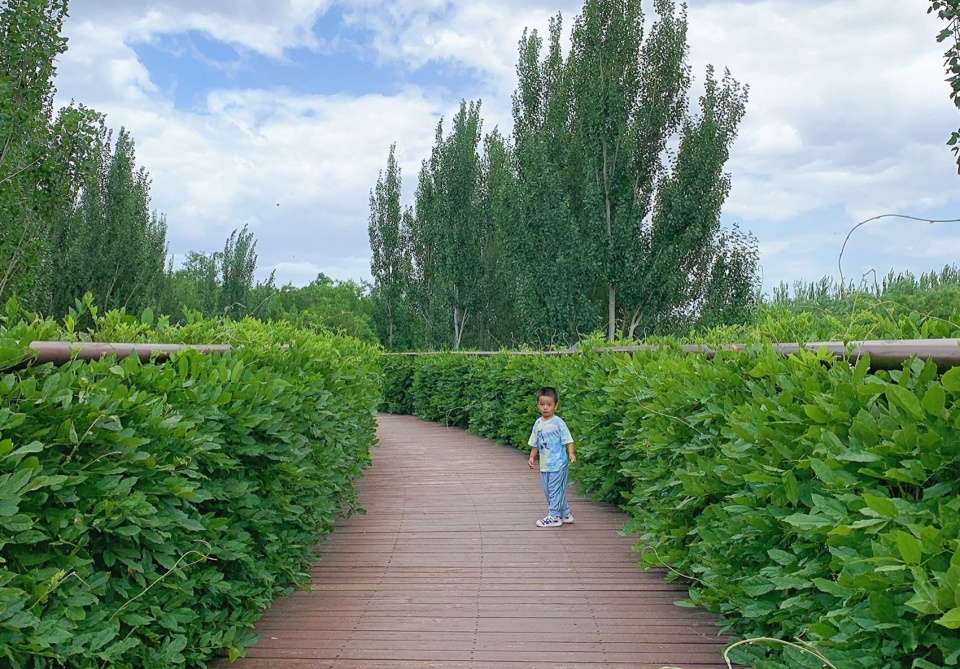
▼亲自然木栈道,Nature-friendly wooden plank road
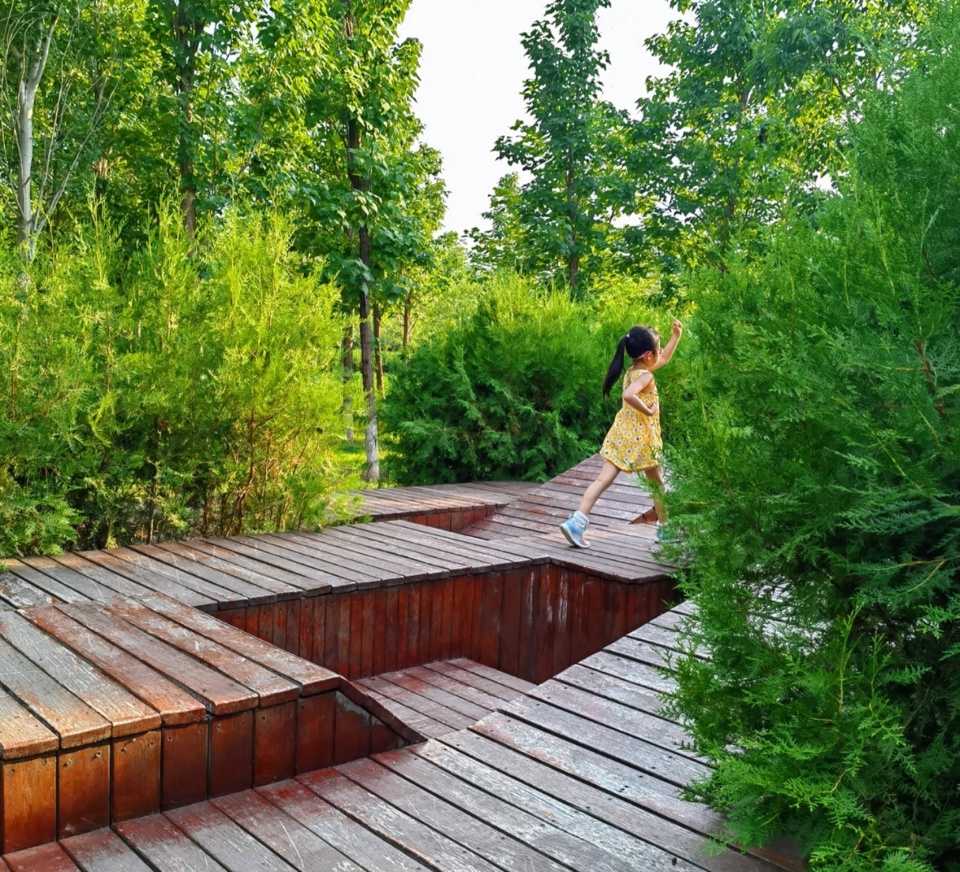
▼亲自然休闲平台供儿童活动,Nature-friendly leisure platform for children’s activities
人、城、景全面互联Fully interconnected people, cities and landscapes
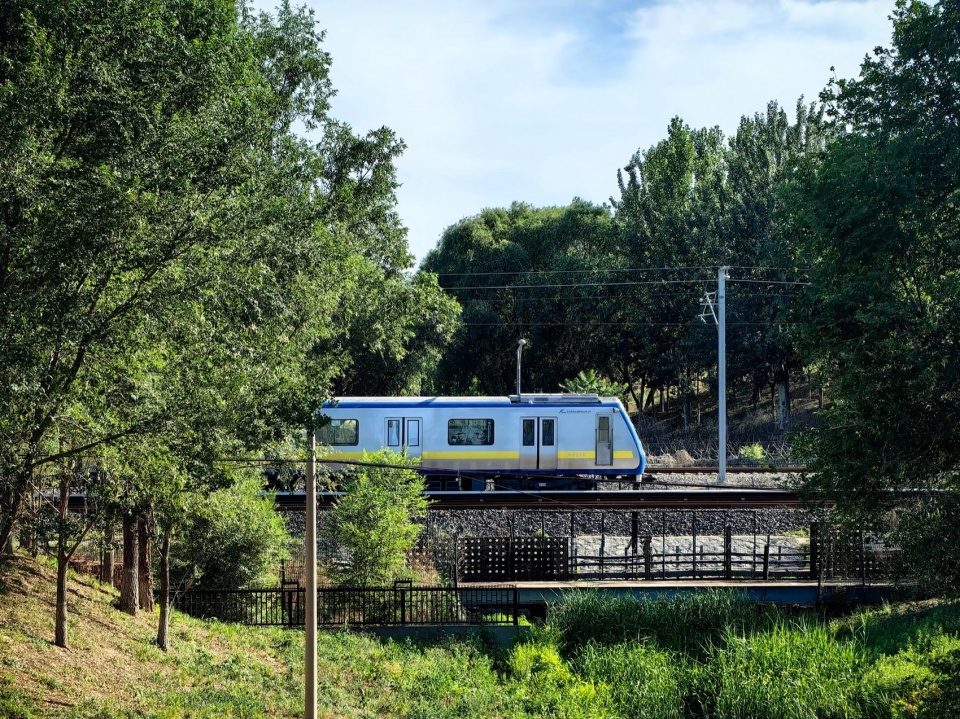
公园主入口以传统广场形式衔接城市主干道,满足大型公园城市的防灾避险功能,同时与城市铁路、沟渠等市政功能紧密衔接。其余边界均实现与周边公园之间的连通,形成450多万平方米的生态长廊。
The park’s main entrance is designed as a traditional plaza connecting to the city’s main thoroughfare to fulfill the disaster prevention and risk avoidance function. It also closely connects to municipal functions such as the city’s railways and canals. The park’s remaining boundaries are connected to surrounding parks, forming an ecological corridor spanning over 4.5 million square meters.
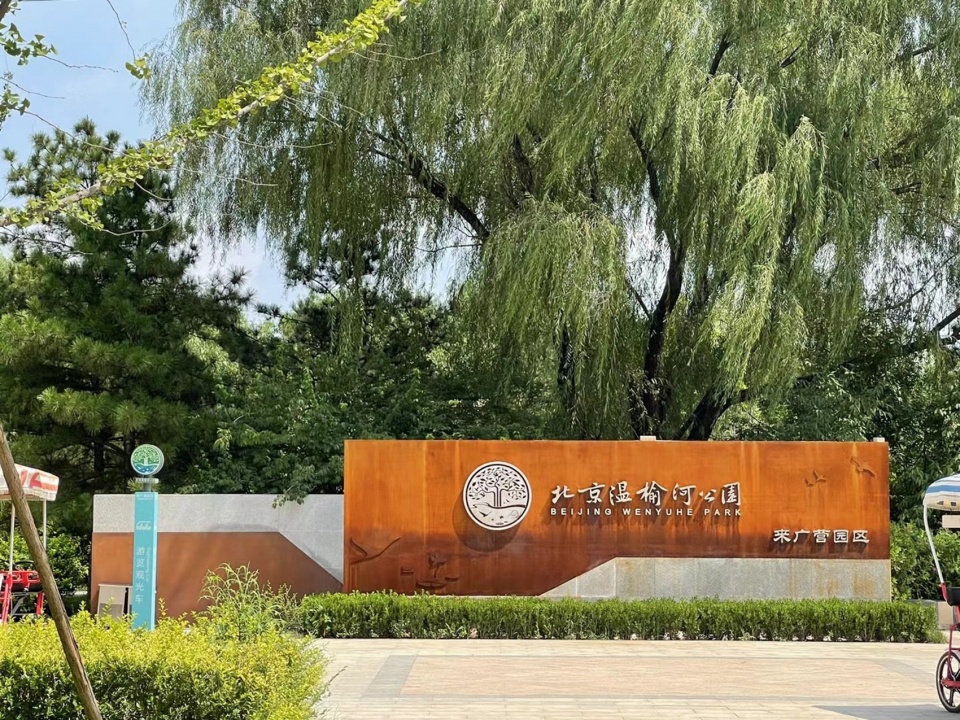
▼公园主入口,Main entrance of the park
▼北京地铁13号线成为公园一景,Beijing Subway Line 13 becomes a park attraction
▼园区社会运营小火车,Park Social Operations Train
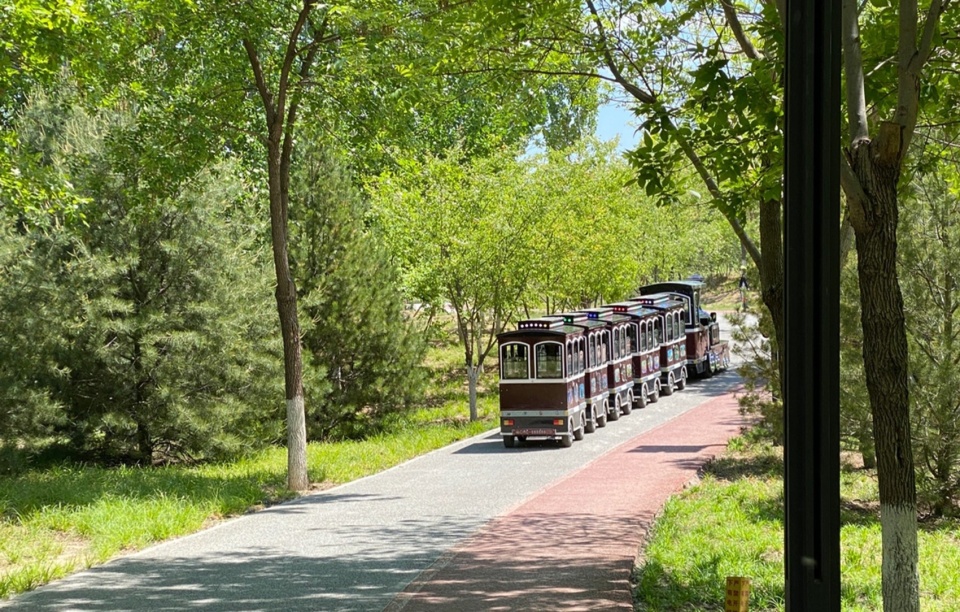
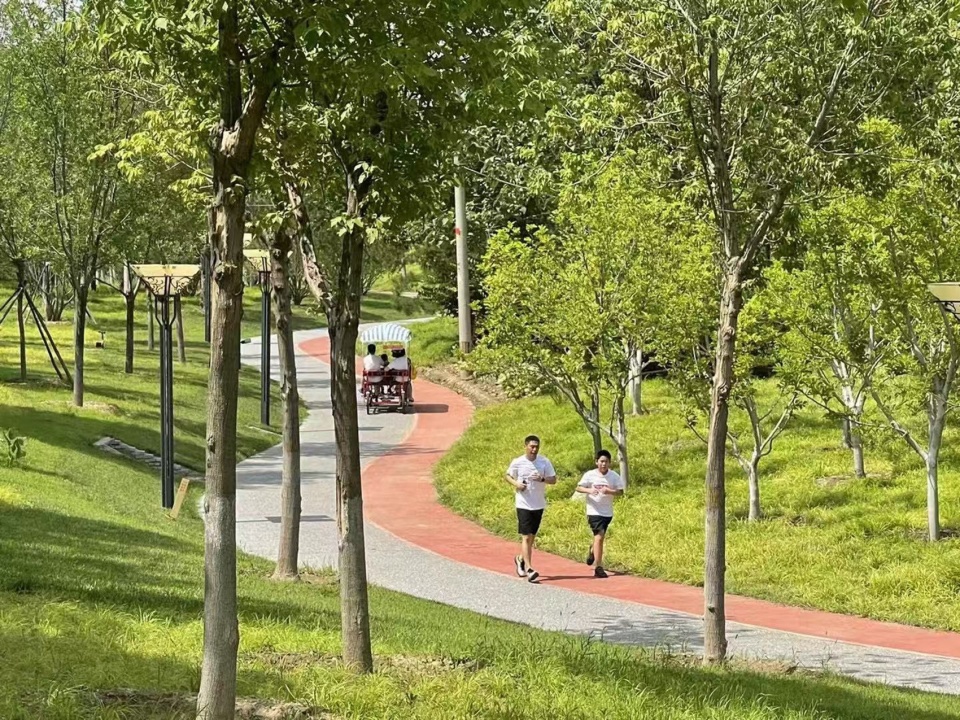
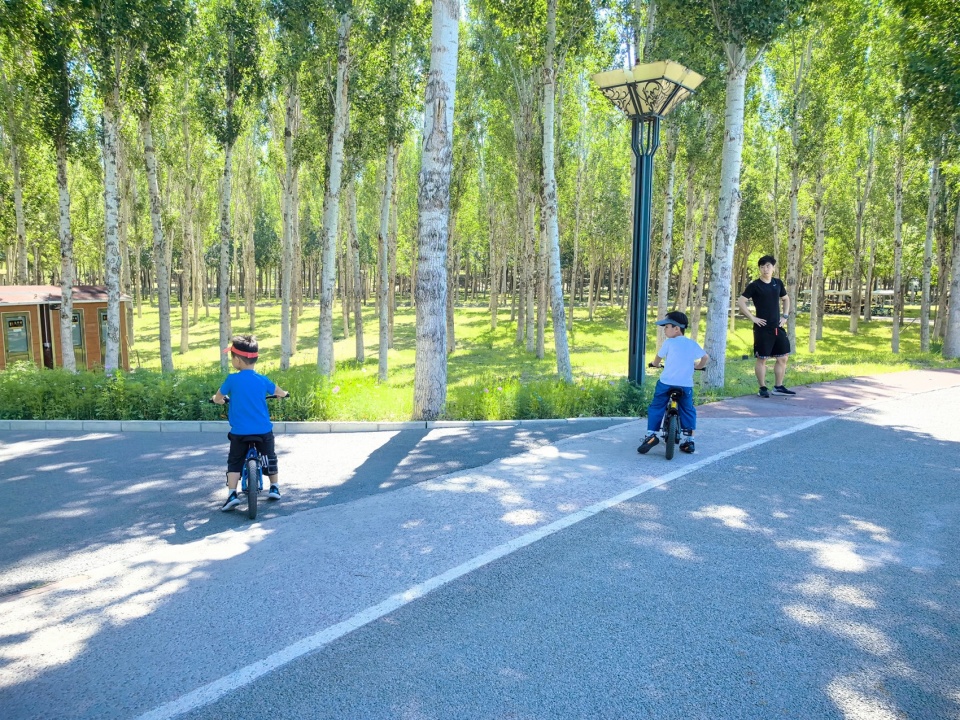
流线上以极小干预方式将人流引入公园,汇至公园的相关功能区域,蜿蜒的休闲步道串联起社交广场与游乐空间,让市民在四季变幻的森林景观中收获健康与欢乐;依托场地村道、作业道设置三级道路系统,通过不同等级的交通组成公园内部电瓶车巡游系统、步行游赏系统、自行车骑行系统、3-5公里慢跑系统。预留道路接口,未来可与南北现状公园形成统一的交通系统,完成大循环,形成5公里、10公里、半马等运动路线,以满足游人的不同需求。注重结合植物,减少对现状植被的破坏,提升行走感受,打造全程林荫路。
Pedestrian flow is guided into the park with minimal intervention, channeling to different functional areas. Trails connecting social plazas and recreational spaces allows citizens to enjoy health and joy in the ever-changing forest landscape. A three-level road system is established based on the original village roads and work paths. This system comprises a battery-powered vehicle tour system, a walking tour system, a bicycle system, and a 3-5 km jogging system. Road interfaces are reserved to form a unified transportation system with the existing parks to the north and south, completing a large loop and creating 5 km, 10 km, and half-marathon routes to meet the diverse needs of visitors. Emphasis is placed on incorporating plants to minimize damage to the existing ground cover, to enhance the walking experience, and to create a fully shaded path.
▼道路系统穿越全园,The road system runs through the entire park
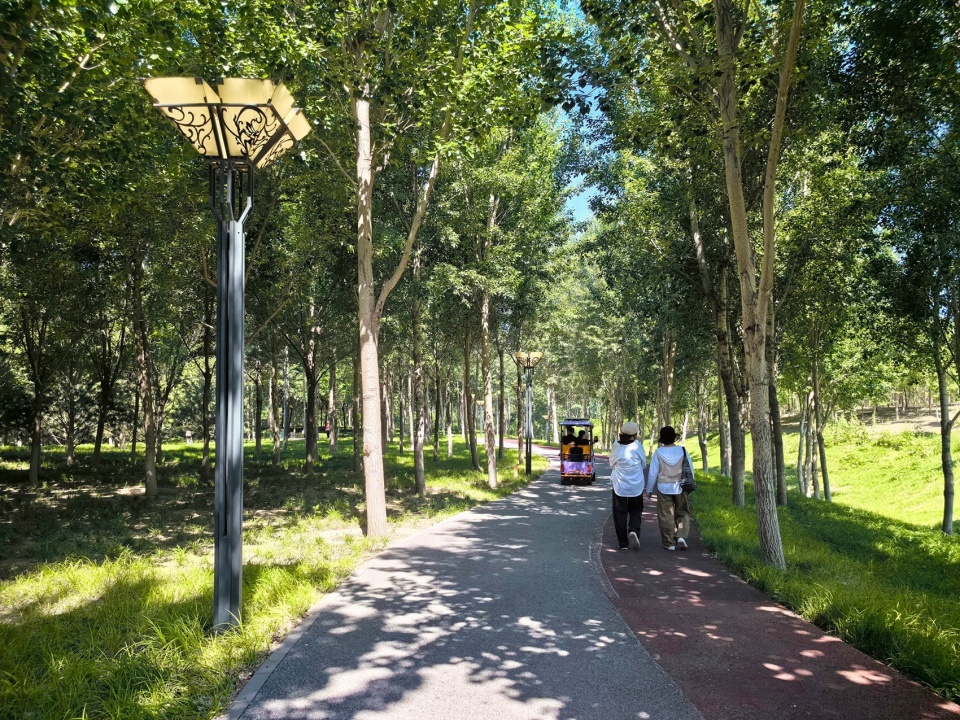
▼林间主干路结合跑道设置,The main road in the forest is combined with the runway route design
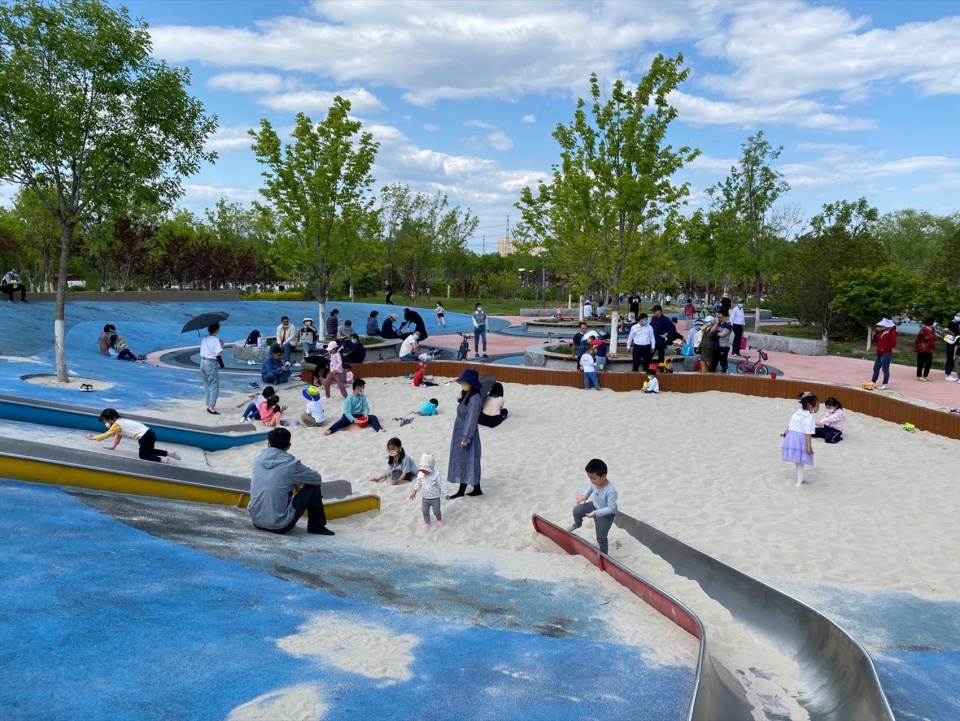
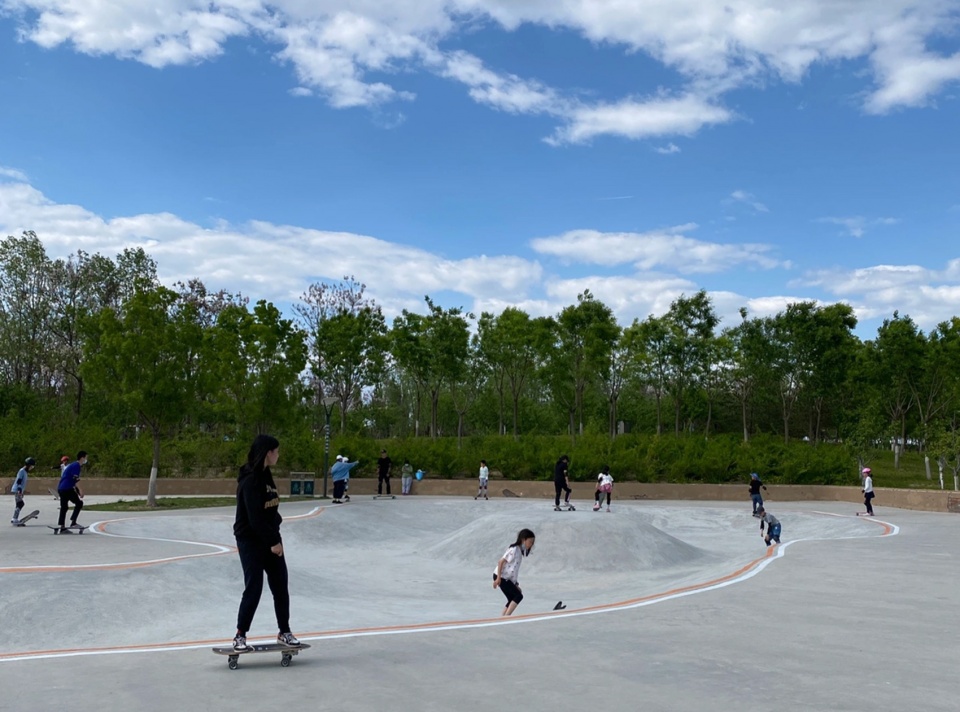
利用场地疏解腾退的16公顷土地,新建多种球类运动场地设施、路冲碗池、无动力游乐设施等功能性娱乐场地及售卖、卫生间等相关服务设施,满足城市公园相关配套服务,同时与周围林地保持相对密切的整合,既满足了当下市民的多样化需求,又为林地生态功能服务保留了足够空间。
16 hectares of land relocation are designed to be the new functional entertainment venues such as various ball sports facilities, the Surfskate Bowl Pond, non-powered amusement facilities. Service facilities such as sales and toilets are also built nearby to meet the relevant services needs. At the same time, it maintains a relatively close integration with the surrounding woodlands, which not only meets the diverse needs of citizens today, but also reserves sufficient space for the ecological function services of the woodlands.
▼零重力儿童活动区域深受访客欢迎,The zero-gravity children’s activity area is very popular among children among visitors
▼活动与林地空间留足弹性,Allowing sufficient flexibility for activities and woodland spaces
▼路冲碗池成为北京公园打卡热门地,The Surfskate Bowl Pond in the park has become a popular check-in spot in Beijing
结语Ending
在城市更新与存量时代的背景下,文化和生态的需求都需要结合城市发展中“人”的使用背景表达并实现。作为过去时代的某种 “遗产” 被继承下来的大体量人造林,其“隐形价值”转化是该类型公园建设的关键设计技术。朝来森林公园将大型林地生态系统生物多样性的恢复放到首位的同时,兼顾生境低干扰的休闲游览活动,将实现人-城-景三方面的相互依赖与互联,建立有着强联系的积极的、有着丰富人文活动的场景体验,为大型城市森林公园建设提供了实践样本。
In the ear of urban renewal and the house stock, both the cultural and ecological needs are required to be expressed and realized within the context of “human needs” .Transforming the “invisible value” of the vast expanse of artificial forest, a kind of “legacy” heritage from a bygone era, is a key design technique for this type of park. Chaolai Forest Park prioritizes the restoration of biodiversity in large woodland ecosystems while also incorporating low-disruption leisure activities. This approach fosters interdependence and interconnectivity among people, the city, and the landscape, creating a strong, positive, and culturally enriched experience, providing a practical model for the development of large-scale urban forest parks.
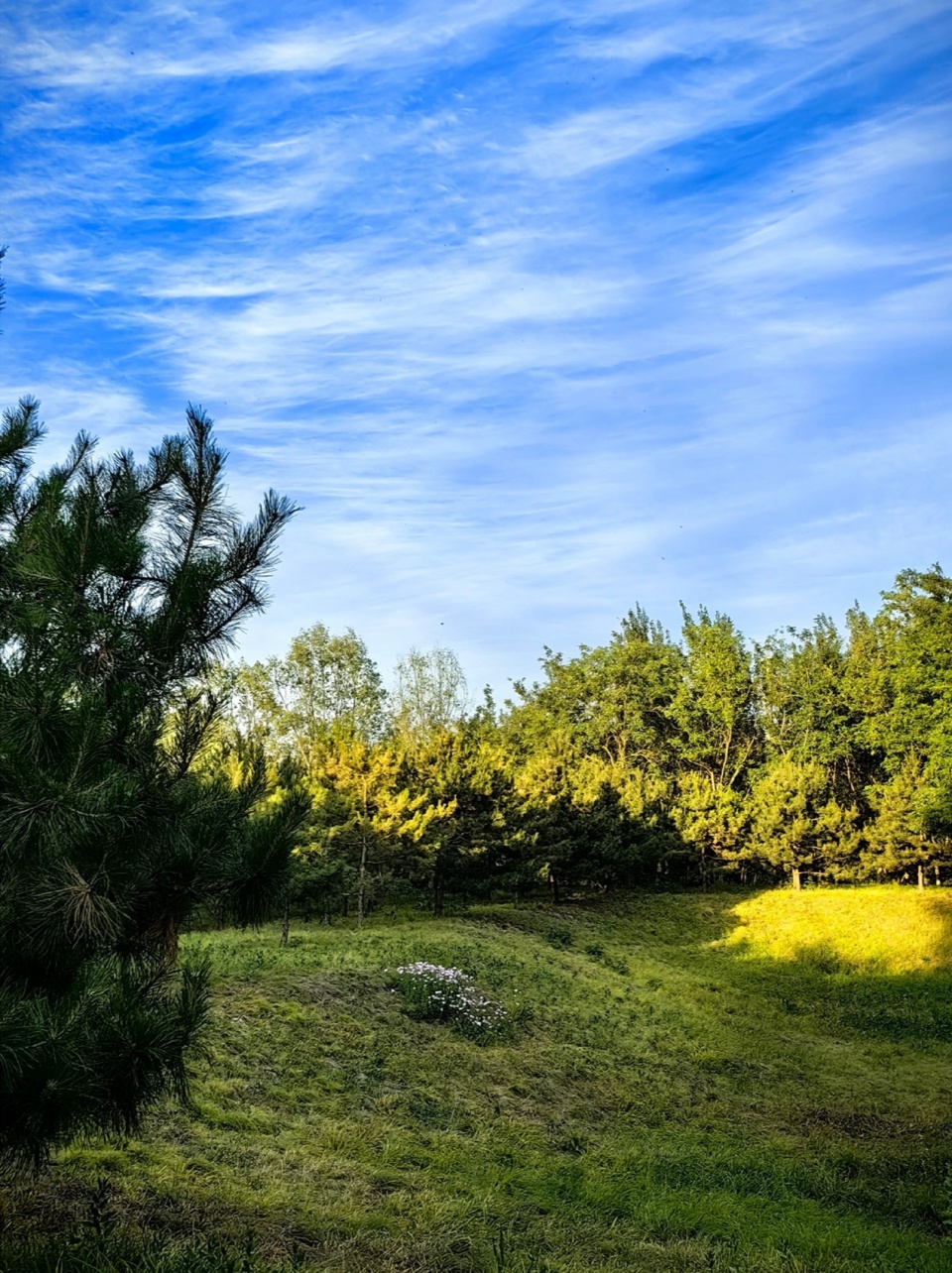
▼丰富地形变化,提升游赏体验,Enriching terrain changes and enhancing the viewing experience
Project name: Beijing Chaolai Forest Park Phse III
Project type: Urban Forest Park
Design: DDON Planning & Design Co., Ltd
Website: http://www.ddonplan.com/
Contact e-mail: resaerch@ddonplan.com
Design year:2021
Completion Year:2024
Leader designer & Team: Si Hongshun, Wu Jingtao, Tu Bo, Lin Lingling, Liang Peng, Zhang Xiaowei, Wang Min, Guo Dong, Di Jilong, Liu Jingyu, Qin Yue, Cai Si, Song Jiajia, Zhao Ran, Zou Ning, and Fan Shujiao
Project Location: Laiguangying Township, Chaoyang District, Beijing
Project Area:89000㎡
Photo credit: DDON,Official Accounts: Chaoyang Liangdian; My Neighbor Totoro’s Happy Life (Xiaohongshu ID: 2653515800); Guo Xiaohu; Binson (Xiaohongshu ID: 294279509); © Durian Dingding (Xiaohongshu ID: 649417278); © Durian Dingding (Xiaohongshu ID: 649417278)
Partner:Construction Company-Beijing Chaoyuanhong Landscaping Co., Ltd.
Clients:Laiguangying Township People’s Government