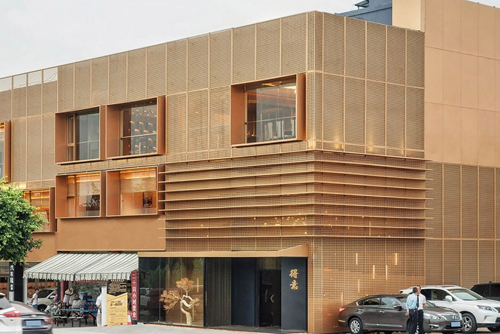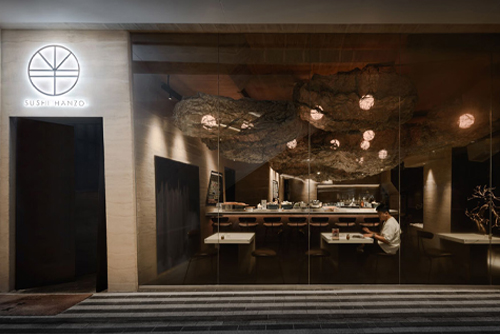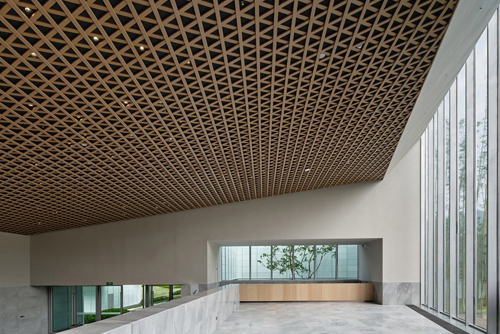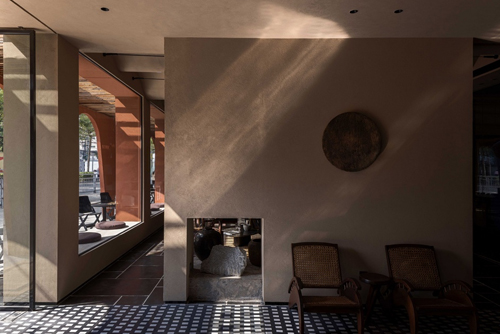
TDX冰厂改造项目,越南 / NU Architecture & Design
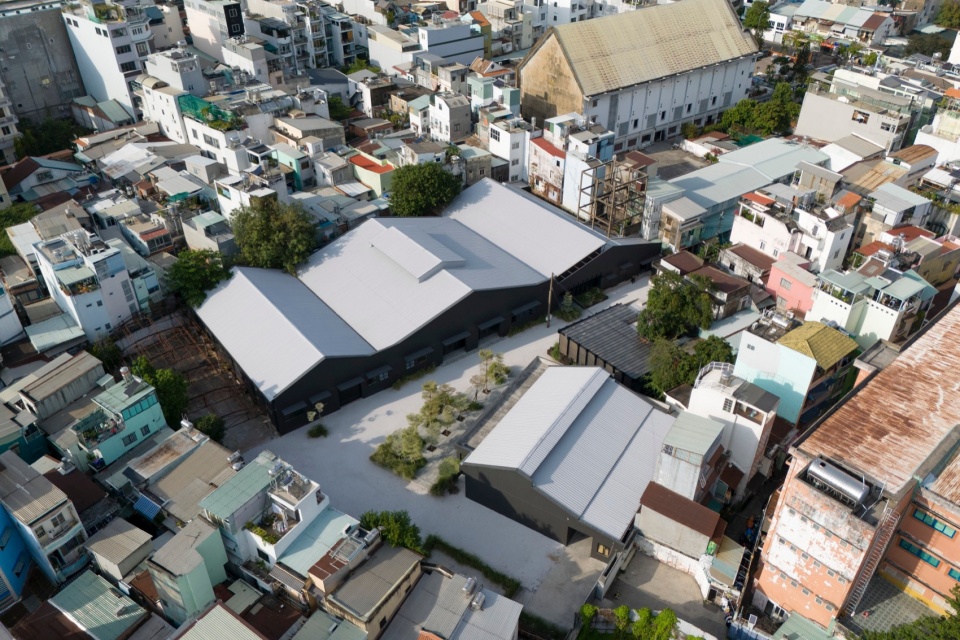
隐匿在胡志明市一条静谧小巷中,一座占地 4,200 平方米的废弃老冰厂被重新构想为TDX冰厂——一个集展厅、办公与活动空间于一体的复合场所。该项目由越南家居品牌 District Eight 委托NU architecture & design设计,通过“适应性再利用”(adaptive reuse)将一座工业遗迹转化为一个植根于材料真实感、文化记忆与工艺精神的当代场所。NU 负责的是面向公众的部分,包括入口、立面、户外活动区及洗手间。设计不仅仅是一次功能性的升级,更需体现 District Eight 的品牌精神:精准、传承与匠心。
Tucked away in a quiet alley of Ho Chi Minh City, a 4,200m² former ice factory has been reimagined as TDX Ice Factory — a compound comprising a showroom, office, and event spaces. Designed by NU architecture & design for the Vietnamese furniture brand District Eight, the project embraces adaptive reuse, transforming an abandoned industrial shell into a place grounded in material honesty, cultural memory, and craftsmanship. NU architecture & design was responsible for the public-facing components of the project, including the entrance, façade, exterior event space, and restrooms. More than a functional upgrade, the design had to reflect District Eight’s identity, defined by precision, cultural continuity, and a deep commitment to craft.
▼场地鸟瞰,aerial view of the project
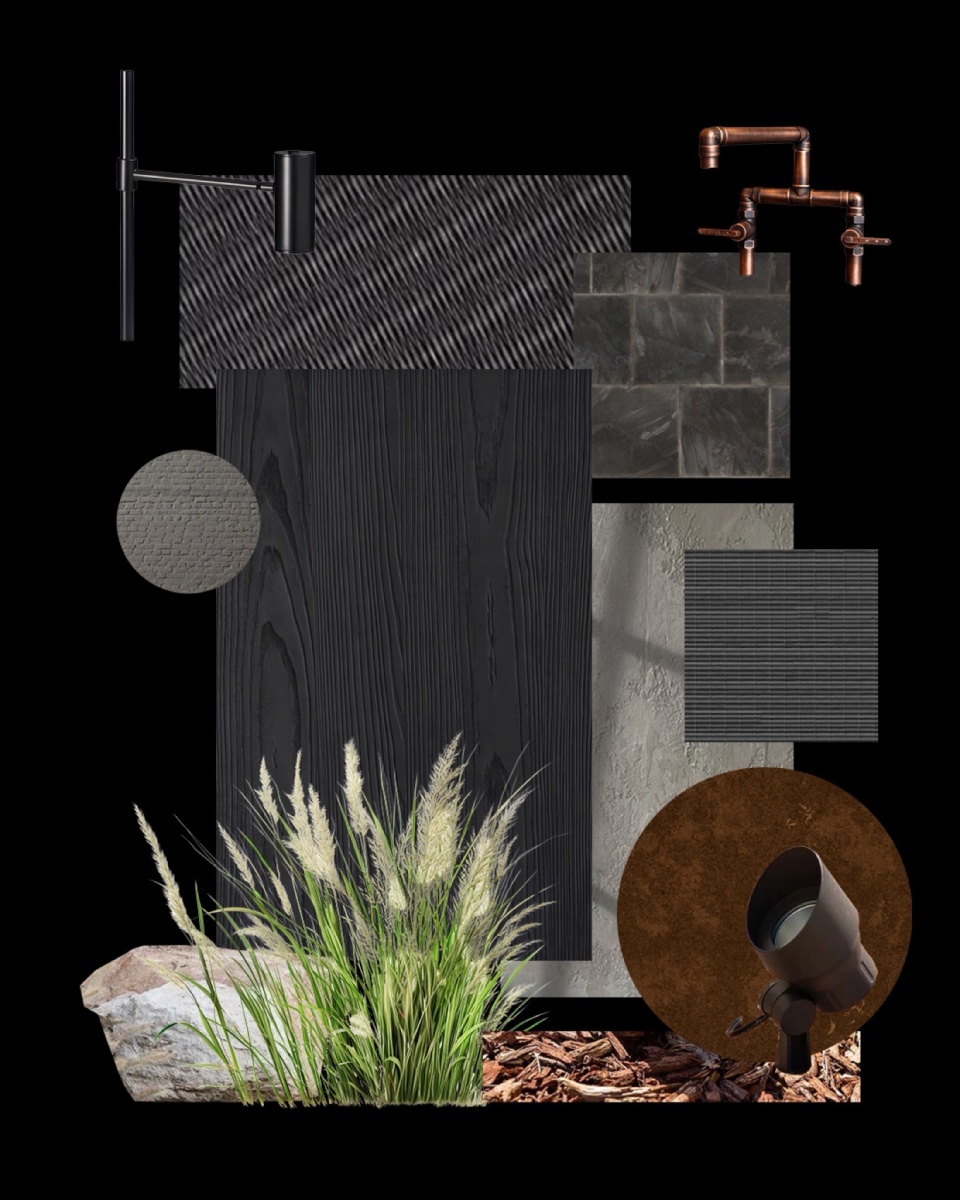
设计团队并未推倒重建,而是尊重原有建筑结构,保留大部分混凝土框架,作为新干预措施的基础。值得一提的是,大量木材源自District Eight十五年前旧厂的拆除,长期保存后得以“重生”为横梁、墙板、灯具及其他室内细部构件。竹子、麻布与天然石材等本地材料因其质朴、坚韧与文化意涵被选中,赋予空间以地域性与记忆感,同时也完美契合品牌气质。
Rather than demolishing the old, NU worked with the existing architecture and interior, retaining much of the concrete frame to support new interventions. Timber members salvaged from District Eight’s former factory, stored for over 15 years, were repurposed into beams, wall panels, lighting fixtures and other interior details. Local materials such as bamboo, burlap, and natural stone were chosen for their rawness, resilience, and cultural resonance. Together, they anchor the design in place and memory while aligning seamlessly with our client’s brand ethos.
▼改造后的工厂,factory after renovation
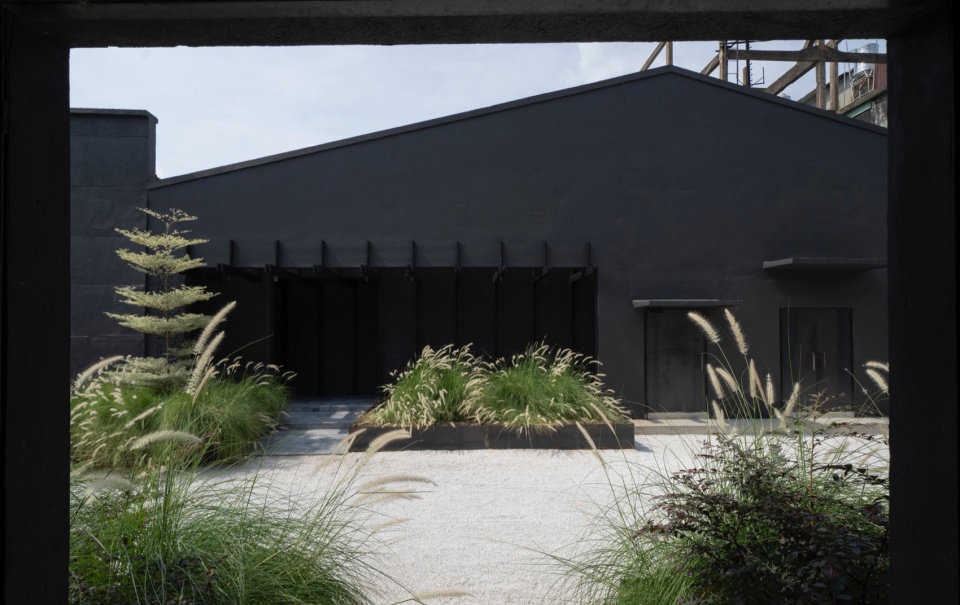
▼庭院,courtyard
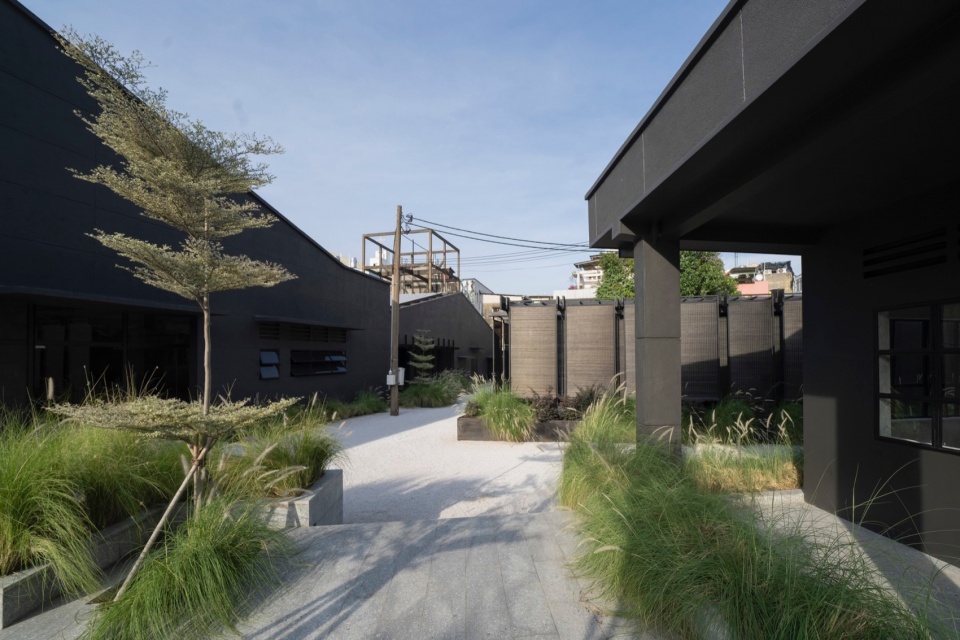
▼小巷,hẻm
▼庭院,courtyard
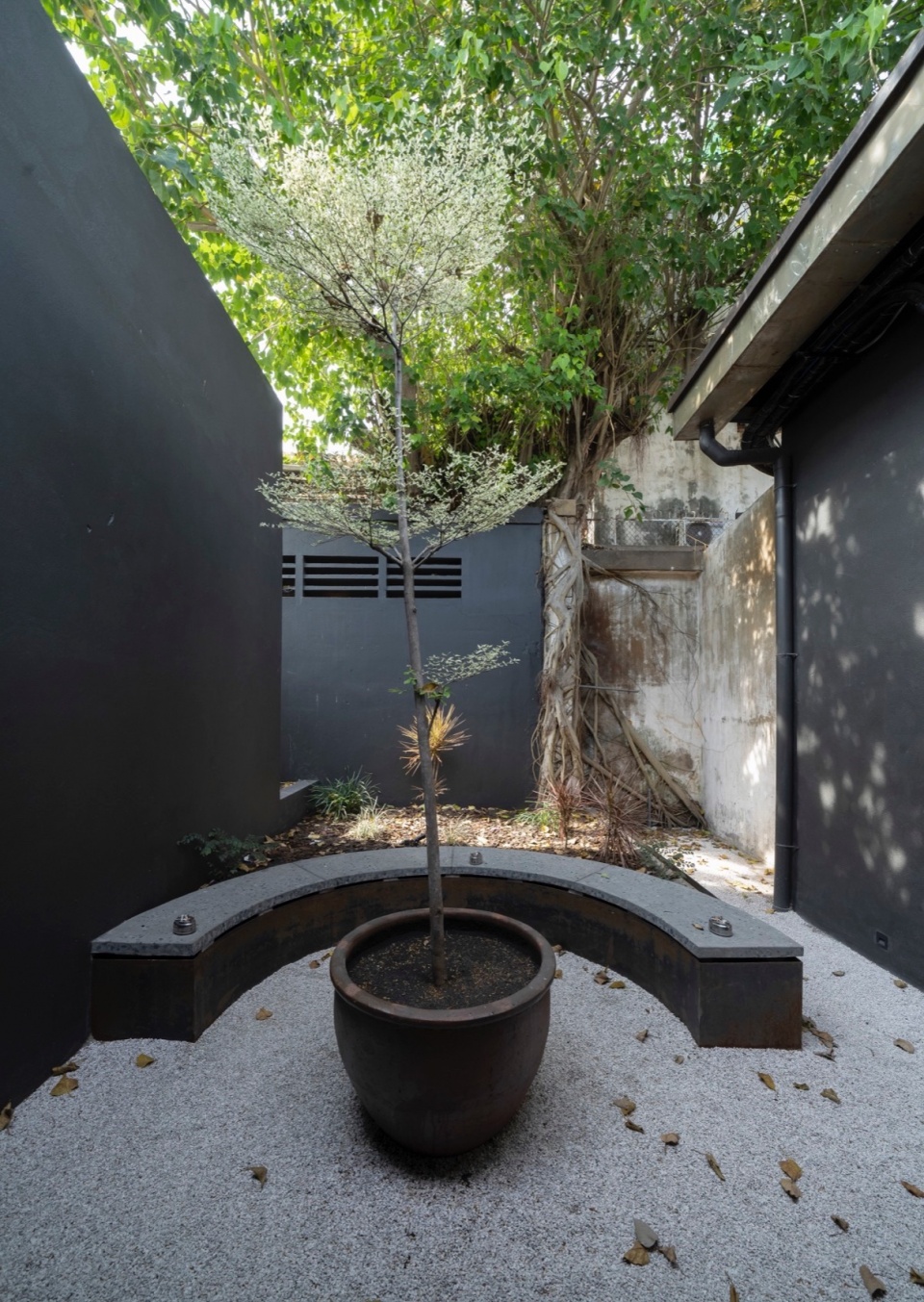
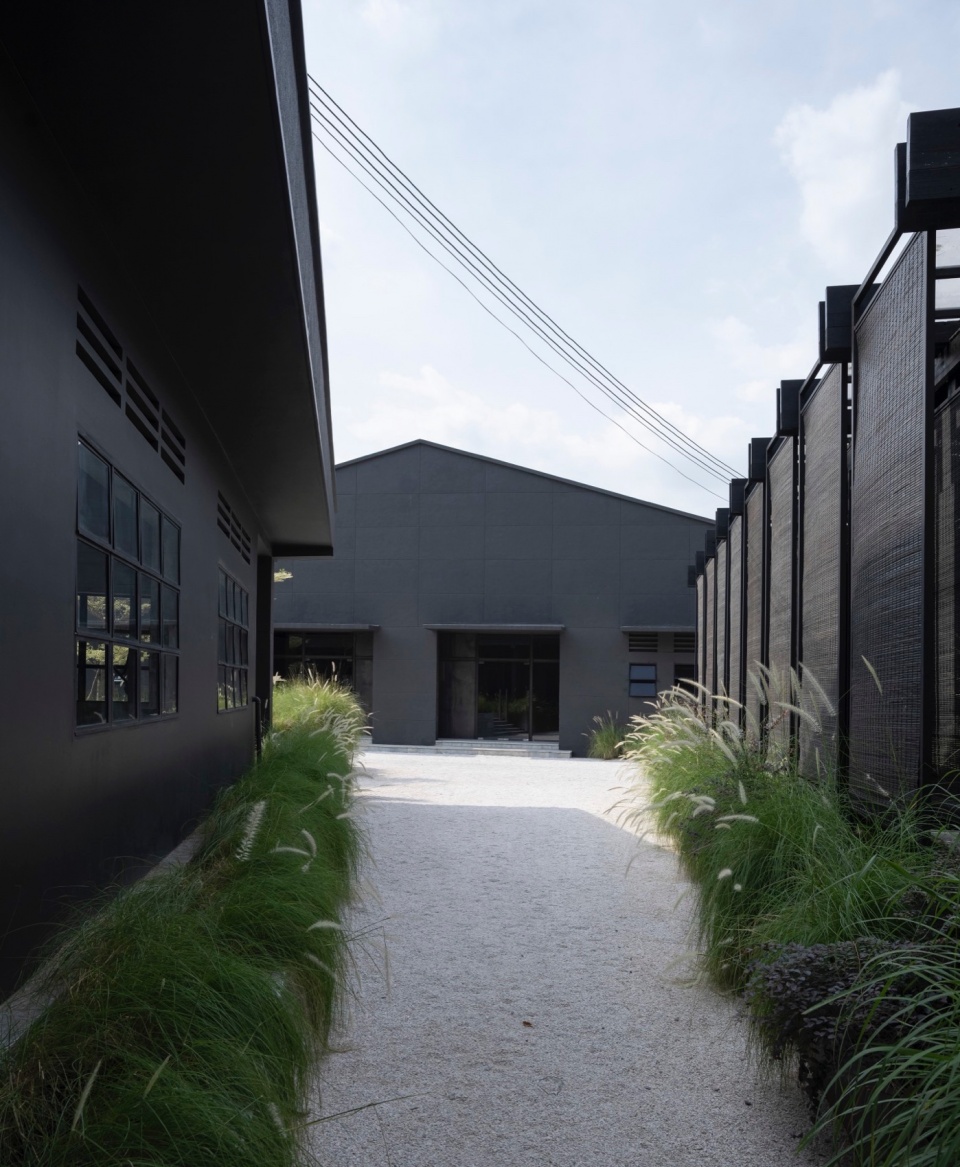
这一材料语言不仅构建了视觉美学,更塑造了空间体验。访客穿过狭窄的 “hẻm”(越南小巷)而入,这是越南城市肌理中极为熟悉的节奏,豁然开朗的是一个统一而深灰调处理的复合体——展厅、活动空间与办公区域在原建筑基础上被串联成一个完整的空间序列。项目借鉴传统越南庭院的逻辑,户外活动区具有良好的通风与视野开阔感,竹编天花与麻布帘幕柔化了光线与动线,使场所更具温度。
This material palette does more than define the aesthetic. It shapes the spatial experience. Visitors approach through a narrow hẻm (Vietnamese alley), a familiar rhythm of the local urban grain, which expands into a generous compound where the architecture has been brushed with a dark charcoal grey finish over the existing buildings into a cohesive sequence linking the showroom, event spaces and offices. Echoing the logic of traditional Vietnamese courtyards, the exterior event space encourages natural ventilation and visual openness, with bamboo ceiling drapes and burlap screens softening both light and movement.
▼统一而深灰调处理的外立面,the uniform and dark grey-toned facade
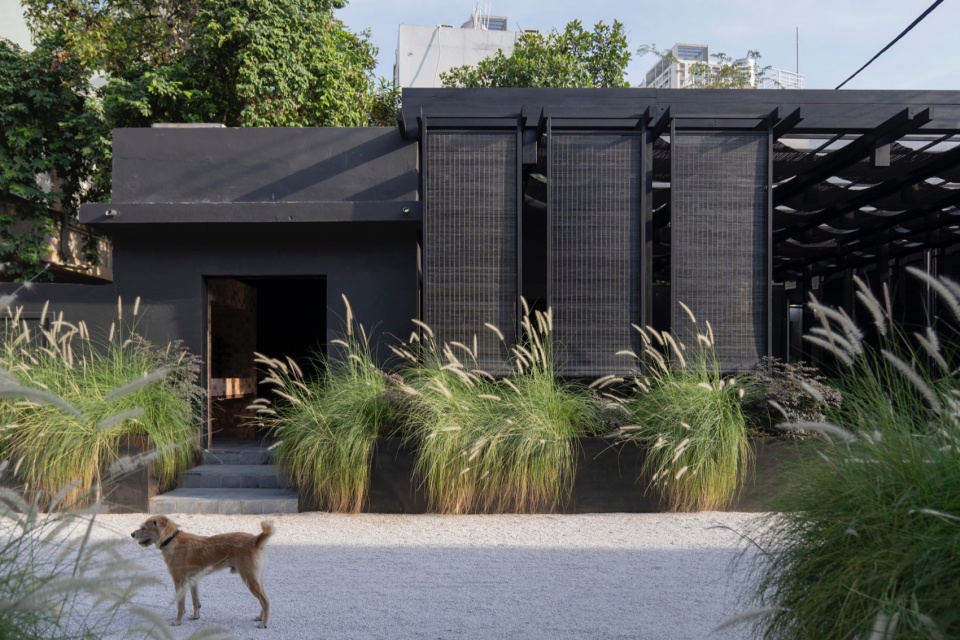
▼半室外庭院,semi-outdoor courtyard
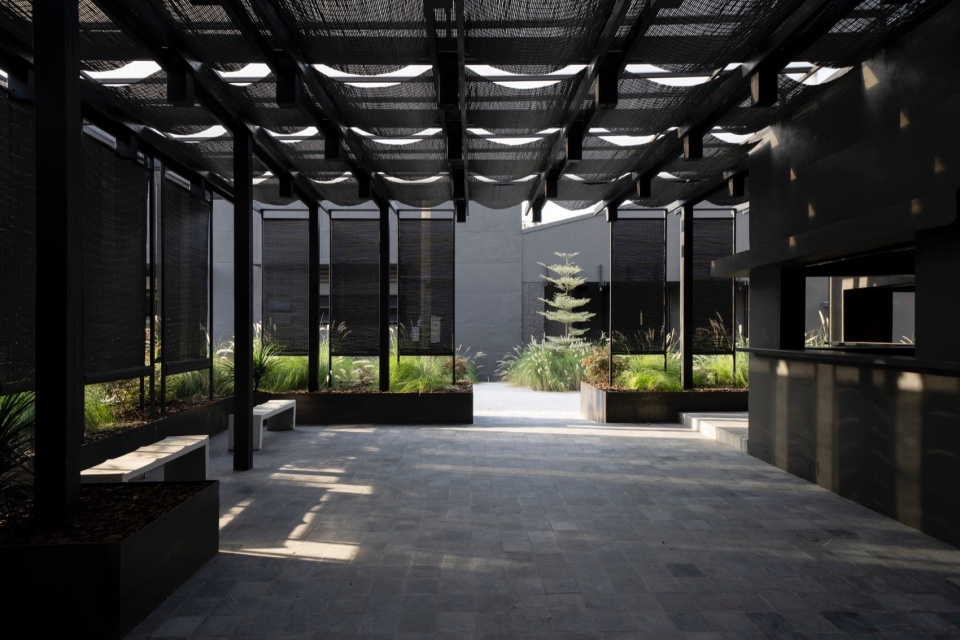
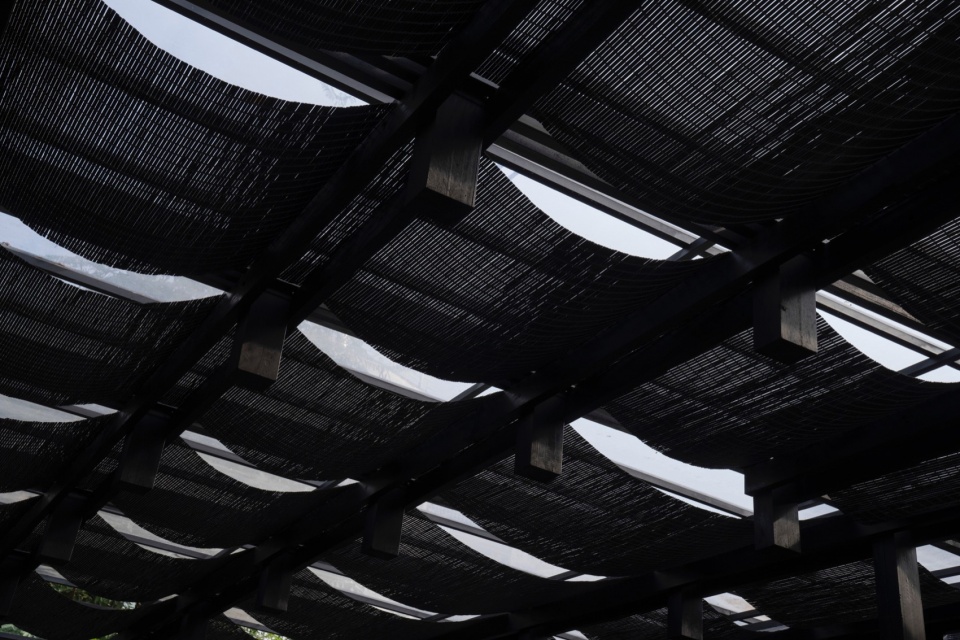
▼竹编天花与麻布帘幕柔化了光线与动线,
the bamboo ceiling and linen curtains soften the light and the flow of movement
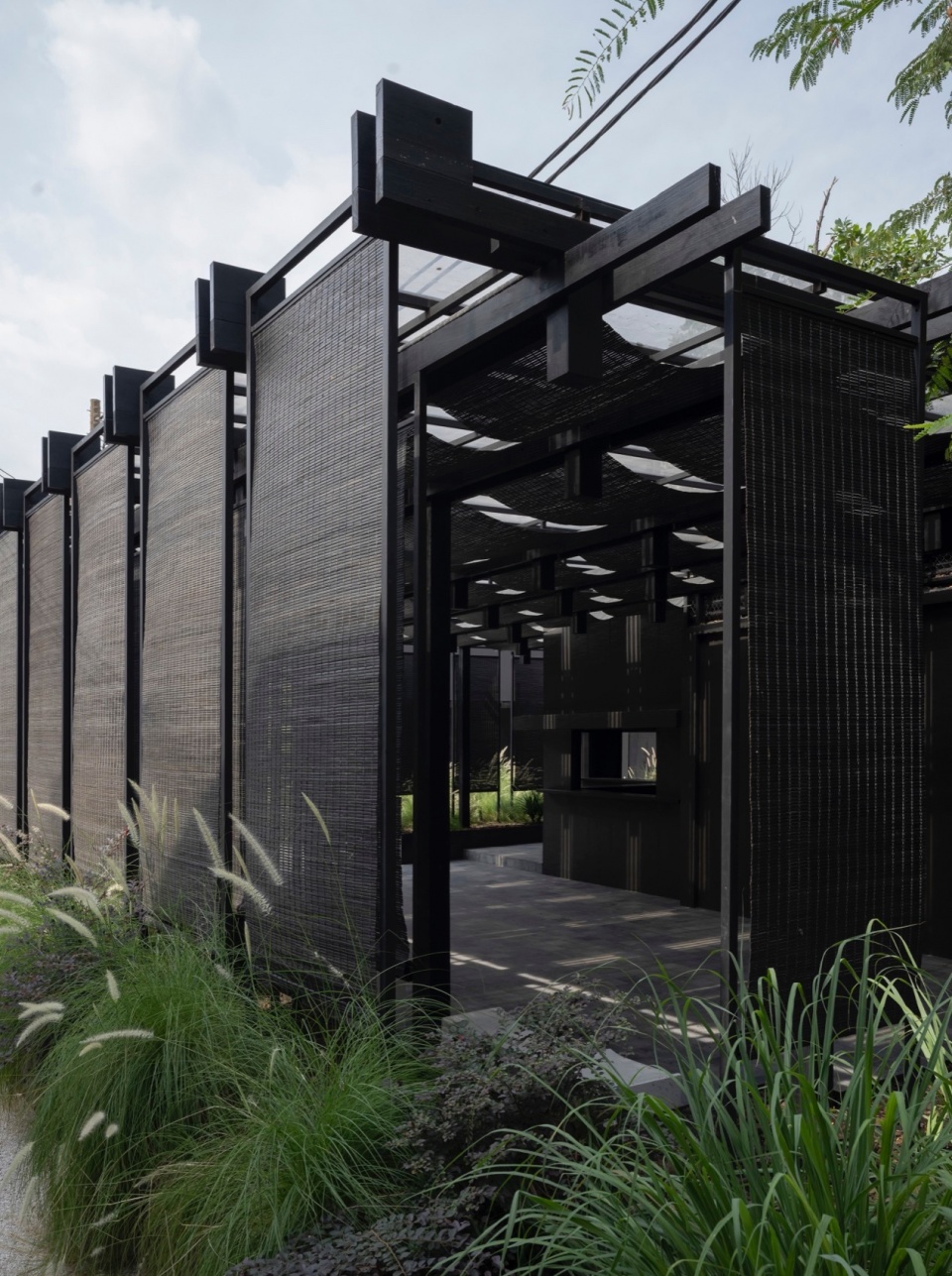
▼设计借鉴越南传统庭院逻辑,
the design draws on the logic of traditional Vietnamese courtyards
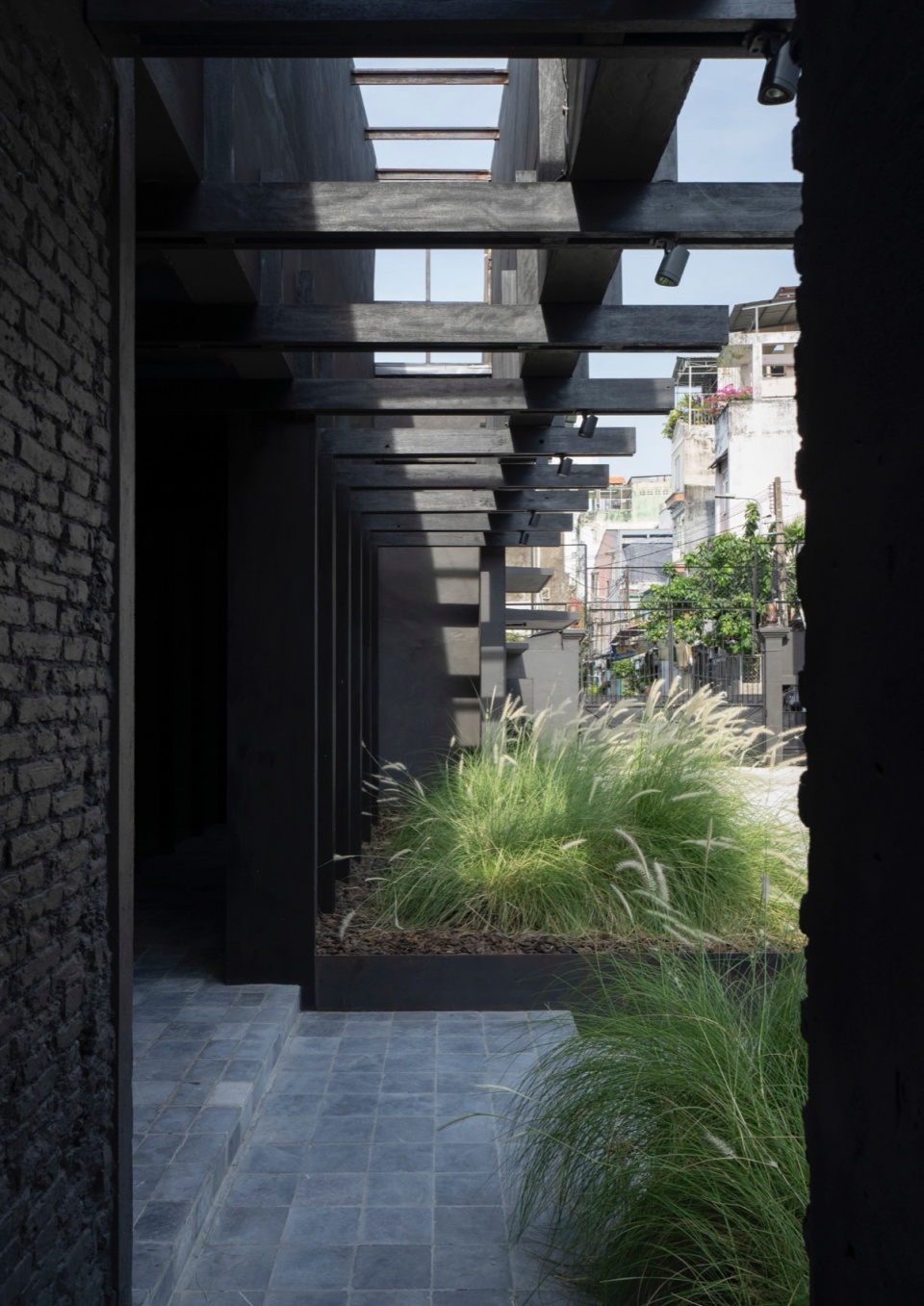
▼活动空间细部,details of event space
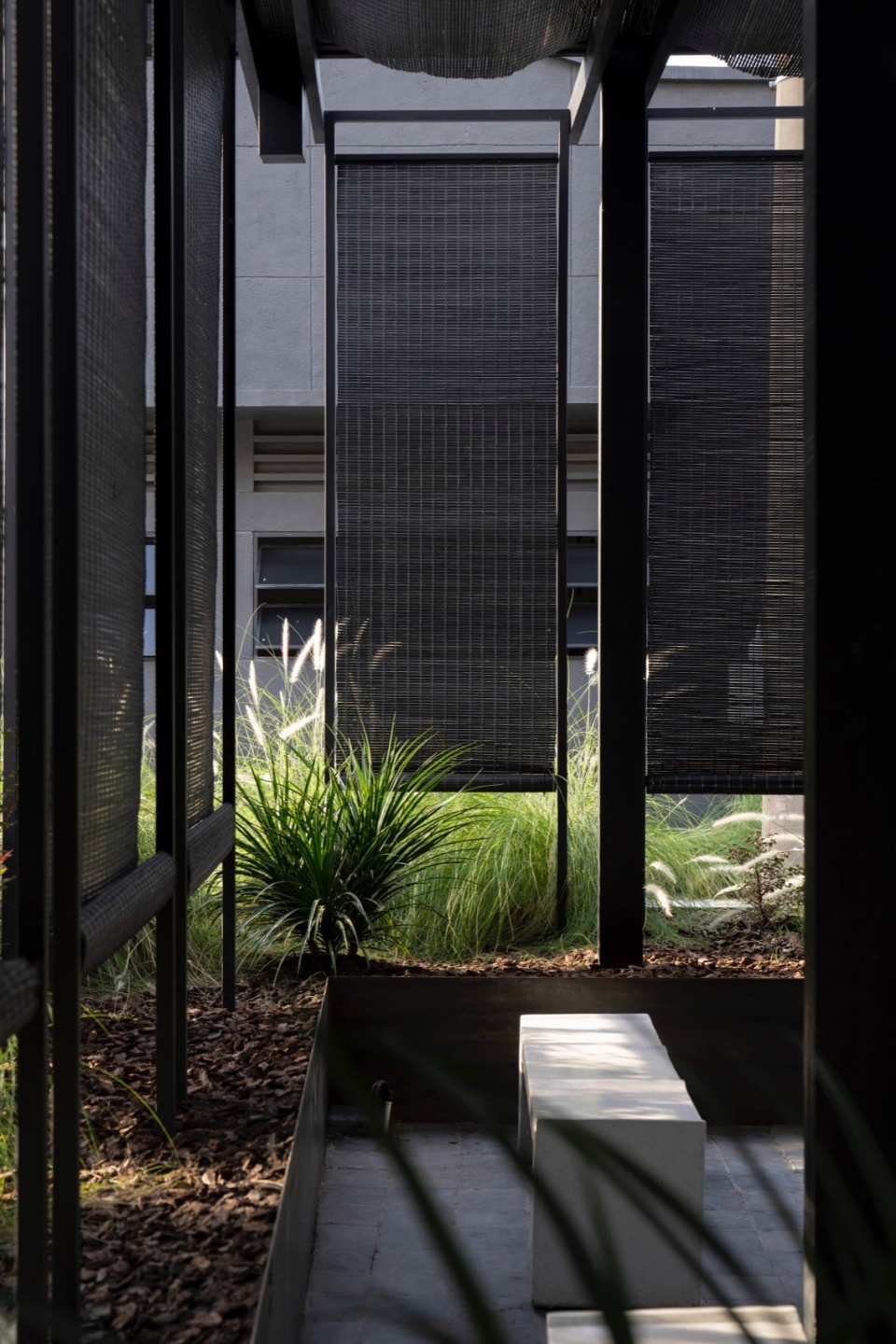
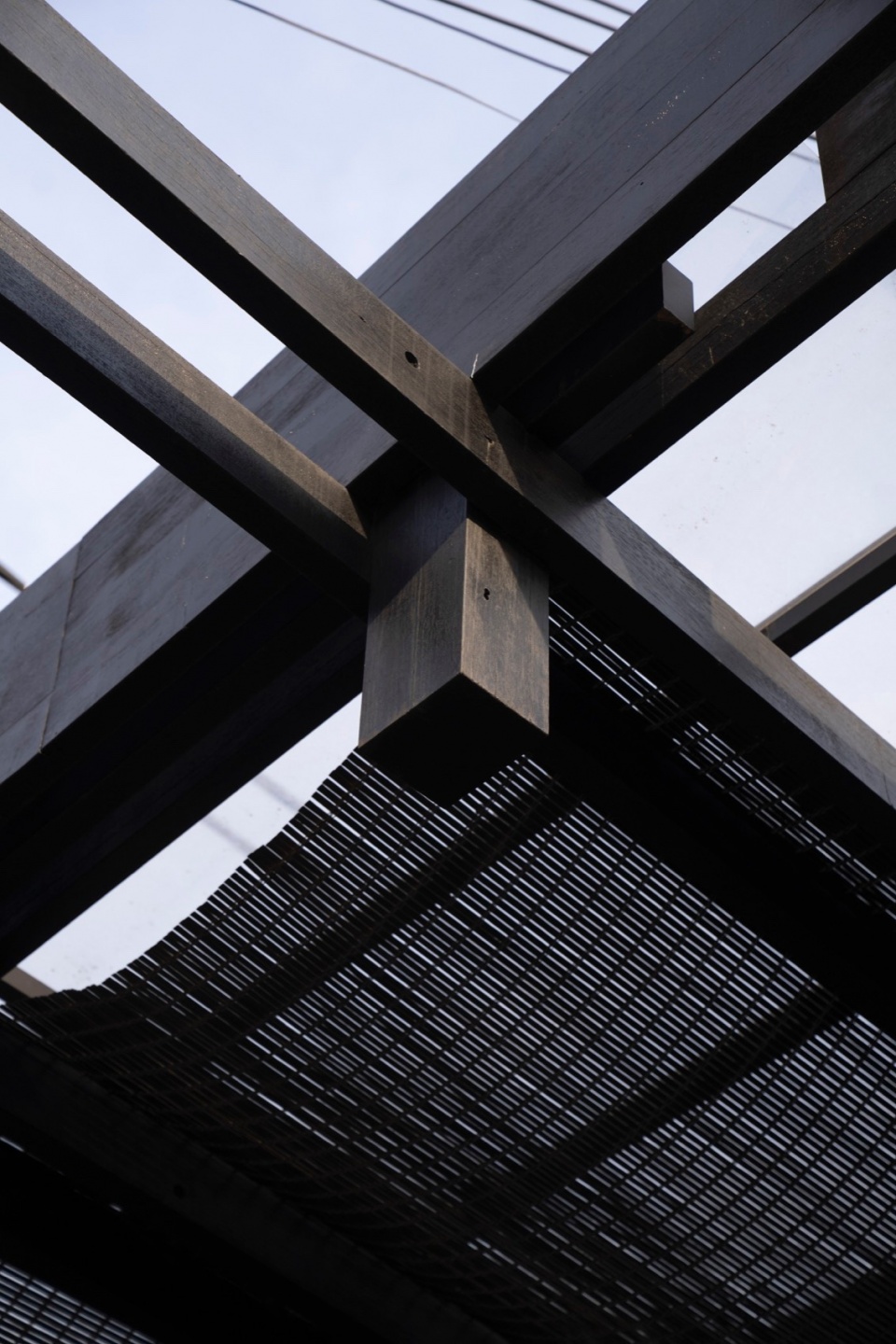
▼结构细部,details of structure
▼竹帘细部,bamboo ceiling details
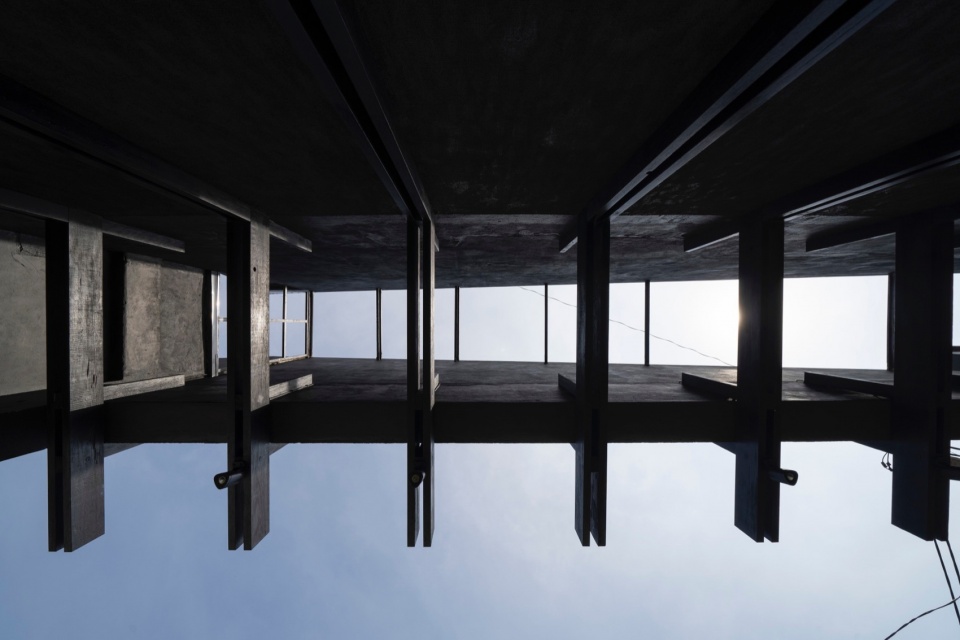
▼细部,details
可持续性从已有出发。通过保留原有结构、再利用旧材,项目在减少环境负担的同时也维护了建筑的连续性。没有任何表面被视为装饰,所有构件都具备触感与建筑意义。如同District Eight家具的设计理念,整体呈现克制而精准,建立在清晰、细致与持久之上。
Sustainability begins with what already exists. By retaining the original structure and giving materials a second life, the project reduces environmental impact while preserving the building’s continuity. No surface is treated as ornamental. Every element serves a tactile, architectural purpose. As with District Eight’s furniture, the result is quiet yet exact, built on clarity, care, and endurance.
▼展厅,exhibition hall
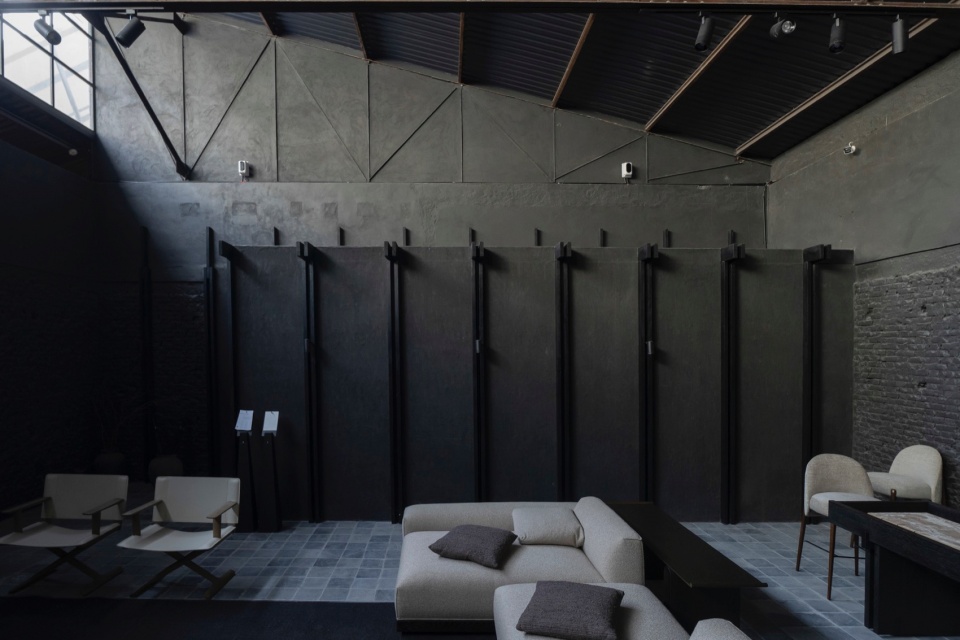
▼展厅细部,details of exhibition area
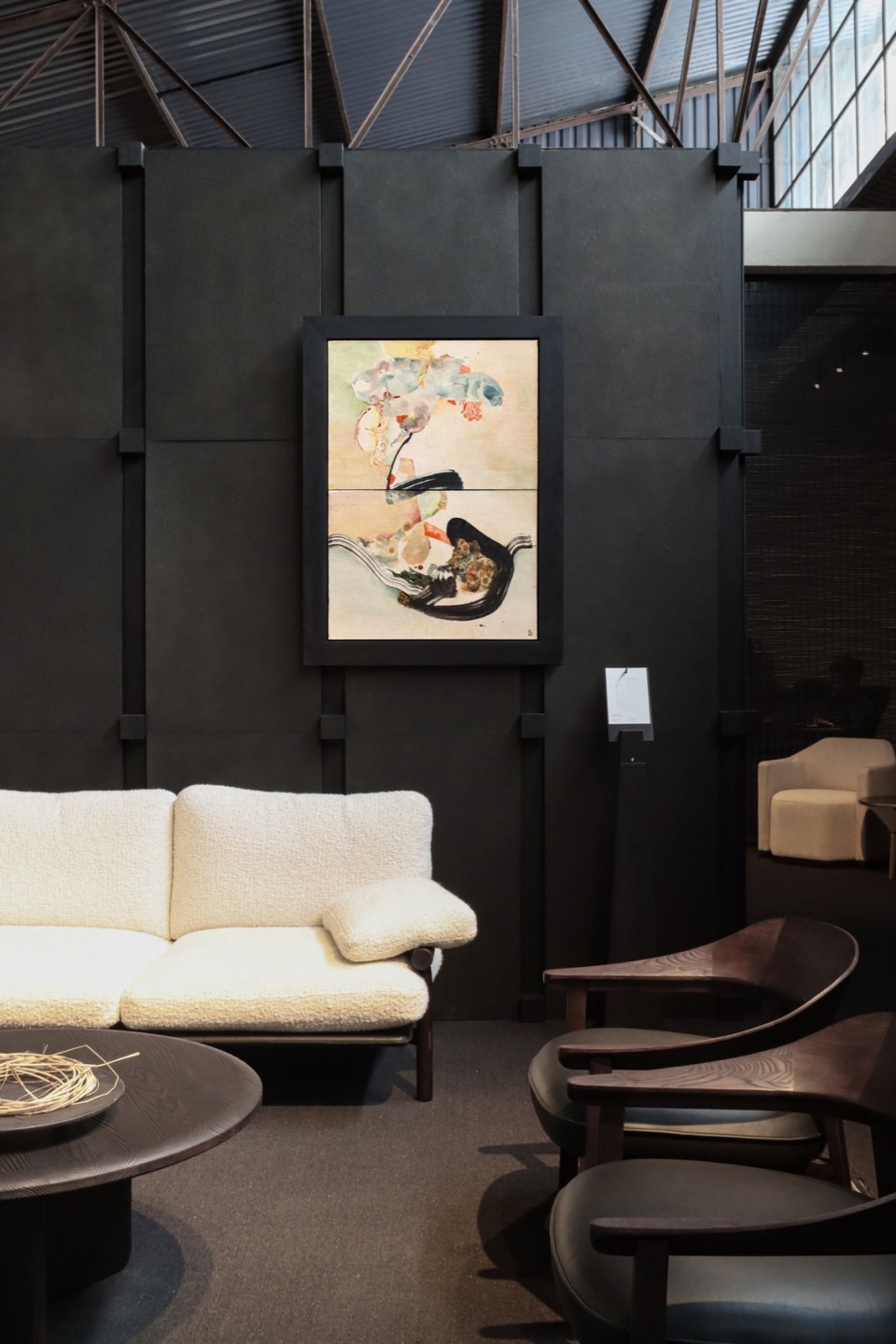
▼细部,details
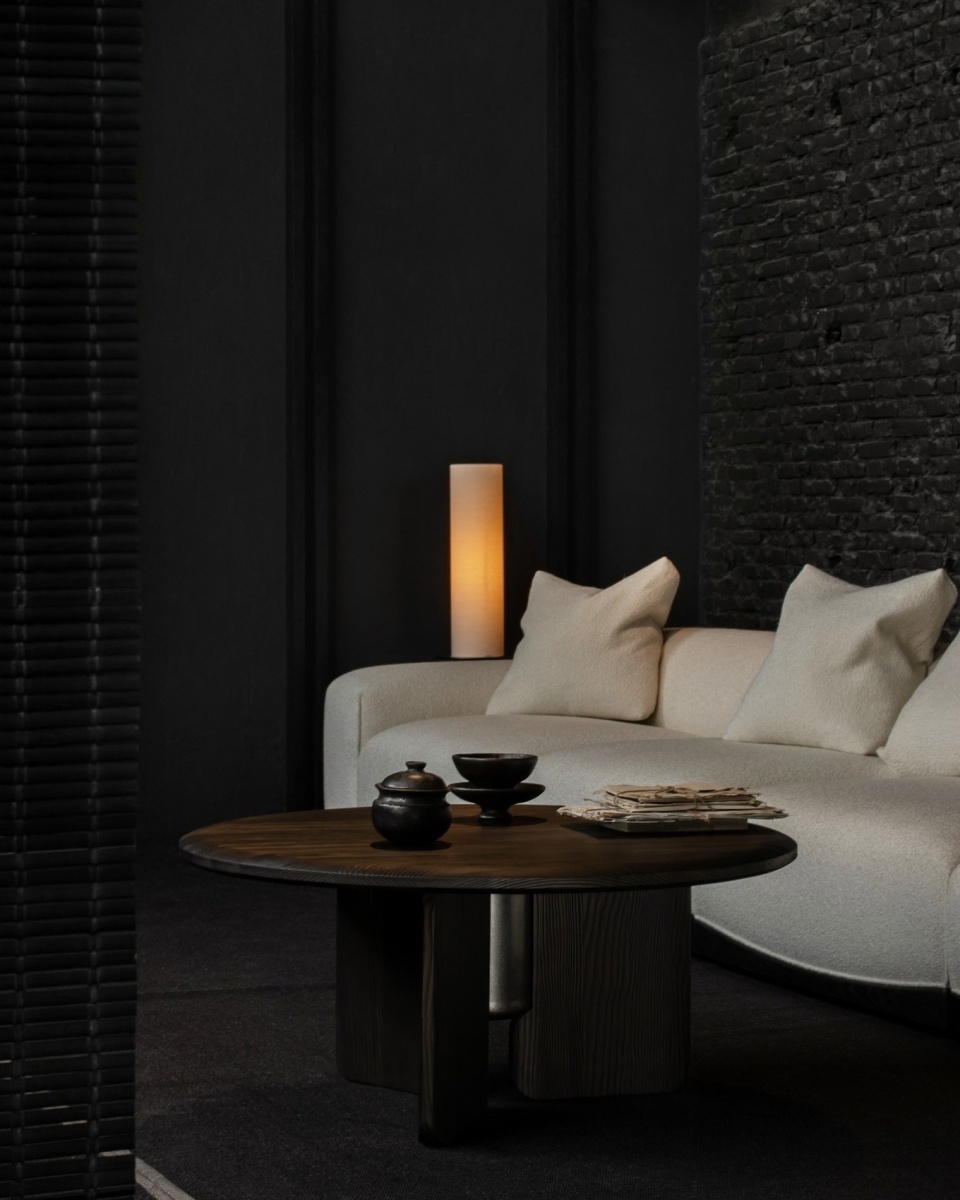
▼卫生间,toilets
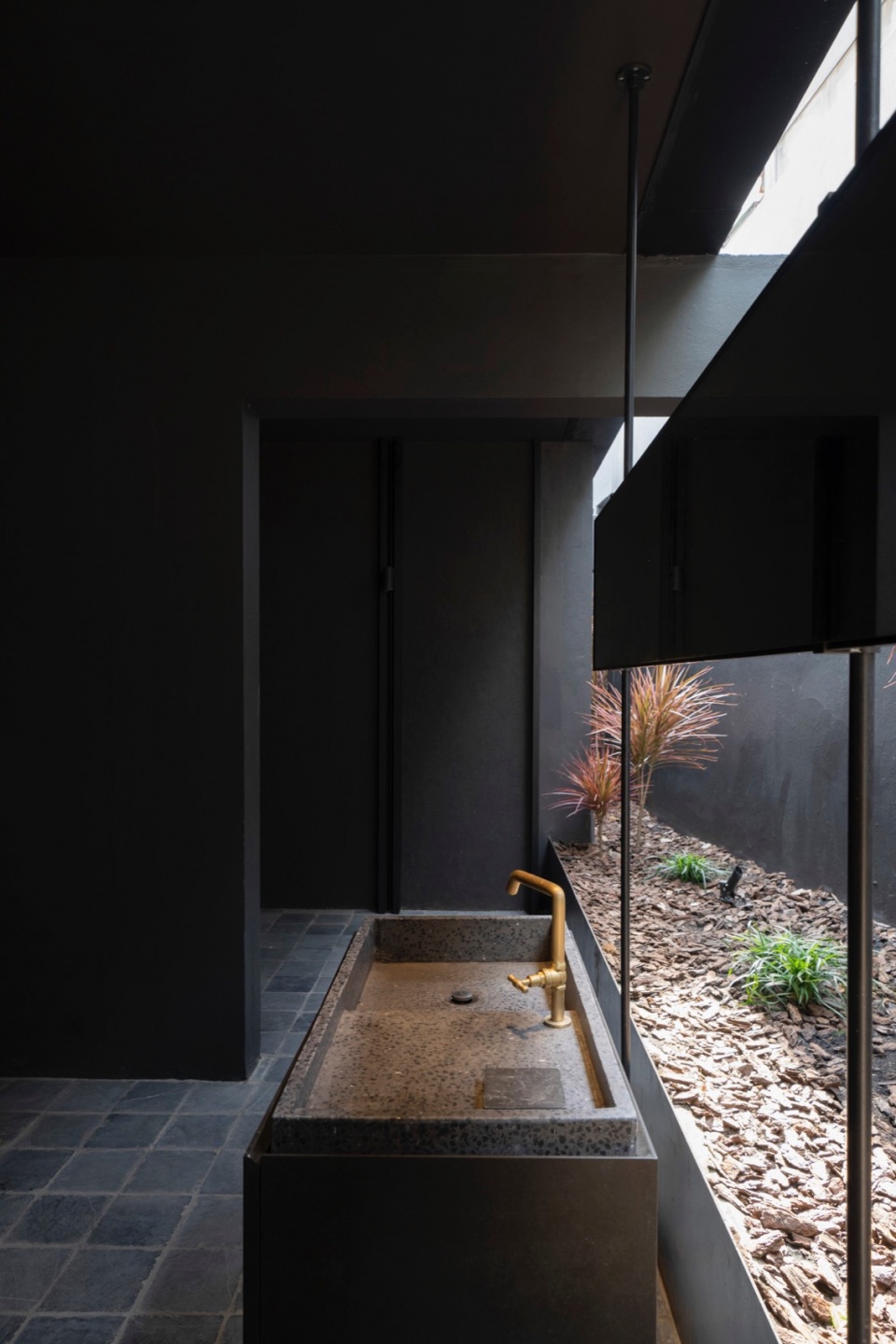
▼改造后的厂房,the renovated factory building
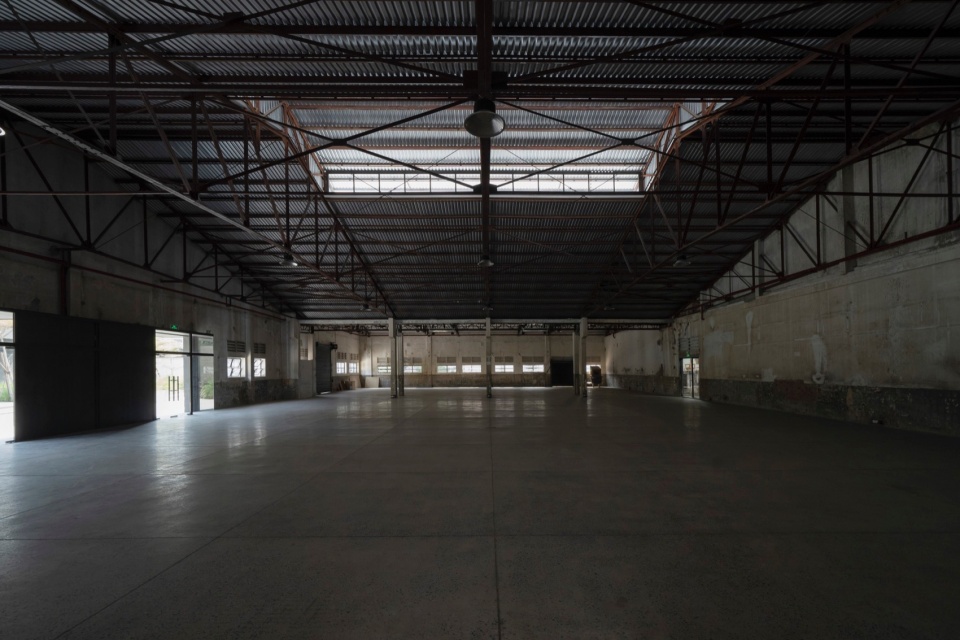
▼展厅,exhibition hall
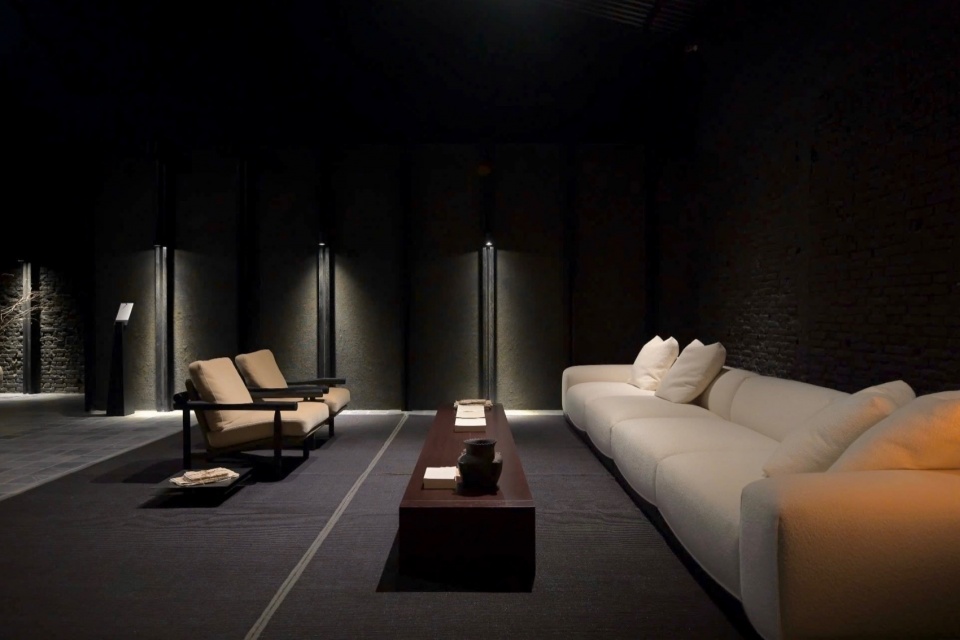
▼展厅,exhibition
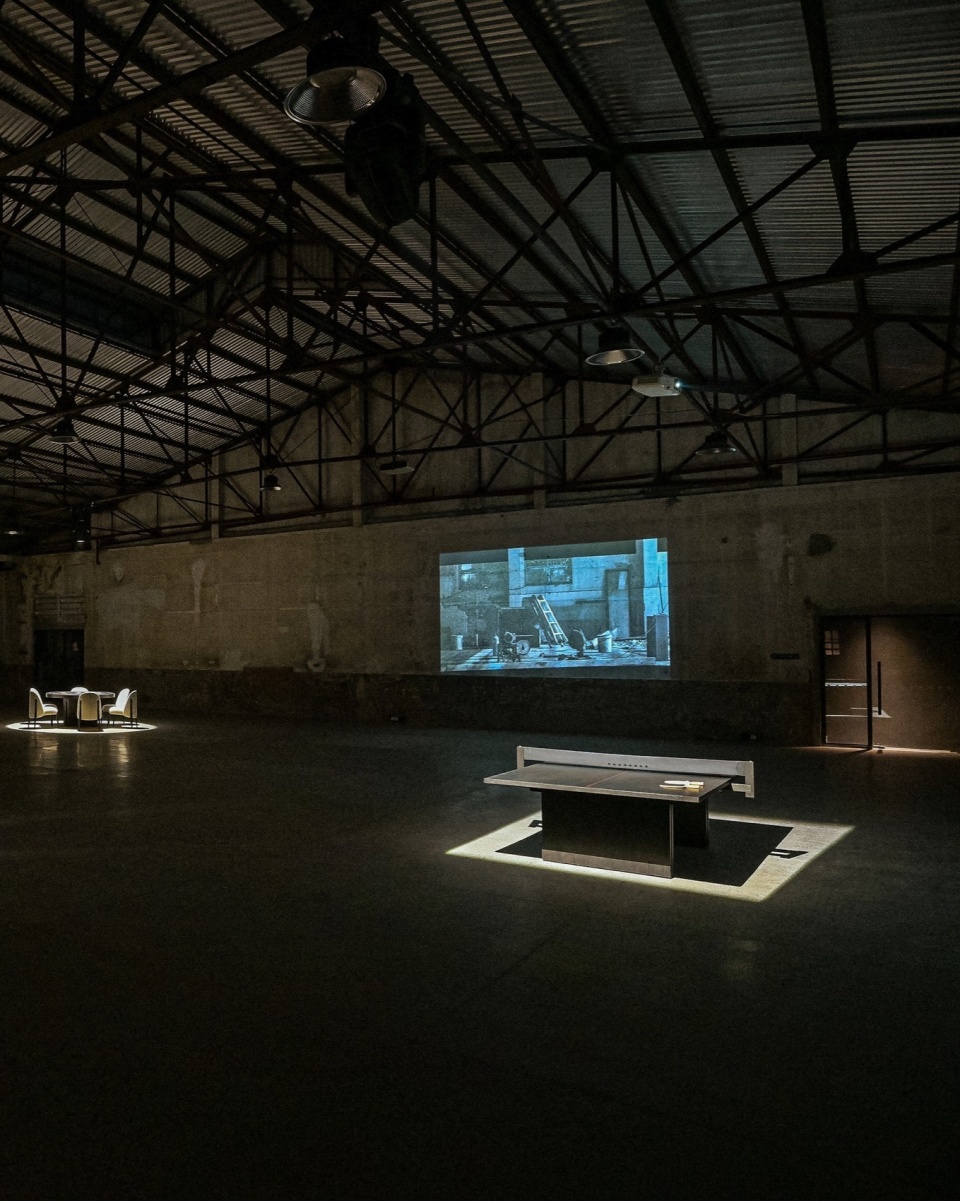
在这个被快速更新、追求崭新与闪亮所塑造的城市里,TDX冰厂选择了一条更安静的路径:一场空间与文化的再定位行动,它在尊重过去的同时也为新的功能留出了余地。项目深植于District Eight的品牌认同,也扎根于越南文化语境之中,将一座已失去功能的工厂变为一处集工作、交流与工艺展示的复合空间。结构得以保留,但其功能从机器的轰鸣转变为手工艺、文化与关怀的静谧节奏。它展示了建筑如何在过去与现在之间搭建桥梁,在材料、结构与品牌认同中构建出一个内敛而强大的当代整体。
▼材料,material
In a city shaped by constant change where everything is new, polished and shiny, TDX Ice Factory charts a quieter path. It is a considered act of spatial and cultural reorientation, one that honours what came before while making room for new uses to emerge. Rooted in District Eight’s identity and grounded in its Vietnamese context, the project transforms an obsolete factory into a compound for work, gathering, and craft. The structure remains, but its purpose has shifted from the sound of machines to the quiet rhythm of craft, culture, and care. It shows how architecture can bridge past and present, where material, structure, and brand identity come together to form a contemporary whole with quiet strength.
▼户外空间活动场景,event scenario
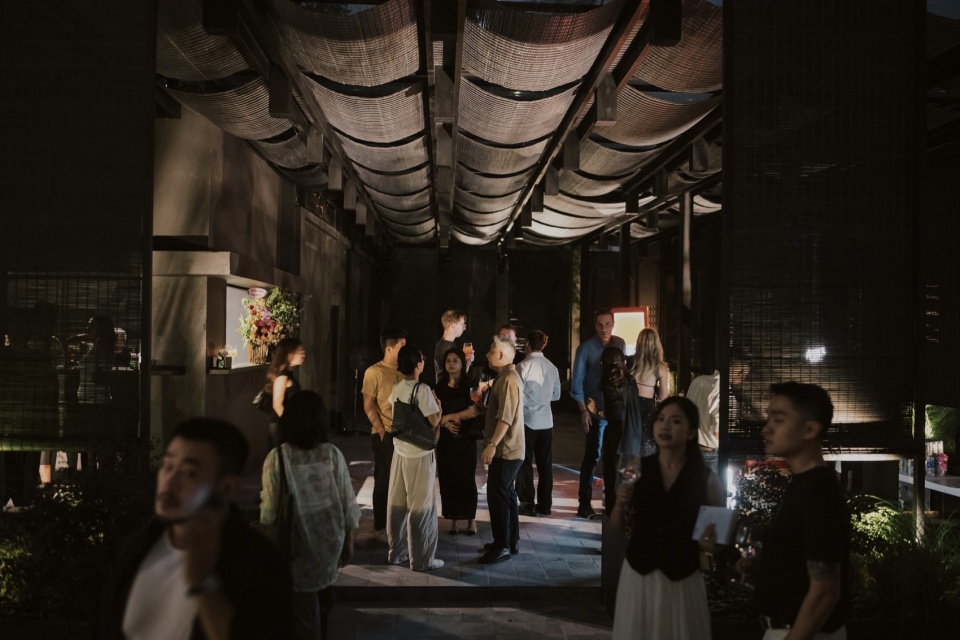
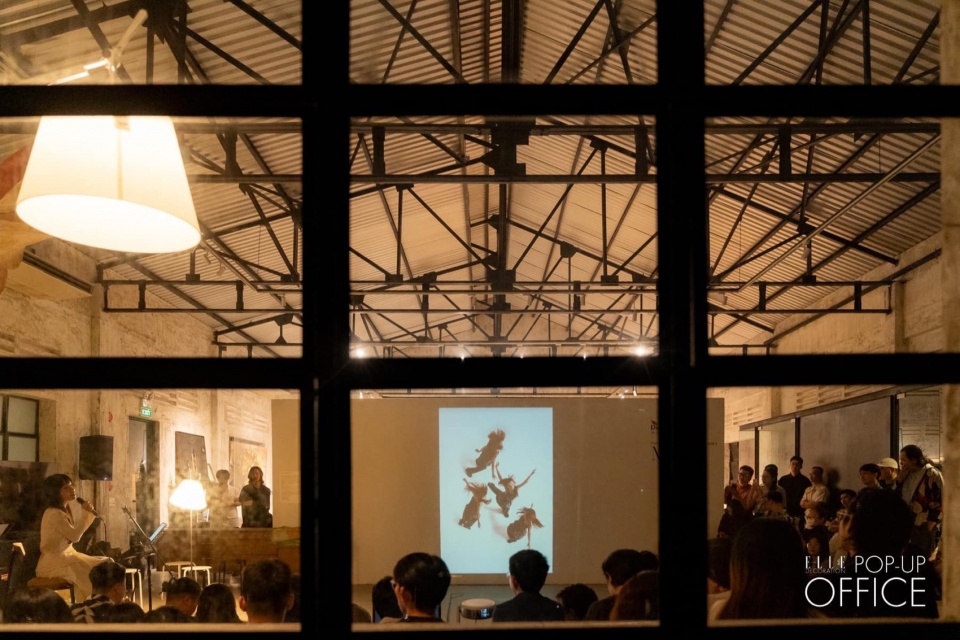
▼活动场景,event scenario
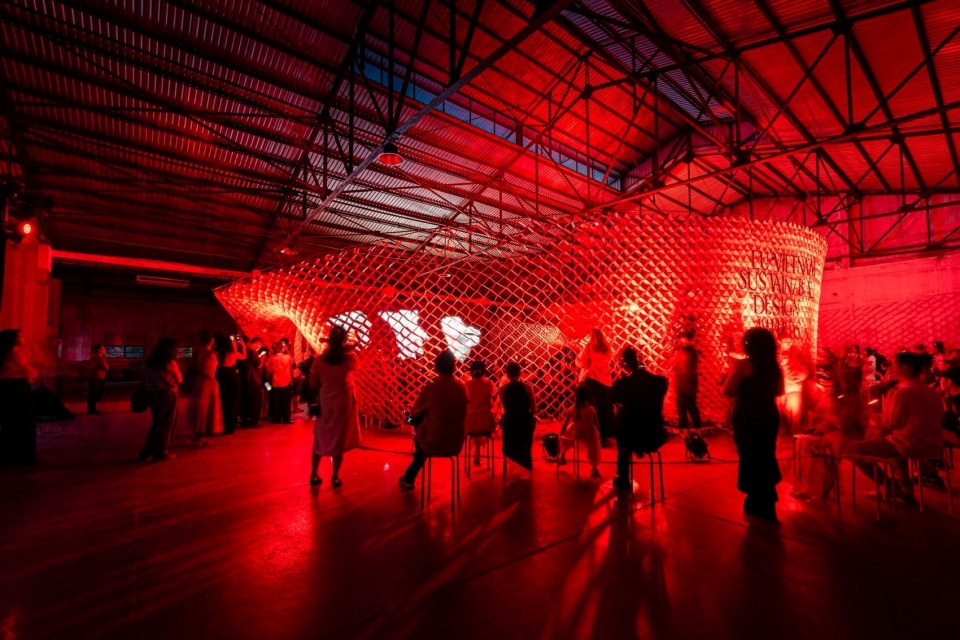
▼活动场景,event scenario
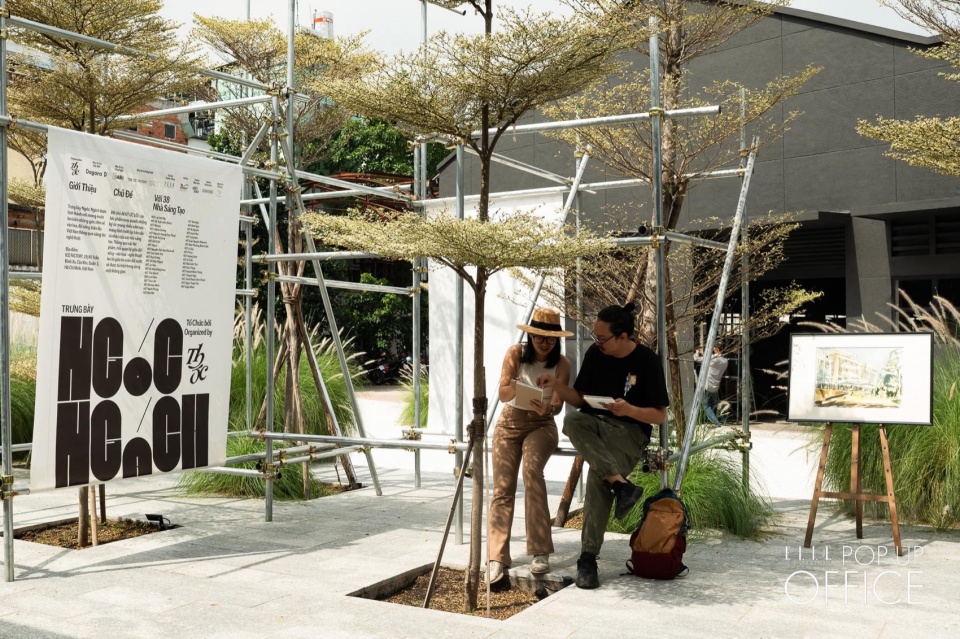
▼户外空间,outdoor space
▼立面分析,analysis of facade

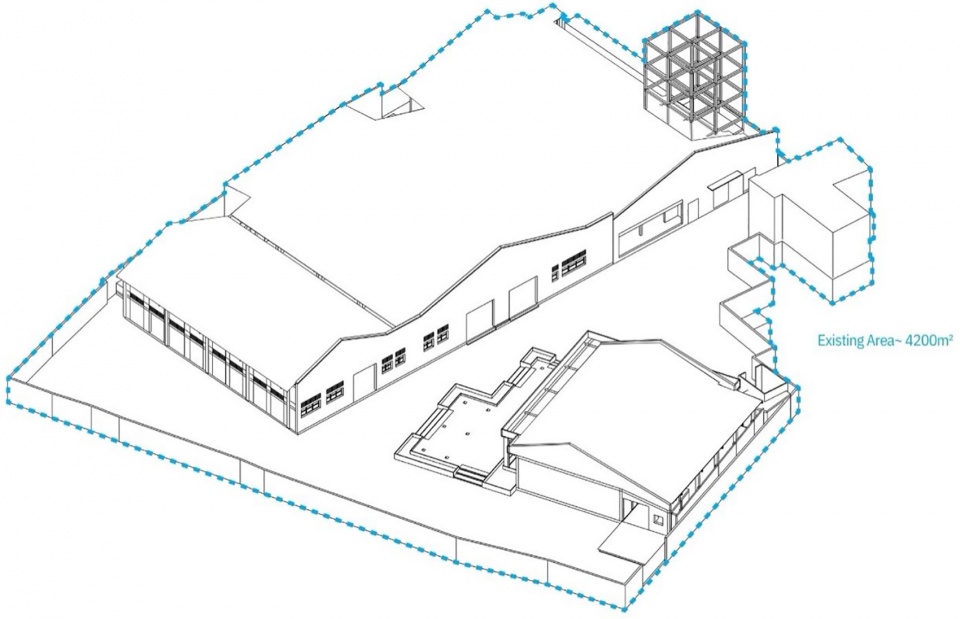
▼轴测图,axonometric drawing
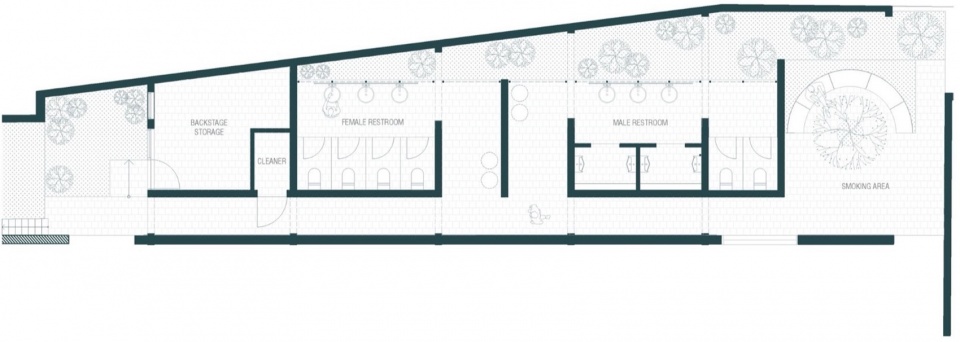
▼卫生间平面图,toilets plan
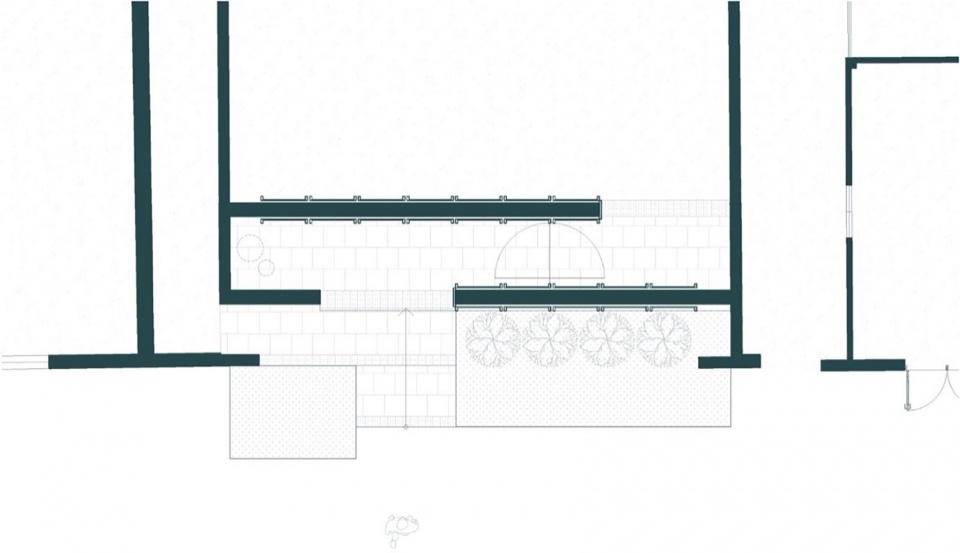
▼细部平面图,detailed plan
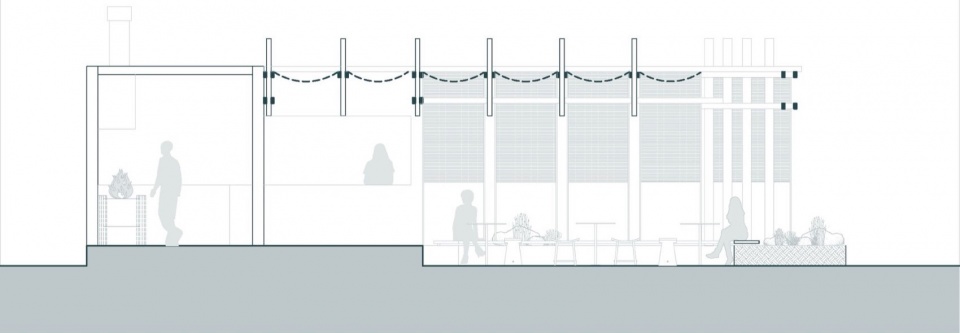
▼剖面图,section
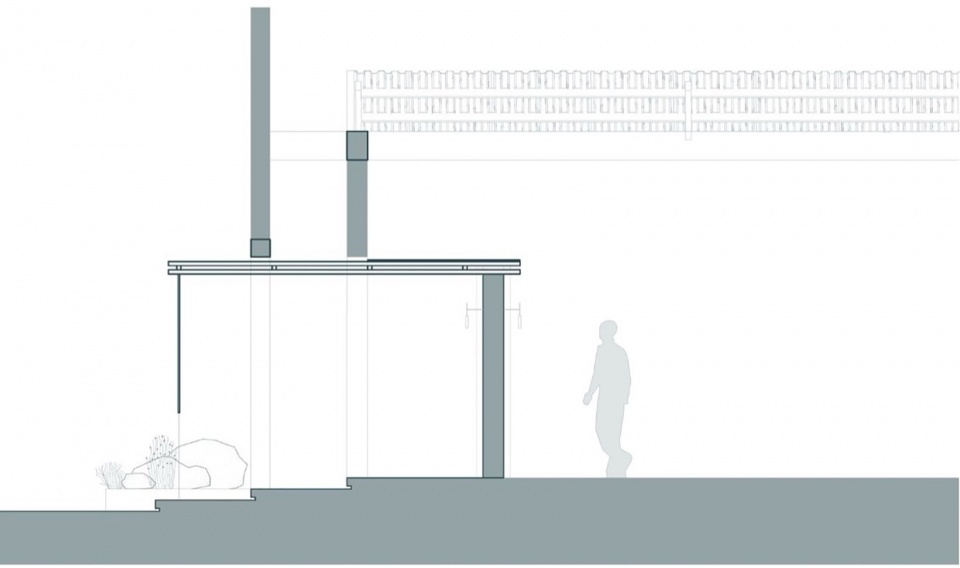
▼细部剖面图,detailed section
Title: TDX Ice Factory – Transforming History: Vietnamese Heritage in Adaptive Reuse
Project Information:
Project Name: TDX Ice Factory
Architects: NU Architecture & Design
Location: Tran Dinh Xu Street, District 1, Ho Chi Minh City
Area: 4200m²
Completion Year: 2024
Photographs: Do Sy, District Eight, Elle Decoration Vietnam
Lead Architects: Jonathan Ng Cheong Tin
Design Team: Le Thi Thanh Truc, Nguyen Trung Thong
Client: District Eight