Younghusband羊毛仓库,澳大利亚 / 伍兹贝格
Younghusband羊毛仓库改造项目是澳大利亚最具雄心的适应性再利用项目之一,为可持续发展与去碳化树立了新的标杆。Woods Bagot采用“轻介入(light touch)”的方法,将超过17,000平方米长期闲置的工业用地转化为一个充满活力的复合功能社区街区。
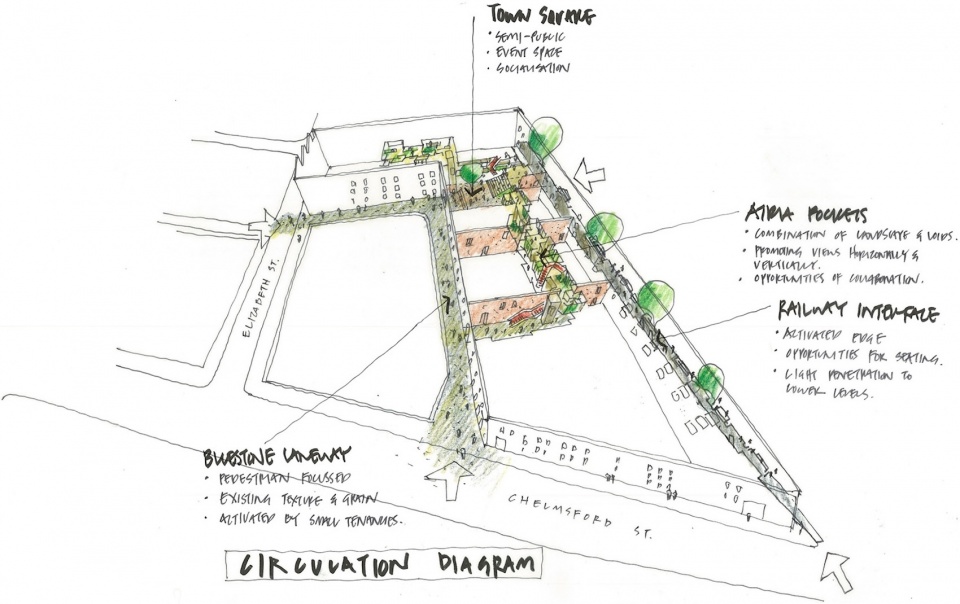
▼手绘广场,Square sketch
The Younghusband Woolstore Redevelopment is one of Australia’s most ambitious adaptive reuse projects, setting new benchmarks in sustainable development and decarbonisation. Using a “light touch” methodology, Woods Bagot has converted over 17,000 square metres of underutilised industrial landscape into a vibrant, mixed-use community precinct.
▼鸟瞰,Aerial view
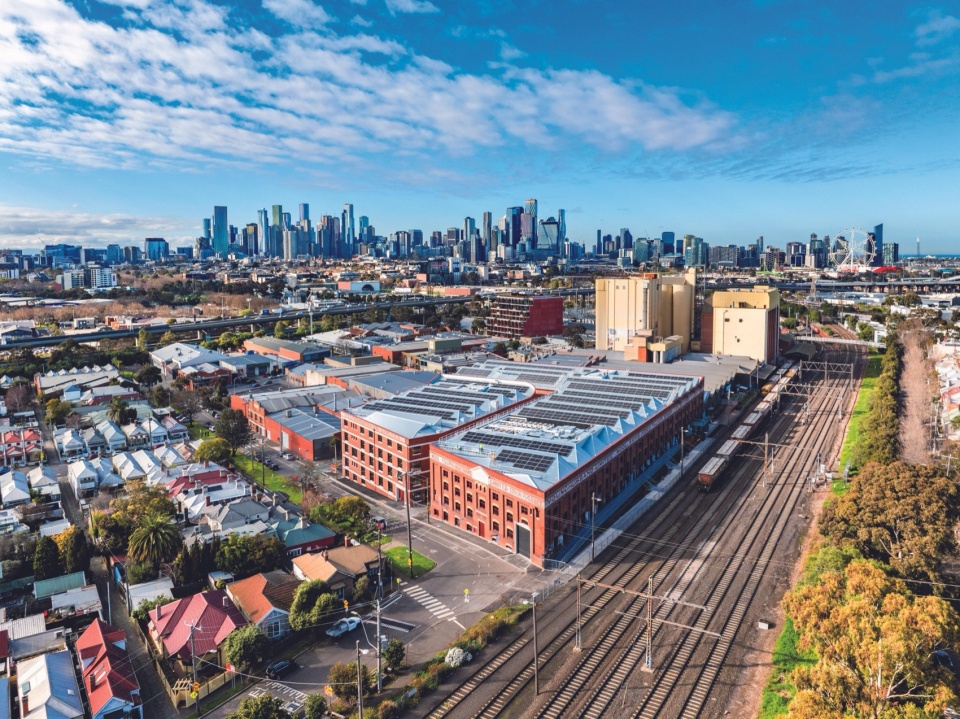
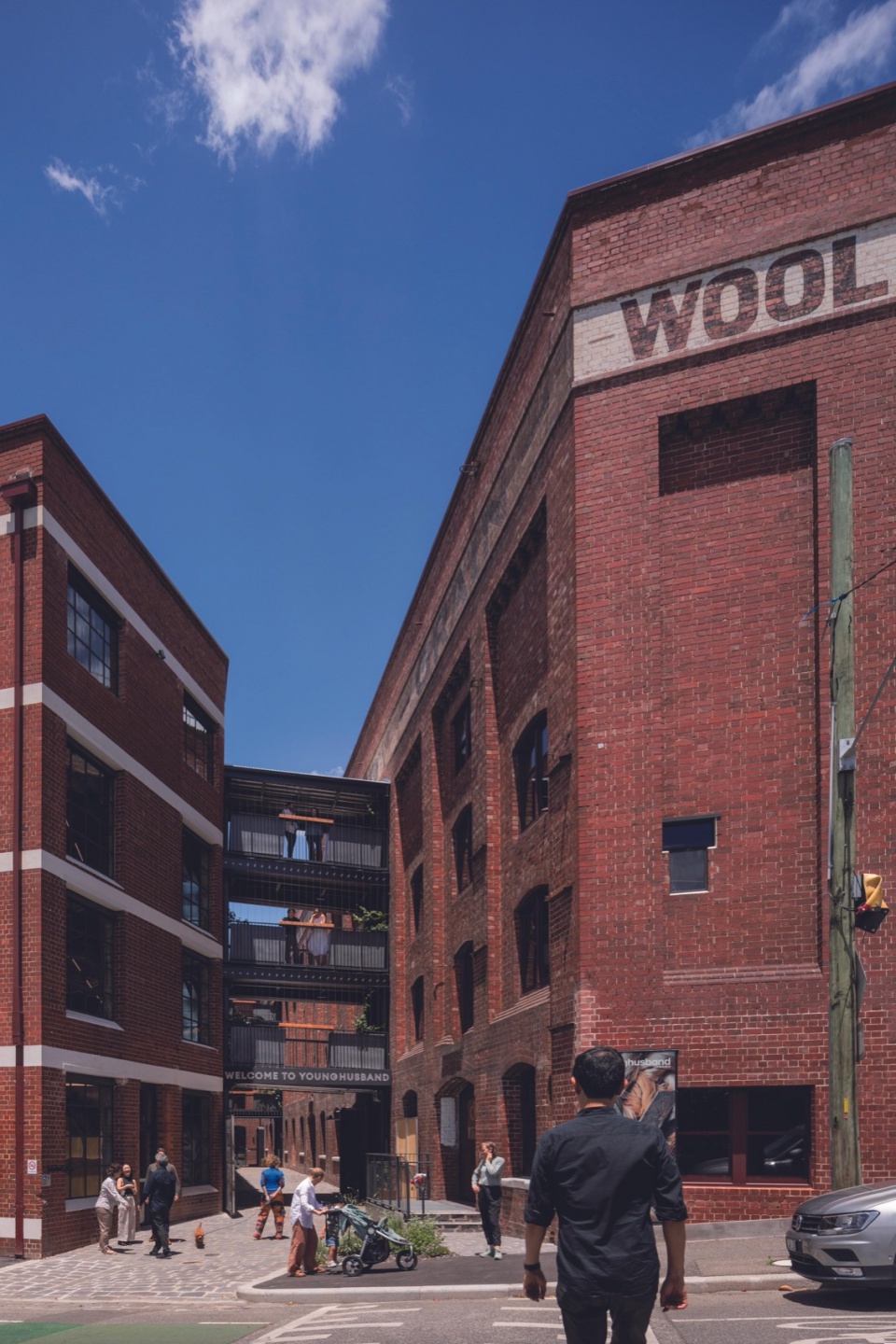
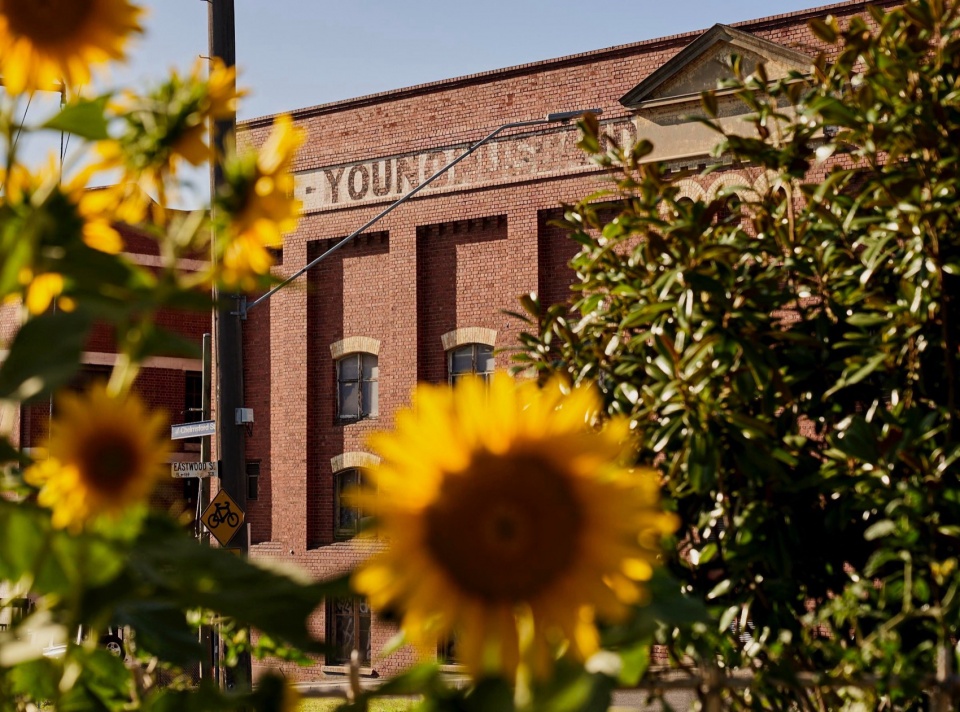
Younghusband是世纪之交维多利亚时期工业建筑的珍贵范例,其特征包括大尺度红砖建筑体量、原有的“幽灵招牌”,以及极具辨识度的锯齿形屋顶。深进深的楼板、自然形成的时间肌理,以及遗存的牧业相关器物,使其成为一个独特的城市场所,适用于居住、工作与社交。
▼羊毛仓库鸟瞰手绘,Younghusband aerial sketch
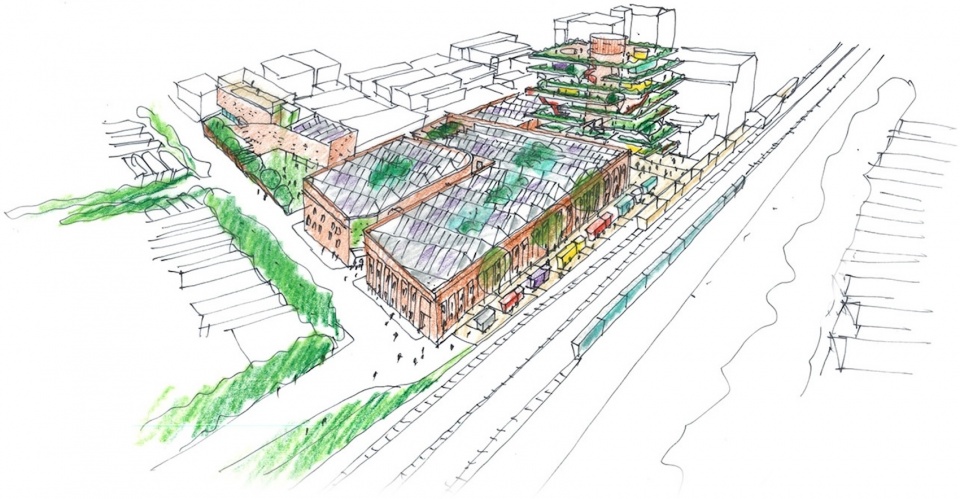
Younghusband is a cherished example of turn-of-the -century Victorian industrial architecture, employing vast redbrick structures, original ghost signage, and a distinctive saw-tooth roof. The deep floor plates, natural patina, and remnant pastoral parapher nalia make it a unique urban playground for living, working, and socialising.
▼远景,viewing the project at distance
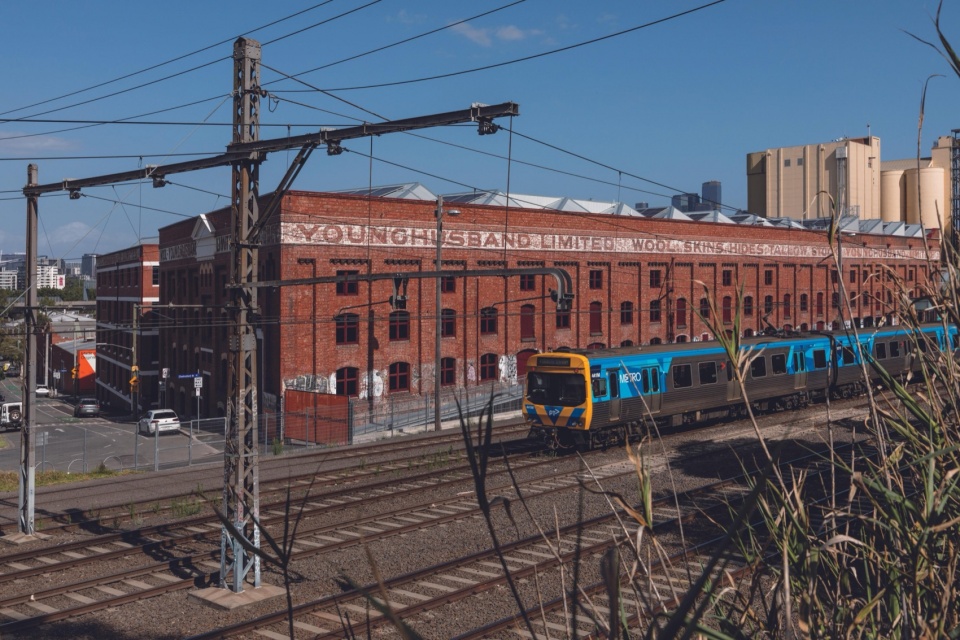
这座羊毛仓库长期服务于社区,承担过多种用途,从澳大利亚芭蕾舞团的服装仓库,到草根艺术组织的工作室空间。它承载着逾120年的历史,是维多利亚州仅存的少数同类建筑之一。自2016年起,建筑师便与社区保持定期协商,在建筑更新与修复过程中确保社区的参与与认可。对建筑师而言,该项目的关键在于保持克制,并尊重与呈现建筑本身的“伤痕”与岁月痕迹。Woods Bagot将超过17,000平方米利用不足的工业空间转化为一个充满活力的复合功能社区街区,使珍贵的城市边缘空间重新回归公众。
The Woolstore has long serviced the community for sundry purposes, from a costume store for the Australian Ballet, to a studio space for grassroots artistic enterprises. Steeped in more than 120 years of history, it is one of the few remaining examples of its kind in Victoria. Since 2016, the architects have engaged in regular consultation with the community to ensure their satisfaction while the building was renewed and restored. For the architects, the project was about exercising restraint and celebrating the building’s scars and patina. Woods Bagot has converted over 17,000 square metres of underutilised industrial landscape into a vibrant, mixed-use community precinct, returning valuable city-fringe space back to the public.
▼建筑外观,appearance of building
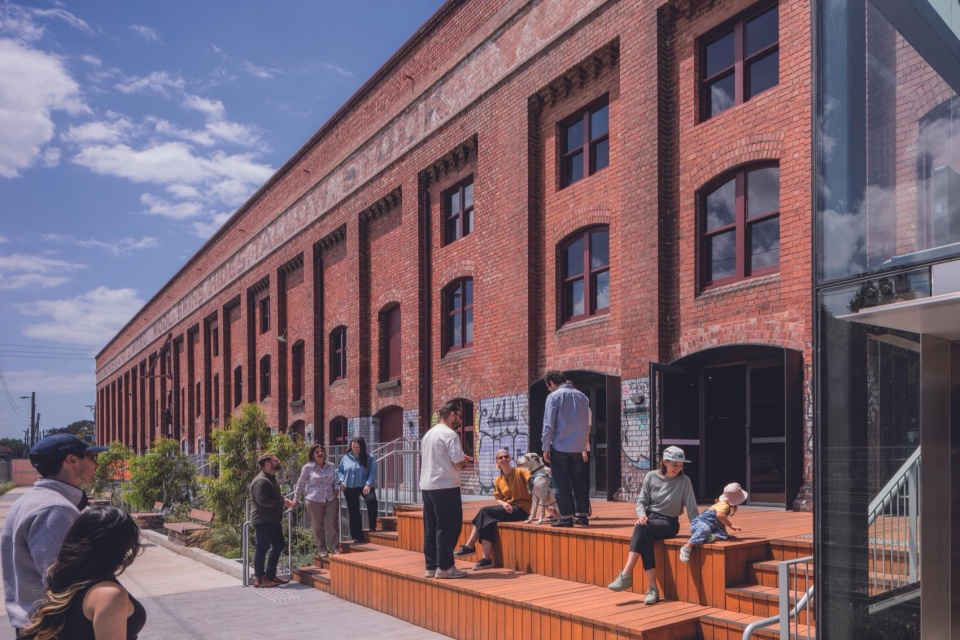
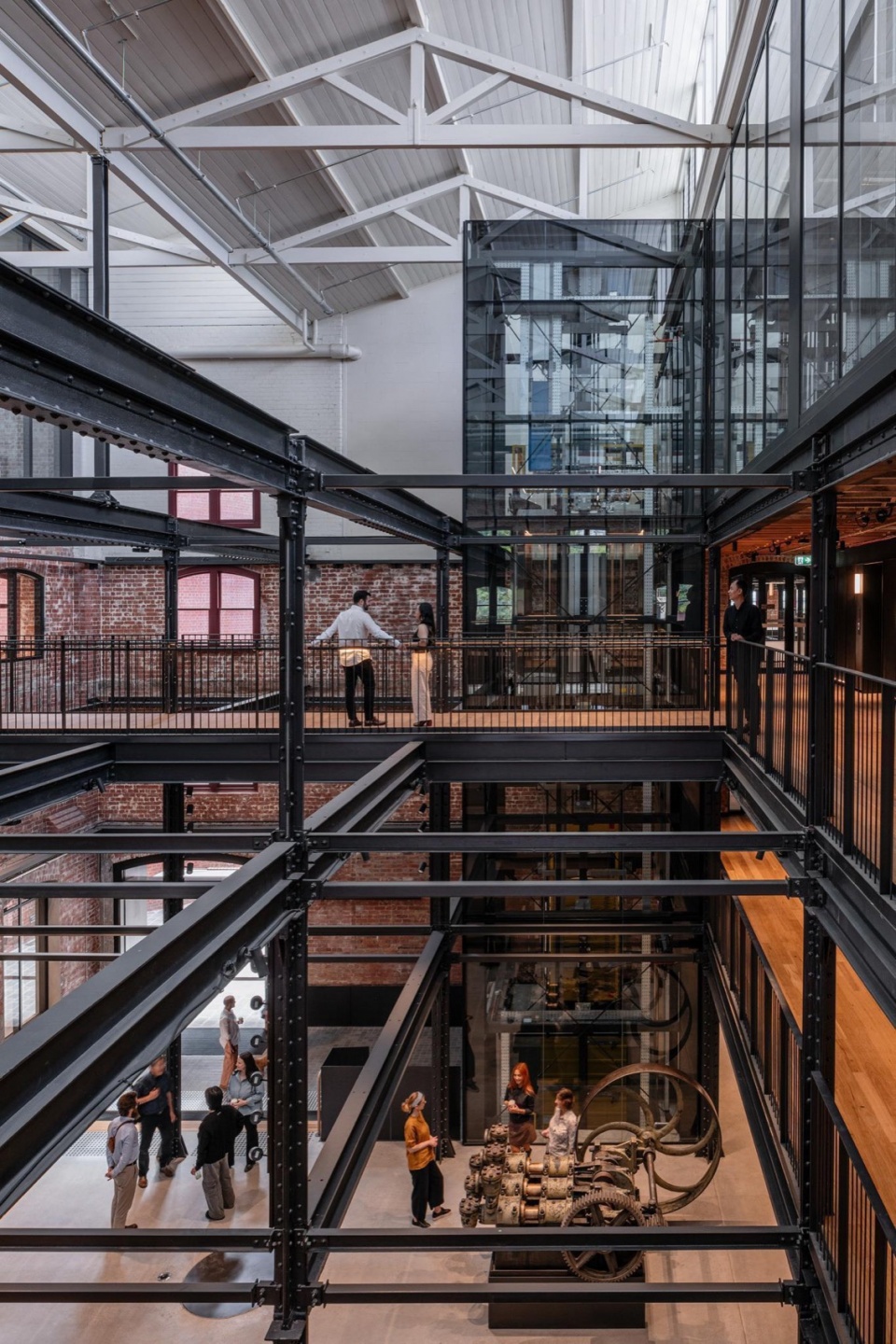
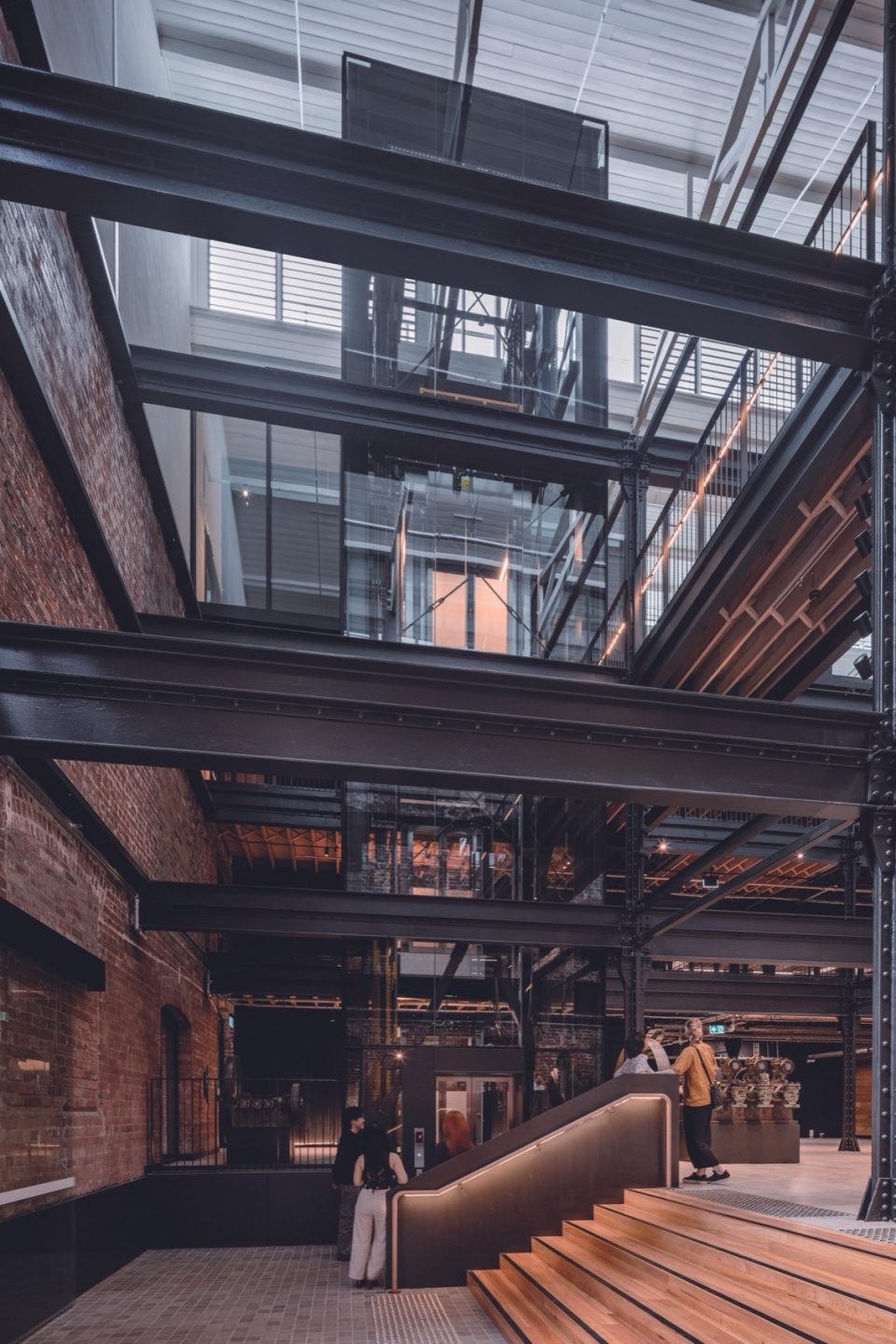
团队并未将遗产视为单纯的立面,而是将适应性再利用的范围延伸至曾被忽视的结构与空间,希望通过这一项目,让新来者了解曾经在此发生的历史。场地中的主要干预围绕提升宜居性与吸引力展开,并借此改善场地的包容性与公平性。适应性再利用老建筑的一大挑战,在于在不削弱其丰富历史价值与魅力的前提下,使其满足当代规范要求,包括消防、无障碍通行及抗震标准,从而确保整体安全性与可达性。新增构件被设计为既具有当代感,又与原有建筑形成互补,以避免削弱其深厚的历史特质。这些介入包括现代玻璃电梯,以及悬跨于蓝石小巷之上的外部连桥,用以改善通行条件,并为空间注入活力。小巷中原有的蓝石铺石被逐块拆除、刨平并重新铺设,以提升轮椅、助行器、婴儿车和自行车的使用便利性。
Looking at heritage as more than a façade, the team extends adaptive reuse to include structures that were once overlooked, in the hope this project will inform newcomers about the history that once took place there. Major interventions to the site related to increasing liveability and attractiveness, leveraging opportunities to improve the site’s inclusivity and equitability. One of the major challenges to adaptively reusing older buildings is ensuring the site’s safety and accessibility, bringing the site up to code – in terms of fire, disability access, and earthquake standards – without detracting from its rich heritage and charm. New insertions have been designed to feel contemporary yet complementary, so as not to detract from the rich heritage. These include modern glass lifts and external link bridges suspended over the bluestone laneway to improve access and add animation within the building. The original blue stone cobbles from the laneway have been individually removed, planed, and reinstalled to improve usability for wheelchairs, walking aids, prams, and bicycles.
▼立面,Facade
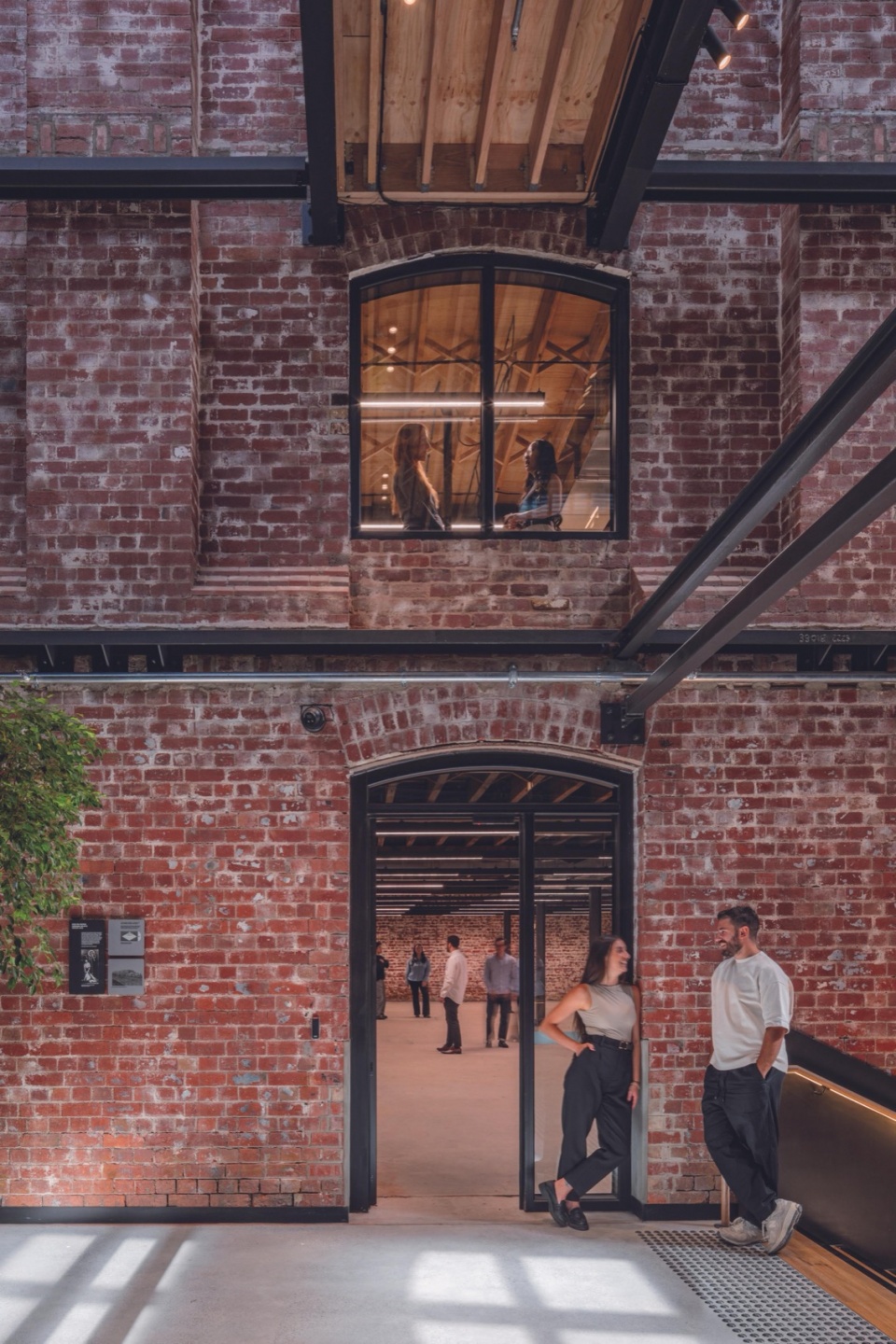
▼小巷,Laneway
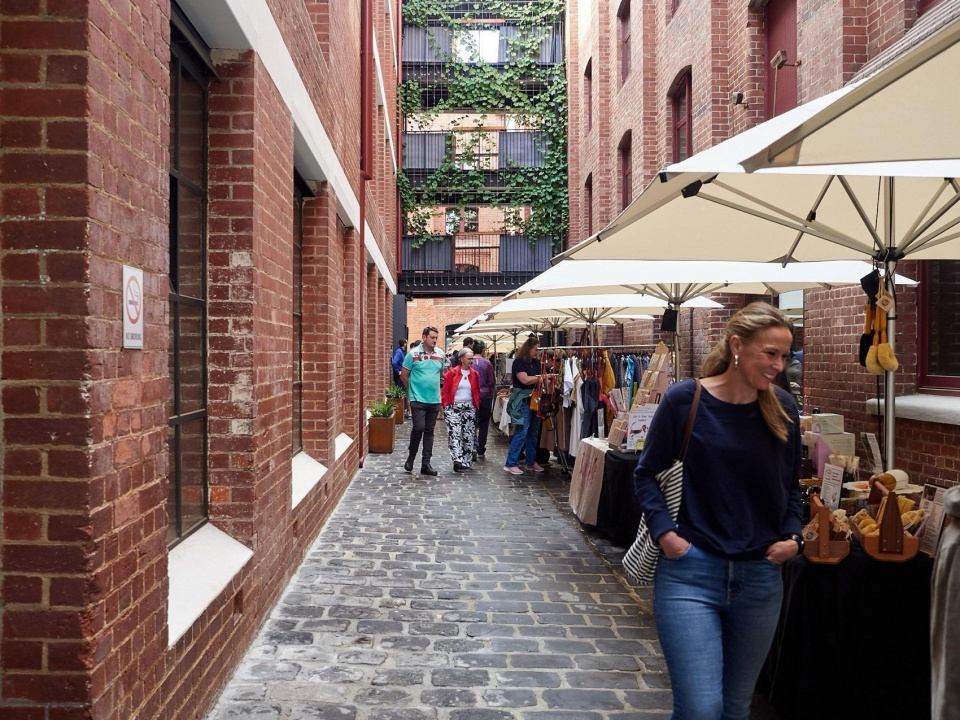
设计通过整合公共空间、行人连通体系以及支持社交互动的设施,优先强调社区层面的公共利益。多个入口经过精心组织,建立起多重连接关系,鼓励公共与私人空间的协作。设计的核心在于引入一处位于街区中心的“城镇广场”,其设有采光充足的阶梯式座席,成为人们相聚、分享、社交与交流的场所。城镇广场进一步连接至被重新激活的铁路廊道,一条景观化的步行与自行车共享通道。
The design prioritises community benefit through integrating public spaces, pedestrian connectivity, and facilities that support social interaction. Multiple entry points have been carefully curated to provide connections, inviting public and private collaboration. Central to the design was the introduction of a ‘town square’, strategically located at the heart of the precinct, offering light-filled auditorium seating – a space for people to meet, share, socialise, and connect. The town square connects to the new activated rail corridor, a landscaped shared pedestrian and bicycle pathway.
▼多重连接关系,Multiple entry points
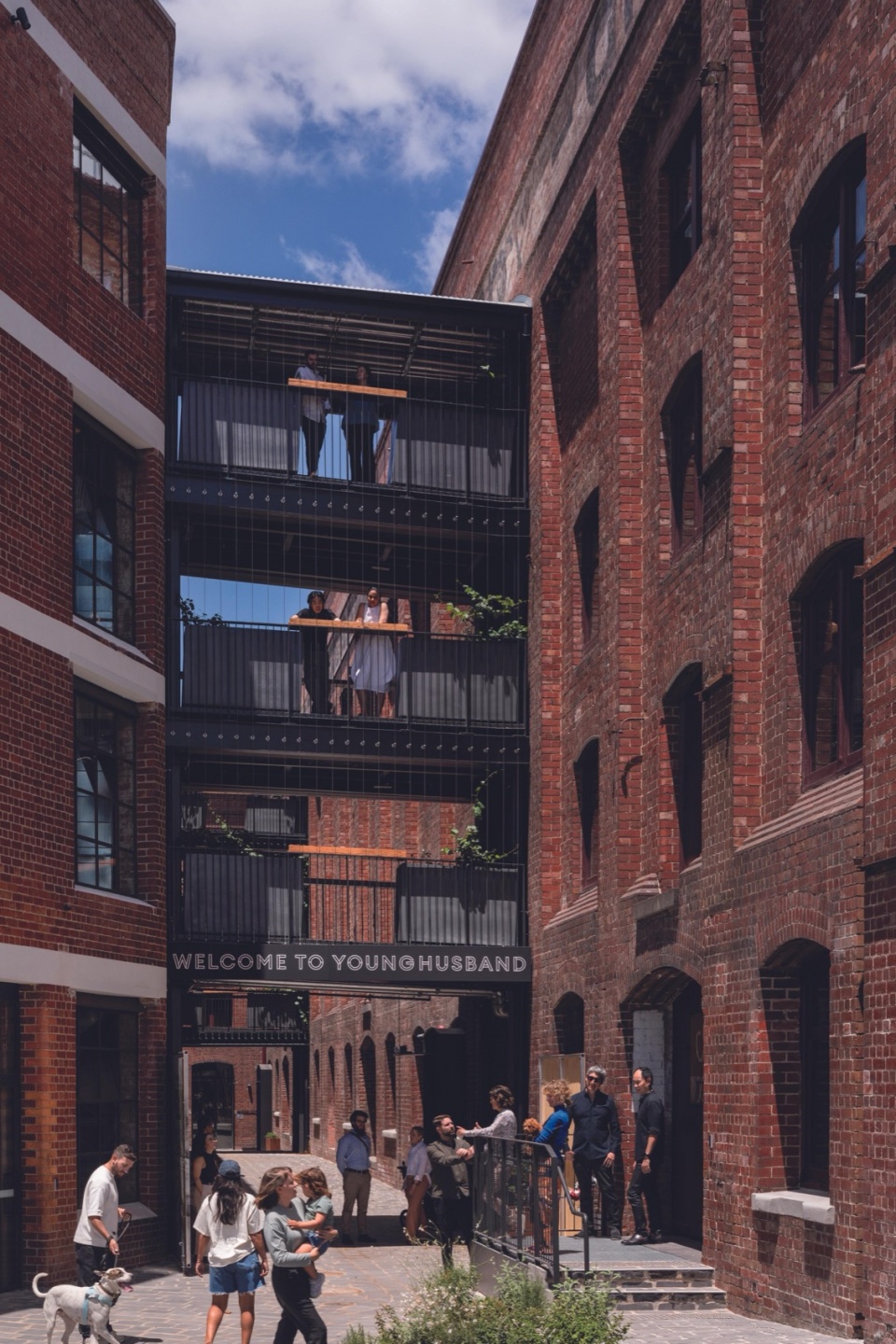
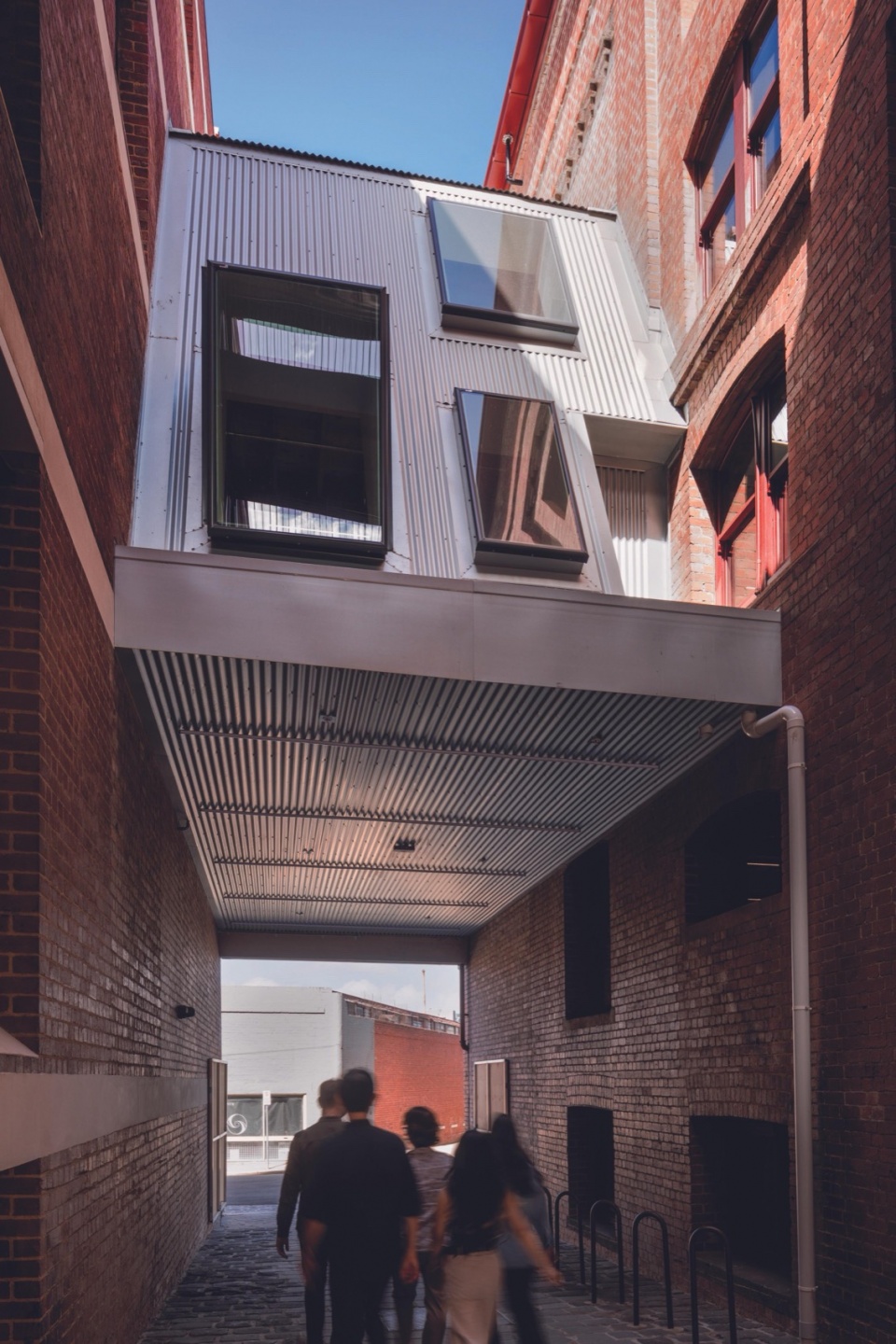
建筑师在项目施工中采取了全面的循环建造策略,仅在必要时添加构件,并仅在绝对需要时进行拆除。大部分既有材料得以保留,同时对屋顶、窗户及入口进行升级,以提升建筑的热工性能。所谓的“废弃”材料被重新利用于建筑的其他部分。例如,被拆除的道格拉斯杉木梁在翻修过程中被回收,用于公共区域与连桥的扶手台面。场地内的木材由本地工坊Timber Trip去除钉件并重新刨平后,再次融入整体改造之中。
Architects have taken a comprehensively circular approach to construction on the project, adding only what is needed and removing only when absolutely necessary. The majority of existing materials have been retained, with upgrades to the roof, windows, and entries for improved thermal performance. “Waste” materials have been redeployed elsewhere in the build. For instance, removed Douglas fir timber beams have been salvaged during the refurbishment and made into handrail ledges in the public area and link bridges. Timber from the site has been de-nailed and planed by local makers, Timber Trip, and reintegrated into the refurbishment.
▼室内空间,the interior
Younghusband项目中对材料的再利用,使其相较于同类参考建筑的隐含碳排放降低了84%(相当于减少11,335,000千克的碳排放)。项目配备了一套330kW的屋顶太阳能系统及电池储能装置,用以补充建筑的用电需求。高效设备使建筑整体能耗降低了 34%,整个街区在运营阶段实现了完全碳中和。项目设置了一座 50kL的雨水收集水箱,用于景观灌溉及卫生间冲洗;配合高效的用水器具,建筑的自来水使用量相较于典型参考建筑减少了25%。
▼分布式雨水收集系统,Distributed rainwater harveting system
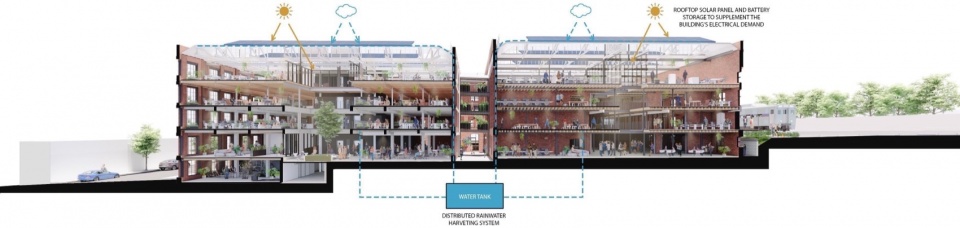
Reuse of materials on Younghusband has resulted in an 84% reduction in embodied carbon compared to similar reference buildings (equivalent to 11,335,000kg in carbon savings). Younghusband is fitted with a 330kW rooftop solar array and battery storage to supplement the building’s electrical requirements. Efficient fittings have reduced the building’s energy usage by 34%, and the precinct is entirely carbon neutral in operation. A 50kL rainwater collection tank services landscape irrigation and WC flushing, and paired with efficient fixtures and fittings, the building’s potable water usage has been reduced by 25 percent when compared to a typical reference building.
▼一瞥,A glance
Younghusband改造项目的公共价值,在于其将一处历史工业遗址转化为一个充满活力且具有包容性的城市街区,兼顾社区、遗产与可持续发展。通过保护并再利用历史羊毛仓库建筑,项目强化了墨尔本的文化认同,同时使其对未来世代保持可达性与现实意义。Younghusband展示了历史建筑如何在不牺牲自身特质的前提下回应当代需求,为墨尔本乃至更广泛地区的可持续与公平城市发展提供了一种可复制、可推广的路径。
The civic legacy of the Younghusband redevelopment lies in its transformation of a historic industrial site into a dynamic, inclusive precinct that celebrates community, heritage, and sustainability. By preserving and adapting the heritage woolstore buildings, the project strengthens Melbourne’s cultural identity, while making them accessible and relevant for future generations. Younghusband demonstrates how heritage buildings can be repurposed to meet contemporary needs without compromising character, offering a scalable approach to sustainable and equitable urban development across Melbourne and beyond.
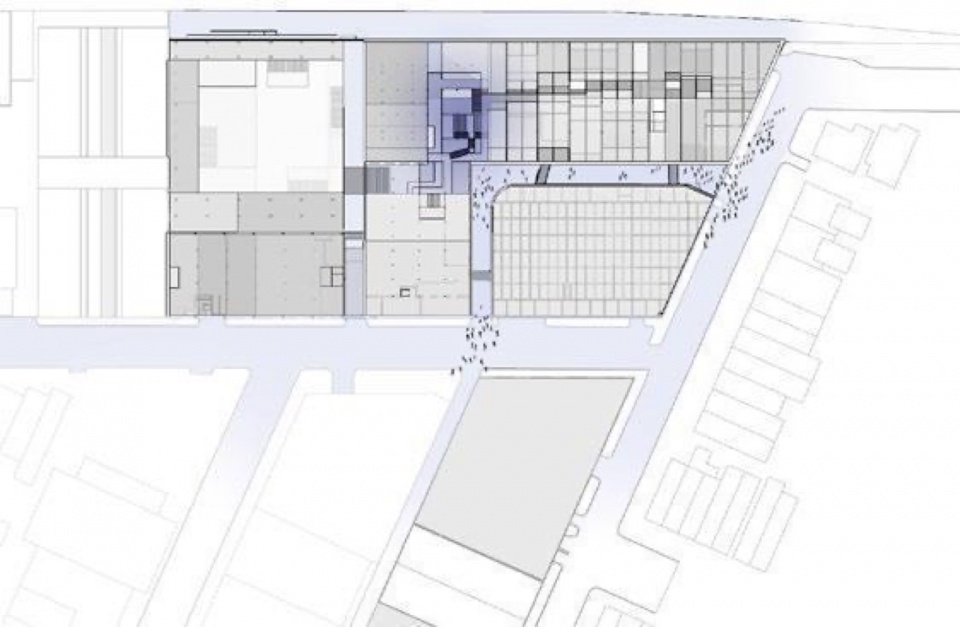
▼总平面,Master plan
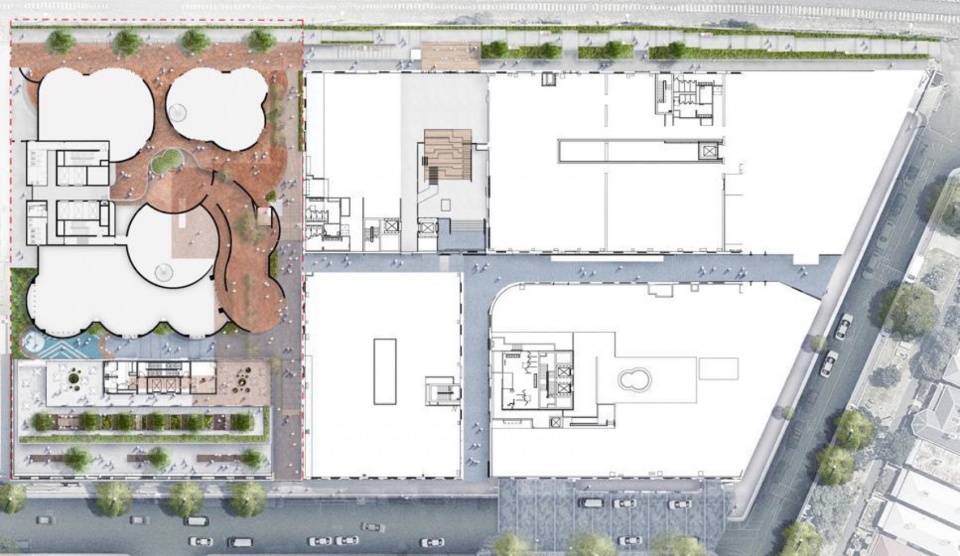
▼平面,Floor plan
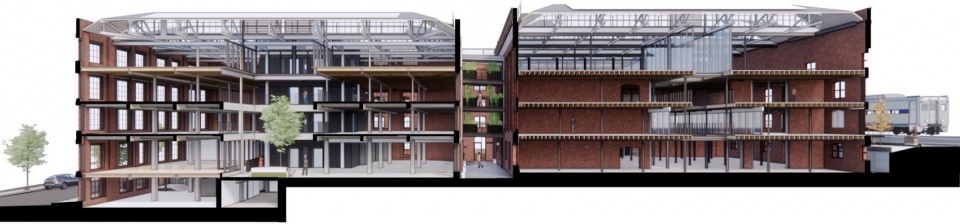
▼剖面,Section
Project: Younghusband Woolstore
Address: 2- 50 Elizabeth Street, Kensington, VIC 3031, Australia
Architect: Woods Bagot (498 Little Collins Street, Melbourne 3000)
Design Leader: Peter Miglis
Client: Built Development Group, Irongate, Ivanhoe Cambridge JV
Project Completion: 2024
Size: 56,000 sqm NLA
Sustainability: 5.5 Star NABERS Energy Base Building; 4.5 Star NABERS Water Whole