Callacpuma住宅,秘鲁 / rtresarquitectos
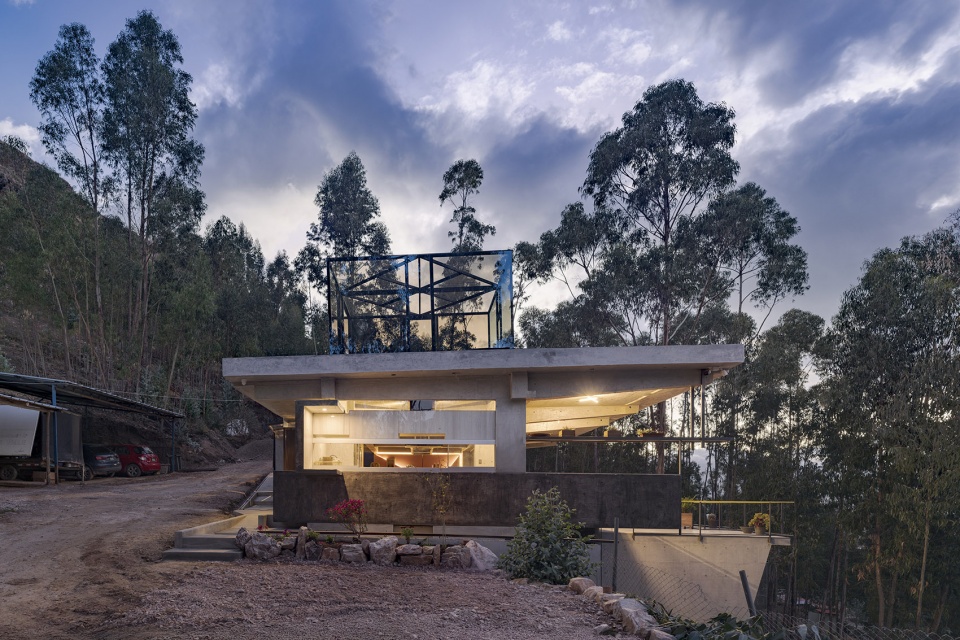
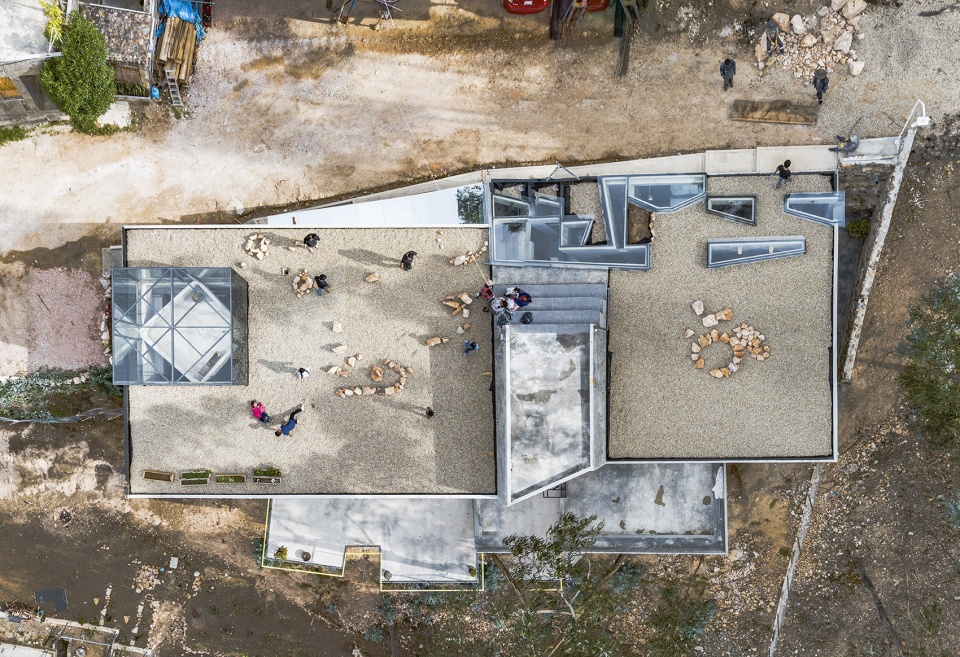
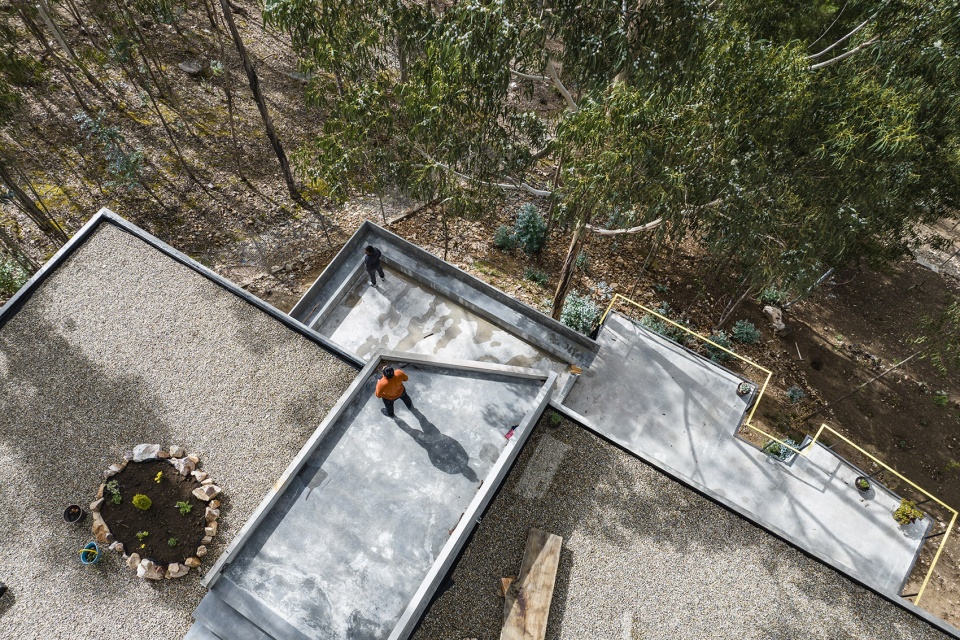
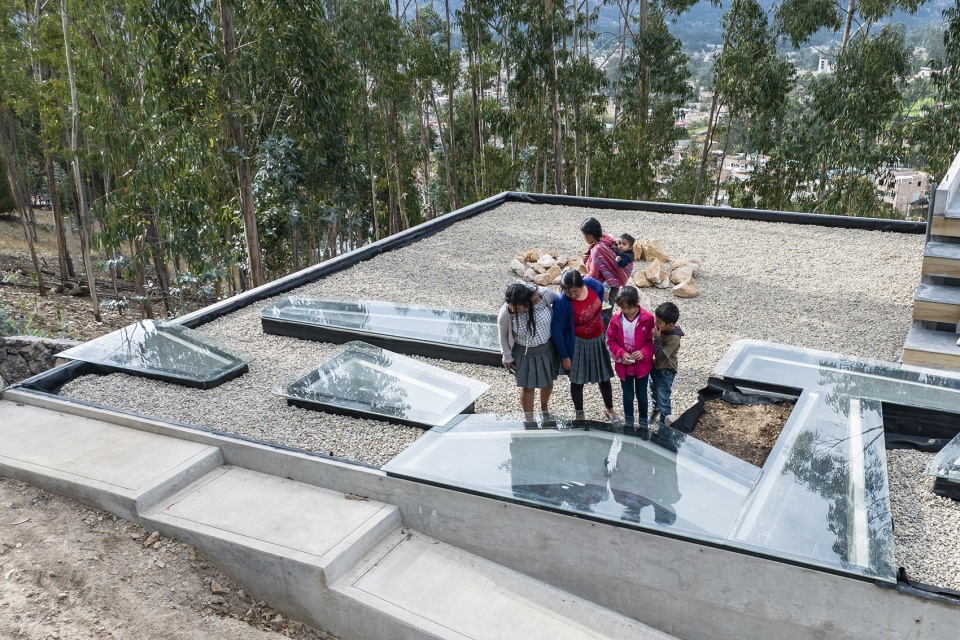
Casa Qallacpuma 被构想为一种不对山坡施加压迫的建筑形态。它并非占据地形,而是通过一片悬浮的花园屋顶将山体延展开来——这片绿色表面既是公园、是景观,也是社区关系的连接装置。它并非装饰性的绿化,而是一种“地形修复”的策略,旨在恢复地貌的连续性;这种连续性既可从街道望见,也可从建筑师的办公室远眺。
Casa Qallacpuma is conceived as an architecture that does not impose itself on the hillside but rather extends it through a suspended garden-roof that functions as park, landscape, and communal articulation. This green surface is not decorative but a topographic restitution strategy that restores continuity to the terrain, visible both from the street and from the architect’s office.
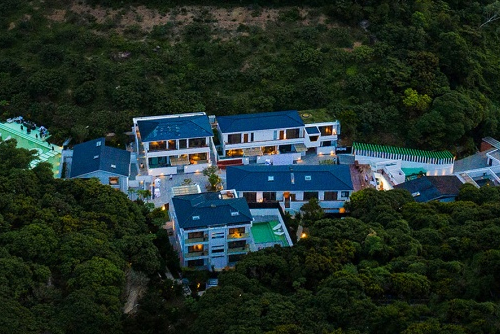
▼项目顶视图,Project top view
▼建筑外景,Exterior of the building
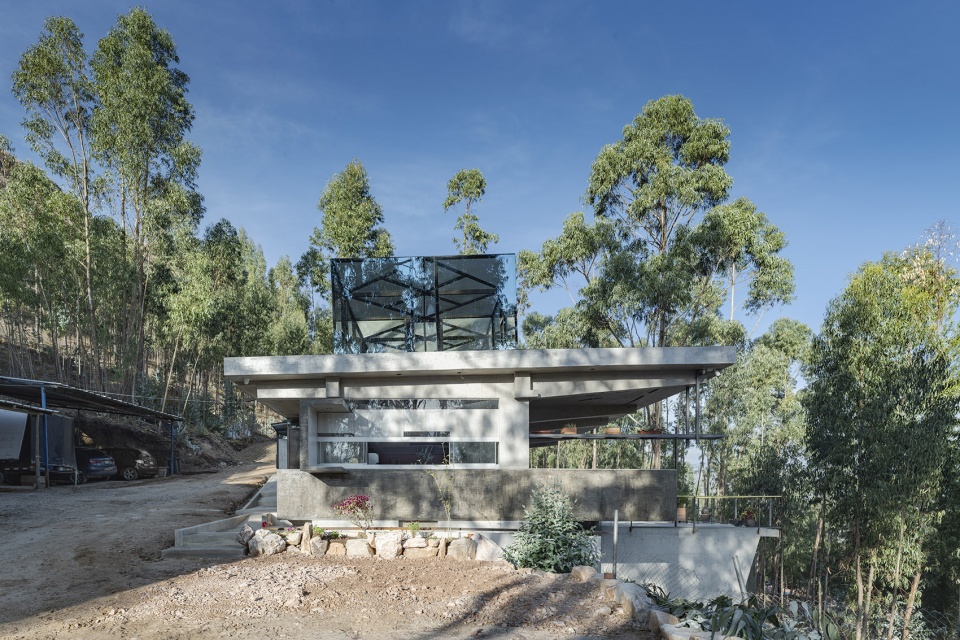
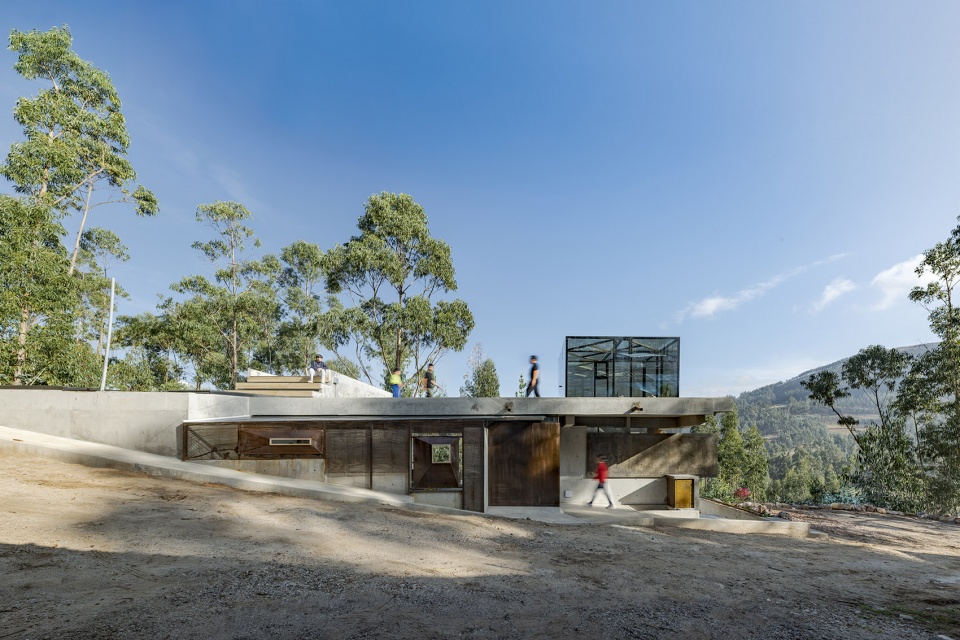
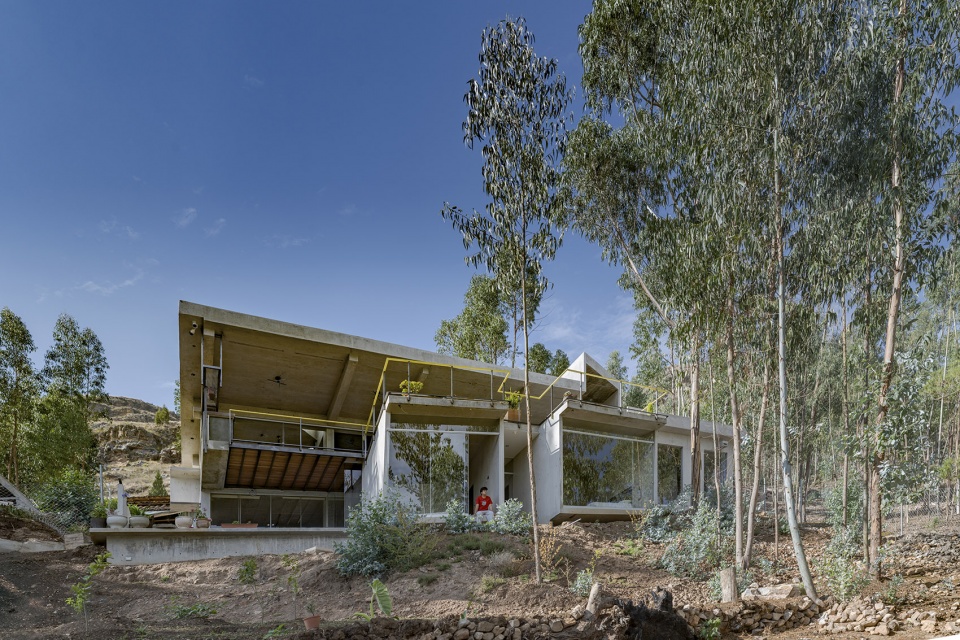
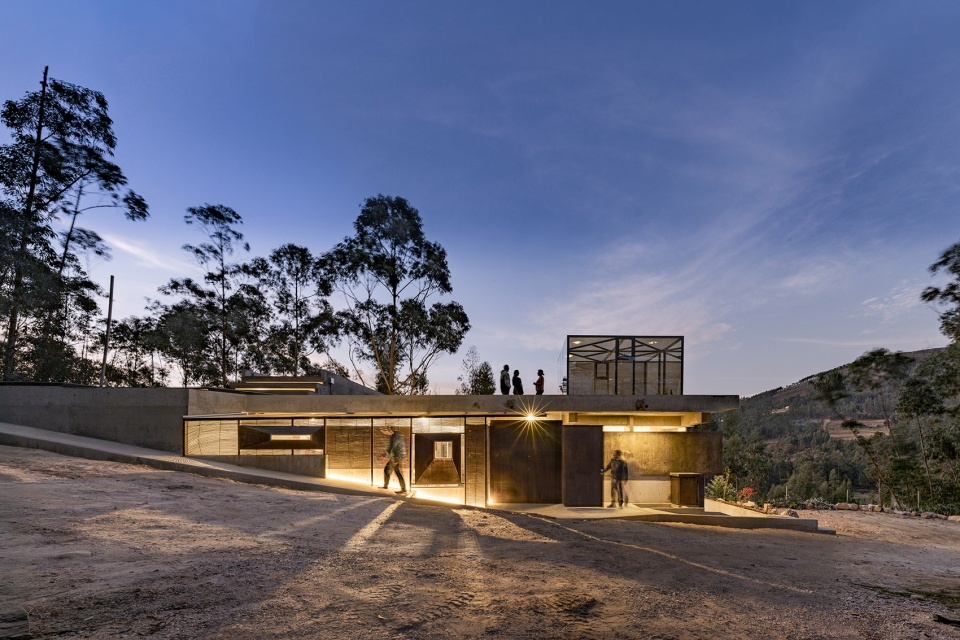
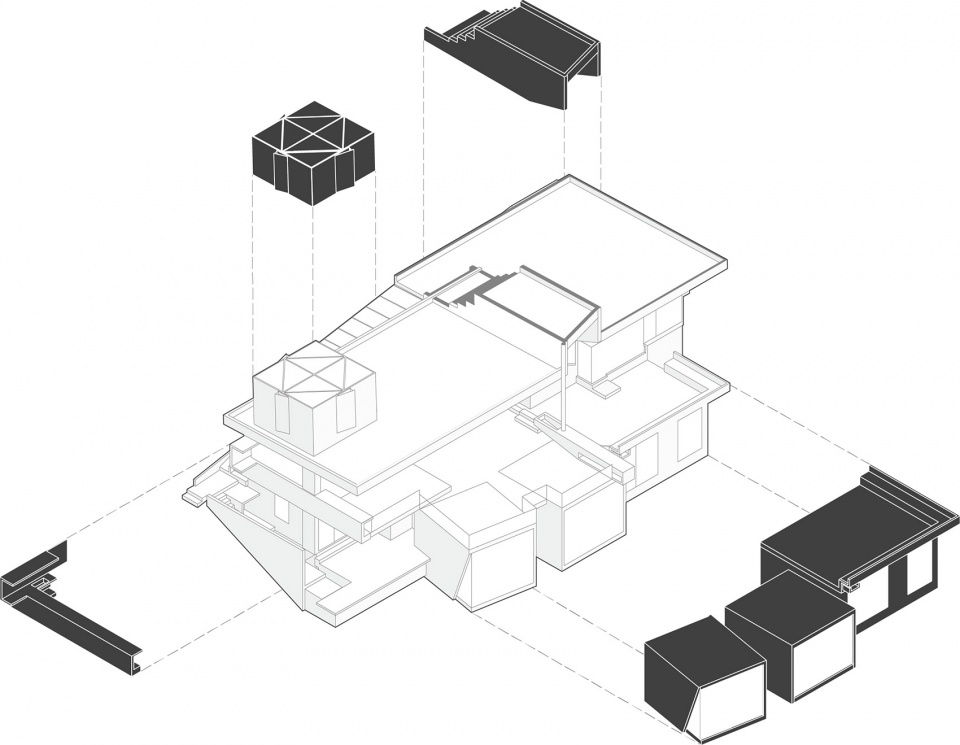
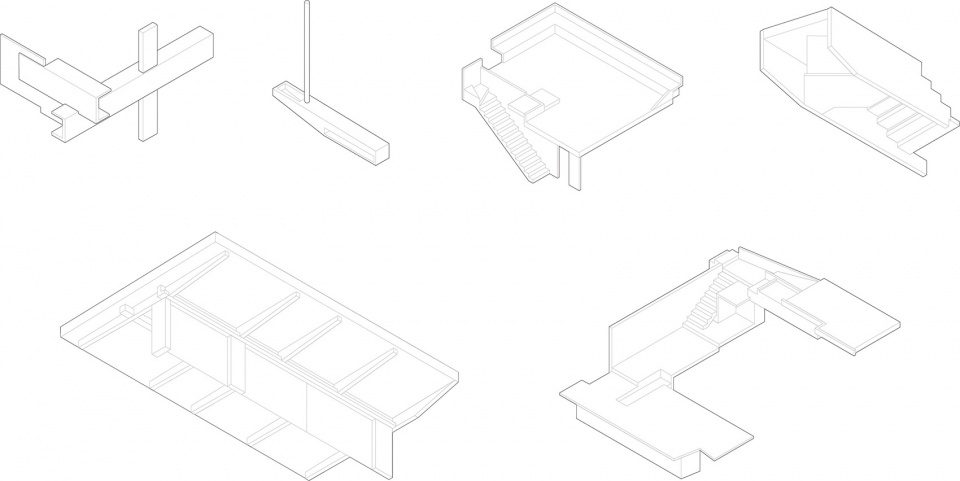
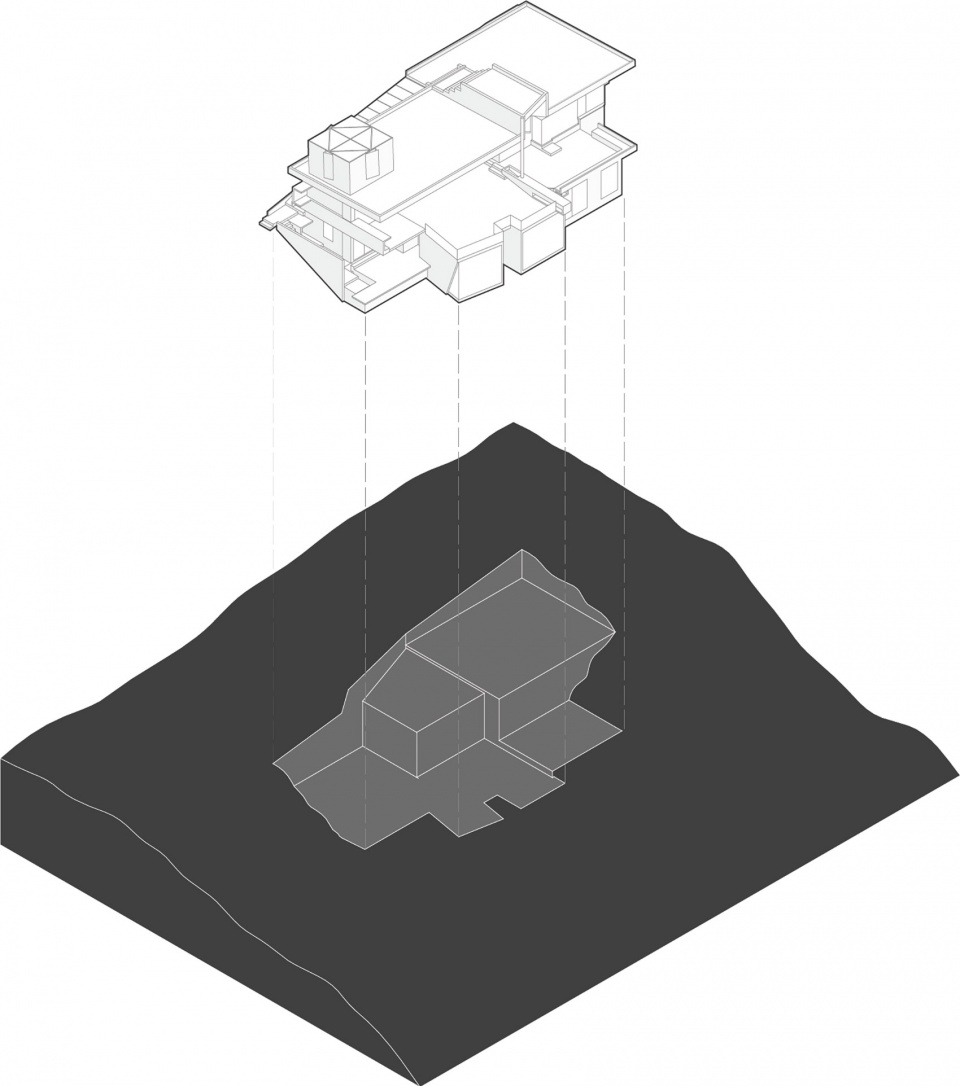
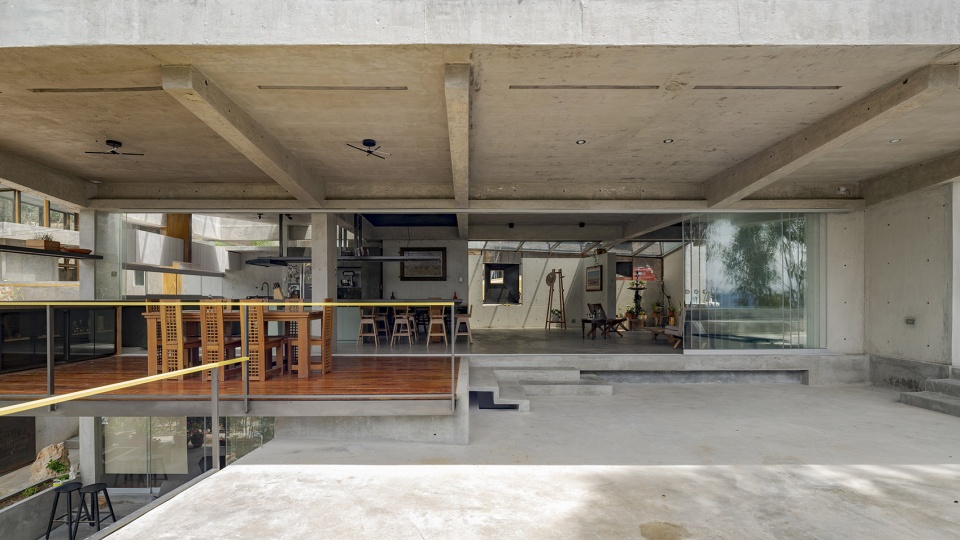
在其下方,住宅被拆解为若干体量,通过步道与空隙彼此联结,构成一个开放的系统,从而避免形成封闭而厚重的整体体块。由纤细立柱与一件“梁—家具”构件支撑的结构体系,加强了居住性与结构性之间的张力。
▼爆炸图,Exploded axonometric diagram
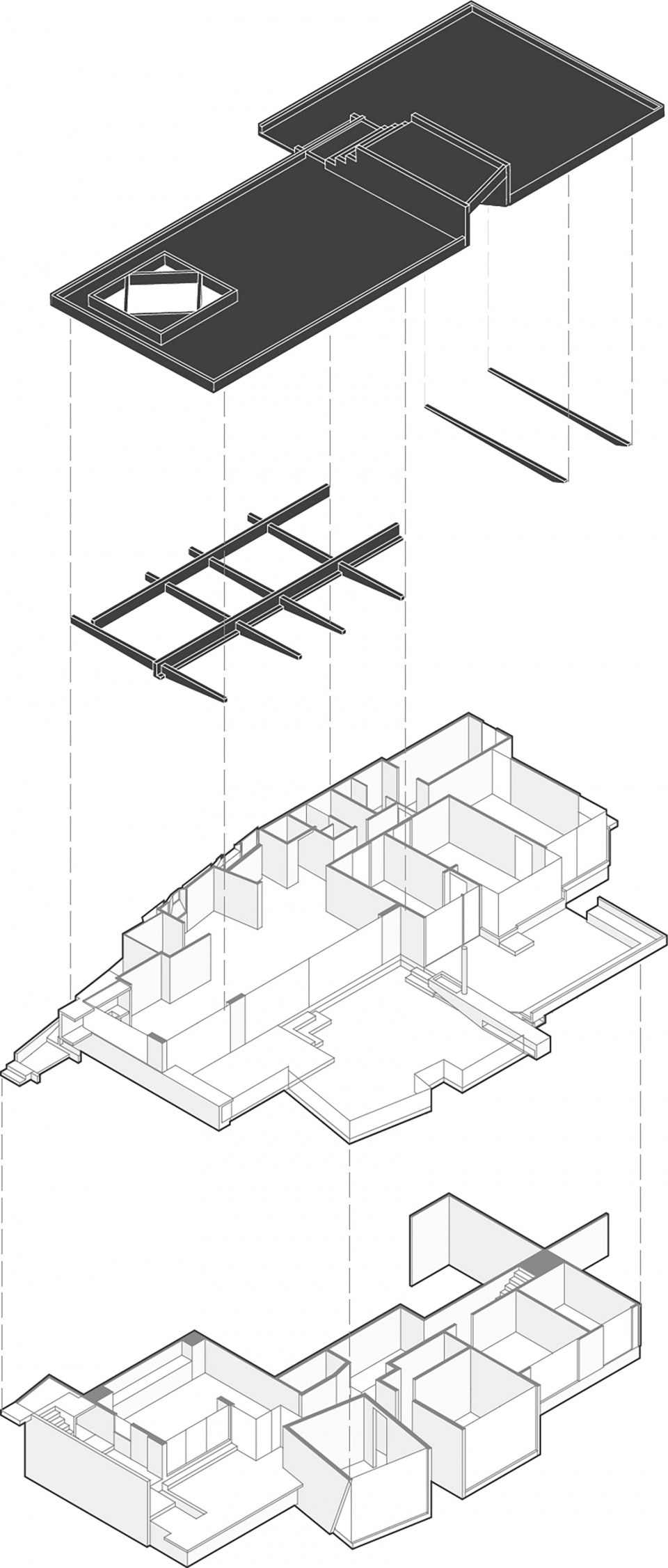
Beneath it, the dwelling fragments into volumes connected by walkways and voids, creating an open system that avoids enclosed masses. The structure, supported by slender pillars and a beam-furniture element, reinforces the tension between the domestic and the structural.
▼建筑立面与入口,Building facade and entrance
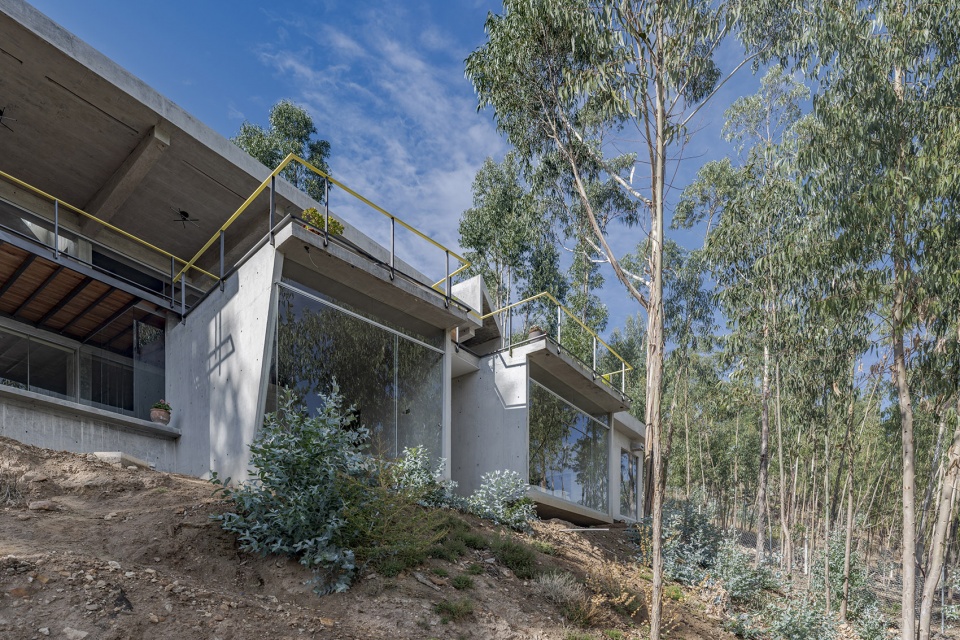
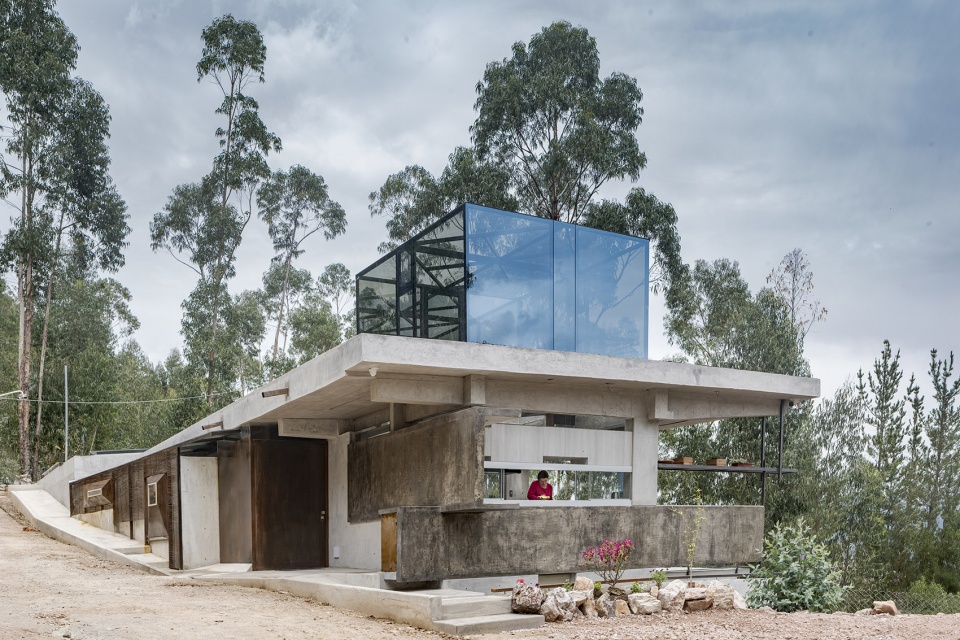
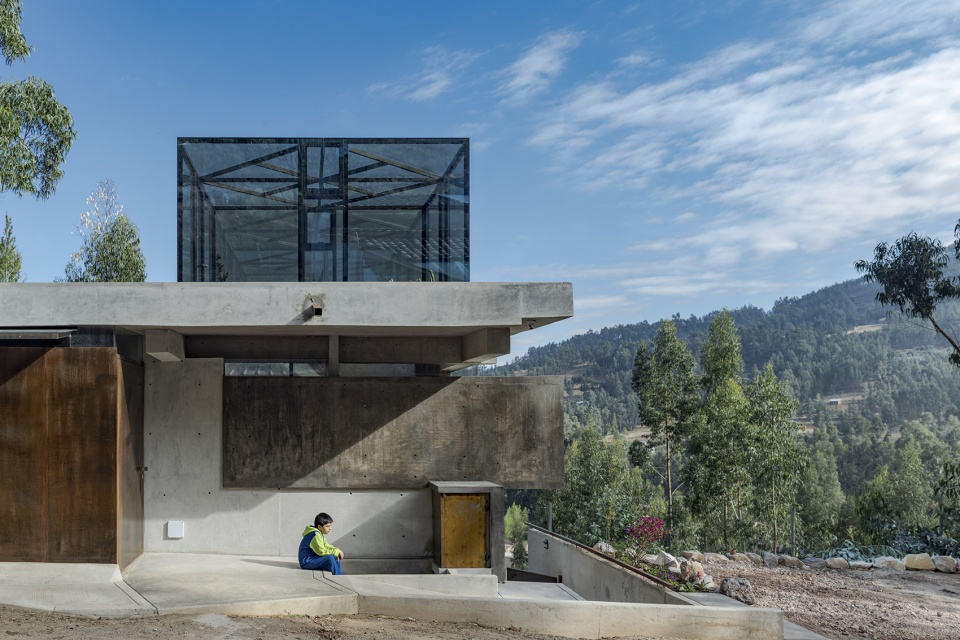
▼建筑立面细节,Building facade detail
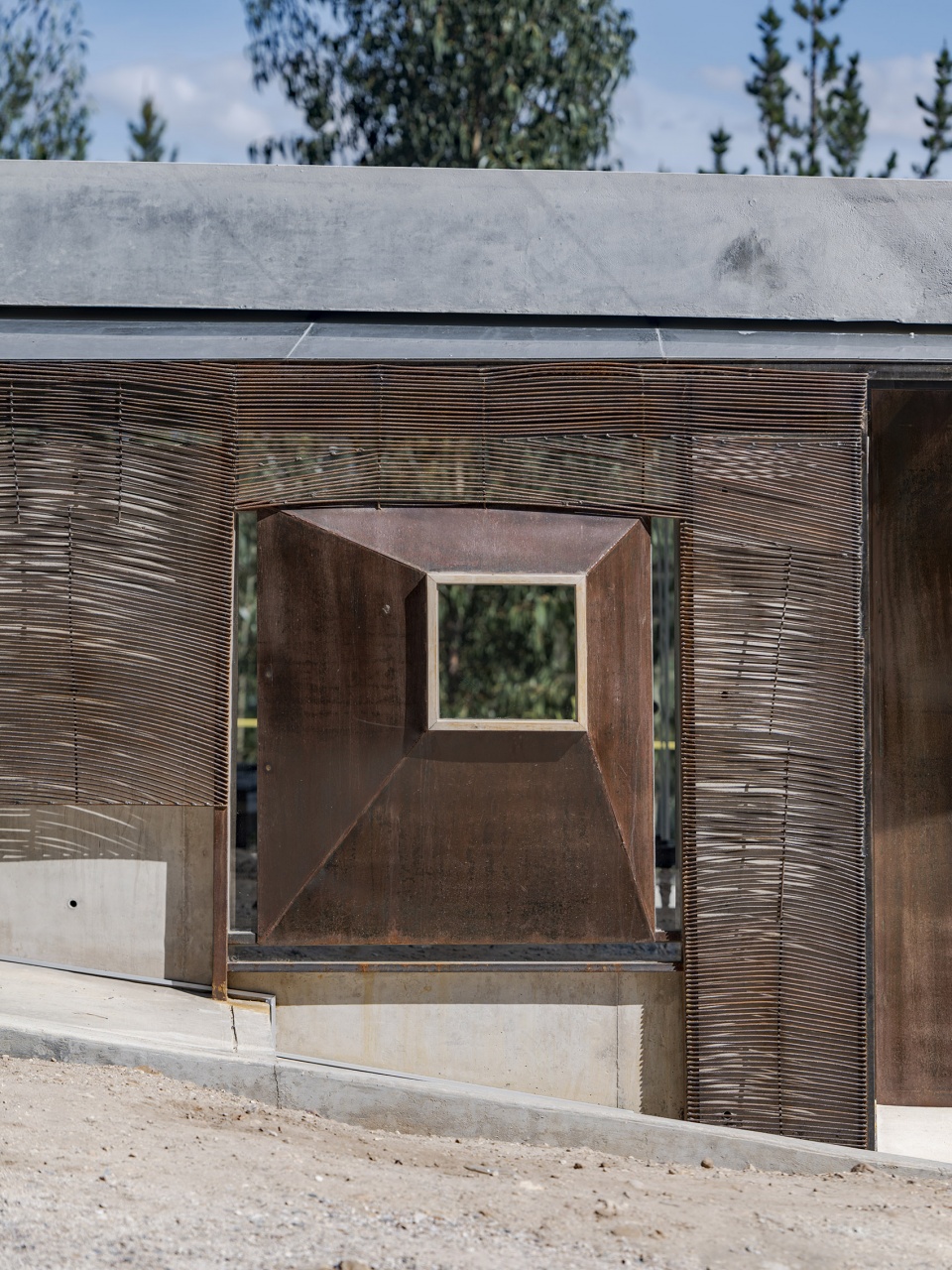
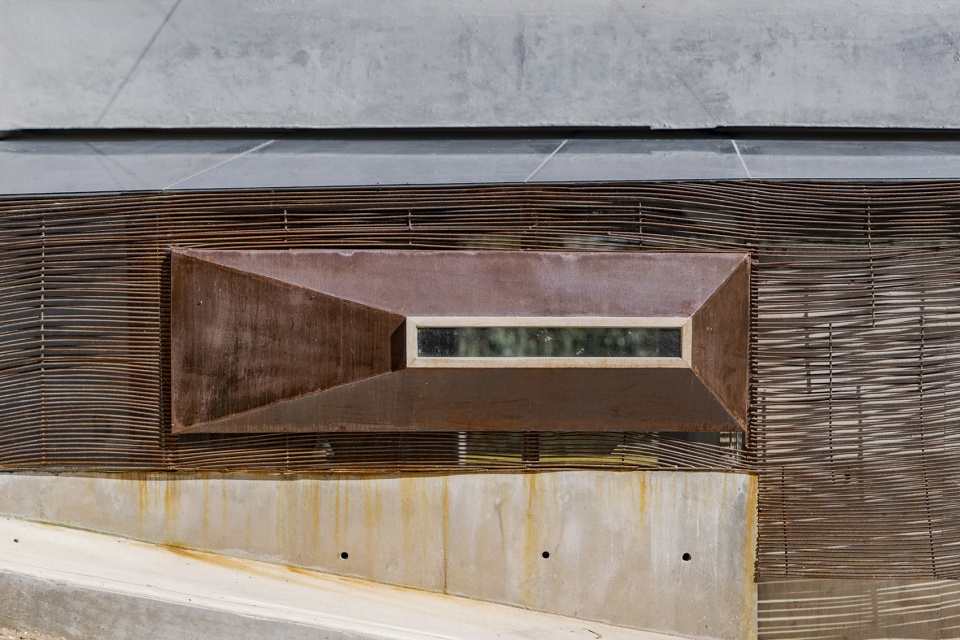
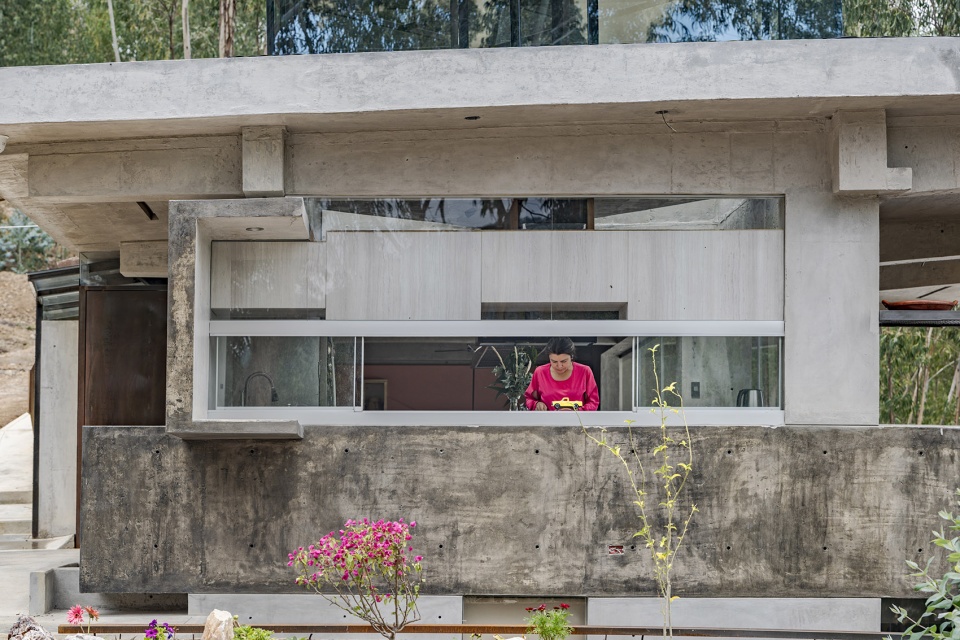
这一“废墟”姿态既非怀旧,也非字面意义上的再现,而是一种对居住状态的批判性思考:当我们选择不去强加、不去填满、不去围合时,所留下的是什么。
▼建筑细节分析,Building detail analysis
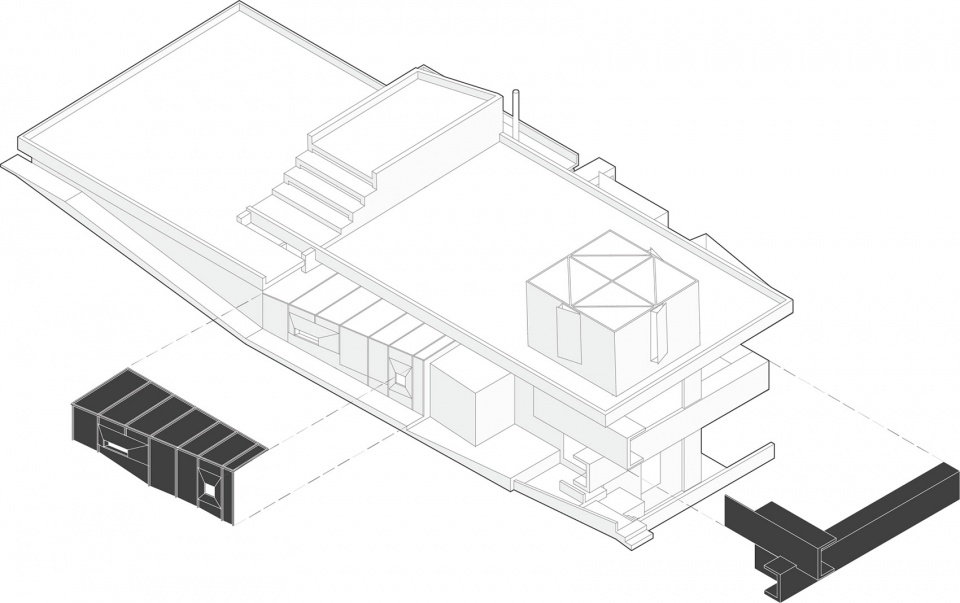
This ruin is neither nostalgic nor literal, but a critical condition of dwelling: what remains when we choose not to impose, not to saturate, not to enclose.
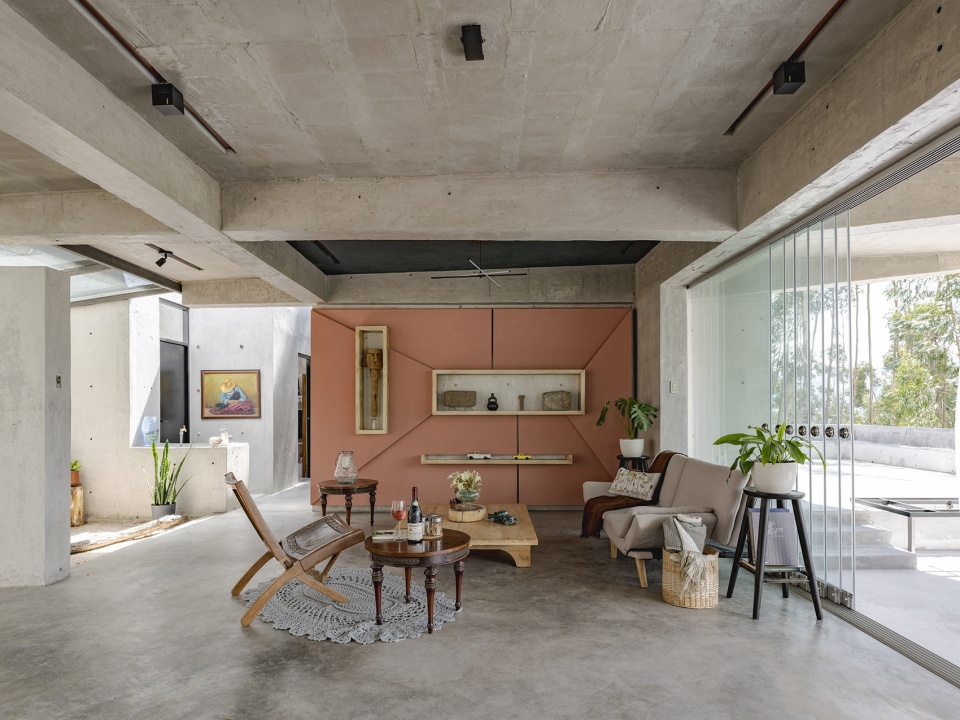
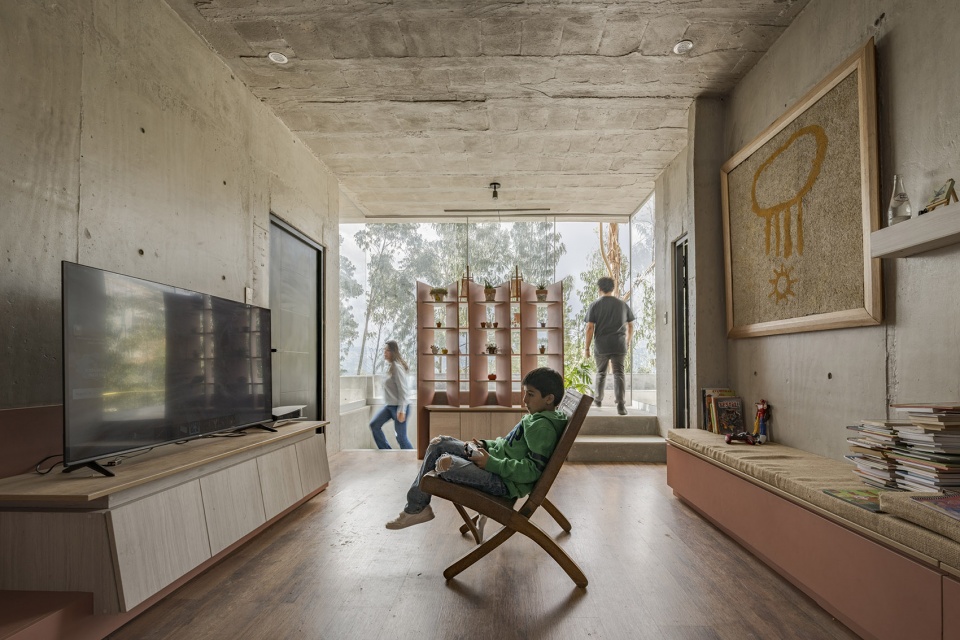
▼客厅,Living room
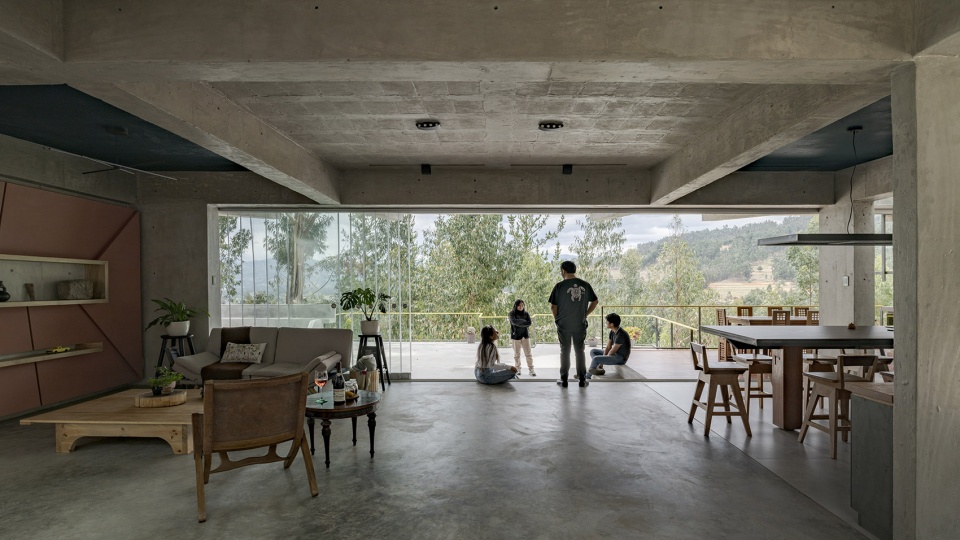
▼开放式厨房,Open-plan kitchen
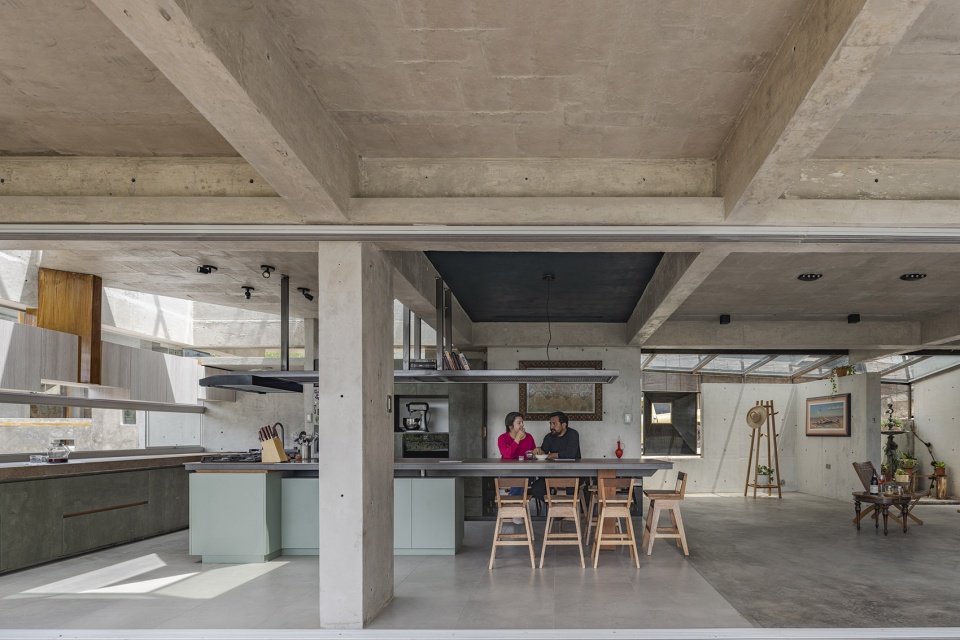
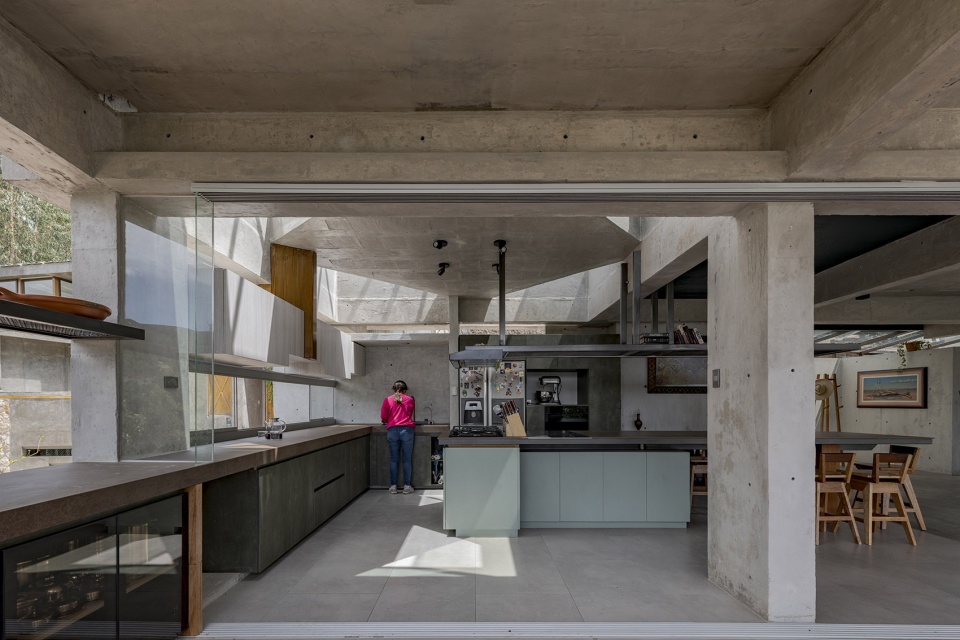
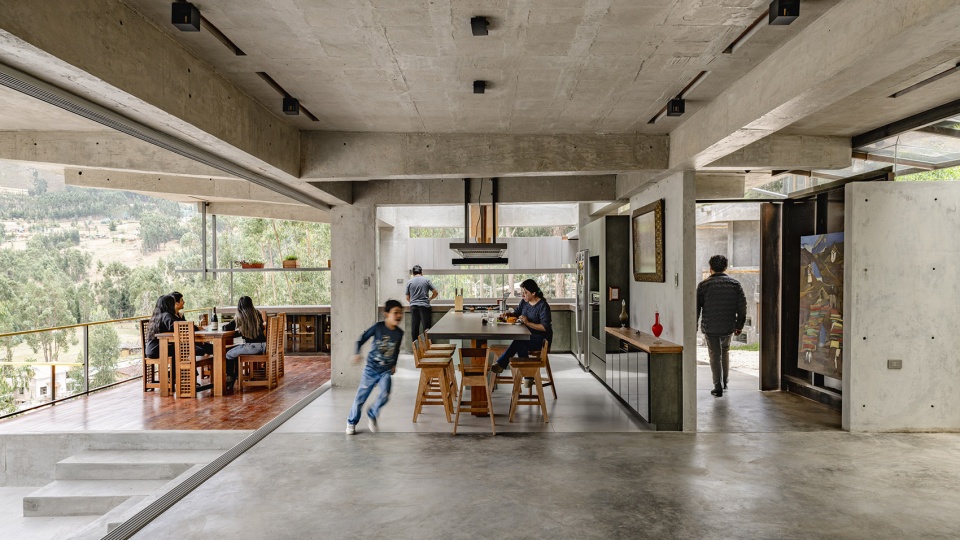
建筑坐落于一处坡度超过 35 度的陡峭山坡上,回应了安第斯地区“在不否认地势倾斜的前提下建造”的挑战,将坡度本身转化为空间生成的动力。其阶梯式的构型延续了山体自然起伏的节奏,三个层面在视觉与结构层面彼此交织。
▼场地分析图,Site analysis
Set on a steep slope of over 35 degrees, the house addresses the Andean challenge of building without denying the inclination, incorporating it as a spatial generator. Its stepped configuration continues the natural rhythm of the hillside, with three levels intersecting visually and structurally.
▼书房,Study room
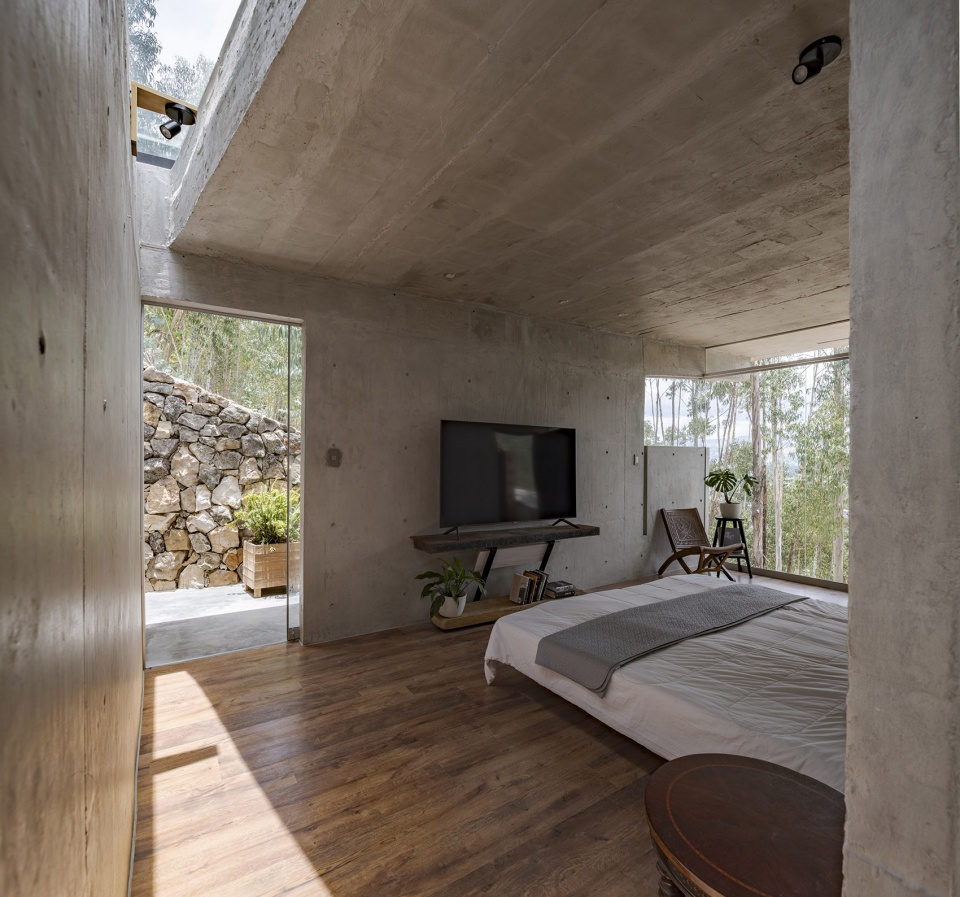
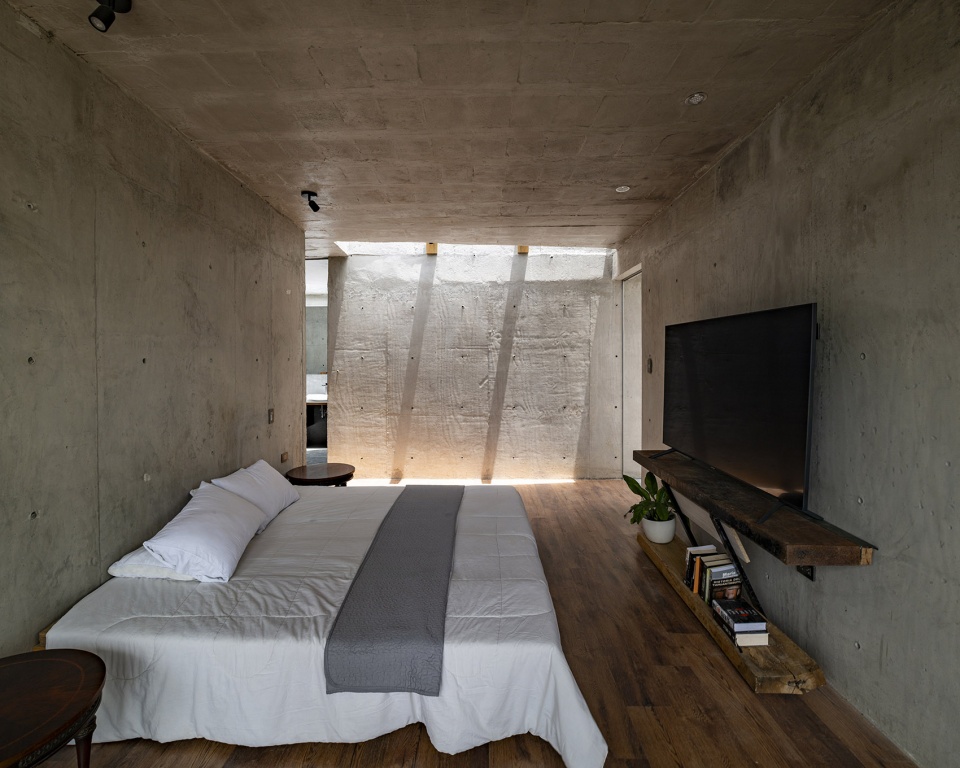
▼房间,Bedroom
▼室内采光,Interior daylighting
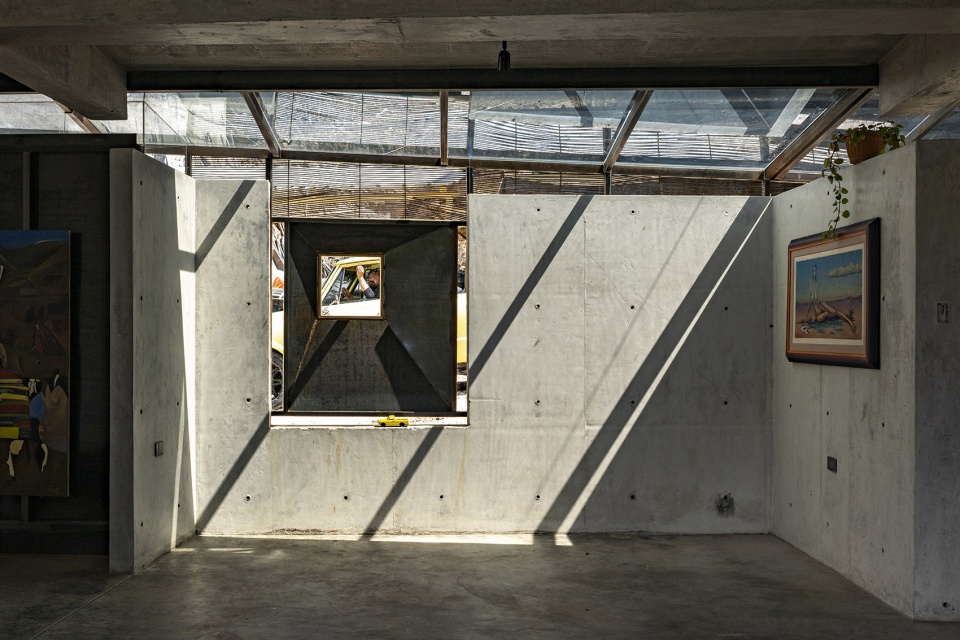
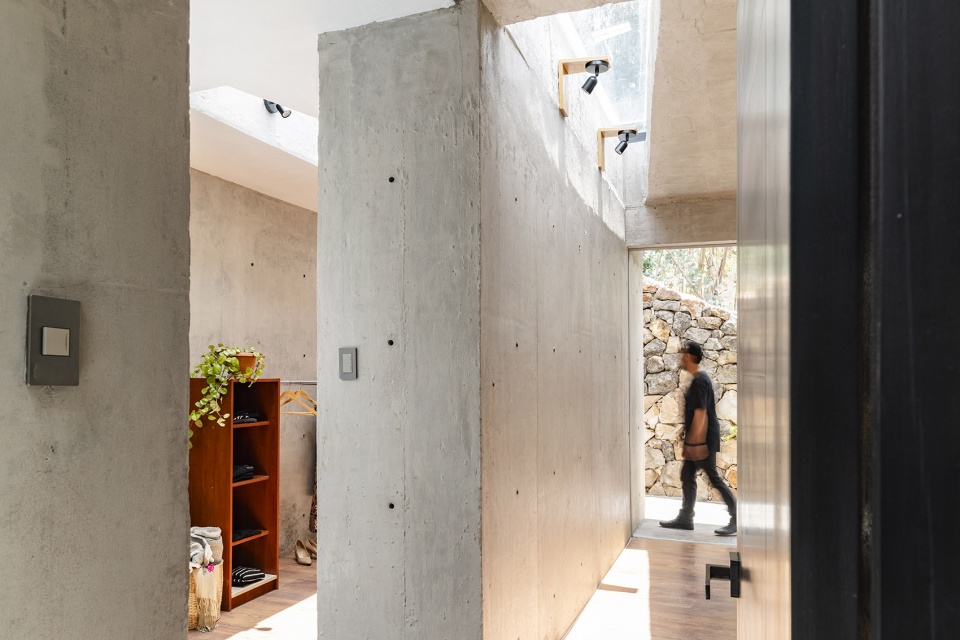
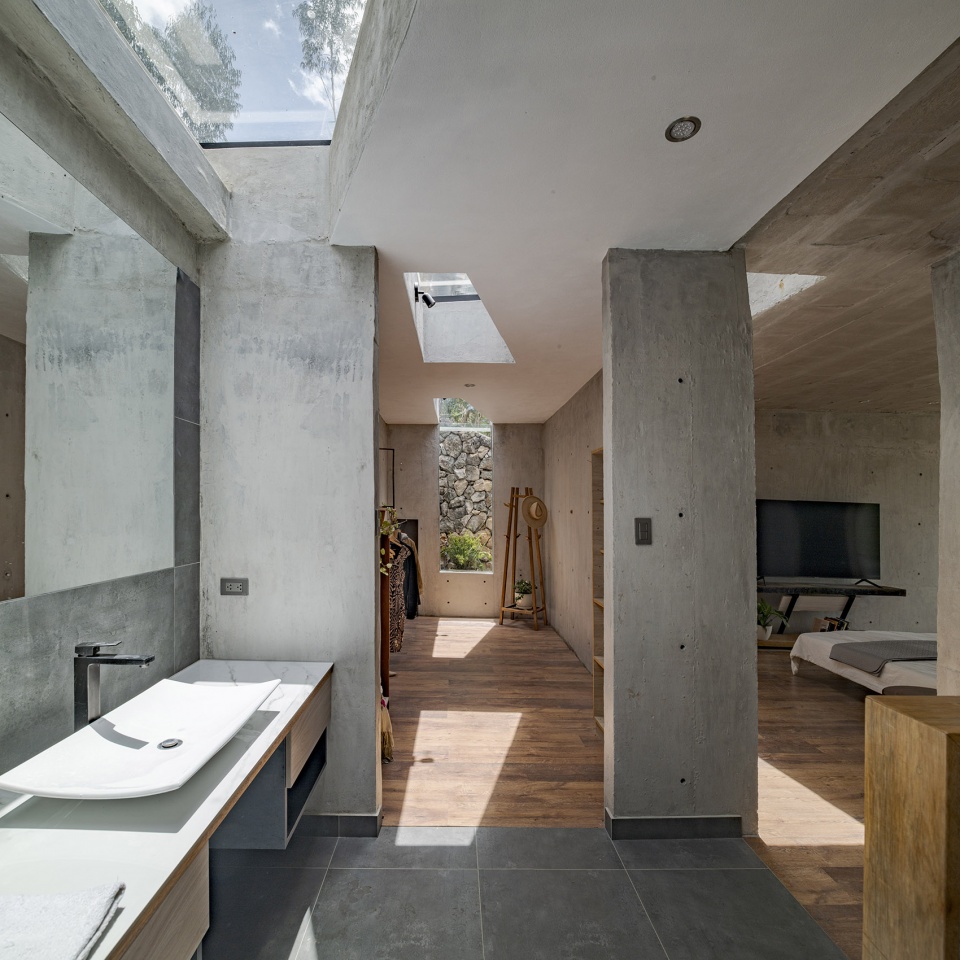
作为半埋入式空间、同时又成为私密区域屋顶的公共露台,在地形的延续中向景观敞开;而室内空间则在没有明确边界的情况下融入森林。厨房上方抬升的温室调节光线与气候,作为家庭核心的“气候过滤器”。
The social terrace, both semi-buried and serving as the roof of the private zone, opens to the landscape in continuity with the topography, while the interior dissolves into the forest without visible boundaries. An elevated greenhouse above the kitchen regulates light and climate, acting as an atmospheric filter at the domestic core.
▼露台,Balcony
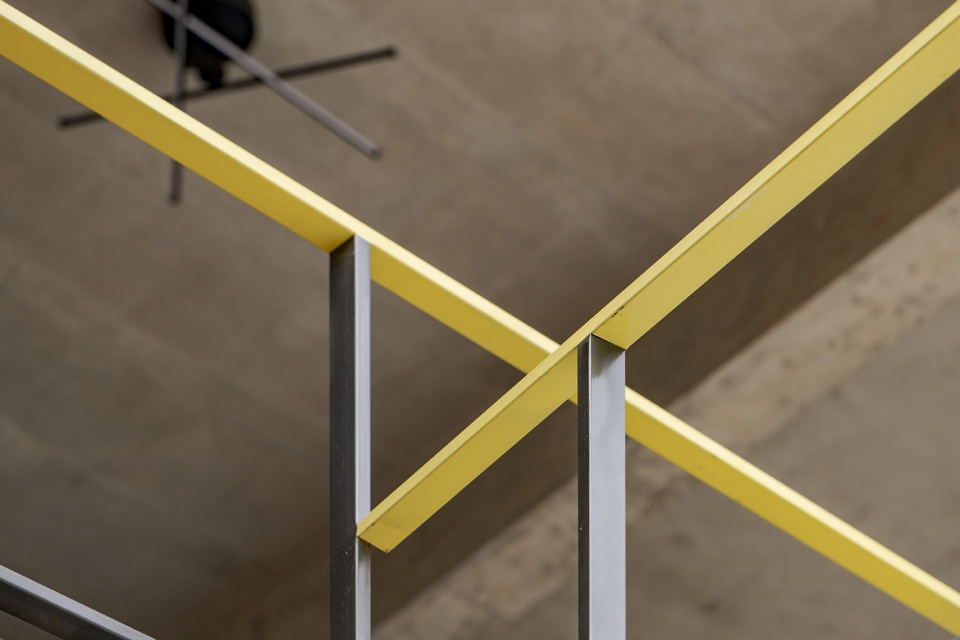
▼室内细节,Interior detail
最终,花园屋顶成为项目最关键的姿态:它既是热工保温层,也是种植空间与共享的城市平台,为场地提供了一片新的景观绿地,在城市肌理中增加绿色覆盖,并为山坡重新赋予价值。
Finally, the garden-roof consolidates as the key gesture: thermal insulation, cultivation space, and shared urban platform, offering the territory a new landscape that adds greenery to the urban fabric and restores value to the hillside.
▼屋顶花园,Green roof
▼夜景,Night view