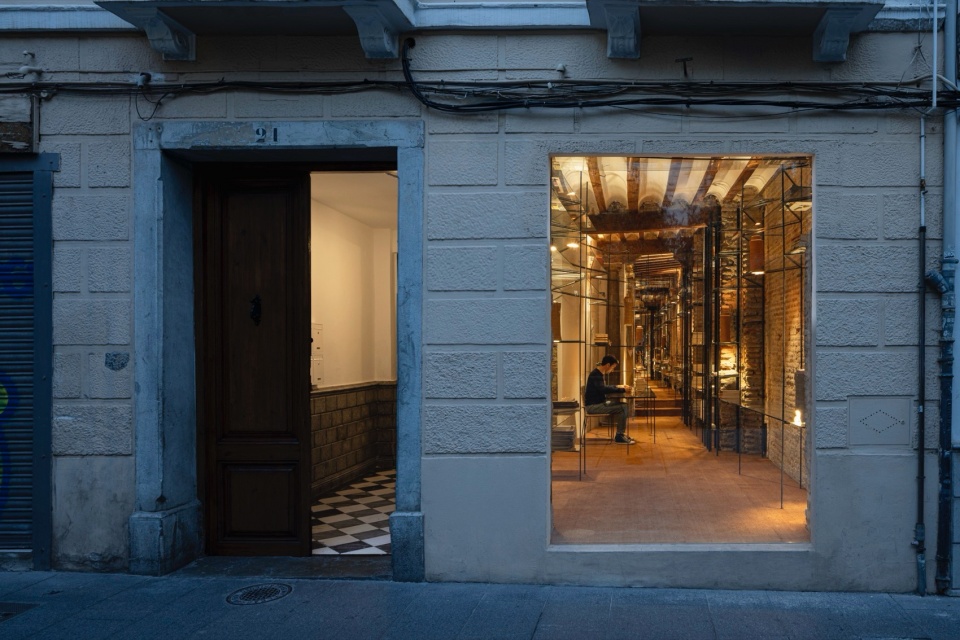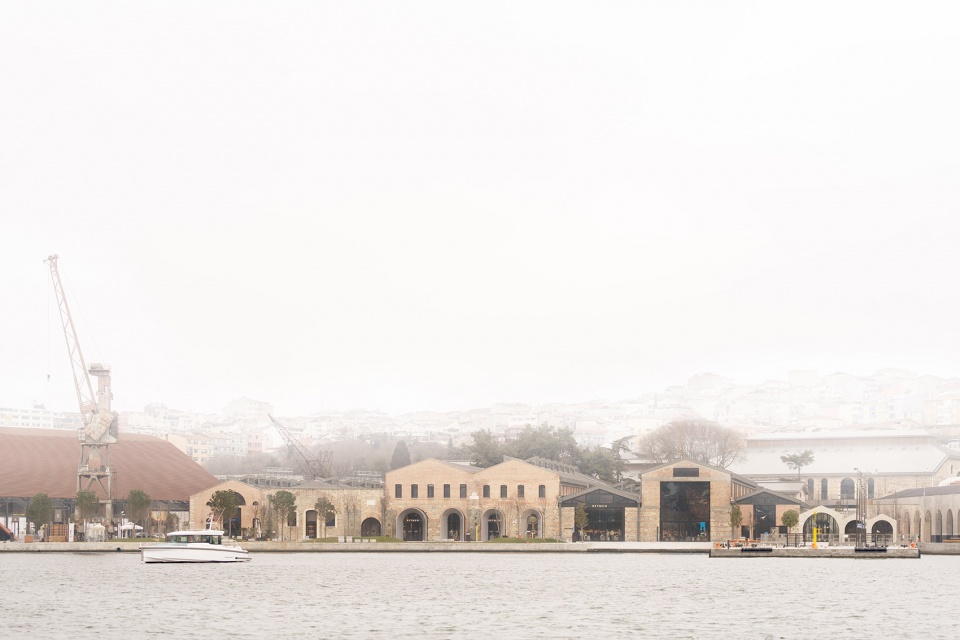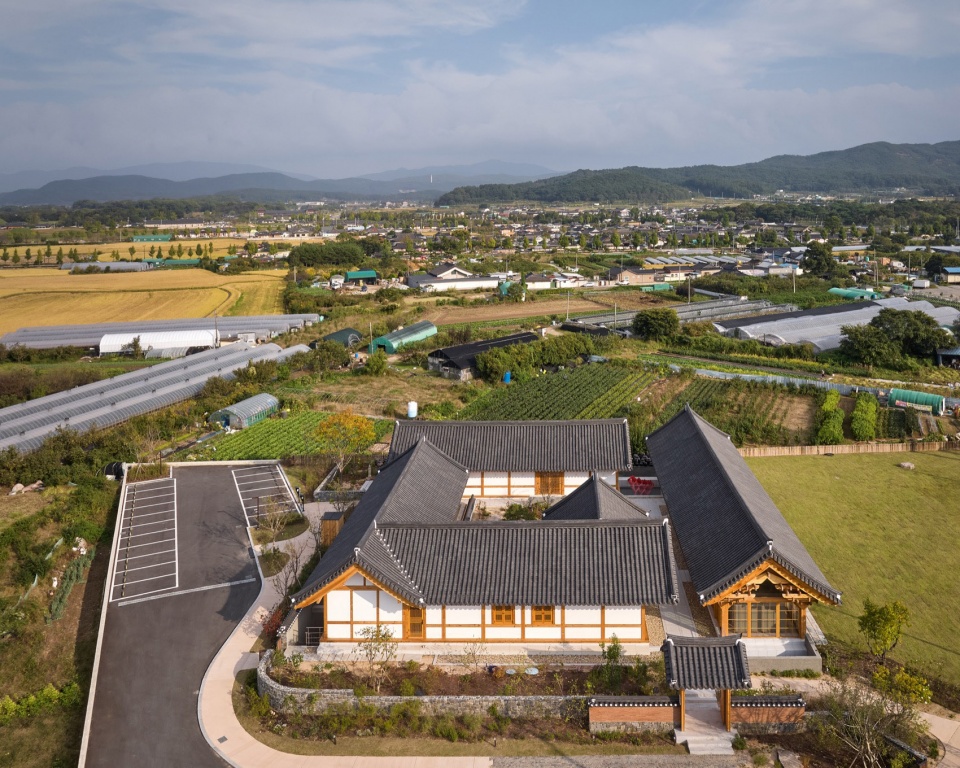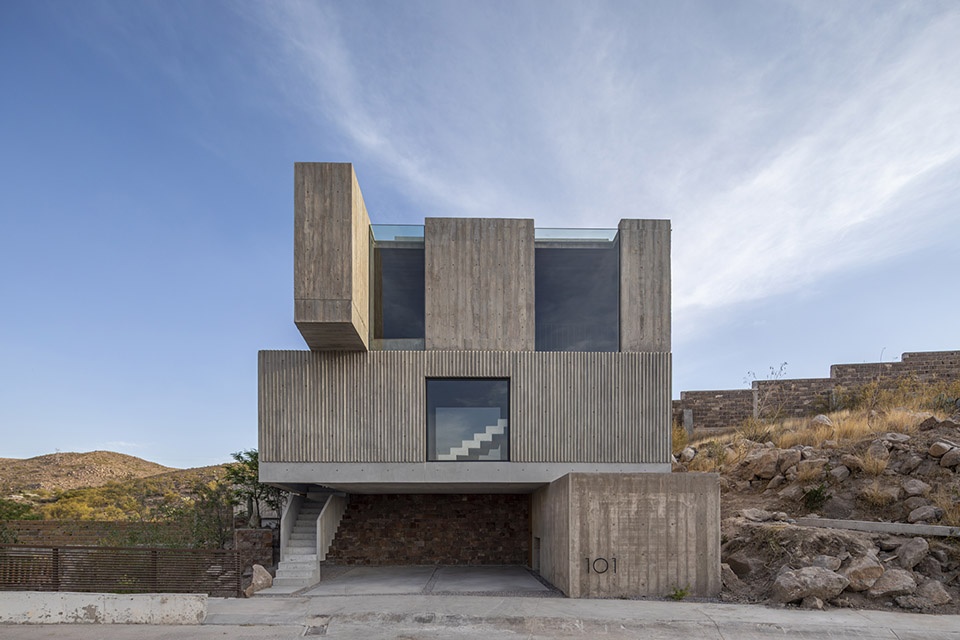
Doverodde庄园美术馆与自然村,丹麦 / Reiulf Ramstad Arkitekter
在丹麦北日德兰(Northern Jutland)利姆海峡(Limfjord)岸边,Doverodde Købmandsgård正被改造为一处全新的文化与景观目的地。Reiulf Ramstad Arkitekter为该场地设计了两个紧密交织的项目:SMK Thy与自然村(Nature Village),共同构成艺术、景观与社区之间全新的交汇点。
At the edge of the Limfjord in Northern Jutland, Denmark, Doverodde Købmandsgård is being transformed into a new cultural and landscape destination. Reiulf Ramstad Arkitekter has designed two closely intertwined projects for the site: SMK Thy and the Nature Village, together forming a new meeting point between art, landscape, and community.
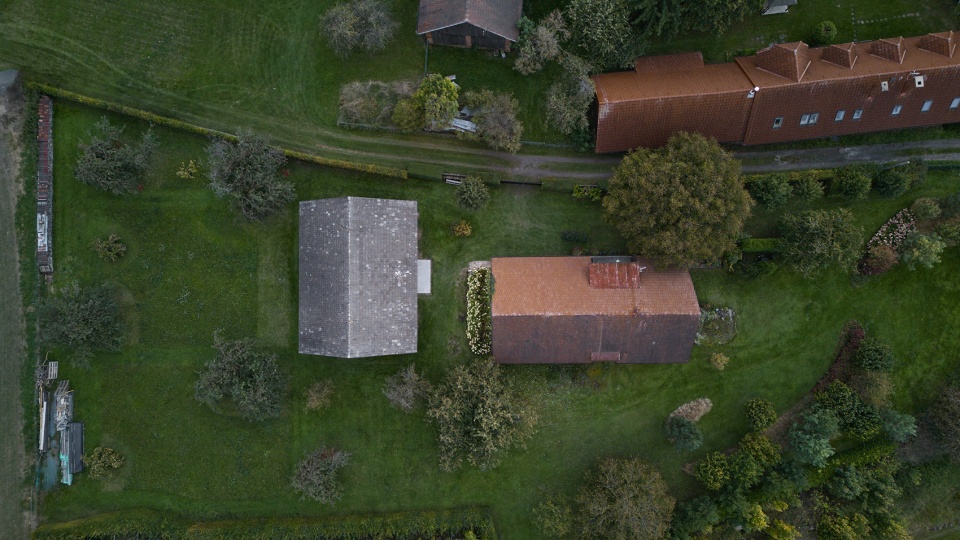
▼鸟瞰,aerial view
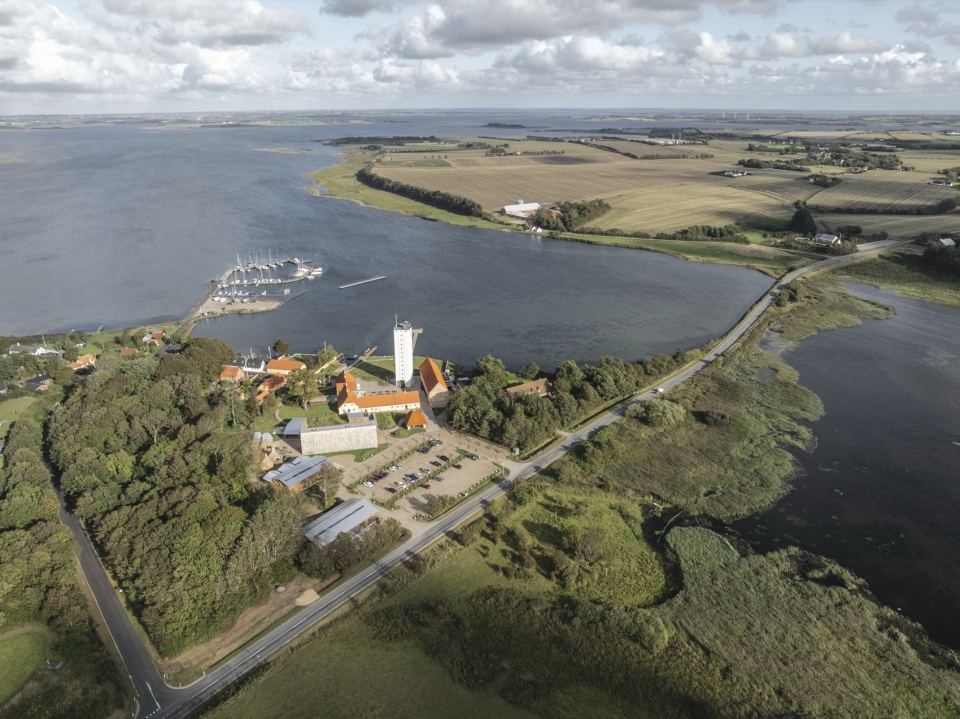
Doverodde商贸庄园是该地区最重要的文化遗产环境之一。项目以场地现有建筑和空间特质为基础,在保留其历史特征的同时,对这处昔日的贸易综合体进行审慎改造。通过适应性再利用与最小干预的策略,建筑重新激活了围绕庭院布置的仓库群与港口空间,并将其进一步向峡湾以及Thy周边景观开放。
The historic merchant estate at Doverodde is one of the region’s most significant cultural heritage environments. The project builds upon the site’s existing structures and spatial qualities, carefully transforming the former trading complex while preserving its historic character. Through a strategy of adaptive reuse and minimal intervention, the architecture reactivates the ensemble of warehouses around a courtyard, and harbor spaces while opening them towards the fjord and the surrounding landscapes of Thy.
▼建筑外观,building appearance
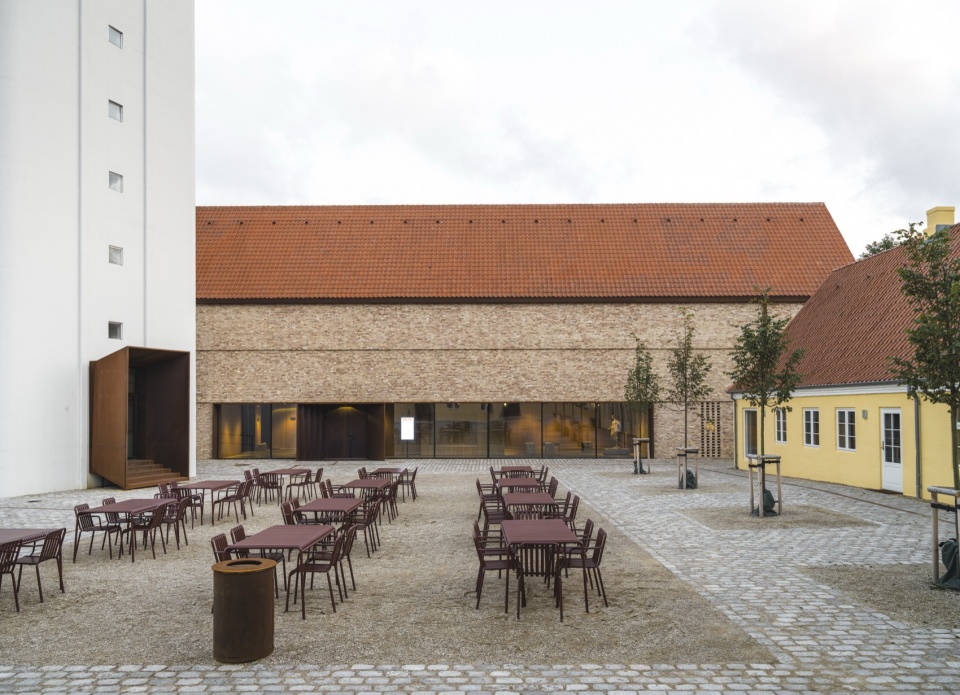
▼公共服务设施,public facilities
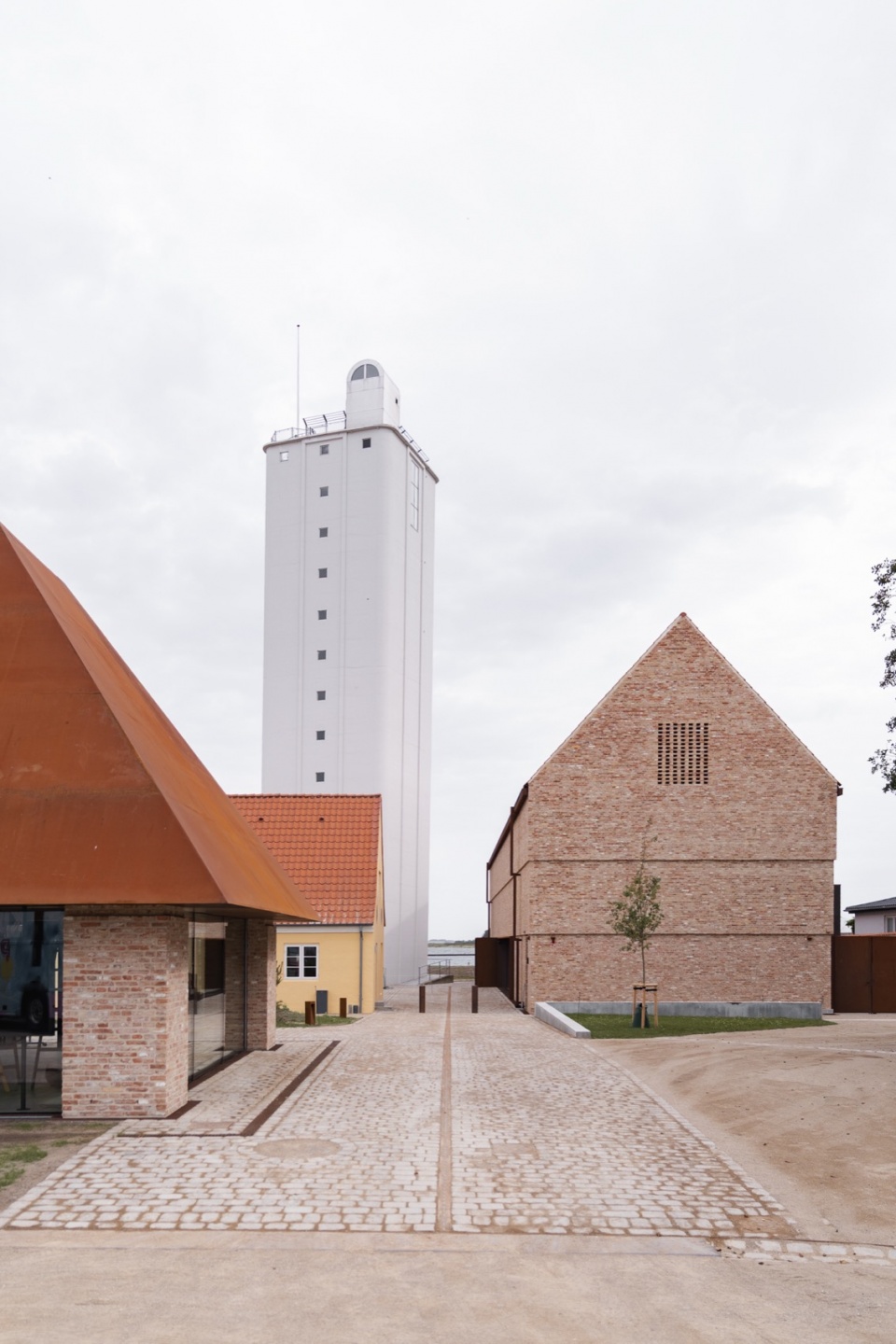
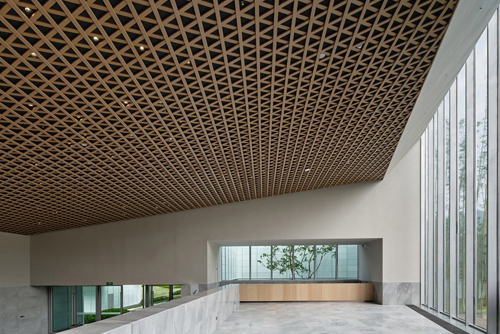
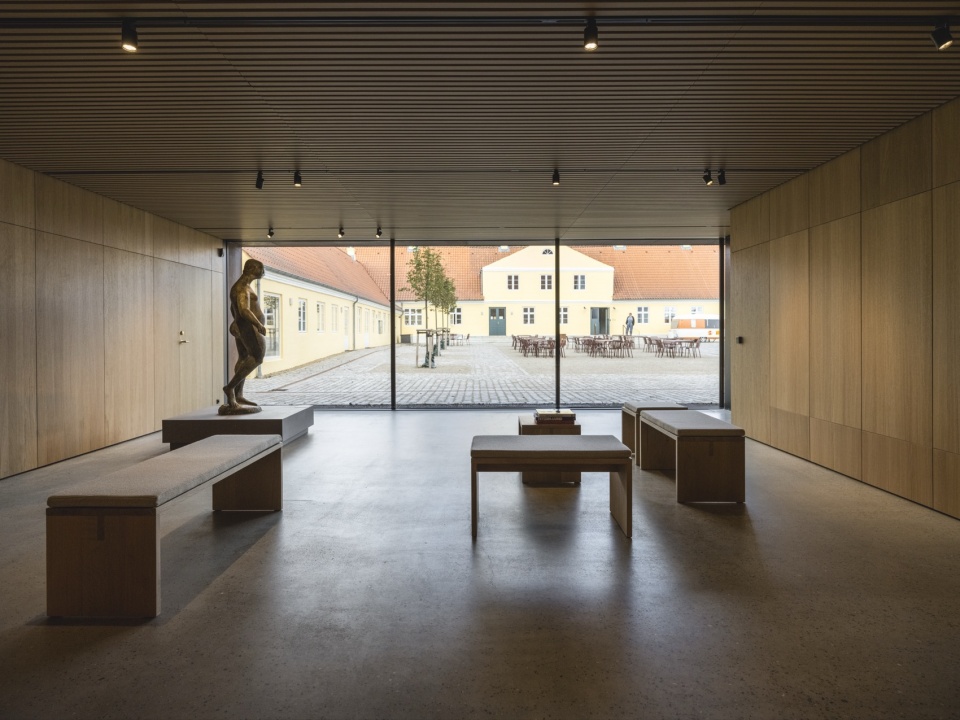
SMK Thy作为位于哥本哈根的丹麦国家美术馆(National Gallery of Denmark)的分馆,在Doverodde Købmandsgård的历史建筑群中引入了售票处、主展览馆、由粮仓改造而成的展览空间以及公共服务设施。设计并未取代既有建筑,而是强调修复、修缮与再诠释。原有材料和建造构件在可能的情况下均被保留并重新利用,使建筑层叠积累的历史得以持续可见。新增建筑则被构想为精准而当代的介入,通过梳理流线、提升环境性能,并框取通向水岸及远方开阔景观的视野。
SMK Thy, a satellite of the National Gallery of Denmark in Copenhagen, introduces a ticketing office, a main exhibition building, a coverted grain silo as well as public facilities within the historic fabric of Doverodde Købmandsgård. Rather than replacing the existing structures, the design emphasizes restoration, repair, and reinterpretation. Original materials and construction elements are preserved and reused wherever possible, allowing the buildings’ layered history to remain visible. New architectural additions are conceived as precise and contemporary insertions that clarify circulation, improve environmental performance, and frame views towards the water and the open landscapes beyond.
▼售票处,ticketing office
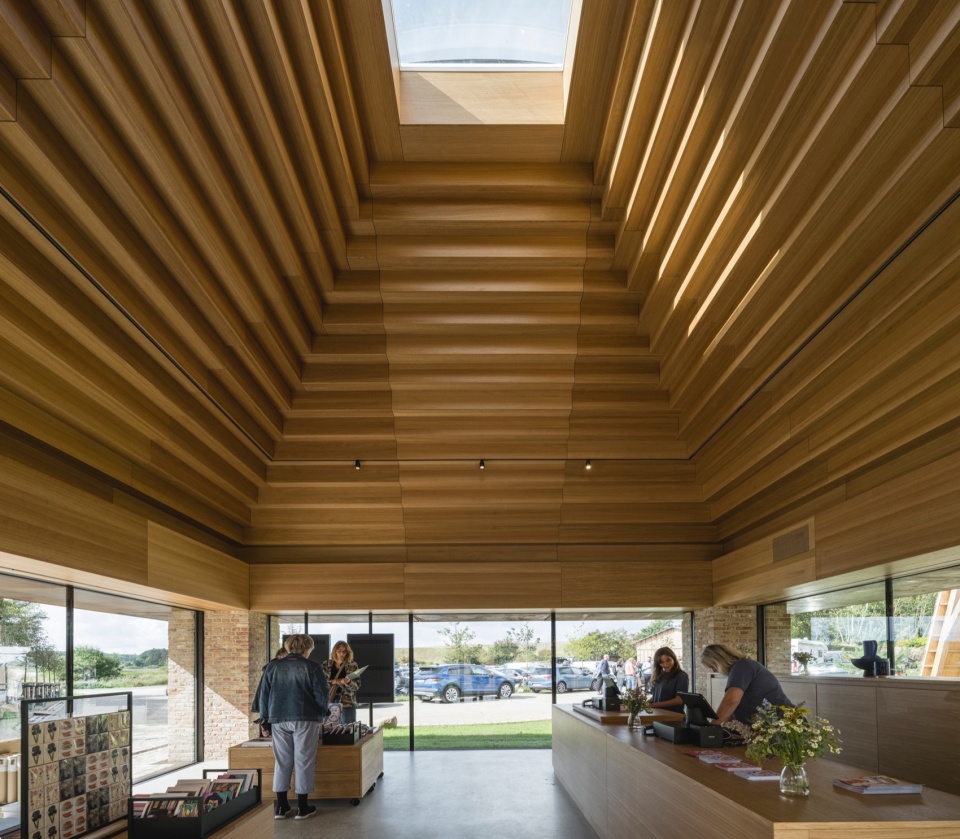
▼展览空间,exhibition space
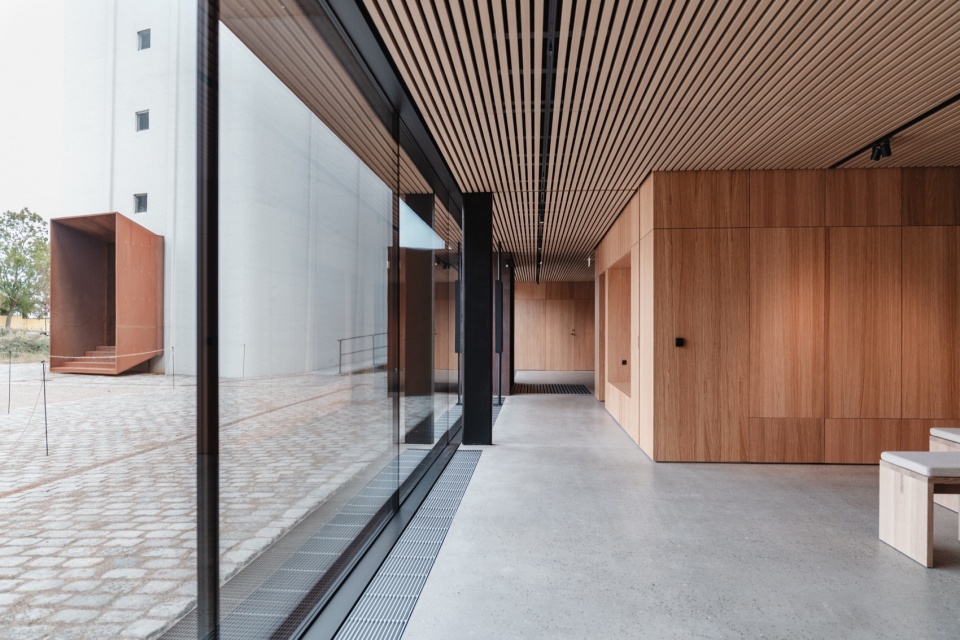
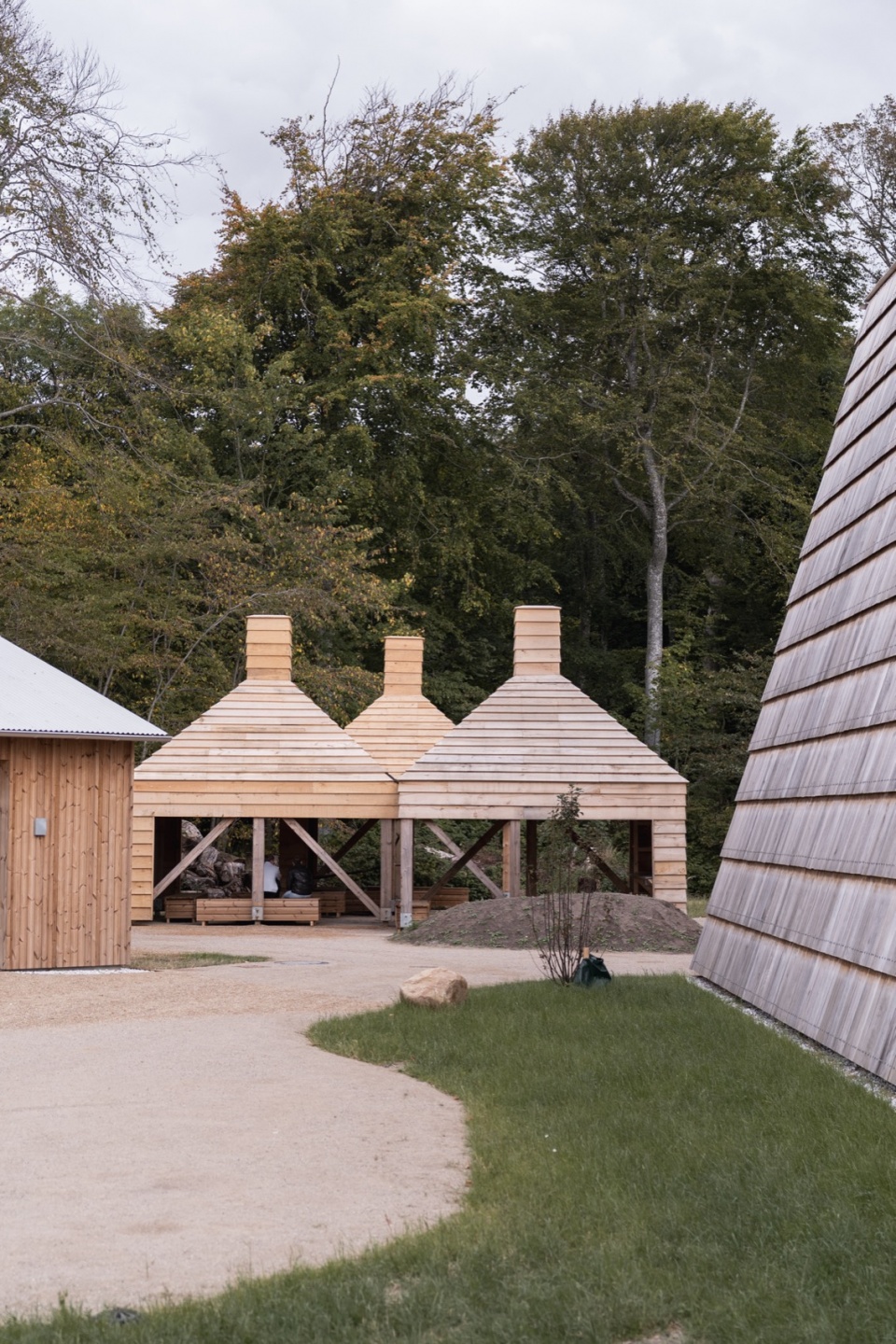
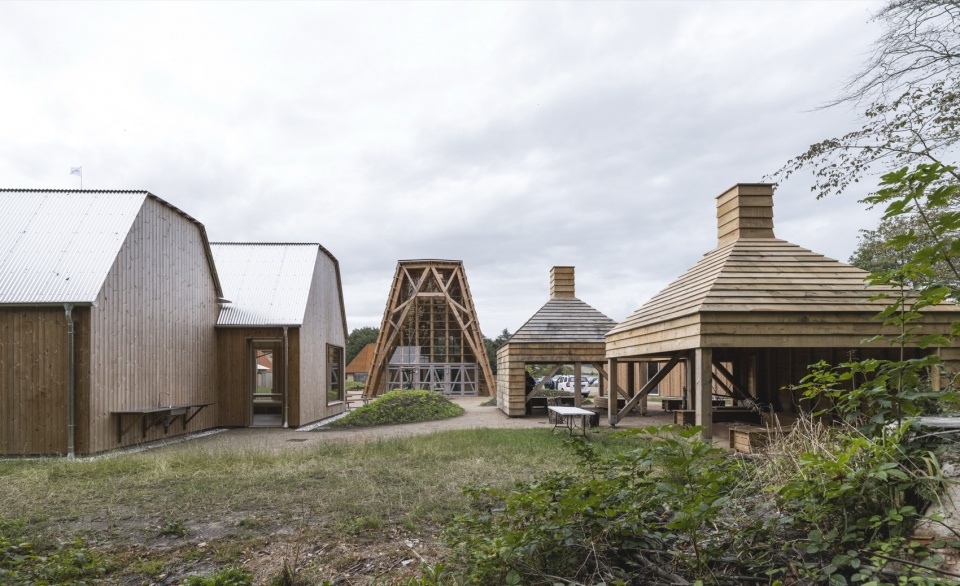
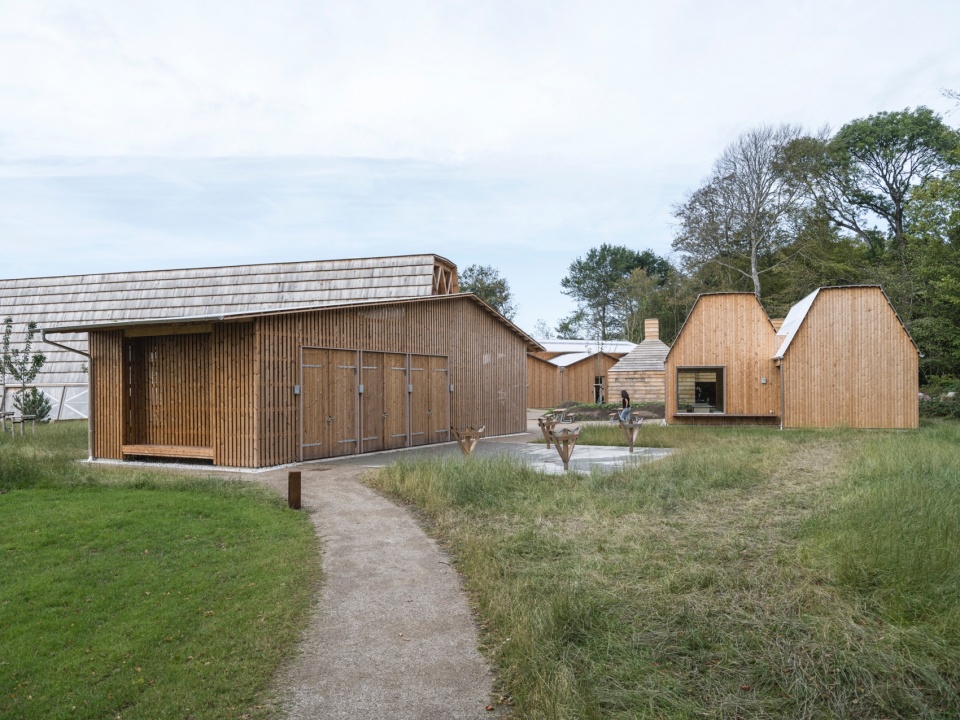
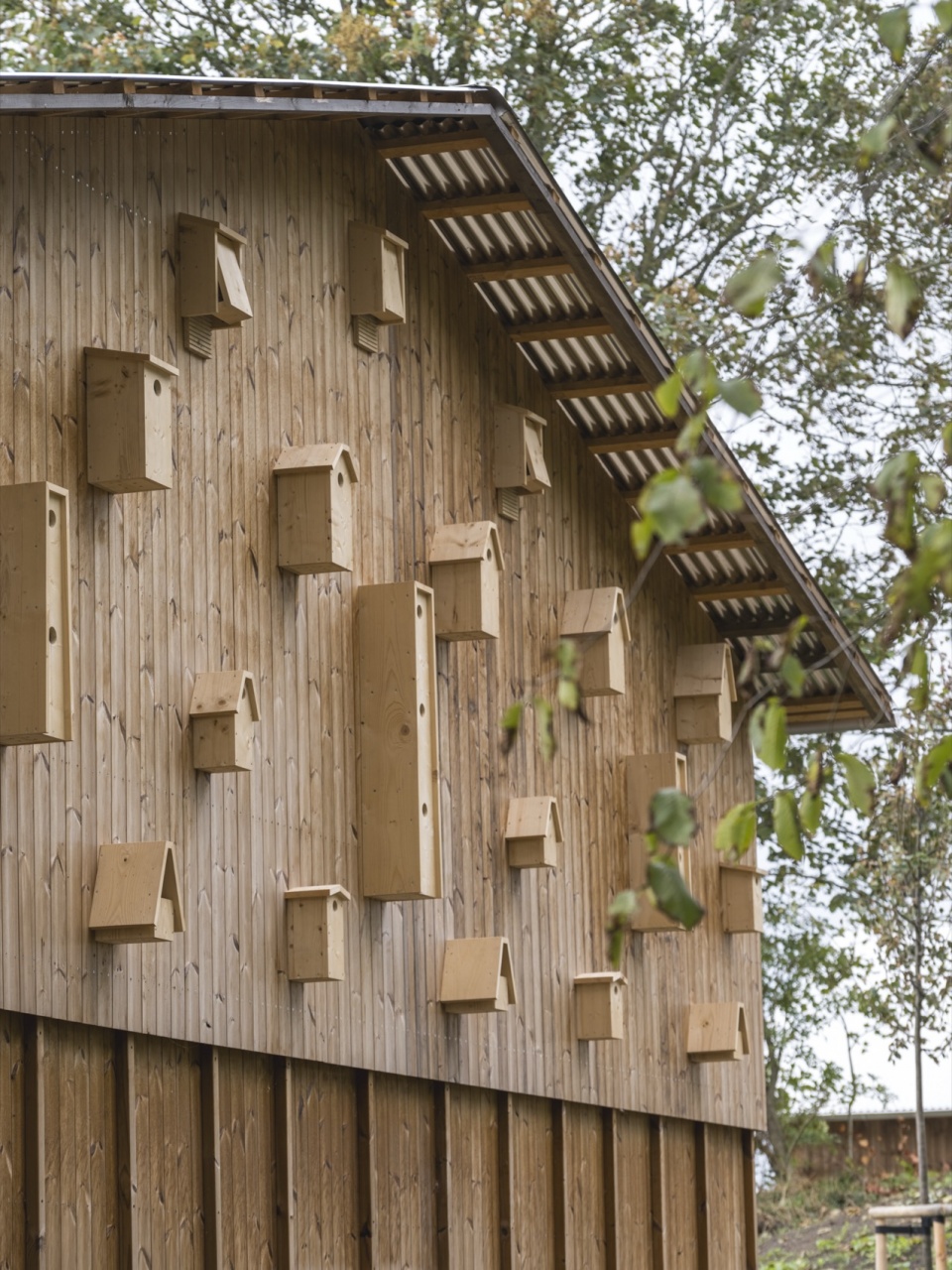
毗邻美术馆的自然村,将文化项目进一步延伸至周边地景之中。自然村被构想为由一组小型建筑和共享空间组成的聚落,用于支持自然教育、户外活动以及过夜住宿等功能。村落由木船工坊、篝火棚、皮划艇储藏设施、童军小屋等空间组成。建筑刻意保持谦逊的尺度,并扎根于当地建造传统之中。各建筑采用坚固且低环境影响的材料建造,以木材和再利用构件为主,形成富有触感的材料体系,与场地的农业和海事文化遗产相呼应。
Adjacent to the museum, the Nature Village extends the cultural program into the surrounding terrain. Conceived as a small cluster of pavilions and shared spaces, the village supports nature-based learning, outdoor activities, and overnight stays. The village is composed of a wooden shipyard, fire pit sheds, kayak storage, a scout cabin and more. The architecture is deliberately modest in scale and rooted in local building traditions. Structures are constructed using robust, low-impact materials, with timber and reused components forming a tactile palette that resonates with the agricultural and maritime heritage of the site.
▼由一组小型建筑和共享空间组成的聚落,a small cluster of pavilions and shared spaces
美术馆与自然村共同构建了一处连接国际艺术与日常自然体验的独特场所。访客既可以欣赏来自丹麦国家艺术收藏的作品,也能够直接步入环绕场地的自然景观之中。项目特别关注儿童与家庭群体,通过易于参与的自然活动、户外学习环境以及非正式的探索空间,让艺术、景观与游戏融为连续的体验过程,激发跨越不同年龄层的好奇心、创造力与探索精神。
Together, the museum and the Nature Village create a unique meeting point between international art and everyday encounters with nature. Visitors can experience works from Denmark’s national art collection while stepping directly into the landscapes that surround the site. The project places particular emphasis on children and families, offering easily accessible nature activities, outdoor learning environments, and informal spaces for exploration. Art, landscape, and play become part of a continuous experience, encouraging curiosity, creativity, and discovery across generations.
▼自然活动、户外学习环境以及非正式的探索空间,
nature activities, outdoor learning environments, and informal spaces for exploration
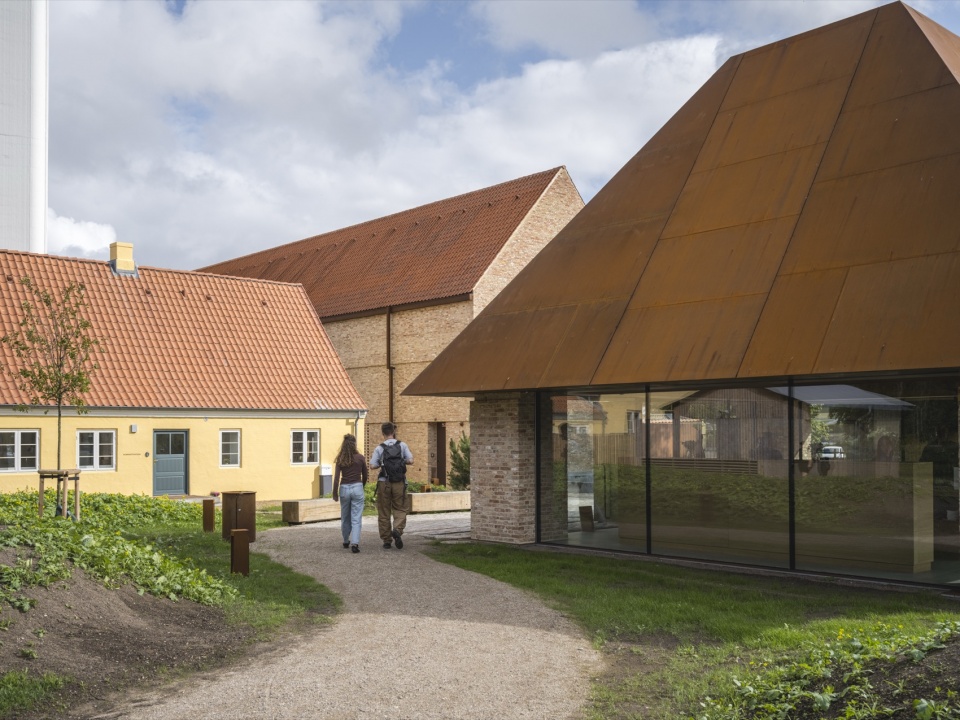
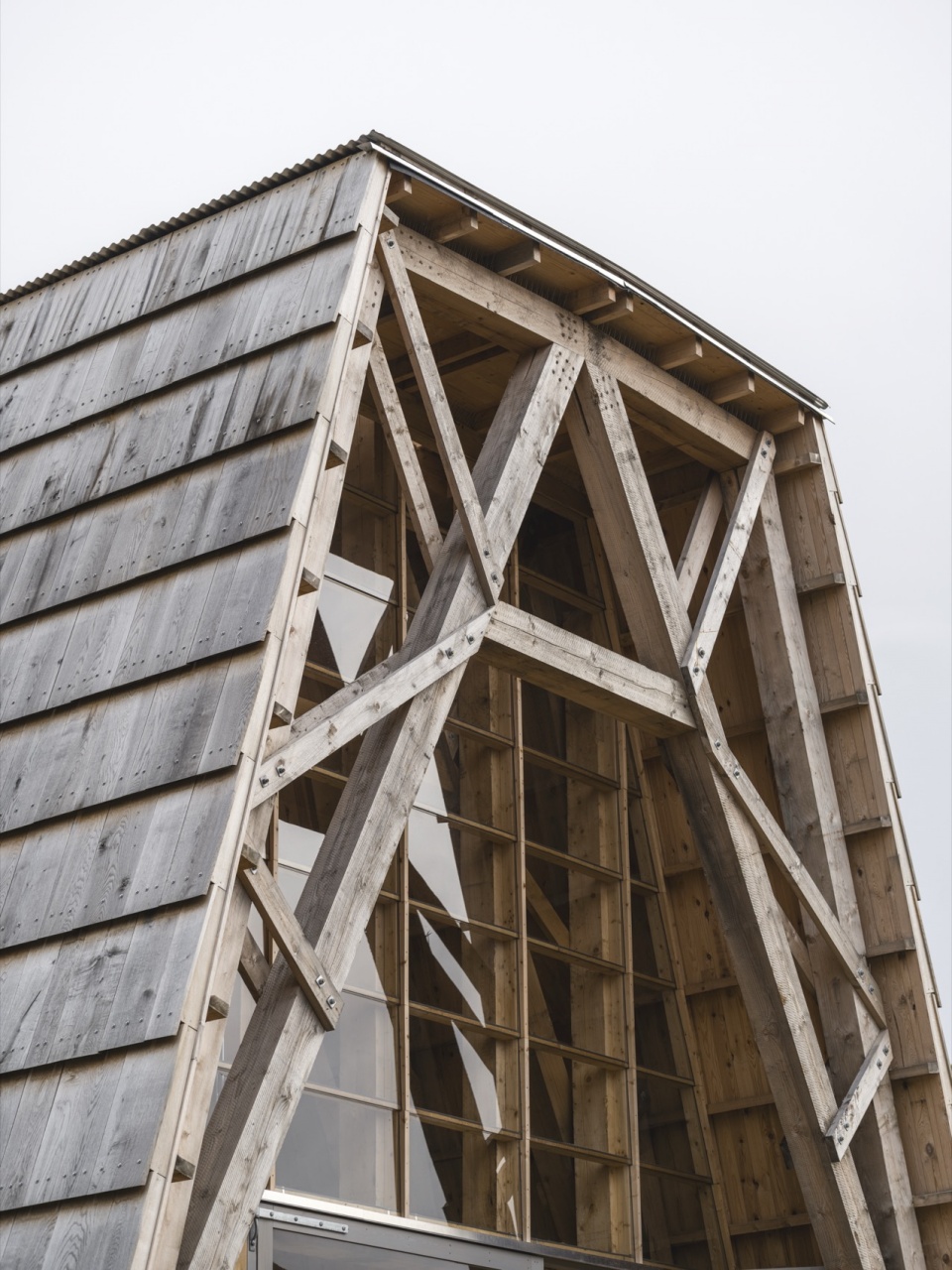
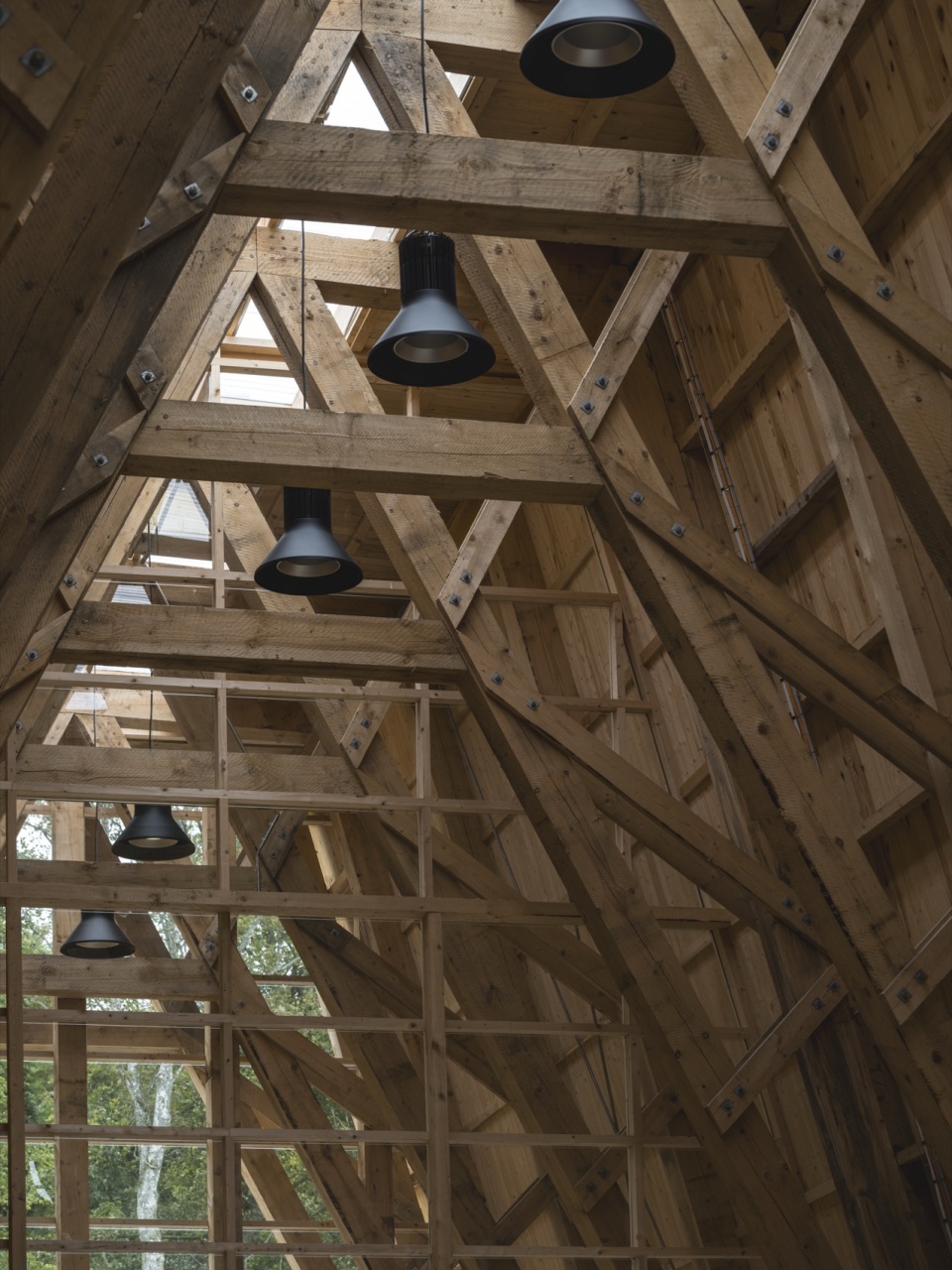
材料再利用是整个项目的重要原则。既有建筑中的木结构、砖和石材等构件,在可能的情况下均被谨慎拆除、修复并重新整合到新的设计介入之中。这种做法不仅保留了Doverodde Købmandsgård的场所特质,同时也降低了改造过程对环境造成的影响。
Material reuse is a central principle throughout the project. Elements from the existing buildings—such as timber structures, brick, and stone—are carefully dismantled, restored, and reintegrated into the new interventions where possible. This approach not only preserves the character of Doverodde Købmandsgård but also reduces the environmental footprint of the transformation.
▼砖,brick
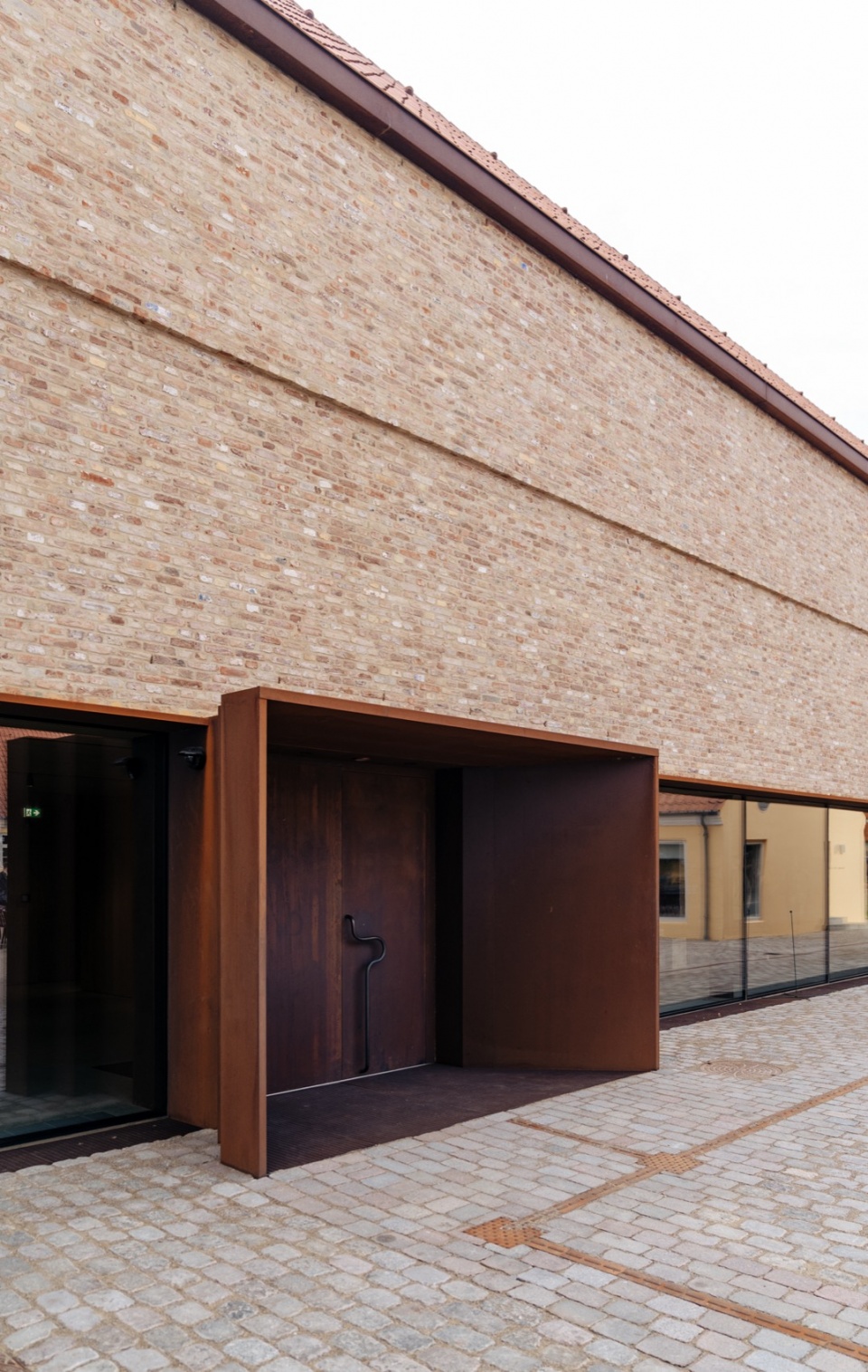
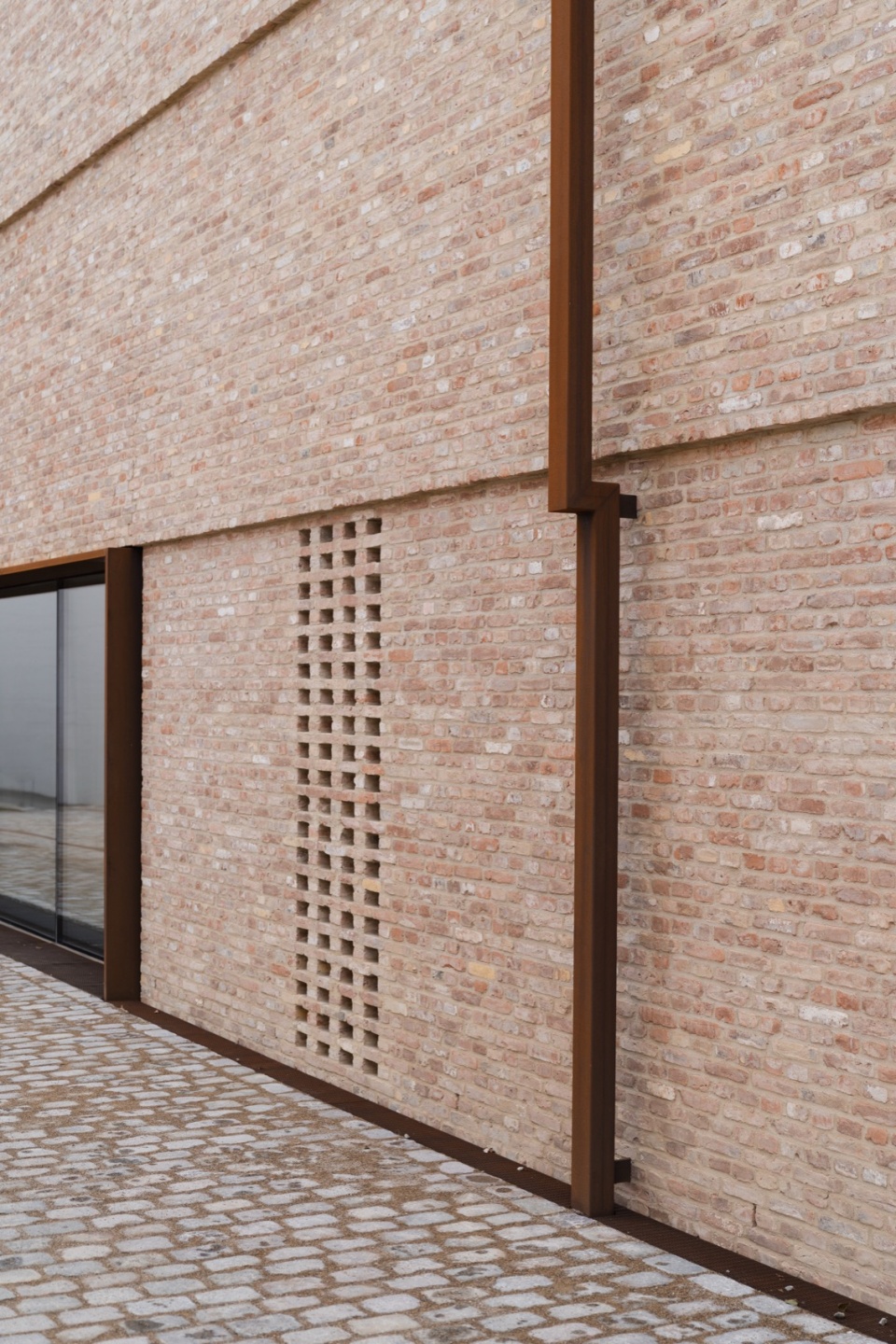
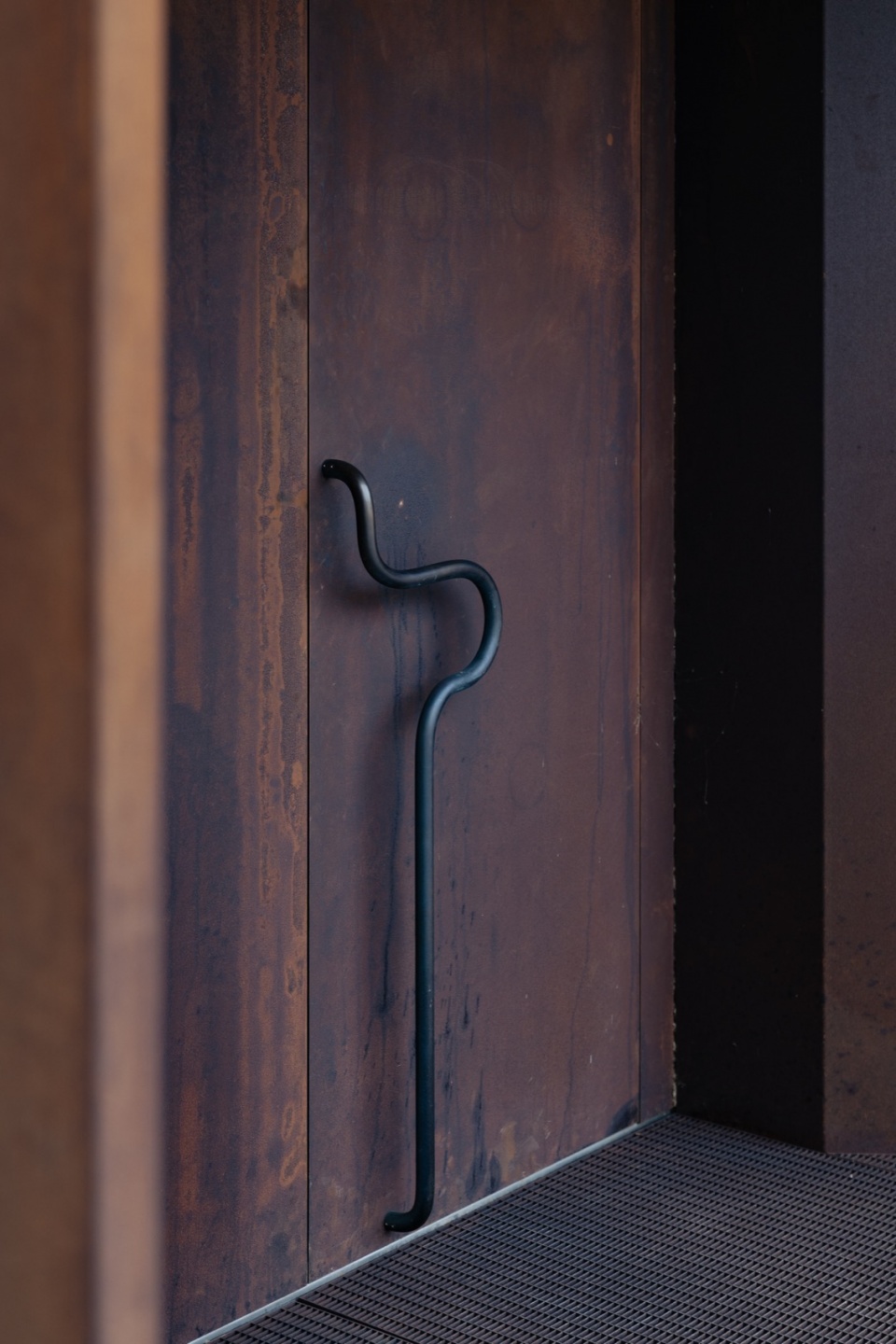
▼材料细部,metrical detail
▼木结构,timber structures
景观在塑造访客体验方面同样发挥着重要作用。步道、庭院与室外空间将美术馆、港口以及自然村连接起来,形成一系列引导人们穿行于艺术与自然之间的空间序列。设计强化了历史庄园与周边海岸景观之间的联系,使场地成为通往Thy国家公园的重要门户。
Landscape plays an equally important role in shaping the visitor experience. Paths, courtyards, and outdoor rooms connect the museum, the harbor, and the Nature Village, creating a sequence of spaces that encourage movement between art and nature. The design strengthens the relationship between the historic estate and the surrounding coastal landscape, allowing the site to function as a gateway to Thy National Park.
▼立面,facade
SMK Thy与自然村共同确立了Doverodde Købmandsgård作为全新文化目的地的定位——在这里,遗产建筑、当代艺术以及Thy独特的自然景观汇聚于一个共享且持续演变的环境之中。
Together, SMK Thy and the Nature Village establish Doverodde Købmandsgård as a new cultural destination—where heritage architecture, contemporary art, and the unique landscapes of Thy meet in a shared and evolving environment.
▼场地平面,site plan
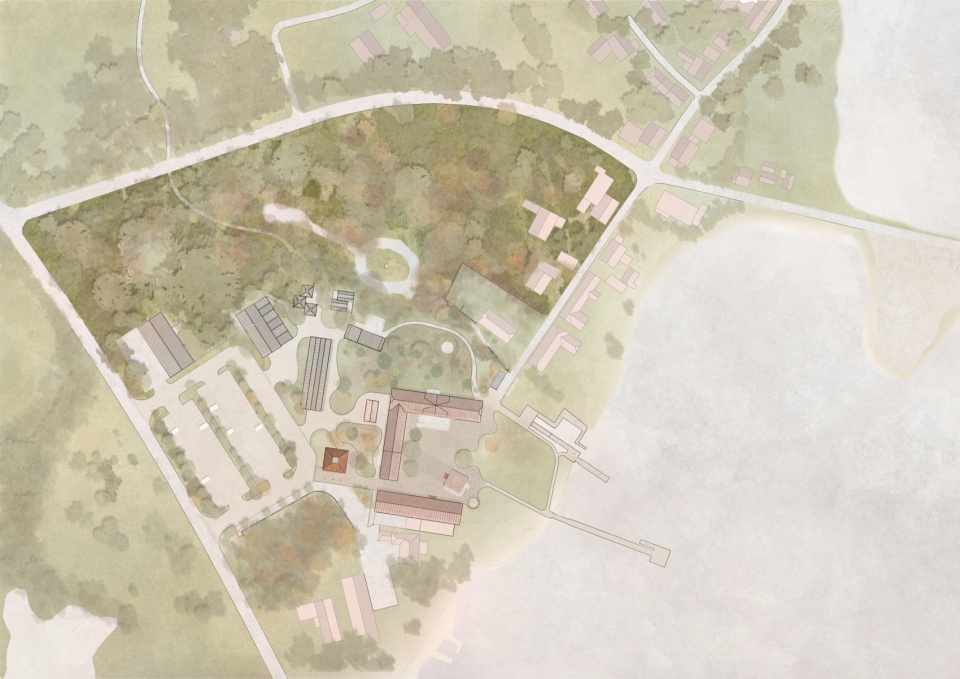
▼总平面,master plan
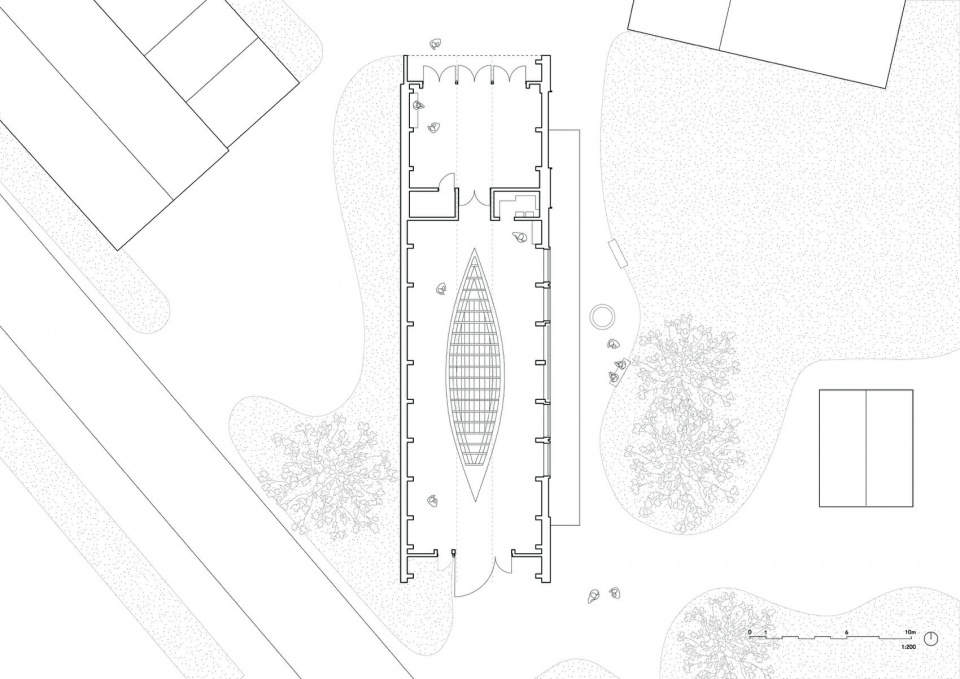
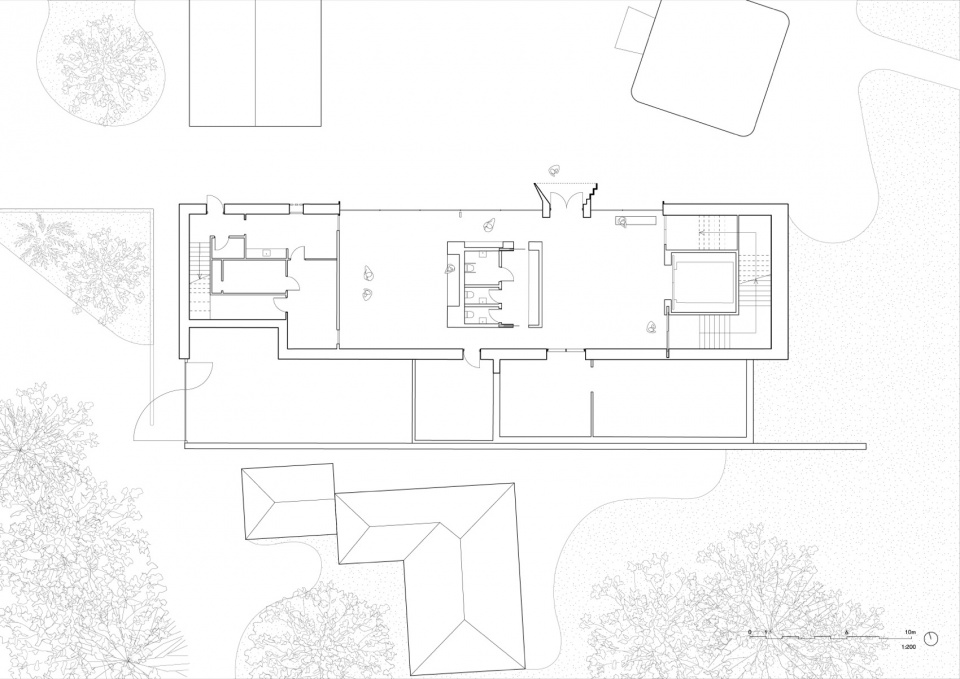
▼平面,floor plan
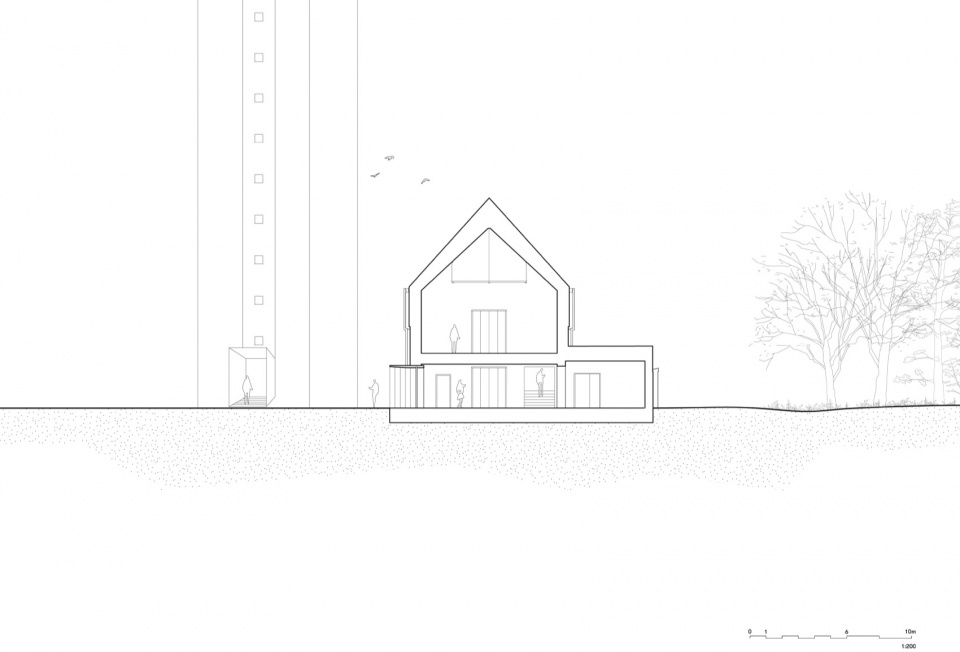
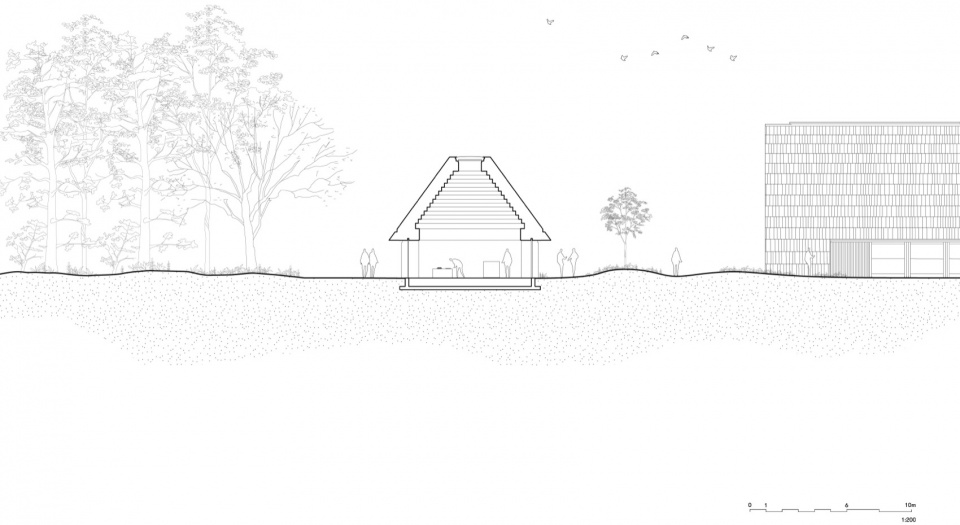
▼剖面,section
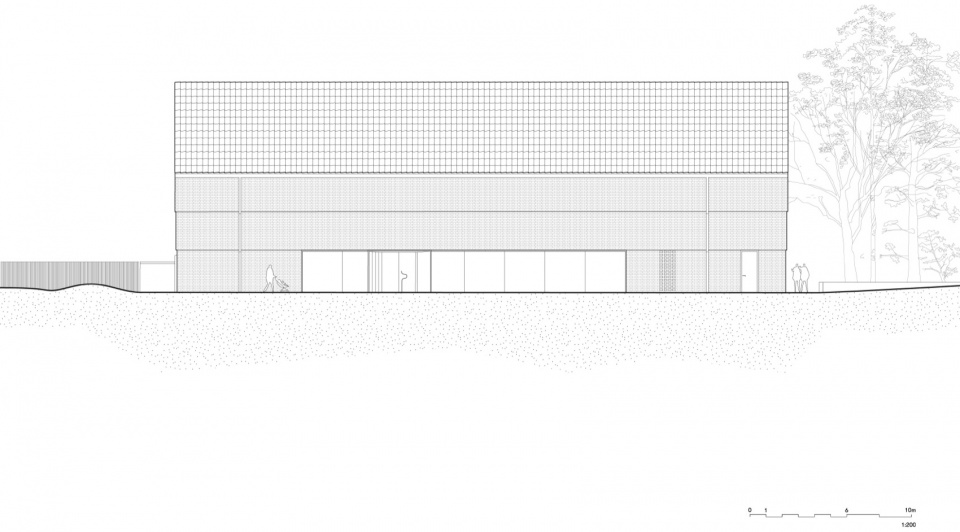
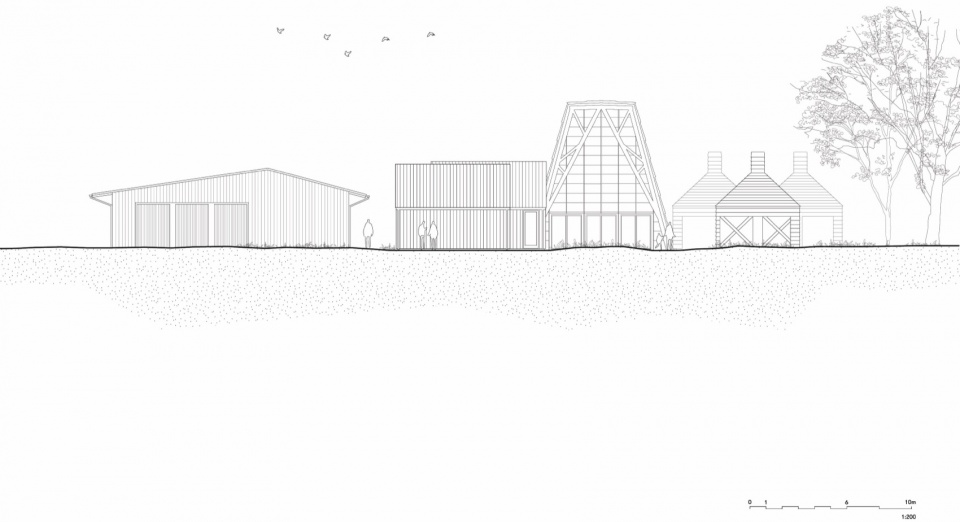
▼立面,facade
Type: Cultural Building
Location: Thisted, Denmark
Program: Culture and nature education
Client: Thisted Kommune
Size: 3 300 m2
Commission type: Competition win
Status: Completed August 2025
Collaborators: EKJ Rådgivnende Ingeniører
Design Team: Reiulf Ramstad Arkitekter
Photo Credits: Reiulf Ramstad Arkitekter & Rasmus Hjortshøj