顺德云鹭湿地展厅景观设计,佛山 / 承迹景观
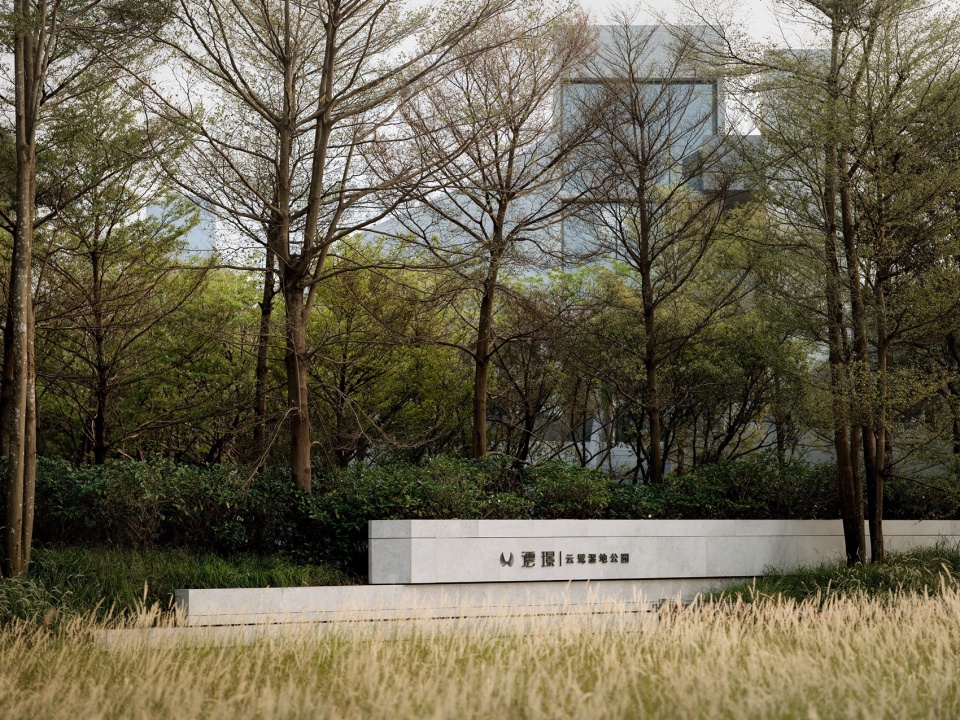
云鹭湿地展厅是自然基底上的艺术公园。设计既对这片水域和原始植被进行自然保护和生态修复,又给人们提供了一个了解和探索自然的窗口。在这里,光、时间、空间还有万物不断生长的状态 ,就像是被设计师镜头放大的风景。人们被这里的生态、宁静和诗意所感染,真正享受这片自然生活。
The Shunde Yunlu Wetland Pavilion is an artful park rooted in nature. The design balances ecological preservation and restoration of the wetlands and native vegetation, while creating a gateway for people to explore and connect with the natural world. Here, light, time, space, and the ever-changing vitality of life are magnified through the designer’s lens, transforming the landscape into a vivid narrative. Visitors are immersed in the serenity, poetry, and ecological richness of this space, allowing them to fully embrace the essence of natural living.
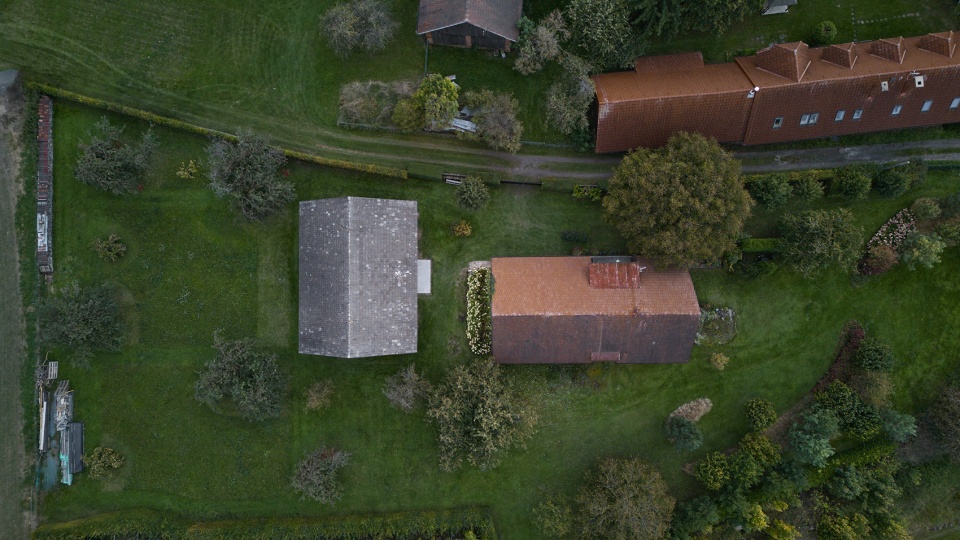
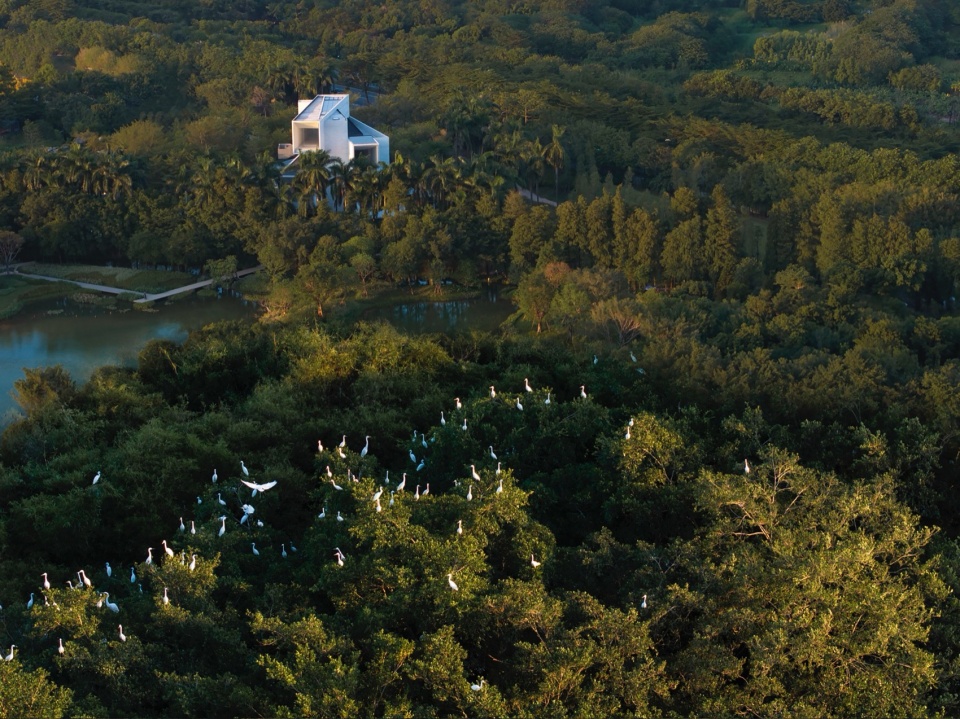
▼湿地公园鸟瞰,wetland park aerial view
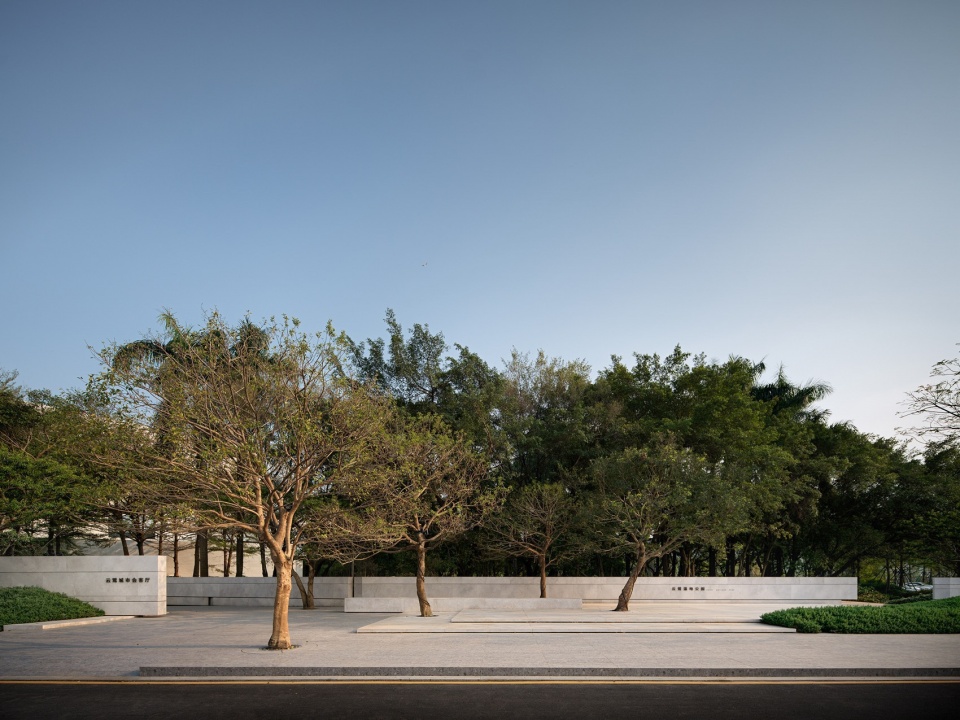
▼广场景观,square landscape
▼建筑与景观,building and landscape
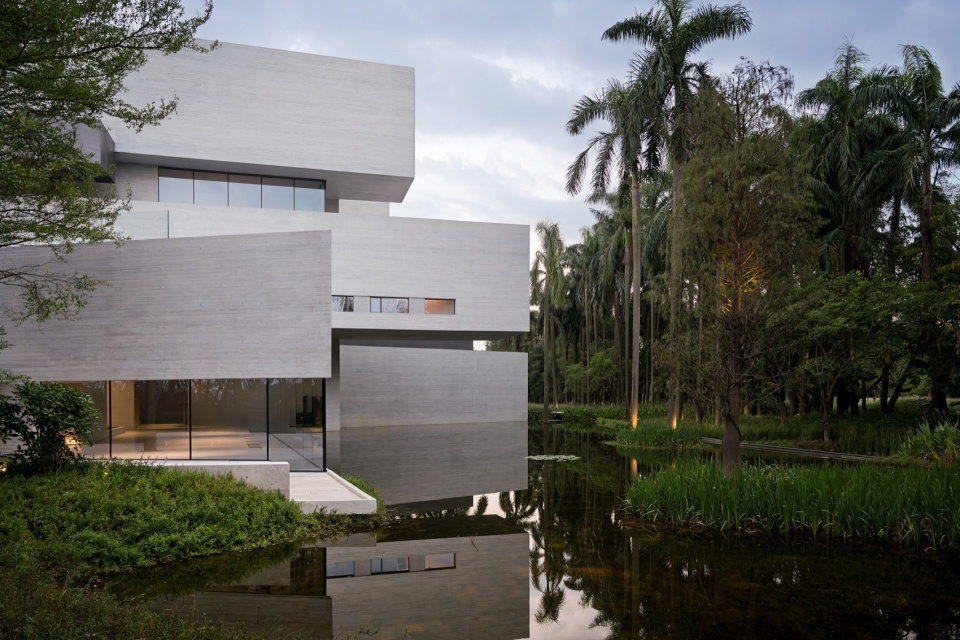
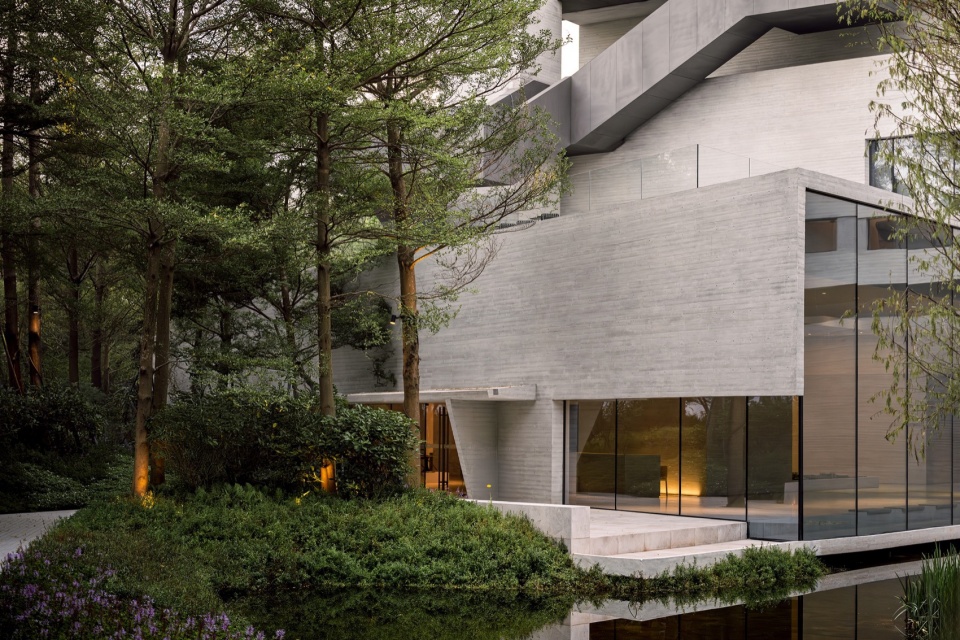
▼宁静和诗意,serenity and poetry
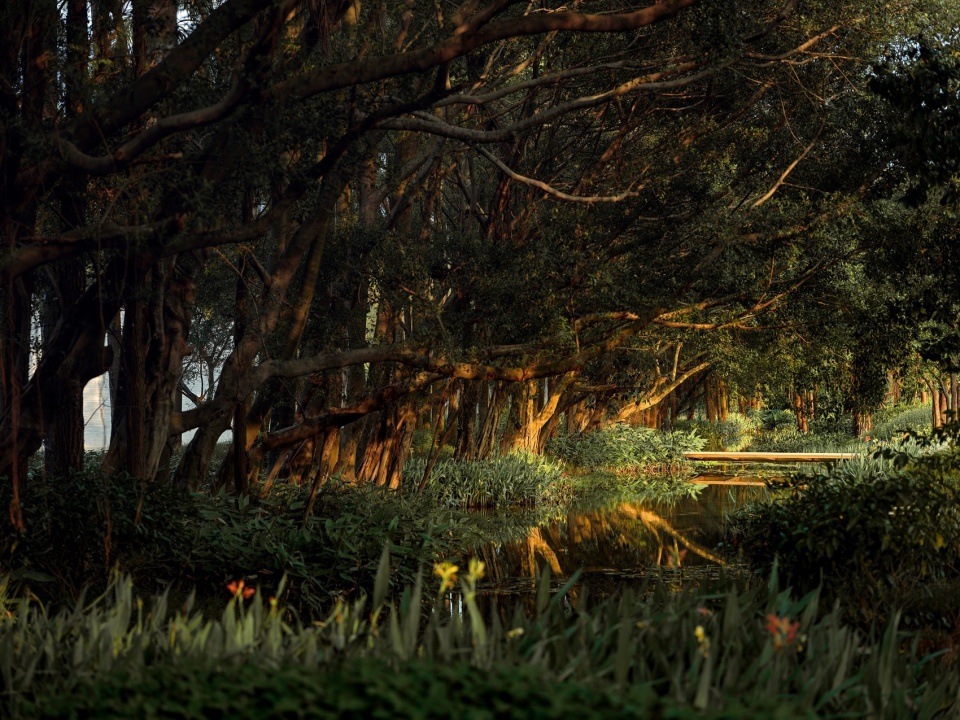
▼宁静和诗意,serenity and poetry
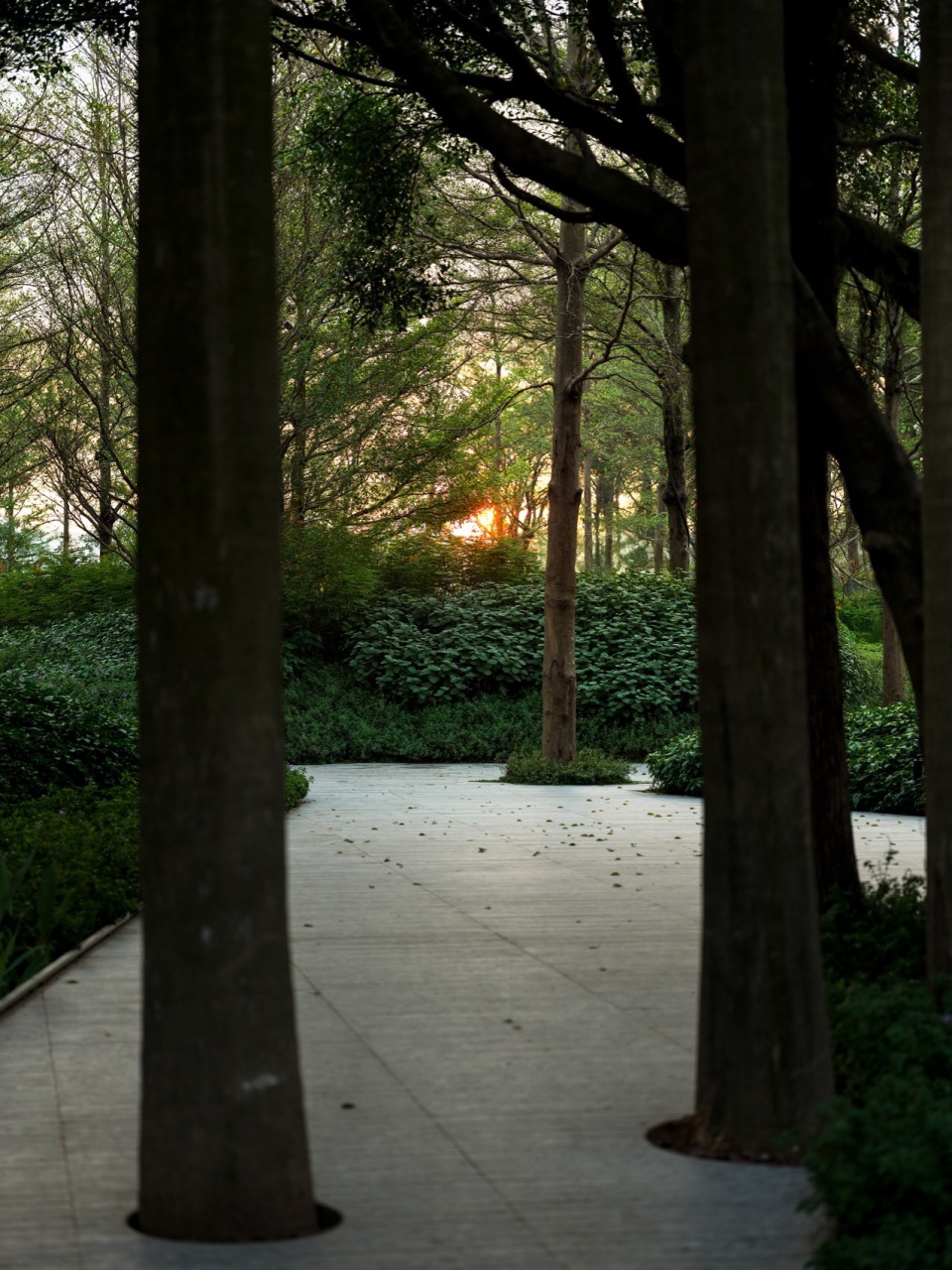
基础信息Project Overview
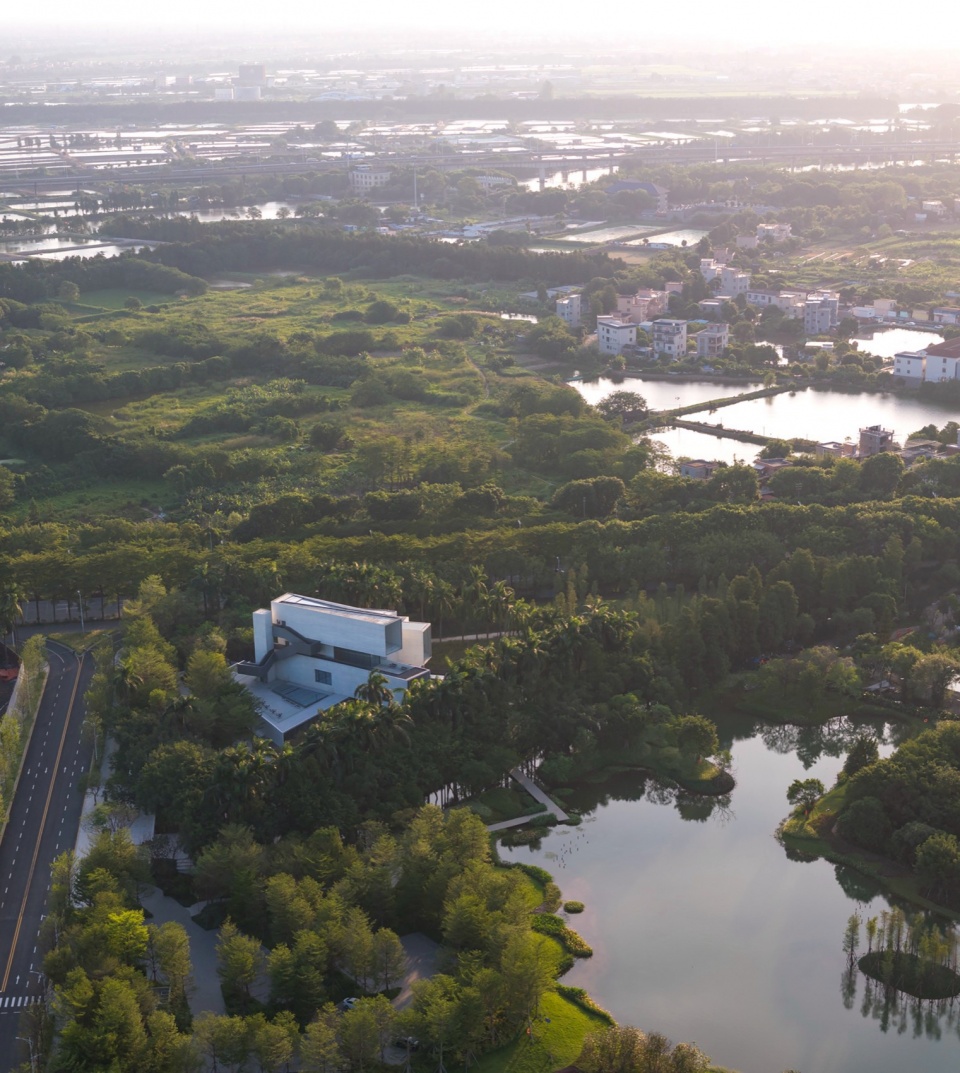
云鹭湿地公园位于佛山市顺德云鹭片区,是依据现有2万多只鹭鸟栖息地为核心,利用周边现状水域和鱼塘来打造湿地公园。而云鹭展厅位于湿地公园东北角,占地面积有2公顷,并拥有绝佳的景观资源。它由公园绿地和展厅建筑组成,同时承载着游客中心与展现湿地公园生态资源与特色的功能。
Located in the Yunlu area of Shunde, Foshan, Yunlu Wetland Park is a vibrant ecological sanctuary centered around the habitat of over 20,000 egrets. By leveraging existing waterways and fishponds, the park has been transformed into a thriving wetland ecosystem. Situated at the northeastern corner of the park, the Yunlu Pavilion spans 2 hectares and features remarkable landscape elements. The pavilion seamlessly integrates green park spaces with architectural components, functioning as both a visitor center and an exhibition hub that showcases the ecological resources and unique characteristics of the wetland park.
▼绝佳的景观资源,remarkable landscape elements
设计挑战Design Challenges
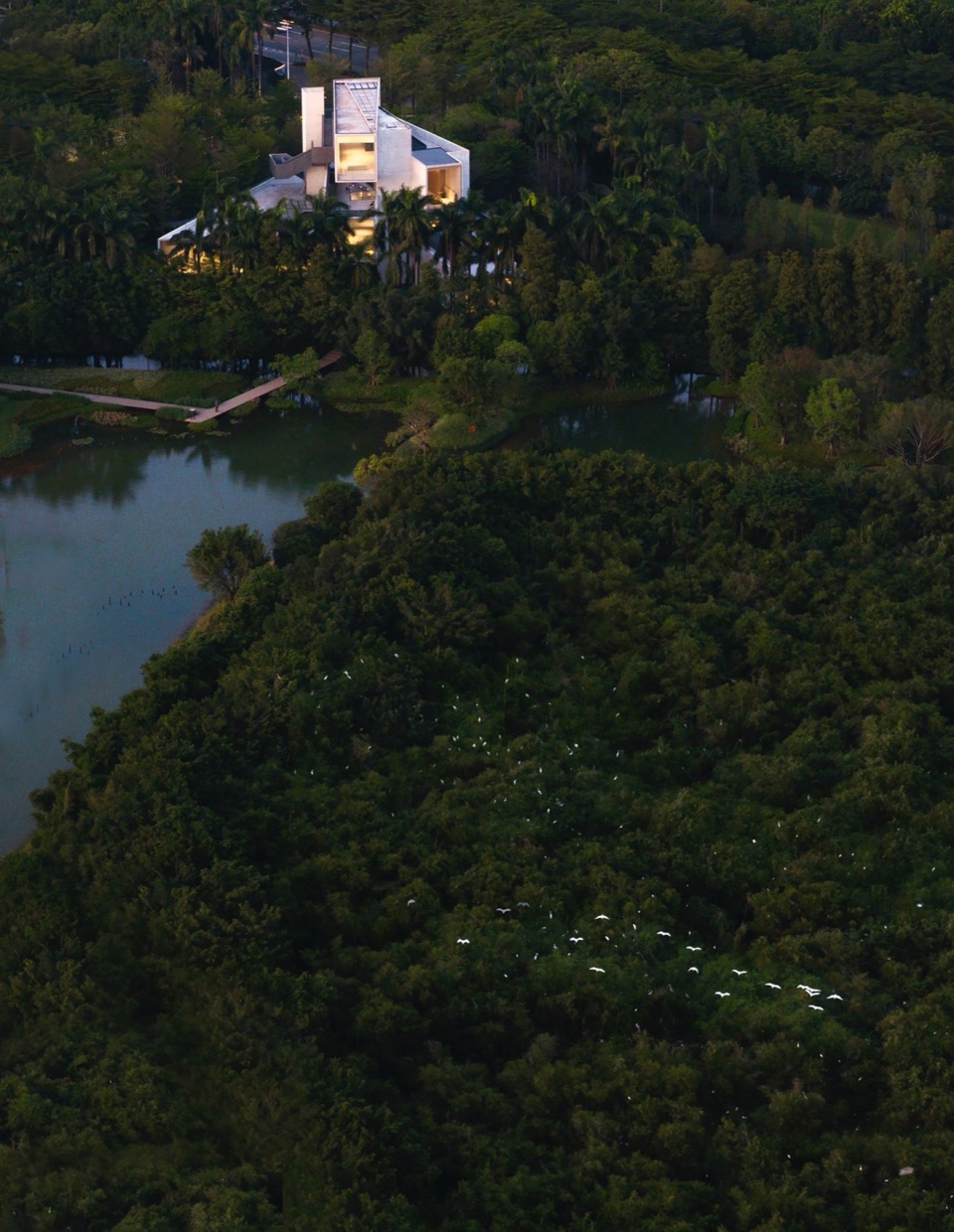
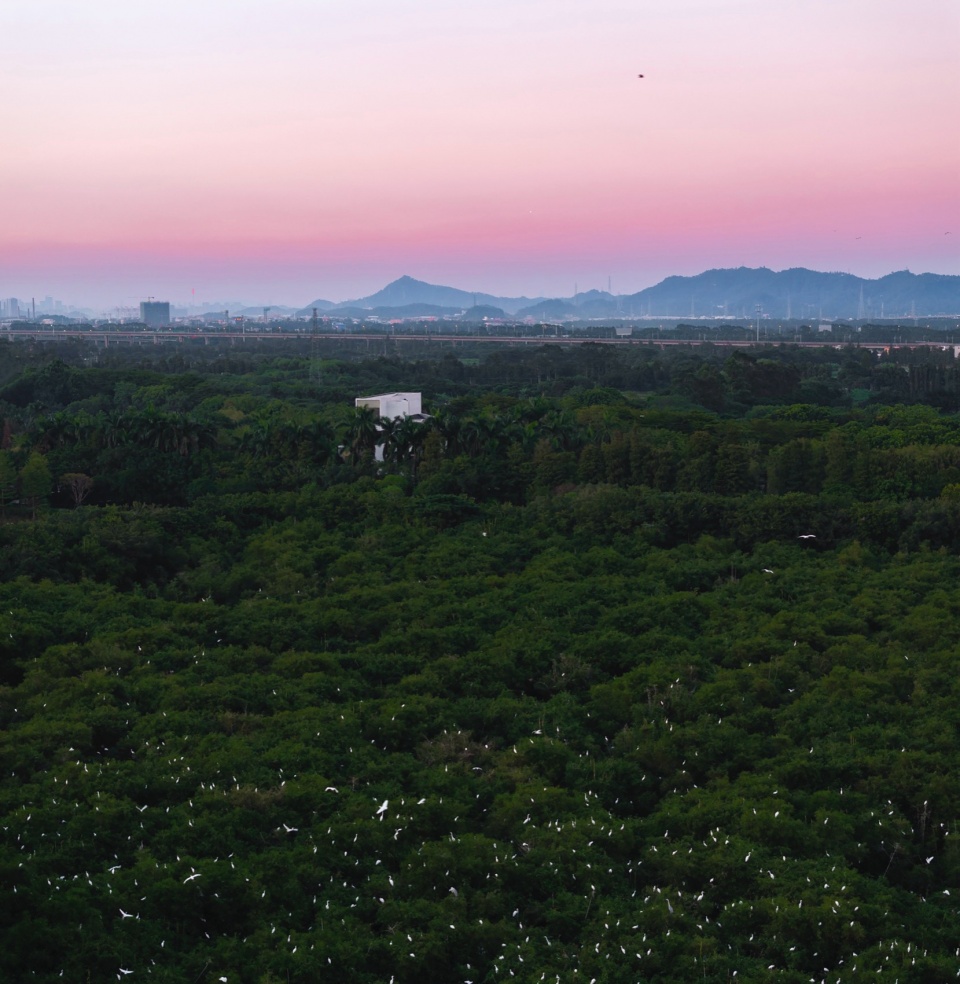
展厅选址的南面鹭鸟竹林为鹭鸟保育区,周围有环林水道,给鸟类生息提供了良好的安全屏障。人的参与既是观察者,也是被看者。湿地展厅既公共开放,更需要最小化对鹭鸟和生态造成影响。
The pavilion’s southern boundary is marked by a bamboo grove designated as the Egret Conservation Zone. This area is surrounded by protective waterways, creating a secure habitat for the bird population. Human presence in this space plays a dual role: as both observers of nature and participants within the ecosystem. While the wetland pavilion is publicly accessible, the design prioritizes minimizing disturbances to the egrets and their surrounding ecological environment.
▼鹭鸟,egret birds
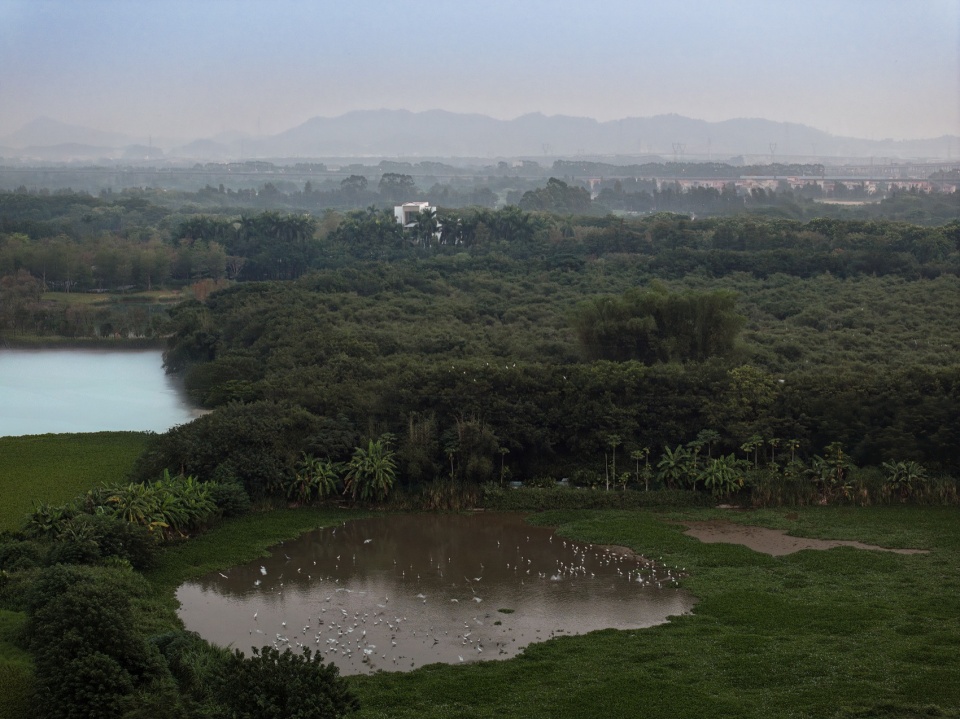
▼为鸟类生息提供安全屏障,a secure habitat for the bird population
自然的尊重与保护 Respecting and Preserving Nature
每一个生命,不管是植物和动物都有它的意义。展厅的选址既能很好的观赏自然,又能与他们保持一定的距离。现场有非常多的原始植被和水域:四季变化的水杉,挺拔的大王椰,高大的榕树。我们减少干预,最大限度的保留现有乔木及林下空间,它们就是我们想要探索的自然万物。它们成为了我们的风景,成为了行径路上有趣的依伴。
▼原始植被分布,native vegetation
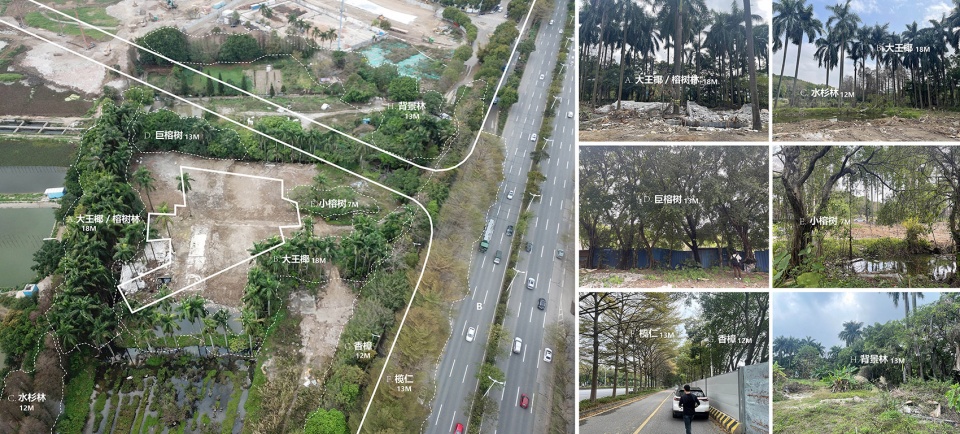
Every living being, whether plant or animal, holds intrinsic significance. The pavilion’s location was carefully chosen to offer visitors an intimate view of nature while maintaining a respectful distance. The site is home to abundant native vegetation and water features, including seasonally changing bald cypresses, towering royal palms, and majestic banyan trees. By minimizing intervention, the design prioritizes the preservation of existing trees and understory spaces. These natural elements are not only objects of admiration but also companions along the journey, enriching the experience with their organic beauty and vitality.
▼展厅与自然保持一定的距离,pavilion maintaining a respectful distance to the nature
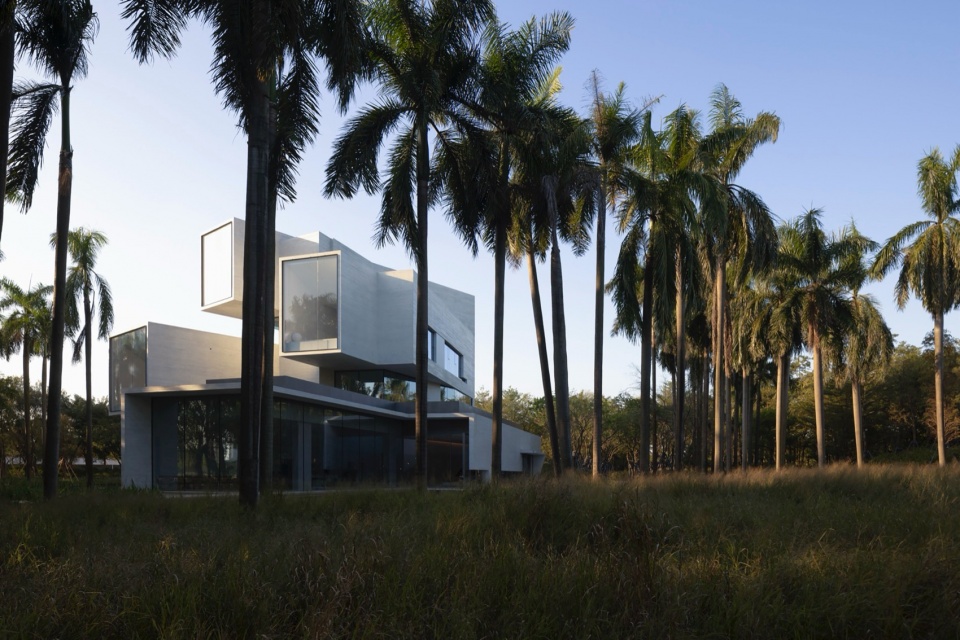
▼现场的原始植被,abundant native vegetation
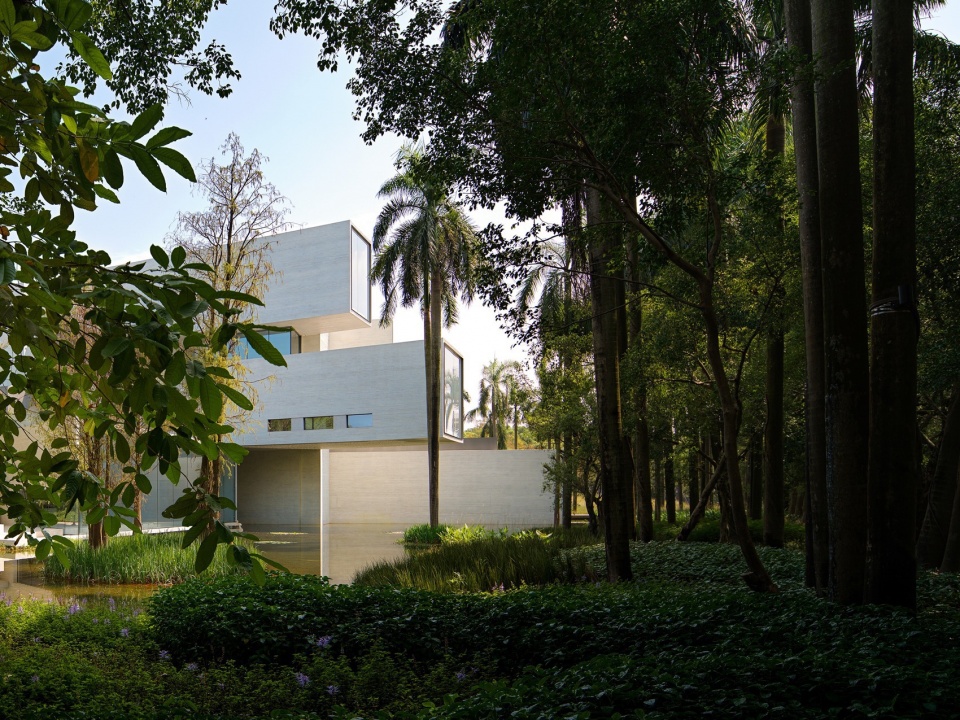
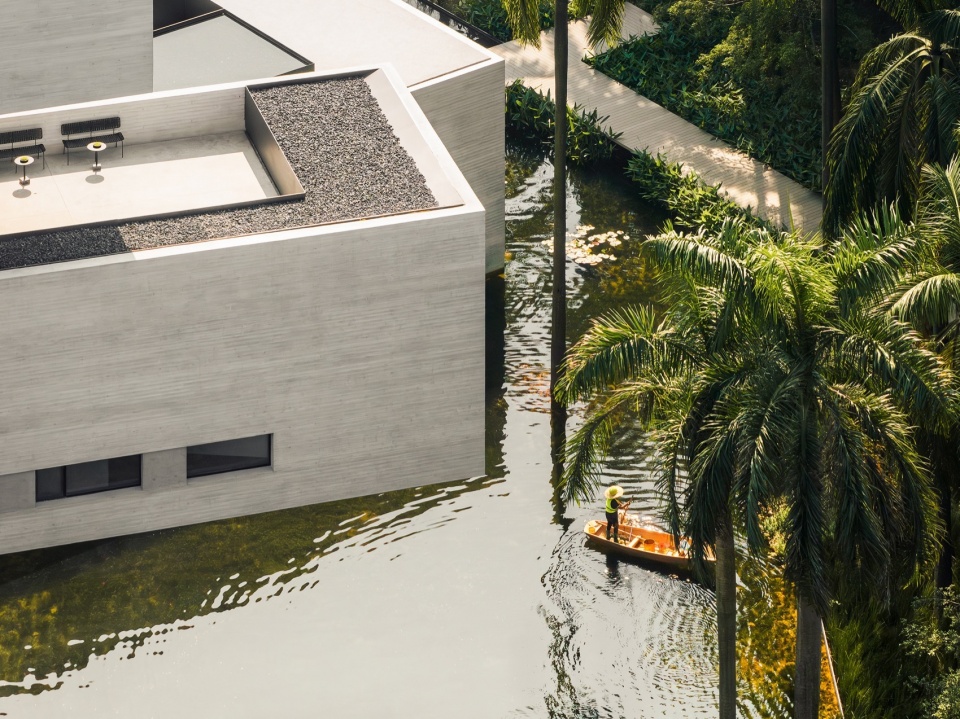
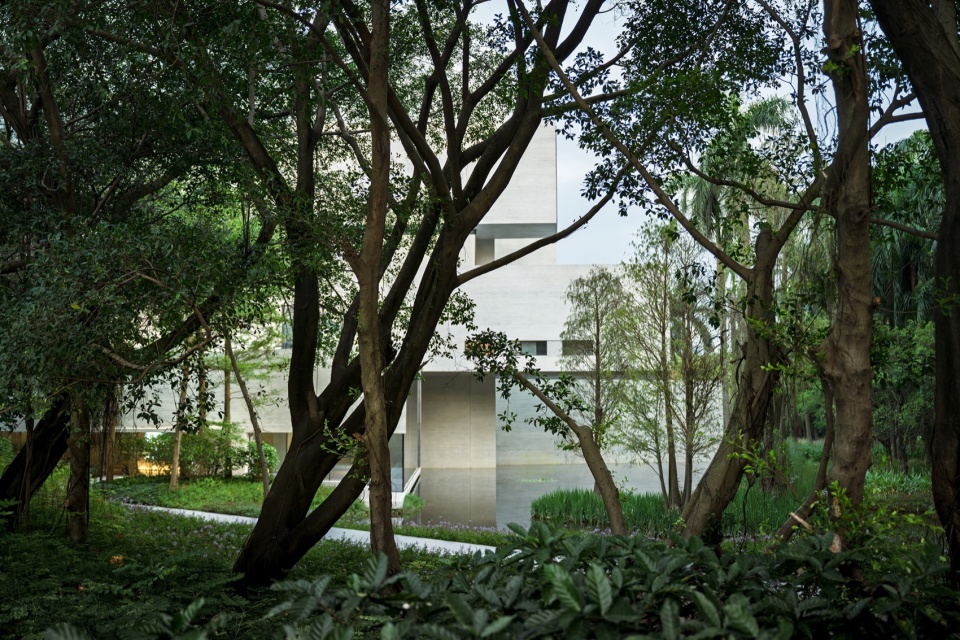
▼建筑一角,building corners
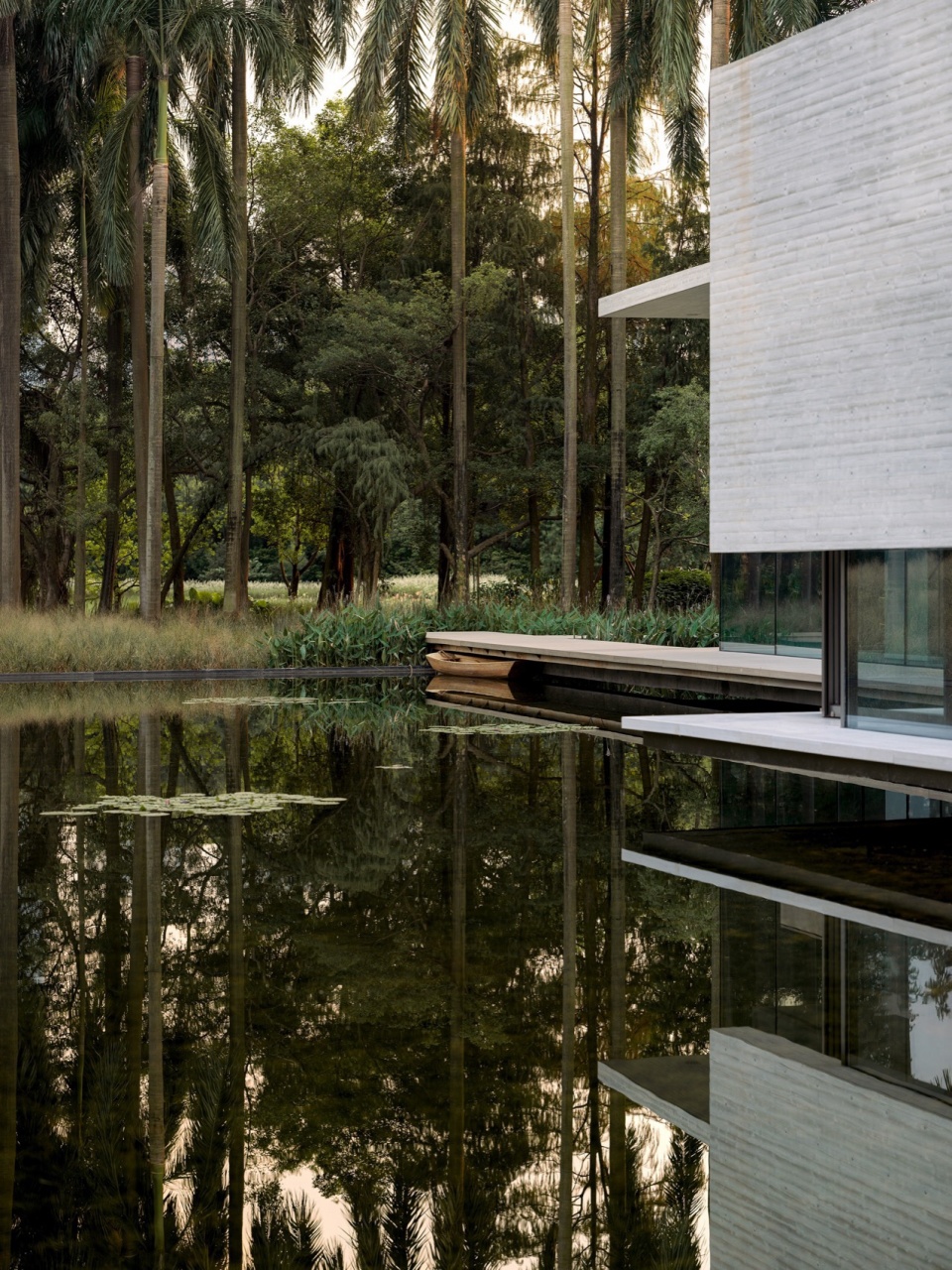
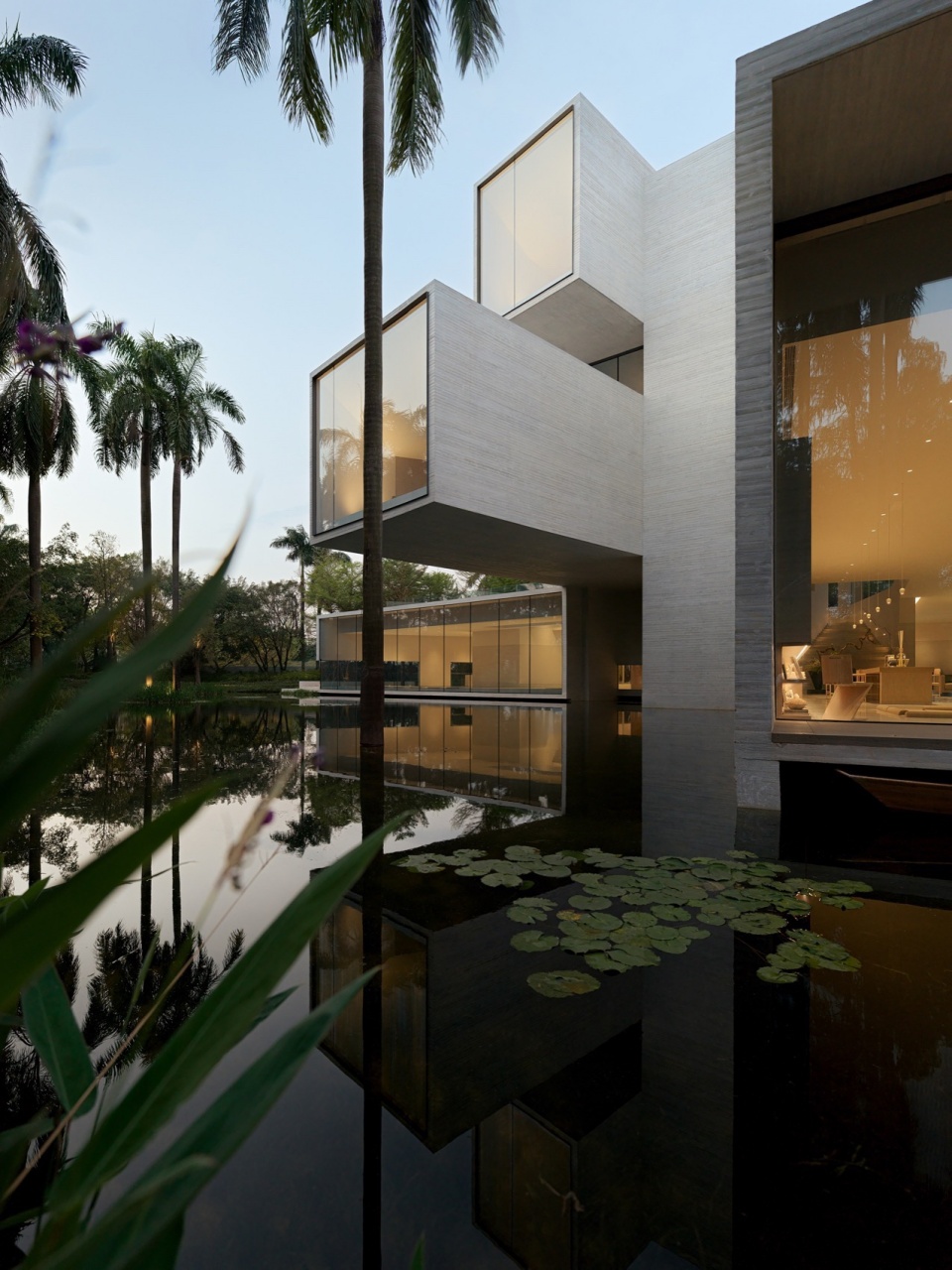
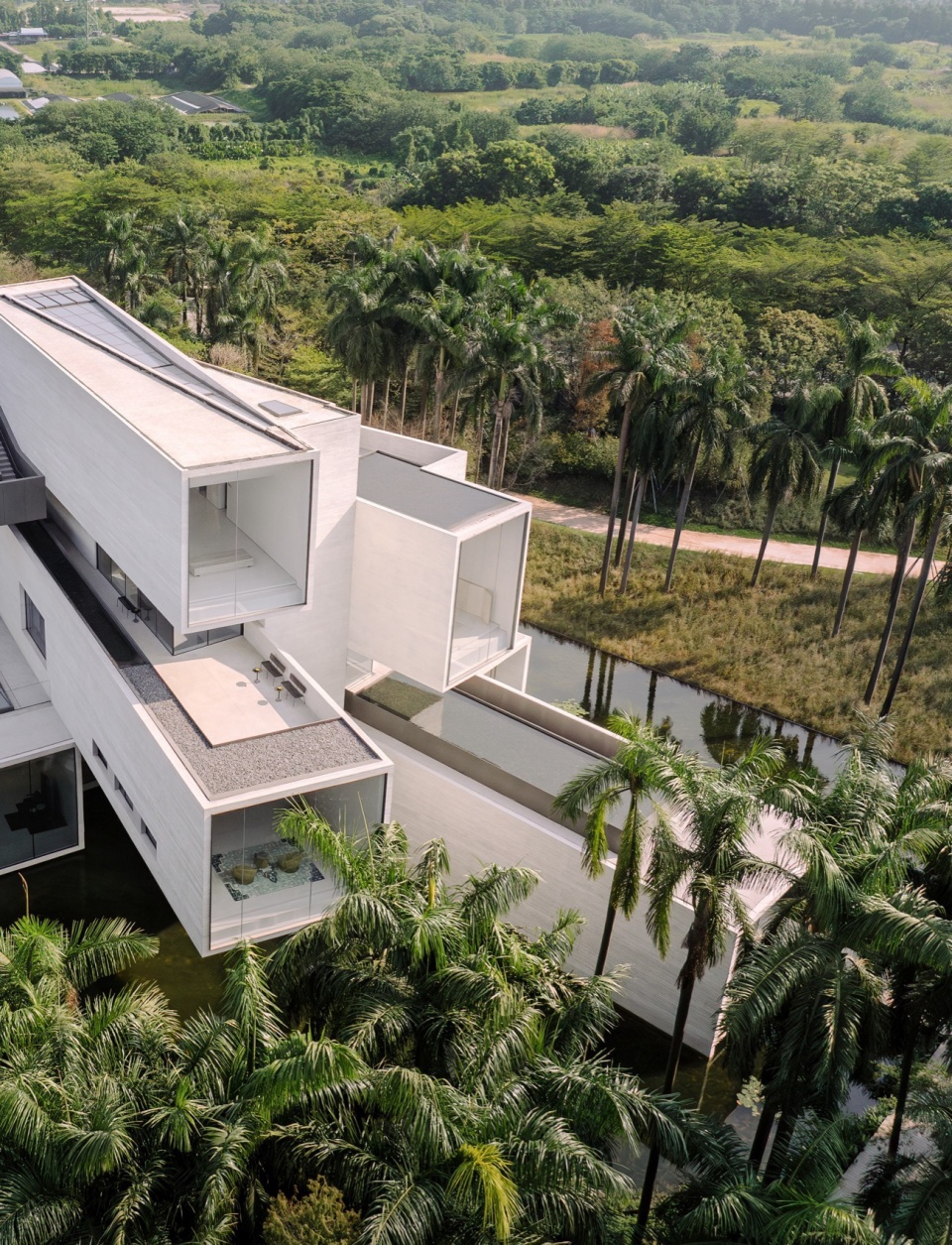
▼建筑鸟瞰,building aerial view
在野化和生物多样性Rewilding and Biodiversity
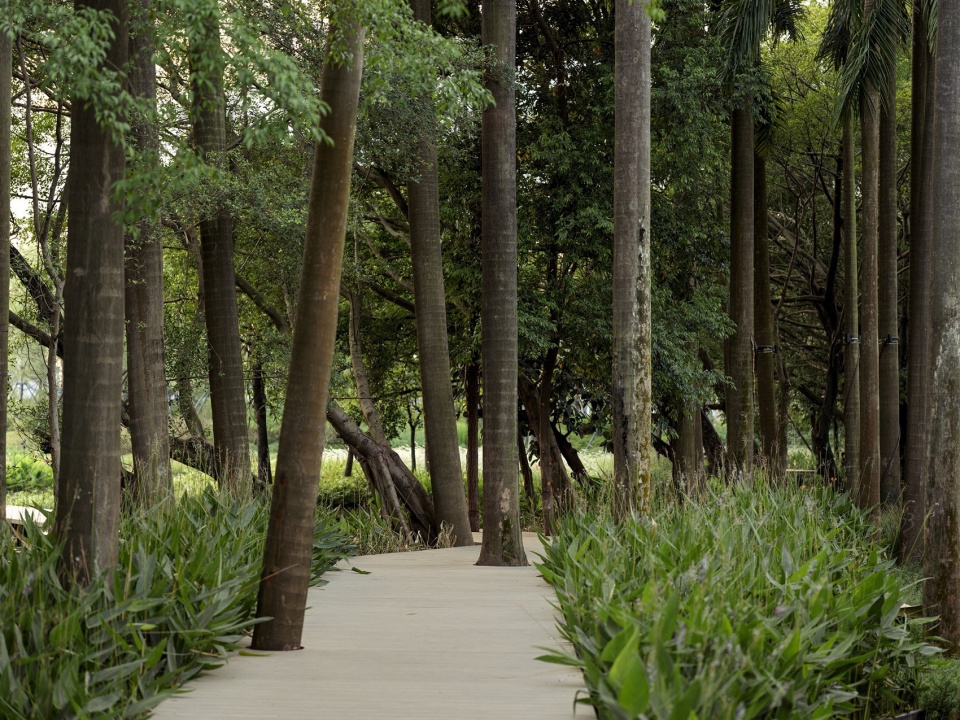
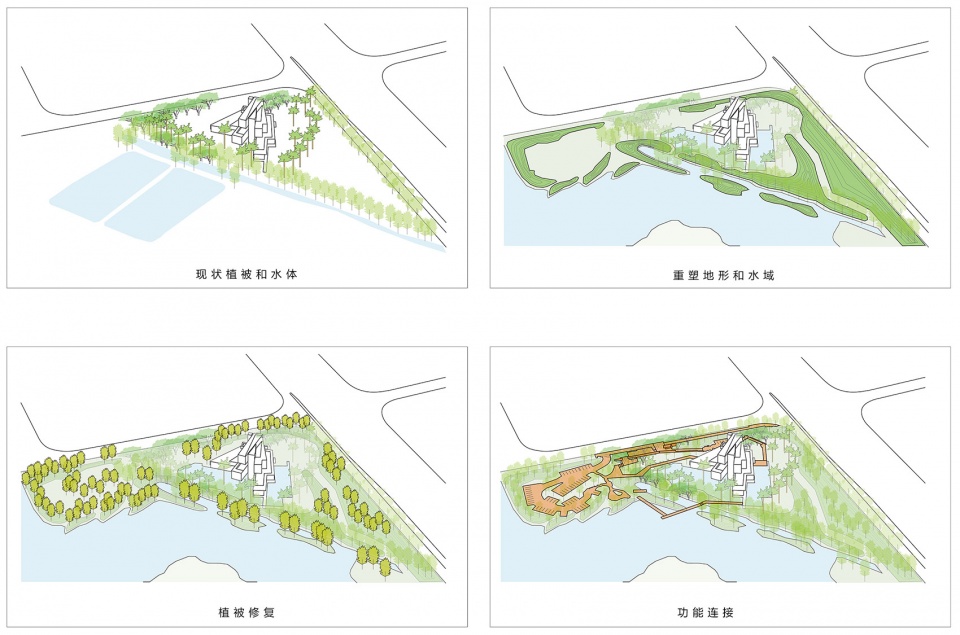
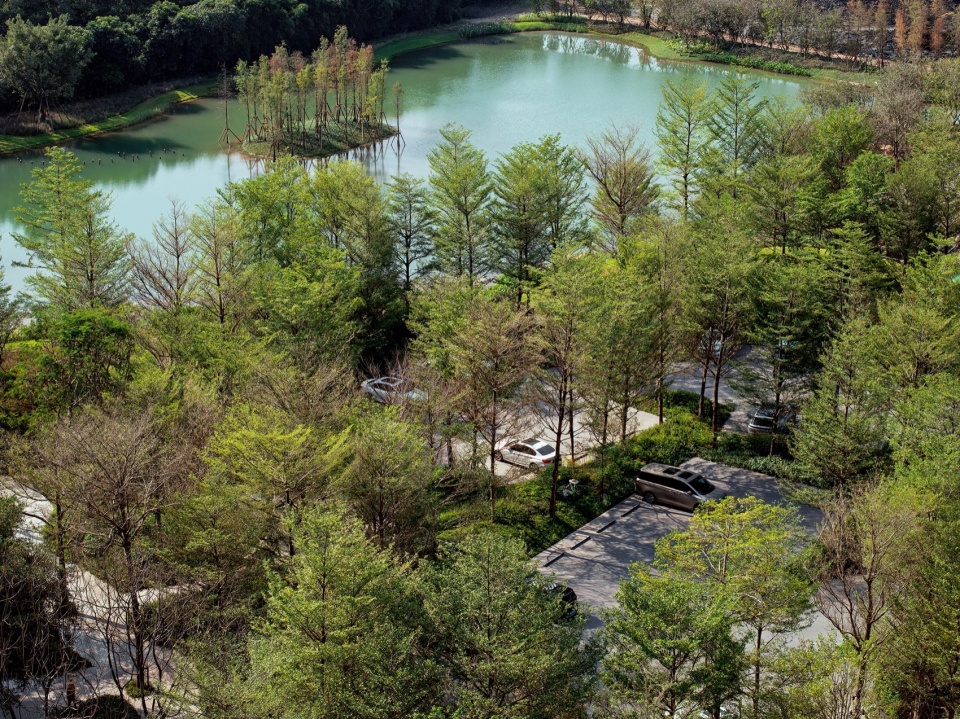
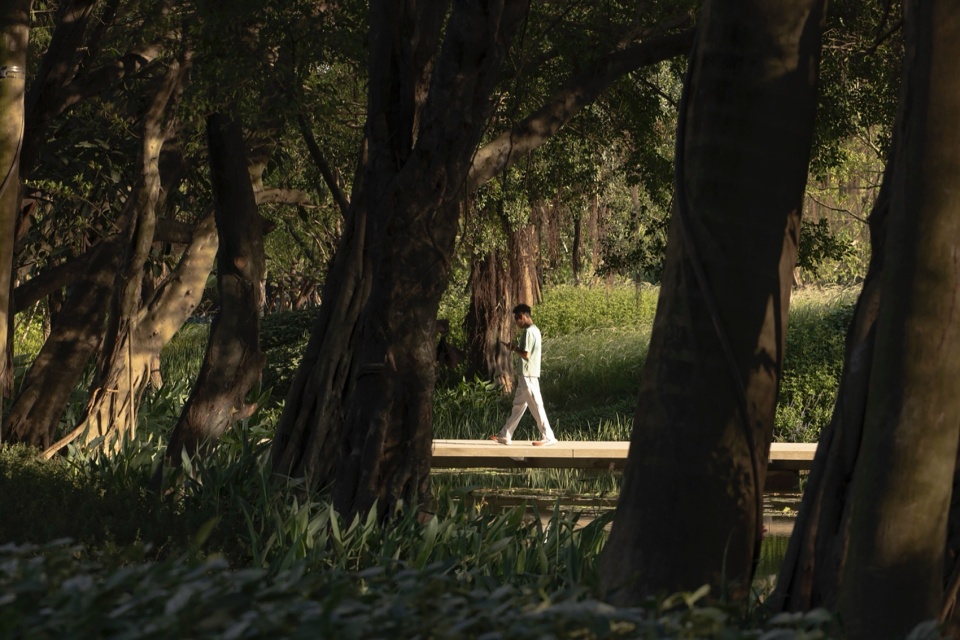
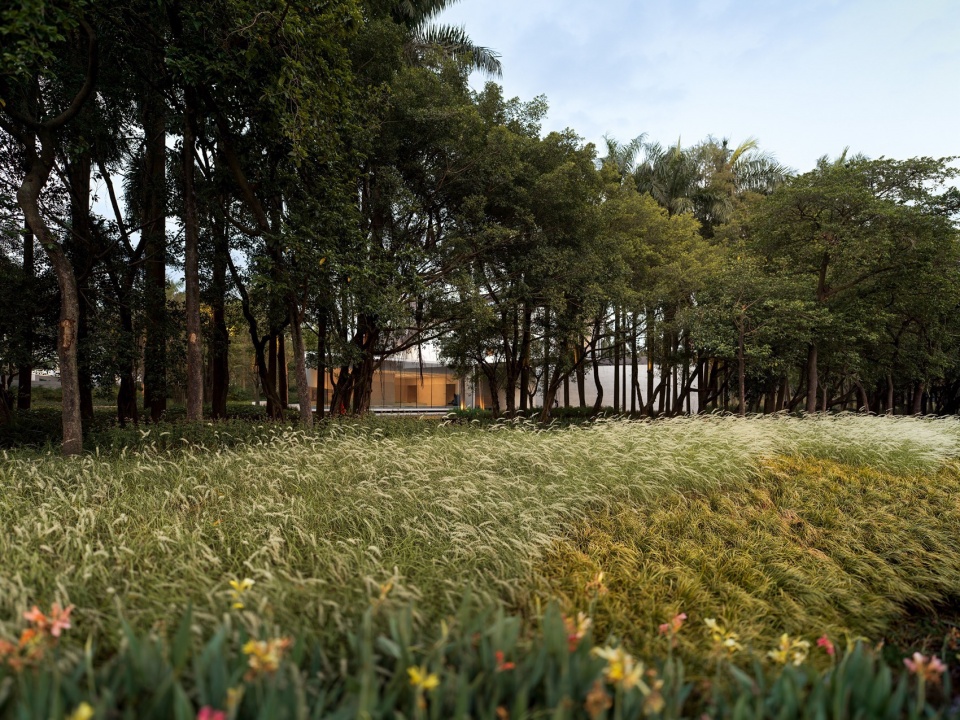
原生植被和建筑之间,还有大片空白的区域。我们在尊重场地现状的前提下,营造了一个弹性的、水岛交织的海绵湿地系统。园内总共有125种独特的保留和新种的植物为游客提供了一个生机勃勃、不断变化的风景。公园里的停车场也被森林包围,从鹭鸟的空中视野,基本看不到停车的区域。围绕建筑的生态水系巧妙的控制了雨洪措施。当湿地湖面涨水的时候,内外水域连成一体。枯水期的时候,建筑依然被自然水面倒影。同时,公园里的所有步行体系都架空,降低对野生动物的干扰,也为游客提供可以同时欣赏湿地“野性自然”的独特体验。
▼设计策略,design scheme
▼生物多样性,biodiversity
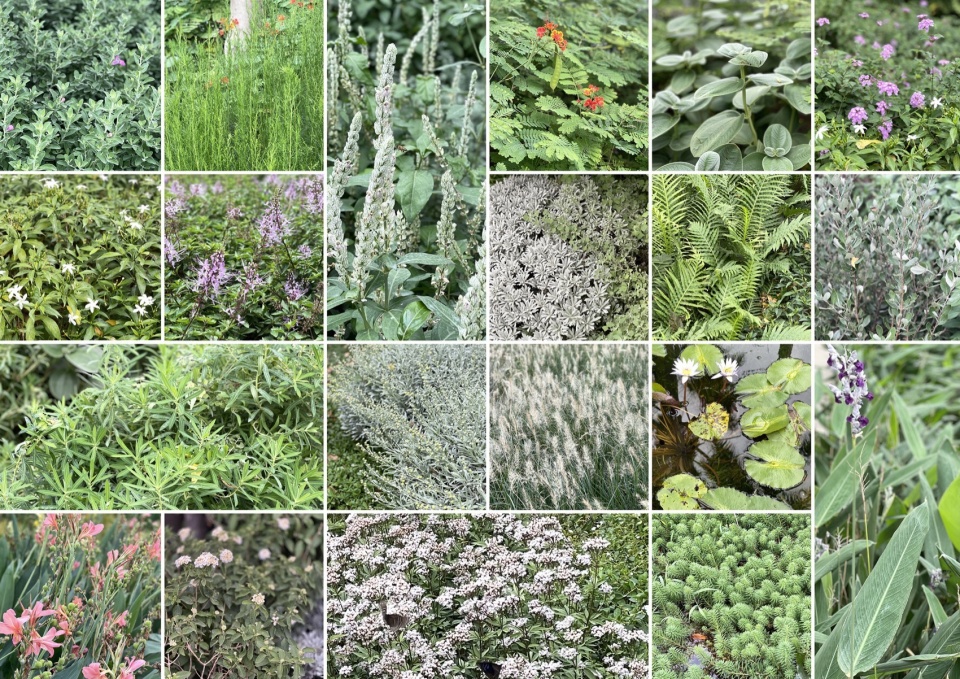
The spaces between the native vegetation and the architecture have been thoughtfully transformed into a flexible sponge wetland system, interwoven with water islands. This design respects the site’s natural conditions while introducing ecological resilience. The park features 125 unique plant species, both preserved and newly planted, creating a vibrant and ever-changing landscape for visitors to enjoy.
All pedestrian pathways are elevated to minimize disturbances to wildlife. This design approach not only protects the local ecosystem but also offers visitors a distinctive opportunity to experience the raw and untamed beauty of the wetland.
▼生机勃勃、不断变化的风景,a vibrant and ever-changing landscape
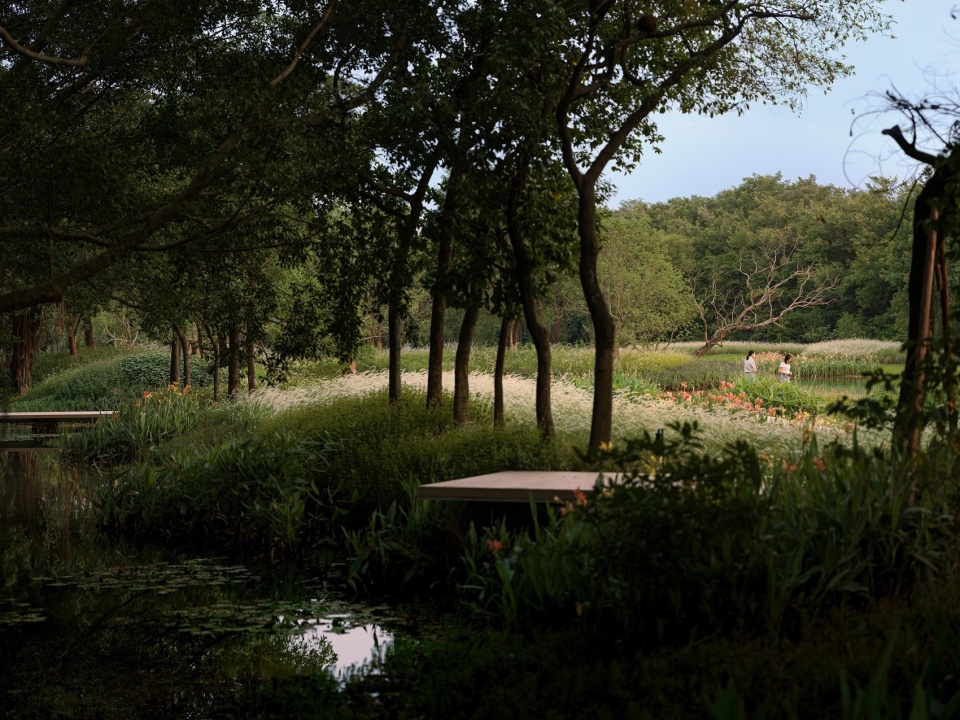
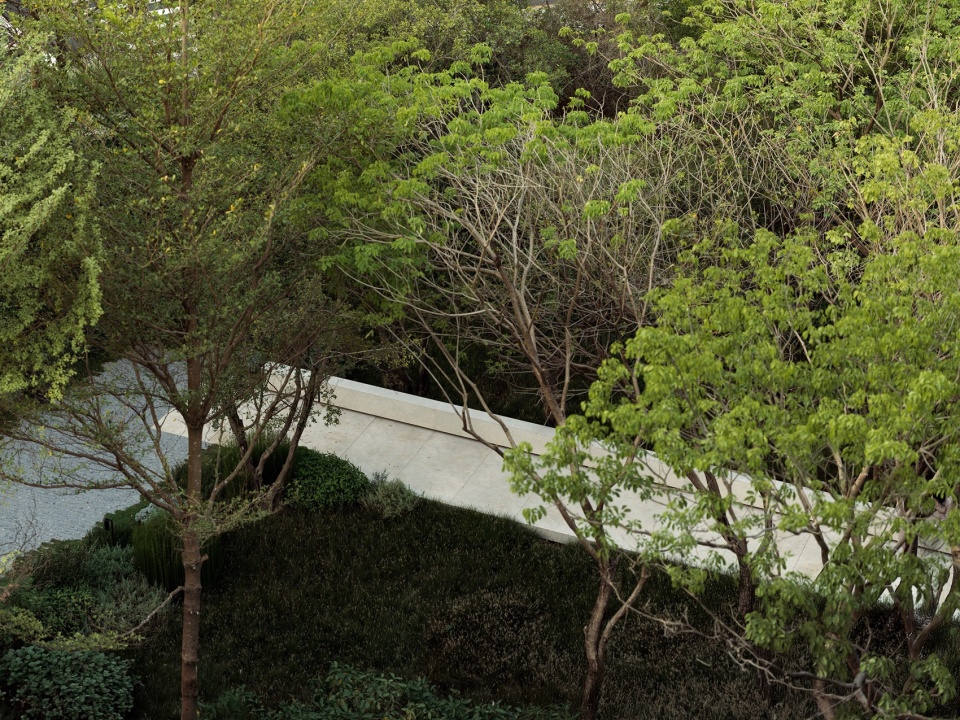
▼景观与游人,landscape and visitors
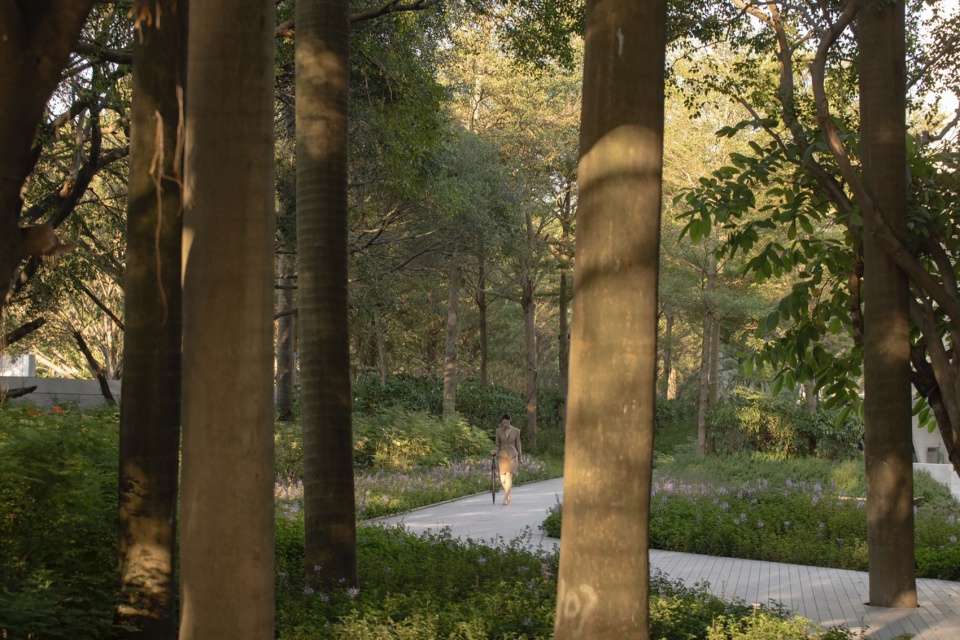
▼融于自然的建筑,building merged into the landscape
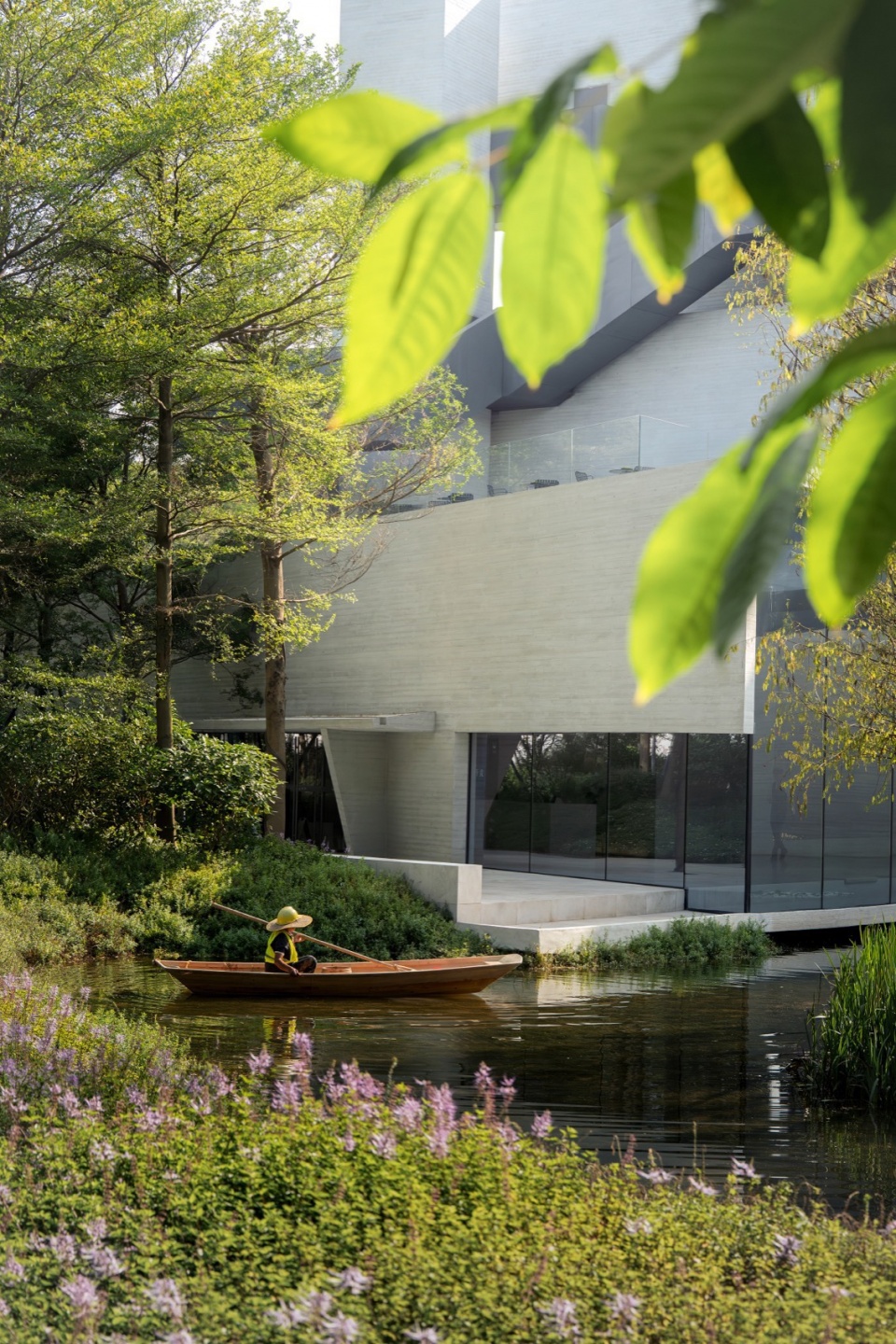
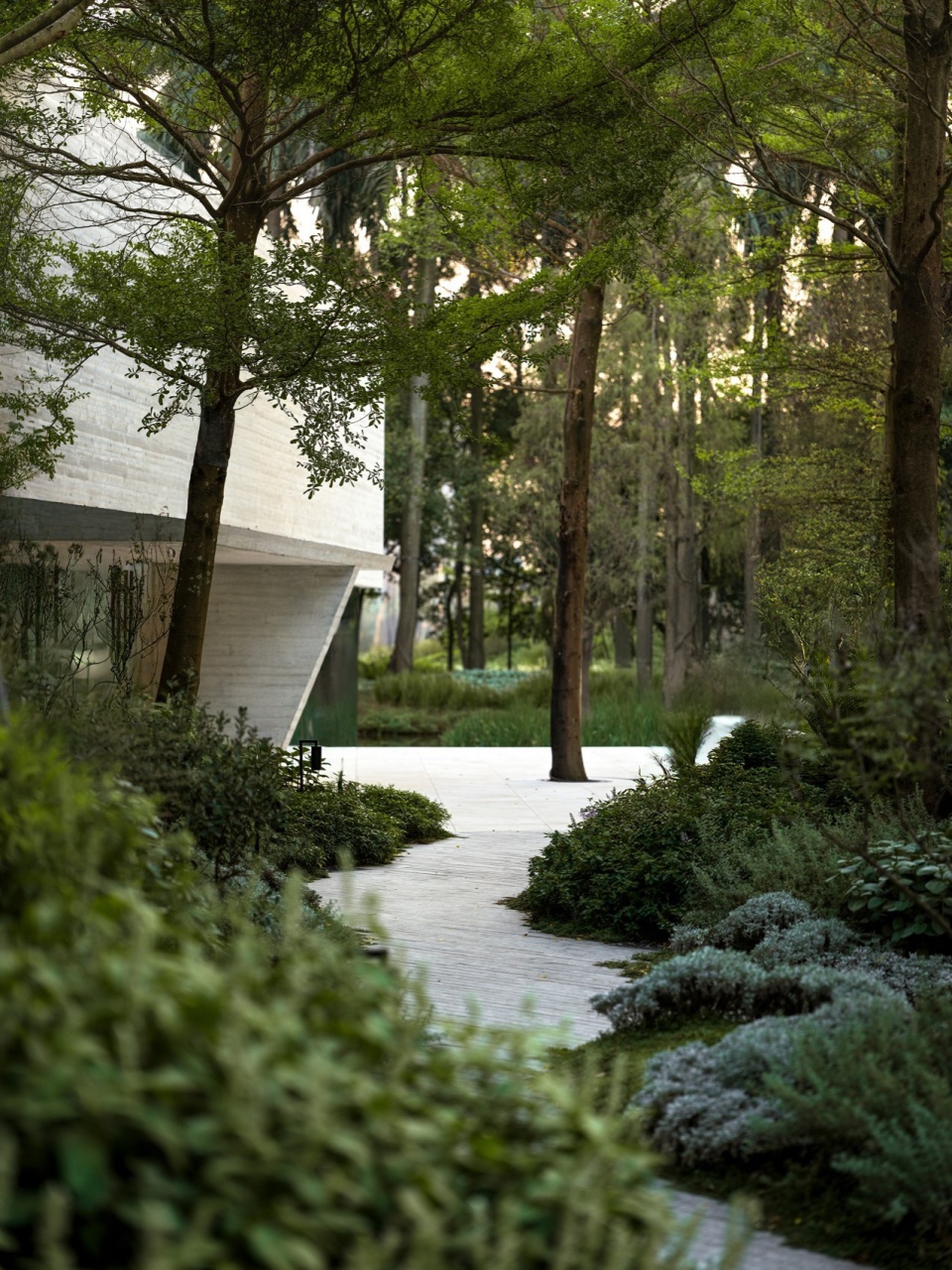
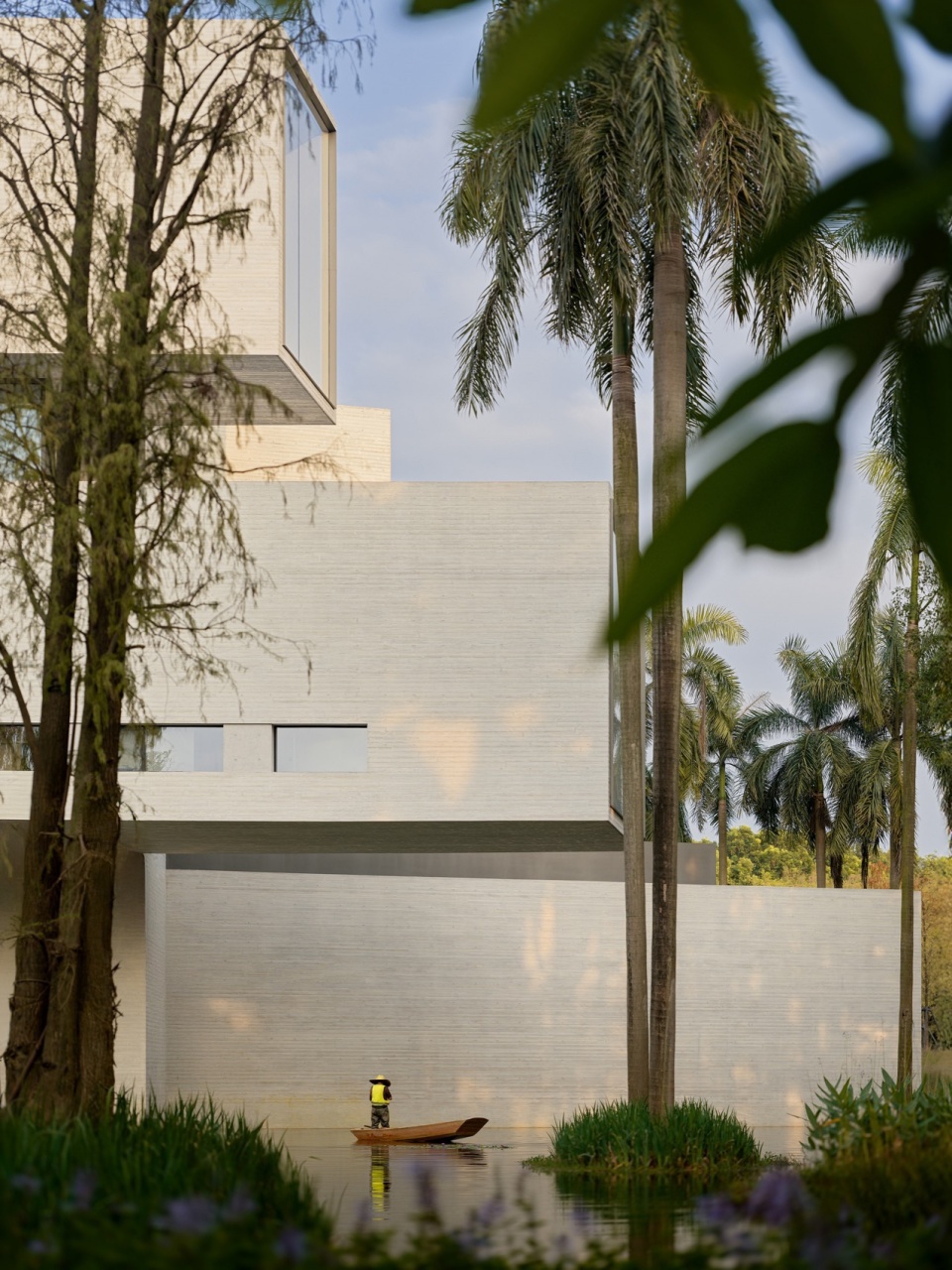
▼一瞥,glimpse at the building
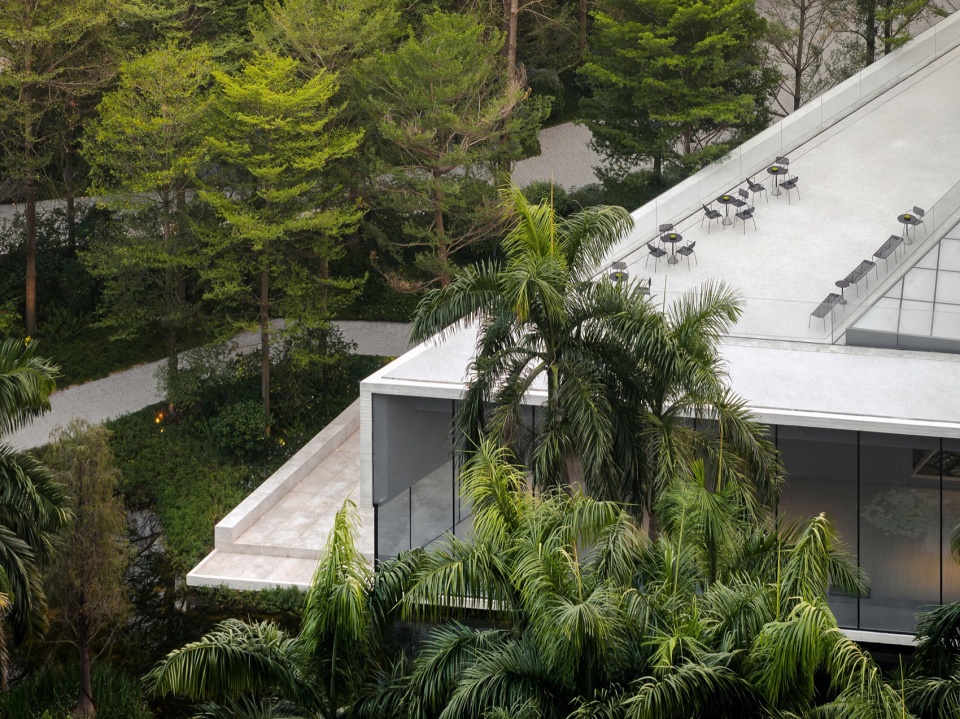
建筑与自然的对话Dialogue Between Architecture and Nature
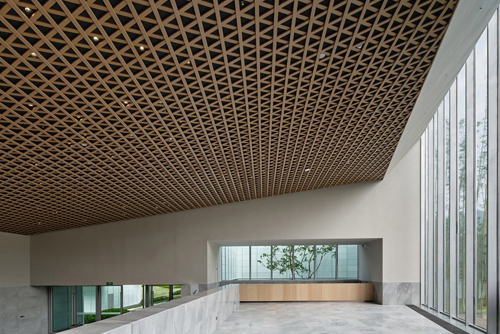
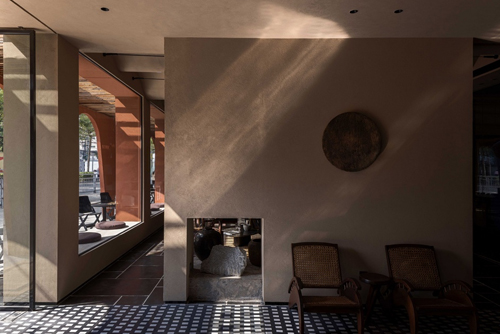
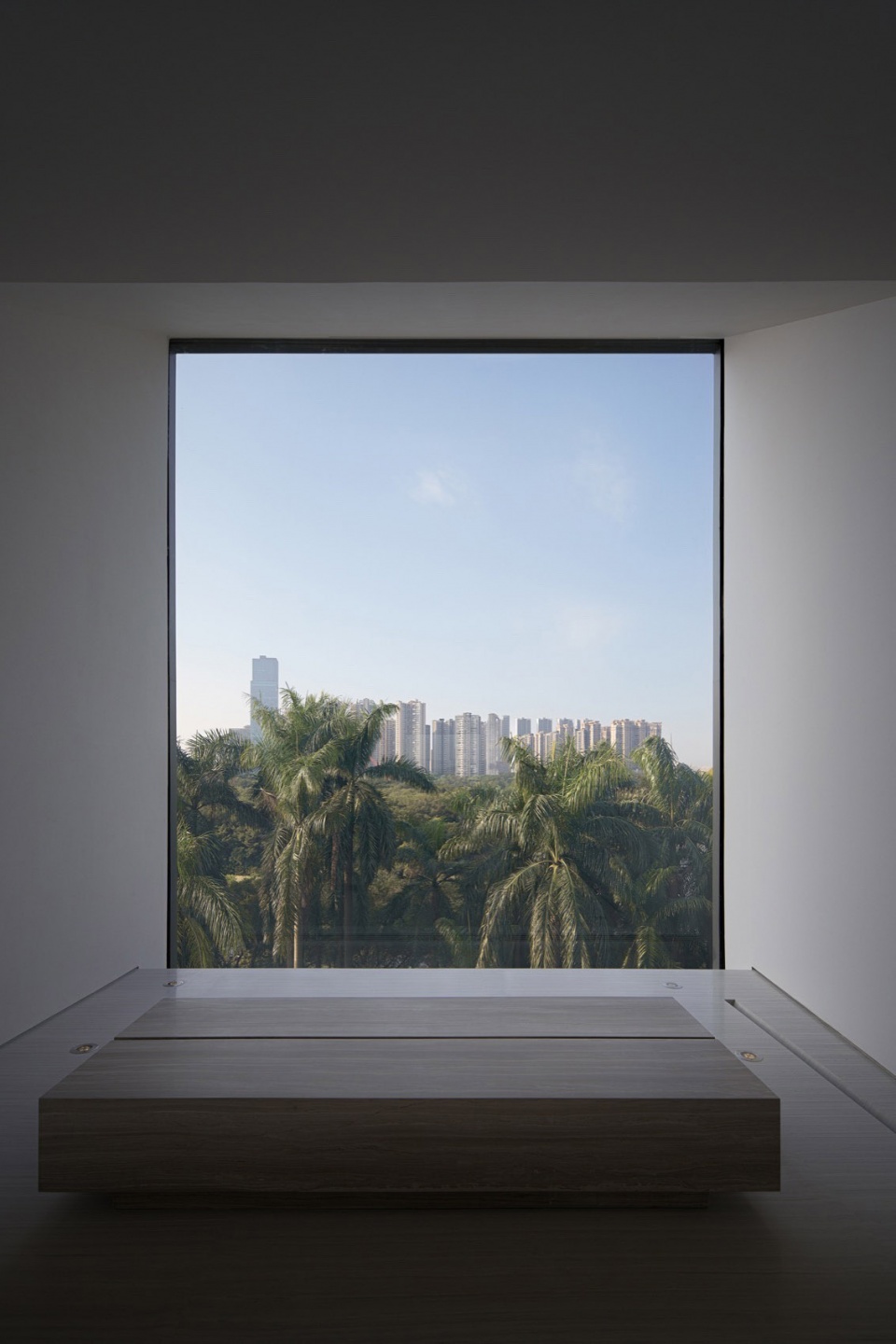
构建完这一切生态系统,建筑就“消失”掉了。建筑消失的同时,又能很好的与这片自然对话。建筑的视窗就像是风景取景器,把自然最美的画面放大,入框。美无处不在,更需要我们像取景器一样去发现,并置身于自然环境中沉浸美好,自我疗愈。
Once the ecological system was established, the architecture seemingly “disappeared,” becoming a harmonious part of the landscape. While blending seamlessly into its surroundings, the architecture also engages in a profound dialogue with nature. The pavilion’s windows function as viewfinders, framing and magnifying the most exquisite scenes of the natural environment.
Beauty is omnipresent, but it takes a discerning eye—like a viewfinder—to truly discover and appreciate it. By inviting visitors to immerse themselves in the natural setting, the design fosters moments of reflection, healing, and a deep connection to the world around them.
▼远望建筑,view of the building in distance
▼从建筑内部看向景观,landscape view from interior
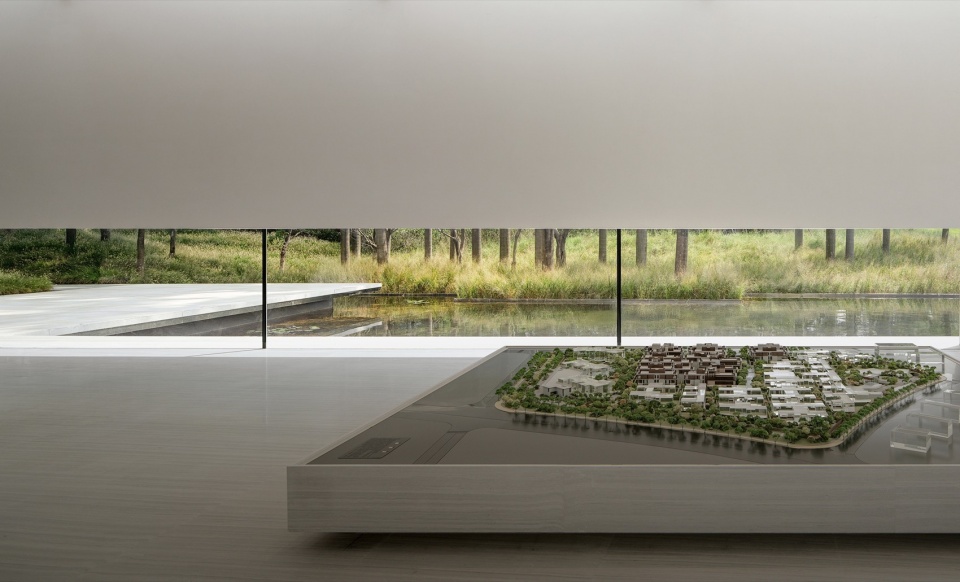
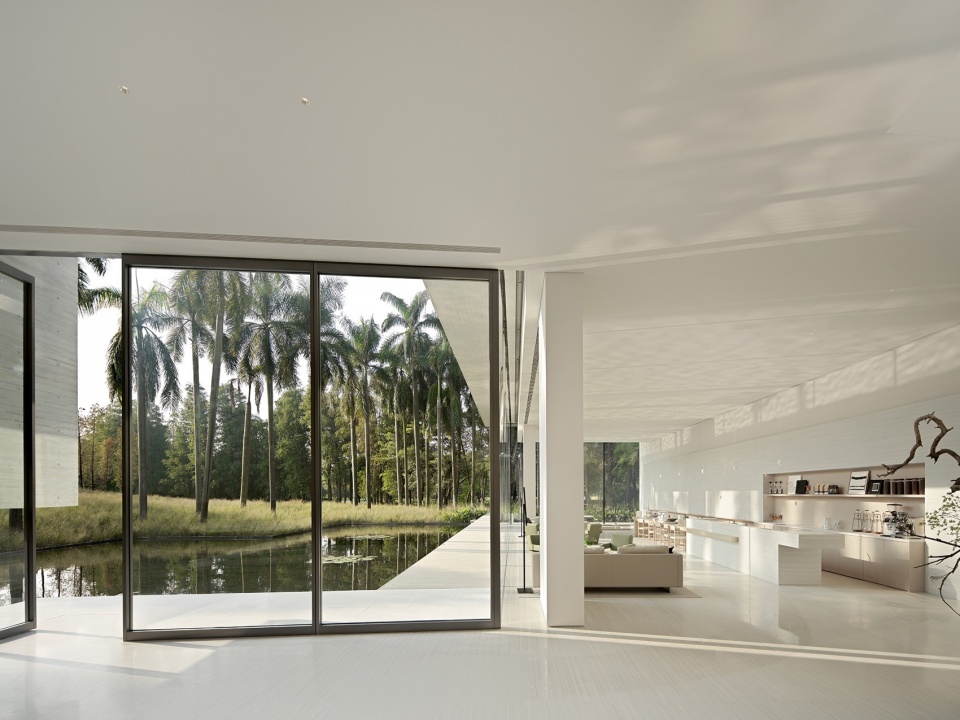
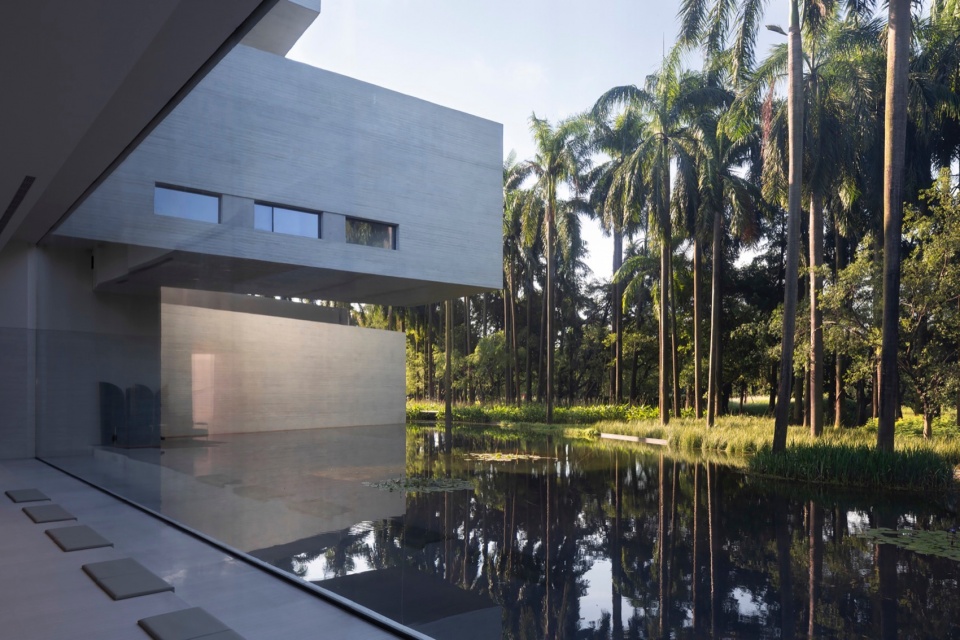
▼建筑的视窗就像是风景取景器,pavilion’s windows function as viewfinders
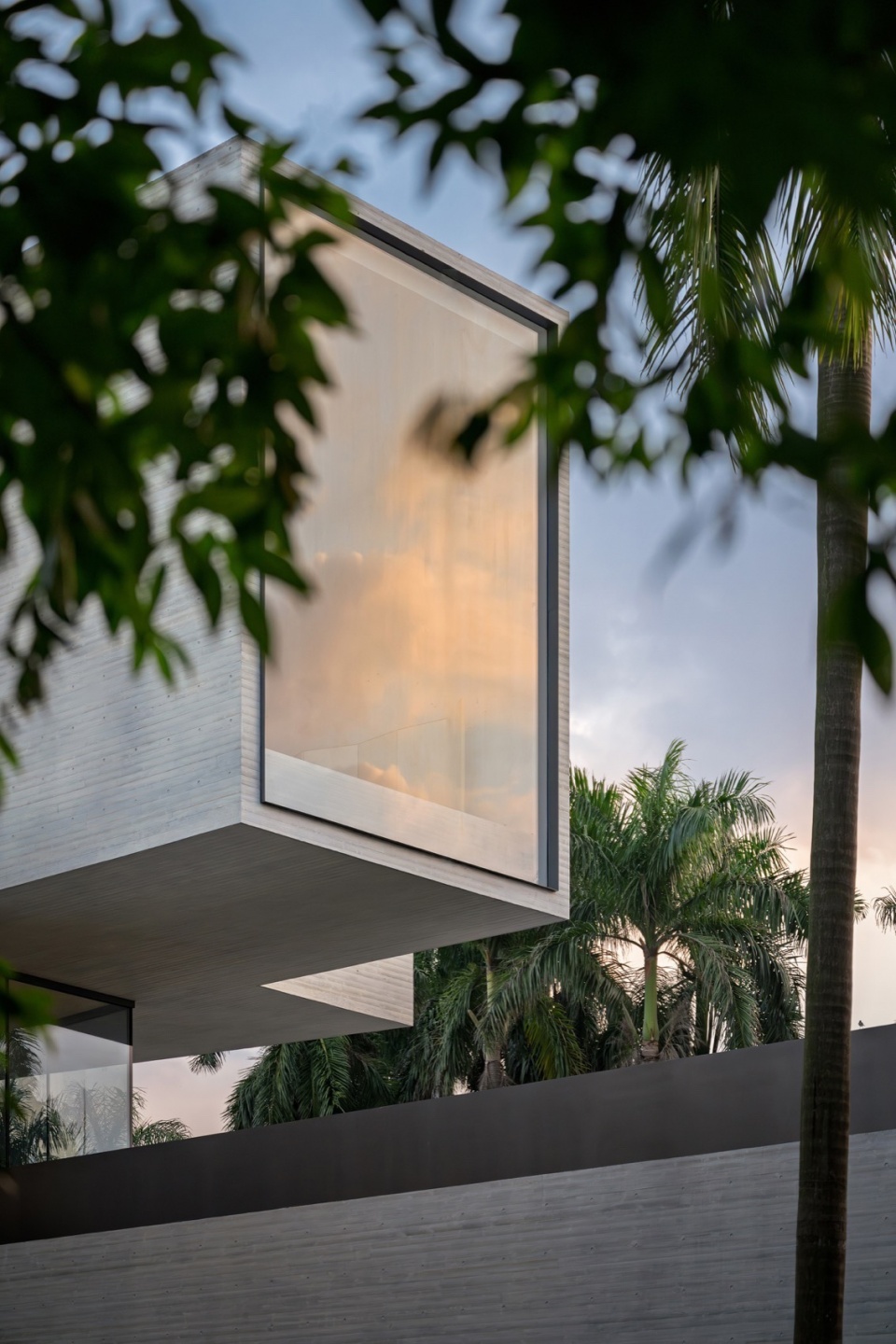
拥抱自然才是人类的本能,才更能激发人对生活的热爱。自然就在那里,人参与的部分克制、纯净而优雅。这里不仅仅是一个湿地公园,更是一种通过建筑的能量、艺术的力量和大自然治愈的性质,共同创造的对生态的保护。也是意义深刻的心灵体验。
Embracing nature is a fundamental human instinct, one that inspires a deeper appreciation for life itself. Nature exists in its purest form, and human intervention here is restrained, refined, and elegantly minimal.
This is more than a wetland park—it is a collaborative creation where the energy of architecture, the power of art, and the healing essence of nature converge. Together, they craft a profound statement on ecological preservation while offering an experience of deep spiritual resonance and meaning.
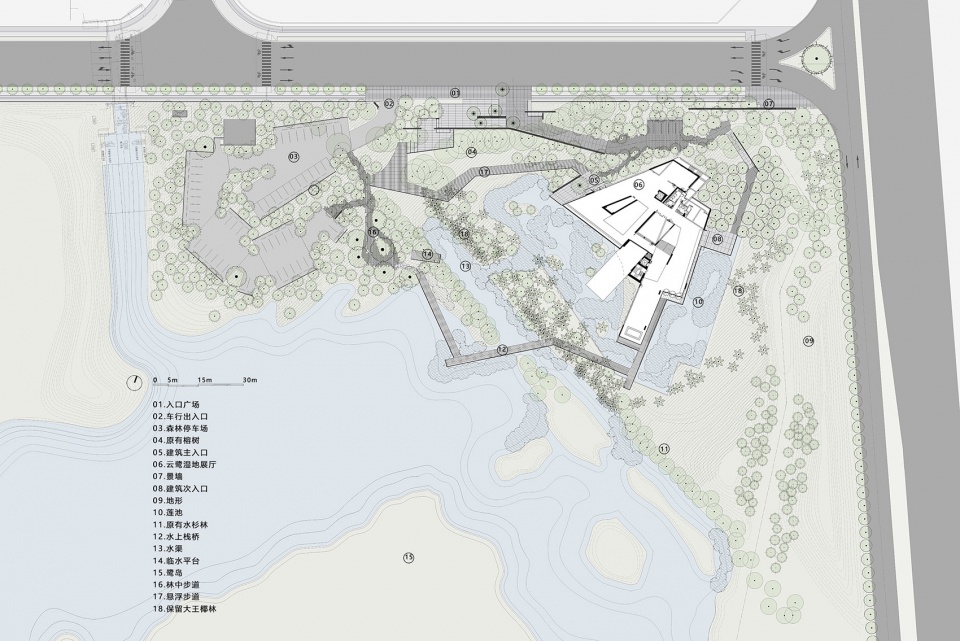
▼总平面图,site plan
Project Name: Shunde Yunlu Wetland Pavilion
Location: Shunde District, Foshan City, China
Area: 2 hectares
Design Period: 2023
Completion: 2024
Client: CR Land, Shunde People’s Government of Foshan
Landscape Design: Change Studio
Landscape Construction Drawings: Shenzhen Hongrui Landscape Design Co., Ltd.
Landscape Contractor: Guangdong Nature Landscaping Co., Ltd.
Architectural Design: Link-Arc Studio
Interior Design: Yu Studio
Photography: Wang Ning, Holi