2025 年大阪世博会意大利馆 / MCA建筑事务所
▼项目概览,overall of the project
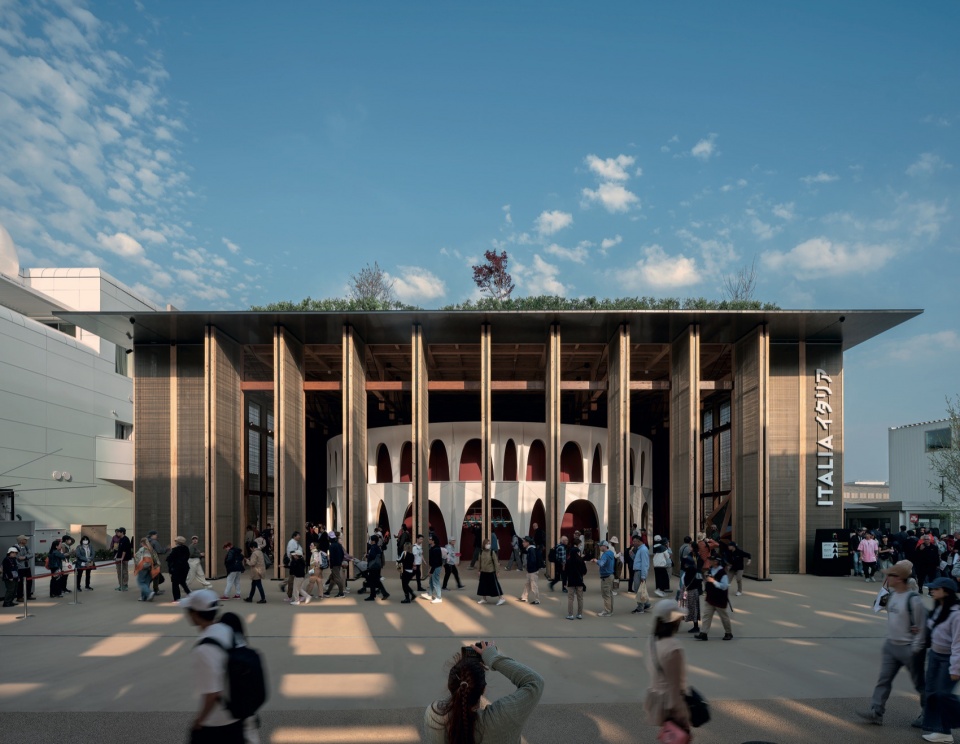
意大利馆:一座有生命的建筑诗篇The Italian Pavilion: A living architectural poem
2025年大阪世博会意大利馆,被构想为一个鲜活、有机的生态系统,在传统与创新、艺术与科学、手工艺与科技之间,展开一场永不止息的对话。MCA建筑事务所(Mario Cucinella Architects)设计的这座展馆仿若一间沉浸式“实验室”,以感官与叙事交织的体验,引领观众踏上一段穿越意大利的旅程。意大利此次参展,契合世博主题“闪耀生命的未来社会的设计”,聚焦“拯救生命”这一核心议题,与联合国可持续发展目标SDGs形成共鸣。展馆是意大利对可持续发展、循环经济和共享未来愿景的宣言。
▼草图,sketch
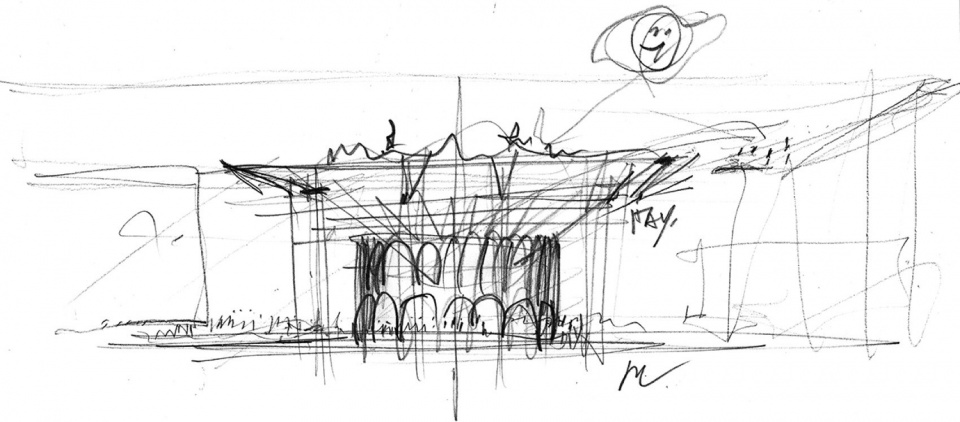
The Italian Pavilion for Expo 2025 Osaka is presented as a living, regenerative ecosystem, capable of embodying the continuous dialogue among tradition and innovation, art and science, craftsmanship and technology. Designed and built by MCA – Mario Cucinella Architects, the Pavilion is conceived as a dynamic and immersive laboratory, offering a journey through Italy, told via a series of sensory and narrative experiences that actively engage the visitor. Italy’s participation in Expo 2025 Osaka fits within the theme “Designing Future Societies for Our Lives”, with a particular focus on “Saving Lives”, in harmony with the United Nations’ Sustainable Development Goals (SDGs). The Pavilion becomes a constructed manifesto of the Italian vision on a sustainable, circular and shared future.
▼夜景,night view
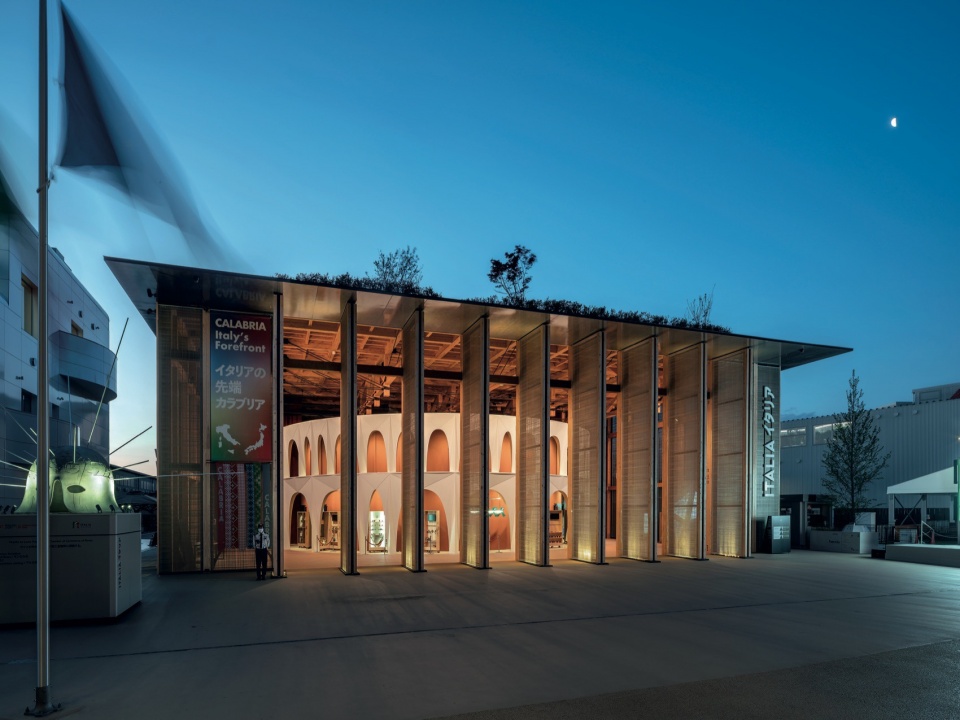
它不仅仅是一座展览建筑,更是一个社会有机体,能够产生能源、提升材料价值、恢复生物多样性,促进人与人之间的深度联结。以模块化木构筑起可逆建筑典范,融合低碳技术与可循环逻辑,成为人、自然和科技互动的舞台。这座展馆被诗意地命名为“知识的殿堂”,将承载艺术、科学、文化与企业的多元展演,呈现意大利非凡的创造力与地域特色。更作为一个国际交流的平台,汇聚全球思想与合作的种子,孕育明日世界的希望。
More than an exhibition building, the Pavillion is conceived as an urban organism: capable of generating energy, enhancing materials, restoring biodiversity and fostering meaningful relationships. Its modular wooden structure, low-impact technologies and adaptability for post-Expo reuse make it a concrete example of reversible architecture, centered on the interaction among people, nature, and technology. Imagined as a “Hangar of Knowledge”, the Pavilion will host a rich and diverse program of cultural, artistic, scientific and entrepreneurial experiences, showcasing the best of Italian creativity and territorial excellence. At the same time, it aims to serve as fertile space for international connections, strengthening networks between institutions, businesses and global communities.
▼“知识的殿堂”,“Hangar of Knowledge”
建筑语言:自然·光影·呼吸Architecture and Formal Language
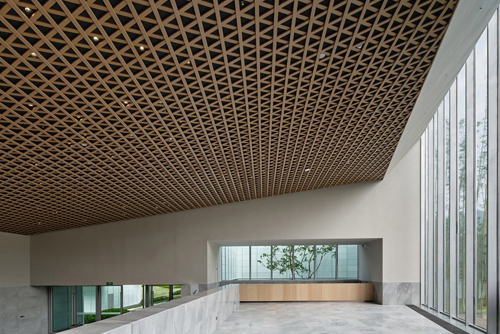
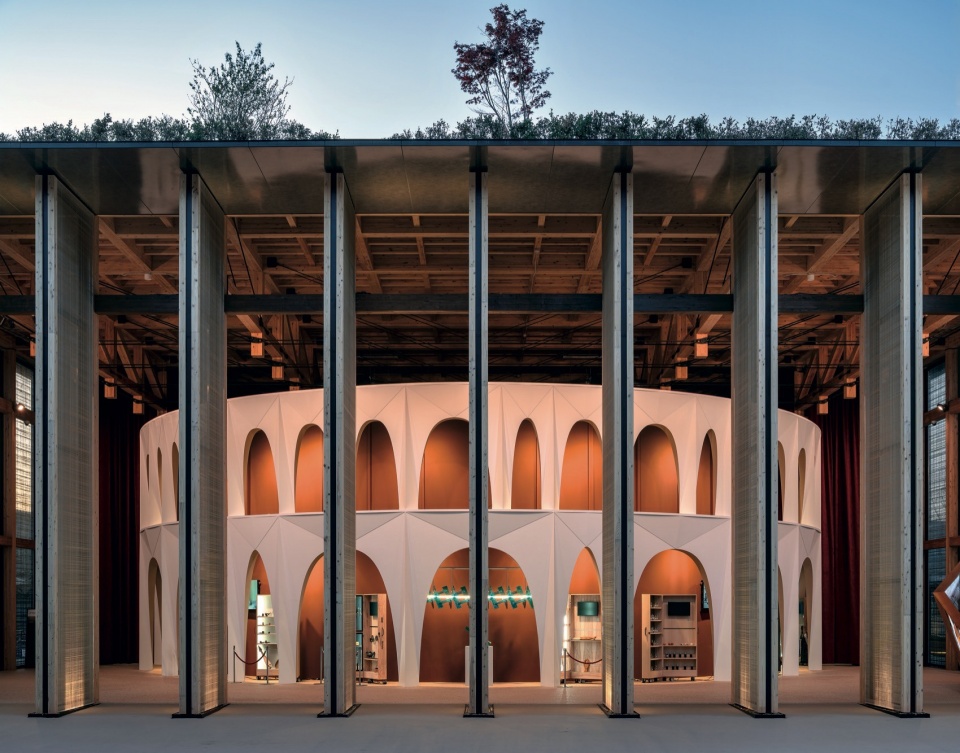
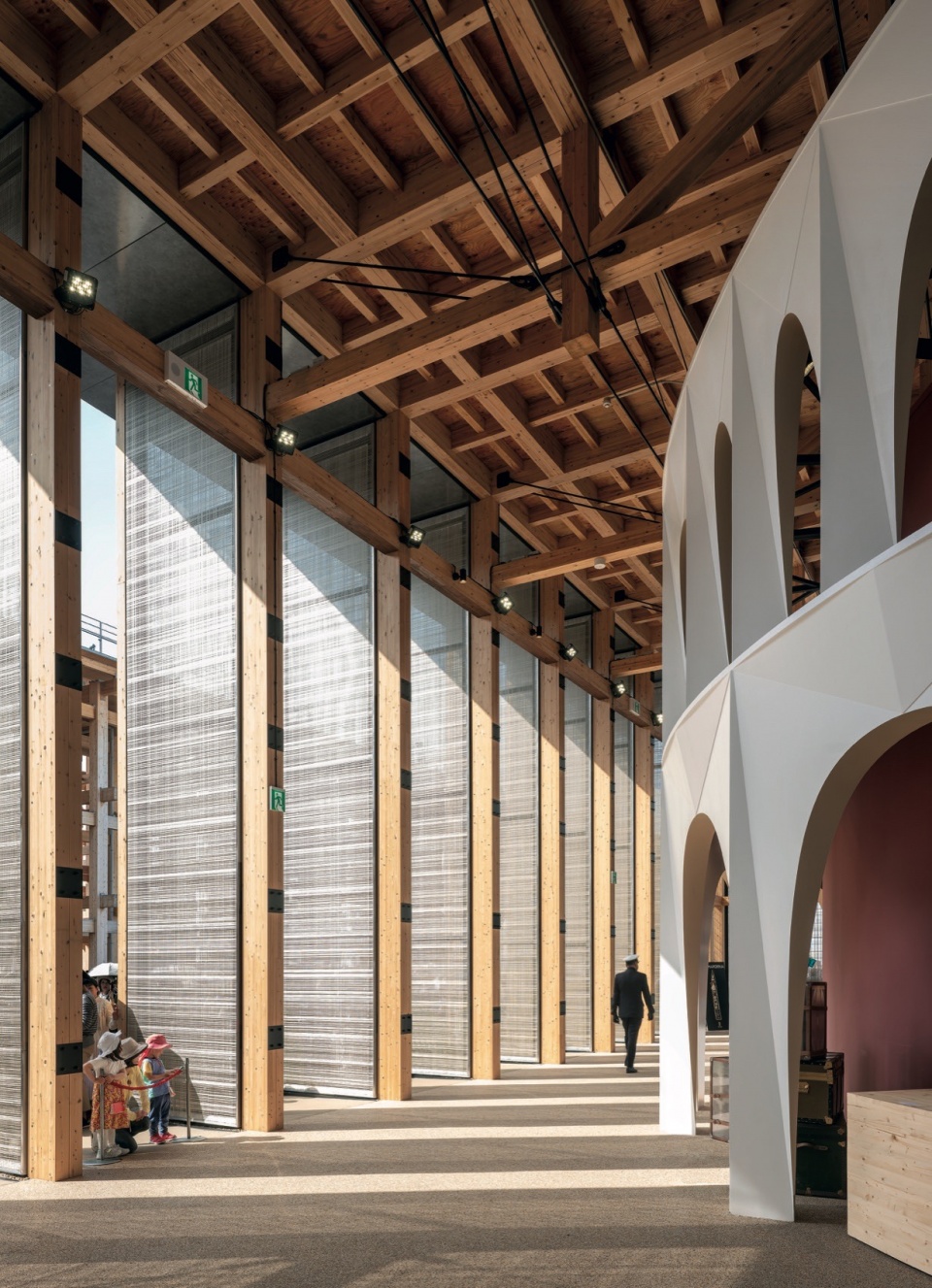
意大利馆以开放、通透且亲和的建筑形态,重释意式待客之道与自然礼赞,同时呈现未来城市生活的蓝图。模块化全木结构搭建,结合透光有机材质,自然光穿梭其间,塑造流动光影与空间的节奏感。展馆以一座开阔的入口门厅引导观众步入。“会呼吸”的半透明立面环抱门厅,其纺织肌理由透气矿物纤维膜织成,柔和日照、引导通风的同时赋予建筑轻盈灵动的生命气质,营造出一种光影流动、古典与现代交织的空间氛围。这道“肌肤”调节光热、重塑内外关系且降低能耗,使空间在节能中实现与周围环境的有机对话与连续共生。承重结构采用日本本土认证的实木胶合材,运用干式模块化系统,构成了富有节奏感的梁柱格栅,借鉴日本匠艺,还原意大利传统格状天花之美。设计亦充分考虑大阪地区的气候与光照,实现空间与环境的和谐。
The Italian Pavilion presents itself as an open, permeable and welcoming architecture that reinterprets the values of Italian hospitality and landscape in a contemporary key. The design develops a fluid and modular language, where transparency, natural light and organic materials define the space and shape the visitor’s experience. The main body is organized around a large entrance foyer, framed by a transparent and breathable façade that filters natural light while shielding the interiors. The exterior envelope features a semi-transparent textile façade made from a permeable mineral fiber membrane, enhancing passive thermo-light regulation and emphasizing the building’s ephemeral and reversible nature. This “skin” contributes to the control of solar radiation, promotes natural ventilation and reduces energy consumption by playing an active role in defining the relationship between interior and exterior, regulating light, air and temperature, and building a continuous relationship with the surrounding environment. The load-bearing structure is made entirely of laminated wood, with a dry modular system, generating a dynamic spatial rhythm: a lattice of beams and pillars that reproduces with the wisdom of Japanese technological systems a large Italian coffered ceiling, producing changing shadows throughout the day. The architectural articulation reflects the principles of flexibility and reversibility, while the envelope is designed to mitigate the climatic and light conditions of the Osaka context.
▼分析图,analysis diagram
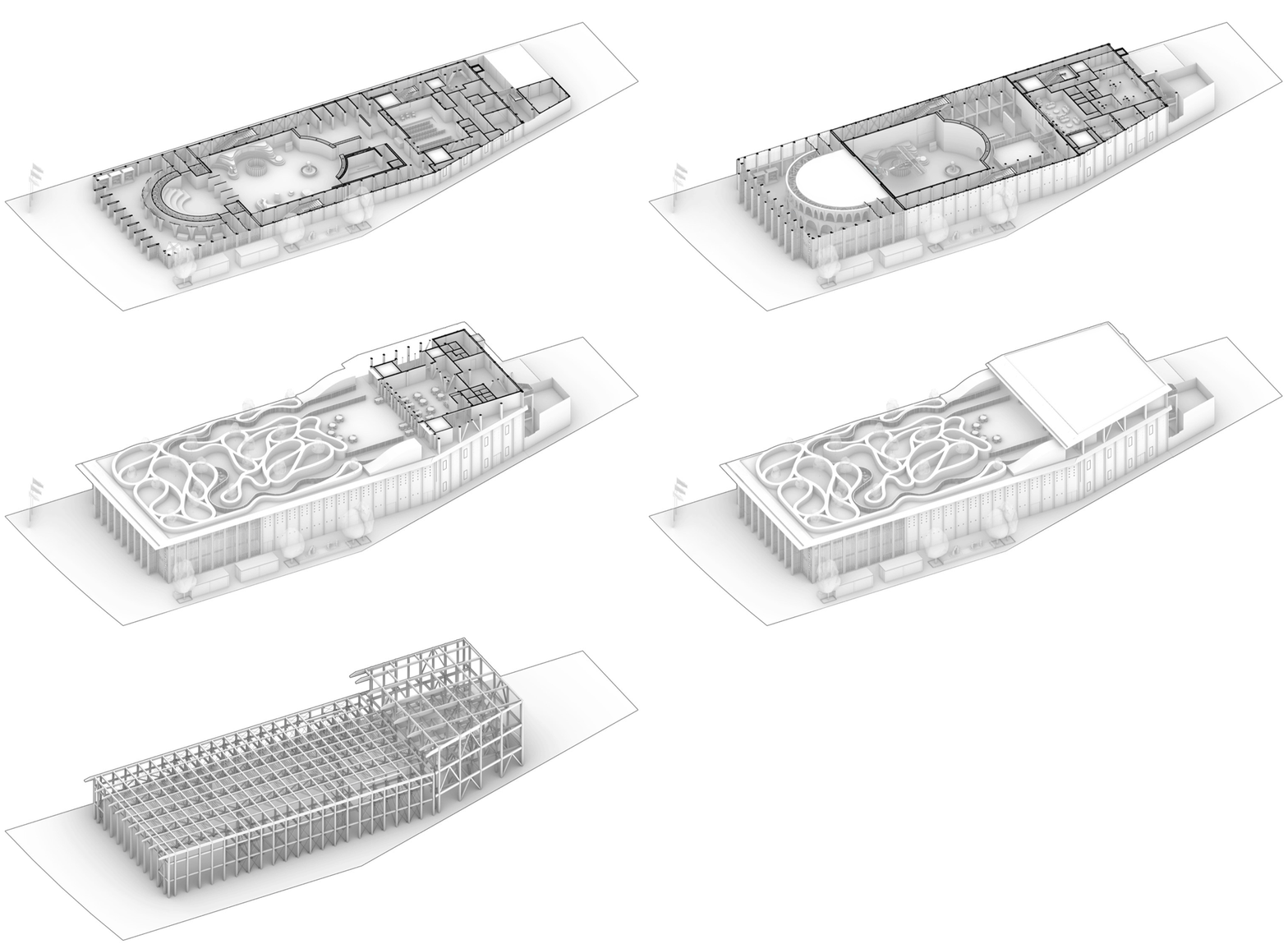
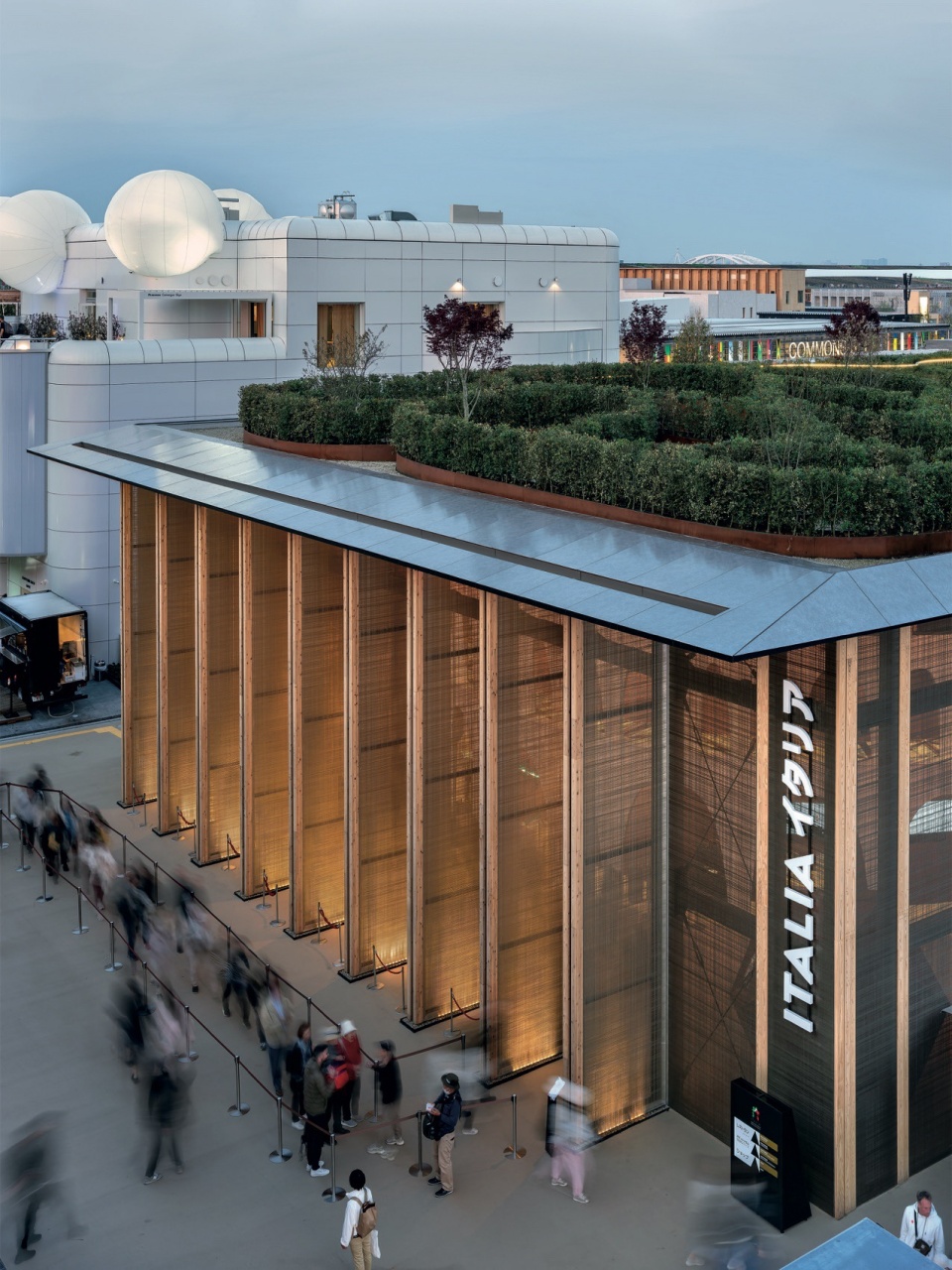
展馆由两个体量构成。主空间是一座恢弘的文化展厅,承载展览核心;一座空中花园,取意意大利园林传统,在当代语境下重构为一个生机盎然的生态系统。与展馆景观相映成趣,对话世博园区环形结构,在全景视野与沉浸体验之间演绎对比与和鸣。从材质到结构几何,每一个元素都以生态友好为指引,旨在将环境影响降至最低,同时促成建筑、人与自然之间更细腻而深刻的联结。设计并不试图凌驾于环境之上,而是以谦逊之姿融入大阪湾的风貌之中,映照出意大利设计中可持续理念与审美精神的和谐统一。
The pavilion is divided into two volumes. The main volume consists of a large hangar that hosts the exhibition experience, culminating on the roof with a large terrace that can be visited, a roof garden inspired by the Italian garden tradition, reinterpreted in a contemporary key as a complex living ecosystem. The organic design of the greenery is reflected in the exhibition landscape and dialogues with the circular ring of the Expo site, creating a counterpoint between panoramic view and experiential immersion. Every construction element – from materials to geometry – has been chosen to minimize environmental impact and promote a sensitive connection between people, architecture and nature. The building does not dominate its setting but integrates harmoniously into Osaka Bay, embodying the relationship between sustainability and beauty, the heart of Italian design culture.
▼鸟瞰,aerial view
意大利之旅:一场穿越传统与当代的艺术表达Theme and Exhibition Content
一场多感官的沉浸式观展体验,如同一段穿越当代意大利的旅程,串联历史、创新与创造力。每一展区皆为独立又彼此呼应的叙事片段,激发情感、启发思考,引导观众主动参与,共同编织这场集体的体验。从“手造艺术”展区启程,一个引导观众走进意大利“匠心精神”的序章空间。意大利创意工坊化身为充满活力的实验场,数字工艺、先进制造、科学研究与视觉艺术的交融,展现了深植于意大利制造传统中的创新力量。
The Italian Pavilion for Expo 2025 Osaka proposes an immersive and multisensory itinerary designed as a journey through contemporary Italian identity, including history, innovation and creativity. Each space is conceived as an autonomous but interconnected narrative scene, capable of activating emotions, reflections and participation. The experience begins in the “making with the hands” area, an introductory space that welcomes visitors and guides them in the discovery of Italian “know how”. Here, the Ateliers of Italian Creativity serve as dynamic workshops where digital craftsmanship, advanced manufacturing, scientific research, and visual arts intertwine to show the innovative spirit rooted in Italy’s production tradition.
▼展览空间概览,exhibition overall view
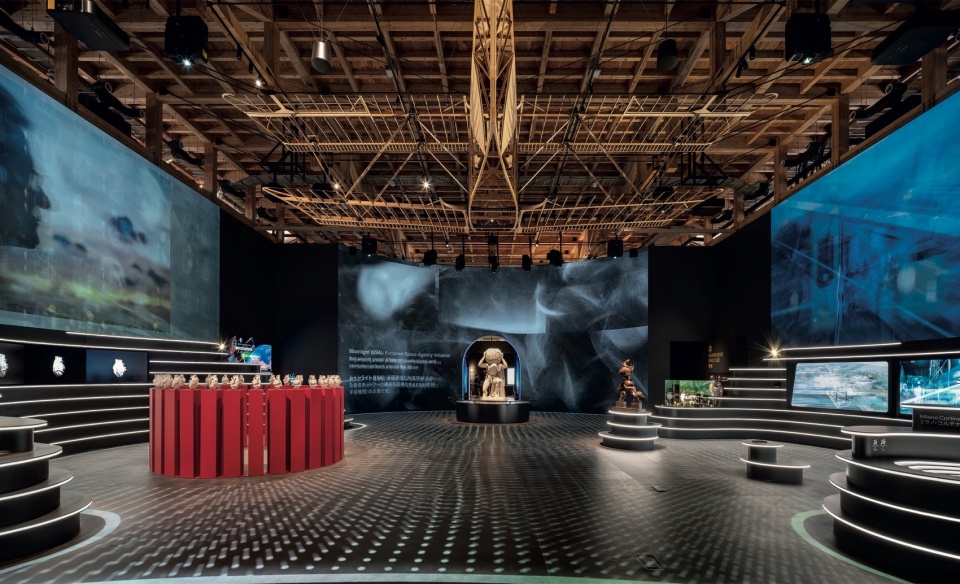
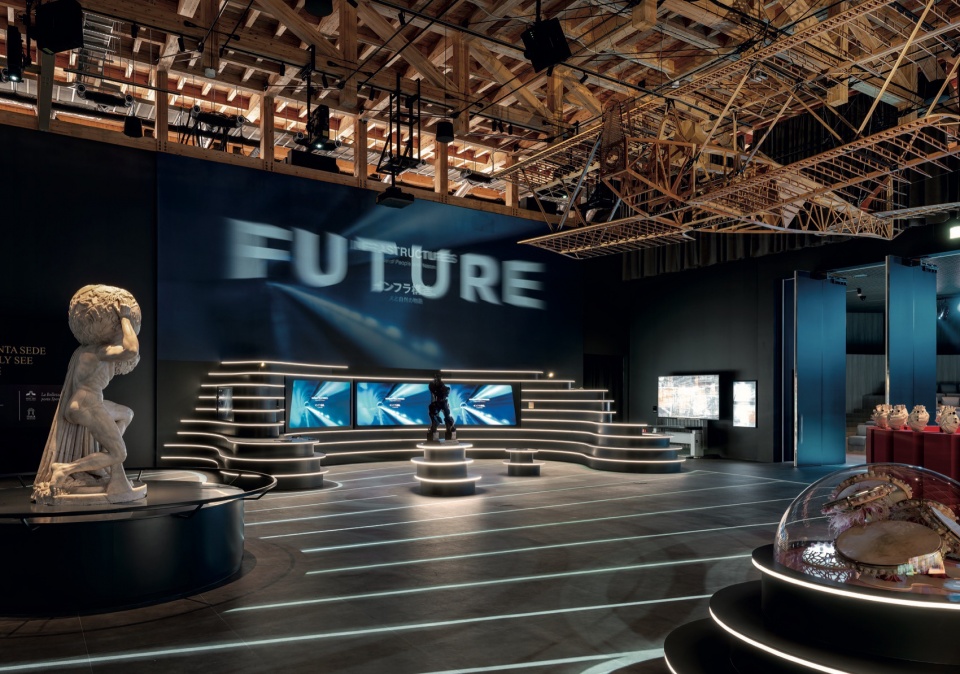
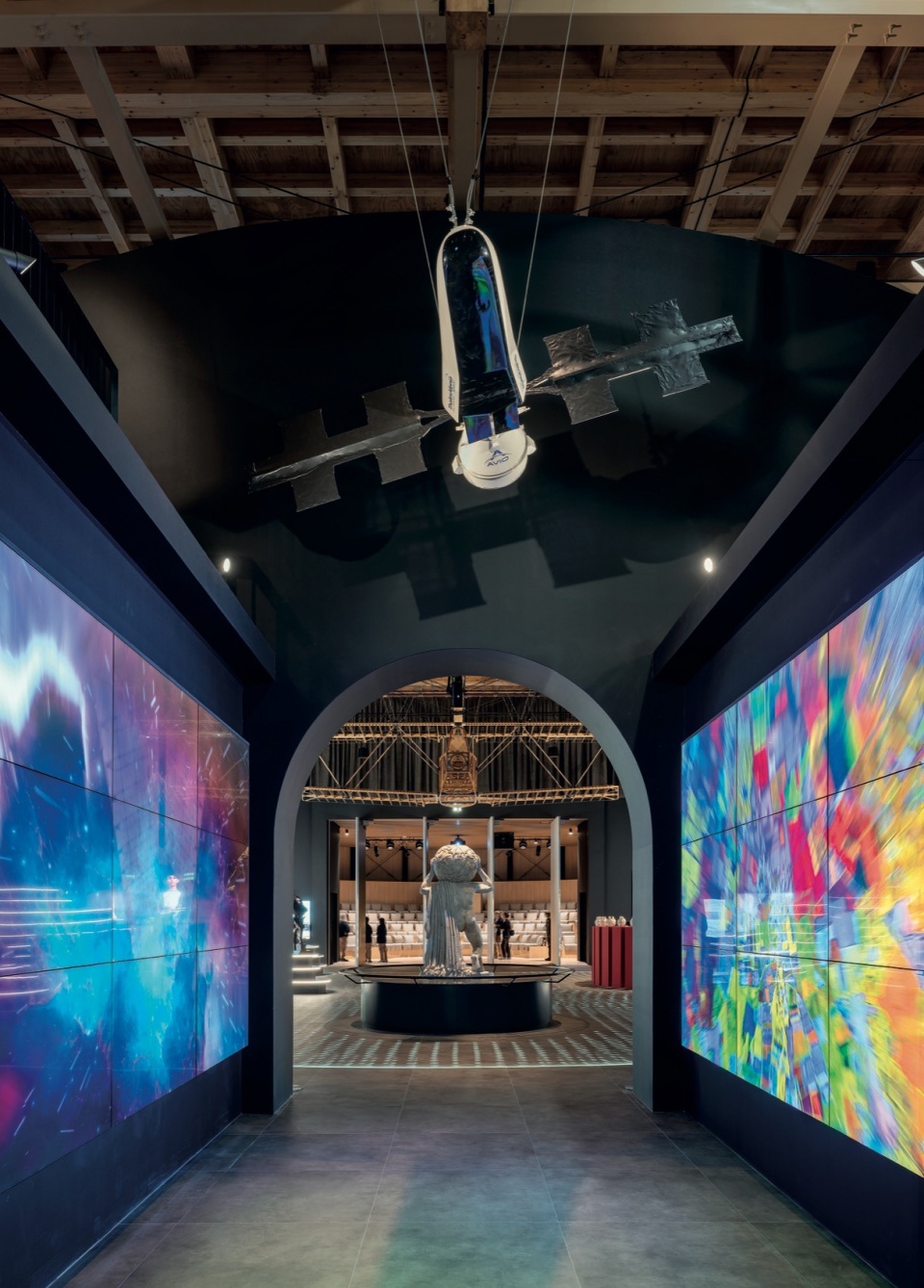
随后,一座圆形沉浸式剧场映入眼帘,这是意大利城市景观的典型代表。在数字舞台与现场表演交替中,重塑文艺复兴剧场语言,并与日本表演文化展开跨时空对话。观众不再是旁观者,而是表演的共同体,身临其境,感官共振。接着,进入“理想之城”展区,以当代视角重释文艺复兴时期“理想城市”的构想,将视野延展至人与土地的深层联结。展览聚焦自然、文化、艺术、健康、空气质量、基础设施与城市空间等议题。以多媒体装置与标志性展品,如馆内陈列法尔内塞的阿特拉斯(Farnese Atlas)雕塑和米兰-科尔蒂纳2026冬奥会圣火火炬,呈现人与环境和文化之间的互动,如何成为城市与社会复兴的驱动力。
Next, the immersive Theater offers a continuous show, between digital set designs and live performances, that reinterprets the language of Italian Renaissance theater in dialogue with Japanese performance culture. The audience is not just a spectator but is involved in the stage action, in a hybrid experience between real and virtual. The journey then leads to the Ideal City area, a section that interprets in a contemporary key the concept of the Renaissance Ideal City in a broader, articulated and multidisciplinary meaning, in which the inhabited space is not limited to the urban area but becomes landscape, culture, air quality, health, infrastructure, art, technology. Through multimedia installations and iconic works –such as the Farnese Atlas or the Olympic Torches of Milano Cortina 2026 – the relationship among humans, environment, and culture is staged as the engines of urban and social regeneration.
▼数字舞台,digital set designs and live performances
▼拱门与通道,arch and hallway
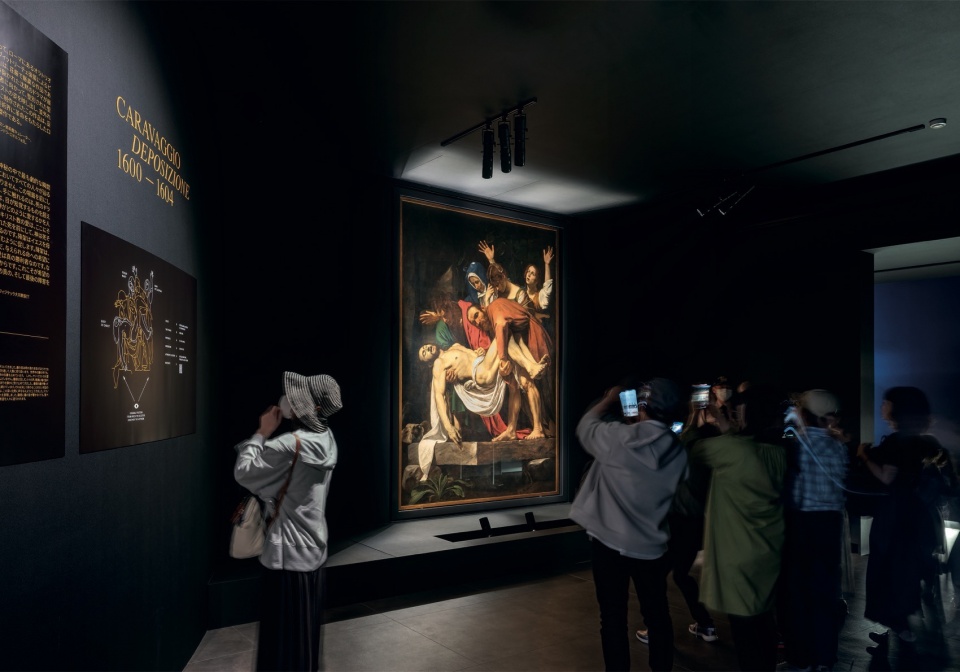
在众多展区中,最具精神深度的一隅,当属圣座展馆。在静谧而冥想的氛围中,观众将有幸欣赏来自梵蒂冈博物馆的卡拉瓦乔原作《基督下葬》(Deposizione),展开一场关于艺术、信仰与美的对话,唤起人们对欧洲文化遗产的感知与敬意。展览的后半程缓缓敞开,邀请观众穿越意大利多元地域的文化肌理。透过互动装置、标志性产品、音影图像与数字叙事,各地的产业活力、文化精粹与自然风貌在专属展区依次铺陈。轮动的展演方式,使意大利的地域之美,以亲切而国际化的语言呈现于世界舞台。
A space of particular intensity is dedicated to the Pavilion of the Holy See, which houses the original “The Deposition” by Caravaggio, on loan from the Vatican Museums. In an intimate and contemplative setting, visitors are invited to reflect on the deep ties among art, spirituality, and beauty, renewing the connection to European cultural heritage. Finally, the narrative opens to the numerous Italian territories, with an exhibition area dedicated to the Regions, which will alternate during the months of the Expo through interactive installations, iconic objects, sounds, images and digital narratives. Each regional participation becomes an opportunity to share the country’s productive, cultural and landscape excellence in an accessible and international language.
▼来自梵蒂冈博物馆的卡拉瓦乔原作《基督下葬》(Deposizione),the original “The Deposition” by Caravaggio, on loan from the Vatican Museums
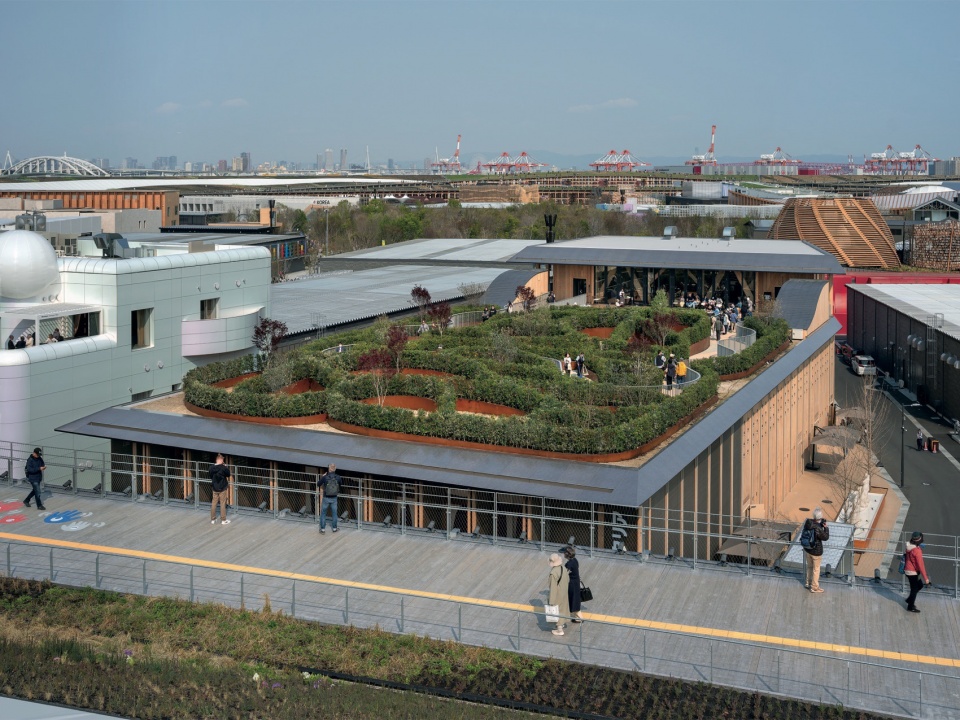
最终,旅程在“绿意露台”达至高潮。一座空中花园,以意大利传统园林为灵感,以几何美学勾勒生态诗境, 900余米的柞木绿篱蜿蜒铺展,化为迷宫般的有机景观。花木香植点缀其间,意大利与日本的小型树种交织成景。绿意掩映间,光影轻漾暗香浮动。参观至此,不仅是终点,更是一场沉思与感官共鸣的诗意寓言。
The experience culminates in the Green Terrace, a roof garden that reworks the typology of the Italian garden as a relational landscape: an organic labyrinth with more than 900 linear meters of Quercus phillyreoides hedge, enriched by flower essences and small trees of Italian and Japanese plant essences, art installations, scents and visual glimpses that close the path with a contemplative and sensory dimension.
▼“绿意露台”空中花园,the Green Terrace, a roof garden
可持续性与创新:建筑的生命循环Sustainability and innovation
意大利馆以可循环建筑为理念,致力于最小化环境足迹,并赋予文化、生态与社会价值。项目基于综合可持续性方法,涵盖材料选择、技术运用、资源管理及建筑的长期使用。其核心特点包括:可逆建筑:展馆设计从一开始便将再生与可持续作为核心,视临时性为契机,重新思考建造与组装方式,系统化规划建筑全生命周期。结构选用日本本土的可再生胶合木,结合干式装配与模块化设计。简化生产与组装流程、减少材料浪费、提高资源利用率,并在每个阶段实现精准管控。设计遵循“可拆卸设计(DfD)”与“制造与装配一体化设计(DfMA)”原则,减少构件数量,便于拆解与再利用,体现全生命周期思维,推动建筑、循环经济与本地产业的共生。能源效率与资源管理:通过精确的气候分析,建筑整合自然通风、被动冷却与动态遮阳等策略,最大程度提升能源效率,减少碳足迹,实现生态与美学并重的空间表达。
The Italian Pavilion for Expo 2025 Osaka is conceived as a circular architectural model, designed to minimize environmental impact while generating cultural, ecological, and social value. The entire project is based on an integrated approach to sustainability, involving materials, technologies, resource management, and the long-term use of the building. Its key features include:Reversible architecture: The design of the Pavilion follows a systemic approach rooted in regenerative sustainability throughout the entire life cycle of the building. From the concept phase, the design considered the temporariness of the work not as a constraint, but as an opportunity to rethink the way of building and assembling. The use of a load-bearing structure made of laminated wood, a renewable resource from certified local supply chains, is accompanied by the use of dry construction systems and modular logic. These choices make it possible to simplify the production and assembly phases, reduce waste, optimize the use of materials and ensure control at every stage of the construction site. The entire design process is guided by the principles of Design for Disassembly (DfD) and Design for Manufacturing and Assembly (DfMA), with the aim of reducing the number of components, facilitating their separation at the end of the cycle and maintaining their value over time. This approach, inspired by the Life Cycle Thinking strategy, helps contain environmental impact and promotes the integration of architecture, circular economy, and local production chains, without sacrificing efficiency, durability and construction quality requirements.Energy efficiency and resource management: A detailed preliminary climate analysis allowed the project to incorporate natural ventilation systems, passive cooling and dynamic shading systems, which would drastically reduce overall energy requirements.
▼结构选用日本本土的可再生胶合木,结合干式装配与模块化设计,
the use of a load-bearing structure made of laminated wood
后世博时代:解构与重生Post-Expo: Disassembly and Reuse
意大利馆虽为临时建筑,却在理念上被赋予长久生命,这是一项超越展期的文化、技术与生态遗产。整座展馆由可预制的胶合木模块构建,具备全结构拆解能力。可赋予其二次生命:重建为文化中心、教育场所或展览空间等。从结构、材料到科技与家具,每一细节都追求可追溯性、可逆性与灵活性,最大化减少浪费,提升公共投资的长期价值。同时,世博期间呈现的内容,包括表演、装置、数据、艺术作品与互动成果,都将被收录并整理成一座数字与实体并存的“意大利实验室”,成为永久档案。记录创新研究、最佳实践、企业与机构之间协作合作成果的数据库。意大利馆,不止是六个月的展览符号,而是一座持续生成价值、联结与知识的平台。以可持续之名,书写未来的文化诗篇。
From the design stage, the Italian Pavilion was conceived as a temporary but enduring building in thought, a cultural, technological, and environmental legacy designed to extend well beyond the six months of Expo 2025. Entirely built with prefabricated laminated wood modules, the structure is designed to be fully disassembled. This allows for complete or partial reuse in a new context, giving the pavilion a second life as a cultural center, educational hub, or exhibition space, in Italy or abroad. Every element – from structure and materials, technologies to furnishings – has been designed with traceability, reversibility and flexibility in mind, aiming to minimize waste and maximize the long-term value of public investment. At the same time, all content generated during the Expo – performances, installations, data, artworks, interactions – will be collected and organized into a digital and physical archive, envisioned as a permanent Italian Laboratory: a database of best practices, innovative ideas, outcomes of collaborations between research, companies and institutions. With this approach, the Pavilion is not an ephemeral icon but a generative platform: a space that continues to produce value, relationships and knowledge even after its physical closure, interpreting at its best the sustainable and regenerative vocation of the whole project.
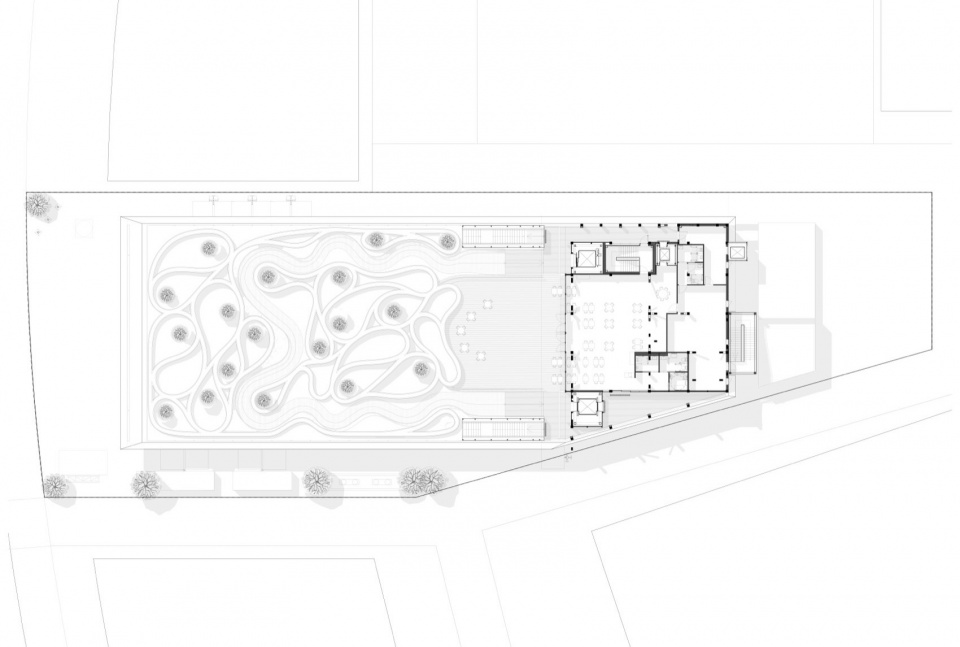
▼一层平面图,1F plan
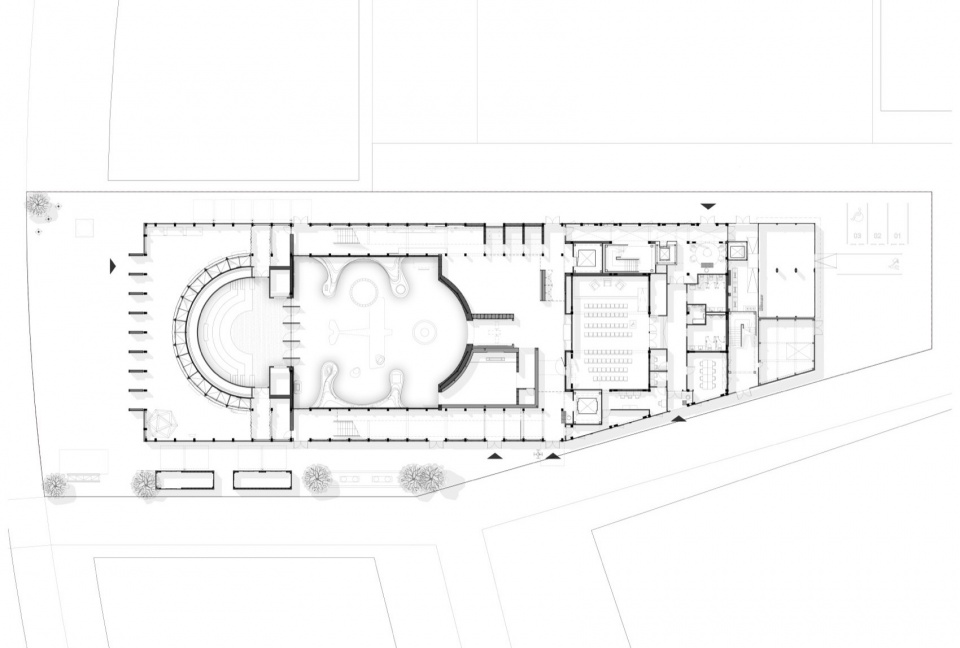
▼二层平面图,2F plan
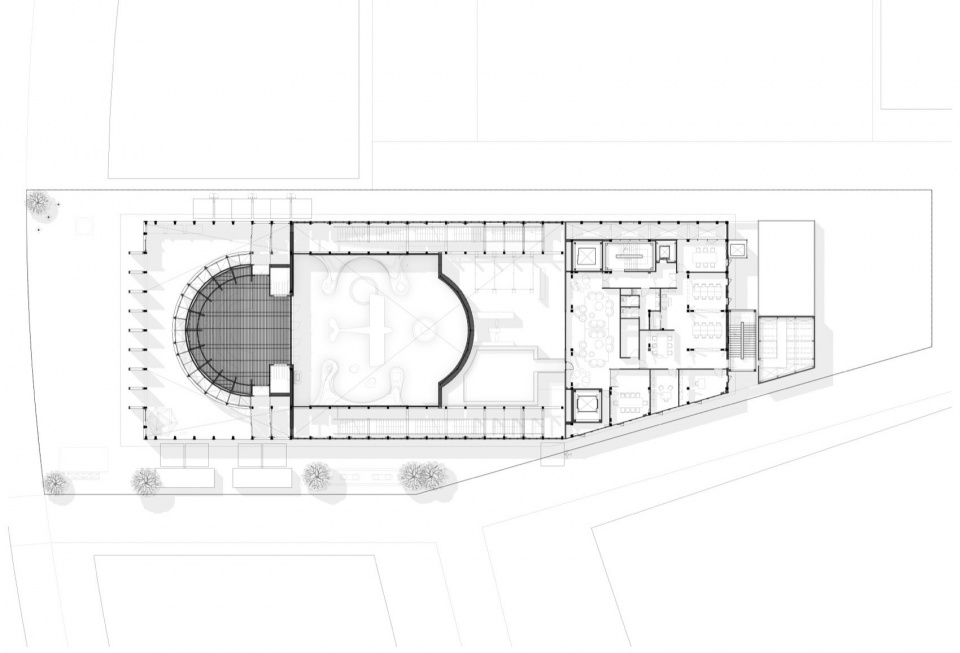
▼三层平面图,3F plan
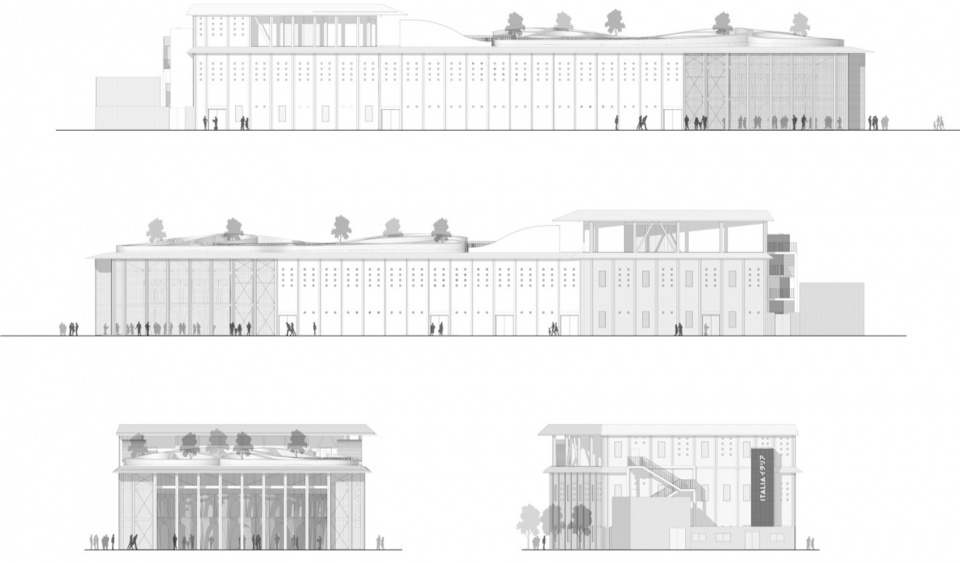
▼立面图,elevations
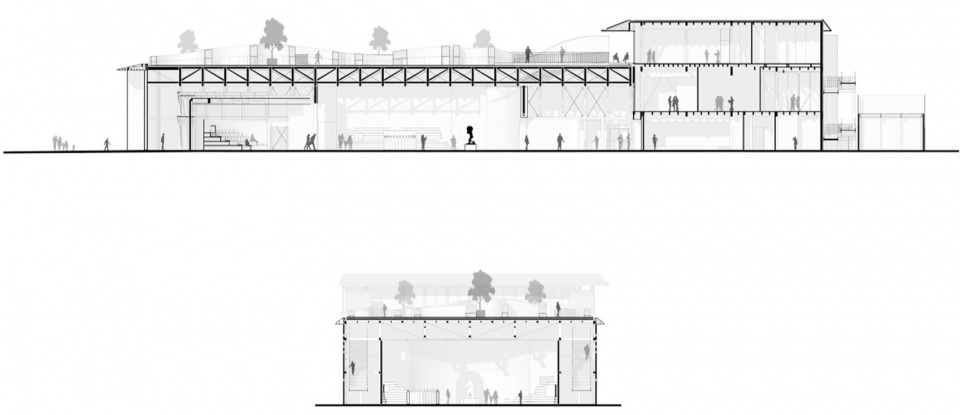
▼剖面图,sections
项目信息
位置: 日本,大阪
时间: 2025年
面积: 3000平方米
设计与施工总承包: MCA建筑事务所(Mario Cucinella Architects)
结构设计: Buromilan
机电设计: Tekser Srl
多媒体设计: Zeranta Edutainment Srl
消防及安全顾问: GAE Engineering Srl
地质勘查与分析: Claudio Preci
项目管理咨询: Beyond Limits
结构、建筑及机电系统施工: Nishio Rent All Co., Ltd.
室内施工: Nomura Co., Ltd.
注册建筑师(日本): Yoshiki Matsuda Architects and Arch5
团队: Mario Cucinella, Giovanni Trogu , Michele Olivieri, Alessio Naldoni, Fabrizio Bassetta, Luca Tiozzo, Lapo Medici, Lorenzo Mancini, Beatrice Vara, Diego Baronchelli, Tommaso Boschi, Fabiola Verde, Francesco Visco , Valentina Torrente, Angelo Ungarelli, Arianna Bartolotti , Marcello Michelini, Mara Nunziante, Giacomo Righi , Augusta Zanzillo, Lori Zillante, Lapo Naldoni
效果图团队:Alessia Monacelli, Walter Vecchio, Gianlorenzo Petrini, Vincenzo Metafora, Chiara Giammarco, Federico Giusti
模型制作: Yuri Costantini, Antonino Cucinella, Eugenio Armando De Nicola
展陈设计: Francesca Montinaro
平面设计:ZUP
灯光设计:Giambattista Buongiorno, Oscar Frosio
摄影:Duccio Malagamba, 朱雨蒙
Project Credits
Client: General Commissioner for Italian Participation in Expo 2025 Osaka
Architectural Design: Mario Cucinella Architects (MCA)
Location: Osaka, Japan
Total Area: 3000 m2
Construction Period: 2024–2025 Expo General Theme: Designing Future Societies for Our Lives Construction System: modular wooden structure; recycled textile fiber envelope
General Contractor Design and Construction: Mario Cucinella Architects (MCA)
Structural Design: Buromilan
Plant Design: Tekser Srl
Multimedia Design: Zeranta Edutainment Srl
Fire Prevention and Safety: GAE Engineering Srl
Geological Analysis: Claudio Preci
Project Management Consultancy: Beyond Limits
Contractor Structures, Architecture and Plants: Nishio Rent All Co., Ltd.
Contractor Fit-out: Nomura Co., Ltd.
Architect of Record: Yoshiki Matsuda Architects and Arch5
MCA Team: Mario Cucinella, Giovanni Trogu (Project Director), Michele Olivieri (Design Leader), Alessio Naldoni (Technical Unit), Fabrizio Bassetta (BIM Manager), Luca Tiozzo (Project Leader),
Lapo Medici (Architect), Lorenzo Mancini (Architect), Beatrice Vara (Architect), Diego Baronchelli (Landscape Designer), Tommaso Boschi (Architect), Fabiola Verde (Architect), Francesco Visco (Architect), Valentina Torrente (Architect), Angelo Ungarelli (Architect), Arianna Bartolotti (Architect), Marcello Michelini (Architect), Mara Nunziante (Architect), Giacomo Righi (Architect), Augusta Zanzillo (Architect), Lori Zillante (R&D Unit Manager), Lapo Naldoni (R&D)
Visual Team
Alessia Monacelli (Visual Unit Manager), Walter Vecchio (Visual Artist), Gianlorenzo Petrini (Visual Artist), Vincenzo Metafora (Visual Artist), Chiara Giammarco (Visual Artist), Federico Giusti (Visual Artist)
Model Making: Yuri Costantini, Antonino Cucinella, Eugenio Armando De Nicola
Scenography: Francesca Montinaro
Graphics: ZUP
Light Design: Giambattista Buongiorno, Oscar Frosio
Photo: Duccio Malagamba, Yumeng Zhu