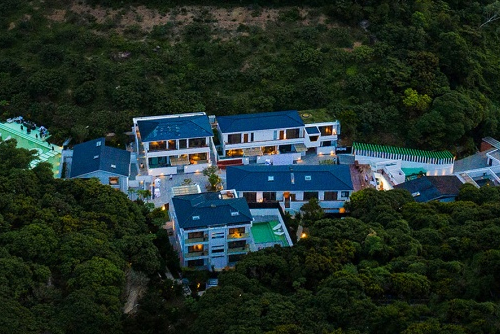
大乐之野嵊泗黄龙岛灯塔酒店室内设计,浙江舟山 / 实在建筑设计工作室
嵊泗列岛,位于浙江省舟山市境内,地处杭州湾以东、长江口东南,共有海岛193个,其中有居民海岛9个,无居民海岛184个。多年来舟山群岛以国际海洋度假胜地为目标,不断升级客运网络及吸引各式各样的餐饮及酒店入驻。
Shengsi Archipelago is located within the jurisdiction of Zhoushan City, Zhejiang Province. It is situated east of Hangzhou Bay and southeast of the Yangtze River estuary. The archipelago consists of 193 islands, including 9 inhabited islands and 184 uninhabited islands. Over the years, Zhoushan Archipelago has aimed to become an international marine vacation destination by continuously upgrading its passenger transport network and attracting a variety of dining and hotel establishments.
本项目位于嵊泗列岛中的黄龙岛上,离嵊泗列岛本岛只需坐15分钟船程即可到达。黄龙岛因山势雄伟,土呈黄色,远望似黄龙蟠海而得名。对于舟山群岛知名度比较高的可能是朱家尖、普陀山、东极岛等,嵊泗开发的比较晚,但因为其商业化没那么强,更加悠闲避世,近几年热度也在逐渐上升。 酒店选址在黄龙乡东嘴头村的旧灯塔旁,三面环海,紧邻礁石与赤膊山景观,坐拥270°无遮挡海景。
This project is located on Huanglong Island, one of the Shengsi Archipelago islands. It is only a 15-minute ferry ride from the main island of Shengsi Archipelago. Huanglong Island is named for its majestic mountains and yellow soil, which from a distance resemble a yellow dragon coiled by the sea. Compared to more well-known areas of Zhoushan Archipelago, such as Zhujiajian, Putuo Mountain, and Dongji Island, Shengsi was developed relatively late. However, because it is less commercialized, it offers a more leisurely and secluded experience, and its popularity has been gradually increasing in recent years. The hotel is located next to the old lighthouse in Dongzuitou Village, Huanglong Township, surrounded on three sides by the sea, adjacent to rock formations and the Chibo Mountain scenery, and it offers an unobstructed 270-degree sea view.
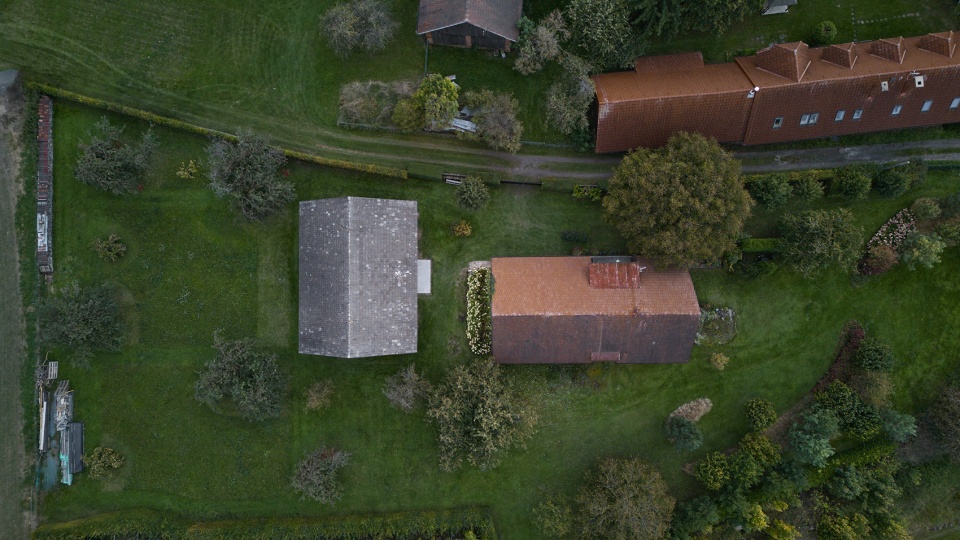
▼鸟瞰,Bird’s eye view
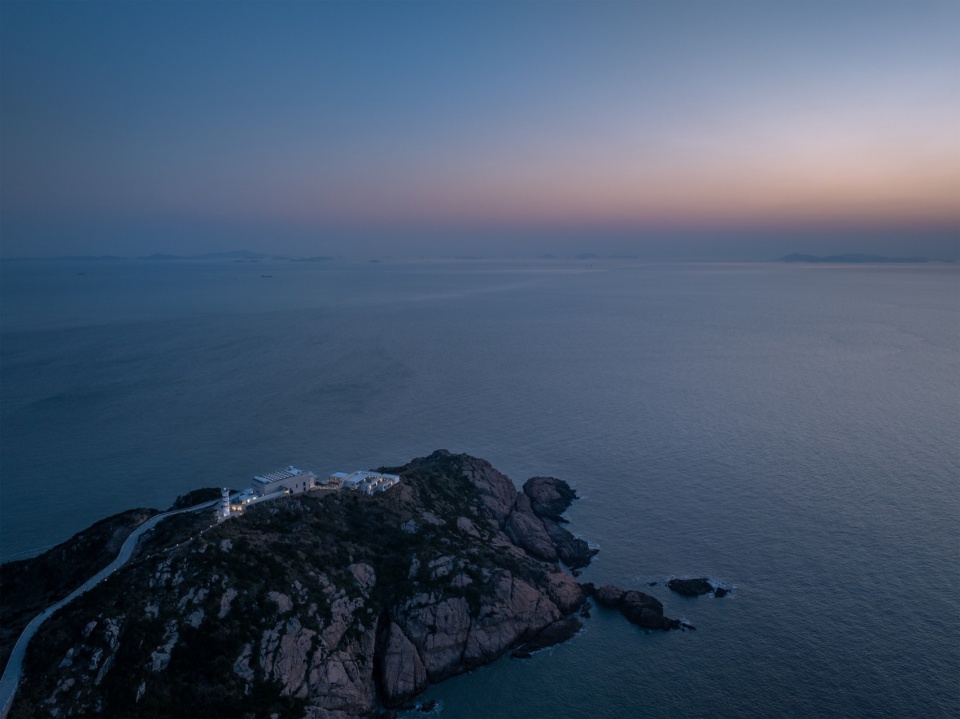
酒店占地4000多平,历时6年,以黄龙岛特有的岩石为灵感、“与自然共生”为核心,将建筑嵌入礁石顶端,保留灯塔历史痕迹,并通过步道串联灯塔与酒店,形成海上博物馆般的沉浸式体验。我们在土建完工后受大乐之野邀请设计了酒店的室内部分。
The hotel covers an area of over 4,000 square meters and took six years to complete. Inspired by the unique rocks of Huanglong Island and centered on the concept of “coexisting with nature,” the building is embedded into the top of the rocky outcrops, preserving the historical traces of the lighthouse. A walkway connects the lighthouse and the hotel, creating an immersive experience akin to a maritime museum. After the completion of the civil engineering works, we were invited by Delaine to design the interior of the hotel.
▼鸟瞰,Bird’s eye view
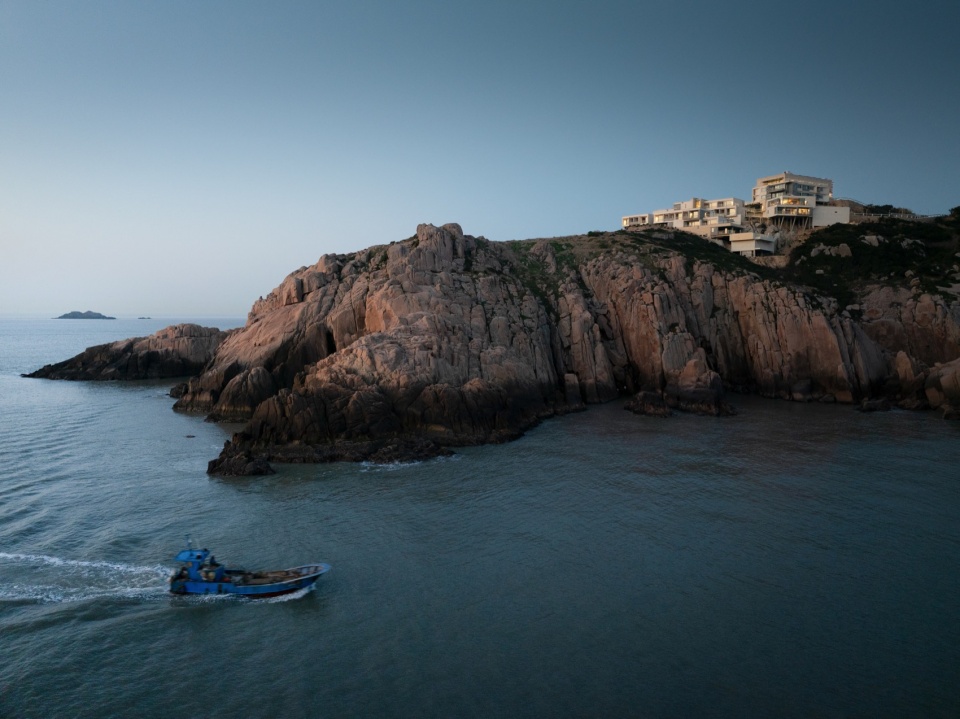
第一次到达现场是2023年的8月份,被一望无际的蓝色大海所震撼。而上岛必须在沈家湾客运码头先坐船到嵊泗本岛李柱山码头,然后前往嵊泗本岛的五龙码头再搭船上黄龙岛。客运滚轮分上下2层,游客可以在客轮的甲板上欣赏一望无际的海景,感受非常奇妙。
Our first visit to the site was in August 2023, and we were struck by the vast expanse of the blue sea. To reach the island, one must first take a ferry from Shenjiawan Passenger Terminal to Lizhushan Terminal on the main island of Shengsi, and then transfer to another ferry at Wulong Terminal to reach Huanglong Island. The passenger ferry is divided into two decks; tourists can enjoy an endless sea view from the deck and have an amazing experience.
▼初到现场勘探,Initial site survey
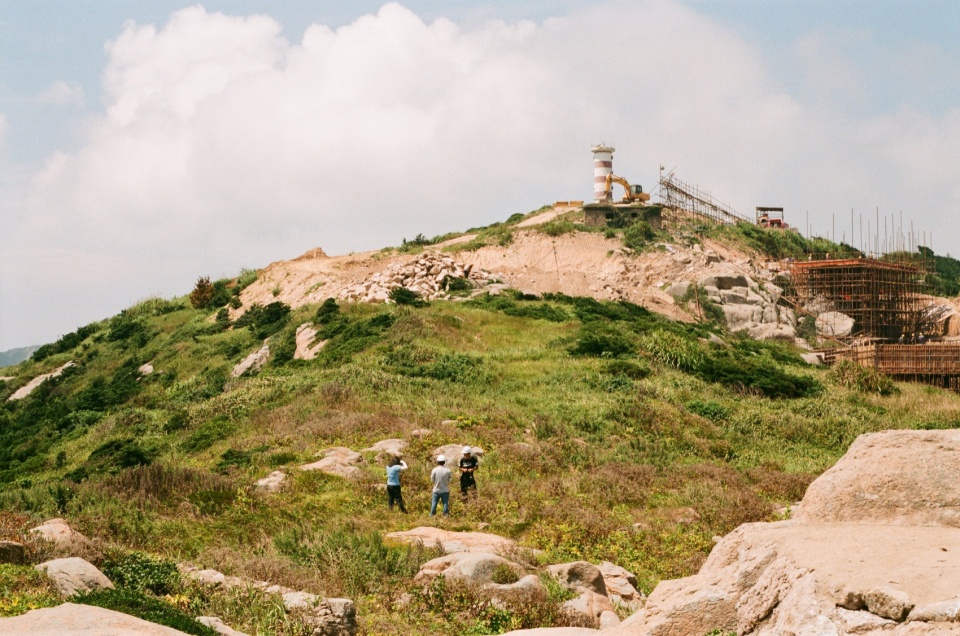
海岛本身由于山高路陡,平地比较少,因此古宅建设因地制宜,劈山筑基,依山而建。海岛民居的墙体都是用光洁坚硬花岗岩块石筑成,块块方石垒墙而建。石间的缝隙古时用沙灰粘连,现使用的是水泥拌黄沙,十分牢固。而本身较为偏僻的位置与特殊的交通情况使得我们不得不考虑整个项目的建造工艺及选材。
Due to the island’s high mountains and steep roads, flat land is scarce. Therefore, the construction of ancient houses was adapted to the terrain, with foundations cut into the mountains and buildings constructed along the slopes. The walls of the island’s dwellings are built with smooth and hard granite blocks, with each block carefully stacked to form walls. In ancient times, sand and lime were used to fill the gaps between the stones, while nowadays, a mixture of cement and yellow sand is used, making the structure very sturdy. The remote location and unique transportation conditions of the island required us to carefully consider the construction techniques and materials for the entire project.
▼灯塔及建筑外观,Lighthouse and building exterior
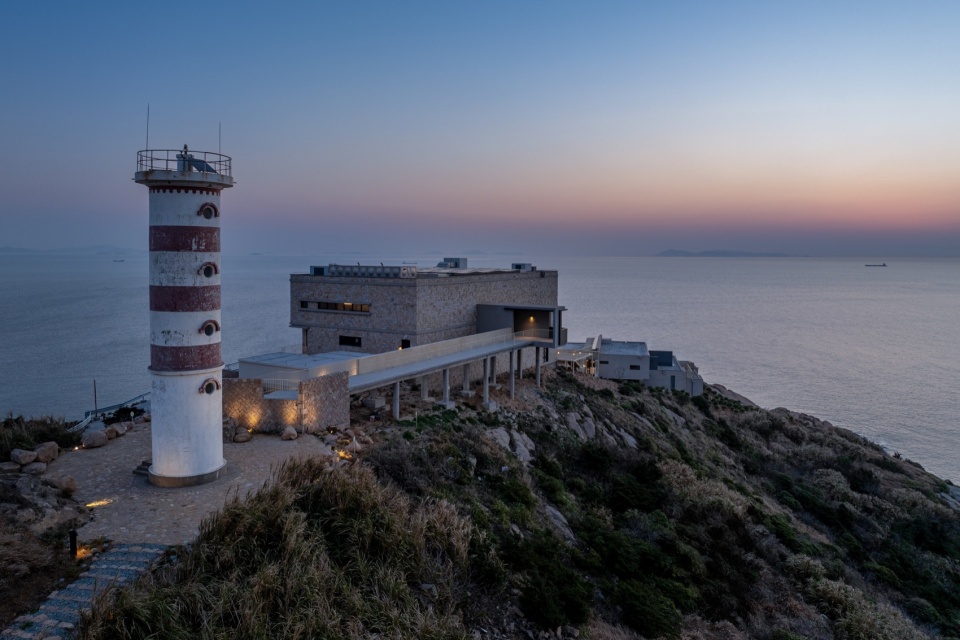
大乐之野作为国内知名的民宿头部企业,希望在嵊泗黄龙岛上通过本项目促进海岛旅游经济,带动岛上住民的工作收益,形成良好的经济循环,也符合其大乐之野一贯以来ESG的理念。由于场地在悬崖的礁石上,施工上无法使用大型机械吊装,因此所有材料必须控制尺寸,要求限制在两个工人能搬运的重量及大小。我们在接手时项目主体土建结构部分已经基本完成,我们需要优化建筑门窗的尺寸及比例,同时重新考虑外墙材料。而岛上极度潮湿的气候以及每年两次的超强台风对于建筑的抗风压性能及防潮耐腐蚀性有着非常高的要求。
▼分析图,analysis
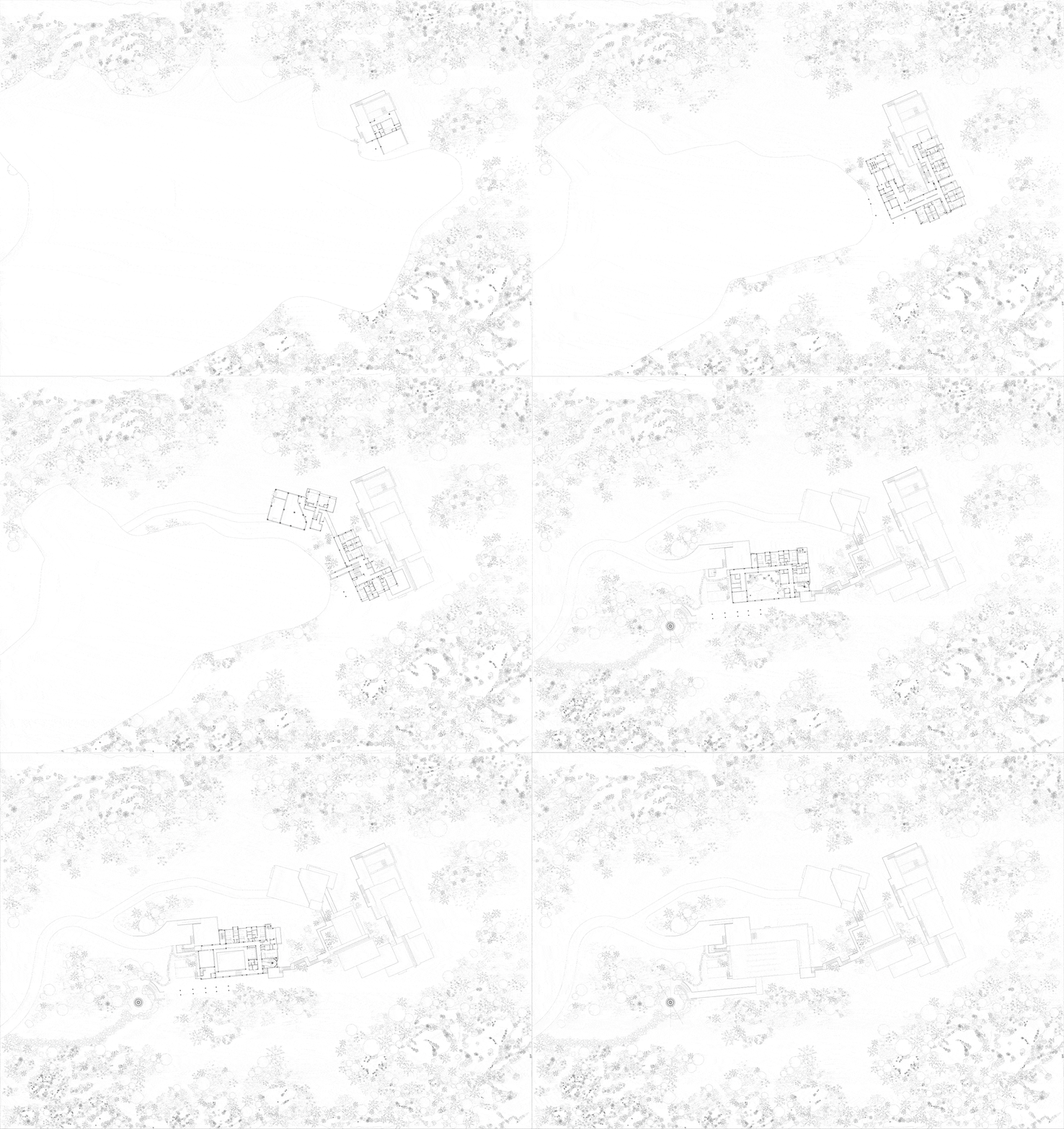
As a leading domestic brand in the boutique lodging industry, Lost Villa aims to boost the island’s tourism economy through this project on Huanglong Island in Shengsi, thereby enhancing the income of local residents and creating a positive economic cycle, in line with Lost Villa’s consistent ESG (Environmental, Social, and Governance) philosophy. Due to the site being located on rocky cliffs, large machinery could not be used for construction, so all materials had to be dimensionally controlled, limited to sizes and weights that could be handled by two workers. By the time we took over, the main civil structure of the project was largely completed. We needed to optimize the dimensions and proportions of the building’s doors and windows and reconsider the exterior wall materials. The island’s extremely humid climate and the occurrence of two super typhoons annually imposed high demands on the building’s wind pressure resistance and moisture and corrosion resistance.
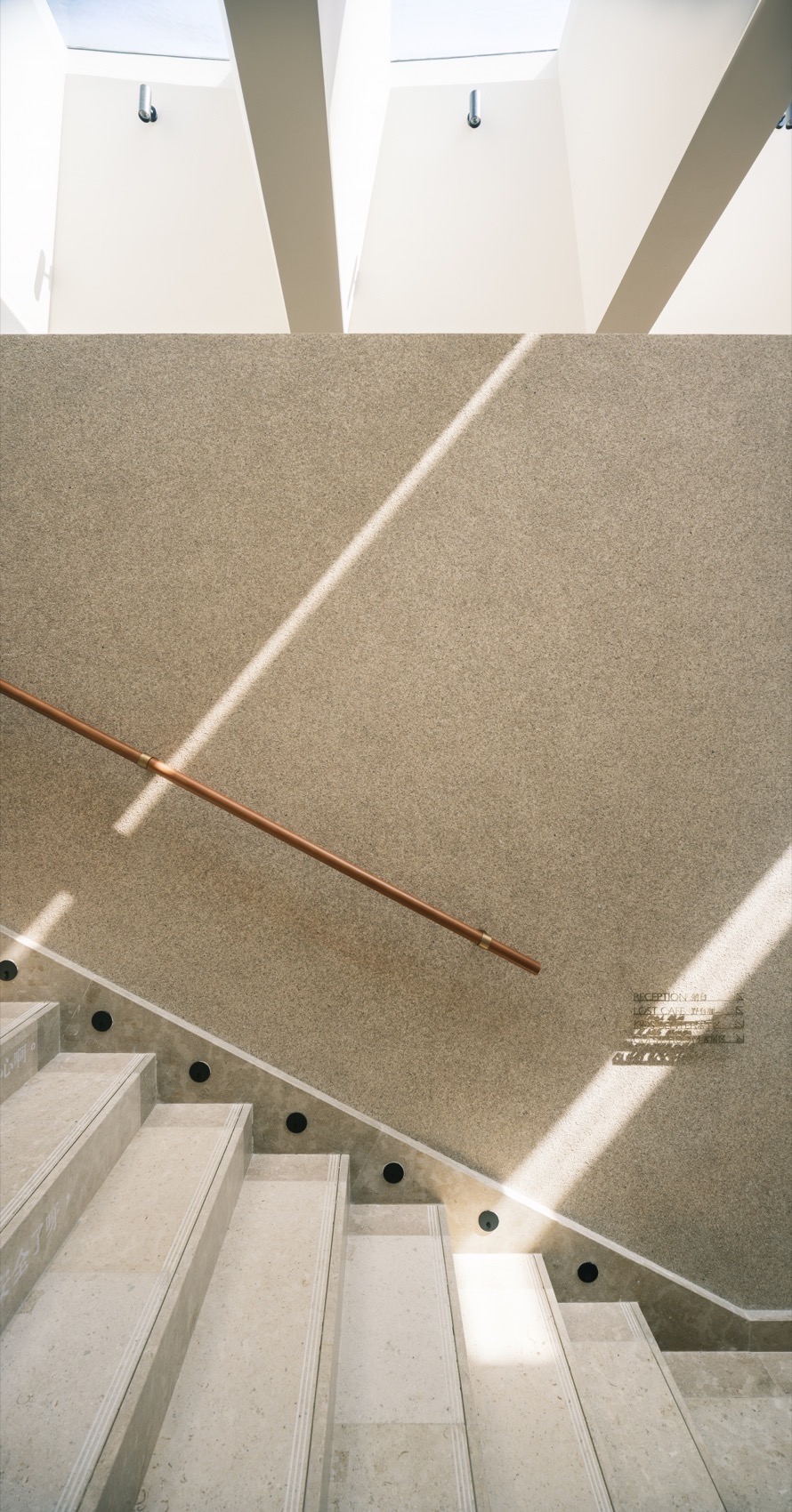
▼酒店入口楼梯,Hotel entrance stairs
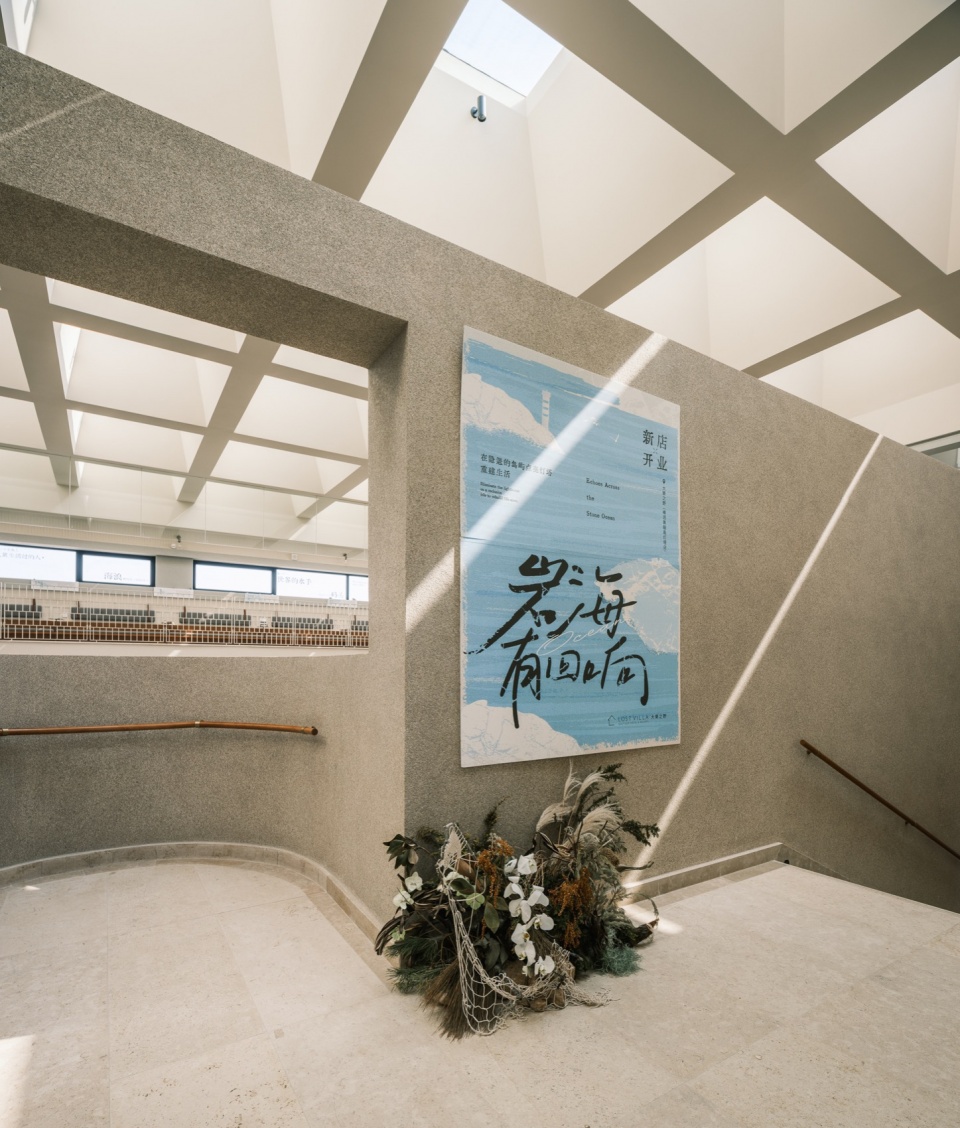
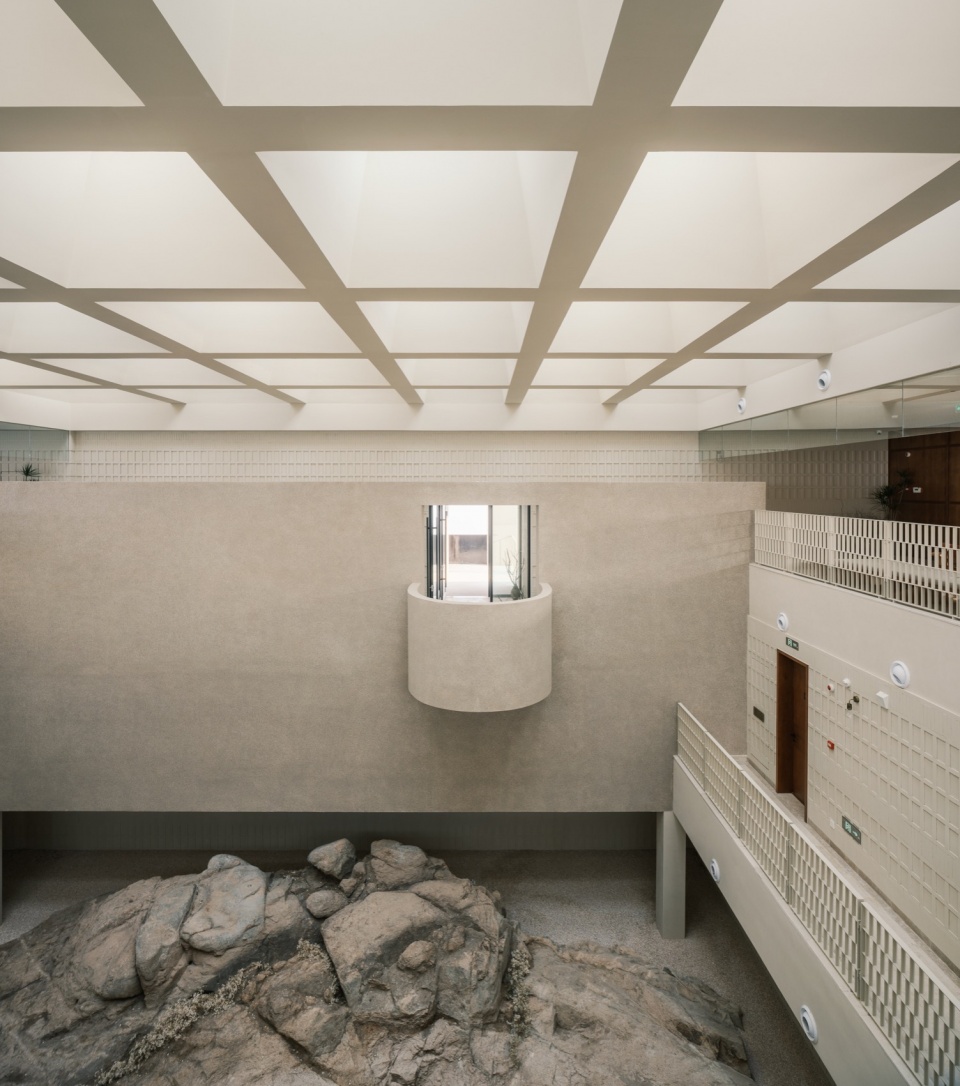
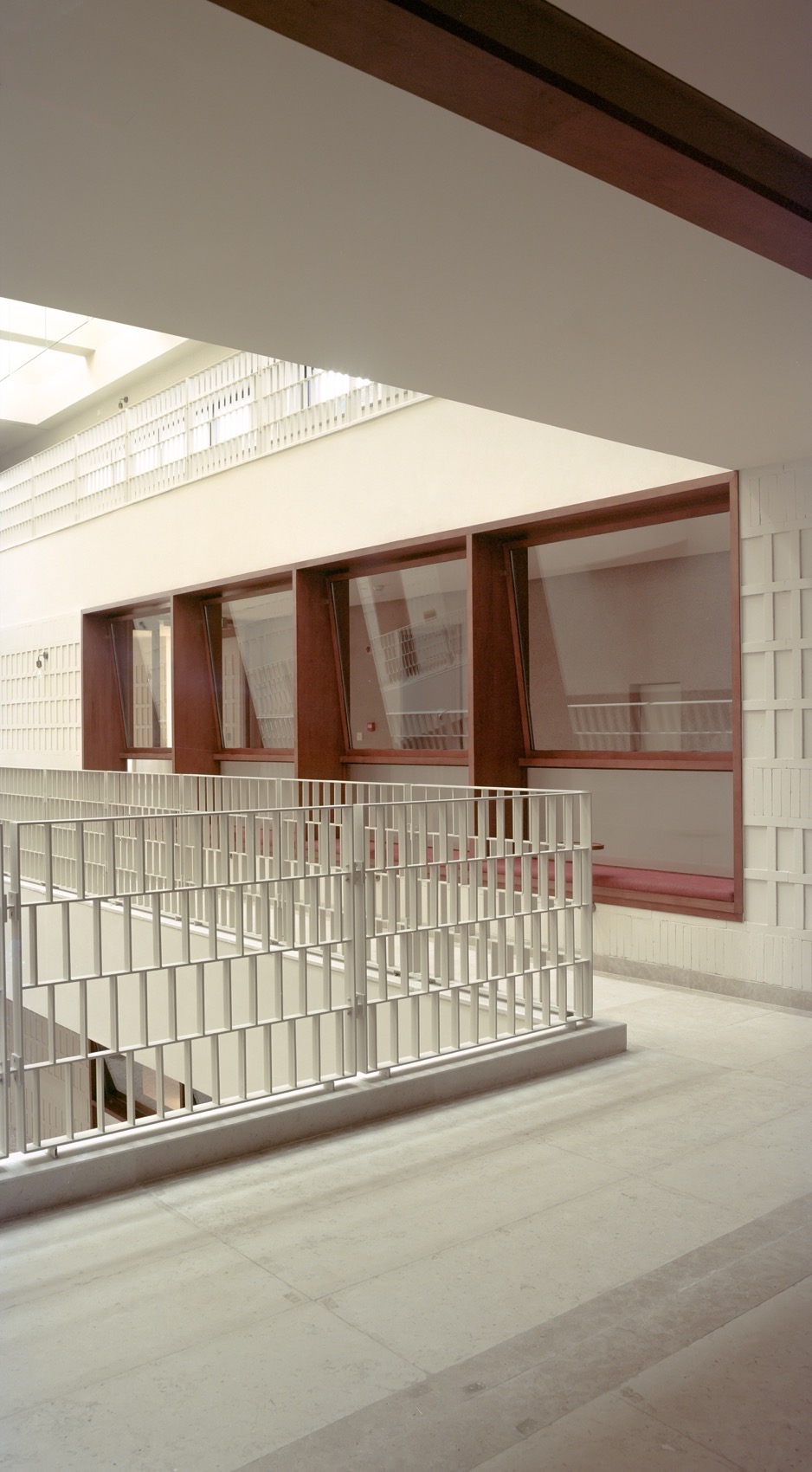
▼中庭悬挑阳台,Atrium cantilevered balcony
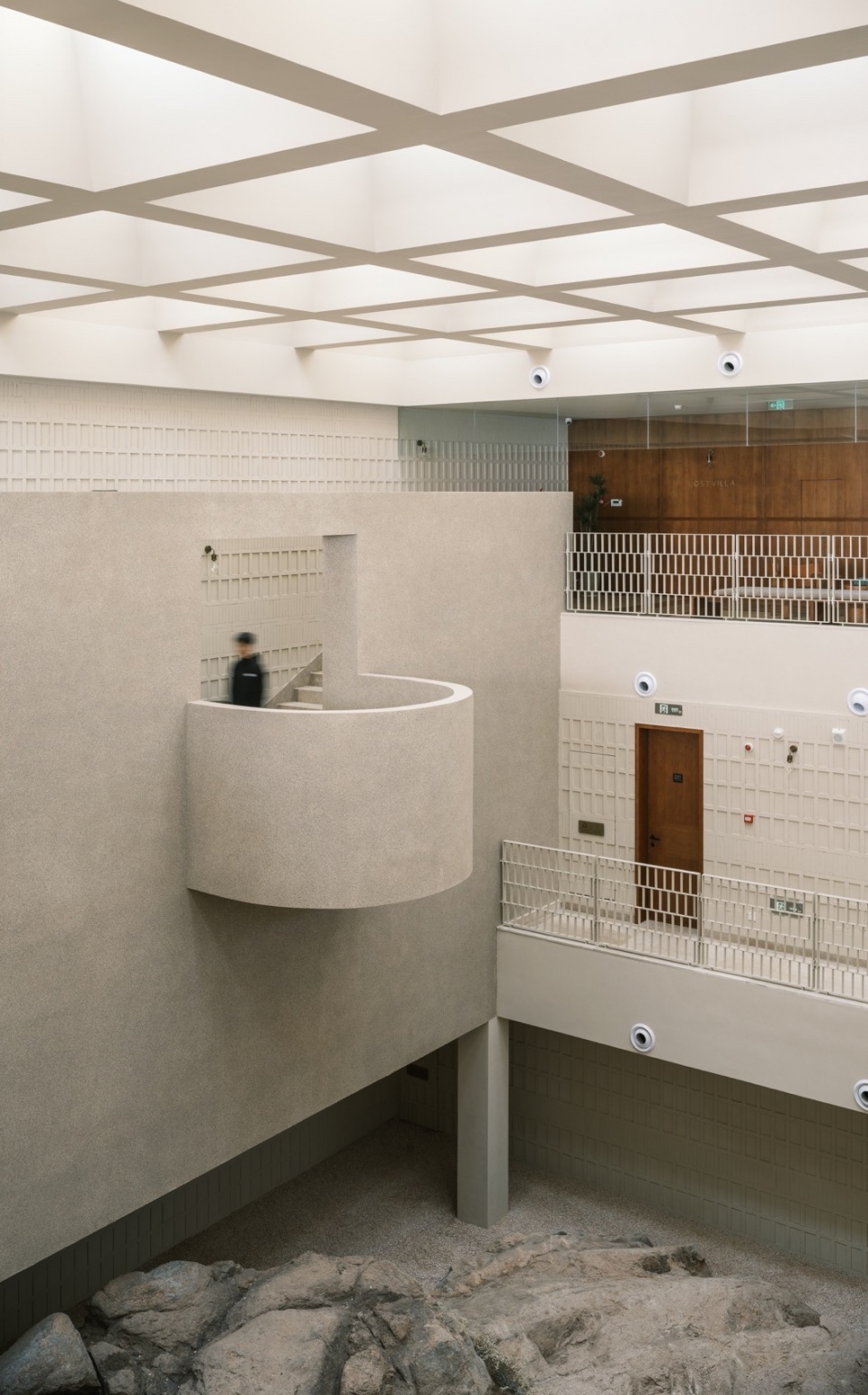
▼三层中庭,Three-story atrium
▼中庭卡座,Atrium booths
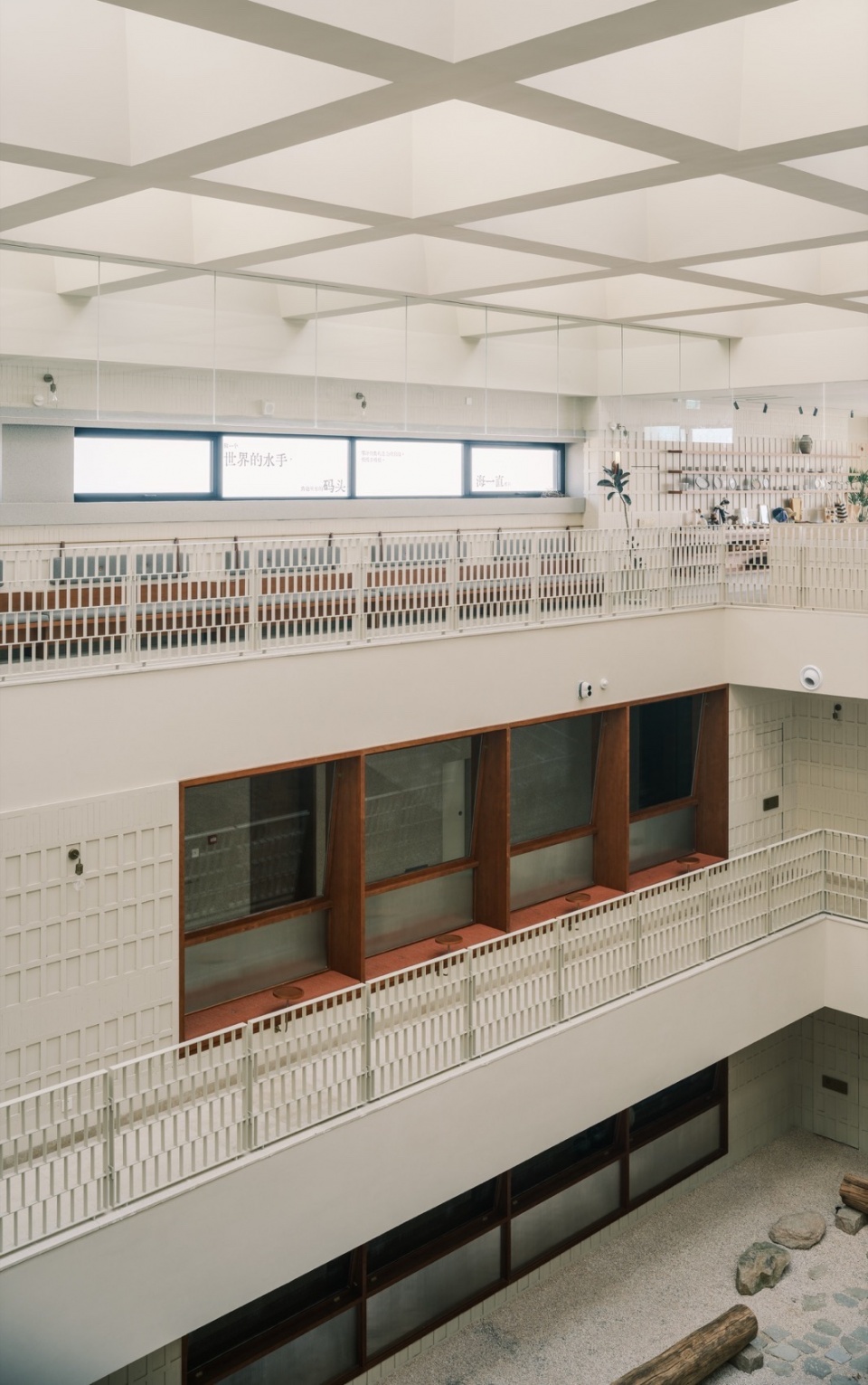
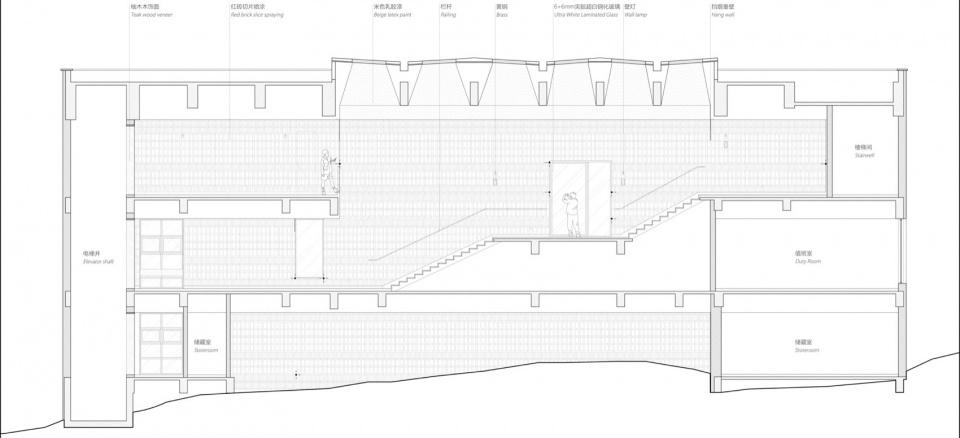
我们以岛上原有的石屋石墙为灵感,空间和材质里的隐喻都围绕着“石”来展开。通过耐火砖的拼贴与组合,作为整体大堂的装饰语言,当客人沿途经过一栋栋石屋之后进入酒店大堂时,砖的机理能延续石屋墙面,同时采用米色的肌理漆涂刷与砖块表面,与原本的石墙形成反差,也凸显出中庭裸露的礁石。砖铺贴时凹凸的进退关系使得原本由平面构成的图案被转化为立体形式,产生了光影。而耐火砖本身统一规格的尺寸极大地方便了运输及施工铺贴。
Inspired by the original stone houses and walls on the island, the metaphors within the space and materials revolve around “stone.” The decorative language of the main lobby features collages and combinations of fire bricks. When guests pass by the stone houses and enter the hotel lobby, the brick textures continue the appearance of the stone walls. The use of beige textured paint on the brick surfaces contrasts with the original stone walls, highlighting the exposed rocks in the atrium. The recessed and protruding arrangement of the bricks transforms the flat patterns into three-dimensional forms, creating an interplay of light and shadow. The uniform size of the fire bricks greatly facilitates transportation and installation.
▼中庭2层入口,Atrium 2nd floor entrance
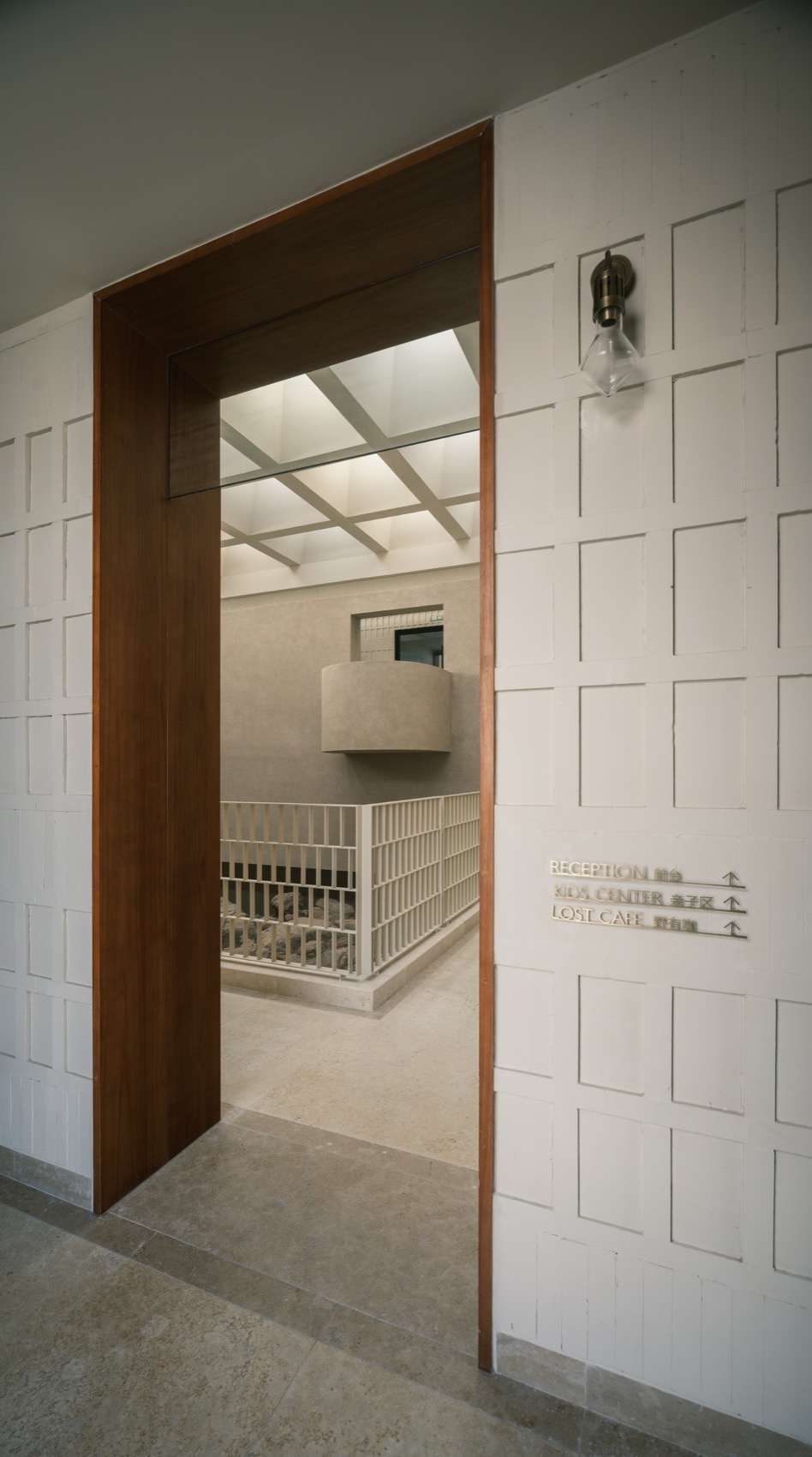
▼一楼岩石回响入口,1st floor rock echo entrance
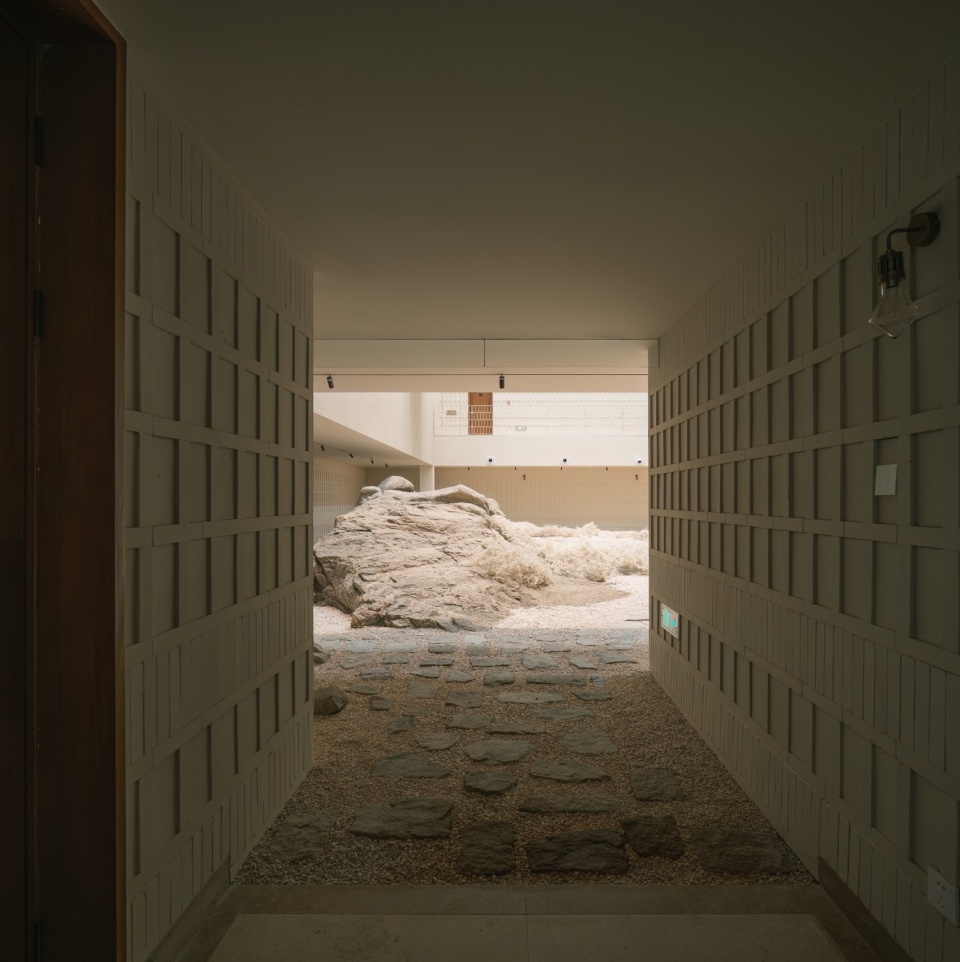
▼中庭岩石区,Atrium rocks
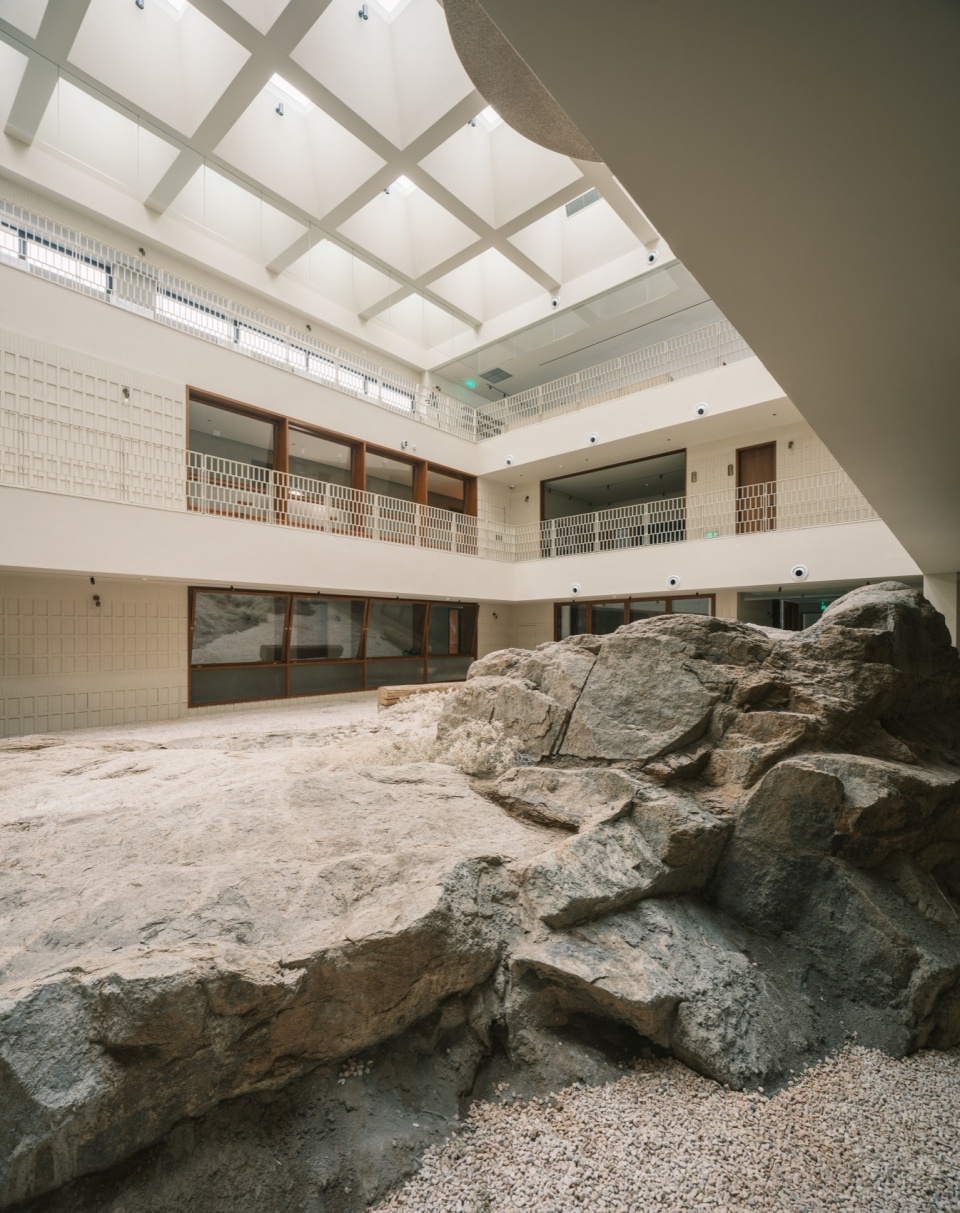
当客人踏入酒店后,首先映入眼帘的是极具视觉冲击力的挑空区域和礁石中庭。我们将原本无法进入的礁石区缝隙填平,用碎石子及土建做基础时留下的碎石块作为石板路使用,让客人可以通过楼梯逐步深入礁石区,从平地到礁石,空间的豁然开朗让客人切身感受到尺度及光线的变化。中庭内,大尺度的礁石及透过挑空井字梁射入的阳光,营造出独一无二的光影效果,使客人在室内即可体验海岛独有的地貌特征,仿佛置身于一个天然的微型岛屿之中。
When guests enter the hotel, the first thing that catches their eye is the visually striking open space and the rocky atrium. We have leveled the gaps in the previously inaccessible rocky area, using gravel and leftover stones from the construction foundation as stepping stones, allowing guests to gradually explore the rocky area via stairs. As they transition from flat ground to rocks, the sudden openness of the space allows guests to truly perceive changes in scale and light. Inside the atrium, large-scale rocks and sunlight streaming through the open grid beams create a unique interplay of light and shadow, enabling guests to experience the island’s distinctive geological features indoors, as if they were on a natural miniature island.
▼一层岩石回响咖啡区,A layer of rock echo coffee area
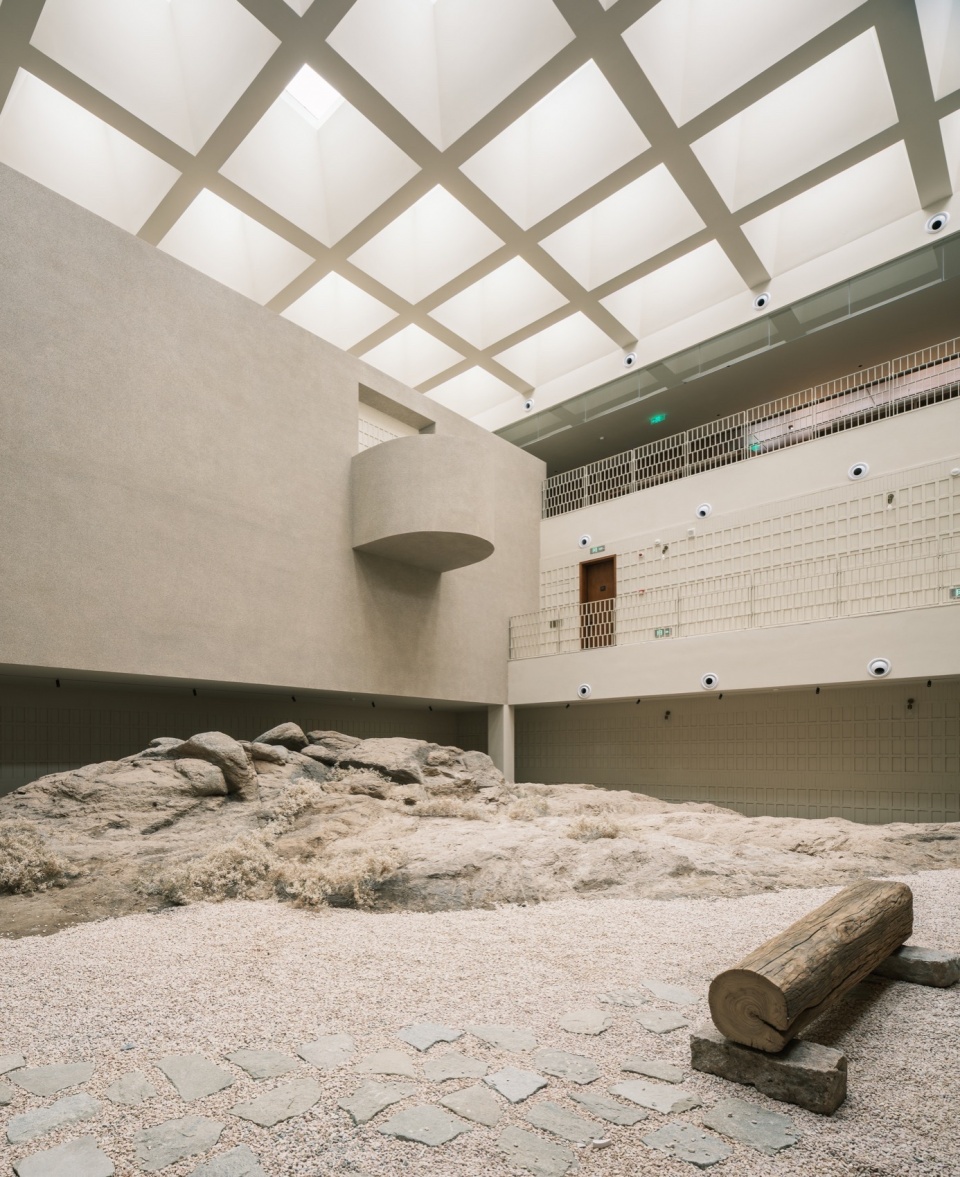
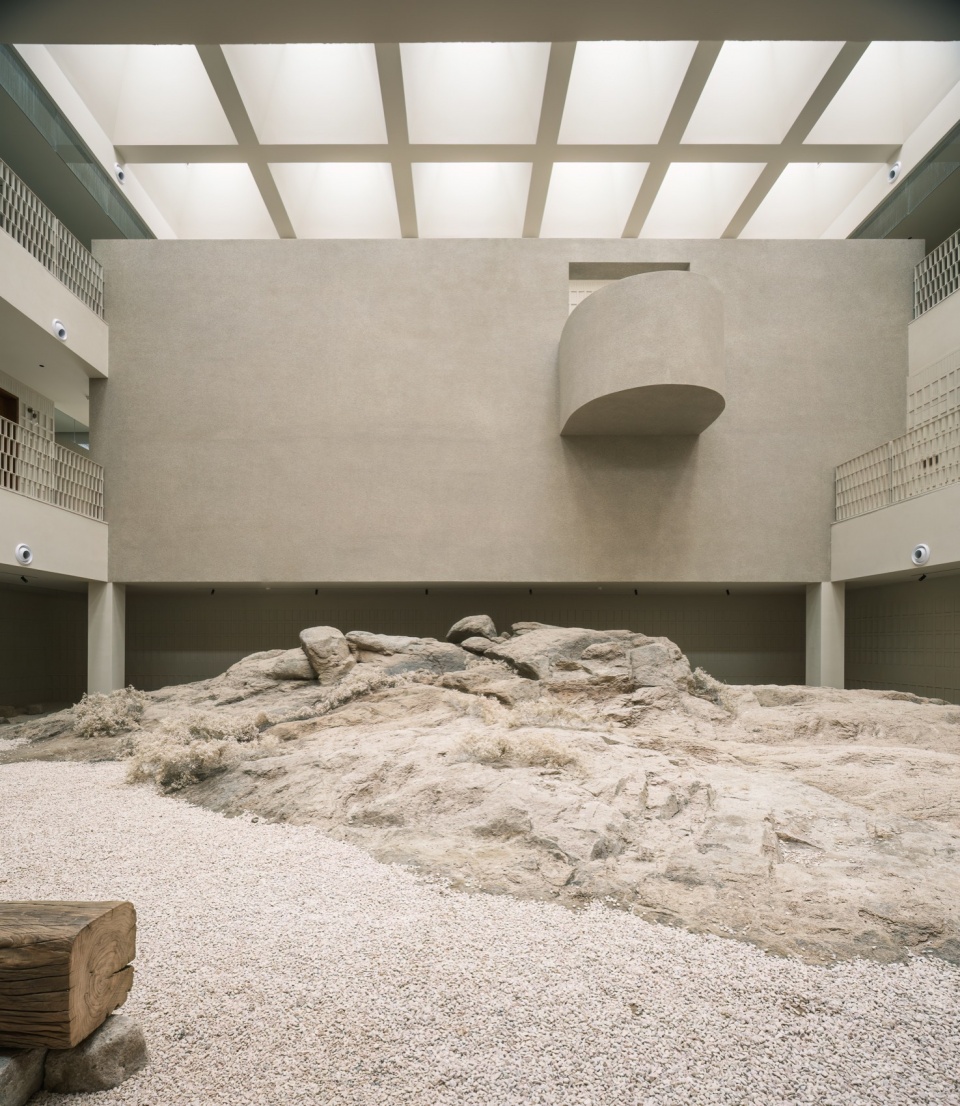
▼中庭井字梁天光,Atrium well beam skylight
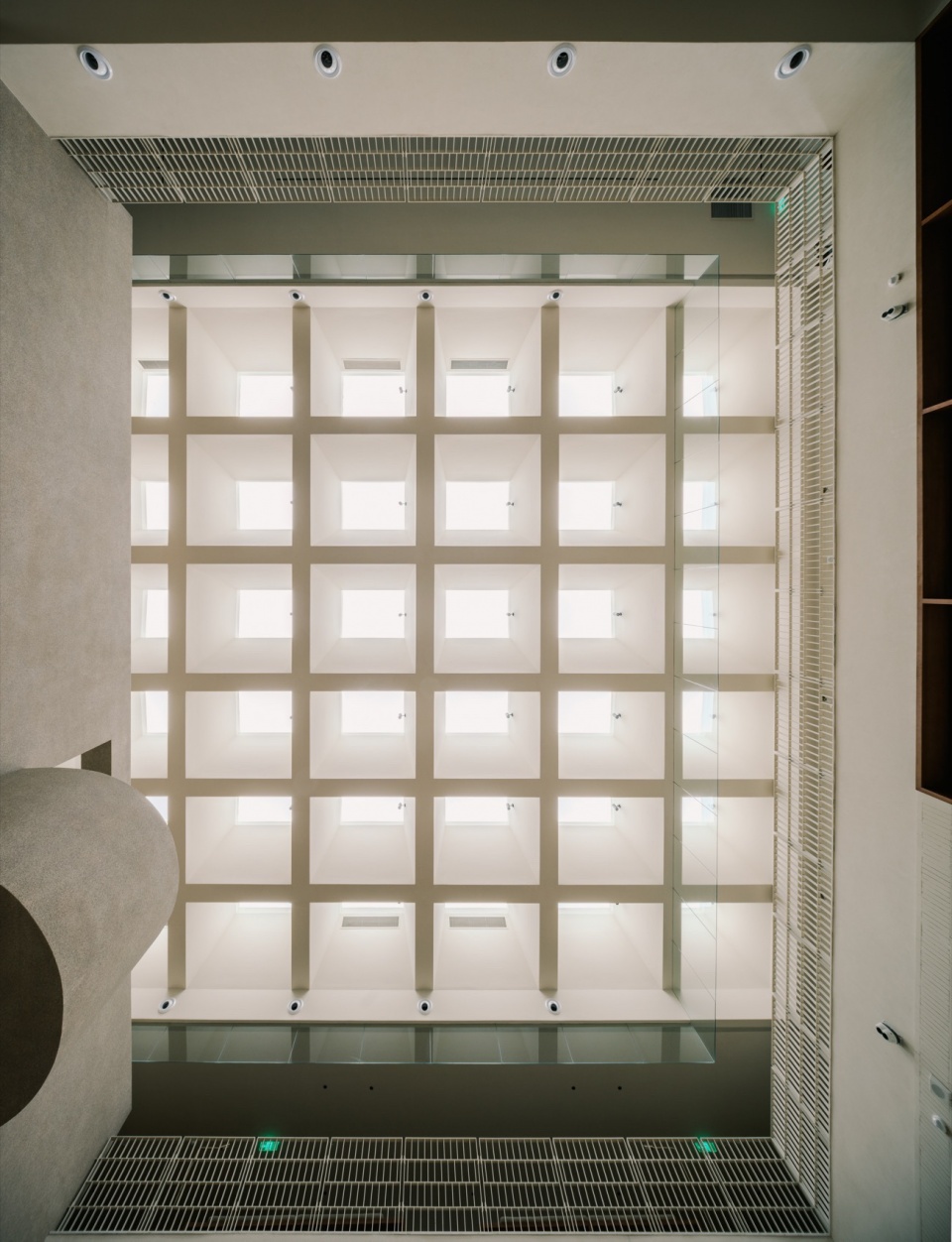
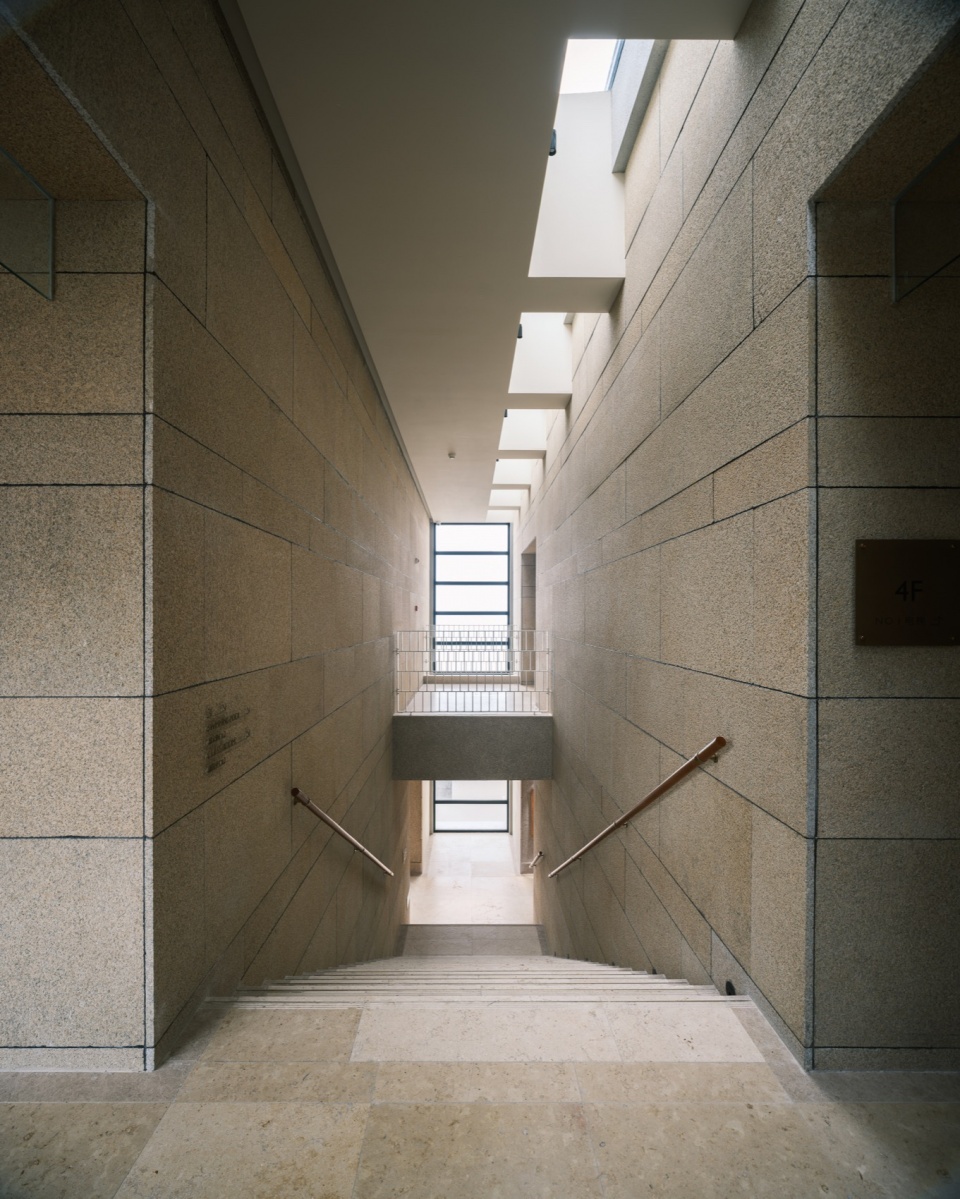
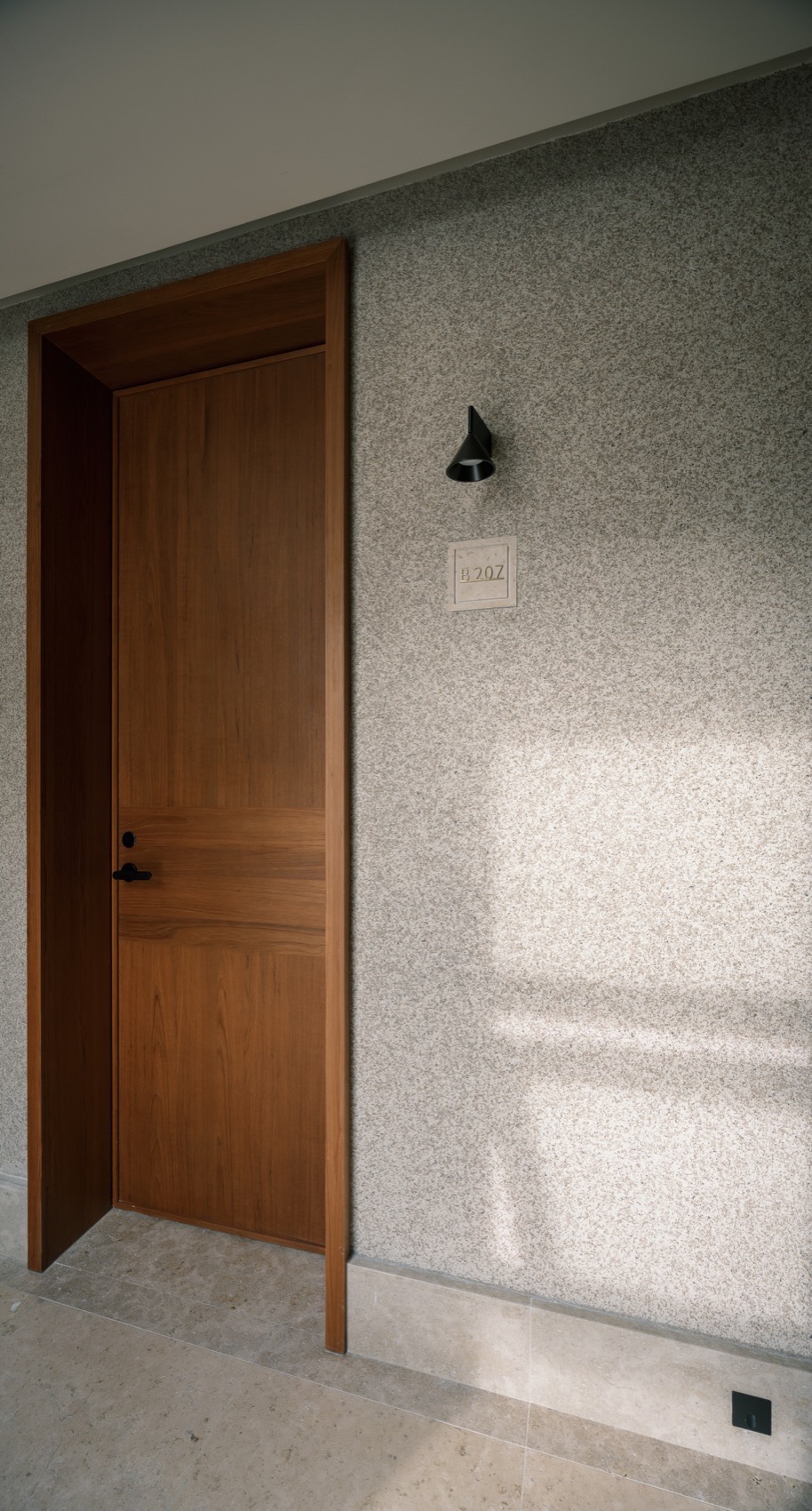
中庭的挑空区域我们通过调整不同的完成面尺寸来满足砖本身的模数,保证了砖不被切割从而整块使用,也使得视觉上有连贯性和统一性。客房的走廊墙面则采用了浅咖色真石漆,与吊顶的乳胶漆形成反差及对比。
In the atrium’s open space, we adjusted the dimensions of different surfaces to fit the brick modules, ensuring that the bricks remain uncut and used as whole pieces, providing visual continuity and coherence. The corridor walls in the guestroom areas are coated with light coffee-colored real stone paint, contrasting with the latex paint on the ceilings.
▼二层中庭过道,Second floor atrium corridor
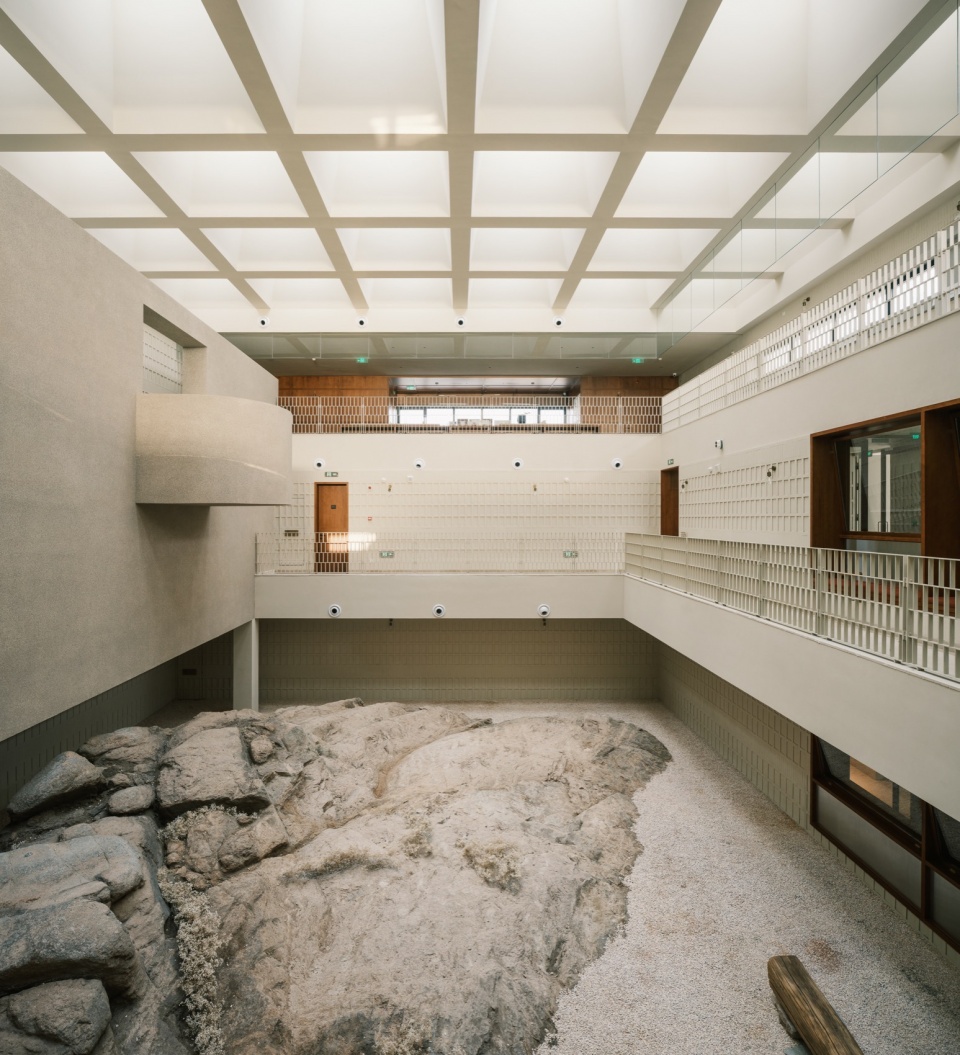
▼酒店接待大堂,Hotel reception lobby
经过与厂家的优化沟通,我们重新调整了门窗尺寸,降低了窗梁高度,将大面积玻璃分割为小份,这样既缩小了门窗面积,从而减少了日晒及台风来临时的超强风压对大面积玻璃的破坏性,同时也满足了室内空调管道吊顶的空间需求。施工期间,门窗在经历了两次12级台风后的确没有出现任何损坏及漏水的现象。
After optimization discussions with the manufacturer, we have readjusted the sizes of the doors and windows, lowered the height of the window lintels, and subdivided the large glass panels into smaller sections. This not only reduced the area of the doors and windows, thus minimizing sun exposure and the destructive impact of strong winds during typhoons on large glass surfaces, but also met the spatial requirements for the indoor air conditioning duct ceiling. During construction, the doors and windows withstood two Category 12 typhoons without any damage or leakage.
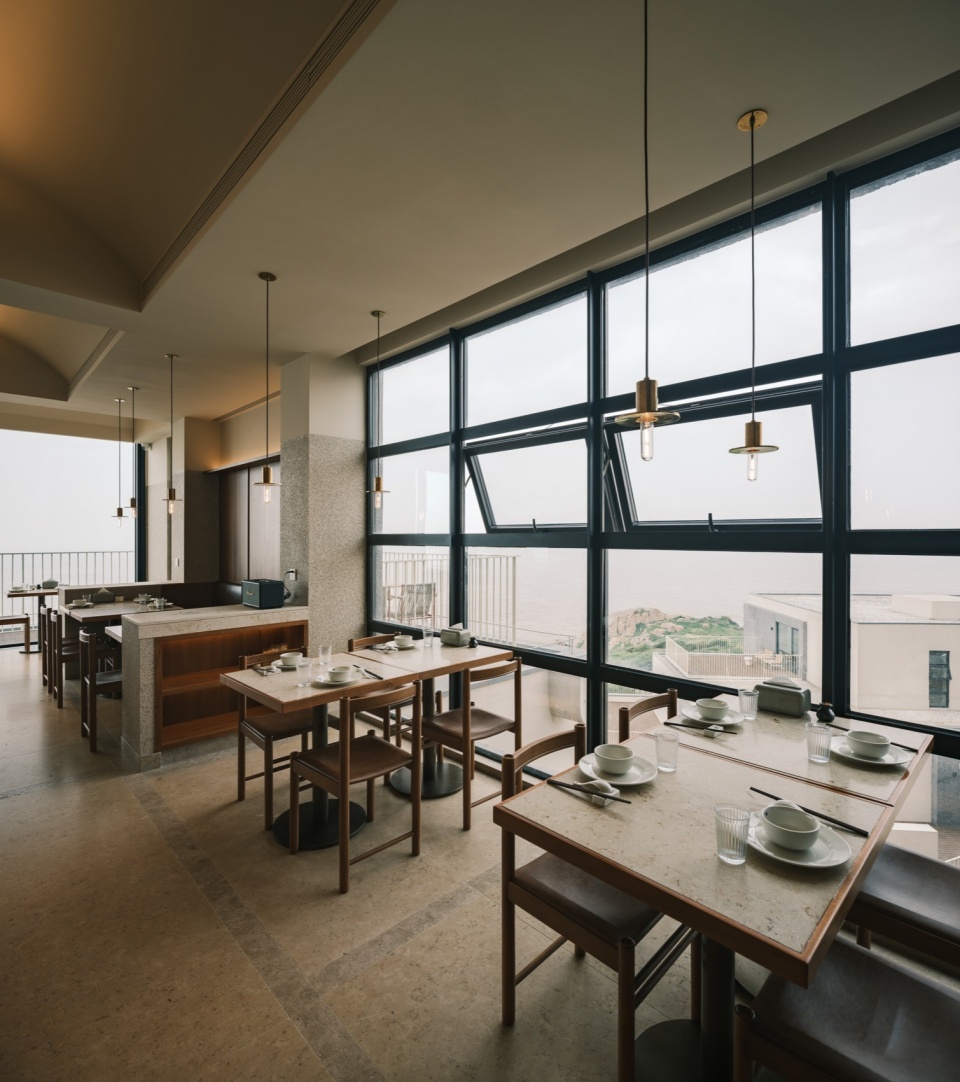
▼餐厅散座区,Restaurant seating area
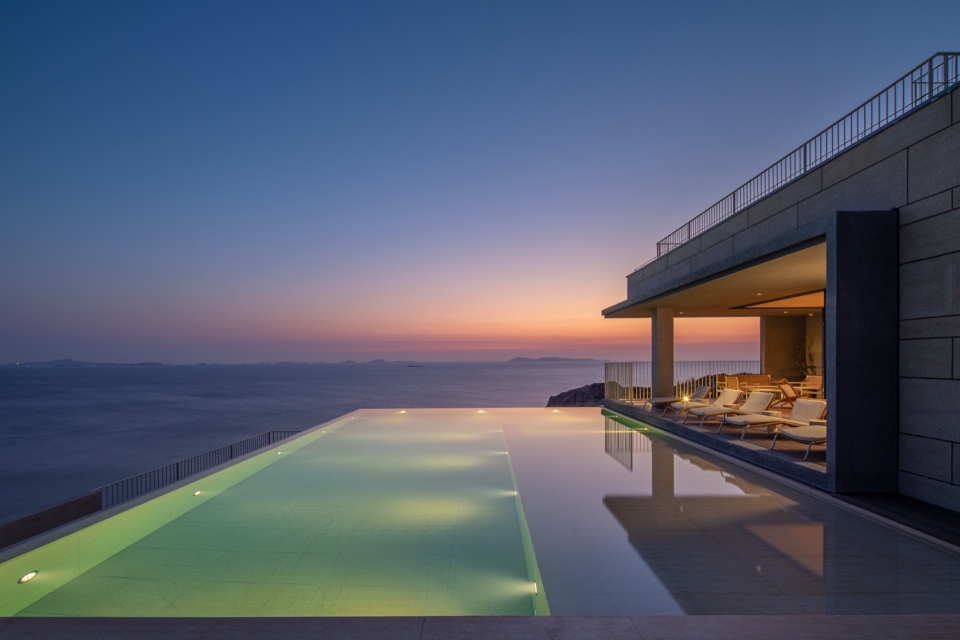
泳池我们将原本单边的无边泳池调整成了L型无边泳池,视觉上让泳池与大海连成一片。
The pool, originally a single-sided infinity pool, has been adjusted to an L-shaped infinity pool, visually merging the pool with the sea.
▼无边泳池,Infinity pool
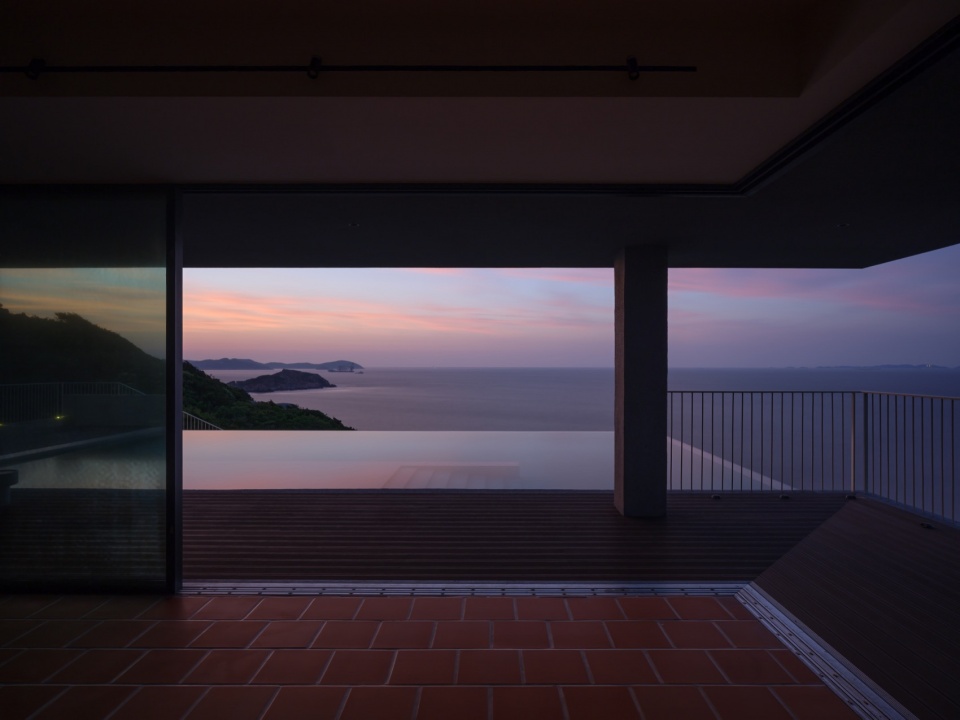
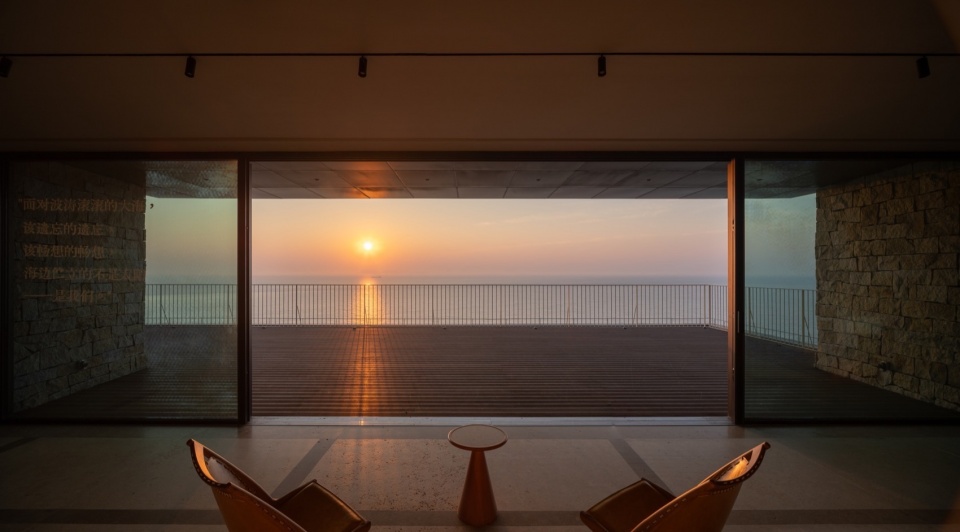
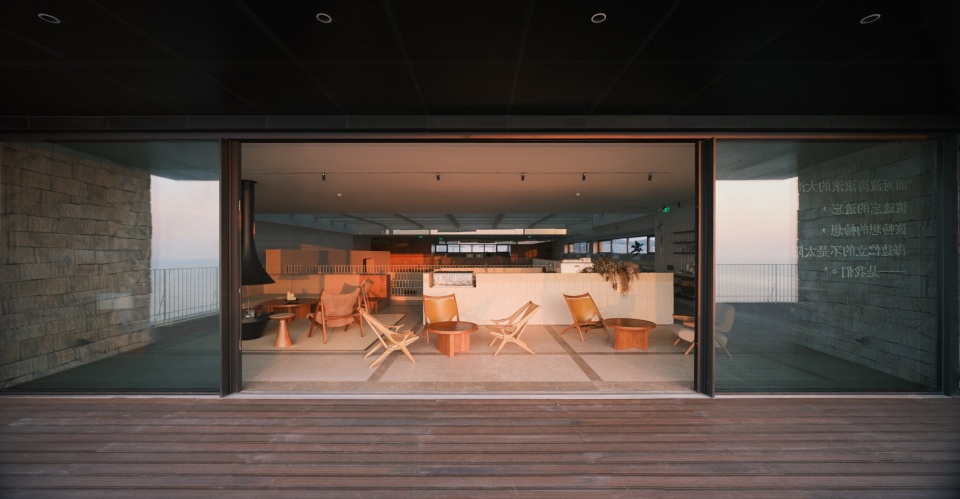
酒吧区域我们打开了原本封闭的玻璃幕墙,让客人可以毫无遮挡直面夕阳,直观感受那轮暖阳缓缓落入海平面中。
In the bar area, we opened up the previously enclosed glass curtain walls, allowing guests to face the sunset without obstruction and directly experience the warm sun slowly descending into the sea.
▼玻璃移门全开敞酒吧区,Glass sliding door opens up the bar area
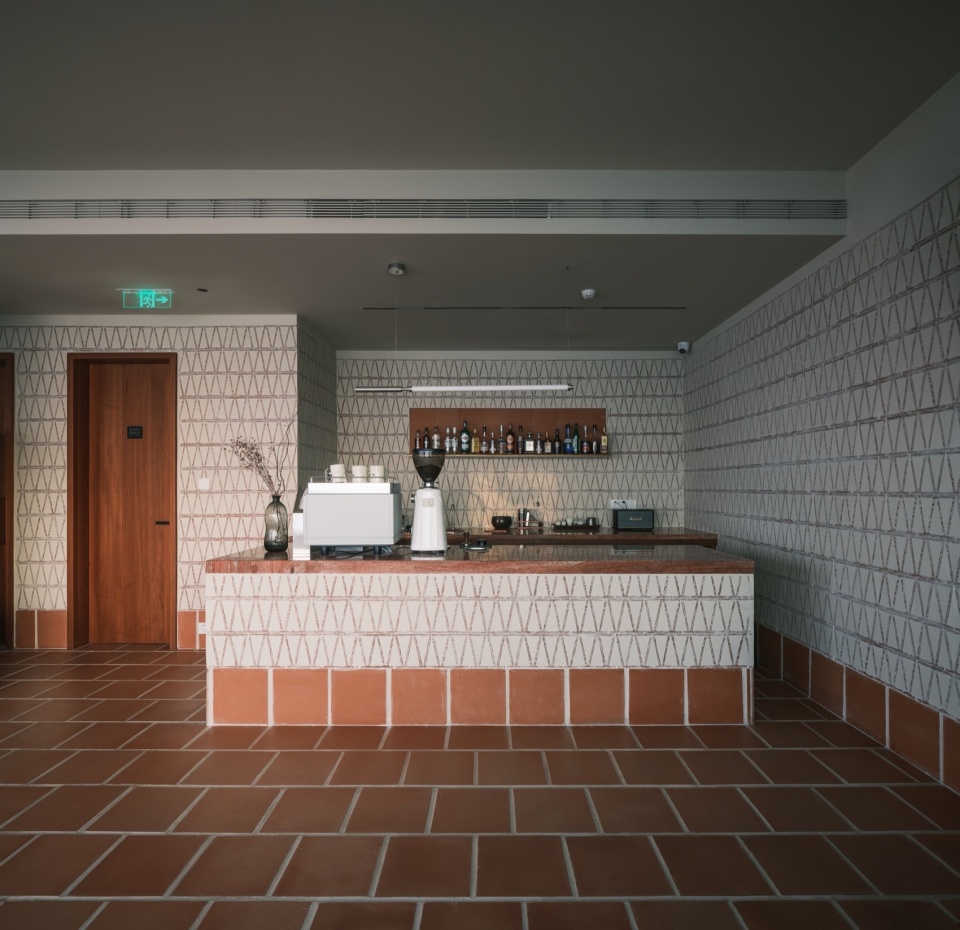
▼泳池酒吧区,Pool bar area
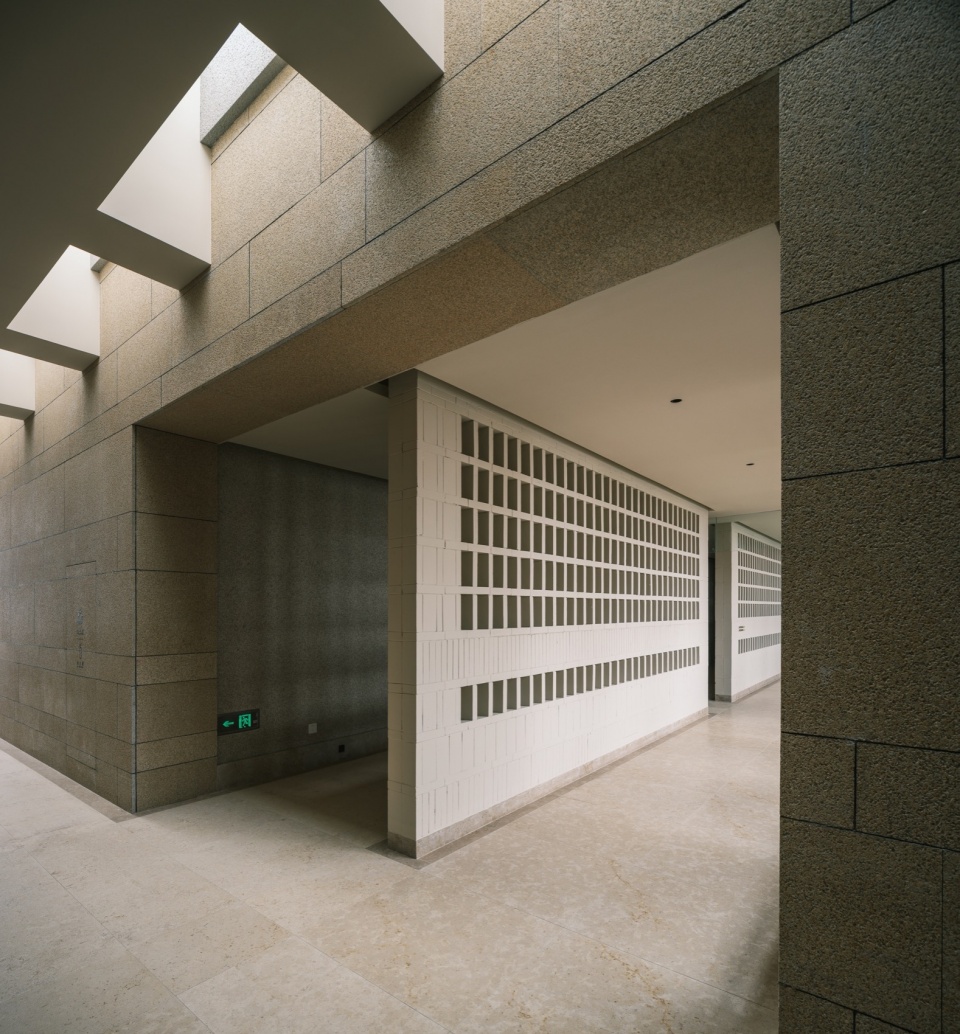
1号楼建筑外墙材料选择了200*500*30mm的小型毛石块垒砌,其天然质感与礁石相呼应,营造出质朴自然的风格。2、3、5号楼栋以及室内公区的石材墙面通过不同的拼缝手段,以300*600*15mm为模数在视觉上形成大板幅的花岗岩效果。其余室内外墙面则选用可快速喷涂的真石漆作为装饰材料,缩短施工周期。
For Building 1, we chose to use small rough stone blocks measuring 20050030mm for the exterior wall material, whose natural texture echoes the rocky landscape, creating a simple and natural style. The stone walls of Buildings 2, 3, and 5, as well as the indoor public area, utilized different jointing methods with a module size of 30060015mm to visually create a large granite panel effect. Other interior and exterior walls were decorated with real stone paint that can be quickly sprayed, shortening the construction period.
▼客房走廊过道,Guest room corridor
▼客房入口,Room entrance
公区地面则选用了米色天然大理石。通过同色不同完成面的手法来区分出不同区域的分割。
The public area floors are covered with beige natural marble, distinguishing different areas using the same color with different finishes.
▼野有集海景露台,Terrace with sea view
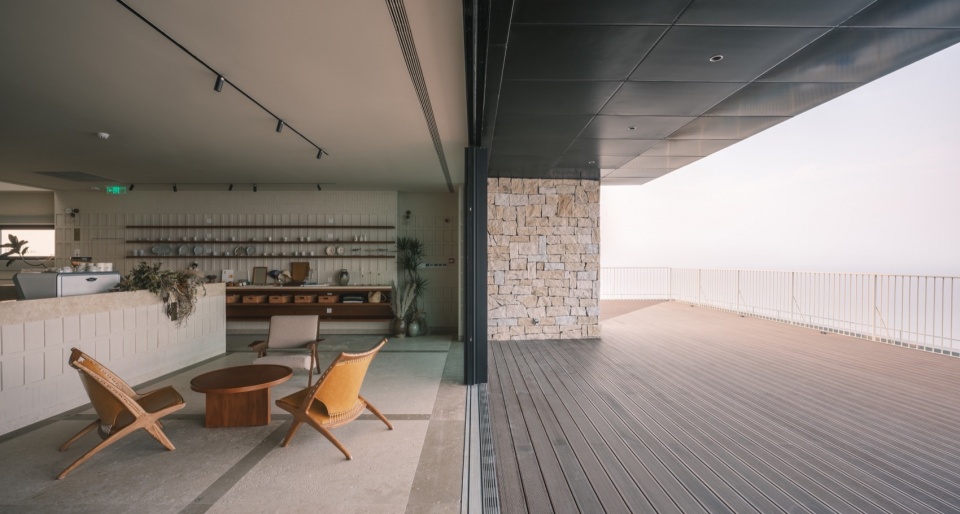
▼野有咖休息区,Living area
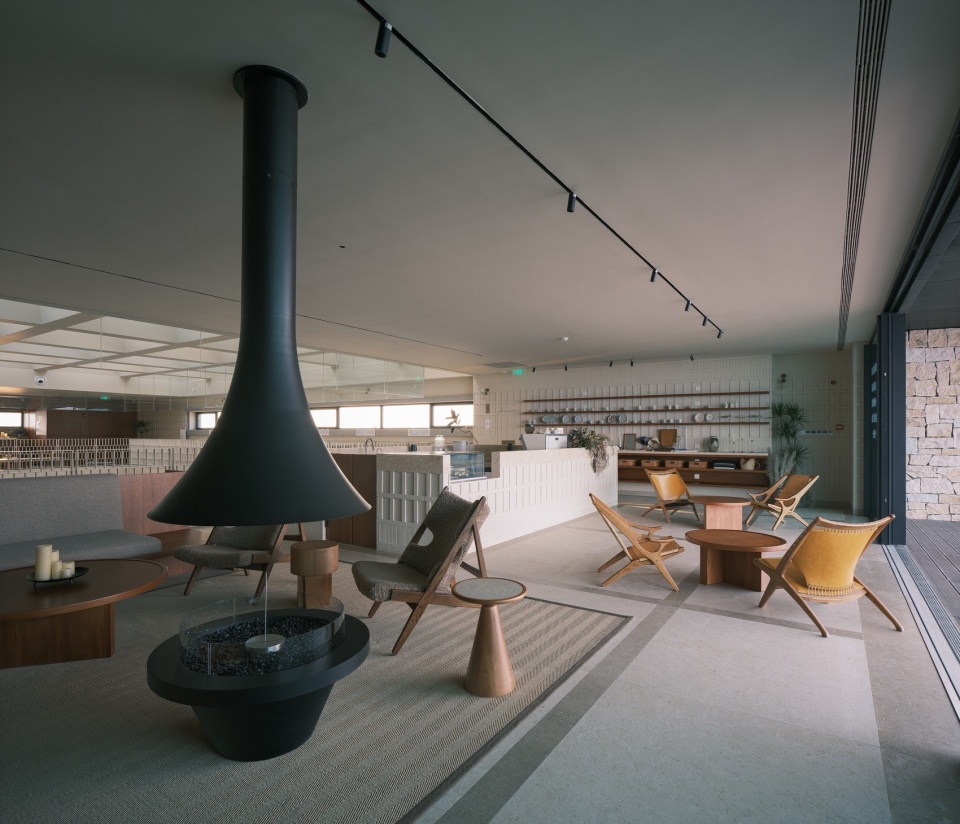
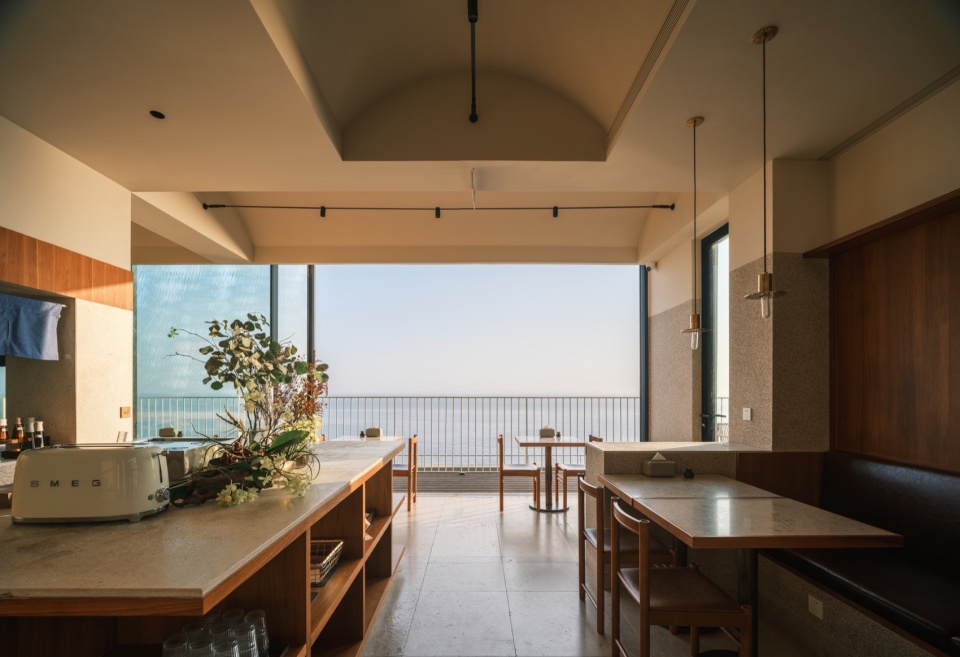
我们将咖啡区设置在公区的东面,原本整片的固定玻璃改为4扇重型移门,打开之后模糊室内外界限,让上岛的客人可以直面大海享受日出的温暖。
We have placed the coffee area on the eastern side of the public space. The original large fixed glass panel has been replaced with four heavy sliding doors. When opened, they blur the boundary between indoors and outdoors, allowing guests arriving on the island to face the sea directly and enjoy the warmth of the sunrise.
▼夕阳海景露台,Sunset seaview terrace
▼野有咖休息区,Living a
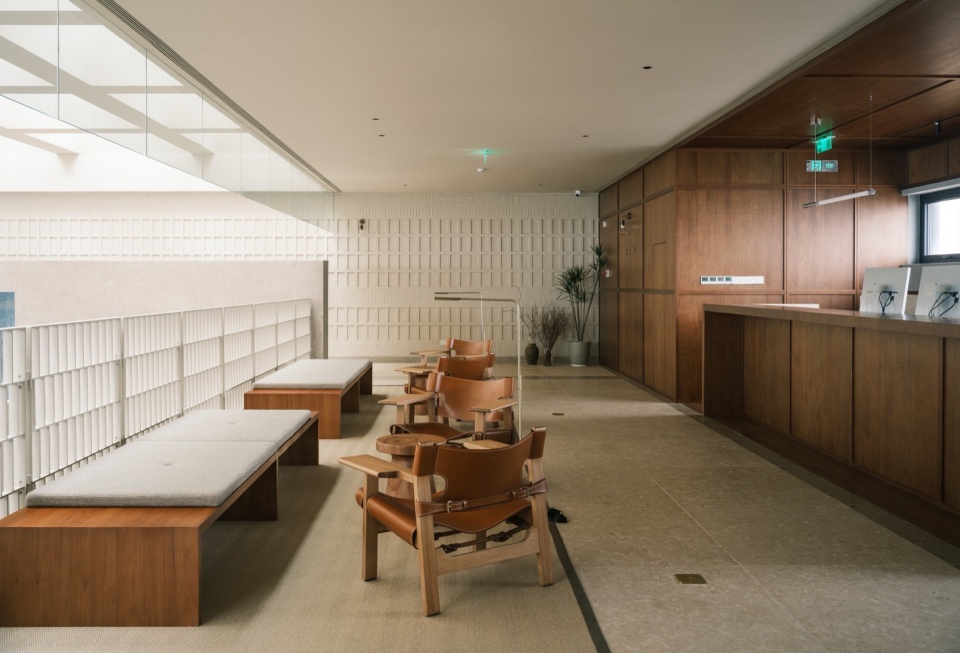
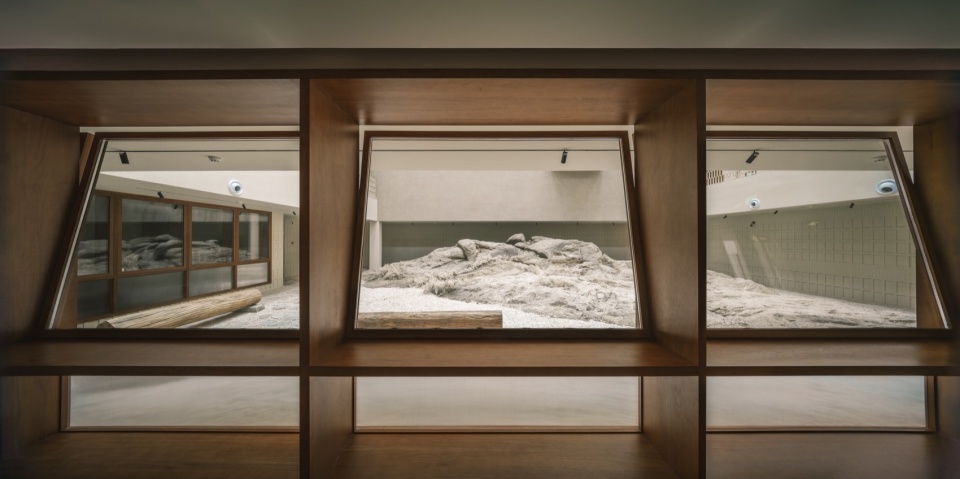
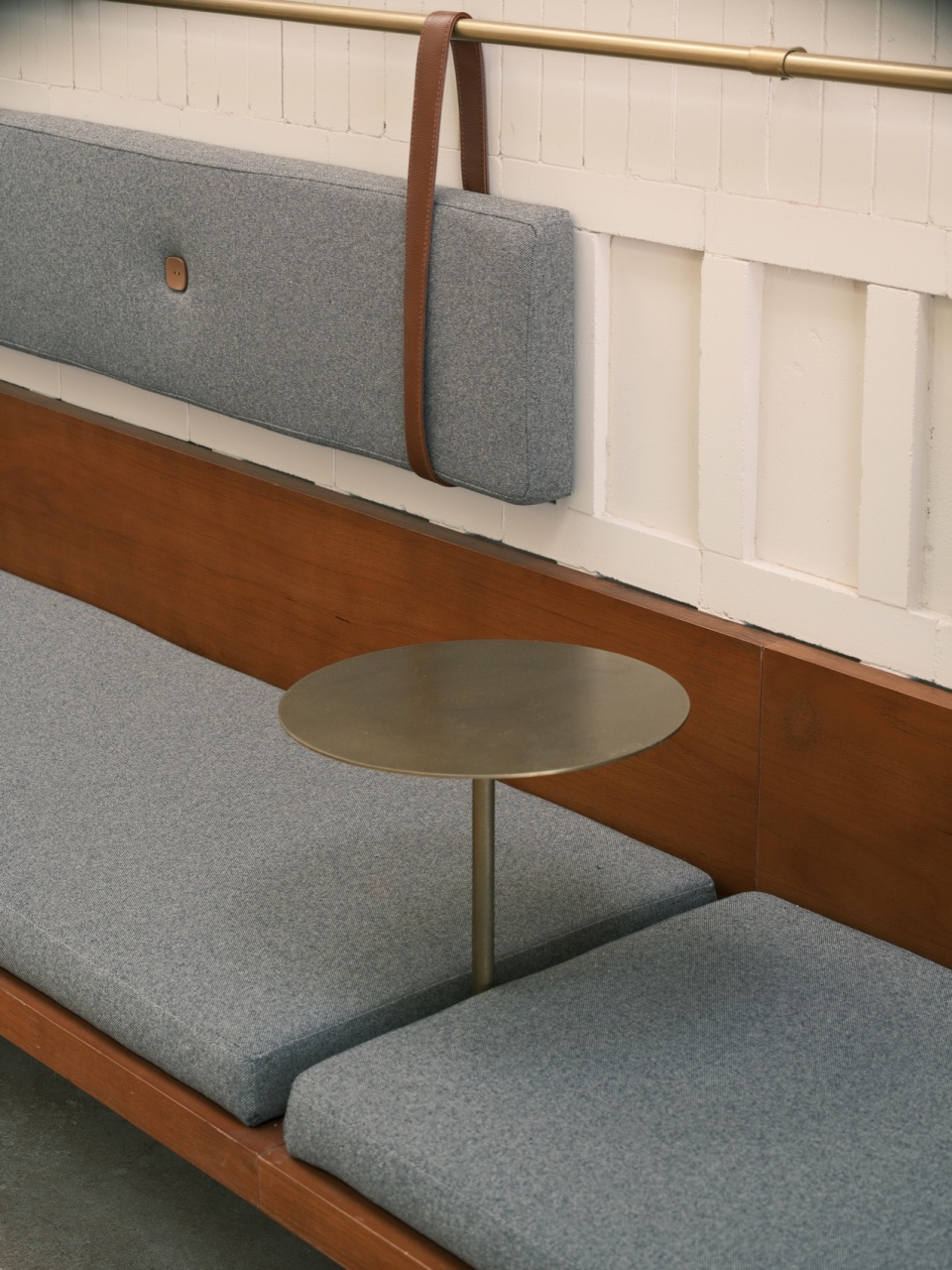
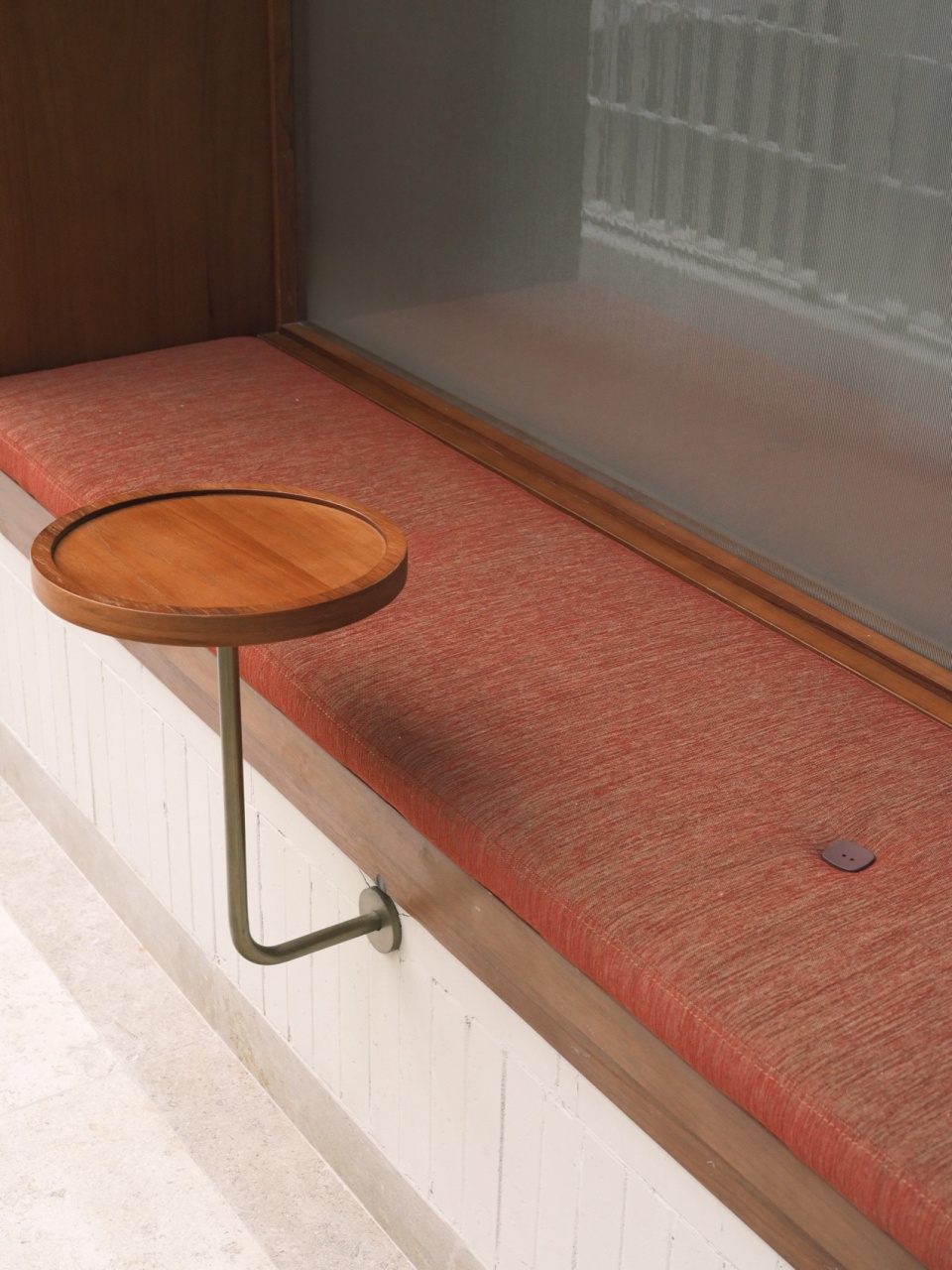
酒店由于建筑本身散落在礁石上顺坡而建,因此公区走廊长度较长,我们在分割玻璃幕墙后在每栋楼的走廊位置按幕墙分割设置了靠窗卡座,让客人在酒店漫游的同时可以随时停下小歇,沿途欣赏窗外风景。
Due to the hotel’s architecture being scattered across the rocks and built along the slope, the corridors in the public areas are relatively long. After dividing the glass curtain walls, we set up window-side seating along the corridors of each building, according to the segmentation of the curtain wall. This allows guests to stop and rest while roaming the hotel, enjoying the view outside the windows along the way.
▼客房走廊吧台区,Guest room corridor bar area
▼客房走廊休息区,Guest room corridor seating area
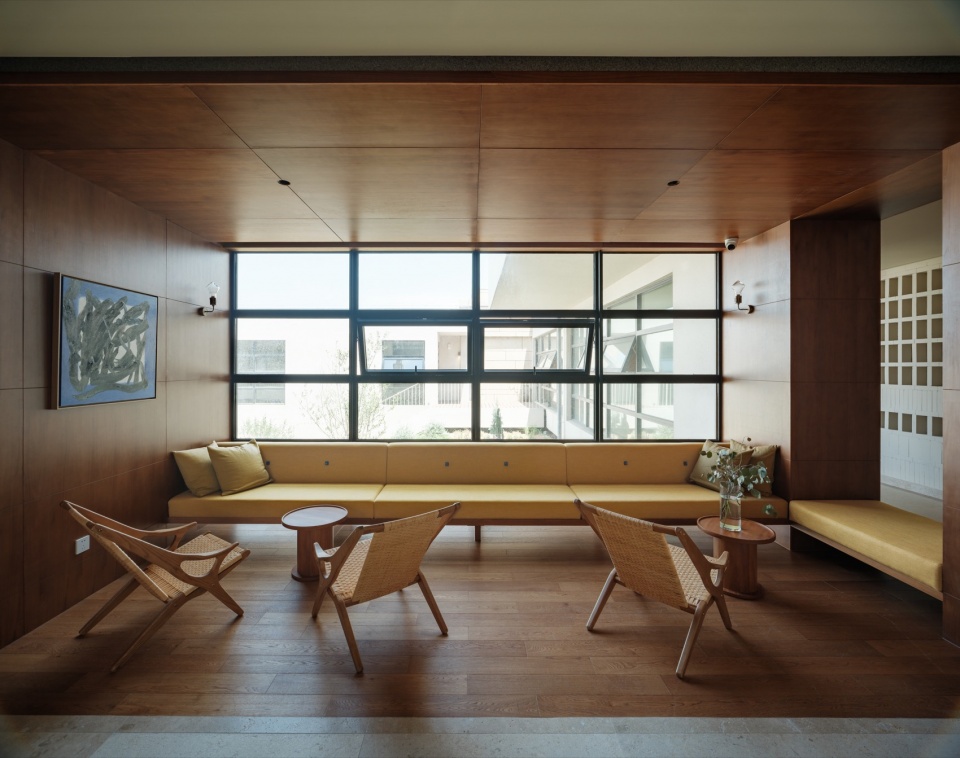
▼客房走廊卡座区,Guest room corridor booth area
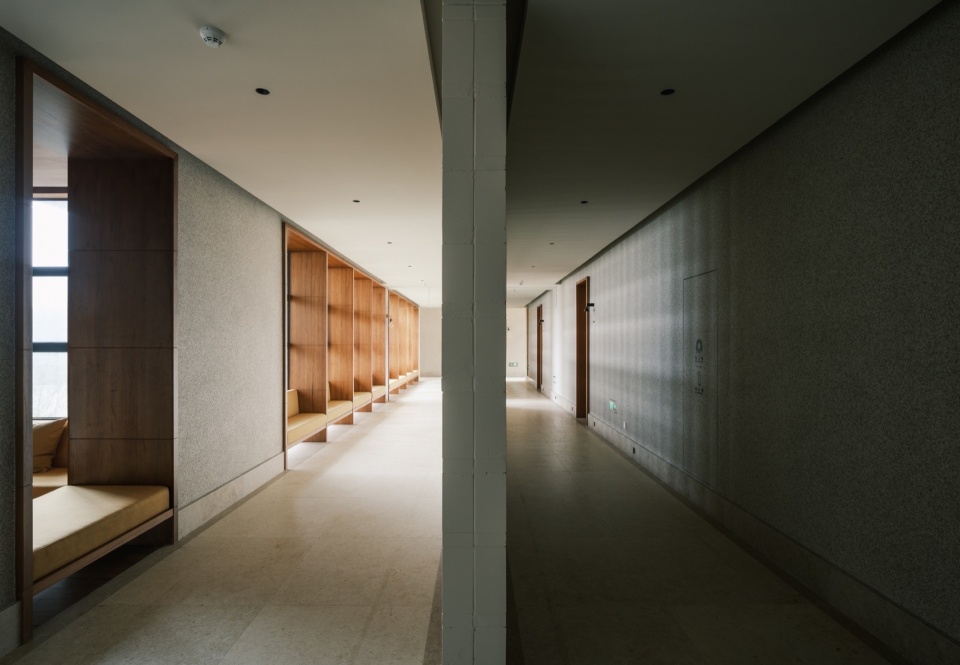
▼客房走廊休息区,Guest room corridor seating area
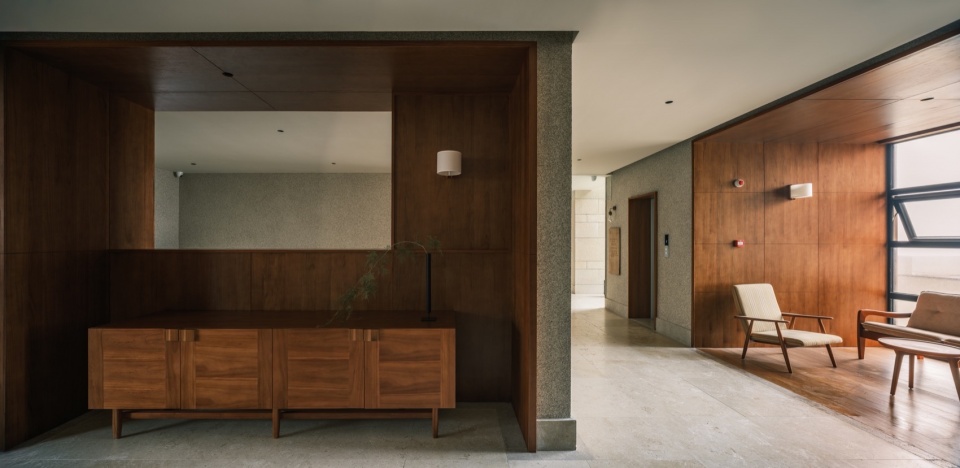
▼客房走廊卡座区,Guest room corridor booth area
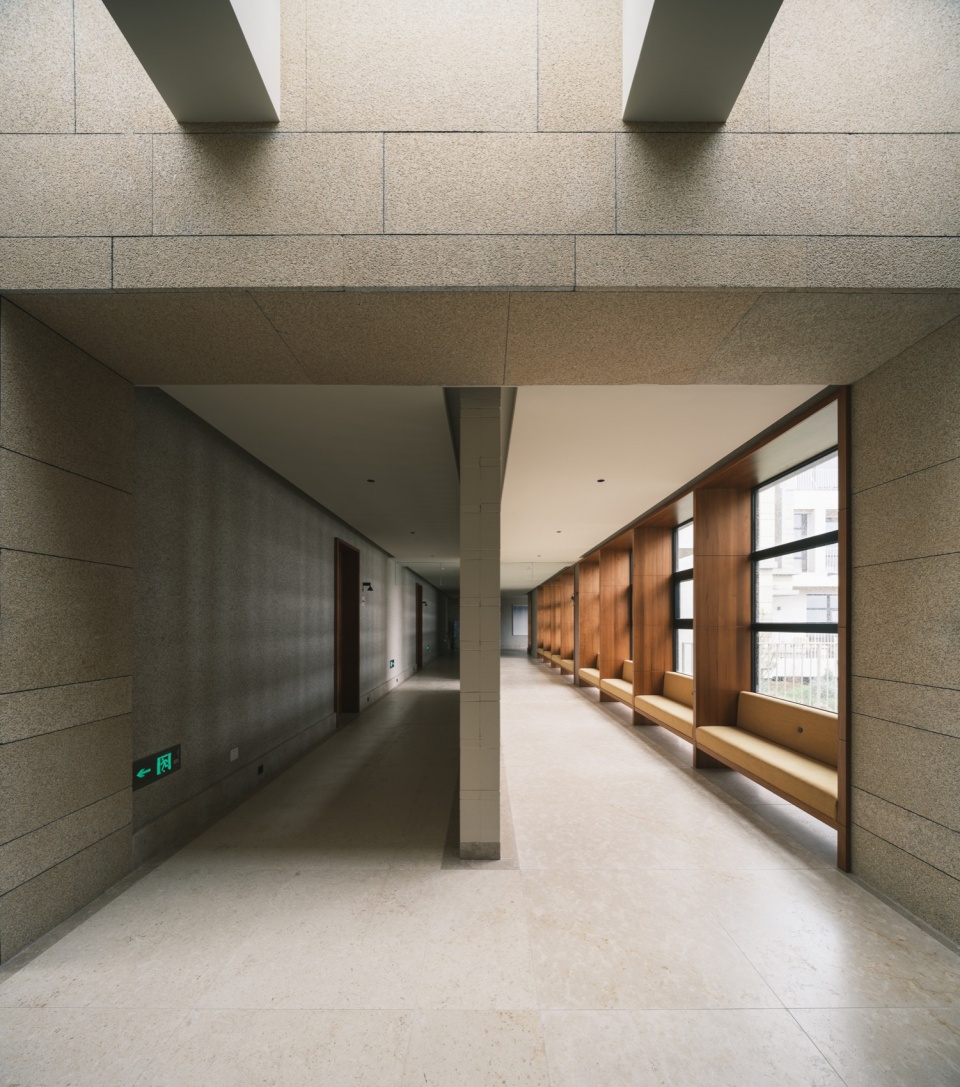
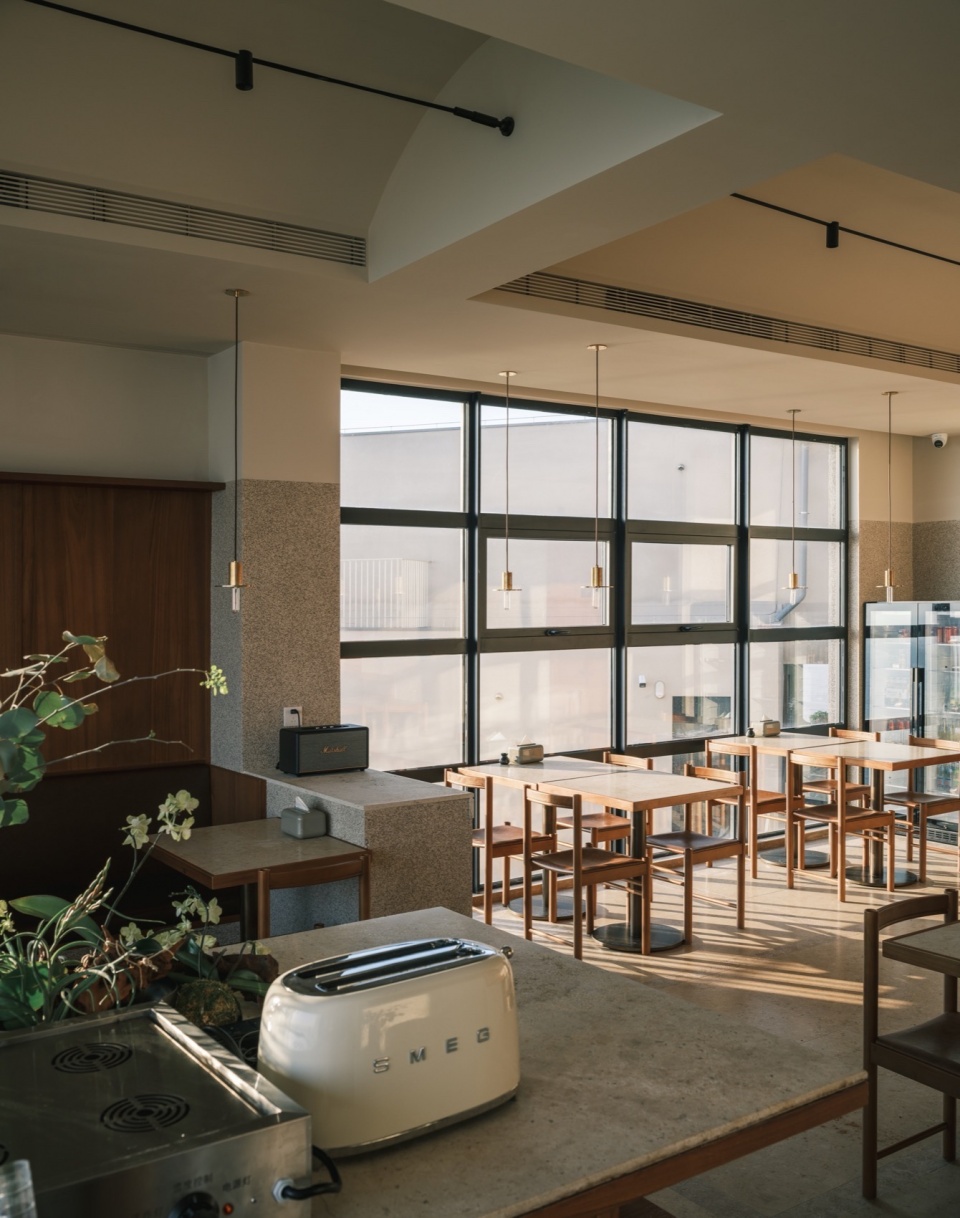
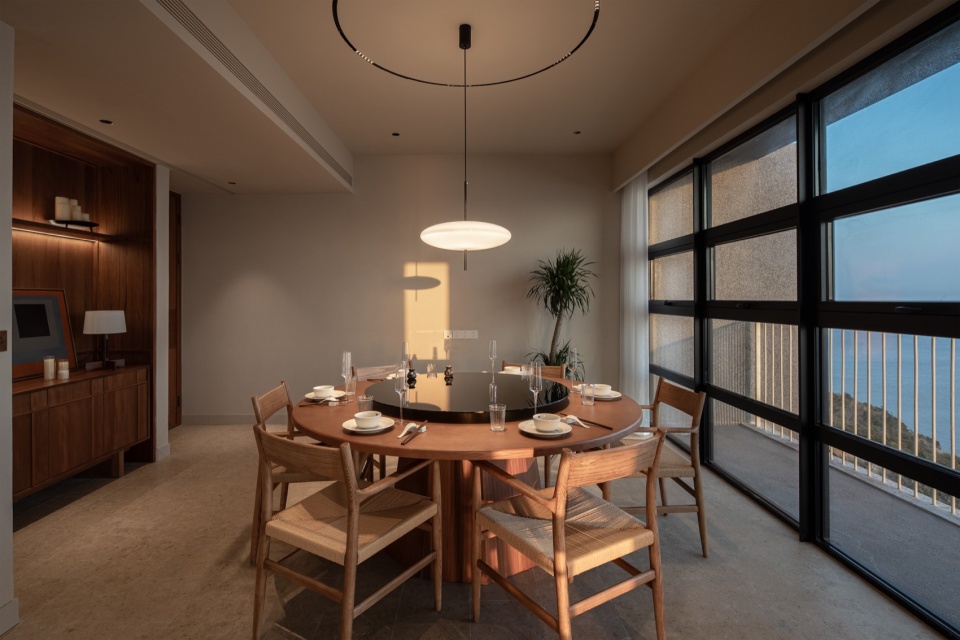
餐厅区域我们内退了包厢的外立面界限,形成了独立的阳台,客人在用餐之余可以步出到阳台欣赏壮阔的海景。
In the restaurant area, we have recessed the facade boundaries of the private dining rooms to form independent balconies, where guests can step out to enjoy the expansive sea views while dining.
▼餐厅早餐台,Restaurant breakfast counter
▼餐厅包厢,Restaurant
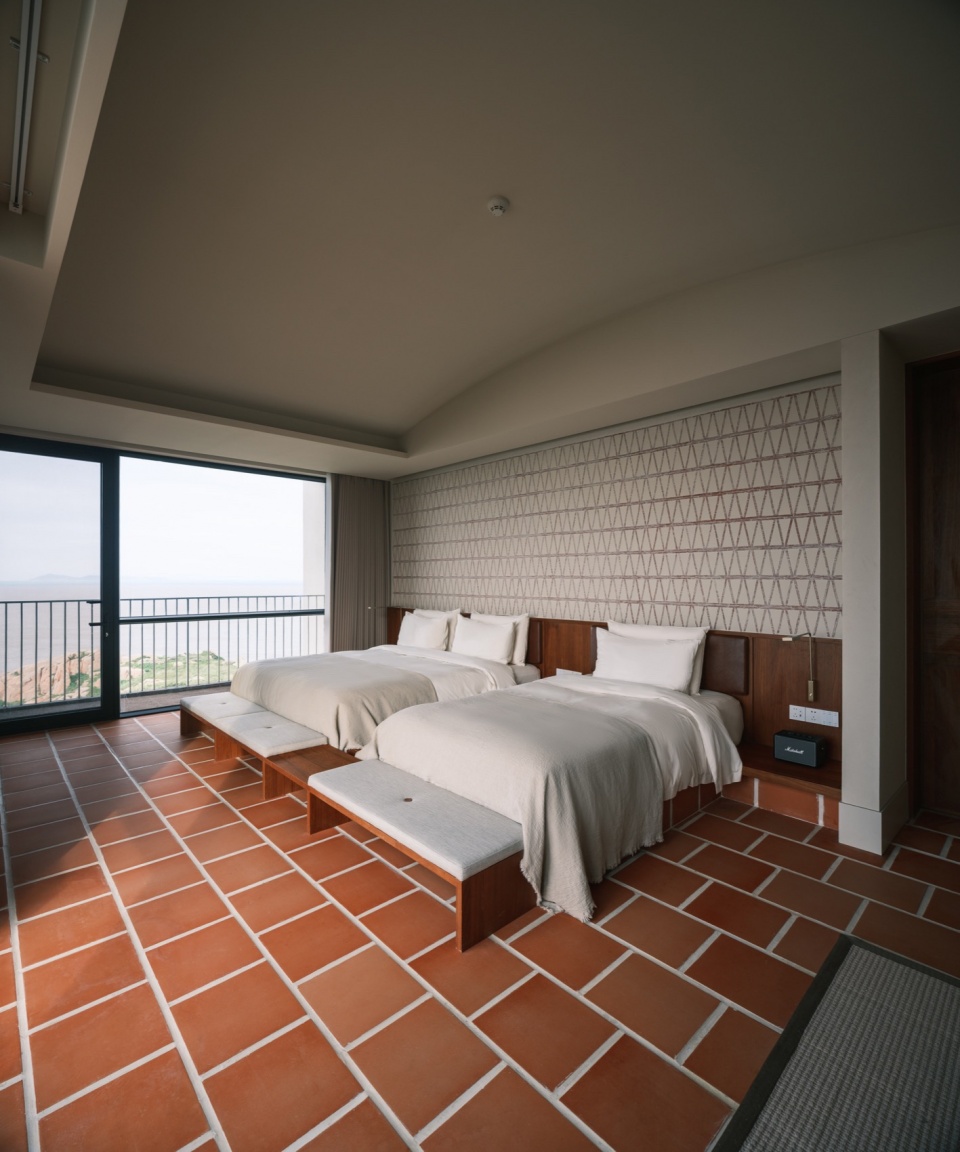
客房我们设计了2种风格,提供给客人不同的体验。其中3号楼客房及泳池酒吧区域我们选用了橘色粘土方砖及橘色粘土空心砖作为主要装饰材料。墙面的空心砖在工艺上做了处理,在常规的白色砂浆填缝填完后用砂纸轻轻的将空心砖的砖体打磨出来若隐若现。
We designed two styles of guest rooms to offer guests diverse experiences. In Building 3’s guest rooms and the pool bar area, we selected orange clay bricks and orange hollow clay bricks as the primary decorative materials. The hollow bricks on the walls are treated so that after filling the joints with conventional white mortar, the brick surfaces are gently sanded to reveal a subtle appearance.
▼陶土砖亲子套房,Terracotta brick family suite
▼客房墙面细节,Guest room wall details
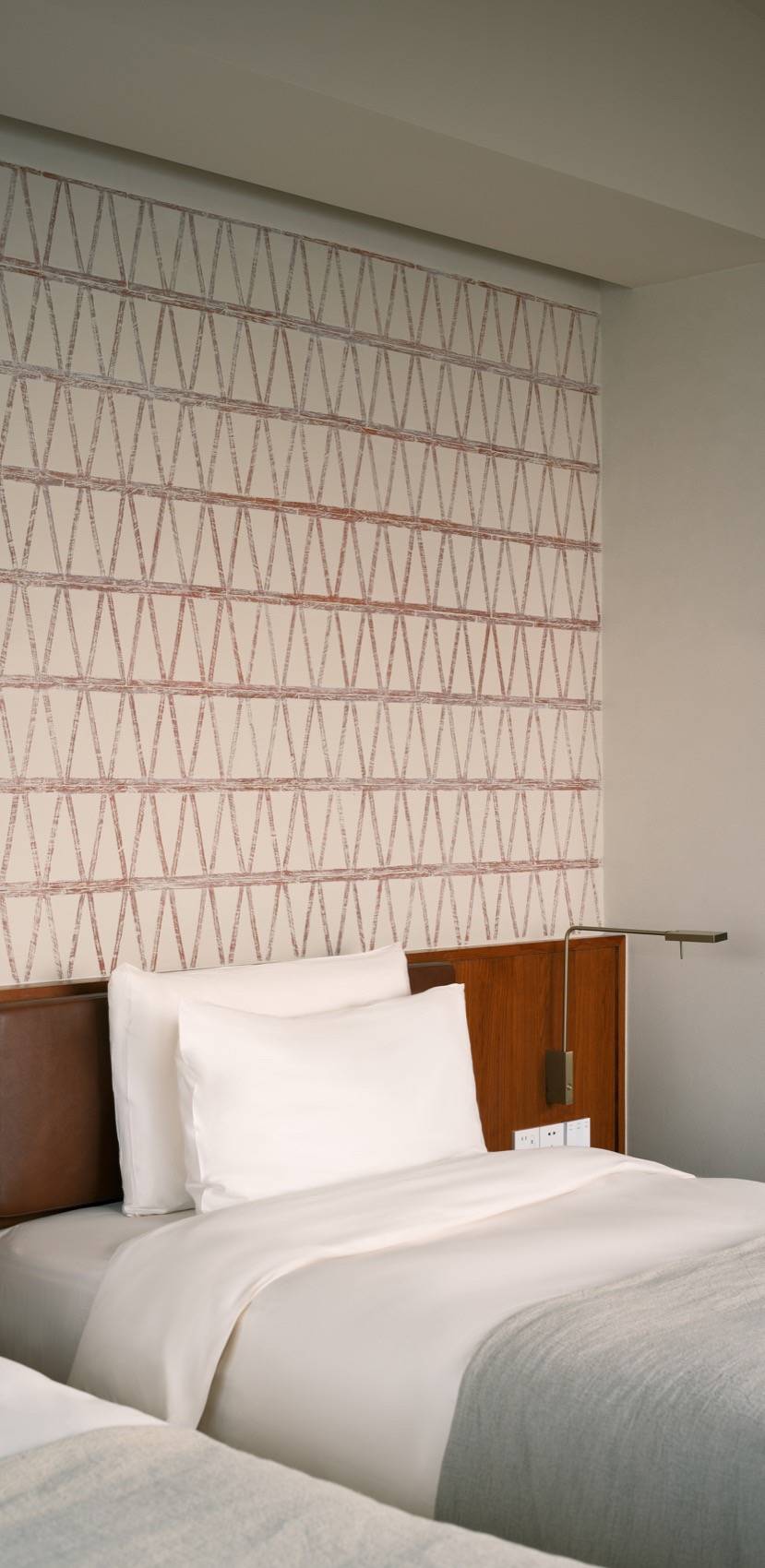
▼酒吧墙面细节,Bar wall details
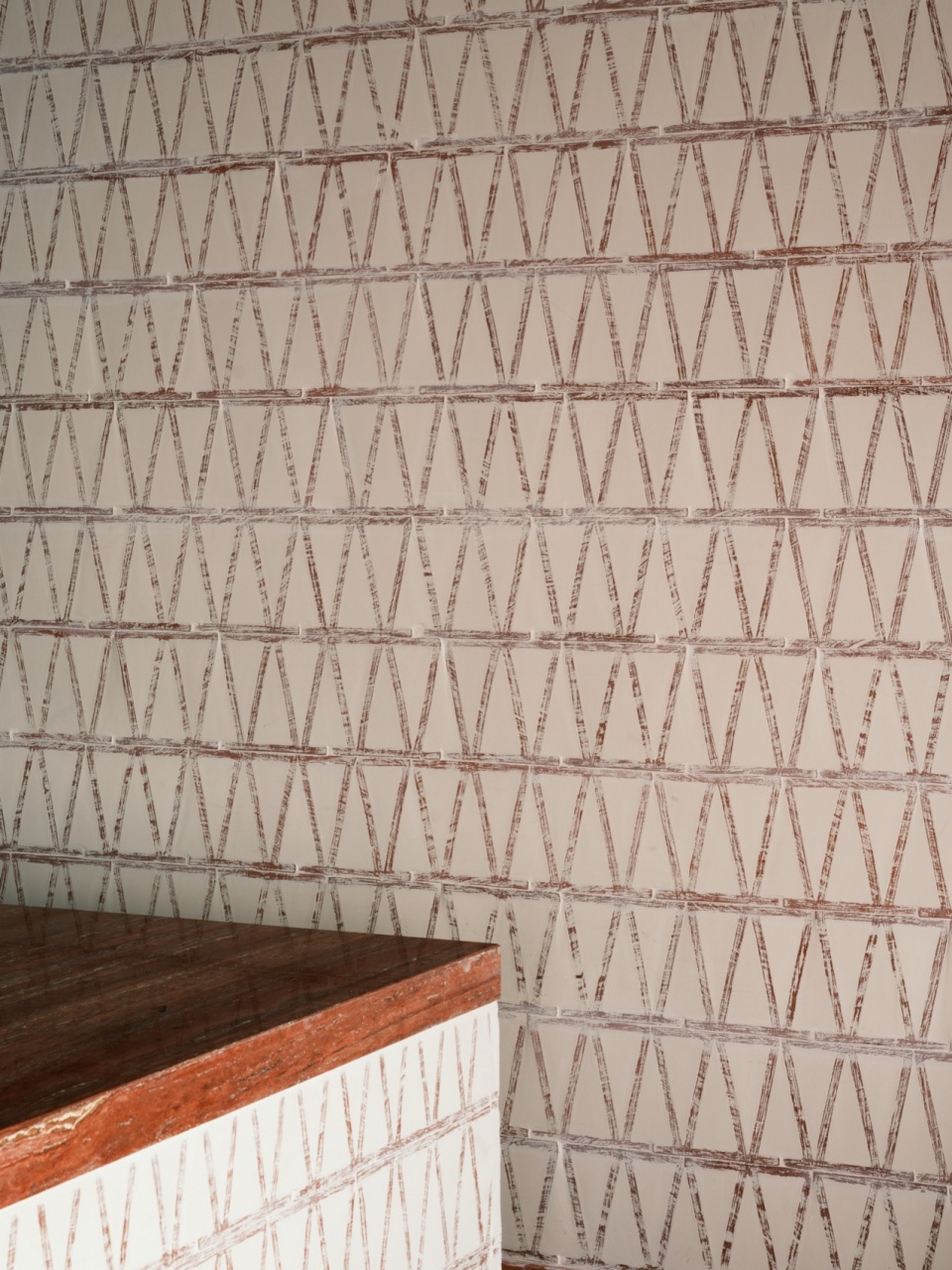
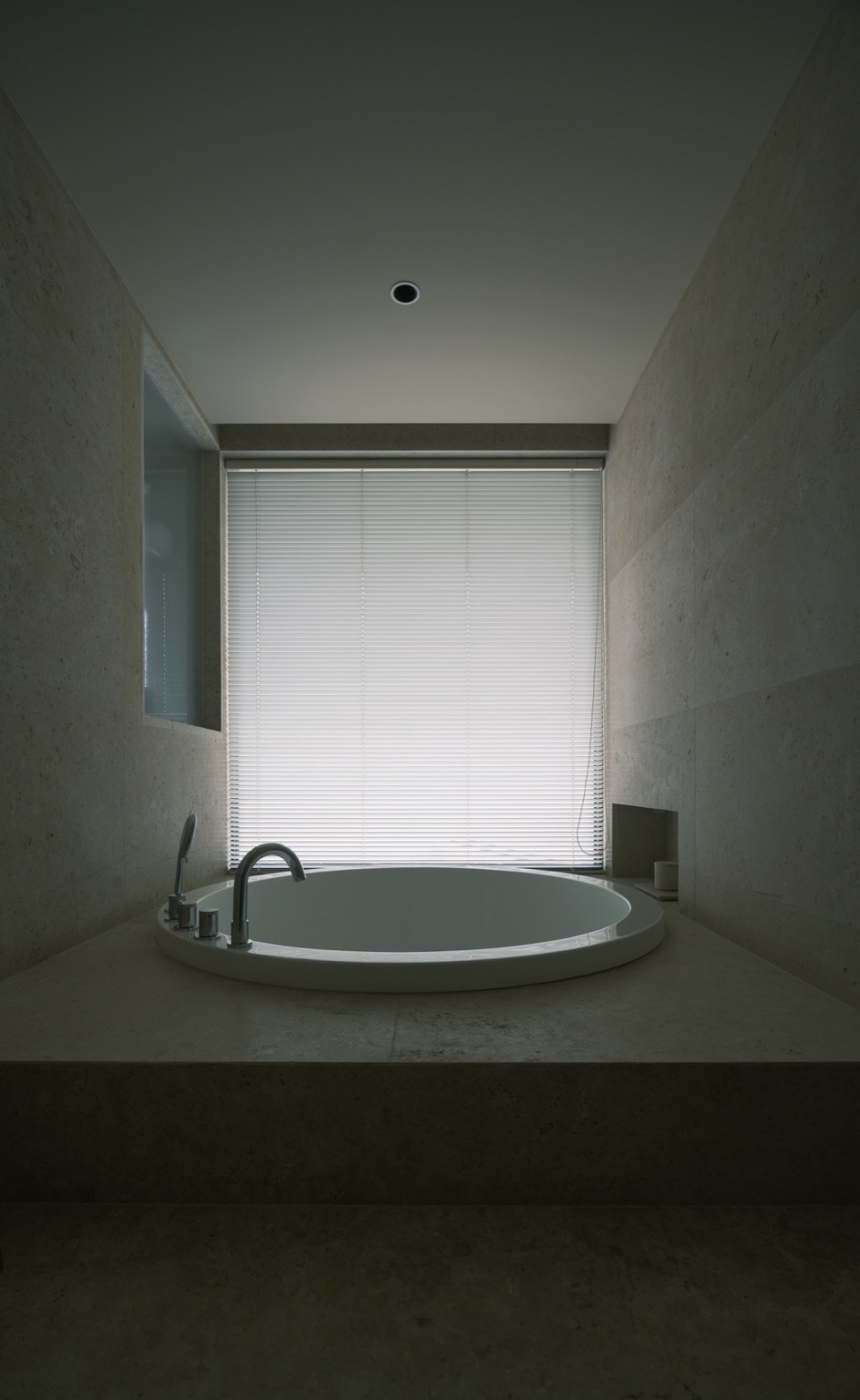
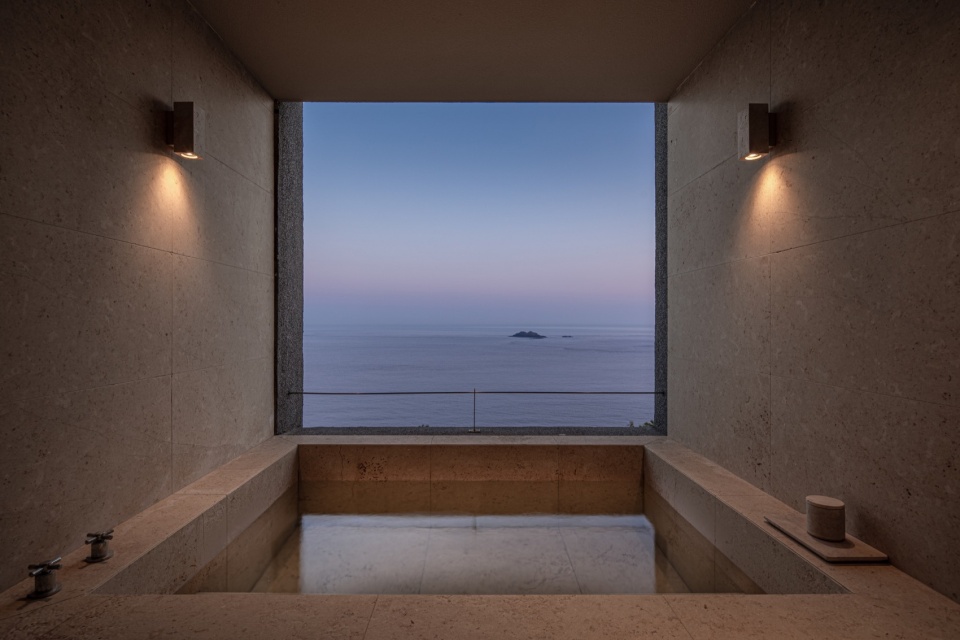
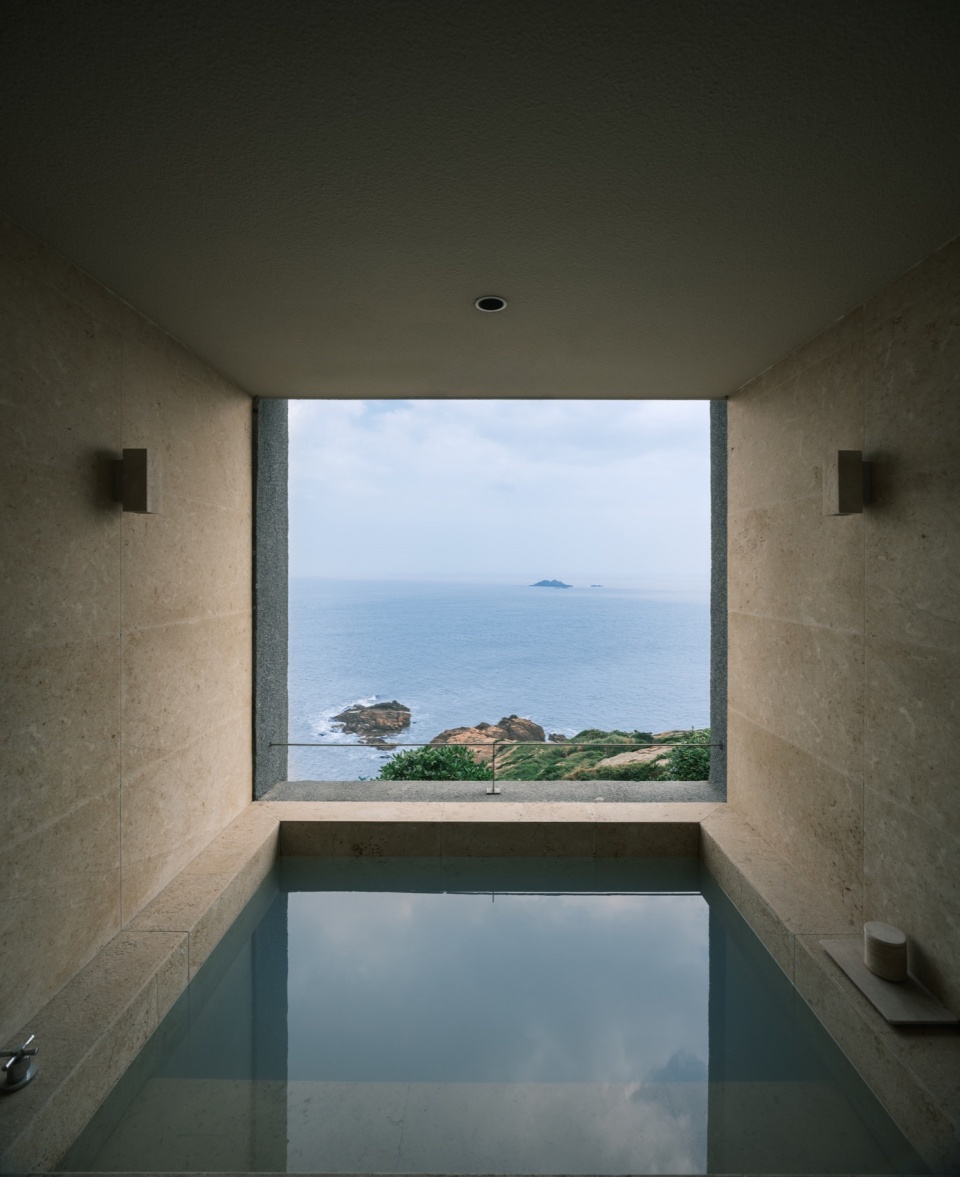
其余部分客房则选用柚木木饰面及300*300*18mm统一规格的米色大理石来装饰房间。我们将原本密闭在室内卫生间的泡池区域改成了半室外泡池,将建筑门窗内退至淋浴区,使客人在进入泡池时可以直面大海,面拂海风。
We transformed the originally enclosed indoor bathroom soaking area into a semi-outdoor soaking pool, recessing the building’s doors and windows to the shower area. This allows guests to directly face the sea and feel the sea breeze when entering the soaking pool.
▼亲子大床房,Family room
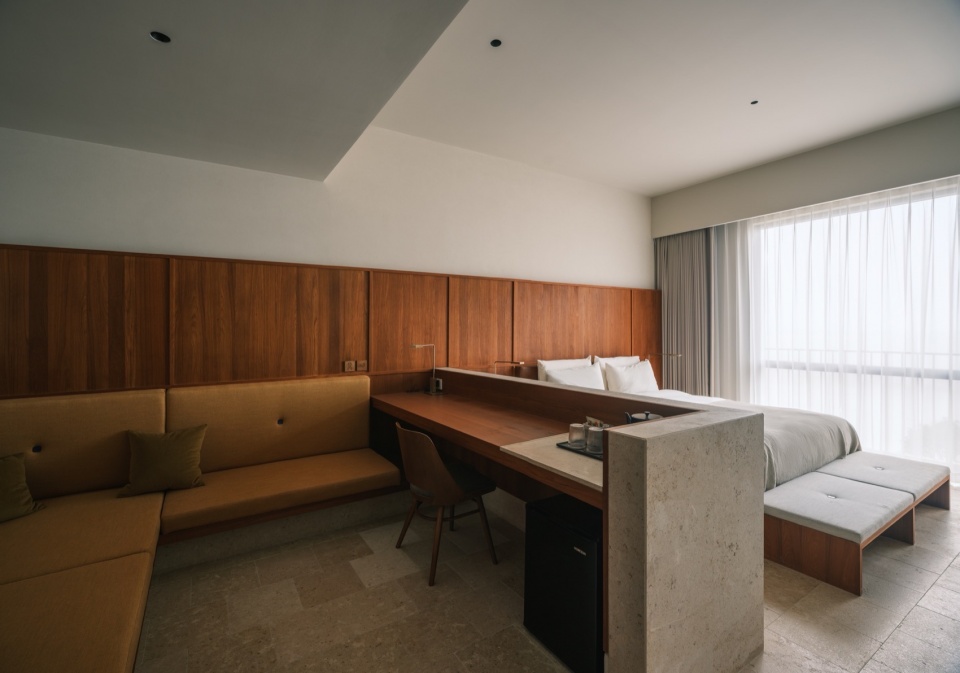
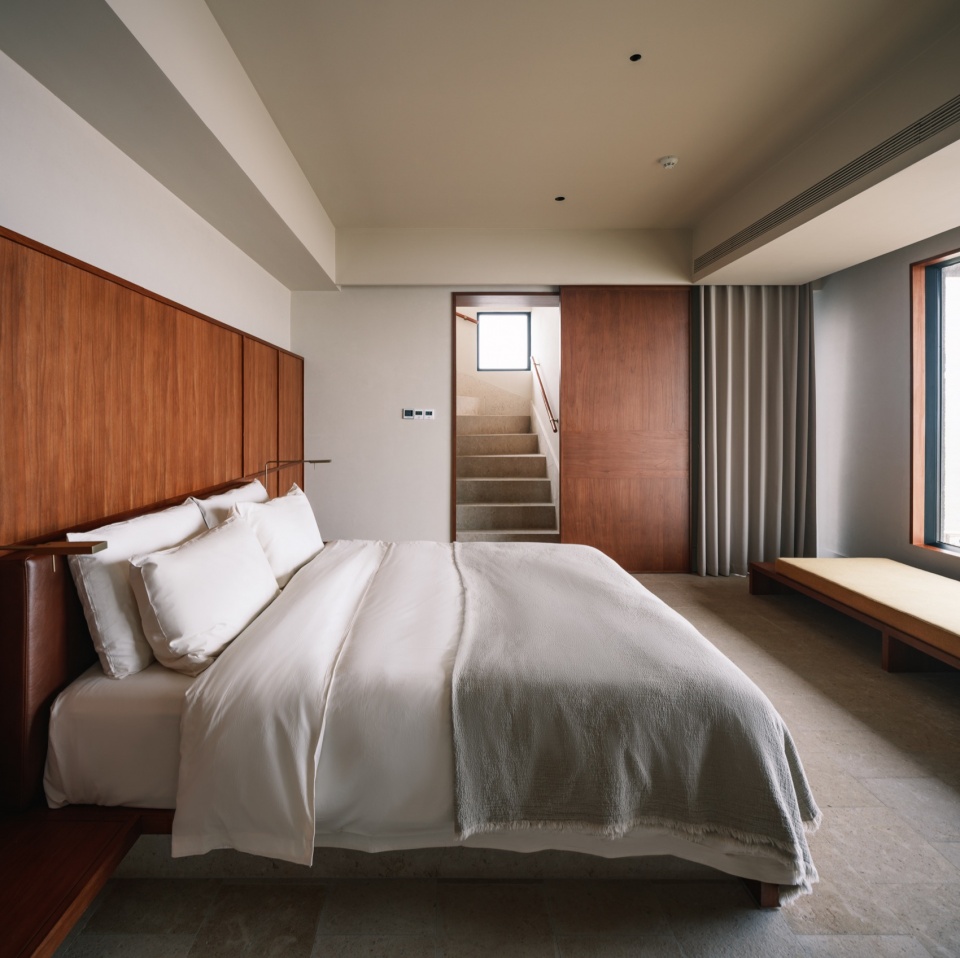
▼LOFT客房卧室区,LOFT guest room bedroom area
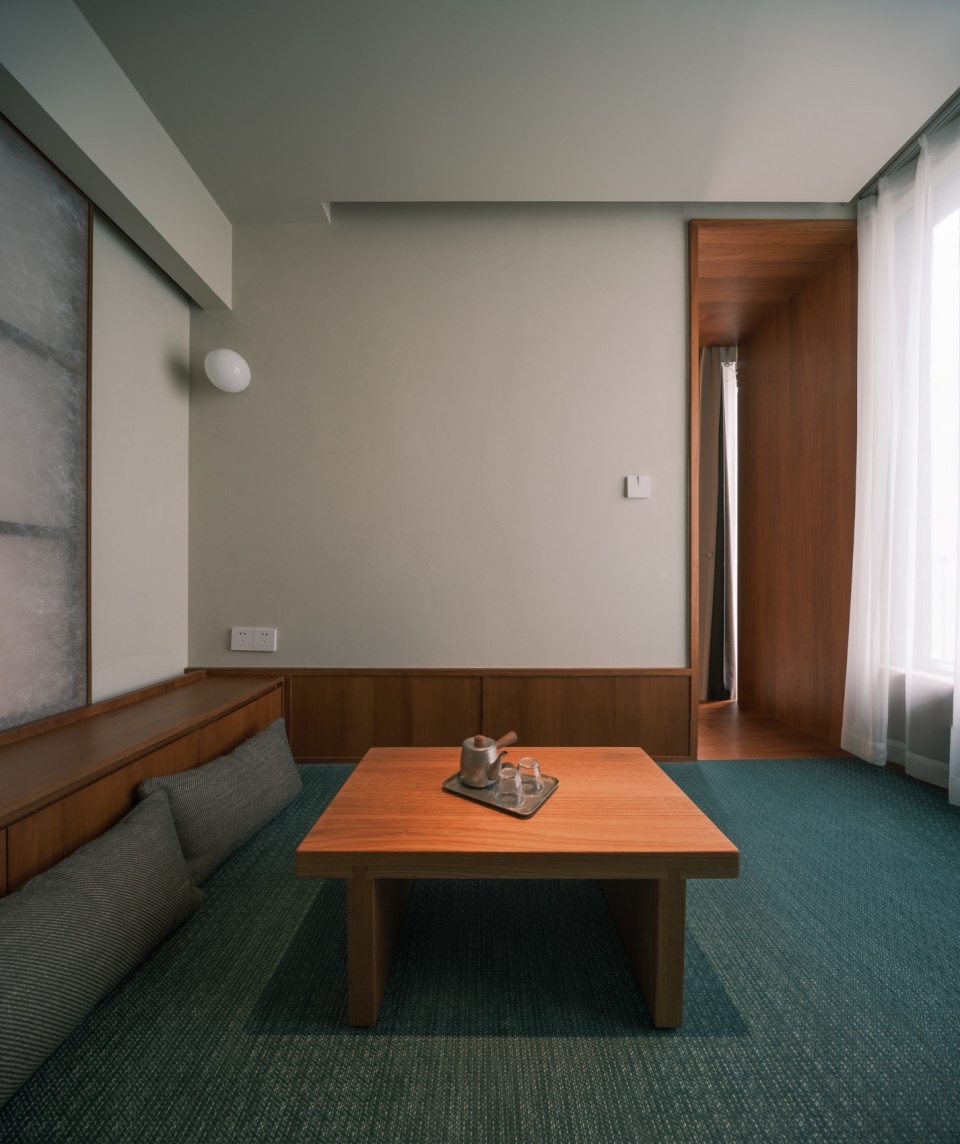
▼LOFT客房榻榻米区域,LOFT room tatami area
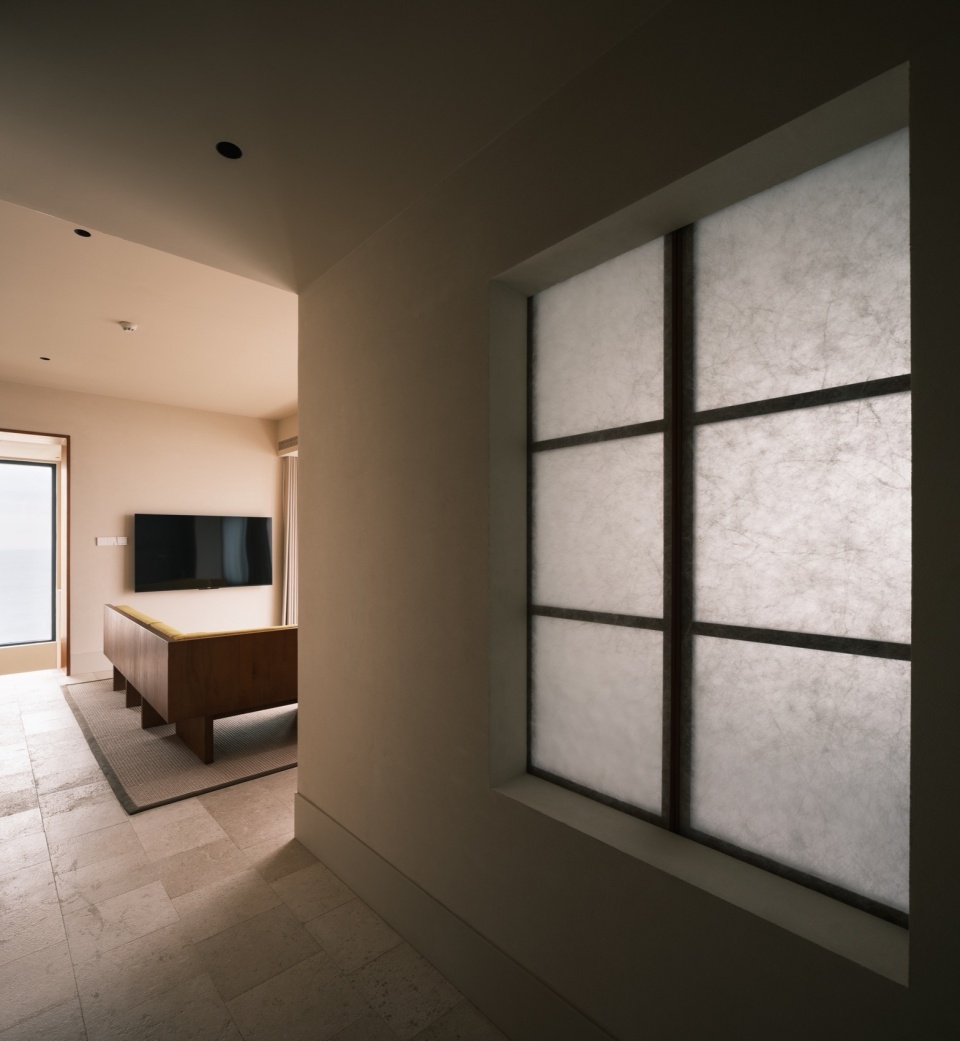
▼LOFT客房玄关区,LOFT room entrance area
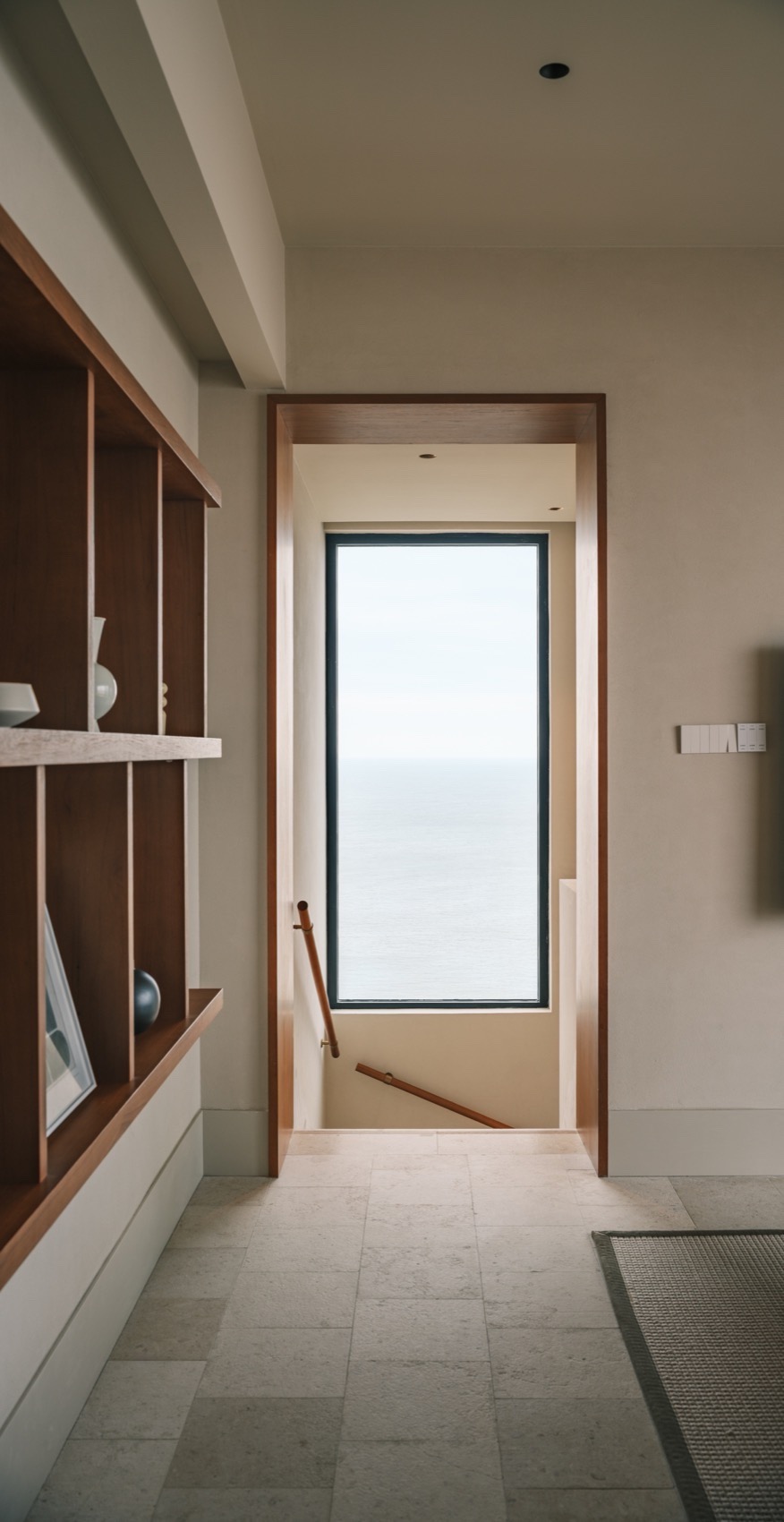
▼LOFT客房海景楼梯,LOFT room sea view stairs
▼LOFT客房卫生间,LOFT room bathroom
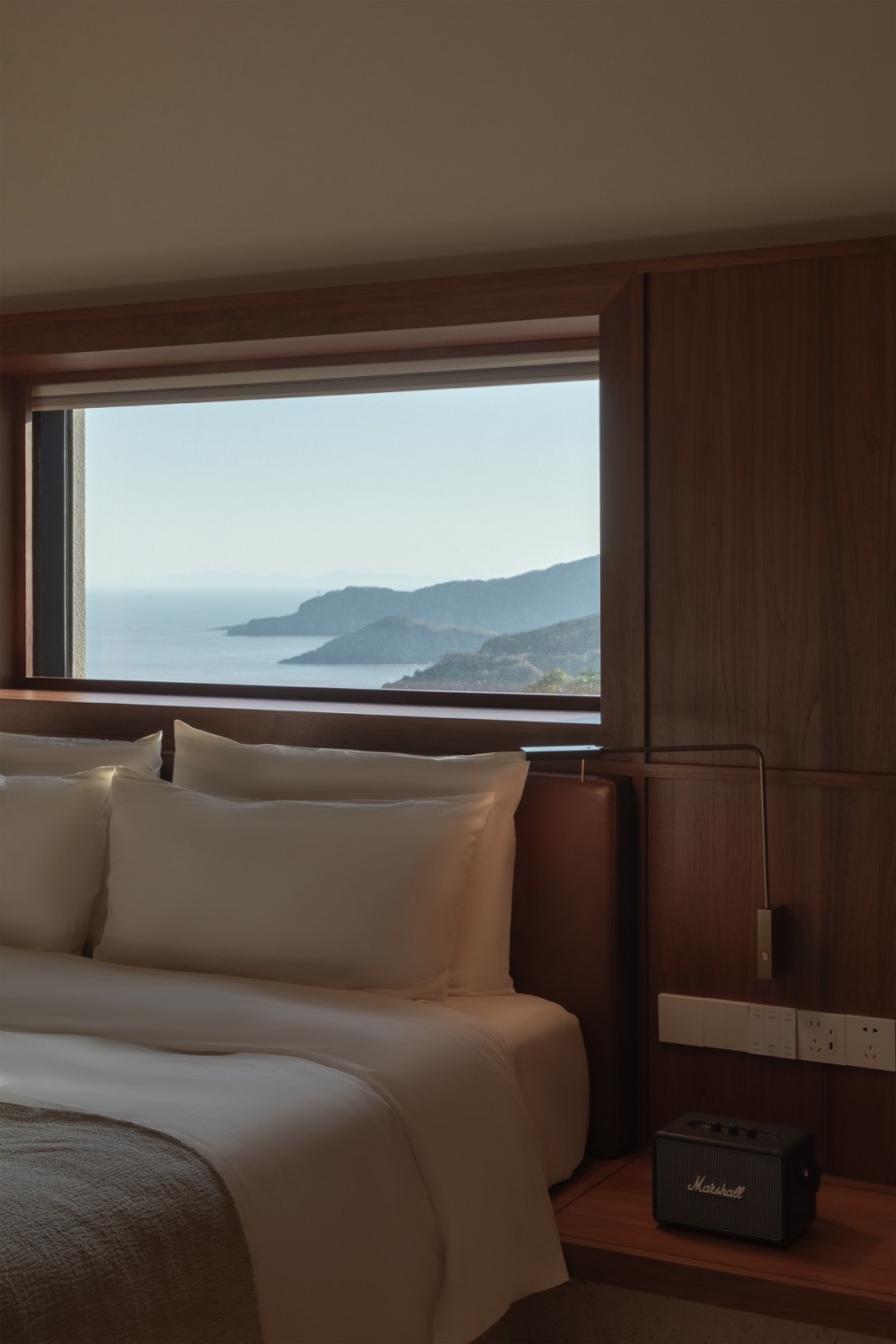
▼海景客房,Sea view room
为了让客人更好的体验黄龙岛的自然景观,我们将原本封闭的卫生间打开,将泡池设计成了半室外的灰空间区域,使得客人在使用泡池时不受玻璃的阻隔,这样也解决了大面积玻璃运输以及在礁石上无法吊装的问题。在亲近自然的泡池中,客人可体验全方位的水疗服务,尽情享用海岛美食。
To enhance guests’ experience of Huanglong Island’s natural scenery, we opened up the originally enclosed bathrooms and designed the soaking tubs as semi-outdoor gray spaces. This design eliminates the obstruction of glass, solving the issues of transporting large glass panels and the inability to hoist them onto the rocks. In these nature-integrated soaking tubs, guests can enjoy comprehensive spa services and indulge in island cuisine.
▼三层泡池夜景,Three-tiered pool night view
▼一层泡池,One-story pool
作为岛上最大的度假酒店之一,我们设置了充裕的公共和私密空间,使用了丰富多样的材料,通过不同颜色、肌理和手工艺,定义了空间属性。花格粘土砖、空心砖、花岗岩等都巧妙地致敬了渔村的历史和文化,将岛屿的历史和当代魅力融合在一起。粘土砖、砂岩、真石漆、柚木木饰面等天然材料被运用在了项目的各个位置,从大堂中庭、客房到软装,这些材质不仅赋予了空间自然质朴的质感,更与周边环境相得益彰,进一步展现了项目与岛屿自然的和谐共生。
As one of the largest resort hotels on the island, we have provided ample public and private spaces, utilizing a rich variety of materials. Through different colors, textures, and craftsmanship, we have defined the spatial attributes. Elements like lattice clay bricks, hollow bricks, and granite cleverly pay tribute to the history and culture of the fishing village, blending the island’s history with contemporary charm. Natural materials such as clay bricks, sandstone, real stone paint, and teak wood veneer are used throughout the project, from the lobby atrium and guest rooms to the soft furnishings. These materials not only imbue the spaces with a natural and rustic texture but also complement the surrounding environment, further showcasing the harmonious coexistence of the project and the island’s nature.
▼细节,Details
▼楼梯栏杆细节,Stair railing details
▼中庭栏杆,Atrium railing
近些年来,嵊泗县围绕“长三角海岛休闲旅游度假目的地”核心定位,以生态保护为基础、文化赋能为特色、全域联动为路径,构建差异化、可持续的旅游发展体系,已经成为了国际旅游海岛。我们希望每一个来到海岛的客人能在岛上渡过一个美好的时光,放慢脚步去体验海岛渔村所独有的景色。
In recent years, Shengsi County has focused on its core positioning as the “Yangtze River Delta Island Leisure Tourism Resort Destination,” building a differentiated and sustainable tourism development system based on ecological protection, cultural empowerment, and holistic linkage. It has become an international tourist island. We hope that every guest who visits the island can have a wonderful time, slowing down to experience the unique scenery of the island’s fishing village.
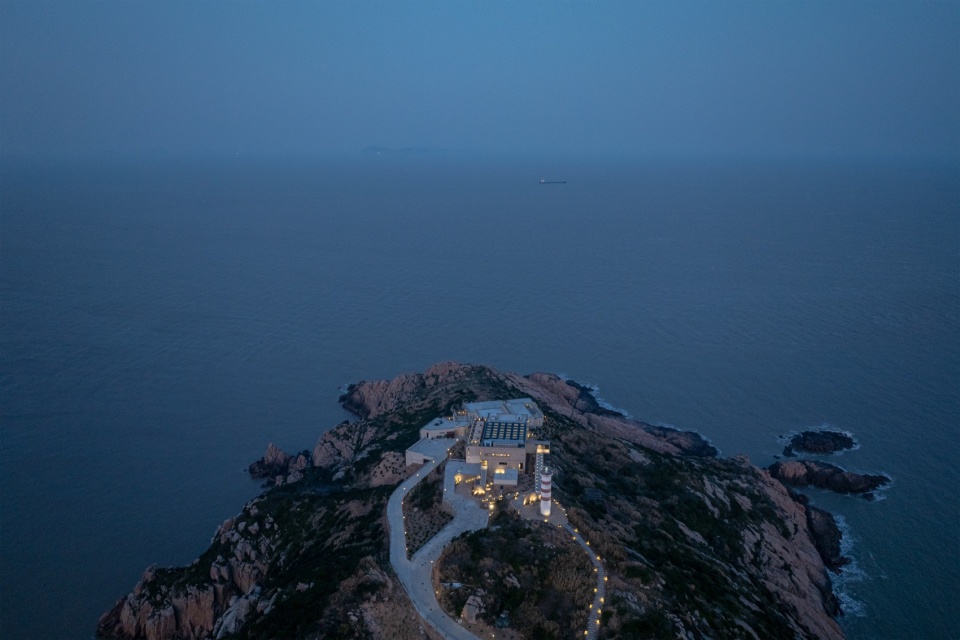
▼夜览鸟瞰,Bird’s eye night view
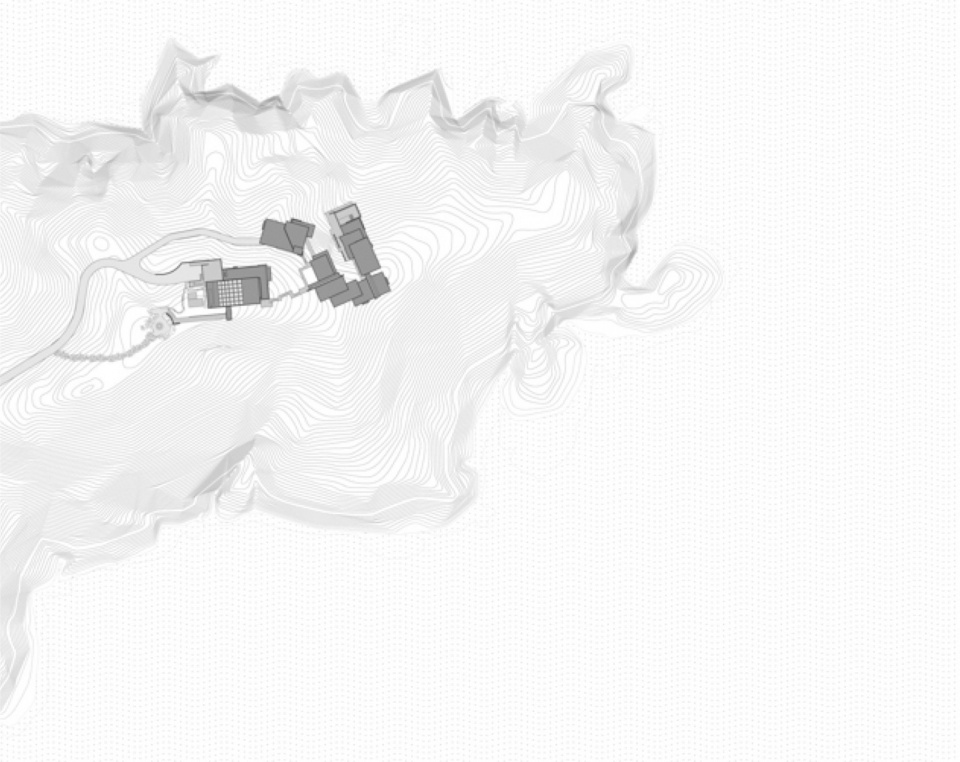
▼项目区位,site plan
▼剖面图,section
Project name: Lost Villa Shengsi Huanglong Island Lighthouse Hotel Interior Design
Project type: Interior Design
Design: SZ-Architects
Website: https://sz-architects.net/
Contact e-mail: SZ-architects@outlook.com
Design year: 2023.08-2024.08
Completion Year: 2025.2
Leader designer: Zhikun Zhang, Yue Liu
Design Team: Deyong Kong, Wenjing Zhang, Yaning Shen, Daoting Li, Hua Xu, Xin Yang
Project location: Beside Lighthouse, Dongzuitou Village, Huanglong Township, Shengsi County, Zhoushan City, Zhejiang Province, China
Gross built area: 4318.99㎡
Photo credit: Xuguo Tang, Mata Okawa
Architects Design: WJSTUDIO
Soft Decoration Design: Huzhou Deqingye Youji Design Co., Ltd
Landscape Design: Huzhou Deqingye Youji Design Co., Ltd
Construction Company: Shanghai Ye You Zhu Decoration Engineering Co., Ltd.
Clients: Shanghai Yelu Hotel Management Co., Ltd
Materials: Washed Stone, Beirut Marble, Teak Wood Veneer, Real Stone Paint, Textured Paint, Red Clay Brick, Red Clay Hollow Brick, Bamboo Wood Flooring
Doors and windows: REWOO
Textiles: parallel™ textiles