Armed Fabrics装置,意大利 / Paloma Cañizares
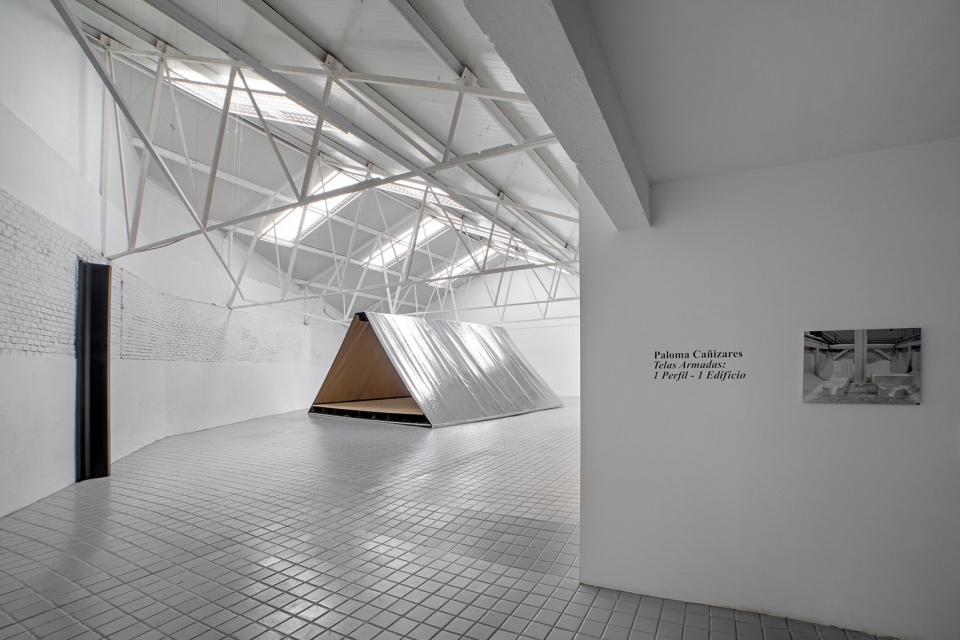
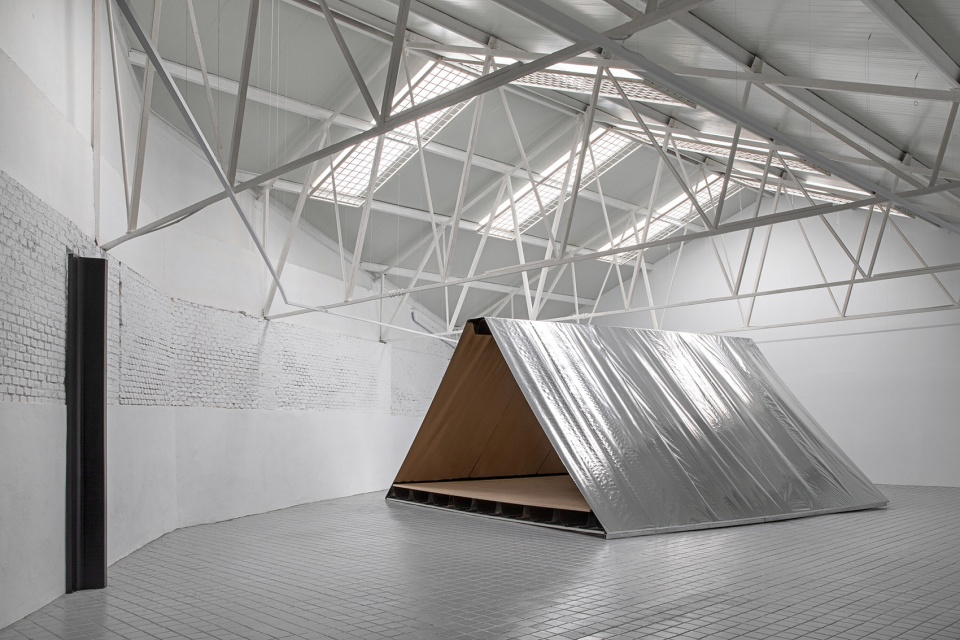
经过多年的研究,建筑师帕洛玛·卡尼萨雷斯(Paloma Cañizares)展示了她的第二项研究,探索了刚性化织物在建筑中的可能性。通过使用一块六米长的刚性化织物制作的全尺寸帐篷,她展示了一种替代性的建筑方式——这种方式基于轻便、纤细、稳定、可堆叠、易于处理且防水的特性。这一单一元素可以作为梁、柱、基础、横梁、楼板或地板板使用。
After years of research, architect Paloma Cañizares presents her second study exploring the architectural possibilities of rigidized textiles. Using a full-scale tent built from a single six-meter-long sheet of rigidized fabric, she demonstrates an alternative way of building—one based on a light, slender, stable, stackable, easy-to-handle, and waterproof profile. This single element can act as a beam, column, footing, joist, slab, or floor panel.
▼项目概览,overview of the project
刚性织物 Armed Fabrics
织物是由纺织或非纺织纤维编织而成的柔性材料,形成了内部结构。线材的交织方式决定了织物的强度、弹性和柔韧性等特性。当这一结构被刚性化时,织物可以转变为超薄、轻便的材料,适用于新的建筑用途。
A fabric is a flexible material created from woven or non-woven fibers forming an internal structure. The way these threads interlace defines properties such as strength, elasticity, and flexibility. When this structure is rigidized, the fabric can be transformed into an ultra-slim, lightweight material suitable for new architectural uses.
▼超薄、轻便的织物,ultra-slim, lightweight fabric
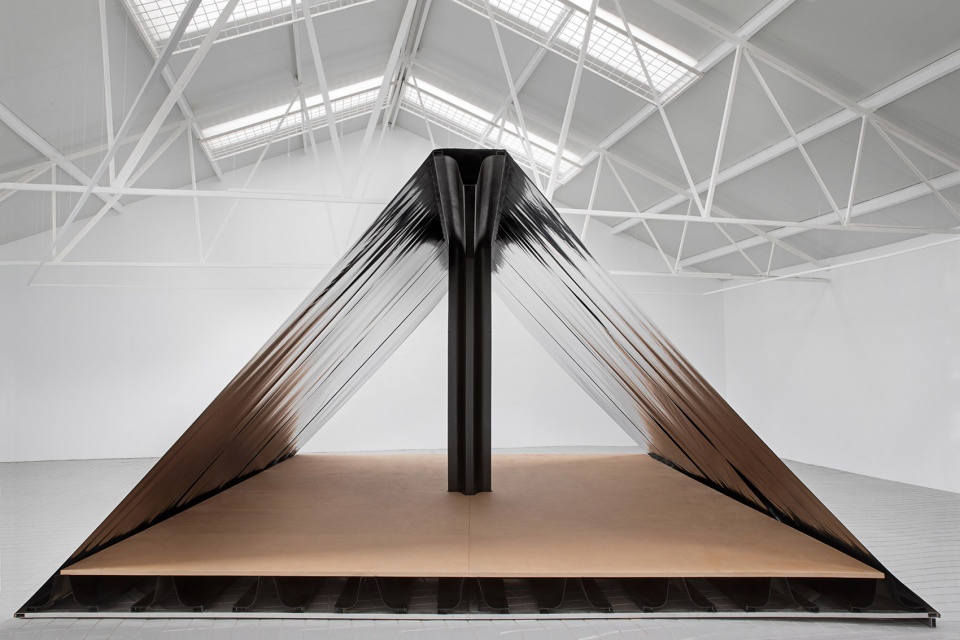
如果从预制系统的角度考虑,刚性化织物的特性可以用来创建结构型材。为了平衡材料的纤细和轻巧,这些型材必须根据几何形状进行折叠,以增加支撑面并确保稳定性。通过将合适的织物与适当的刚性化材料相结合,并进行战略性折叠,就可以实现所需的强度和稳定性,从而创造建筑元素。
If we think in terms of prefabrication systems, the properties of a rigidized fabric could be used to create structural profiles. To balance the material’s slenderness and lightness, these profiles must be folded according to geometries that increase their supporting surface and ensure their stability.By combining the right textile with the appropriate rigidizing material and folding it strategically, it becomes possible to achieve the strength and stability necessary to create architectural elements.
▼根据几何形状进行折叠,must be folded according to geometries
背景 Background
“丝绸馆”(Silk Pavilion)是首次全面探讨这一概念的项目,展示于2023年洛格罗尼奥国际建筑与设计节(Concéntrico)。该馆由十二个三角形型材组成,每个型材长8.40米,形成一个星形结构,既作为空心超级柱,又作为围护结构。除了结构上的实验性,这座展馆还是一次与光线、植被和城市阿拉伯遗产对话的建筑干预。
The Silk Pavilion, presented at the Concéntrico International Festival of Architecture and Design in Logroño (2023), was the first full-scale exploration of this concept. Composed of twelve triangular profiles, each 8.40 meters long, the pavilion formed a star-shaped structure that functioned both as a hollow super-column and as an enclosure. Beyond its structural experimentation, the pavilion was an architectural intervention that engaged in dialogue with light, vegetation, and the city’s Arab heritage.
▼根据几何形状进行折叠,must be folded according to geometries
选择丝绸——一种传统上与时尚和装饰相关的材料——是有意为之:通过将其从通常的背景中提取出来,突出材料的特性。
The choice of silk—a material traditionally associated with fashion and decoration—was deliberate: to highlight material properties by taking them out of their usual context.
▼突出材料的特性,highlight material properties
型材The Profile
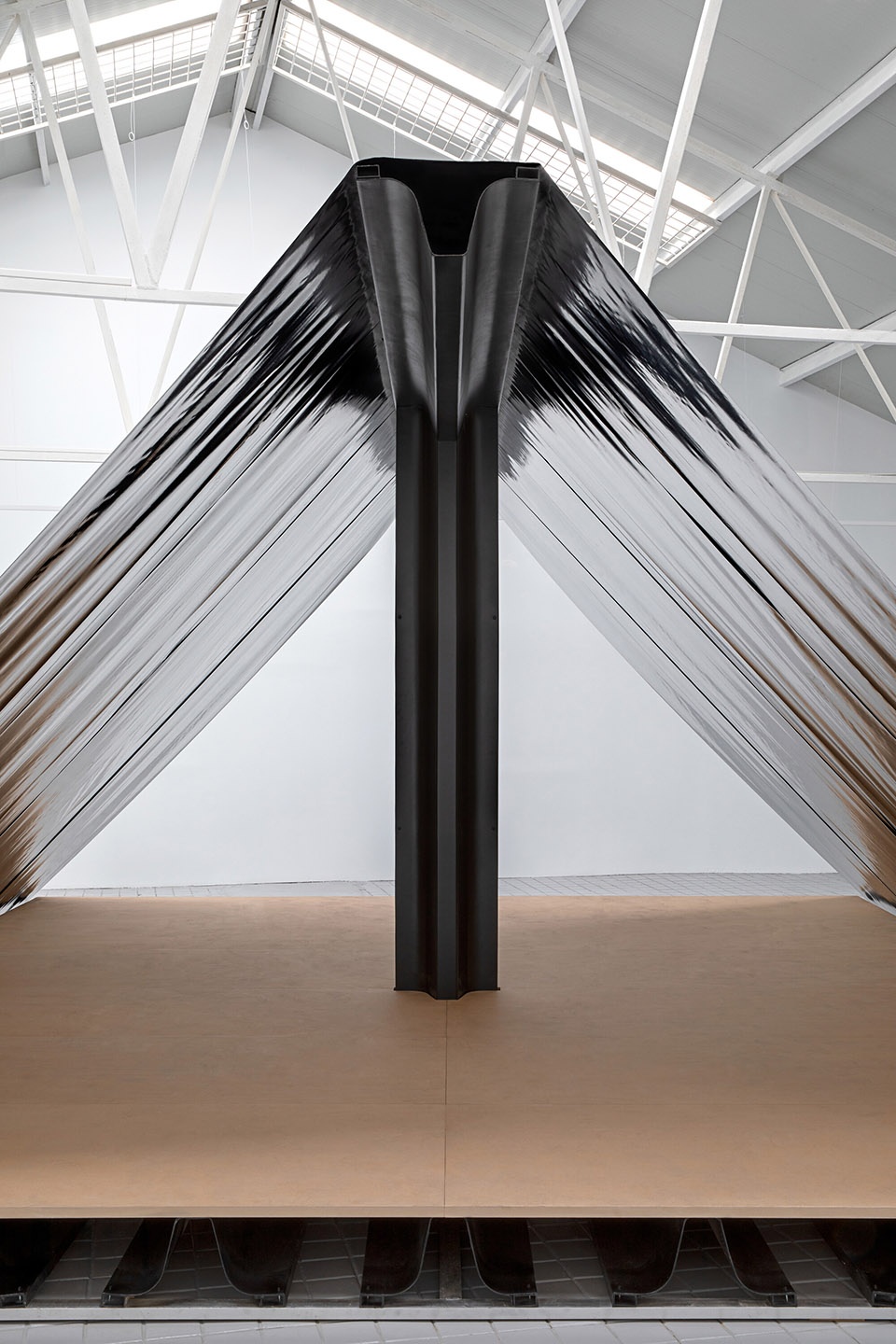
尽管“丝绸馆”探索了研究与环境的关系,但2025年10月首次在马尔克·比比罗尼(Marc Bibiloni)艺术画廊展出的项目《武装织物:1个型材–1个建筑》(ARMED FABRICS: 1 PROFILE – 1 BUILDING)提出了一种通用的、多功能型材,试图回答一个根本性问题:
While the Silk Pavilion explored the relationship between research and context, the project ARMED FABRICS: 1 PROFILE – 1 BUILDING, first presented at the Marc Bibiloni art gallery in October 2025, proposes a universal, multifunctional profile that seeks to answer a fundamental question:
▼轻便、纤细、坚固的建造方式,lightweight, slender, resistant assemble method
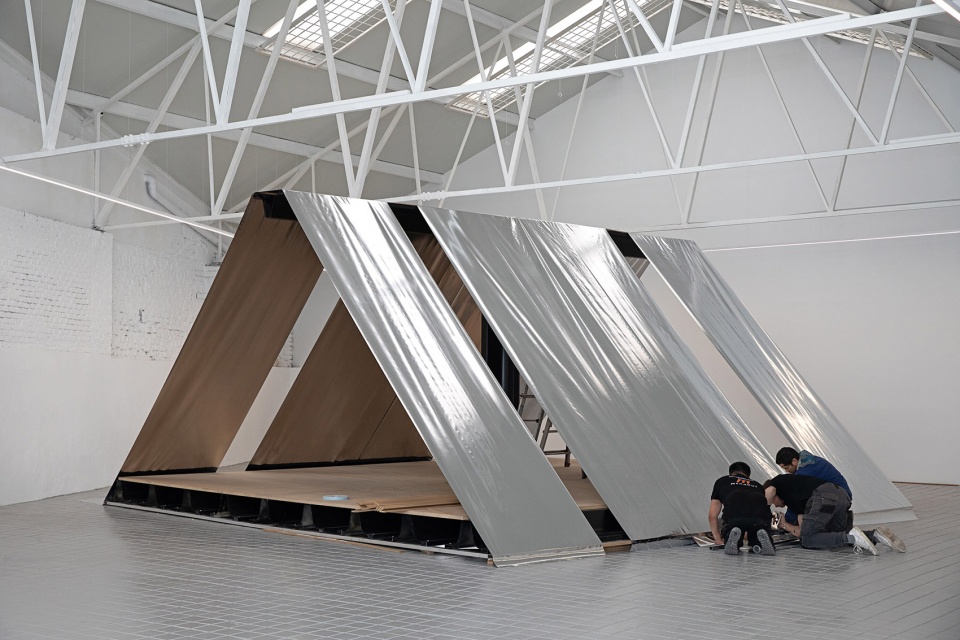
是否可以创造出一种轻便、纤细、坚固、可堆叠以提高运输效率、易于组装、可重复使用的预制建筑元素,从而生成一个完整的建筑系统?通过刚性化织物创建建筑型材的构想是这项研究的基础,并且早于丝绸馆的研究。为本次展览开发的型材涉及更高的技术复杂性,因为它被设计为能够融入当代建筑流程并与干建造系统结合的元素。
Is it possible to create a prefabricated architectural element—lightweight, slender, resistant, stackable for efficient transport, easy to assemble, reusable—that could generate a building system in itself? The idea of creating construction profiles from rigidized textiles is the foundation of this research and predates the Silk Pavilion. Developing the profile presented here involved greater technical complexity, as it is conceived as an element capable of integrating into contemporary construction processes and combining with dry-building systems.
▼轻便、纤细、坚固的建造方式,lightweight, slender, resistant assemble method
▼轻便、纤细、坚固的建造方式,lightweight, slender, resistant assemble method
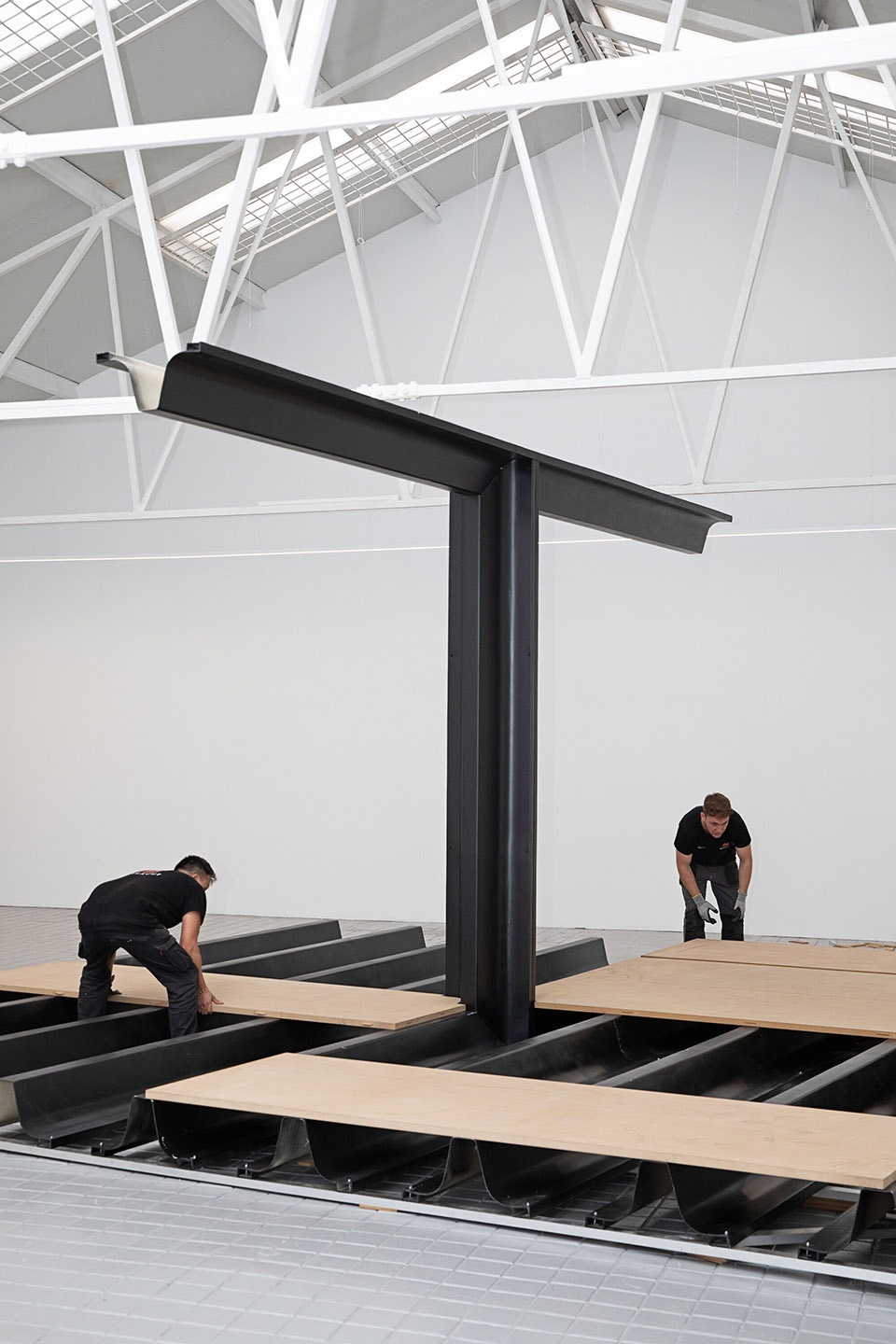
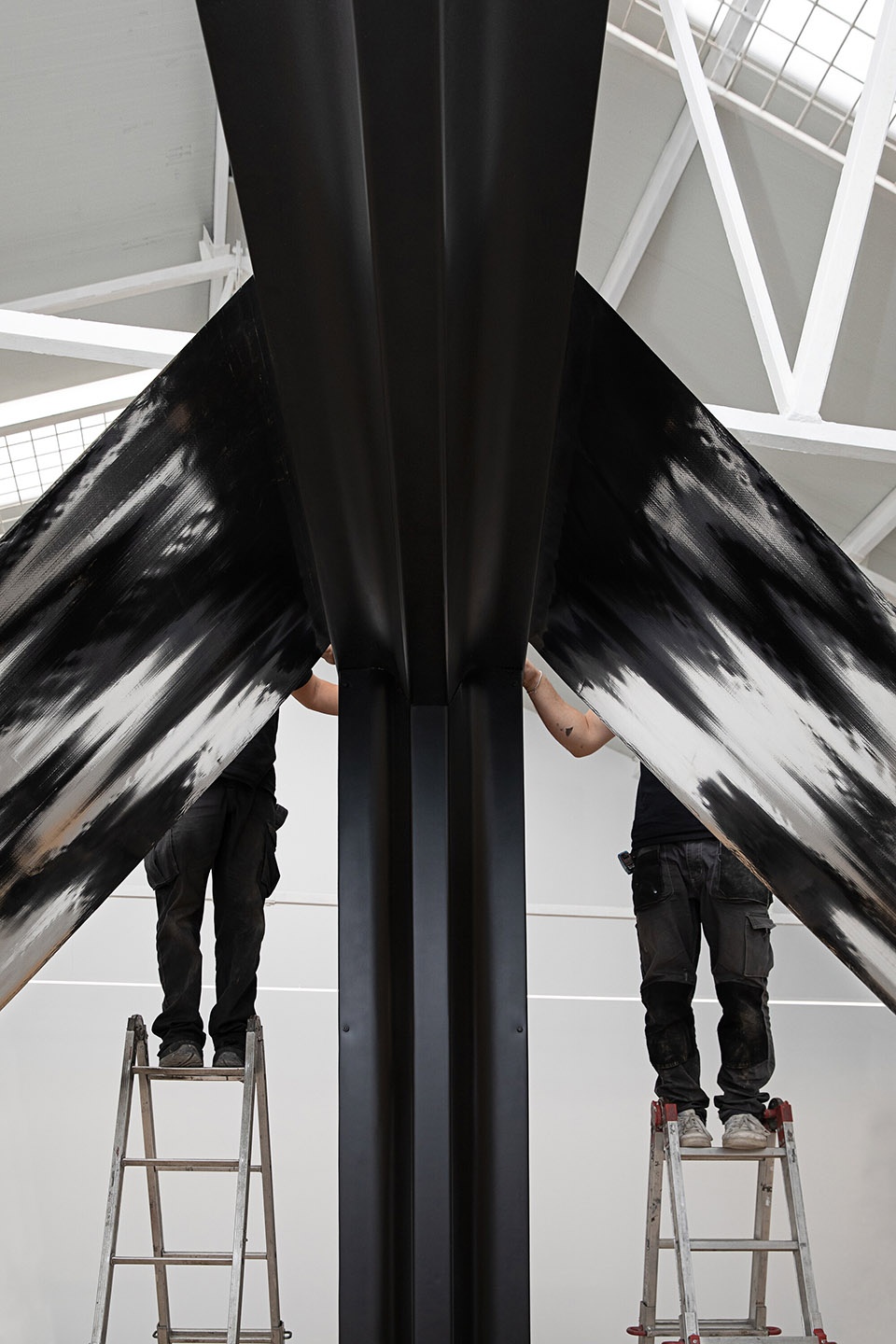
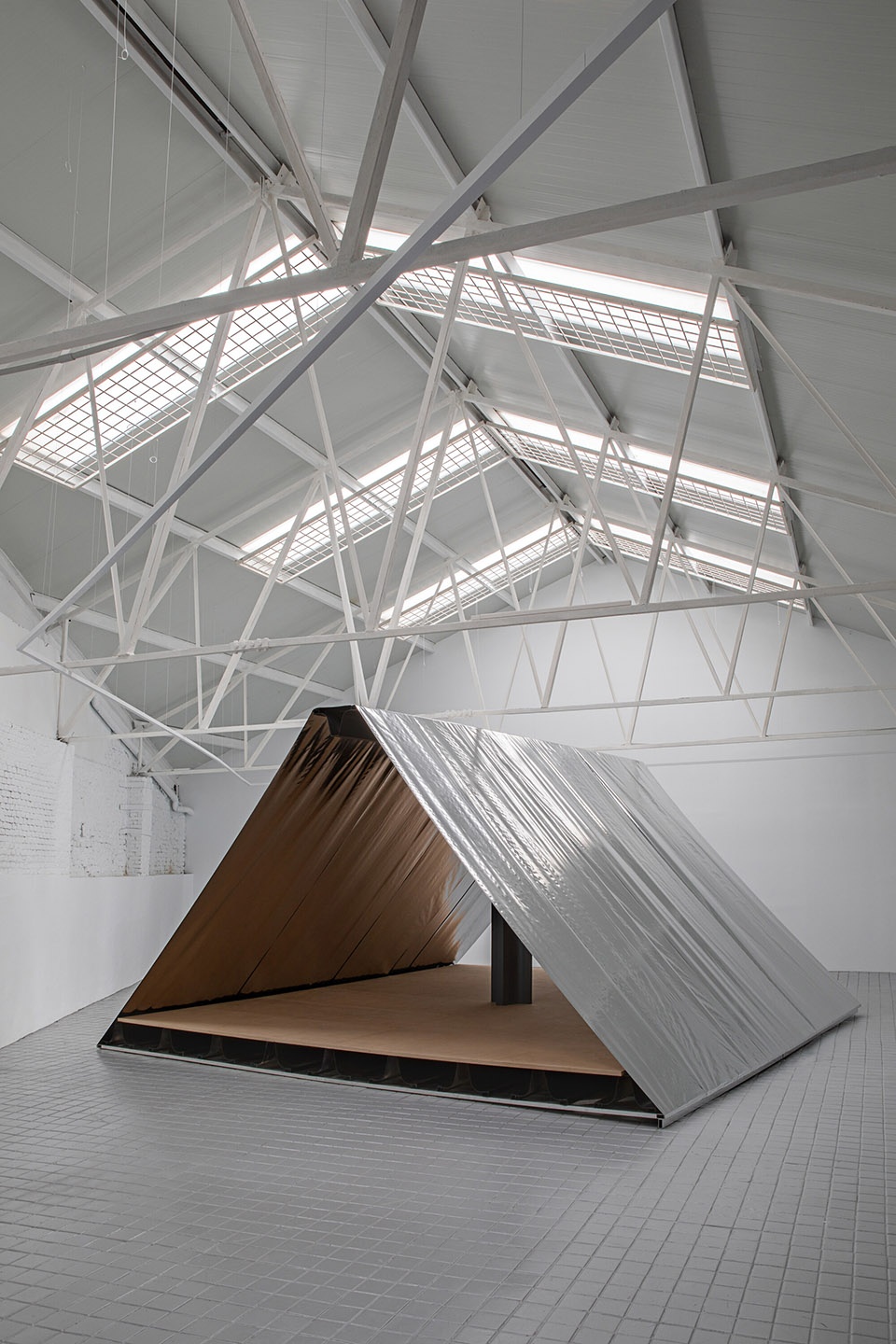
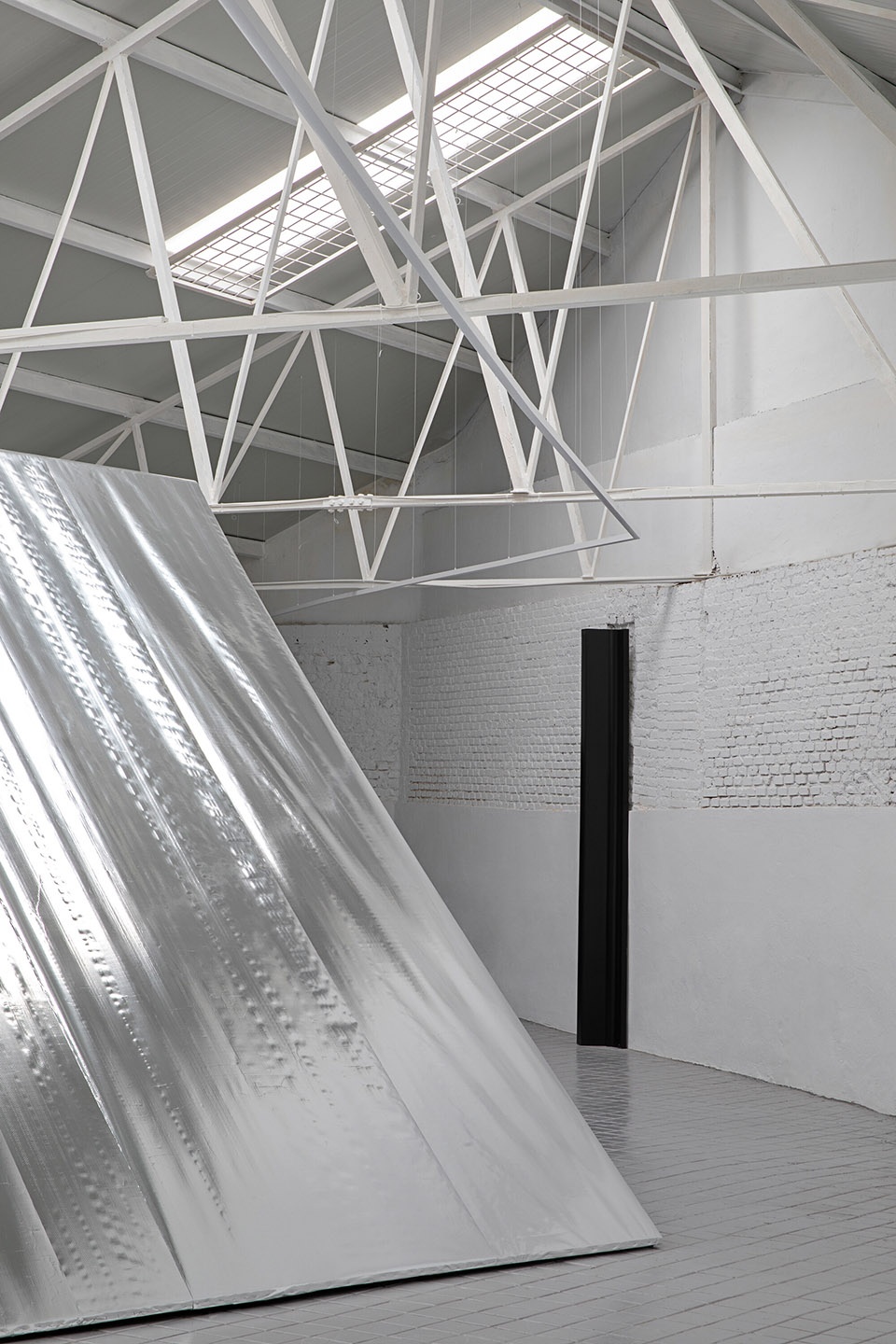
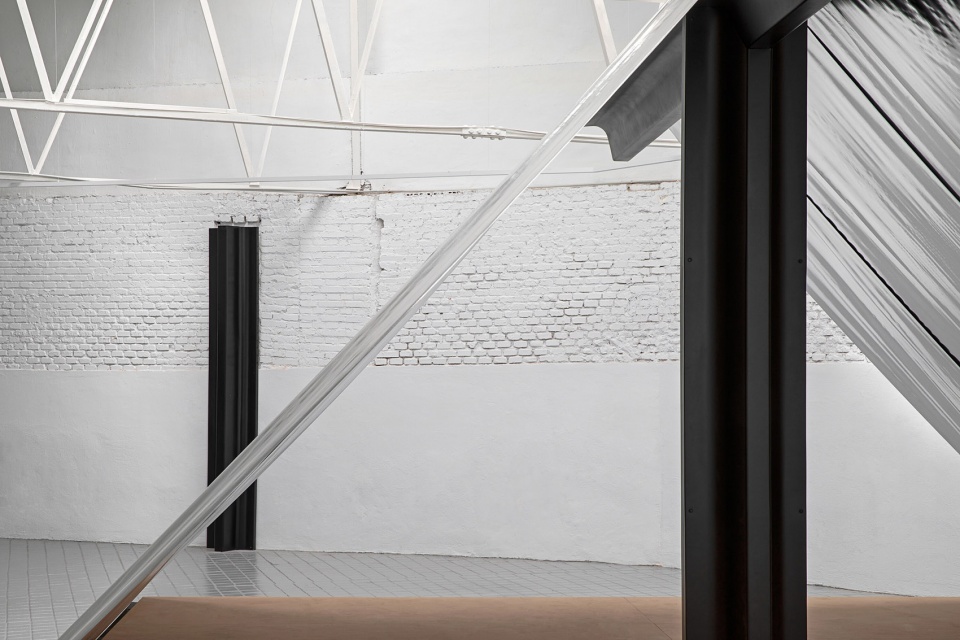
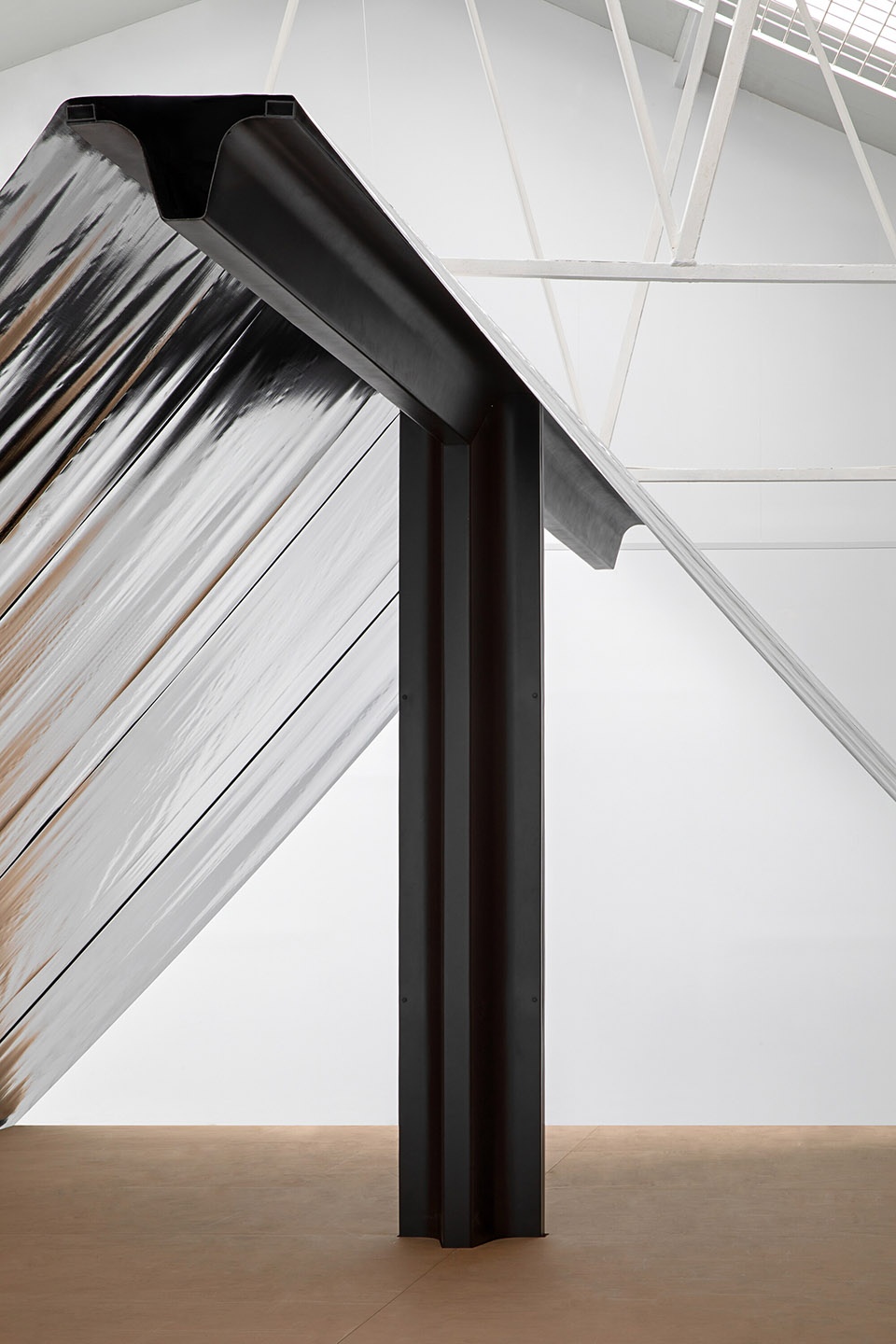
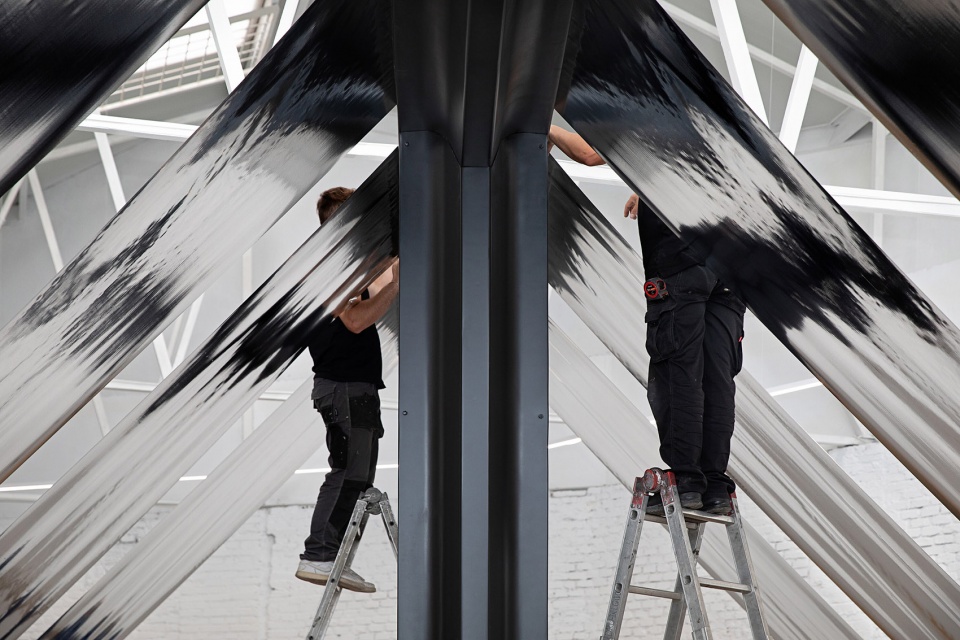
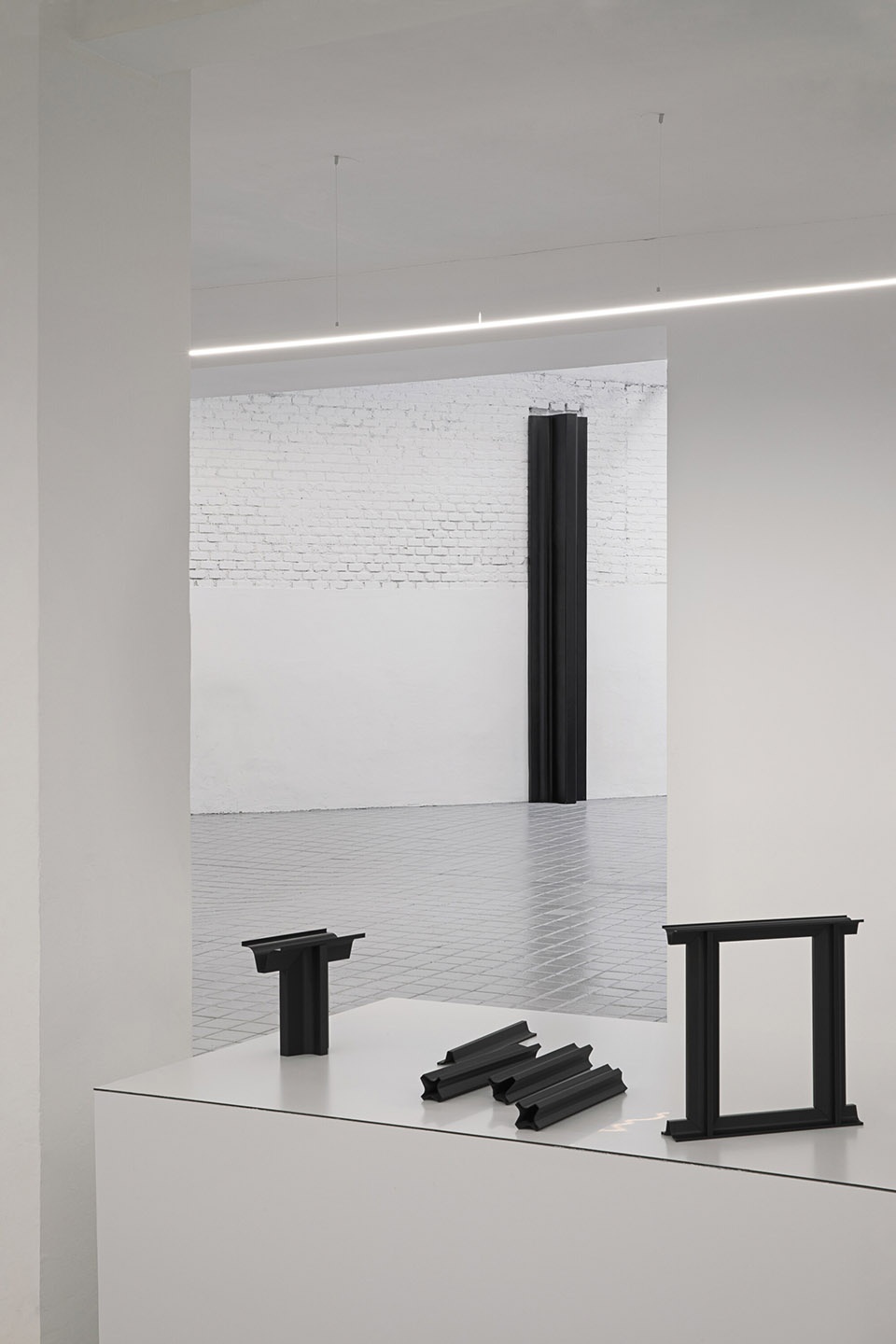
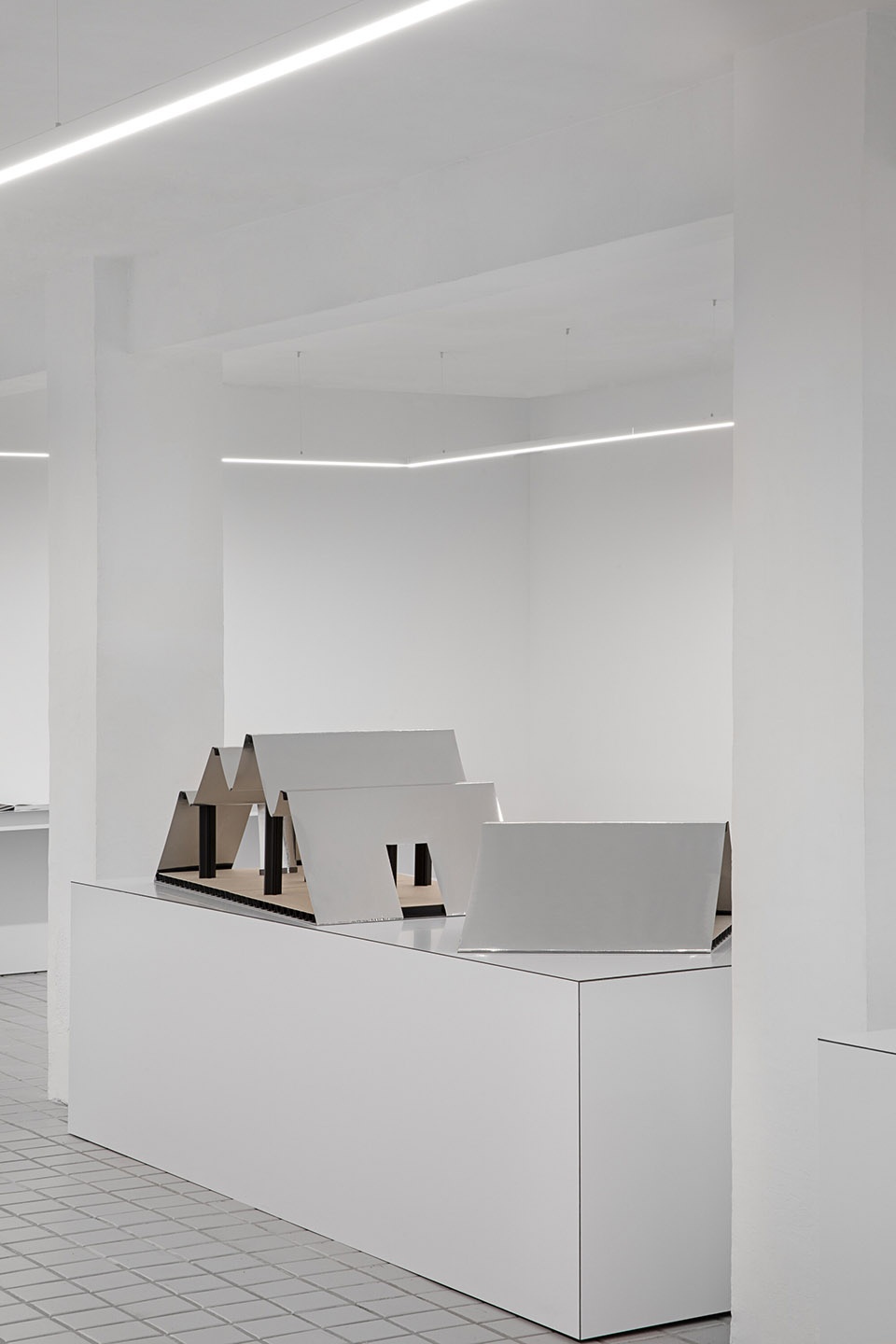
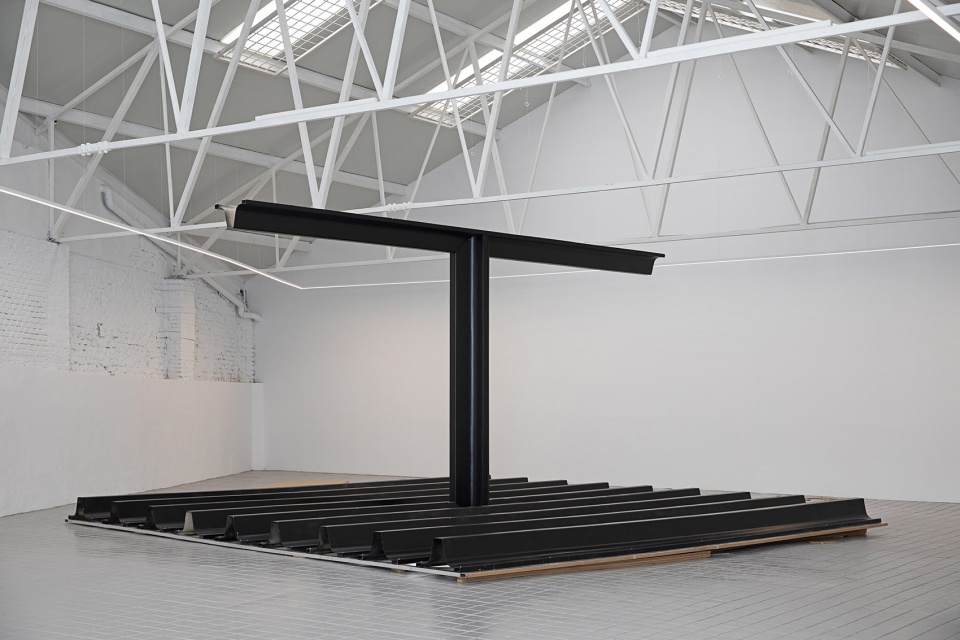
本次展览展示的型材尺寸为长6米,宽50厘米,高25厘米。该材料不再是丝绸,而是选择了编织玻璃纤维——因其卓越的技术性能、强度、轻巧性、耐用性、柔韧性及热电隔离性能。刚性通过将不同的编织纤维结构与适用于建筑的树脂结合来实现。为了使这种型材能够用于建筑,还开发了一种连接系统。通过45º切割、铝制侧条和定制连接件,可以在型材之间(基础–柱/柱–梁/梁–横梁等)建立各种关系,形成一个高度可变的系统。
The profile developed for this exhibition measures 6 meters long, 50 cm wide, and 25 cm high. The material is no longer silk but woven fiberglass—chosen for its superior technical performance, strength, lightness, durability, flexibility, and thermal and electrical insulation properties. Rigidity is achieved by combining different woven fiber structures with resins suitable for construction. To enable construction with this profile, a joining system was also developed. Using 45º cuts, aluminum side bars, and custom connecting pieces, various relationships can be established between profiles (footing–column / column–beam / beam–joist…), creating a highly versatile system.
▼材料展示,material display
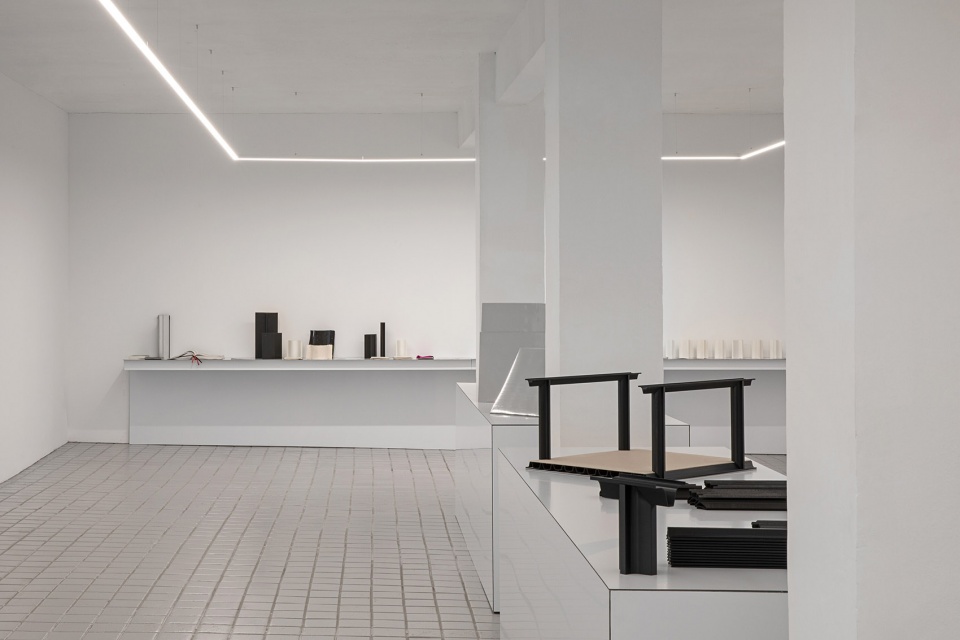
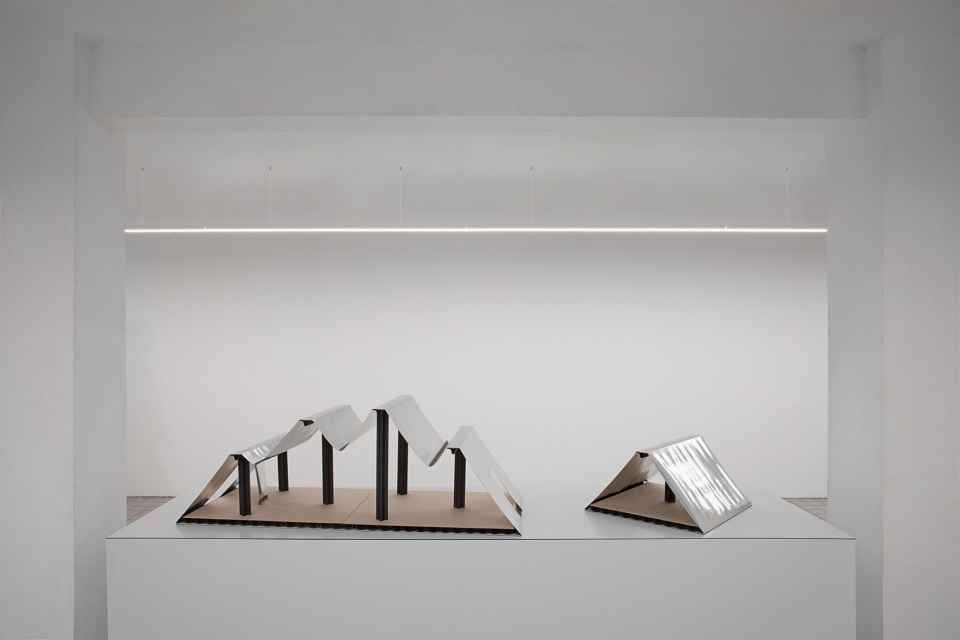
▼材料展示,material display
建筑的新路径A New Path for Construction
卡尼萨雷斯传达了一个明确的信息:通过一个由刚性化织物制成的单一型材,可以开发出完整的建筑解决方案。通过这项研究,她为新的建筑可能性开辟了一条道路——在这里,轻便、资源优化和材料创新成为必不可少的设计工具。
Cañizares sends a clear message: it is possible to develop complete architectural solutions from a single profile made of rigidized textiles.Through this research, she opens a path toward new building possibilities—where lightness, resource optimization, and material innovation become essential design tools.
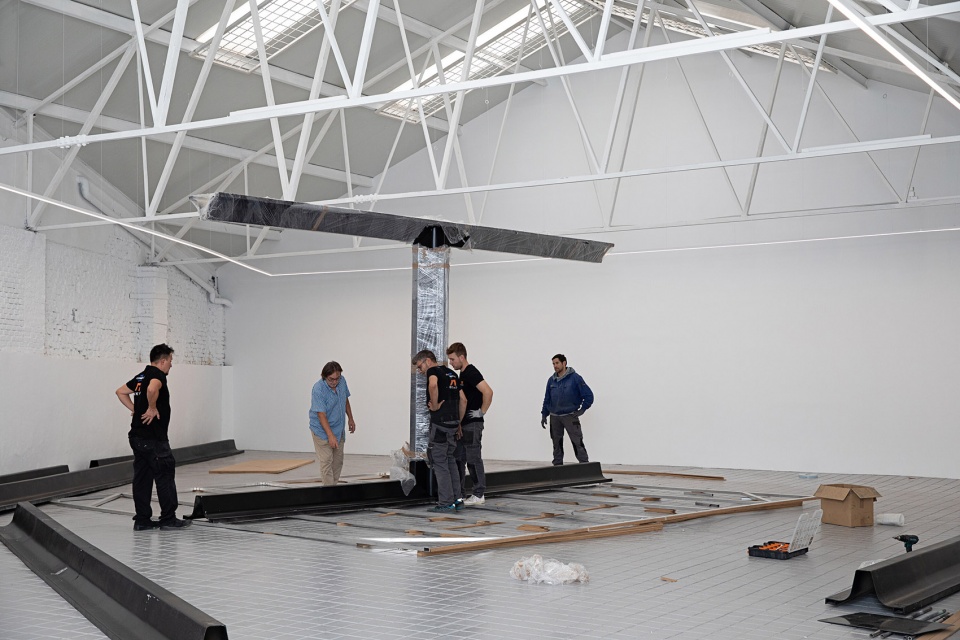
▼建造过程,construction progress
▼轴测图,axonometric


Author Paloma Cañizares
Contact E-mail paloma@palomacanizares.com
Website http://www.palomacanizares.com
Social media www.instagram.com/palomacanizaresoffice
Photographer Asier Rua, http://www.asierrua.com, asierrua@hotmail.com