锡东垃圾焚烧发电厂提标扩容项目,江苏无锡 / 广州华科工程技术有限公司
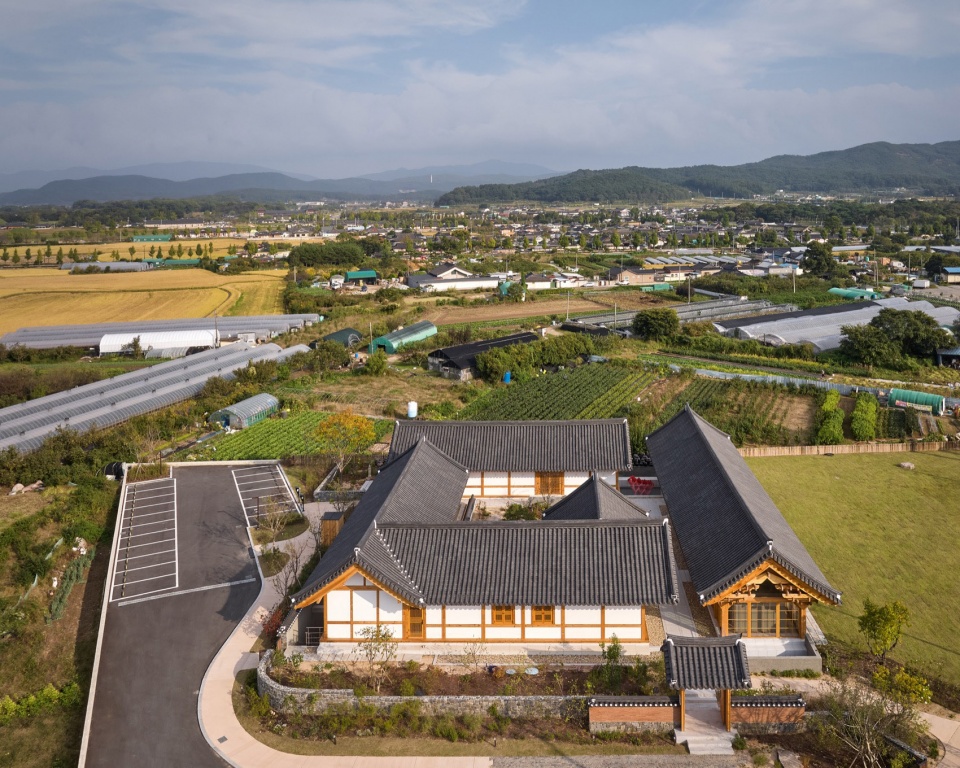
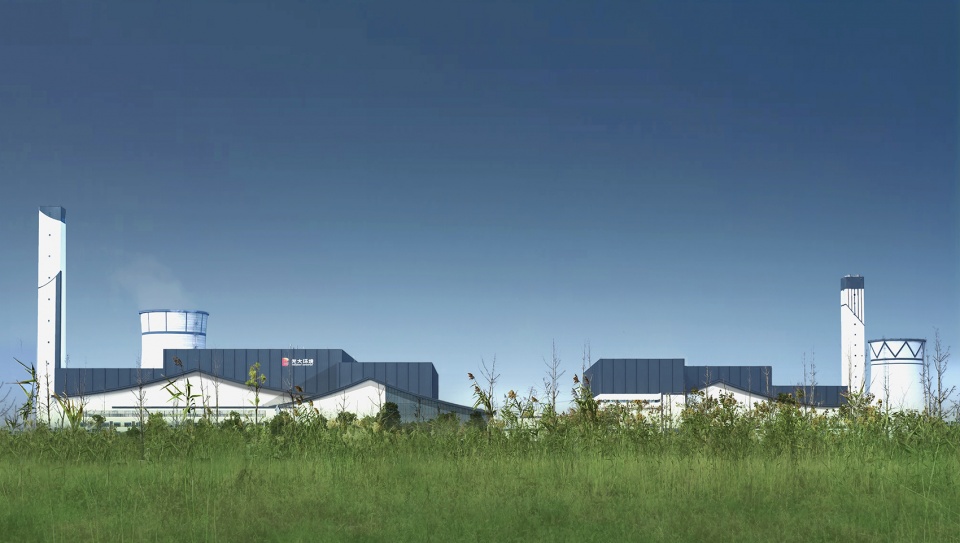
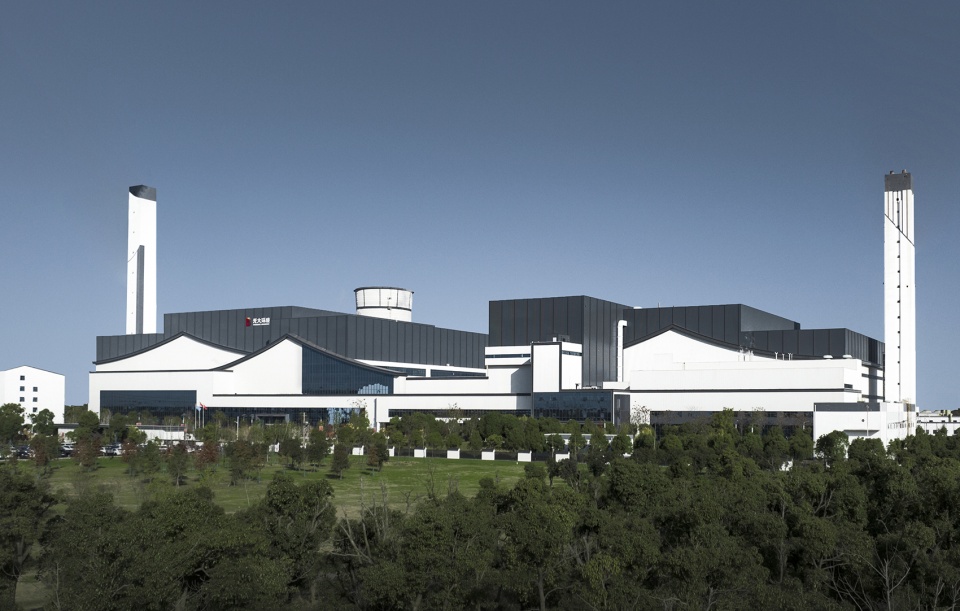
远观是粉墙黛瓦的江南民居,近赏是坡檐舒展的园林意趣,唯有细察方知——这是一座年处理量超百万吨的垃圾焚烧发电厂。设计以轻盈的笔触,转译无锡的水韵与园林意境,消解工业建筑的厚重体量,将一座曾经令人疏离的环保设施,变为生态公园中坡檐微露的江南风格建筑,浑然天成,宛若本就生长于此。
From a distance, it presents as a Jiangnan dwelling with white walls and dark tiles; up close, it reveals the elegant silhouettes of a garden with extending gable eaves. Only upon closer inspection does one uncover its true identity—a waste-to-energy plant processing over one million tons of waste annually. Through a light-touch design approach, we translated Wuxi’s aquatic charm and classical garden aesthetics into architectural language, dissolving the oppressive bulk typical of industrial structures. The once-intimidating facility has been transformed into a Jiangnan-style residence with gently revealed eaves, nestled within an environmental park so seamlessly that it appears to have always belonged here.
▼项目与环境共生:融入无锡肌理,
Project and Environmental Symbiosis: Integrating into Wuxi’s Context
▼整体实景,Overall View of the Project
▼全景视角,Panoramic View
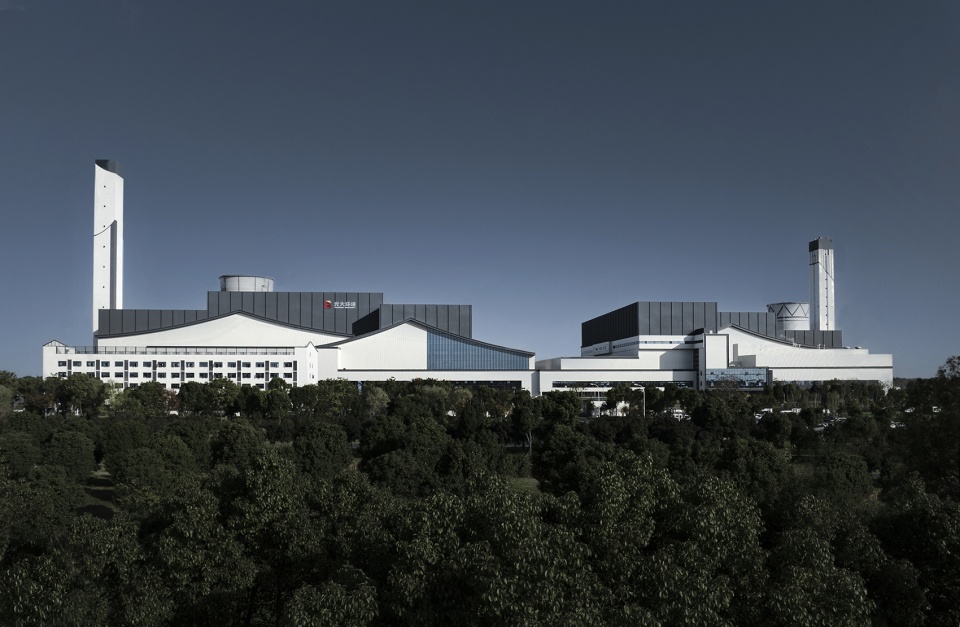
项目位于无锡锡山区,紧邻一期厂房,且被生态绿林公园环绕。委托初期,业主以生产功能为核心诉求,方案拟定采用彩钢板喷绘工艺,以匹配一期厂房的建筑风格。经深入沟通后,项目明确了低成本、融地域、塑亮点的核心方向;考虑到施工已过半、运营节点迫近,设计最终以“最小干预”的原则,力求实现价值最大化。
▼改造前后对比,Renovation Before & After
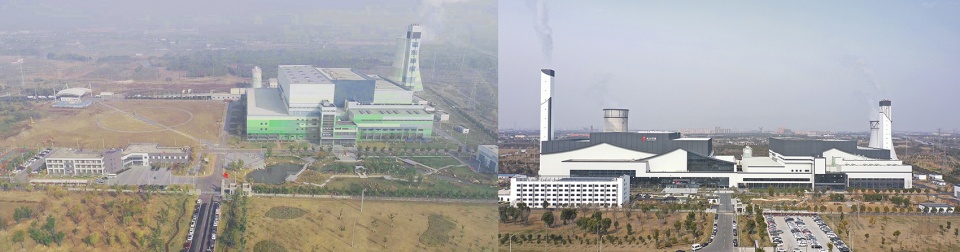
Located in Xishan District, Wuxi, the project sits adjacent to the Phase 1 workshop and is surrounded by a lush green ecological park. At the initial commissioning stage, the client prioritized production functionality, with the original proposal specifying painted color steel sheets to align with the architectural style of Phase 1. Further in-depth discussions clarified the core objectives of cost efficiency, local context integration and landmark creation. With construction already underway and operational deadlines approaching, the design pursued maximum value through a principle of minimal intervention.
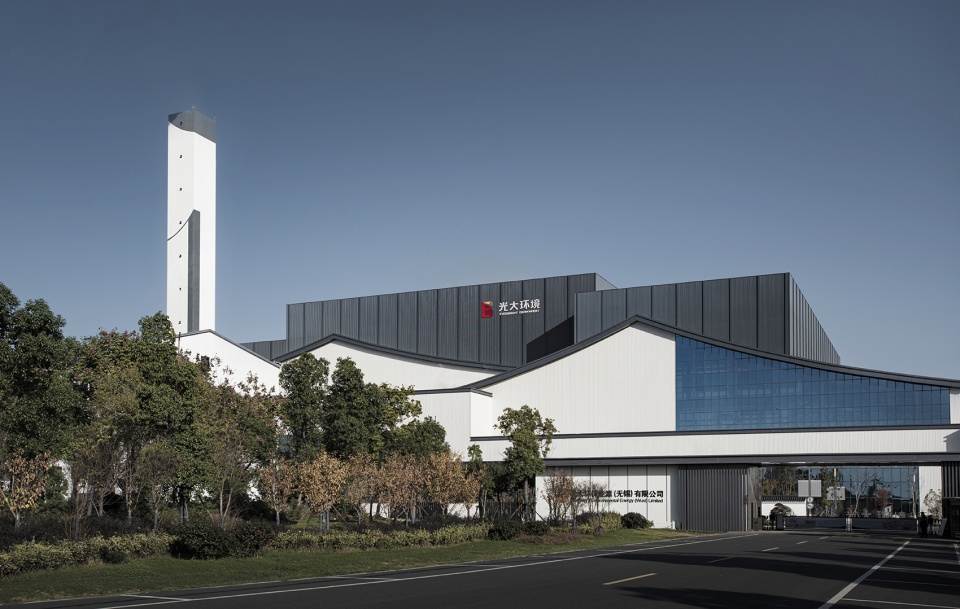
▼主入口:江南风下的环保科普门户,
Main Entrance: A Jiangnan-Style Gateway to Environmental Education
01文化策略:园韵转译,山水入筑 Cultural Strategy: Translating Garden Poetry, Integrating Landscape into Architecture
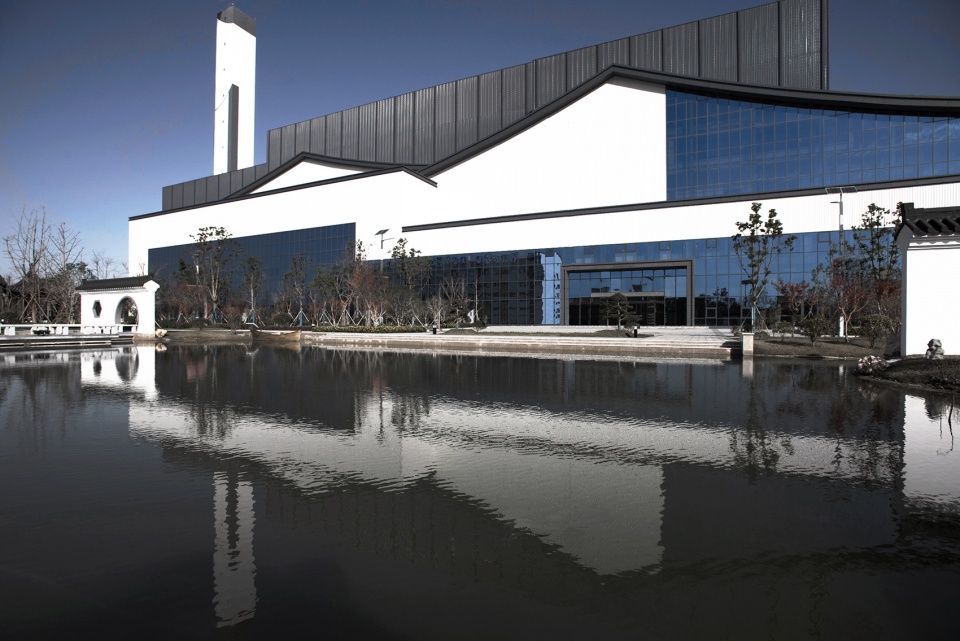
无锡寄畅园的精髓在于山、水、建筑的共生,水景藏于各处。我们垂直转译这一逻辑,结合场地特征,构建了“前景水(水景与幕墙)、中景建筑(白墙与曲线檐口)、后景山(深灰墙面)”的立体层次,暗合山水画意,为工业建筑注入古典韵味。
▼构思概念图(寄畅园布局的垂直转译),
Concept Diagram (Vertical Translation of Jichang Garden’s Layout)
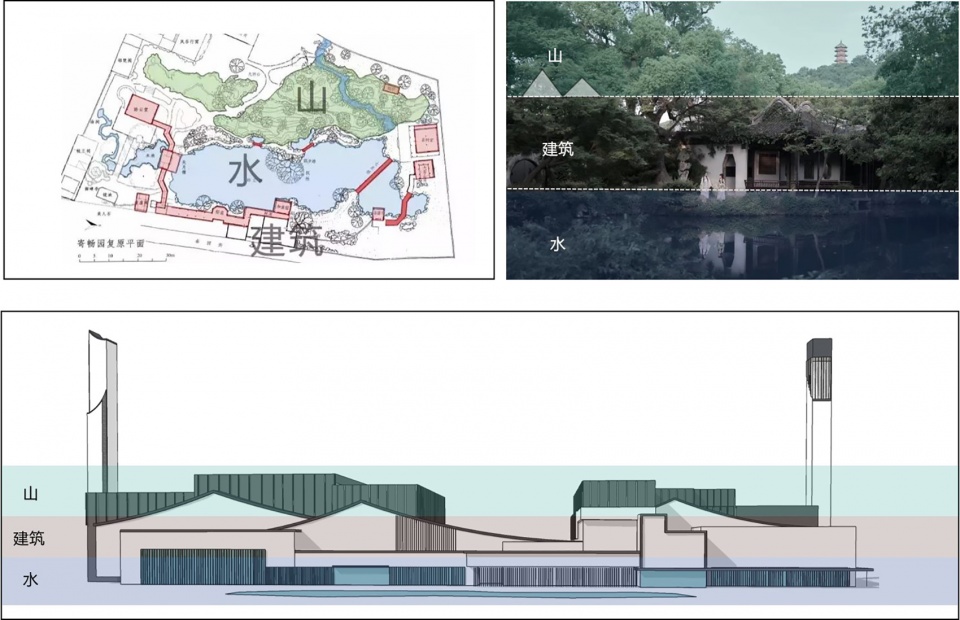
The essence of Wuxi’s Jichang Garden lies in the symbiosis of hills, water, and architecture, with water woven into every vista. We vertically translated this logic, leveraging the site’s features to create a three-dimensional composition: water in the foreground (pools and curtain walls), architecture in the midground (white walls with curved eaves), and hills in the background (dark gray walls). This layering echoes the spirit of traditional Chinese landscape painting, infusing the industrial facility with classical charm.
▼厂房与水景倒影,Workshop Reflection in Water
02体量策略:外挂坡檐,柔化厚重 Volume Strategy: Exterior-Mounted Gable Eaves, Softening Industrial Bulk
建筑高度近60米,若采用完整坡屋顶,极易加剧体量的厚重感。我们以“轻加法”策略应对:以连廊统一两期立面,提取江南民居人字形坡屋顶的优美曲线,打造为外挂式轻质檐口;同时以白墙搭配深灰色上部墙面,还原“粉墙黛瓦”的意象,从而消解工业建筑的视觉压迫感。
▼体量生成示意,Volume Generation Diagram
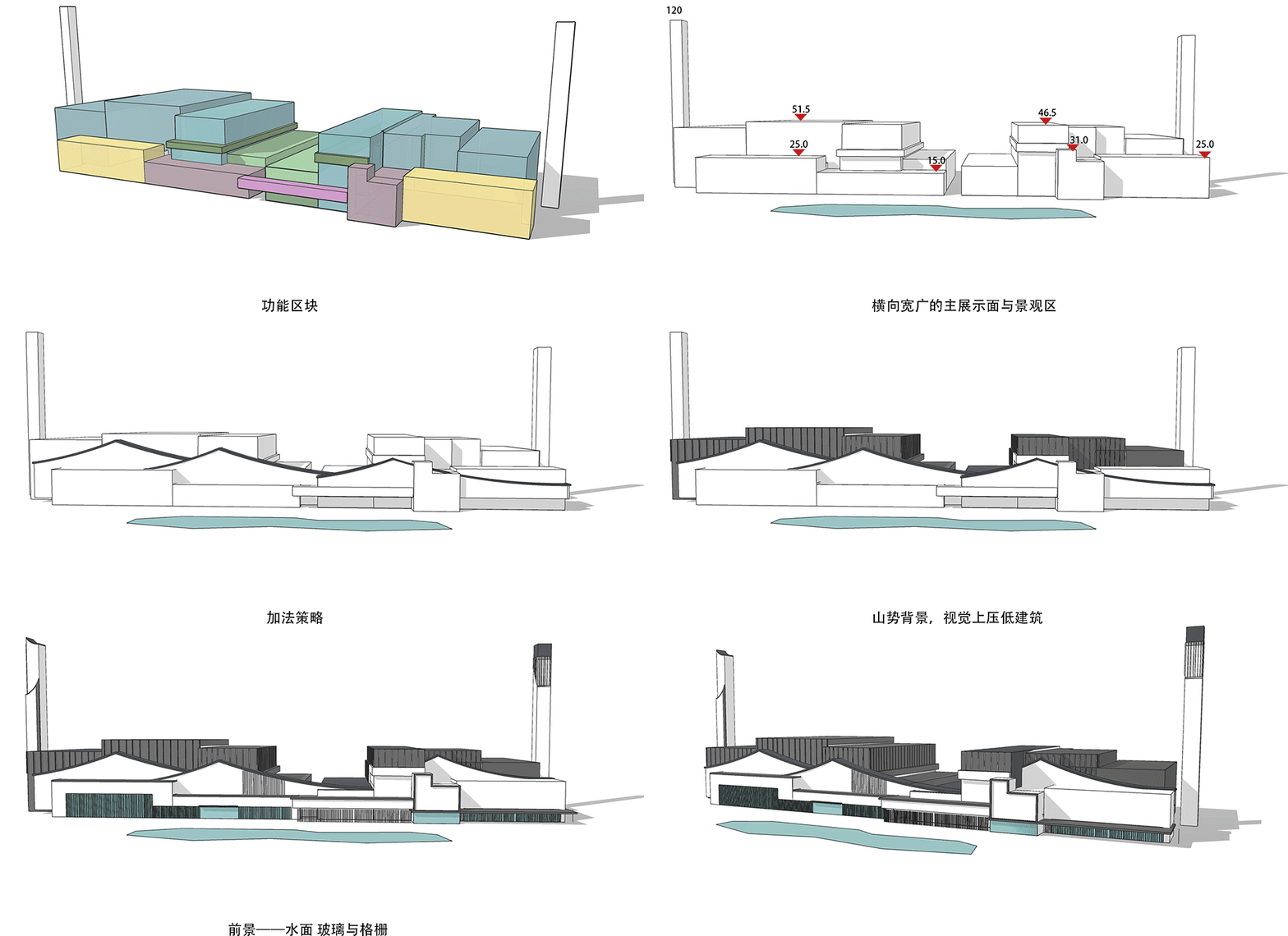
Standing nearly 60 meters tall, a full sloped roof would have accentuated the building’s mass. We adopted a lightweight addition strategy: a connecting corridor unifies the facades of both phases, while the graceful curve of Jiangnan dwellings’ herringbone roofs is extracted to form lightweight attached eaves. White walls paired with dark gray upper cladding evoke the classic “white walls, dark tiles” imagery, thereby softening the visual weight of the industrial structure.
▼外挂式人字坡檐口特写,Close-Up of the Attached Herringbone Eaves
03建造策略:低成本・高质感 Construction Strategy: Low Cost, High Craftsmanship
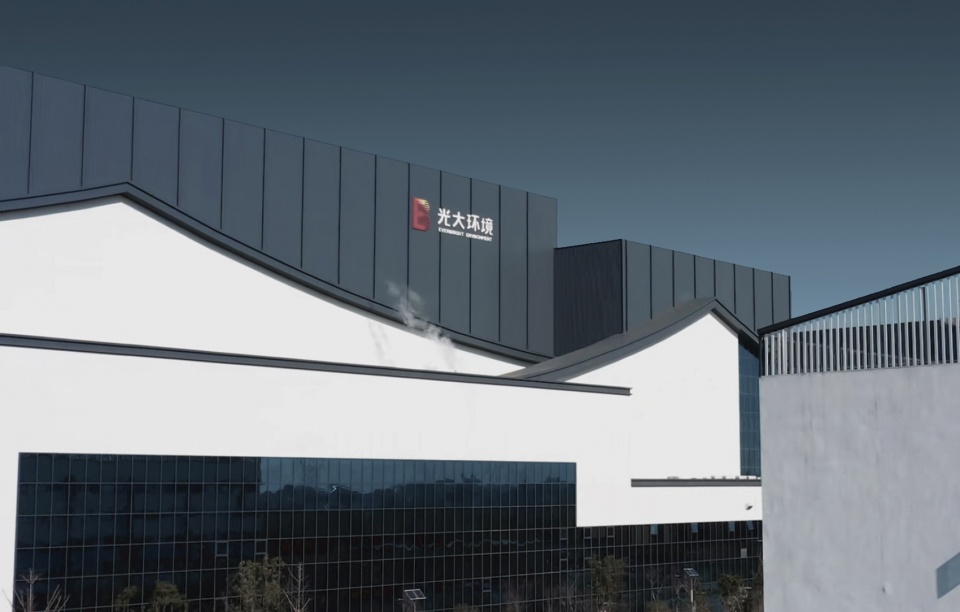
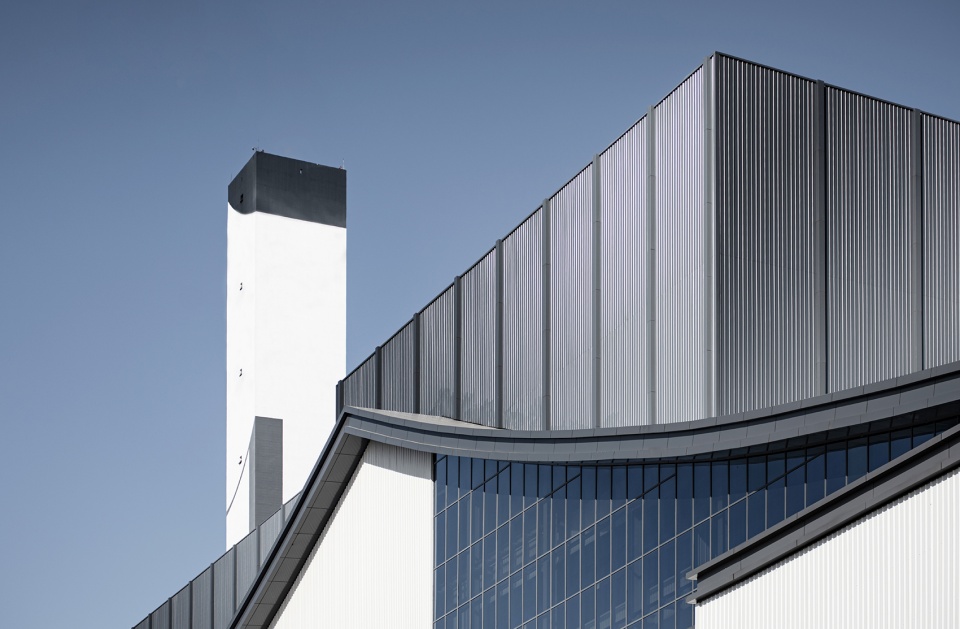
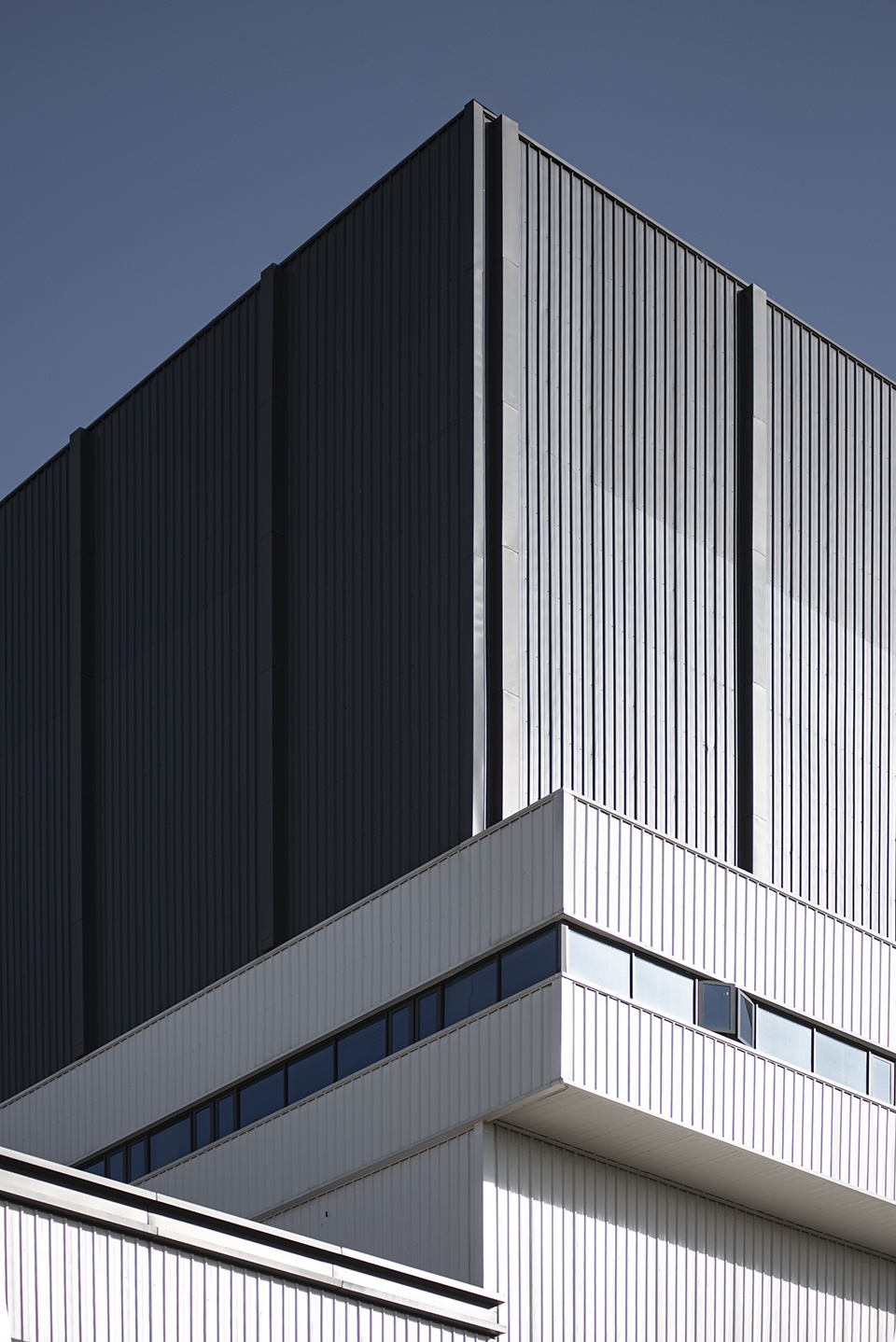
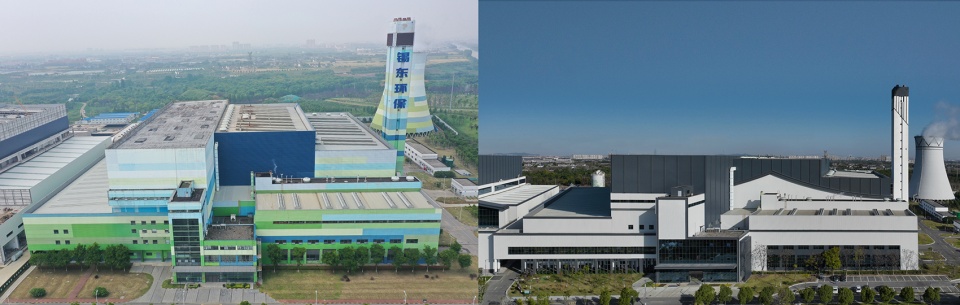
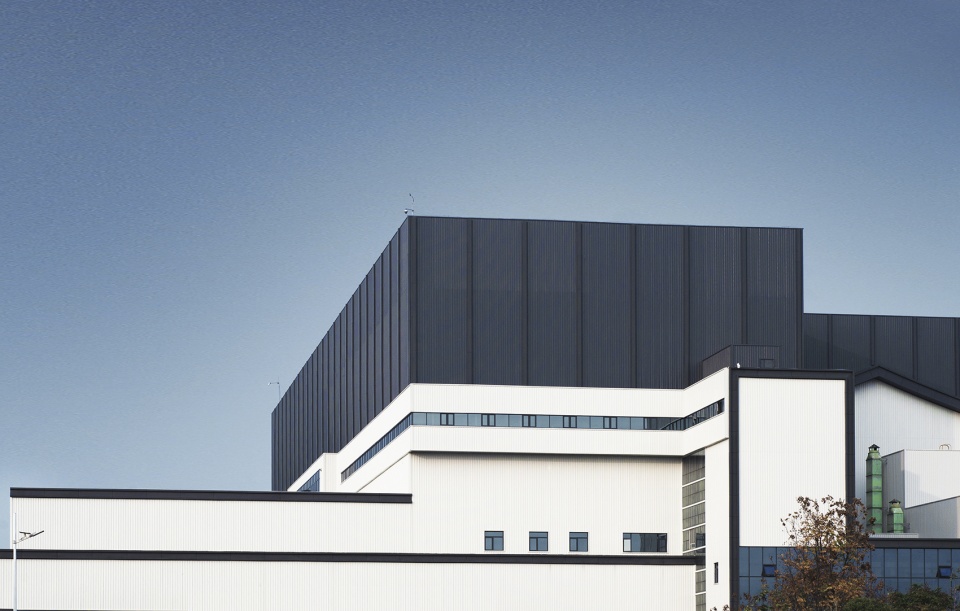
核心原则为不做无用装饰、把钱花在刀刃上:主材选用工业建筑常用的竖向波纹彩钢板,兼具耐候、易维护与低成本优势;细节以易弯折铝板实现曲线檐口,平衡造型美感与施工效率。一期改造保留80%檩条与窗位,仅更换老旧玻璃和外层彩钢板,既严控成本,又实现两期视觉统一。
The core principle is avoiding unnecessary decorations and focusing resources on key aspects. We selected vertically corrugated color steel sheets (commonly used in industrial buildings) as the main material, offering durability, easy maintenance and cost-effectiveness; for details, flexible aluminum plates create curved eaves, balancing aesthetics and construction efficiency. Phase 1 renovation retains 80% of purlins and window positions, replacing only old glass and outer color steel sheets to strictly control costs while unifying the two phases’ visual style.
▼立面材料特写(彩钢板与铝板衔接),
Close-Up of Facade Materials (Connection of Color Steel Sheets and Aluminum Panels)
▼立面材料细节,Facade Material Details
04沟通策略:妥协为优・顺势而为 Communication Strategy: Compromise as Optimization, Working with Constraints
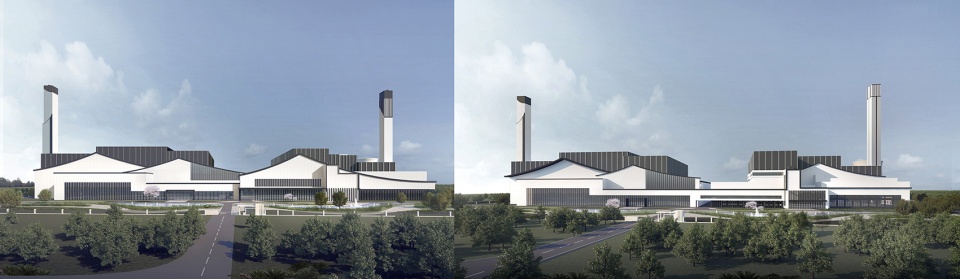
原方案以三个人字坡构建核心造型语言——两处应用于二期厂房,另一处作为连接两期建筑的连廊屋顶形态。然而,连廊新增荷载需由一期既有厂房结构承载,不仅带来极大施工难度,更会干扰园区正常运营。为此,我们做出关键调整:取消连廊的人字坡造型,转而在后方高墙上设置人字坡。这一基于现实条件的优化,虽弱化了原本三坡呼应的造型逻辑,却意外达成了更优视觉效果:一期原本突兀的中控室被自然整合到整体立面,与连廊、二期办公区串联形成连贯的线性前景,暗合古典园林中游廊的意趣。设计并非固执于既定形式,而是在结构限制与运营需求的双重约束下,寻找功能与美学的平衡最优解。
▼造型优化对比,Design Optimization Comparison
▼一期改造前后对比,
Phase 1: Renovation Before & After
The original design used three herringbone gables as the core formal language—two for the Phase 2 workshop and one as the roof of the corridor connecting the two phases. However, the additional load of the corridor would have to be borne by the existing structure of Phase 1, posing significant construction challenges and disrupting the park’s normal operations. We thus made a key adjustment: removing the herringbone gable from the corridor and instead installing this gable element externally on the rear high wall. This optimization, rooted in practical constraints, weakened the original echoing logic of the three gables but unexpectedly achieved a better visual effect: the once obtrusive central control room of Phase 1 was seamlessly integrated into the overall facade, forming a coherent linear spatial foreground with the corridor and Phase 2 office area, subtly echoing the charm of corridors in classical gardens. Design does not adhere stubbornly to predetermined forms but seeks the optimal balance between functionality and aesthetics amid structural limitations and operational needs.
▼一期改造细节,Phase 1 Renovation Details
结语 Conclusion
摒弃夸张造型与昂贵饰面,本项目以文化提炼、轻量改造、成本控制为核心,让工业建筑跳出功能桎梏,实现美学、环保与社会价值的共生。作为全国首批青少年生态文明教育实践场馆,这座昔日“工业孤岛”已深植无锡肌理,成为承载地域记忆、备受市民接纳与喜爱的环保文化地标。
▼功能空间分析图,Functional Space Analysis Diagram
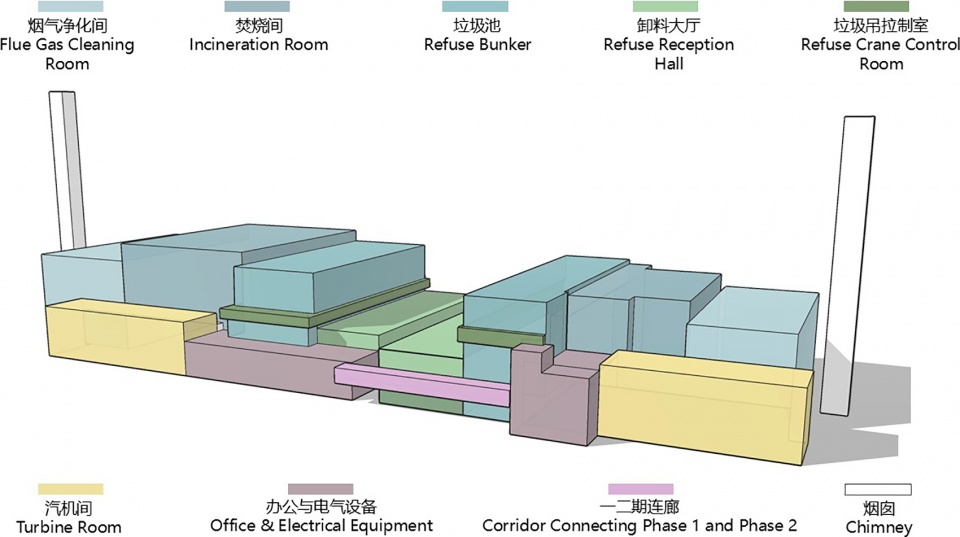
Free from exaggerated forms or costly cladding, this project centers on cultural distillation, lightweight renovation, and cost control—enabling the industrial building to break free from functional constraints and achieve the symbiosis of aesthetic, environmental, and social values. As one of China’s first youth ecological civilization education venues, the former “industrial isolate” has taken root in Wuxi’s context, evolving into an environmental and cultural landmark that carries local memories and is widely embraced by citizens.
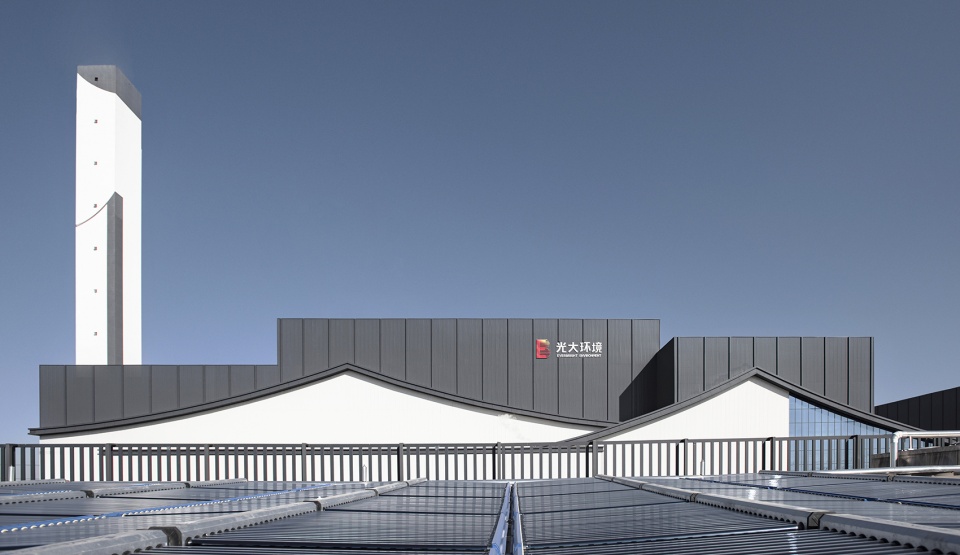
▼宿舍视角:工业建筑融入日常景致,Dormitory View: Industrial Building in Daily Scenery
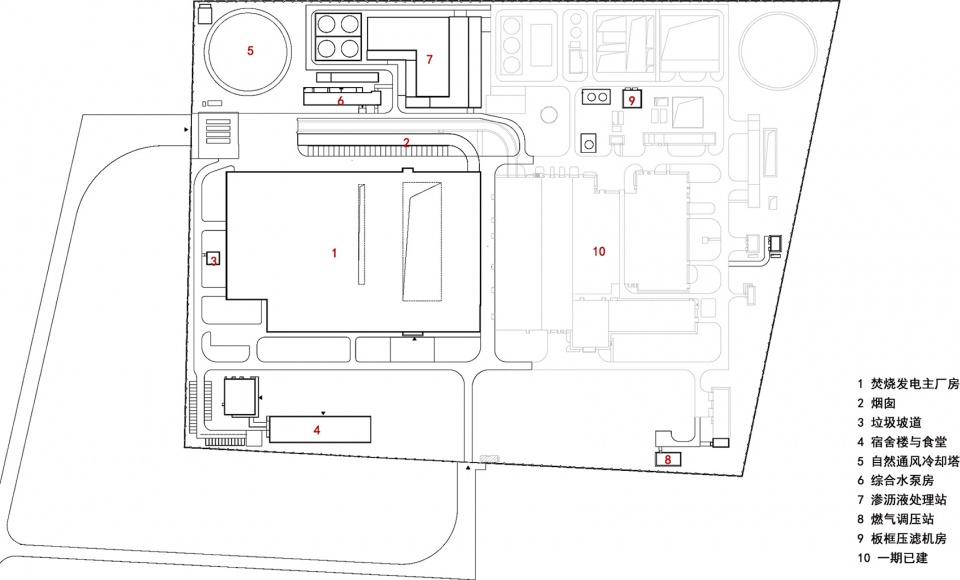
▼总平面图,Master Plan
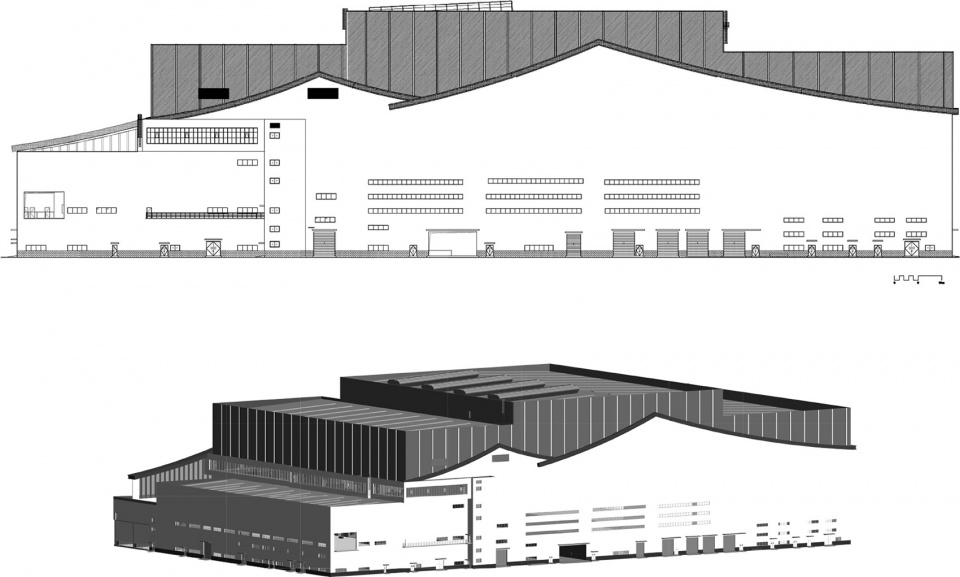
▼二期南立面图,South Elevation of Phase 2
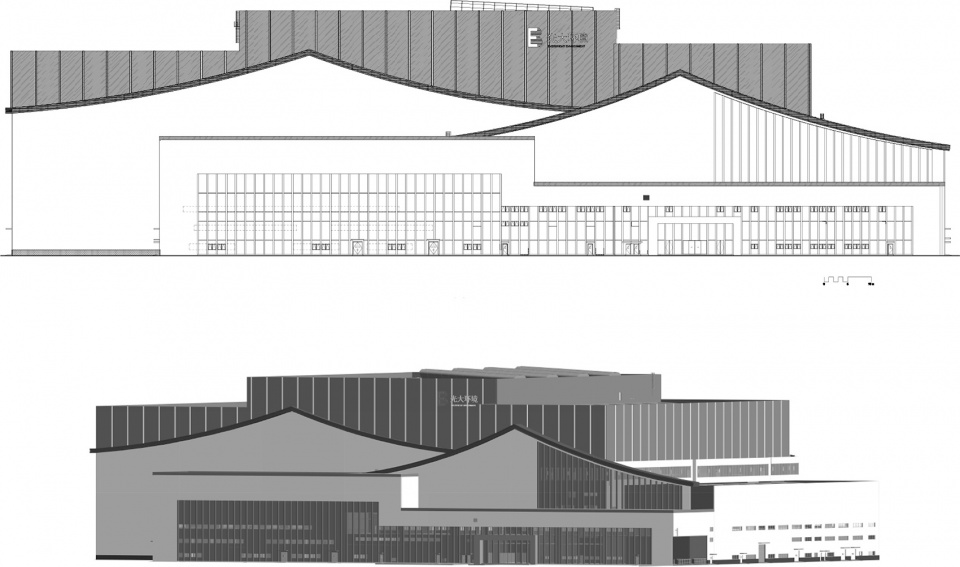
▼二期北立面图,North Elevation of Phase 2
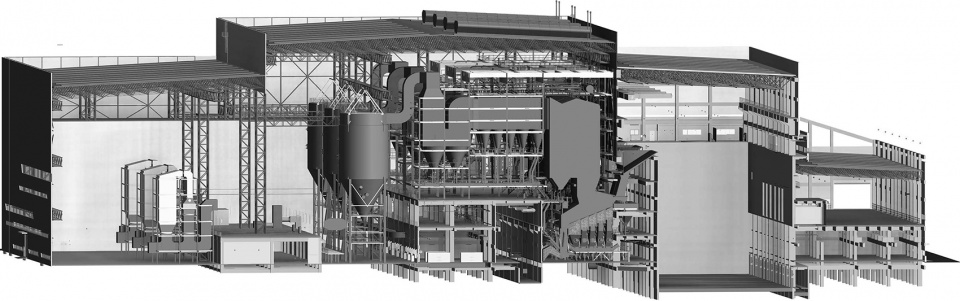
▼二期BIM剖切图,BIM Section of Phase 2
项目信息
Project Information
Project name: Xidong Domestic Waste Incineration Power Plant Upgrade & Expansion Project
Project type: Industrial Architecture / Facade Renovation
Design: Guangzhou WeTech Engineering Technology Co., Ltd. (WeTech)
Website: http://www.gwetech.com/
Contact e-mail: hezy@gwetech.com
Design year:2019-2023
Completion Year:2023
Leader designer & Team: Wu Yuqiong (Chief Designer), Liang Wenlong, Guan Dingli, Li Xin, Li Fangfang, Lai Xiaocui, Wu Shaoze, Zhang Xueqian, Wang Haifan, Li Zongcan, Cai Xiaobo, Chen Shukai, Liang Dakang
Project location: Huangtutang Village, Donggang Town, Xishan District, Wuxi City
Gross built area: 101,580㎡
Photo credit: WeTech、Ai Sheying De Xiaozhang、Wu Yuqiong、Everbright Environmental Energy (Wuxi) Co., Ltd.
Clients: Everbright Environmental Energy (Wuxi) Co., Ltd.
Materials: color steel sheet, aluminum veneer, glass