NIU N230住宅,西班牙 / Fran Silvestre Arquitectos
NIU项目的构想源于对建造体系的创新探索,旨在提升建筑实现过程中的精确性。其目标是在确保工期与成本可控的同时,提升人居环境的品质,使其更加可持续且更有益于健康。
The NIU project was conceived with the aim of innovating construction systems in order to increase precision in the materialization of architecture. Its purpose is to offer certainty in timelines and costs, while simultaneously enhancing the quality of human environments and making them more sustainable and healthier.
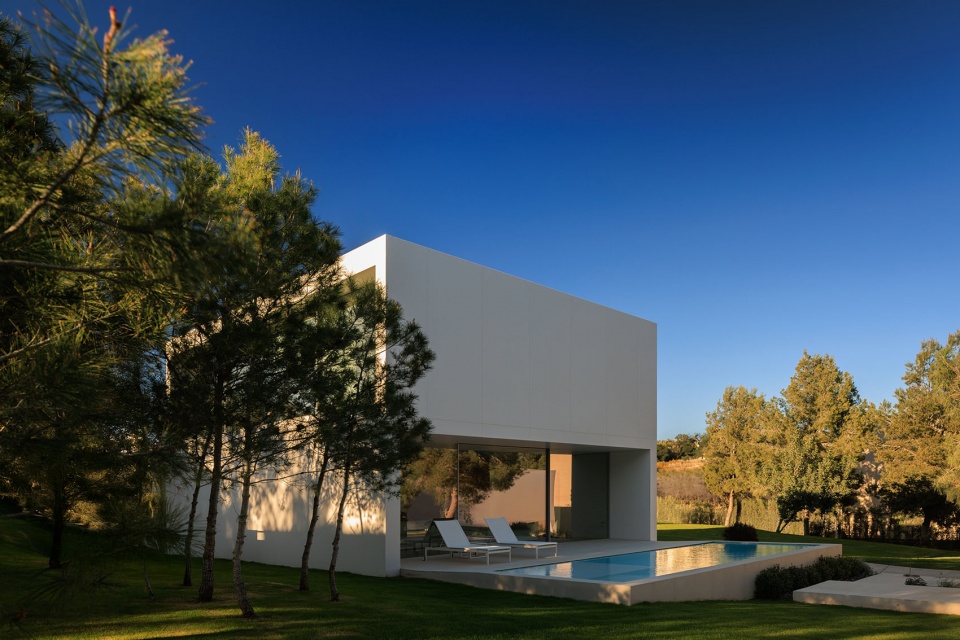
▼建筑外观概览,Building exterior overview
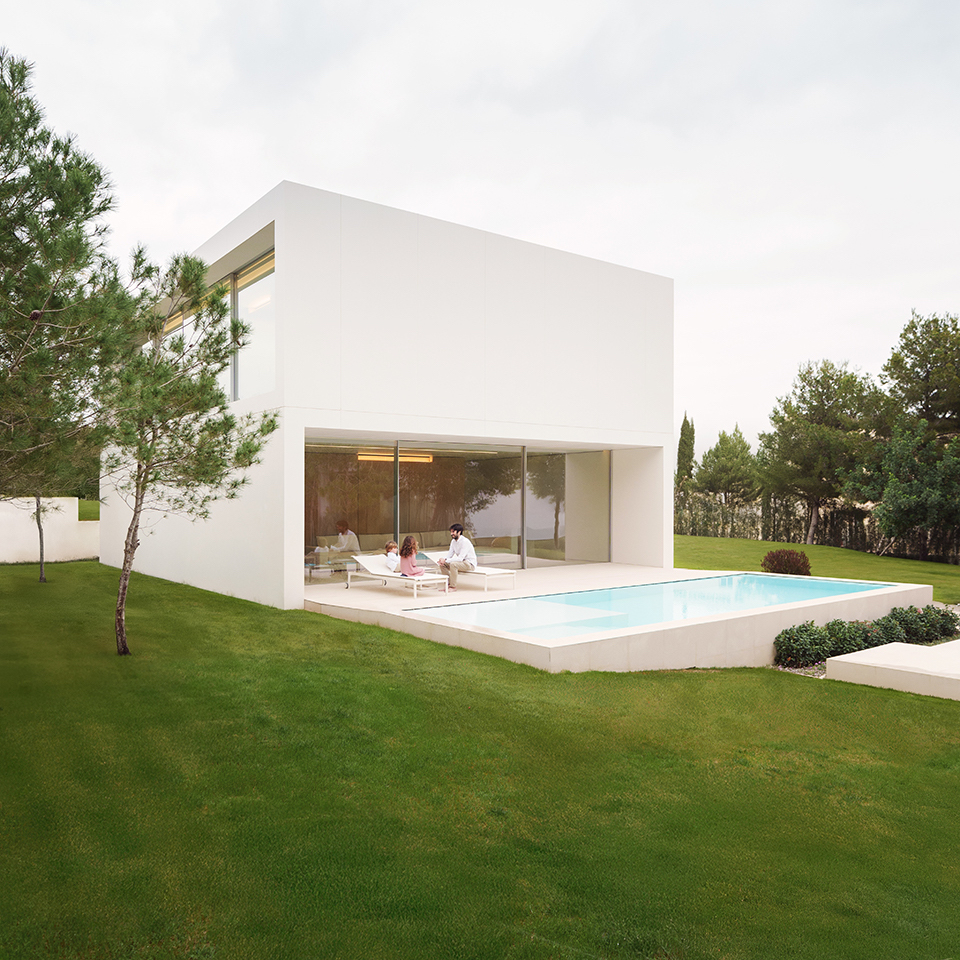
▼建筑外观概览,Building exterior overview
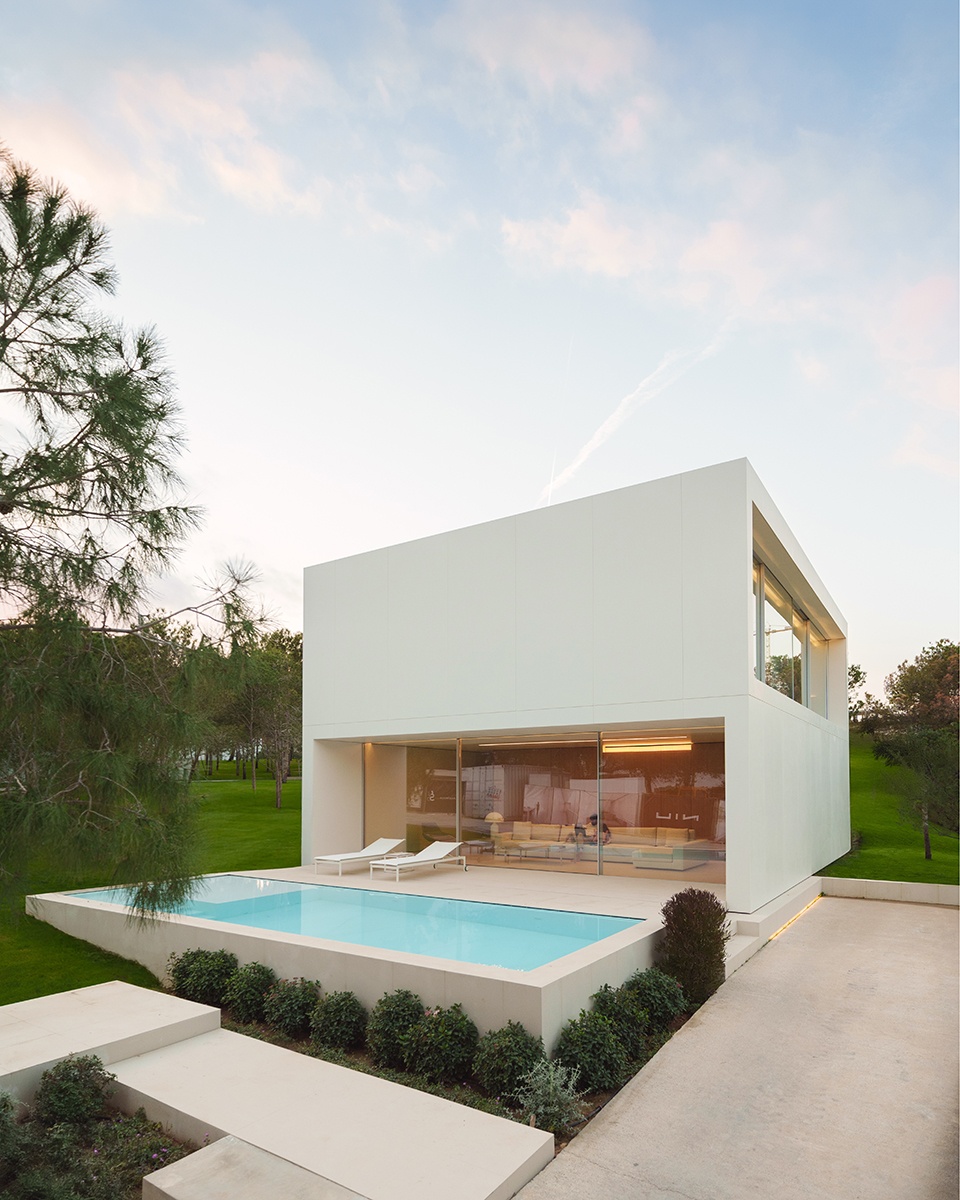
▼建筑立面,Building facade
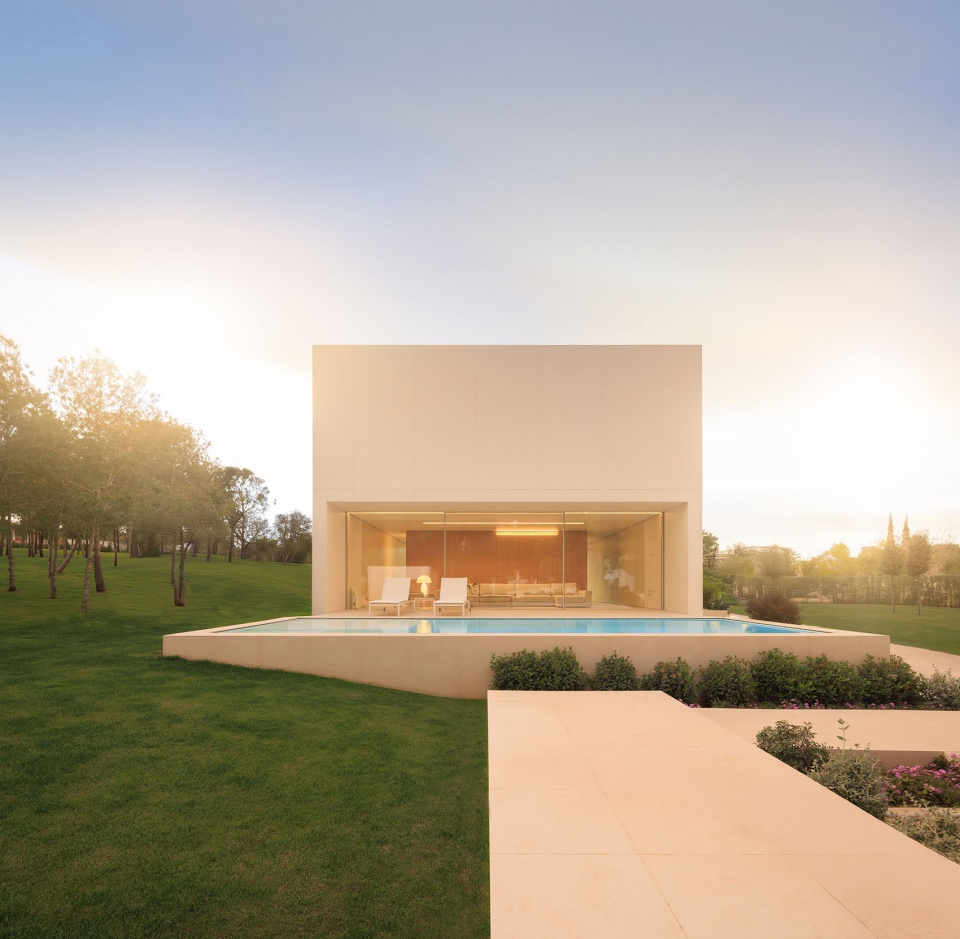
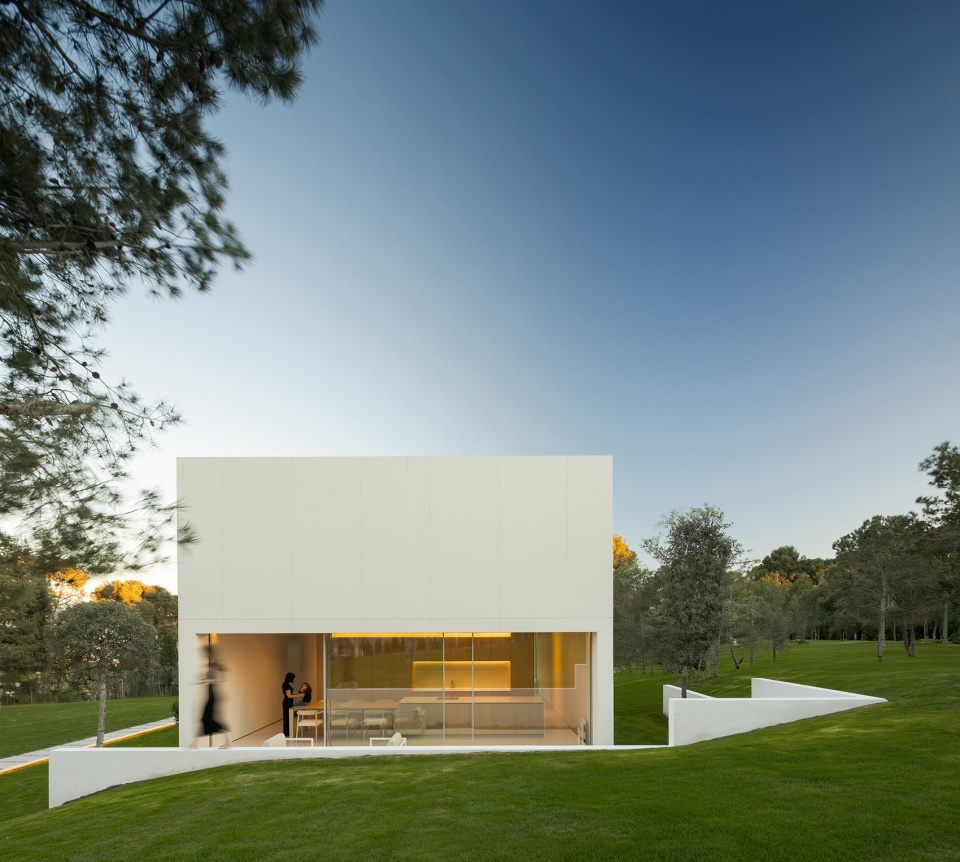
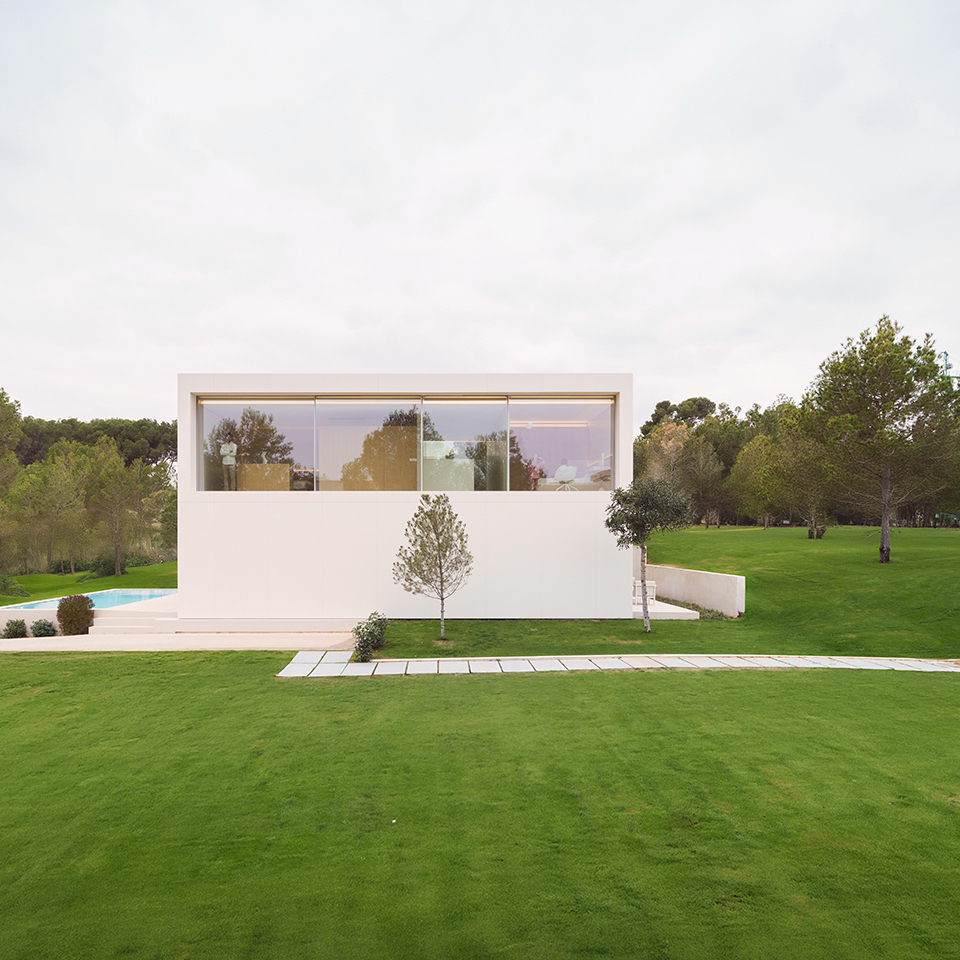
▼建筑立面近景,Building facade
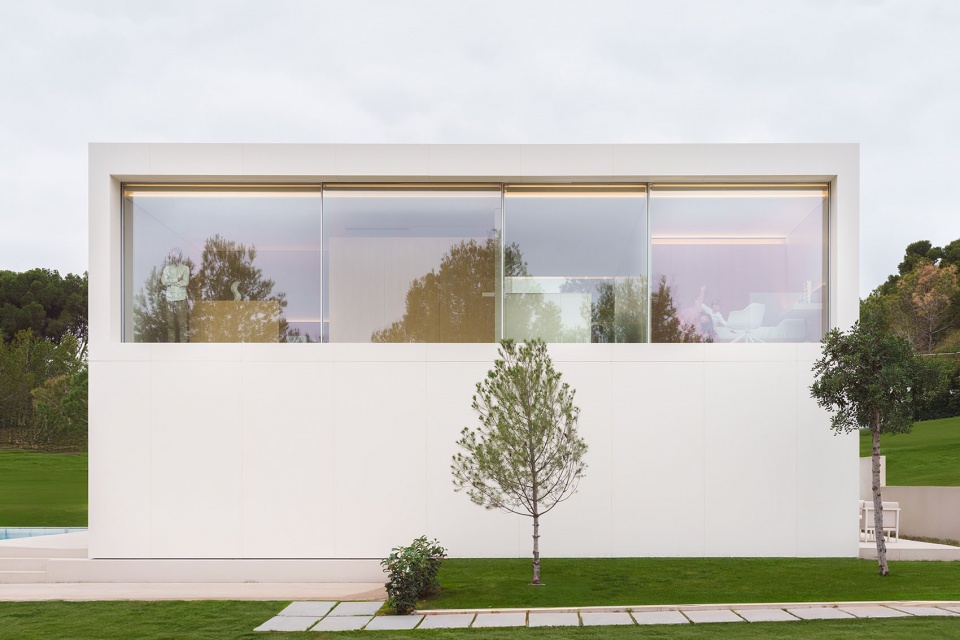
▼建筑外观近景,Building exterior close view
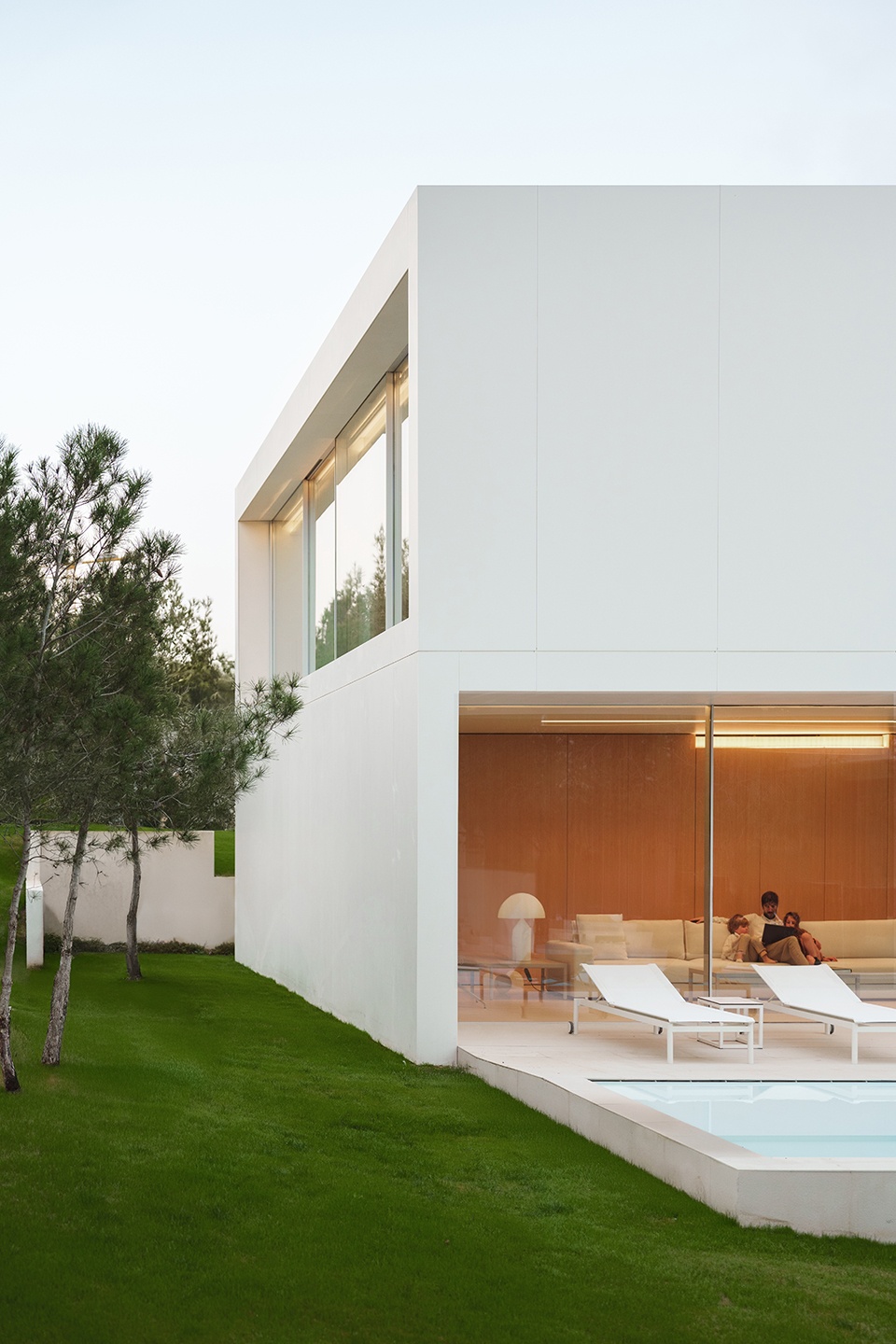
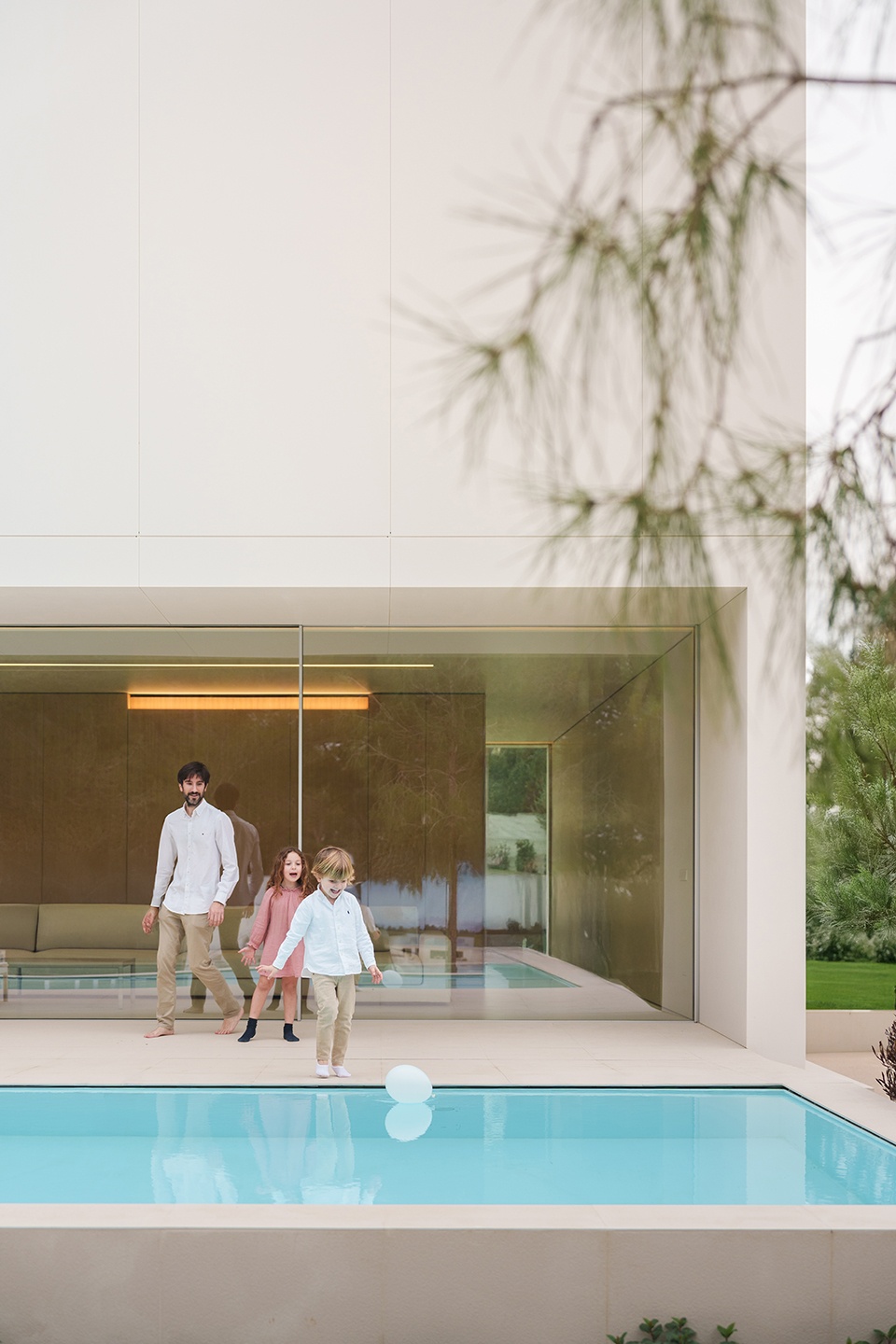
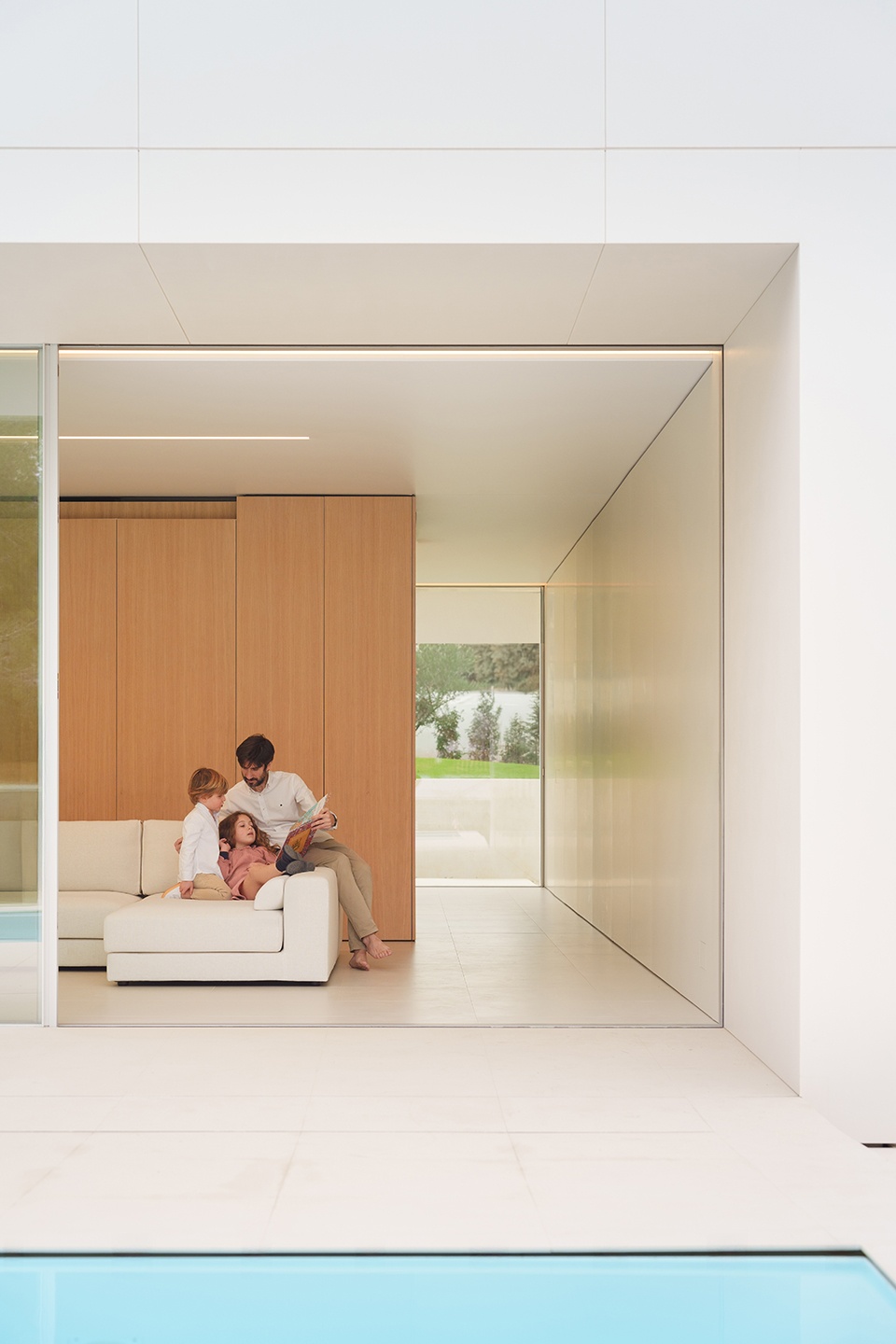
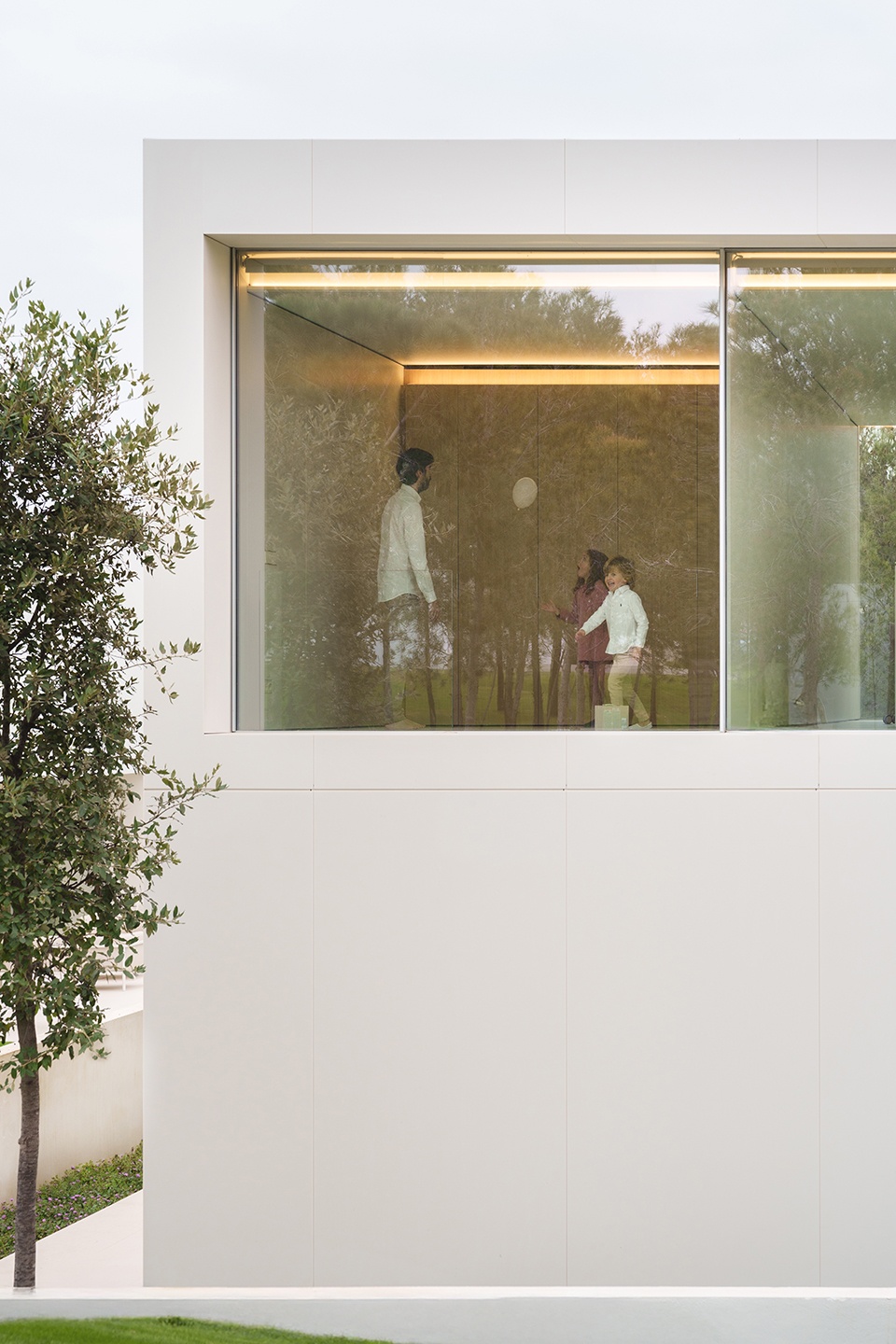
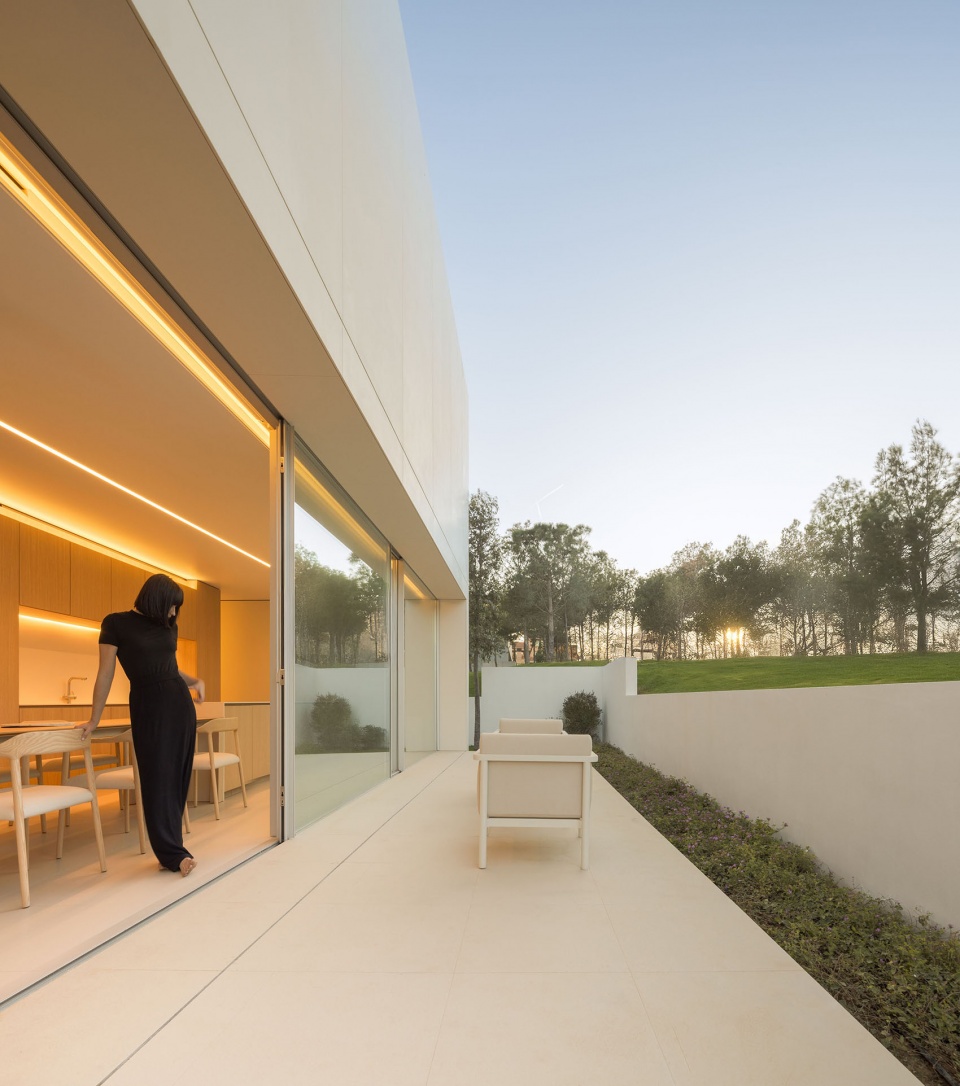
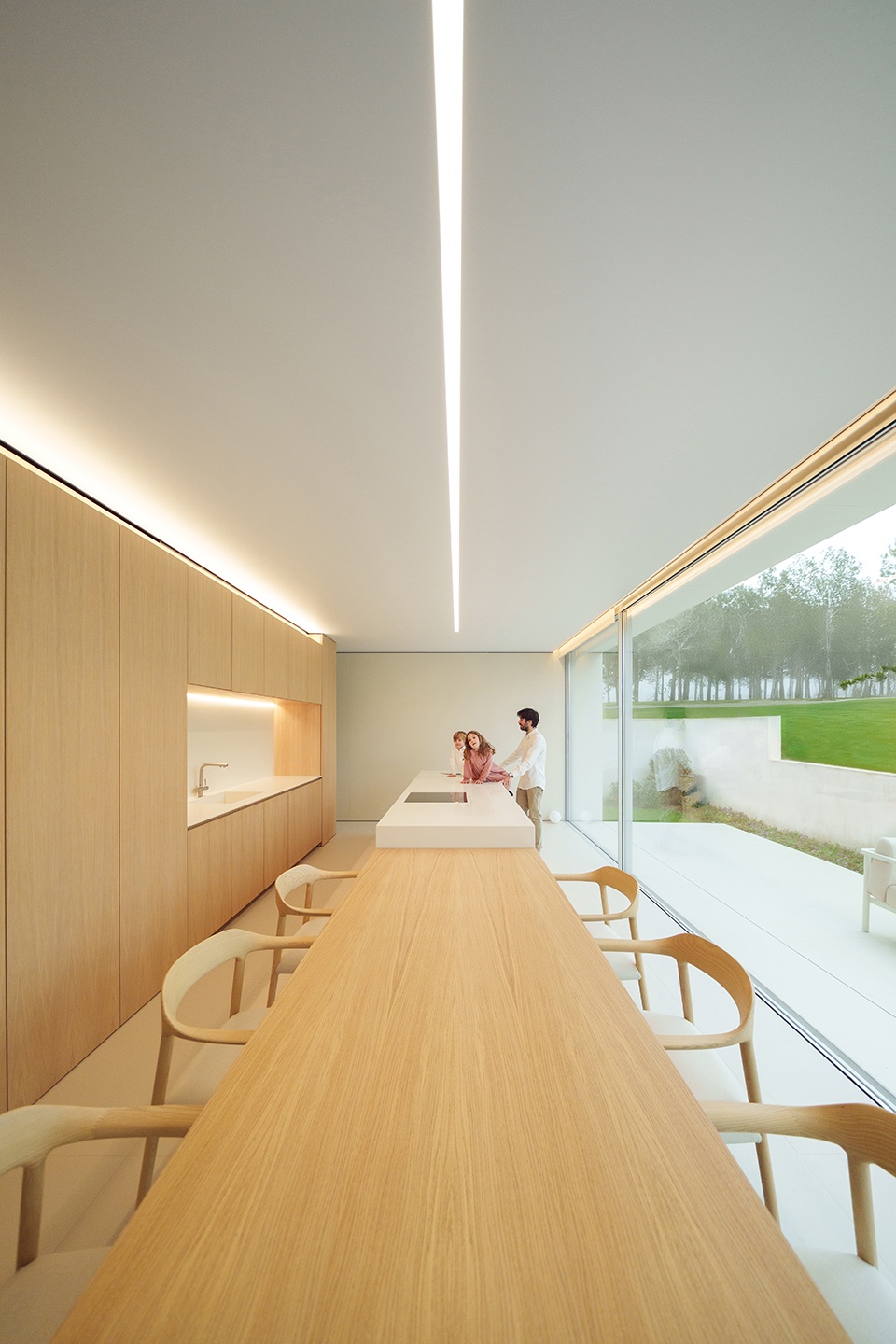
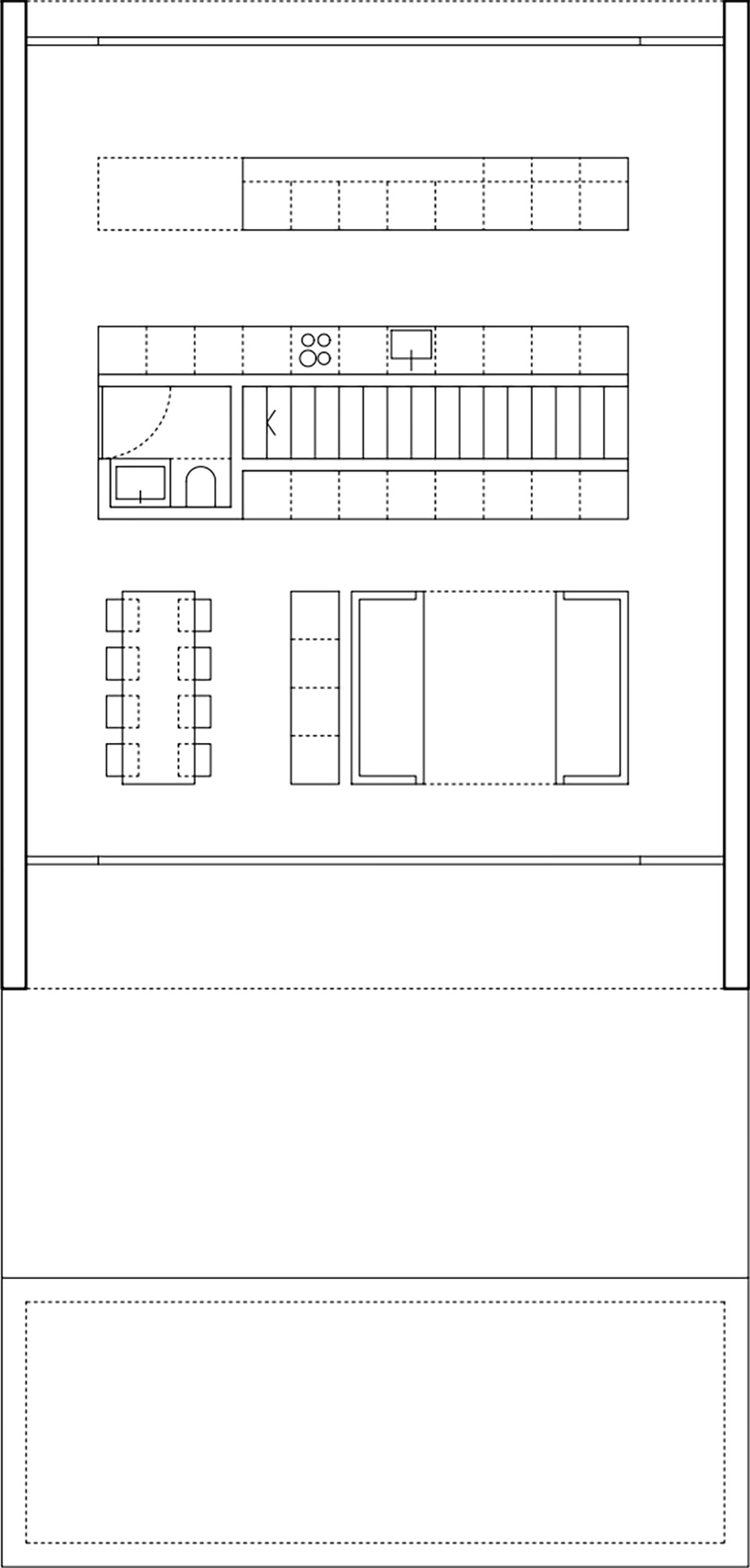
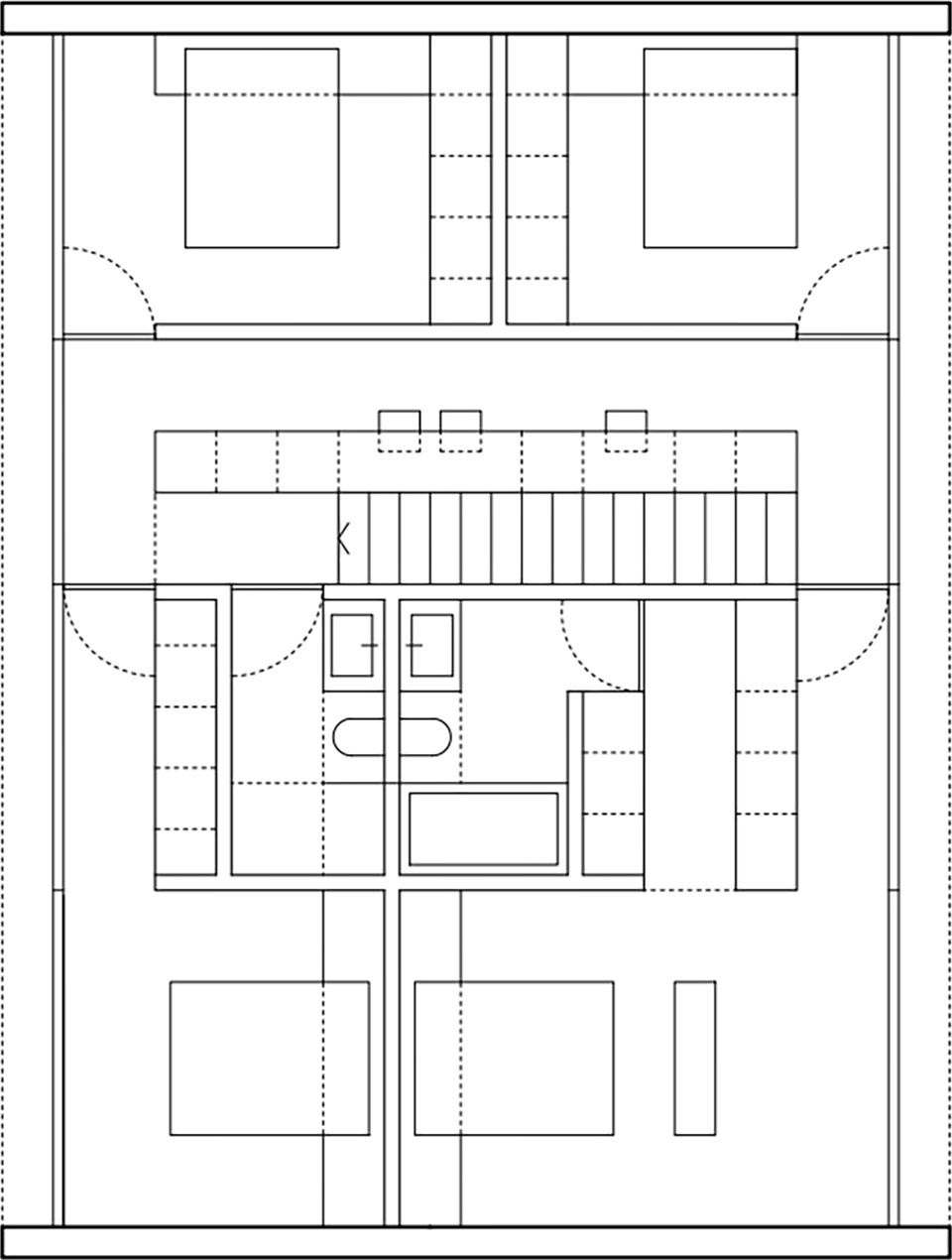
N230是NIU体系中的一个住宅原型。该住宅为紧凑型居住单元,围绕两个相互垂直布置的贯通空间展开。这一几何关系使首层可将日间活动集中于两个具有不同氛围的空间之中,并通过交通核心与湿区进行组织。同时,这一布局也促成了更加自然的私密过渡,在日间与夜间功能之间建立清晰的分区。二层设置四个房间,以及一个同时兼具分配与书房功能的第五空间。通过楼梯的上行被设计为一种空间体验:行进路径向外展开,使视线成为居住体验的主动组成部分。住宅采用温暖色调的材料体系,以RAL 9016白色为主,同时通过浅色橡木饰面处理核心构件与家具元素,以实现整体的平衡与温润氛围。
▼模型,Model
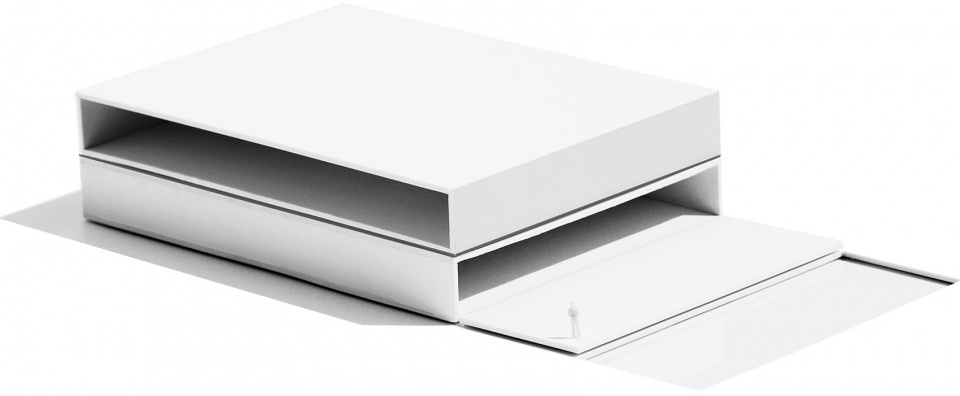
The N230 is a typology within the NIU ecosystem. It is a compact dwelling organized around two through spaces arranged perpendicularly. This geometry allows the ground floor to concentrate daytime living in two differentiated atmospheres, articulated by the circulation core and the wet areas. At the same time, the layout encourages a more natural transition toward privacy, establishing a clear separation between the daytime and nighttime zones. The upper floor accommodates four rooms, along with a fifth space that functions simultaneously as a distributor and a study area. The ascent via the staircase is conceived as a spatial experience: the route opens toward the exterior, turning the views into an active part of the home. The house is conceived using a palette of warm tones, with a predominance of RAL 9016 white, while the central elements and furniture pieces are resolved through light oak paneling, providing balance and warmth.
▼室内外过渡空间,Indoor-outdoor transition space
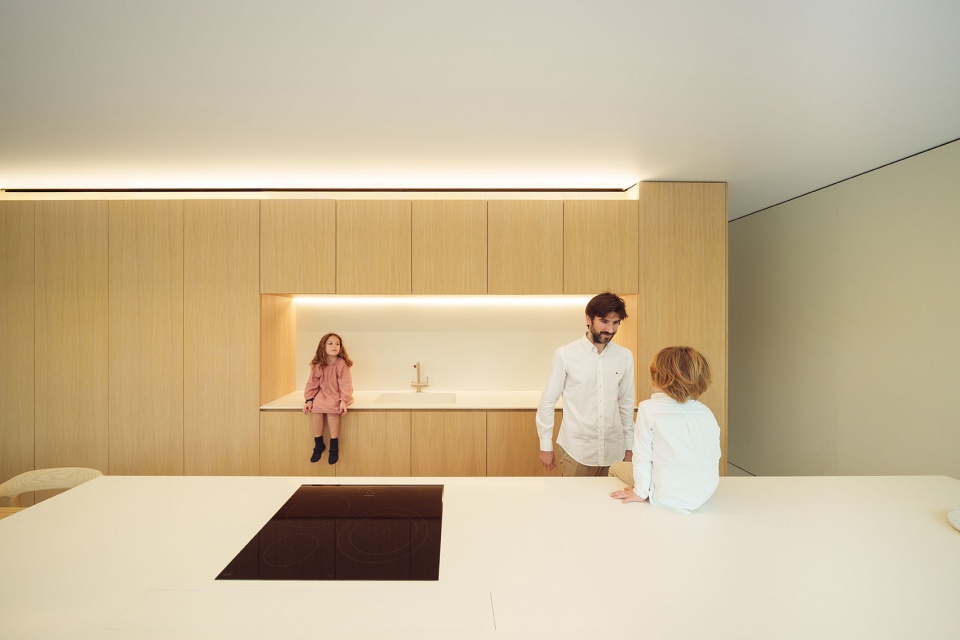
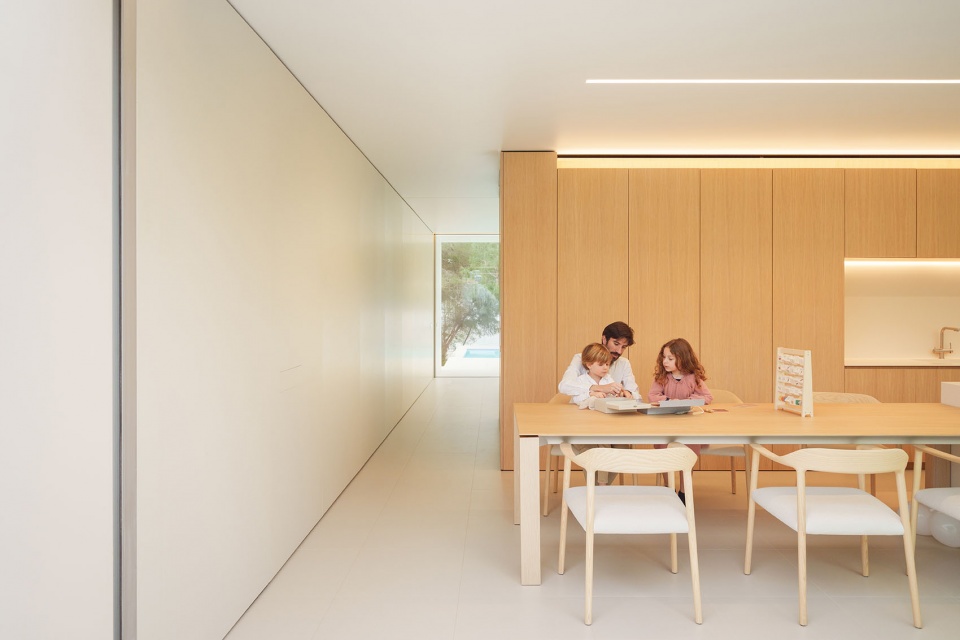
▼厨房与餐厅,Kitchen and dining room
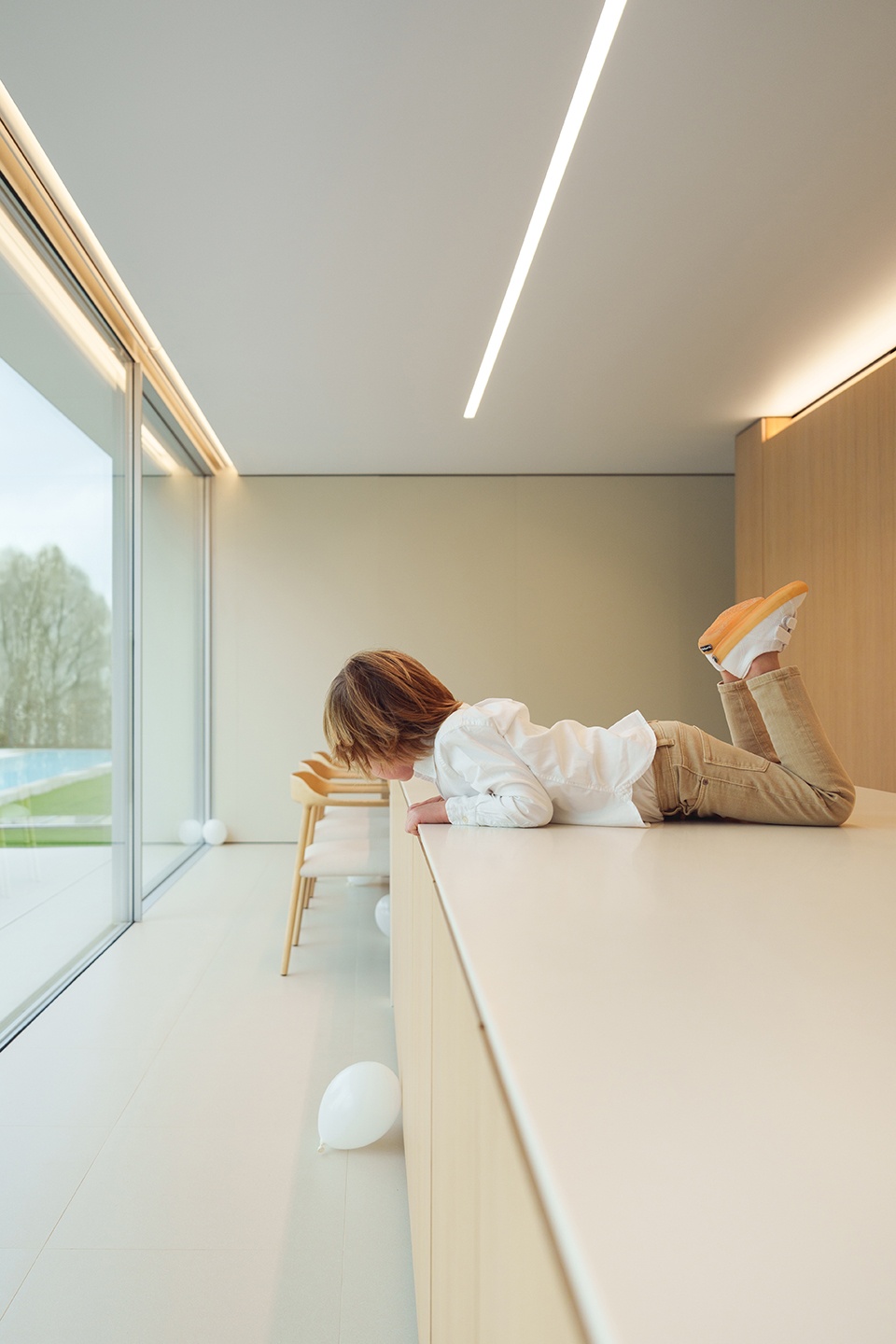
▼厨房与餐厅,Kitchen and dining room
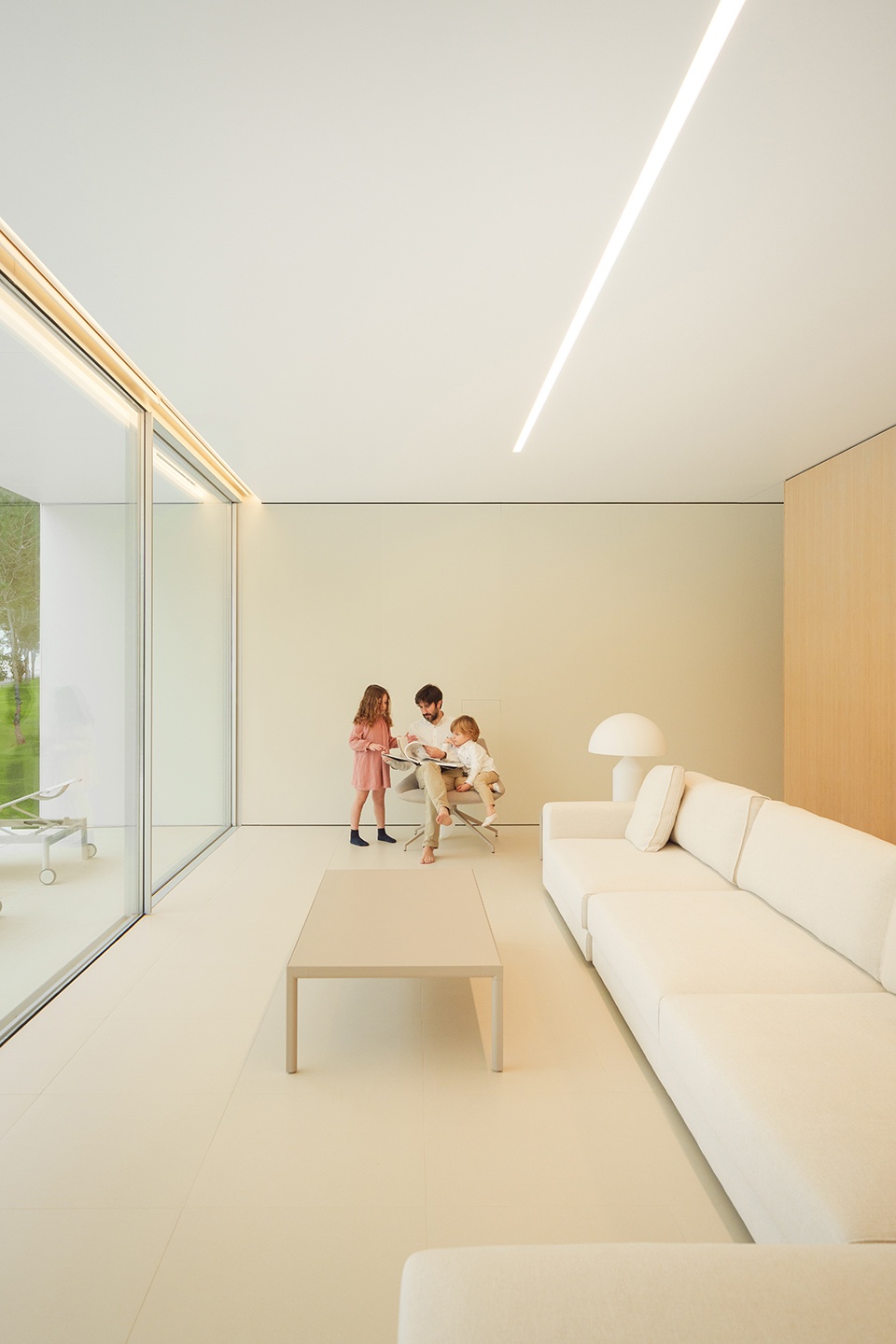
▼起居室,Living room
▼二层室内空间,First-floor interior
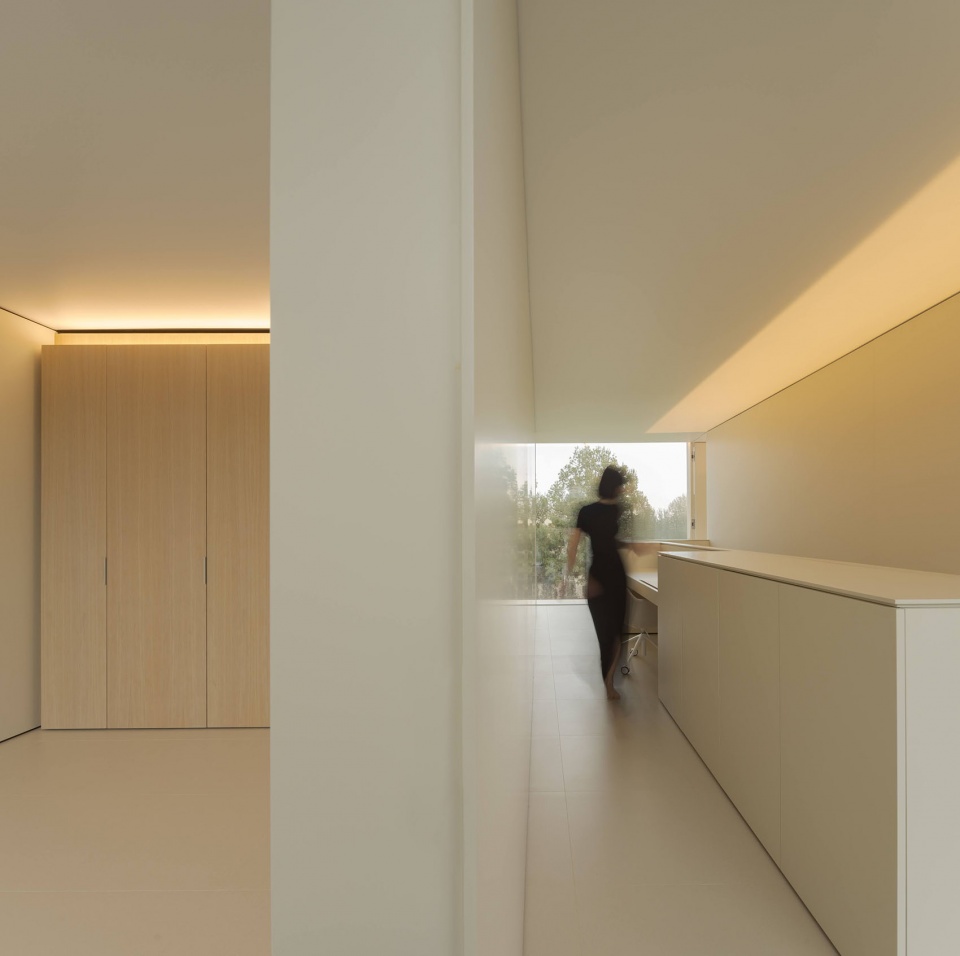
▼交通核心,Circulation core
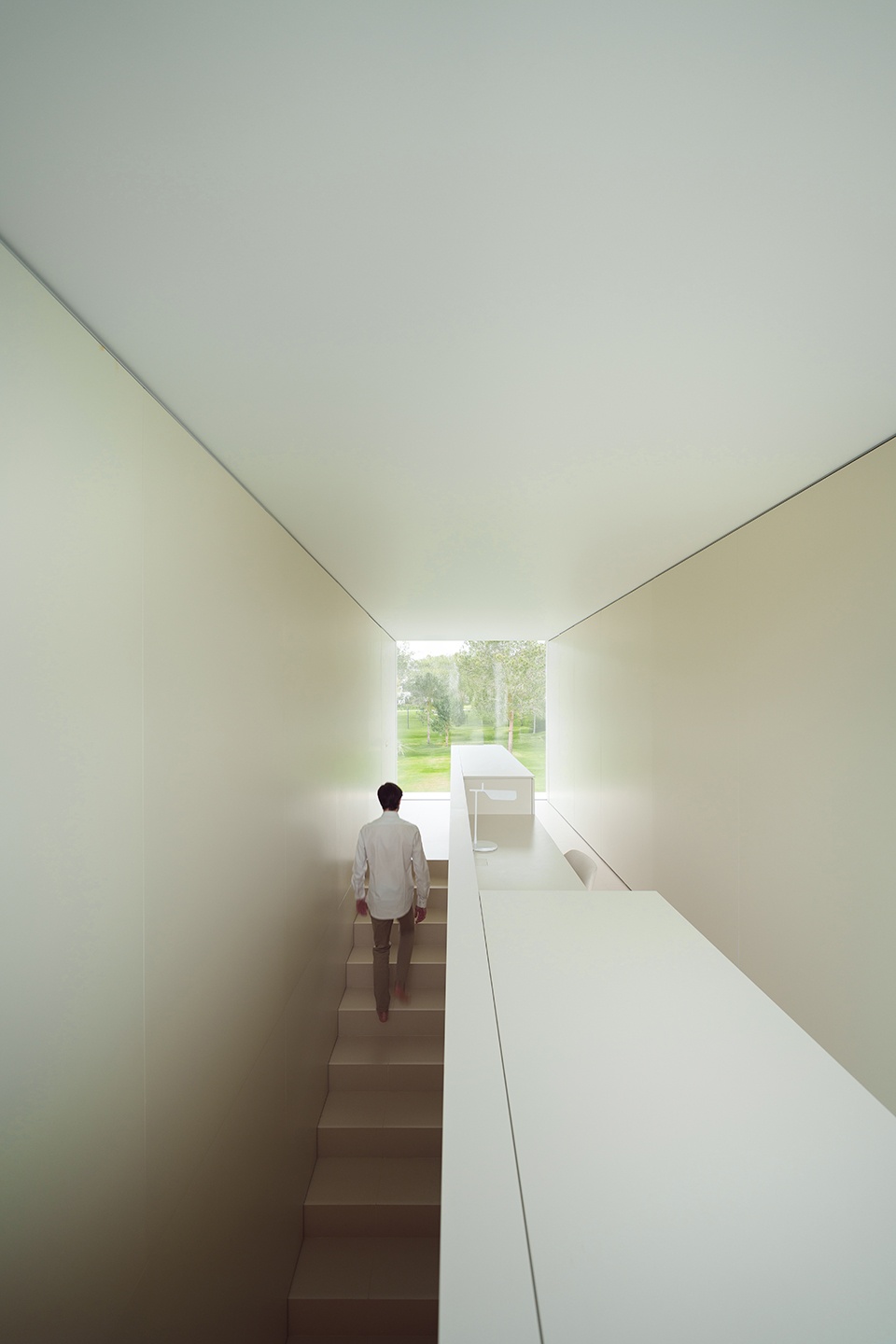
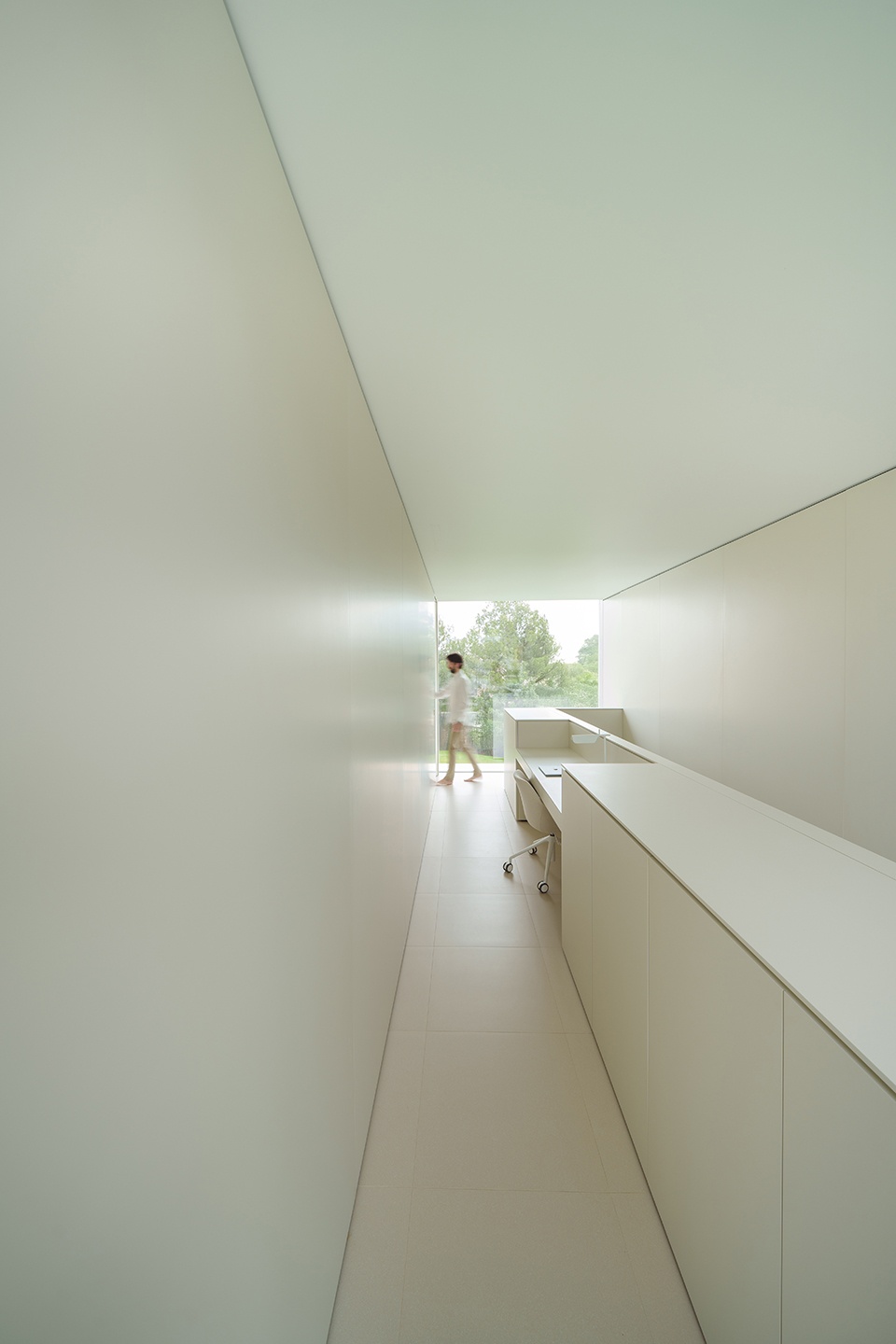
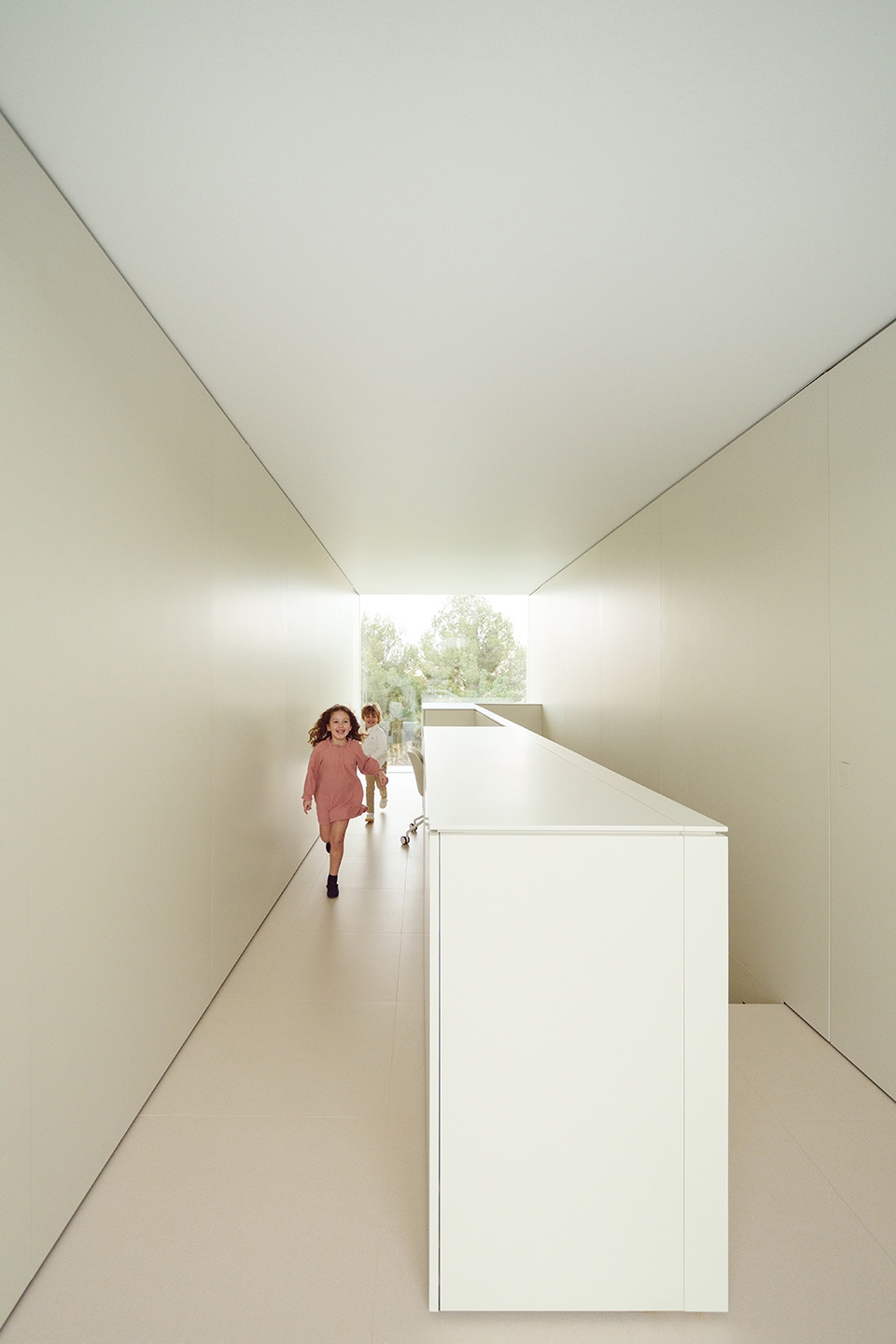
▼楼梯,Staircase
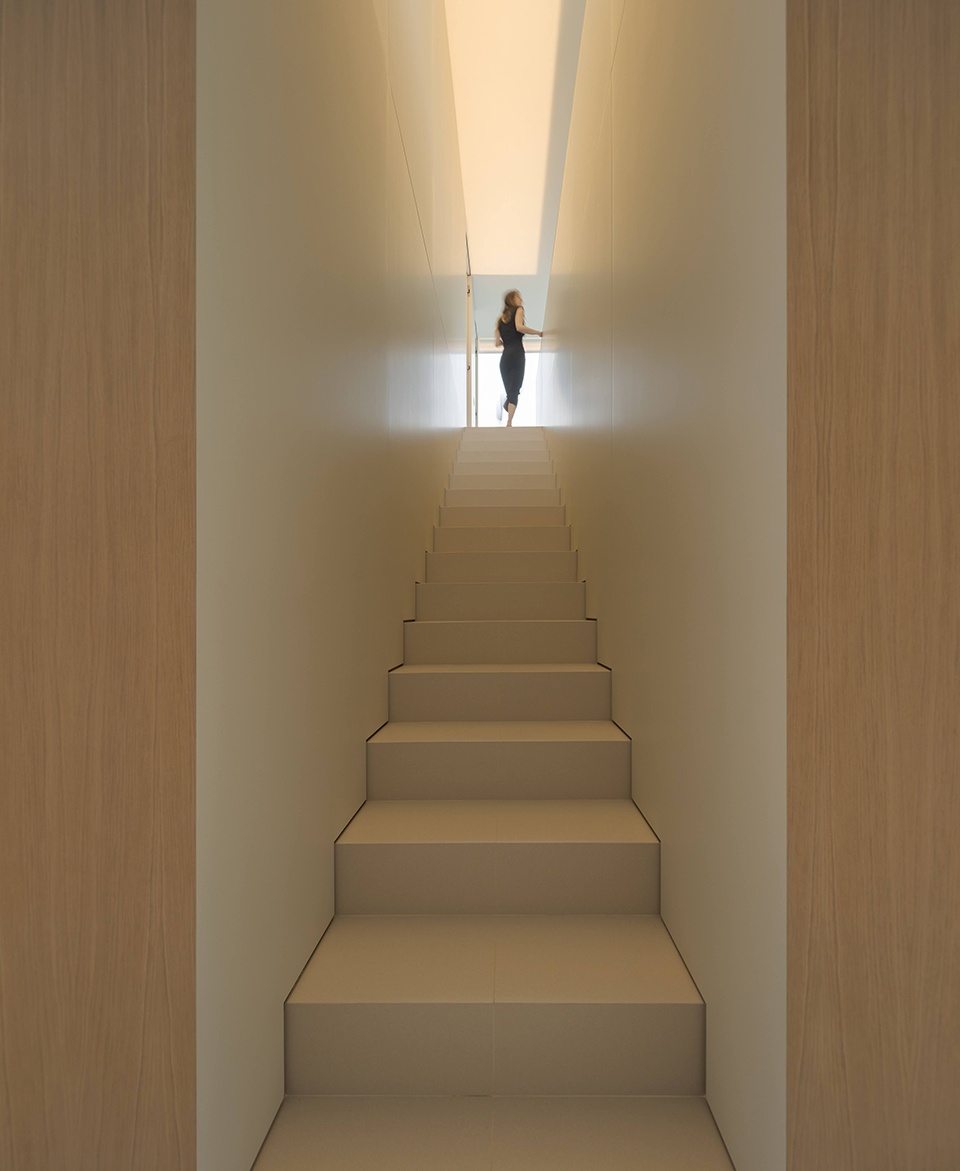
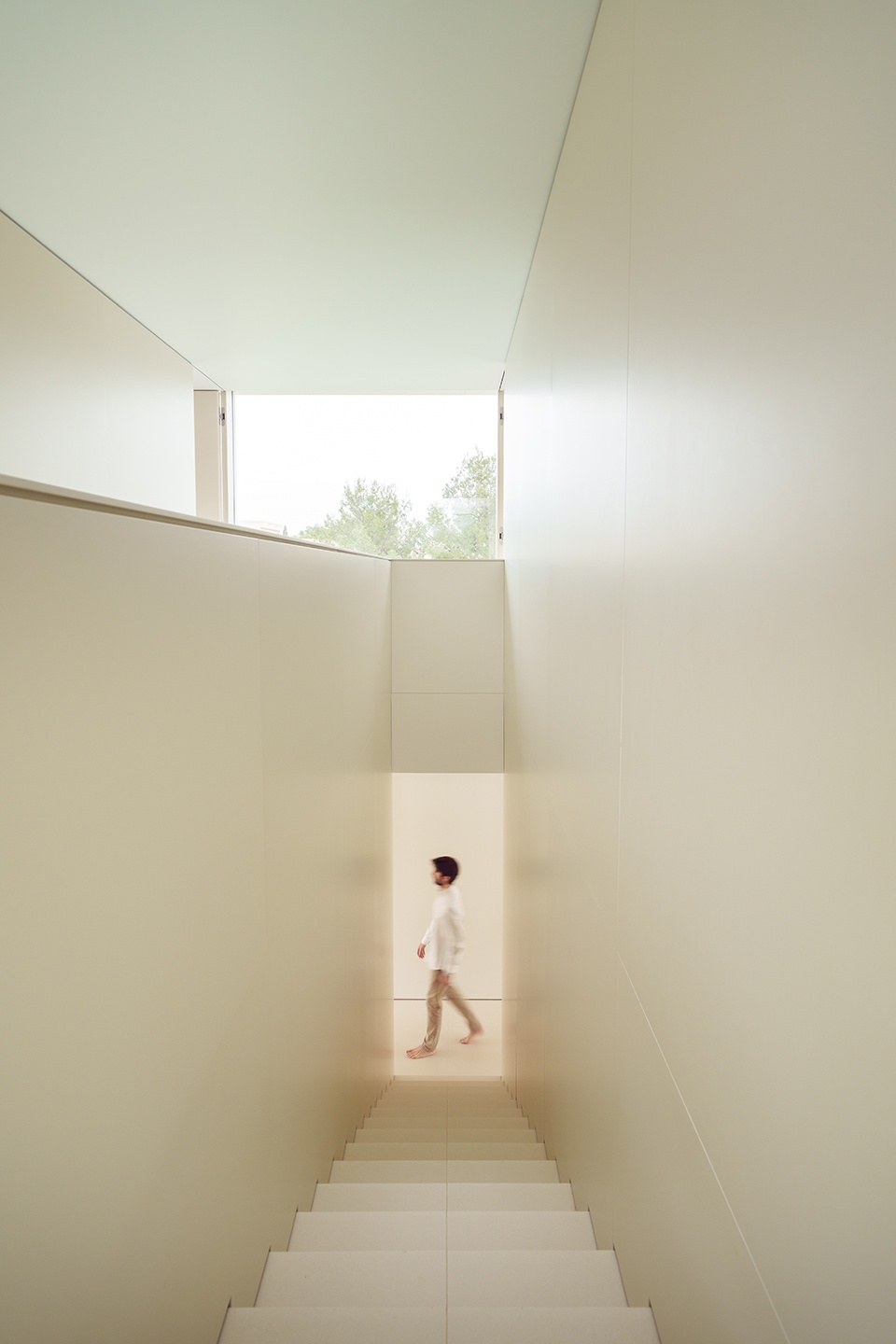
▼楼梯,Staircase
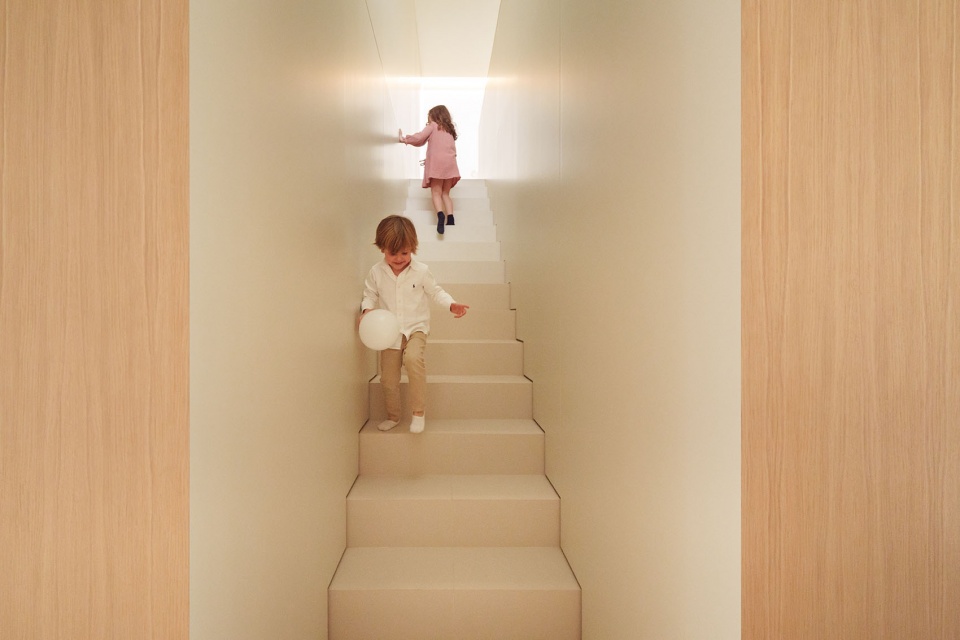
▼卧室,Bedroom
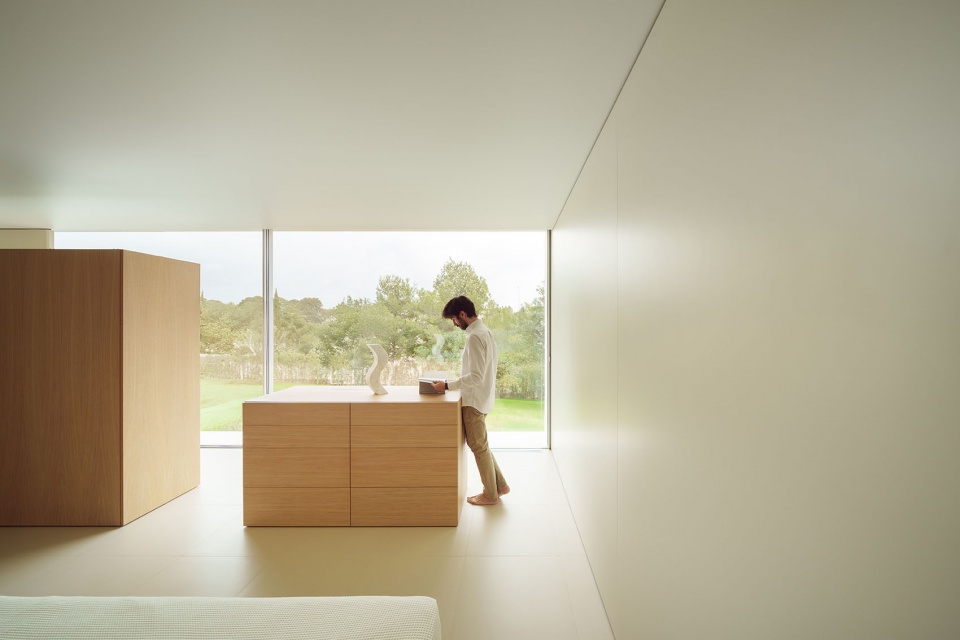
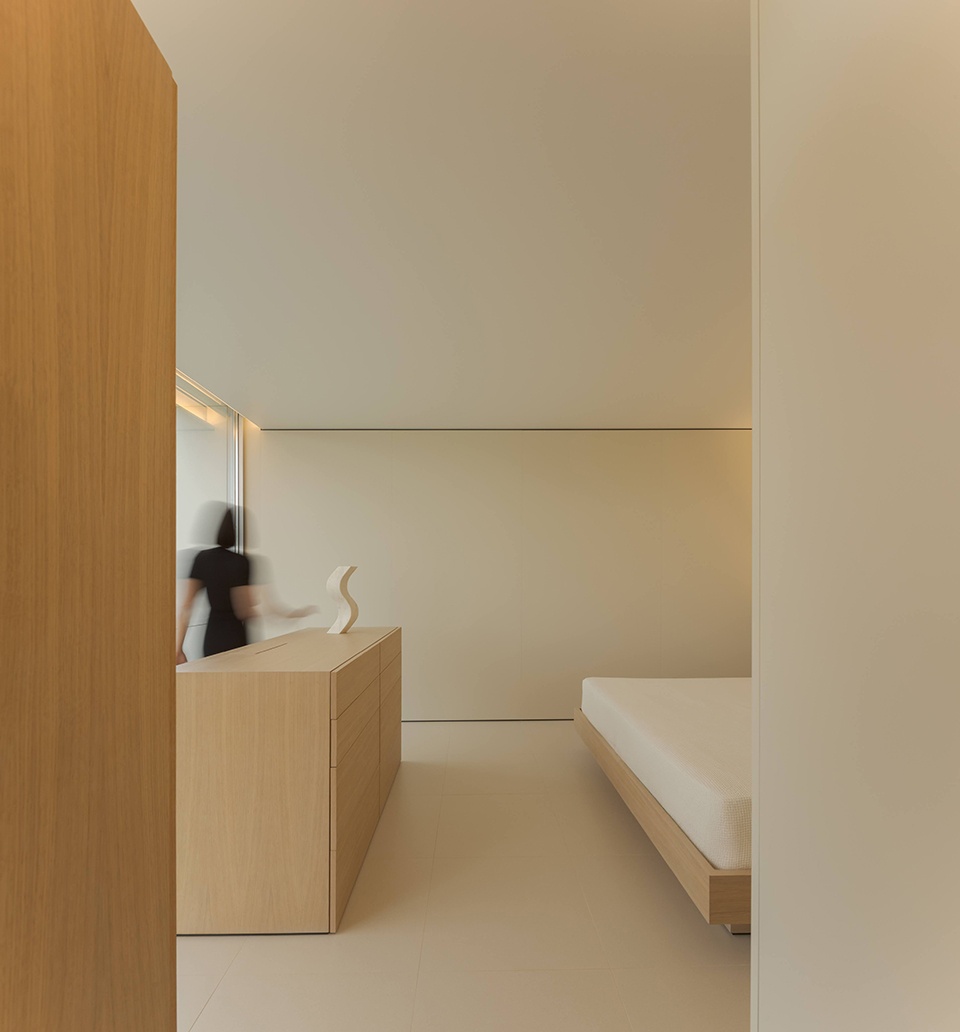
▼卧室,Bedroom
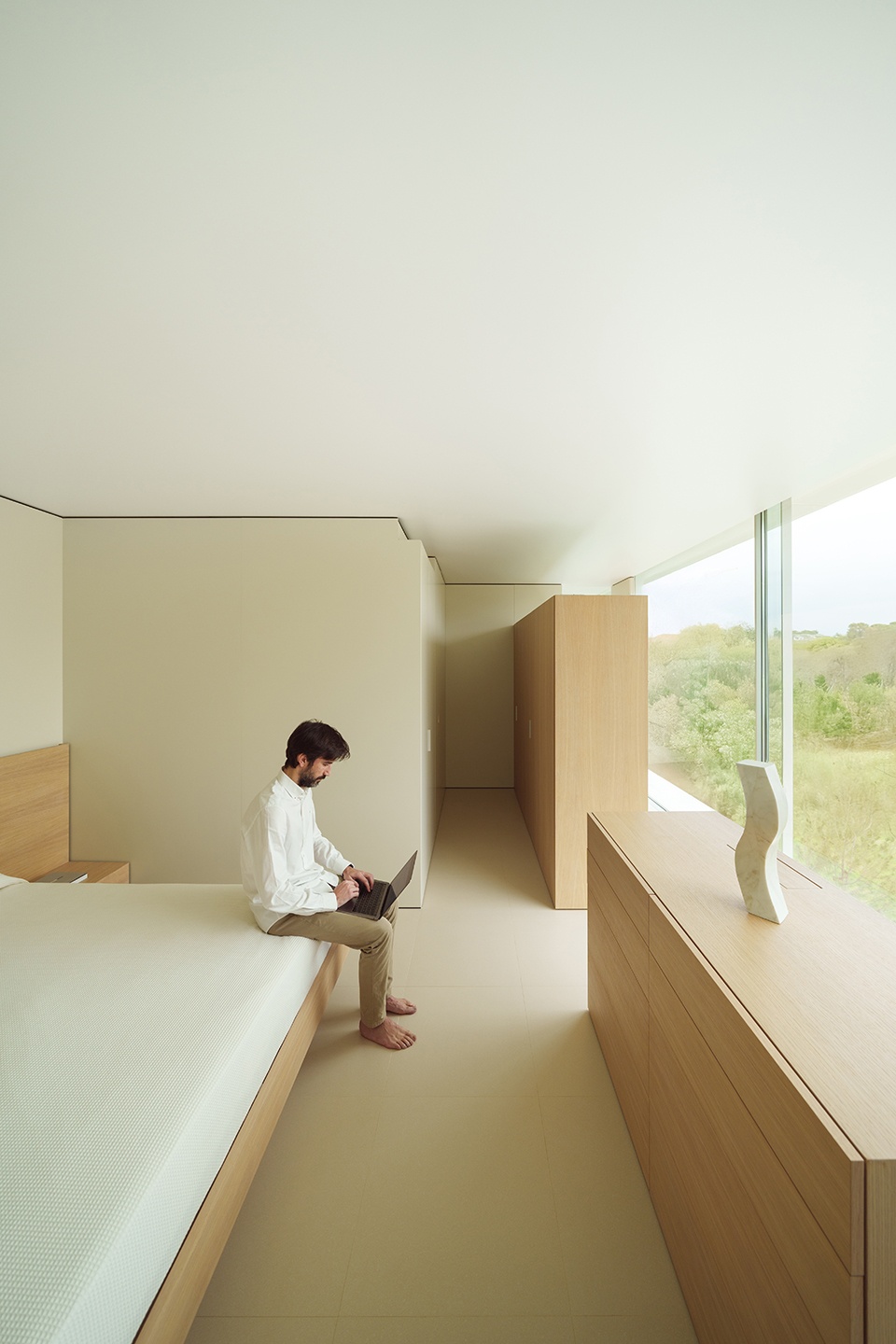
在外部,围护结构采用通风式实体面板立面系统,这一系统可降低维护成本,并有利于饰面系统的标准化。室内顶面则采用张拉织物完成,这种方式便于设备检修,并可在需要时实现背光效果,从而强化空间氛围的控制及室内光环境质量。需要更高结构强度的构件采用钢结构实现,而室内则全部以木结构完成。门、衣柜、厨房以及隔墙均采用同一体系,从而简化施工管理,并确保材料的连续性与一致性。
On the exterior, the envelope is executed with a ventilated solid-surface façade, a system that reduces maintenance and favors the systematization of the finish. The ceiling is materialized through a stretched textile, a solution that allows easy access to installations and the possibility of backlighting where appropriate, reinforcing atmospheric control and the quality of interior lighting. Structural elements requiring greater resistance are resolved in steel, while the interior is executed entirely in wood. Doors, wardrobes, kitchen, and partitions share the same system, simplifying construction management and ensuring continuous material coherence.
▼衣柜,Wardrobes
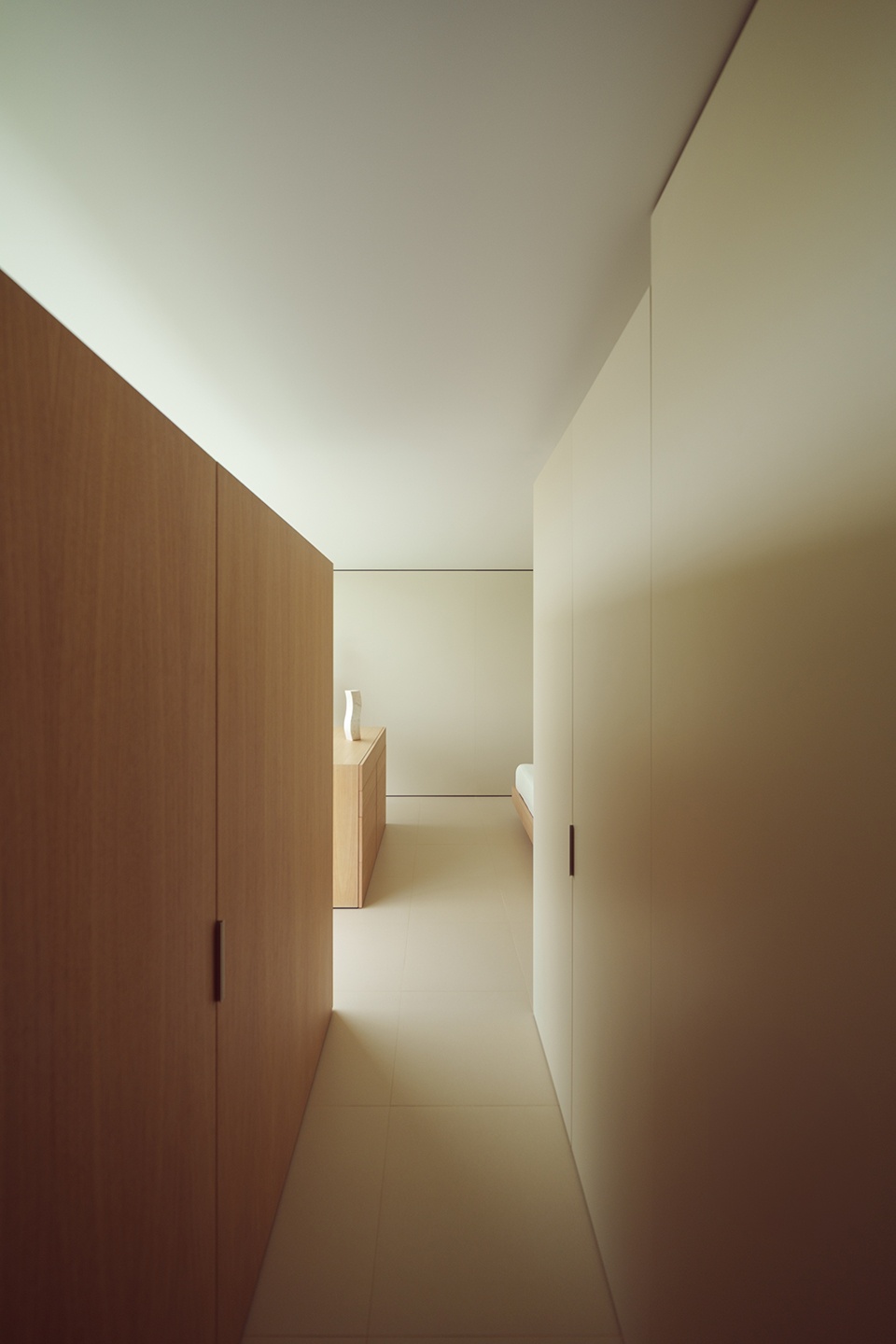
▼卧室一角,A corner of bedroom
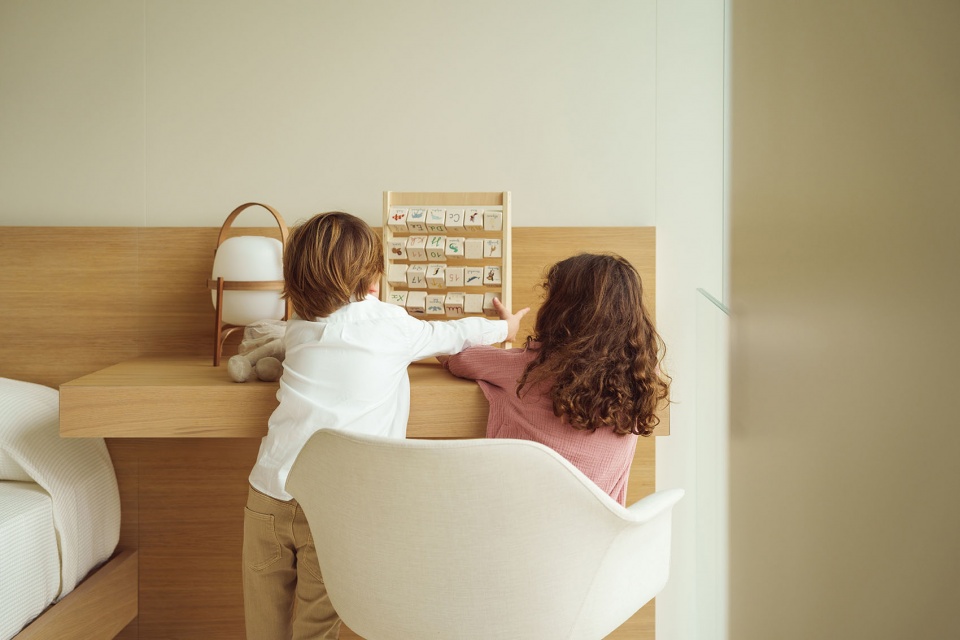
▼卧室一角,A corner of bedroom
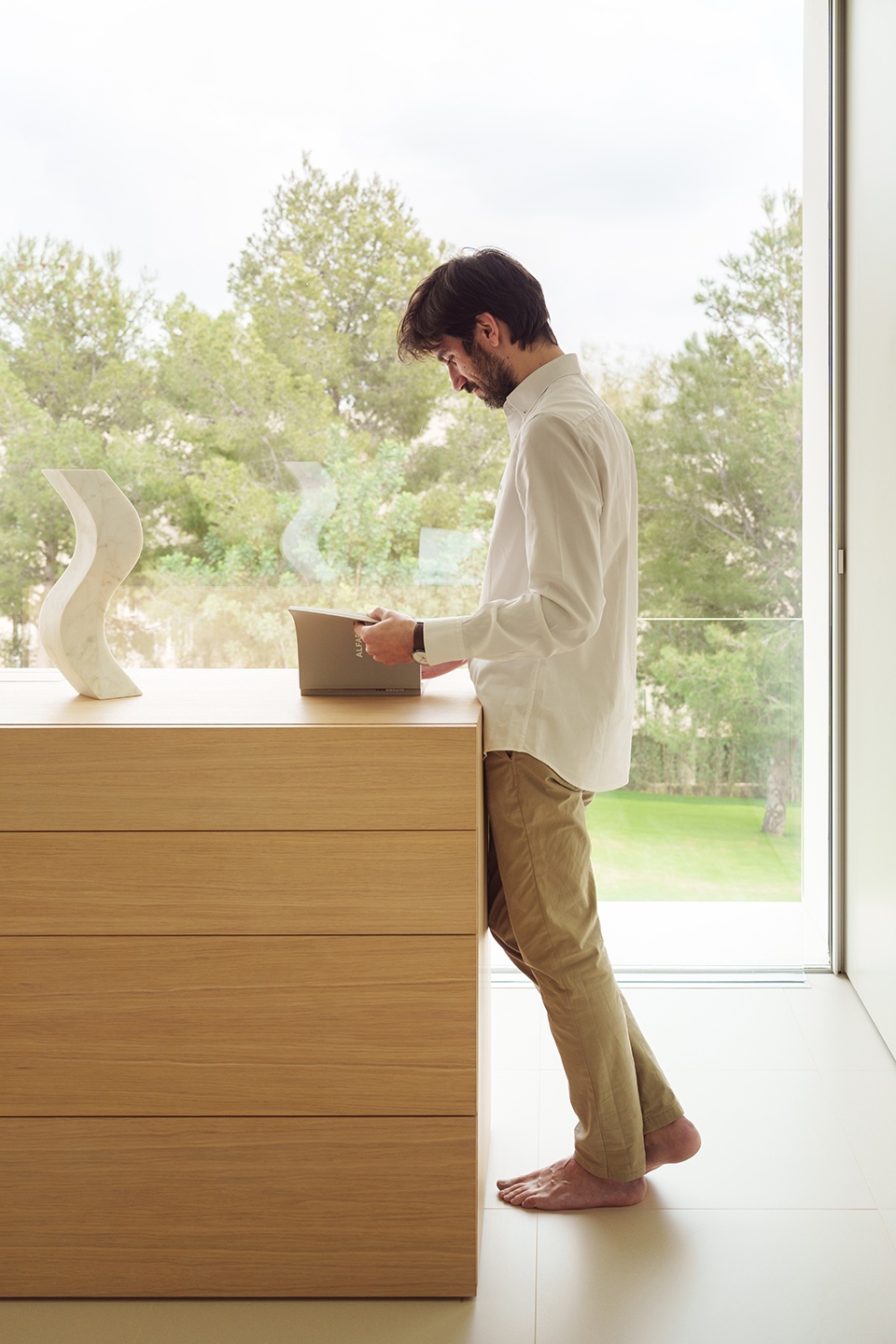
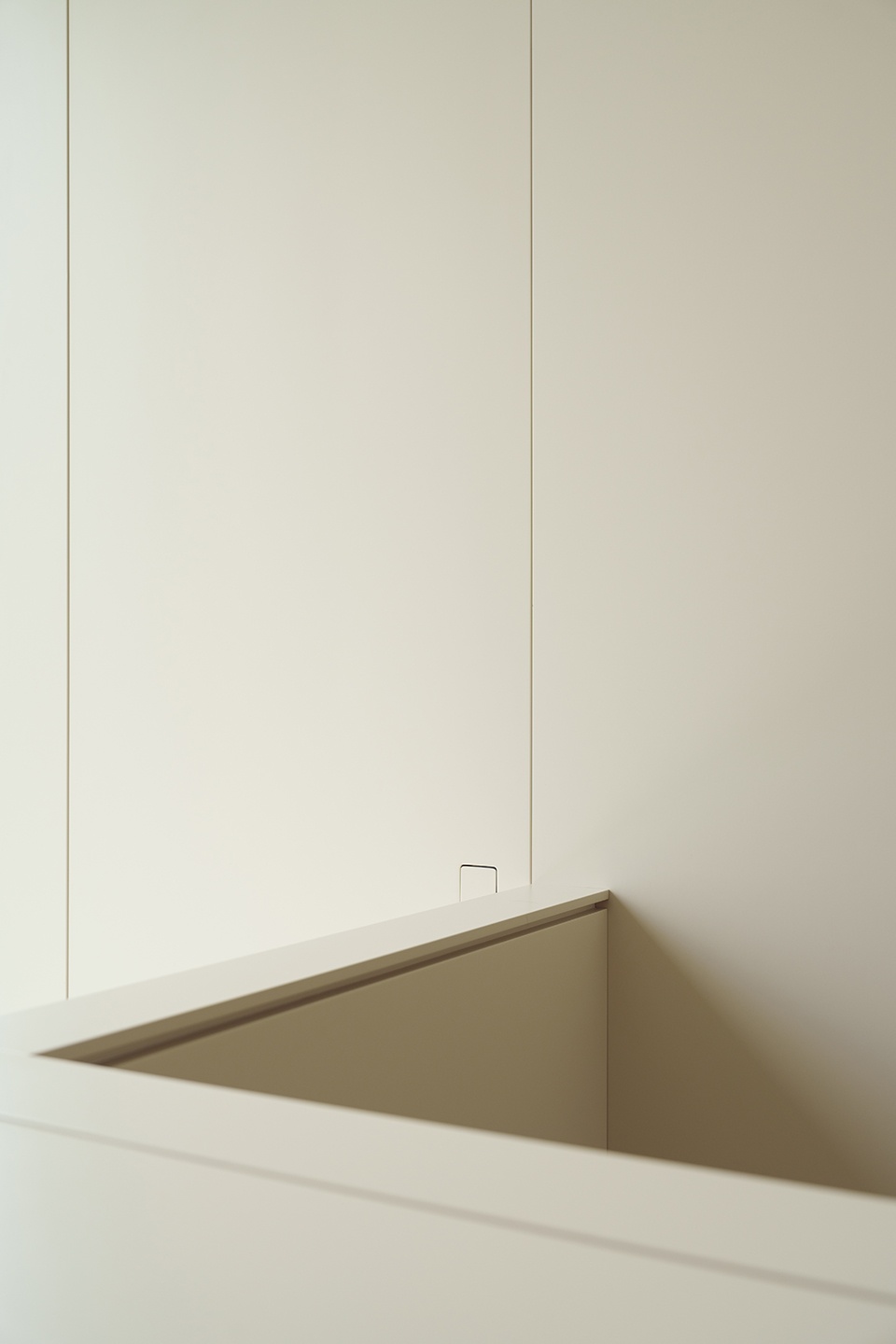
▼细部,Detail
NIU体系的关键特征之一在于其“装配式建筑”的属性:建筑并非传统建造完成,而是通过装配形成。这使得住宅在使用寿命结束或需要调整时,无需拆除,而是可以拆解并实现再利用,从而显著降低建筑全生命周期的碳足迹,推动更加高效的循环利用模式。
One of the key aspects of the NIU system is its condition as assembled architecture: it is not built, it is assembled. This allows the dwelling, at the end of its useful life—or when reconfiguration is required—not to be demolished, but dismantled for reuse. The result is a significant reduction in the carbon footprint associated with the building’s life cycle and a more efficient, circular approach.
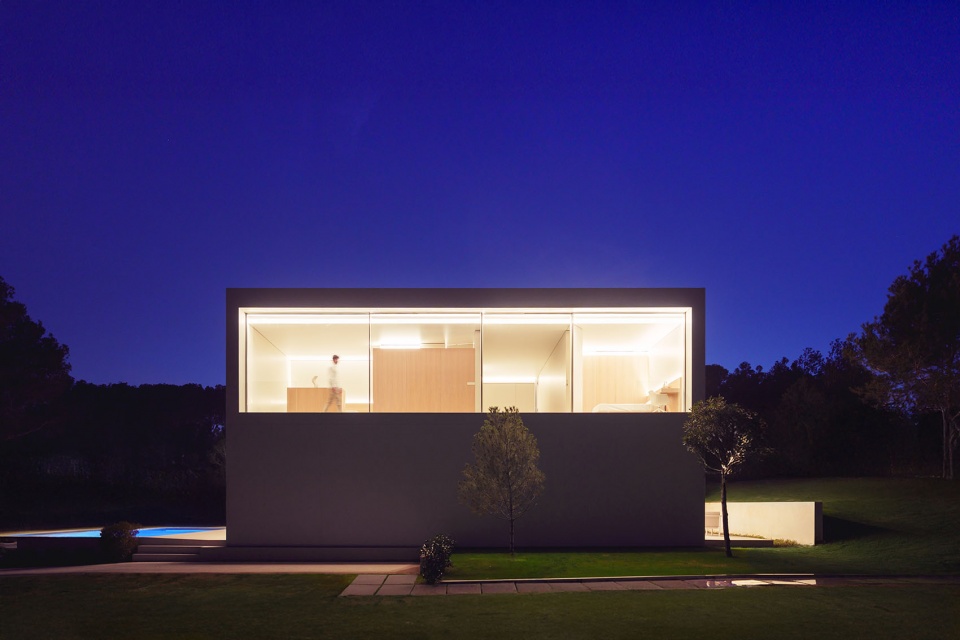
▼建筑夜景概览,Building exterior overview at night
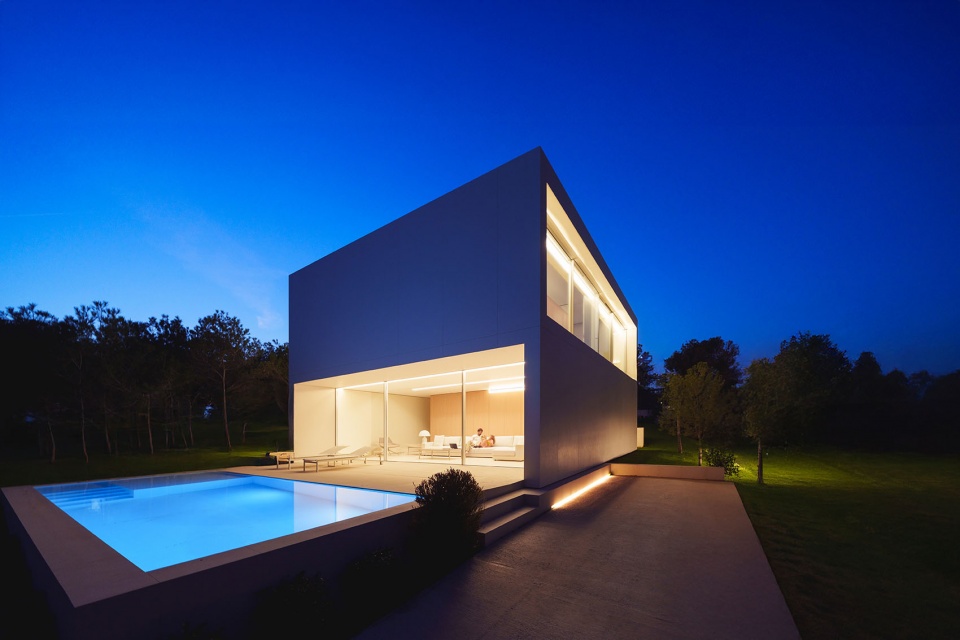
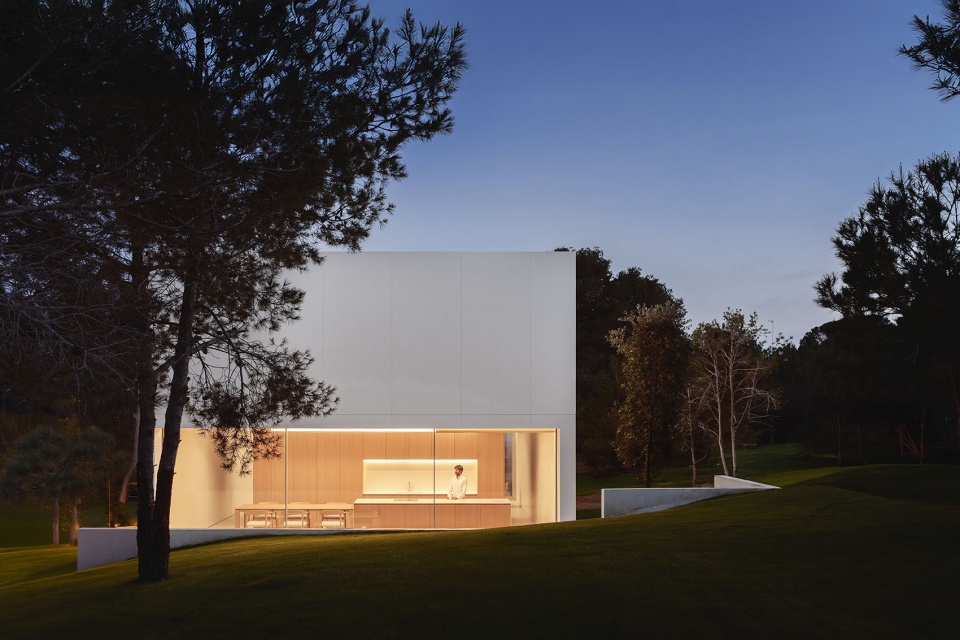
▼建筑立面夜览,Building facade night view
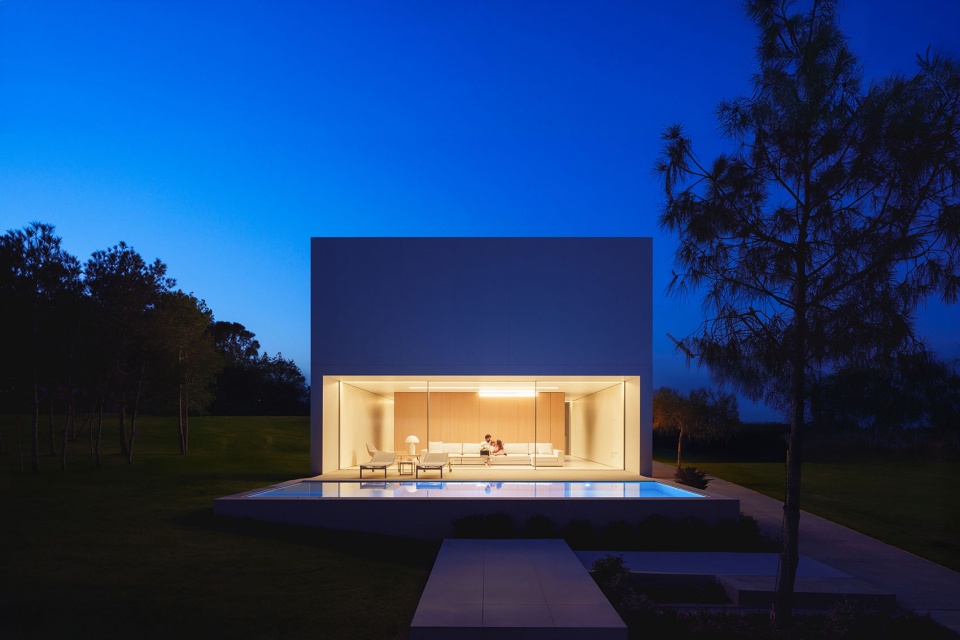
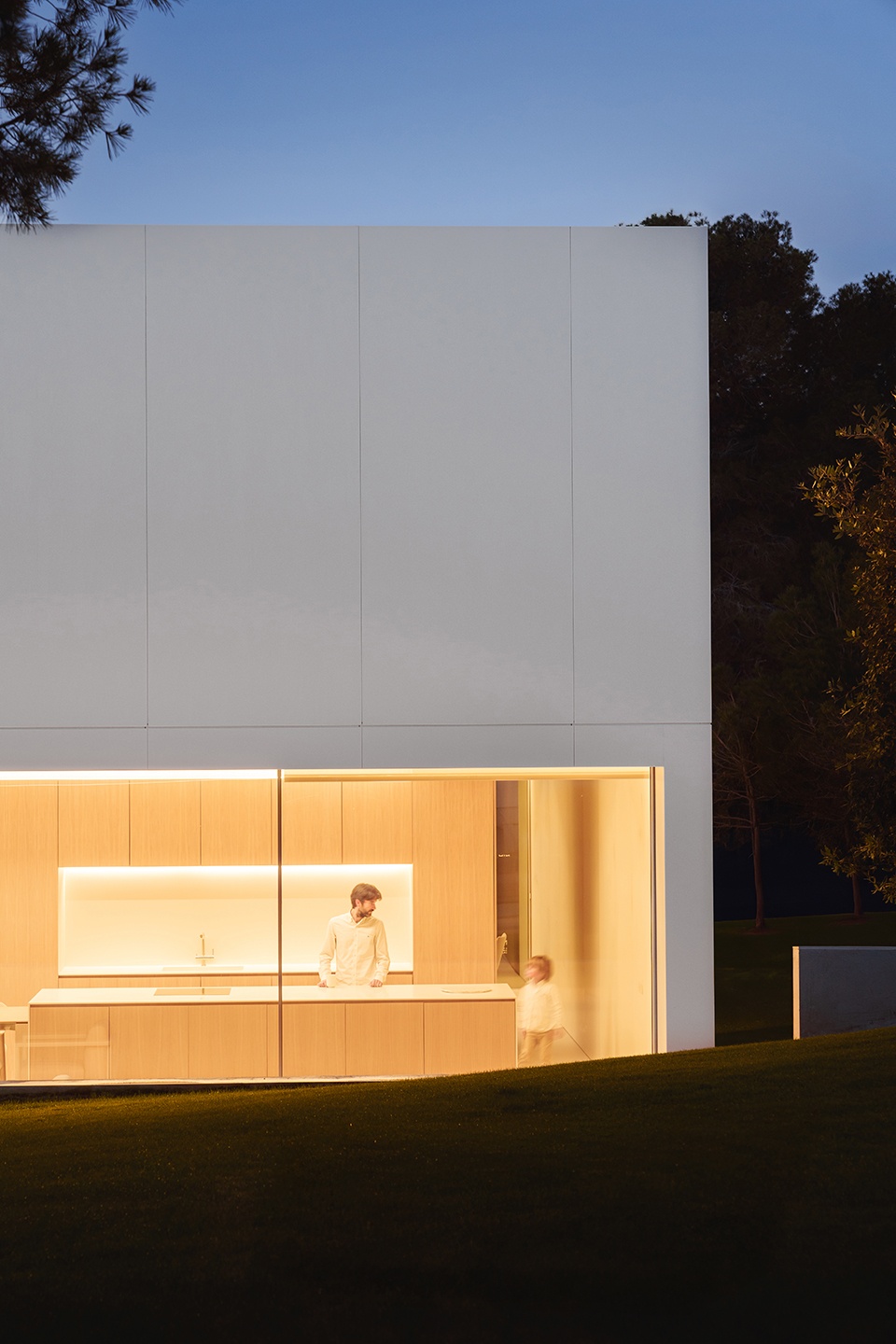
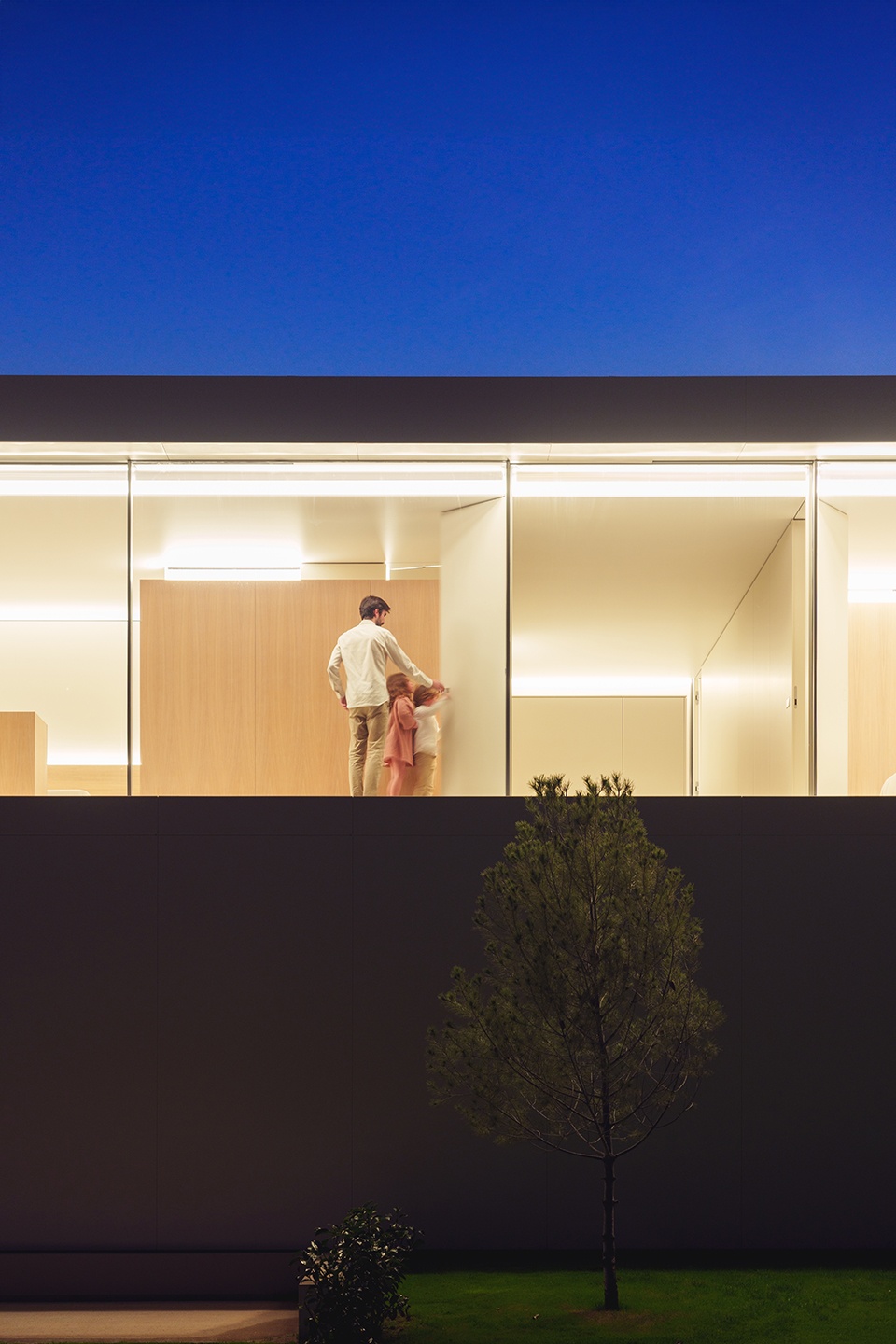
▼建筑立面近景夜览,Building facade close-up night view
建筑在场地中的布局及其对细微高差的适应,加之对既有植被的整合(得益于体系的轻量化与浅基础处理得以保留),共同建立了与环境之间的直接联系。这一关系还通过一套伴随日常生活的物件系统得到强化,并赋予项目独特的识别性。建造过程的系统化旨在使这一类型的建筑得以更广泛地普及。
The building’s placement on the site and its adaptation to minor level changes, together with the integration of existing vegetation—which is preserved thanks to the lightness of the system and a shallow foundation—establish a direct relationship with the surroundings. This is complemented by a system of objects that accompanies everyday life and gives the project its own identity. The systematization of the construction process aims to democratize this type of architecture.
▼首层平面图,Ground floor plan
▼首层平面图,First floor plan
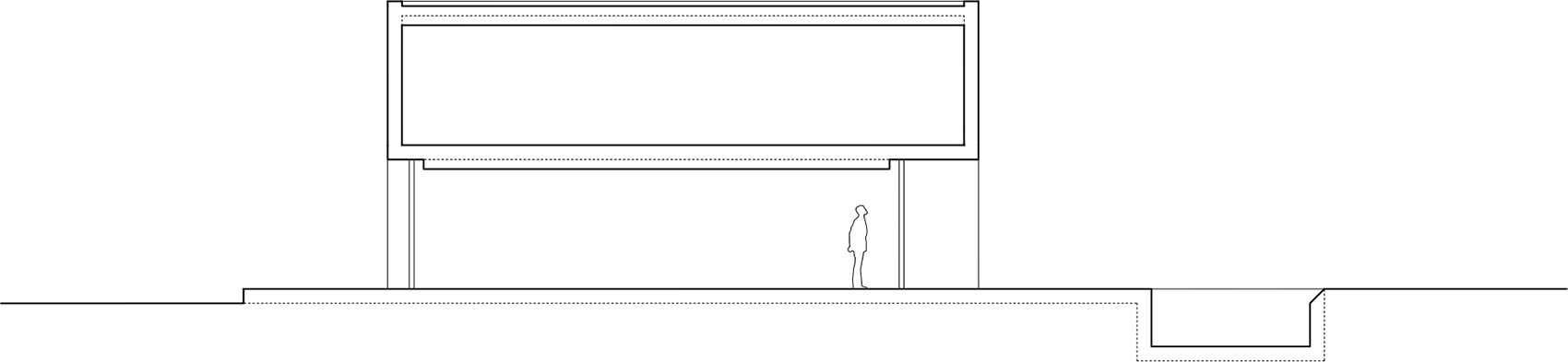
▼剖面图,Section
NIU N230: Campolivar, Valencia, Spain
ARCHITECTURE: Fran Silvestre Arquitectos
PROJECT TEAM:
Fran Silvestre | Project Architect
Susana León | Project Architect
Laura Bueno | Project Architect
Gemma Aparicio | Project Architect
INTERIOR DESIGN: Alfaro Hofmann
TECHNICAL ARCHITECT: Enrique Alario
PHOTOGRAPHY: Jesús Orrico, Fernando Guerra
VIDEO: Jesús Orrico
COLLABORATORS:
María Masià | Collaborating Architect
Pablo Camarasa | Collaborating Architect
Ricardo Candela | Collaborating Architect
Estefania Soriano | Collaborating Architect
Carlos Lucas | Collaborating Architect
Sevak Asatrián | Collaborating Architect
Javi Herrero | Collaborating Architect
Facundo Castro | Collaborating Architect
Anna Alfanjarín | Collaborating Architect
Toni Cremades | Collaborating Interior designer
David Cirocchi | Collaborating Architect
Neus Roso | Collaborating Architect
Nuria Doménech | Collaborating Architect
Andrea Raga | Collaborating Architect
Olga Martín | Collaborating Architect
Víctor González | Collaborating Architect
Pepe Llop | Collaborating Architect
Alberto Bianchi | Collaborating Architect
Andrea Blasco | Collaborating Interior designer
Laura Palacio | Collaborating Architect
Carlos Perez | Collaborating Architect
Jovita Cortijo | Collaborating Architect
Claudia Escorcia | Collaborating Architect
Diana Murcia | Collaborating Architect
Olga Fernández | Collaborating Interior designer
Alejandra Pla | Collaborating Architect
Daniel Fenollosa | Collaborating Architect
Andrés Marín | Collaborating Architect
Álvaro Navarro | Collaborating Architect
Diana Chilingaryan | Collaborating Architect
Maria Barberá | Collaborating Architect
Roberto Marañón | Collaborating Architect
Martina Tomás | Collaborating Interior designer
Ana de Pablo | Financial Manager
Sara Atienza | Marketing Manager
Valeria Fernandini | Financial Department
José María Ibañez | Business developer CCG y México
Andrea Álvarez | Marketing & PR
CONSTRUCTOR / PROMOTER: NIU Architectural
LOCATION: Campolivar, Valencia, Spain