Toronjos住宅,墨西哥 / PPAA
Toronjos是一座度假住宅,其设计旨在与自然环境和谐共生。从项目之初,便以最小化对场地的干预与实现全面可持续设计为核心目标。
Toronjos is a vacation home designed to harmonize with its natural surroundings. From its inception, the project prioritized a minimal footprint and a fully sustainable design.
▼住宅概览,overview of the house
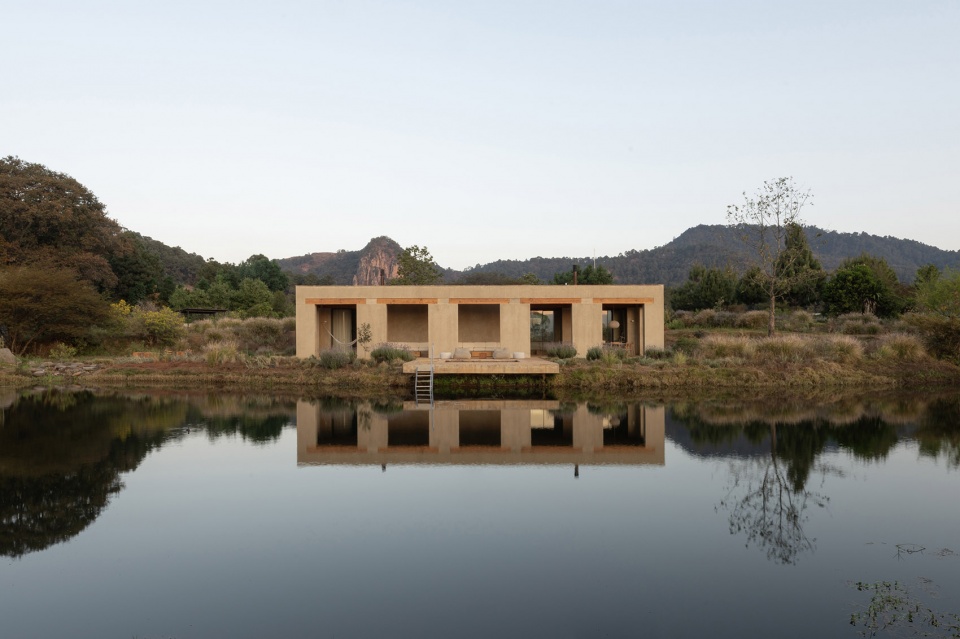
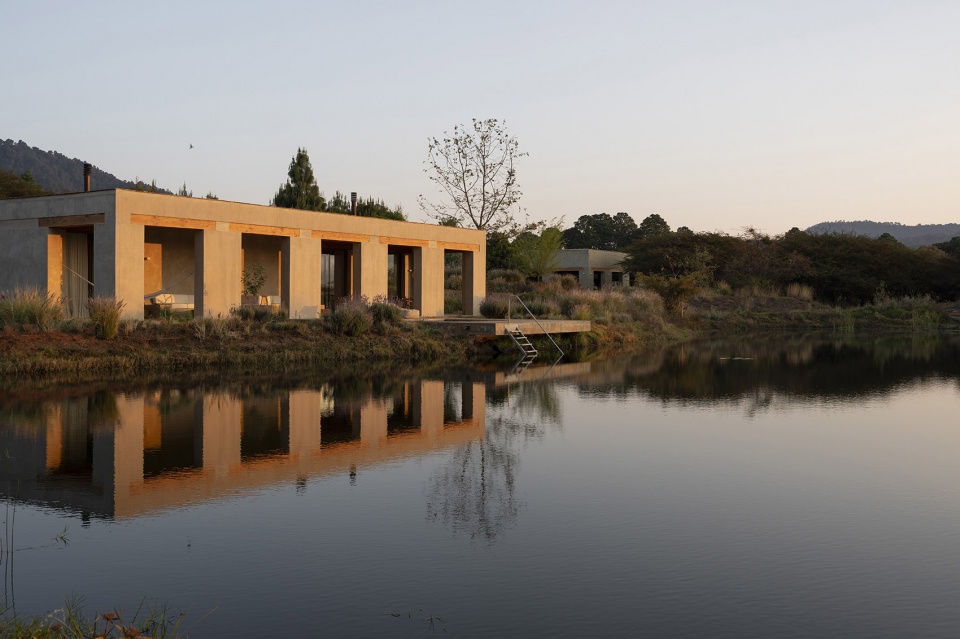
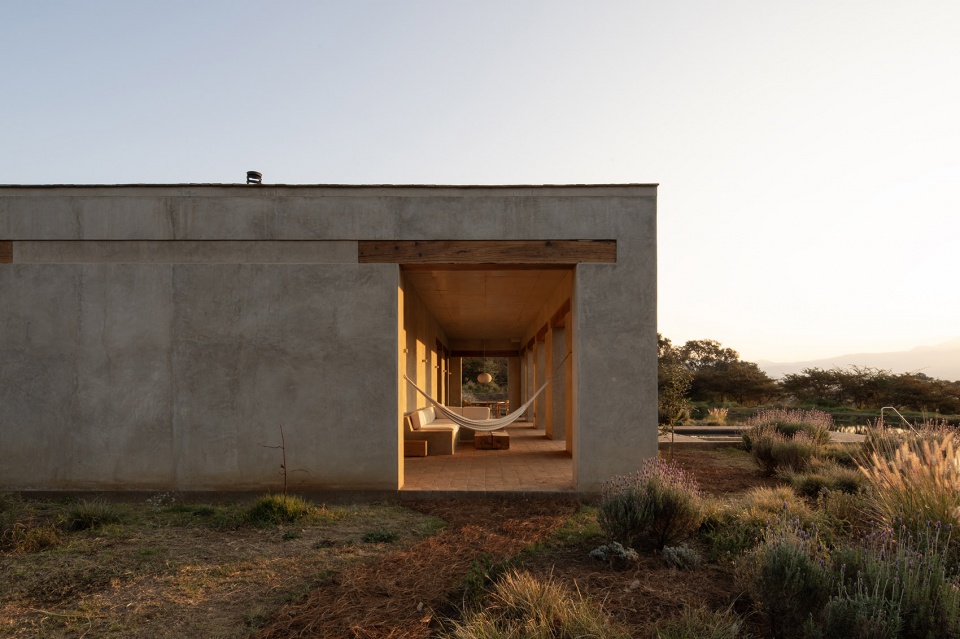
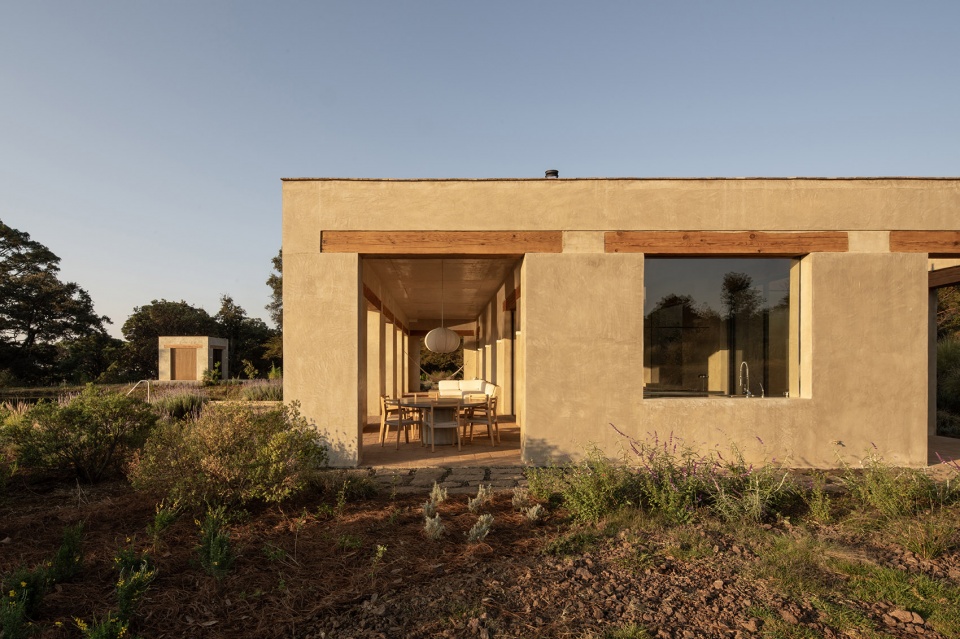
这座住宅被构想为一个与自然建立联系的庇护所。沿建筑外围布置的一系列错动墙体与大尺度开口,在提供围合与保护的同时,也使景观得以渗透进建筑之中。这一策略不仅促进了通风与自然采光,也建立起一种持续而亲密的室内外关系。
The house is a sanctuary that fosters a connection with nature. A series of staggered walls and large openings along the perimeter provide protection and enclosure, while simultaneously allowing the landscape to flow through the architecture. This strategy promotes not only ventilation and natural light, but also a continuous and intimate connection with the outdoors.
▼一系列错动墙体与大尺度开口,a series of staggered walls and large openings along the perimeter
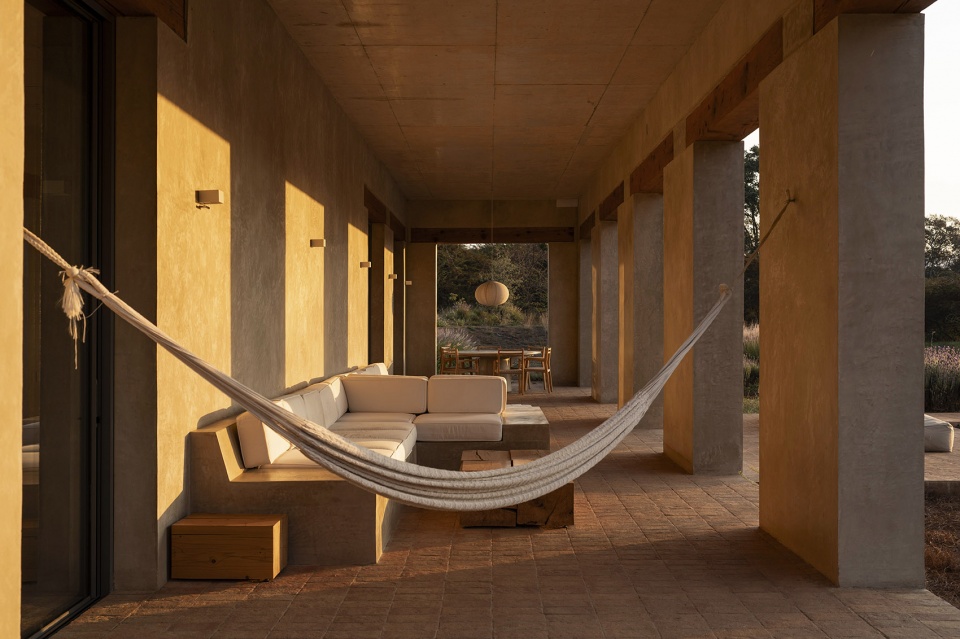
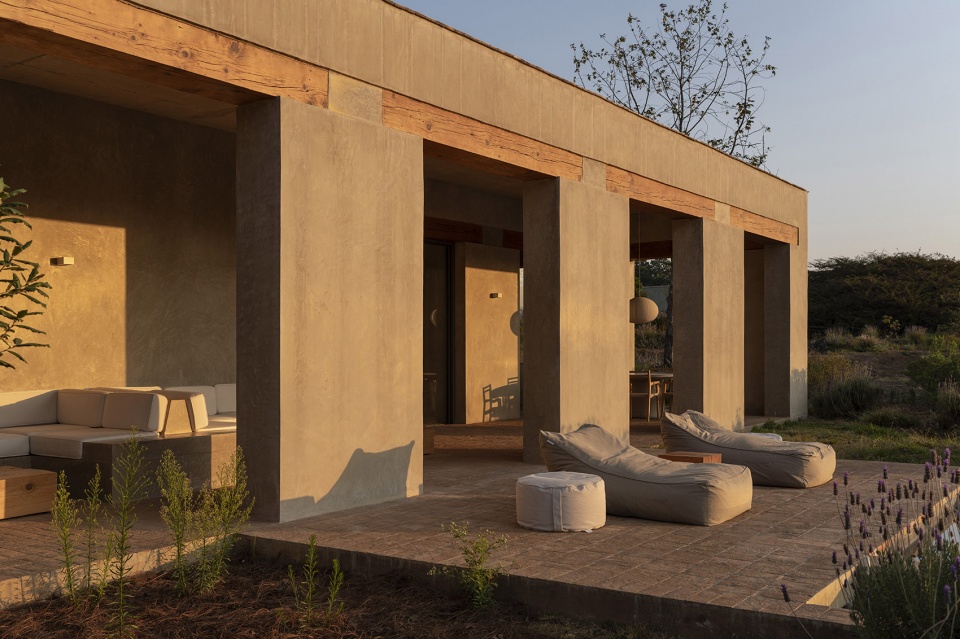
▼一系列错动墙体与大尺度开口,a series of staggered walls and large openings along the perimeter
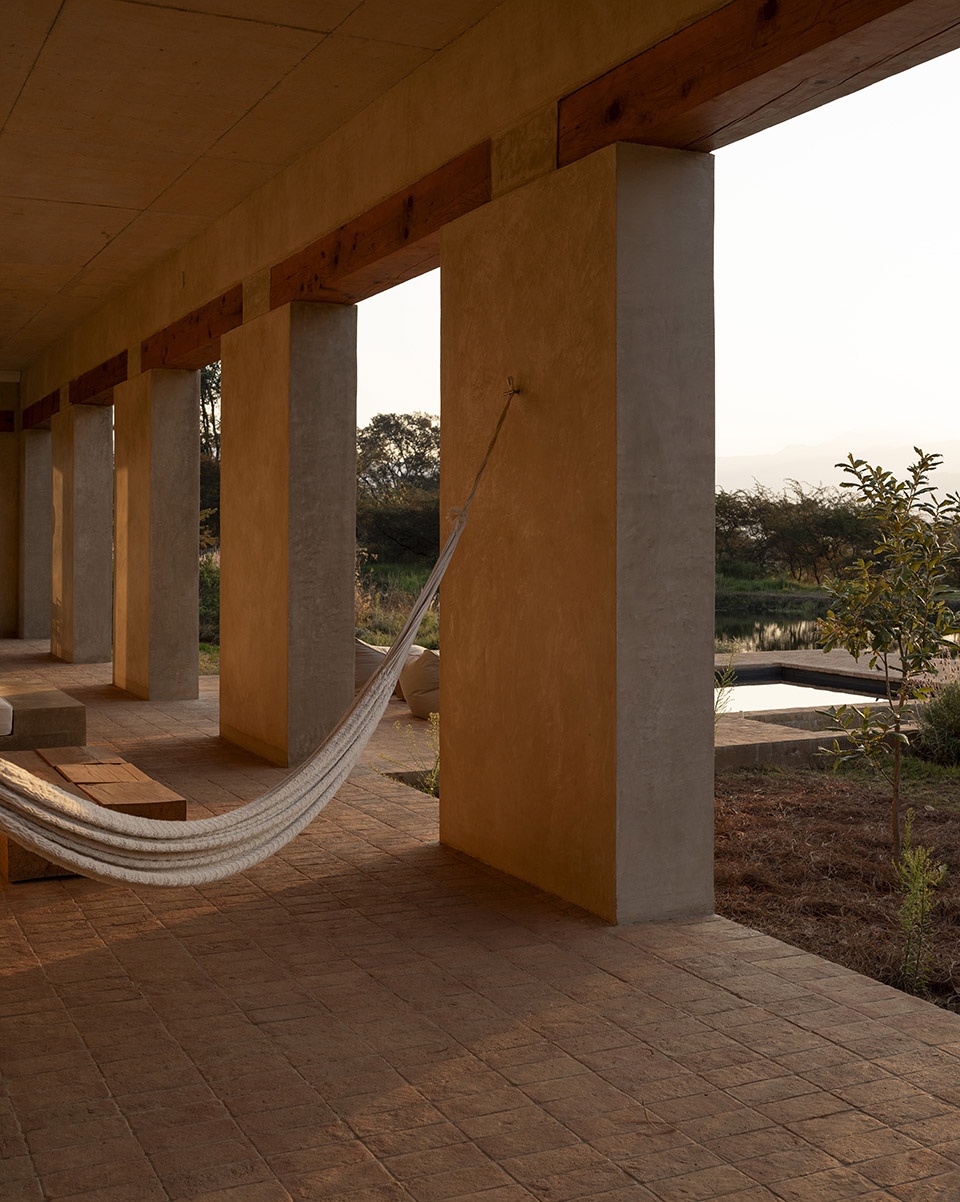
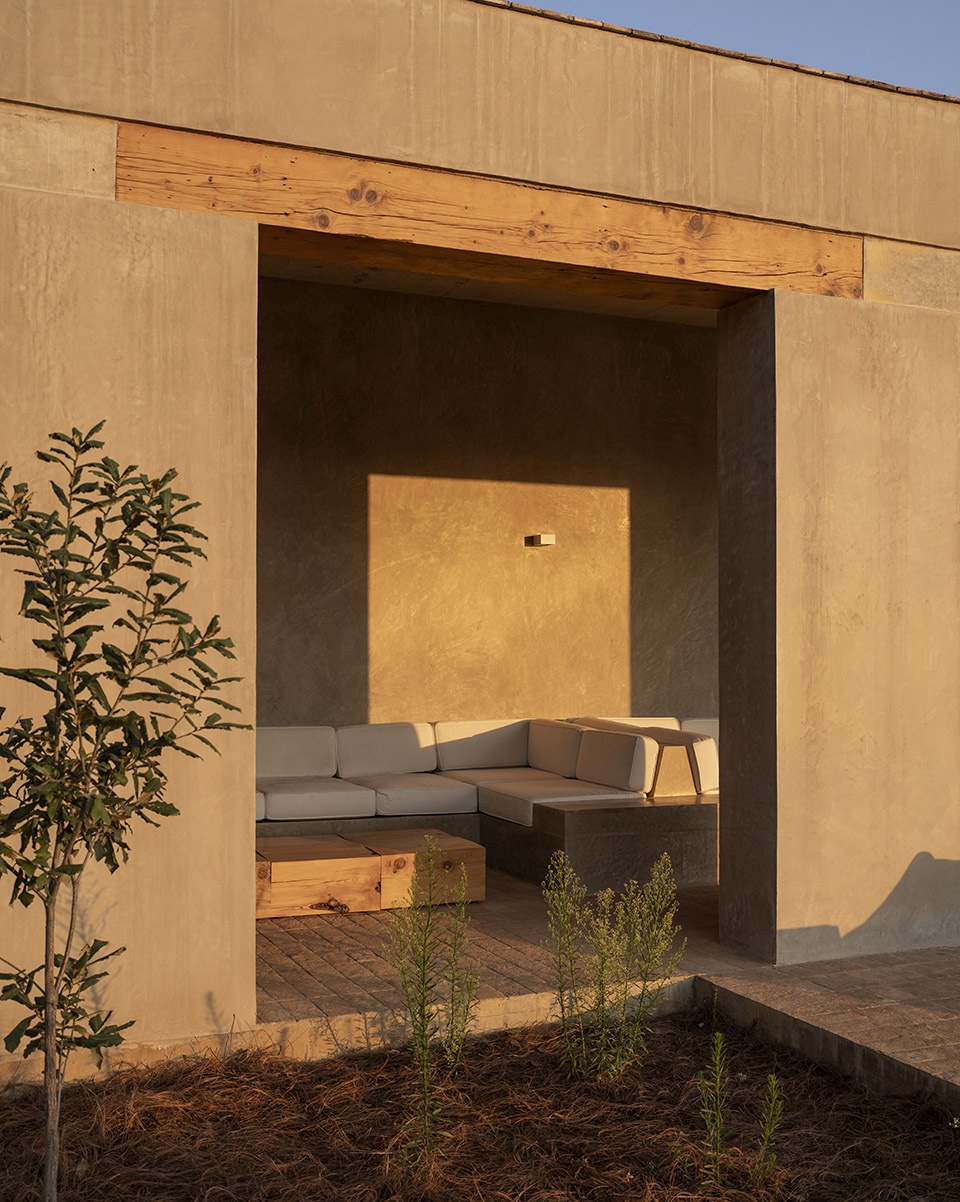
▼使景观得以渗透进建筑之中,simultaneously allowing the landscape to flow through the architecture
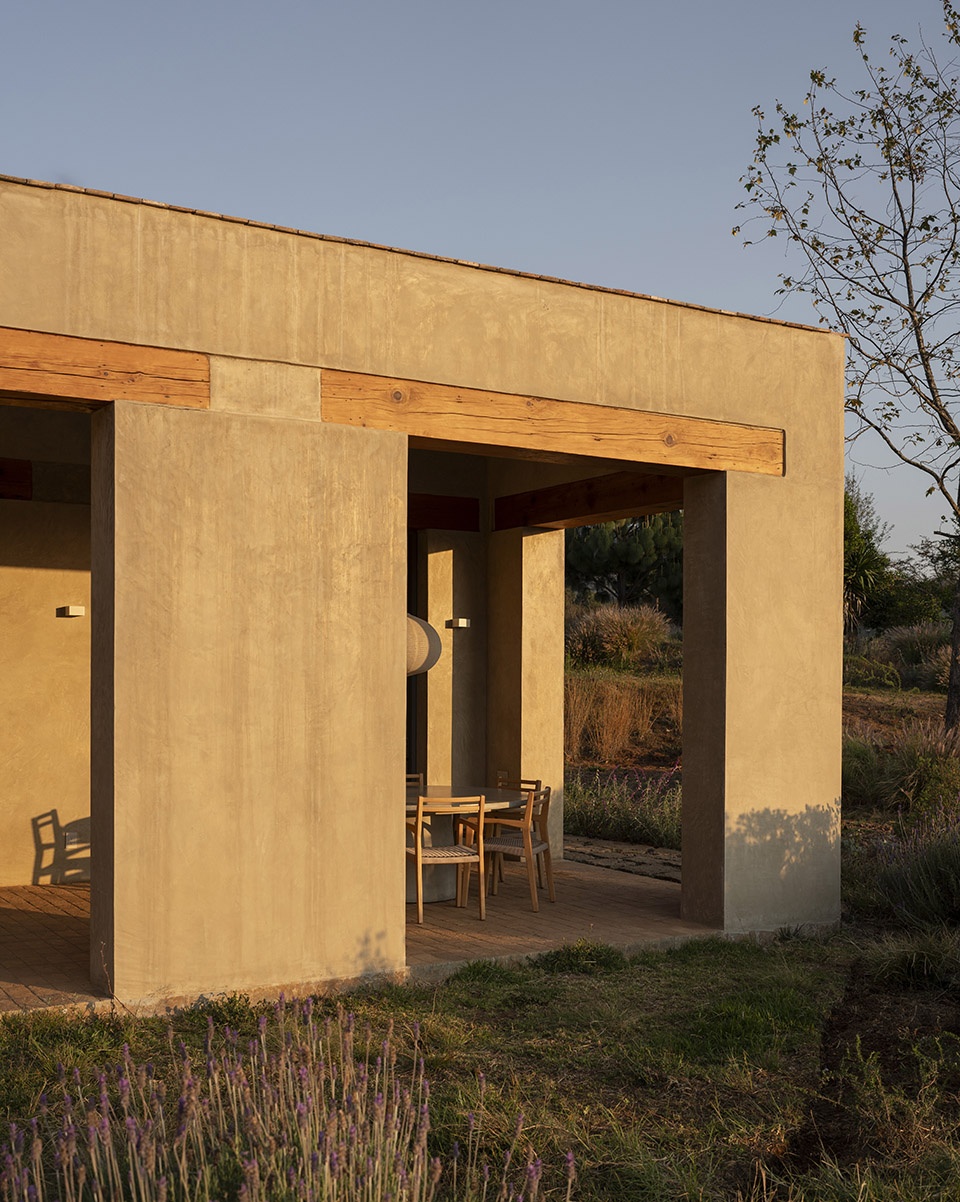
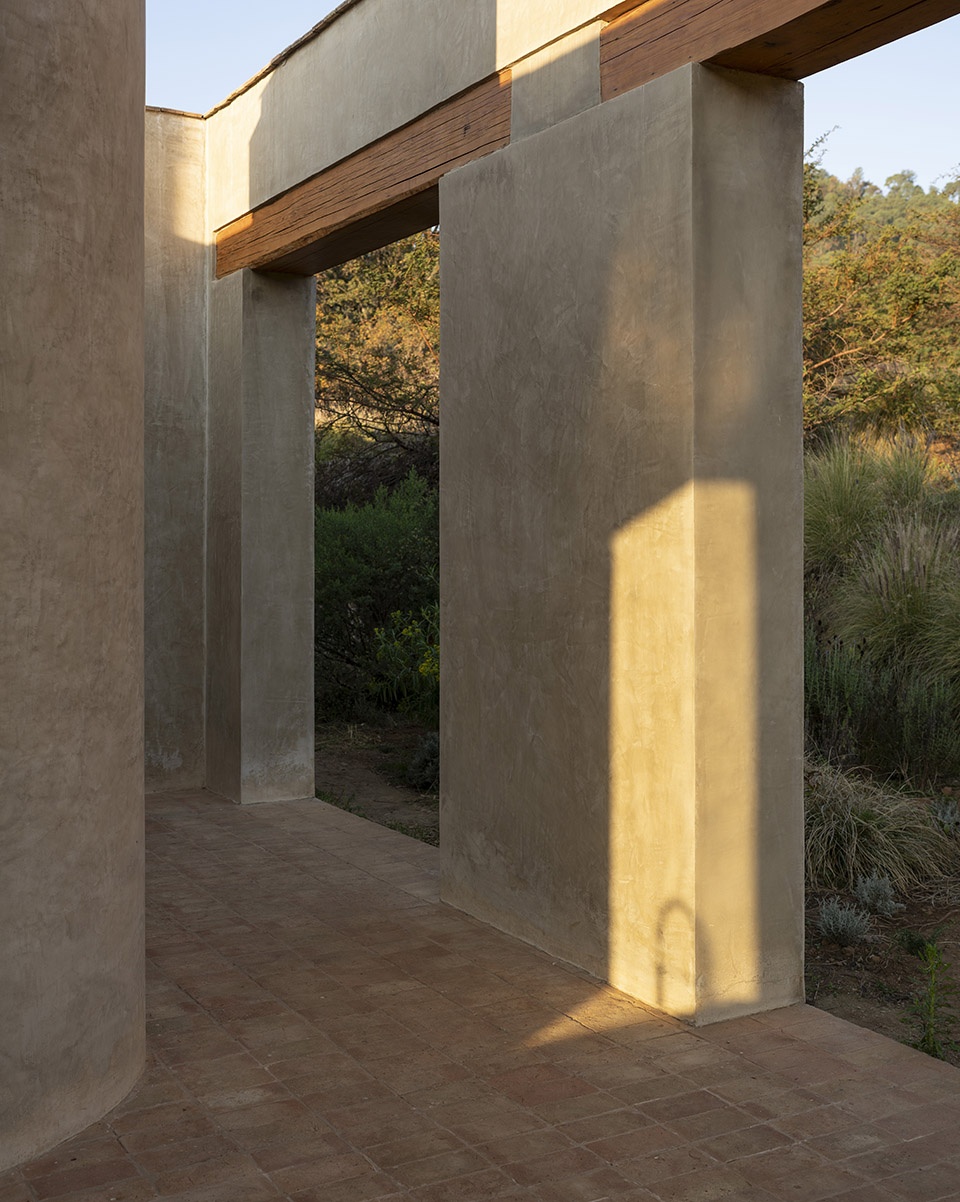
▼促进了通风与自然采光,promotes ventilation and natural lighting
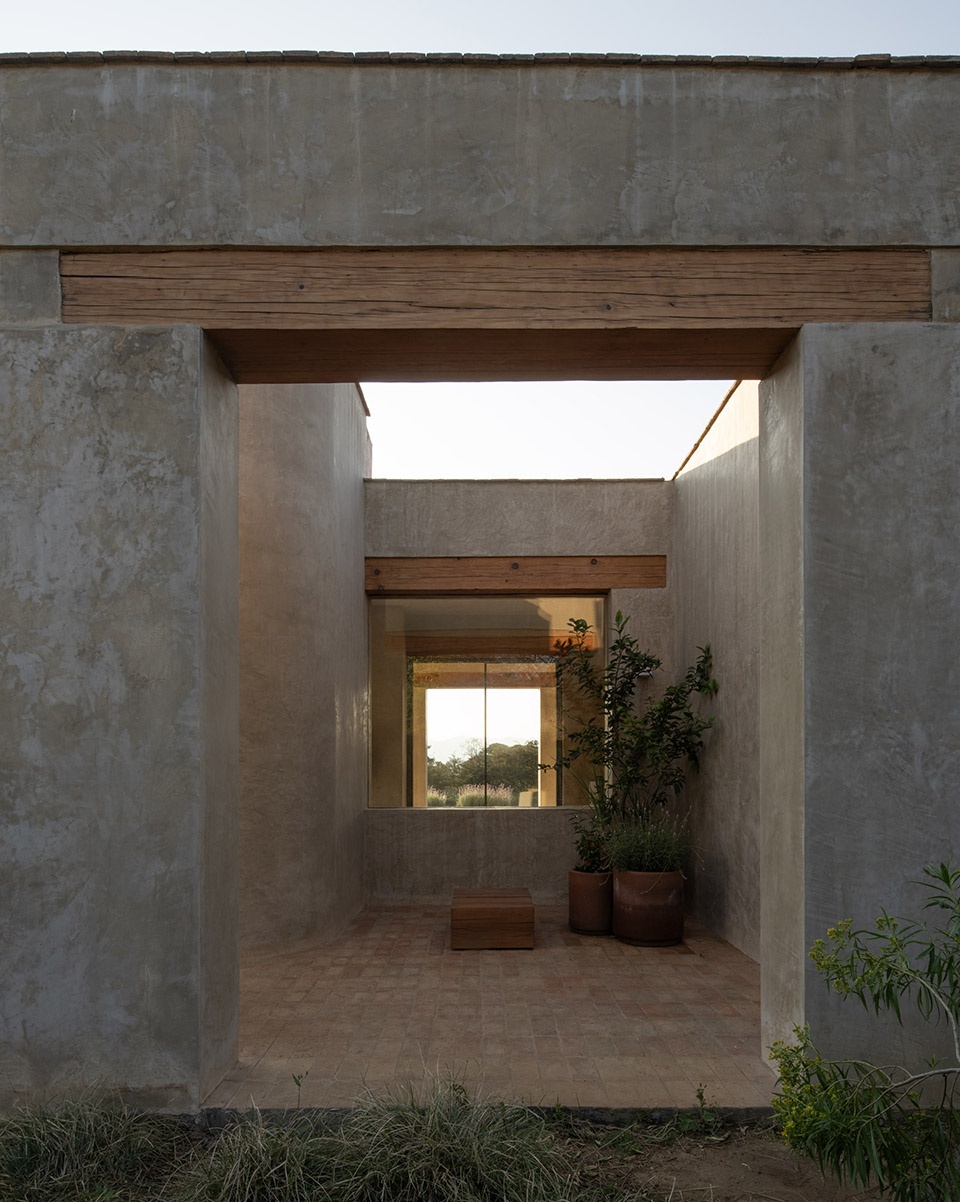
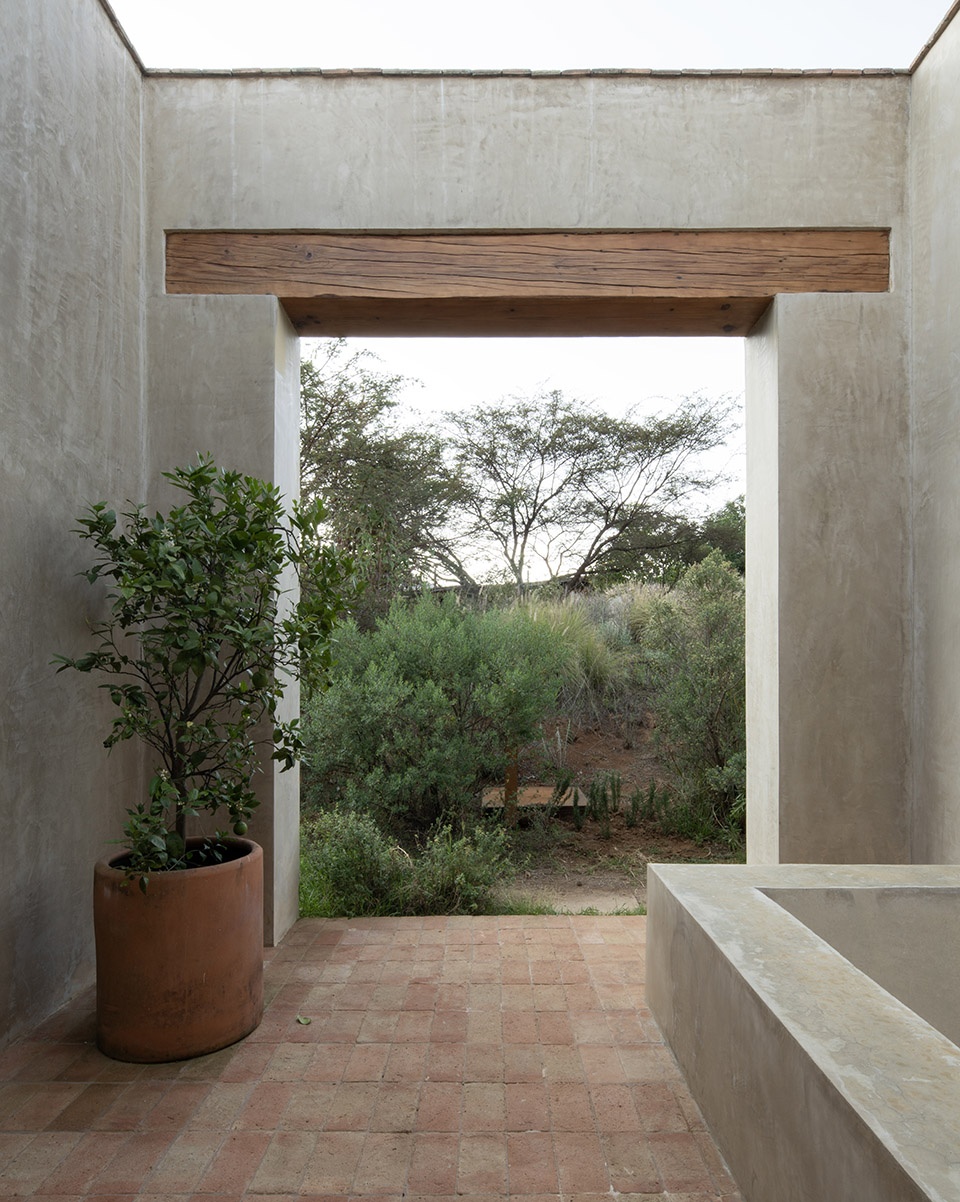
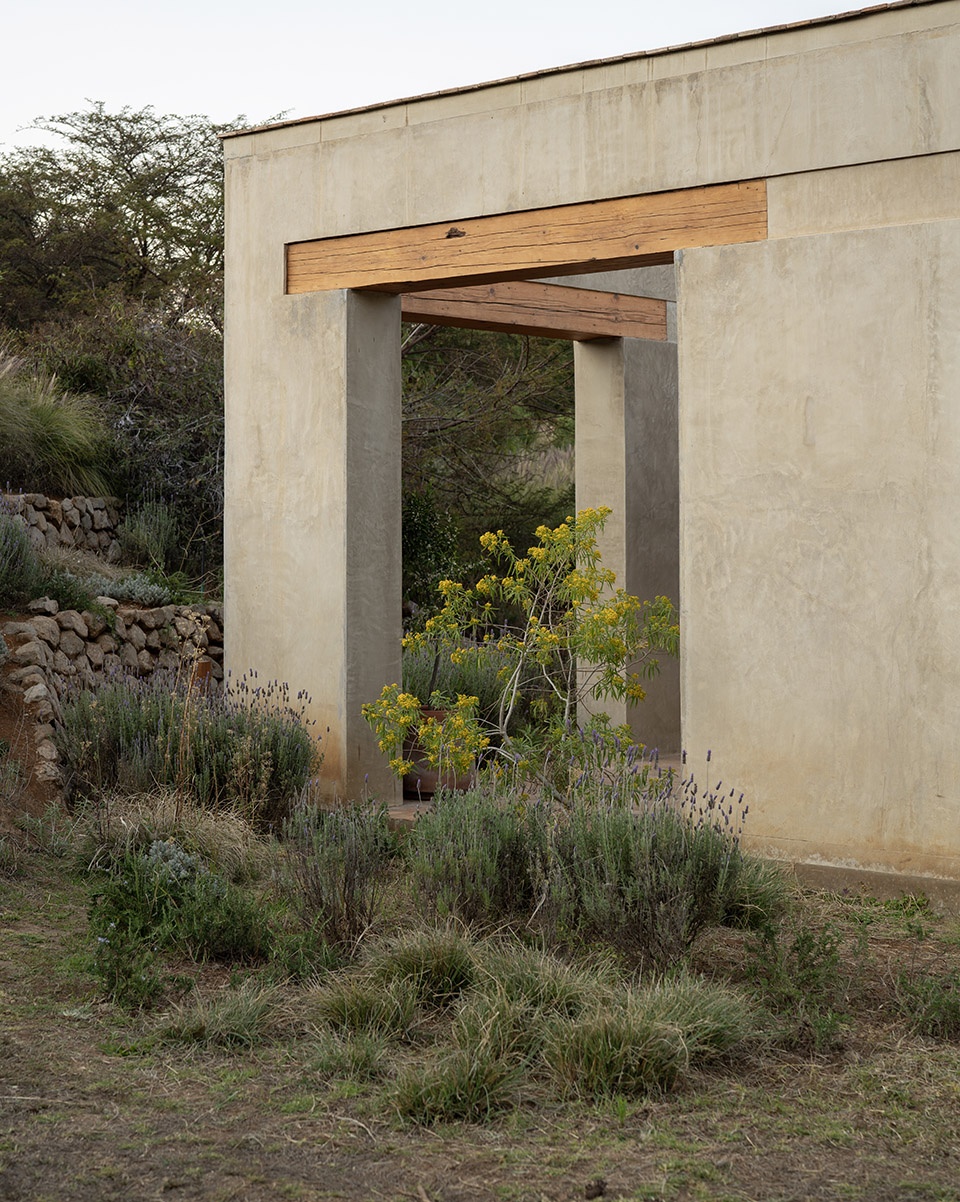
这座住宅不仅仅是一件建筑作品,更成为一个沉思与宁静的空间,让自然成为真正的主角。每一个角落都框取并呈现周边景观,尤其是湖面的视野。湖水不仅在视觉上丰富了场地,同时也承担着环境功能——收集雨水并修复场地生态系统,进一步强化了项目的可持续特质。
More than just a piece of architecture, the house becomes a space for contemplation and serenity, where nature takes center stage. Every corner frames and celebrates the surrounding views, especially those of the lake. This body of water not only enriches the landscape visually, but also serves an environmental function by collecting rainwater and regenerating the site’s ecosystem, reinforcing the project’s sustainable character.
▼湖水在视觉上丰富了场地,body of water enriches the landscape visually
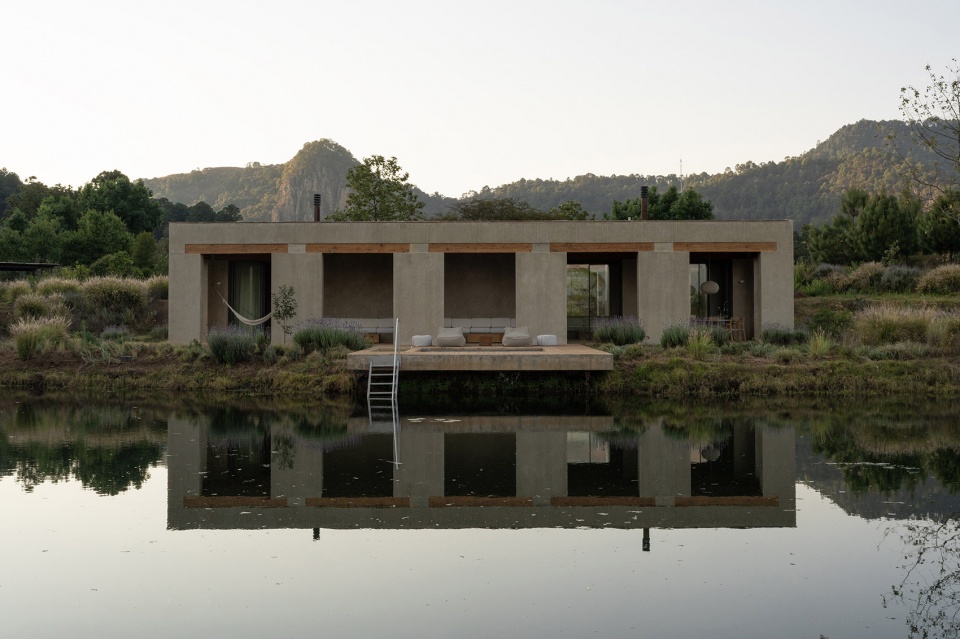
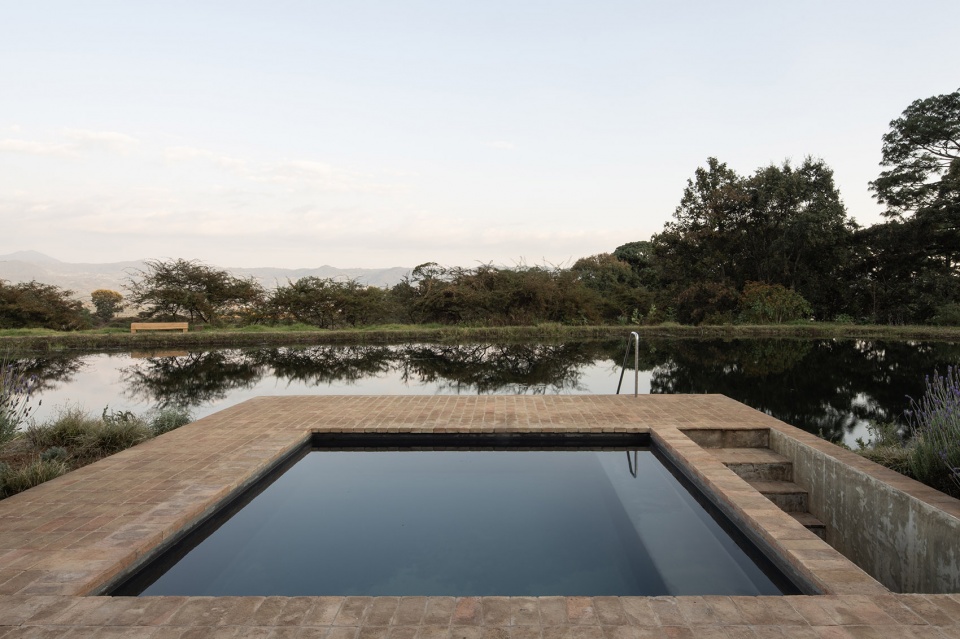
▼湖水在视觉上丰富了场地,body of water enriches the landscape visually
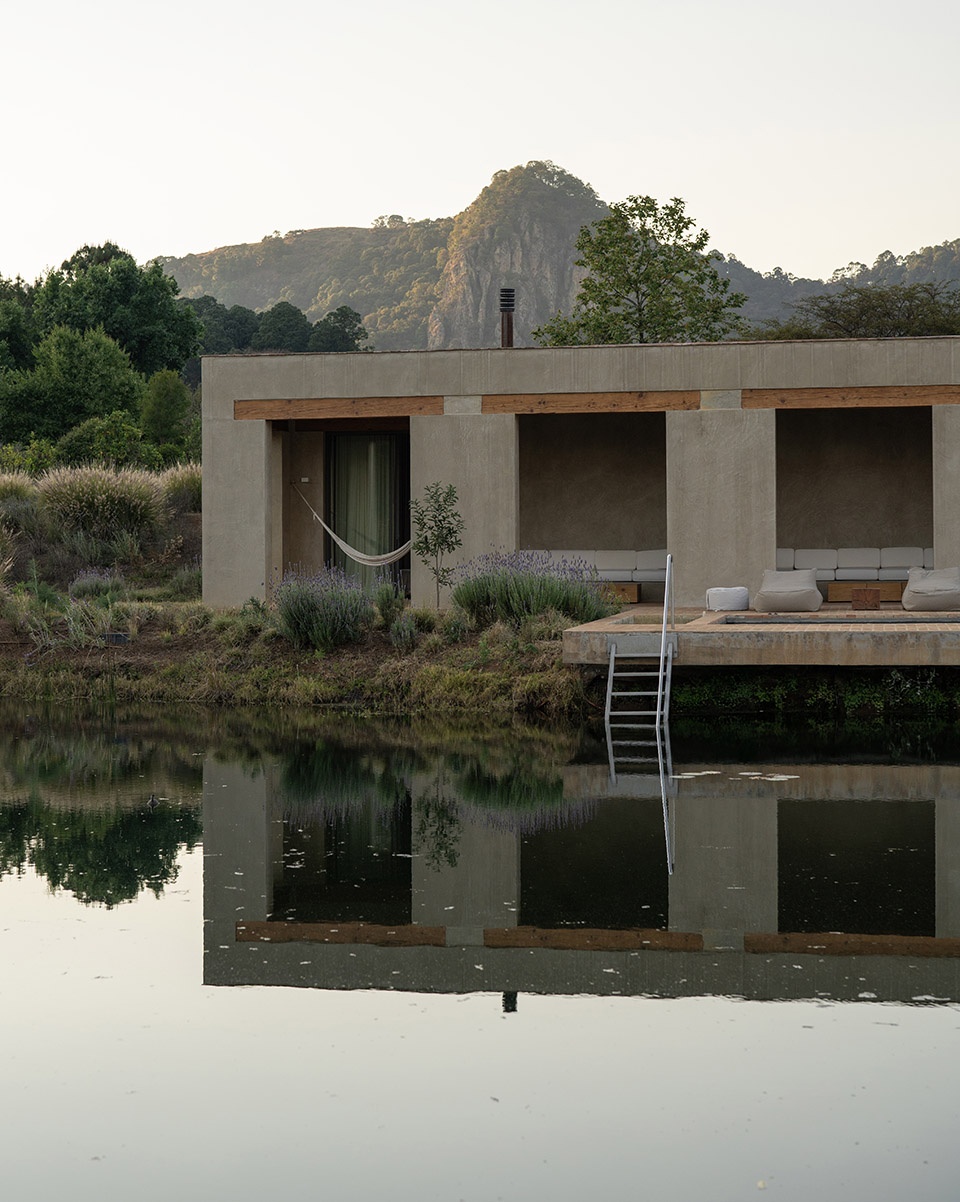
住宅采用单层布局,围绕放松与享受展开空间组织。设计优先考虑社交与沉思空间,例如面向景观敞开的宽敞室内空间,以及设置吊床的区域,鼓励停留与与自然建立联系。Toronjos的目标十分明确:在享受自然景观的同时加以保护。
The house is arranged on a single level, organized around relaxation and enjoyment. Social and contemplative spaces were prioritized, such as large rooms open to the landscape and areas with hammocks that invite moments of pause and connection with nature. The goal of Toronjos is clear: to enjoy and preserve the natural landscape.
▼面向景观敞开的宽敞室内空间,large rooms open to the landscape and areas with hammocks
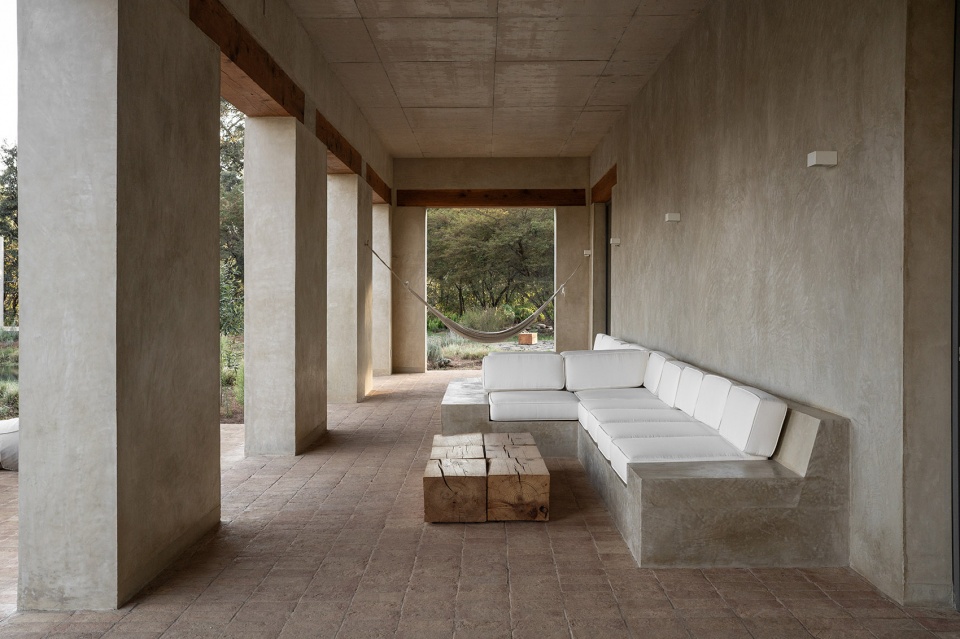
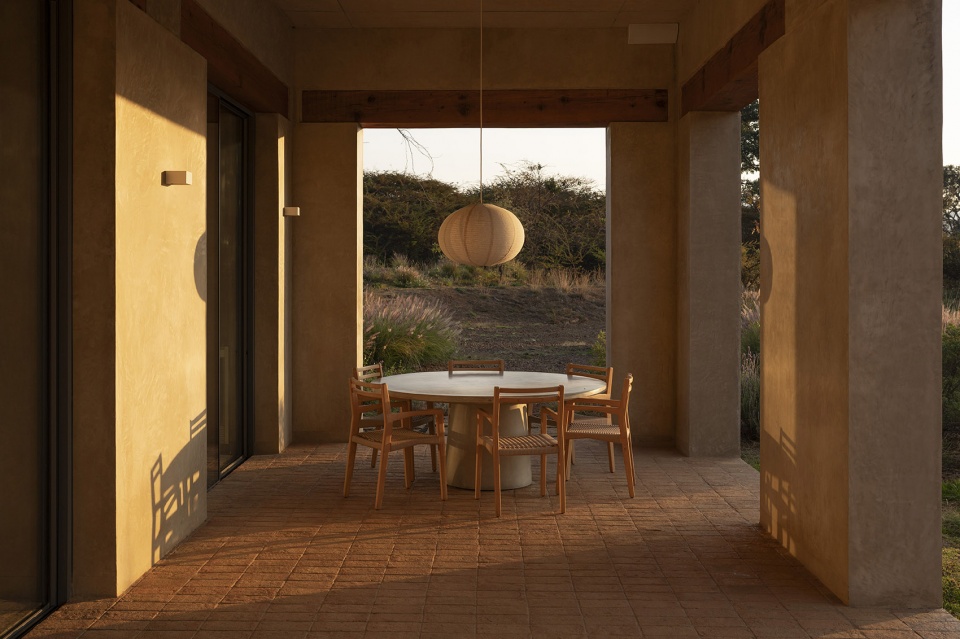
▼餐厅及厨房区域,kitchen and dining hall
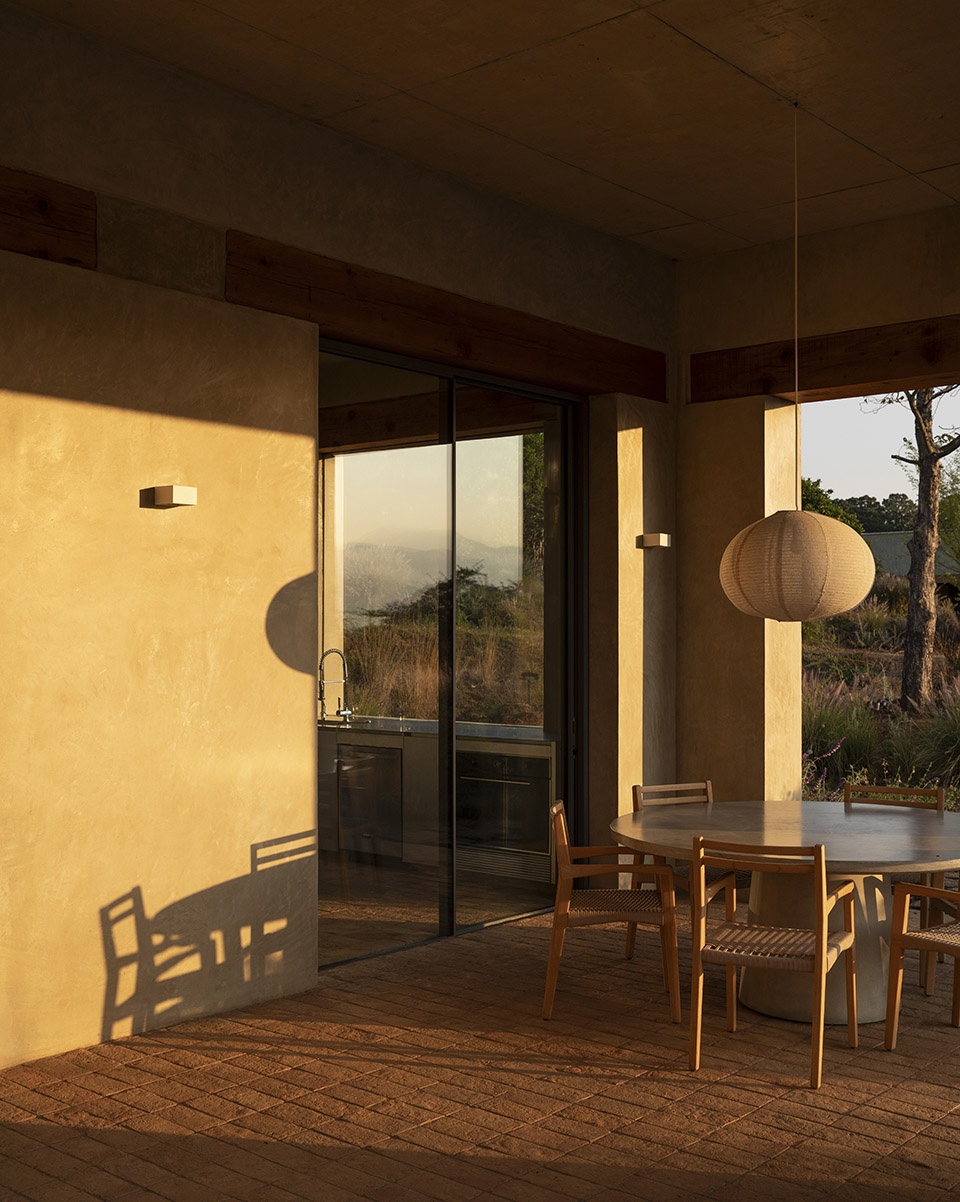
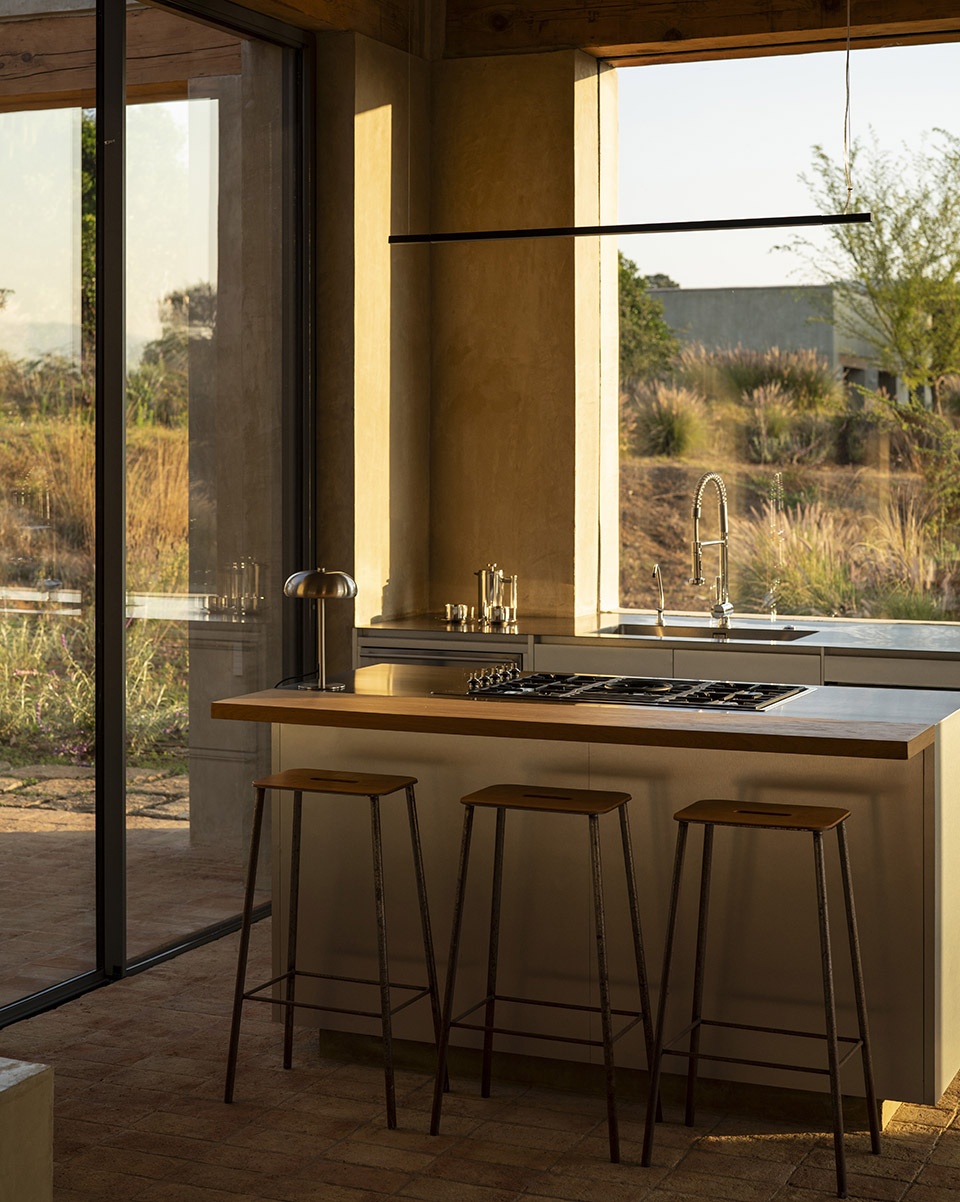
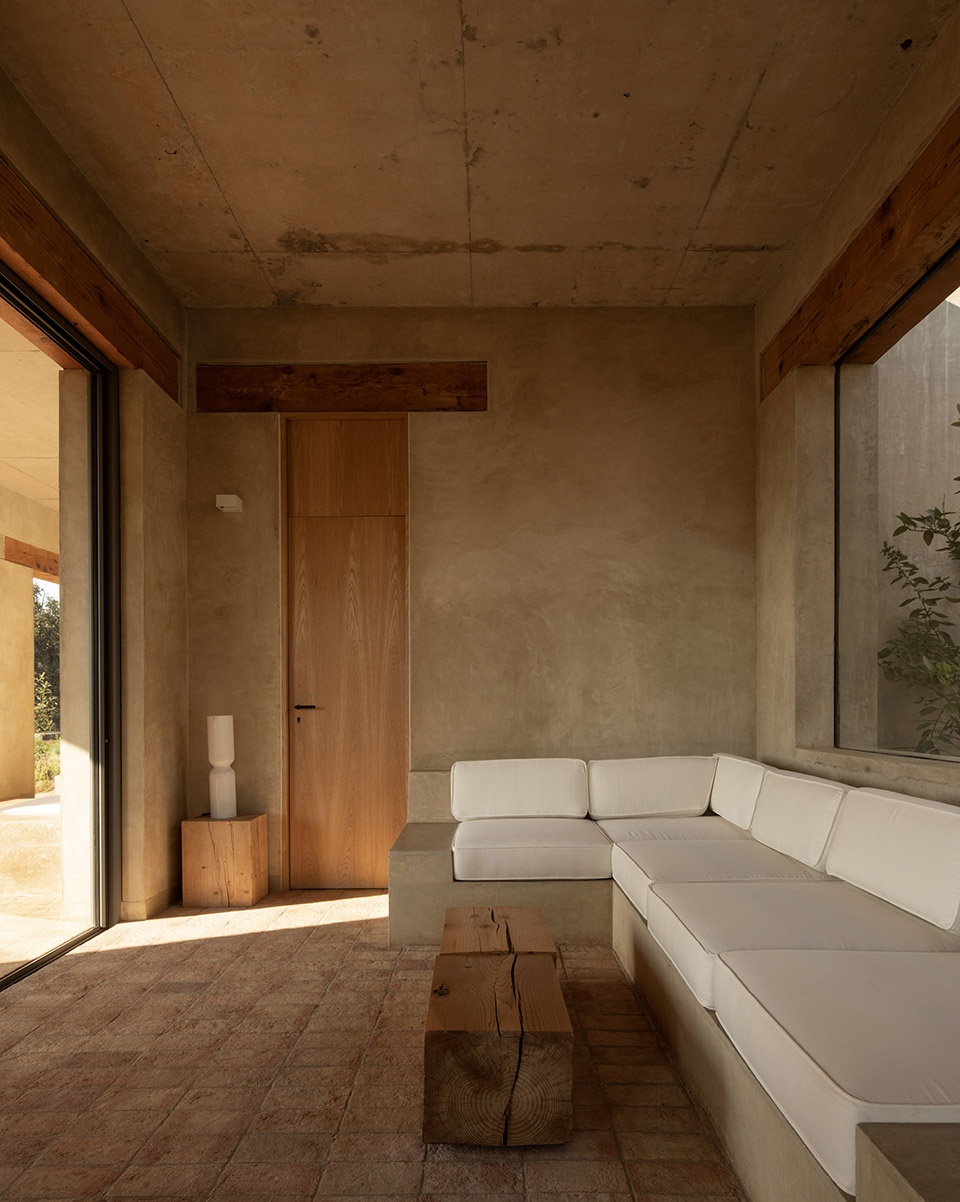
▼客厅区域,living room
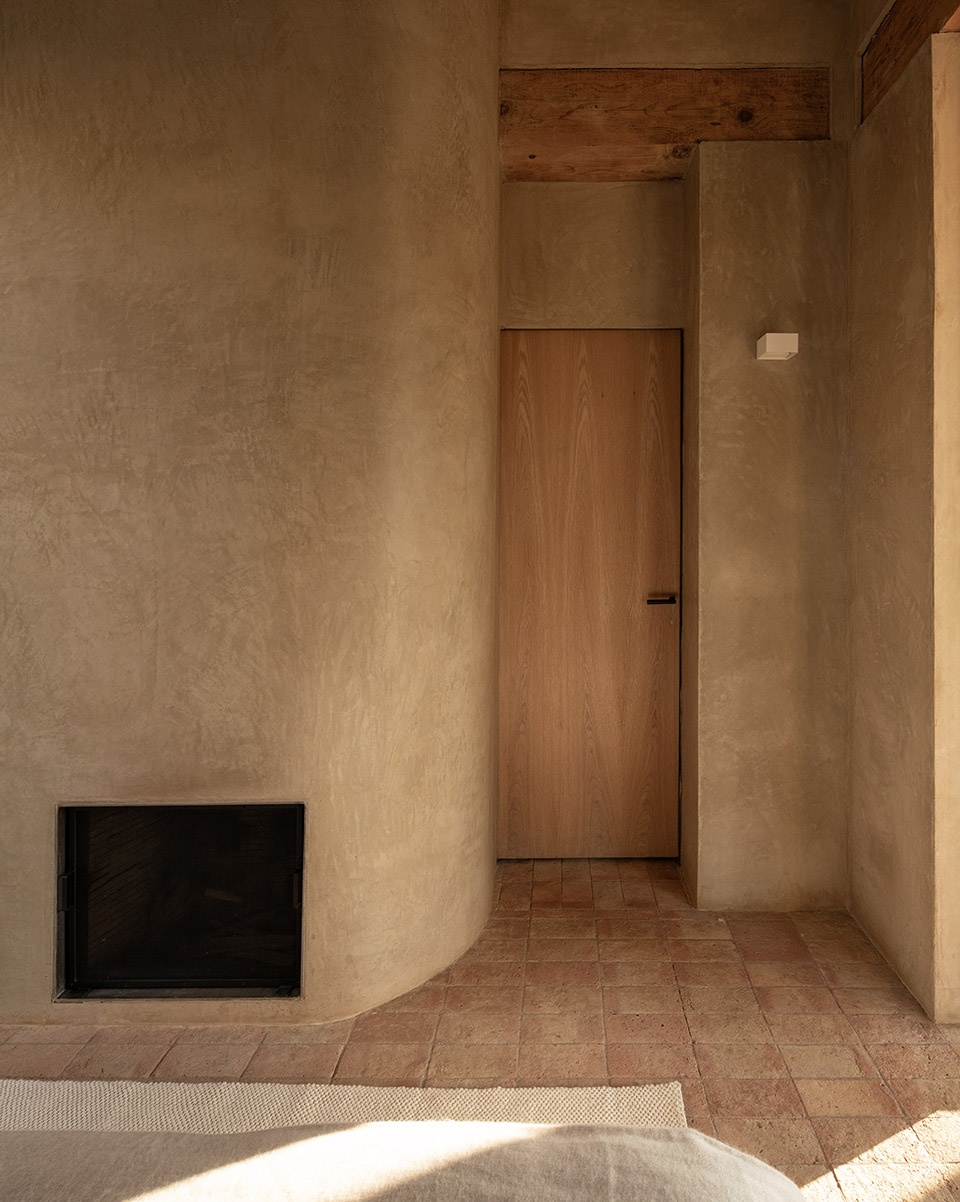
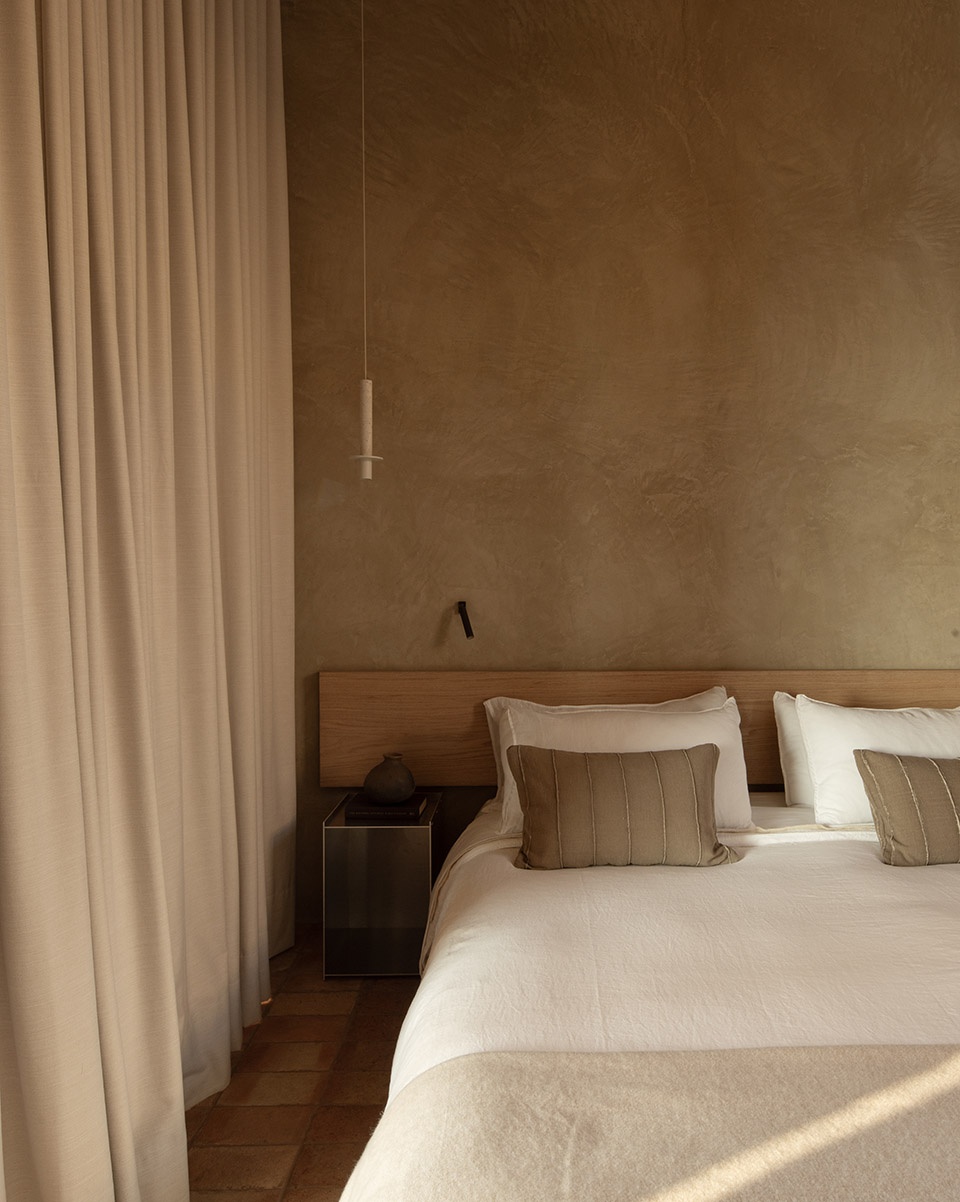
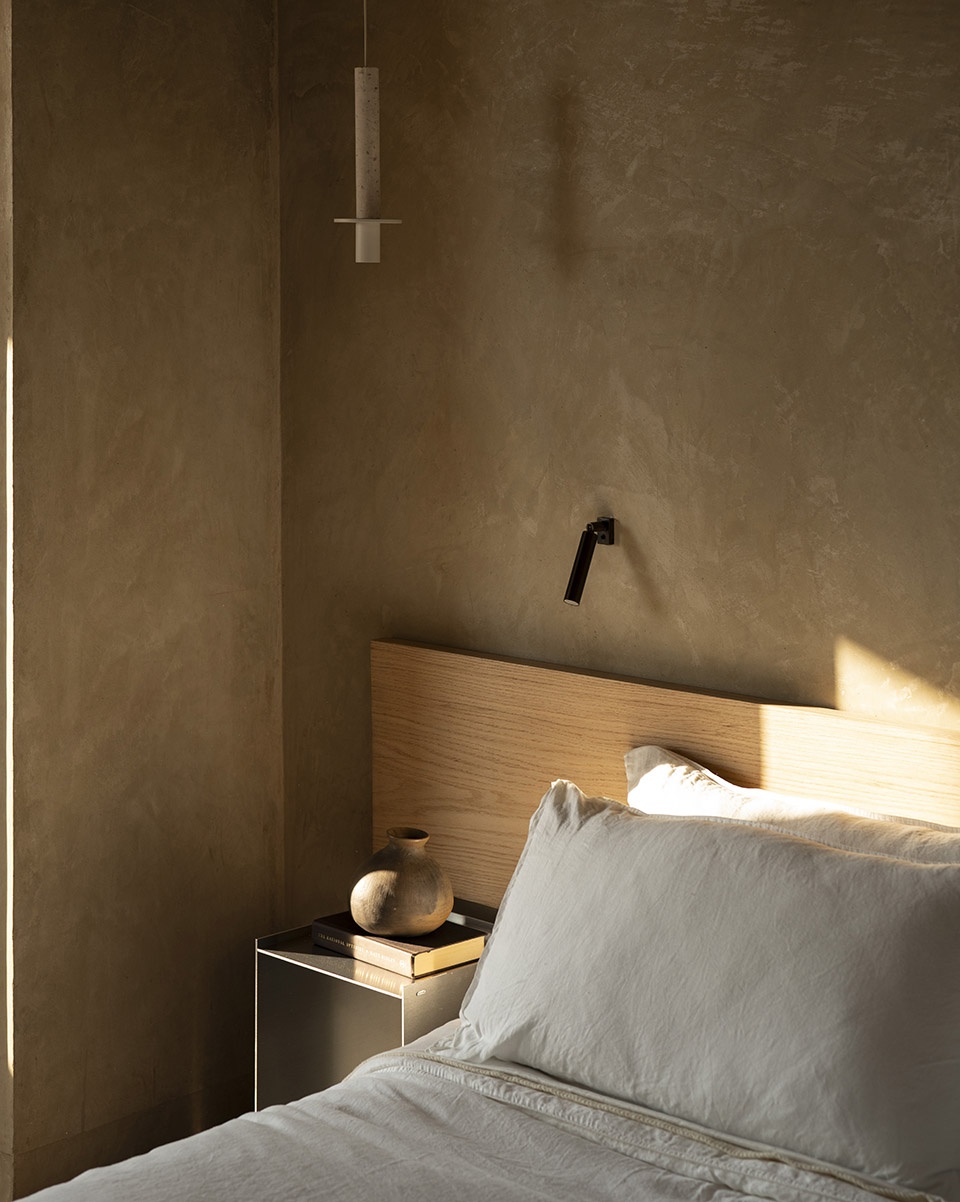
▼卧室区域,bedroom
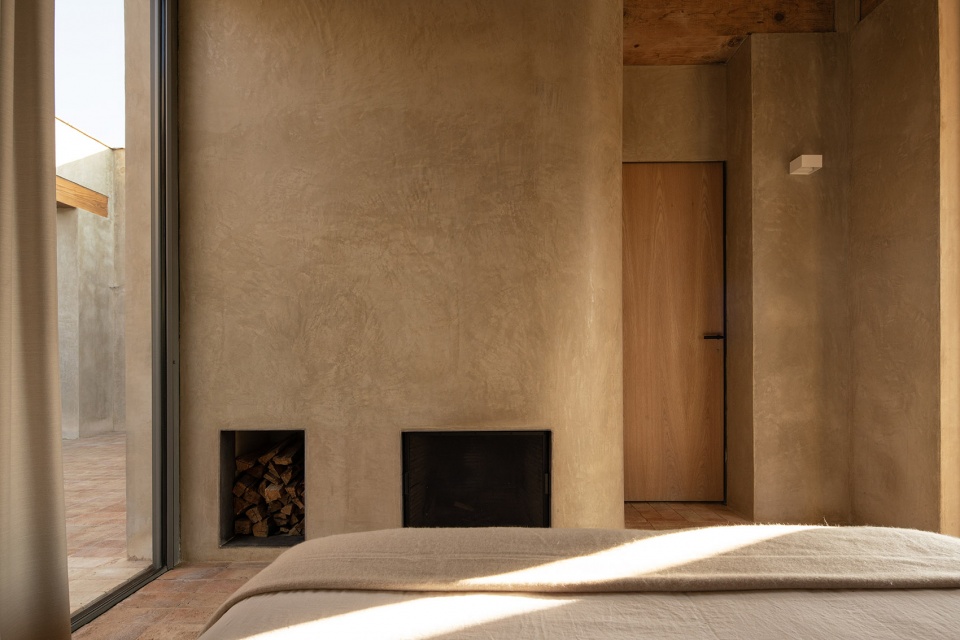
▼卧室区域,bedroom
▼浴室,bathroom
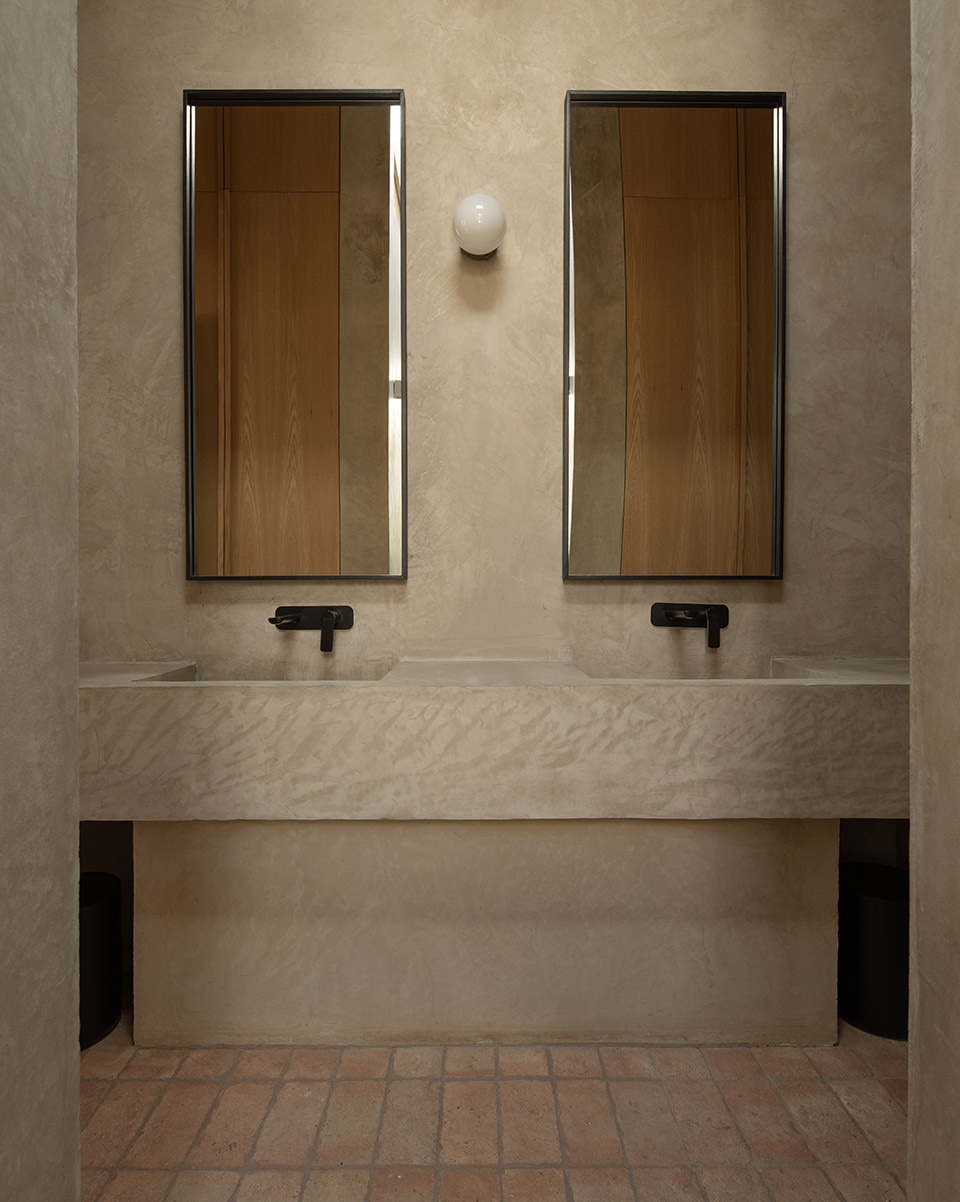
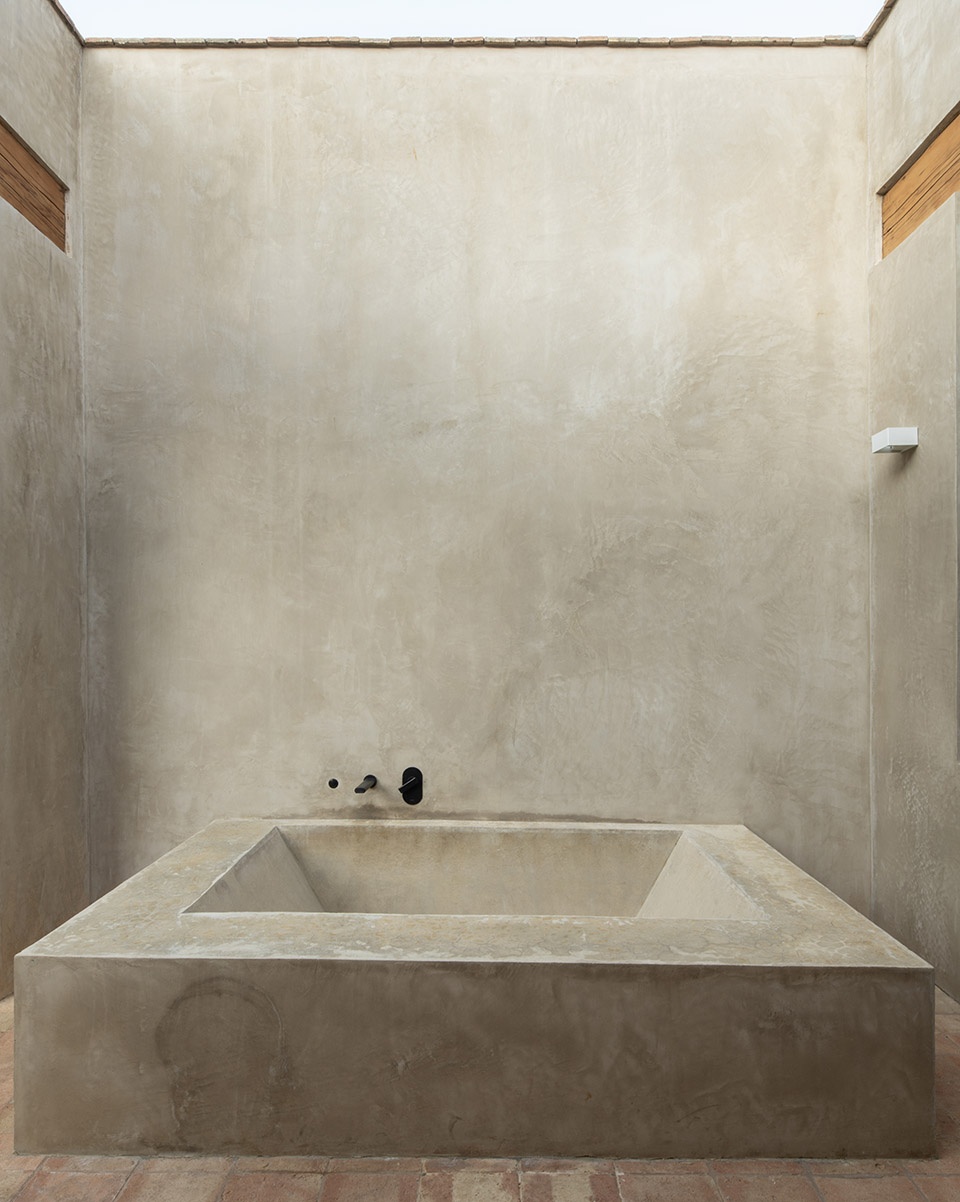
项目对可持续性的承诺体现在每一个细节之中。通过使用本地材料与区域劳动力,既降低了碳足迹,也强化了场地的在地性。结构采用土坯与木梁组合,并将其裸露以增强空间的温暖感。地面由现场制作的土坯手工铺设,墙体则以土坯抹灰收面,与周边环境的色彩体系相协调。
The commitment to sustainability is evident in every aspect of the project. Local materials and regional labor were used, reducing the carbon footprint and strengthening the site’s identity. The structure combines adobe and wooden beams, which were left exposed to add warmth. The floor was handcrafted with adobe produced on-site, and the walls are finished with an adobe plaster that harmonizes with the surrounding color palette.
▼墙体则以土坯抹灰收面,the walls are finished with an adobe plaster
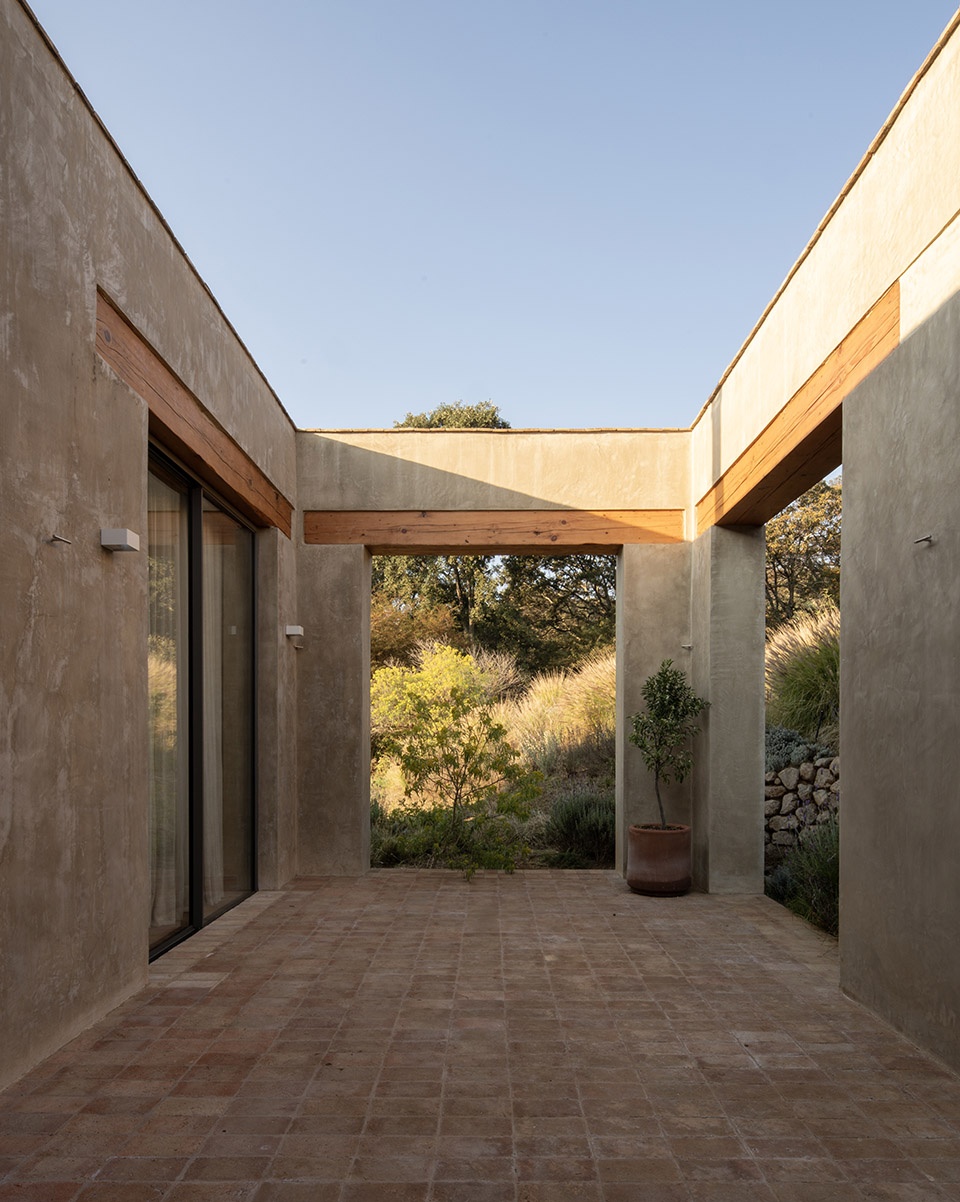
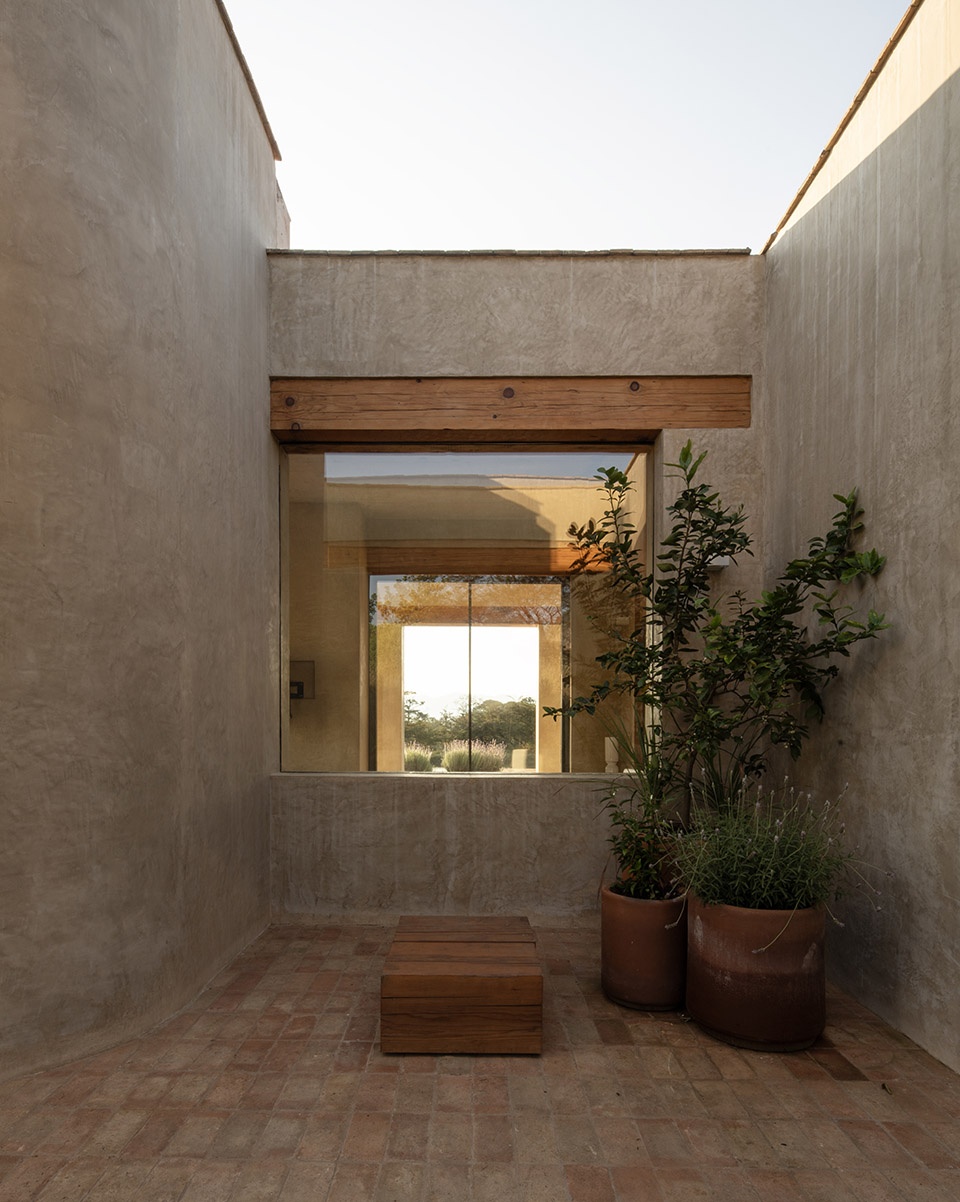
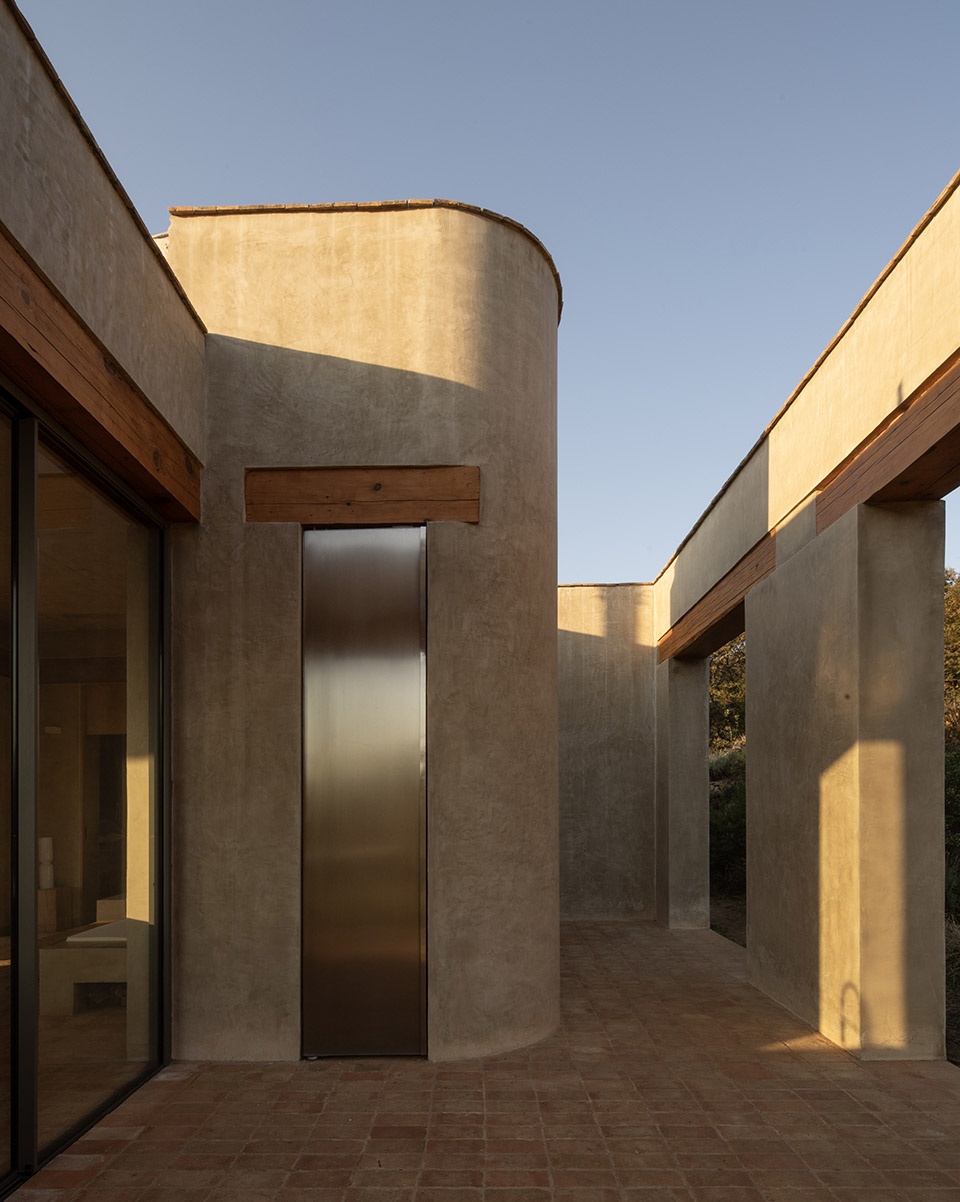
从本质上而言,Toronjos是一种“不主导”的建筑。它无缝融入景观之中,对其加以强化,并成为自然的延续。建筑并不试图成为视觉焦点,而是选择消隐于植被、水体与土地之间,体现出一种与环境和谐共生的生活方式。
Toronjos is, essentially, architecture that doesn’t dominate. It blends seamlessly with the landscape, enhancing it and becoming a natural extension of it. The building doesn’t seek to stand out, but rather to disappear among the vegetation, water, and earth, embodying a way of living in harmony with the environment.
▼无缝融入景观之中,blends seamlessly with the landscape
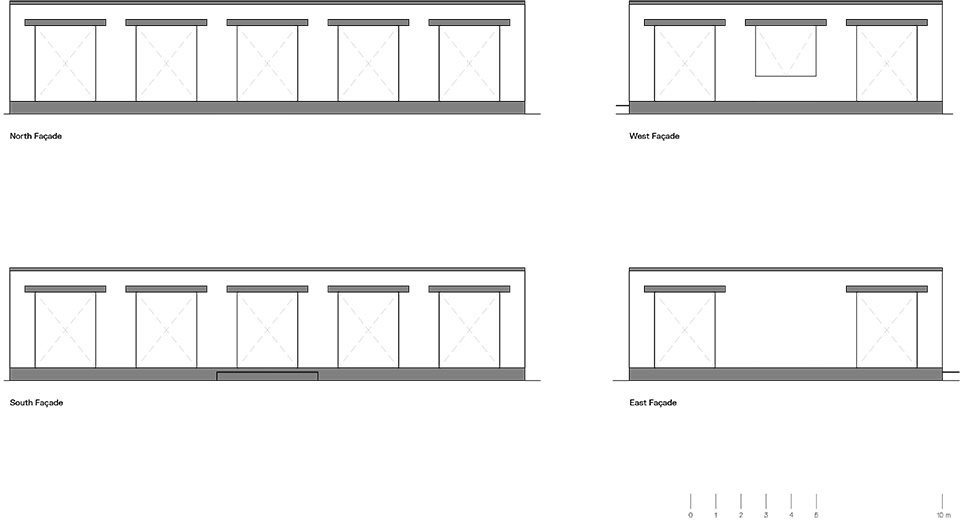
▼立面图,elevation
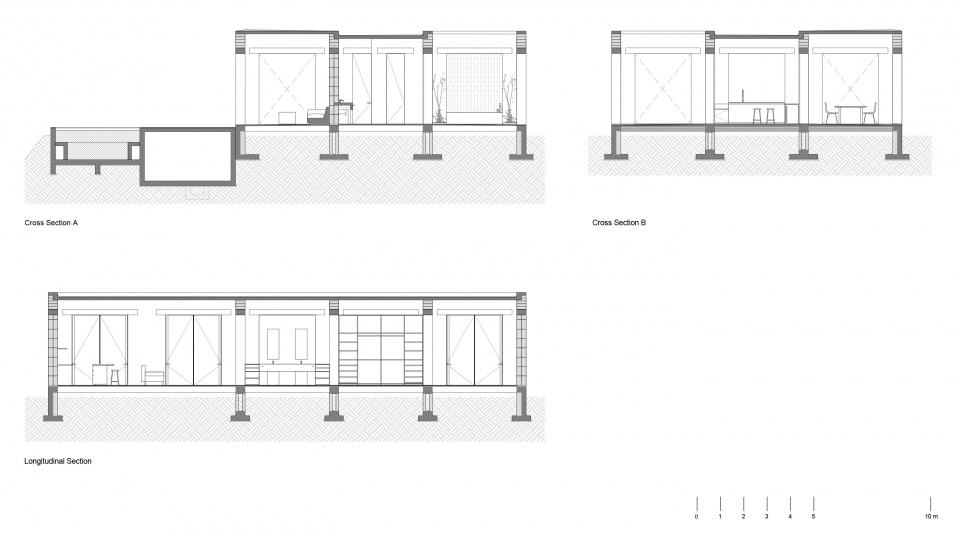
▼剖面图,section