Avber住宅,斯洛文尼亚 / OFIS Architects
项目概述Project Overview
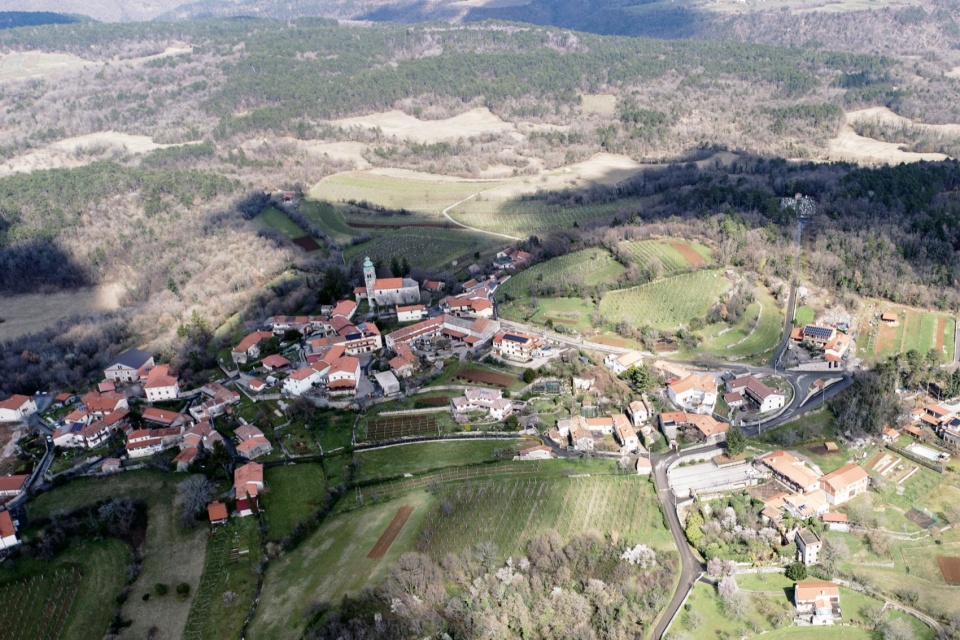
在俯瞰喀斯特高原的一处山顶上,坐落着阿夫贝尔村——一个由石材、风与时间塑造而成的紧密聚落。在这里,一处农宅被精心修复,服务于一位其家族根源正来自该村的澳大利亚业主。该项目不仅让他重新连接一个地方,也重新连接其祖辈的建筑传统。最终呈现的不仅是一次改造,更是一种文化上的回归:一处重新嵌入于社区肌理中的家园,承载着凛冽的冬季布拉风、沉重的石构以及共同生活的记忆。
On a hilltop overlooking the Karst plateau lies the village of Avber — a tightly clustered settlement shaped by stone, wind, and time. Here, a homestead has been carefully revitalized for an Australian client whose family traces its roots back to this very village. The project reconnects him not only to a place but also to the architectural traditions of his ancestors. What emerges is more than a renovation: it is a cultural return, a home re-established within a fabric marked by the fierce winter burja winds, the weight of stone, and the memory of community life.
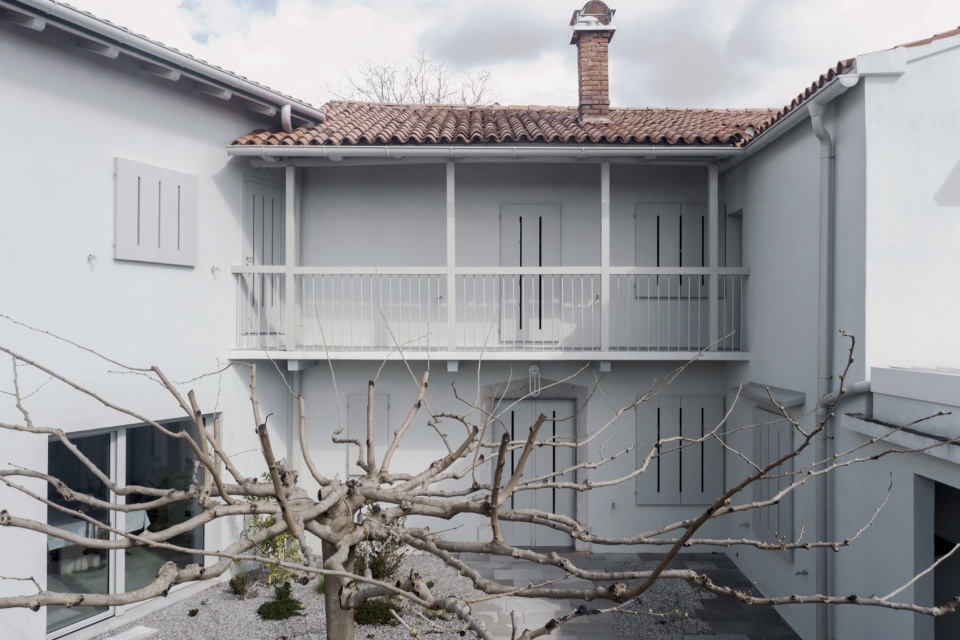
▼改造后的住宅,the house after renovation
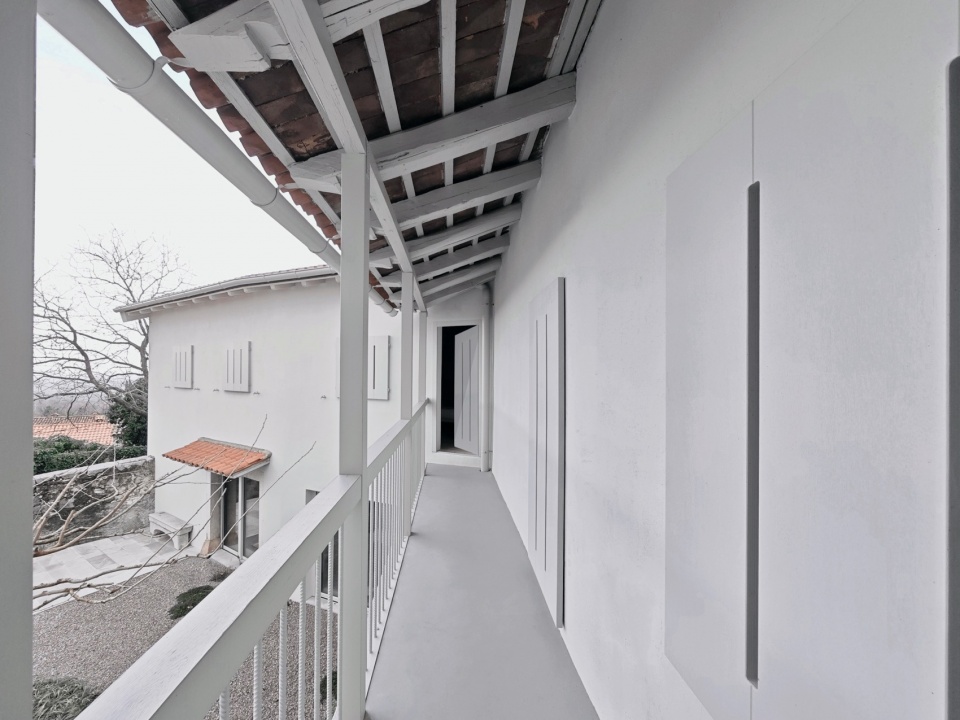
▼单廊,single corridor
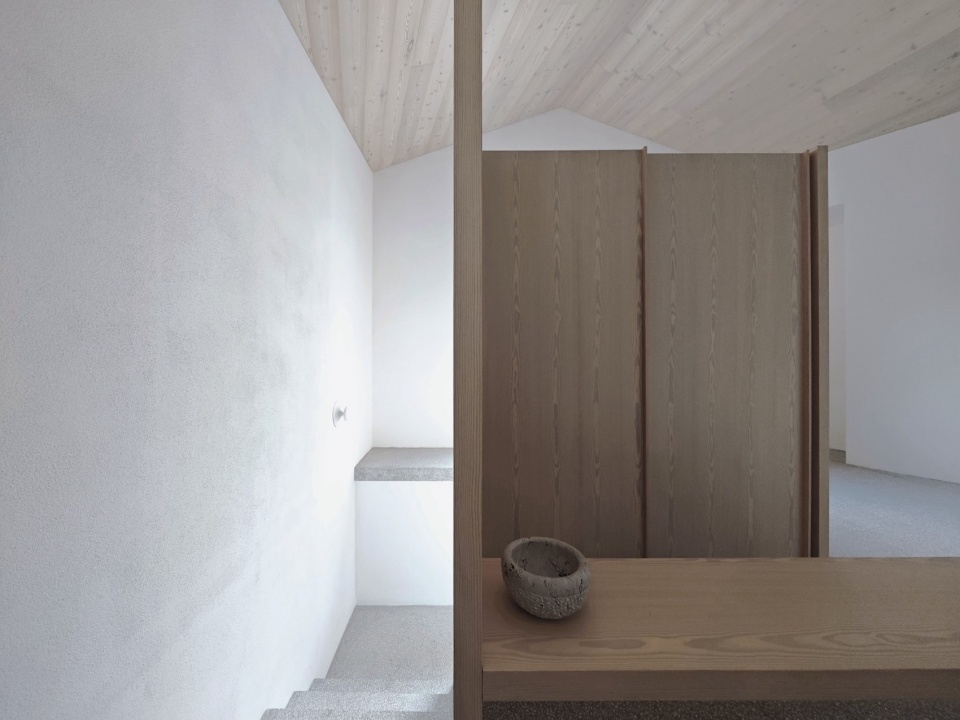
▼室内视角,interior view
建筑遗产的再诠释Architectural Heritage Reinterpreted
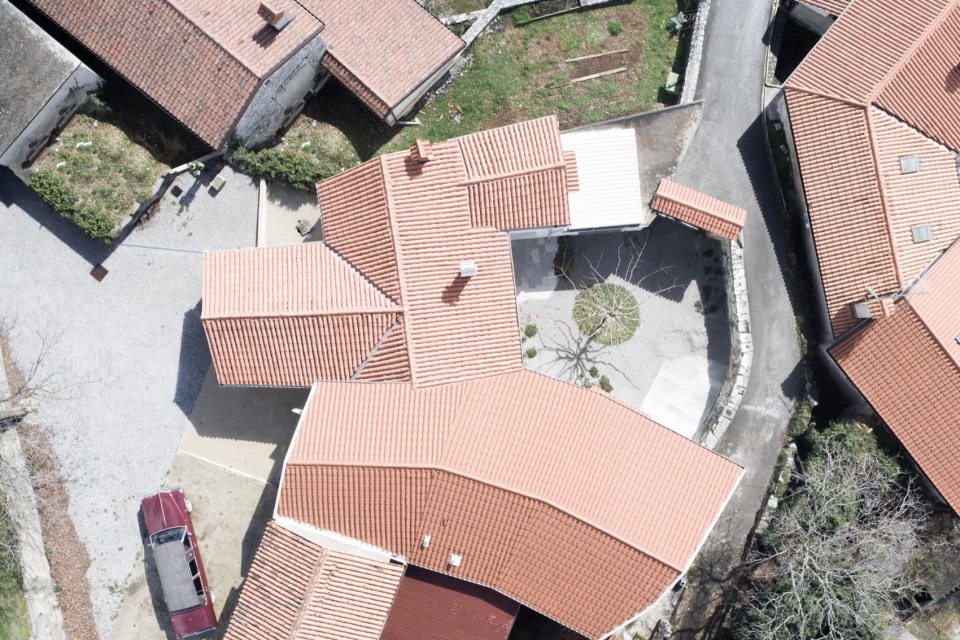
设计以克制而精准的方式重构喀斯特地区的典型建筑元素。核心是“borjač”——一种封闭式庭院,曾用于抵御强风,为家庭、牲畜和收获创造微气候。围绕其布局的是三部分建筑:两层住宅、马厩以及用于牲畜和储藏的附属建筑。这种紧凑的组合呼应了传统喀斯特村落的密度,在那里,围合既是防护也是身份象征。其他元素——如上层“gank”(阳台)、石墙、“škure”(木制百叶窗)以及厚重的“korci”屋瓦——也被修复并加以微妙转译。其形式得以延续,但功能被更新,使遗产与当代生活实现连续。
The design reworks distinctive Karst elements with precision and respect. At its heart is the borjač — the enclosed courtyard that once shielded families, livestock, and harvests from the wind, creating a microclimate for daily life. Surrounding it are the three parts of the estate: the two-storey dwelling, a stable, and an outbuilding for animals and storage. This clustered arrangement echoes the density of traditional Karst villages, where enclosure was both protection and identity. Other features — the upper-level “gank” (balcony), stone walls, “škure” (wooden shutters), and heavy “korci” roof tiles — are restored and subtly reimagined. Their forms endure, but their functions are updated, ensuring continuity between heritage and modern living.
▼鸟瞰,aerial view of the project
居住体验Living Experience
Avber住宅的生活在裸露的石墙与重塑的空间之间展开。改造强调材料的真实表达:粗粝的墙面保留着时间的痕迹。原有的农业构件被赋予新用途——牛槽转化为置物架,农用壁龛成为储藏空间。曾经纯功能性的庭院,如今转变为受保护的户外起居室,在抵御布拉风的同时,又向村庄生活的节奏敞开。室内空间经过重组,引入更多光线与清晰性,在舒适性与原有结构的厚重之间取得平衡。
Life in the Avber House unfolds between exposed stonewalls and redefined spaces. The renovation celebrates the material honesty of the estate: rough walls remain visible, carrying the marks of time. Former agricultural elements are given new roles — a cow’s feed trough becomes shelving, farm niches are converted into storage. The courtyard, once purely functional, is reborn as a protected outdoor living room, sheltered from burja winds yet open to the rhythm of village life. Interiors are reorganized to invite light and clarity, balancing comfort with the enduring weight of the original structures.
▼入口,entrance
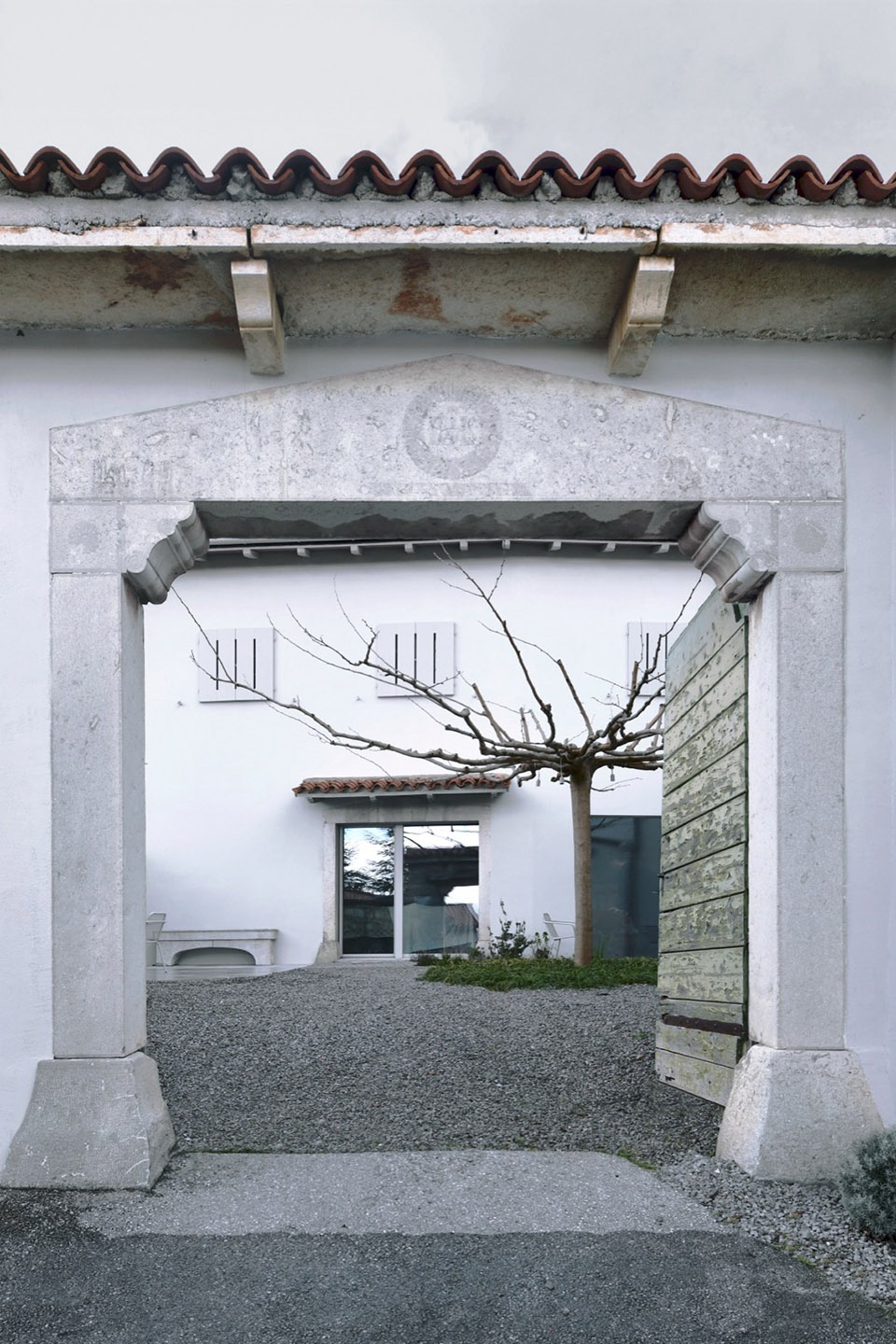
▼庭院,the courtyard
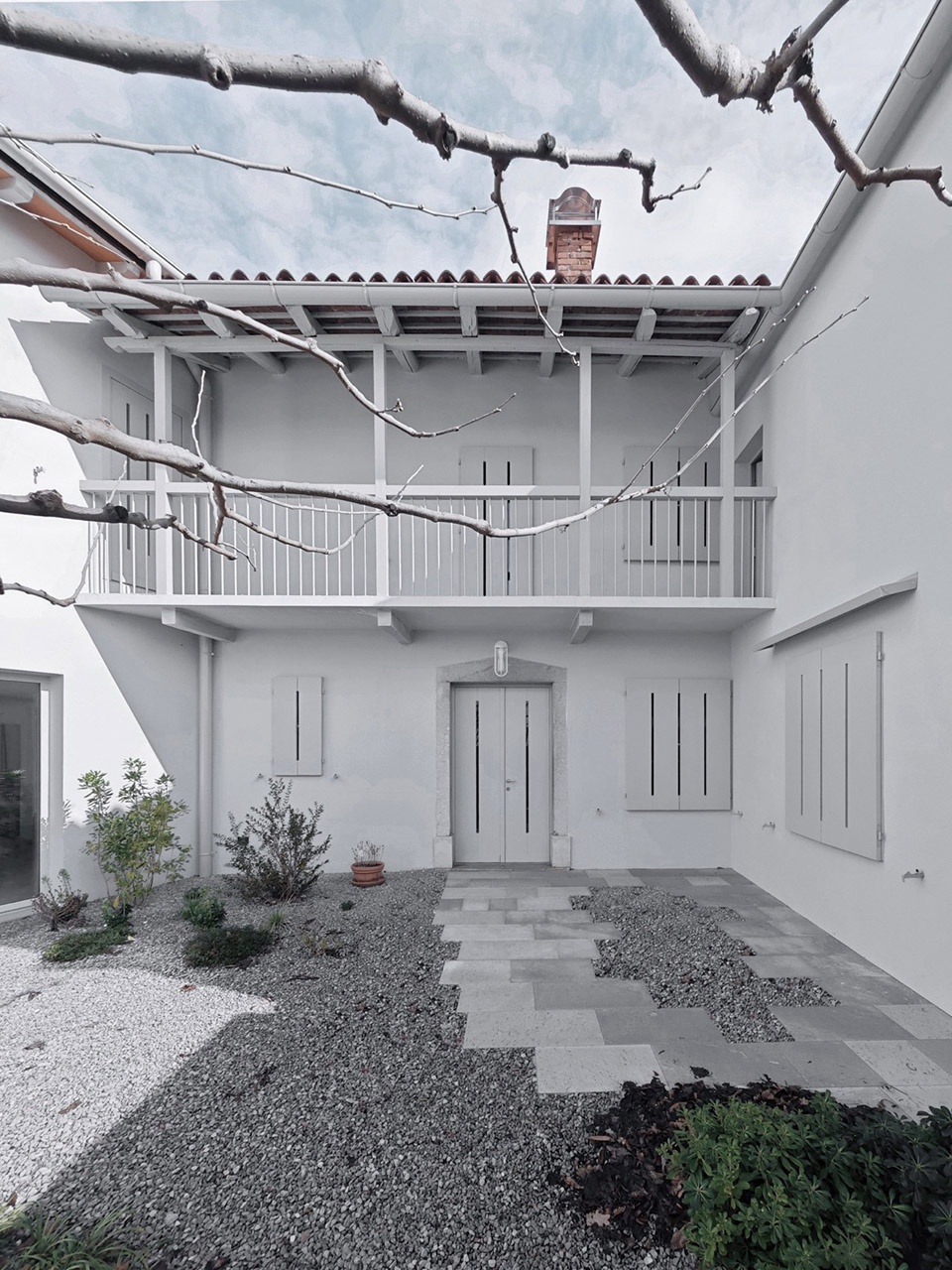
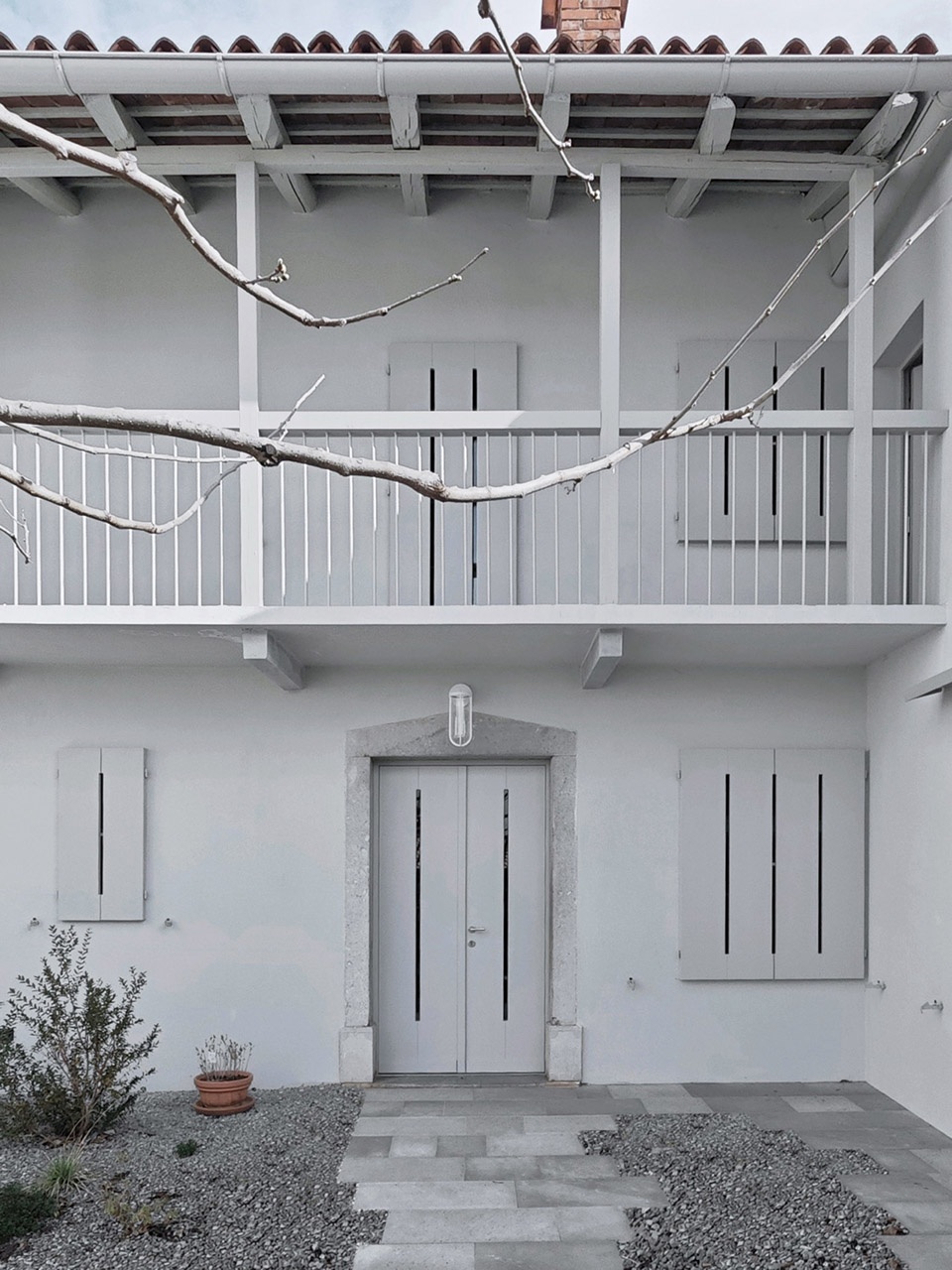
▼檐下空间,under the eaves
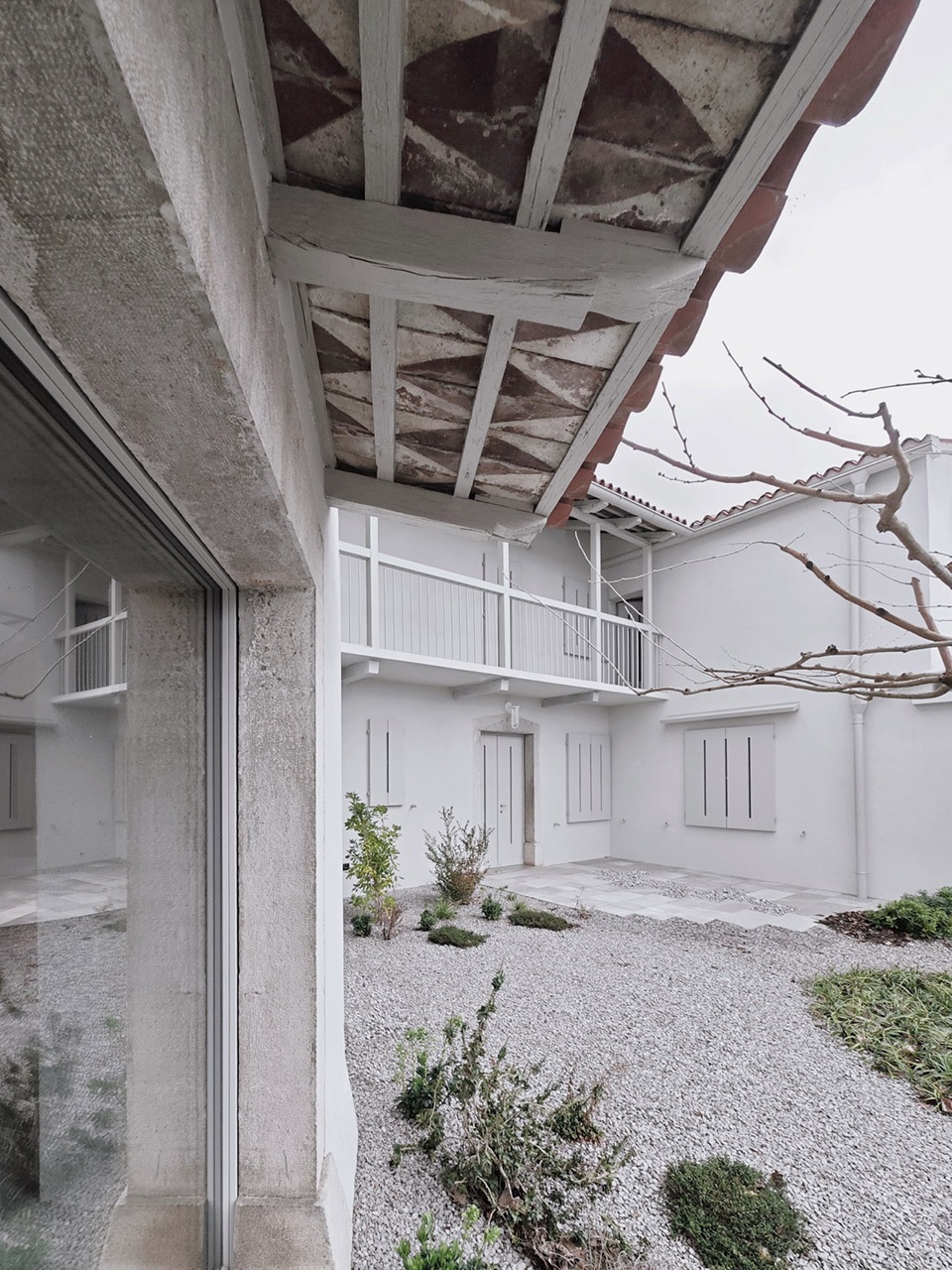
▼单廊,single corridor
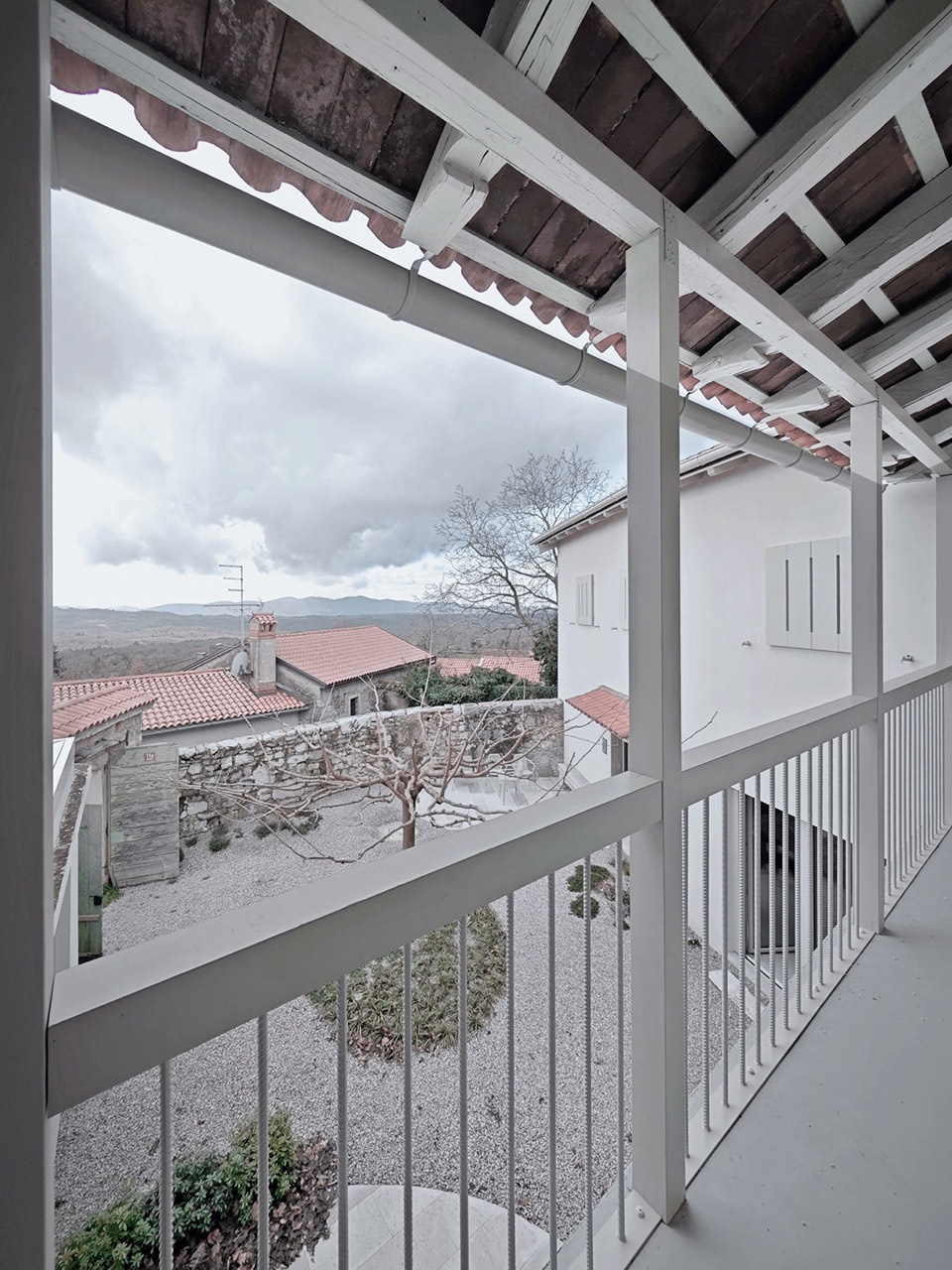
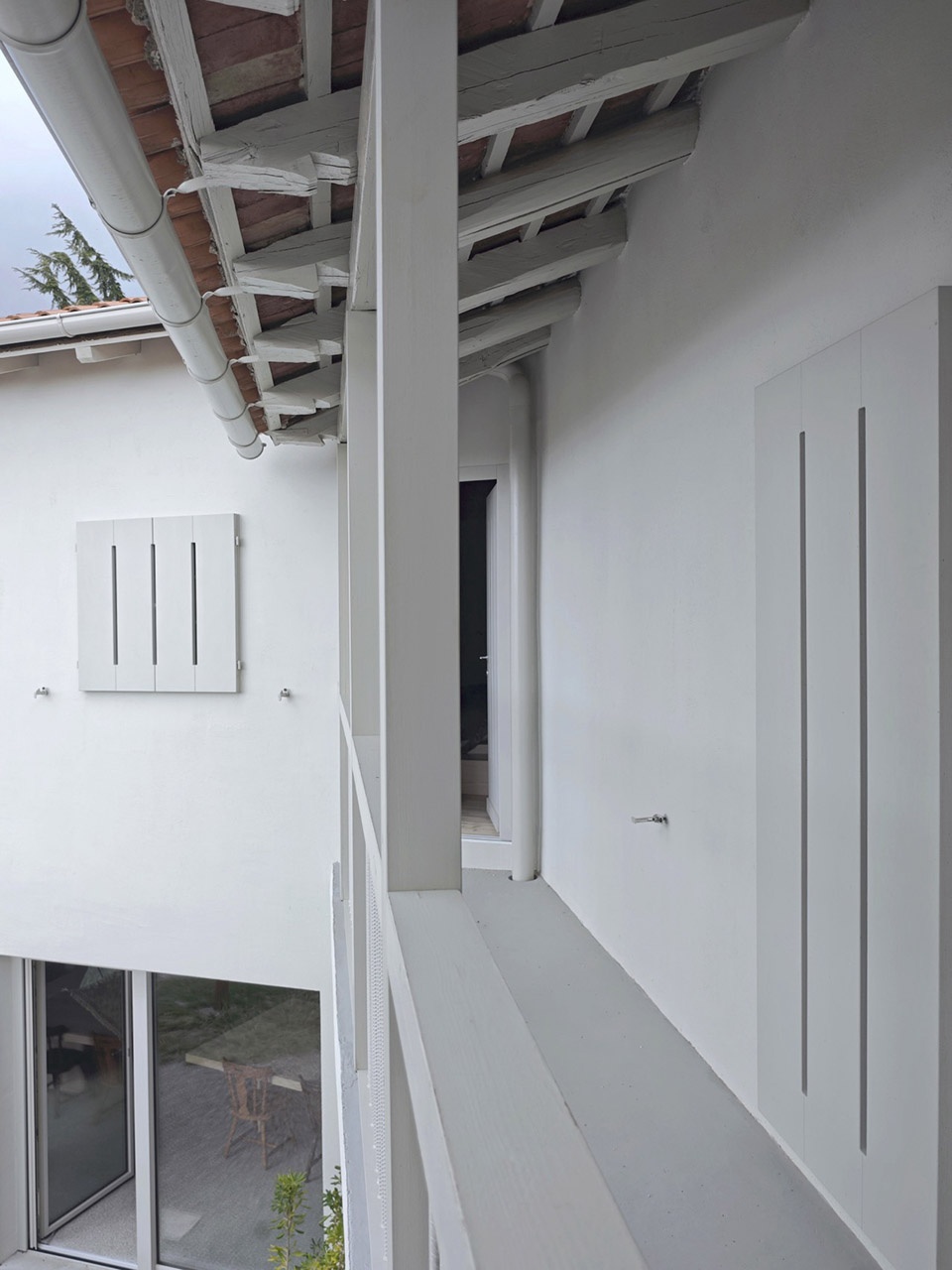
▼细部,details
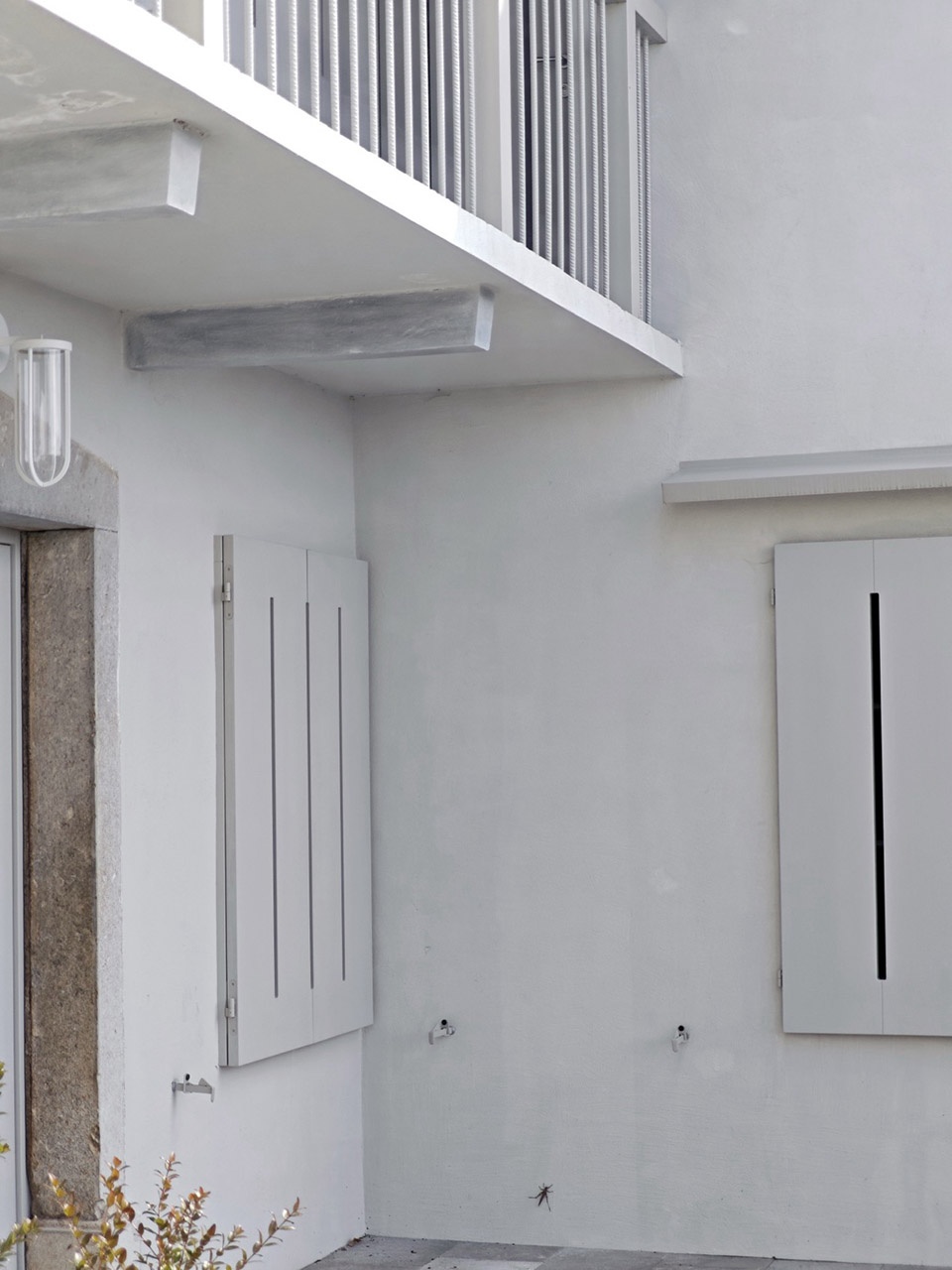
▼室内外界限,interior/exterior
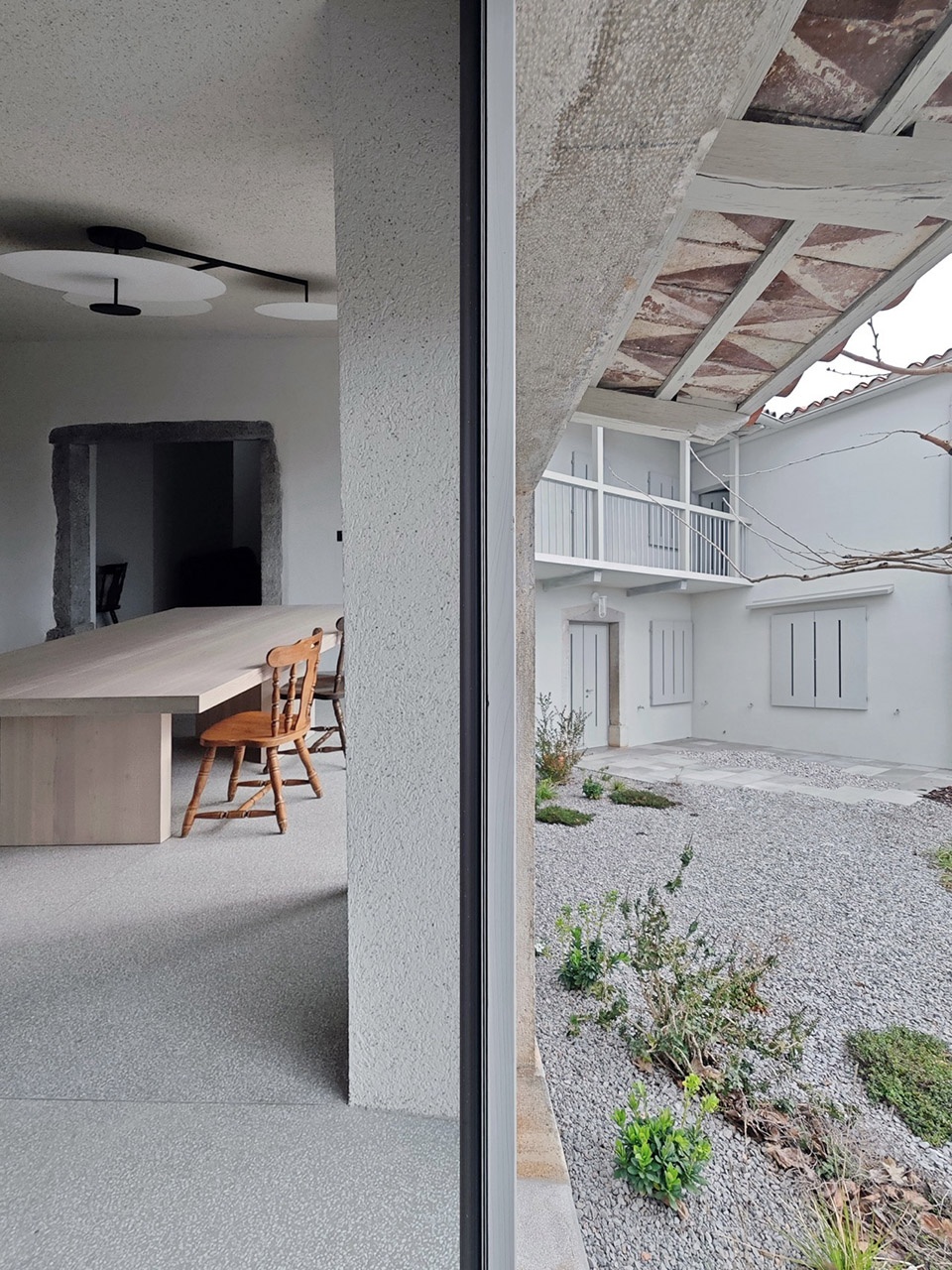
根源与回归Roots and Return
该项目不仅是建筑实践,也具有深刻的个人意义。对业主而言,回到阿夫贝尔不仅是修复一栋房屋,更是重建与家族遗产及文化身份的联系。这一更新成为跨越世代的延续,将当代生活扎根于喀斯特聚落的原初结构之中。住宅既是私人栖居之所,也是重新锚定祖源的象征。
The project is not only architectural but also profoundly personal. For the client, returning to Avber meant more than restoring a house — it meant re-establishing a connection to family heritage and cultural identity. The revitalization becomes an act of continuity across generations, grounding a contemporary life within the protective DNA of Karst settlement. The house now stands as both a private retreat and a symbolic re-anchoring in the ancestral village.
▼室内概览,overall of interior
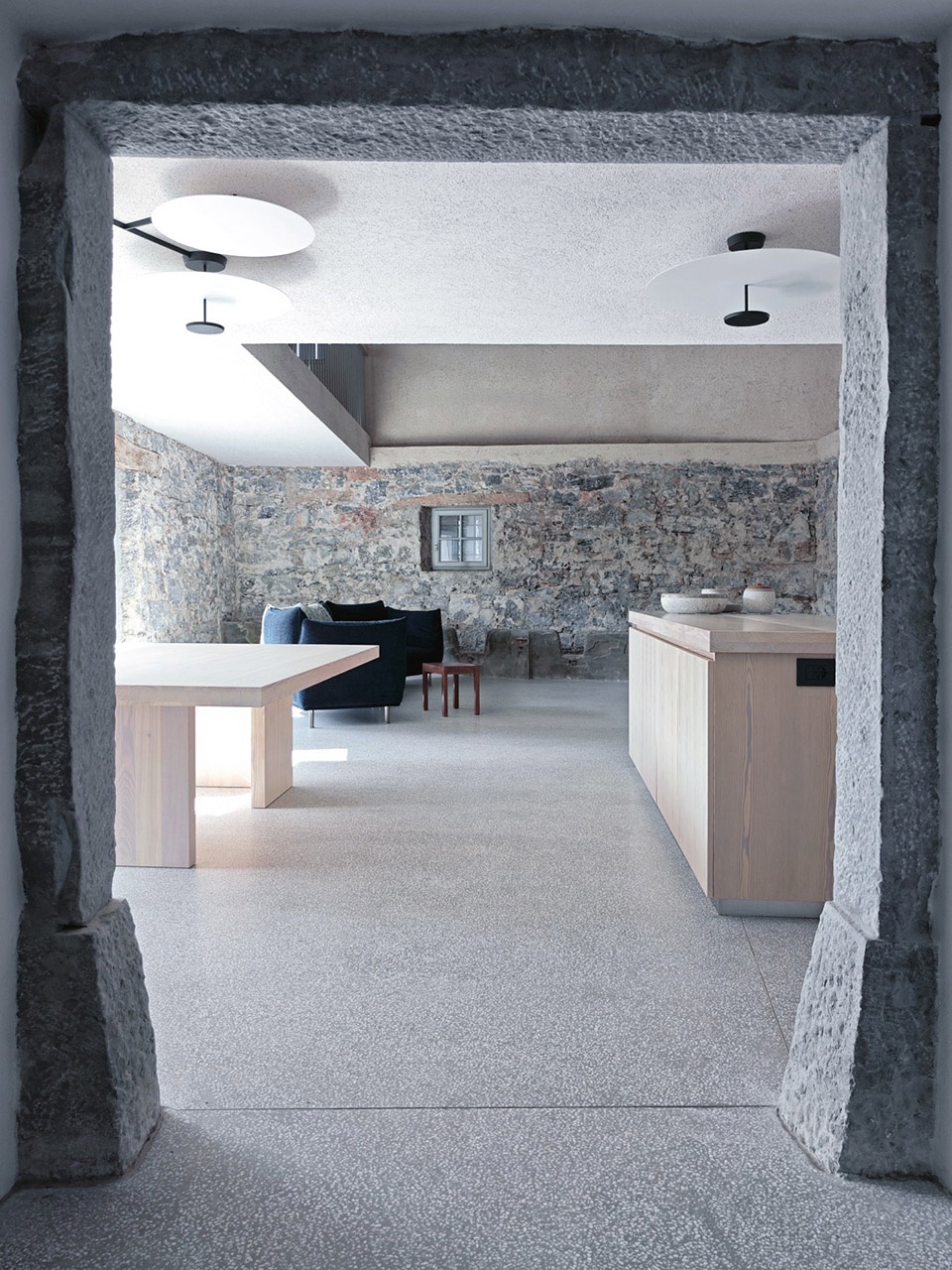
▼生活空间,living space
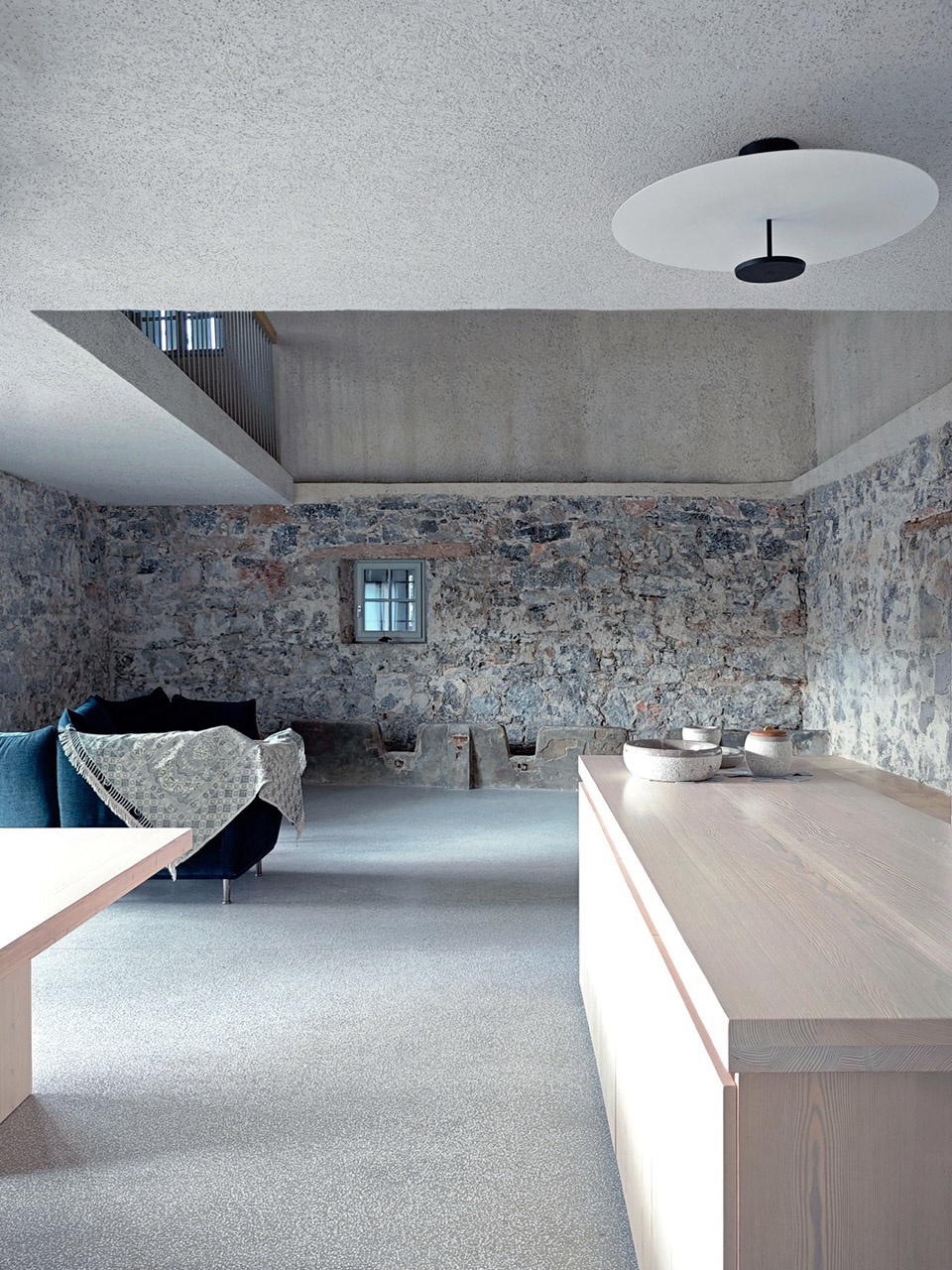
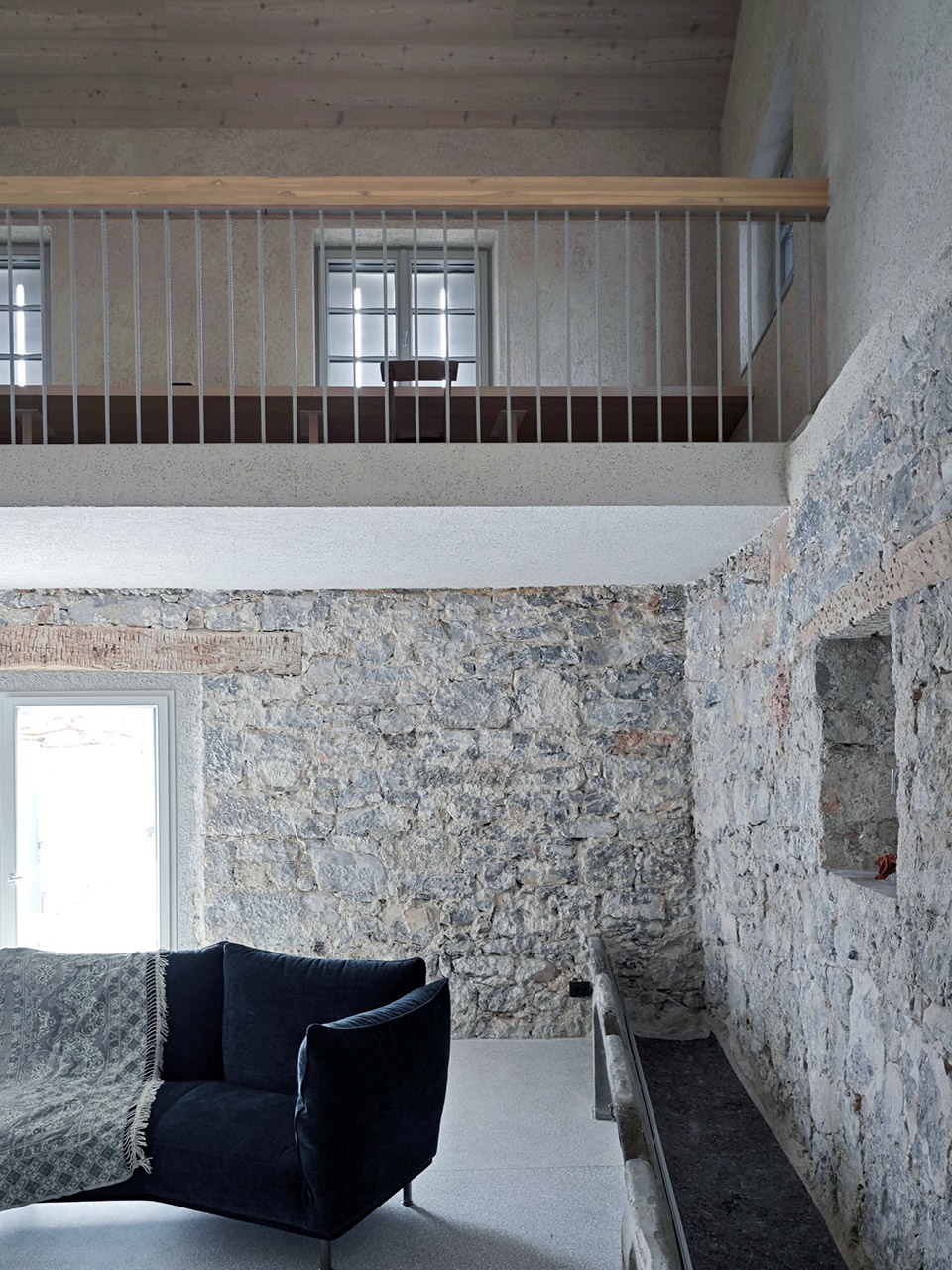
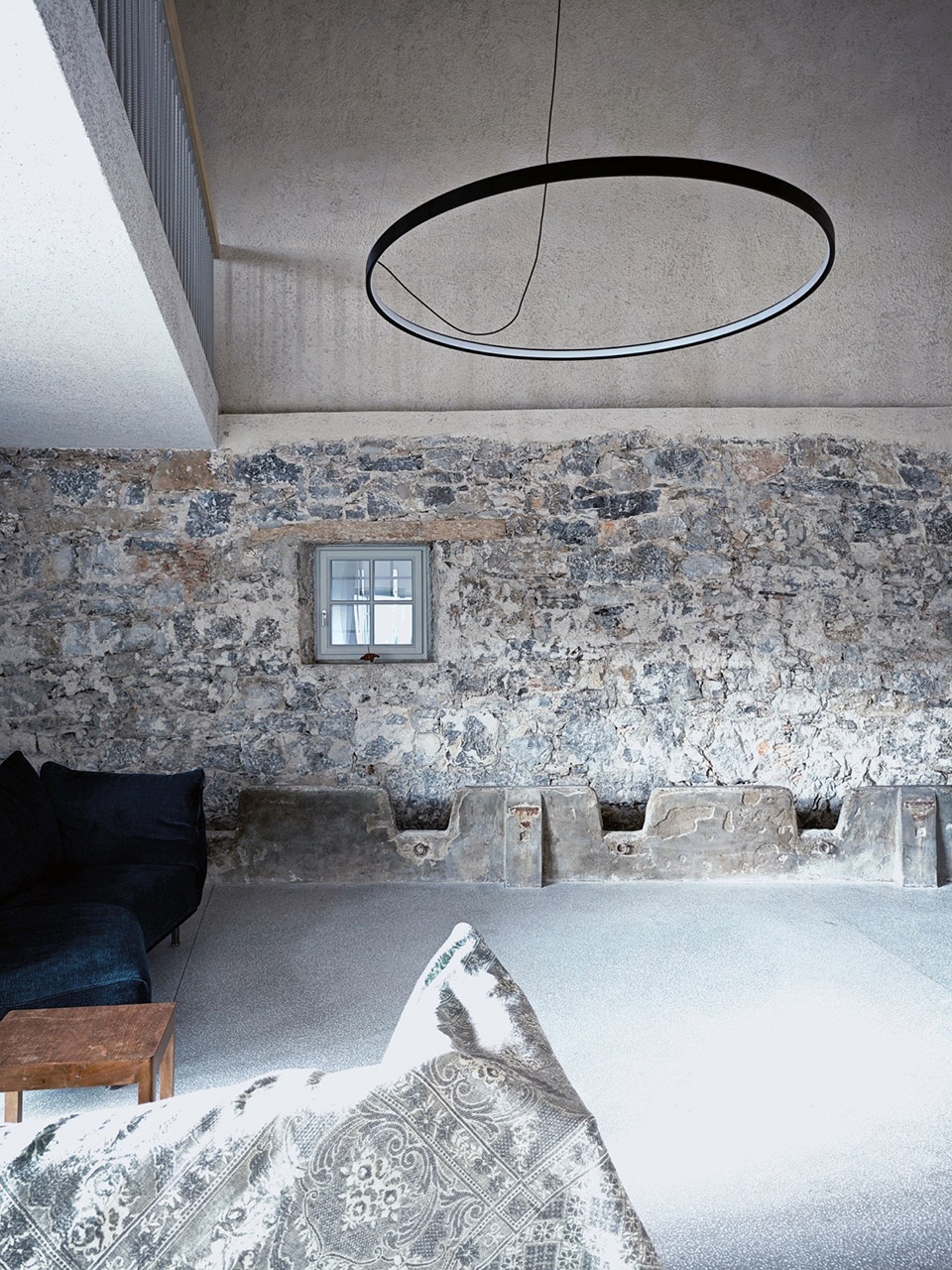
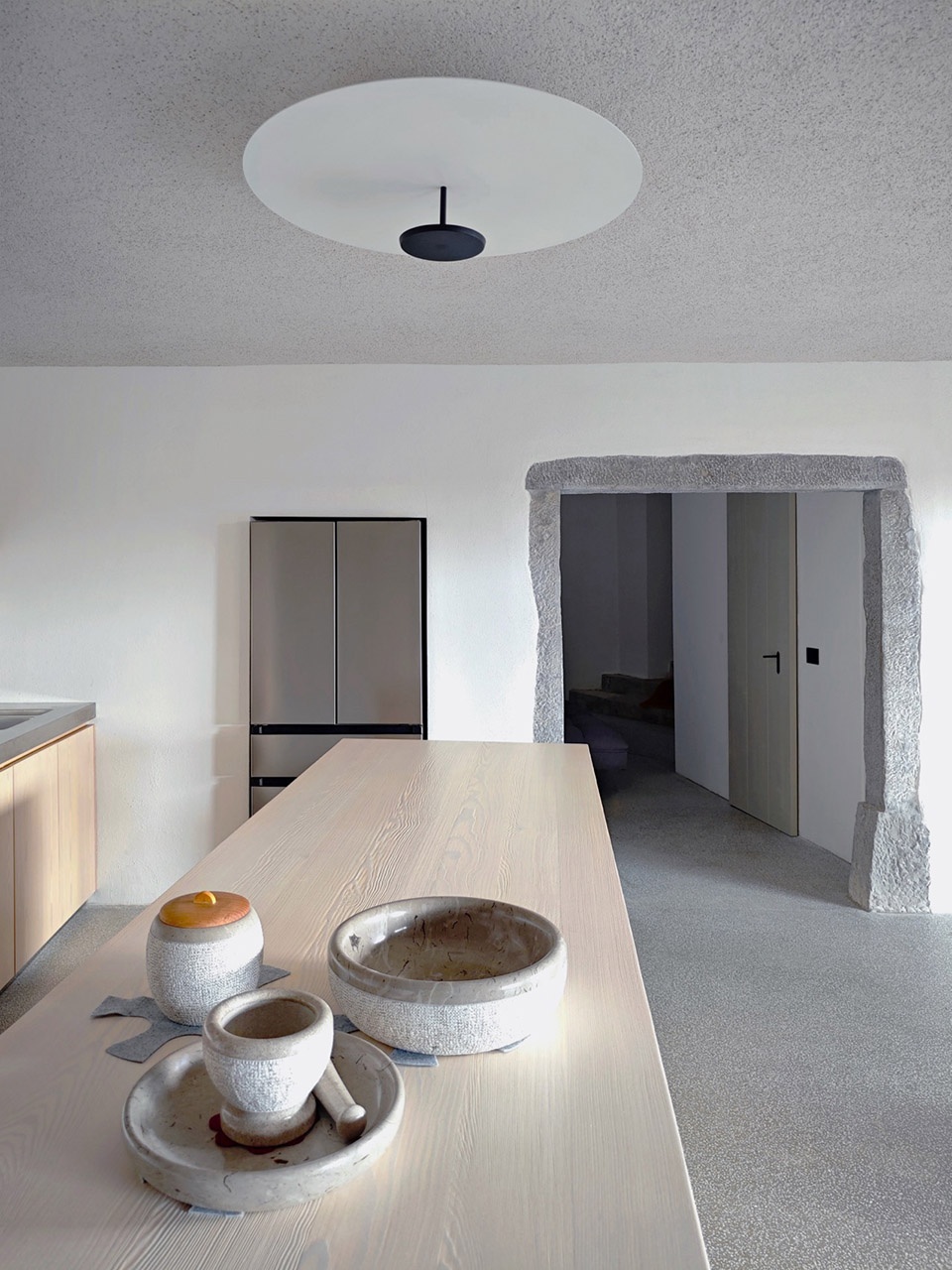
▼厨房,kitchen
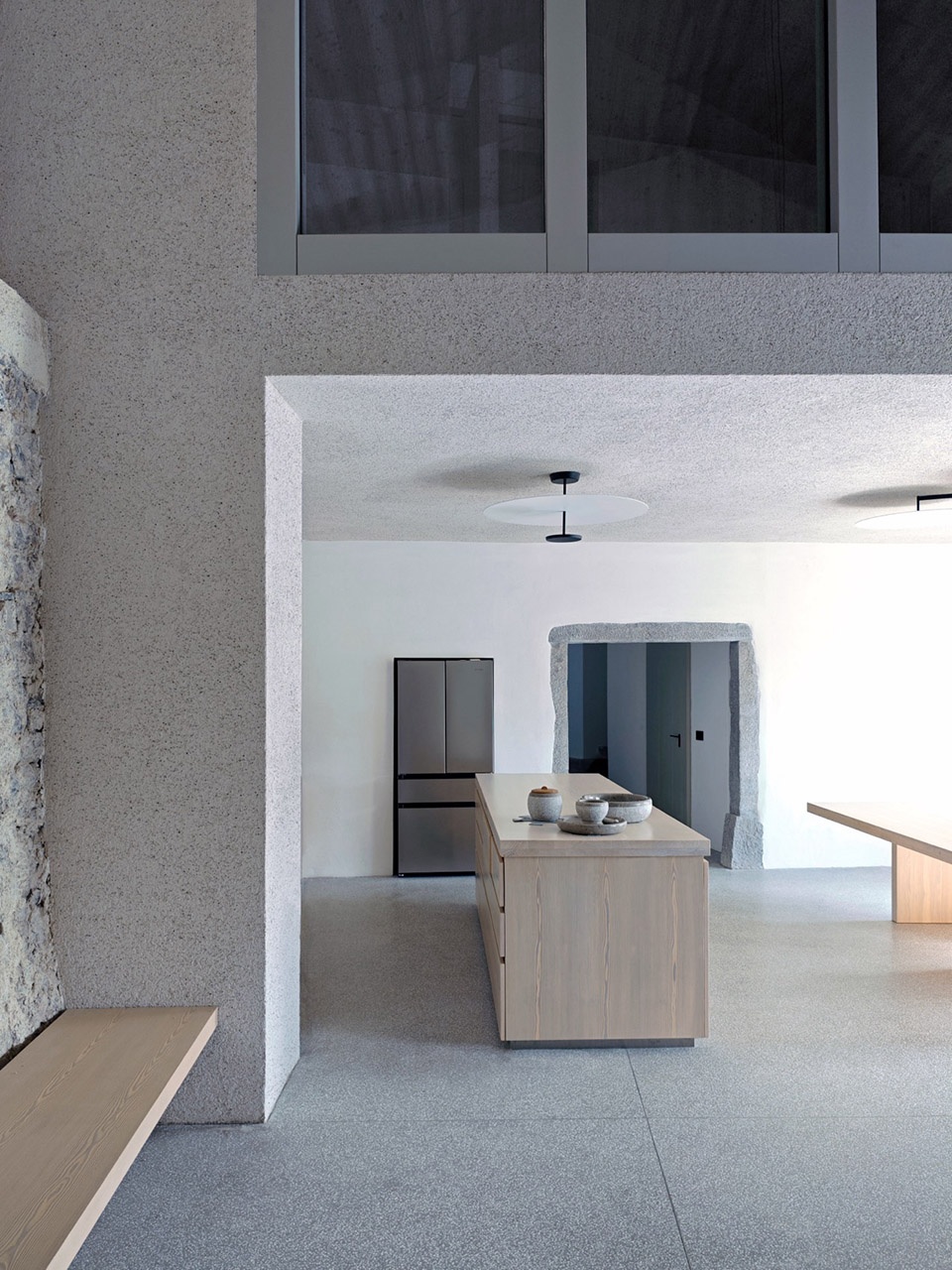
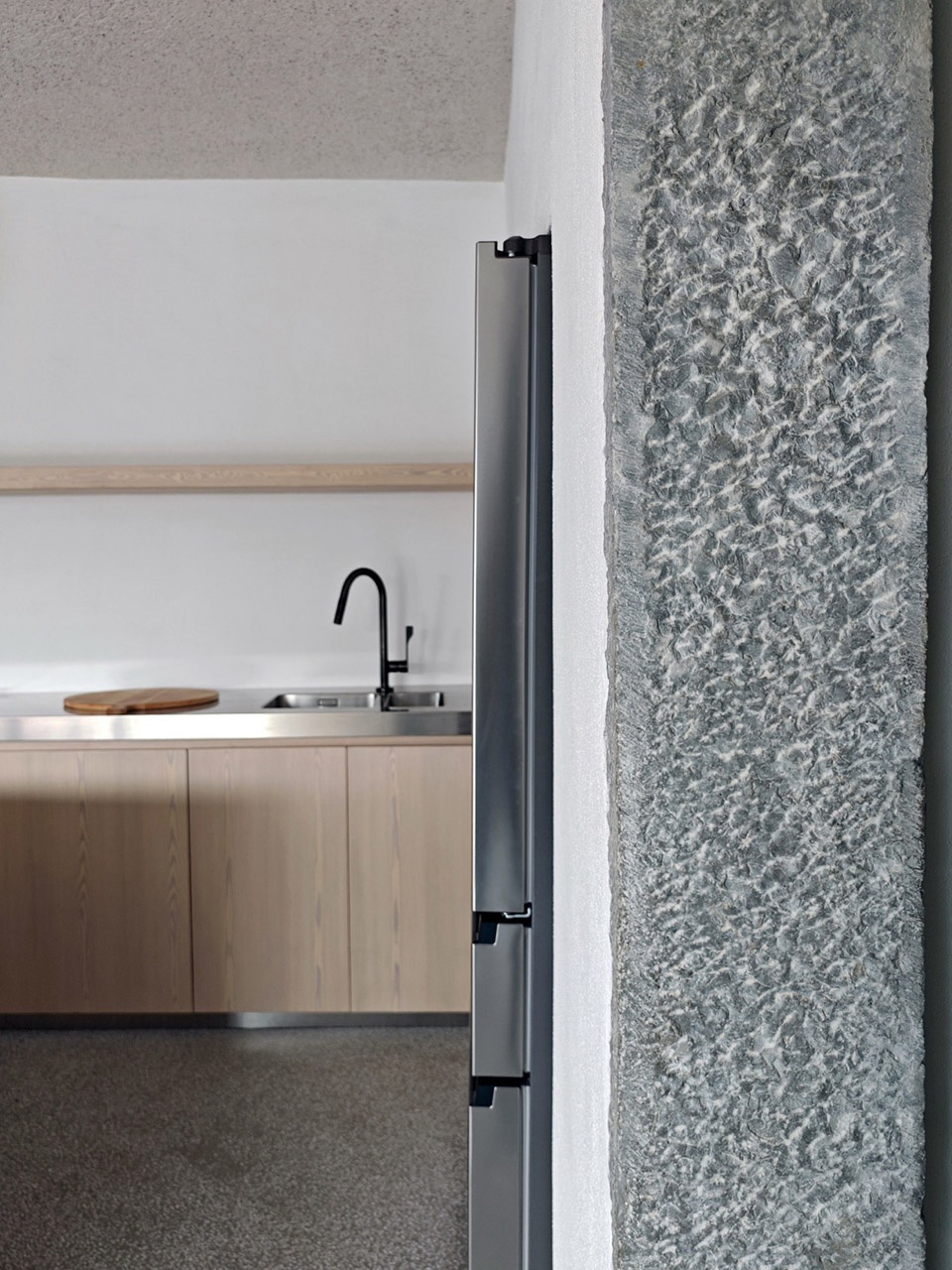
▼嵌入式冰箱,built-in refrigerator
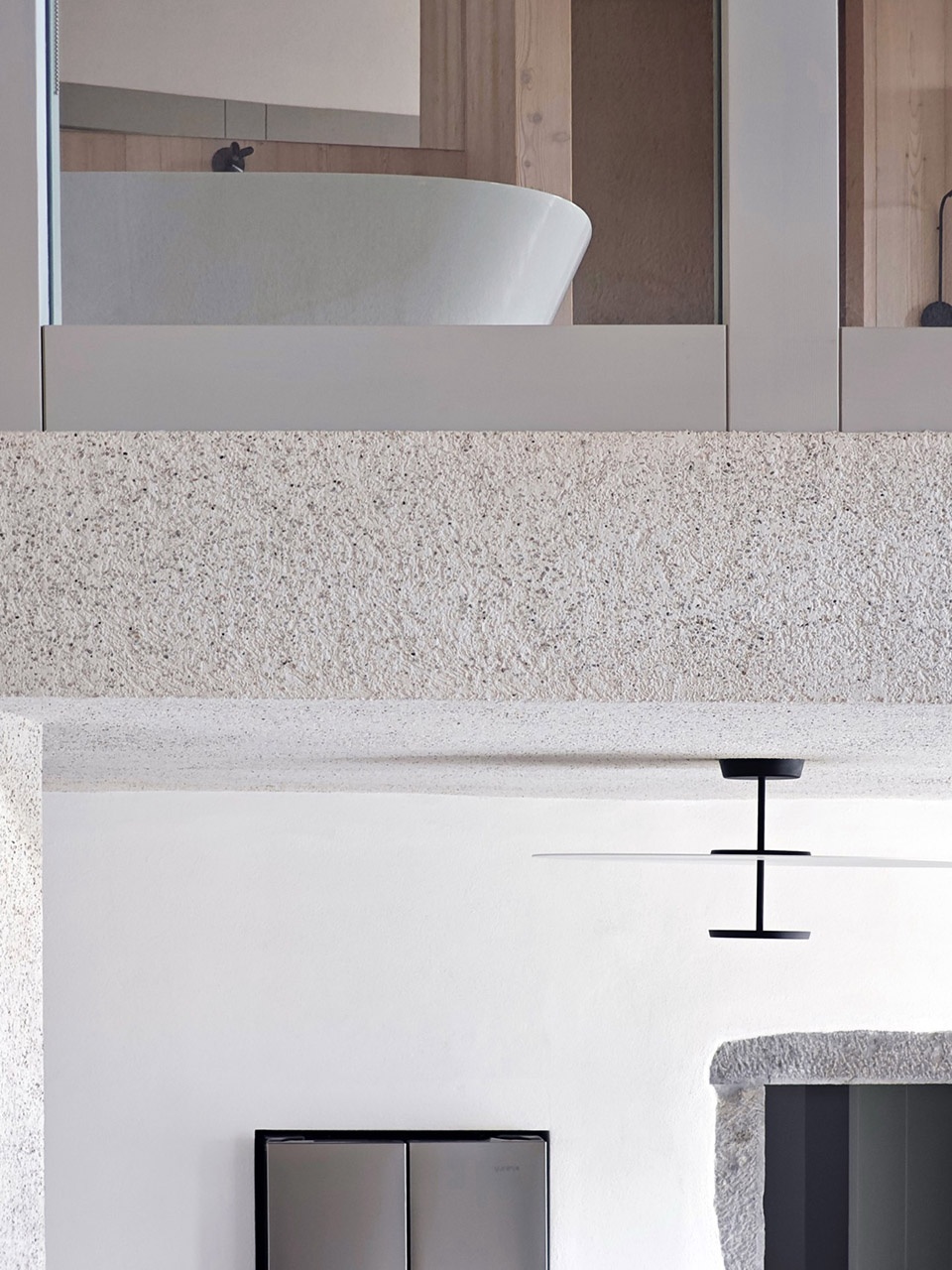
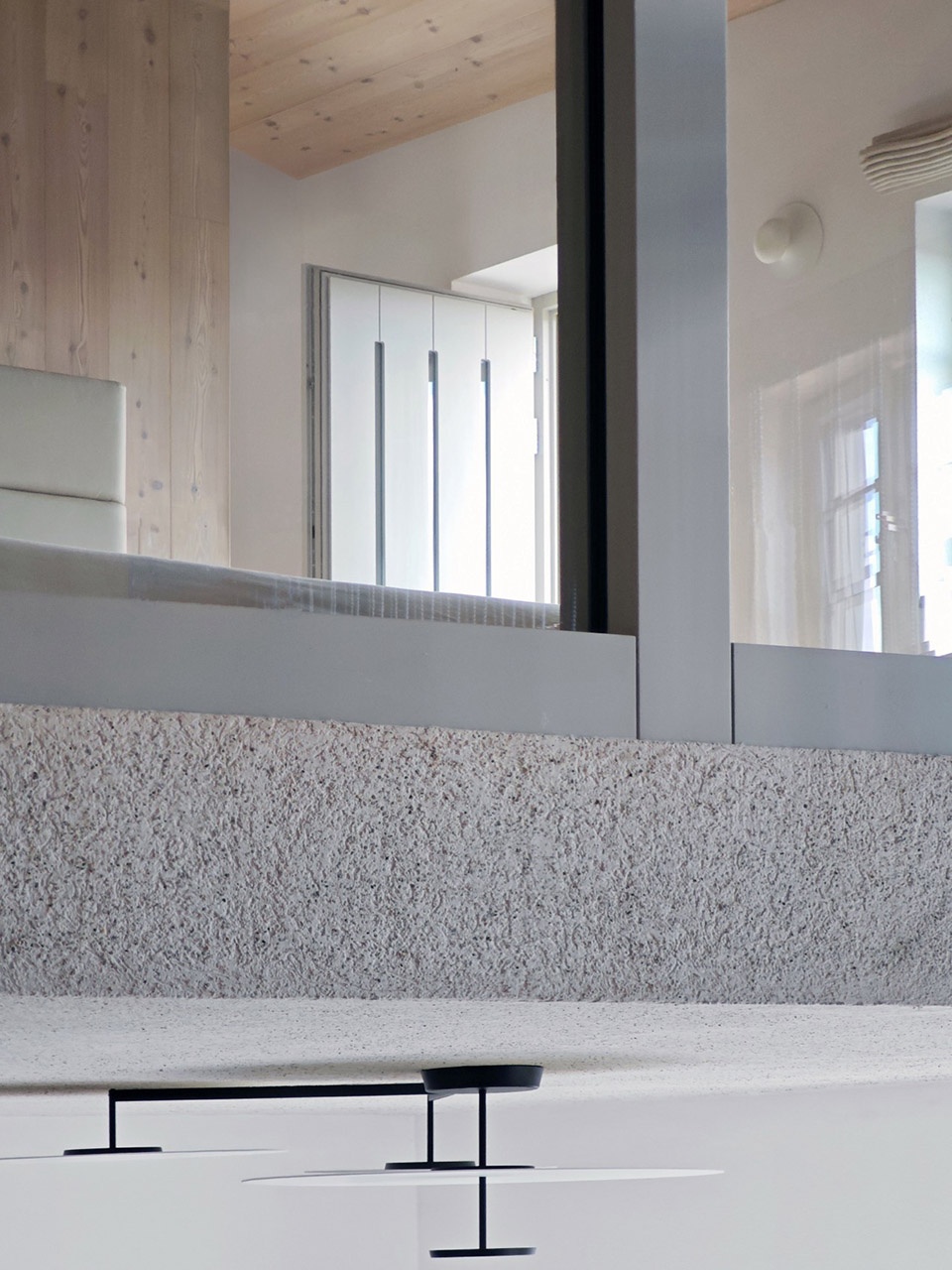
▼细部,details
可持续的适应性更新Sustainable Adaptation
项目遵循“再利用与克制”的原则。尽可能保留既有结构与材料:覆盖传统“korci”瓦片的屋顶被细致修复,石墙加固并保持裸露,木制百叶窗得以再生。室内仅进行必要干预,在避免浪费的前提下实现舒适与效率。这种审慎策略既降低环境影响,也维持了农宅的真实性。
The project follows a principle of reuse and restraint. Instead of replacing, existing structures and materials were preserved wherever possible. Roofs weighted with traditional korci tiles were carefully restored, stonewalls repaired and left exposed, and wooden shutters revived. Interiors were updated with only the most necessary interventions, achieving comfort and efficiency without unnecessary waste. This measured approach minimizes environmental impact while maintaining the authenticity of the homestead.
▼二层概览,overall of upper floor
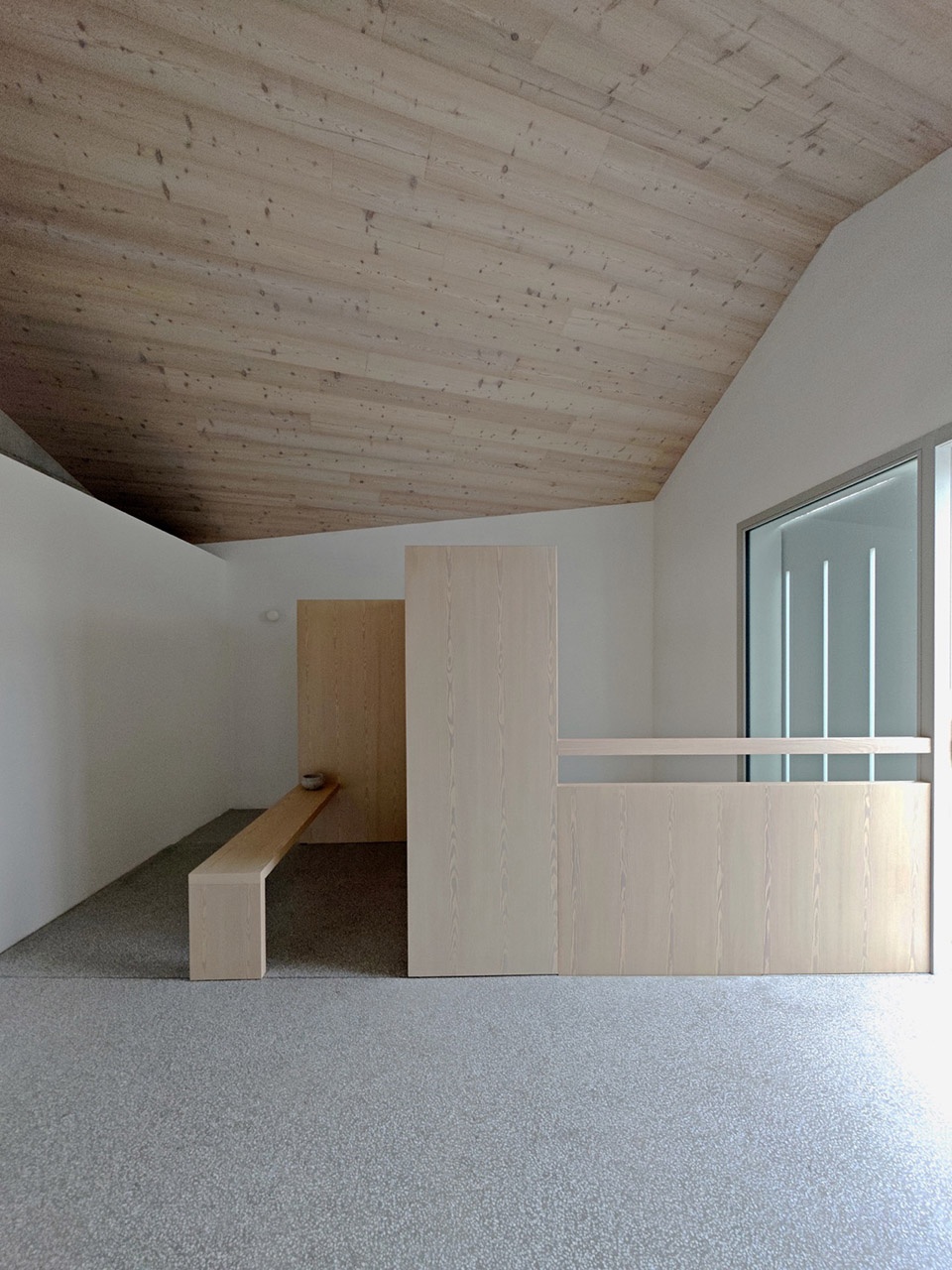
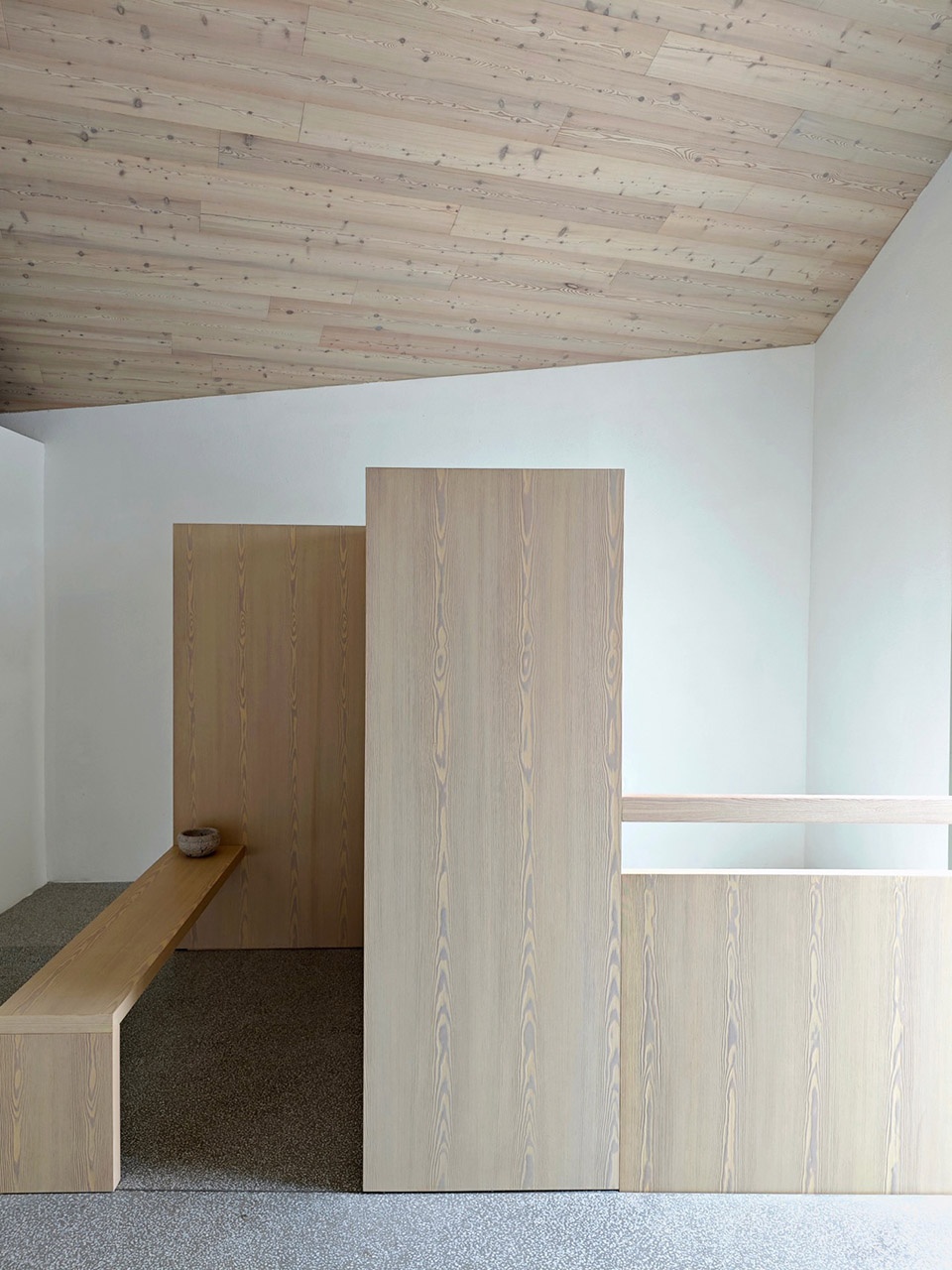
▼卧室,bedroom
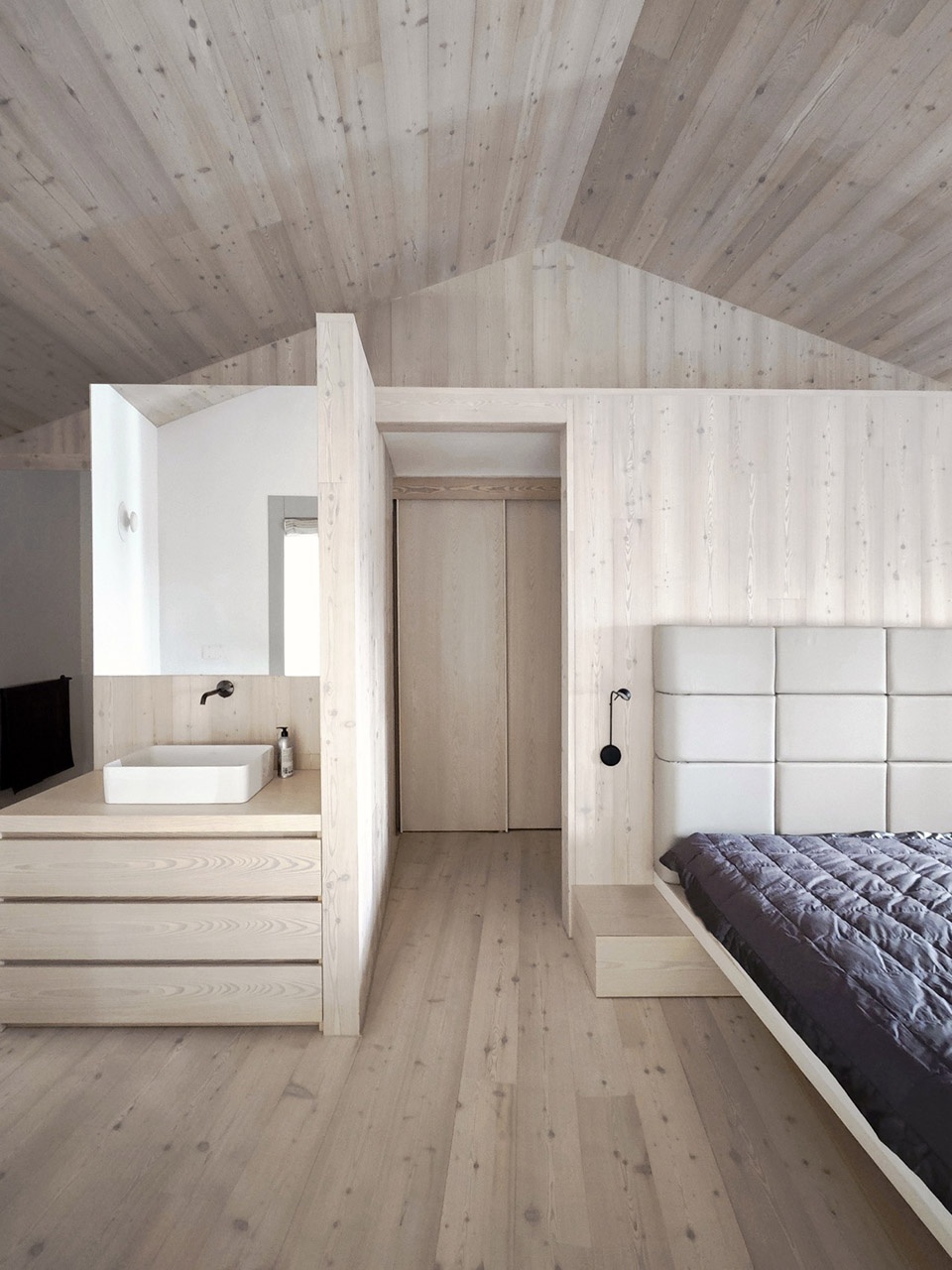
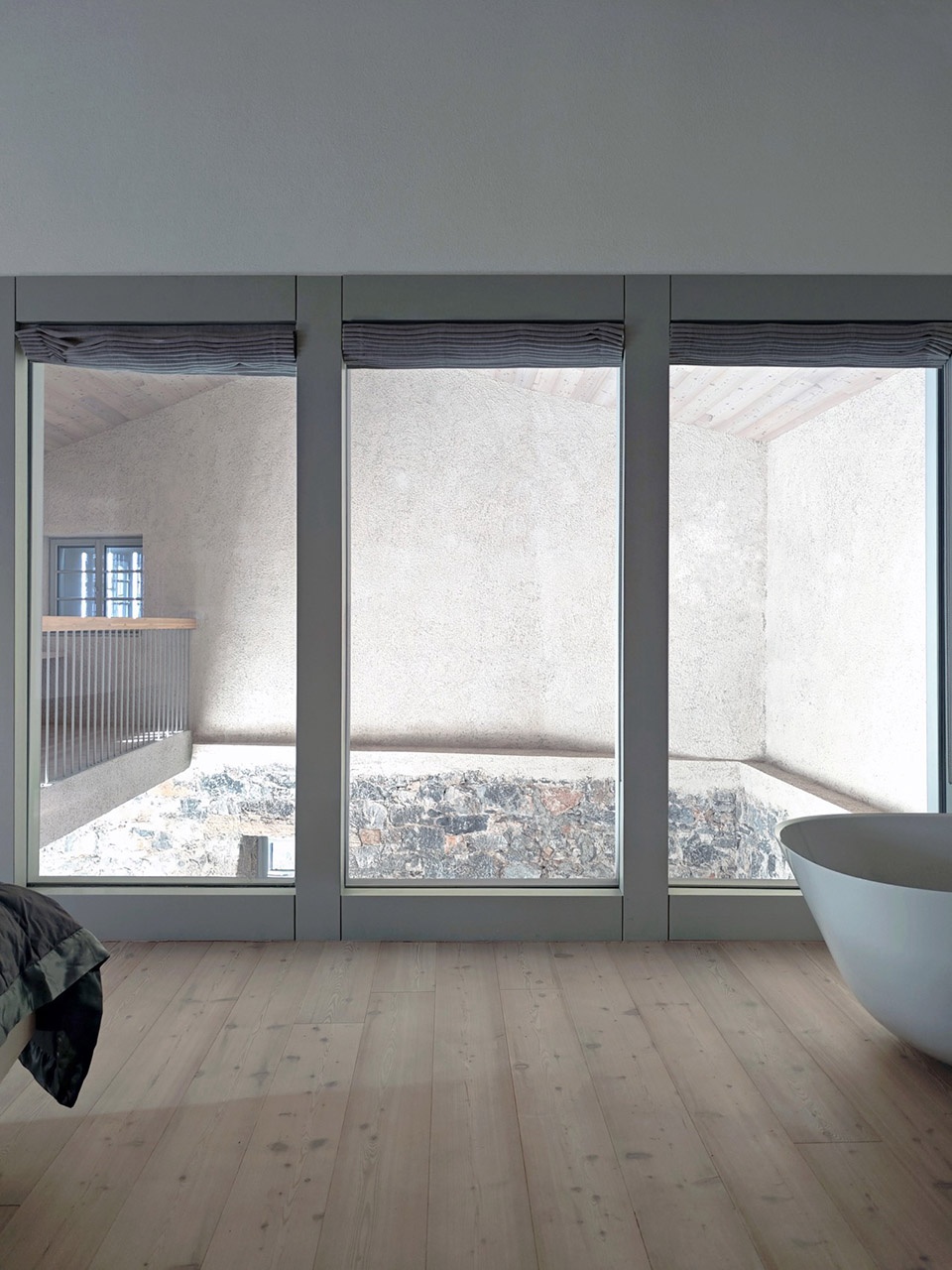
▼由卧室看中庭,
viewing the atrium from the bedroom
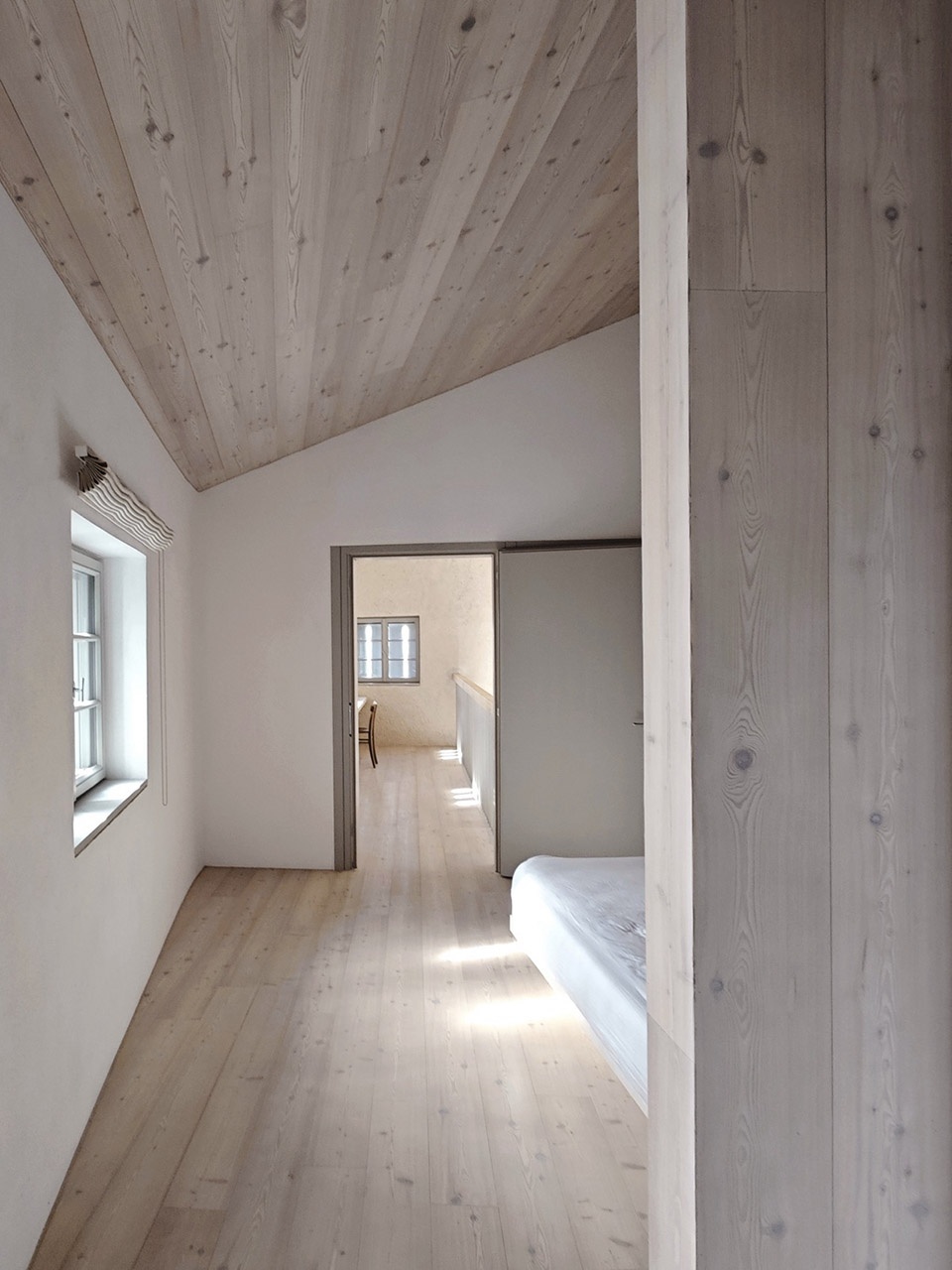
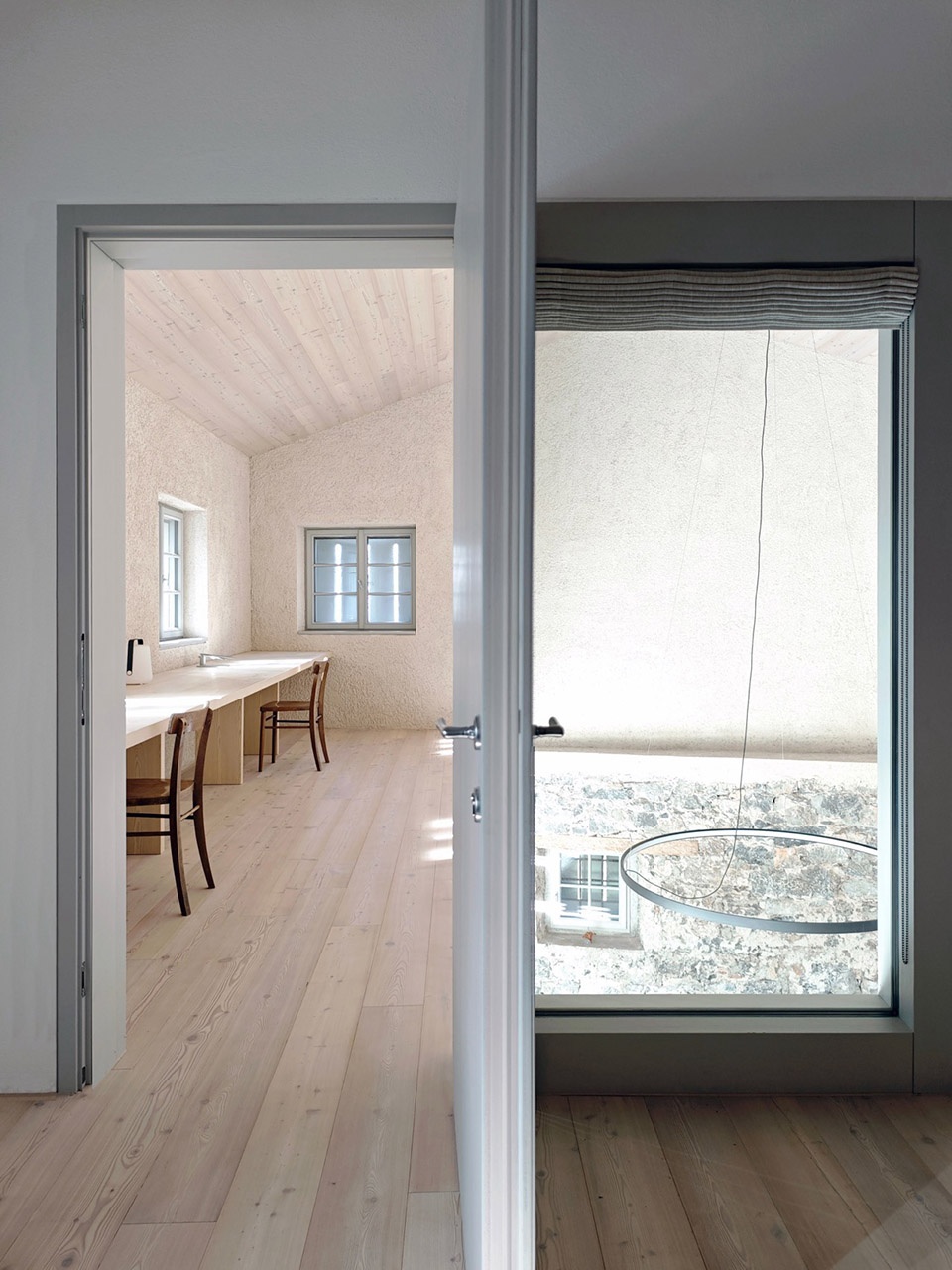
▼由卧室看书房,
viewing the study from the bedroom
迈向未来Toward the Future
Avber住宅展示了一种路径:如何在不将传统聚落固化为博物馆的前提下,为其注入新的生命。通过保留防护性结构、再诠释地域性元素,并将个人叙事嵌入建筑之中,项目在过去与当下之间建立桥梁。它为喀斯特住宅乃至更广泛的乡村遗产提供了一种范例——既扎根于景观与记忆,又能够持续演化、适应当代居住方式。
The Avber House demonstrates how revitalization can breathe new life into traditional settlements without fossilizing them as museums. By preserving protective structures, reinterpreting vernacular elements, and embedding personal narrative into the architecture, the project bridges past and present. It becomes a model for how Karst houses — and rural heritage more broadly — can remain living, evolving homes, rooted in landscape and memory yet open to contemporary inhabitation.
▼楼梯间,the staircase
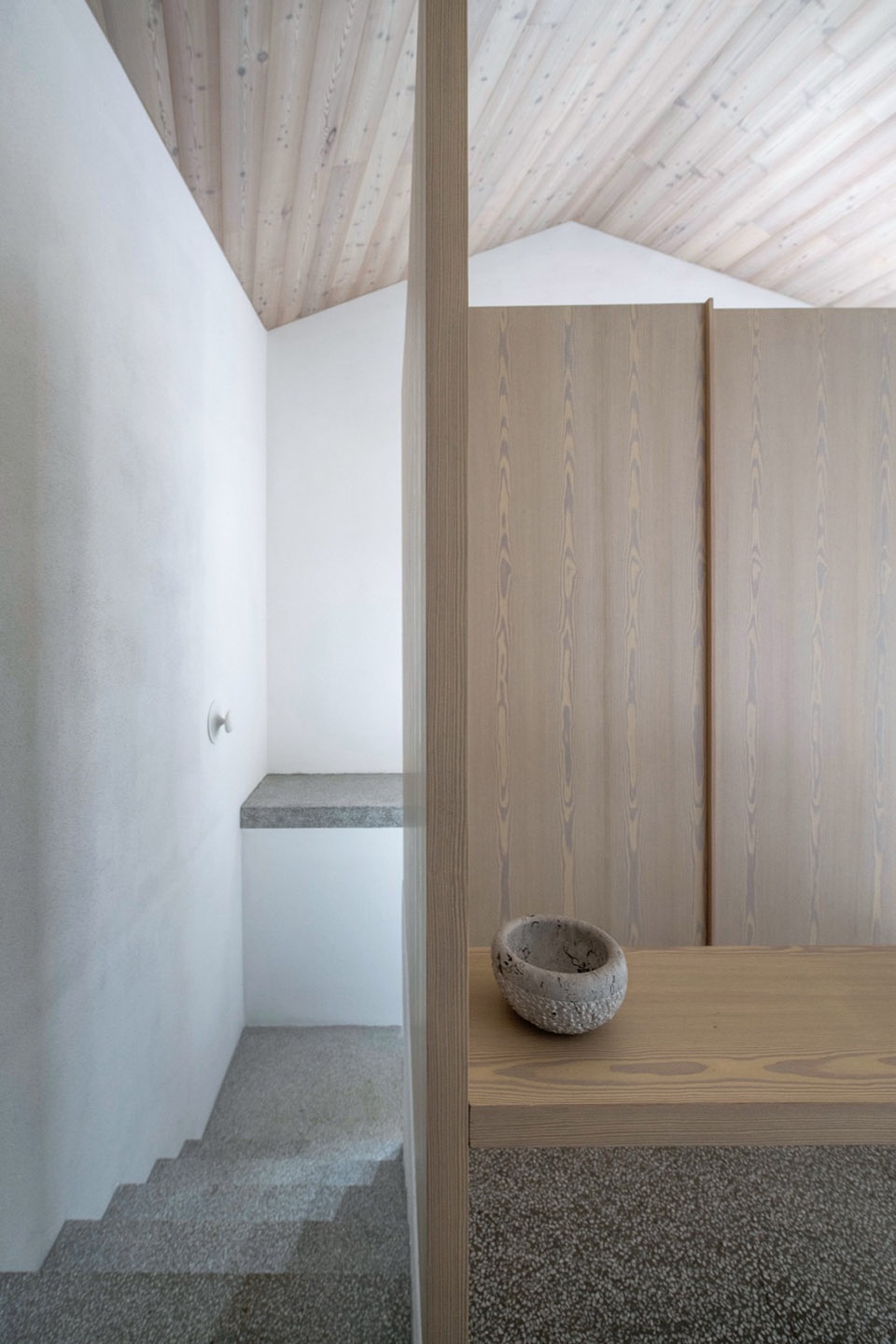
▼楼梯细部,details of the staircase
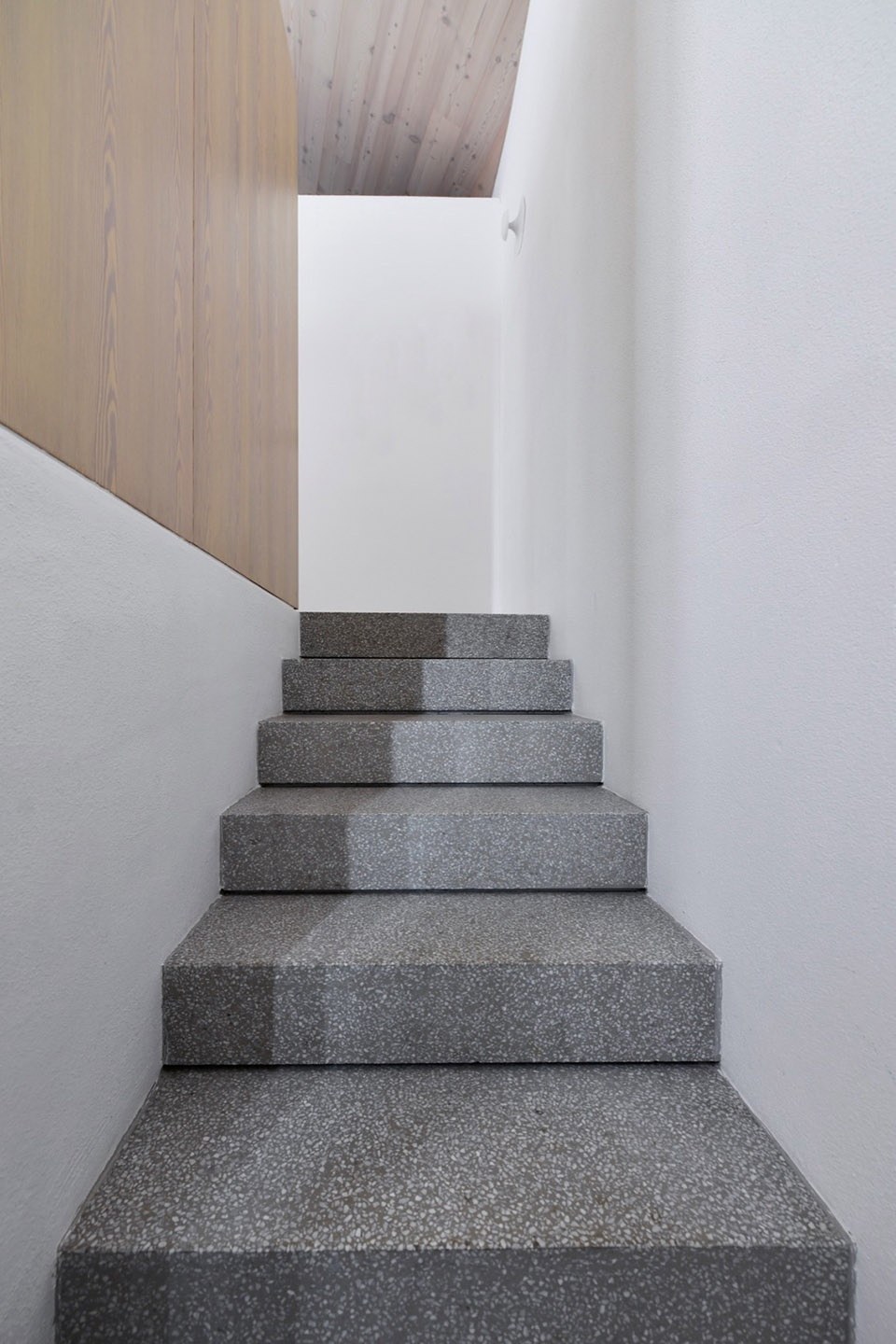
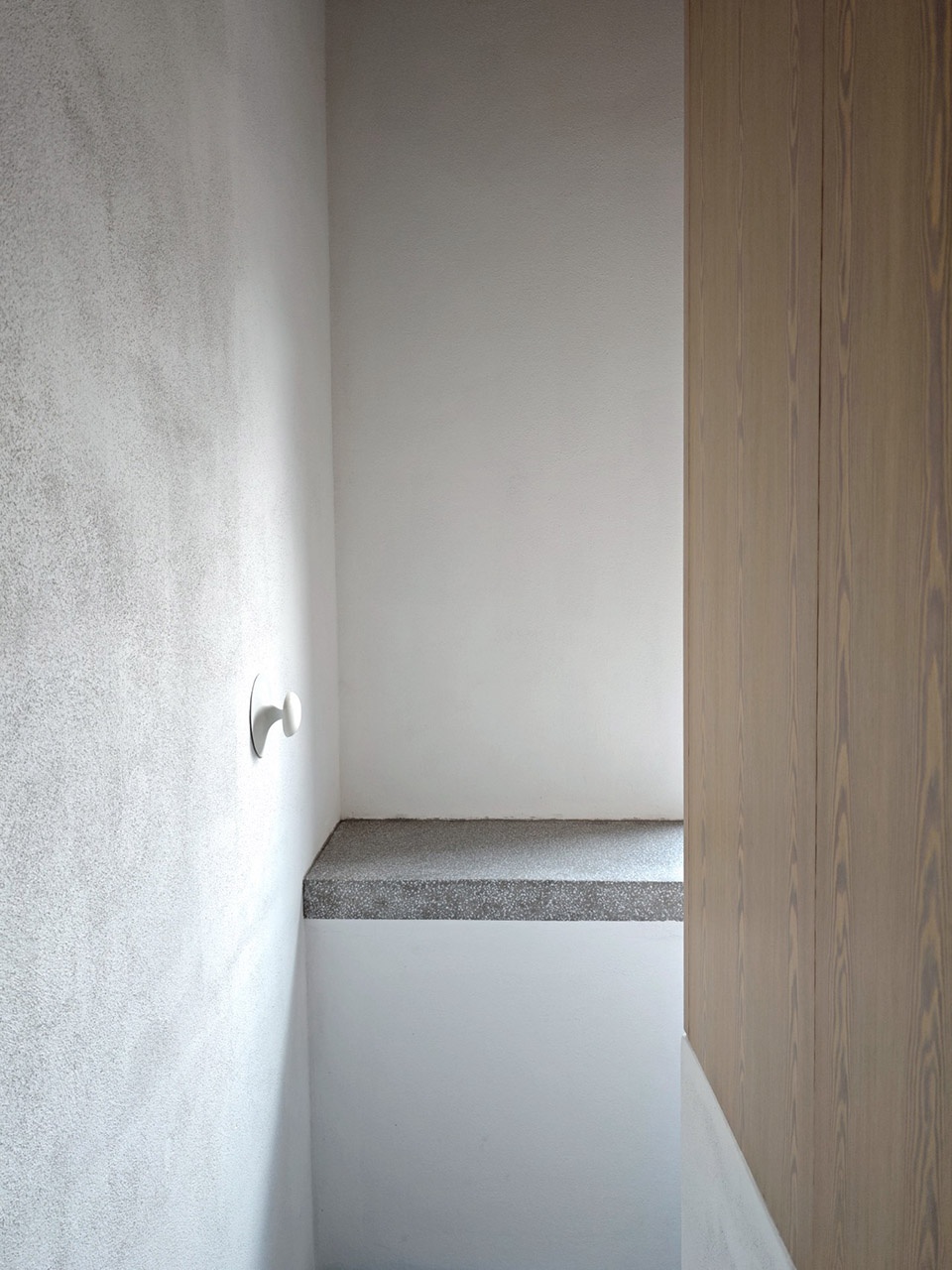
▼楼梯平台处的置物架,the shelf at the staircase landing
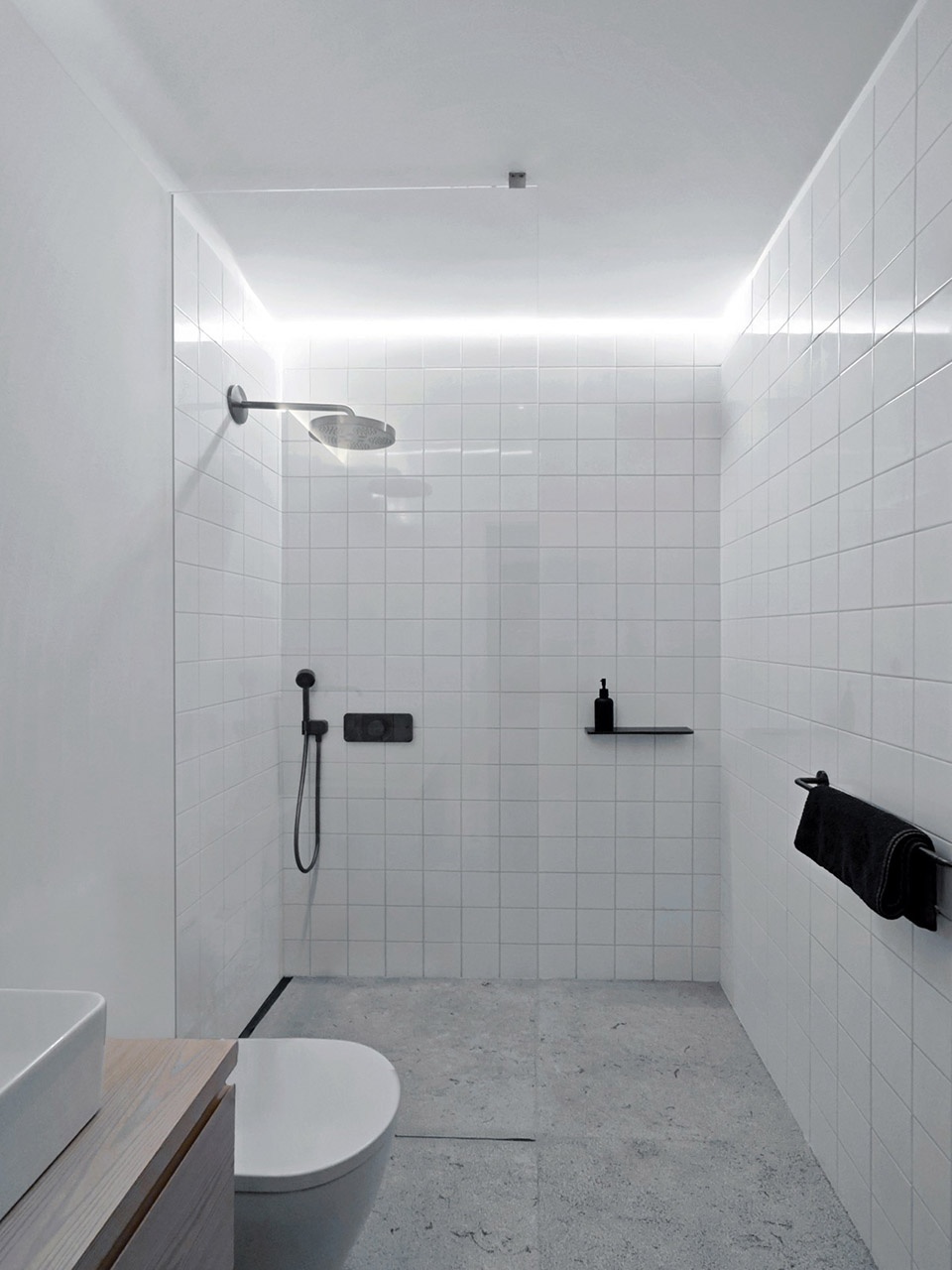
▼浴室,the bathroom
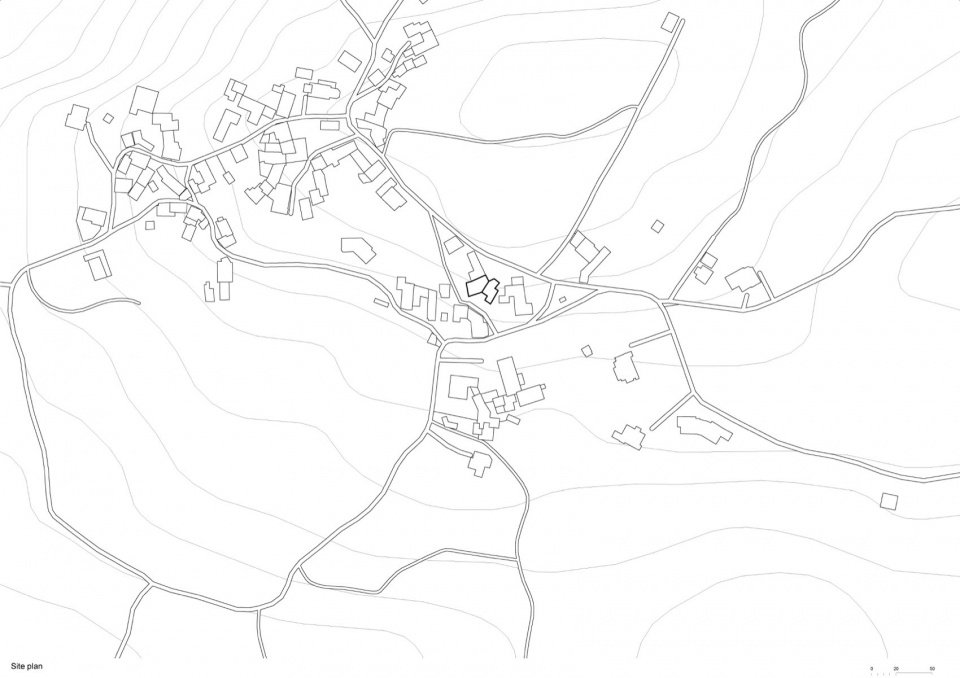
▼场地平面图,site plan
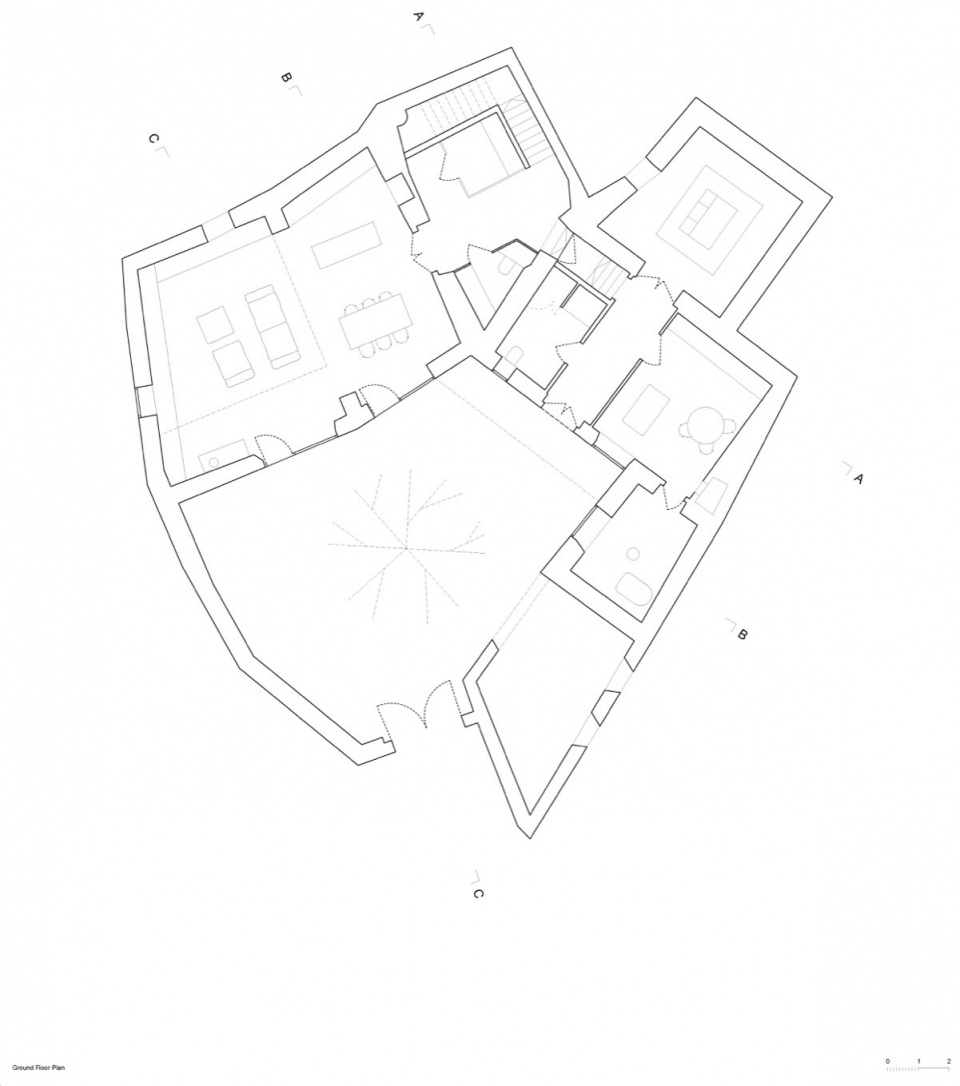
▼底层平面图,ground floor plan
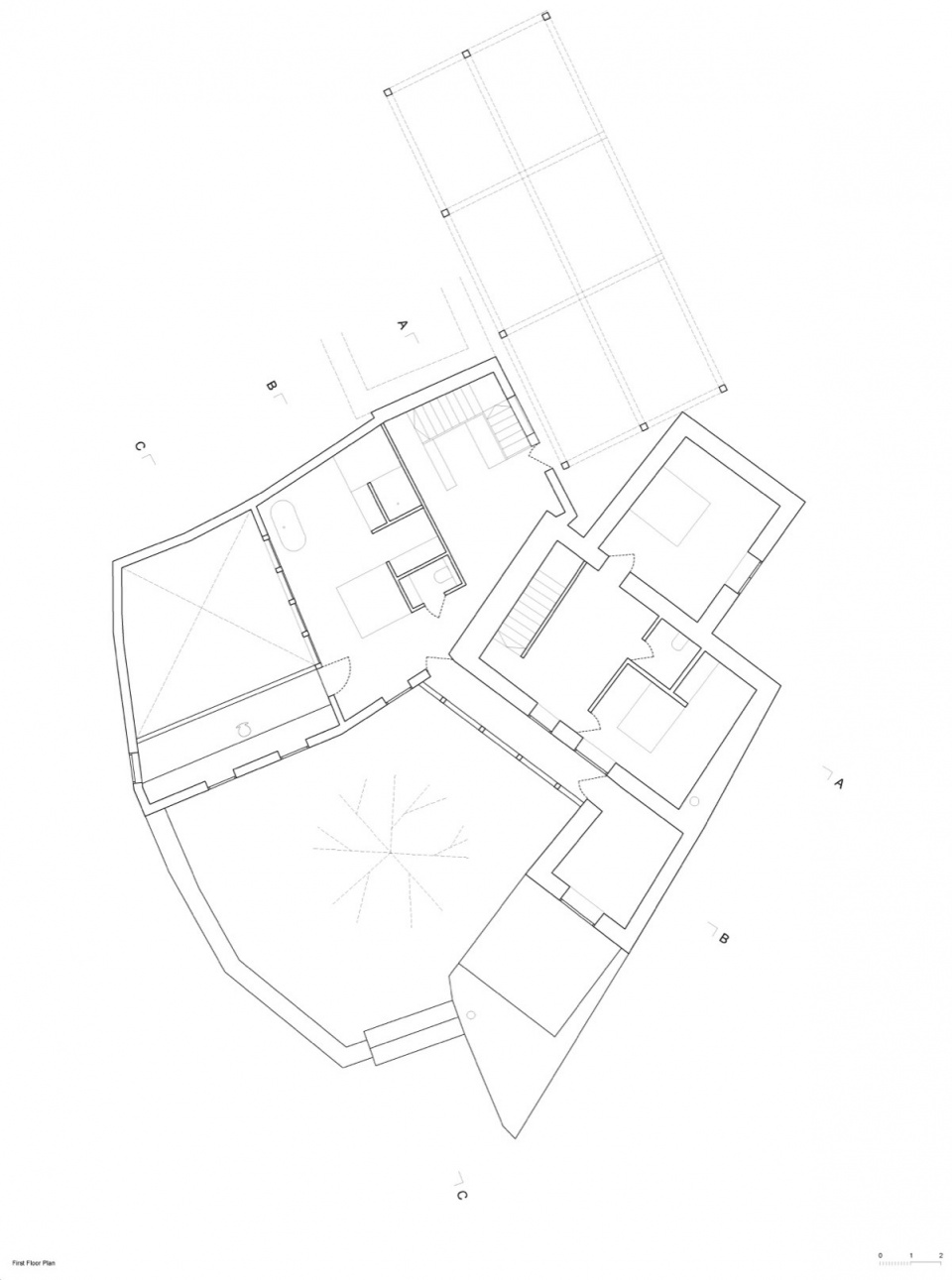
▼二层平面图,upper floor plan
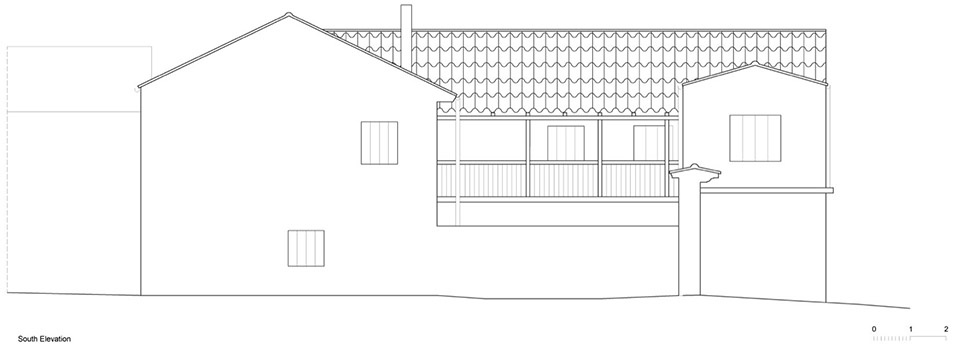
▼南立面图,south elevation
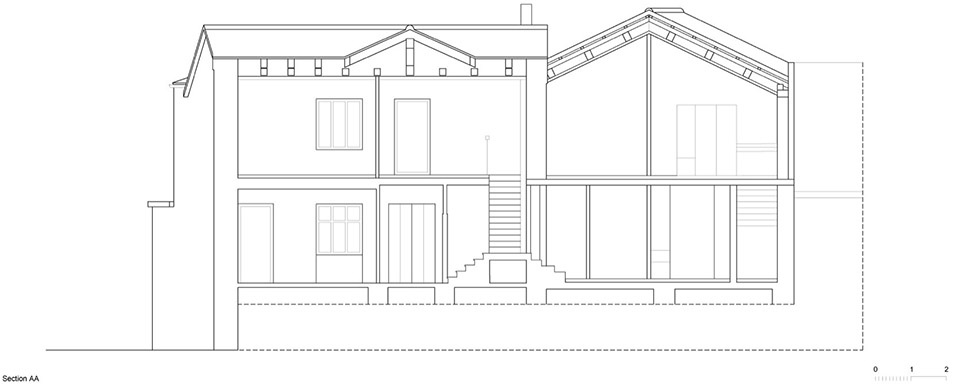
▼剖面图A-A,section A-A
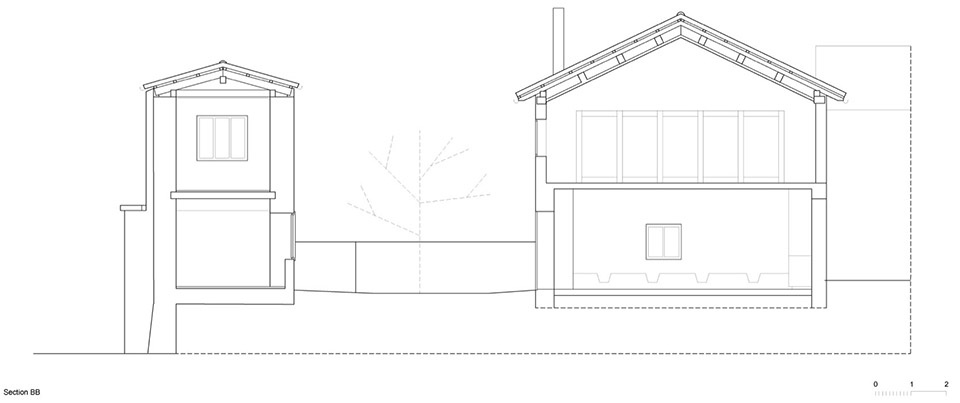
▼剖面图B-B,section B-B
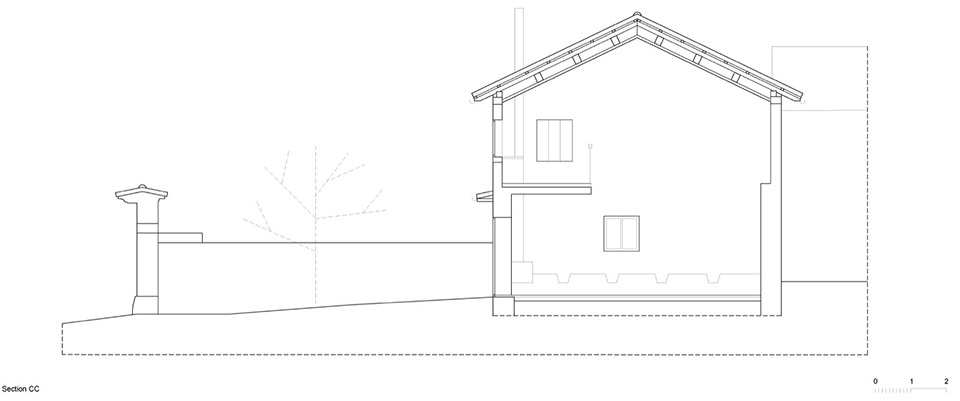
▼剖面图C-C,section C-C
location: Avber, Slovenia
status: project 2023 – completion 2025
Site area: 650 m2
build area: 185 m2
project team:
Rok Oman, Špela Videčnik, Matej Krajnc, Janez Martinčič, Andrej Gregorič
Rok Dolinšek, Klara Buzkova, Marieke Van Dorpe, Adrien Riviere
program: Residence
client: Private
technical team
Structural Engineering: PA project, Milan Sorč
Mechanical Engineering : MM-biro, DeanMavri
Electrical Engineering : MM-biro, DeanMavri