Doca线性公园,巴西 / Natureza Urbana
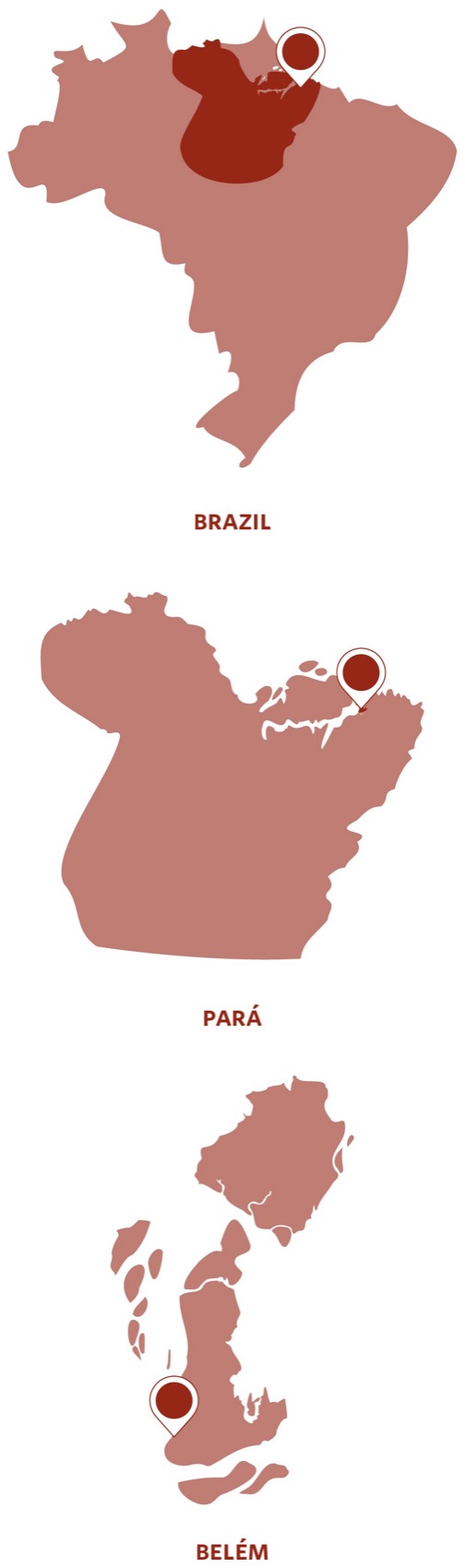
Doca公园位于巴西帕拉州首府贝伦(Belém do Pará),坐落于一处低洼且易发生洪涝的地区,原址为阿尔马斯溪(Igarapé das Almas)——曾属于 Reduto 水系流域的一条河汊。如今,这条昔日的溪流已被人工渠化,成为贯穿维斯孔德·德索萨·弗朗哥大道(Avenida Visconde de Sousa Franco)中央的一条水道,位于 Reduto 与 Umarizal 两个街区之间。
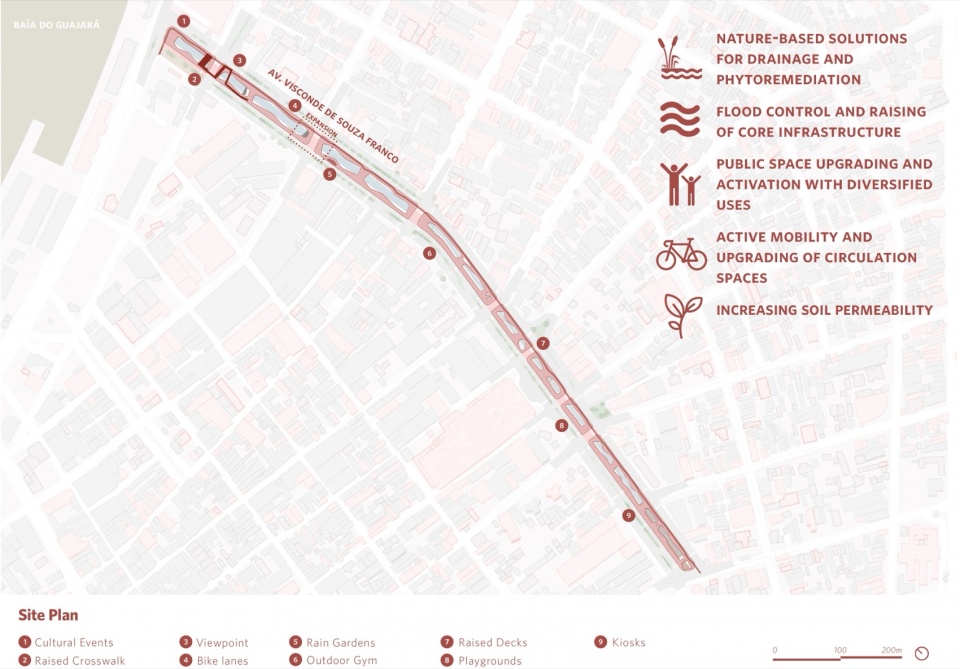
▼场地平面,site plan
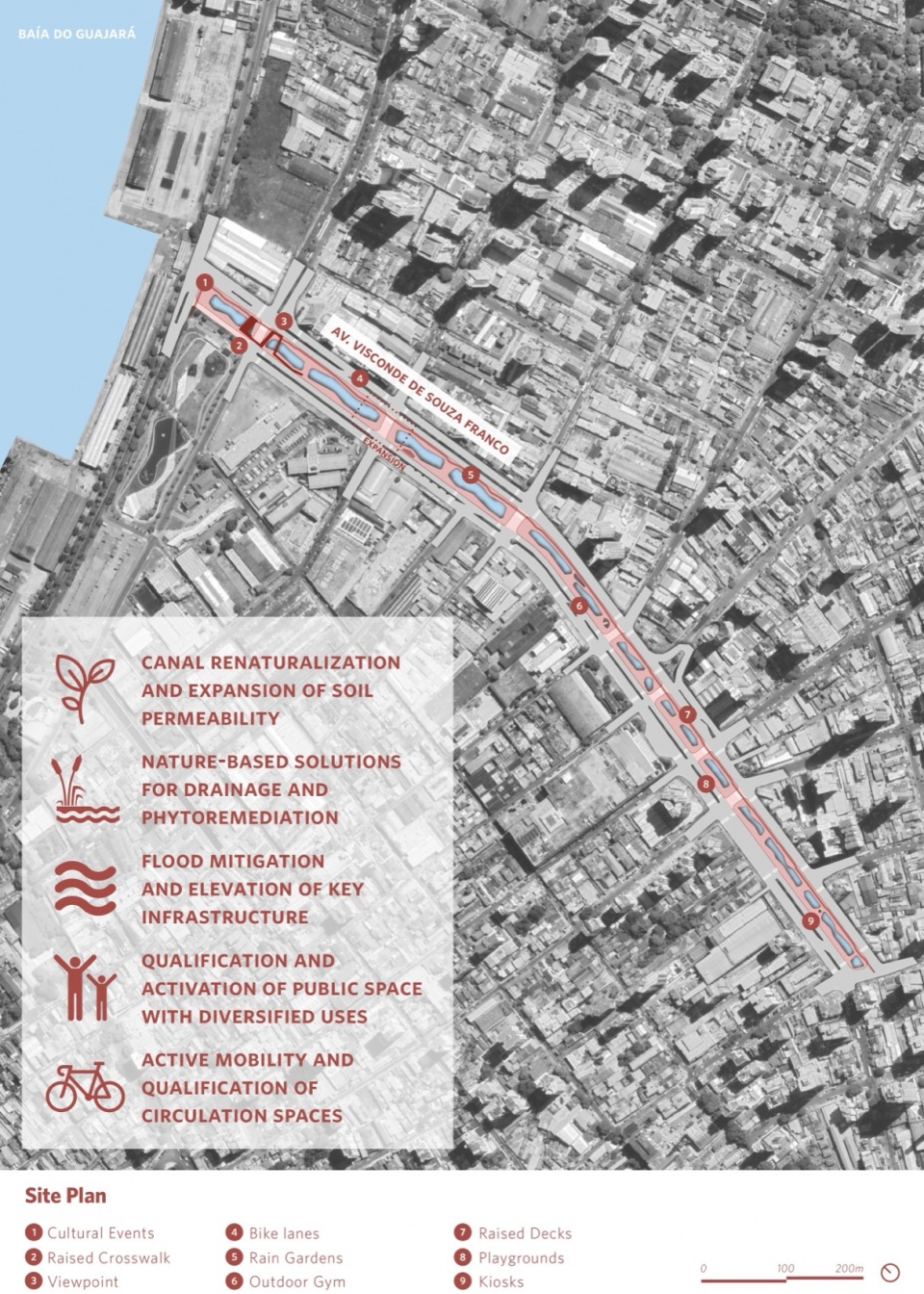
The Doca Park is located in the city of Belém do Pará, in a low-lying and flood-prone area, on the site of the former Igarapé das Almas, a river branch that was part of the Reduto hydrographic basin. This former igarapé is currently an artificially channeled waterway running through the center of Avenida Visconde de Sousa Franco, situated between the Reduto and Umarizal neighborhoods.
▼项目概览,overview of the project
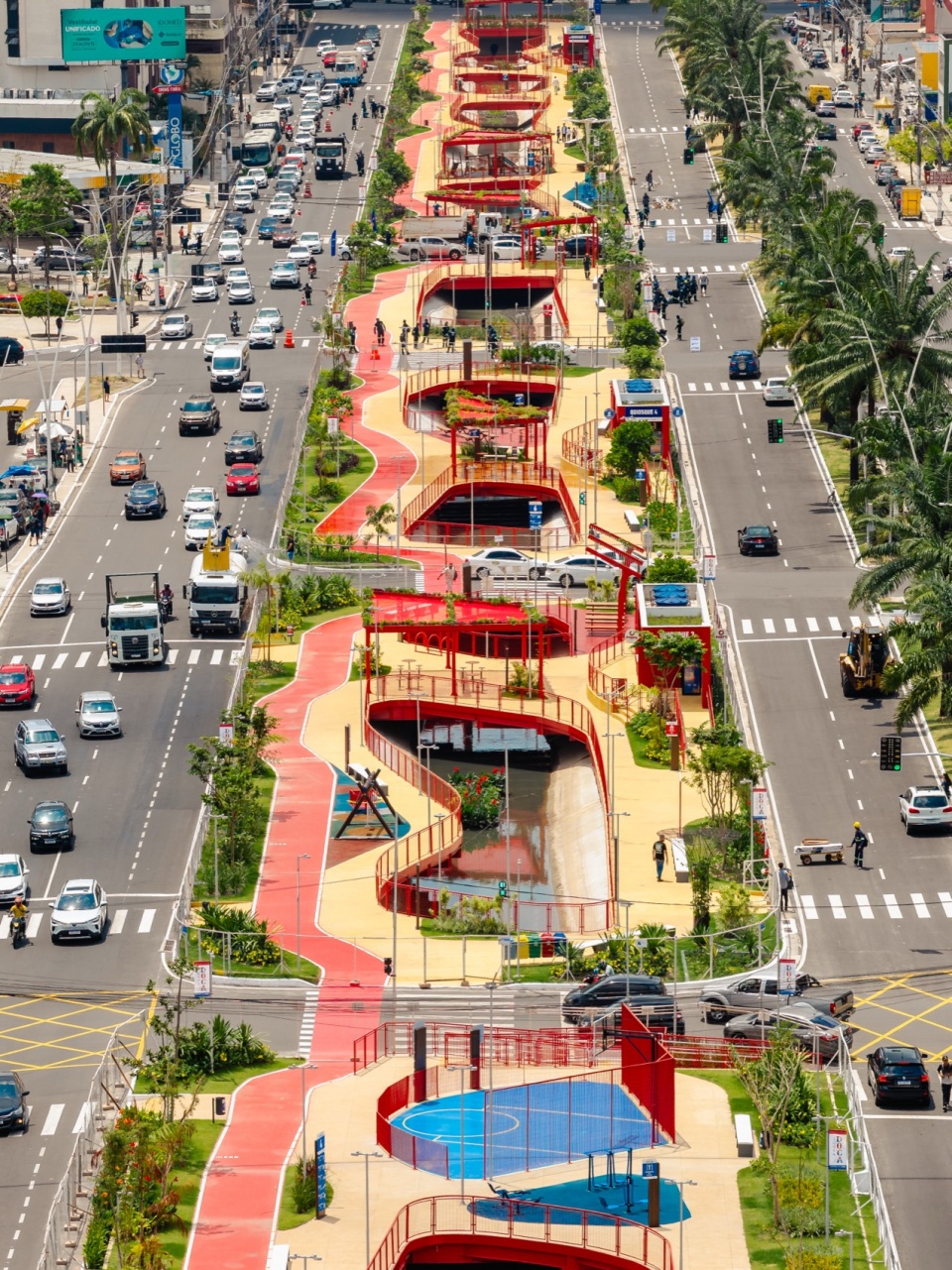
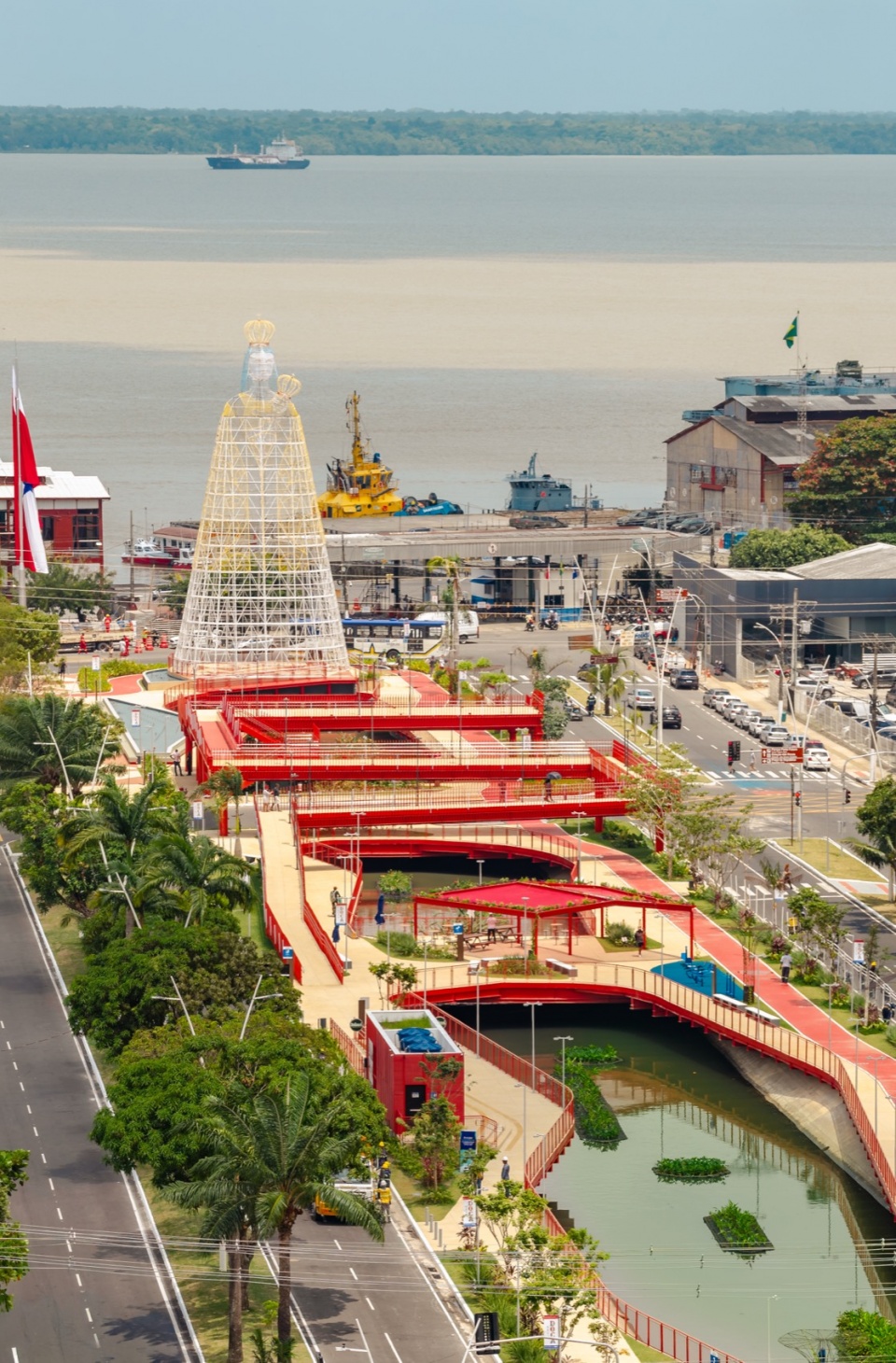
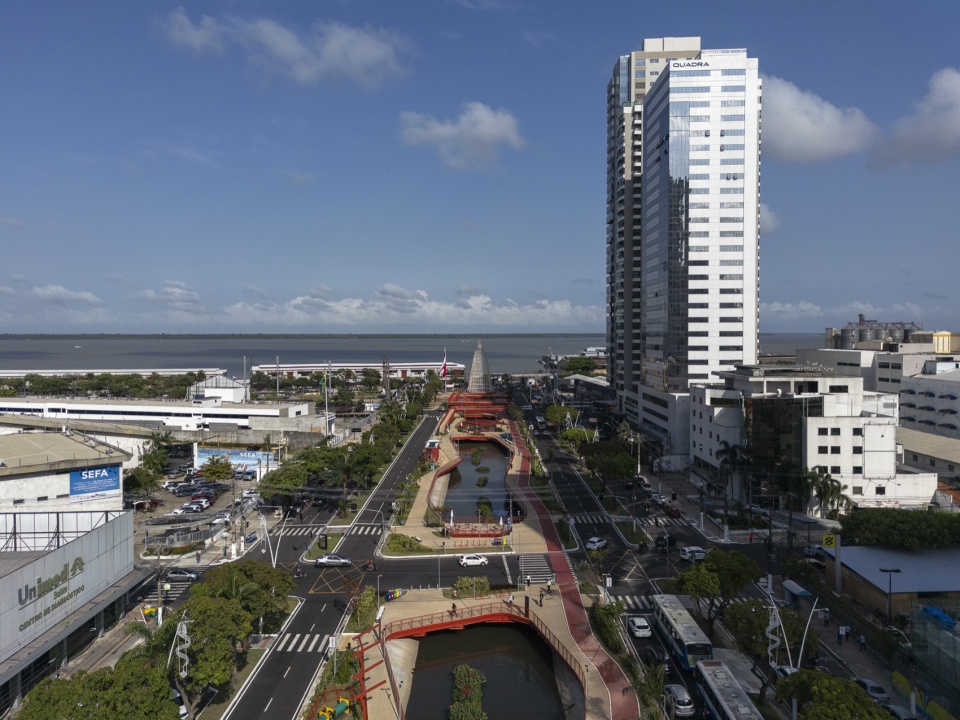
▼鸟瞰,aerial view
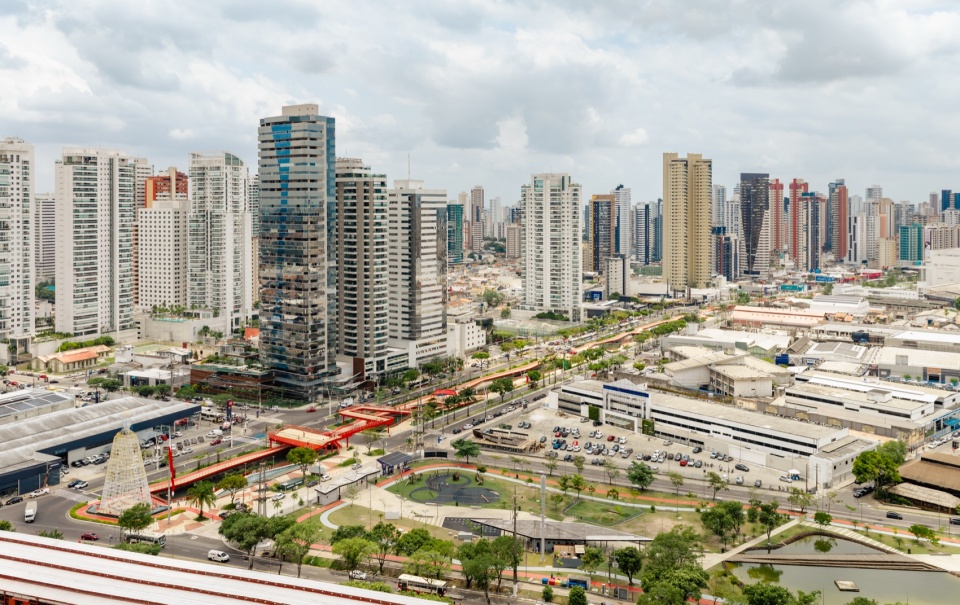
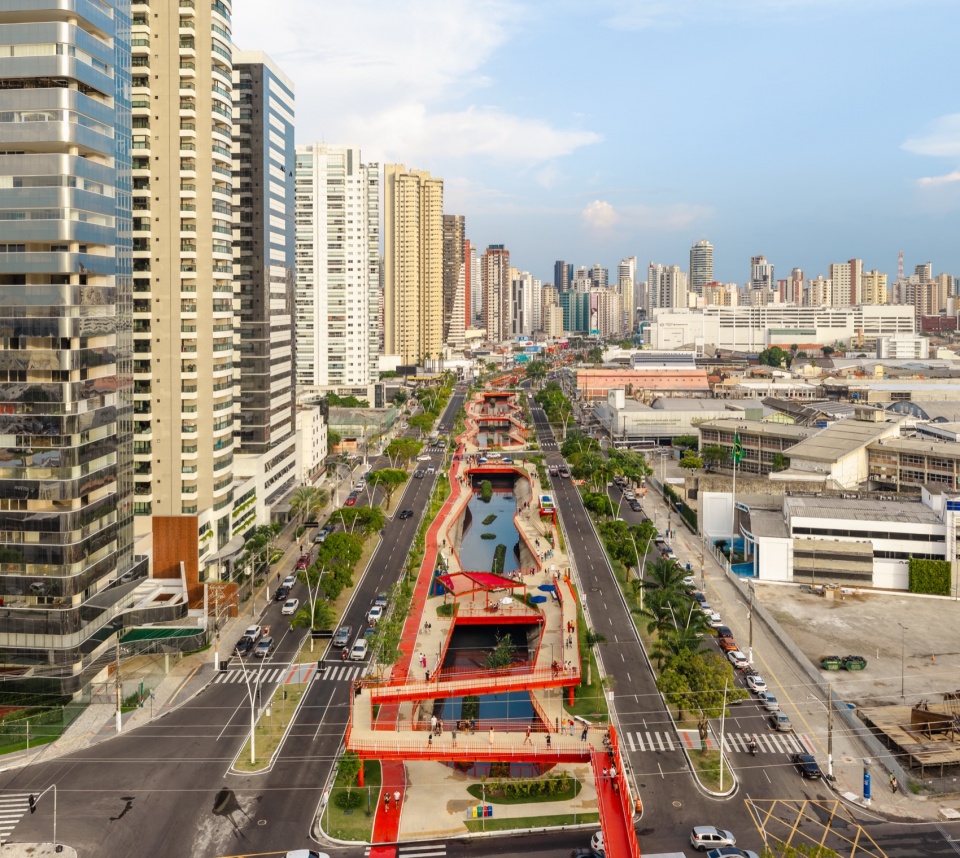
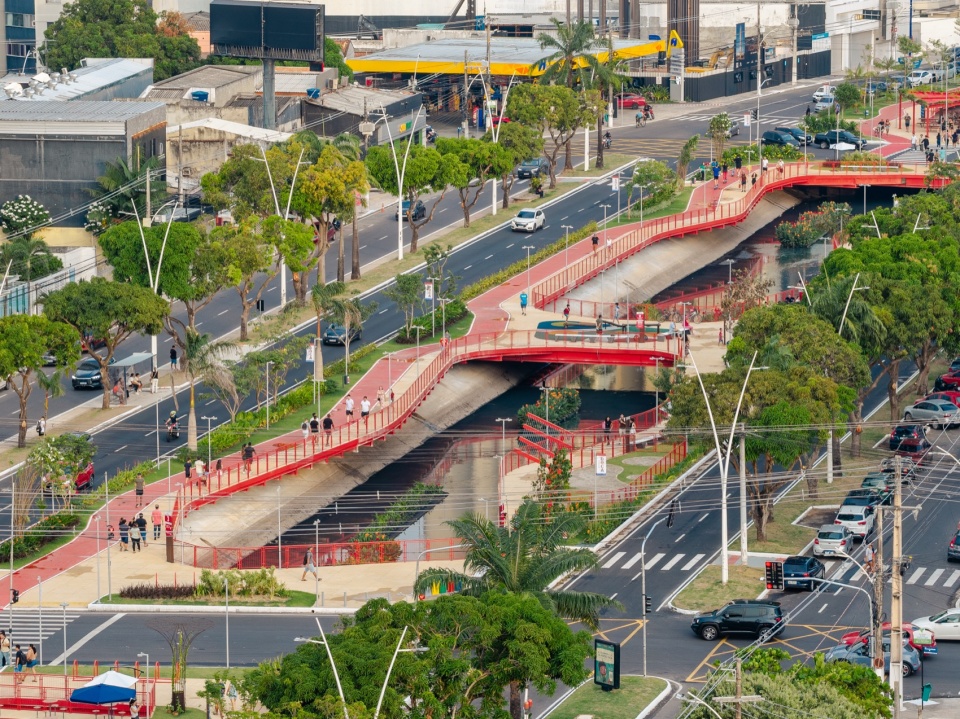
景观由维系生态可持续性以及地域物理平衡与稳定的生态系统所塑造。在贝伦这样的城市环境中,可以清晰地看到,这一原本应与周边环境保持连续与协调的结构,是如何被城市发展所打断的。该地区此前的空间格局源于一种由城市建设实用主义与功能性需求共同驱动的规划方式,其关注点严格集中于功能层面,最终导致自然景观最重要的结构性要素,以及与之相关的记忆、身份认同和发展潜力被一并抹去。如今,这条全长约1.2公里运河的周边环境沿维斯孔德·德索萨·弗朗哥大道分布着机构、商业和住宅等多样化功能,但同时也存在公共空间缺失、以机动车为导向、空间割裂且缺乏遮荫等城市问题。
Landscapes are shaped by ecosystems responsible for ecological sustainability and the physical balance and stability of the territory. In an urban context such as Belém do Pará, it is evident how this structure, which should be continuous and harmonious with its surroundings, is disrupted by the city. The area’s previous configuration resulted from a combination of urbanism-driven pragmatism and practicality aimed strictly at functional concerns, ultimately erasing the main structuring elements of the natural landscape along with its memory, identity, and potential. Today, the surroundings of the approximately 1.2 km canal are marked by a diversity of uses — institutional, commercial, and residential — along Avenida Visconde de Sousa Franco, by the absence of public spaces, and by an urban design oriented toward the car, fragmented and lacking shade.
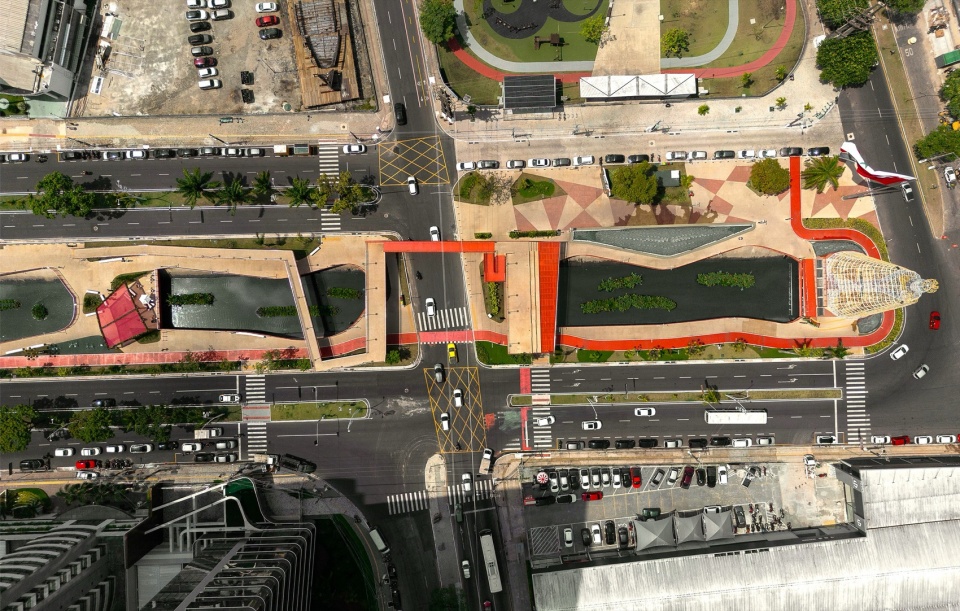
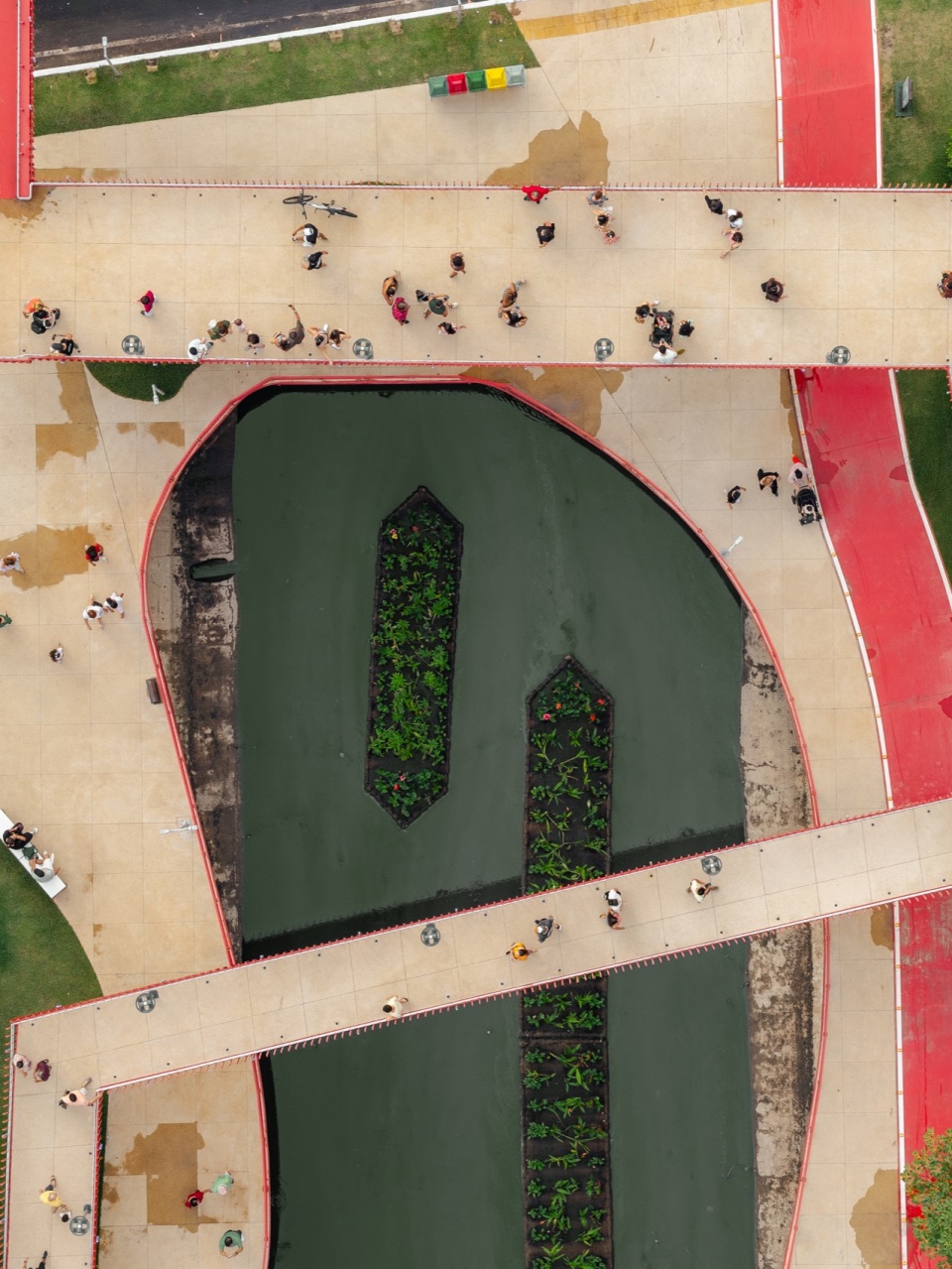
▼顶视,top view
▼高架步道,elevated walkway
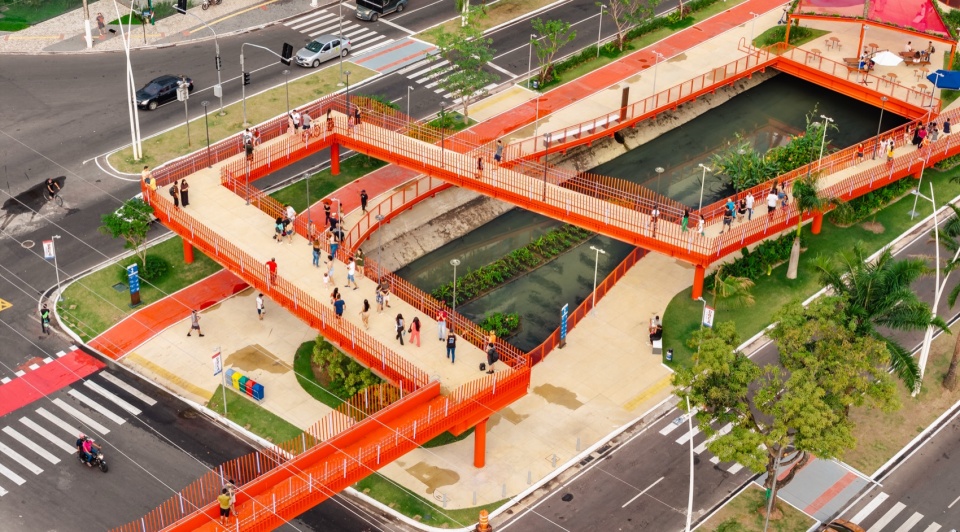
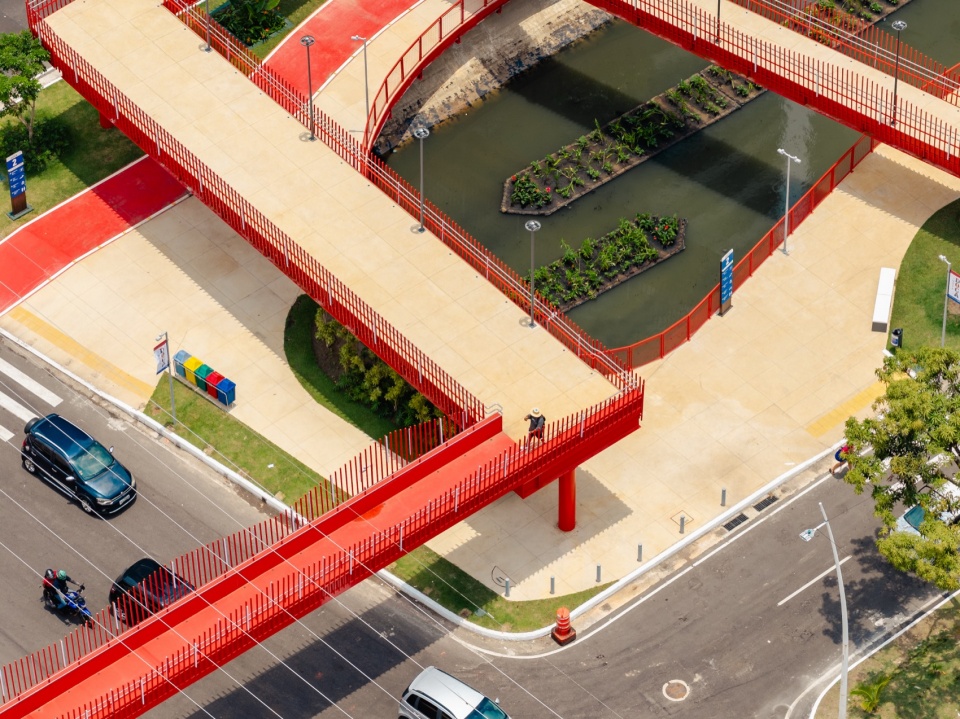
▼高架步道顶视,elevated walkway top view
Doca线性公园在 COP30 的背景下应运而生,其目标是通过建设一条连续的线性公园,协调城市环境与自然环境之间的关系,串联不同土地用途,并提供休闲、运动与沉思体验的公共空间。项目提出恢复“水的记忆”,以及与之相关的原初生活体验和参照性生态系统,通过构建多功能绿色城市廊道,推动积极、可持续且健康的城市发展。项目的目标包括:打造高品质公共空间,在提升现有建成环境价值的同时,为后 COP30 时代建立具有积极景观印记的场所记忆;强化步行、自行车及生态流线系统的连接与连续性;推动既有景观的记忆恢复、更新与生态保护,提高生物多样性,并引入能够增强运河生态功能、提升水体及相关生态系统韧性的设施;以及通过让人们更加接近运河的设计策略,提高公众对于这条水道存在及其重要性的认知。
The Doca Linear Park emerges in the context of COP30 with the goal of reconciling the urban and natural environments through the creation of a continuous linear park that articulates land uses and offers spaces for leisure, sport, and contemplation. The project proposes the recovery of water memory along with its original living experiences and reference ecosystems, promoting active, sustainable, and healthy urban development through the structuring of a multifunctional green urban corridor. Its objectives include the creation of quality public spaces that enhance the existing built heritage and establish a post-COP30 sense of memory with positive marks on the landscape; the strengthening of pedestrian, cycling, and environmental circulation and connection systems; the promotion of memory recovery, requalification, and ecological conservation of the pre-existing landscape, the increase of biodiversity, and the incorporation of devices that expand the ecological functions of the canal and promote the resilience of the water body and associated ecosystems; and, finally, raising public awareness of the existence and importance of the waterway through design strategies that bring people closer to the canal.
▼观景,landscape
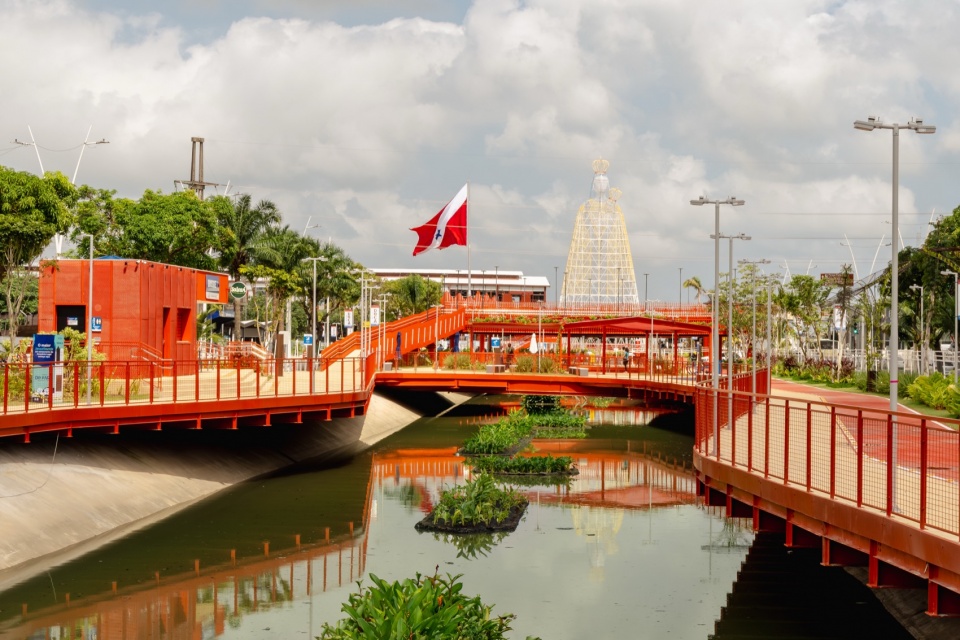
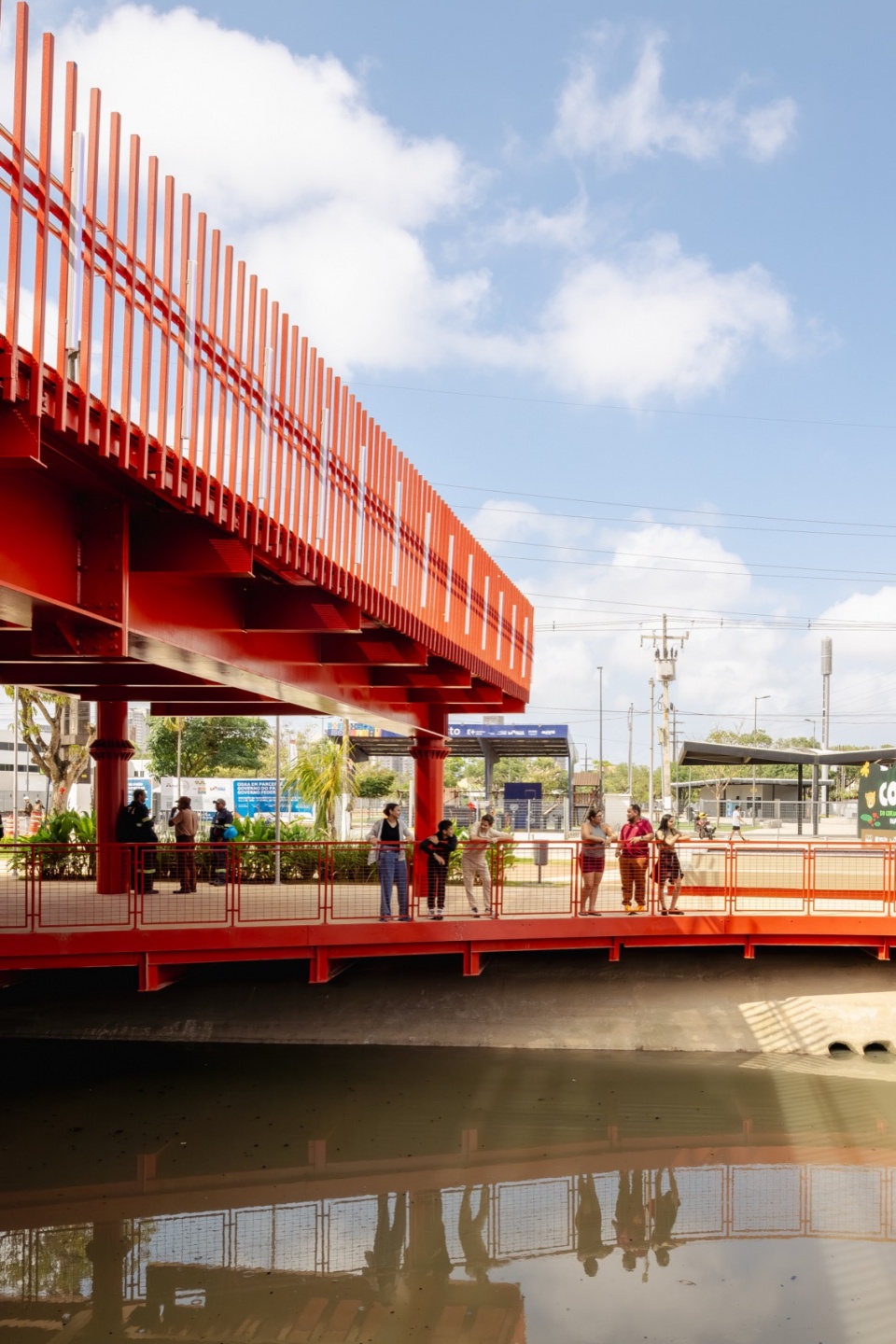
▼观景平台,lookout point
正如艾尔顿·克雷纳克(Ailton Krenak)所言:“愿这些比我们古老得多的河流赋予我们智慧,教导我们如何改善自身的存在方式,而不是继续围绕着我们身边的生命起舞。河流拥有智慧,它们能够教会我们。让我们向它们学习吧!”
As Ailton Krenak once said: “May these rivers, which are much older than us, give us wisdom and instruct us on how to improve our existence without continuing to dance life around us. Rivers have wisdom, they can teach us. Let us learn from them!”
▼自行车道,cycling lane
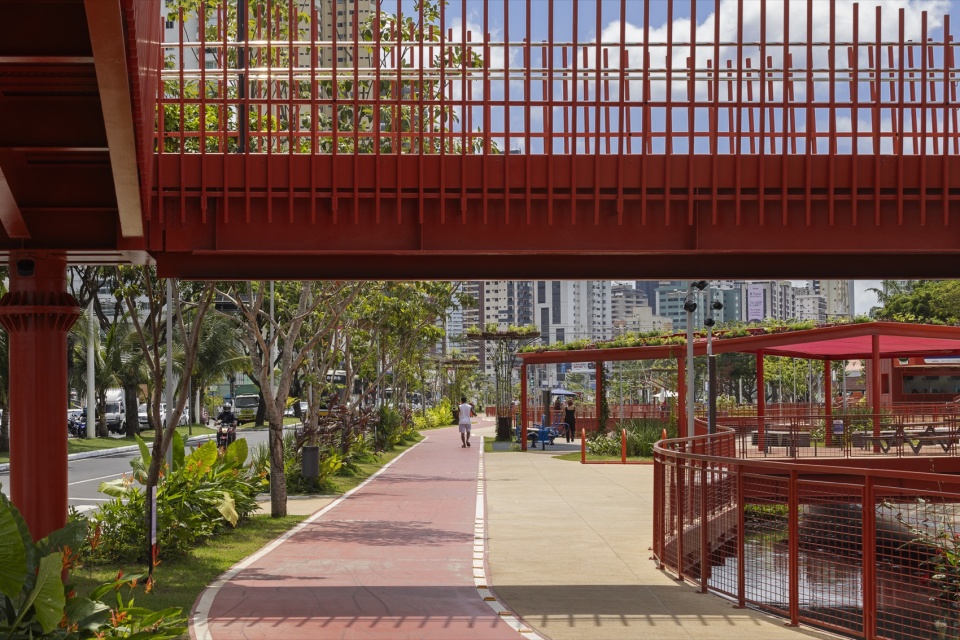
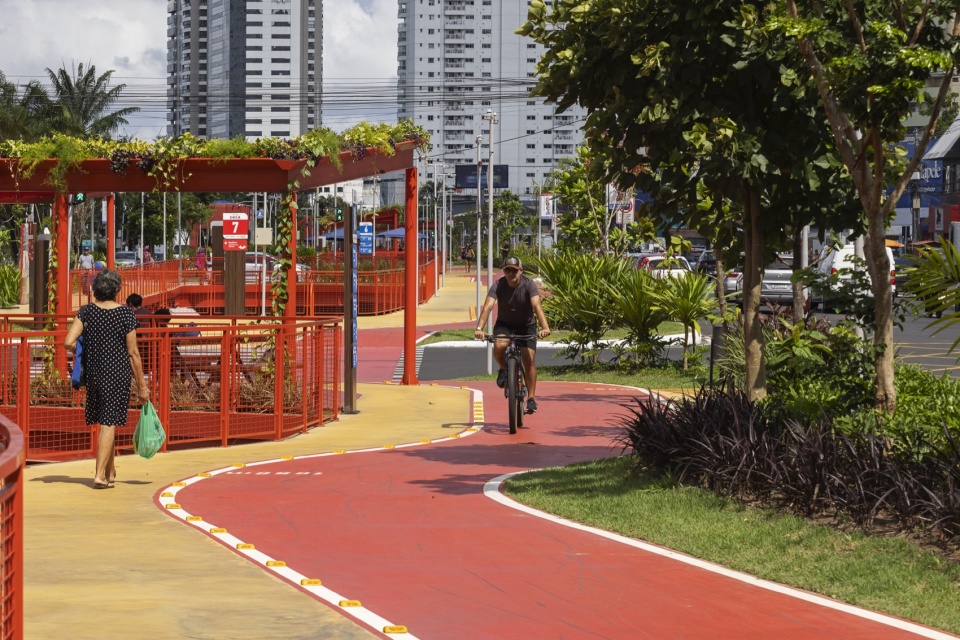
▼儿童游乐场,playgrounds
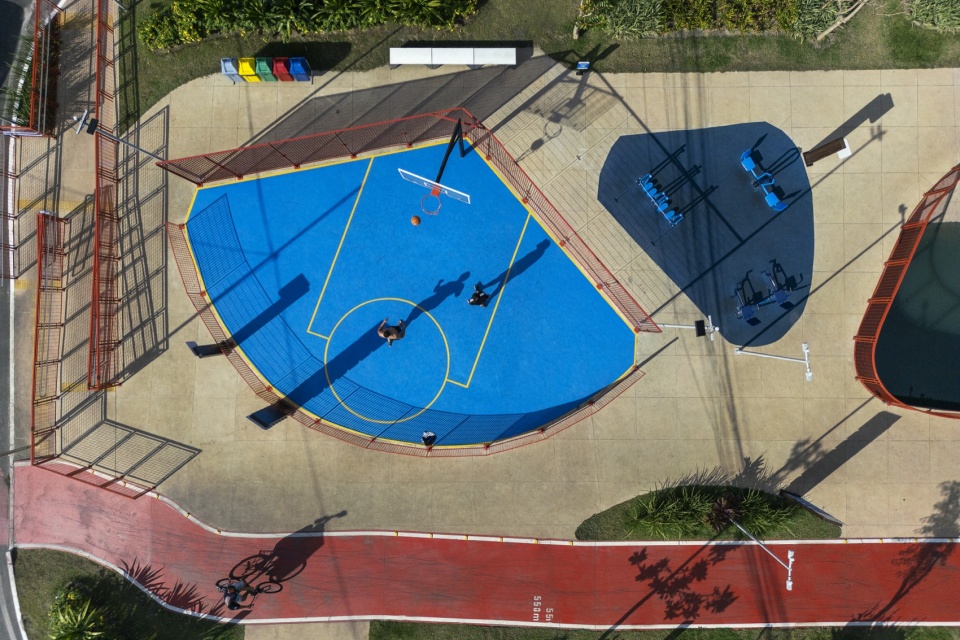
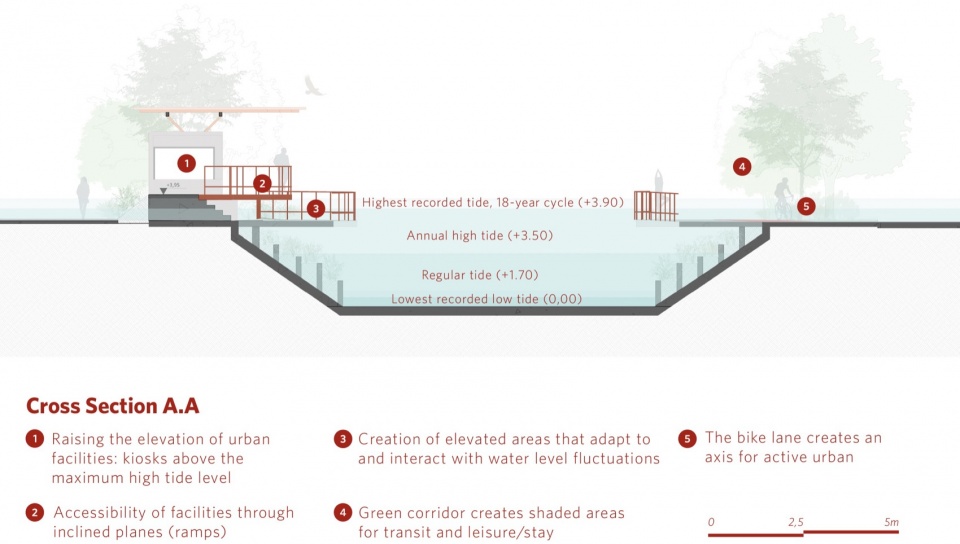
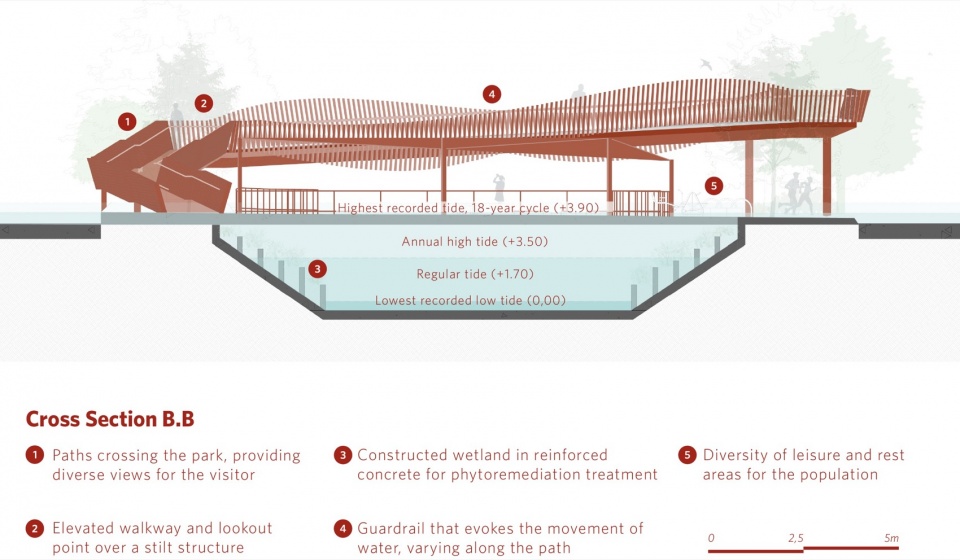
为了实现这些目标,项目采用了多项设计策略:以植被层替代现有地表覆盖物,从而提升生物多样性并丰富运河的生态肌理;采用基于自然的解决方案作为植物修复策略,以改善微排水系统并减少面源污染;通过优化水利结构并抬高新的游客服务设施,减轻洪涝影响;扩大透水地面面积,以改善区域微气候并增强排水能力;同时通过引入多样化功能,提升并激活公共空间,为贝伦市民和游客创造更丰富的城市体验。
To achieve these objectives, the project employs several strategies: the replacement of existing surface cover with a vegetation layer, expanding biodiversity and the canal’s texture; nature-based solutions as a phytoremediation strategy, improving micro-drainage and reducing diffuse pollution; mitigation of flood impacts through improvements to the hydraulic structure and elevation of new visitor support infrastructure; expansion of permeable ground surfaces, contributing to the microclimate and drainage of the area; and the qualification and activation of public space through the introduction of diverse uses for Belém residents and visitors.
▼鸟瞰,aerial view
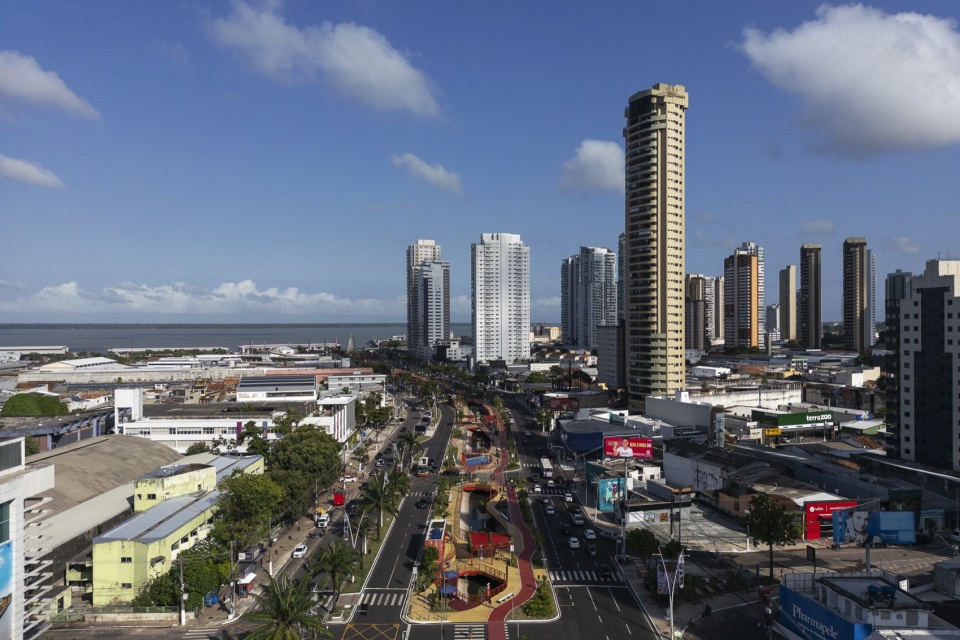
▼夜景,night view
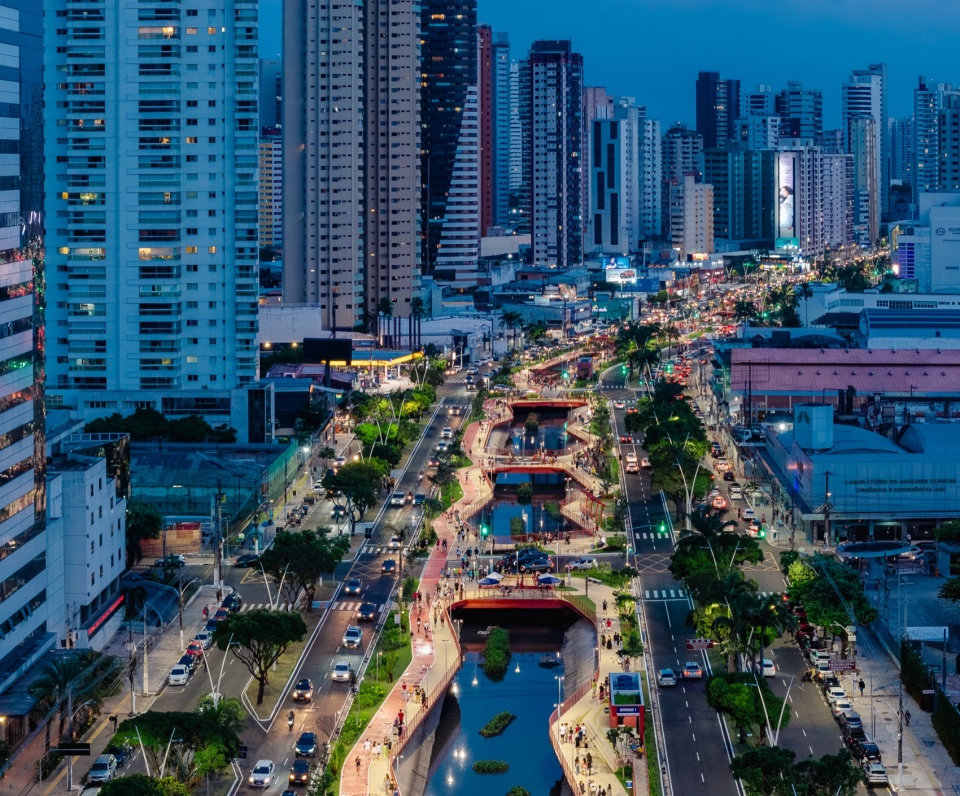
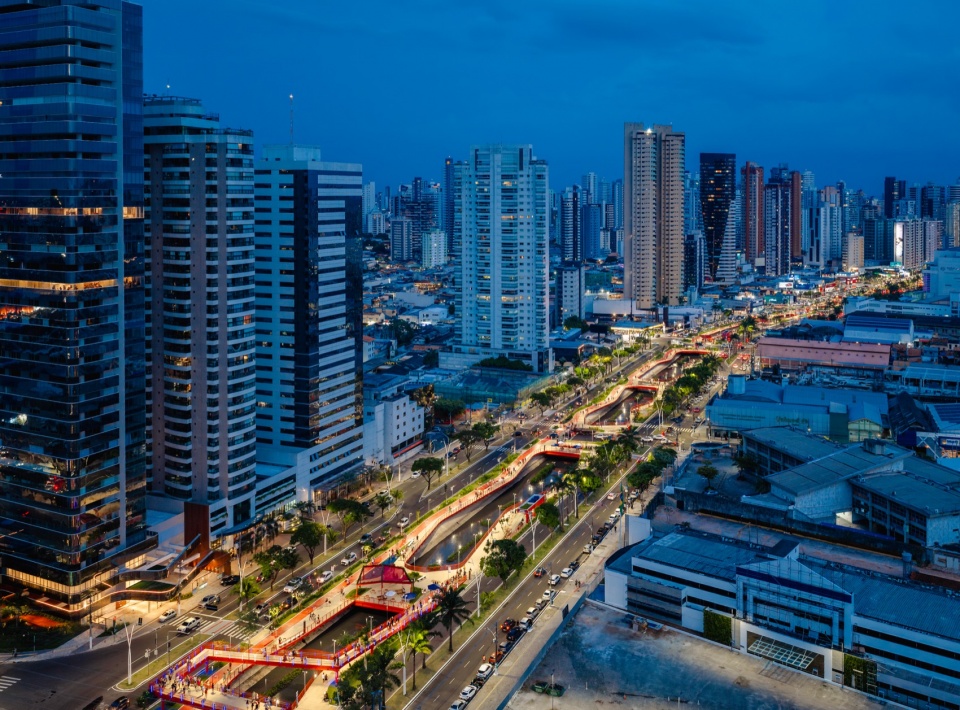
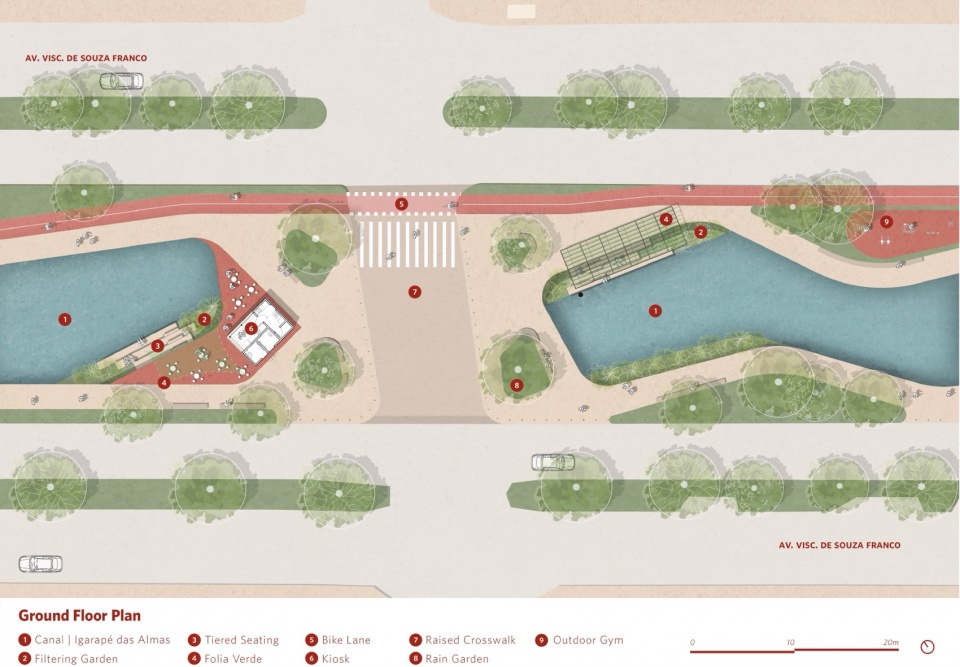
线性公园的功能体系充分回应了周边既有环境特征。沿公园轴线布置了多种活动设施,包括观景平台、高架步道、餐饮亭、儿童游乐场、宠物活动区、遮荫休憩空间、自行车道、坐憩与沉思花园以及游戏活动区等。
The linear park features a program of uses that engages with the pre-existing character of its surroundings. Along its axis, a variety of activities take place, including a lookout point, an elevated walkway, food kiosks, playgrounds, a dog park, shaded areas, a cycling lane, sitting and contemplation gardens, and a games area, among others.
▼场地平面,site plan
▼首层平面图,ground floor plan
▼剖面,section
▼区位分析,Location Analysis
Technical Sheet
Date: 2023
Place: Belém – Pará
Area: 40.080,24 m2
Client: Government of Pará
Scope: Masterplan – Basic Project
Discipline: Landscape Architecture
Coodination: Manoela Machado and Pedro Lira
Project Leader: Giulia Corsi
Team: Claudia Jaegerman, Julia Ximenes, Juliana Santos, Luan Neske, Nicollas Rangel and Yan Azevedo
Partners: Vallenge Engenharia, Geasa Engenharia, Marcello Sanguinetti Estruturas Ltda
Photography: Manuel Sá and Leonardo Finotti