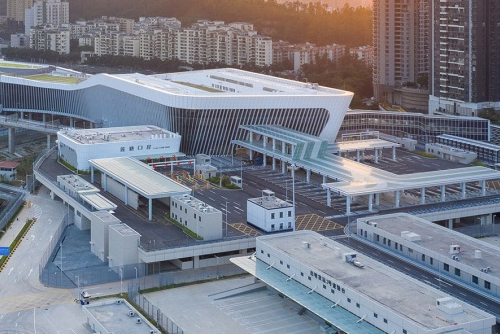
HBC汇隆中心,深圳 / FGP Atelier
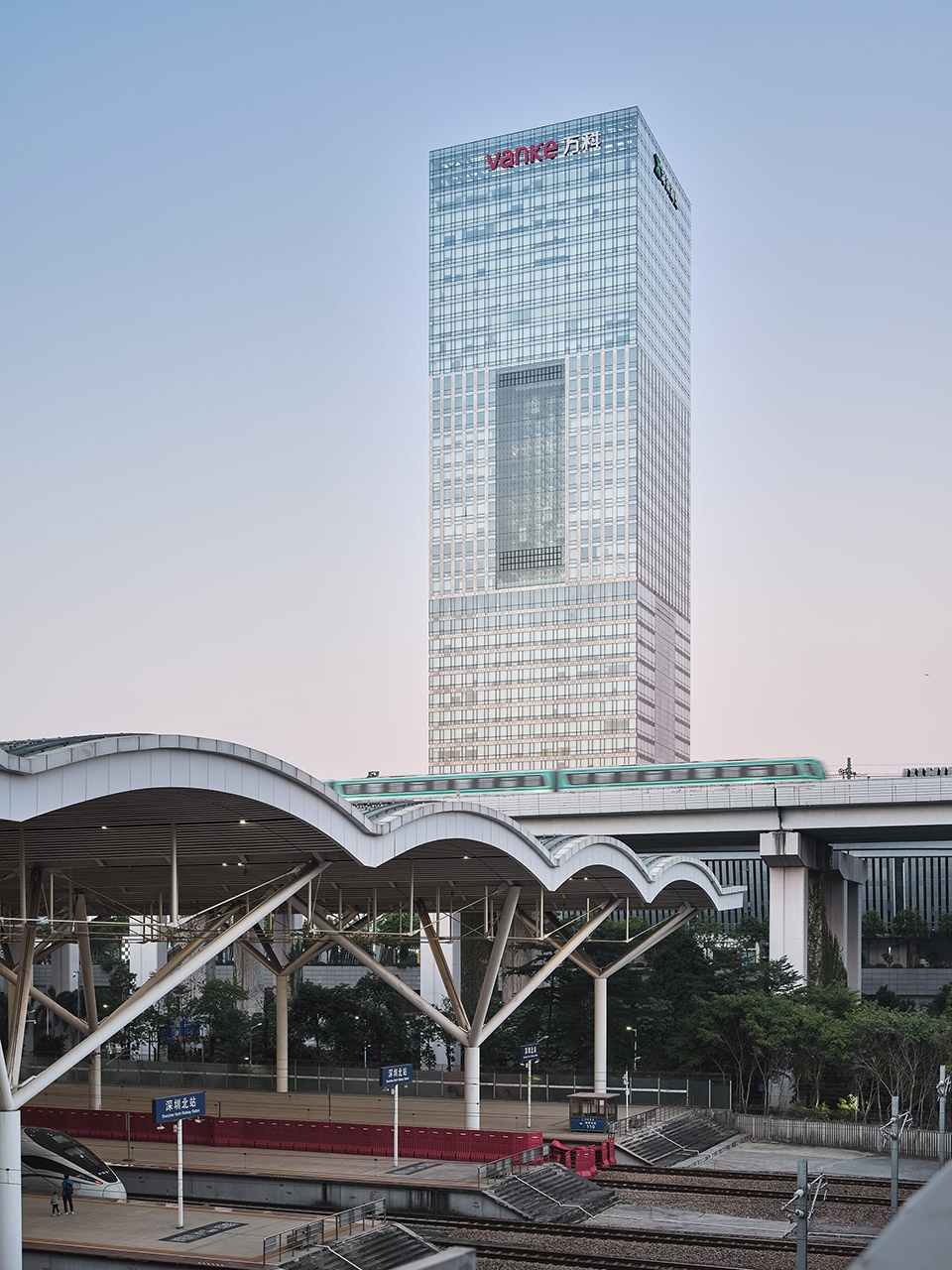
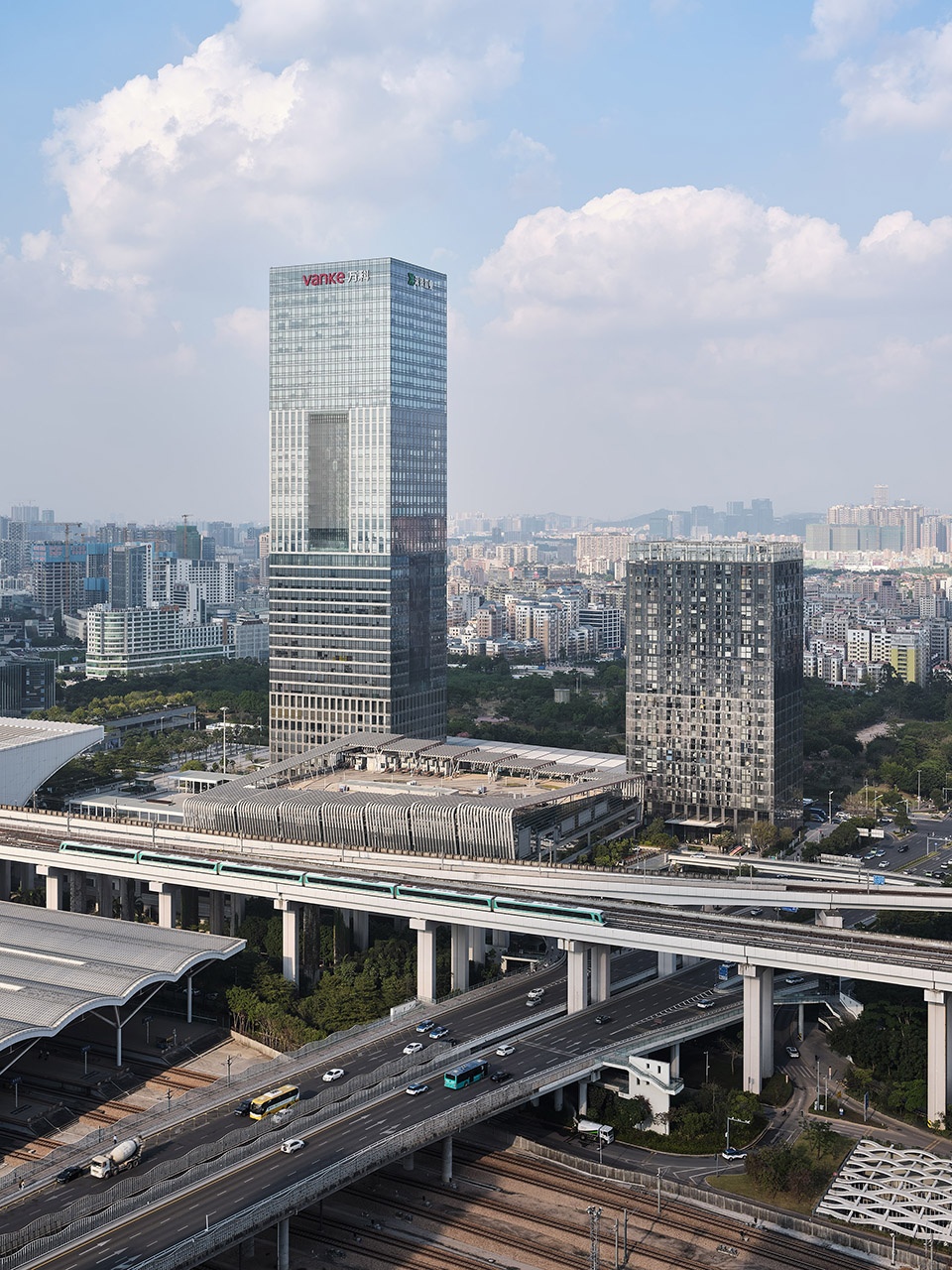
HBC汇隆中心位于深圳北站与东侧重点商务片区之间的城市转换地带。作为区域高铁、城市轨道、城际铁路以及未来国际口岸功能逐步汇聚的重要交通枢纽,深圳北站所承载的高强度人流与城市能量,为办公、服务式公寓、酒店及商业功能的复合开发提供了极具潜力的城市基础。
The project is located within a key transitional zone between Shenzhen North Railway Station and the major business districts to the east. As regional high-speed rail, local rail, intercity rail, and future international checkpoint functions continue to converge at the station, the intensity of movement and urban exchange generated by the transit hub creates a significant opportunity for a mixed-use development composed of office, serviced apartment, hotel, and retail programs.
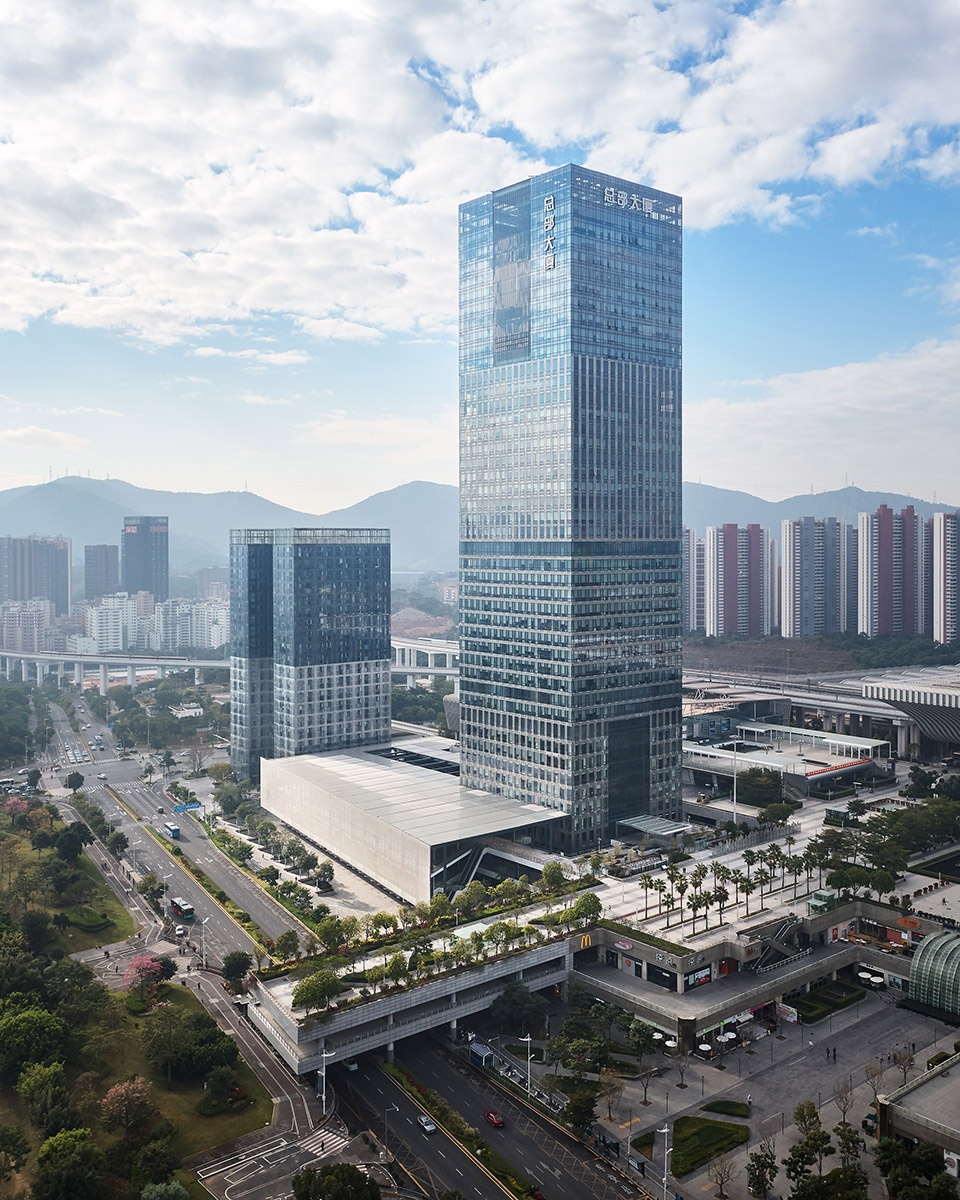
▼项目鸟瞰,aerial view of the project
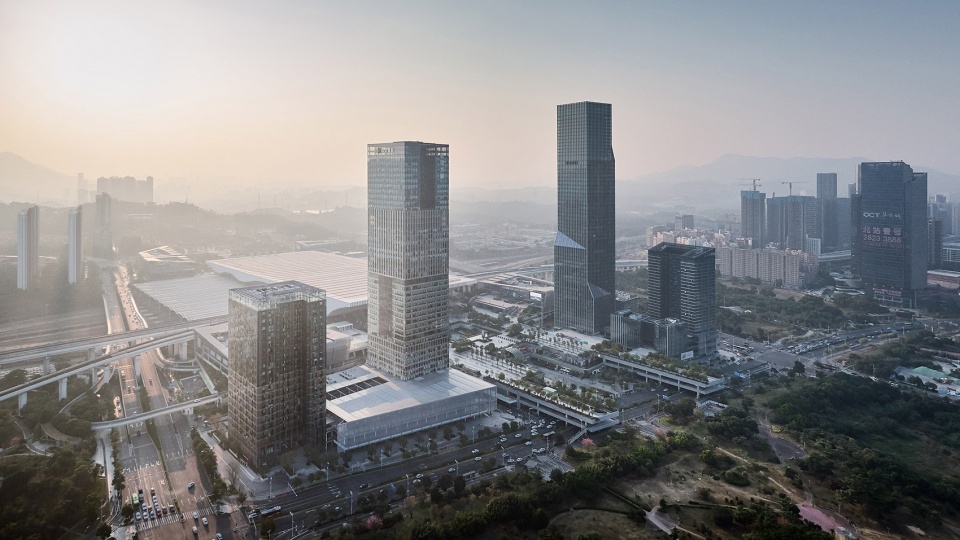
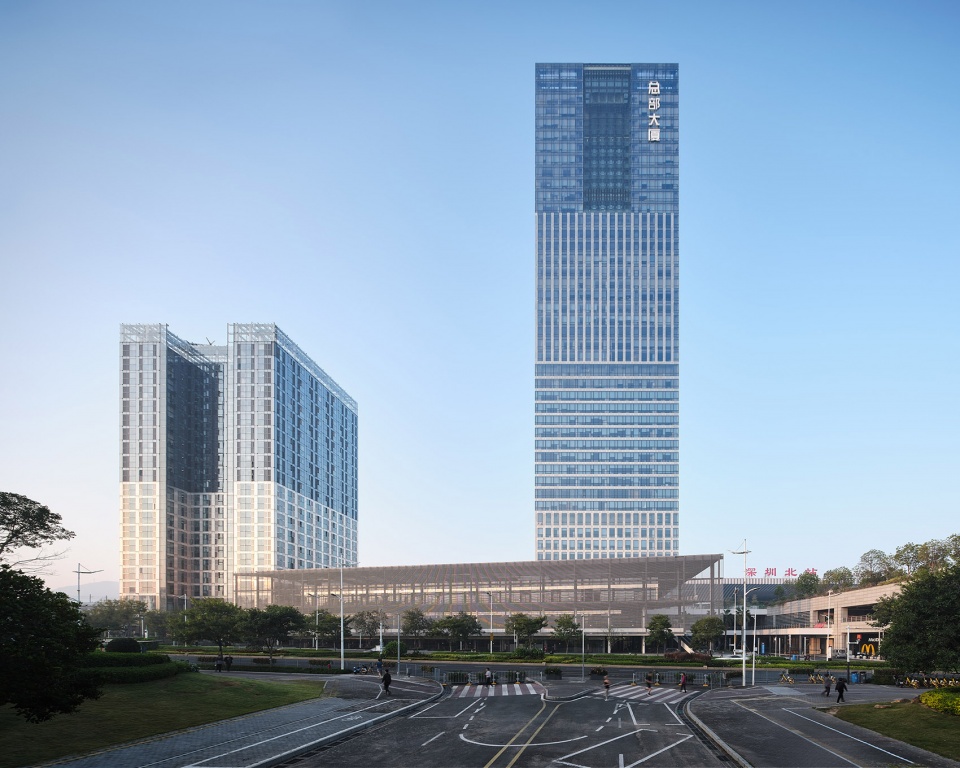
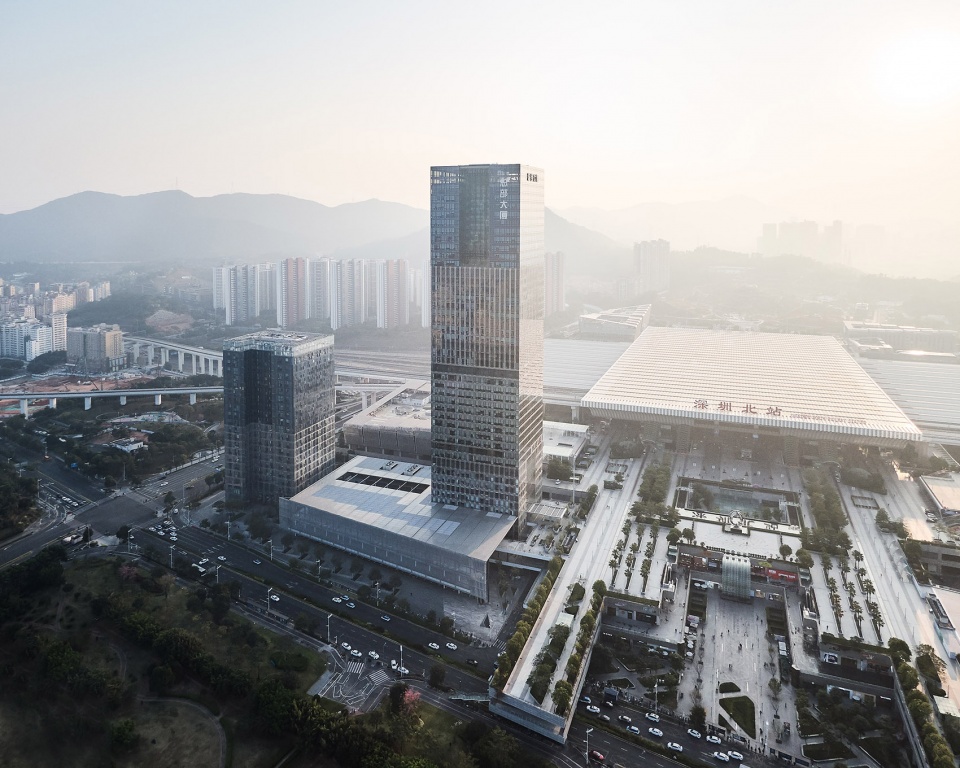
▼位于深圳北站与商务片区之间的城市转换地带,
located within a transitional zone between Shenzhen North Railway Station and the major business districts
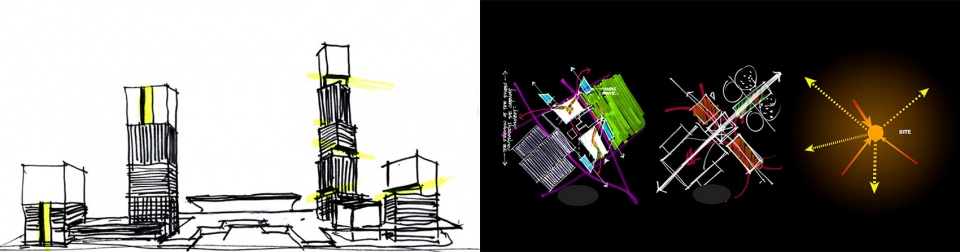
在研究场地现状与未来规划条件后,我们很快意识到,项目成功的关键并不只是塑造单体建筑形象,而是如何让两幅地块在既有城市轴线之外形成更具渗透性的公共连接。车站、东广场与城市公园之间已经建立了强烈的轴线关系;设计需要避免被这一既有秩序单向主导,而是将其强度重新扩散、转译并导入场地内部,使周边交通枢纽所带来的能量真正被项目吸收,并转化为持续的城市活力。
▼概念草图,concept sketch
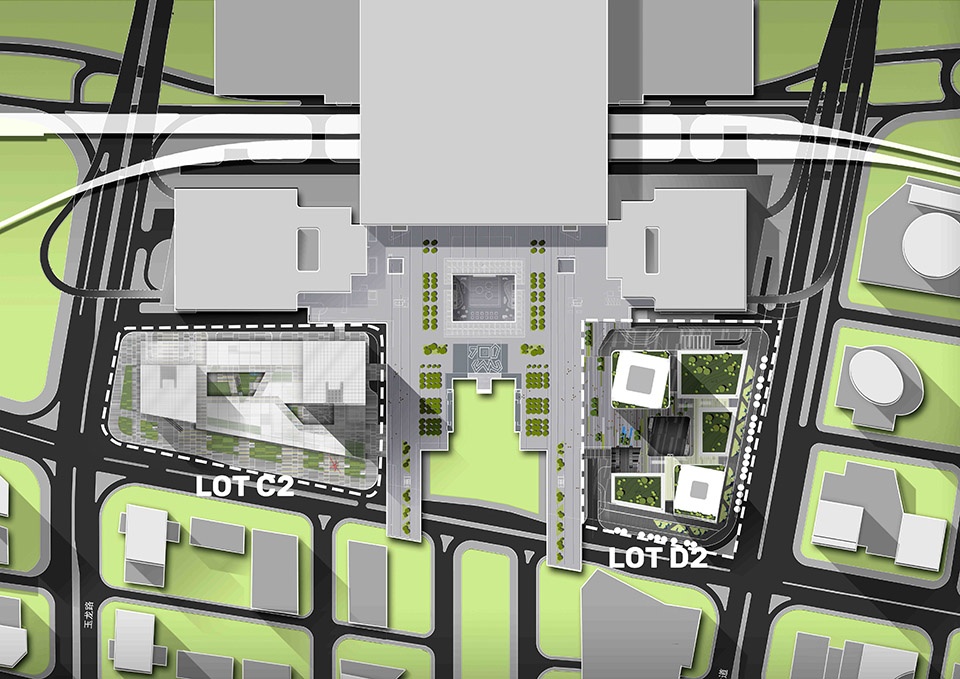
▼场地平面,site plan
After examining both existing and proposed conditions, it became clear that the success of the project depended not only on the image of individual buildings, but also on the ability of the two sites to establish a new level of cross-connectivity. The station, the east plaza, and the adjacent park had already formed a strong axial relationship. Rather than allowing this existing axis to dominate the project, the design seeks to dissipate and diffuse its intensity across the site, capturing the energy of the surrounding context and transforming it into a more continuous and active urban environment.
▼鸟瞰渲染图,aerial view rendering
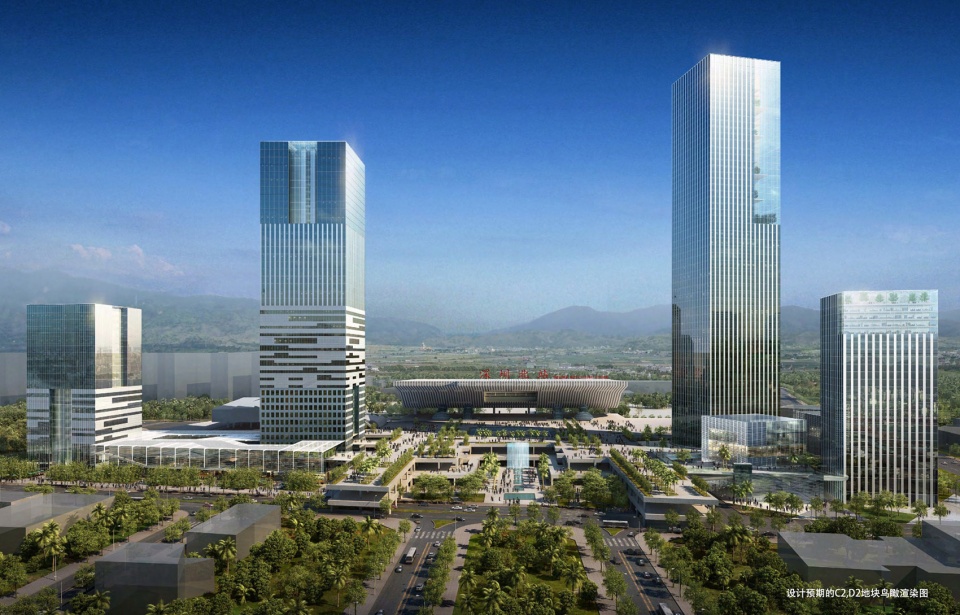
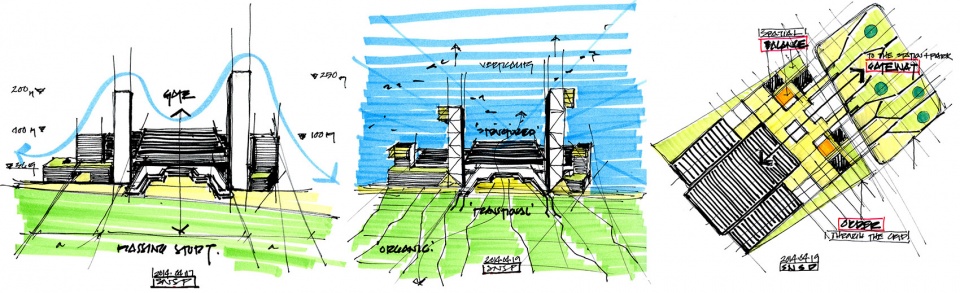
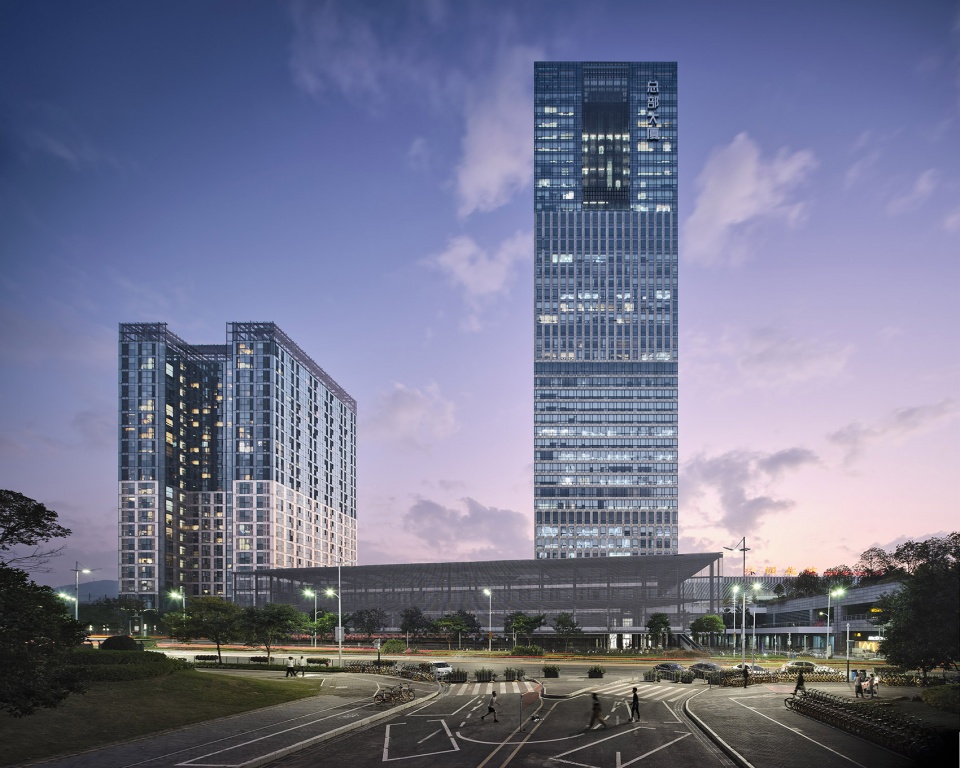
从城市设计的角度看,由塔楼退线、地块形态以及其与车站和民塘街对面公园之间的空间关系共同形成的东北—西南向轴线,成为项目进入城市的门户。C2与D2两幅地块在几何形态上的差异,以及它们与车站主轴之间并不完全对称的关系,为整体构图带来了一种天然的不均衡感,也为两个地块各自发展出独立的建筑语言提供了基础。门户建立了城市框架,但每一个建筑综合体仍需拥有属于自身的形象与场所性。
▼概念草图,concept sketch
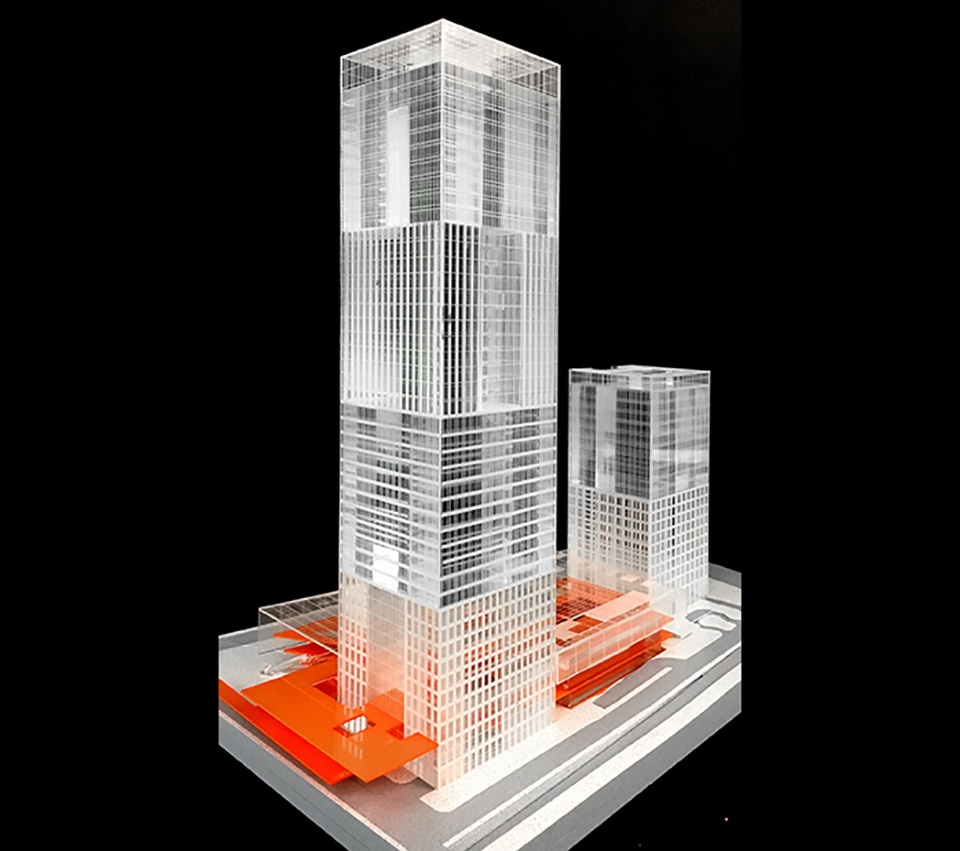
▼模型,model
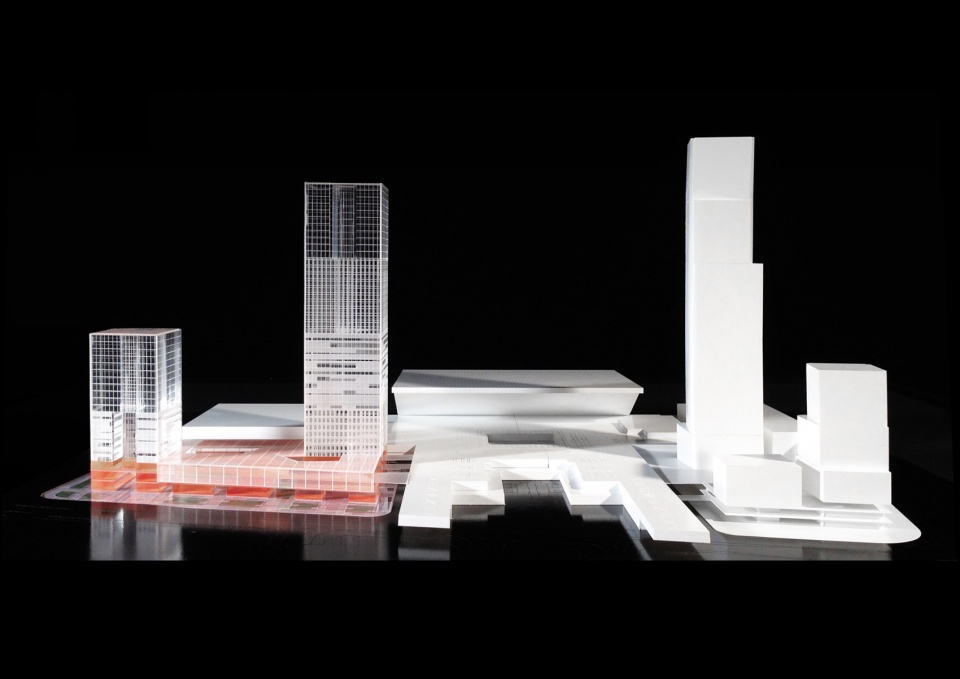
From an urban planning perspective, the northeast-southwest axis becomes a gateway naturally shaped by the tower zoning requirements and by the spatial relationship between the station and the park across Mingtang Street. The difference in geometry between the two plots, as well as their asymmetrical relationship to the station axis, creates a productive imbalance within the overall composition. This condition allows each site to develop a distinct architectural vocabulary. The gateway establishes the urban framework, but each complex must possess its own identity.
▼两个体块带来天然的不均衡感,
creates a productive imbalance within the overall composition
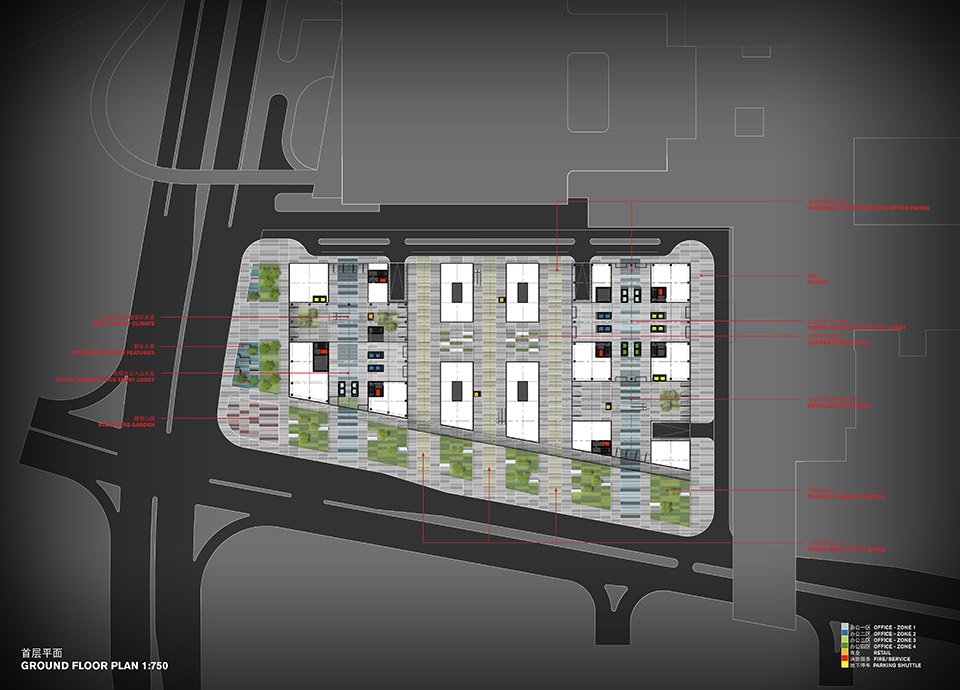
项目最初以竞赛形式启动,命题是在中央轴线两侧的 C2 与 D2 两幅地块上设计四座塔楼。最终,我们获得其中C2地块两座塔楼的设计委托。在最初提交的总体愿景中,我们通过连接两幅地块与民塘街沿线中央广场,建立了清晰的实体与视觉联系。每个地块的架空平台都拥有独立的尺度、景观元素与空间性格,同时又共同形成贯穿整个街区的连续公共流线。这种连续性对于形成一个充满活力的城市社区至关重要。在本设计中,开放空间与建筑本体具有同等重要性。由于项目尺度宏大且功能复合,建筑与公共空间共同承担着创造场所感和塑造城市地标的责任。从街道进入平台广场的过程,在两个地块上被处理为各自独特的城市体验:C2 地块趋向笛卡尔式的秩序,D2 地块则更强调有机的流动性。不同于传统站前平台下方常被后勤与附属功能占据的空间,本方案希望将平台下部重新转化为社区、交易、休闲与公共活动发生的场所。
▼首层平面,ground floor plan
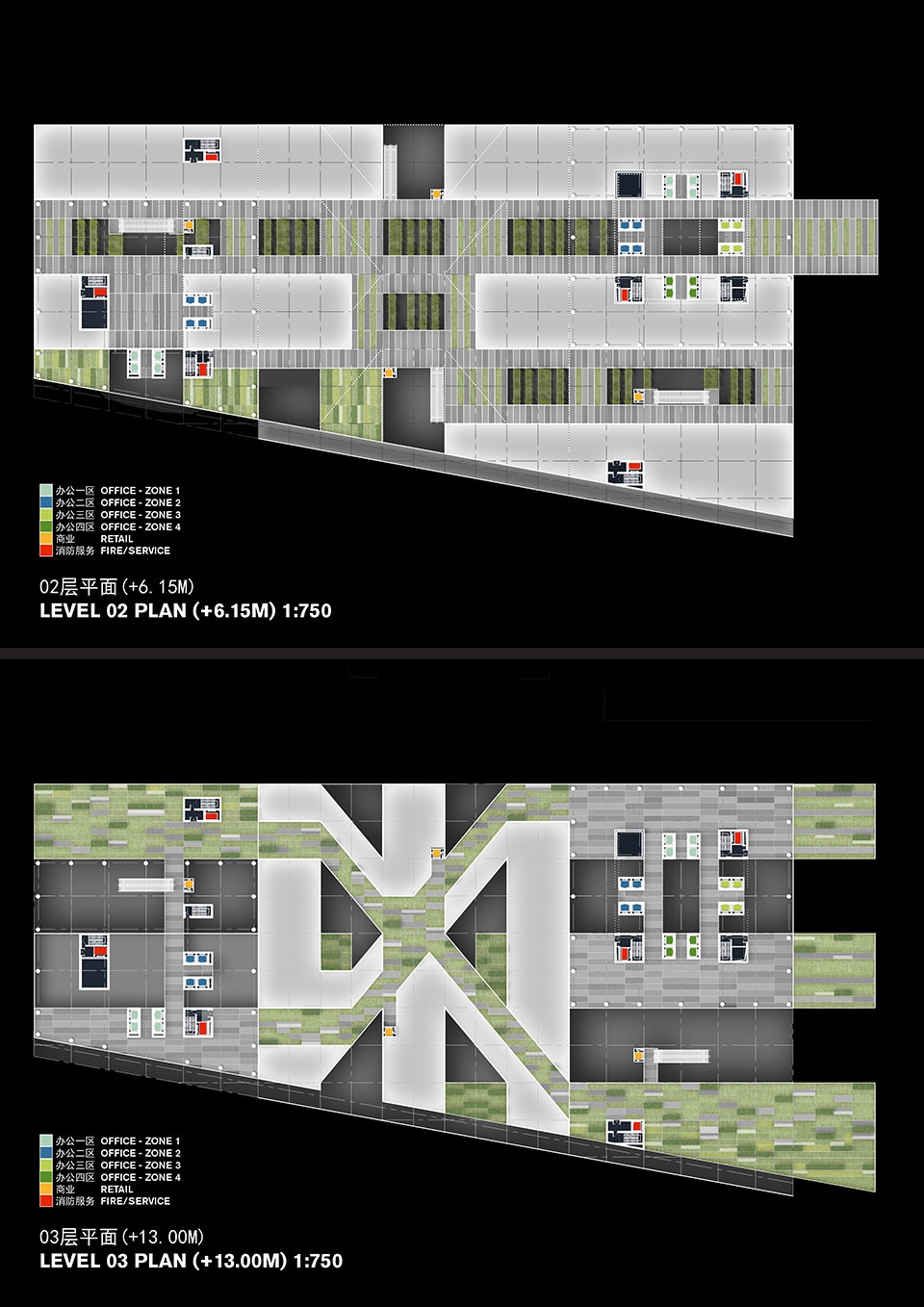
▼办公层平面,office floor plan
▼屋顶平面,roof plan
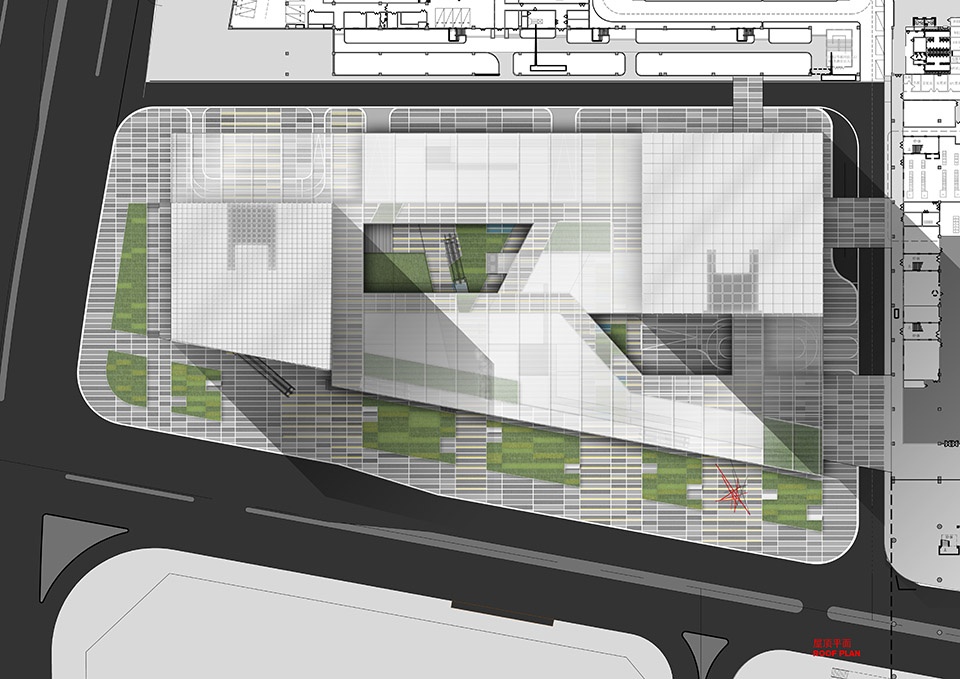
In this project, open space is as important as the buildings themselves. Given the scale and complexity of the development, both architecture and public space play essential roles in establishing a sense of place and forming a new landmark. The procession from the street up to the plaza becomes a distinct experience for each site. Lot C2 is more Cartesian in character, while Lot D2 was envisioned as more organic. In contrast to conventional spaces below elevated plazas, which are often occupied by back-of-house functions, the proposed design reimagines the areas beneath the platforms as places for community, trade, leisure, and public interest. The project began as a competition to design four towers on two sites, C2 and D2, positioned across a central axis. Ultimately, we were awarded the commission to design two of the towers on lot C2. In the original vision for both sites, a strong physical and visual connection was created by linking the two plots with the central plaza along Mingtang Street. Each elevated platform was designed with its own character, landscape elements, and scale, while together they formed a seamless flow across the entire block. This continuity was essential to the creation of a vital and energetic urban community.
▼从公共空间过渡到大楼办公层,transitioning from public space to the building’s office floors
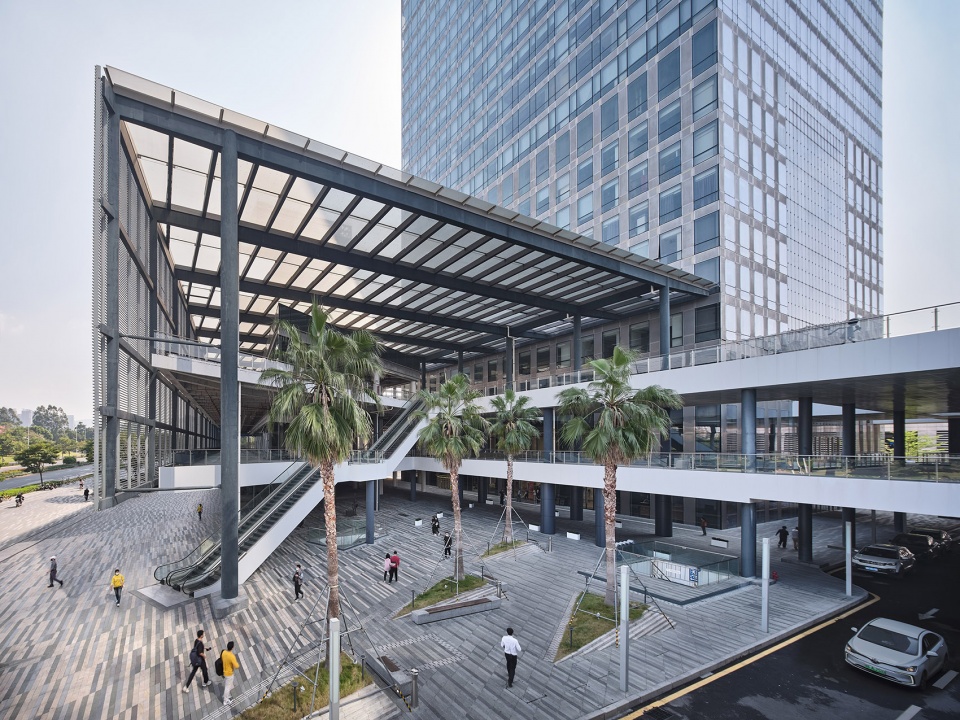
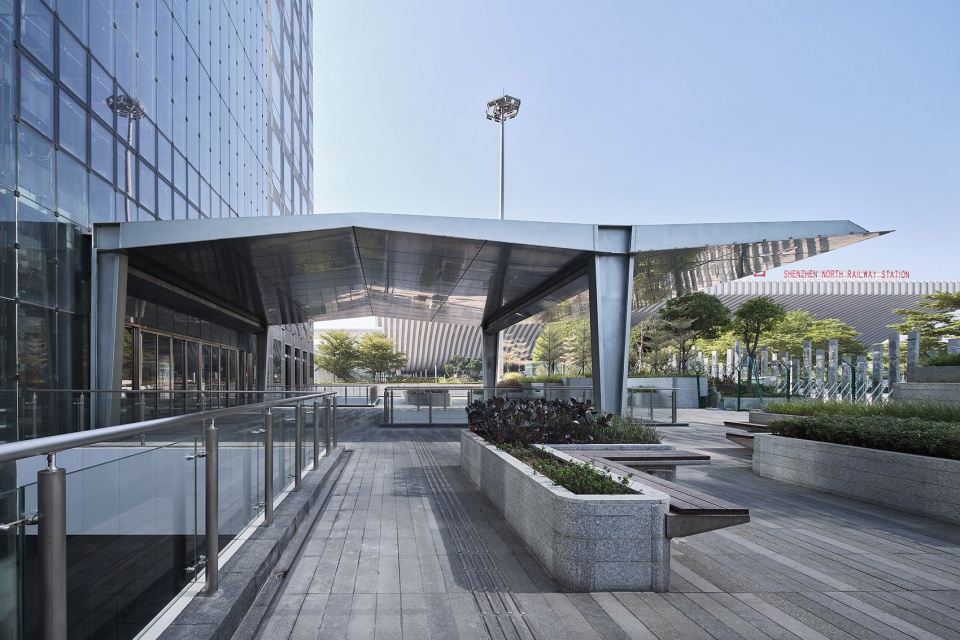
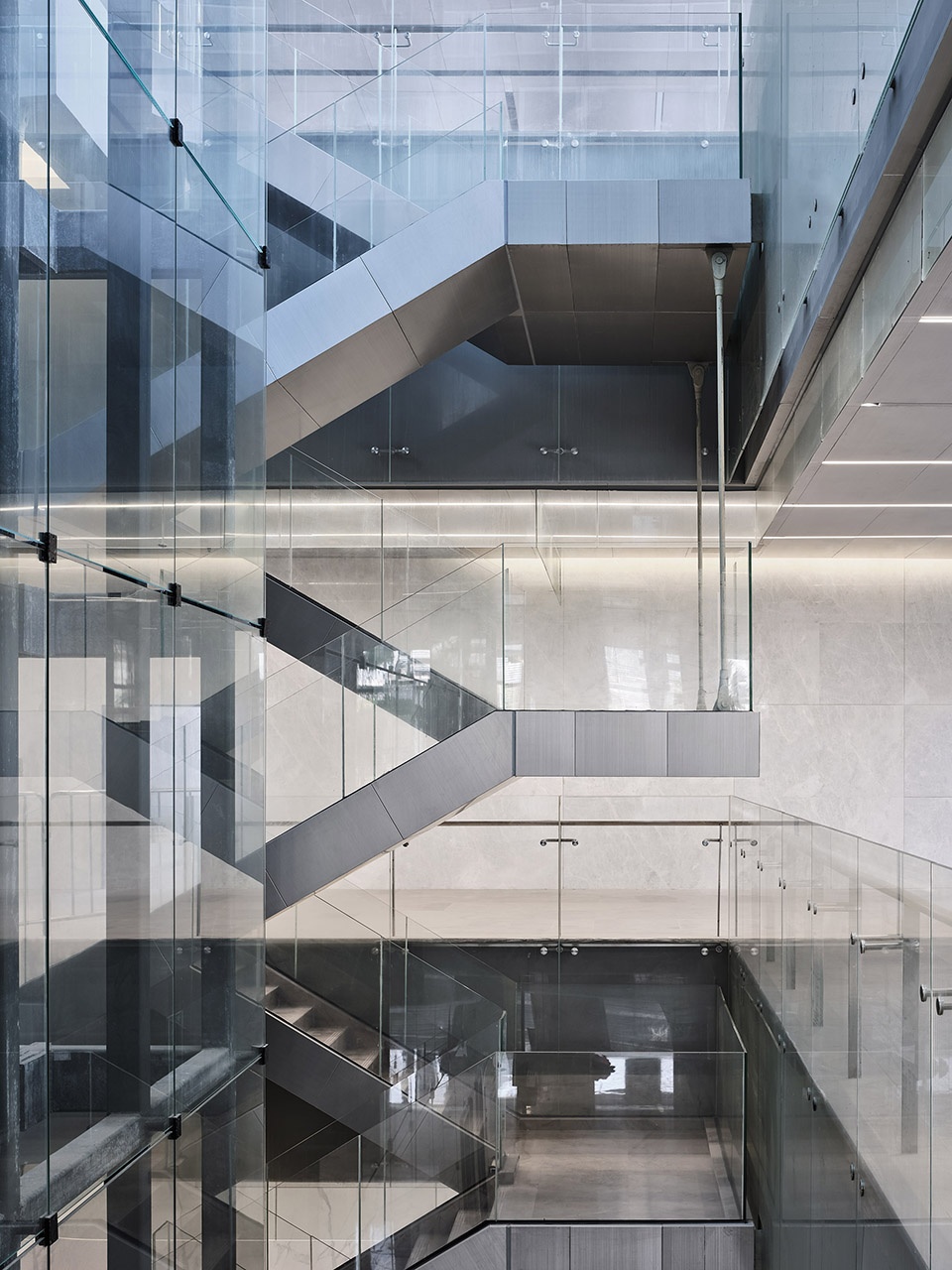
▼楼梯空间,circulation space
▼玻璃幕墙仰视,look up to the glass curtain wall
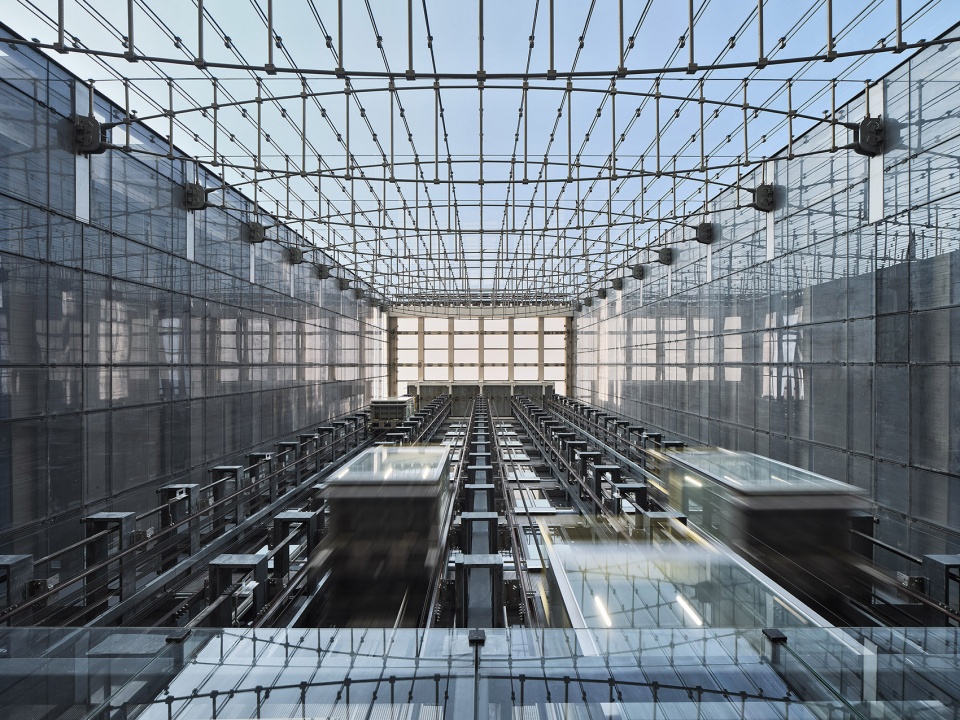
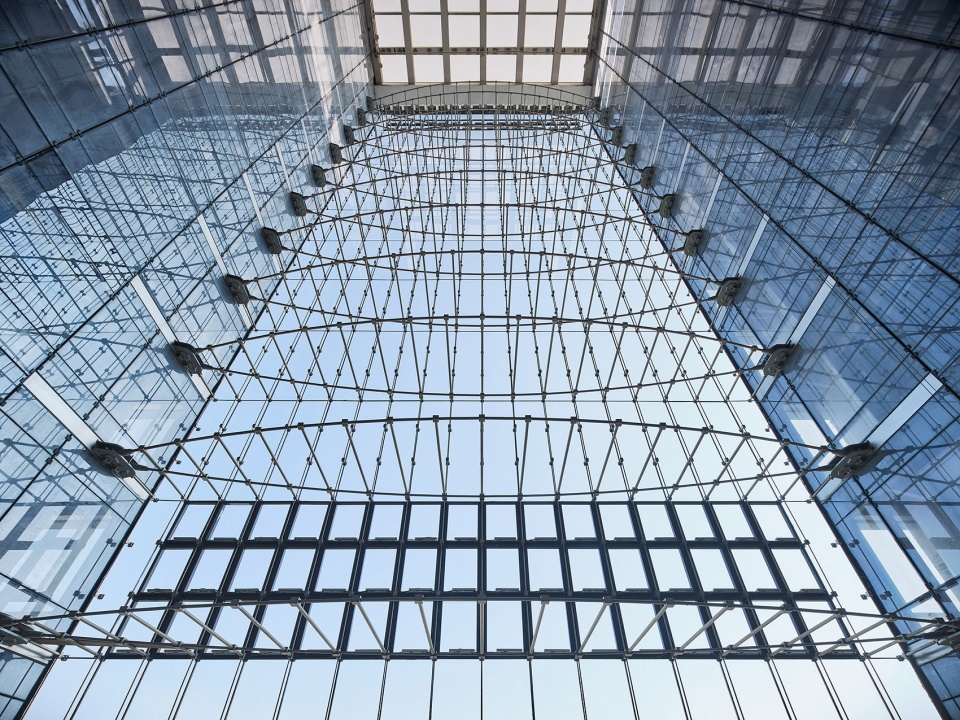
在我们最终设计落地的C2地块中,场地空间由一系列线性商业体量构成,它们共同限定出路径、广场、步道与中庭。商业空间在水平与垂直方向上彼此连接,并在堆叠中形成一种具有不确定性的网格结构。新的公共空间在体量交汇处不断生成,使商业不再只是封闭的消费容器,而成为一种可穿行、可停留、可探索的城市空间系统。其空间丰富度与开放性区别于传统商业综合体,也为未来形成更具动态性的公共环境提供了可能。
▼流线分析图,circulation diagram
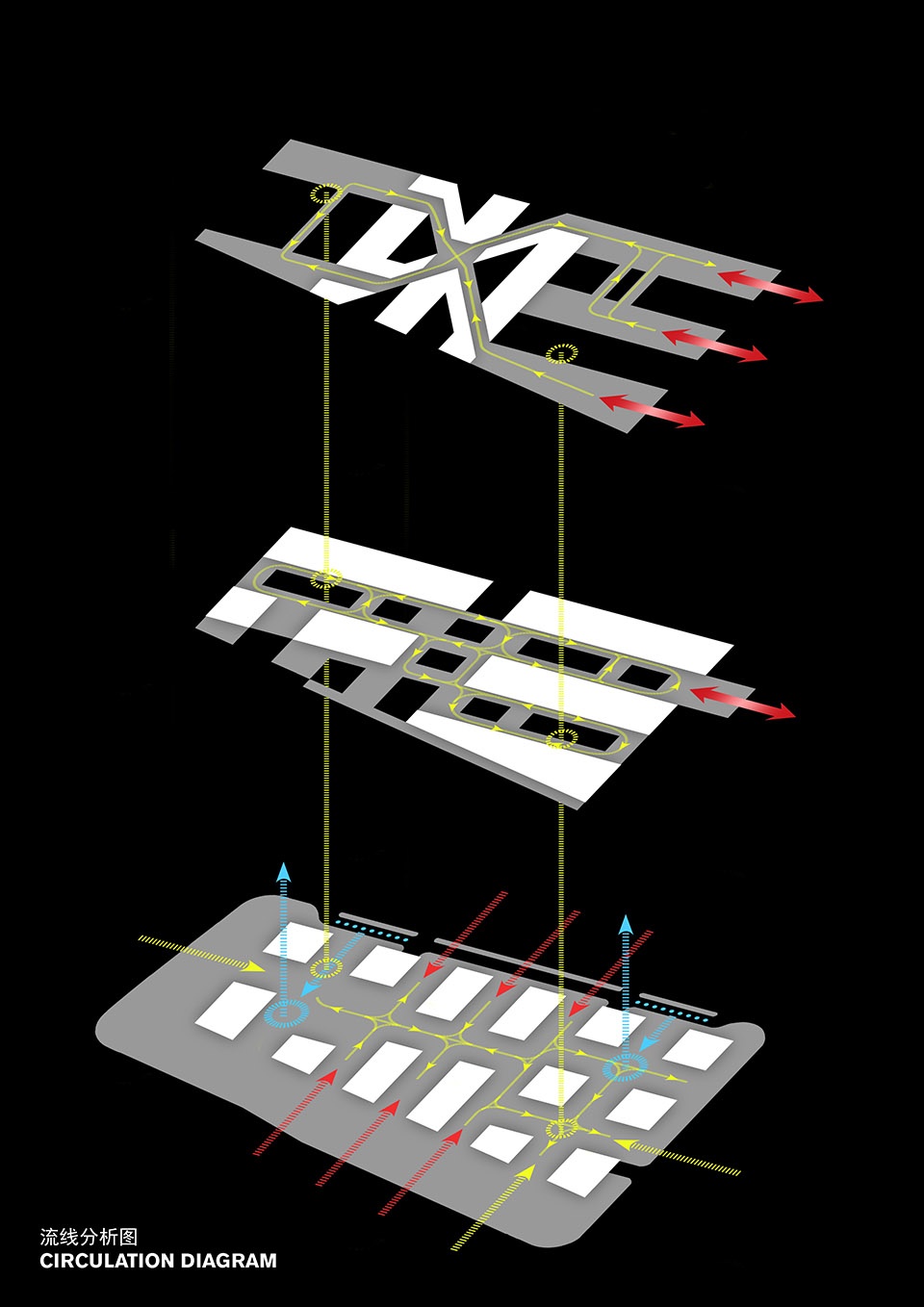
Lot C2 is composed of linear retail blocks that define paths, plazas, walkways, and atriums. These elements link the project vertically and horizontally while forming an unpredictable grid through their stacking. New spaces emerge at the intersections between volumes, creating opportunities for a dynamic and highly varied environment. Rather than treating retail as an enclosed container for consumption, the design transforms it into a spatial network that can be crossed, occupied, and explored. Its richness and innovative attitude distinguish it from a traditional retail complex.
▼可穿行、可停留、可探索的城市空间系统,
a spatial network that can be crossed, occupied, and explored
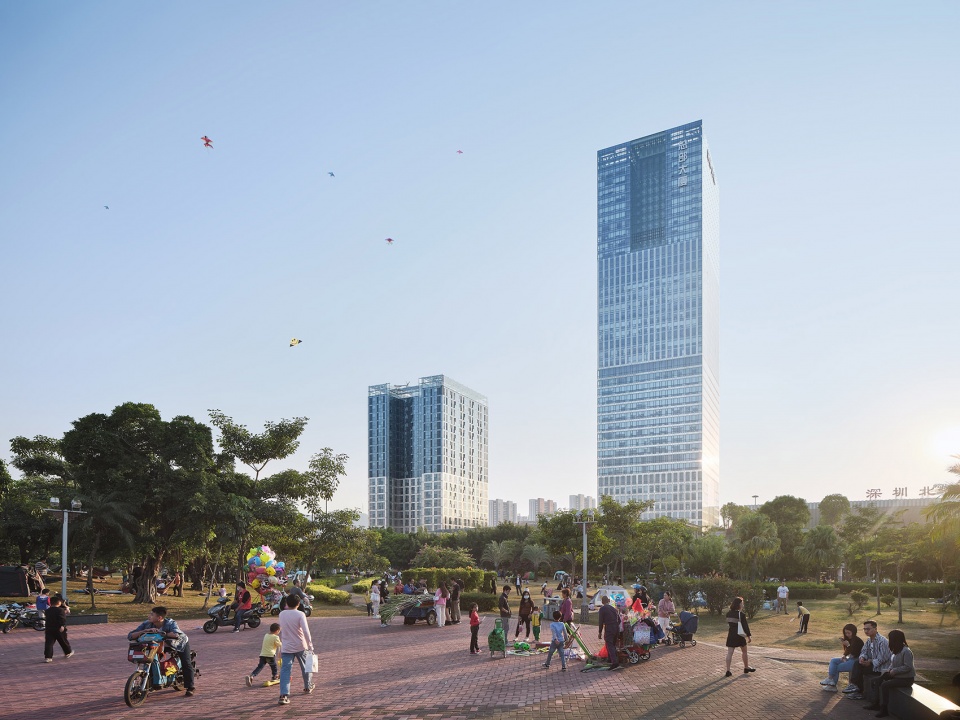
▼可穿行、可停留、可探索的城市空间系统,
a spatial network that can be crossed, occupied, and explored
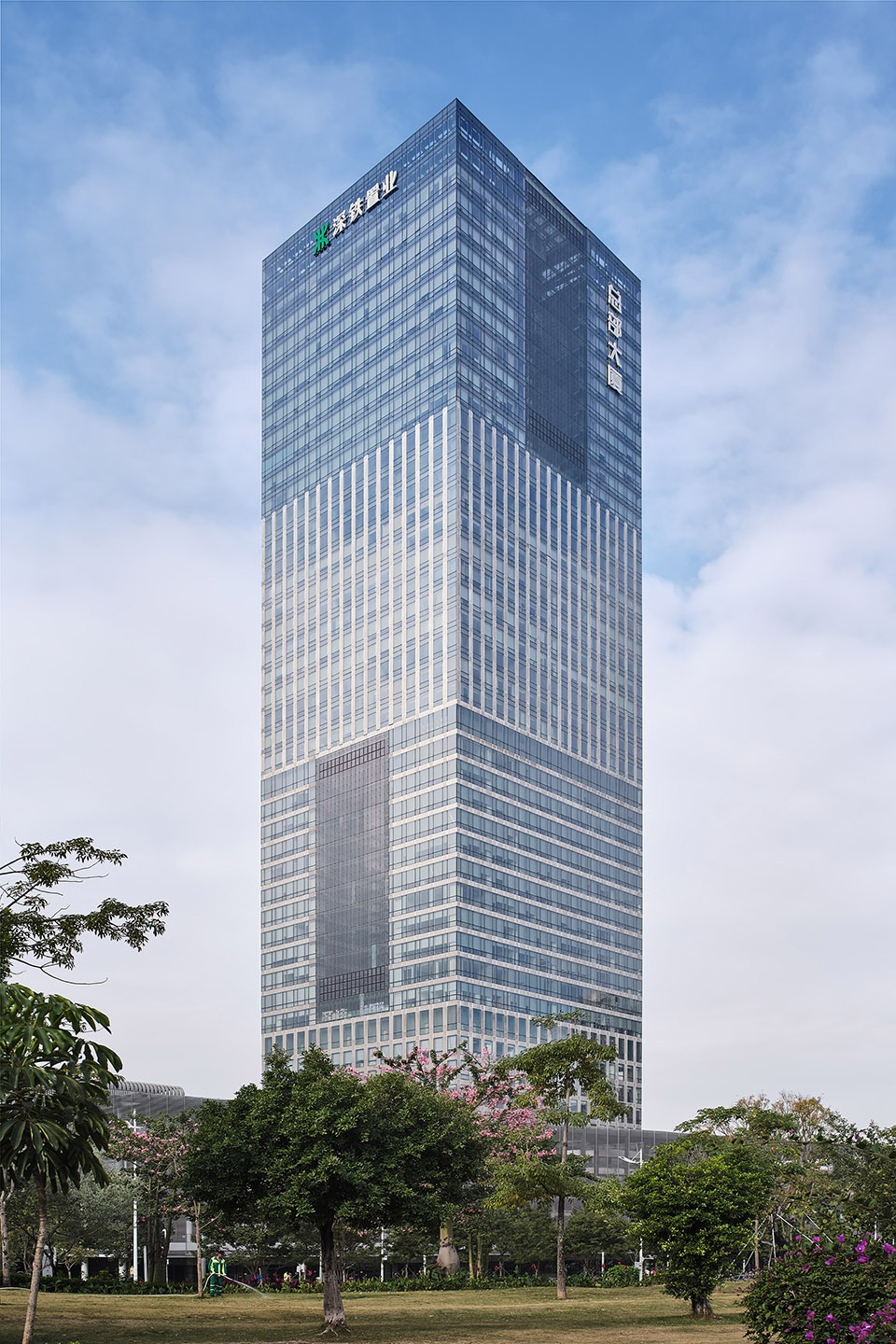
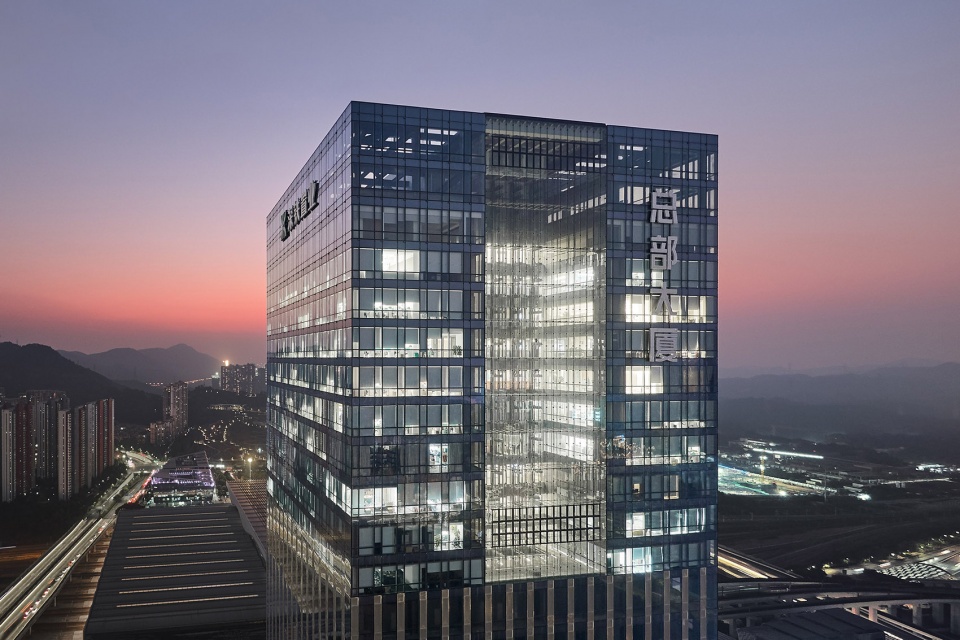
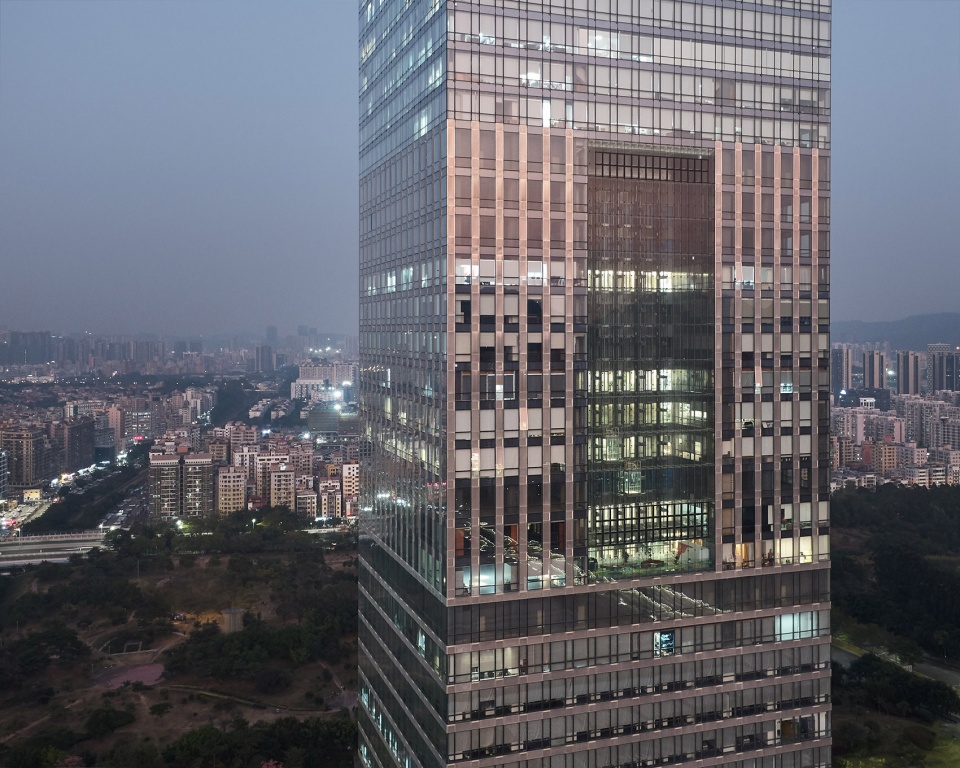
塔楼的建筑语言延续了“层叠”的概念。两座塔楼均强调水平向的构成关系,通过具有不同平面组织与围护特征的体量堆叠,形成一种垂直社区。每一个堆叠单元都根据视野、尺度、材料与朝向获得独立表达,使塔楼整体不再是单一的重复立面,而是由多个具有辨识度的空间段落组成。中庭的引入则在丰富的立面网格之间建立呼吸感,为每个体量带来自然采光与内部连通,同时赋予其独特的城市表情。
▼立面分析,facade analysis
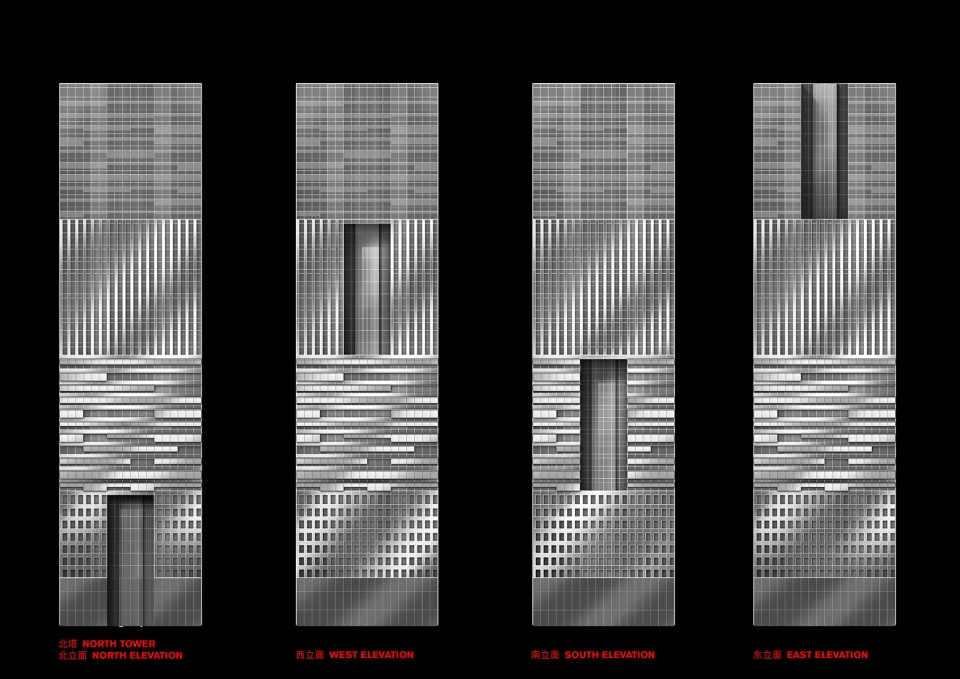
The architecture of the towers continues the concept of layering. Both towers emphasize the horizontal character of the composition and are defined by stacked volumes with distinct characteristics in layout and enclosure. The intention is to create a vertical neighborhood, allowing the tower and its individual parts to respond differently to views, scale, materiality, and orientation. Atriums are introduced to mediate the rich façade grids, giving each block a unique face while bringing daylight and internal connectivity into each stacked volume.
▼两座塔楼均强调水平向的构成关系,
Both towers emphasize the horizontal character of the composition
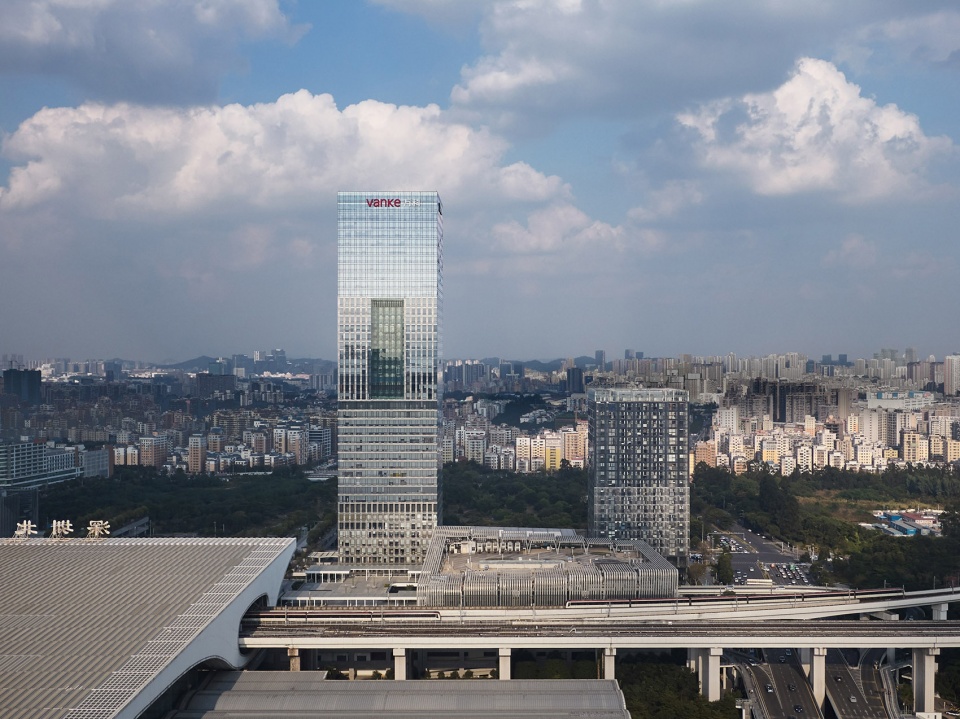
▼两座塔楼均强调水平向的构成关系,
Both towers emphasize the horizontal character of the composition
这一项目代表了深圳北站片区形成新城市肌理的重要机会。面对如此规模与复杂度的综合开发,生态与可持续性不应只是附加议题,而应成为设计策略的一部分。通过开放平台、多层连接、立体公共空间与复合功能的整合,项目试图将交通枢纽所释放的巨大城市能量转化为一个可停留、可穿行、可消费、可生活的公共场所,为未来片区的发展建立新的空间框架。
This project represents a remarkable opportunity to generate a new urban tissue with a lasting impact on the future of the area. At this scale, ecology and sustainability must become integral to the design agenda rather than remain secondary concerns. Through the integration of open platforms, multi-level connectivity, vertical public spaces, and mixed-use programming, the project seeks to transform the enormous energy of a transportation hub into a place of arrival, movement, exchange, leisure, and everyday urban life.
▼夜景,night view
▼模型,model
Project name: Shenzhen Gate
Project type:Residential, Office and Retail
Architect:FGP Atelier
Lead Architect : Francisco Gonzalez Pulido
Website:http://www.fgp-atelier.com
Contact e-mail: info@fgp-atelier.com
Completion Year:2020
Clients:Shenzhen Metro Group and Vanke
Project location:Shenzhen, China
Gross built area:240000㎡
Partner:
Local Design Institute (Arch//Mep/Fp/Structural): China Northeast Architectural Design & Research Institute Co.Ltd.
Landscape: Locus Associates
Facade: Alt
Photo credit: Qingyan Zhu