上海港国际客运中心暖通设计,上海/其他
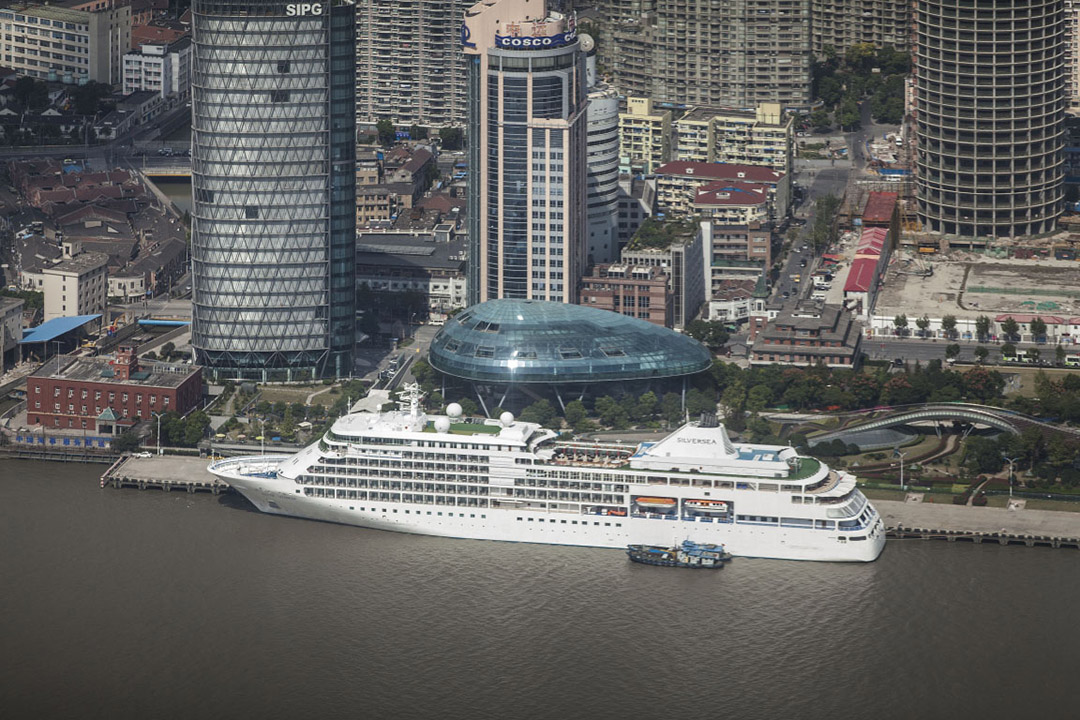
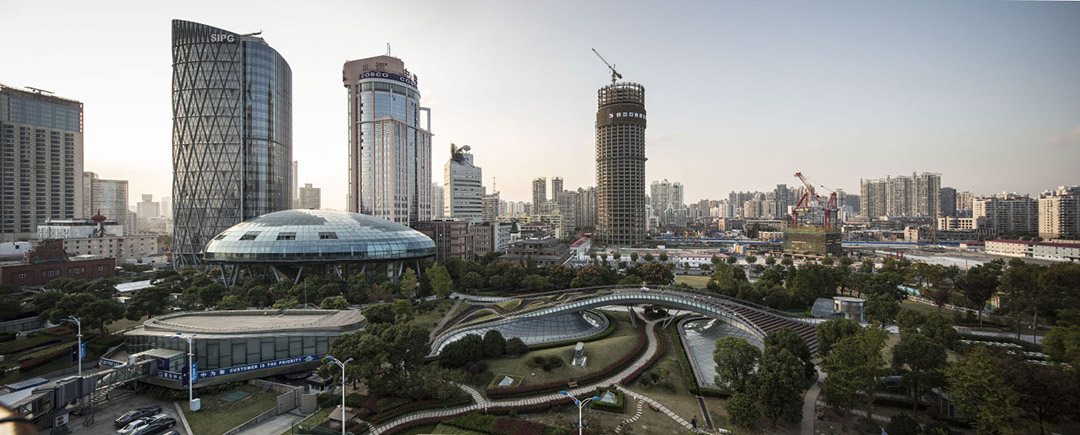
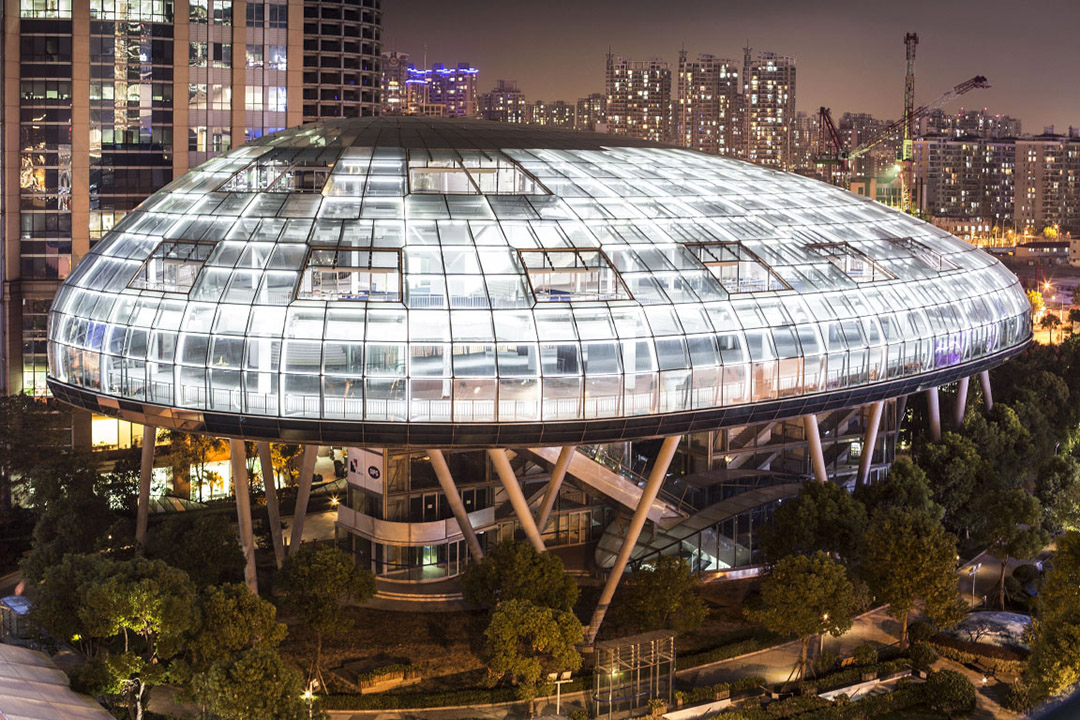
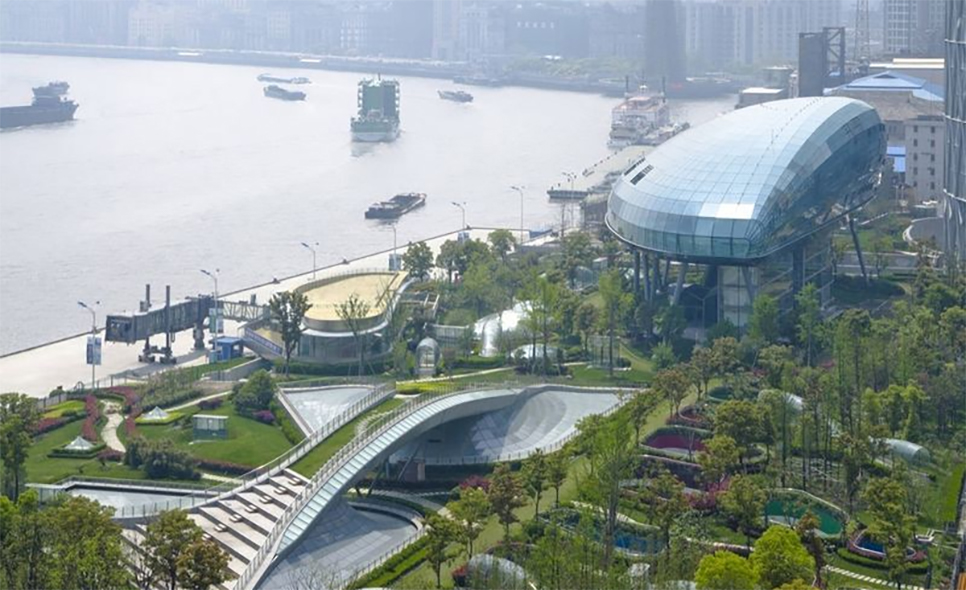
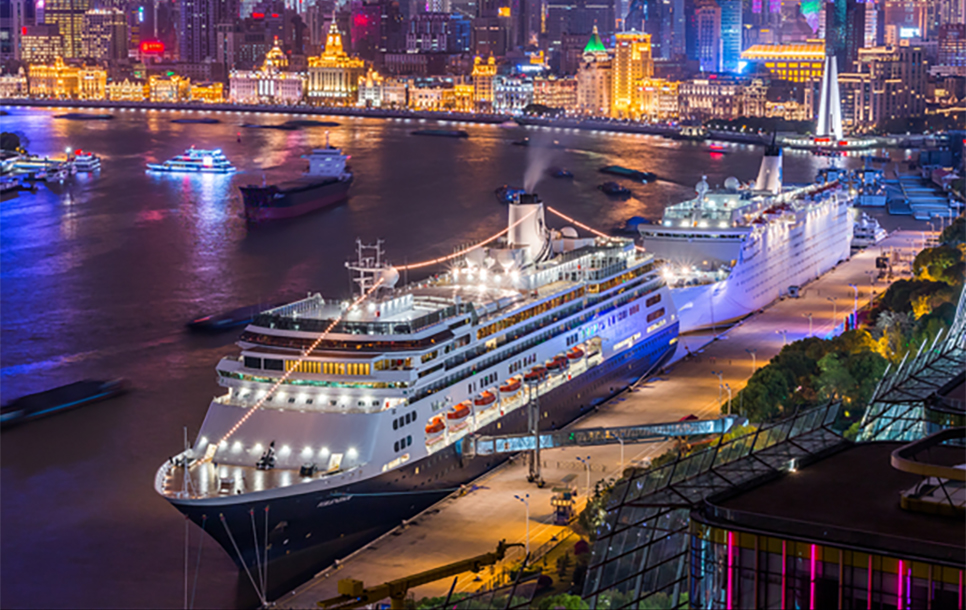
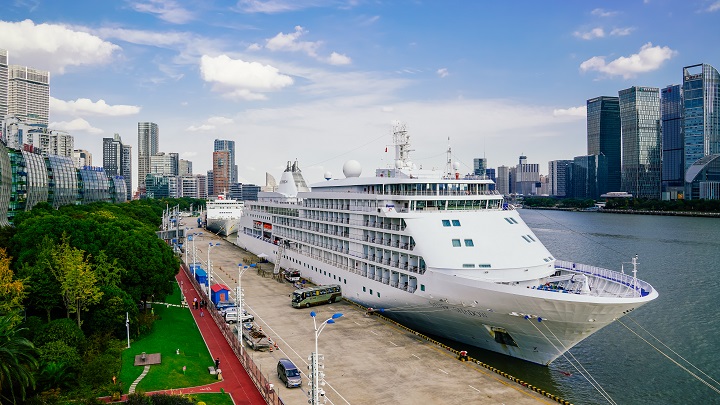
上海港国际客运中心位于黄浦江中心地带 ,基地沿江长度达 850 m,总建筑面积40万㎡,包括国际客运站、公寓式酒店、办公楼、艺术画廊、 地下商业步行街以及文化休闲等相关建筑共12幢。地下室总建筑面积为 24万㎡,共设3层,地下3层及地下2层均为停车库、设备用房、地下1层设有客运、办公、会议、商业、休闲等功能区域。地上总建筑面积为16万㎡,地上建筑均为高层,最高为100㎡。容运中心按第四代国际邮轮母港的要求进行设计,码头可同时停靠3艘大型蒙华邮轮,客运站可同时容纳2000人。由地下侯船区、联检大厅、行李提取区以及地上观光候船楼组成,地上观光候船楼为一个“漂浮”在绿化带上造型独特的不规则玻璃球体。
Shanghai Port International Passenger Transport Center is located in the central area of Huangpu River. The base is 850 m long along the river, with a total construction area of 400,000 square meters, including 12 international passenger station, apartment hotel, office building, art gallery, underground commercial pedestrian street, culture and leisure buildings. The total construction area of the basement is 240,000 square meters, with 3 floors, underground 3 floors and underground 2 floors are parking, equipment room, underground 1 floor with passenger transport, office, conference, business, leisure and other functional areas. The total construction area of the ground is 160,000 square meters, the ground buildings are high-rise, the highest is 100 square meters. The transportation center is designed according to the requirements of the fourth generation of international cruise home port. The dock can dock 3 large Menghua cruise ships at the same time, and the passenger station can accommodate 2,000 people at the same time. It consists of an underground waiting area, a joint inspection hall, a baggage claim area and an above-ground sightseeing waiting building, which is an irregular glass sphere with unique shape that "floats" on the green belt.
冷热源
由于建筑面积大、功能复杂、单体较多,设计采用了区域集中供冷、供热的空调方式,以节约空调设备初投资,提高设备使用效率。同时,基地位于黄浦江边,具有取水方便的优势,经环保部门、税务部门的环保评估、水资源利用分析,空调冷热源采用江水源热泵空调系统。在地下2层靠近黄浦江侧设置水源热泵机房,机房内布置有2台大型离心式冷水机组和6台螺杆式水源热泵机组。离心式冷水机组单台制冷量为4563kW,制热量为2522kW,1台制冷量为1286kW,制热量为1261kW。冷水供、回水温度为6.5℃/12.5℃,空调热水供、回水温度为45℃/40℃。
Cold and heat source
Due to the large building area, complex functions and many monomer, the design adopts the regional centralized cooling and heating air conditioning mode, in order to save the initial investment of air conditioning equipment and improve the use efficiency of equipment. At the same time, the base is located by the Huangpu River, which has the advantage of convenient water intake. After environmental protection assessment and water resource utilization analysis by environmental protection department and tax department, the air conditioning cold and hot source adopts the river water source heat pump air conditioning system. A water source heat pump room is set up on the second underground floor near the Huangpu River. Two large centrifugal chiller units and six screw type water source heat pump units are arranged in the room. The single cooling capacity of the centrifugal chiller is 4563kW and the heat production capacity is 2522kW, and one cooling capacity is 1286kW and the heat production is 1261kW. The cold water supply and return water temperatures are 6.5 ° C /12.5 ° C, and the hot water supply and return water temperatures are 45 ° C /40 ° C.
空调冷却水系统
空调冷热源采用江水方式的优势:传统冷却方式一般采用冷却塔冷却,冷却塔体型较大,影响建筑的布置及视觉效果,噪声一般在65dB以上,并且冷却塔漂水可能传播军团菌,影响卫生条件。采用江水冷却可降低噪声的污染,改善建筑视觉效果,无卫生问题之忧,并且根据水文站资料,江水温度一般不高于30℃,与冷却塔冷却方式相比,冷水机组冷却水进水温度低,运行效率高,冷水机组耗电量可节约10%以上。根据历年水文资料,黄浦江江水冬季温度在4~8℃之间,可采用水源热泵机组代替热水锅炉供暖,热泵机组COP可达到4.0左右,一次能源利用率约1.2左右,比燃油(气)锅炉高30%以上。
Air-conditioning cooling water system
Advantages of using river water as the cooling and heating source of air conditioning: the traditional cooling method generally adopts cooling tower for cooling. The large size of the cooling tower affects the layout and visual effect of the building, and the noise is generally above 65dB. In addition, the floating water of the cooling tower may spread Legionella and affect the sanitary conditions. Using river water cooling can reduce the noise pollution, improve the visual effect of the building, no health concerns, and according to the data of hydrology station, the river water temperature is generally not higher than 30℃, compared with cooling tower cooling, cooling water chiller cooling water intake temperature is low, high operation efficiency, chiller power consumption can be saved by more than 10%. According to the hydrological data over the years, the temperature of the Huangpu River in winter is between 4 and 8℃, so the water source heat pump unit can be used to replace the hot water boiler for heating. The COP of the heat pump unit can reach about 4.0, and the primary energy utilization rate is about 1.2, which is more than 30% higher than the oil (gas) boiler.
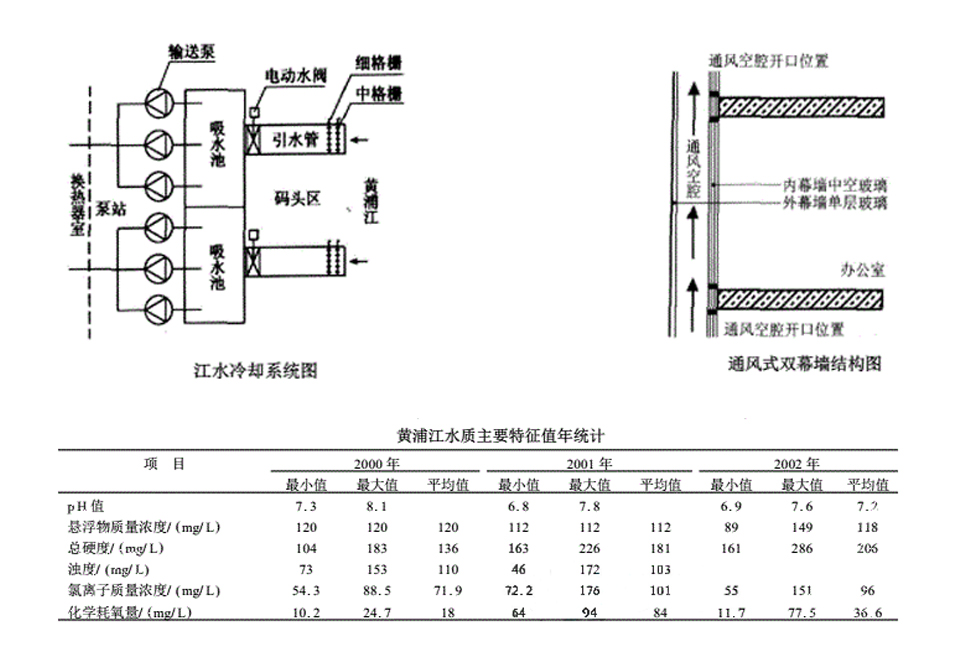
江水冷却水系统流程
江水冷却系统由江水引入装置、江水输送泵站、输送管路、制冷站换热器组成。
1.江水引入装置:江水引入装置设有两套,每套均有取水口、引水管、吸水池组成,此两套装置可互为备用。取水口入口部设置两道活动式格栅,第一道为30mm的中格栅,第二道为5mm的细格栅,两道格栅的作用是阻隔江水中较大的漂浮物和颗粒较大的泥沙进入吸水池。取水口位置及高度的确定特别重要,靠近岸边区域则漂浮物较多,易阻塞取水口,如深入江心则施工难度、维修难度加大,设置高度应根据江水的水位历史记录来确定。在本工程中,利用邮轮停靠码头重新修建的机会,将取水口设置于码头下面,随着码头从岸边延伸至江中达30多m,高度则比设计低水位低1.0m。引水管末端接入吸水池的位置设置有一组电动铸铁镶铜方水闸,在检修期间或设有电动及手动功能。吸水池的容积按输送水泵5min的流量计算,池中设有挡板,其作用是减缓池中的水流流速,将江水中的细沙等细小颗粒沉淀下来。
River cooling water system flow
The river cooling system consists of the river inlet device, the river conveying pump station, the conveying pipeline and the heat exchanger of the refrigeration station.
1. River inlet device: there are two sets of river inlet device, each of which is composed of water inlet, water inlet pipe and suction pool. The two sets of devices can be used as alternate devices. Two movable grilles are arranged at the inlet of the water inlet. The first one is a 30mm medium grille and the second one is a 5mm fine grille. The function of the two grilles is to block the larger floating objects and particles of sediment in the river water into the suction pool. It is particularly important to determine the location and height of the water intake. The area near the shore is more floating objects, which is easy to block the water intake. If it is deep in the middle of the river, the difficulty of construction and maintenance is increased. In this project, taking advantage of the opportunity of rebuilding the cruise dock, the water intake is set under the dock. As the dock extends from the shore to the river, it reaches more than 30 m, and the height is 1.0m lower than the designed low water level. A set of electric cast iron and copper inlaid square sluice gate is arranged at the position where the end of the water diversion pipe is connected to the suction pool, and electric and manual functions may be provided during maintenance. The volume of the suction pool is calculated according to the 5min flow rate of the conveying pump. There is a baffle in the pool, whose function is to slow down the flow velocity of the pool and precipitate the fine sand and other fine particles in the river water.
2.江水输送泵站:江水输送泵站设有6台立式水泵,其中1台作为备用,水泵平均分为两组,每组与一套江水引入装置相对应。水泵均采用变频调速控制系统进行变流量控制,以节约水泵运行能耗。
3.输送管路:输送管路采用两根 DN500 球墨铸铁管埋地敷设,采用柔性承插方式进行管道连接。球墨铸铁管是一种广泛应用于压力供水管、煤气管路、输油管路的优质管材,其机械性能接近于钢管,但耐腐蚀性更好,使用寿命可达50年以上柔性接口安装简便。
2. River water transmission pump station: The river water transmission pump station is equipped with 6 vertical pumps, one of which is used as backup. The pumps are divided into two groups on average, and each group corresponds to a set of river water intake device. Variable flow control is carried out by variable frequency speed regulating control system to save pump energy consumption.
3. Conveying pipeline: Conveying pipeline is laid with two DN500 ductile iron pipes buried in the ground and connected by flexible socket. Ductile iron pipe is a kind of high quality pipe widely used in pressure water supply pipe, gas pipeline, oil pipeline, its mechanical properties close to the steel pipe, but better corrosion resistance, service life of more than 50 years flexible interface easy to install.
4.制冷站换热器:江水冷却方式通常采用冷水机组冷凝器直接冷却和间接冷却,直接冷却方式是将江水不通过任何换热设备直接输送至冷水机组冷凝器进行冷却,而间接冷却则是江水通过换热器间接冷却冷凝器。采用直接冷却方式,冷却水没有温差损失.水泵扬程相对较小 但冷水机组换热盘管只能采用换热效率低的光管,不能采用高效螺纹管,机组制冷效率不一定高,并且需要采用一定的清洗措施(如加入清洗小球等),以定期对盘管进行清洗。而采用间接冷却方式,虽然冷却水具有1℃的换热温差损失,但江水不需经过滤处理,水质没有任何变化。因此,间接冷却成为首选方式。空调系统中常用的水-水换热器主要为壳管式和板式换热器。壳管式换热器传热系数一般为1000~3000W/(㎡·K),换热板间水流速度大,从而可抑制污垢在传热面上形成,一般冷却水量和被冷却水量之比为0.8:1~1.1~1.故针对本项目,采用板式换热器比壳管式换热器可以节约用水量33%~56%。但板式换热器对水质过滤要求比较高,采用江水冷却时需要对江水水质进行了解,并采取一些有效的措施。经咨询国内外的生产厂家,对于敞开式板式换热器的冷却水的主要水质要求为:pH值为6.5~9.0,悬浮物质量浓度<200mg/L,氯离子<750mg/L,化学耗氧量<75mg/L。比较可知,黄浦江的水质已经能满足板式换热器的水质要求,在板式换热器进行水管上设置过滤器,分水管内加装不锈钢过滤网,确保进入换热器的江水的水质。
4. Refrigeration station heat exchanger: river water cooling method usually adopts chiller condenser direct cooling and indirect cooling, direct cooling method is the river water does not pass through any heat exchange equipment directly transported to the chiller condenser for cooling, and indirect cooling is the river water through the heat exchanger indirect cooling condenser. Adopt direct cooling method, cooling water has no loss of temperature difference. The pump head is relatively small, but the heat exchange coil of the water chiller can only use the light tube with low heat exchange efficiency, not the efficient threaded tube, the refrigeration efficiency of the unit is not necessarily high, and the need to use certain cleaning measures (such as adding cleaning balls, etc.), in order to regularly clean the coil. The indirect cooling method, although the cooling water has 1℃ heat exchange temperature loss, but the river water does not need filtration treatment, the water quality does not change. Therefore, indirect cooling is the preferred method. Shell-and-tube heat exchangers and plate heat exchangers are commonly used in air conditioning system. Shell and tube heat exchanger heat transfer coefficient is generally 1000~3000W/ (㎡·K), the heat exchange plate water flow rate is large, so as to inhibit the formation of dirt on the heat transfer surface, the general cooling water and the cooling water ratio is 0.8:1~1.1~1. Therefore, for this project, using plate heat exchanger can save 33%~56% water consumption compared with shell and tube heat exchanger. But the plate heat exchanger on the water filtration requirements is relatively high, the use of river water cooling need to understand the water quality of the river, and take some effective measures. After consulting domestic and foreign manufacturers, the main water quality requirements for open plate heat exchanger cooling water are: pH value 6.5~9.0, suspended mass concentration <200mg/L, chloride ion <750mg/L, chemical oxygen consumption <75mg/L. By comparison, the water quality of the Huangpu River has been able to meet the water quality requirements of the plate heat exchanger. The filter is set on the water pipe of the plate heat exchanger, and the stainless steel filter is installed in the water distribution pipe to ensure the water quality of the river water entering the heat exchanger.
5.排水口:黄浦江水由本基地中断引入,经过水处理及换热后,经基地末端排除,排水口位于取水口下游约153m处,以防止涨潮时排水倒灌至取水口。
6.排水热污染:换热后的江水温度升高5℃,经计算,在全年最高空调负荷日,在最不利情况下(绝热且不考虑河水流动),河水冷却系统运行一天 24h,该黄浦江段温升为 0.37 ℃。事实上,依据黄浦江水文资料,黄浦江为半日型强感潮河道,河口每天有两次潮汐,涨潮5h,退潮7h,平潮0.5h,潮差平均在2.3m左右,江水处于频繁的流动中,再加上江水表面因风力、温差等因素达到的散热效果,所以温升将更低甚至可以达到温升前的状态。根据我国《地表水环境质量标准》(GB 3838·2002)中对水温的规定。人为造成的环境温度的变化应限制在:周平均最大温升1℃,周平均最大温降2℃。通过上面的分析,本工程对黄浦江的水温影响,完全满足国家规定的要求。
5. Drainage outlet: Huangpu River water is interrupted by the base. After water treatment and heat transfer, it is discharged through the end of the base.
6. Drainage heat pollution: After heat exchange, the river water temperature rises by 5℃. According to calculation, in the maximum air conditioning load day of the year, under the most unfavorable condition (adiabatic and without considering the river water flow), the temperature of the Huangpu River section rises to 0.37 ℃ after the river water cooling system runs for 24 hours a day. In fact, according to the hydrological data of Huangpu River, the Huangpu River is a semi-diurnal strong tidal channel. There are two tides at the estuary every day, the high tide is 5h, the low tide is 7h, and the flat tide is 0.5h. The average tidal range is about 2.3m. The river water is in frequent flow, coupled with the heat dissipation effect of the river surface due to wind and temperature difference, so the temperature rise will be lower or even reach the state before the temperature rise. According to Chinese "surface water environmental quality Standard" (GB 3838·2002) on the water temperature regulation. The anthropogenic changes in ambient temperature should be limited to a weekly mean maximum temperature rise of 1℃ and a weekly mean maximum temperature drop of 2℃. Through the above analysis, the project on the Huangpu River water temperature impact, fully meet the requirements of the national regulations.
热泵机组侧冷却水循环系统
热泵机组侧冷却水循环系统由热泵机组蒸发器(冬季使用)或冷凝器(夏季使用)、循环水泵、板式换热器组成。黄浦江江水冬季温度在4~8 ℃之间,冬季江水进、出水设计温度确定为4 ℃/1℃,热泵机组侧冷却水进、出水设计温度为3℃/0℃。2008年初实测得取水口位置江水最低温度为2.5℃,热泵机组蒸发器进水温度将更低,为保证热泵机组的正常运行,采用20%乙二醇水溶液作为换热介质,以降低水溶液冰点温度。江水侧出水温度降为-0.5℃左右,通常0℃以下的清水将结冰,但江水溶解了很多物质,水的凝固点降低。同时,板式换热器、管道内水流速较高,且根据有关过冷却水结冰条件的研究结果:只要过冷却器出口处管内壁面的温度保持在该表面的最低不结冰温度(-5.4℃)以上,过冷却器内总不会发生结冰。过冷却器出口水温最低可降至-3.2 ℃。因此,虽然江水排放温度可能处于0℃以下,但可以保证不会结冰。
Side cooling water circulation system of heat pump unit
The side cooling water circulating system of the heat pump unit is composed of evaporator (used in winter) or condenser (used in summer), circulating water pump and plate heat exchanger. The temperature of Huangpu river water in winter ranges from 4 ℃ to 8 ℃, and the design temperature of inlet and outlet of the river water in winter is determined to be 4 ℃/1℃. The design temperature of inlet and outlet of the side cooling water of the heat pump unit is 3℃/0℃. At the beginning of 2008, the lowest river water temperature measured at the water inlet was 2.5℃, and the inlet water temperature of the evaporator of the heat pump unit would be lower. In order to ensure the normal operation of the heat pump unit, 20% glycol water solution was used as the heat exchange medium to reduce the freezing point temperature of the water solution. The outlet temperature of the river drops to -0.5 ° C. Usually, clear water below 0 ° C will freeze. However, many substances are dissolved in the river water, which lowers the freezing point of the water. At the same time, the flow rate of water in the plate heat exchanger and the pipeline is high. According to the research results on the icing conditions of the supercooling water, as long as the temperature of the tube wall at the outlet of the supercooler is kept above the minimum non-icing temperature of the surface (-5.4℃), the supercooler will never freeze. The outlet water temperature of the supercooler can be reduced to a minimum of -3.2 ℃. Therefore, although the discharge temperature of the river water may be below 0℃, it can be guaranteed that it will not freeze.
空调水系统
上海地区夏热冬冷、四季温度分明,本工程主要功能为办公,且无明显内区,因而采用两管制空调系统。由于基地面积大、建筑单体多、循环管路长,空调冷热水系统为二次泵变流量系统,一次泵为定流量水泵,二次泵为变频水泵。各建筑单体均设有一套二次泵,二次泵房均设在建筑地下室内。在一次侧与二次泵连接的支管上设置一套智能能量计费装置,以便于能量管理。
Air conditioning water system
Shanghai area is hot in summer and cold in winter, and the temperature of four seasons is distinct. The main function of this project is office, and there is no obvious inner area, so the two-pipe air conditioning system is adopted. Due to the large base area, many single buildings and long circulation pipes, the air-conditioning cold and hot water system is the secondary pump variable flow system, the primary pump is the constant flow pump, and the secondary pump is the variable flow pump. Each building is equipped with a secondary pump, and the secondary pump room is located in the underground room of the building. In order to facilitate energy management, an intelligent energy charging device is set up on the branch pipe connected with the secondary pump at the primary side.
国际客运站空调系统
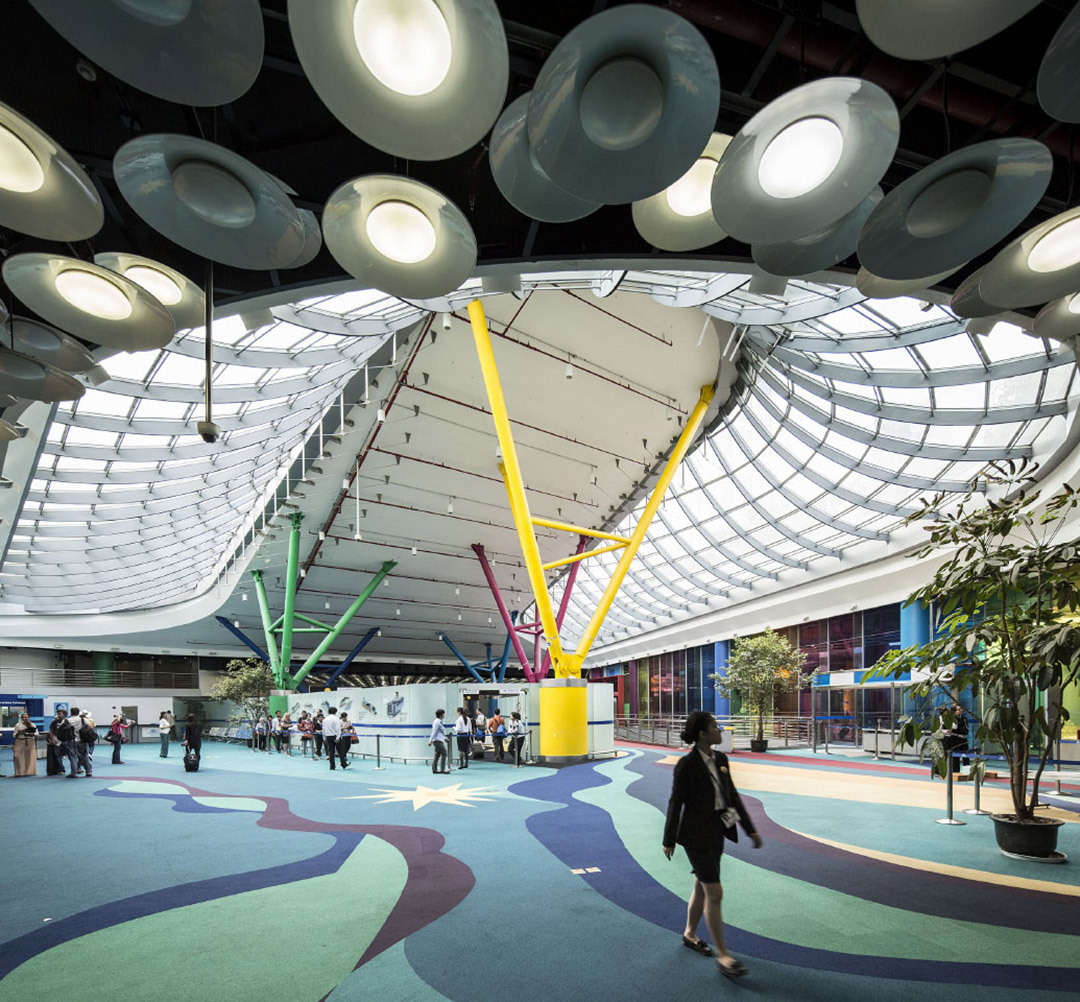
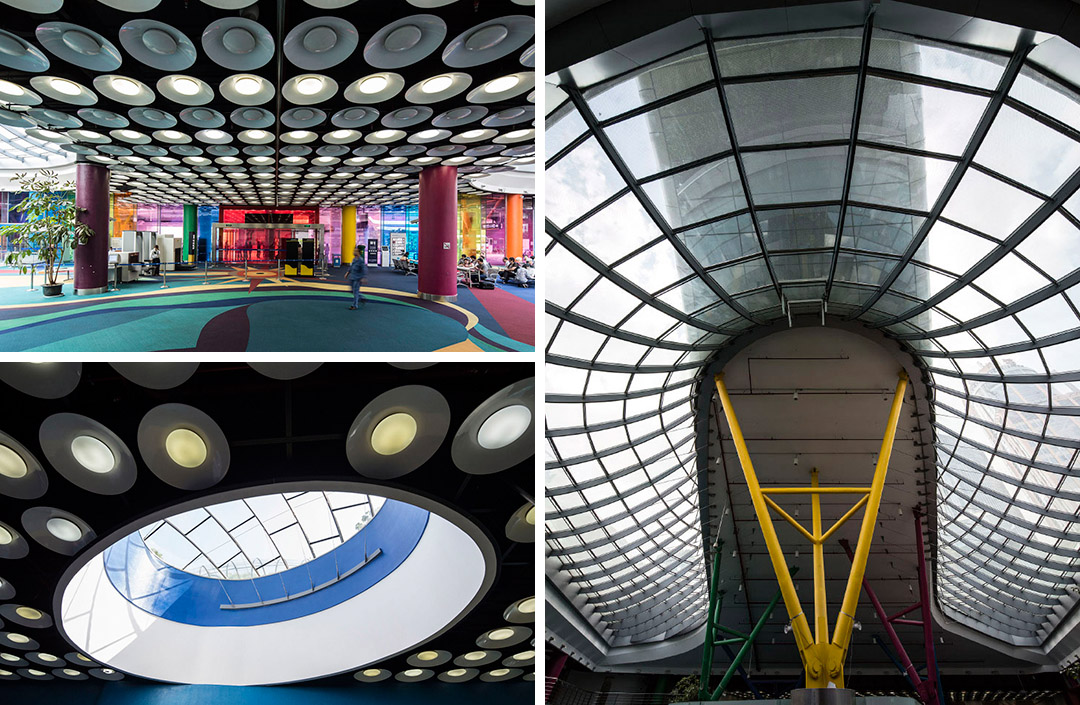
1.候船大厅、联检大厅:候船大厅、联检大厅建筑面积约8000㎡,层高6m,顶部局部设有大面积的采光玻璃。相对汽车列车客运站及机场航站楼,邮轮客运站的人员流动特性较特殊,客运站人员密度差异悬殊,在邮轮到港时,一艘邮轮的乘客约2000人在2h左右的时间段内进关离港,此时人员密度最大,而乘客进入客运站办理上船手续时间相对不集中,人员密度稍小,在以上两个时间段之外的时间内,人员可能特别少,空调系统设计时应充分考虑人员密度变化的特殊性。因此,行李提取区、候船大厅、联检大厅均采用了全空气低速风道送、回风系统,空调箱可根据室内温度采取变频控制调节总风量,并且新风量可根据室内CO₂浓度进行调节,从而达到良好的节能效果。
2.地上观光候船楼:观光候船楼是游客观光餐饮、商业购物区域,1层商业营业厅、休息区等房间采用变风量地板送风空调系统,空调冷/热风直接进入400 mm高架空地板内,并由地板内的送风末端装置通过送风口慢速传至室内,回风口设在顶部,将回风带回空调箱内降温或加热及除尘等,从而使室内保持较好的空气质量。外区地板送风装置设电加热器,以满足冬季供暖要求。
3.办公楼空调系统:办公楼地下1层设有办公区、会议室、餐厅,地上均为办公区。办公楼沿黄浦江侧围护结构为通风式双幕墙结构,双幕墙由内层的中空玻璃幕墙、外层的单层玻璃及中间的通风空腔组成,空腔由建筑底层延伸至屋顶,底部敞开,顶部设有电动百叶风口。夏季,百叶打开,促进腔内空气自然对流,降低幕墙表面温度。冬季 ,百叶关闭 形成一种温室效应,以提高幕墙表面温度。地下室区域围护结构负荷比较稳定,受气象条件影响较小,因此采用全空气定风量低速风道送、回风系统。地上区域则均采用地板送风空调系统,其新风经地道降温、升温后由集中新风空调箱进行处理。
Air conditioning system of international passenger station
The building area of the Waiting ship hall and the joint inspection Hall is about 8000 square meters, the storey is 6m, and the top part is equipped with a large area of lighting glass. Compared with car and train passenger stations and airport terminals, cruise passenger stations have special characteristics of personnel flow, and there is a great difference in the density of personnel in passenger stations. When cruise ships arrive at the port, about 2,000 passengers of a cruise ship enter and leave the port within about 2 hours, and at this time, the density of personnel is the highest, while the time for passengers to enter the passenger station for boarding formalities is relatively not concentrated. The personnel density is slightly small. In the time outside the above two periods, the personnel may be very few. The particularity of personnel density change should be fully considered in the design of air conditioning system. Therefore, the baggage claim area, the waiting hall, and the joint inspection hall all use low-speed air supply and return air system. The air conditioner can adjust the total air volume according to the indoor temperature by frequency conversion control, and the fresh air volume can be adjusted according to the indoor CO₂ concentration, so as to achieve a good energy-saving effect.
2. Above ground sightseeing waiting Building: The tourist waiting building is a tourist catering and commercial shopping area. The commercial business hall and rest area on the first floor adopt the variable air volume floor air supply air conditioning system. The cold/hot air of the air conditioner enters directly into the 400 mm elevated floor, and the air supply terminal device in the floor transmits slowly to the room through the air supply port, and the return air port is set on the top. Return air to the air conditioning box cooling or heating and dust removal, so as to keep good air quality in the room. The floor air supply device in the outer area is equipped with an electric heater to meet the heating requirements in winter.
3. Air conditioning system of the office building: There are office areas, conference rooms and restaurants on the ground floor of the office building. The envelope structure of the office building along the Huangpu River is a ventilated double curtain wall structure. The double curtain wall consists of an inner insulating glass curtain wall, an outer single layer glass and a ventilation cavity in the middle. The cavity extends from the bottom of the building to the roof, with an open bottom and electric louver tuyere at the top. In summer, louvers open to promote the natural convection of air in the chamber and reduce the surface temperature of the curtain wall. In winter, the louvers close to create a greenhouse effect to raise the curtain wall surface temperature. The envelope structure of the basement area has a stable load and is less affected by meteorological conditions, so it adopts the air supply and return air system with constant air volume and low speed air duct. The ground area adopts floor air supply air conditioning system, whose fresh air is cooled and warmed by the central fresh air air conditioning box.
4.地板送风空调系统:地板送风空调系统利用架空地板作为送风静压箱,将经过空调箱处理后的一次风(温度为14~18℃)送入架空地板内,再由安装在地板内的带送、回风口的地板风机将一次风或混合后的空气从房间下部送入房间内。地板风机一般具有三挡及以上风量调节功能,并设有一次风电动阀门进行连续调节一次风风量,以控制室内温度。空调箱采用变频控制调节总风量,控制策略为:根据送风温度控制空调回水管上的电动调节阀开度,根据回风温度控制变频器频率,调节风机转速。与控制架空地板内静压的策略相比,其控制系统简单,投资少 运行可靠,但节能效果稍差些。
5.地道新风预处理方式:每栋办公楼在地下3层设有1台新风空调箱,空调箱将经过地道降温或升温的室外新风进行冷热处理,再送至每层空调机房内。
由于土壤的隔热性能,土壤一年四季的温度变化幅度均小于外界的气温。地道新风预处理主要是利用地下室建筑防水夹墙作为新风预处理地道,利用外界空气和土壤的温差,将室外空气通过地道进行换热,对空气流进行夏季降温或冬季升温,从而达到节能的目的。上海地区,在地层深度为5.5 m时,地层温度已趋向稳定,全年温度变化介于15~19℃之间。对于确定尺寸的地道,通风温度下降或上升的程度与通风量、地道长度均有密切关系,通过计算分析.对于5000mm X500mm的地道,长度150m,通风量为5m³/s时,空气温度可由34℃下降至29℃左右。实际上,运行时间长短也会影响温降效果,如一天 24h长时间运行,温降会越来越小,对于办公楼每天运行 8~10h,温降影响有限。此外,地道虽然可进行防水处理,但仍然较潮湿,对新风的卫生条件将产生一定的影响,因此设计了纳米光子空气净化装置对新风进行净化、杀菌处理,以提高新风的空气质量。
4. Floor air supply air conditioning system: The floor air supply air conditioning system uses the raised floor as the air supply plenum to send the primary air (the temperature is 14~18℃) after being treated by the air conditioner into the raised floor, and then the floor fan with the air supply and return port installed in the floor sends the primary air or mixed air from the lower part of the room into the room. Floor fans generally have the function of adjusting the air volume of three or more gears, and the primary air electric valve is provided to continuously adjust the primary air volume to control the indoor temperature. The air conditioner adopts frequency conversion control to adjust the total air volume. The control strategy is as follows: Control the opening of the electric regulating valve on the air return pipe according to the air supply temperature, control the frequency of the frequency converter according to the air return temperature, and adjust the fan speed. Compared with the strategy to control the static pressure in the raised floor, the control system is simple, less investment and reliable operation, but the energy saving effect is a little worse.
5. Tunnel fresh air pretreatment method: Each office building is equipped with one fresh air conditioning box in the underground 3 floors. The air conditioning box will cool and heat the outdoor fresh air cooled or heated by the tunnel, and then send it to the air conditioning room on each floor.
Due to the heat insulation properties of soil, the temperature of soil changes less than that of the outside world throughout the year. The fresh air pretreatment of the tunnel mainly uses the waterproof sandwich wall of the basement building as the fresh air pretreatment tunnel, and uses the temperature difference between the outside air and the soil to transfer the outdoor air through the tunnel for heat, cooling the air flow in summer or heating up in winter, so as to achieve the purpose of energy saving. In Shanghai area, the formation temperature tends to be stable when the depth of the formation is 5.5 m, and the temperature varies between 15 ℃ and 19℃ throughout the year. For a tunnel with a certain size, the degree of decrease or increase of ventilation temperature is closely related to the ventilation volume and tunnel length. For a 5000mm X500mm tunnel with a length of 150m and a ventilation rate of 5m³/s, the air temperature can be reduced from 34℃ to about 29℃. In fact, the length of operation time will also affect the temperature drop effect. For example, if the office building runs for 24 hours a day for a long time, the temperature drop will become smaller and smaller. For the office building running for 8-10h a day, the temperature drop effect is limited. In addition, although the tunnel can be waterproof treatment, it is still humid, which will have a certain impact on the sanitary conditions of the fresh air. Therefore, the nano-photon air purification device is designed to purify and sterilize the fresh air, so as to improve the air quality of the fresh air.
上海港国际客运中心是上海第一个采用江水冷却方式制冷供热的大型综合民用建筑,工程仍处于施工过程中,江水冷却水系统的水质处理效果、节能效果,冬季运行效果有待于在运行中检验。近年来,各种送风方式、控制方式的地板送风空调系统在国内的应用越来越多,找到一种控制简单、投资少、节能效果好并且满足较高的舒适度要求的系统是空调设计的最终目的。另外,将几十年前电影院常用的地道送风空调方式,与带有表冷器的新风空调相结合,尝试运用于本工程中,其运行效果也有待于在使用中检验。
Shanghai Port International Passenger Transport Center is the first large-scale comprehensive civil building in Shanghai that adopts the river cooling method for cooling and heating. The project is still in the process of construction. The water treatment effect, energy saving effect and winter operation effect of the river cooling water system need to be tested in operation. In recent years, a variety of air supply mode, control mode of floor air conditioning system in the application of more and more, to find a simple control, less investment, good energy saving effect and meet the requirements of higher comfort is the ultimate goal of air conditioning design. In addition, the tunnel air supply air conditioning method commonly used in cinemas several decades ago is combined with the fresh air air conditioning with surface cooler, which is tried to be applied in this project. Its operation effect also needs to be tested in use.
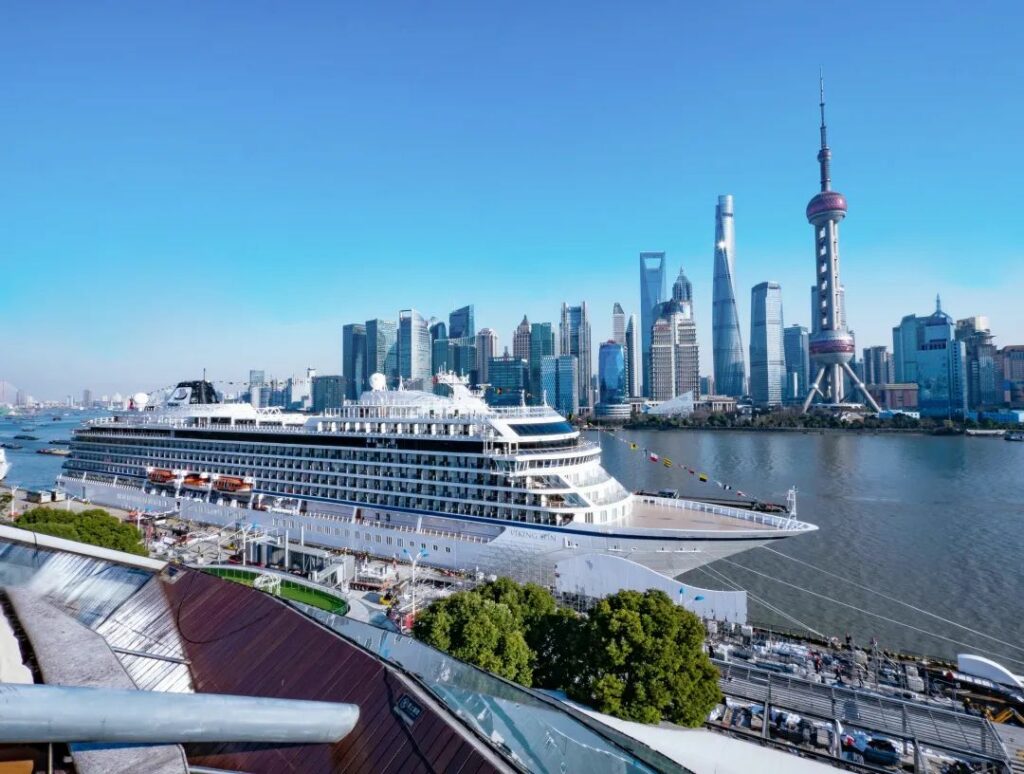
项目名称:上海港国际客运中心暖通设计
项目地点:上海
类型:暖通设计
Project name: Shanghai Port International Passenger Transport Center HVAC Design
Project Location: Shanghai City
Type: HVAC design