LANLANLI兰兰里医疗美学中心(五店市店) / 退化建筑
在医疗美学品牌LANLANLI的创始基因中,空间观念与当代艺术即作为其重要组成,因为它们同样是不断讨论技术、审美和身体的过程。
In the founding DNA of the medical aesthetics brand LANLANLI, the concept of space and contemporary art serve as essential components, as they both involve an ongoing exploration of technology, aesthetics, and the body.
▼项目概览,overall of the project
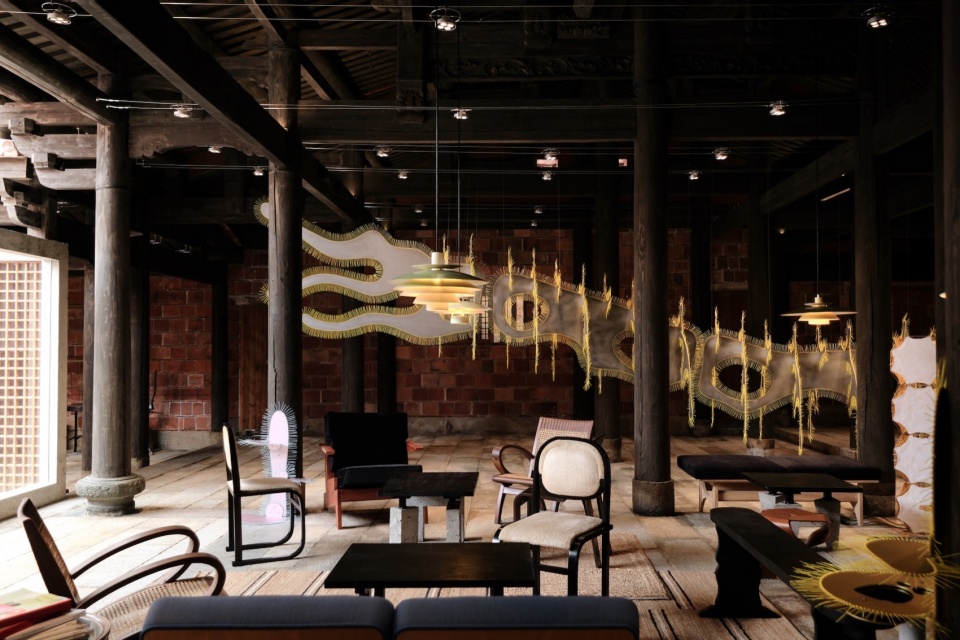
2022年时,DEVOLUTION退化建筑曾为LANLANLI设计了其厦门机构的2F空间,这是一个融合了新媒体艺术装置的现代空间。以此为契机,在之后几年中,DEVOLUTION退化建筑深度介入了这个年轻但观念开放的医美品牌的基因塑造。
In 2022, DEVOLUTION designed the 2F space of LANLANLI in Xiamen, creating a modern space that integrates new media art installations. Taking this as a starting point, DEVOLUTION became deeply engaged in shaping the identity of this young yet conceptually open medical aesthetics brand in the following years.
▼融合了新媒体艺术装置的现代空间,a modern space that integrates new media art installations
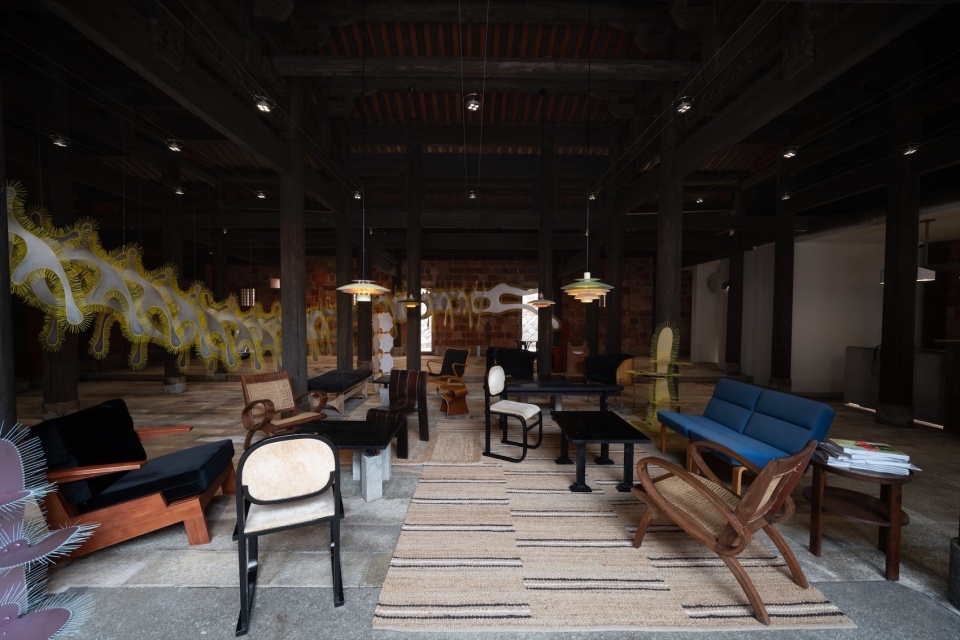
▼空间中的艺术装置,art installation in the space
首先,在LANLANLI“新亚洲面孔”概念的基础上,我们提出了「SITUASIAN」一词,这是一个由Situation与Asian结合的生造词。当一切复杂事物都在简化为可被消费的形式时,我们希望LANLANLI的“新亚洲面孔”不是对“亚洲”或“新”的简单定义,不是把面孔简化为他者化的符号(如同如同东方之于西方、女性之于男性那样),而是窥探面孔内在的复杂与多样,捕捉这种流动性的一个多元视角。
First, building upon LANLANLI’s concept of the “New Asian Face,” we coined the term “SITUASIAN” by combining “Situation” and “Asian.” In a time when complex matters are increasingly simplified into consumable forms, we hope LANLANLI’s “New Asian Face” to transcend simplistic definitions of “Asian” or “New.” It should not reduce faces to exoticized symbols (as the East is to the West, or women are to men), but rather delve into the intrinsic complexity and diversity of faces, capturing its fluidity from a multifaceted perspective.
▼传统古厝改造后的室内空间,interior view after renovation
以此为线索,我们策划了2022年的「新▇ ▇面孔」展览。更在LANLANLI空间中,推出了一个以一面LED屏幕为媒介的艺术计划「Onepiece gallary 片面艺术」,它面向全球关注着身体、性别、流行性、大众审视、身份意识等议题的艺术家,考验医美空间里美的“平滑”意图和它身后的深刻成因之间是否或如何产生对话。
Following this thread, we curated the “SITUASIAN” exhibition in 2022. Furthermore, within the LANLANLI space, we launched an art initiative called “Onepiece Gallery 片面艺术,” using an LED screen as its primary medium. This project invites artists from around the world who engage with themes such as the body, gender, popularity, public scrutiny, and identity. It challenges the “smooth” aesthetic intentions of medical aesthetics spaces and explores whether—and how—a dialogue can emerge between this pursuit of beauty and its deeper underlying causes.
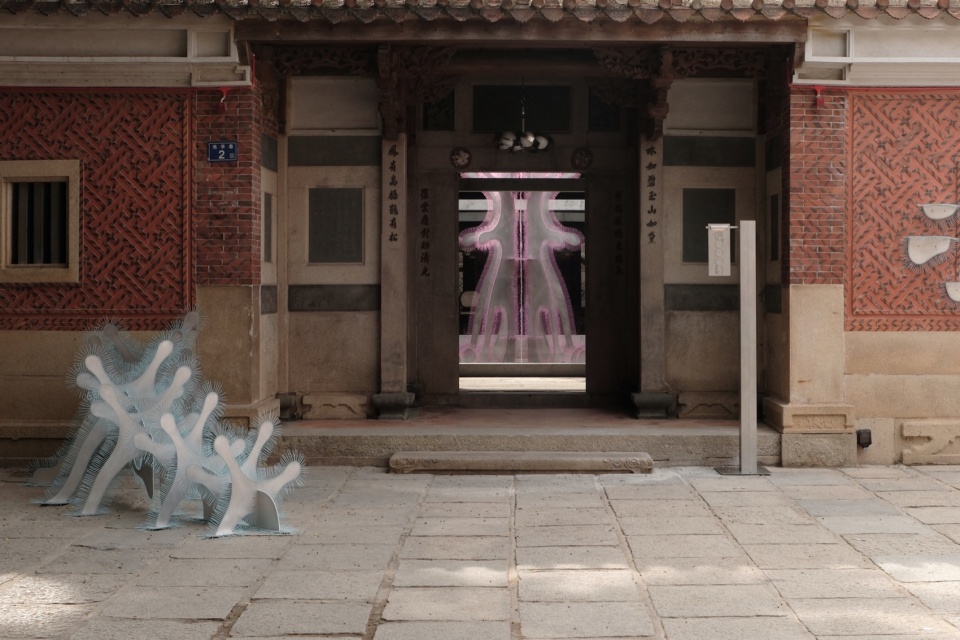
▼入口,entrance
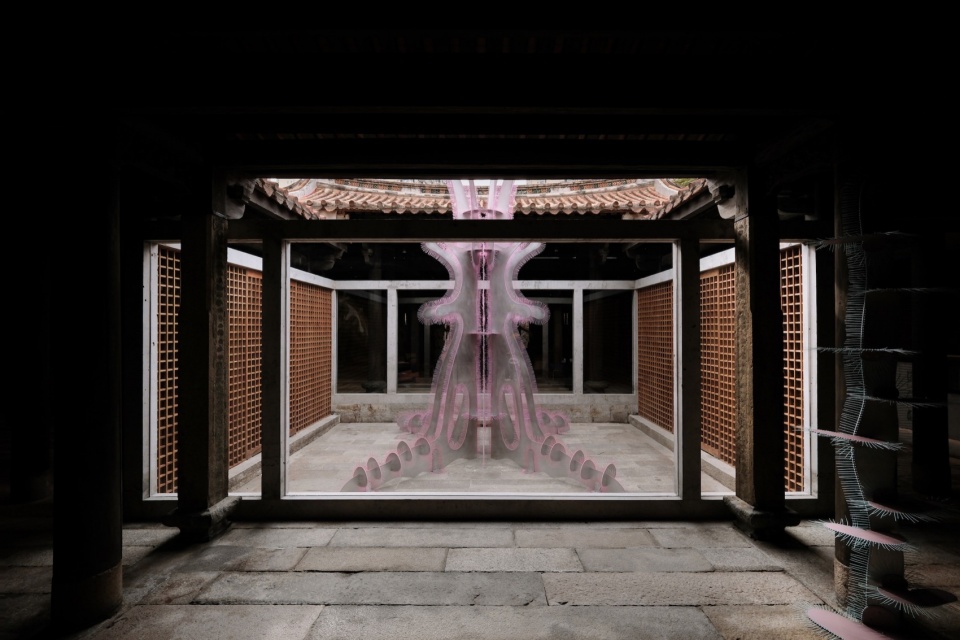
▼中庭庭院,central patio
在这些项目中,DEVOLUTION退化建筑扮演着多重角色,除了空间与软装设计,更在观念、策展、视觉(或顾问)等领域工作。这种服务方式也延续到了此次泉州五店市的LANLANLI新空间中。
In these projects, DEVOLUTION plays multiple roles—not only in spatial and interior design but also in conceptual development, curation, and visual identity (or consulting). This approach has also been carried forward to LANLANLI’s new space in Wudianshi, Quanzhou.
▼由室内看中庭,viewing the patio from interior
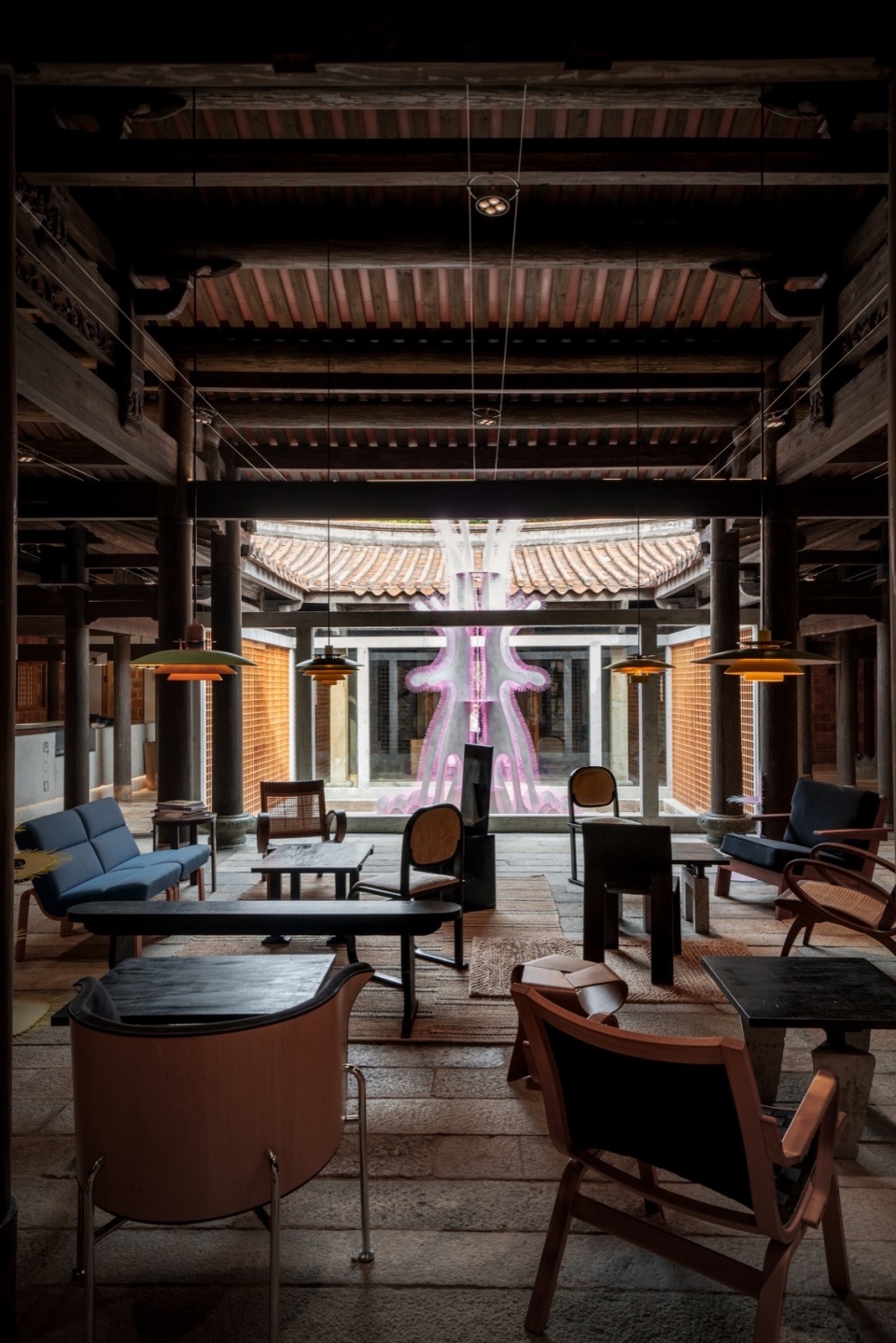
▼室内一角,corner of interior
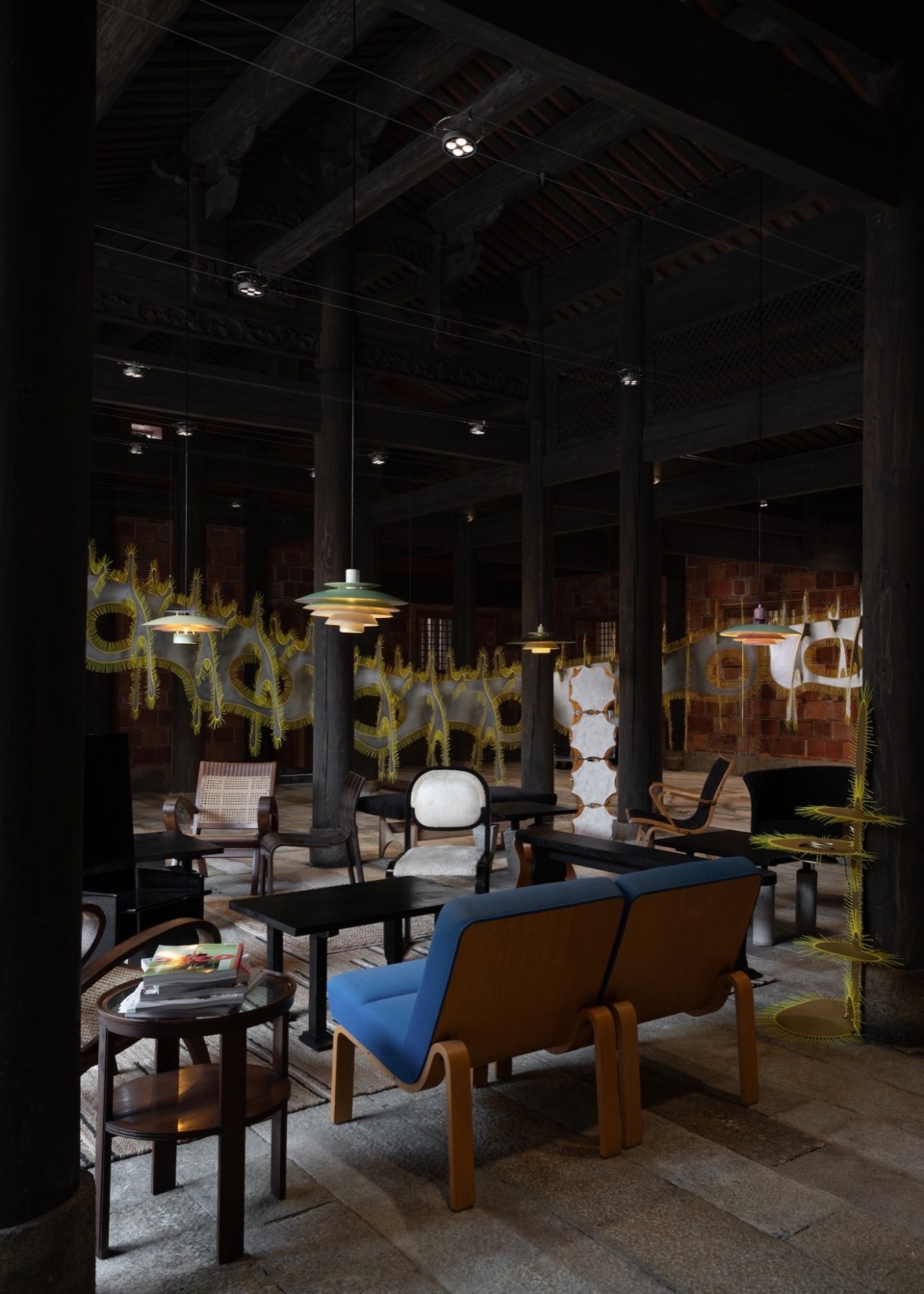
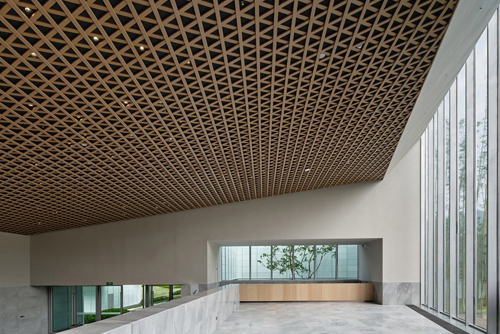
▼传统格栅,traditional grille
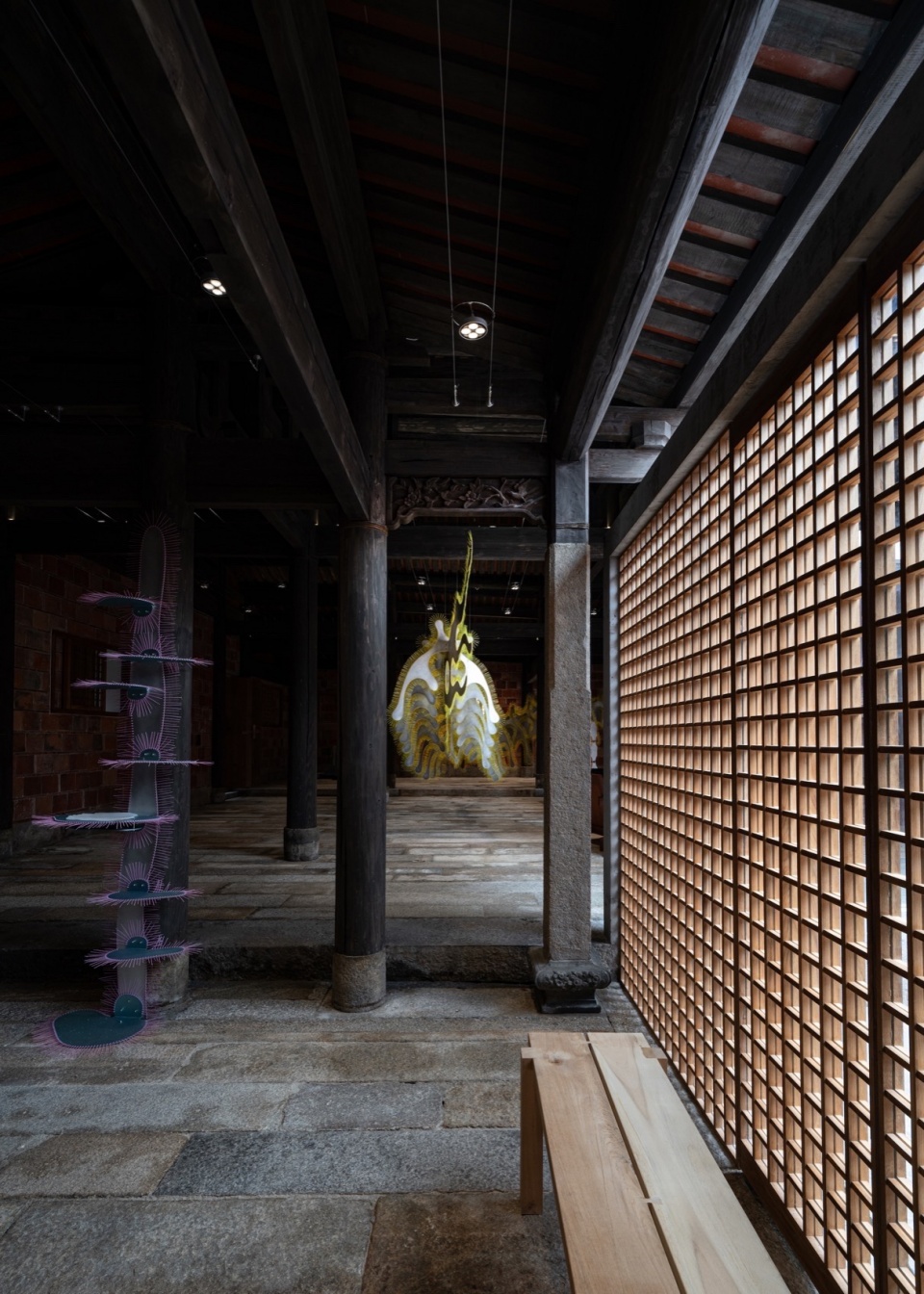
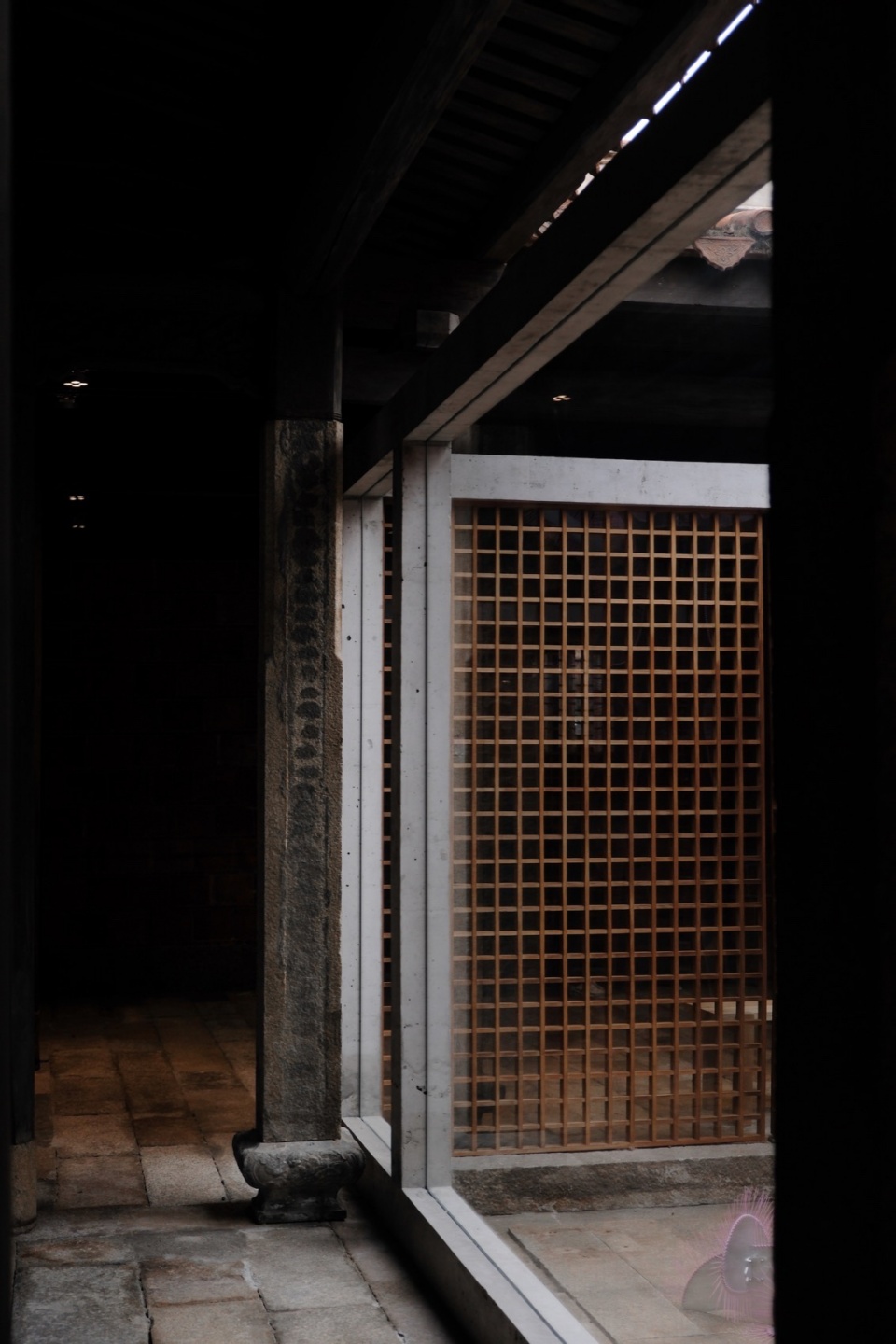
▼光影,light and shadow
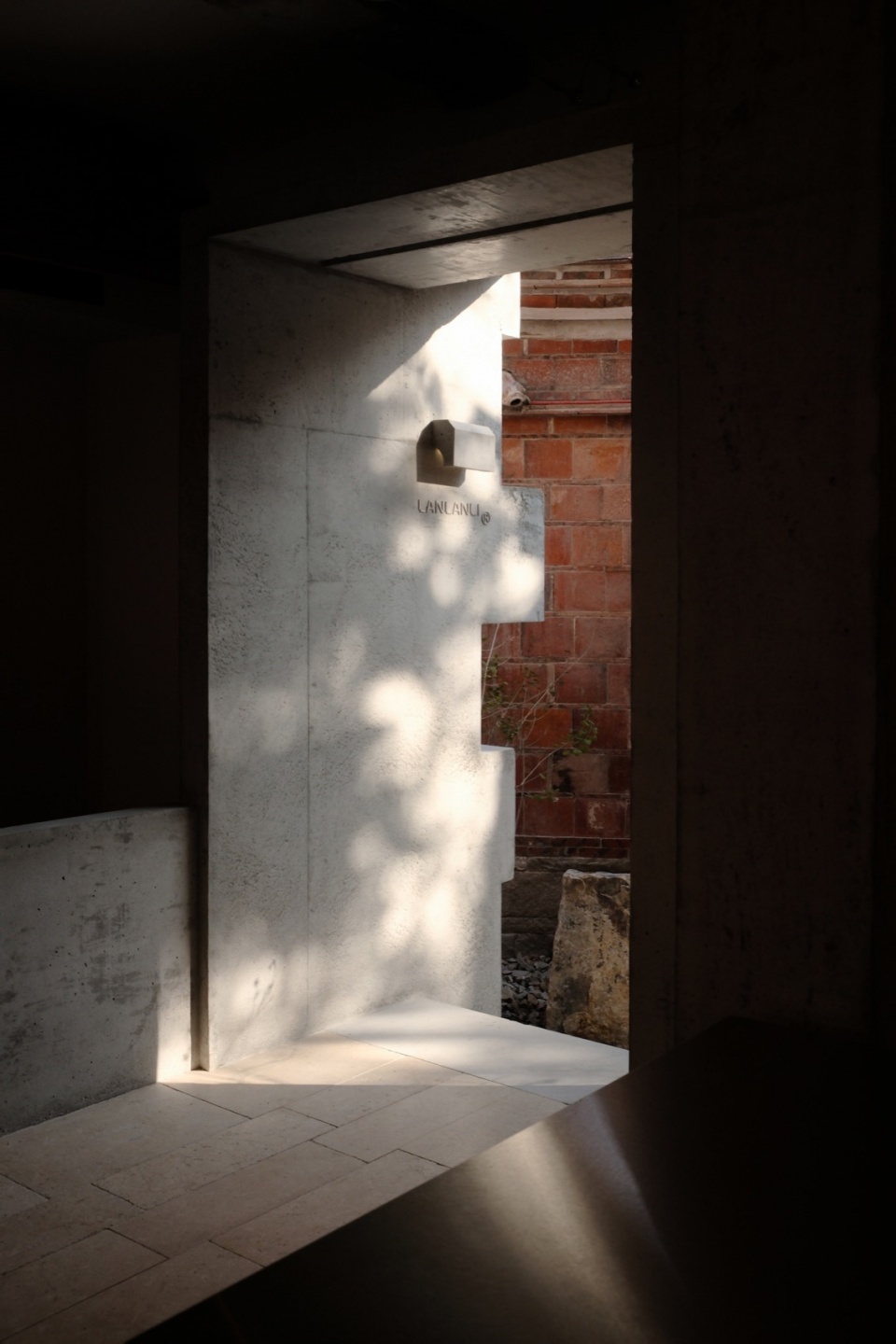
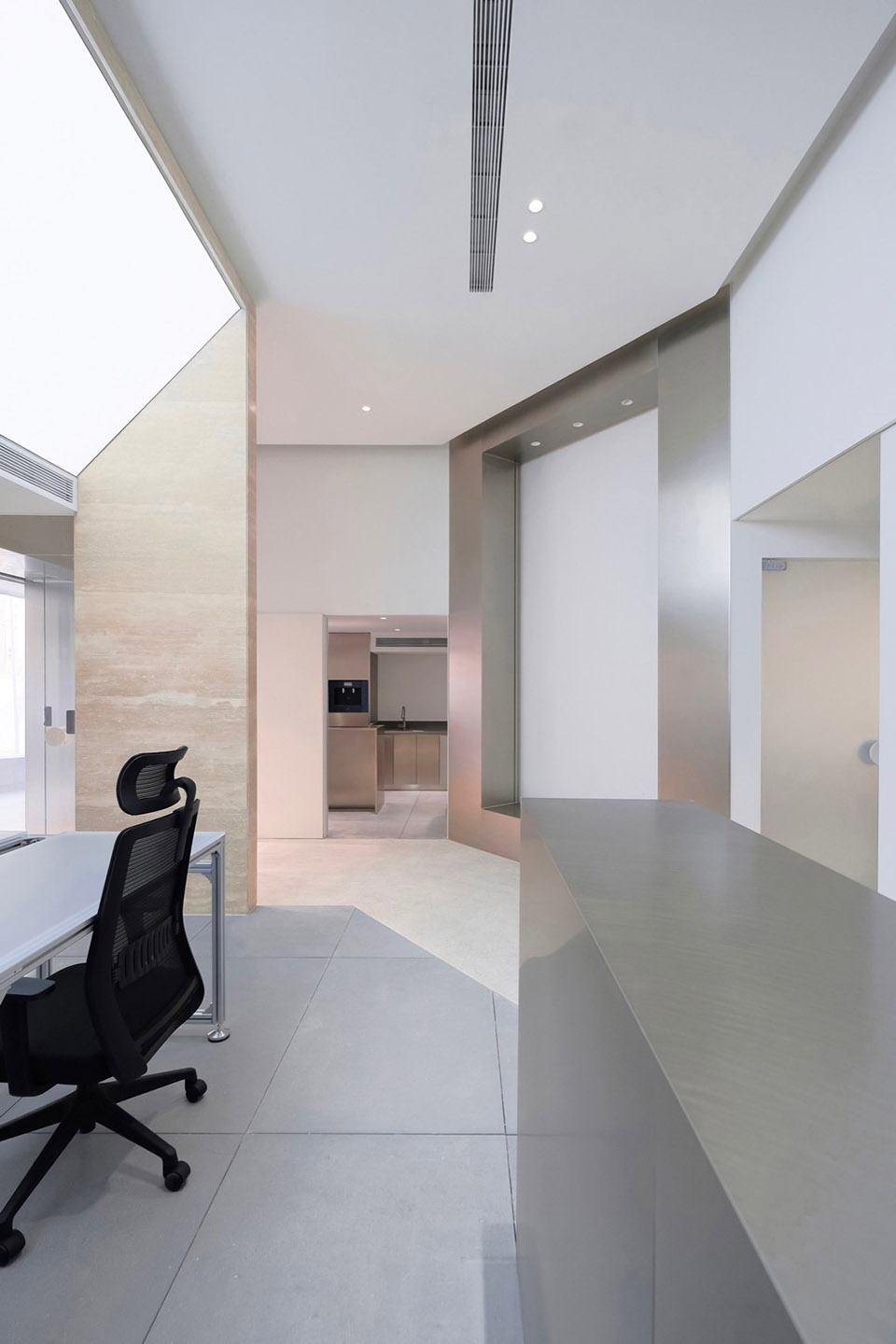
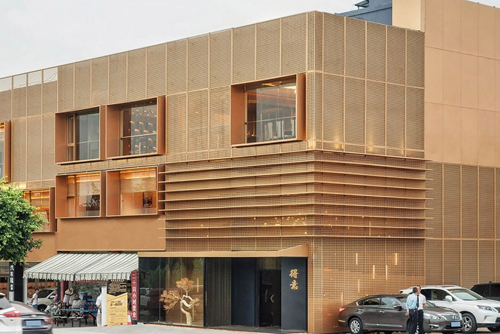
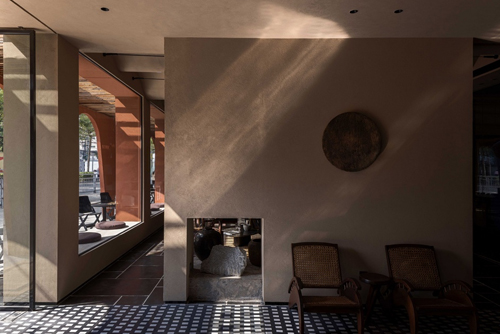
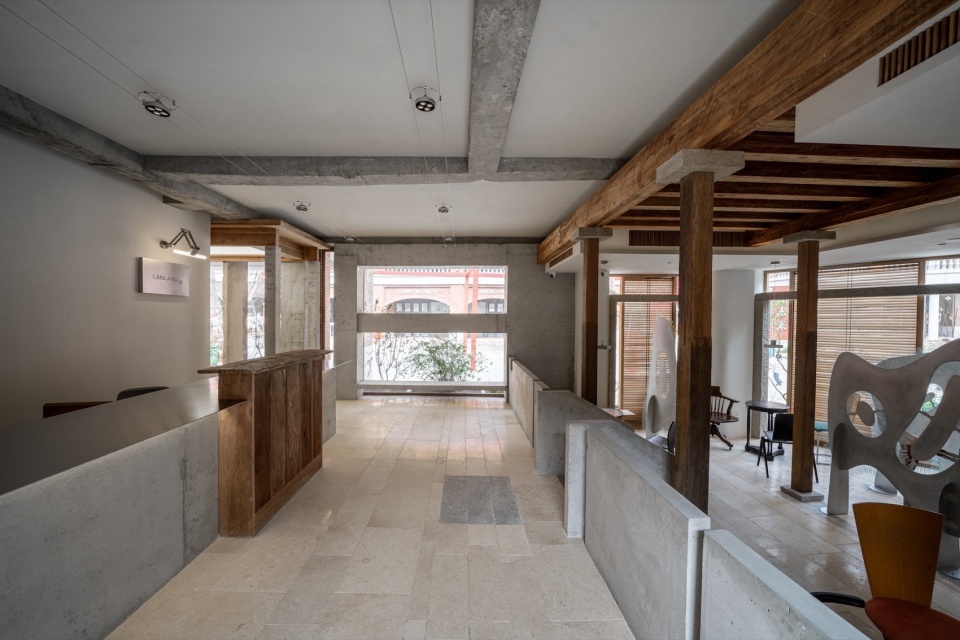
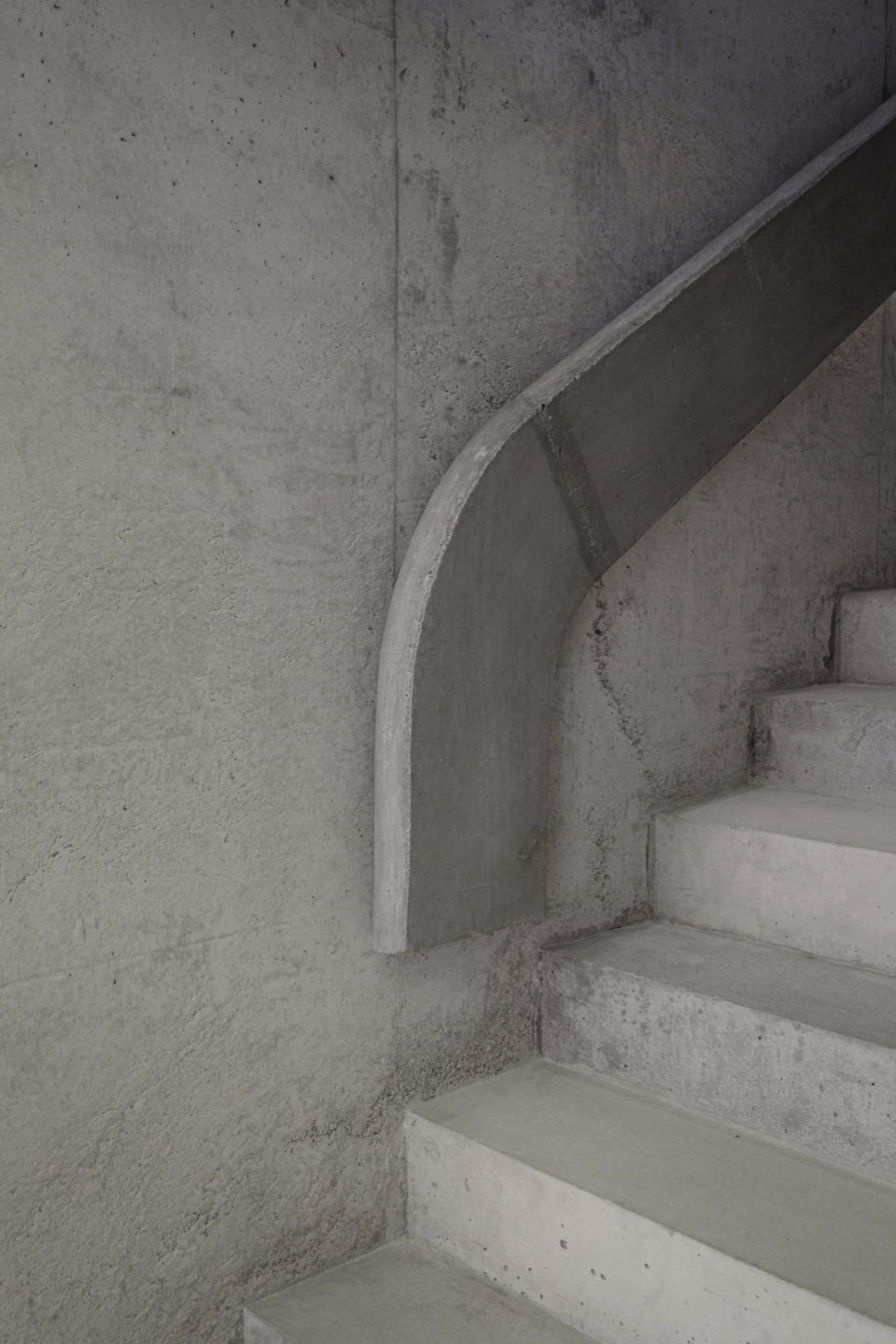
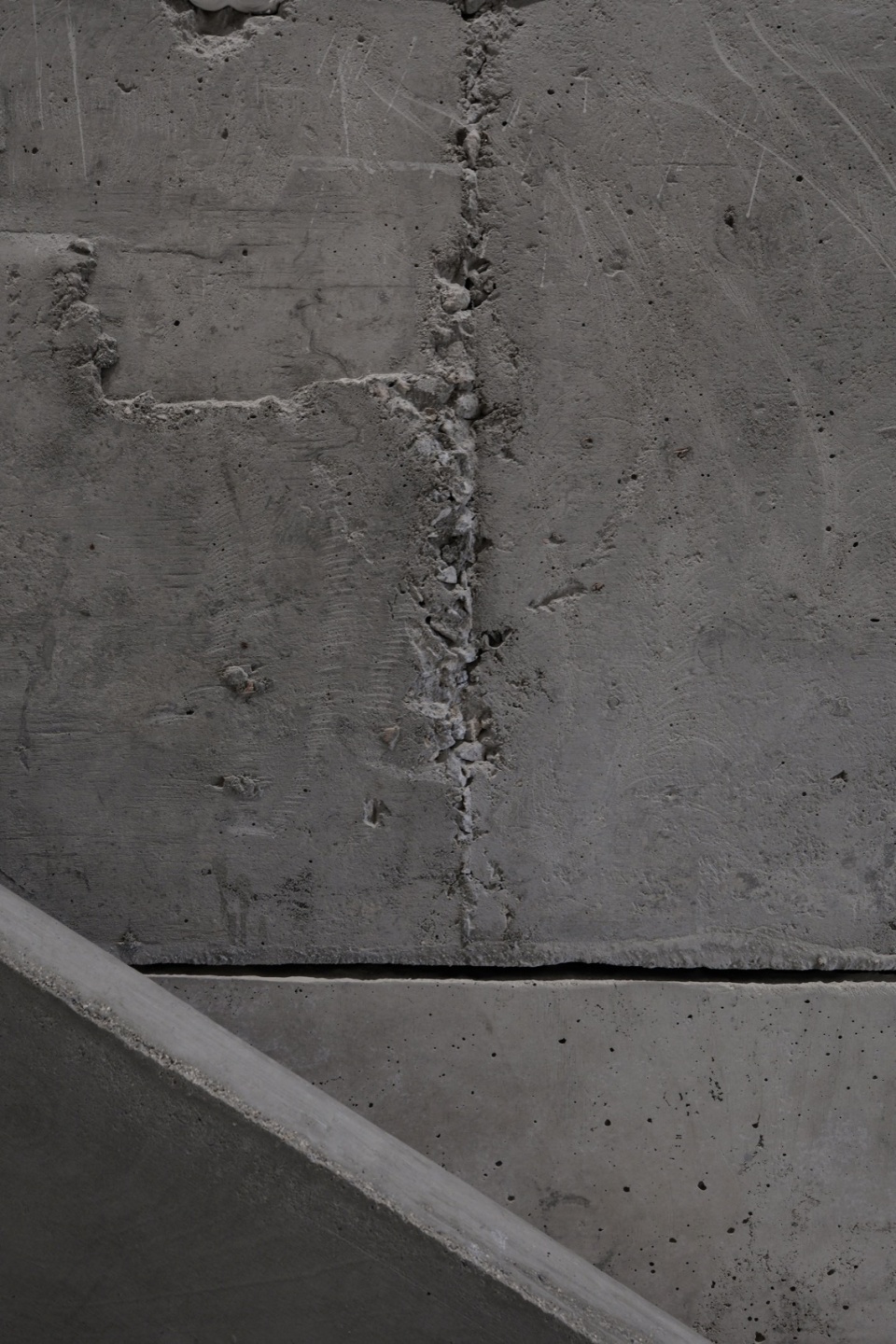
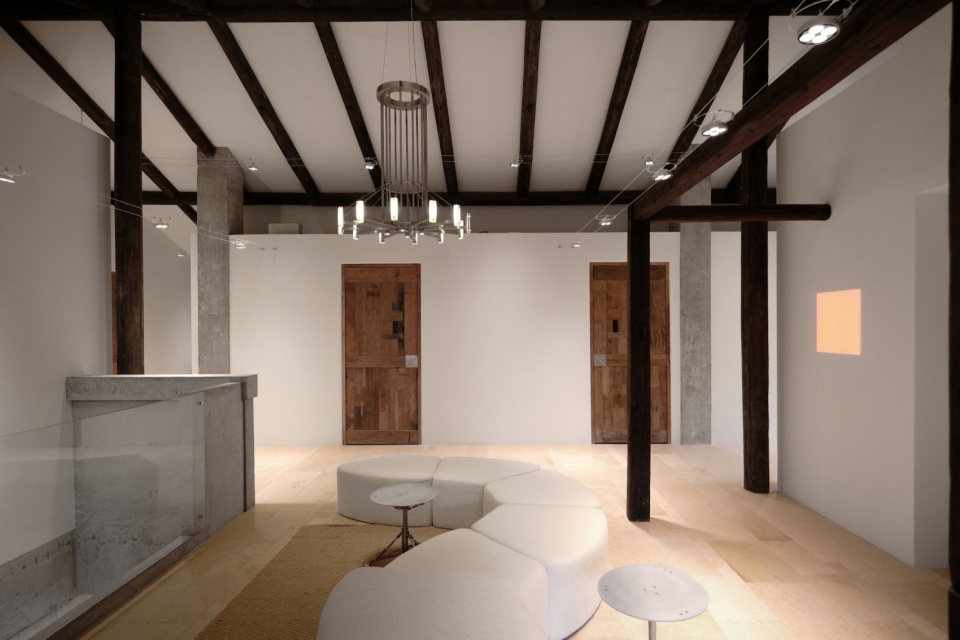
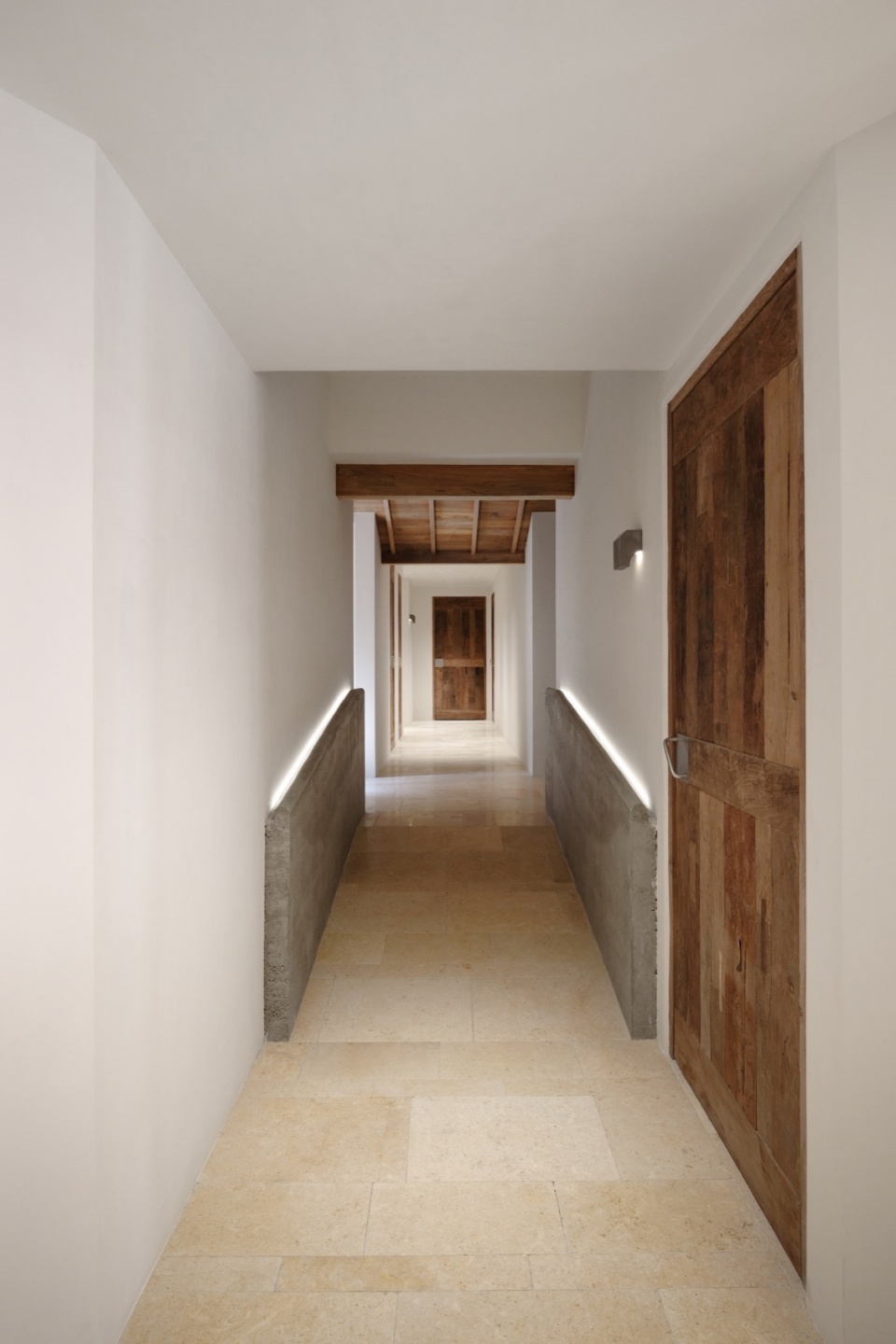
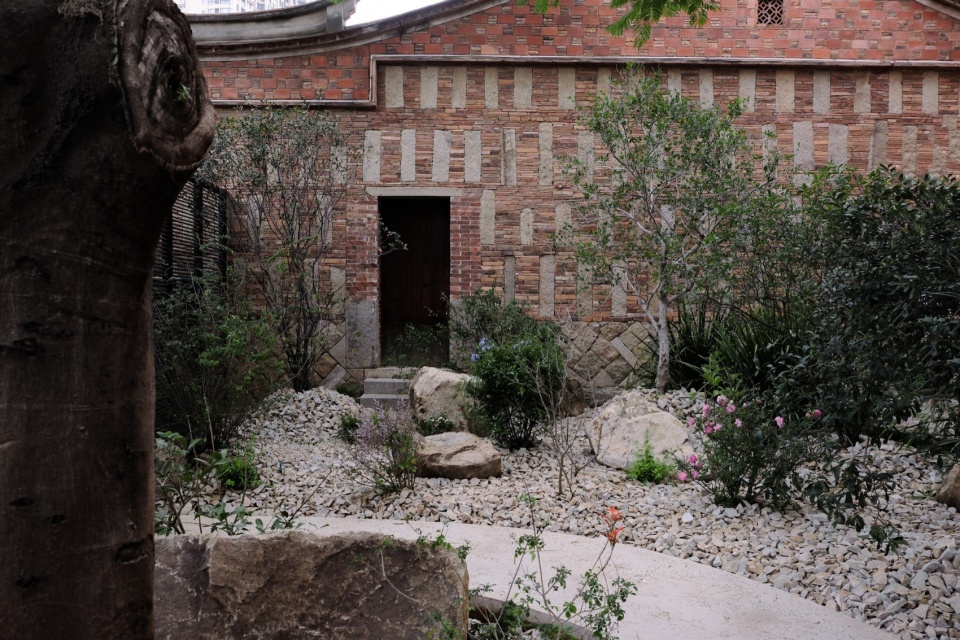
此次设计基于两栋不同时期的闽南建筑(传统古厝与1980年代红砖楼)进行改造,在保留和整理传统建筑语言的基础上,DEVOLUTION退化建筑通过克制的元素处理和介入——混凝土体块和温润的野生柚木及泉州白石的拼贴;南洋桌椅和1970-80年代的现代主义家具与灯饰的交互等,让这个空间既传统质朴又不乏摩登,闪现一些碰撞的趣味。
The current design is a renovation based on two Minnan-style buildings from different periods—a traditional courtyard house (古厝) and a 1980s red-brick building. While preserving and refining the traditional architectural language, DEVOLUTION introduces a restrained yet thoughtful intervention through carefully selected elements. These include concrete blocks, warm wild teak, and Quanzhou white stone, as well as a fusion of Nanyang-style tables and chairs with modernist furniture and lighting from the 1970s-80s. The result is a space that is both traditionally rustic and undeniably modern, with flashes of intriguing juxtapositions.
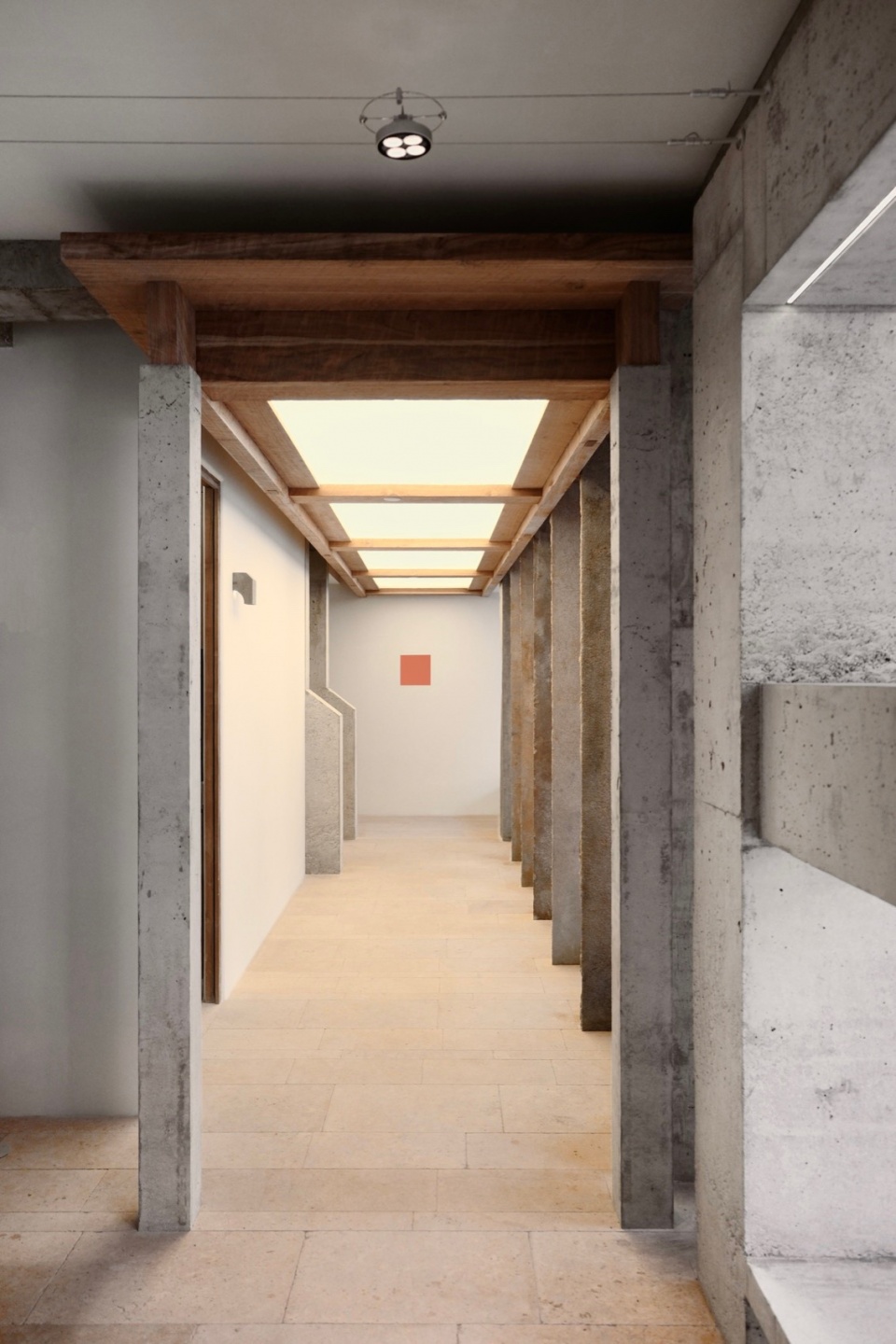
▼混凝土体块和温润的野生柚木及泉州白石的拼贴,
concrete blocks, warm wild teak, and Quanzhou white stone
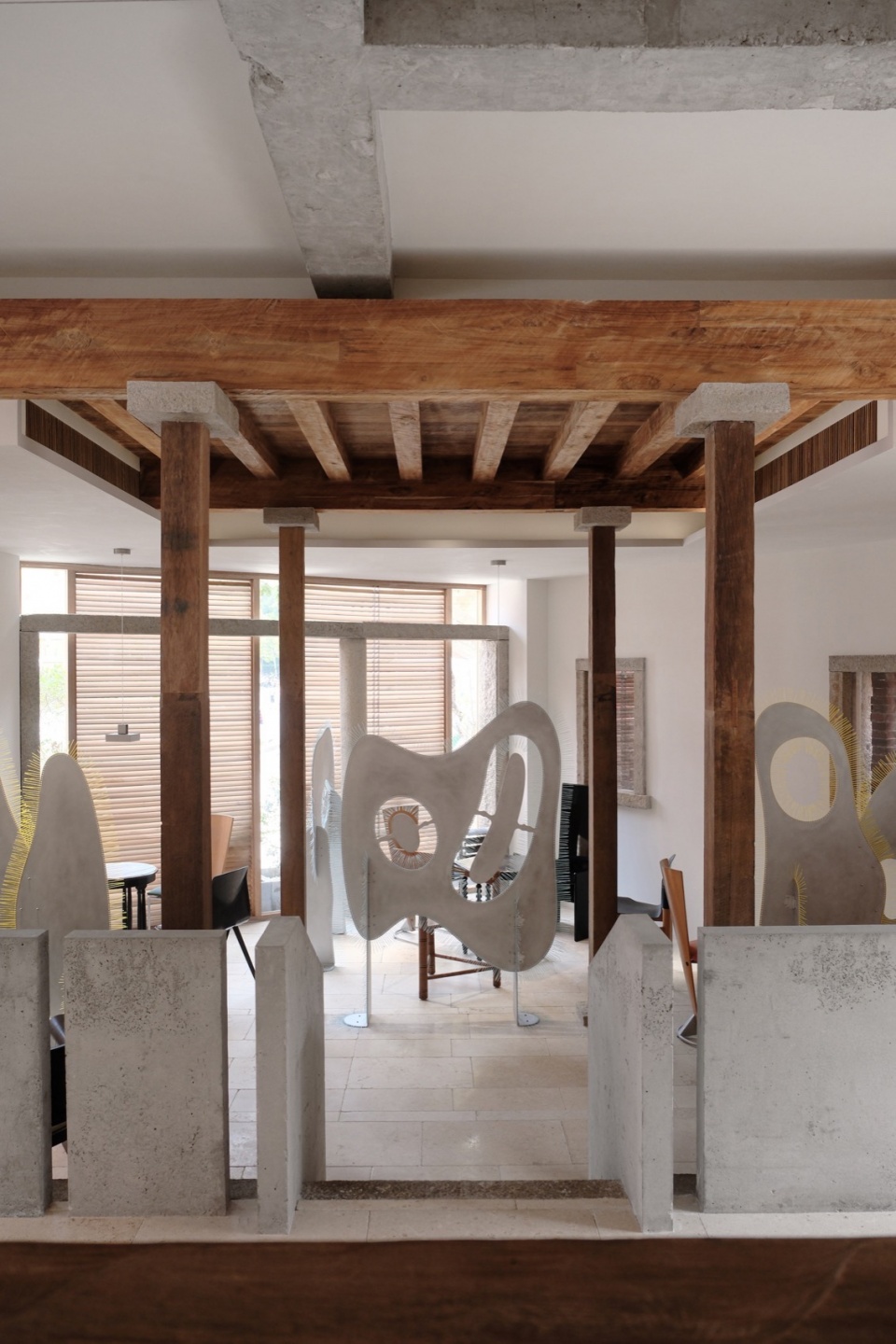
▼楼梯,staircase
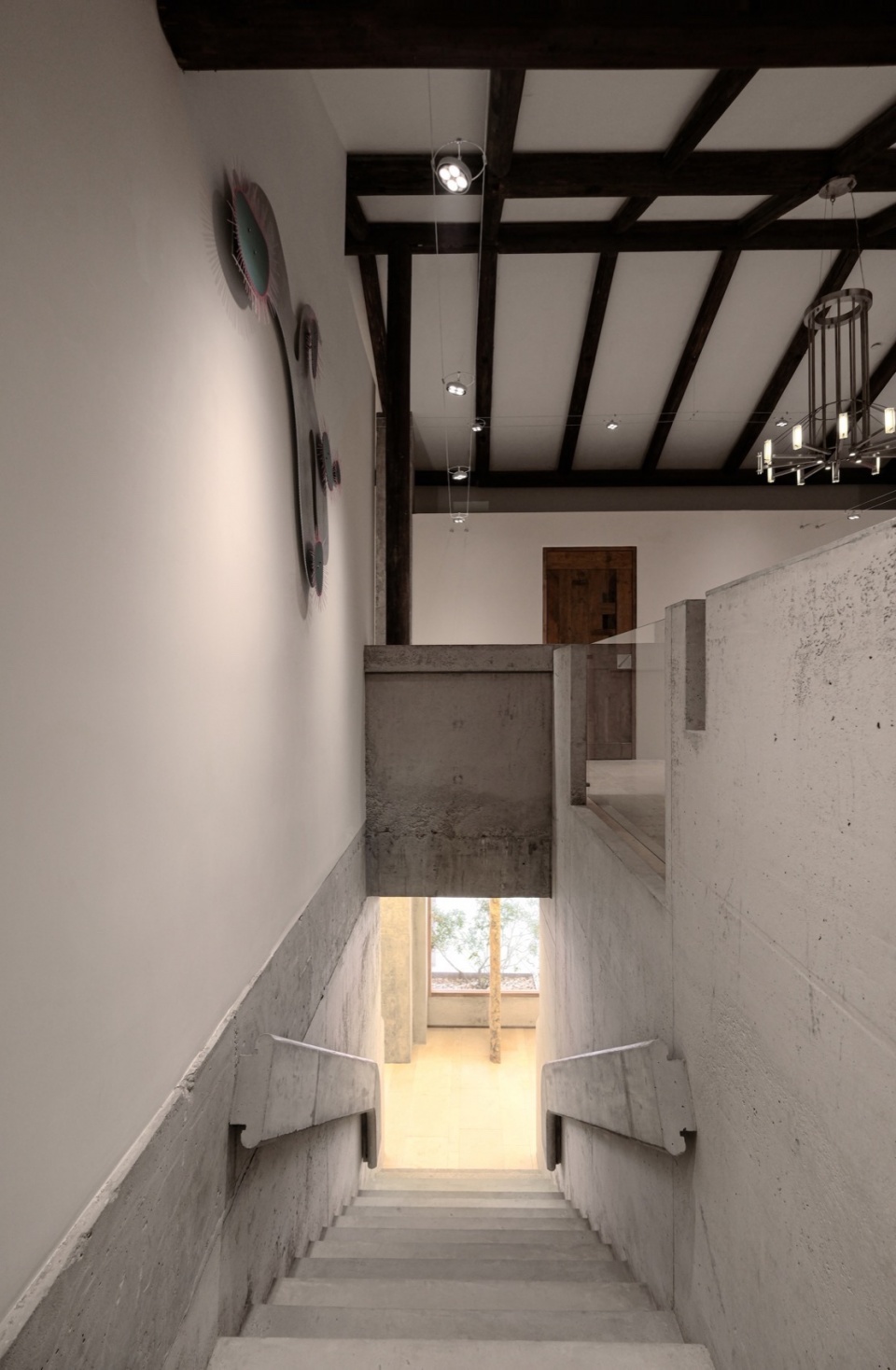
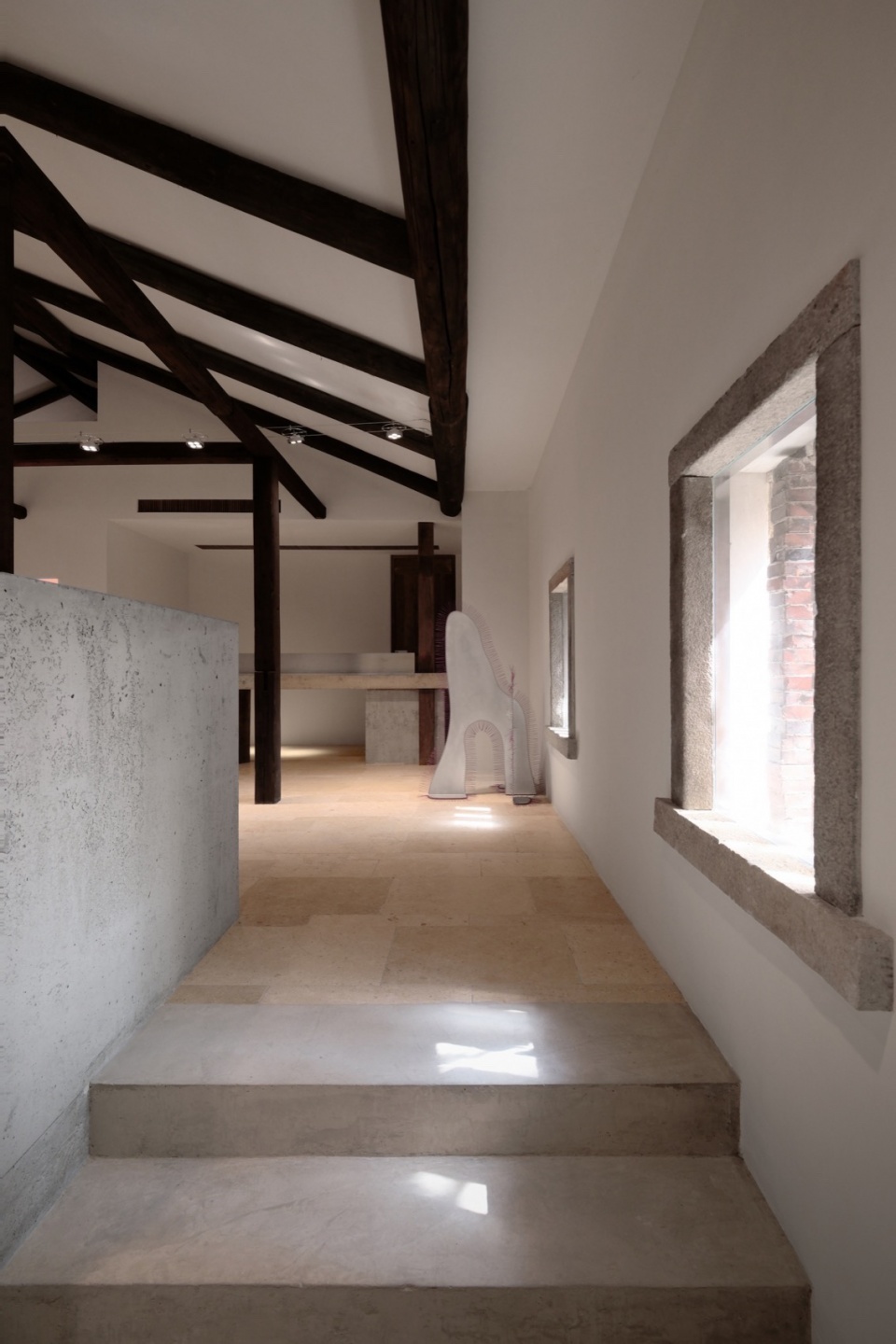
▼楼梯细部,details of the staircase
▼夹层空间,mezzanine
▼走廊,hallway
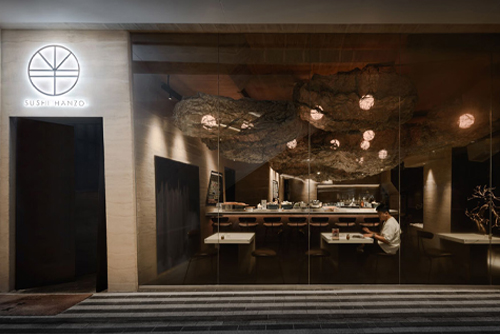
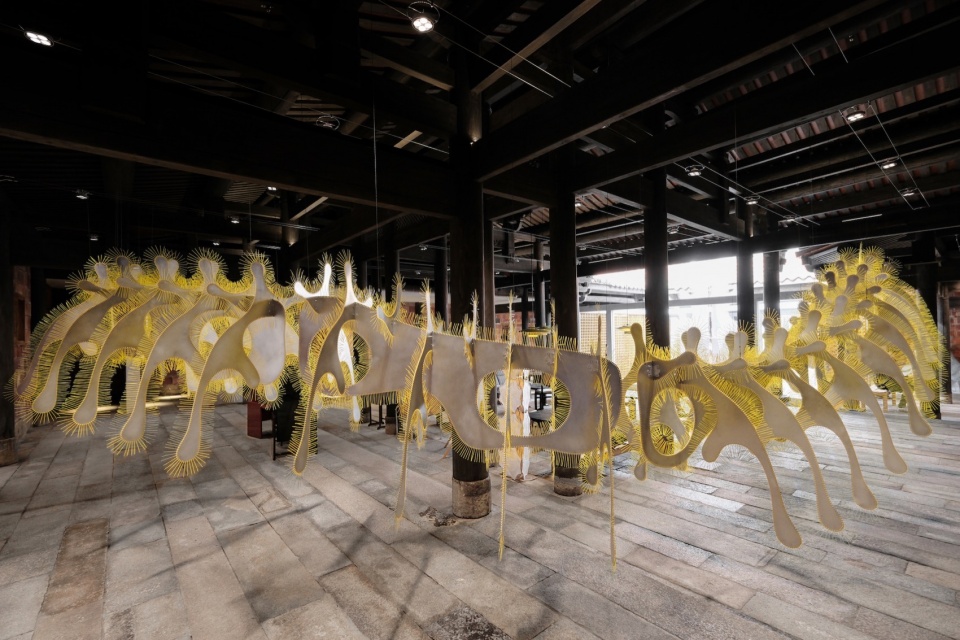
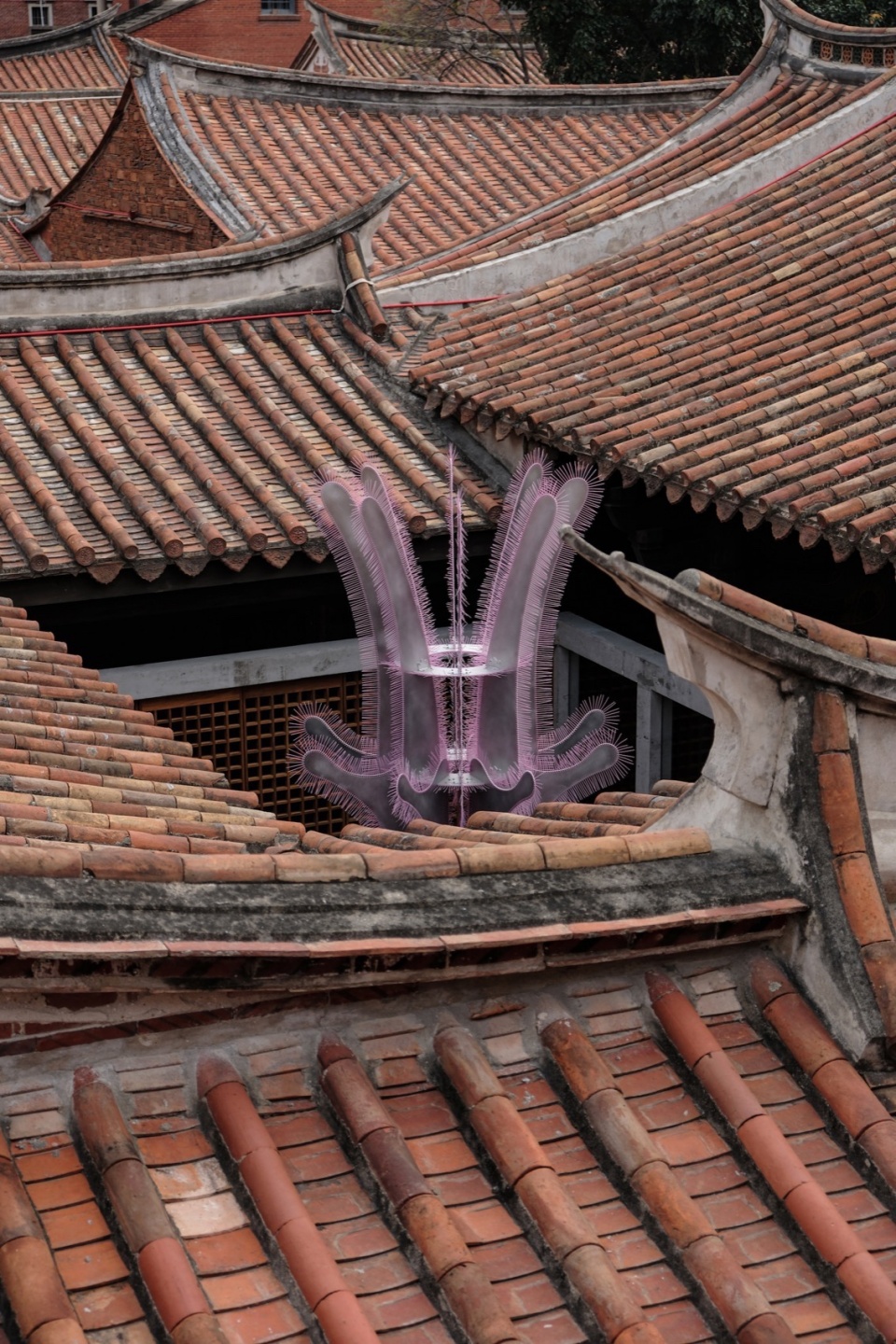
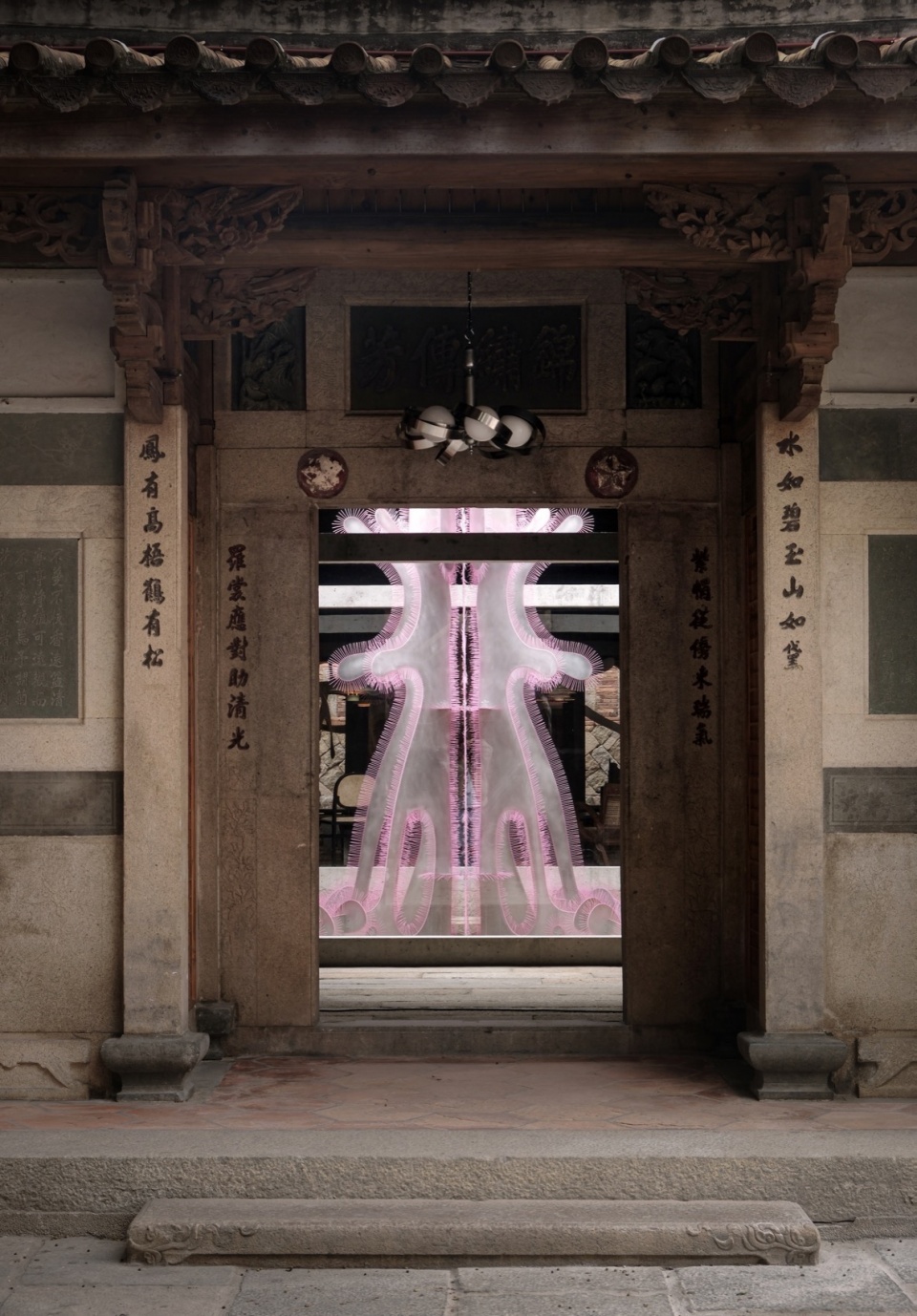
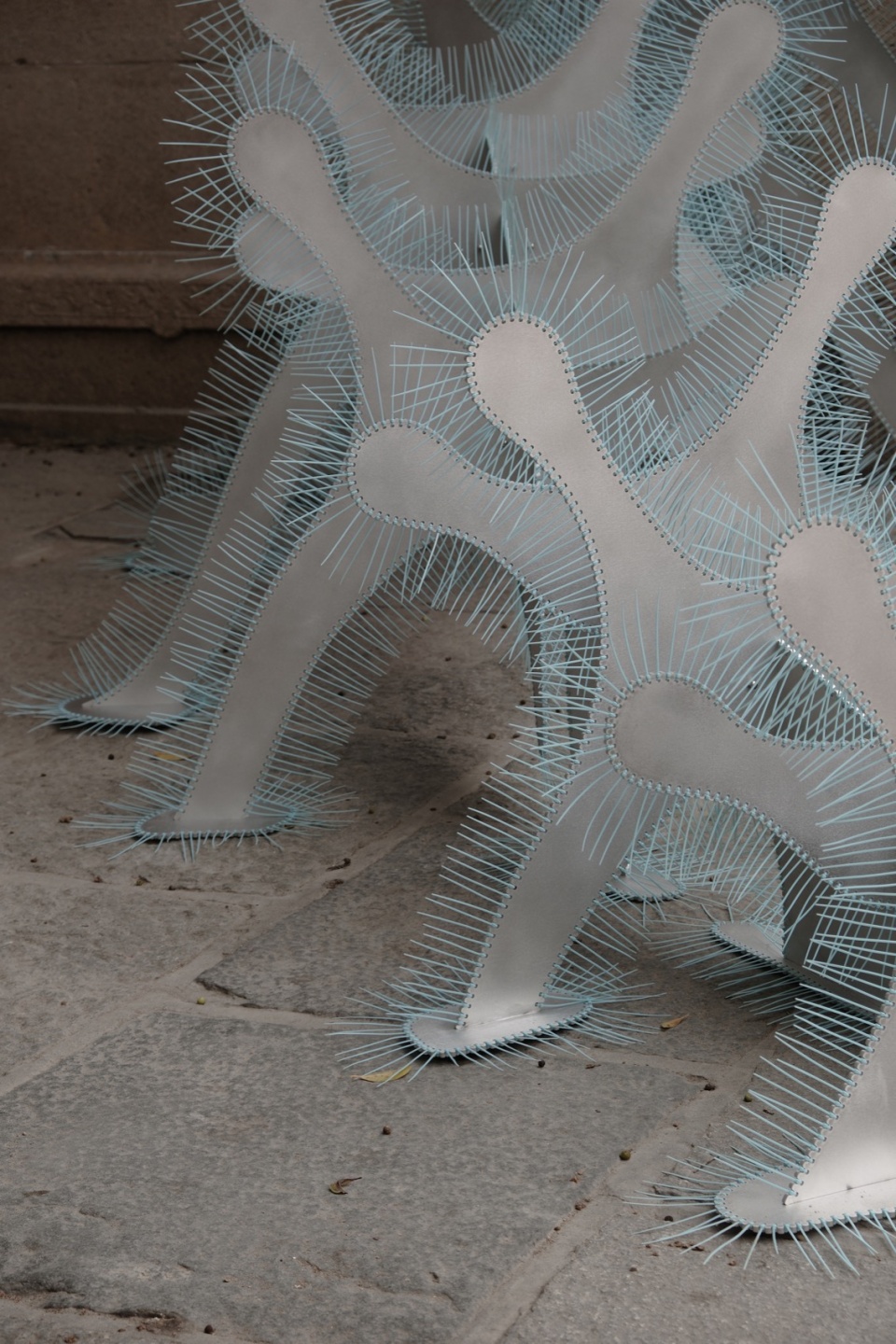
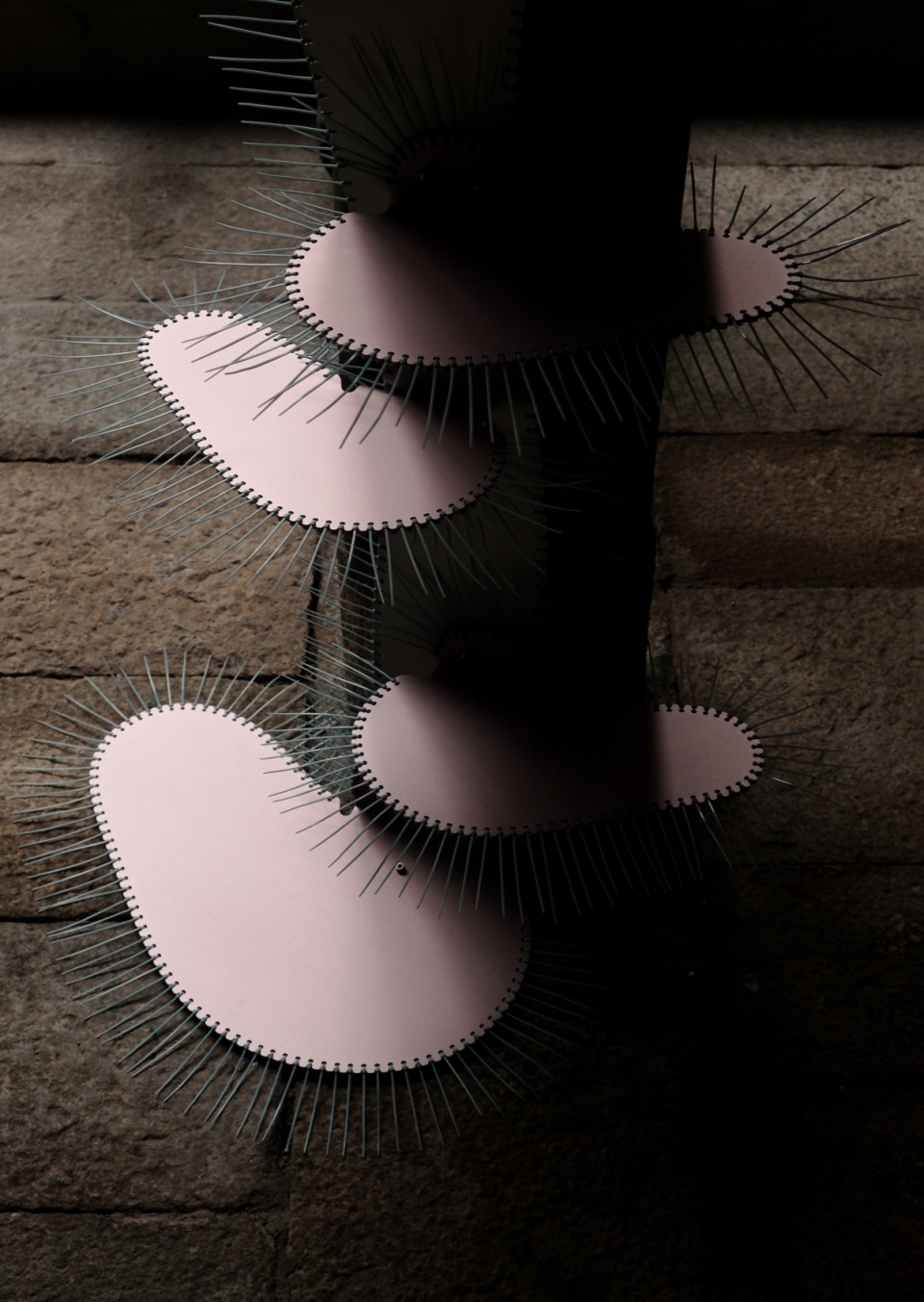
同时,在这个LANLANLI,我们希望艺术是被用来解析这个独特的空间,不是仅将空间作为容器,而是和空间发生关系。因此它区别于一般展览,DEVOLUTION退化建筑此次邀请了envy envy、File Studio和PAPAPAPARTNER三个小而有创造性的创作团队,在闽南大厝中创作了一件名叫“枢核”的作品,它是一个空间装置,破坏和重构了传统木结构建筑的制式感受,是这个闽南古建筑的一种新的情境生成。
Moreover, we envision art as a means to interpret and engage with the unique space—not merely as something placed within it, but as something that interacts with and transforms it. For this project, DEVOLUTION has invited three small yet highly creative collectives—envy envy, File Studio, and PAPAPAPARTNER—to collaborate on a piece called “SHUHE” within the traditional Minnan courtyard house. This spatial installation disrupts and reconstructs the conventional perception of wooden structural architecture, creating a new contextual experience within the historic structure.
▼两栋建筑之间的庭院,garden between the two renovated building
▼鸟瞰,aerial view
▼入口,entrance
「SITUASIAN」也在这个项目中融入了在地色彩,在整套视觉设计中上汲取了泉州建筑中剪瓷材料的高饱和度对撞色,在“俗而有力”中生成当代的语汇。
The concept of 「SITUASIAN」 has also been infused with local hues in this project. The entire visual design draws inspiration from the high-saturation contrasting colors of the cut porcelain materials found in Quanzhou’s architecture. Through this bold yet expressive visual language, it transforms the “vulgar yet powerful” aesthetic into a contemporary design vocabulary.
▼装置细部,details of the art installation
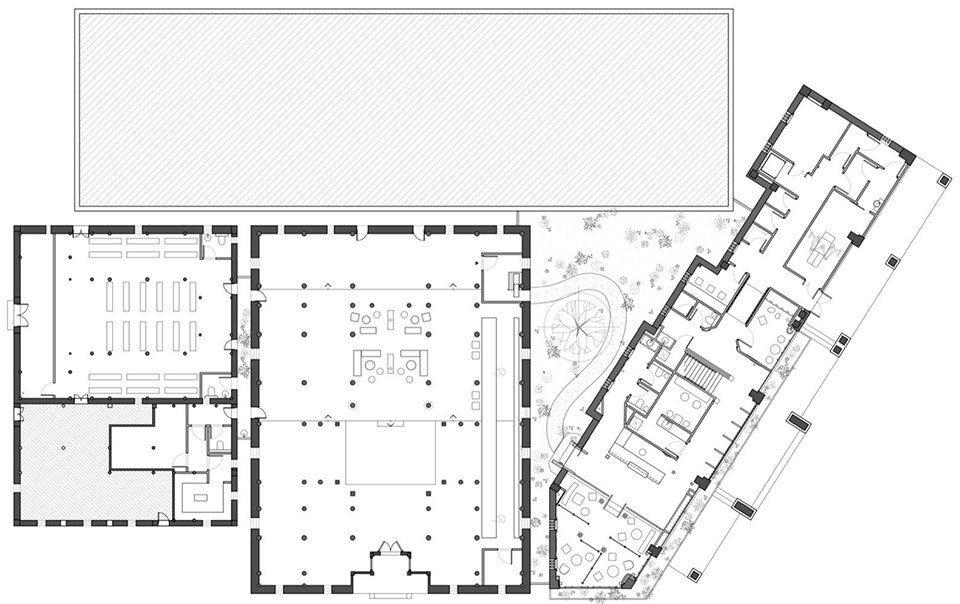
▼平面图,plan
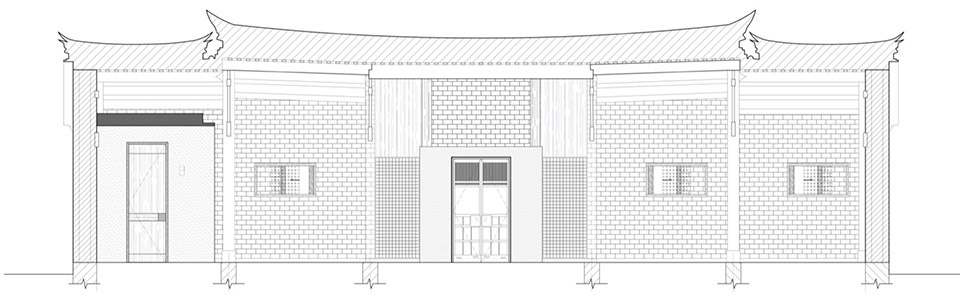
▼立面图,elevation
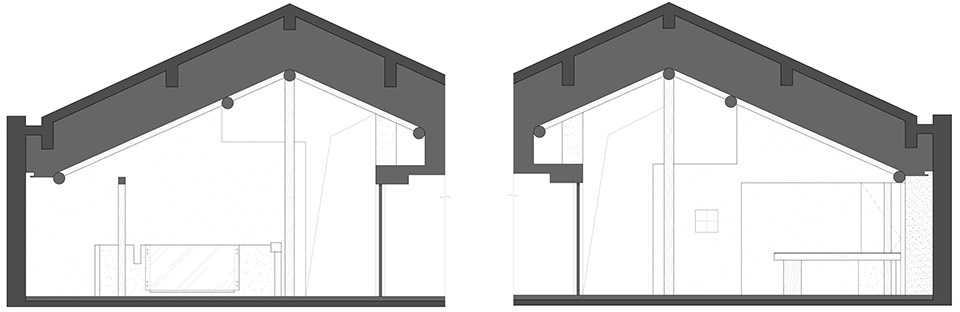
▼剖面图,section
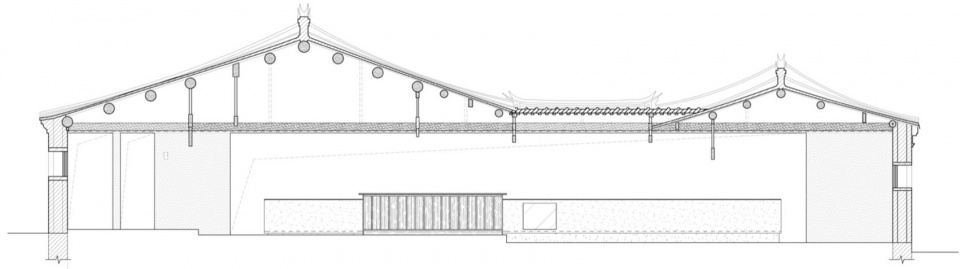
▼剖面图,sections
Project name: LANLANLI Medical Aesthetics Center in Wudianshi
Design & Curation: DEVOLUTION退化建筑
Completion Year: March, 2025
Gross built area: about 1000 ㎡
Project location: 17 Ximachi Road, Jinjiang, Fujian, China
Leader designer: Tang Jiansong, Wang Qi
Design team: Lin Chenghui, Huang Longtao, Wang Na
Graphic design: Tan Xiaoqi
Installation: envy envy / File Studio / PAPAPAPARTNER
Photo credit: Elias
Construction Team: EMCC
Materials: Concrete, Stainless steel, Burmese Teak, Quanzhou White Stone
Custom furniture: ZEA WOODWORKING