J-House高层住宅,印度 / Malik Architecture
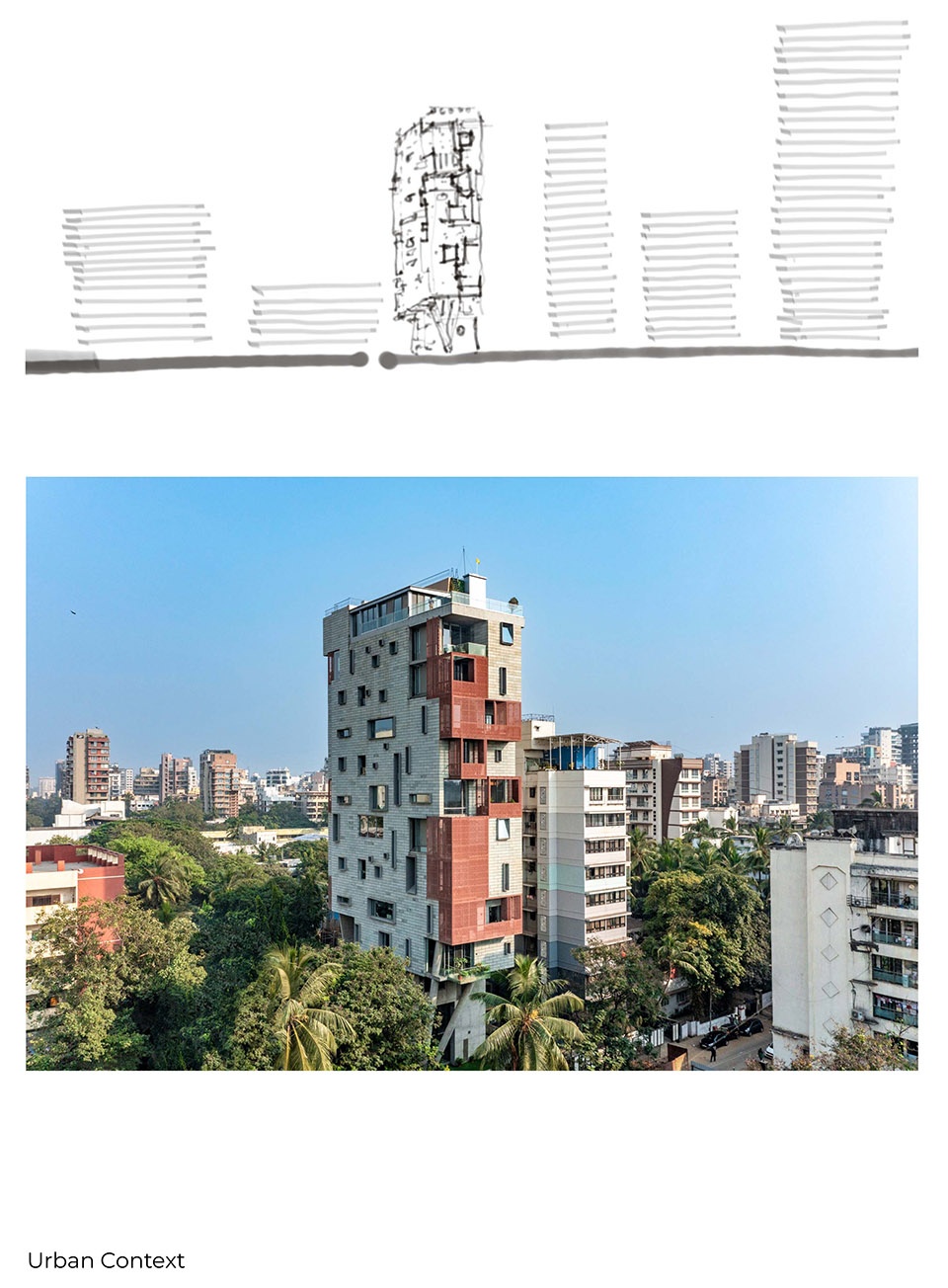
过去,Khar地区的街道两旁是低矮的住宅,退让于街道之后,掩映在树木与浅前庭之间。然而,随着城市密度提升与建筑面积的不断需求,这些街区正逐渐被高层建筑所取代——为了争夺阳光与通风,高楼林立,街道对话被“装饰性”的多层停车建筑所阻隔,彻底丧失了原有的城市肌理。基地的西侧毗邻大海,该方向同时也是最强烈的阳光与雨水来袭之处。
The streets of Khar used to be lined with low rise homes set back from the street and hidden behind trees and shallow front gardens. Densification and the demand for floor space has transformed these neighbourhoods’ into rows of tall structures battling for light and air and eliminating any manner of dialogue with the street, owing to the concentration of “decorative” multi-storey parking structures at the ground level. The sea lies to the west of the site, a direction from which the harshest sun and rain originate.
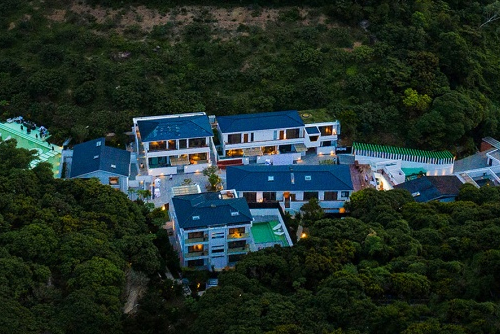
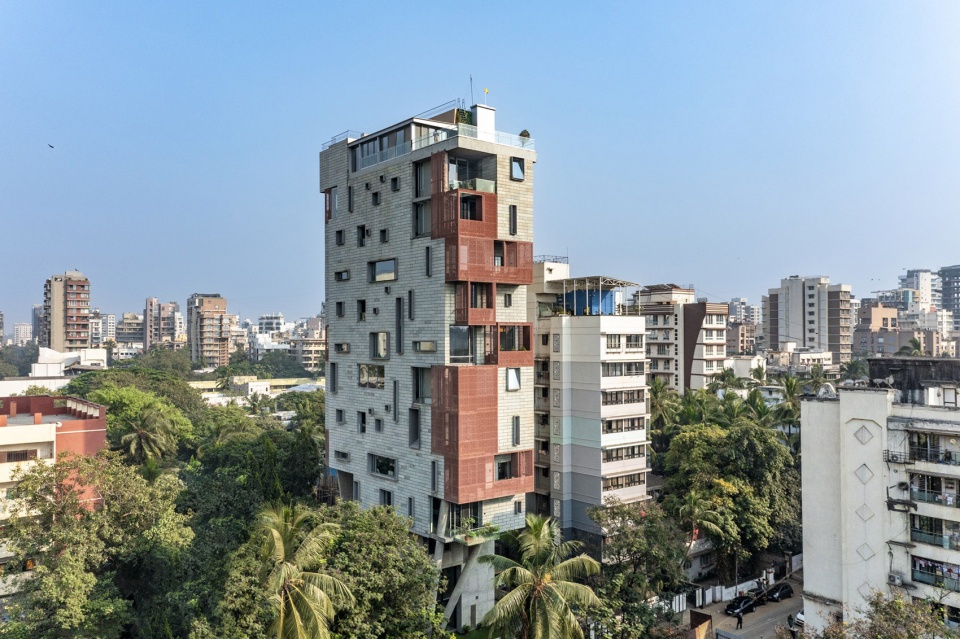
▼高层住宅鸟瞰,aerial view of the high-rise apartment
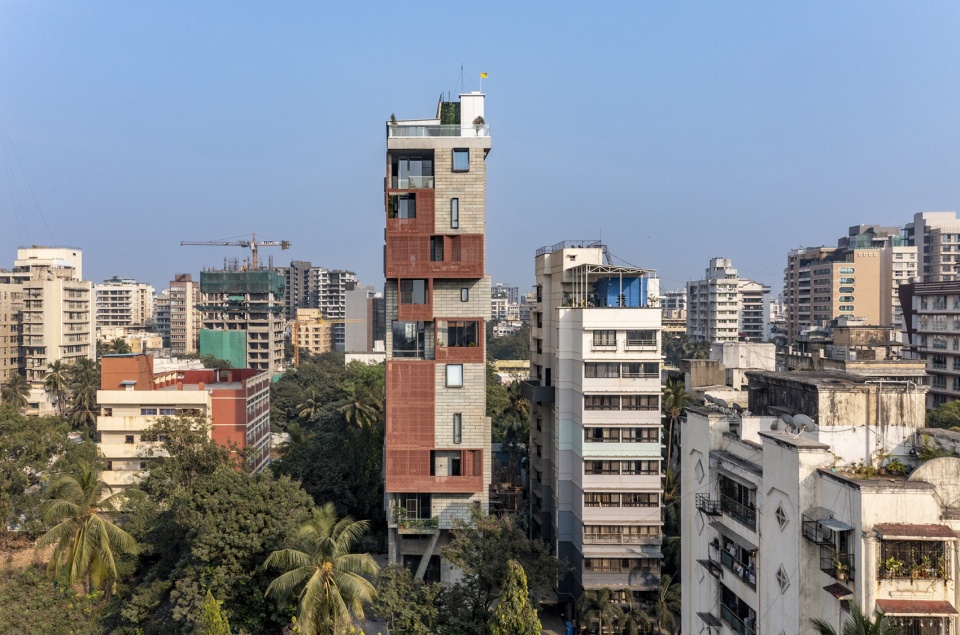
▼高层住宅外观,exterior of the high-rise apartment
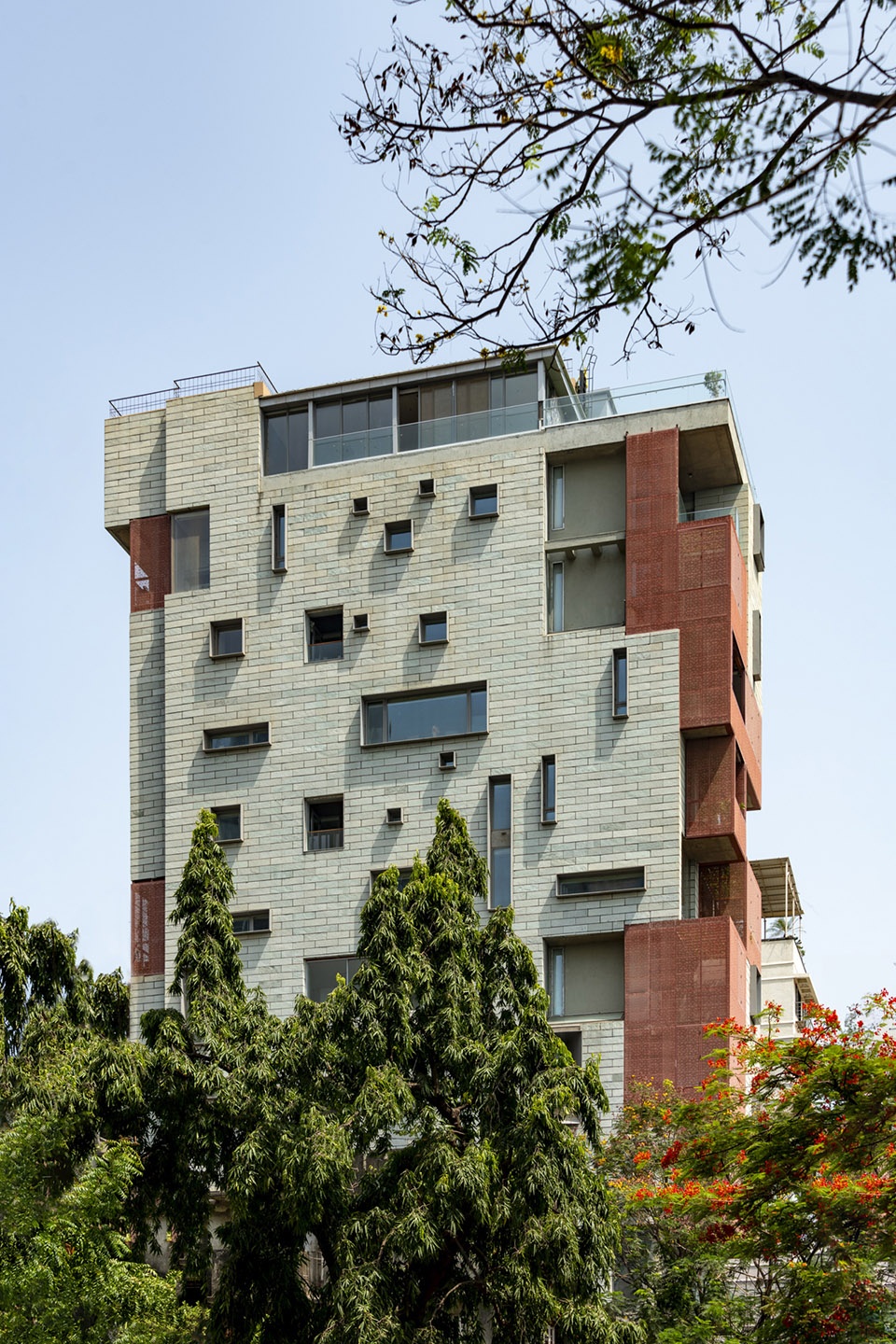
设计的核心策略包括:
重建建筑与街道的实质关系,避免在街道视角呈现出压迫感极强的大体量建筑;
回应西向自然条件,提供长效可用的半室外空间 / 提供室内隐私的同时,减少对遮阳设备的依赖;
整合建筑核心空间,打破高层住宅常见的“垂直分层”孤立趋势,回应多代同堂家庭中公共/私密空间的交融关系。
▼概念草图,concept sketch
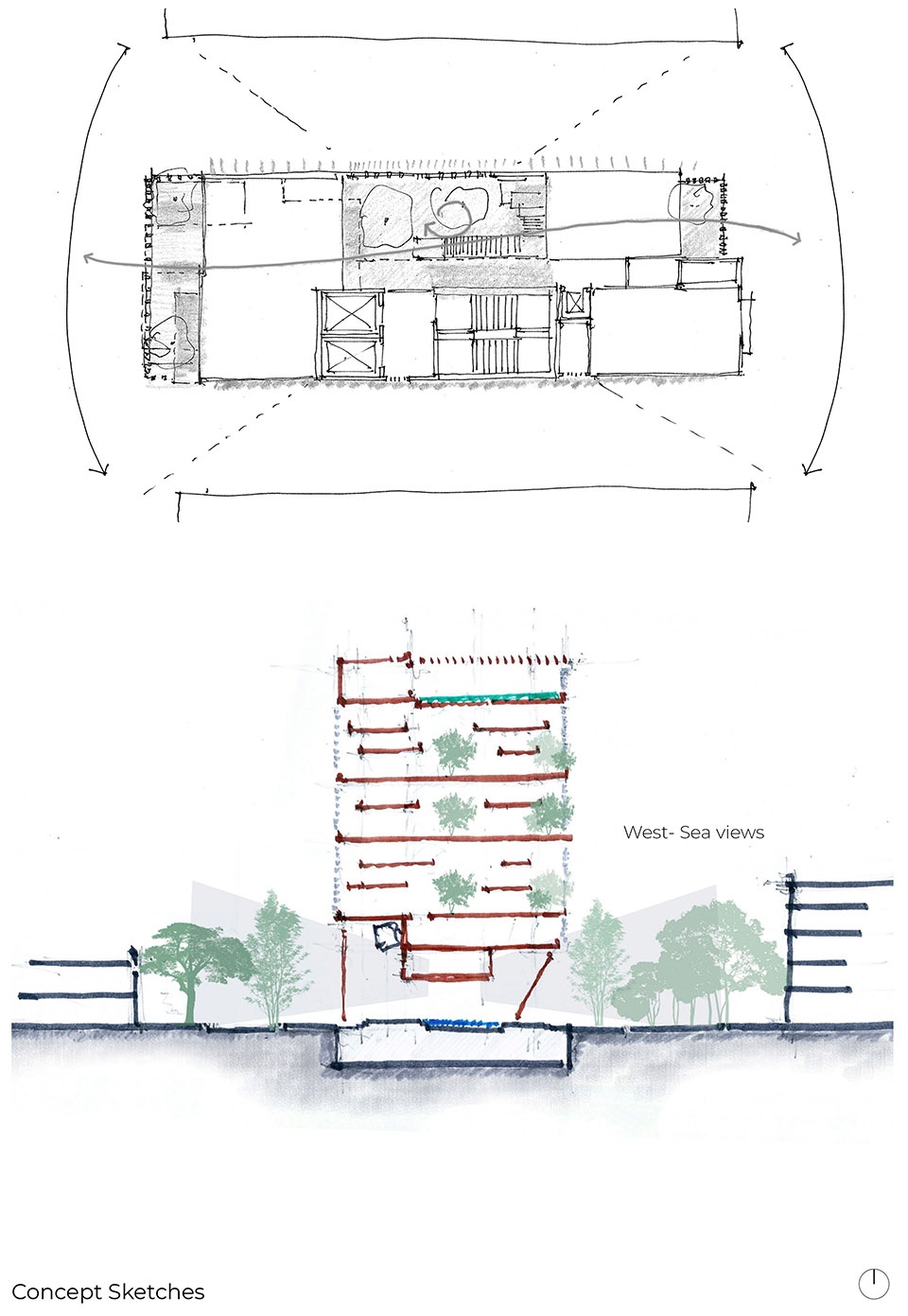
Major parameters for design were:
1.Re-establish a substantive relationship with the street and eliminate the presence of a massive building at the street eye level.
2.Mediate with the west to allow for permanent visibility / semi-covered spaces that can be used perennially / provide privacy for internal spaces without the constant use of internal shading devices.
3.Bind the core of the building to work against the separation inducing stratification of the high rise. This is imperative to translate the public / private relationship of the joint family.
▼建筑仰视,look up to the building
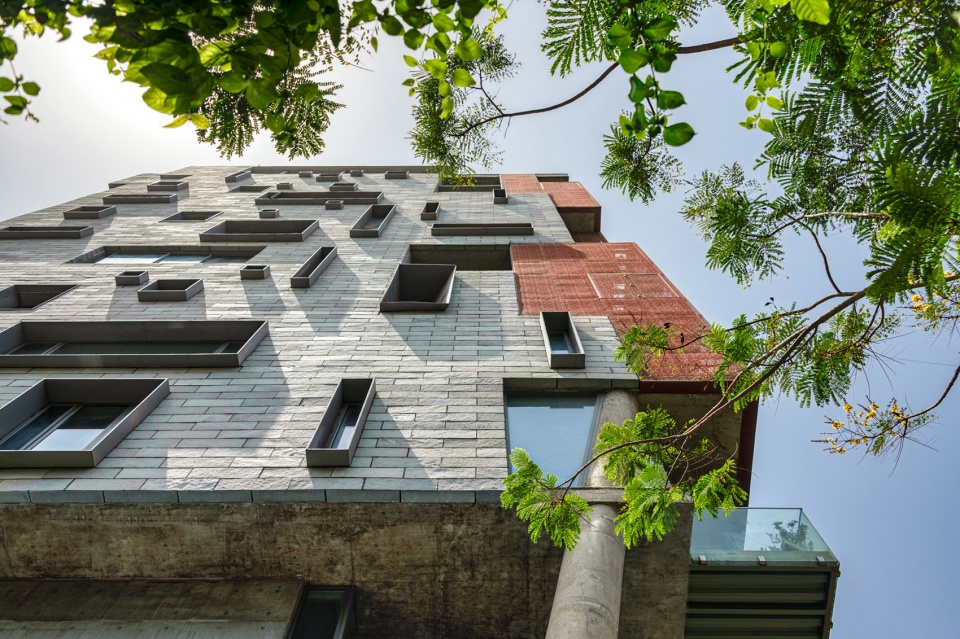
为寻求回应,我们从三种本土建筑要素中汲取灵感:
天井
廊台
遮光格栅
To find answers, we looked at 3 indigenous devices viz:
Courtyard
Verandah
Jaali / Screens
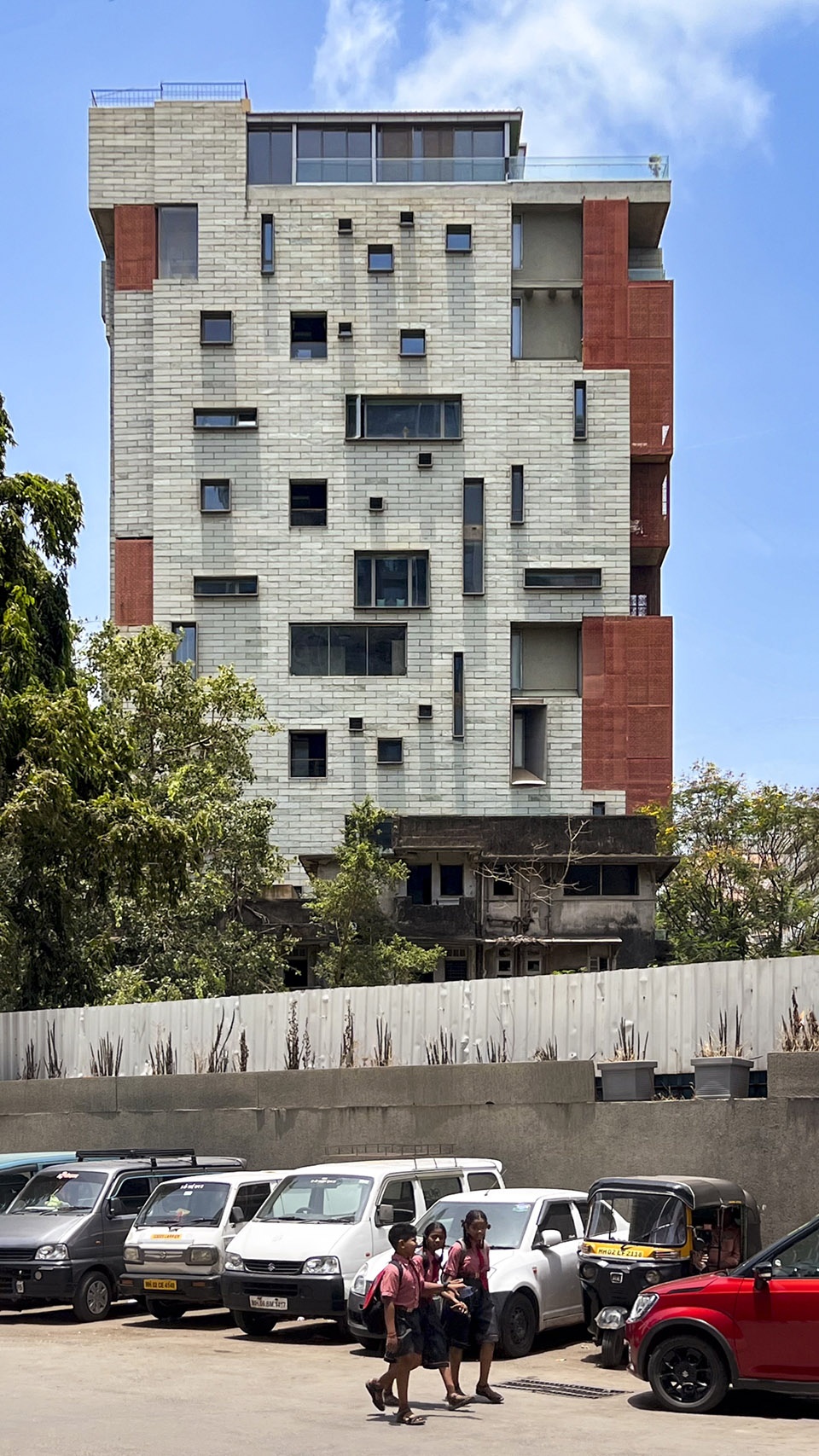
▼建筑立面,building facade
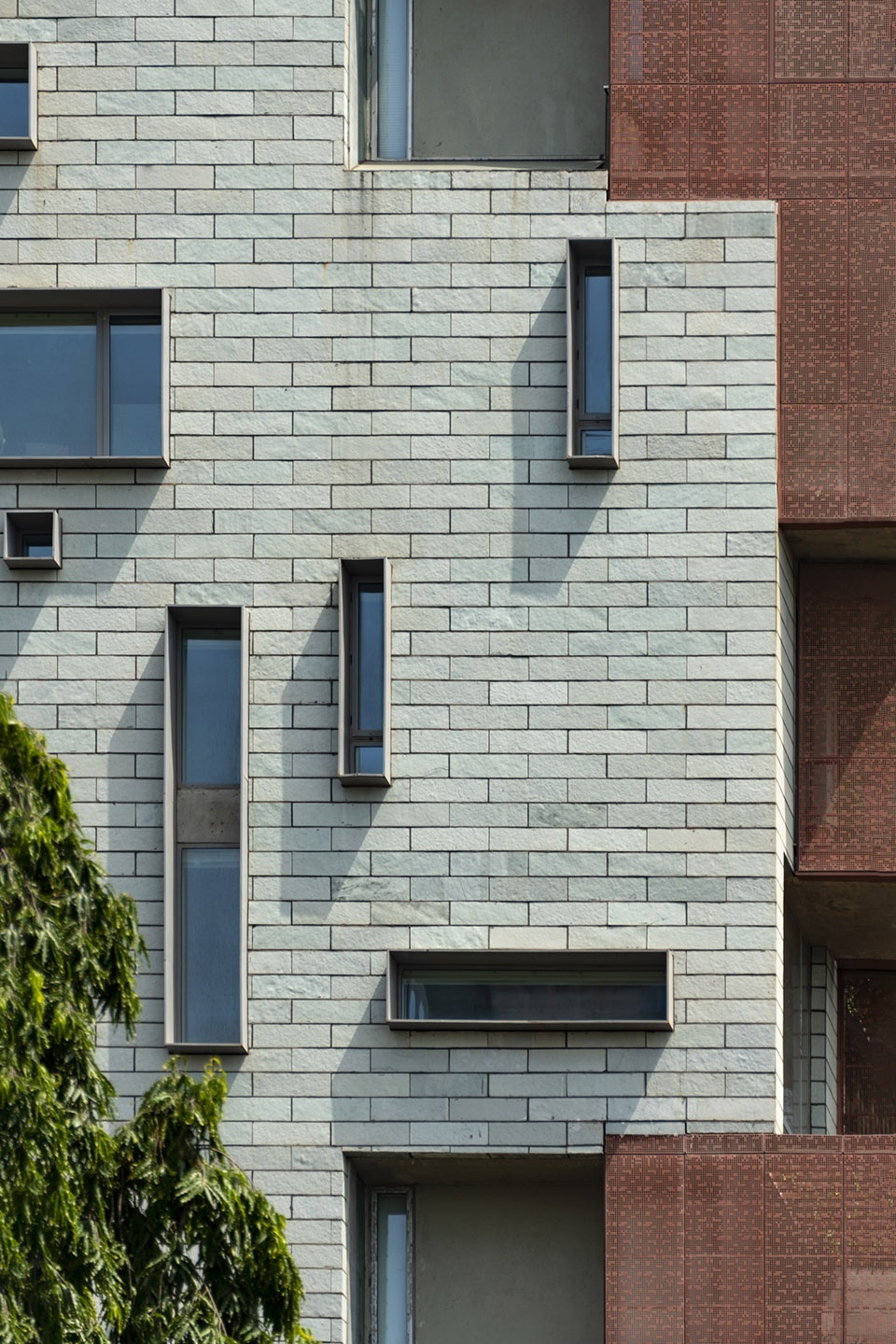
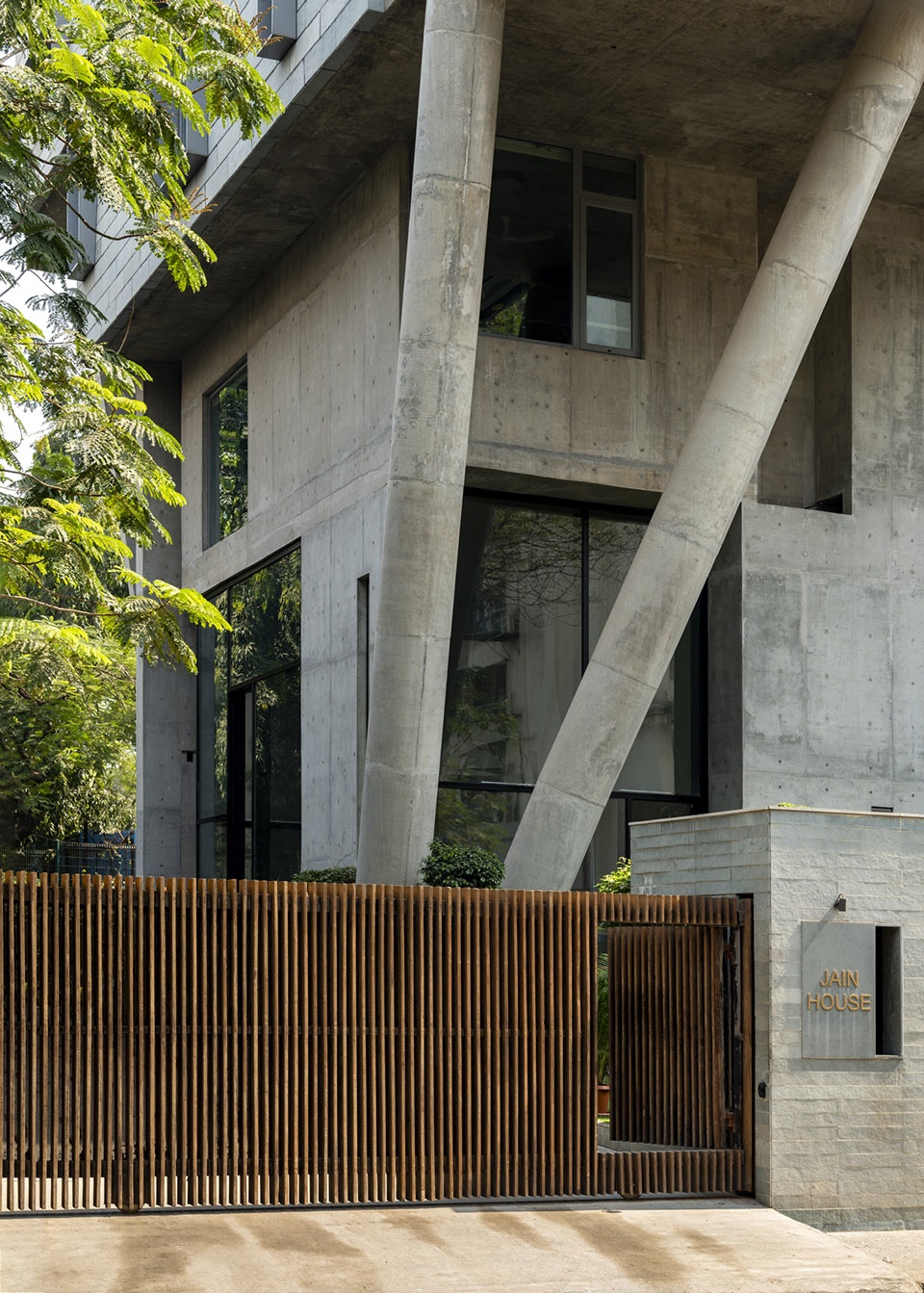
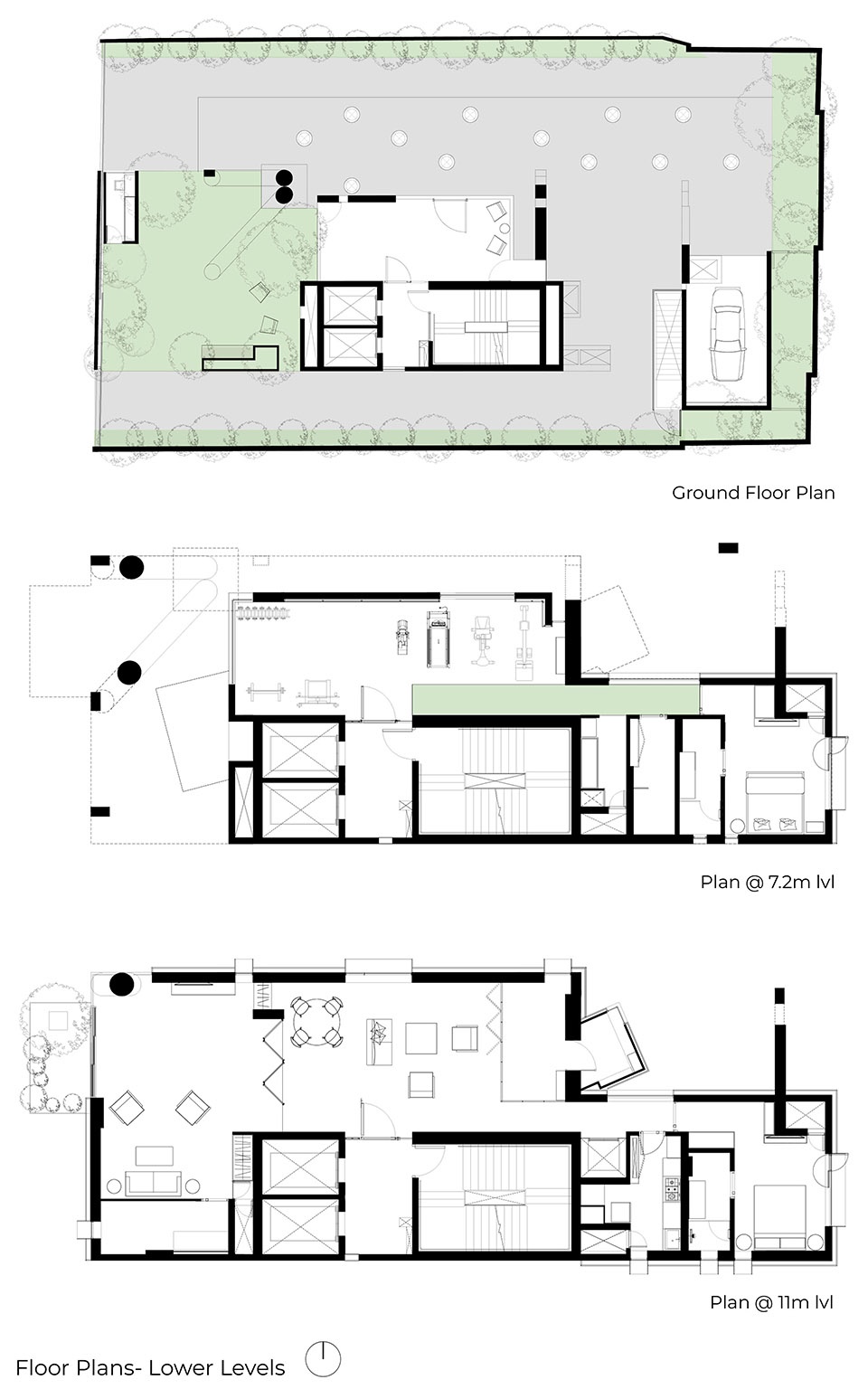
建筑的平面与剖面布局在这三种要素的不断演化中逐步形成。停车空间被置于地下室,使得街道层至11米高范围内无住宅功能体量。住宅主体后退布置于花园之后,由悬挑的住宅结构覆盖,街道界面由水体、植被和退让体量构成,形成与城市环境对话的首个过渡界面。
▼爆炸轴测图,exploded axonometric
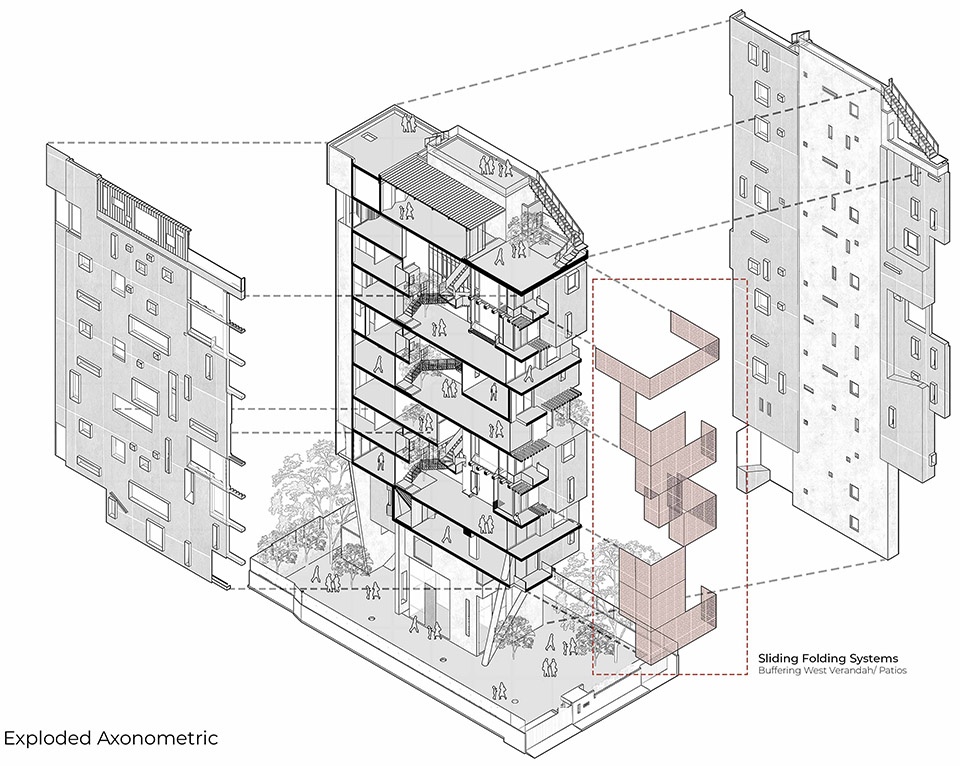
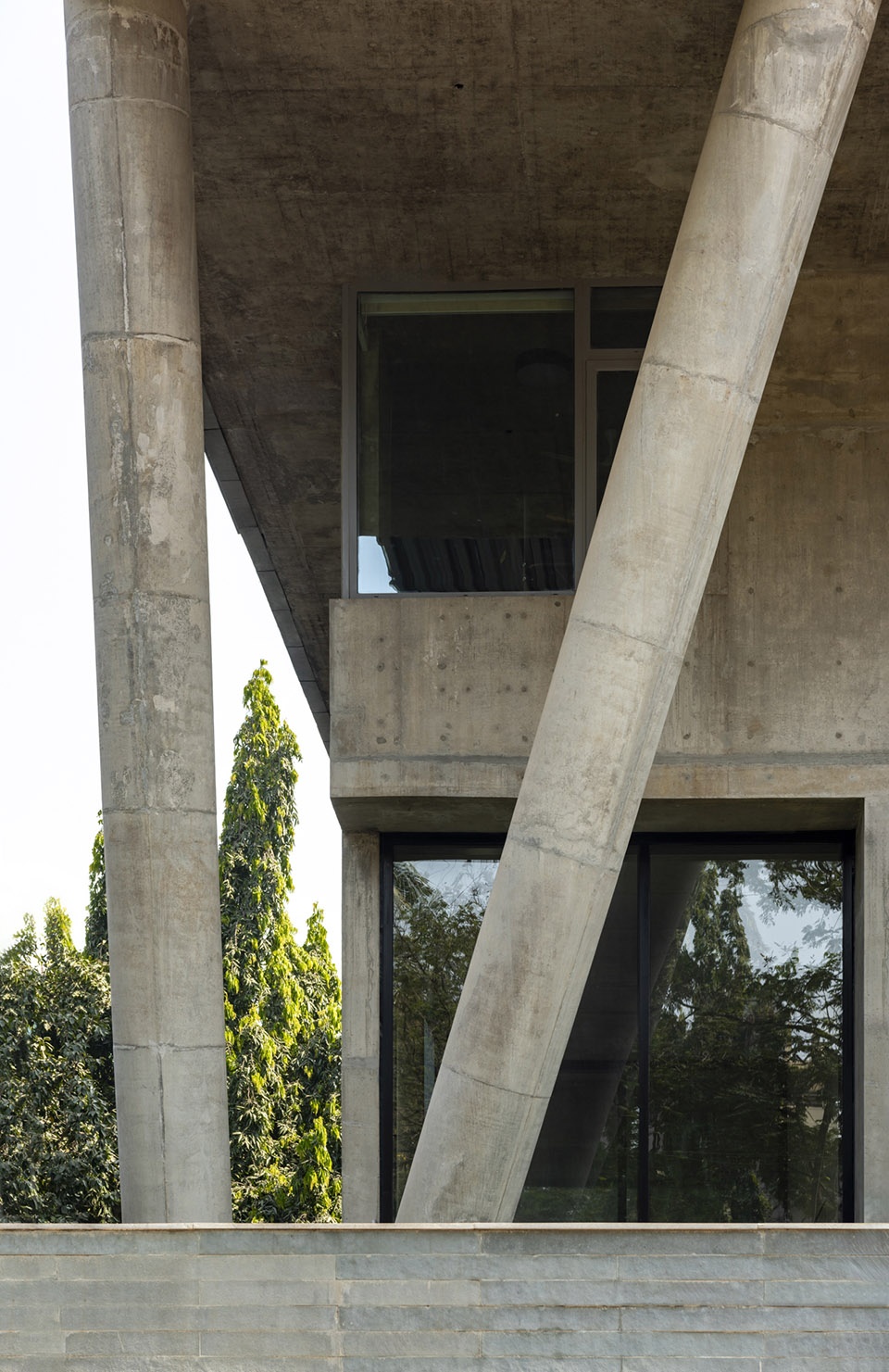
The plan and section have evolved through iterations of these three devices. By accommodating the parking within the basement, the street level, up to a height of 11.0m is devoid of residential spaces. Instead, structure and volume are set back from the street and organized within a garden shaded by the cantilevered residential volumes above. At the street level the language of water, trees and low rise, set back spaces create the first point of mediation with the urban condition.
▼底层的混凝土支柱,concrete pillars on the ground floor
▼入口大堂,entrance lobby
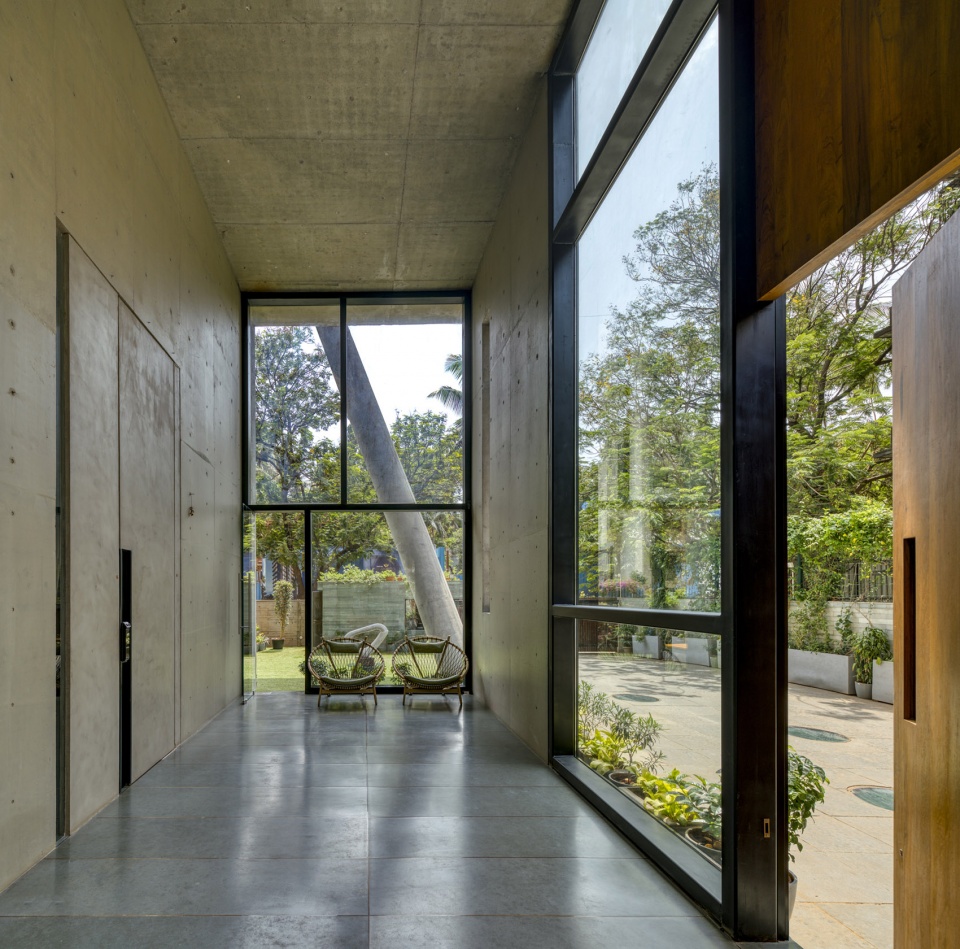
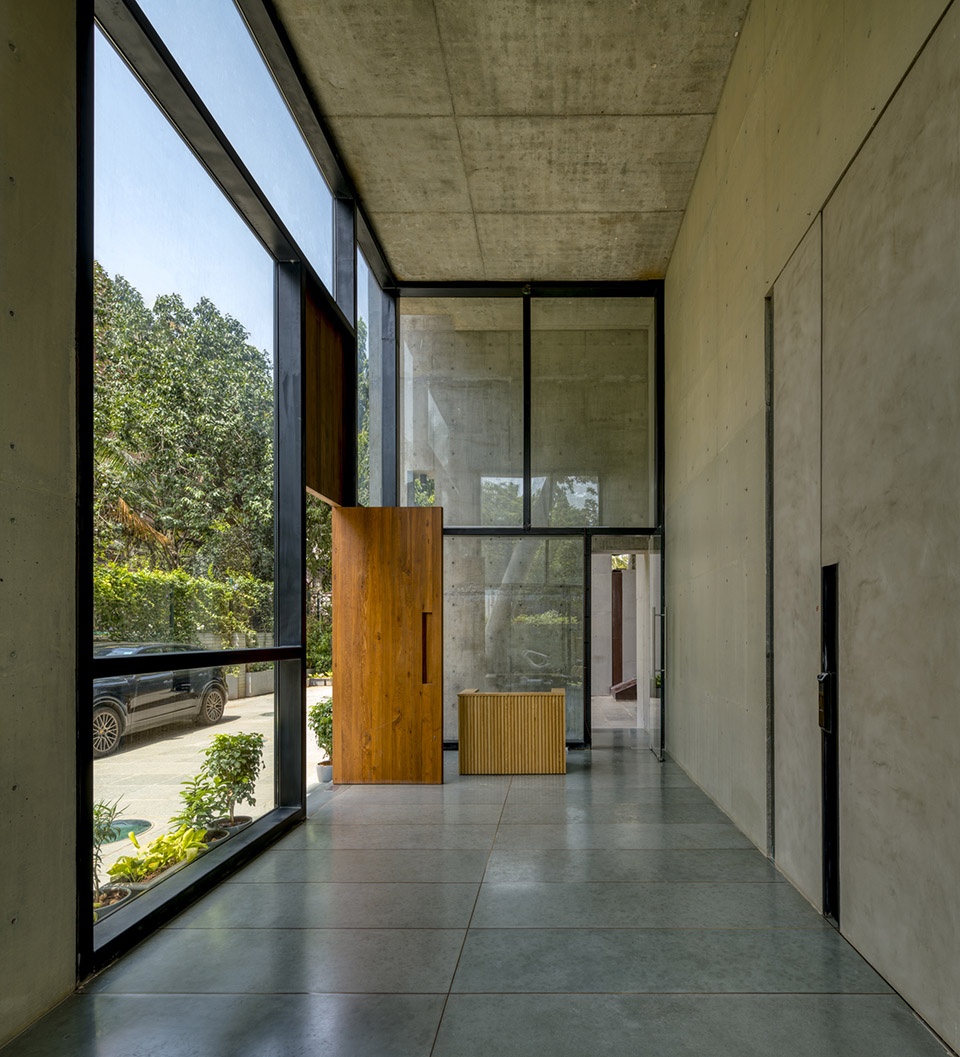
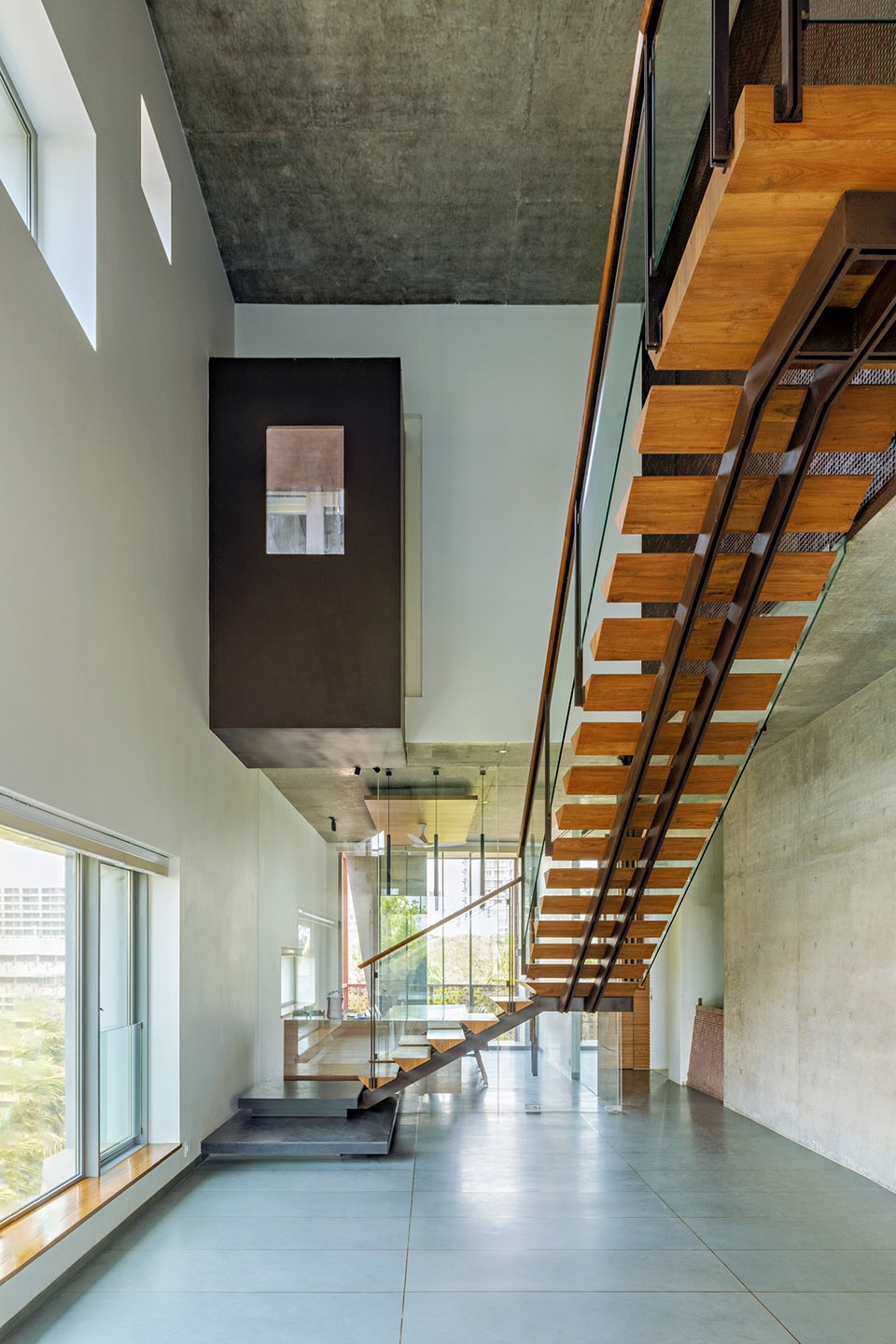
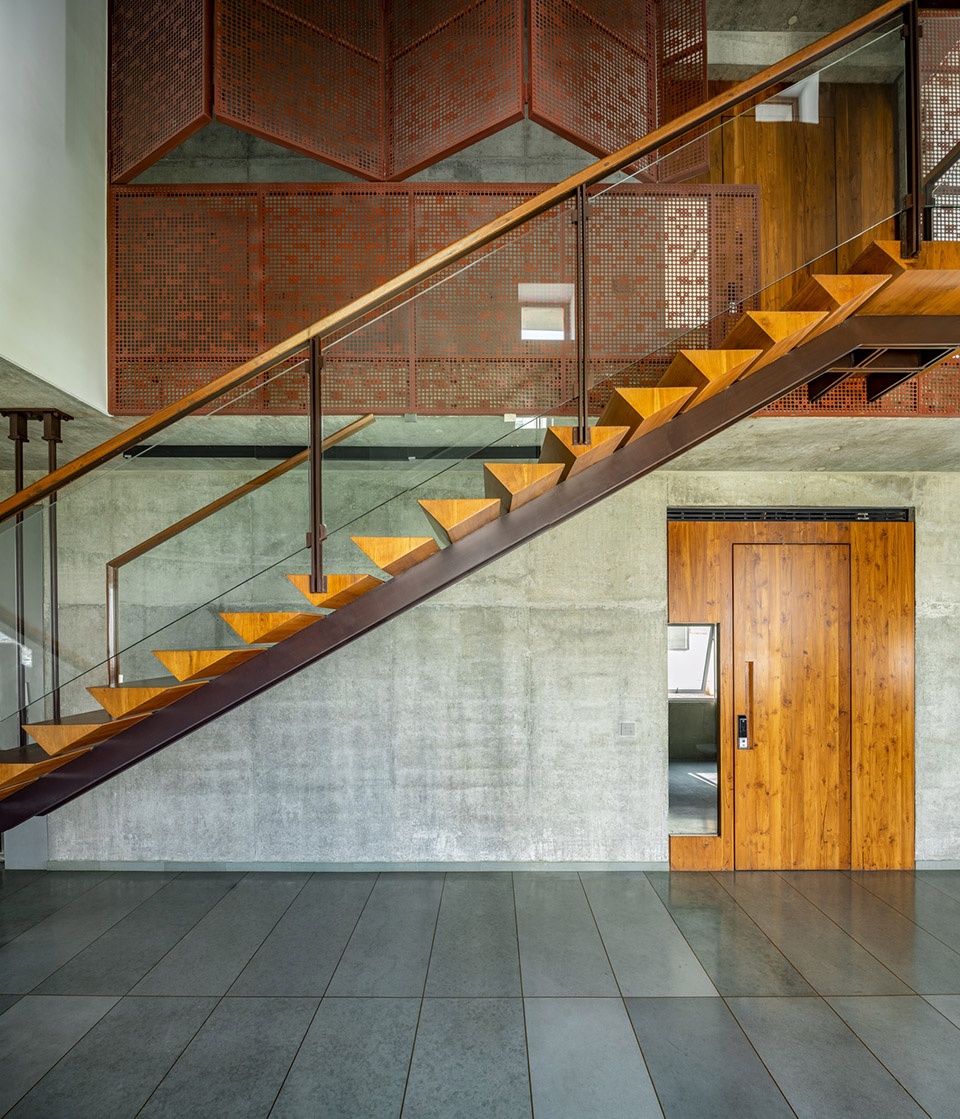
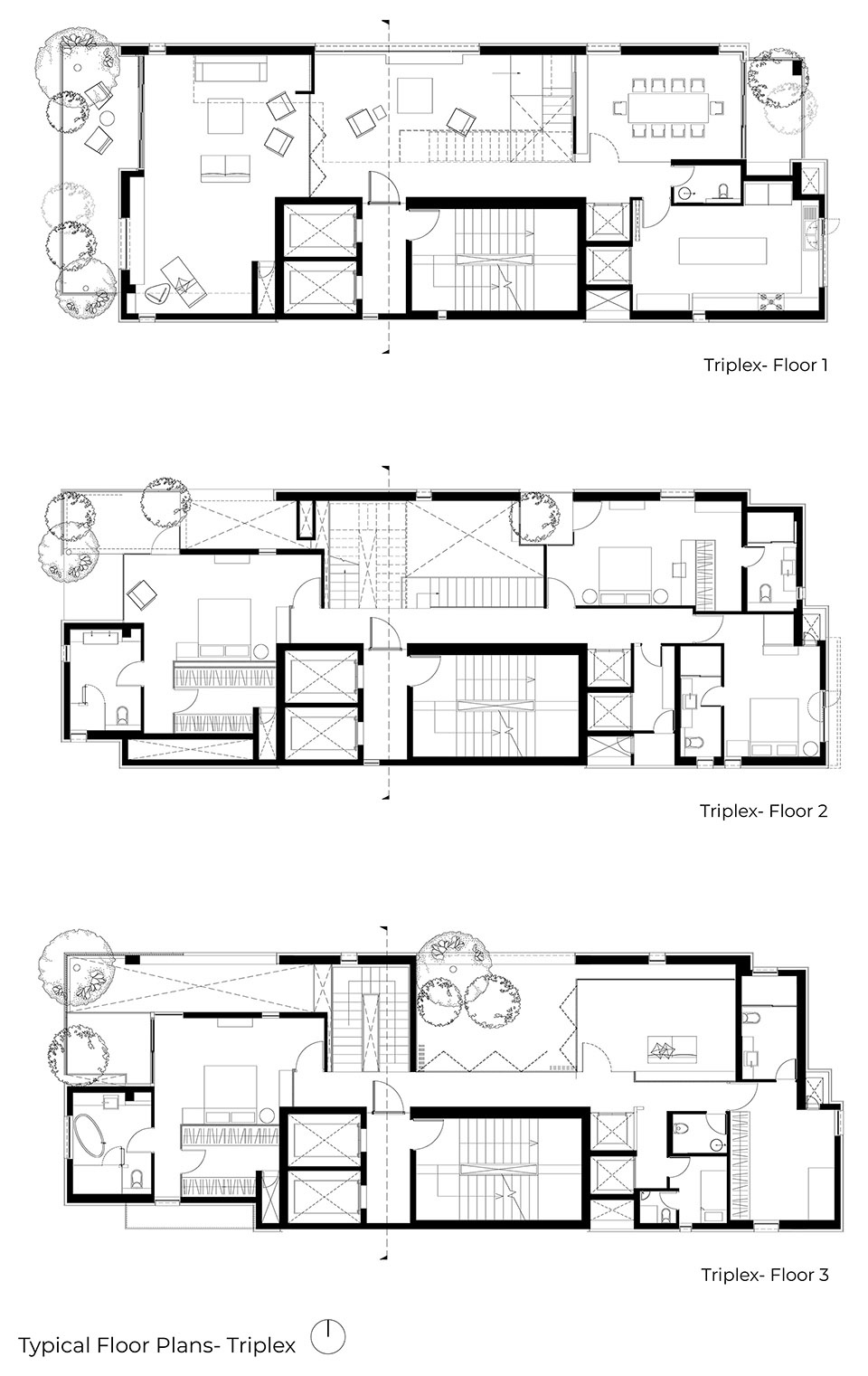
每户“独立宅邸”围绕朝北的中央天井布局,公共与私密空间则分别布置于东西两侧,以便借由相邻建筑之间的“缝隙”获取良好视野。天井将内部空间串联在一起,让自然光与空气贯通全屋。炎热季节时,天井如同热烟囱般发挥自然通风作用。结构与空间的灵活变化也使天井自然渗透至私密区域,形成一个由深层庭院与天窗构成的空间网络,带来“居住在天空下”的沉浸式体验。
▼剖面,section
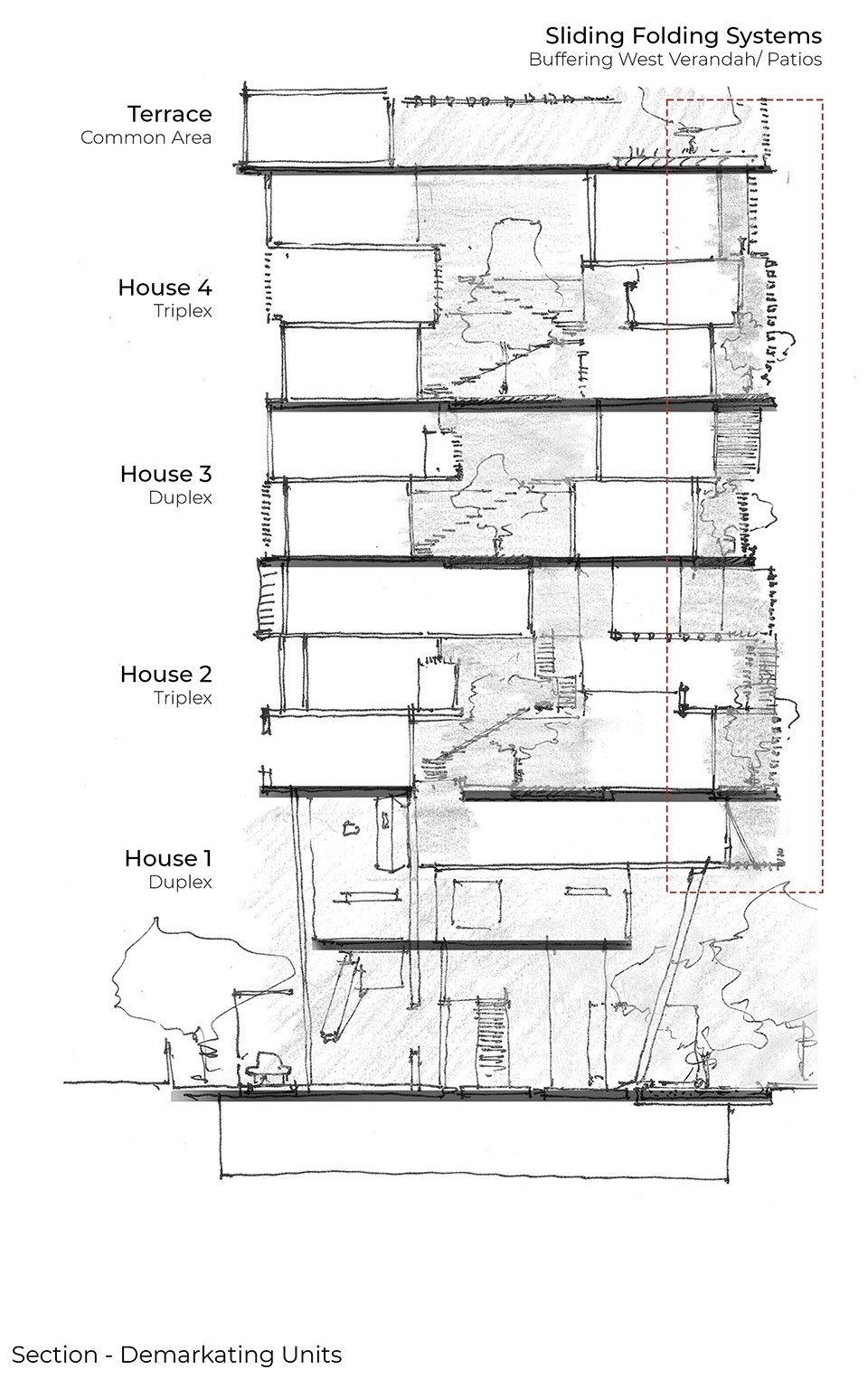
The individual “bungalows” are planned around central north facing courtyards with the public/private spaces located at the east and west zones to establish views into the funnels between the surrounding buildings. The individual courtyards bind the internal spaces and allow for natural light and breezes to flow through the house, behaving, in the hot months, like a thermal stack. Internal shifts in space and structure make the courtyard extend into the private spaces creating a network of deep voids and punctuated skylights. The sensation of living under the sky permeates through the house.
▼天井将内部空间串联在一起,the individual courtyards bind the internal spaces
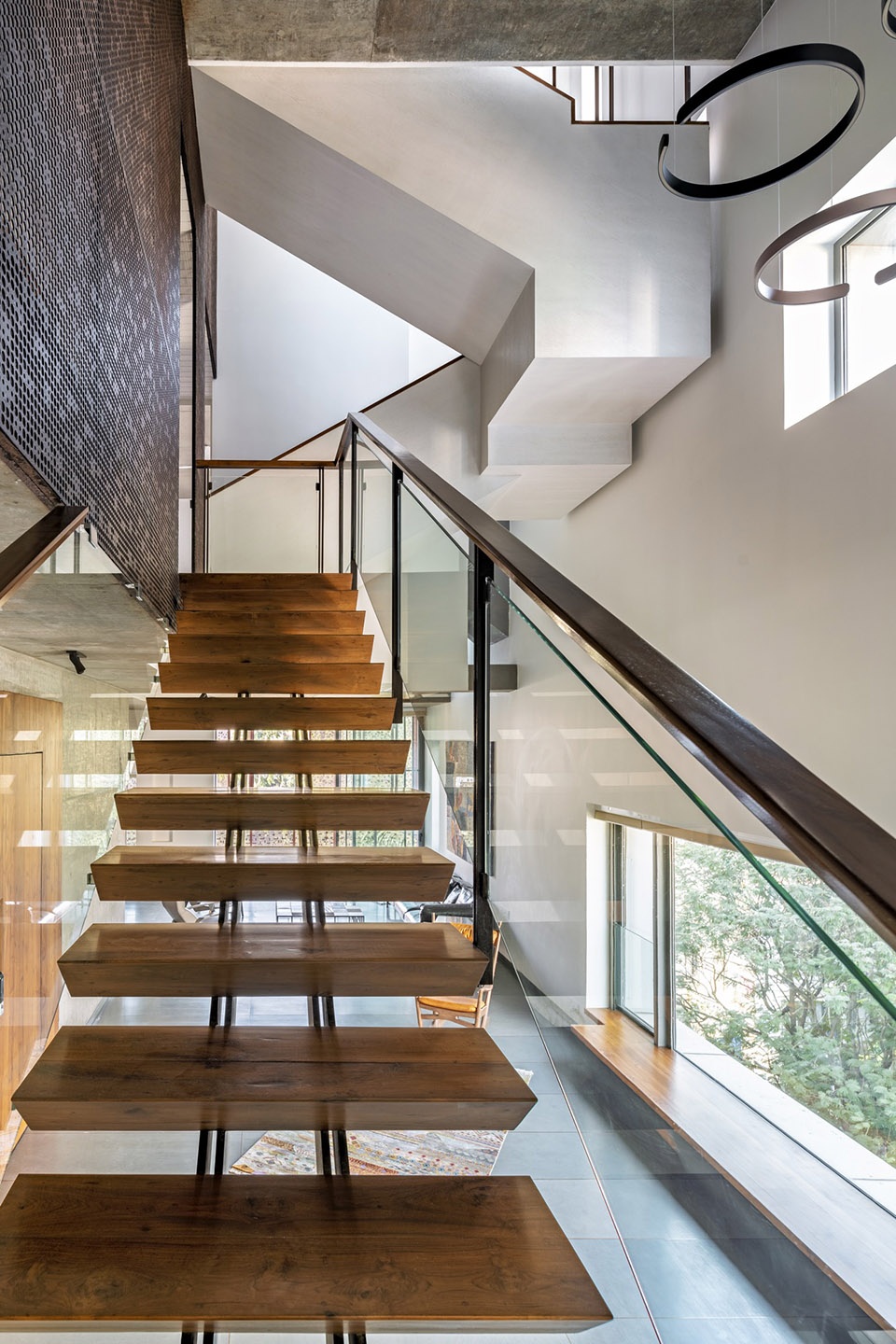
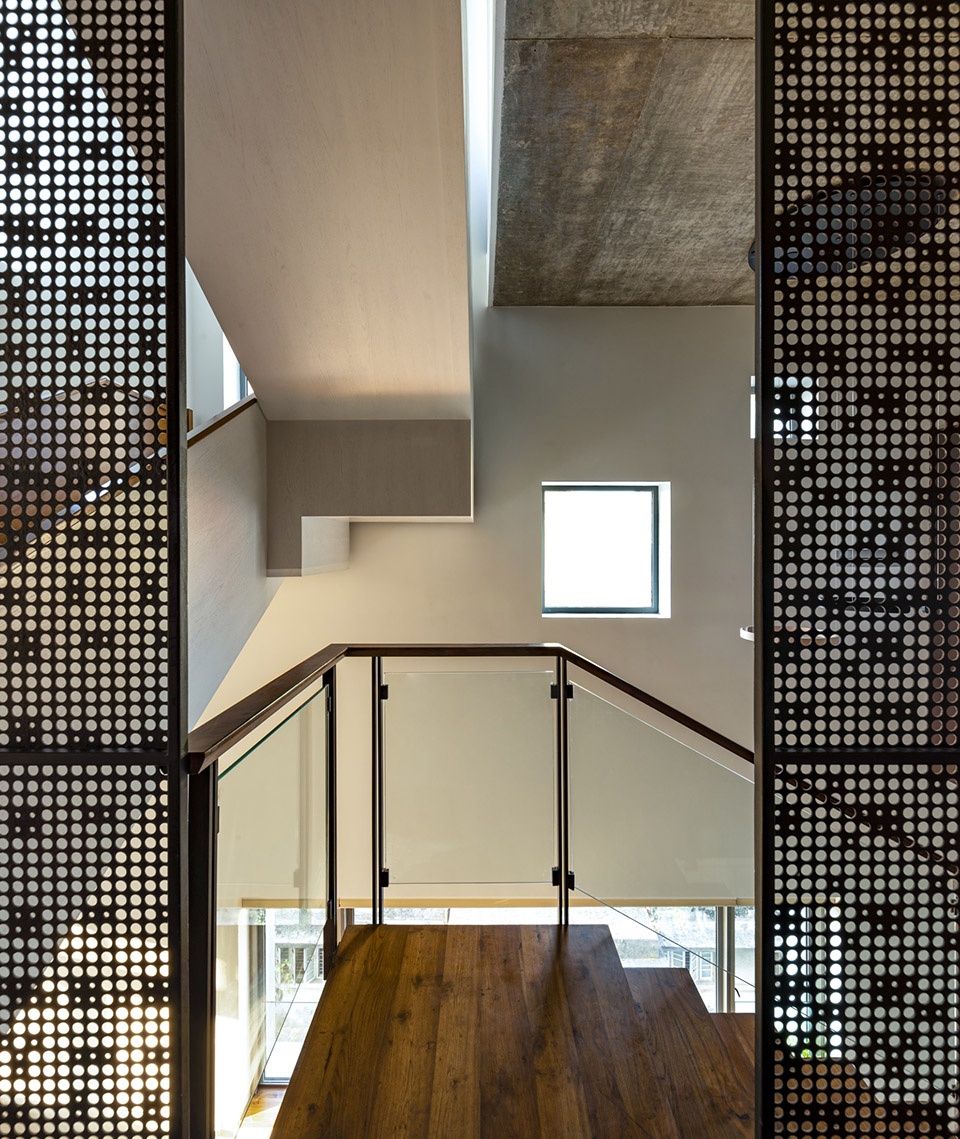
▼让自然光与空气自由流通,allow for natural light and breezes to flow through the house
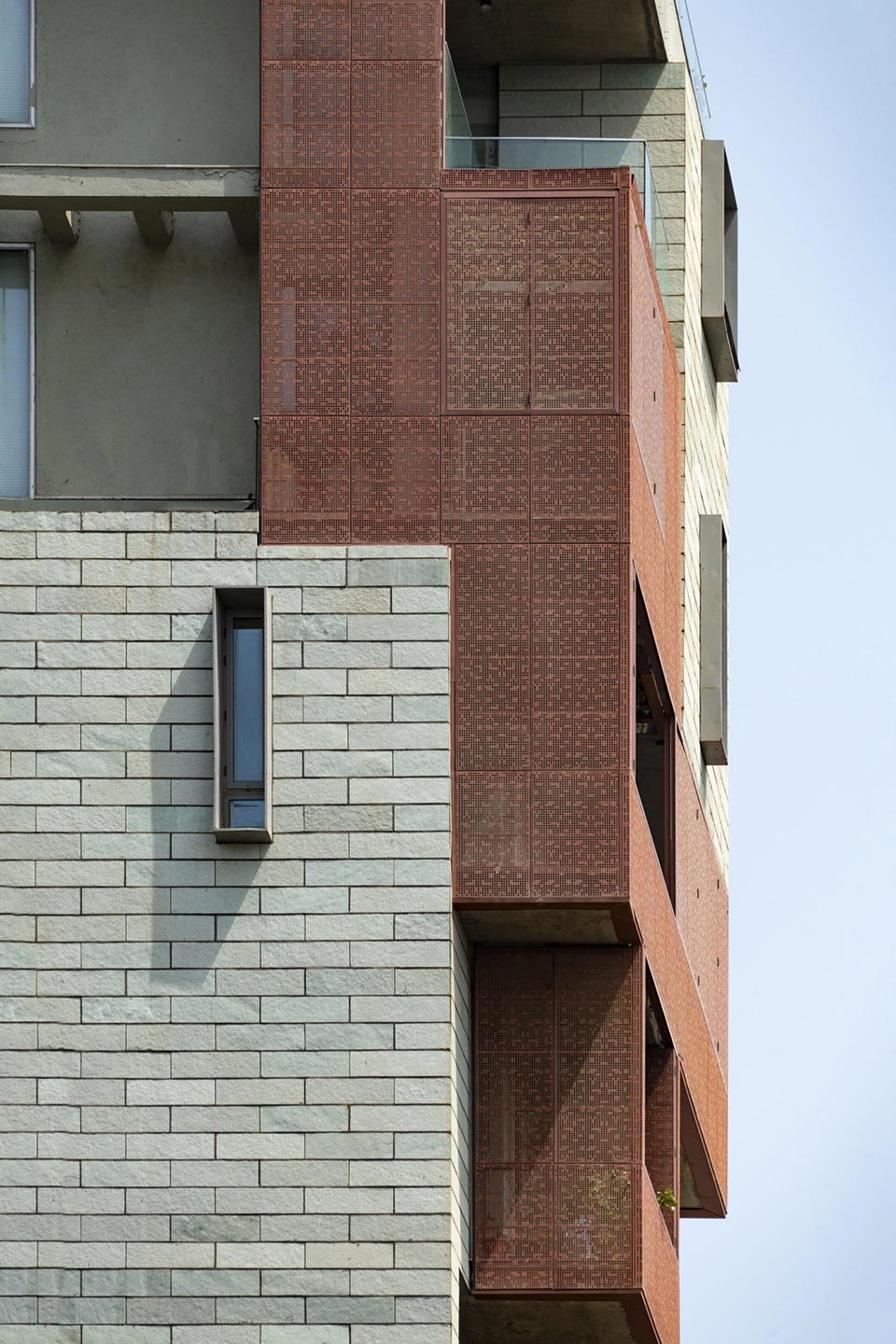
建筑西侧面向大海,亦最容易承受风雨侵袭,故设计为一系列深挑檐的廊台空间,结合固定与可开启的格栅系统。
The western edge, with its views of the sea, and its propensity to be subjected to the maximum force of the elements is organized as a series of deep shaded verandahs with fixed and operable screens.
▼可开启的格栅系统,shaded verandahs with fixed and operable screens
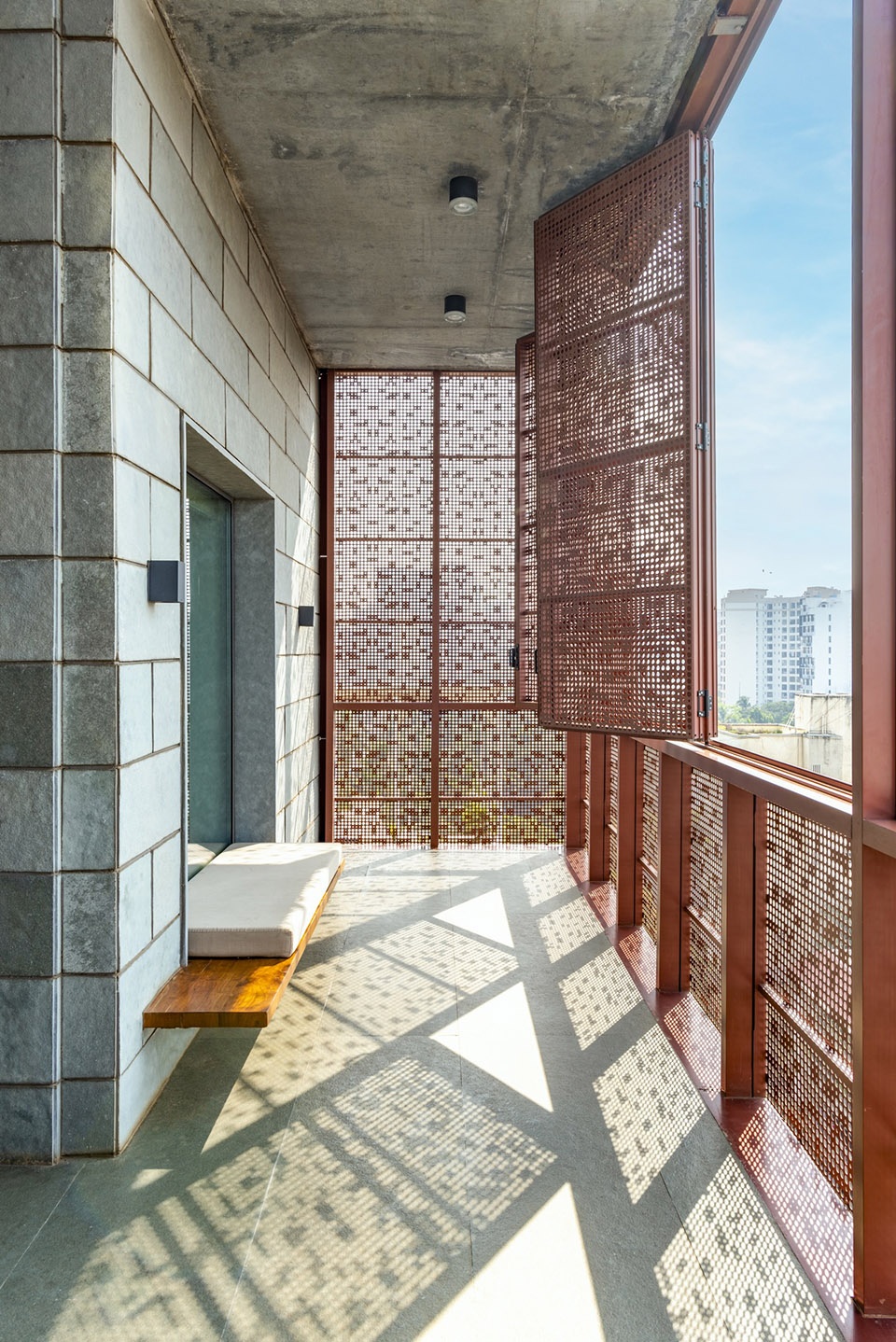
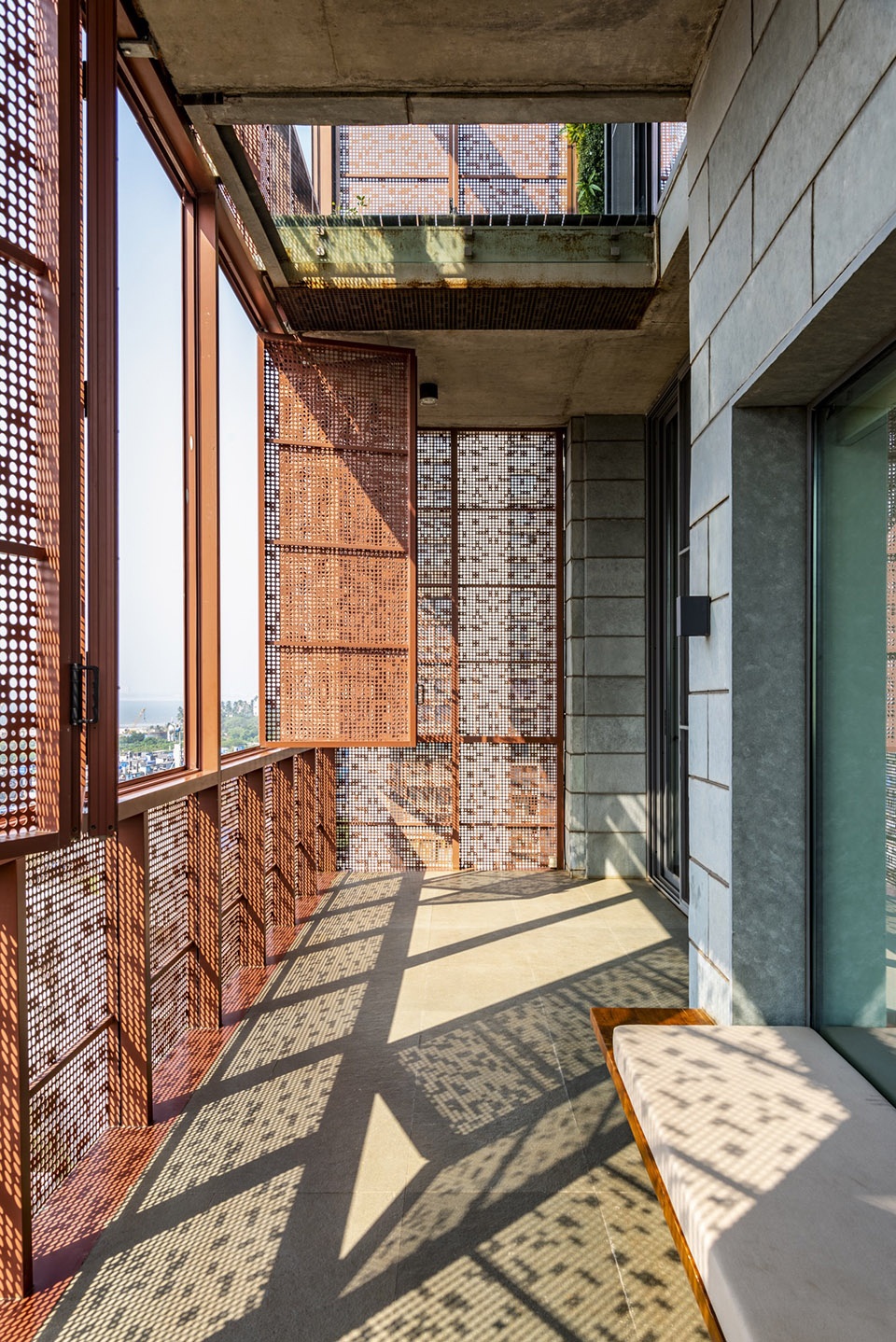
▼深挑檐的廊台空间,deep shaded verandahs
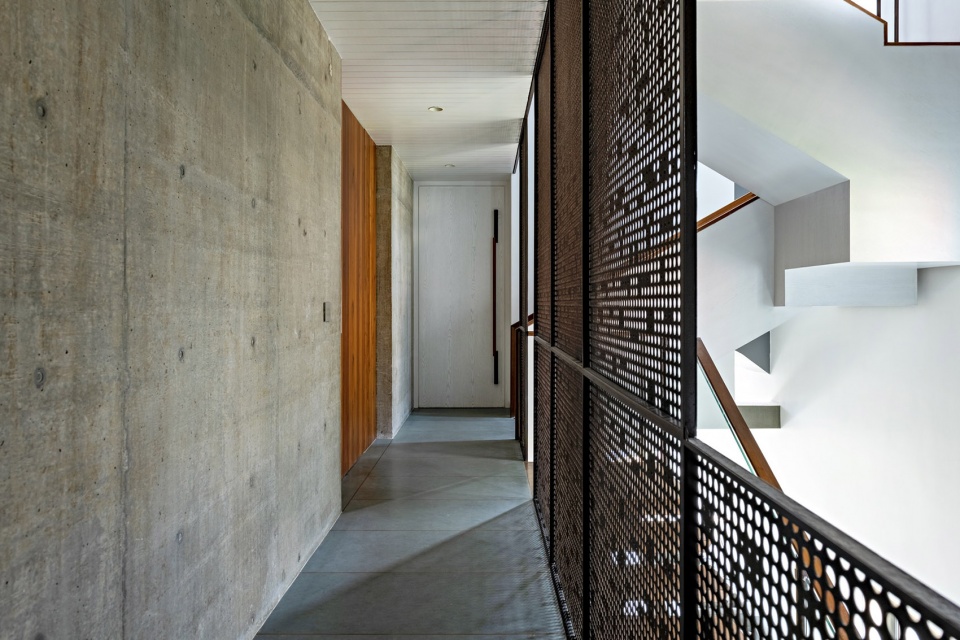
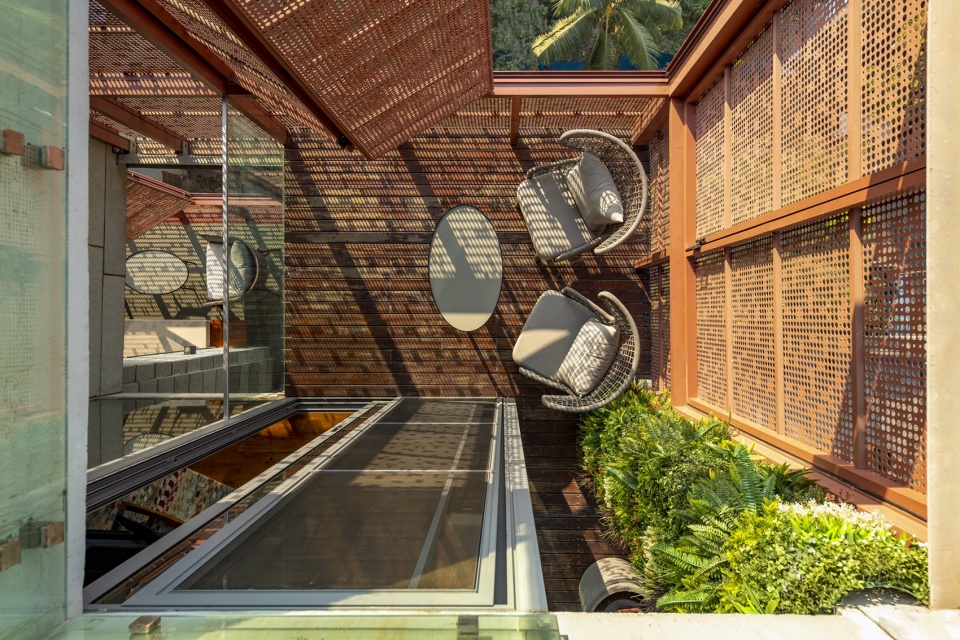
▼灵感来源于传统建筑的遮光格栅,Jaali / Screens from indigenous factors
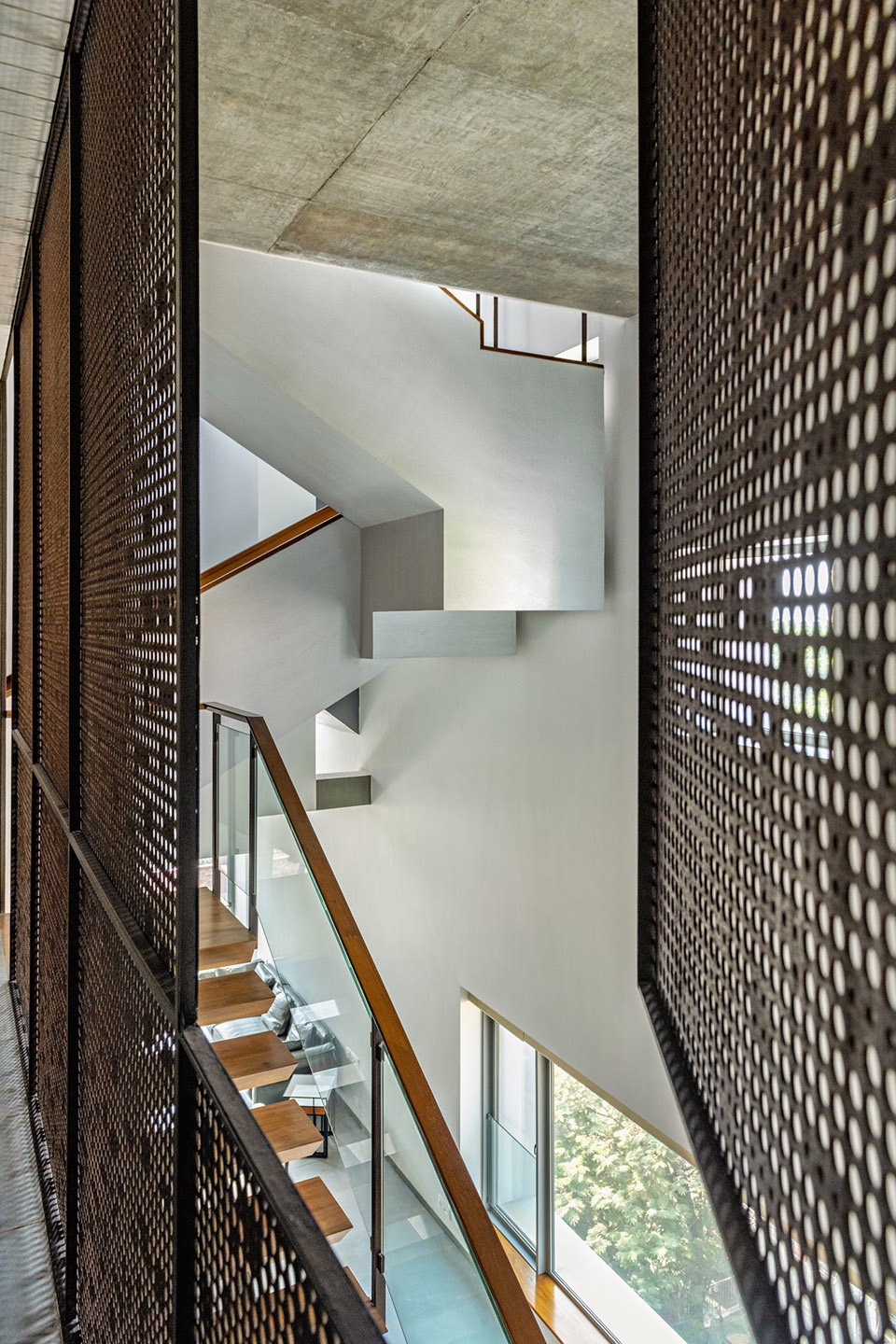
这些廊台根据各户室内布局的不同而产生形式与剖面的变化,使每套住宅形成独立的廊台比例与空间特征。可开启的遮阳格栅既提供隐私保护,又提升遮阳效率,使廊台空间具备全年适居性。
The Verandah spaces shift profiles within this tall void, based on the relationship with the interior, and each bungalow develops its own proportion of verandahs’. The operable screens create privacy and shading making those spaces perennially habitable.
▼每套住宅形成独立的廊台比例与空间特征,each bungalow develops its own proportion of verandahs’
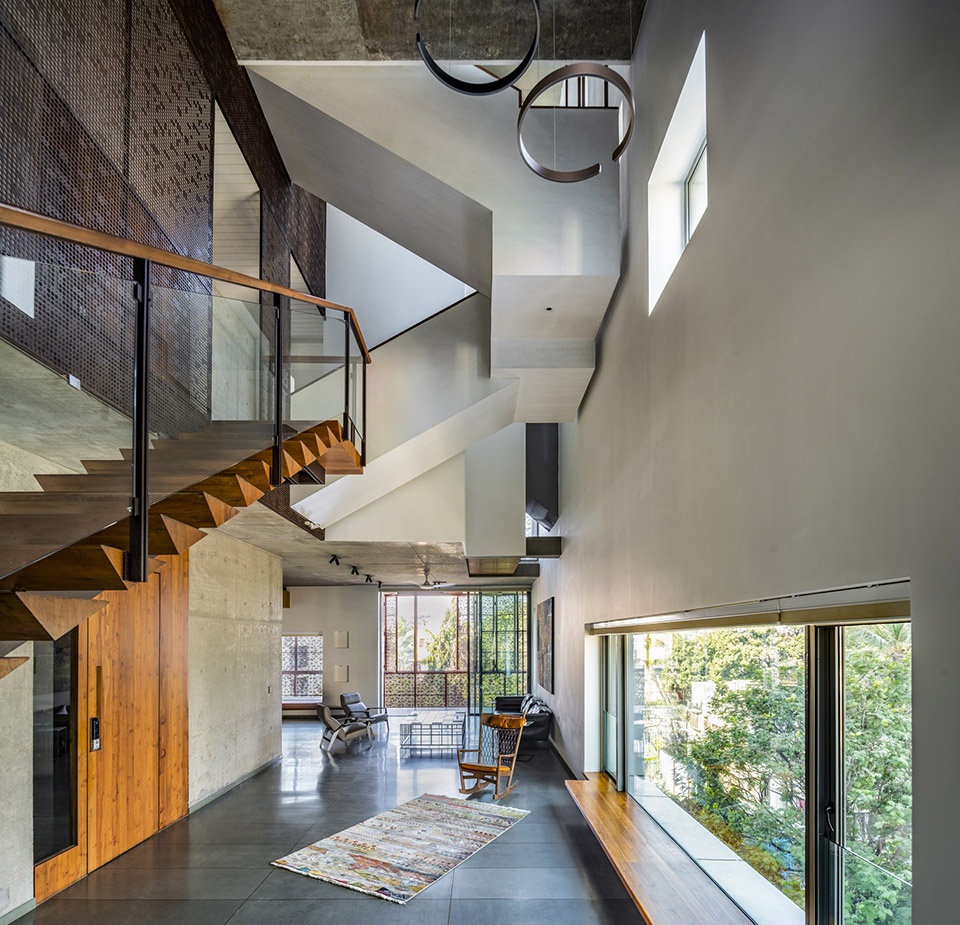
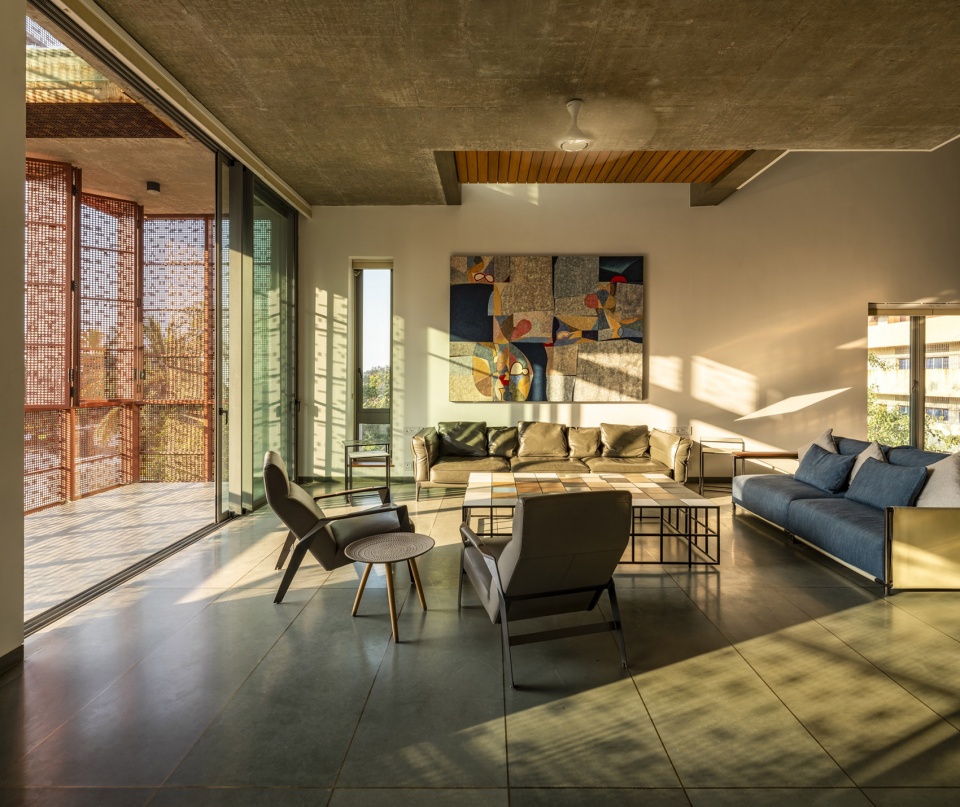
▼每套住宅形成独立的廊台比例与空间特征,each bungalow develops its own proportion of verandahs’
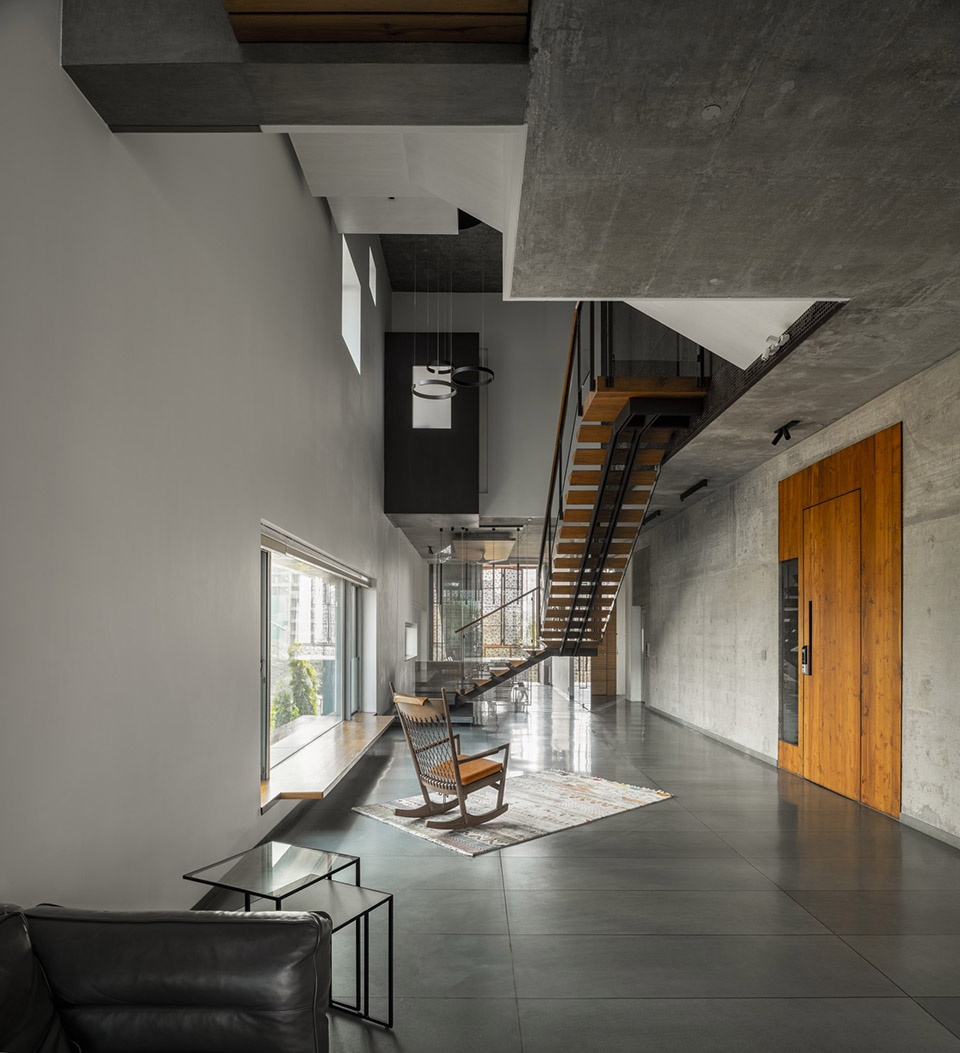
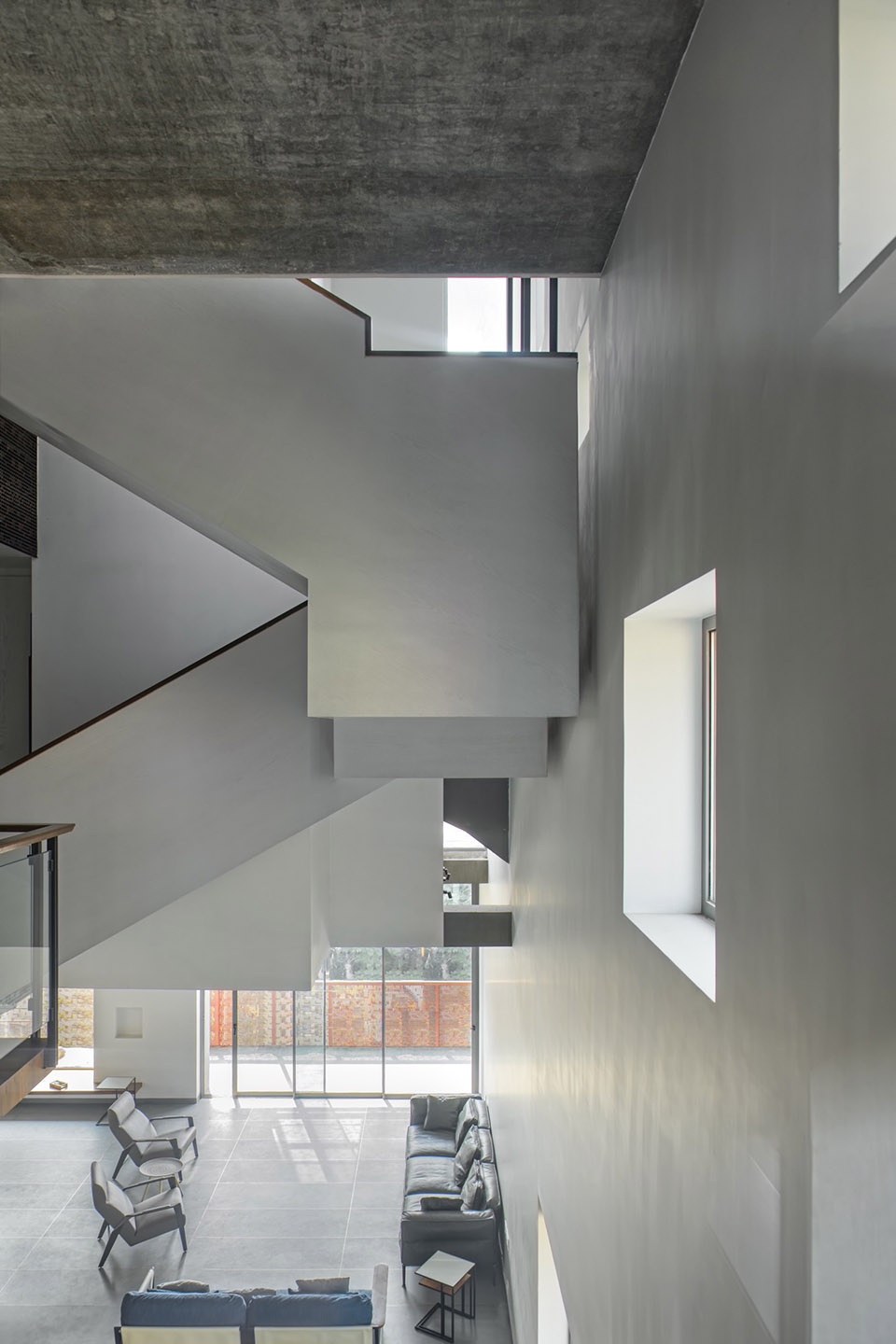
通过对本土建筑元素的分析与适应,这一方案为快速蔓延的城市高层住宅类型提供了一种可行的、具有地域回应性的建筑策略。
Through the analysis and adaptation of vernacular devices a plausible solution to the urban impact of these rapidly proliferating building types seems possible.
▼城市周围环境,urban context
▼低层平面,lower level floor plans
▼标准层平面,typical floor plan
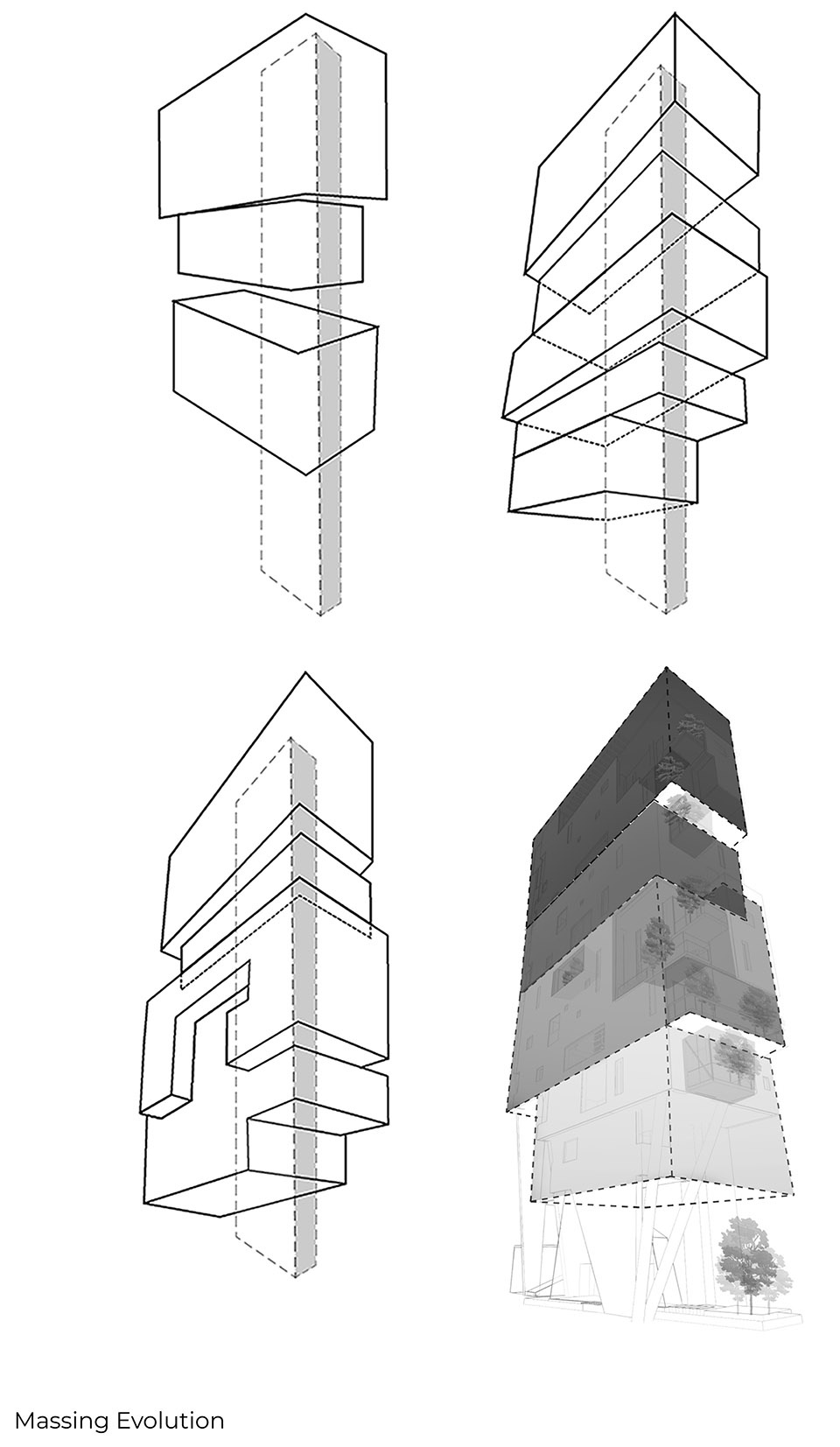
▼体块演变,massing evolution
Project size: 40000 ft2
Site size: 6900 ft2
Completion date: 2023
Building levels: 9
Credits: Malik Architecture
Principal architect: Kamal Malik Arjun Malik
Photographer: Bharath Ramamrutham