Edifício Estação大楼,葡萄牙 / Sónia Cruz Arquitectura
该项目提案旨在于阿威罗市中心、靠近火车站的一块地块上(具体位于Rua Comandante Rocha e Cunha街142A和142B号,转角连接Rua Dr. Arlindo Vicente街),建造一座集多户住宅与商业/服务功能于一体的建筑。
The proposal refers to the intention of building a multi-family housing building with commerce/services in a building located in the center of Aveiro, close to the railway station, more specifically on Rua Comandante Rocha e Cunha nº142A and B, corner with Rua Dr. Arlindo Vicente.
▼项目概览,overall of the project
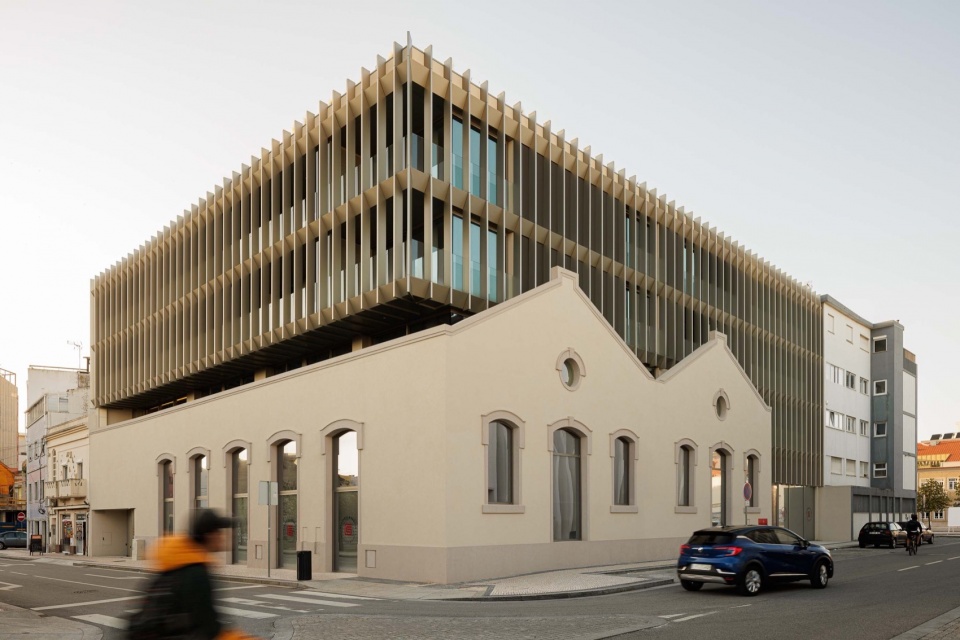
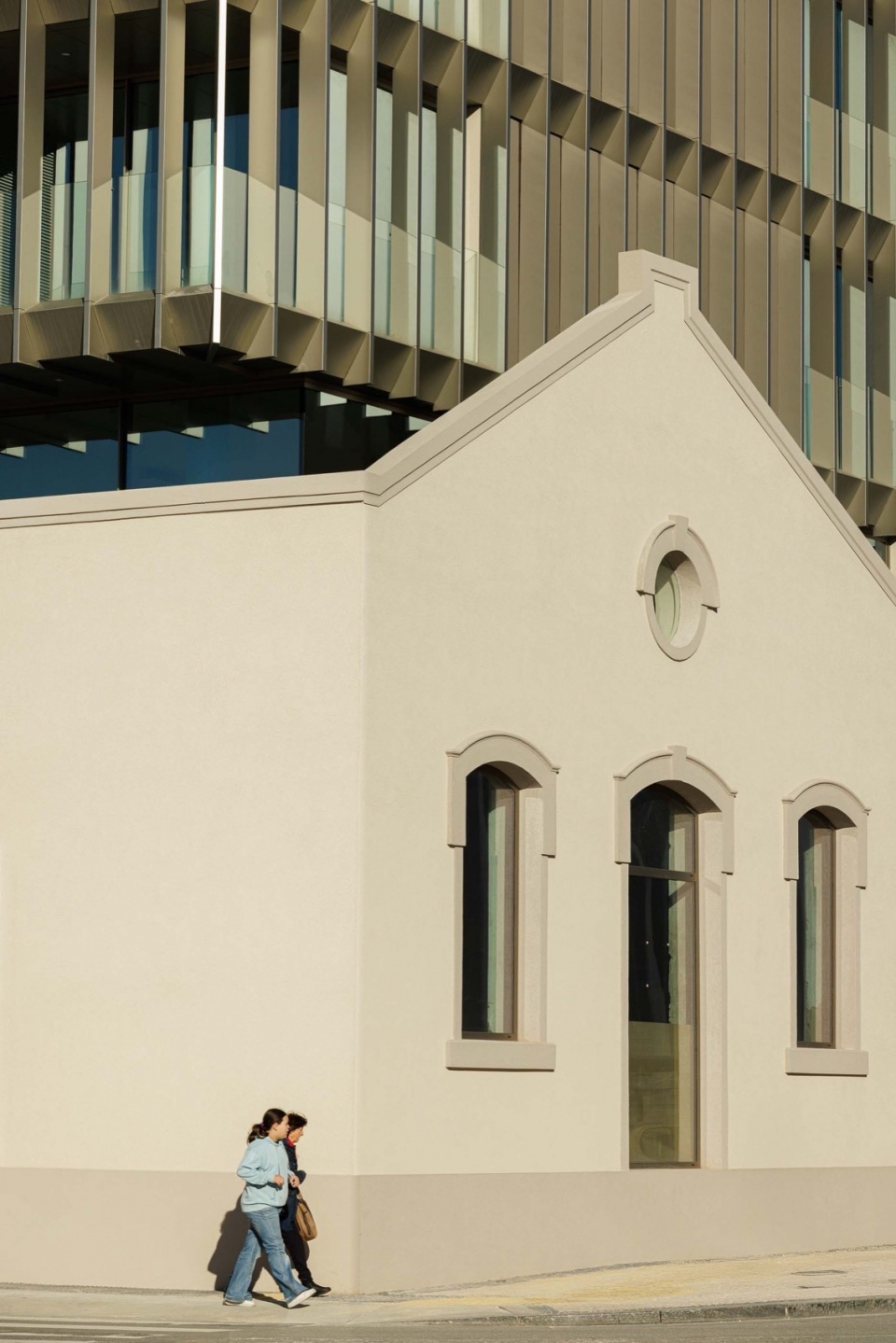
该地块原为两座已废弃的工业仓库以及一侧庭院所构成。这两座建筑为20世纪初的工业厂房,其立面设计风格一致。主立面(即面向Rua Dr. Arlindo Vicente街的一面)体现了该时期工业建筑的典型建筑语言,具有由“窗–门(门设高门槛)–窗”构成的节奏性布局,并在门的轴线上方设有一处圆形窗。考虑到现存立面的保存与融入有助于提升新建筑的价值,并得以保留该区域曾有的历史记忆,因此本项目选择予以保留与整合。
Originally the complex consisted of two deactivated industrial warehouses and a side patio. These are two industrial warehouses from the beginning of the 20th century, with identical elevation designs. The main elevation of the buildings (elevation on Rua Dr. Arlindo Vicente) has an architectural language characteristic of industrial buildings of the time, rhythmized by window – door (with raised threshold) – window and circular window along the axis of the door. Considering that the preservation and integration of the existing facades enhanced the value of the new construction, preserving a distant memory of the area’s former character.
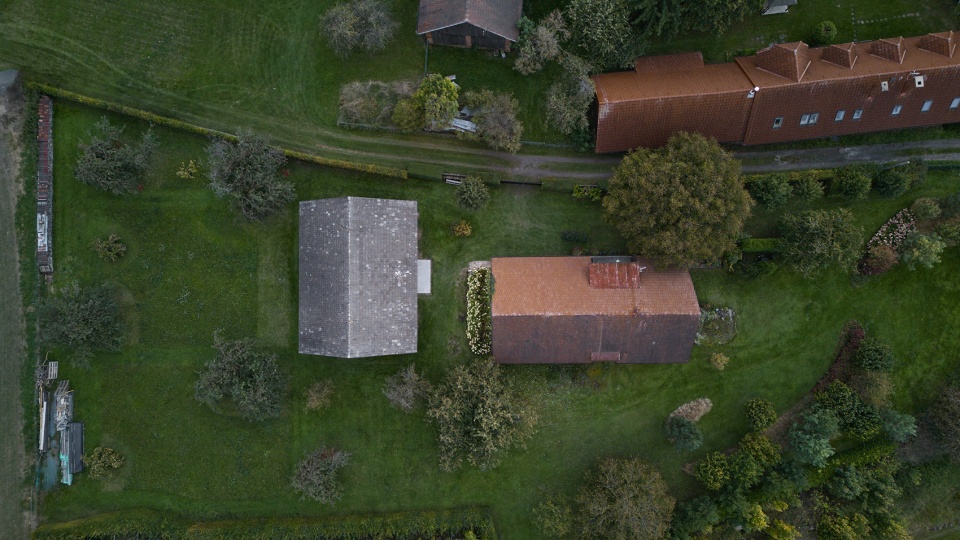
▼整体鸟瞰,aerial view of the site
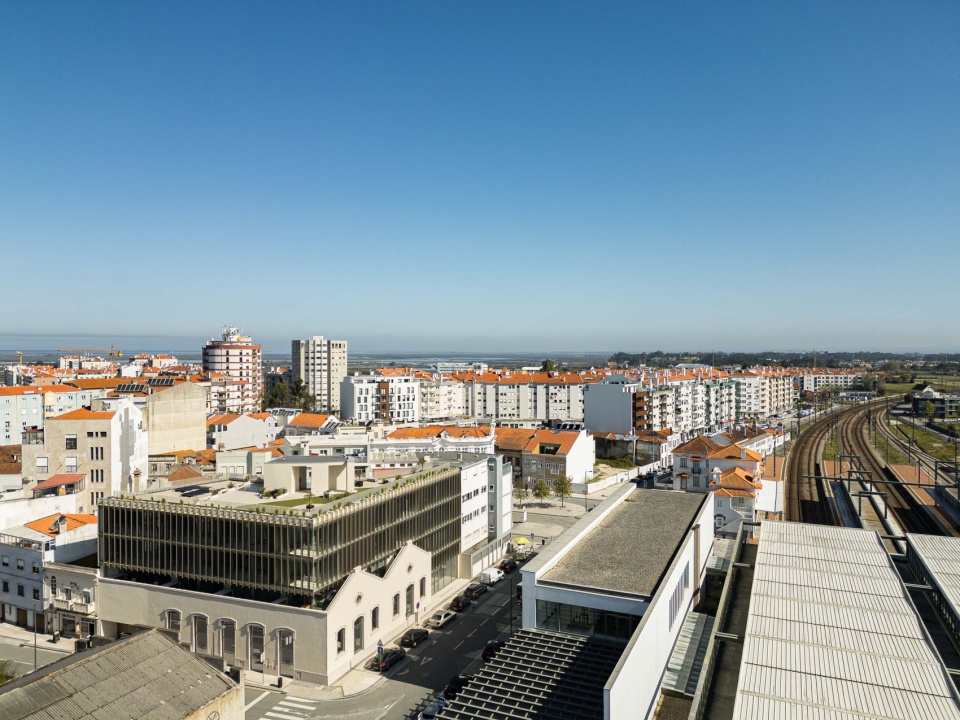
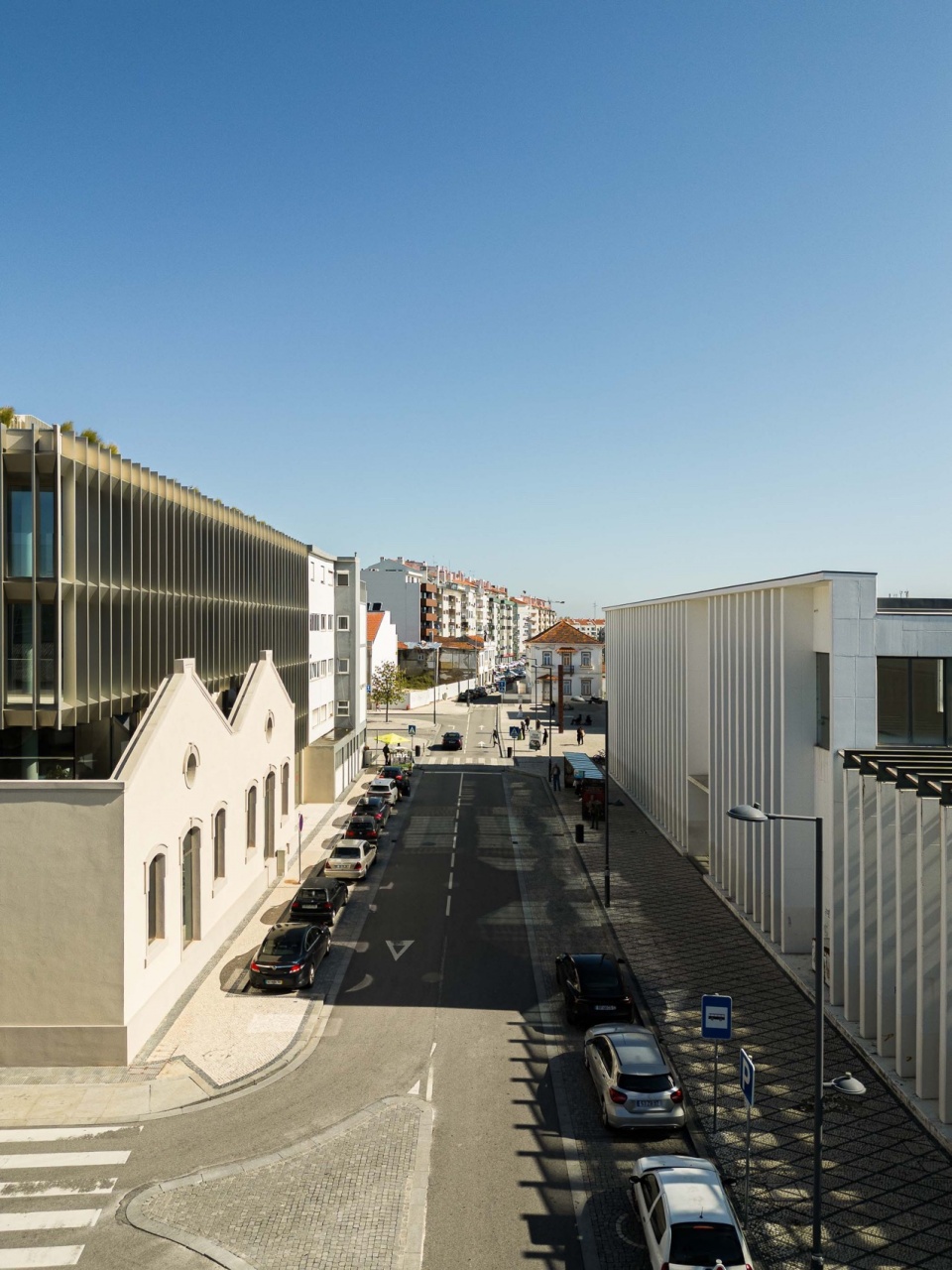
▼街道鸟瞰,aerial view of the street
▼顶视图,top view
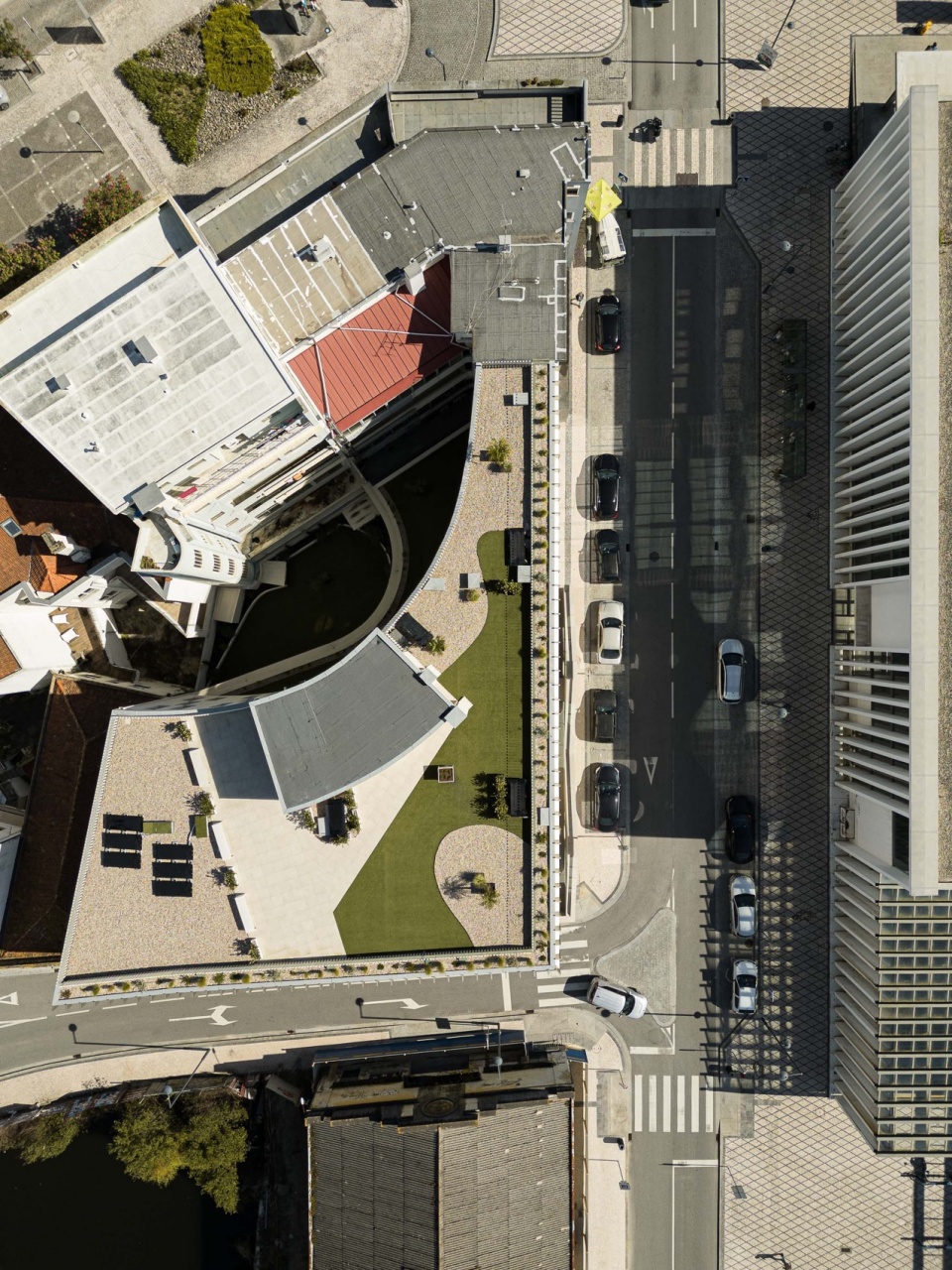
两座原有工业建筑已停用,辅以侧边庭院共同组成本项目用地。建筑出自20世纪初,外观设计统一。主立面语言体现出工业功能性特征,其布局节奏强烈,具有较高的代表性。
The two pre-existing industrial warehouses were deactivated and were complemented by a side patio. These are two industrial warehouses from the beginning of the 20th century, with identical elevation designs. The main elevation of the buildings (elevation on Rua Dr. Arlindo Vicente) has an architectural language characteristic of industrial buildings of the time, rhythmized by window – door (with raised threshold) – window and circular window along the axis of the door.
▼外观,exterior view
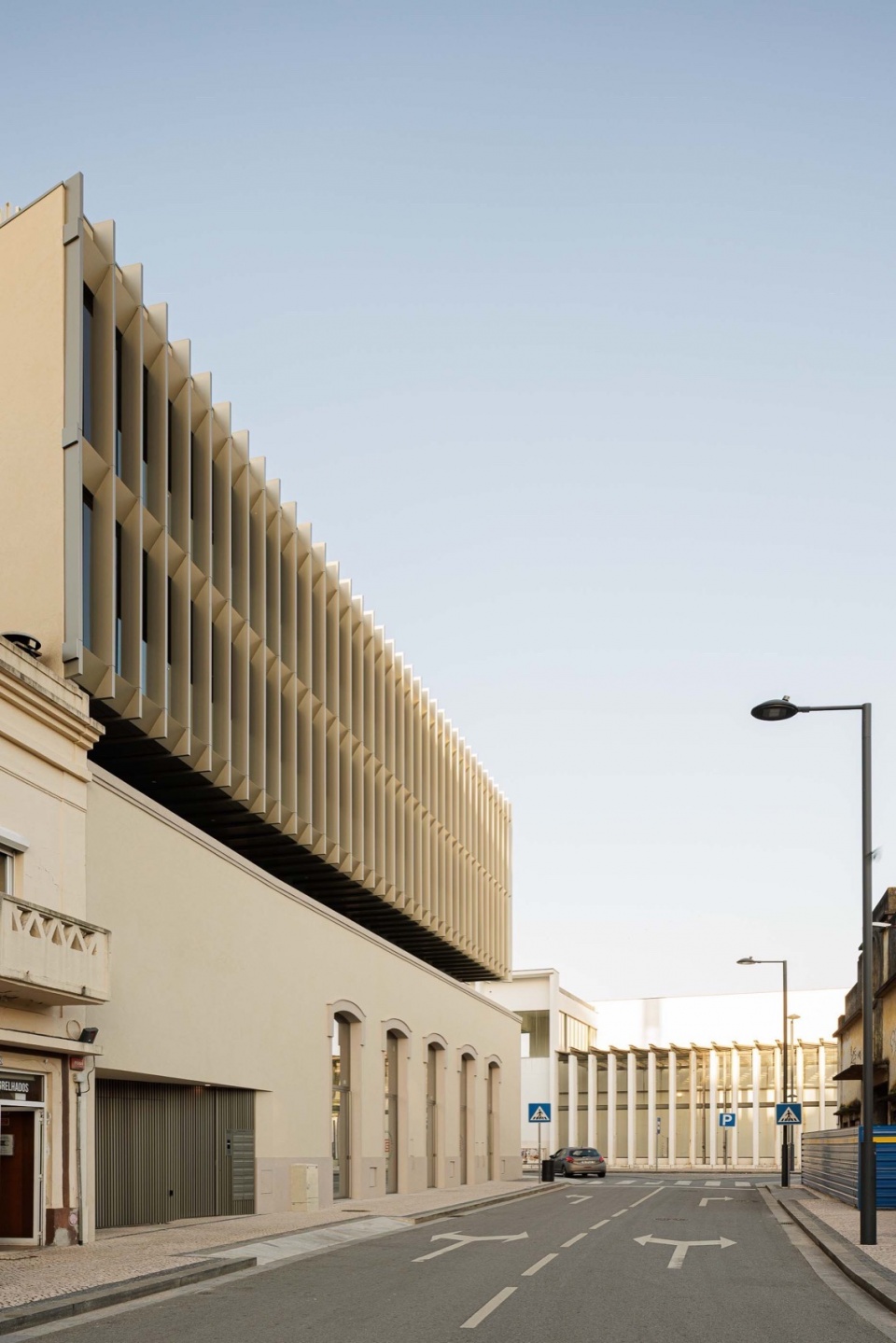
▼街景,street view
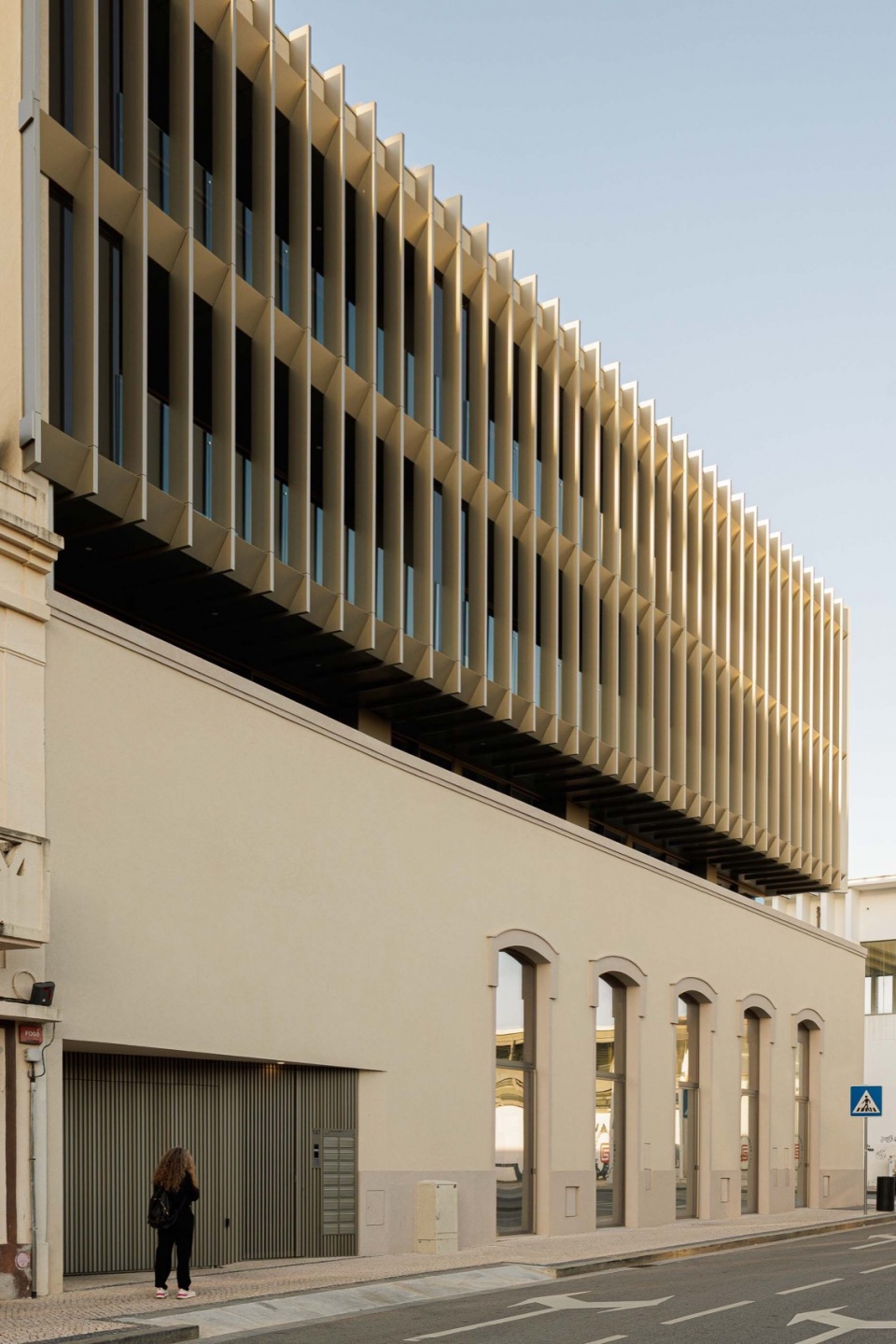
本次城市干预旨在使新方案与周边环境实现有机融合。新建筑遵循邻近建筑的街道退距与高度控制要求,并考量该街区的未来发展潜力,重点保留现有仓库的立面,这些立面正是上世纪初铁路车站周边工业建筑的重要实例。
The urban intervention aimed to integrate the proposal into the circumstances, following the alignments of adjacent buildings and the development forecast for the block, considering the maintenance of the facades of the existing warehouses, examples of the industrial architecture that characterized the vicinity of the railway station at the beginning of the last century.
▼立面近景,closer view of the facade
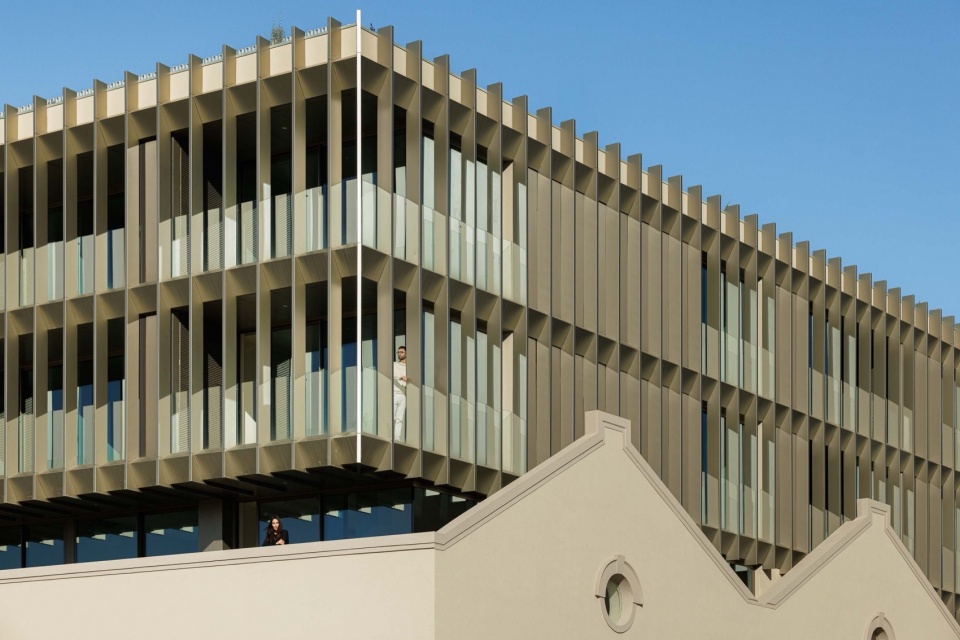
建筑方案由地面层的四个商业/服务单元、上部楼层的十五(15)套住宅单元,以及一个设置于地下一层的共用停车场构成。地下一层覆盖整个地块;上部楼层在中部退让,形成一个内庭院,仅在边界处与邻近建筑的山墙接触,对应街道布局。
The building consists of four (4) commercial/service units on the ground floor, fifteen (15) housing units on the upper floors and a common car parking area on the basement floor. The basement floor occupies the entire area of the plot. On the upper floors, the construction forms a rear patio, moving away from the center of the block and touching only the gables of the adjacent buildings facing the respective streets.
▼沿街立面,facade along the street
▼细部,details
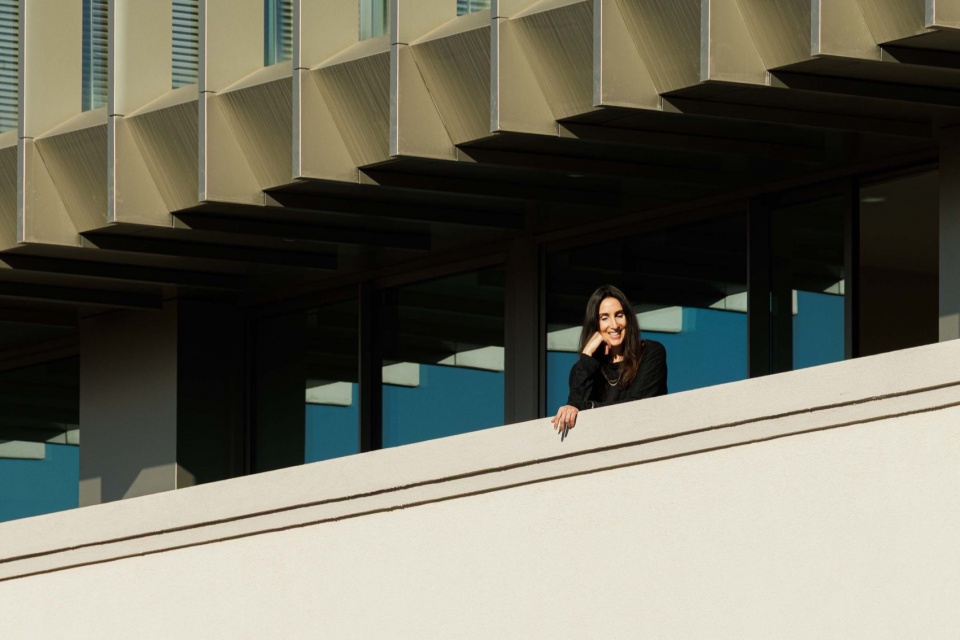
新建筑的构型旨在实现新旧共存的协调统一,同时确保其与周边城市肌理的恰当呼应。考虑到原有立面封闭性强、实体厚重且开窗受限,影响空间通风与采光,项目决定将地面层用于商业与服务功能,以其空间灵活性更好地适应现有门窗节奏与层高条件。
The formalization of the building aimed at the symbiosis between the new building and the pre-existing one, and its relationship with the nearby surroundings. The maintenance of the pre-existing facades, due to their size and opacity, conditioned the development and use of the building, with the decision being made to occupy the ground floor with units intended for commerce/services which, as it is a more versatile program, also more easily adapted to the openings and ceiling height induced by the pre-existing facades.
▼停车场入口,entrance of the parking
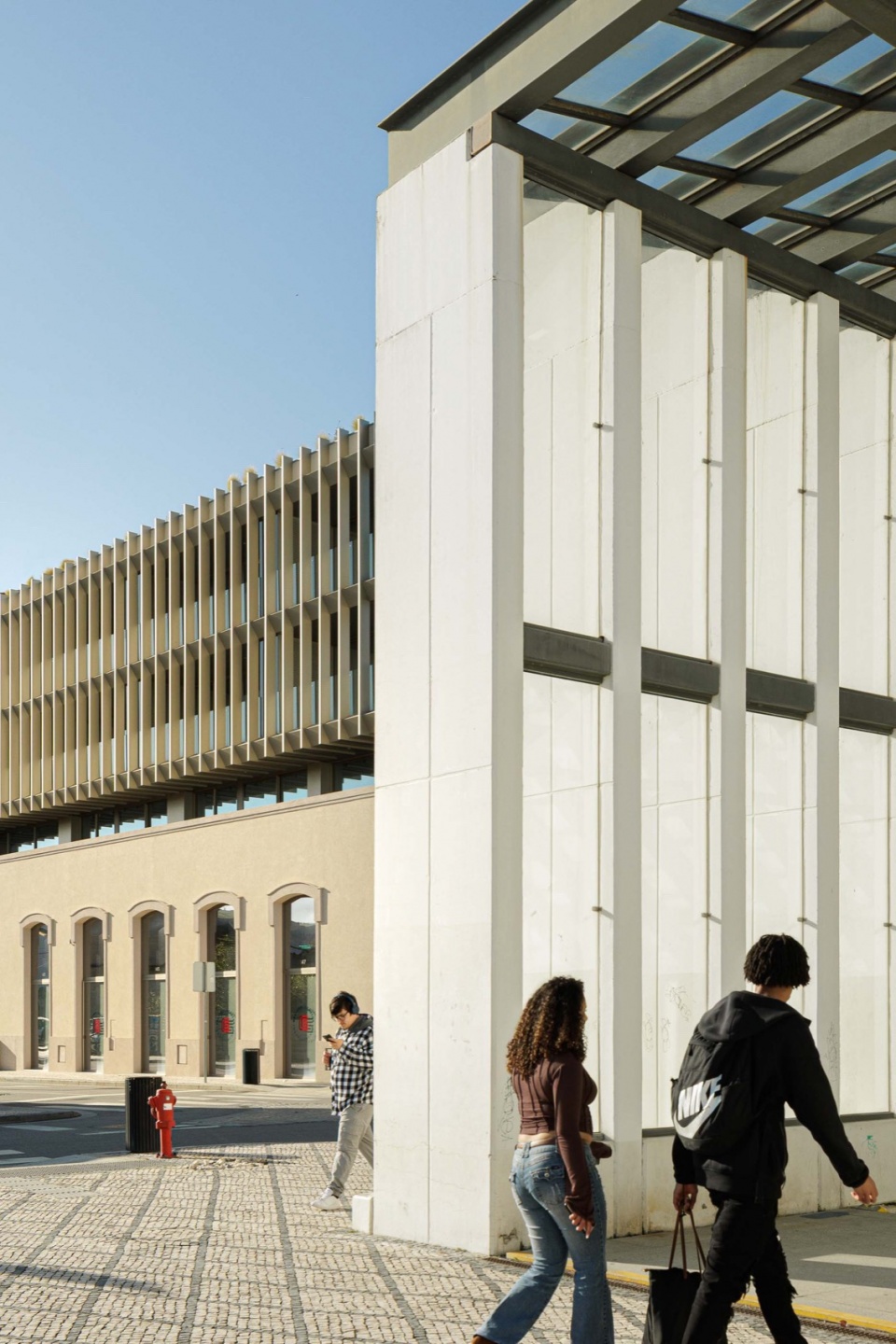
▼细部,details
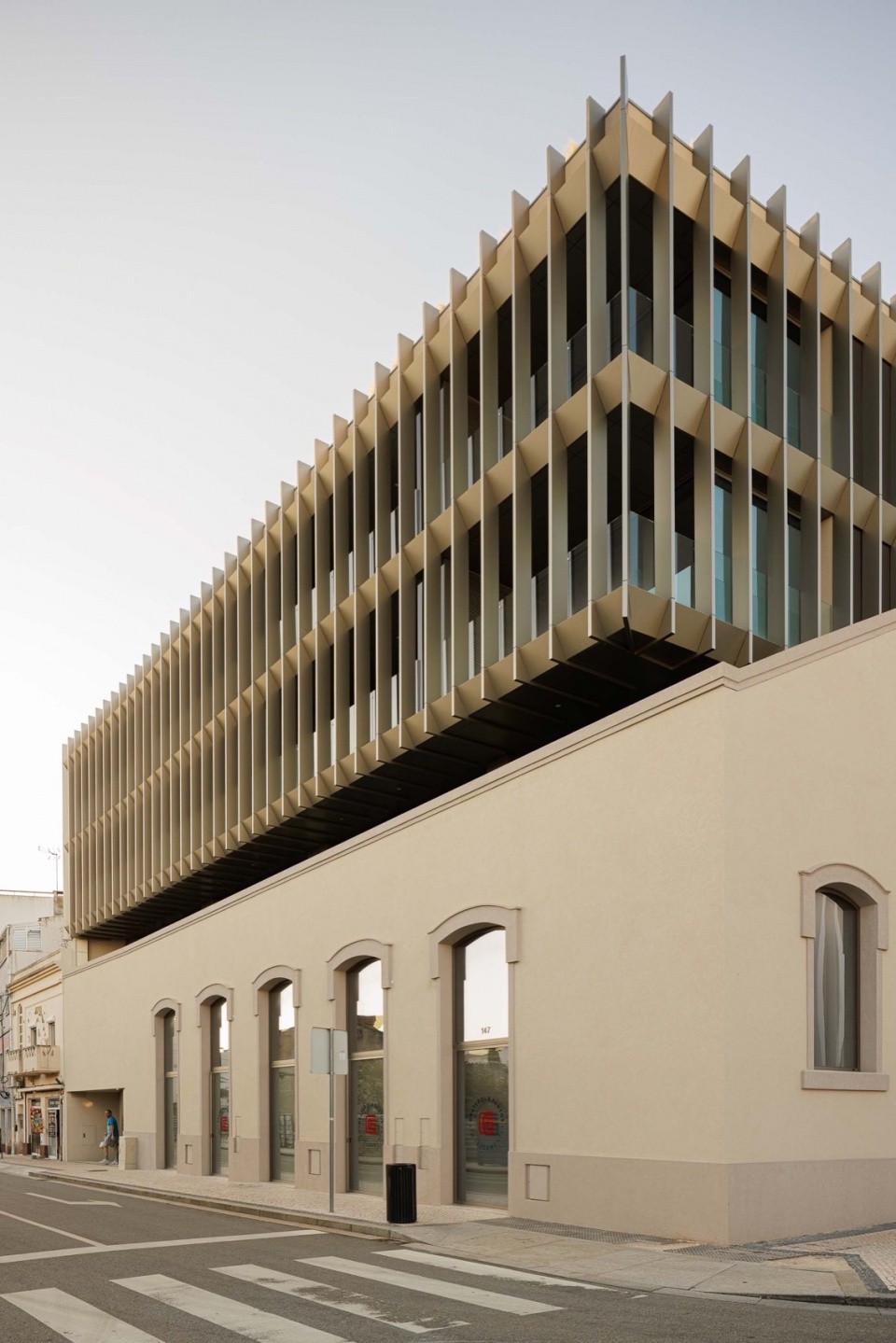
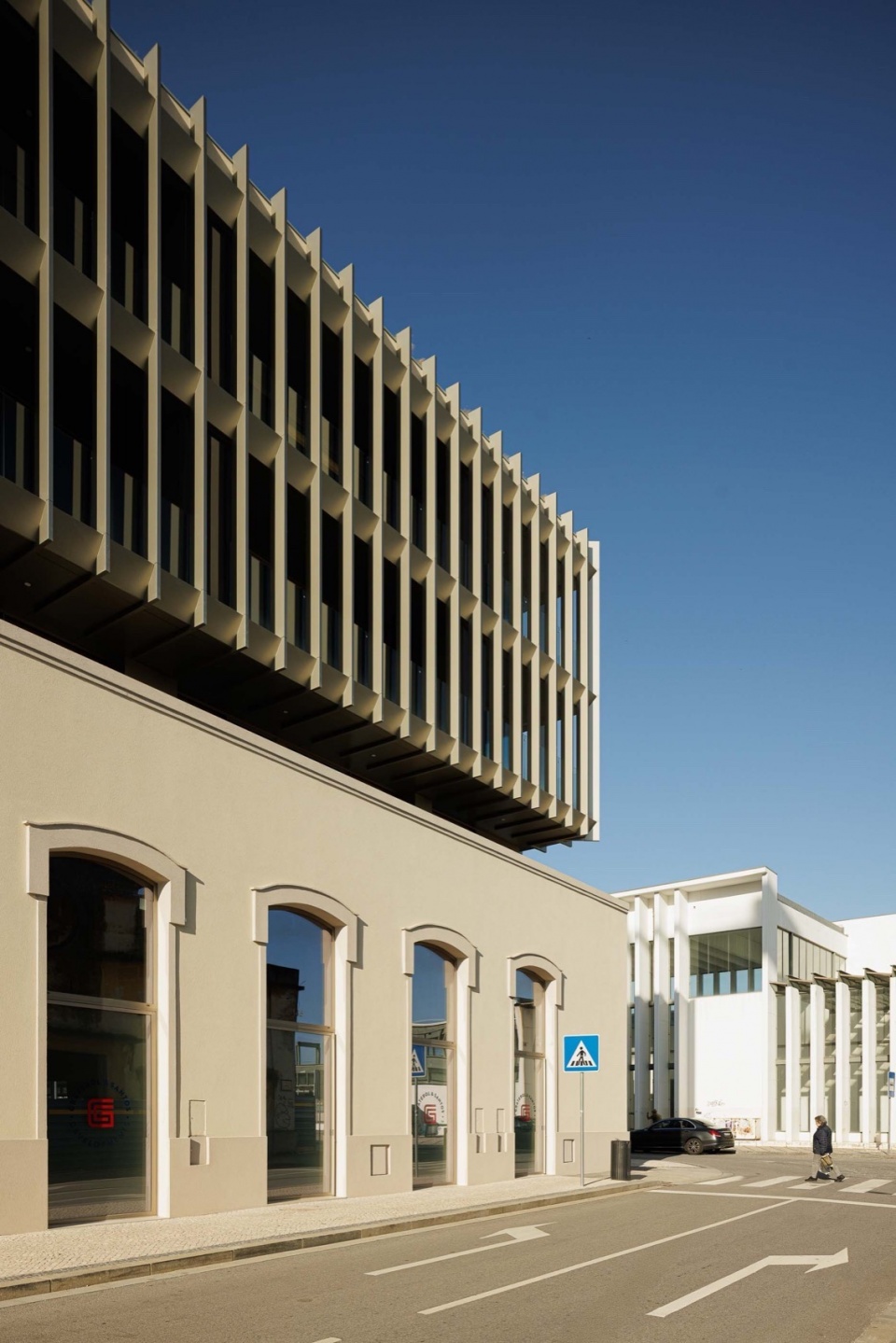
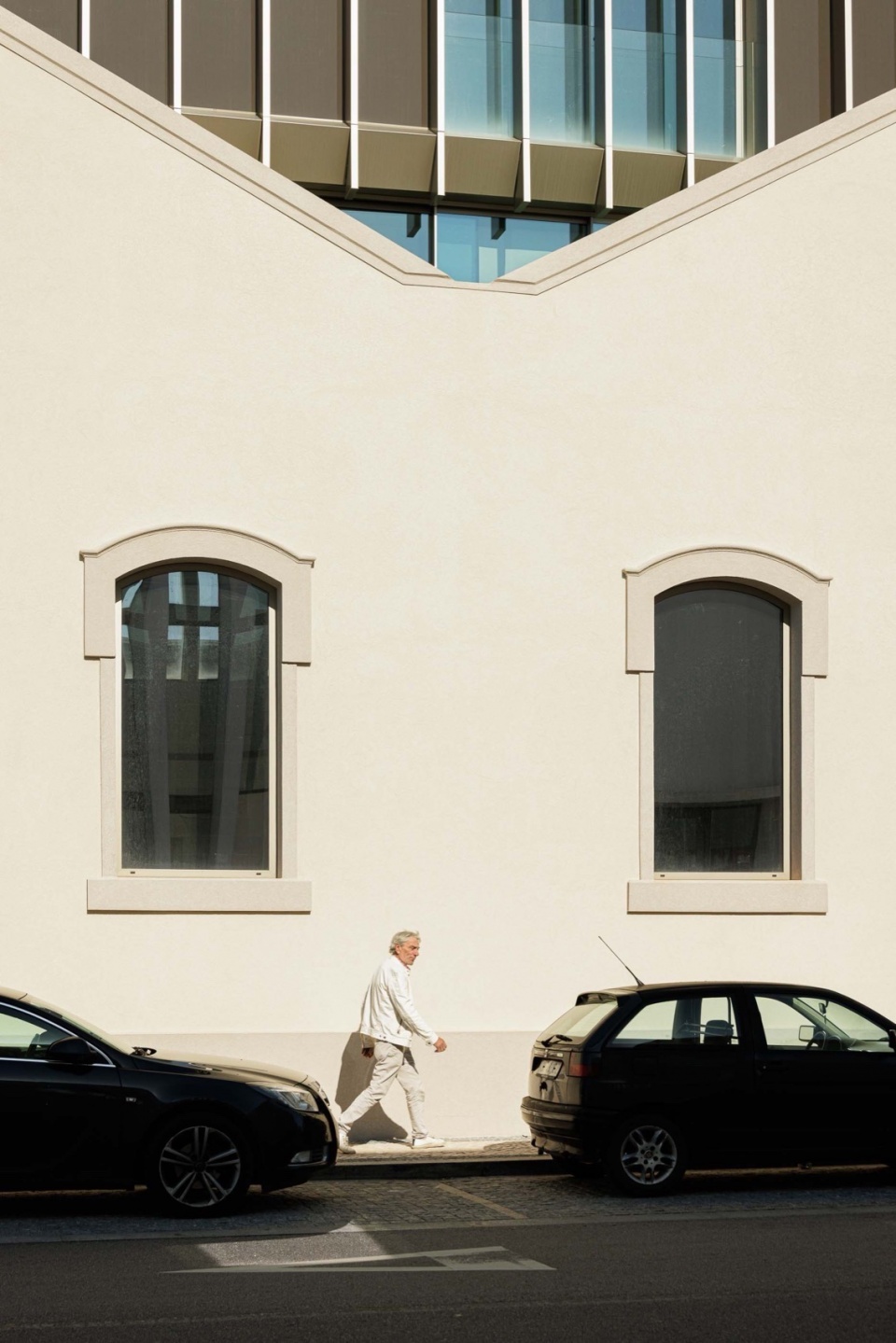
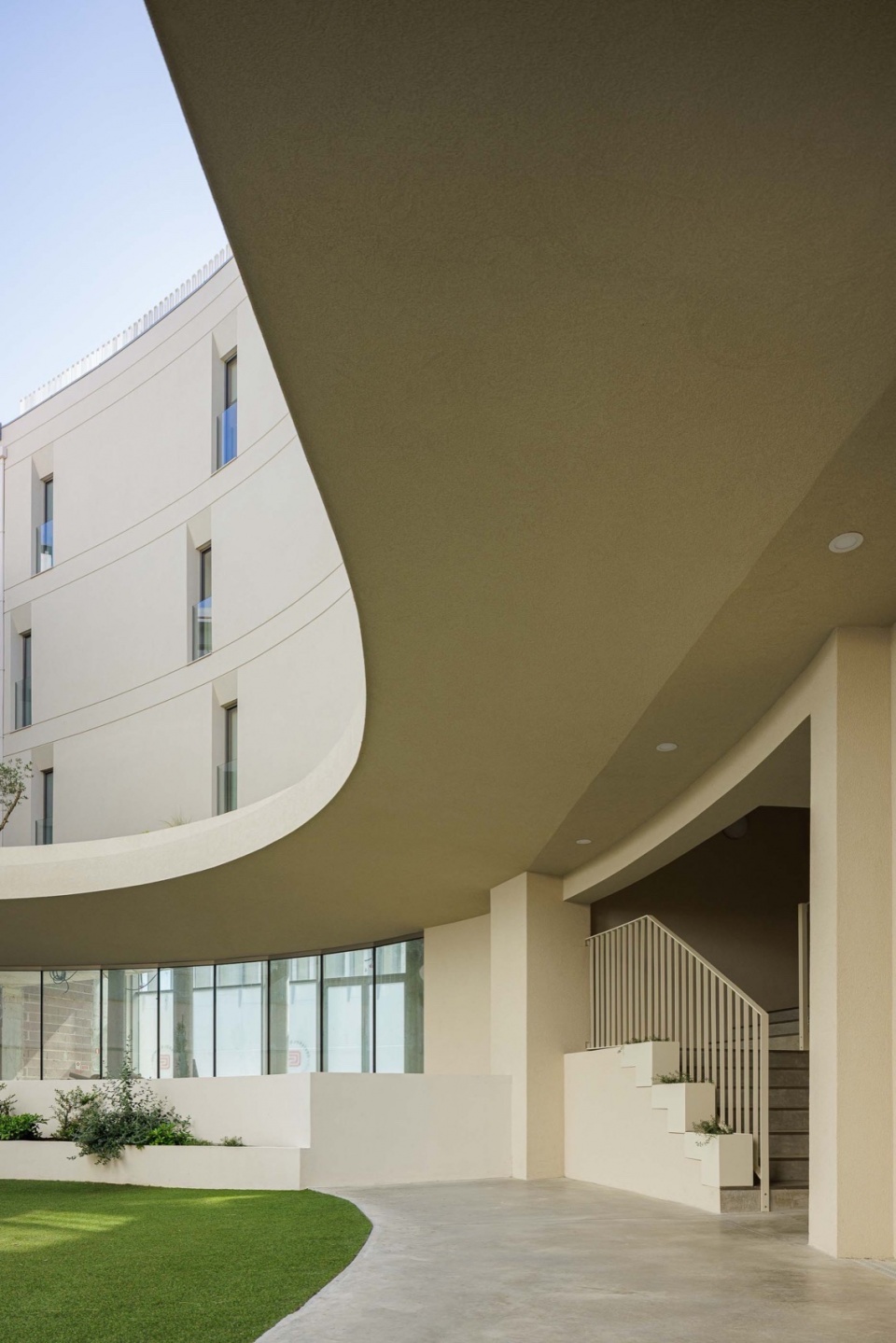
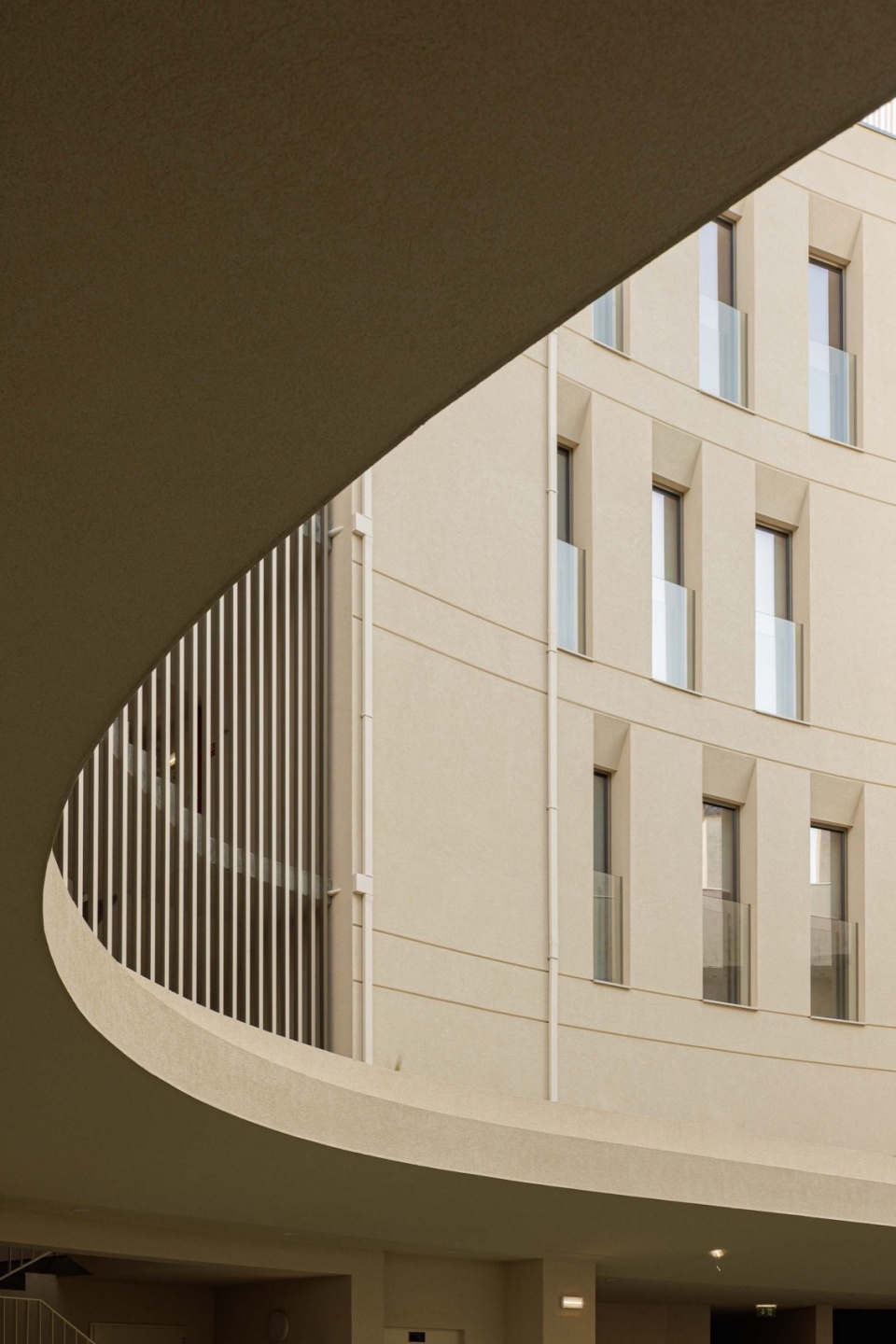
新建筑在Rua Dr. Arlindo Vicente街一侧,其上部楼层相较邻楼作适当退让,意图使其与原立面脱离并界定清晰的时空关系。相对地,在Comandante Rocha e Cunha街一侧,新体量扩展至地块边界,并于顶部两层形成悬挑姿态,悬于原建筑之上,从而呼应该街道的高程界面策略。若说Dr. Arlindo Vicente街一侧所采策略为“后退”,以便新旧体量分离清晰;那么在Comandante Rocha e Cunha街一侧,则意图利用“负空间”作为两个正体量之间的过渡元素。这一“负空间”同时为一层住宅单元创造了户外露台,其栏杆则由原建筑的砖石墙面直接转化而成。
The new construction is related to the pre-existence, and appears in the recessed alignment of the upper floors of the adjacent building on Rua Dr. Arlindo Vicente. This volume extends to the limit of the plot on the Comandante Rocha e Cunha street side, releasing the last two floors and projecting over the pre-existing facade, reinforcing the altimetric alignment of the respective street. If on Dr. Arlindo Vicente’s strategy was to retreat the new volume so that it clearly detaches itself from the pre-existence, on the other side there is the intention of using the void/negative as a transitional element between the two distinct positives. The void/negative makes the transition and is simultaneously an outdoor terrace space for the housing units on the first floor, taking advantage of the pre-existence planking as railings.
▼立面,facade
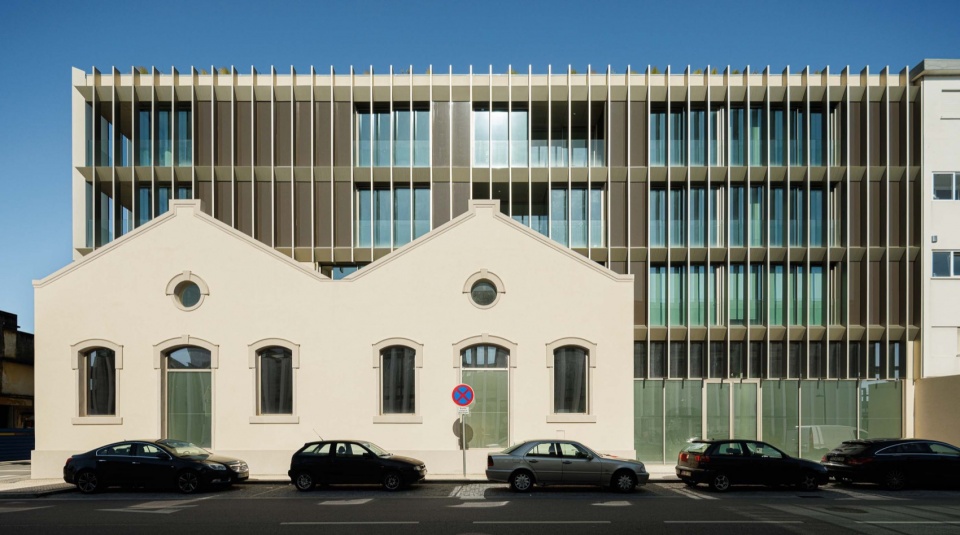
新建筑的建筑语言在美学上明确区别于原有立面。原立面为沉重、封闭、砌筑性强的传统结构,新体量则以轻盈、透明、有机的姿态出现,呈现出鲜明的当代表达。通过上述种种设计策略的整合与“近似对立”的对话形式,使新旧体量在视觉与语义层面产生强烈张力,既体现场地历史记忆,也强化建筑存在感,从而为城市空间注入清晰、深刻且富有表现力的新层次。
The architectural language of the new volume is clearly and clearly distinct from the language of pre-existence. Since the pre-existence was an opaque, solid volume with traditional and heavy construction characteristics, the new volume appears as a lighter, organic, transparent and inevitably contemporary element. The consideration of all these relationship strategies and the search for an almost antithetical dialogue between these two devices resulted in an impactful, clear and enriching set for the place and its intrinsic memory.
▼新旧的对比,contrast between the old and the new
▼公寓入口,entrance of the residence
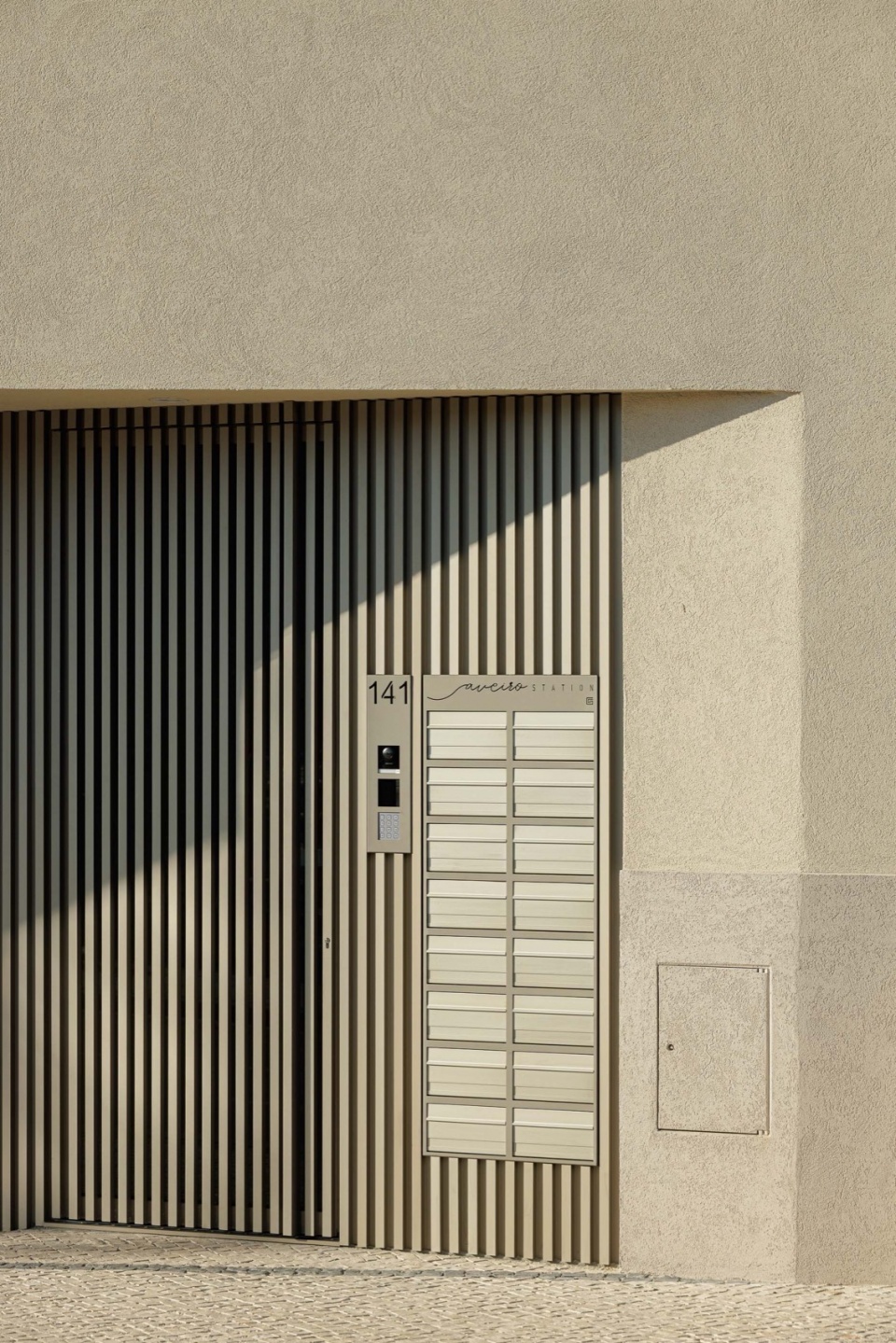
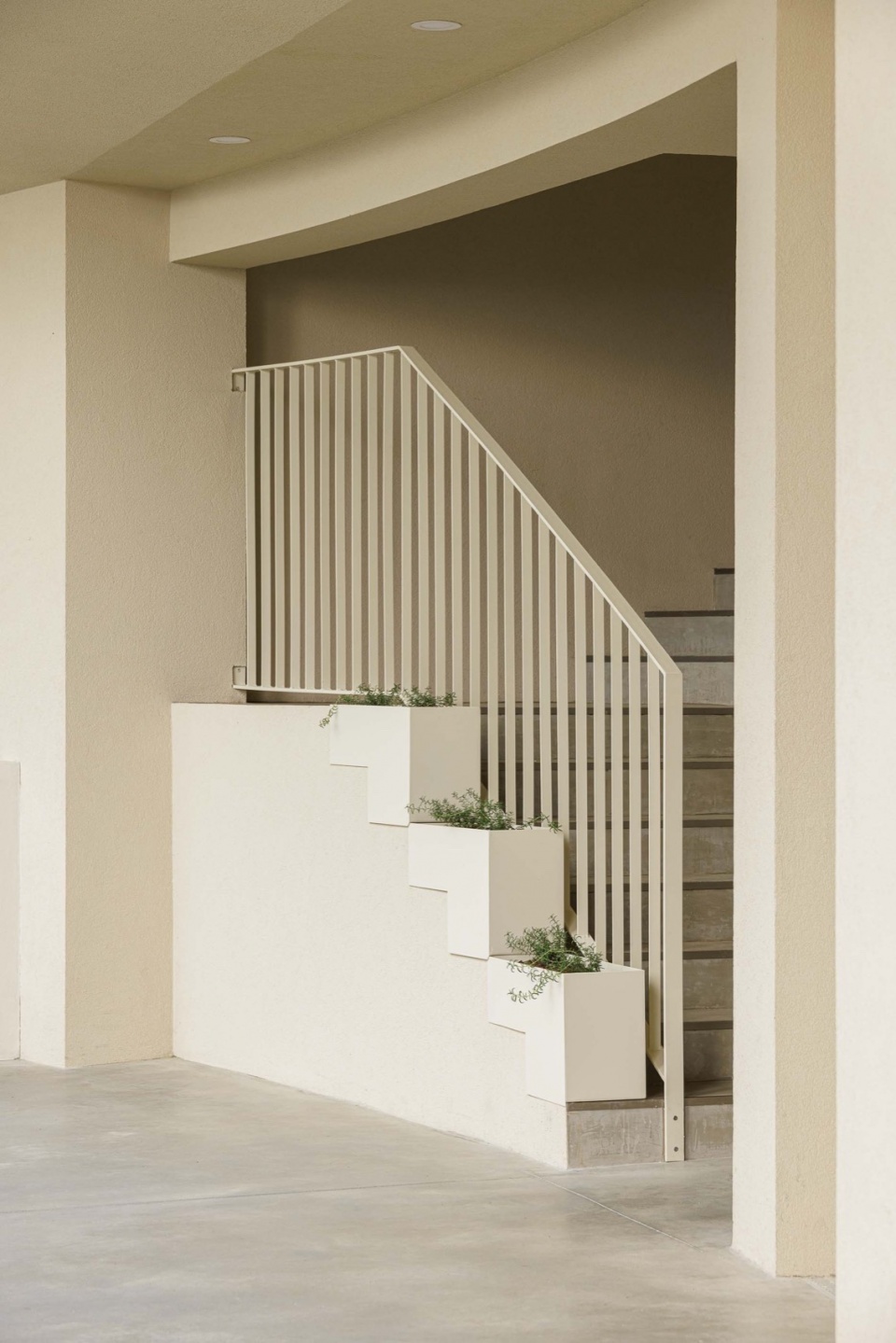
住宅单元的出入口及车库坡道设置于地块西侧末端,立面稍作退让,与邻接建筑对齐,从而化解原有山墙的突兀感。住宅的共用入口直接连通后方庭院,垂直交通空间亦设于此处。商业/服务空间则直接朝向街道人行道开启独立出入口。为了兼顾保留原立面高门槛开口的特征与满足橱窗及通透性需求,我们于Comandante Rocha e Cunha街一侧新增若干开口,其比例与形式仿照了Rua Dr. Arlindo Vicente街原有构图。
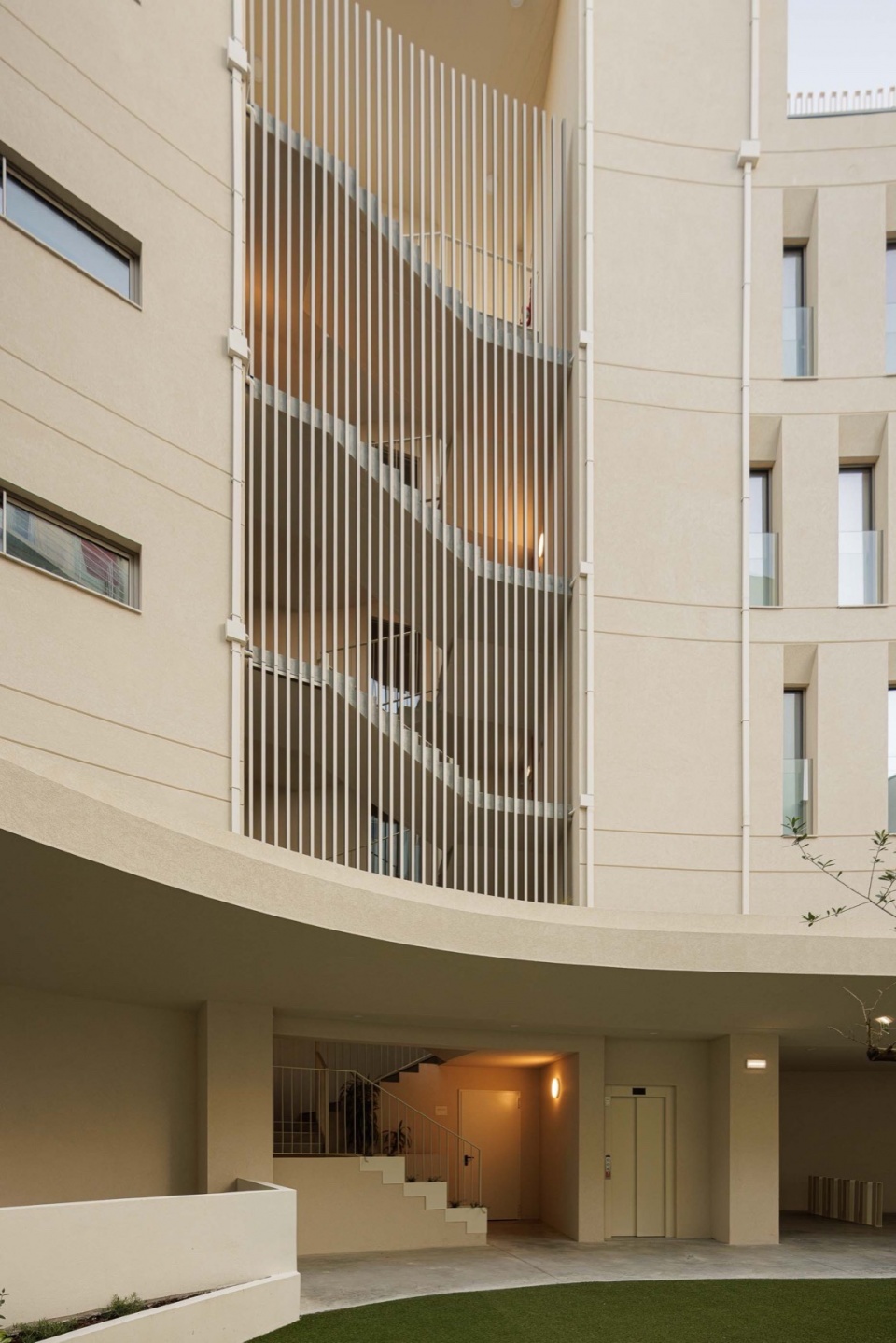
Access to the housing units and car access to the basement floor is located near the end of the west side in a recessed plane in relation to the facade that follows the alignment of the neighboring building, canceling out the gable that existed on the site. The common entrance of the housing units has direct access to the common patio where the vertical communications are located. Access to the commercial/service units is directly via the public sidewalk. The desire to maintain the high threshold openings characteristic of the pre-existence and the need to create an opening for shop windows/windows, led to the opening of new openings in the existing façade on the Comandante Rocha e Cunha street side, replicating the shape of the originals on Arlindo Vicente street.
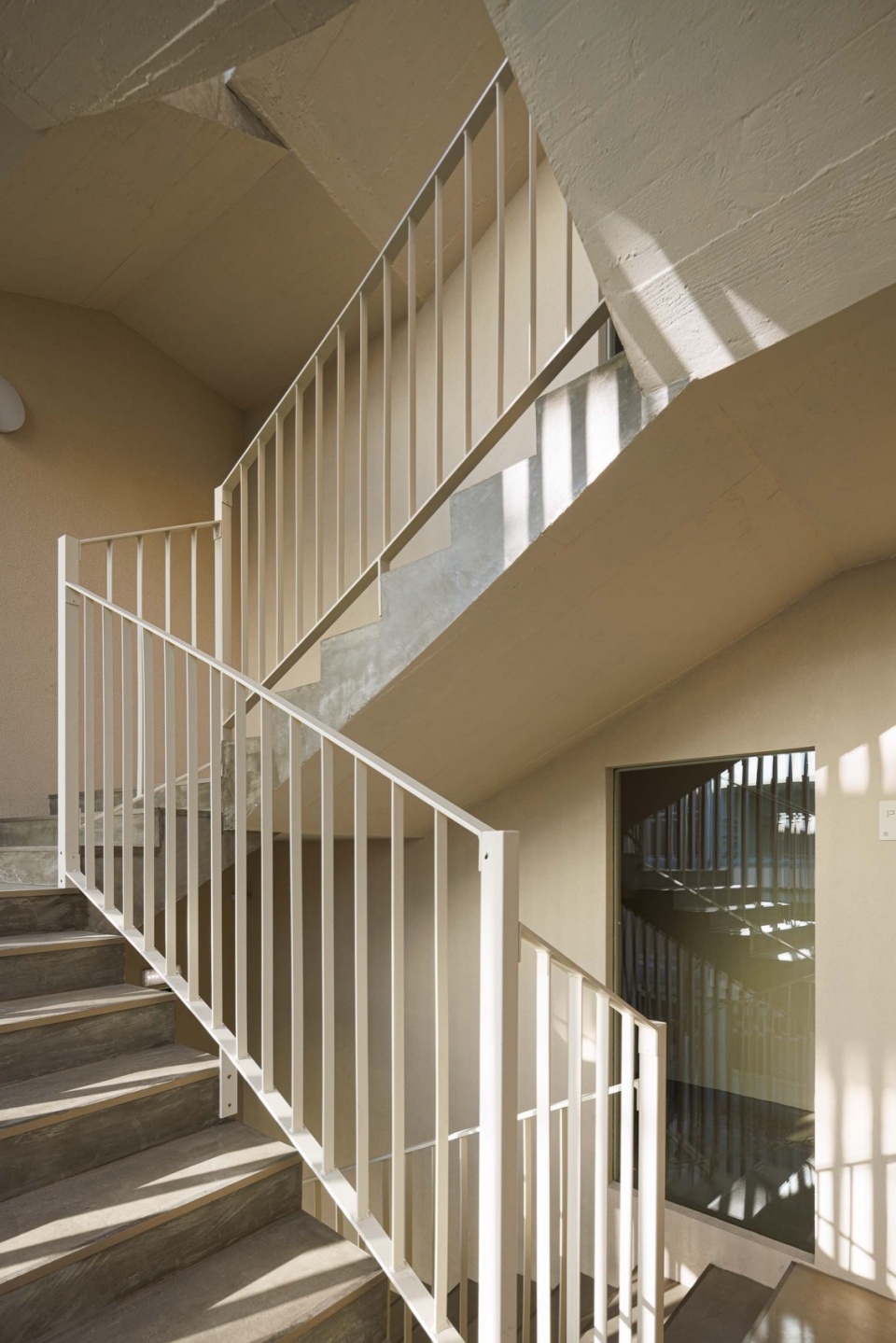
▼从立面可清晰看到楼梯间,
staircase can be clearly seen from the facade
▼细部,details
▼楼梯,staircase
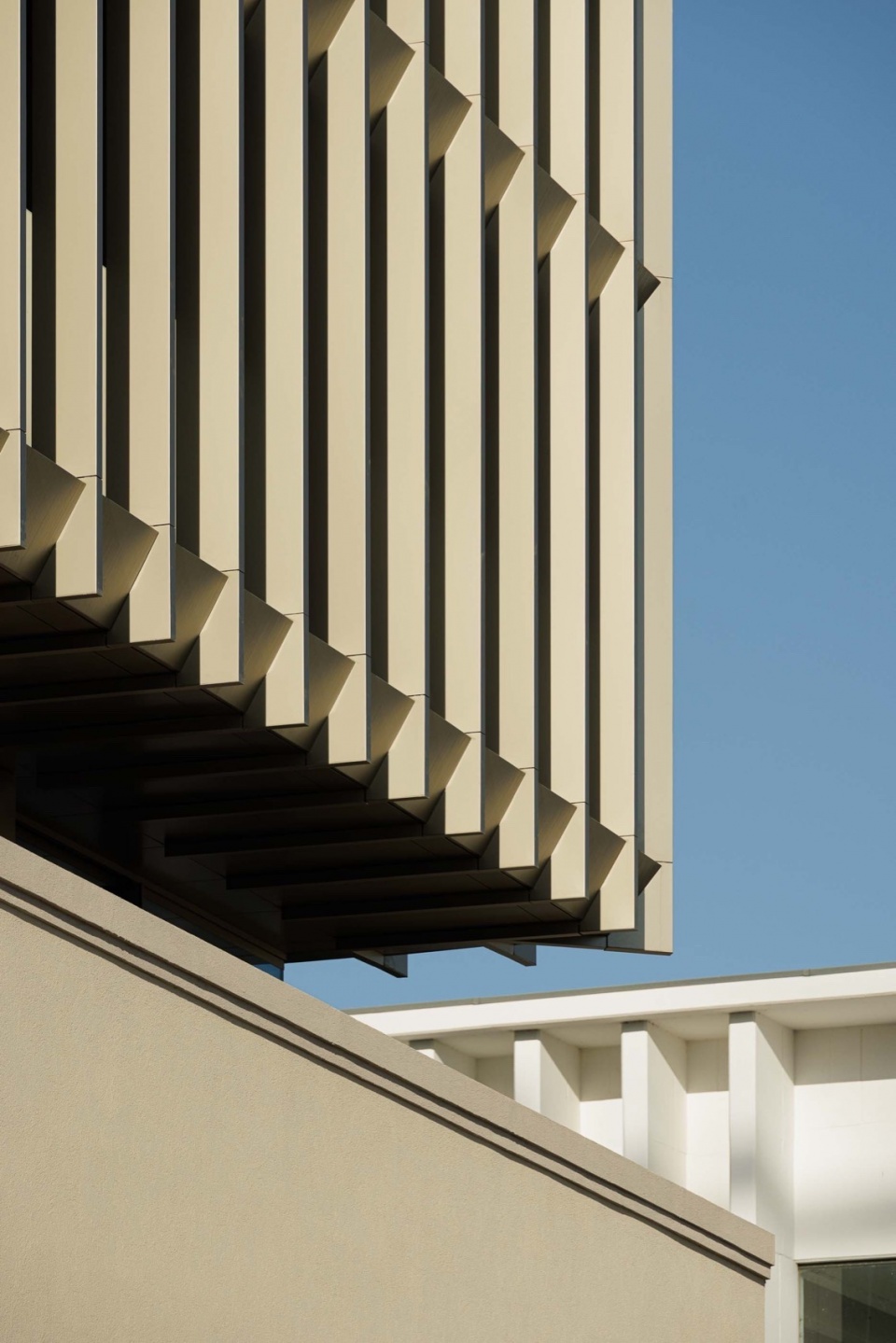
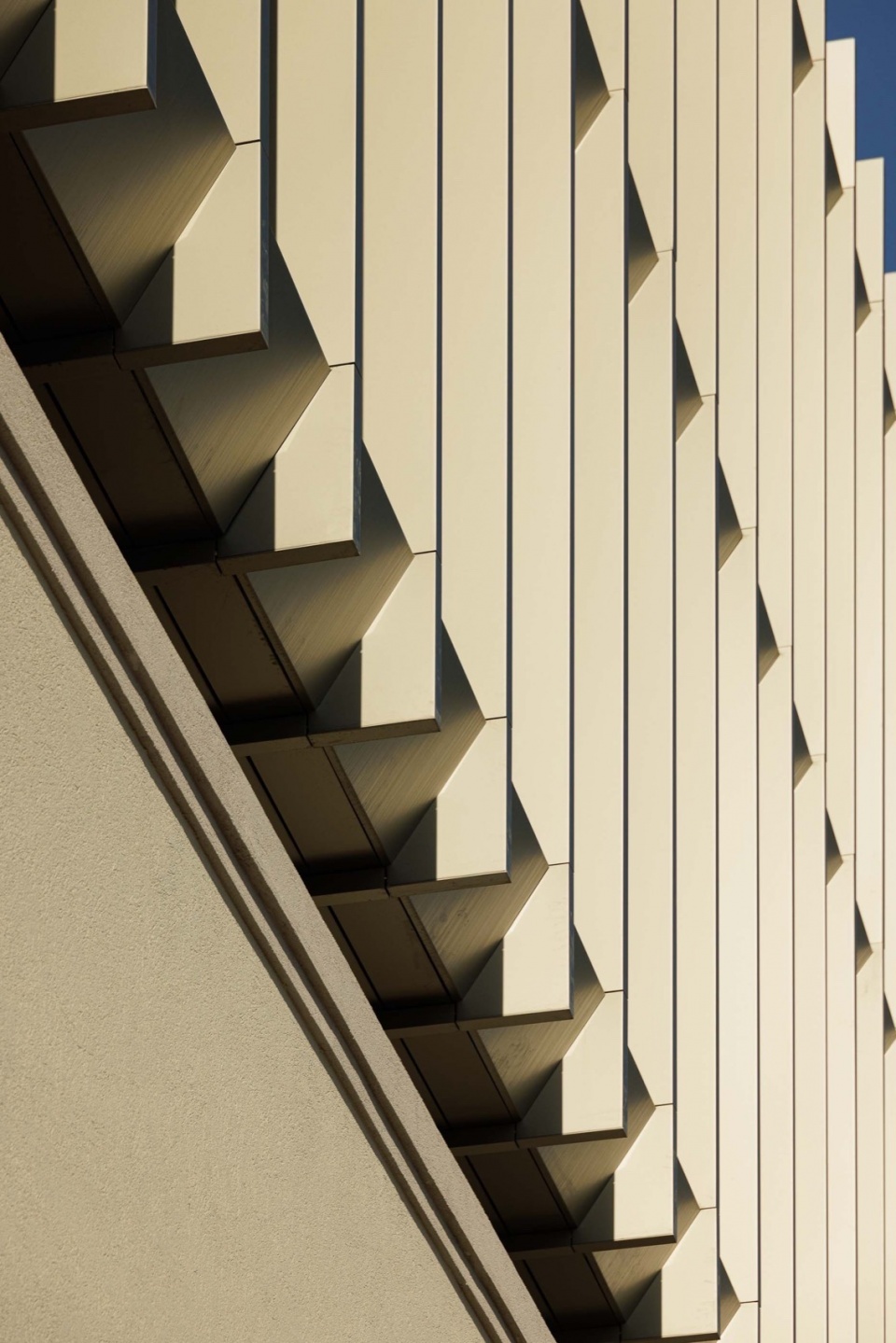
在材料策略上,项目决定保留原建筑外立面的原始材质与色彩处理:采用赭色涂料作为主体色,并以更深色调勾勒出边框与轮廓线条。而新建筑则采用轻质构造体系,通过玻璃幕墙与阳极氧化铝制成的竖向遮阳构件构成外立面,提供适度遮挡与节能性能;不透明立面则采用着色玻璃作为包覆材料。
With regard to the material implementation of the proposal, in the pre-existence it was decided to maintain the original materiality of the facades, the plaster painted in an ocher tone and the smoothing and contours in a darker tone. In the new volume, a lighter approach was chosen, giving the volume a lightness contrasting with its pre-existence. To achieve this, a curtain facade is created with vertical elements in anodized aluminum that protect the mostly glass facade, opaque planes will be covered with tinted glass.
▼走廊,hallway
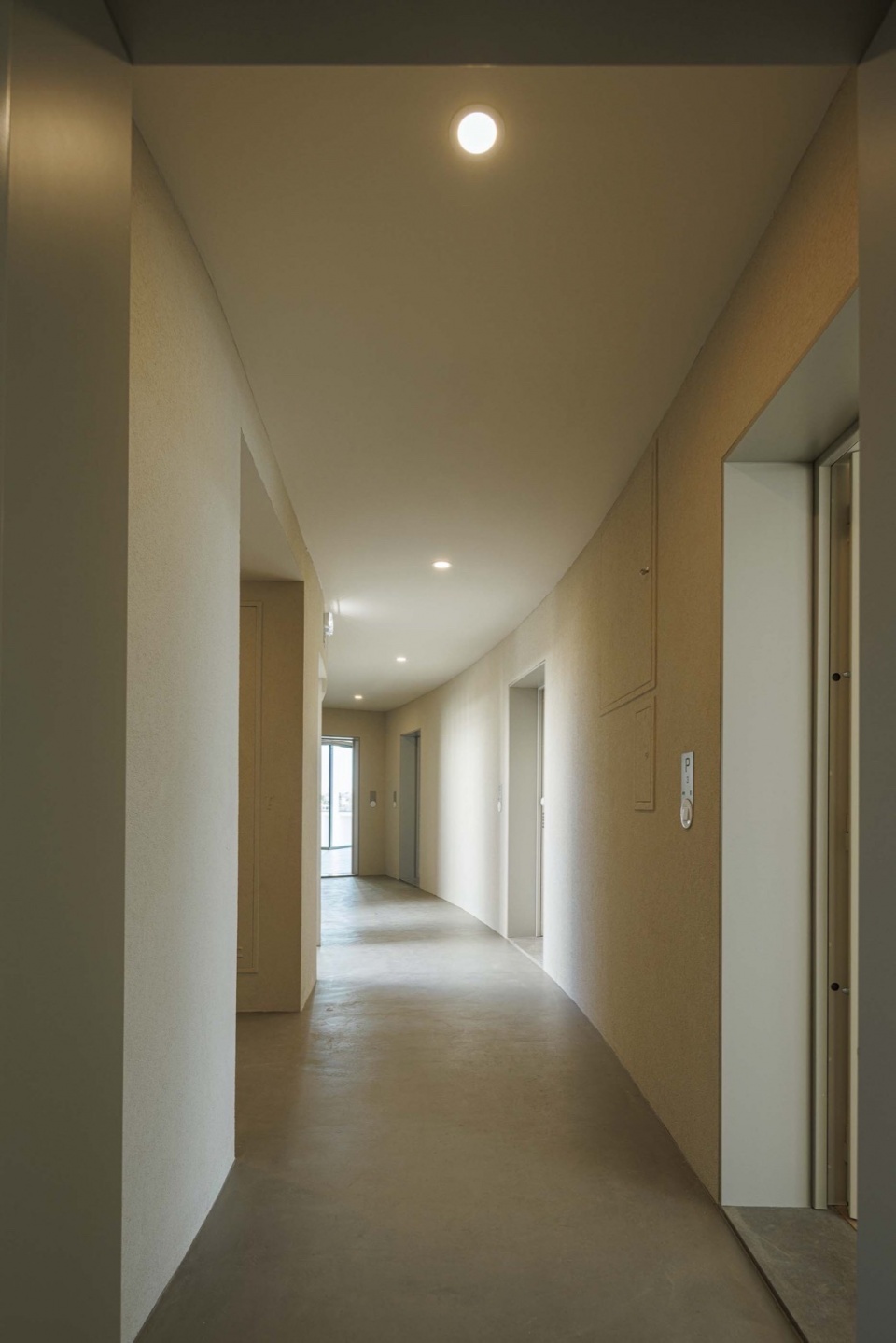
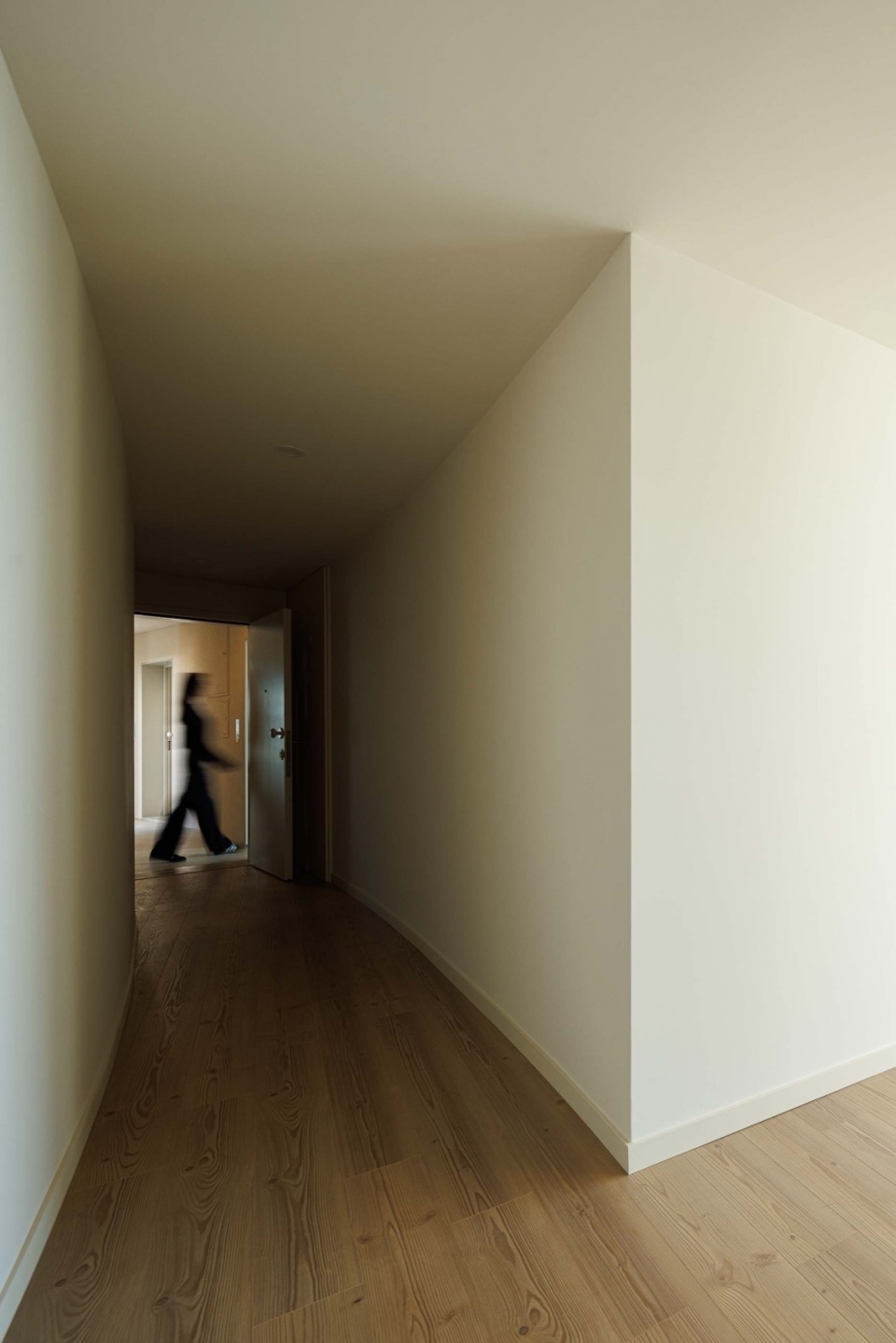
▼室内视角,interior view
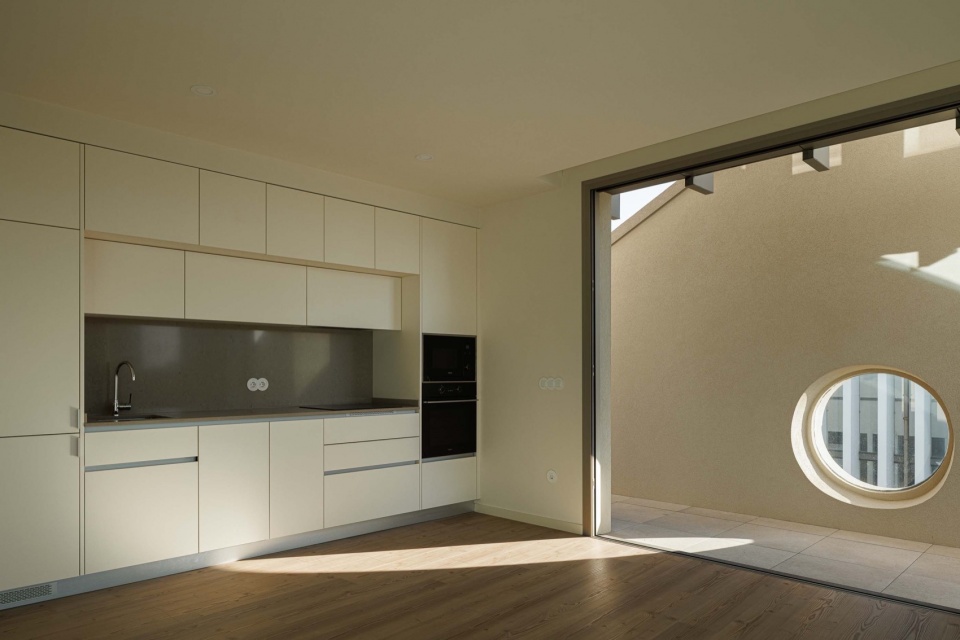
▼公寓内部,interior of the apartment
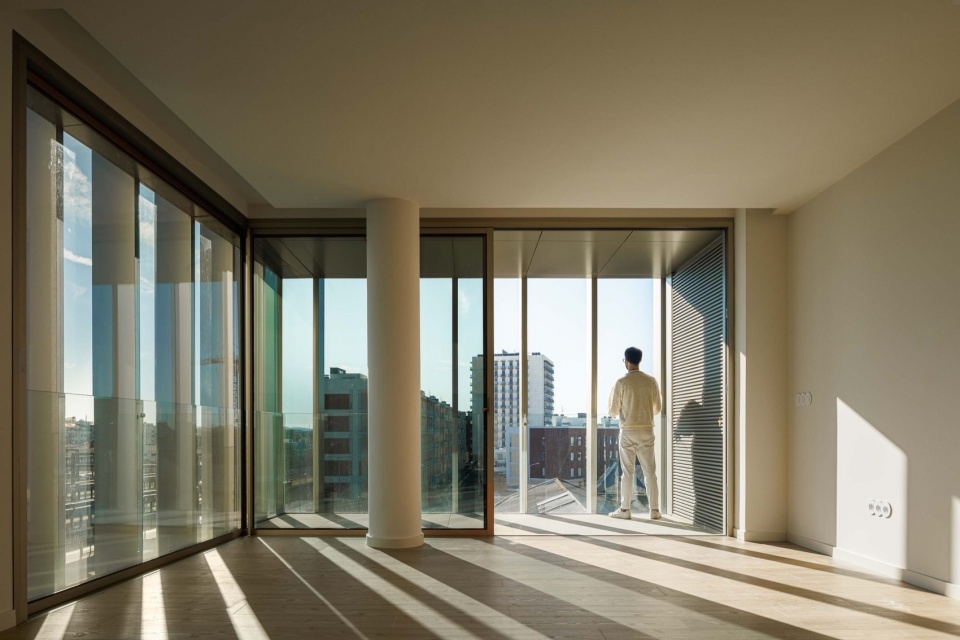
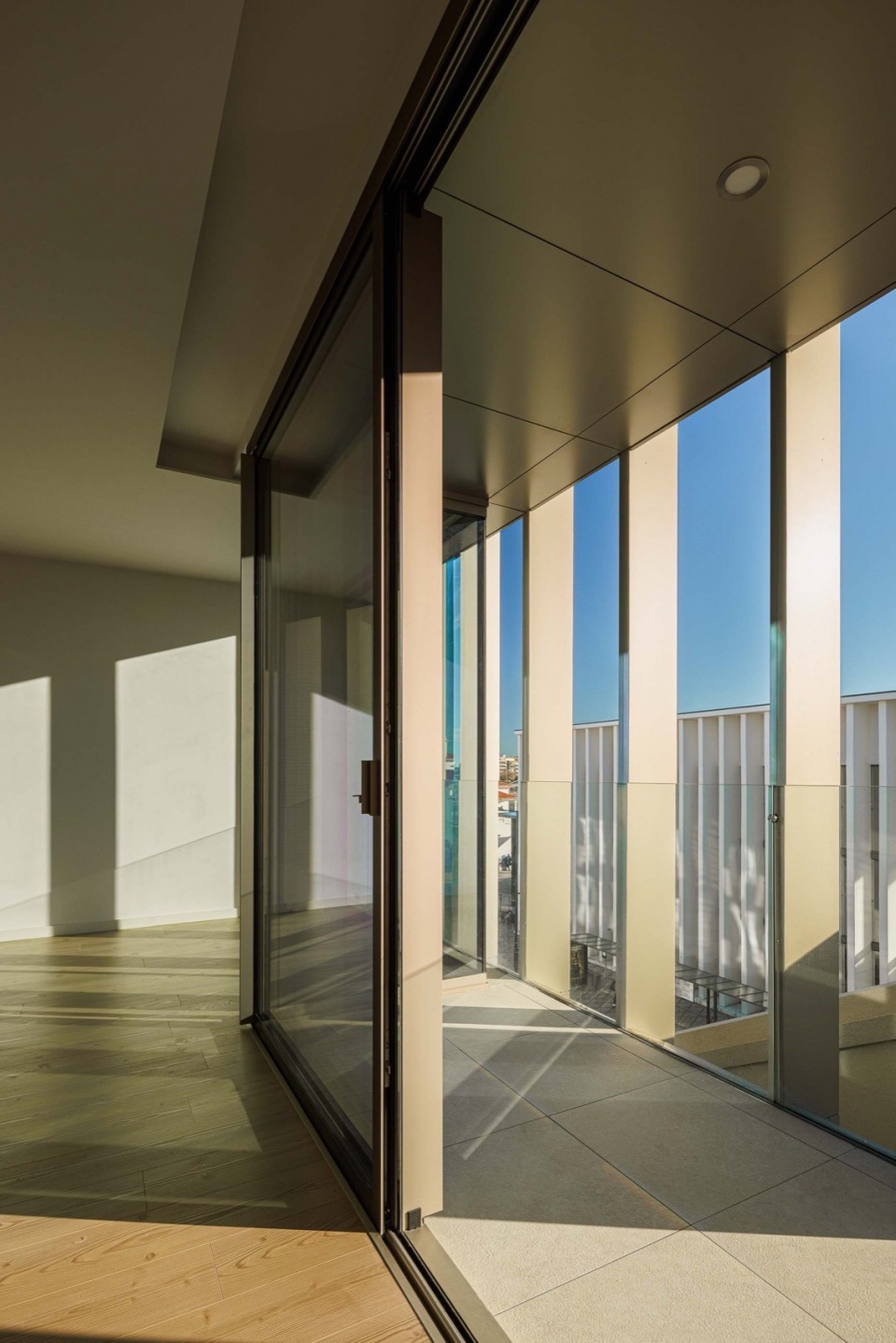
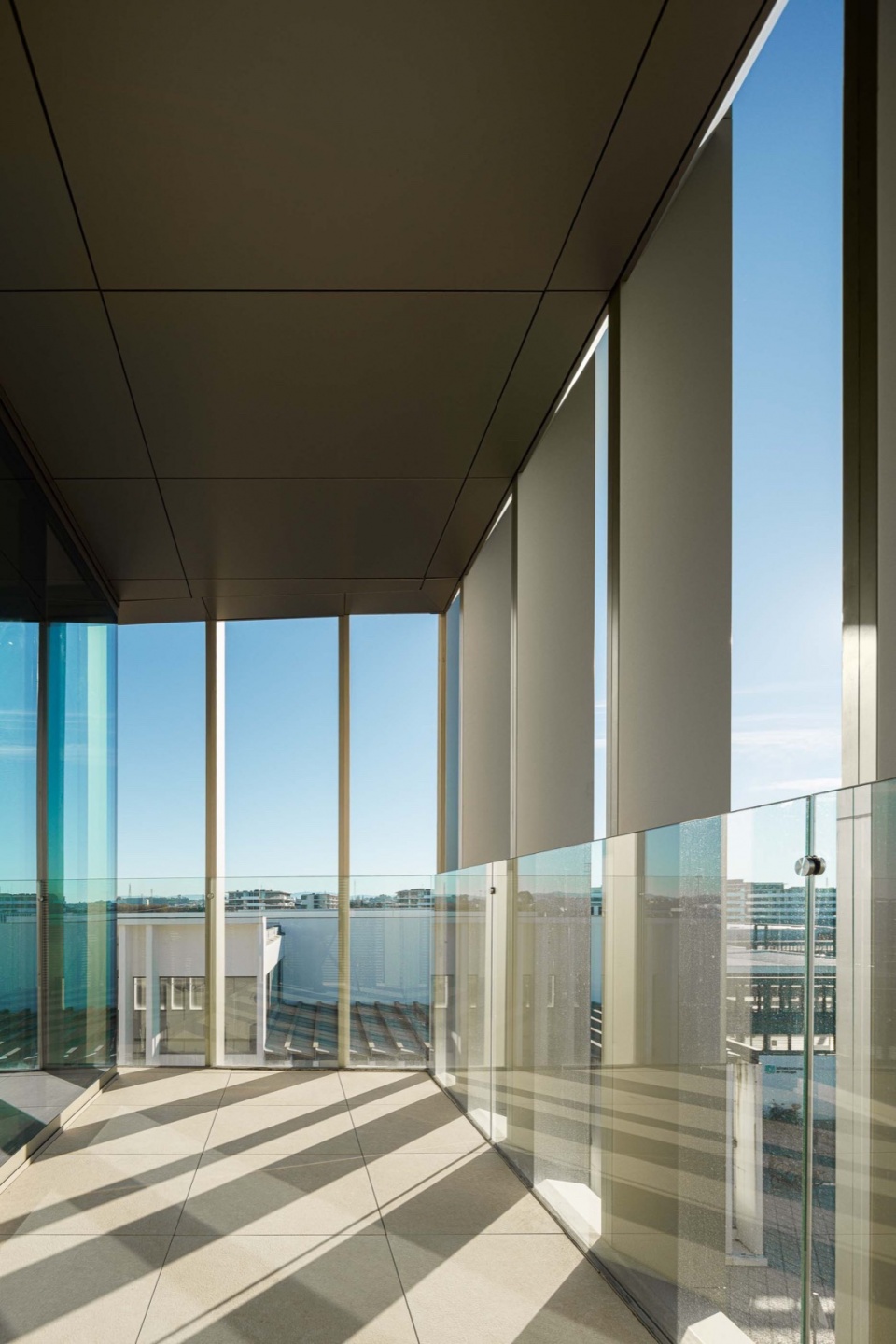
屋顶层为共用空间,包括技术区域(安装太阳能板)与面向城市美景的屋顶休闲平台。整个建筑语言的构成,在材料应用与立面设计上体现出清晰的当代语汇,体量尺度亦与周边城市肌理相协调,从而实现新旧共生的城市景观整合,也明确标识了该地块所承载的两个建筑年代与城市演化的交汇点。
The roof floor constitutes a common space, which includes a technical area (for solar panels) and an area for leisure and enjoyment of its exceptional landscape and views over the city. The architectural language formalized in the project through its materialization and its elevation design aims for an affirmatively contemporary design with a scale appropriate to the layout and proportion of the projected building. This option guarantees urban landscape integration and simultaneously marks two distinct moments in the construction of the city.
▼由室内看露台,viewing the terrace from interior
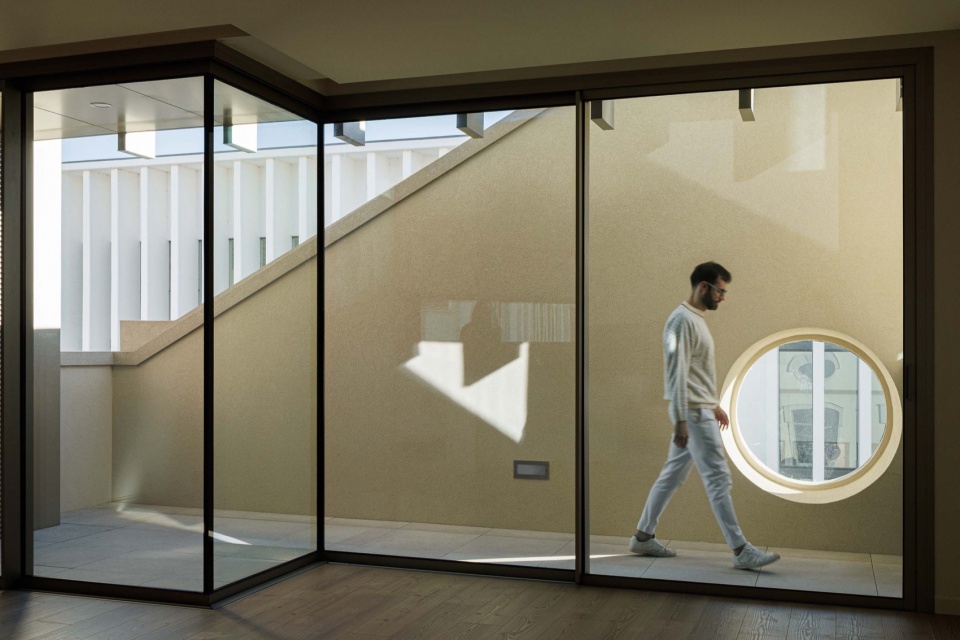
▼露台,terrace
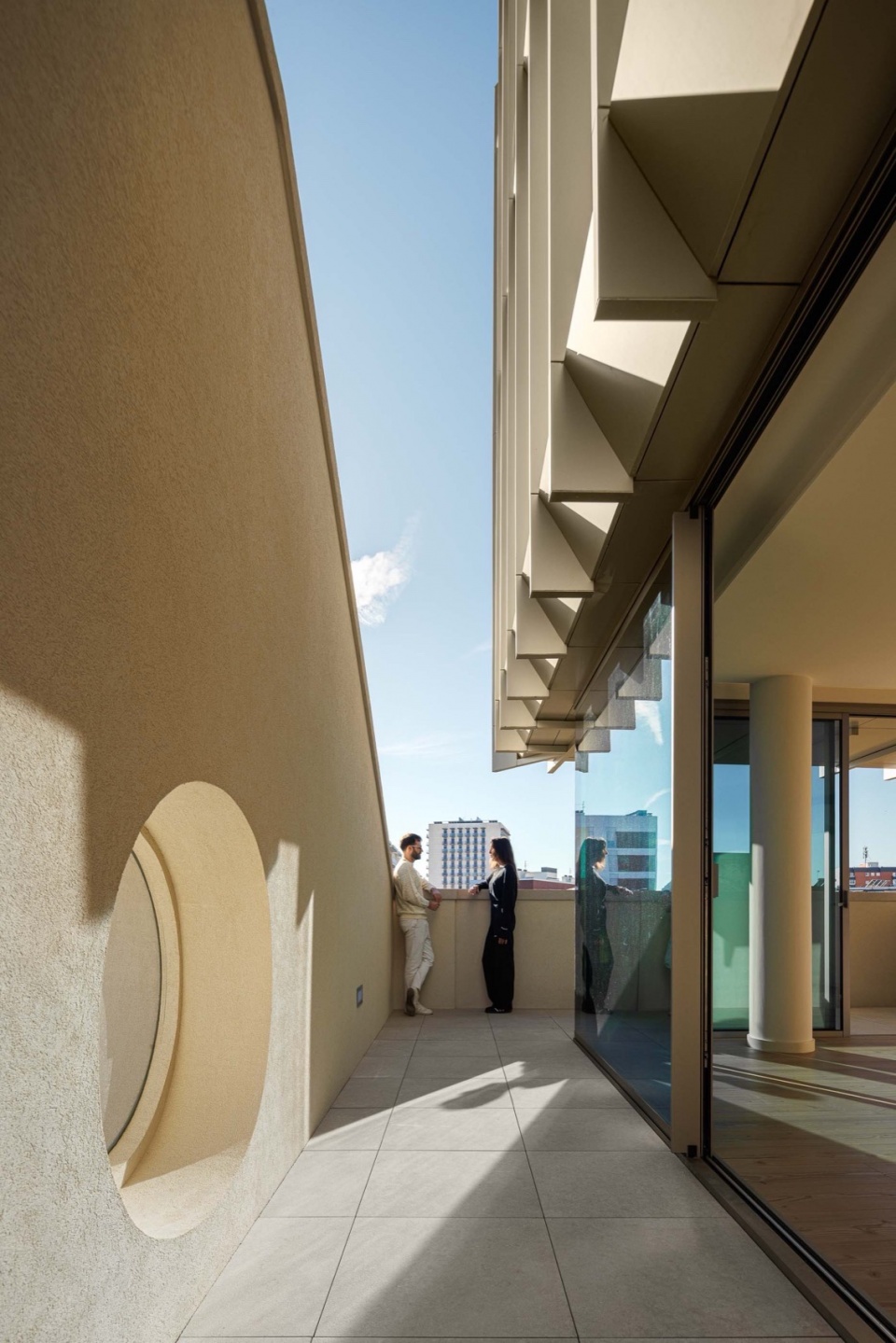
▼夜景,night view
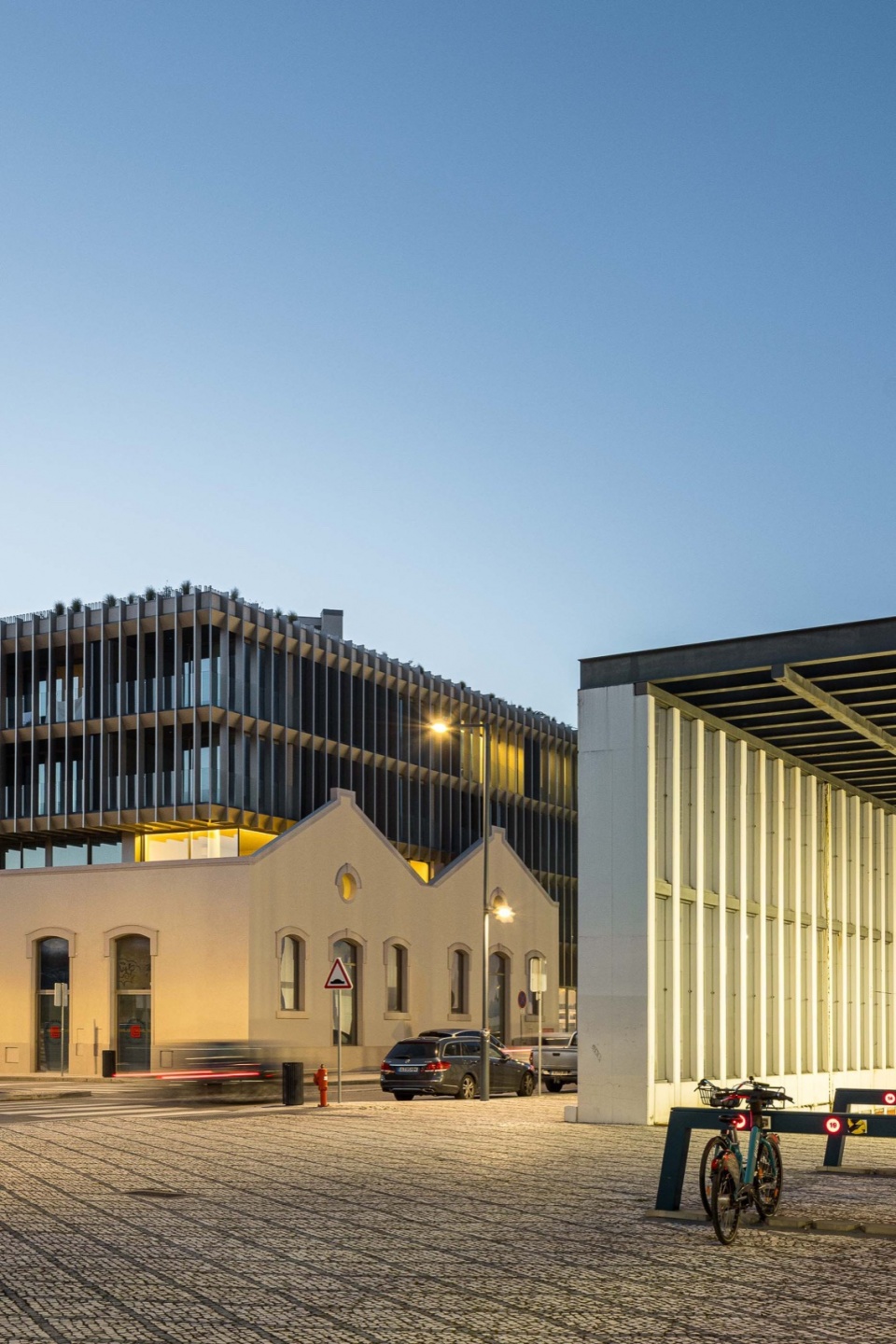
▼夜景细部,night view of the details
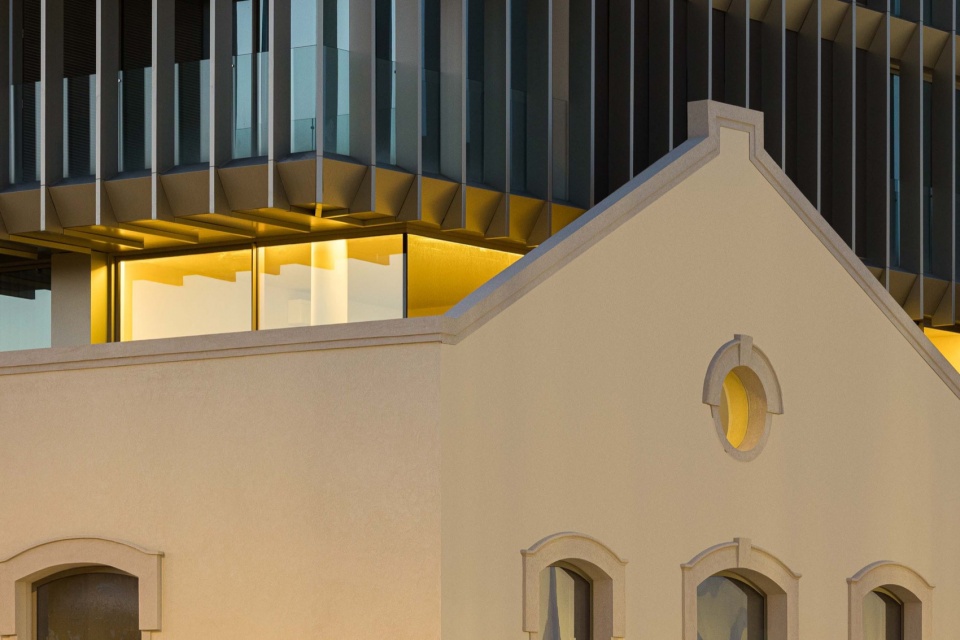
▼底层平面图,ground floor plan
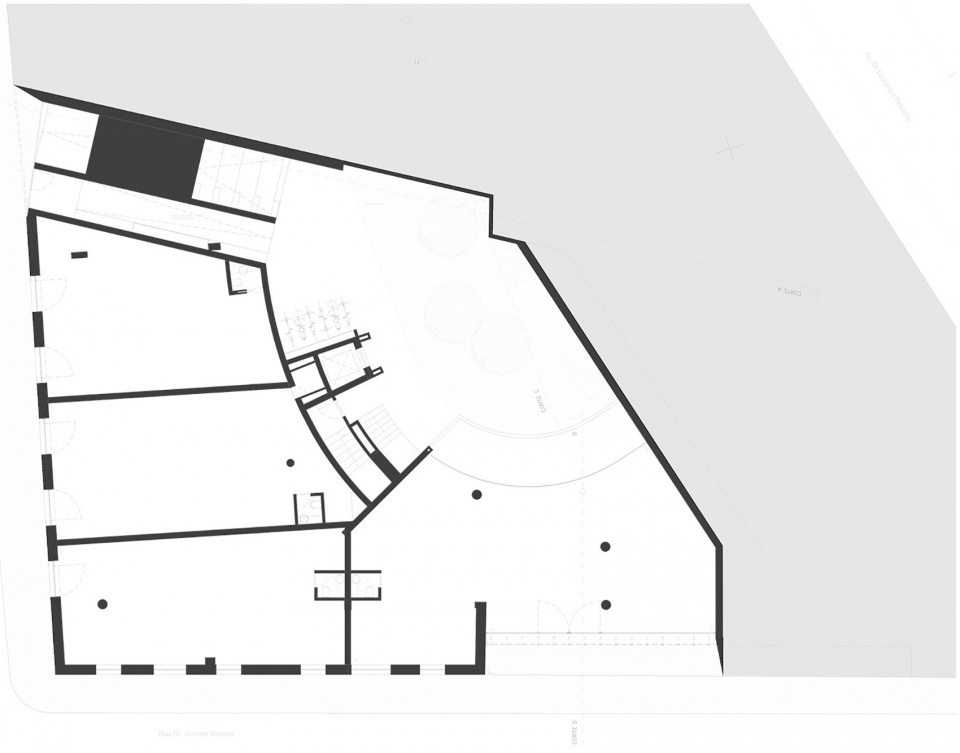
▼平面图,plan
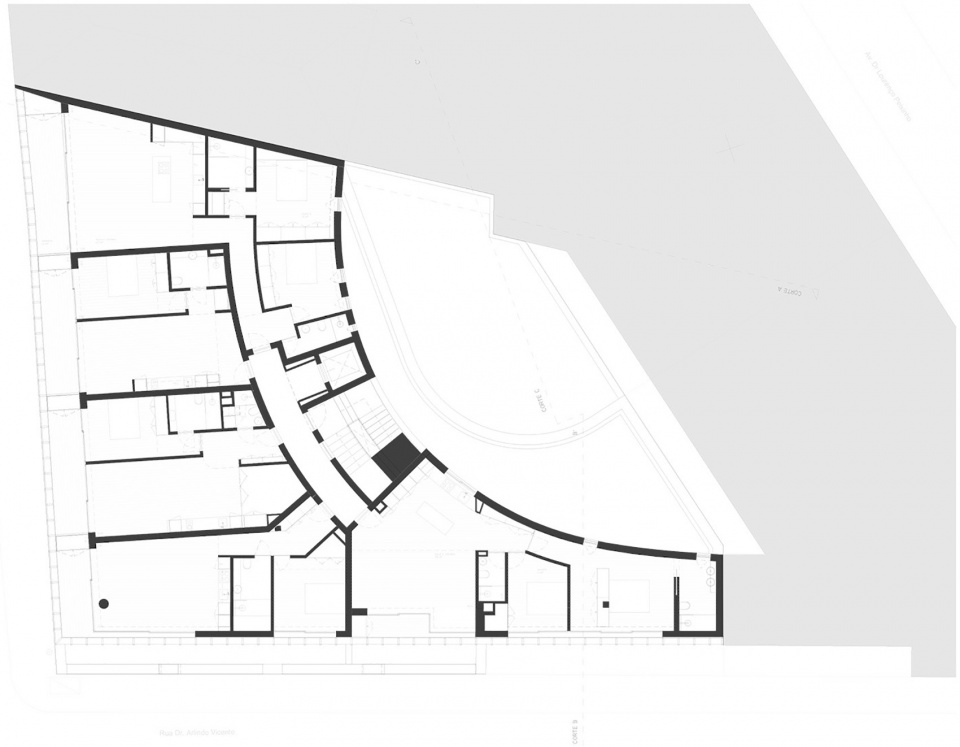
▼立面图,elevations
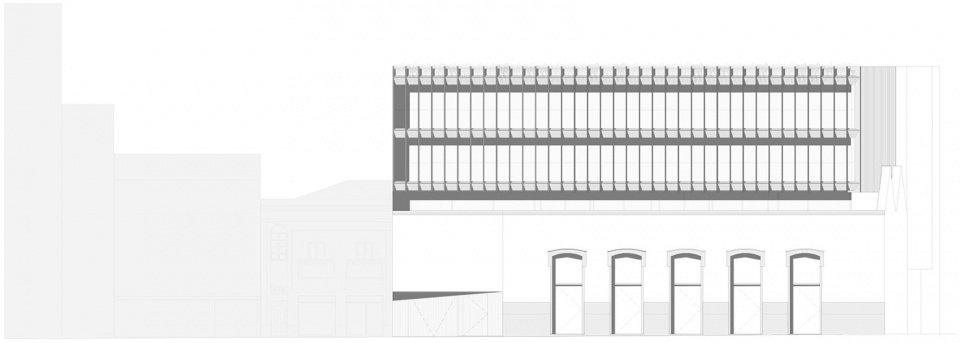
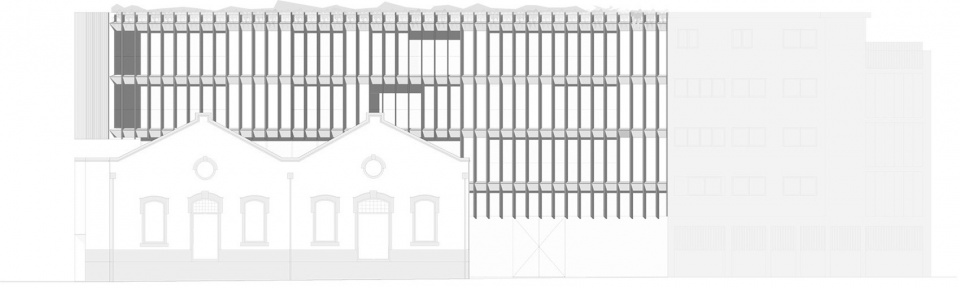
▼剖面图,section
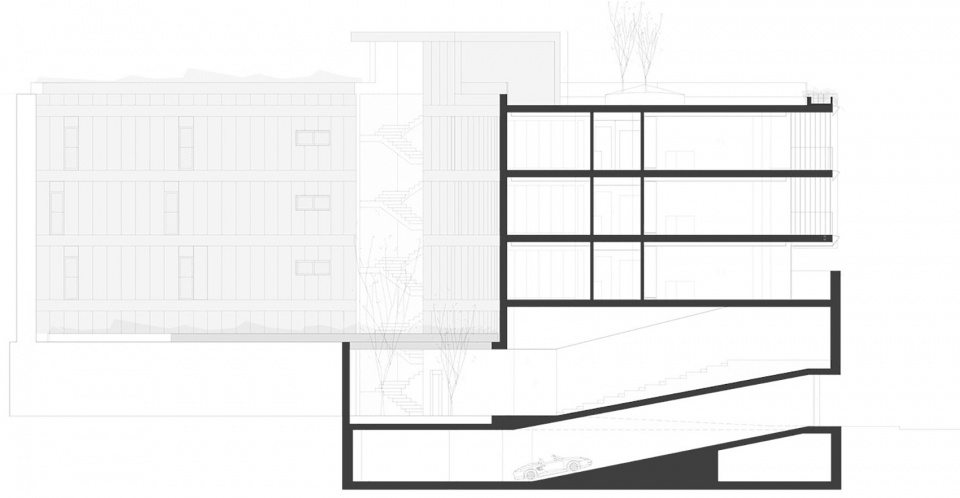
Project name: Edifício Estação
Architecture Office: Sónia Cruz Arquitectura
Main Architect: Sónia Cruz
Collaboration: Rui Vieira, Inês Lopes
Website: https://soniacruz-arquitectura.com/
E-mail: geral@soniacruz-arquitcetura.com
Facebook: https://www.facebook.com/soniacruz.arquitectura/
Instagram: https://www.instagram.com/soniacruz.arquitectura/
Location: Aveiro, Portugal
Year of conclusion : 2024
Total area: 2843m2
Developer: Graterol & Santos, Lda
Builder: Adiciona Developments, Unipessoal Lda.
Inspection: R5 Engineers
Engineering: R5 Engineers
Landscape: Sónia Cruz Arquitectura
Light Design: Sónia Cruz Arquitectura
Acoustic Design: R5 Engineers
Fluids Engineering : R5 Engineers
Thermal Engineering: R5 Engineers
Visual identity: Sónia Cruz Arquitectura
Illustrations: Sónia Cruz Arquitectura
Interior Design: Sónia Cruz Arquitectura
Architectural photographer: Ivo Tavares Studio
Website : https://www.ivotavares.net/
Facebook: https://www.facebook.com/ivotavaresstudio/
Instagram: https://www.instagram.com/ivotavaresstudio/