青浦区体育文化活动中心一期工程,上海/建筑
本项目包含体育馆、残联用房及地下人防等配套服务设施,设计力求在体育建筑的传统模式上进行突破。主场馆为4000座比赛大厅,能满足国际单项赛事、文化展览、文艺演出、全民健身等多种功能需求。
The project includes supporting service facilities such as gymnasium, disabled persons' Union room and underground civil air defense, and the design strives to make a breakthrough in the traditional mode of sports architecture. The main venue is a 4000 seat competition hall, which can meet the functional needs of international single events, cultural exhibitions, artistic performances, national fitness and other functions.
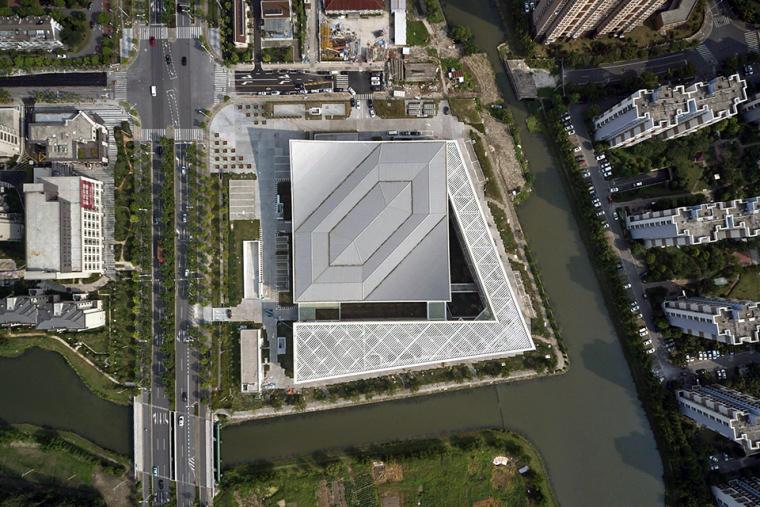
1)开放亲民的绿色运动轴
突破传统体育馆单一功能的模式,避免场所闲置带来的巨大的场馆维护费用,新的体育文化中心引入了一条半室外的绿色运动轴,植入各种全民健身运动项目,并连接各个运动场馆,面向所有市民开放,在赛时期间为场馆提供服务功能,在平时为全民健身提供空间,将成为青浦区极具活力的地标。
1) Open and people-friendly green sports axis
Breaking through the single function mode of the traditional gymnasium and avoiding the huge venue maintenance costs caused by the idleness of the venue, the new sports and cultural center has introduced a semi outdoor green sports axis, implanted various national fitness sports projects, and connected various sports venues, which are open to all citizens. It will provide service functions for the venues during the games and provide space for national fitness at ordinary times. It will become a very dynamic landmark in Qingpu District.
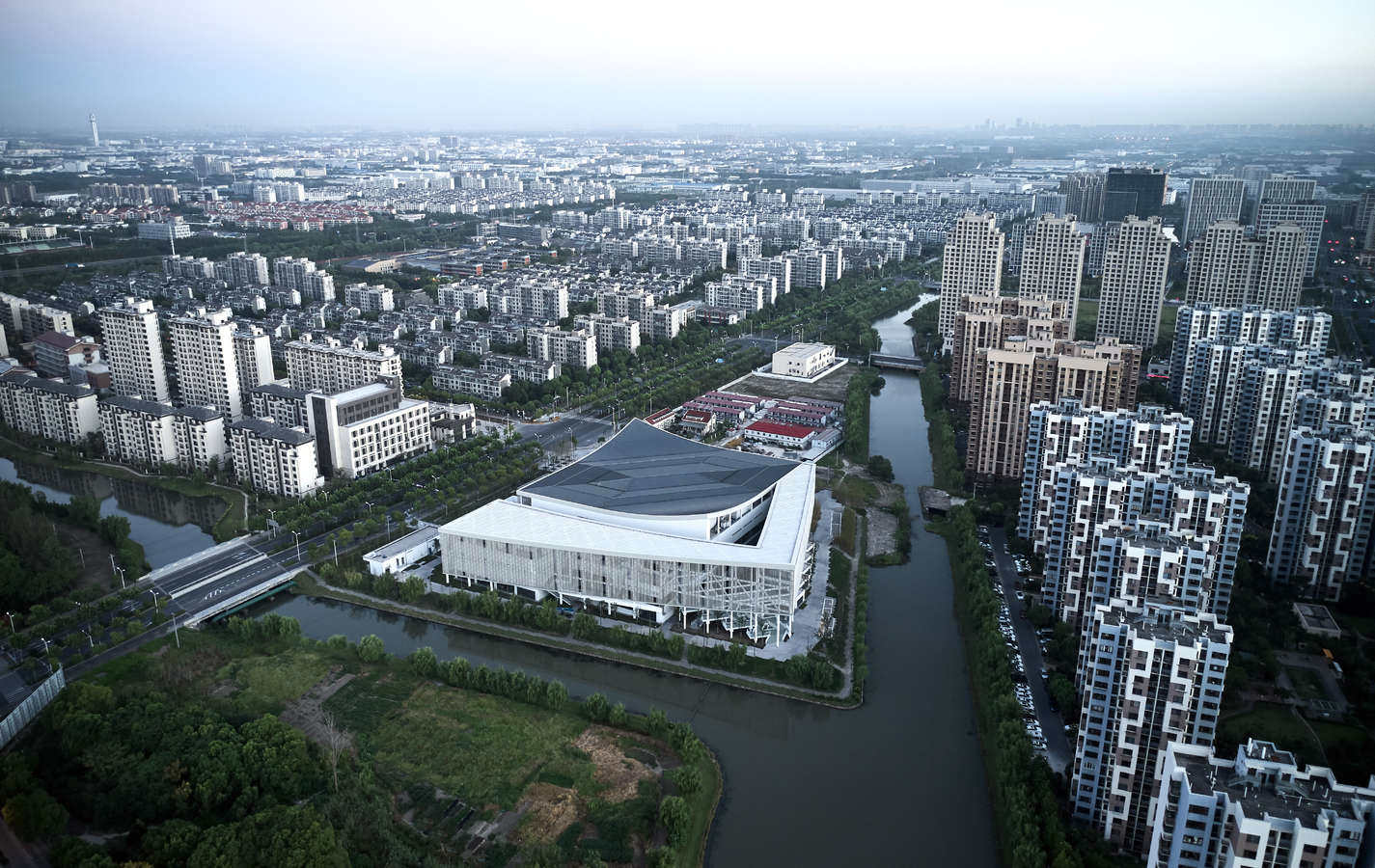
2)飘逸隽永的滨水生态院
突破传统体育馆庞大封闭的模式,新的生态体育馆将赛场空间的外界面虚透化,并在其中植入院落和绿化空间,综合解决了赛场空间的采光通风、能源损耗、维护保养等问题,实现了“植物园中的体育馆”的畅想。项目汲取合院文化思想,体现疏密有致的江南意蕴,形成室内外空间的交汇,全面提升体育场馆的空间品质,达到渐次展开的丰富空间层次。沿河道布局绿化健身步道,营造亲水空间,贡献给市民生活。
2) Elegant and meaningful waterfront ecological courtyard
Breaking through the huge closed mode of the traditional gymnasium, the new ecological gymnasium makes the external surface of the stadium space transparent, and implants courtyards and green spaces in it, comprehensively solving the problems of lighting and ventilation, energy consumption, maintenance and other problems of the stadium space, and realizing the imagination of "the stadium in the botanical garden". The project draws on the cultural thought of the courtyard, embodies the dense meaning of Jiangnan, forms the intersection of indoor and outdoor space, comprehensively improves the spatial quality of stadiums and gymnasiums, and reaches the rich spatial level of gradual expansion. Green fitness trails are arranged along the river to create a hydrophilic space and contribute to the life of citizens.
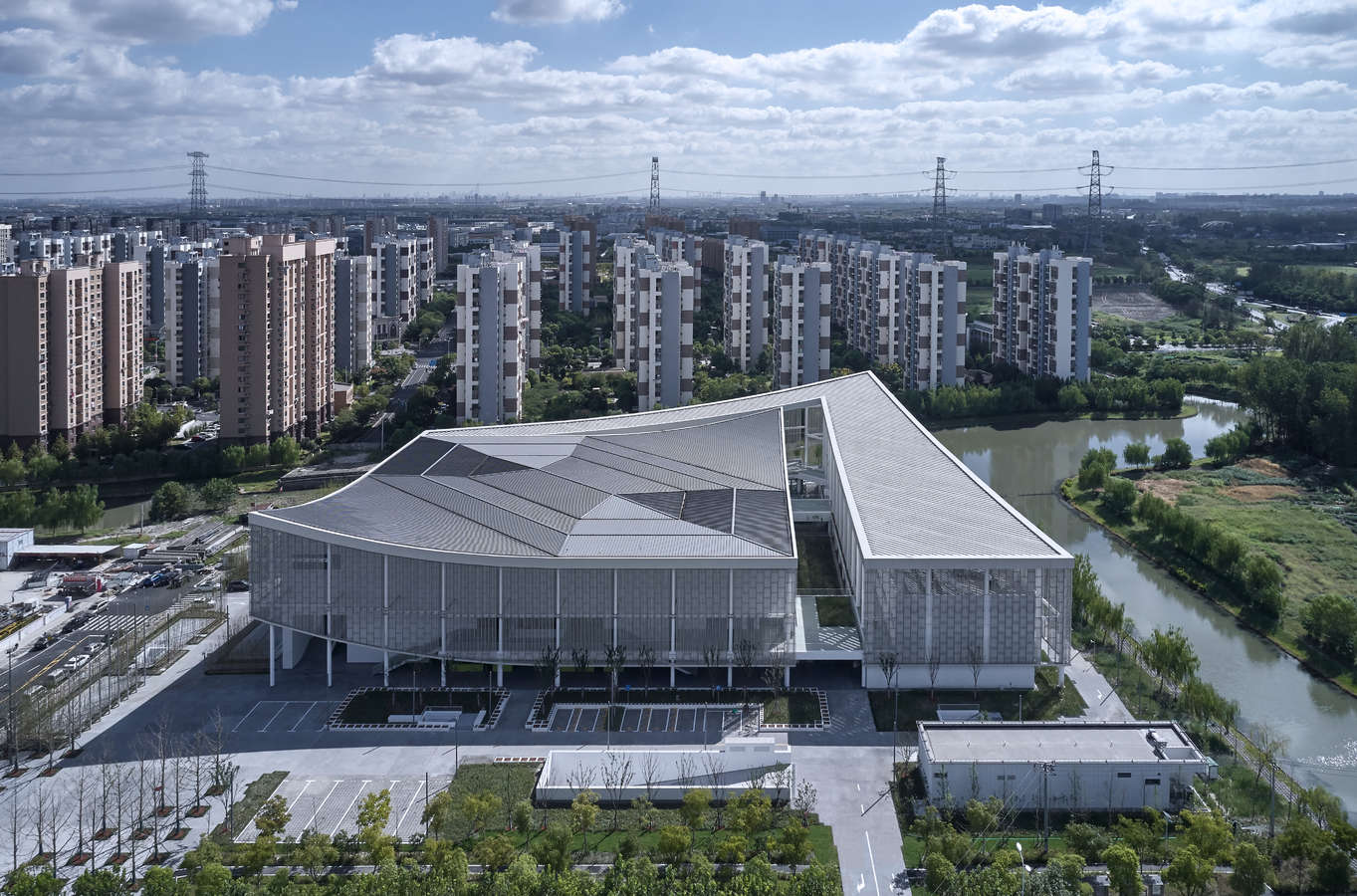
3)本土在地的青浦运动城
突破传统体育馆形体千篇一律、可复制性强的模式,新的体育馆融入了当地语境,立足本土的建筑语言,打造专属于青浦的体育文化中心。考虑建筑入口和赛场空间的剖面关系,将局部地面和屋面做起翘处理,表达江南庭院建筑的飞檐意向。水面的涟漪般的线条在河道边缓缓起伏,形成轻盈灵动的东方意蕴。立面肌理的设计传承水墨艺术的特征,实现张弛有度的文化氛围,单元化虚透界面形成一定角度,随观看视角不同,呈现墨迹晕染的艺术效果,自然生动,层次丰富。
3) Local Qingpu Sports City
Breaking through the stereotyped and reproducible mode of the traditional gymnasium, the new gymnasium integrates the local context, based on the local architectural language, and builds a sports and cultural center exclusively belonging to Qingpu. Considering the sectional relationship between the building entrance and the stadium space, the local ground and roof are raised to express the cornice intention of courtyard buildings in the south of the Yangtze River. The rippling lines of the water surface rise and fall slowly along the riverside, forming a light and flexible Oriental meaning. The design of facade texture inherits the characteristics of ink art, realizes a relaxed cultural atmosphere, and forms a certain angle on the unitized virtual interface. With different viewing angles, it presents the artistic effect of ink smudging, which is natural and vivid, with rich levels.
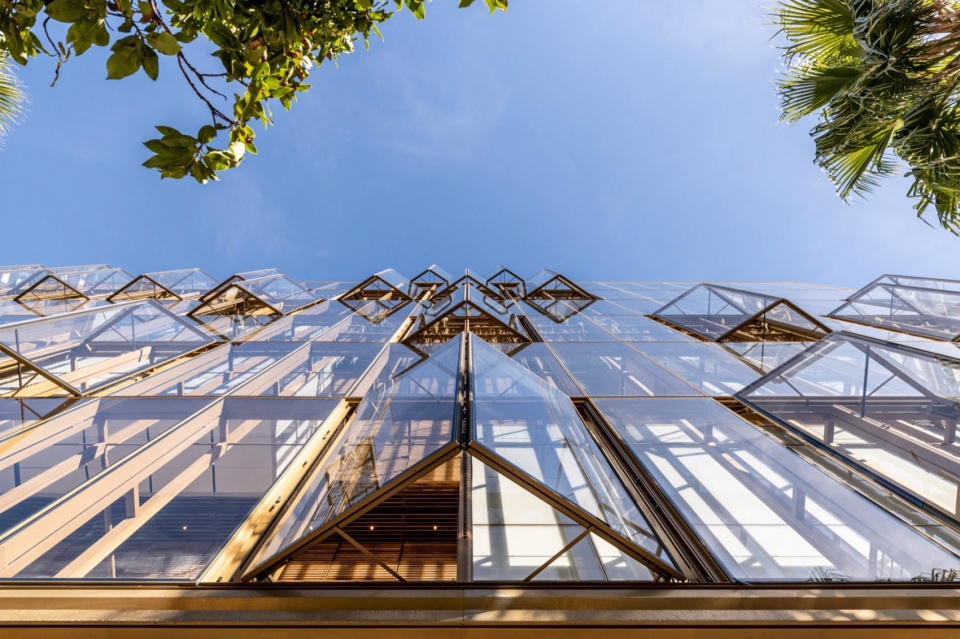
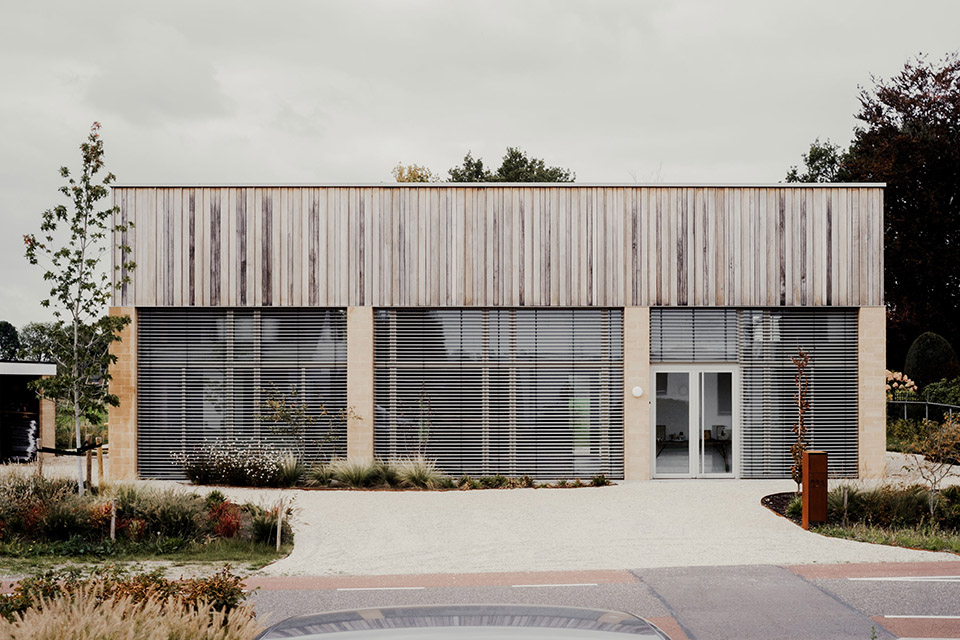
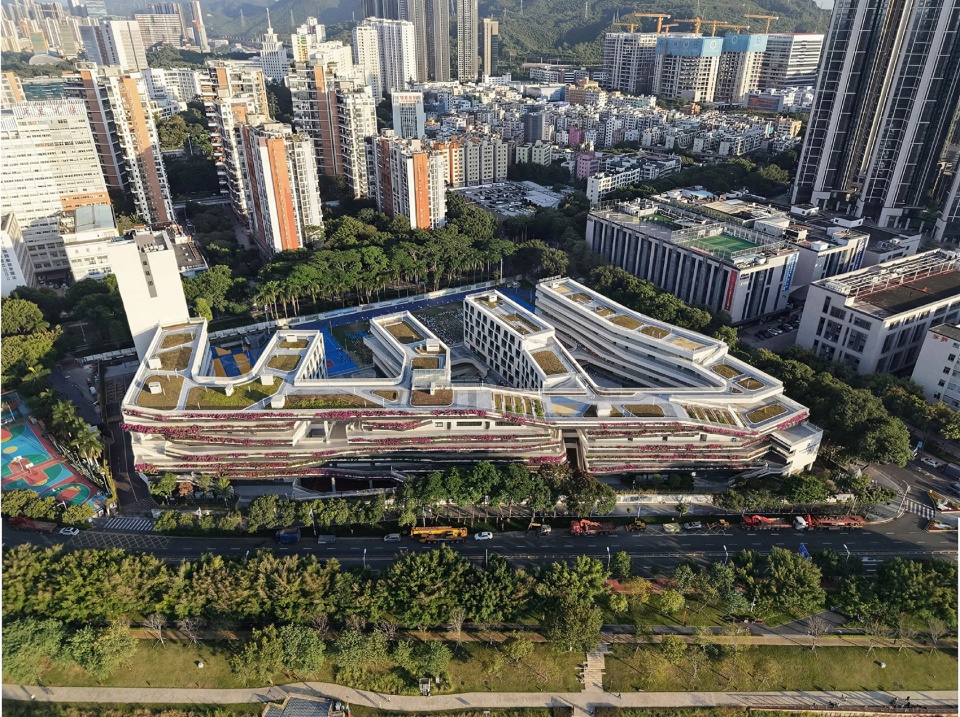
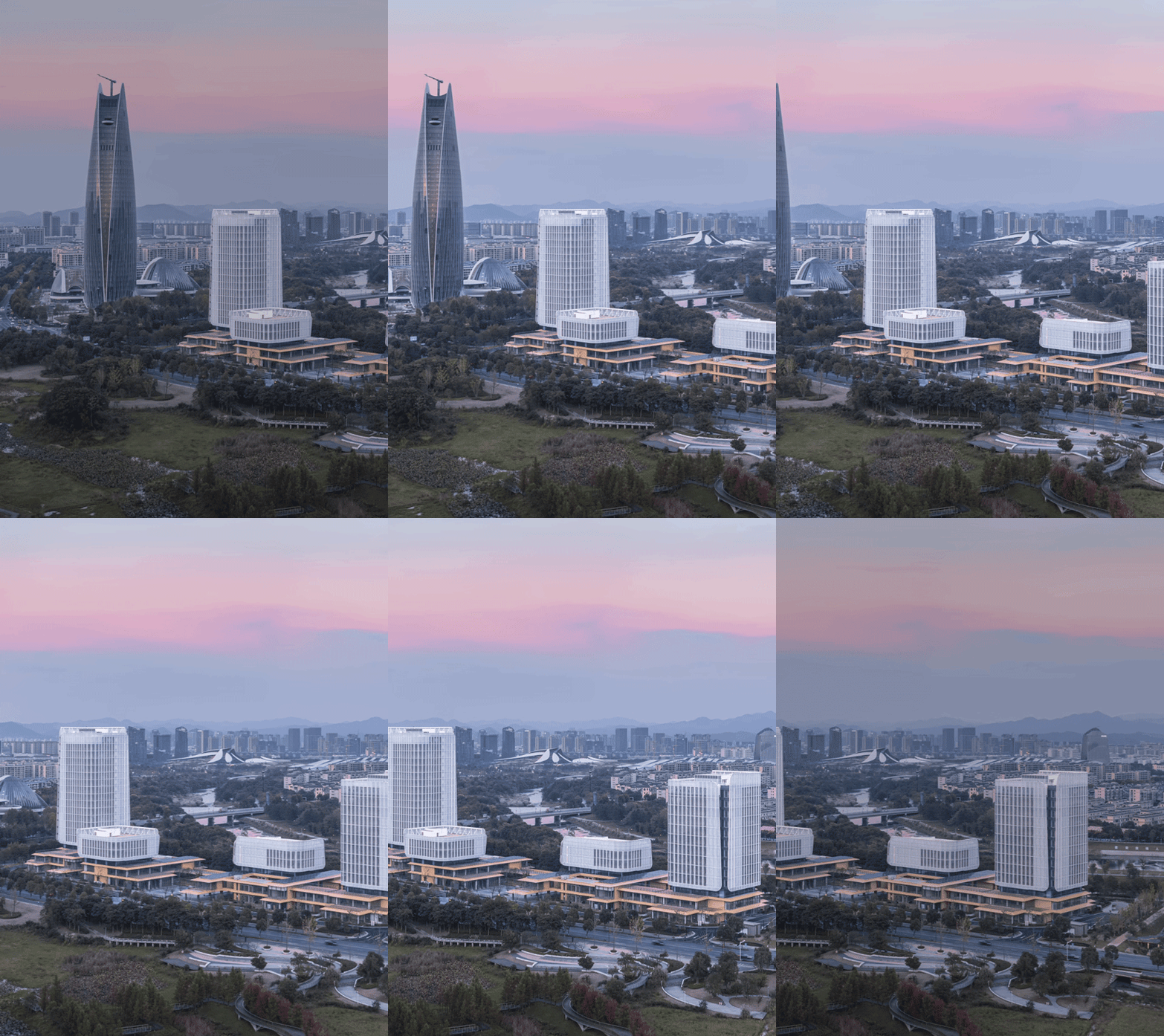
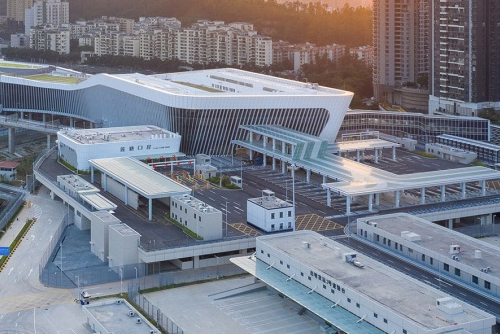
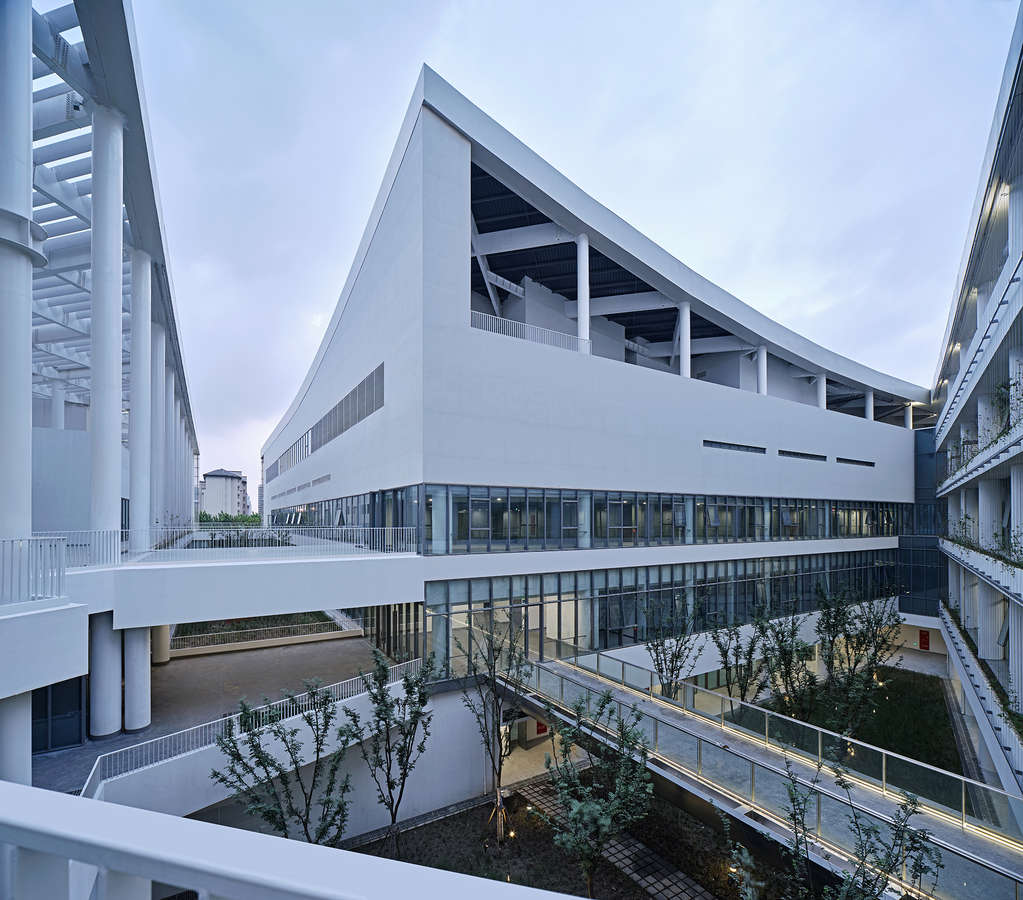
▼上海青浦区体育文化活动中心外部实景图
Actual picture of the exterior of Shanghai Qingpu District Sports and cultural activity center
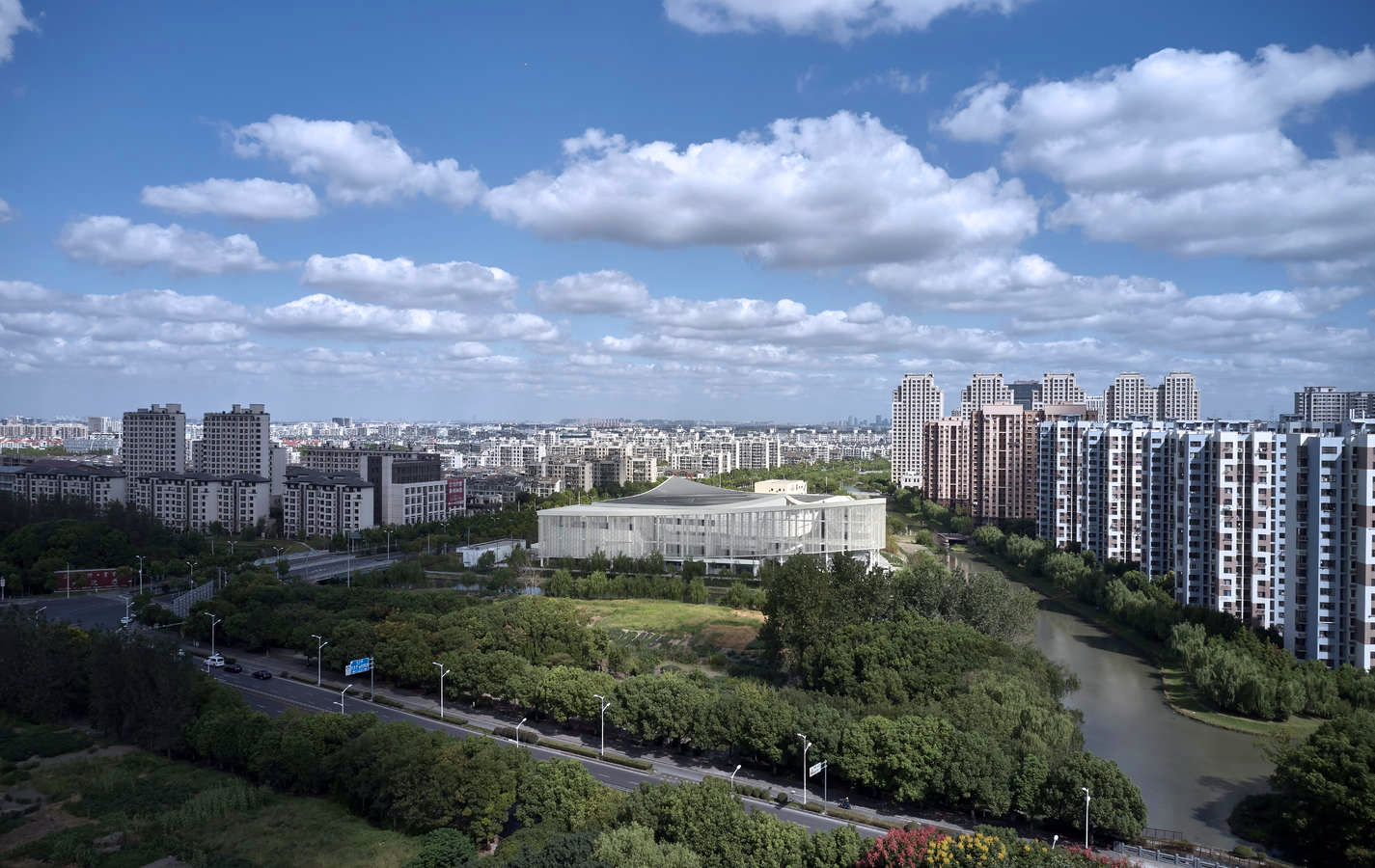
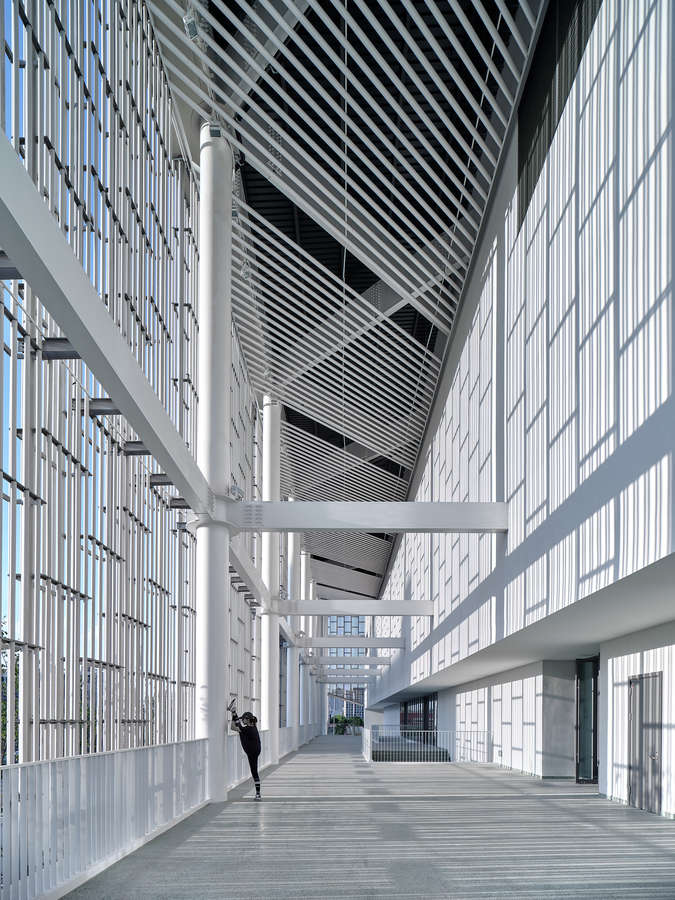
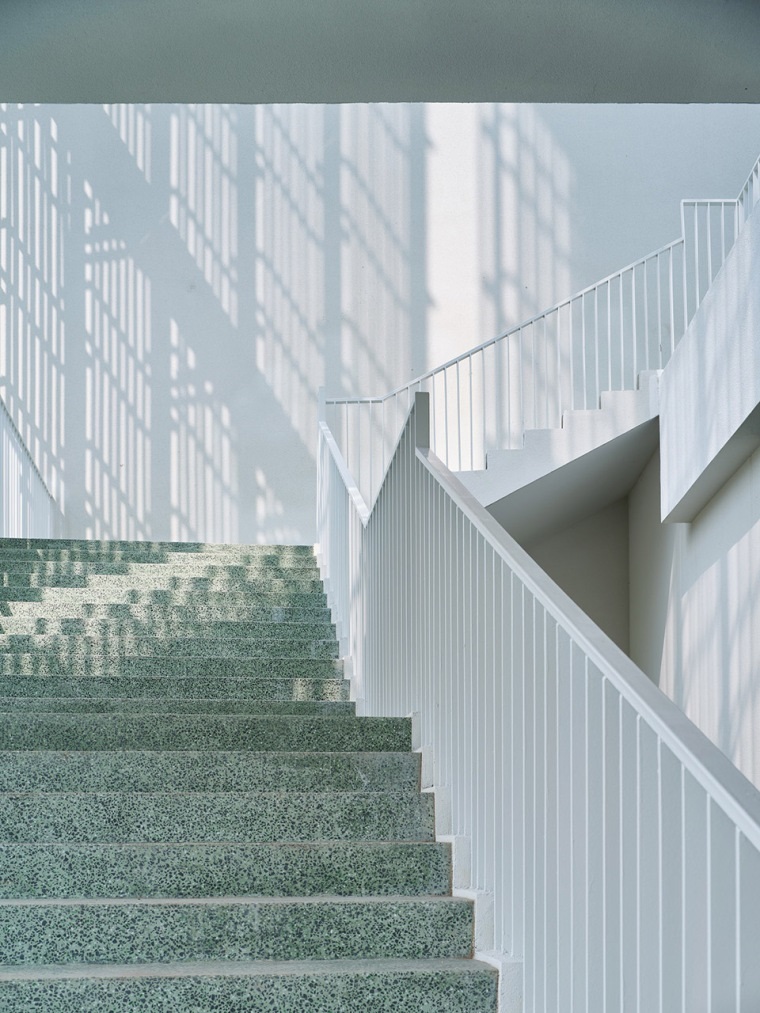
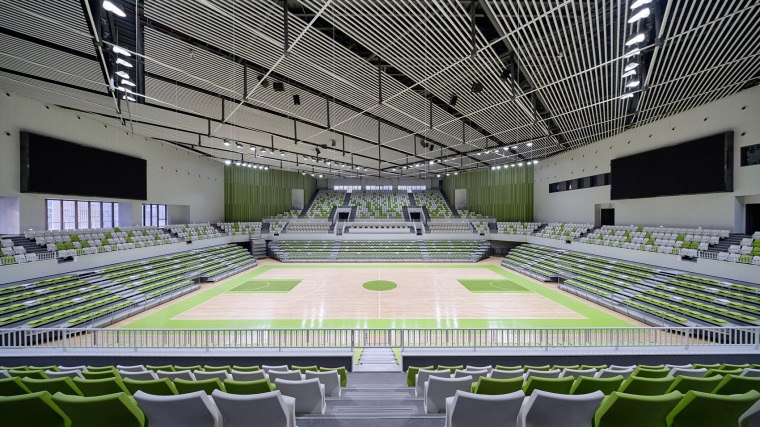
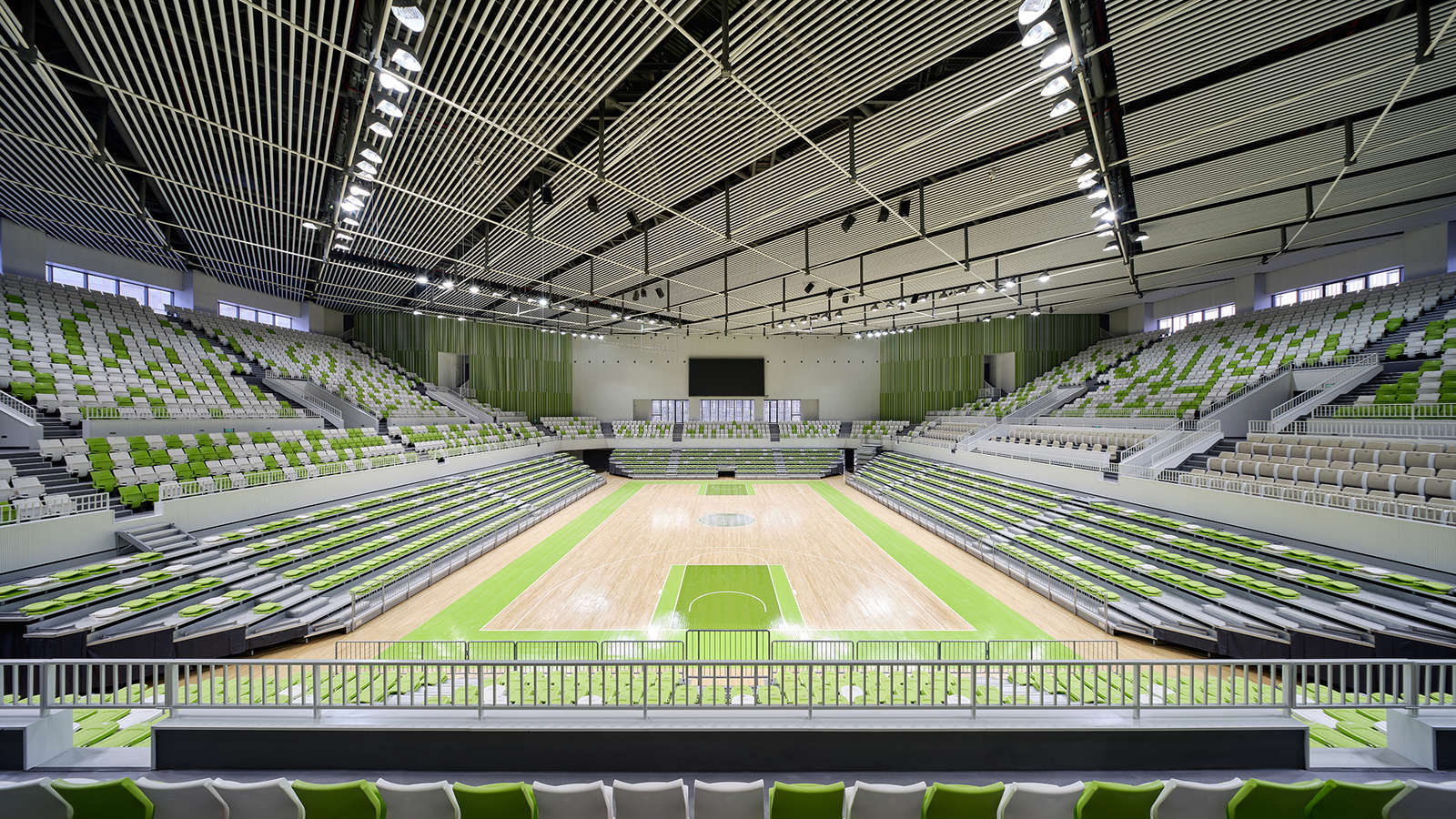
这些半室外交往空间在赛时期间为场馆提供疏散和辅助服务功能,在平时为社区居民提供全民健身空间,以此形成室内外空间的交汇,全面提升体育场馆的空间品质,达到渐次展开的丰富空间层次。所有的半室外空间即使在闭馆期间也全部对外开放,建筑的体量在多个层级得到削减,以日常的尺度融入周边的社区生活。主场馆大厅共4000座,其中近2000座为活动座椅,通过分区域调节可灵活满足多种日常文化休闲功能,以及多级别体育赛事的场地需求,充分提高场馆的日常使用率。由于地处江南,体育馆在设计时力求立足本土建筑语言,融入当地建筑语境,期望打造专属于青浦地区的体育文化中心。项目汲取庭院文化思想,将各主要功能体量打散,主赛场空间的外界面虚透化,并在其中植入院落空间和绿化,综合解决了赛场空间的自然通风和采光、能源损耗、维护保养等问题。
These half room diplomatic spaces provide evacuation and auxiliary services for the venues during the game time, and provide national fitness space for community residents at ordinary times, so as to form the intersection of indoor and outdoor space, comprehensively improve the space quality of the stadiums and gymnasiums, and achieve a rich space level gradually. All semi outdoor spaces are open to the public even during the closing period. The volume of the building has been reduced at multiple levels and integrated into the surrounding community life at a daily scale. The main hall has 4000 seats, nearly 2000 of which are movable seats. Through regional adjustment, it can flexibly meet a variety of daily cultural and leisure functions, as well as the venue needs of multi-level sports events, and fully improve the daily utilization rate of the venue. Due to its location in the south of the Yangtze River, the gymnasium is designed to be based on the local architectural language and integrate into the local architectural context, hoping to build a sports and cultural center exclusively belonging to Qingpu region. The project absorbs the idea of courtyard culture, scatters the volume of main functions, makes the external surface of the main venue space transparent, and implants courtyard space and greening in it, which comprehensively solves the problems of natural ventilation and lighting, energy consumption, maintenance and maintenance of the venue space.
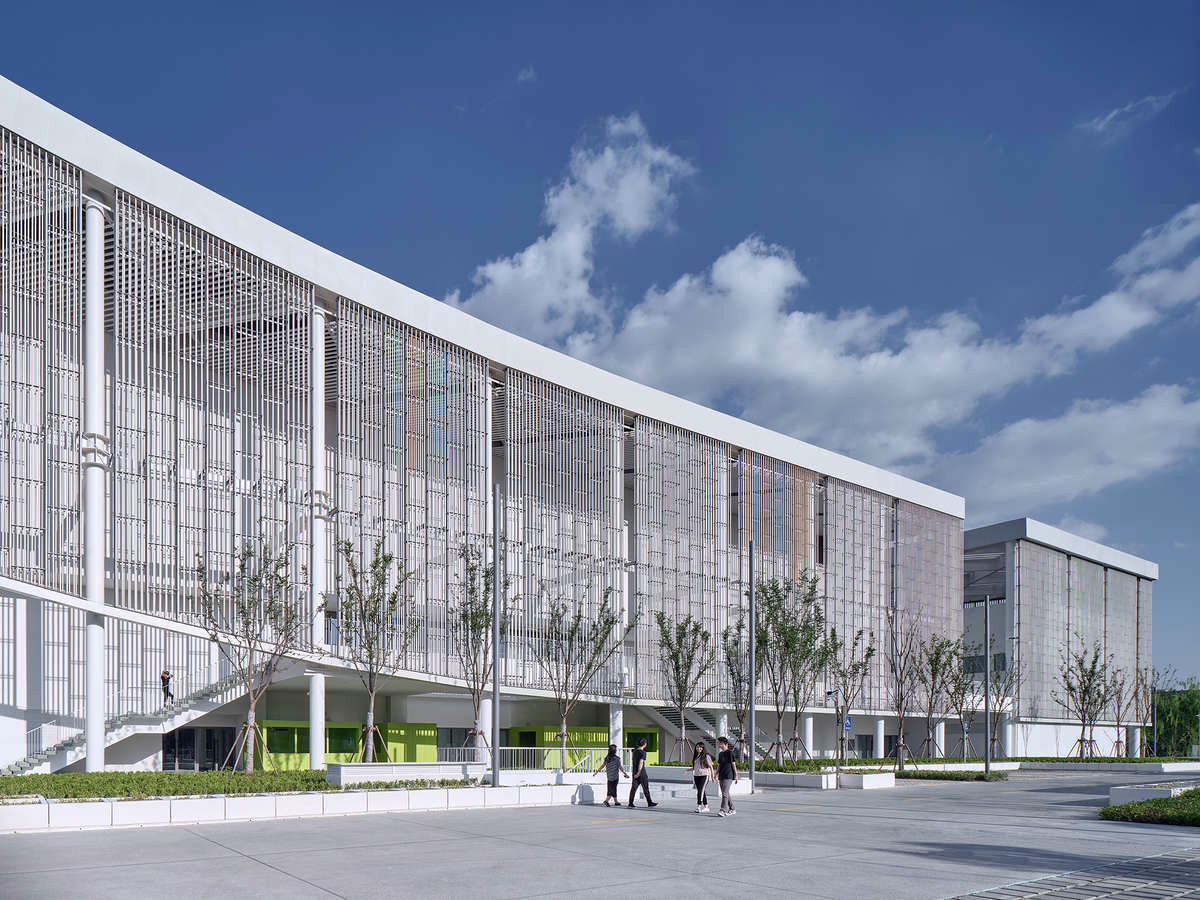
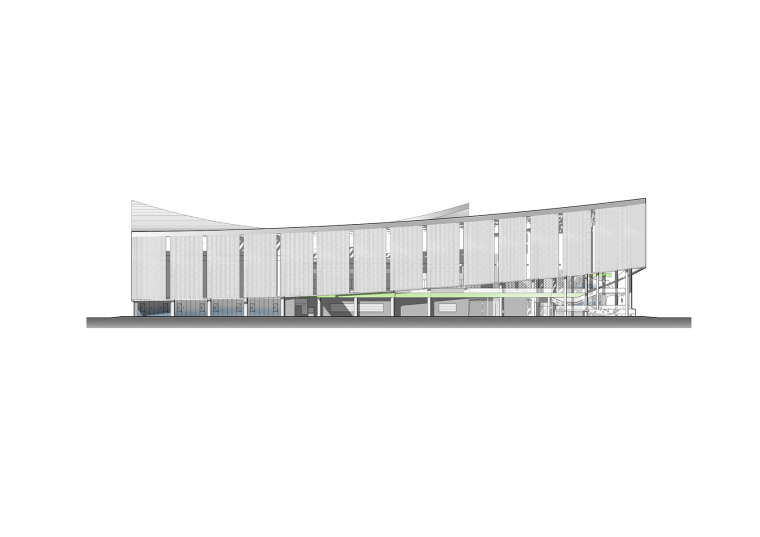
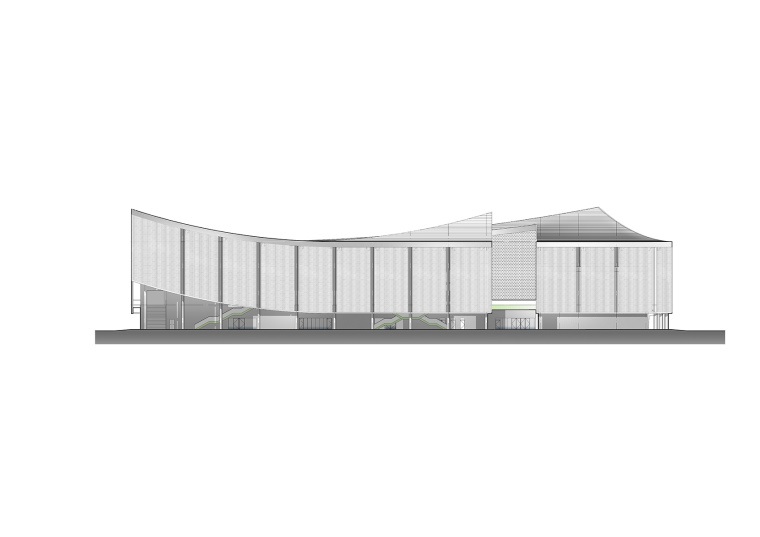
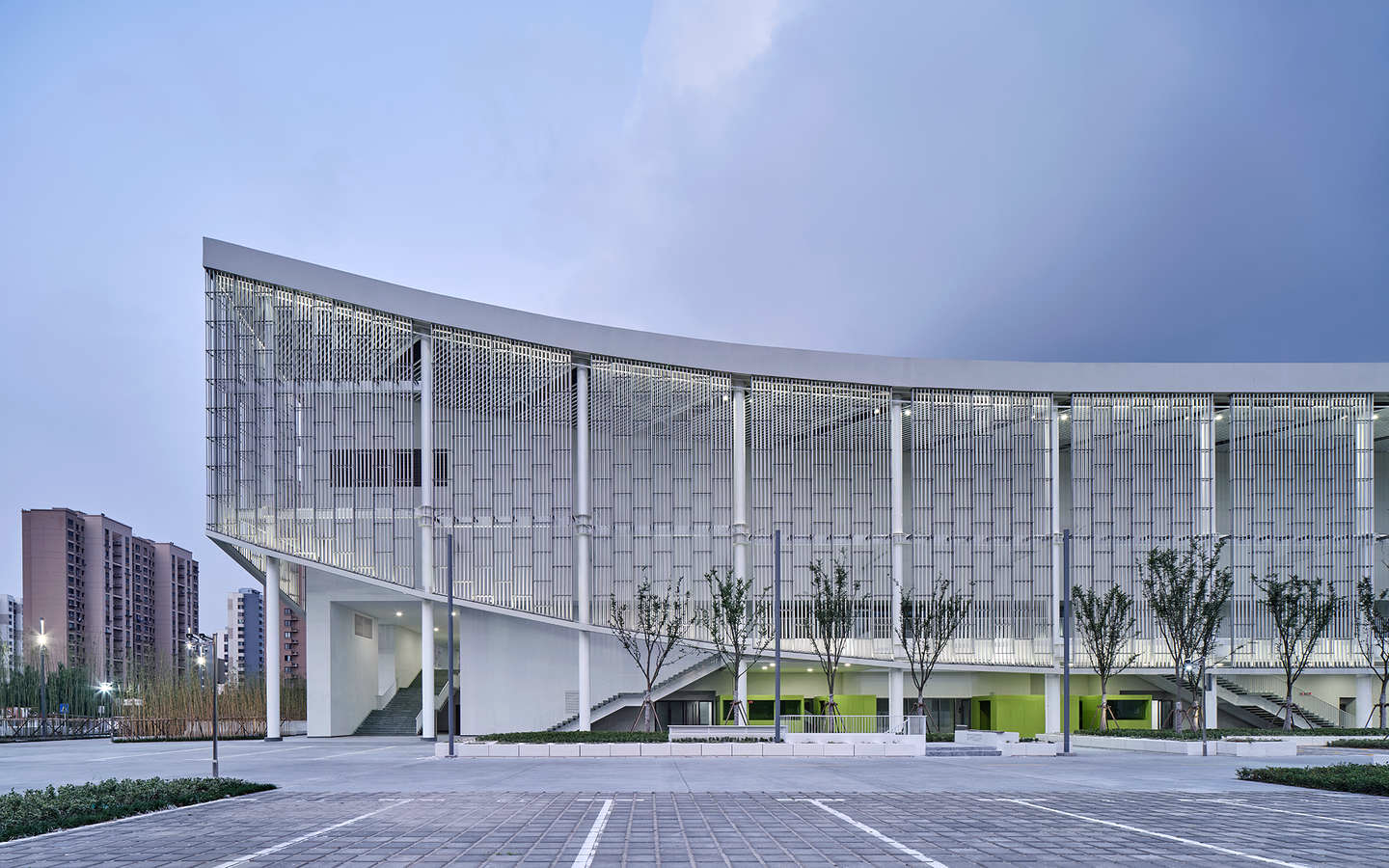
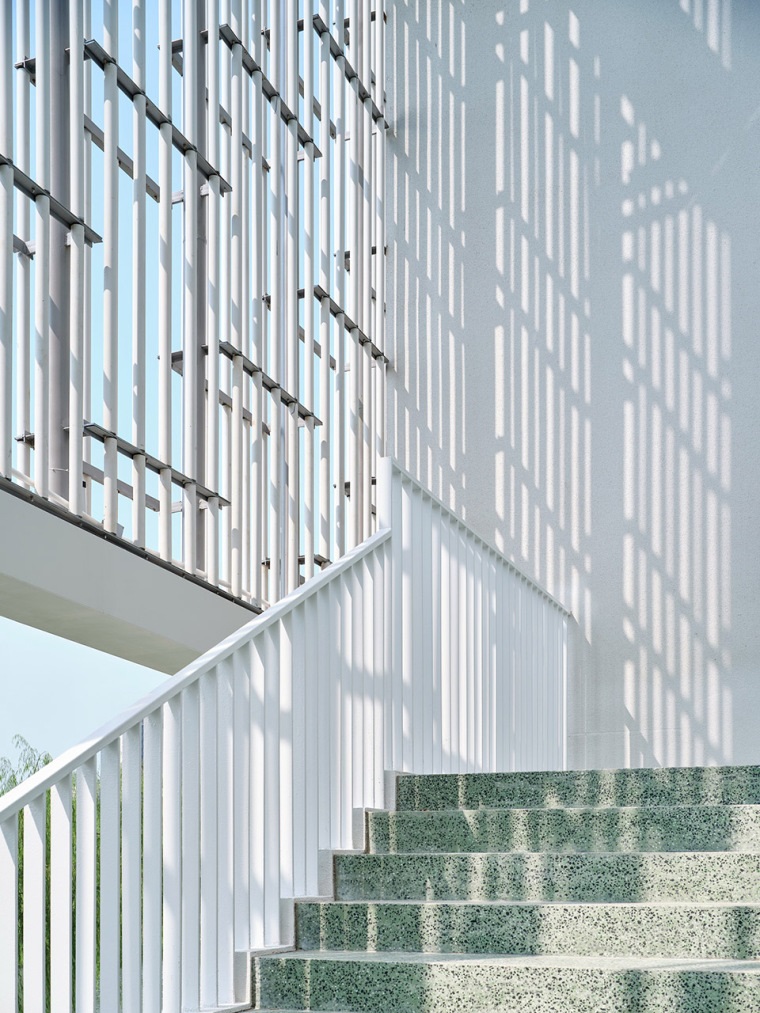
将建筑的主入口功能关系以及主场馆内部空间的剖面关系予以外化呈现,结合场地的开放度和周边景观资源,将西北角和东南角屋面做起翘处理,飘逸隽永的线条在河道边缓缓起伏,以表达江南建筑的飞檐意向。基地东侧与南侧为环城水系,在设计场地时沿河道布局绿化健身步道,为市民营造亲水空间。立面肌理的构造设计传承水墨艺术的特征,实现张弛有度的文化氛围,采用竖向双层陶棍幕墙,将幕墙结构隐于双层陶棍之间,无论从建筑外部向内还是内部灰空间向外观看,单元化的虚透界面均呈现墨迹晕染的艺术效果。自然生动,层次丰富,进一步消解体育馆在环境中的体量。体育馆主场馆大厅屋面采用张弦梁结构,室内顶部将结构构件予以部分暴露,并采用竖向线条将结构设备予以整合,与外立面元素相呼应,内外共同形成轻盈灵动的东方意蕴。
The functional relationship of the main entrance of the building and the sectional relationship of the internal space of the main hall are externalized. Combined with the openness of the site and the surrounding landscape resources, the roofs of the northwest and Southeast corners are warped, and elegant and meaningful lines slowly fluctuate along the riverside to express the cornice intention of buildings in the south of the Yangtze River. The East and south sides of the base are the water system around the city. When designing the site, greening and fitness trails are arranged along the river to create a hydrophilic space for citizens. The structural design of facade texture inherits the characteristics of ink art and realizes a relaxed cultural atmosphere. The vertical double-layer ceramic rod curtain wall is used to hide the curtain wall structure between the double-layer ceramic rods. No matter looking inward from the outside of the building or outward from the internal gray space, the unitary virtual interface presents the artistic effect of ink smudging. Natural and vivid, rich levels, further digestion of the stadium in the environment of the volume. The roof of the main hall of the gymnasium adopts a beam string structure, and the structural components are partially exposed at the top of the room, and the structural equipment is integrated with vertical lines, which echo with the elements of the facade, forming a light and flexible Oriental meaning inside and outside.
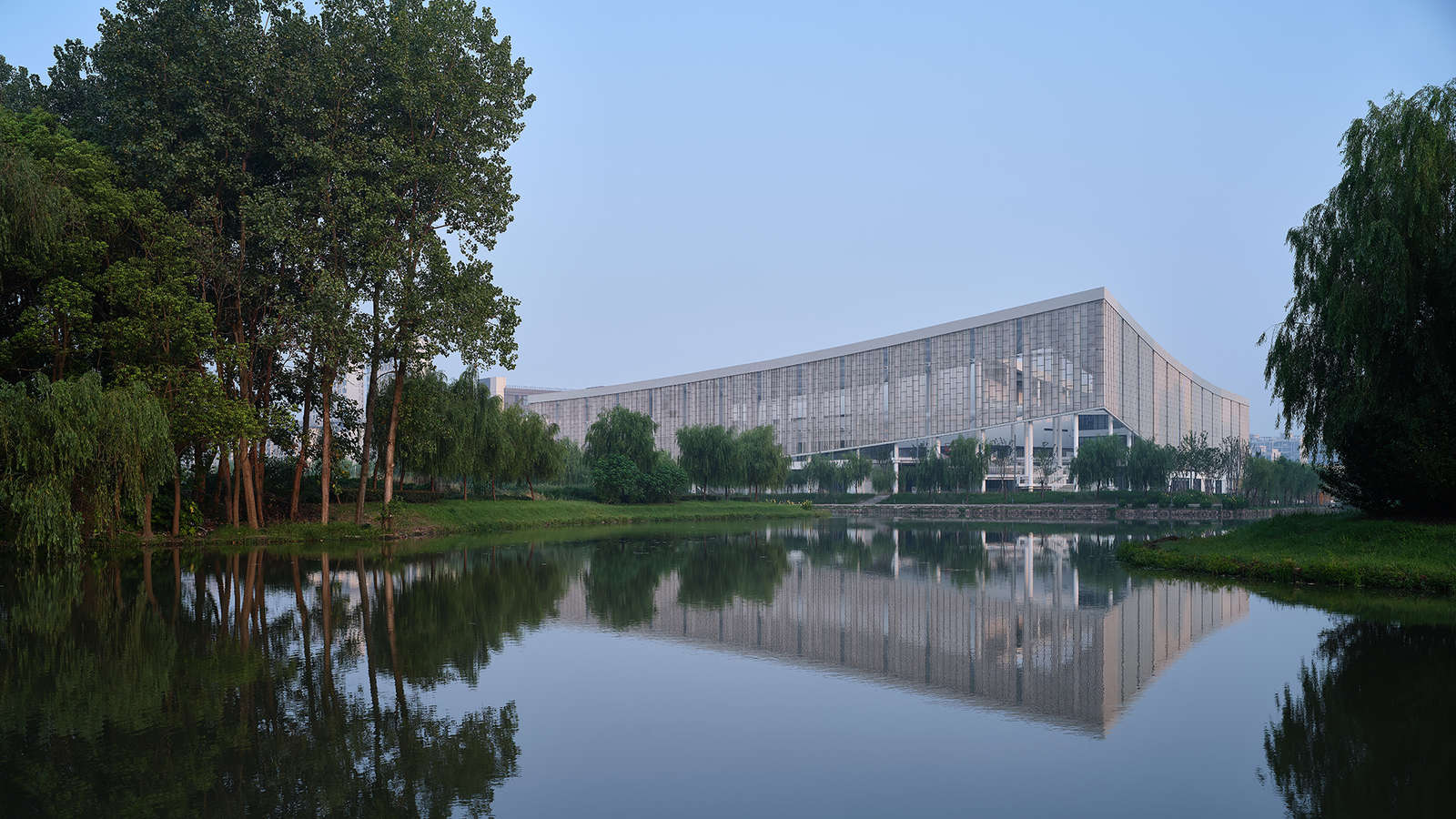
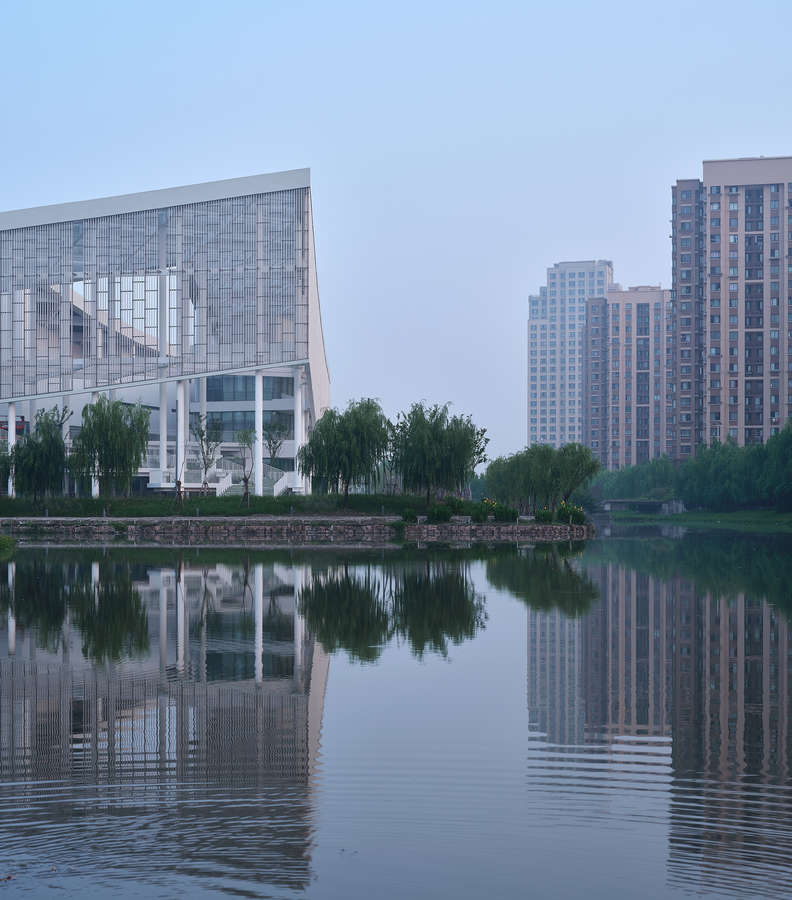
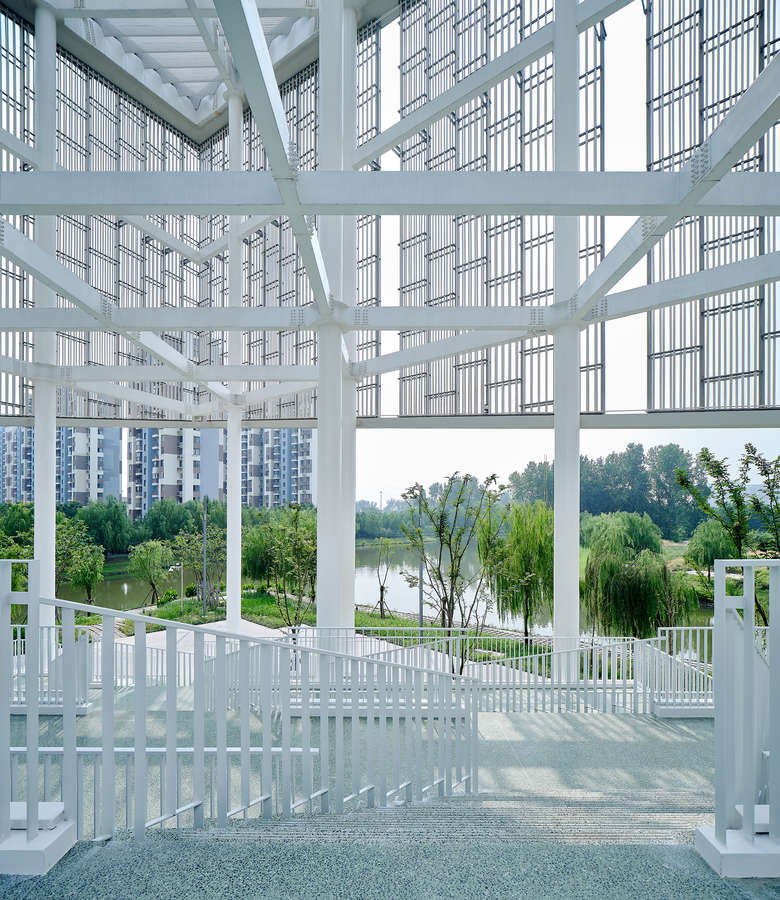
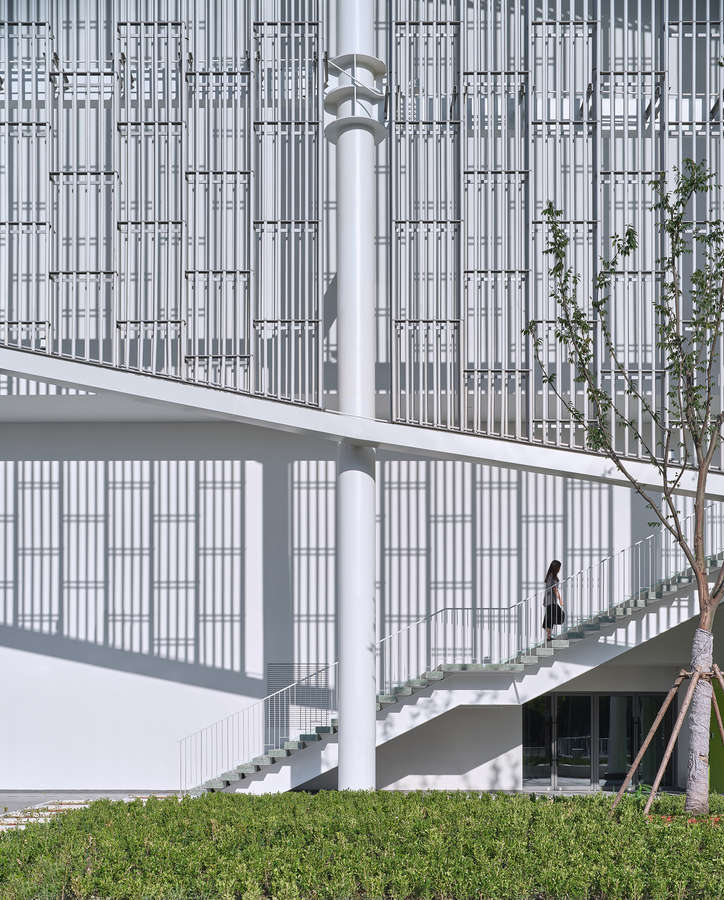
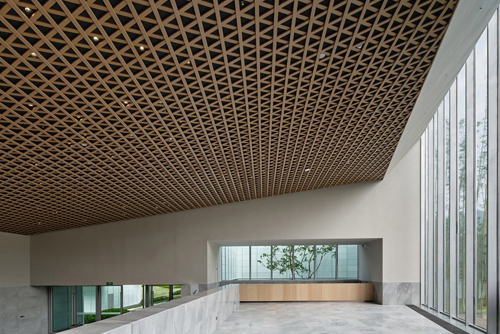
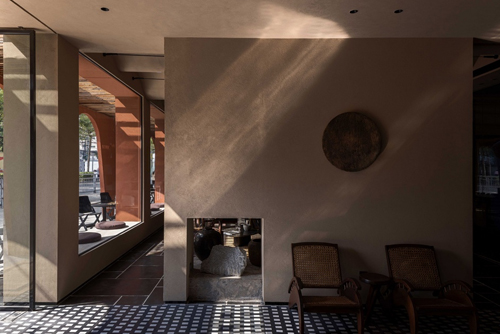
▼上海青浦区体育文化活动中心内部实景图
Real map of Shanghai Qingpu District Sports and cultural activity center
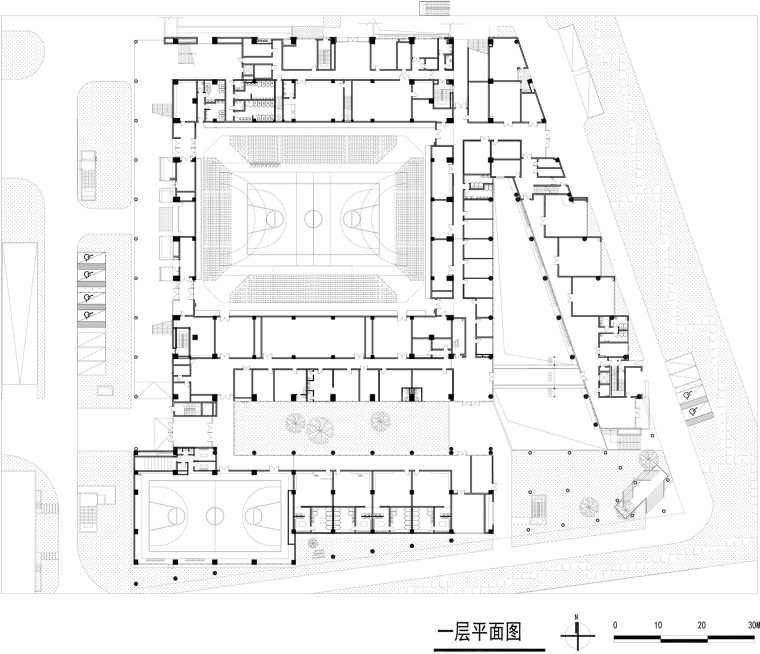
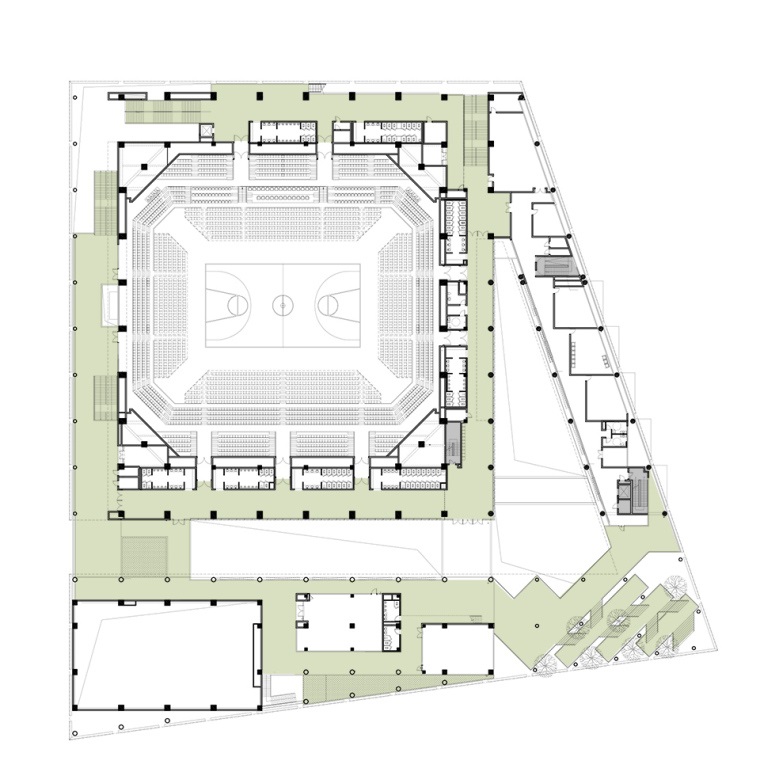
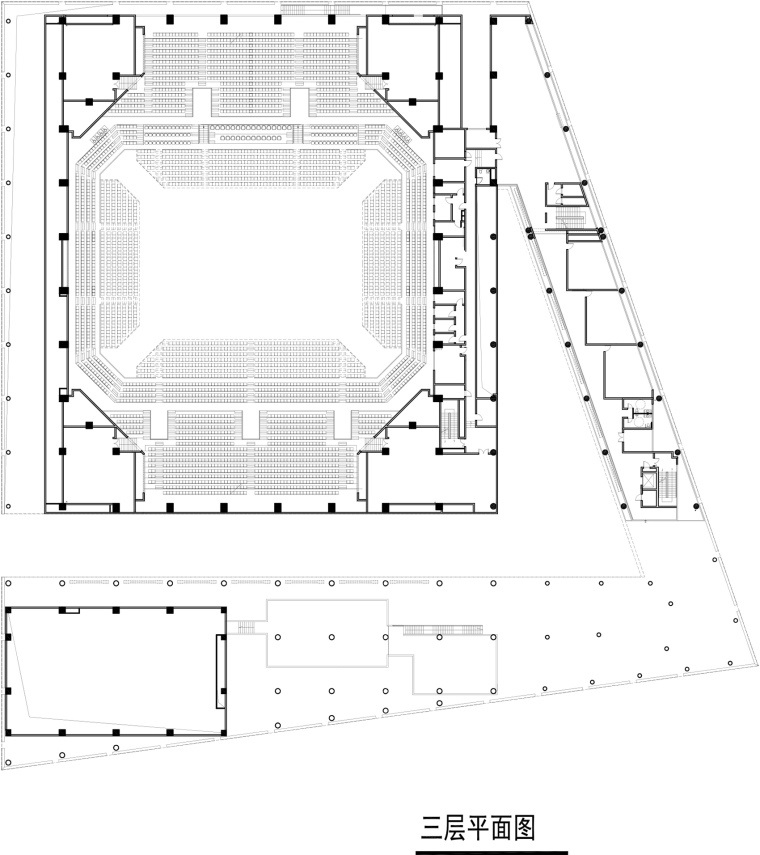
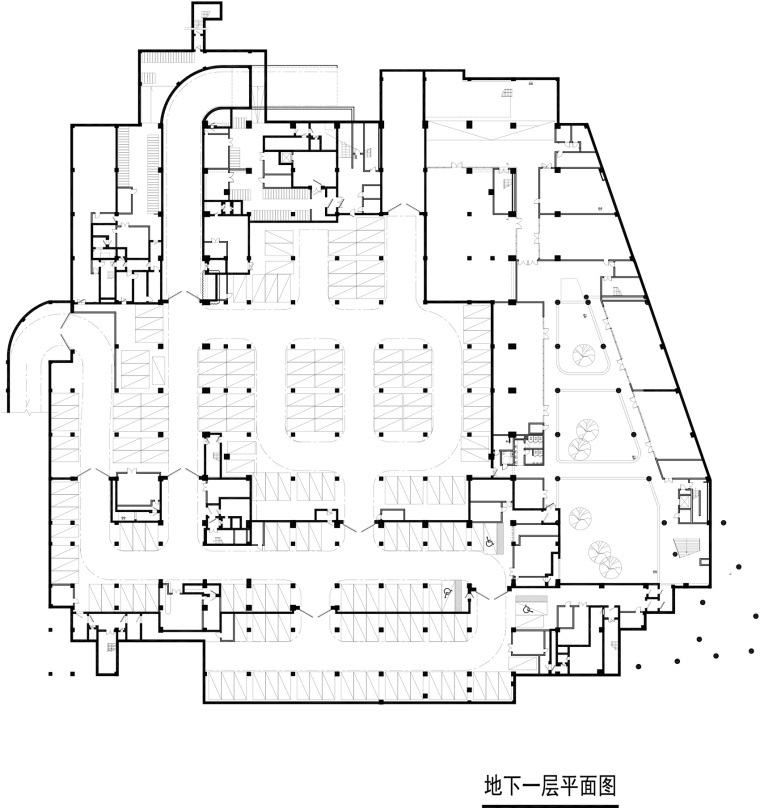
▼上海青浦区体育文化活动中心平面图
Plan of Shanghai Qingpu District Sports and cultural activity center
▼上海青浦区体育文化活动中心立面图
Elevation of Shanghai Qingpu District Sports and cultural activity center