峡谷中的乡村教室,北京 / 海塔建筑
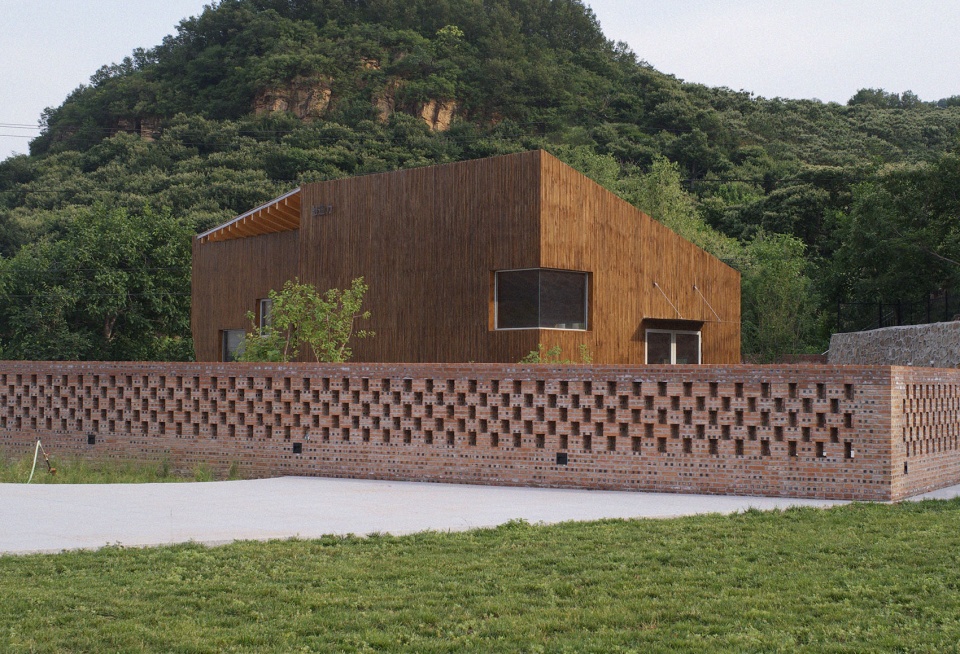
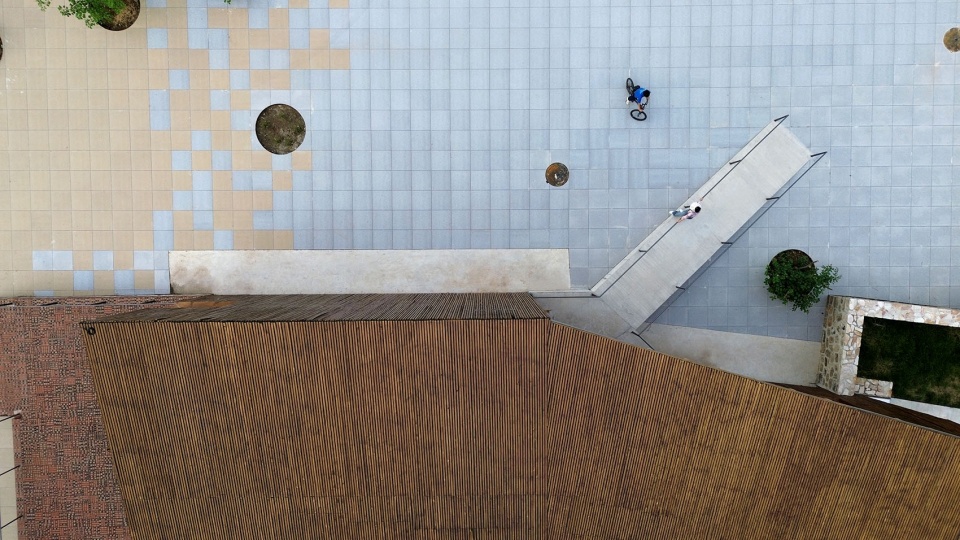
一间乡村教室匍匐在北京东部京东大峡谷的狭长山谷中,顺着山势形成绵延的形态。屋顶与外墙被视为一个统一的三维结构,形成因角度变化而异的“山形”轮廓。沿村民登山小路设置多个出入口,与远近景观自然连接,村民可自由穿行、随时进入。创造力作为该项目提供给村民知识的学习方案,启发个性与集体,激发乡村内容及创新导向的力量。该项目以公益性的方式培养村民的创新能力,维持乡村教育的公平性,同时作为民俗村落的旅行目的地,提升公共文化空间的活跃度。
▼项目鸟瞰,Aerial view of the project
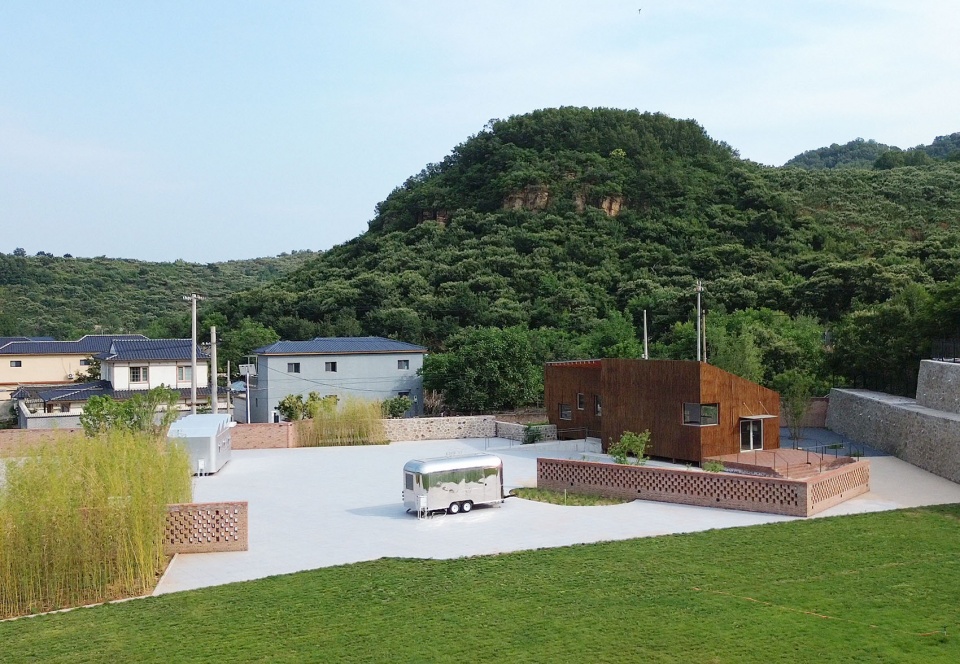
▼建筑与山,Building and mountain
This rural classroom lies nestled in the narrow mountain valley of Jingdong Grand Canyon, eastern Beijing, extending naturally with the contours of the landscape. Its roof and walls are conceived as a unified three-dimensional form, creating shifting mountain-like silhouettes from different perspectives. Multiple entrances along a local mountain path connect interior spaces with the surrounding scenery, allowing villagers to access and use the space freely. Creativity serves as the project’s educational offering, inspiring both individual and collective growth while activating rural content and innovation-oriented potential. As a public initiative, it cultivates villagers’ creative capacities, promotes educational equity in rural areas, and functions as a destination within a folkloric village—ultimately enhancing the vibrancy of public cultural spaces.
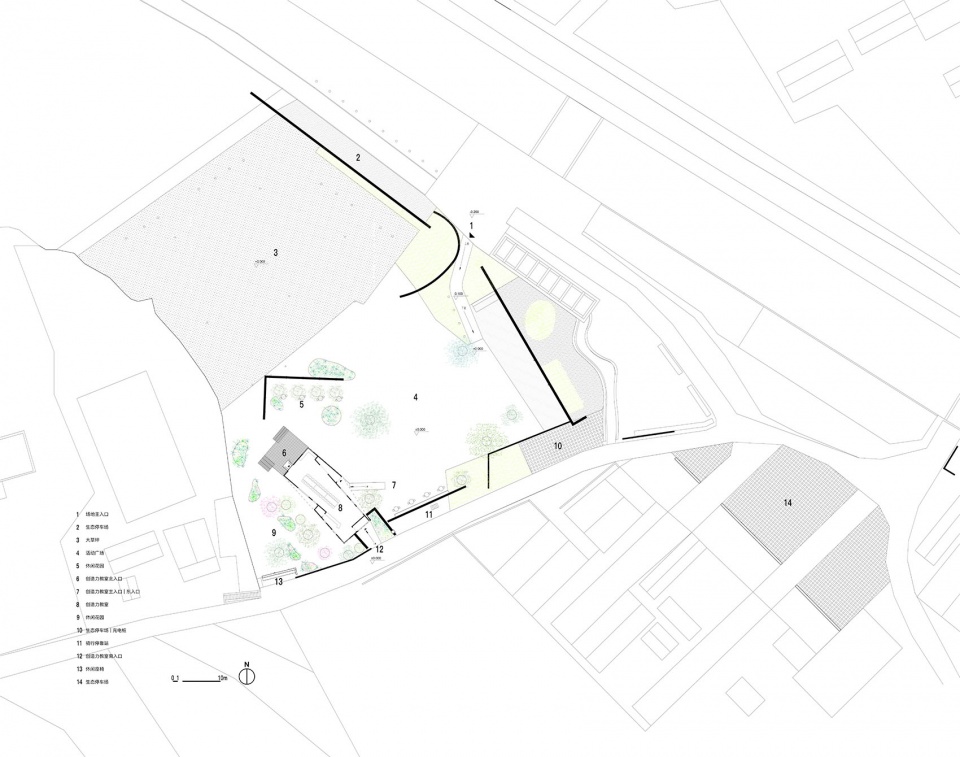
▼总平面图-多个入口,Master plan-multiple entrances
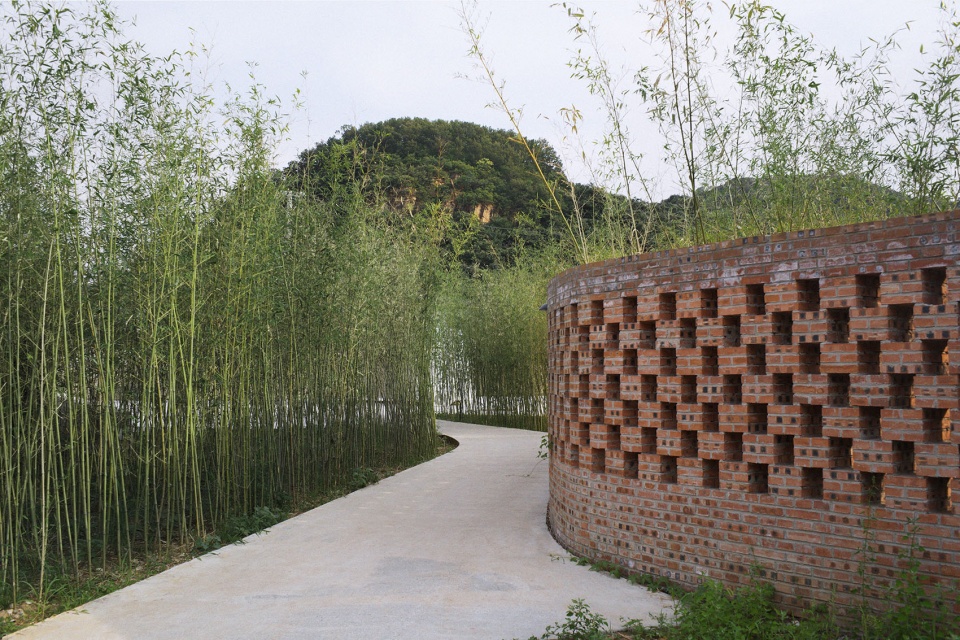
▼场地主入口竹林通道,Site main entrance bamboo walkway
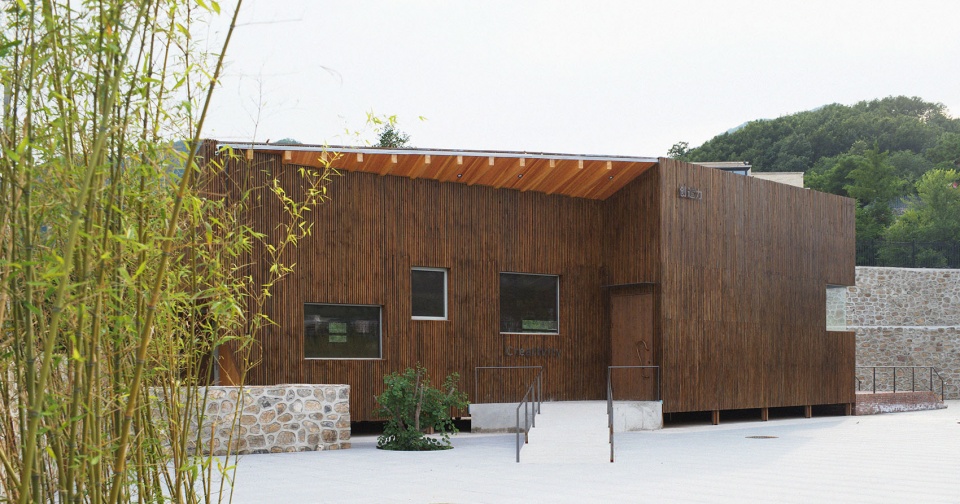
▼建筑主入口,Main entrance to the building
▼北侧入口, North entrance
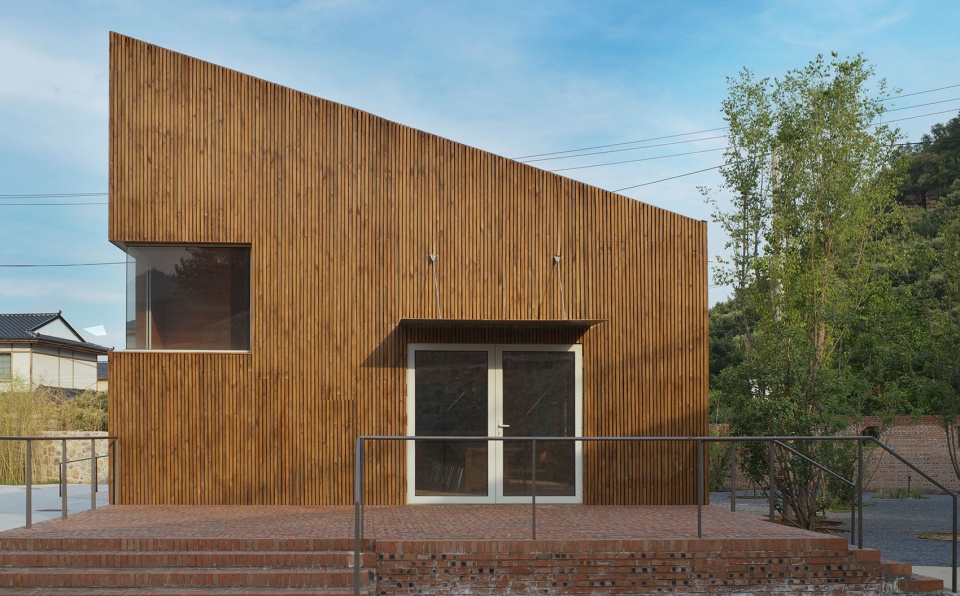
▼南侧入口, South entrance
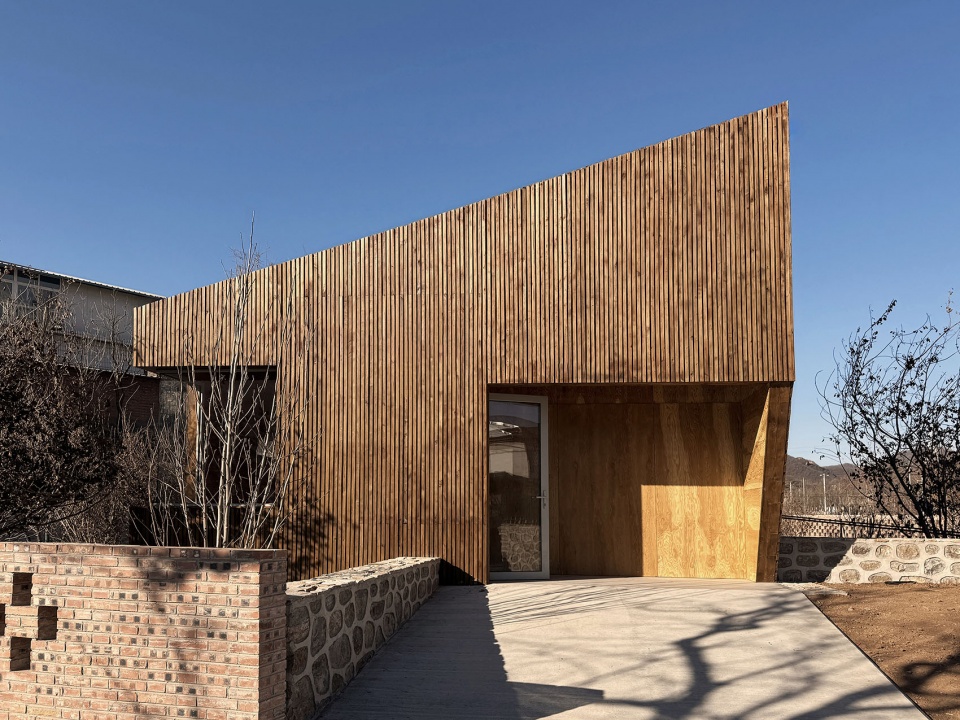
▼建筑立面和入口,Building facade and entrance
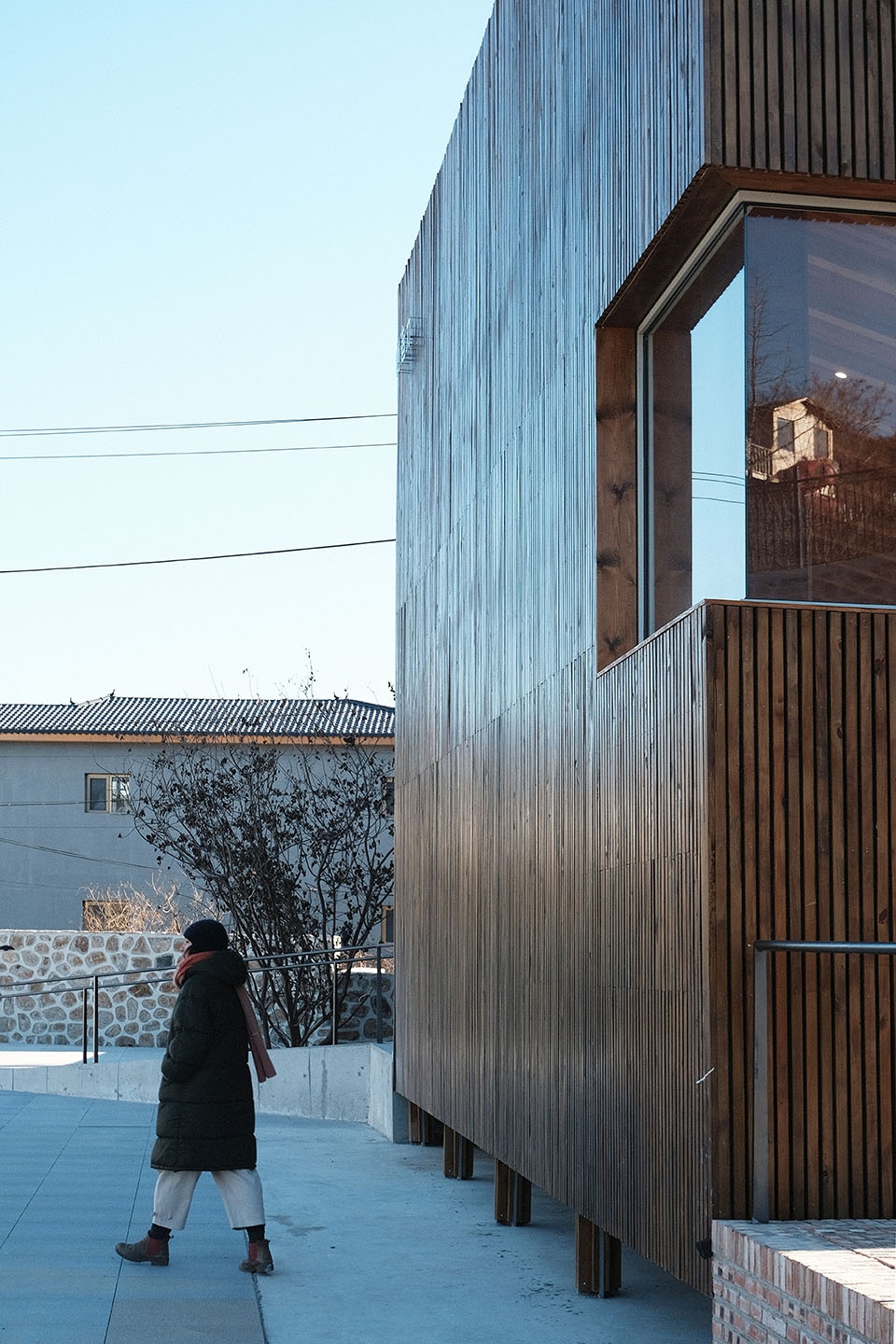
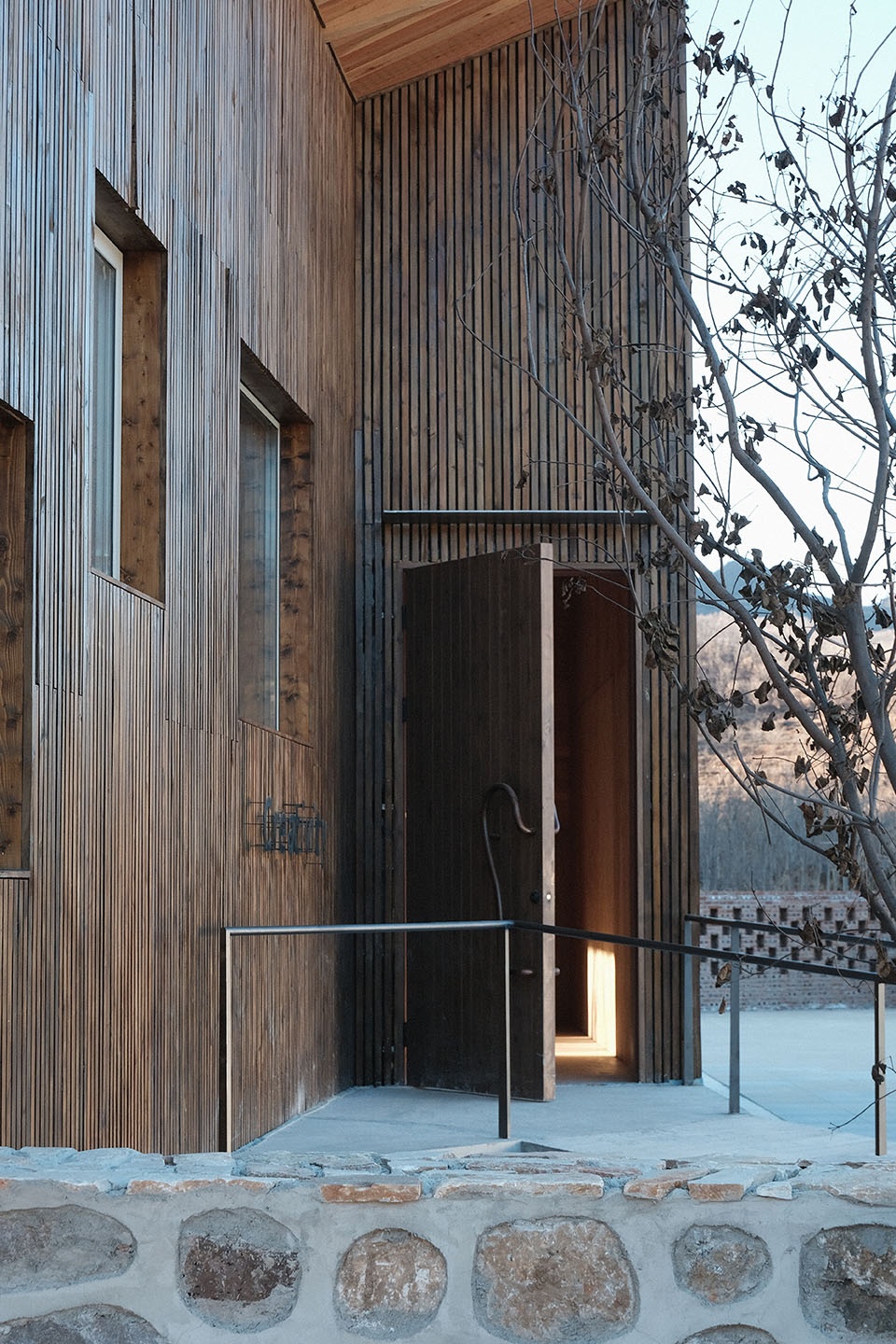
建筑位于崖底,毗邻山体,设计从场地出发,在规划初期即确立生态建造策略,以轻型木结构与CLT交叉层压木构建主体,架空于60cm钢柱脚上,以应对落石风险、维持地质稳定并保护原生植被与径流系统。建筑构件采用轻量化与模块化设计,通过预制与现场螺栓连接快速搭建,仅用20天完成主体施工。结构连接节点可拆卸,便于回收与再利用。
▼分析图,Analysis diagram
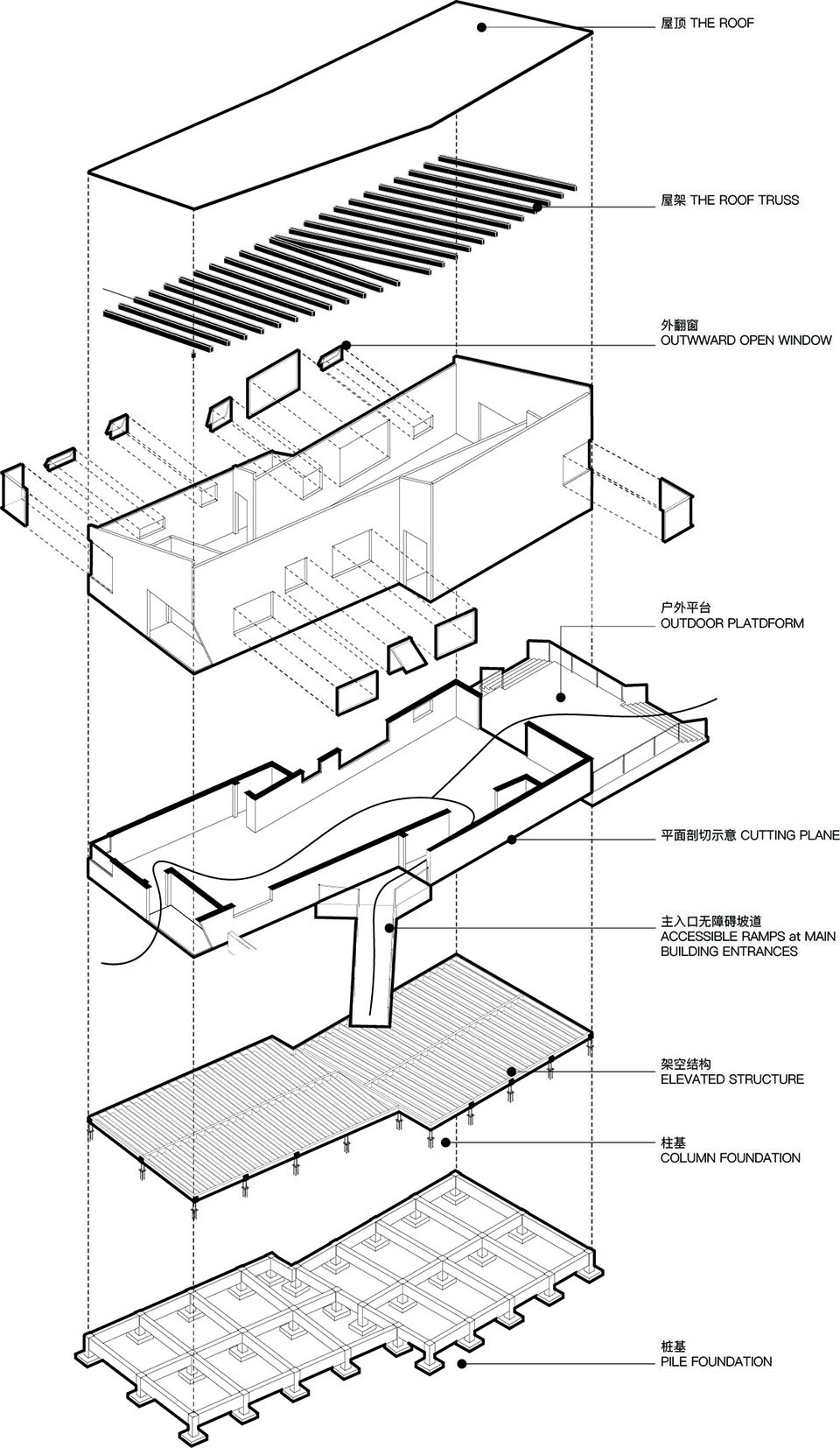
Sited at the base of a cliff and backed by mountainous terrain, the design adopted a sustainability-first approach from the outset. The structure uses lightweight timber and cross-laminated timber (CLT), elevated on 60cm steel footings to address rockfall risks, ensure geological stability, and preserve existing vegetation and surface runoff. Given limited construction access along the narrow mountain path, all structural components were designed for lightweight prefabrication. The prefabricated units were assembled on-site using bolted joints, completing the primary structure in just 20 days. Reversible connections allow future disassembly and material reuse.
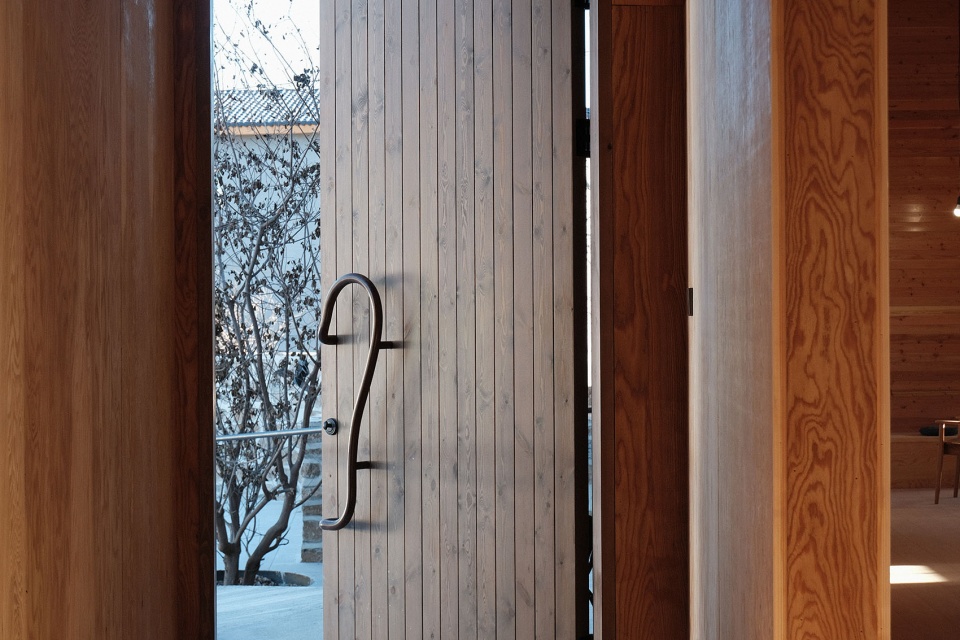
▼入口与入口细节,Entrance and entrance details
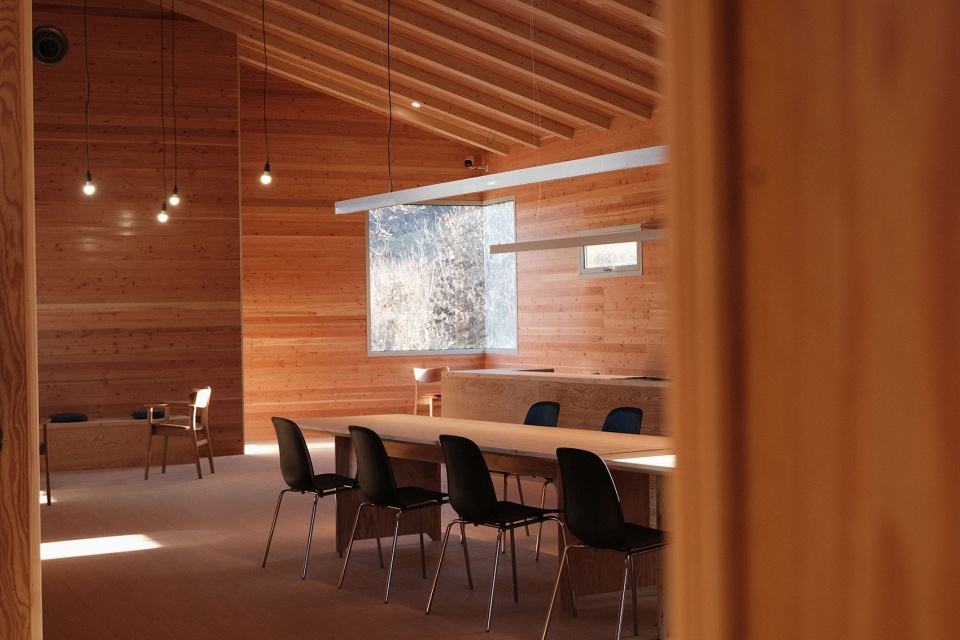
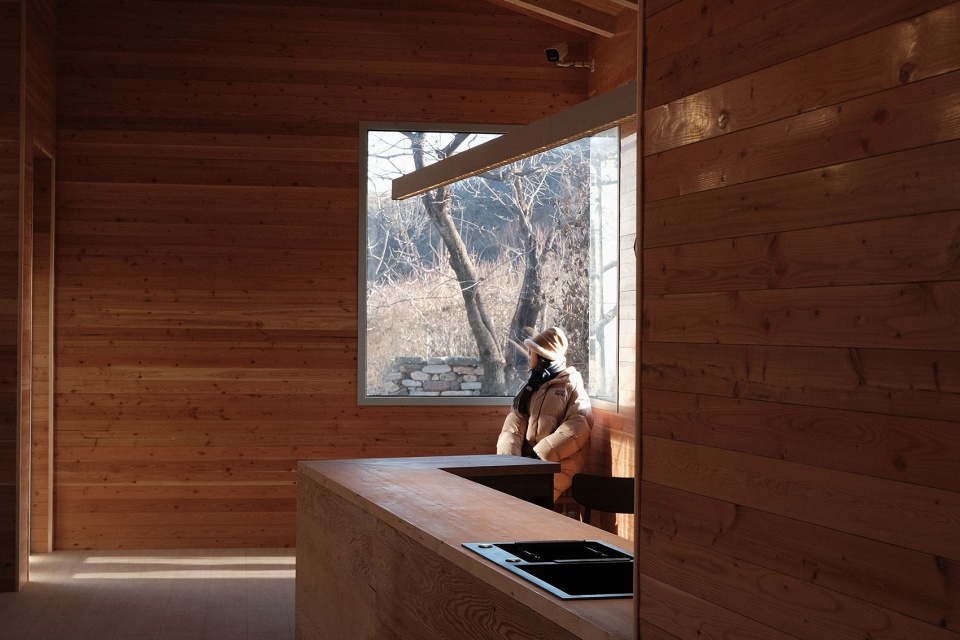
▼建筑内部,Interior
▼建筑内部细节,Interior detail
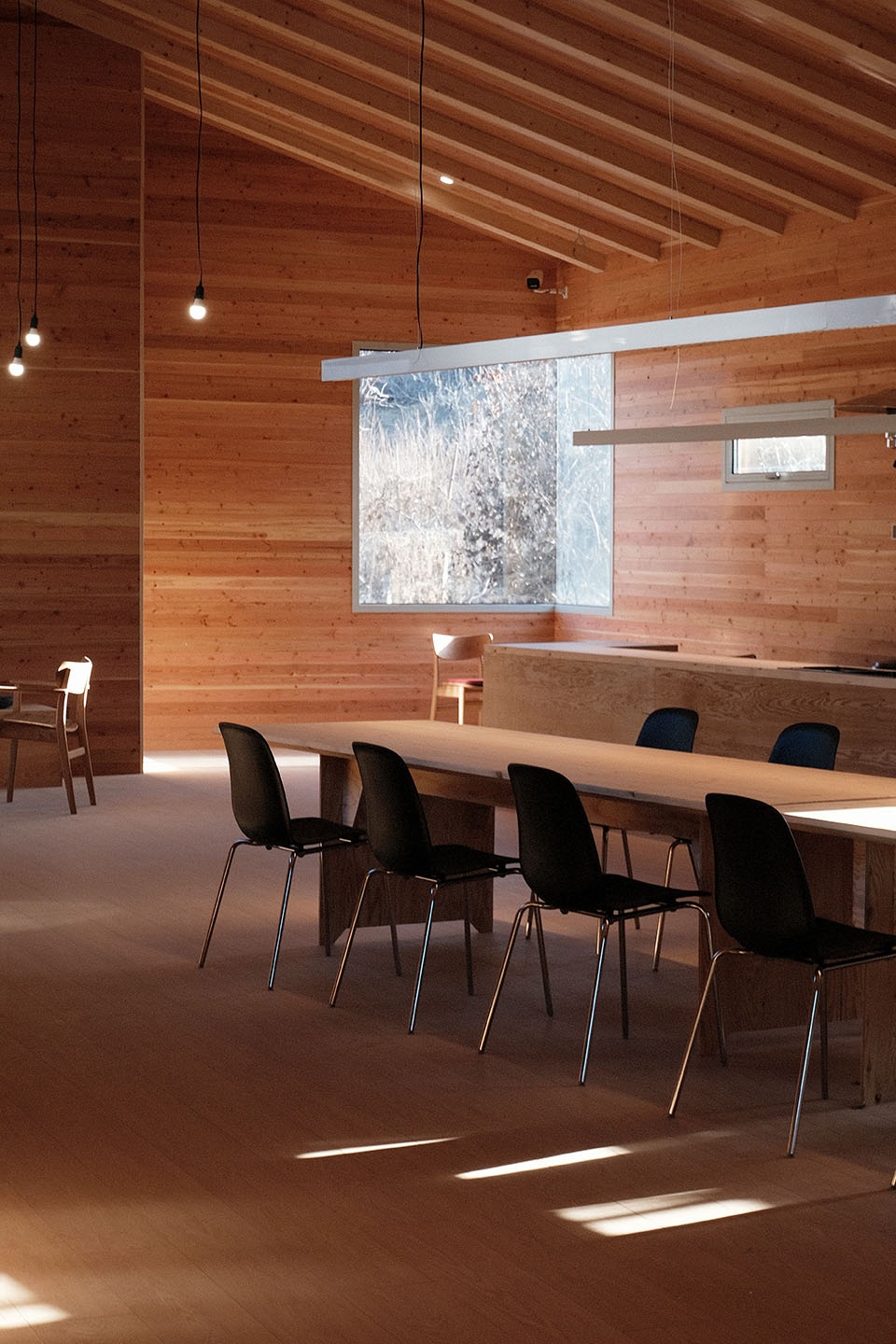
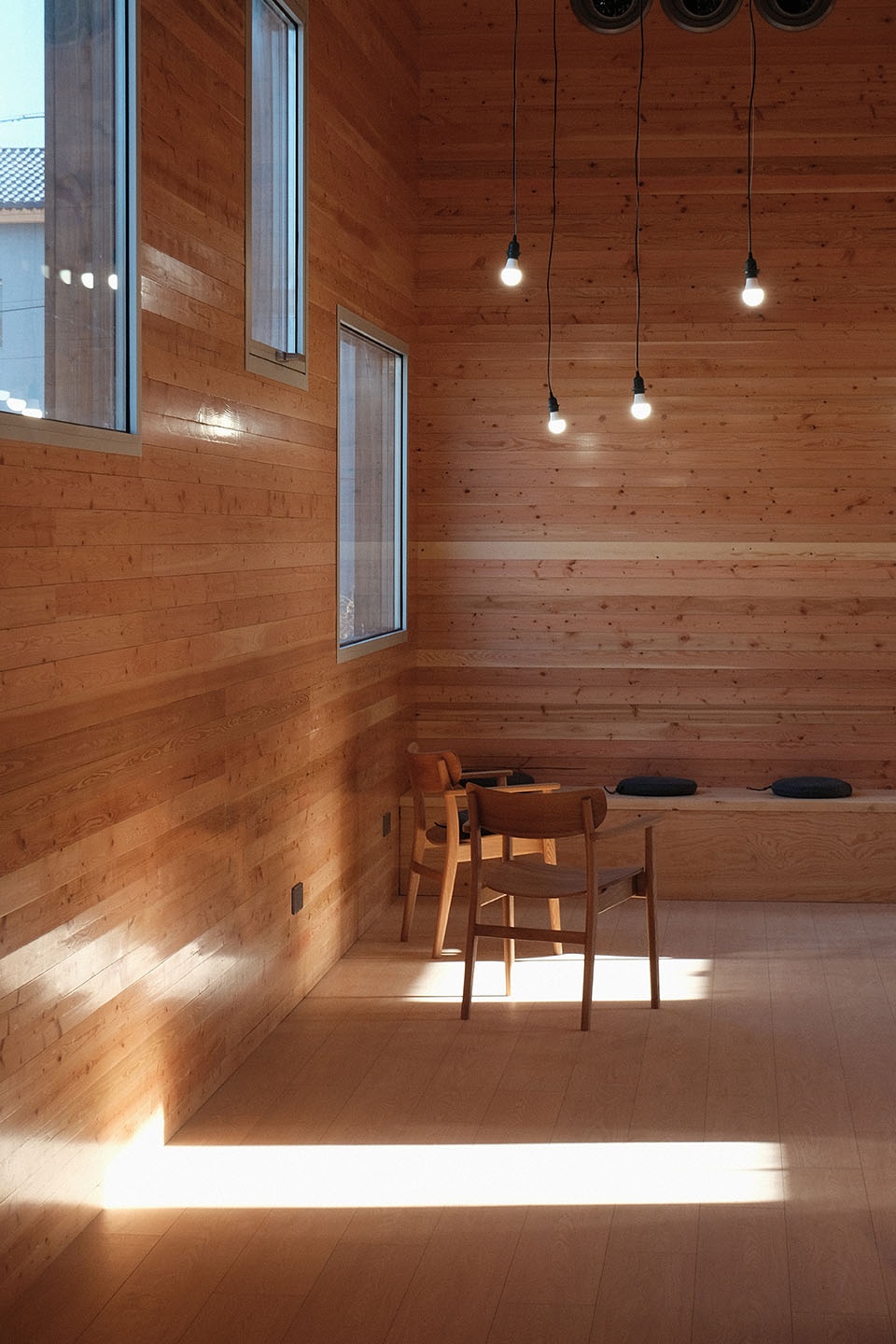
▼室内窗景,Interior window view
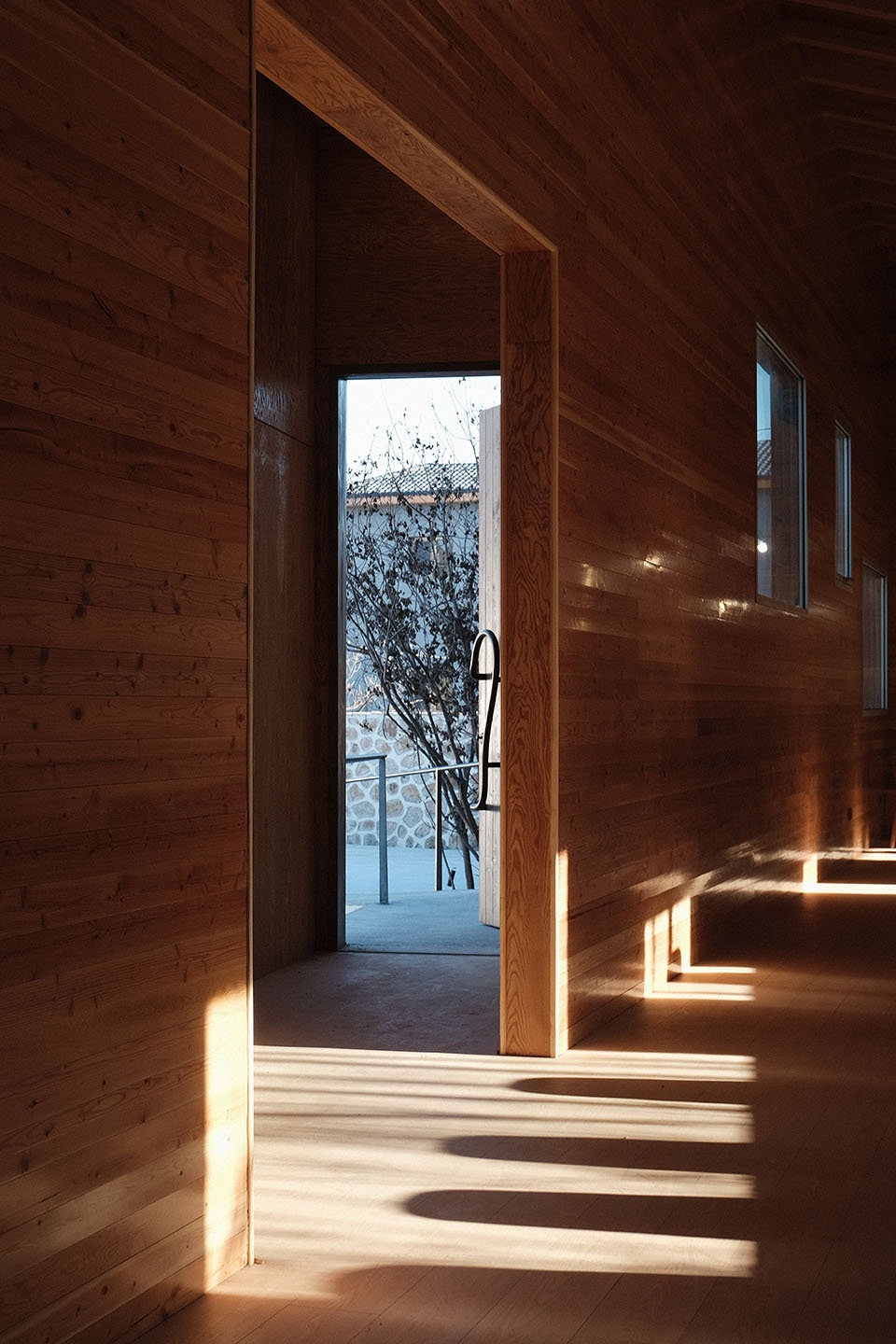
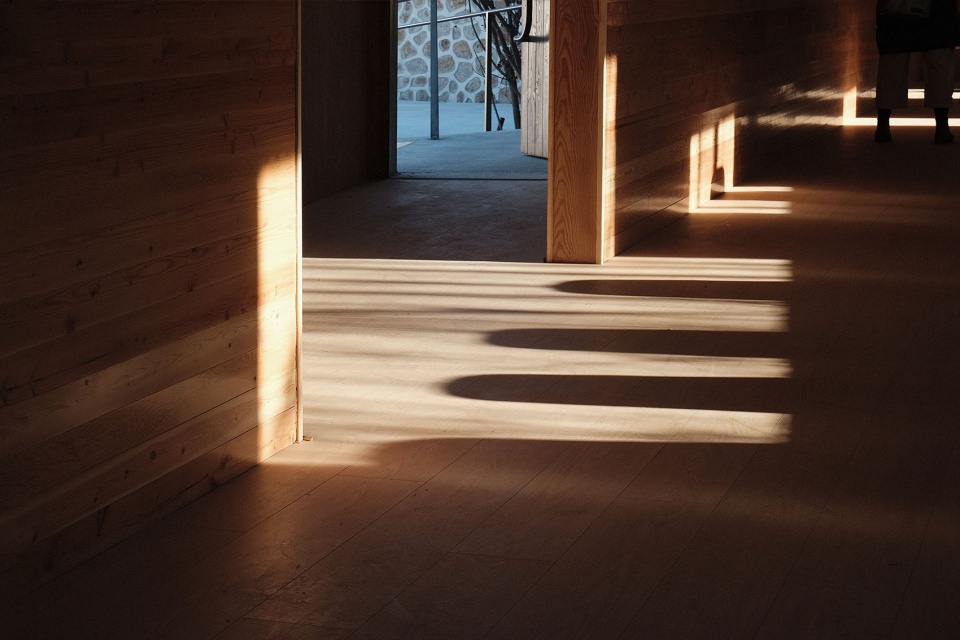
▼光影,Light and shadow
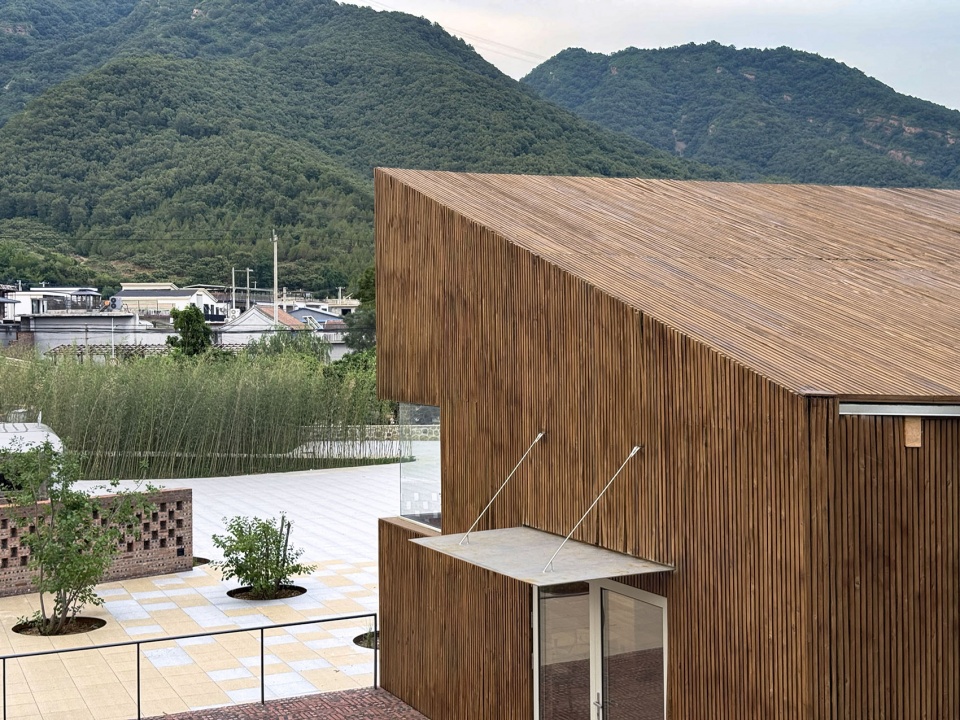
屋顶与立面通过3.5cm南方松木板以参数化排布构成连续排水表皮系统,适应多雨潮湿气候。开窗策略引入山景与光线,构成自由开放的空间界面。建筑打破传统教室边界,以多入口、视觉连通的立面构成“行走的观山廊道”,强化场地开放性与社会参与性。整个过程基于与村民的深度沟通与协作,体现在地共建的“人—建筑—自然”关系,探索生态、教育与社区之间的新型连接方式。
▼立面结构,Facade structure
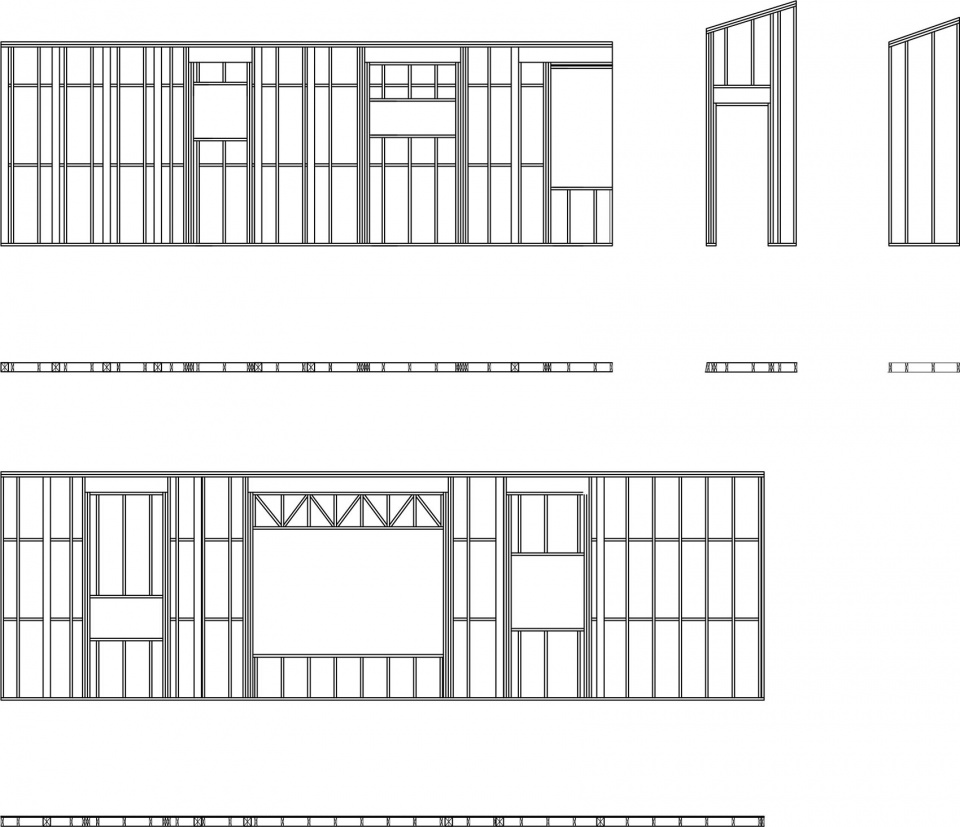
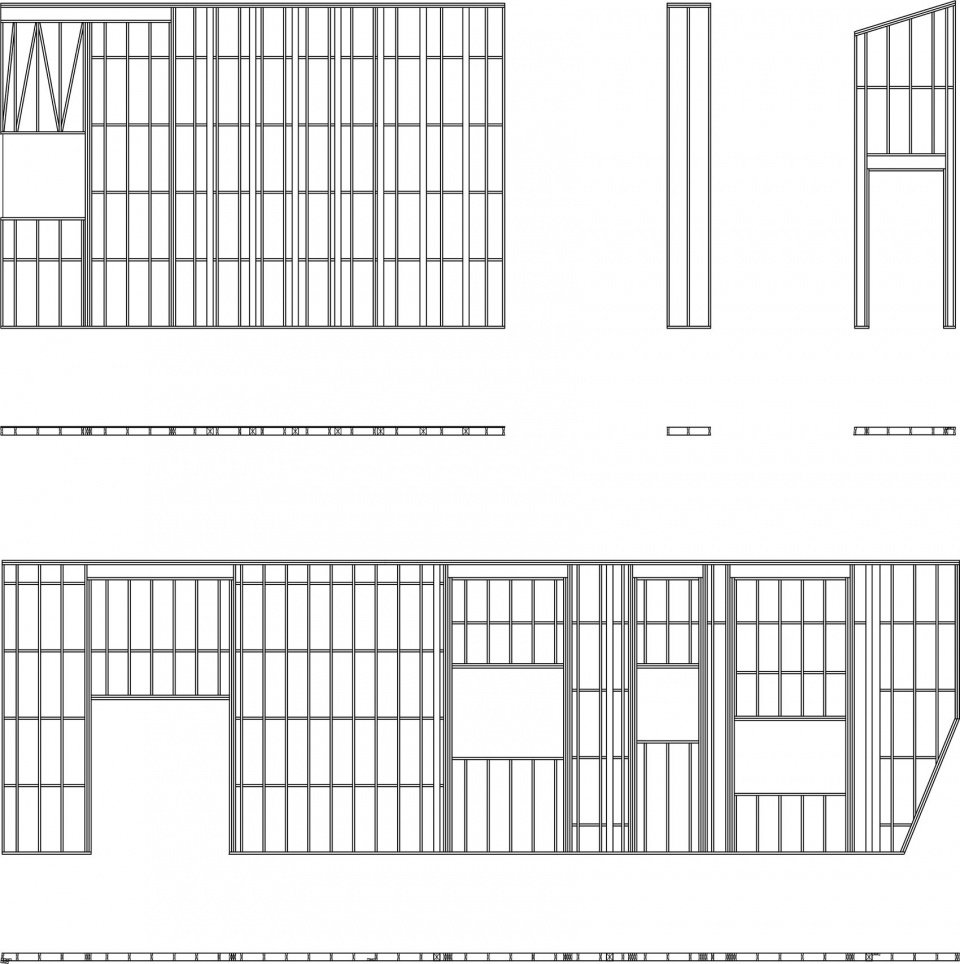
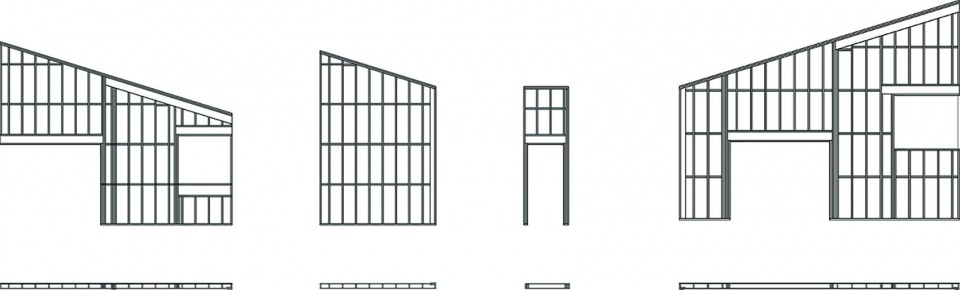
To suit the area’s humid and rainy climate, the envelope was formed by parametrically arranged 3.5cm-thick southern pine planks, creating a continuous self-draining skin that unifies roof and walls. Openings were carefully placed to bring in light and frame mountain views, resulting in a spatial interface that is both open and visually connected. The building breaks away from traditional classroom boundaries through multiple entrances and a visually connected façade, forming a “walking corridor of mountain views”that invites exploration and interaction. Rooted in long-term collaboration with villagers, the project reflects a co-created relationship between people, architecture, and nature, offering a renewed way of connecting ecology, education, and rural community life.
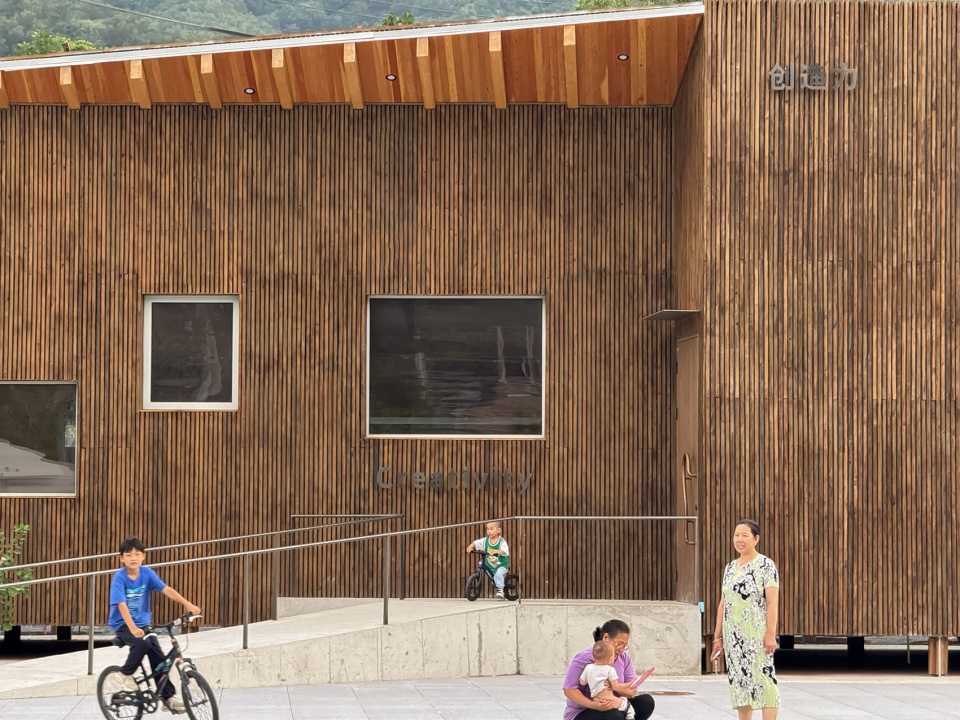
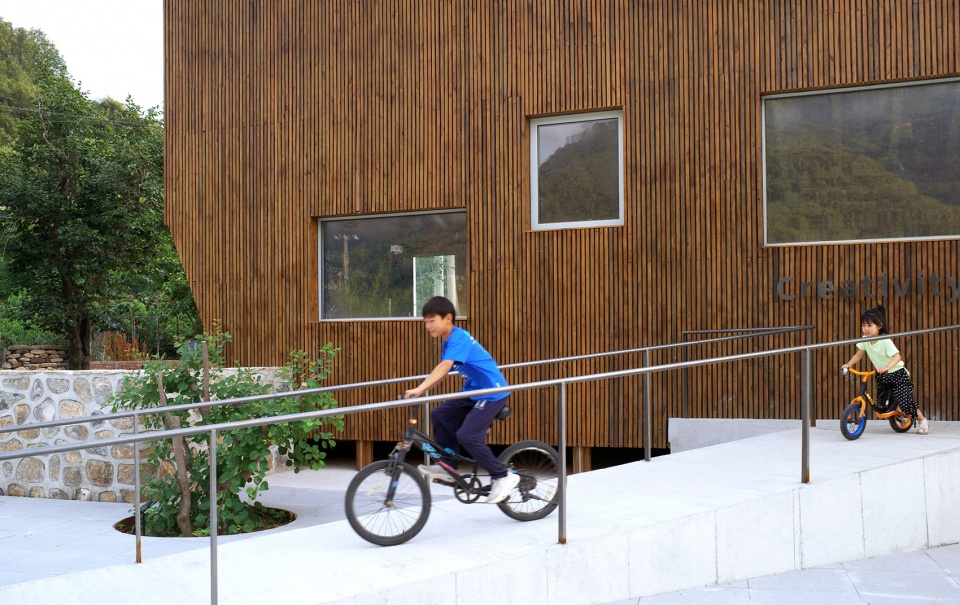
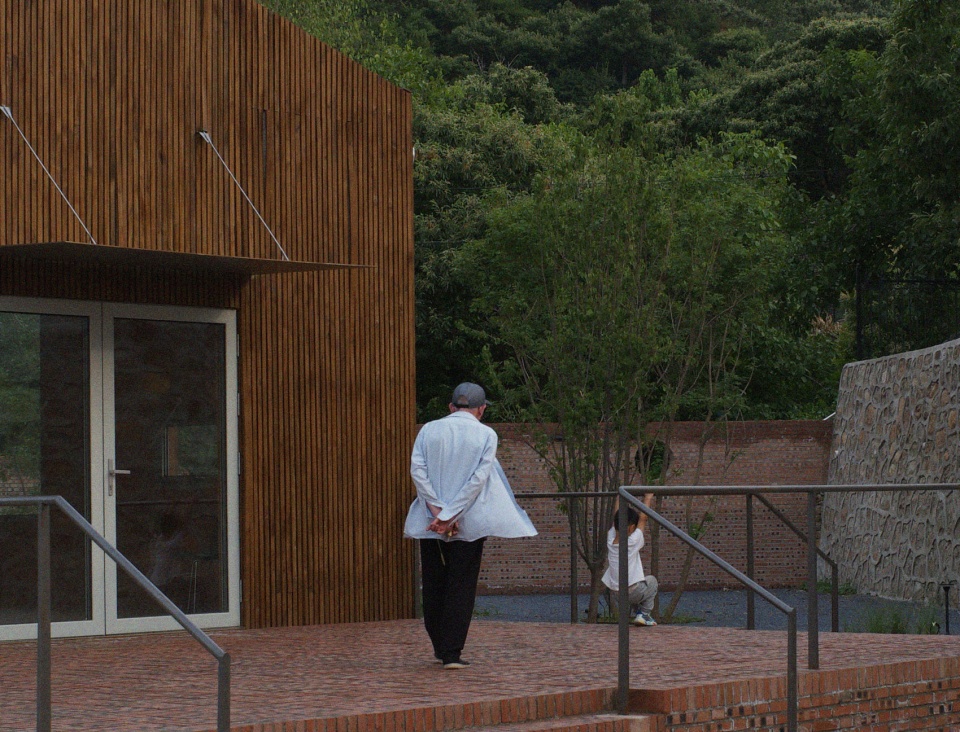
▼教室前玩耍的儿童,Children playing in front of the classroom
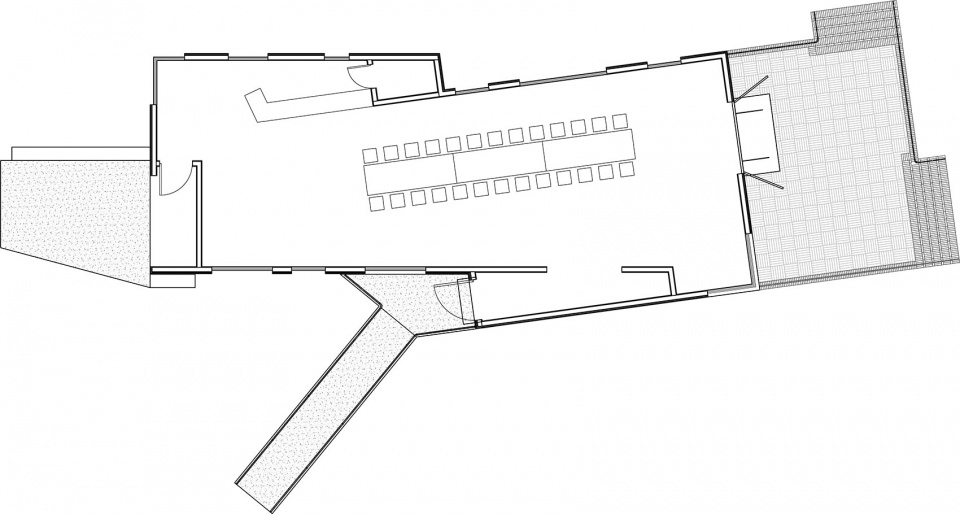
▼平面图,Plan
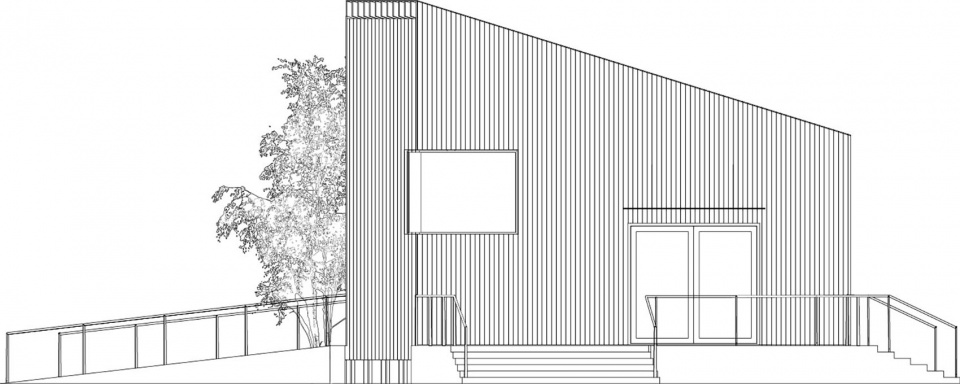
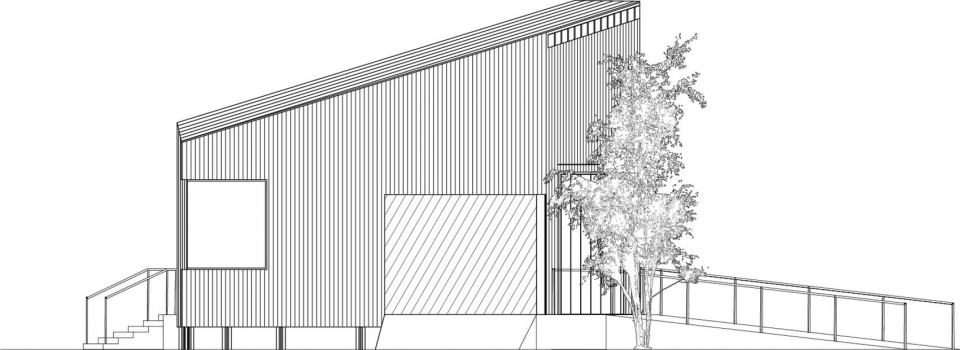
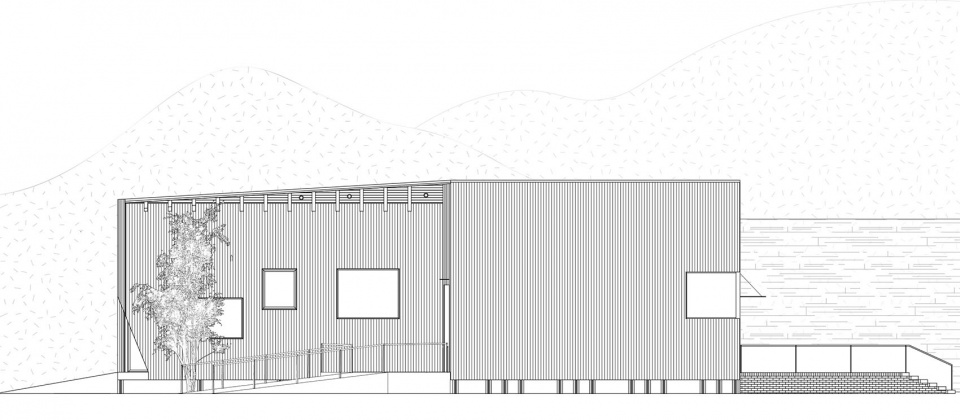
▼立面图,Elevation
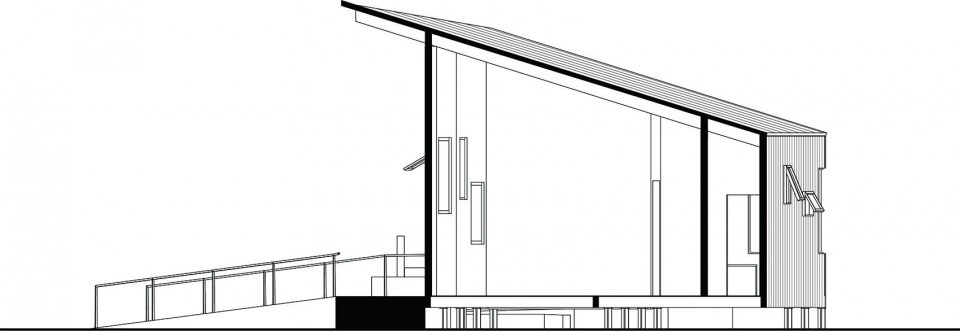
▼剖面图,Section

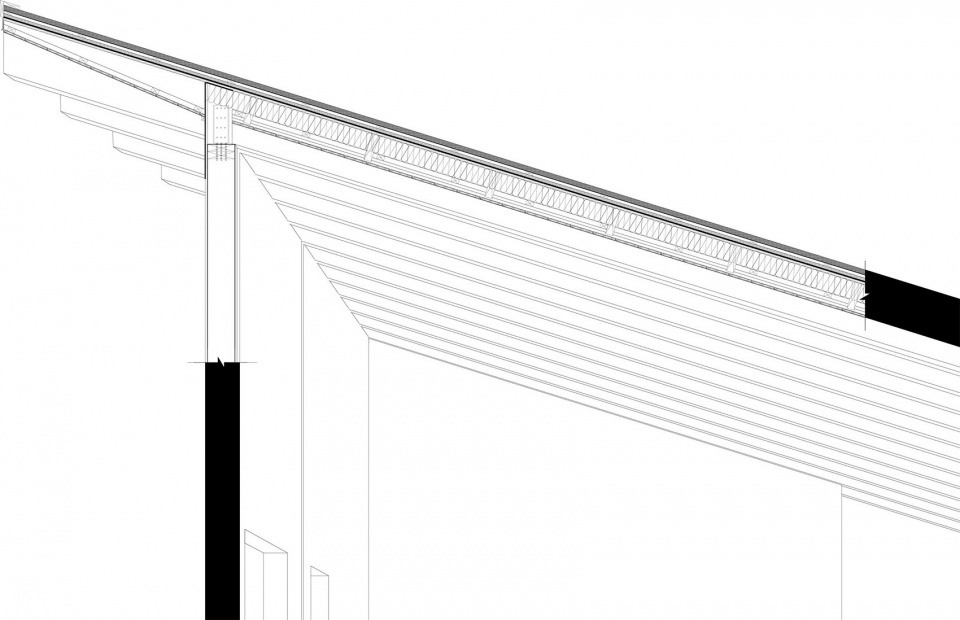
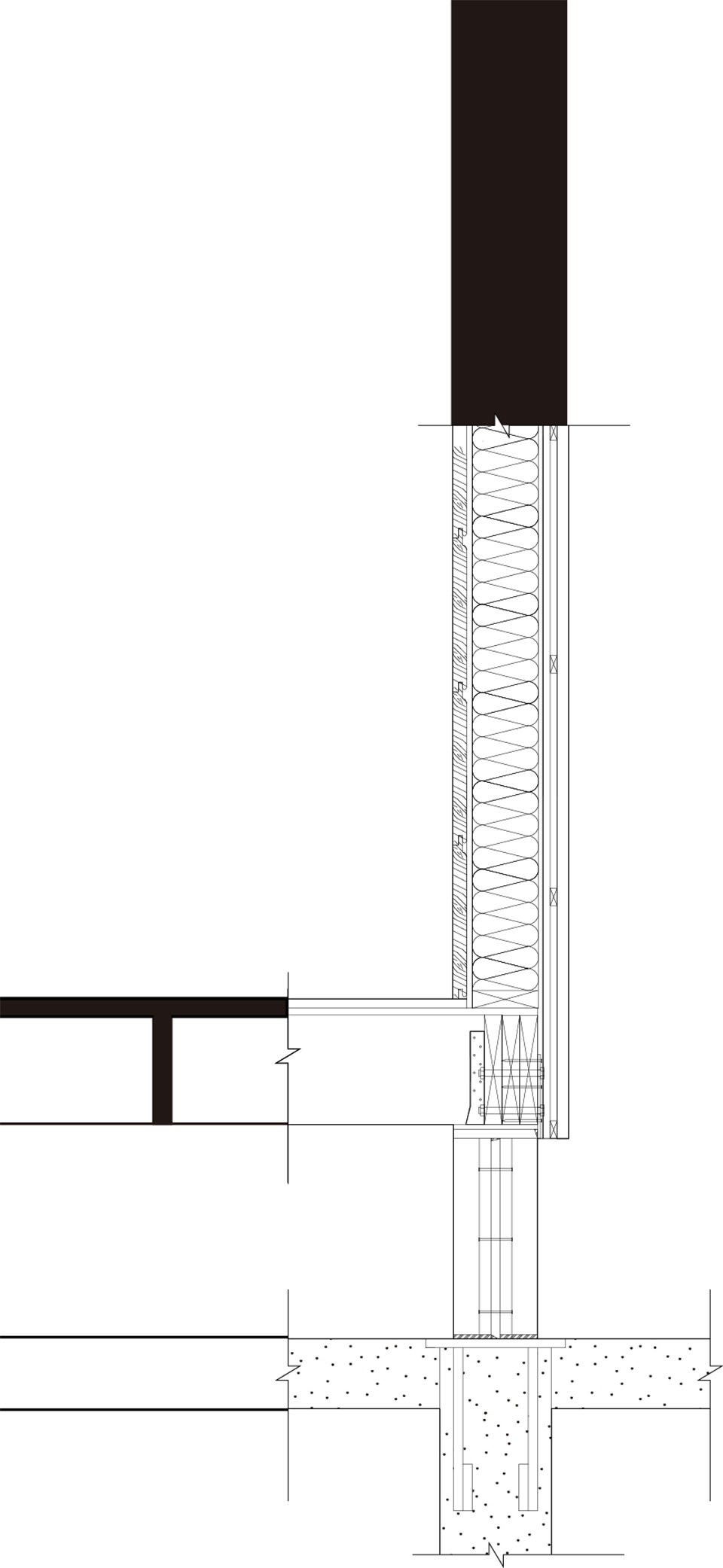
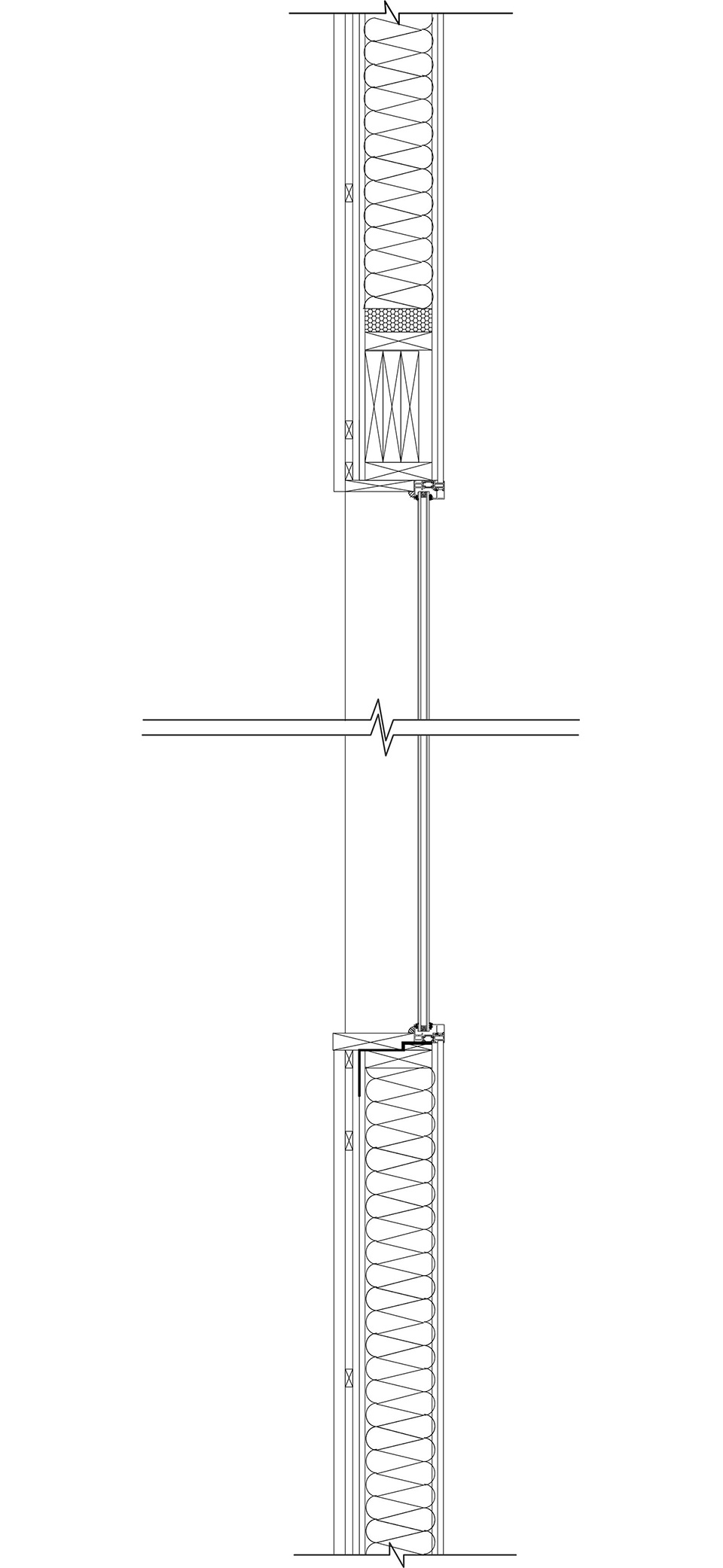
▼细节大样图,Detail drawing