西运河场,美国 / Graham Baba Architects
West Canal Yards 曾是西雅图渔业的重要枢纽,由两栋建筑组成,其中包括一座长期运行的鱼类加工设施及一间面积达30,000平方英尺的冷冻仓库。如今,这些曾高效运转的工业建筑成为了这一位于西雅图船运运河沿岸的适应性再利用项目的基础。
West Canal Yards was formerly a vital hub in Seattle’s fishing industry, comprised of two buildings: a long-running fish processing facility including a 30,000-square-foot freezer. These hard-working structures now form the foundation of this adaptive reuse project along Seattle’s Ship Canal.
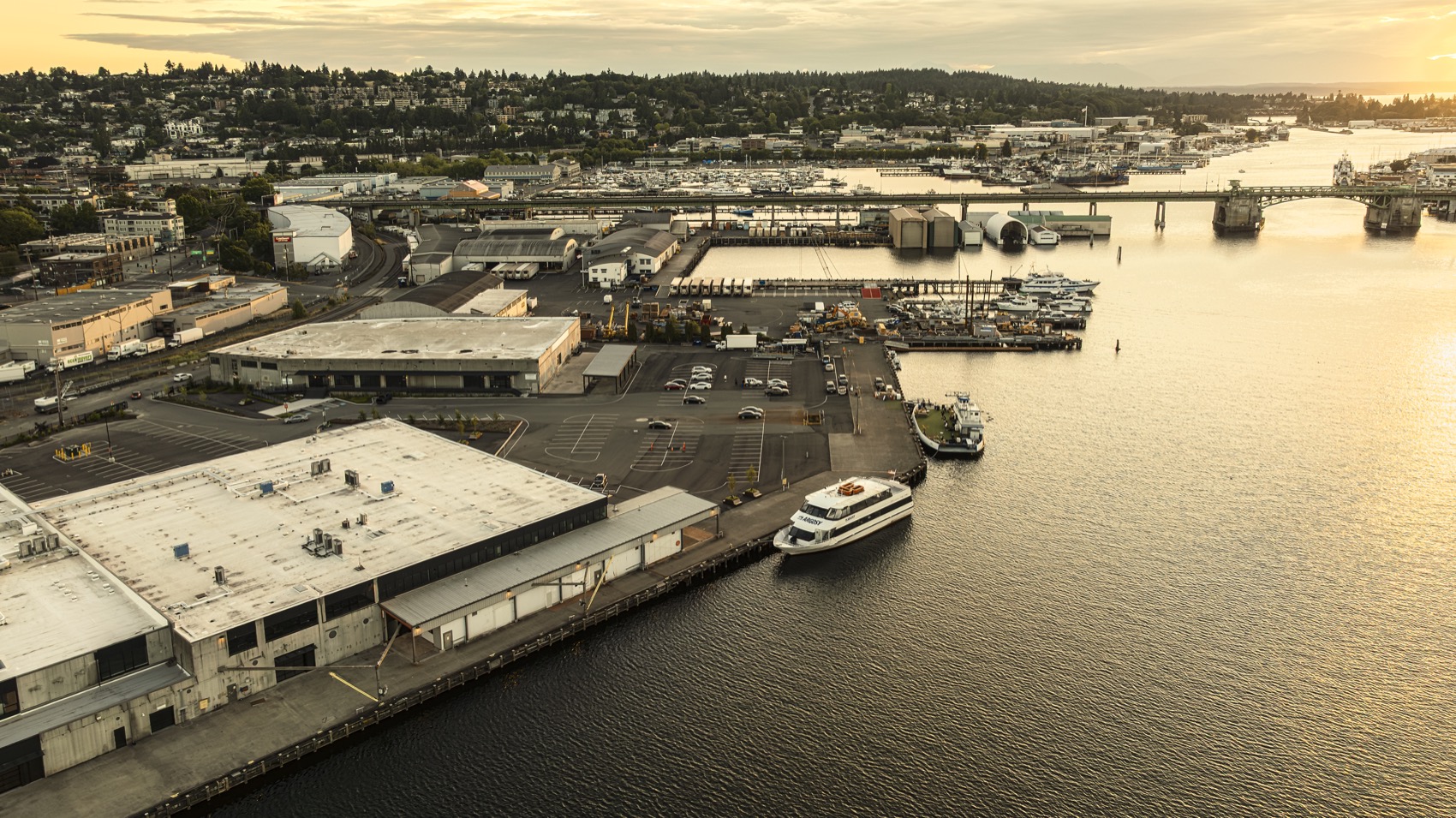
▼工业园区与滨水界面的整体关系,Relationship between the industrial campus and waterfront edge
▼工业立面与开放场地之间的界面,Interface between the industrial facade and open forecourt
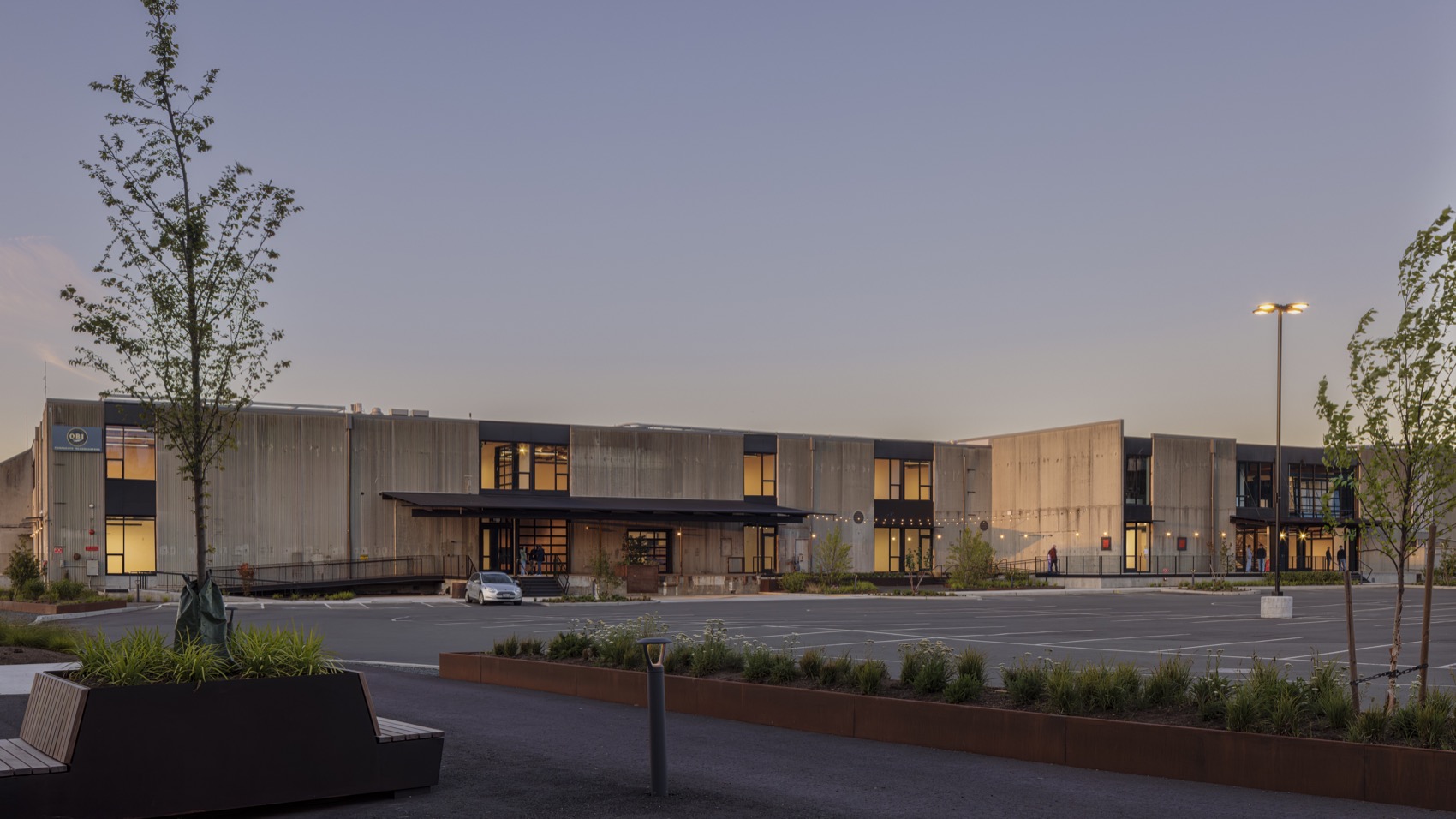
凭借厚重的建筑体量、充足的停车空间以及近1,000英尺长的码头岸线,场地为重新激活城市海事工业边界提供了极为罕见的机会。设计策略通过“外科手术式”的方式改造冷冻仓库原有的预制混凝土结构:拆除部分墙板,并以大面积玻璃与金属板替换,从而将自然光、通风与滨水景观引入室内。
▼改造前,Before renovation
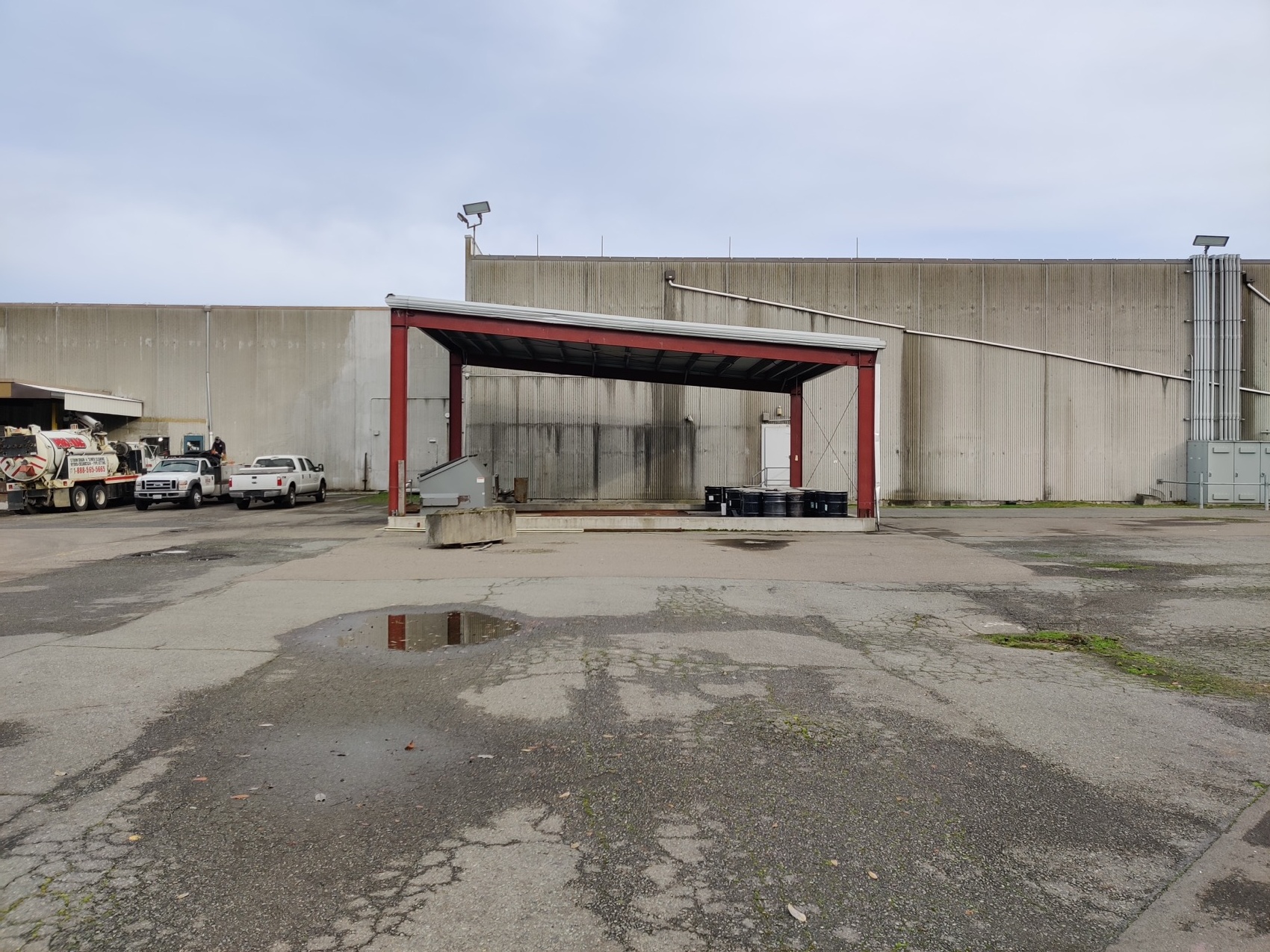
▼切开立面,“Cut” the facade
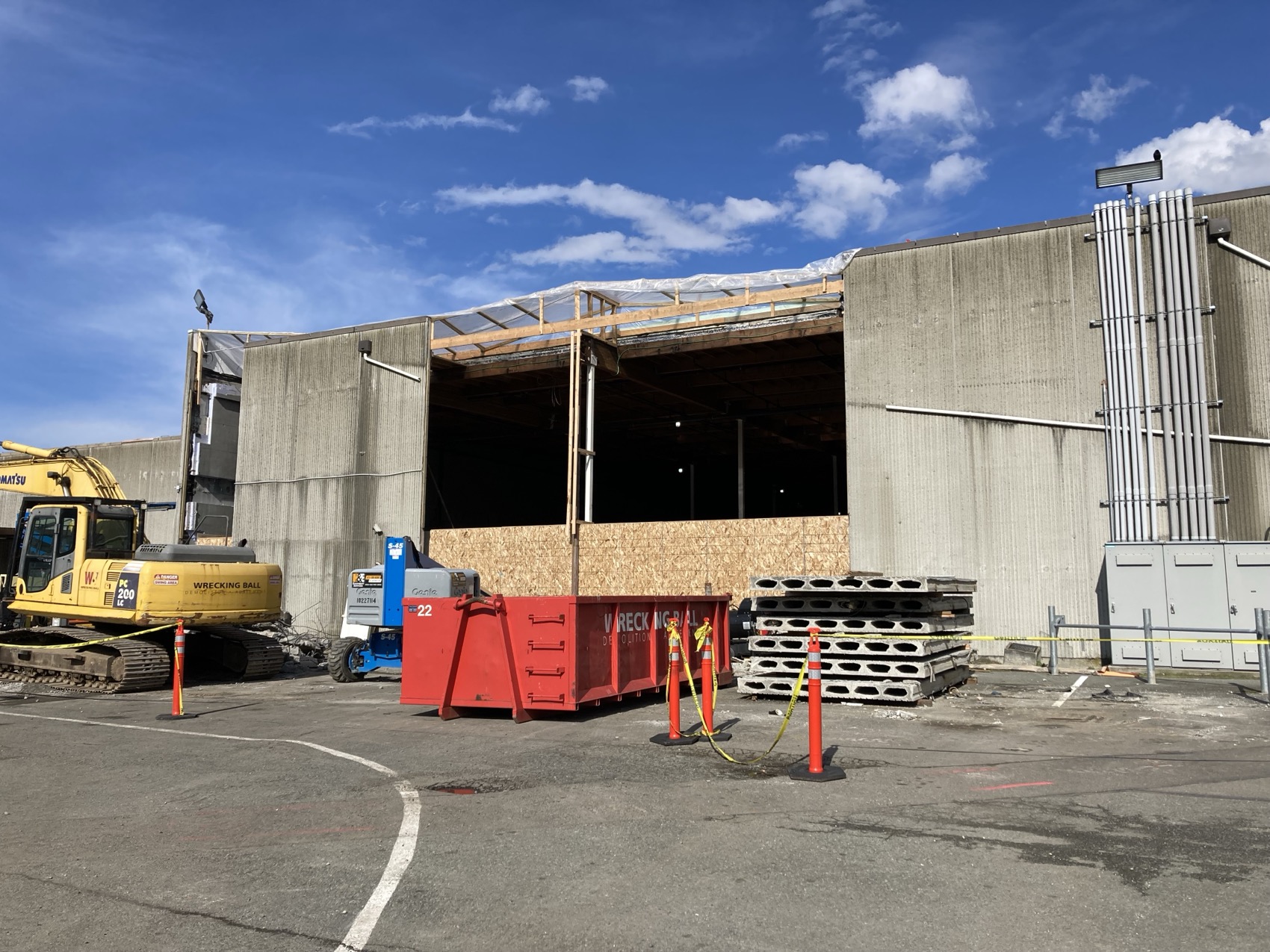
With its robust volumes, ample parking, and nearly 1,000 feet of wharf frontage, the site presented a rare opportunity to reactivate a maritime-industrial edge of the city. The design strategy involved transforming the freezer building’s tilt-up concrete structure by surgically removing panels and replacing them with large expanses of glass and metal paneling to bring light, ventilation, and views into the interior.
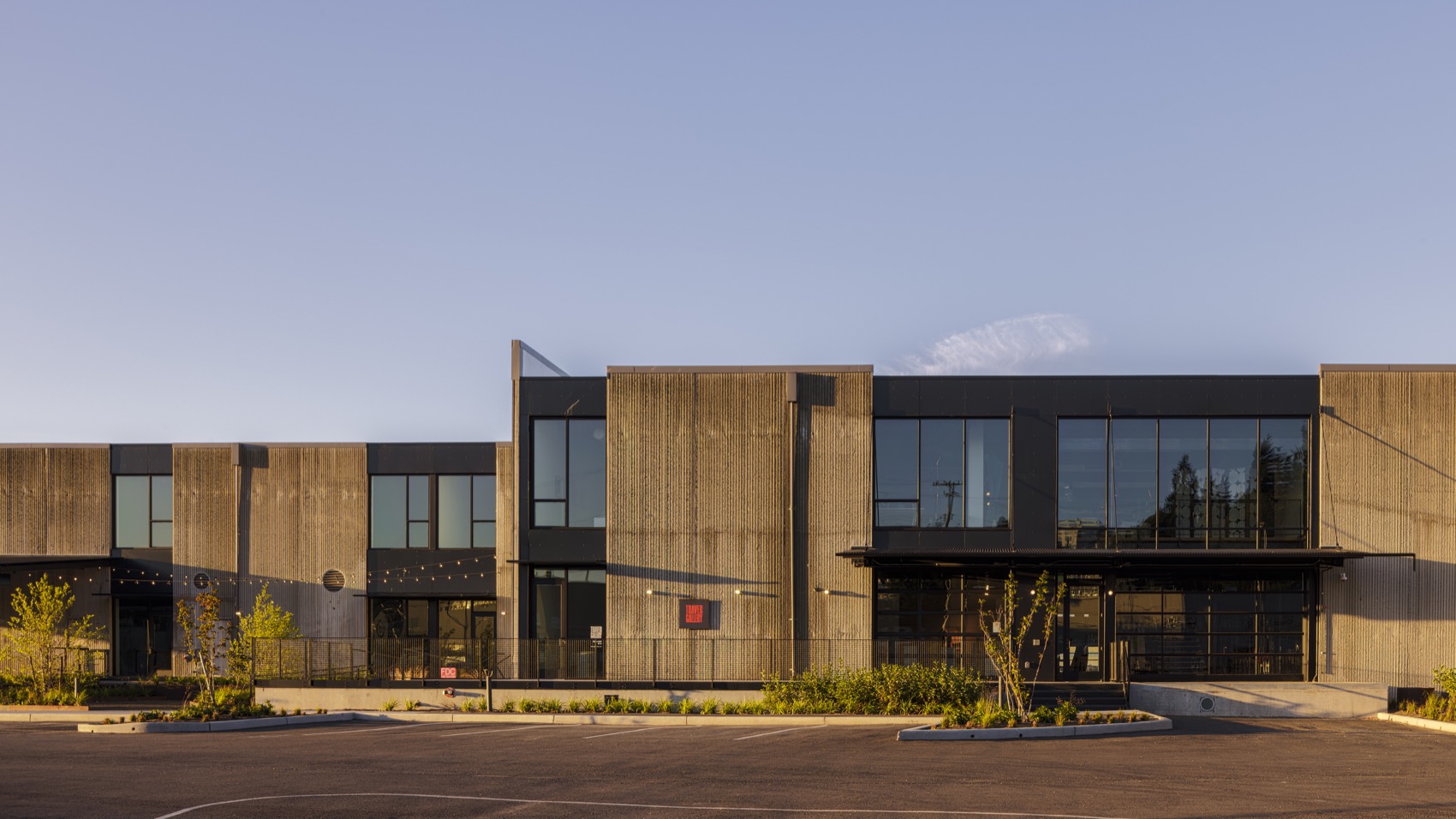
▼改造后的仓储建筑外观,Exterior view of the renovated warehouse building
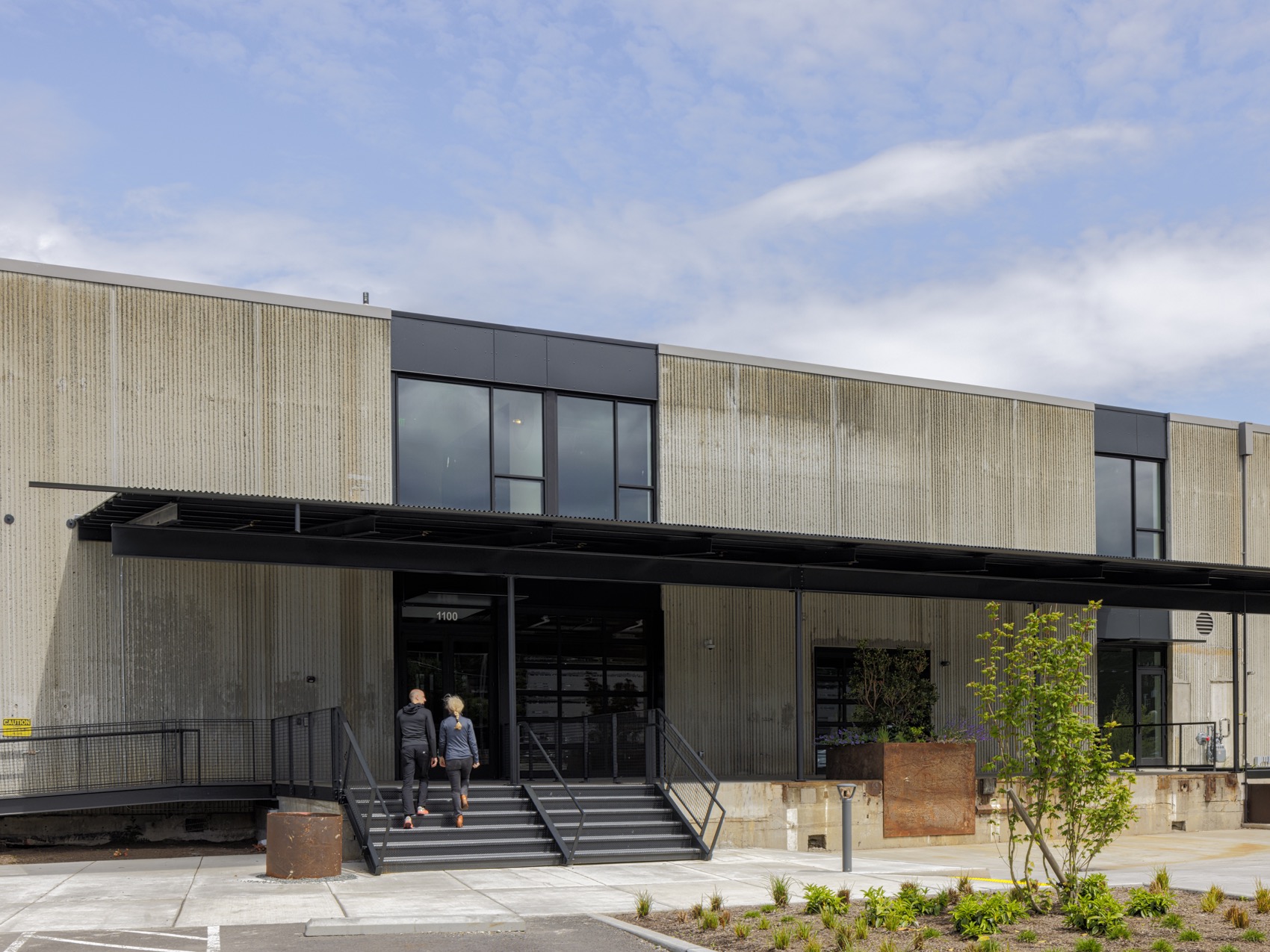
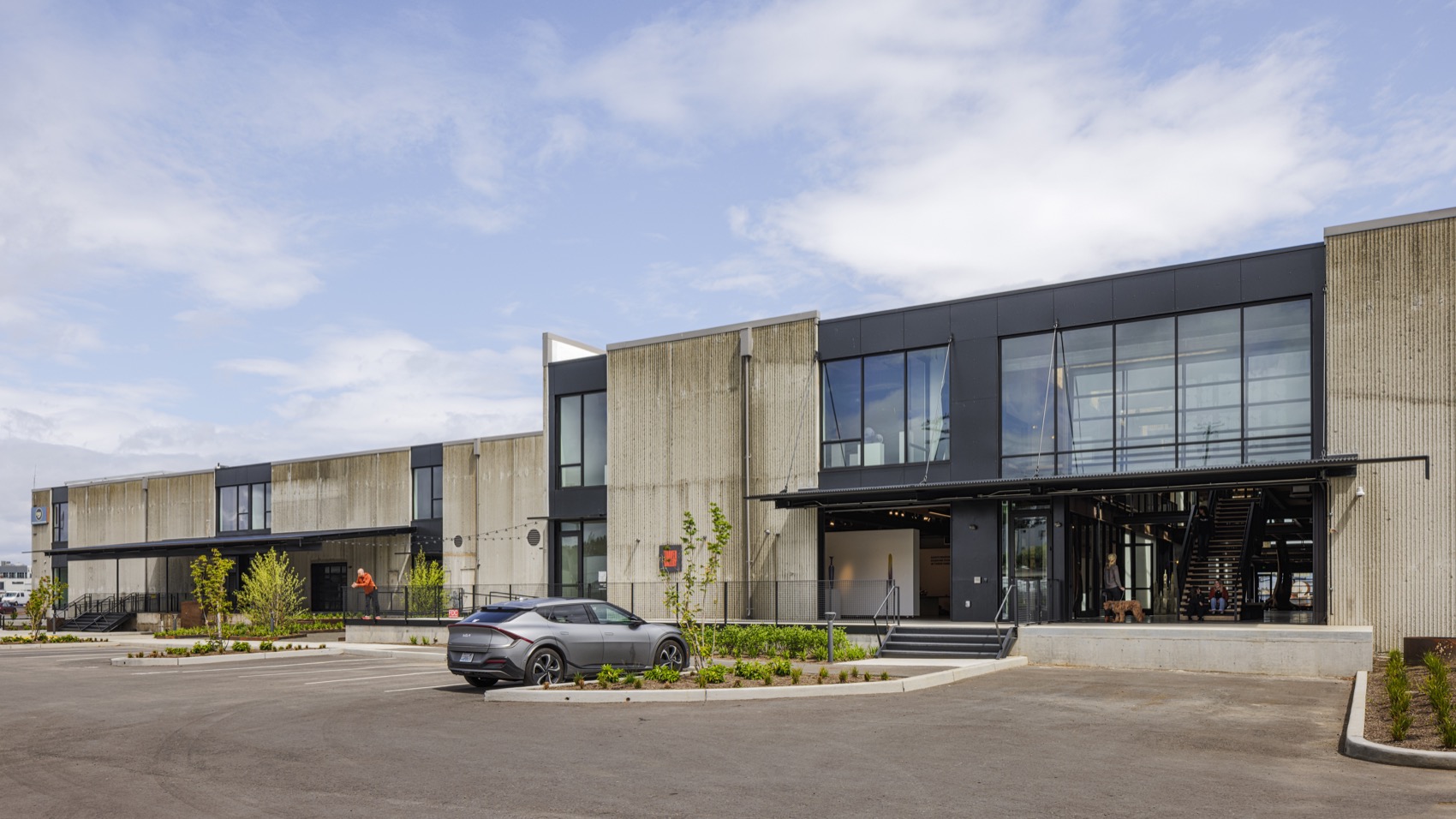
▼玻璃开口与混凝土墙体形成对比,Contrast between glazed openings and concrete walls
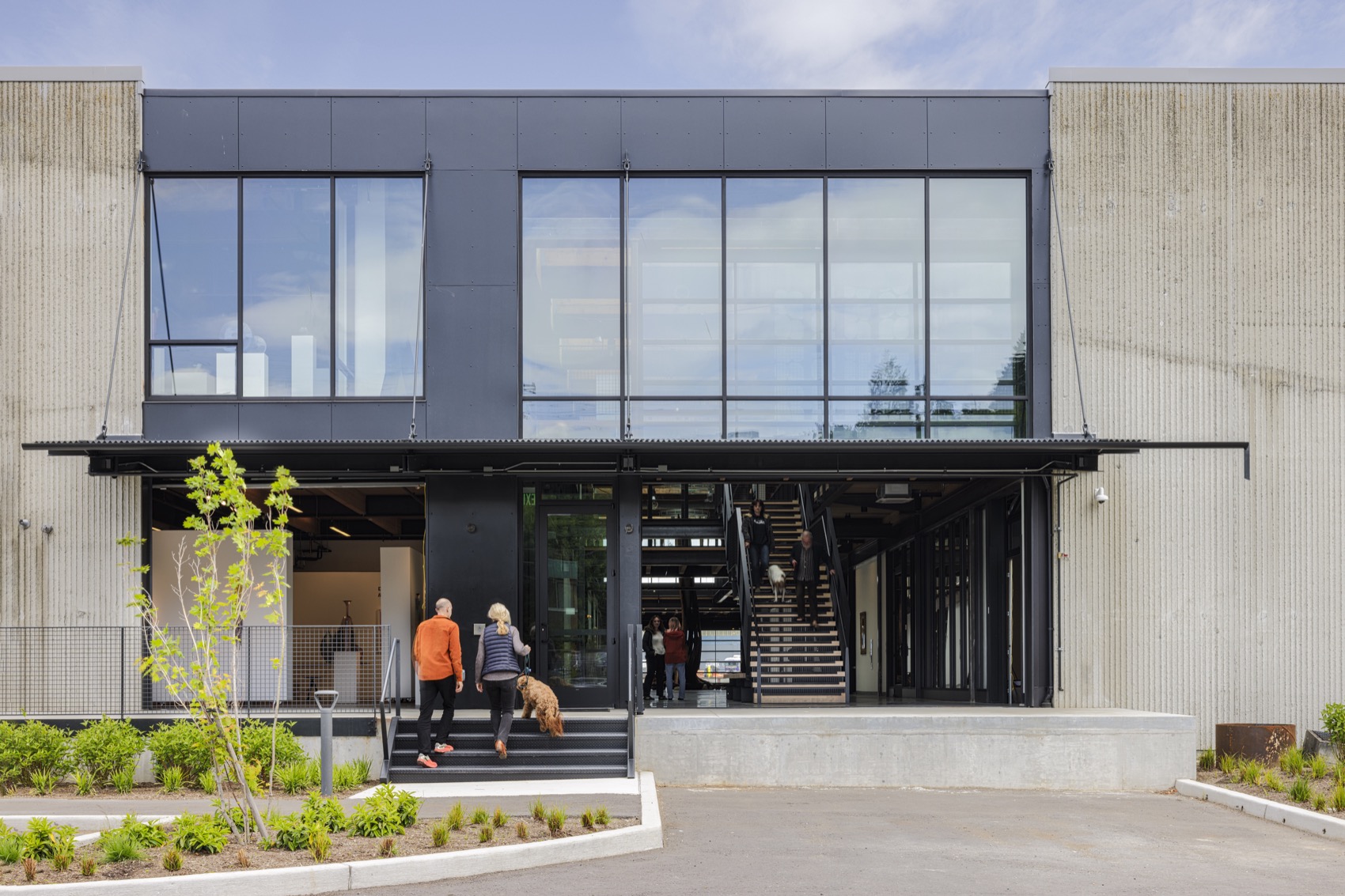
▼工业仓库入口更新,Renewed public entrance
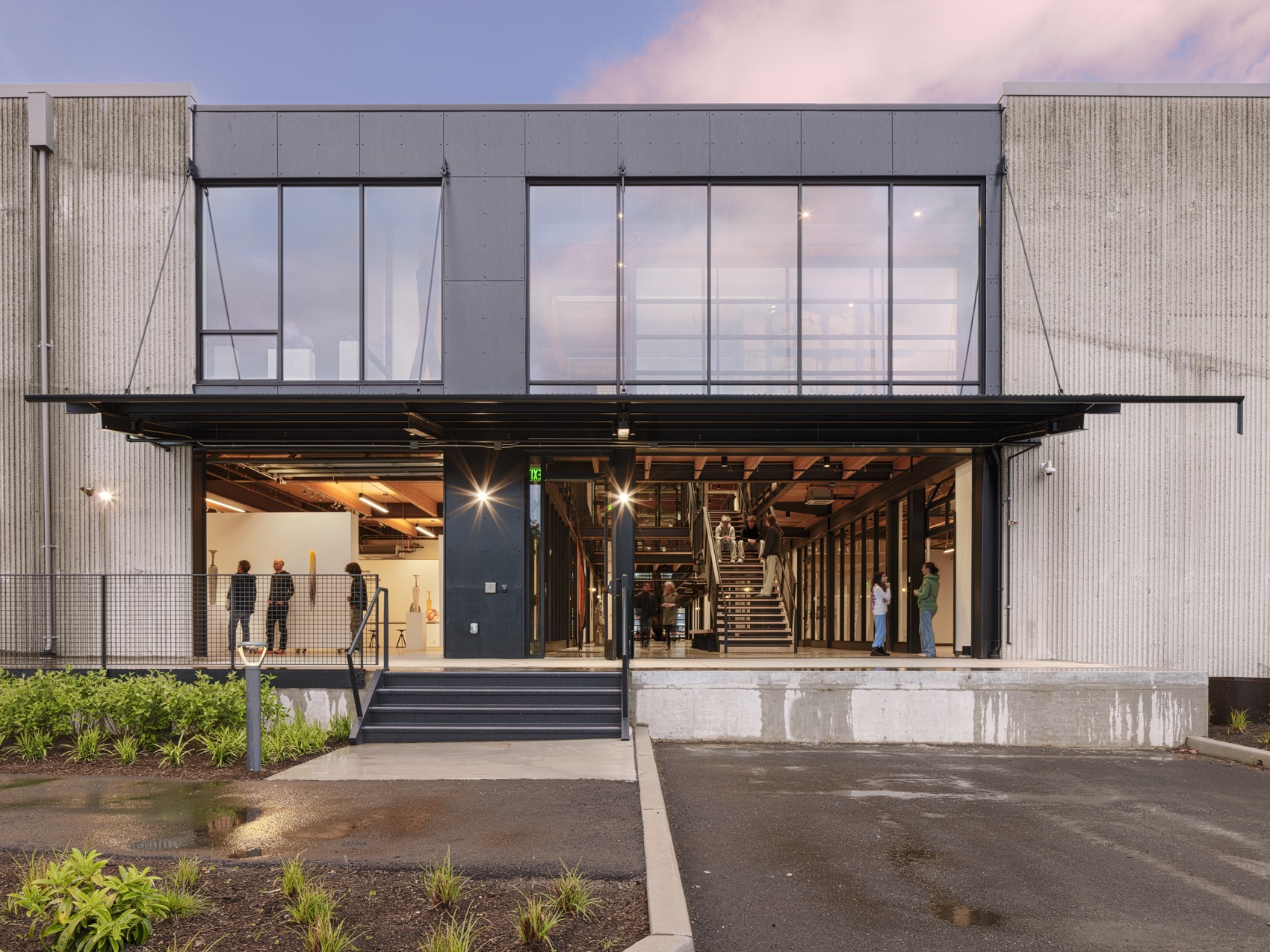
▼入口空间与内部夹层关系,Connection between the entrance space and interior mezzanine
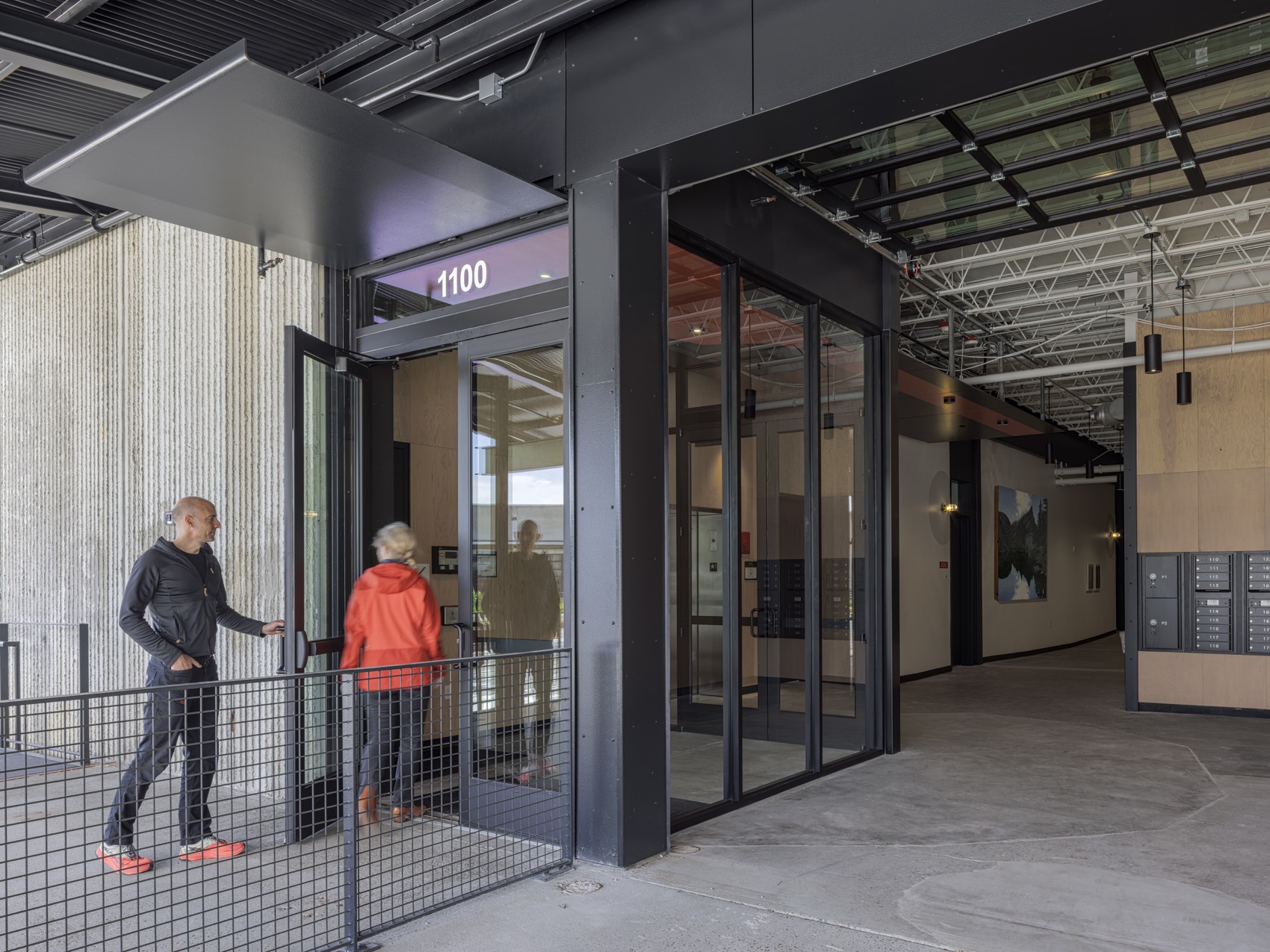
建筑内部新增了由钢结构与大跨木结构构成的夹层,在22英尺高的空间体量中嵌入第二层使用空间。一道由天窗与玻璃构成的中央“拉链”贯穿建筑,将自然光深深引入核心区域。最终形成了灵活、多样的租赁布局,适用于制造者、海事相关使用者以及面向公众的商业业态。
▼内部结构,Interior structure
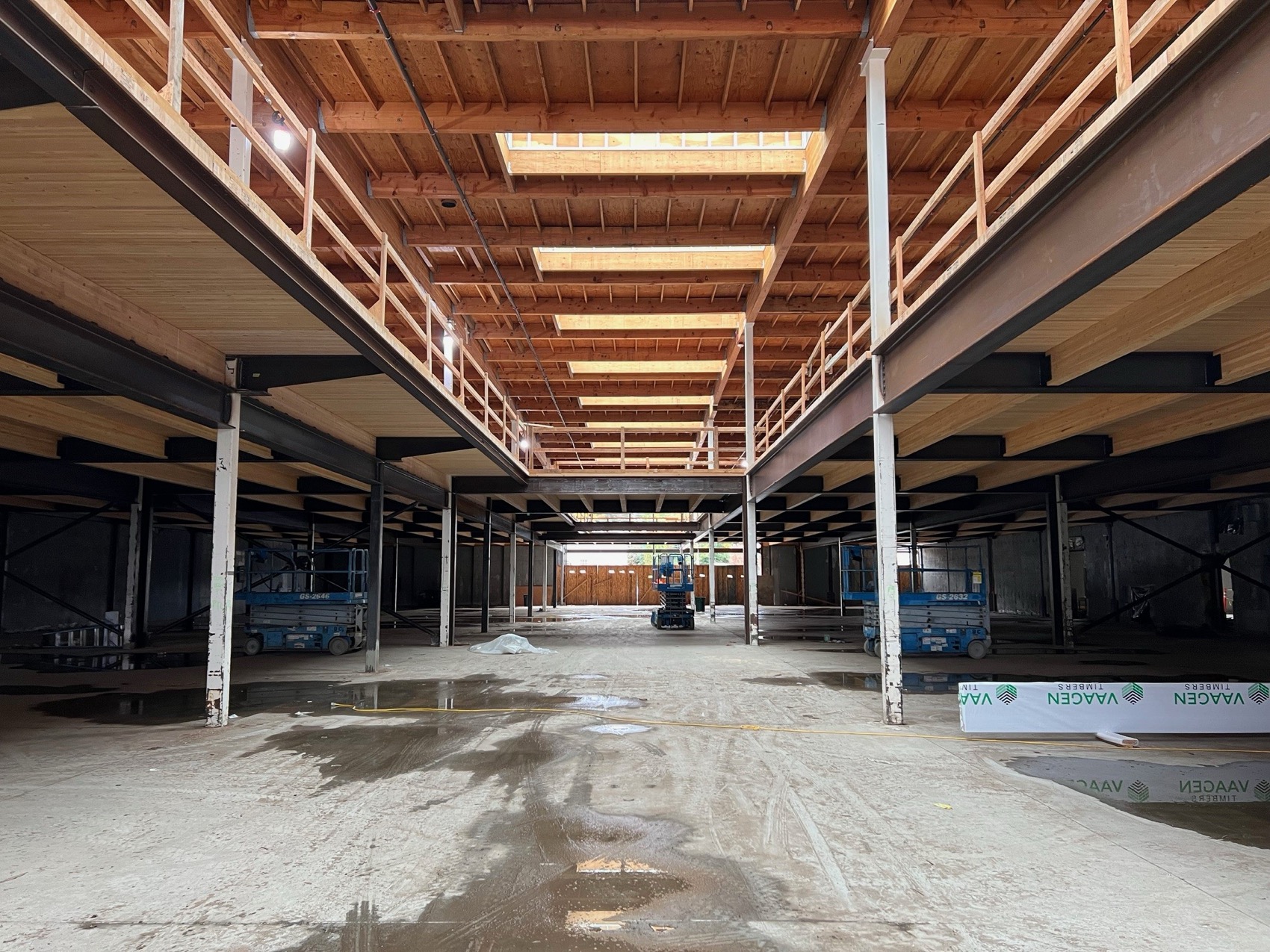
Inside, new mezzanine floors constructed from steel and mass timber insert a second level into the 22-foot-tall volume. A central “zipper” of skylights and glass cuts through the building, bringing daylight deep into the core. The result is a flexible, tenant layout—tailored for makers, marine-related users, and public-facing businesses.
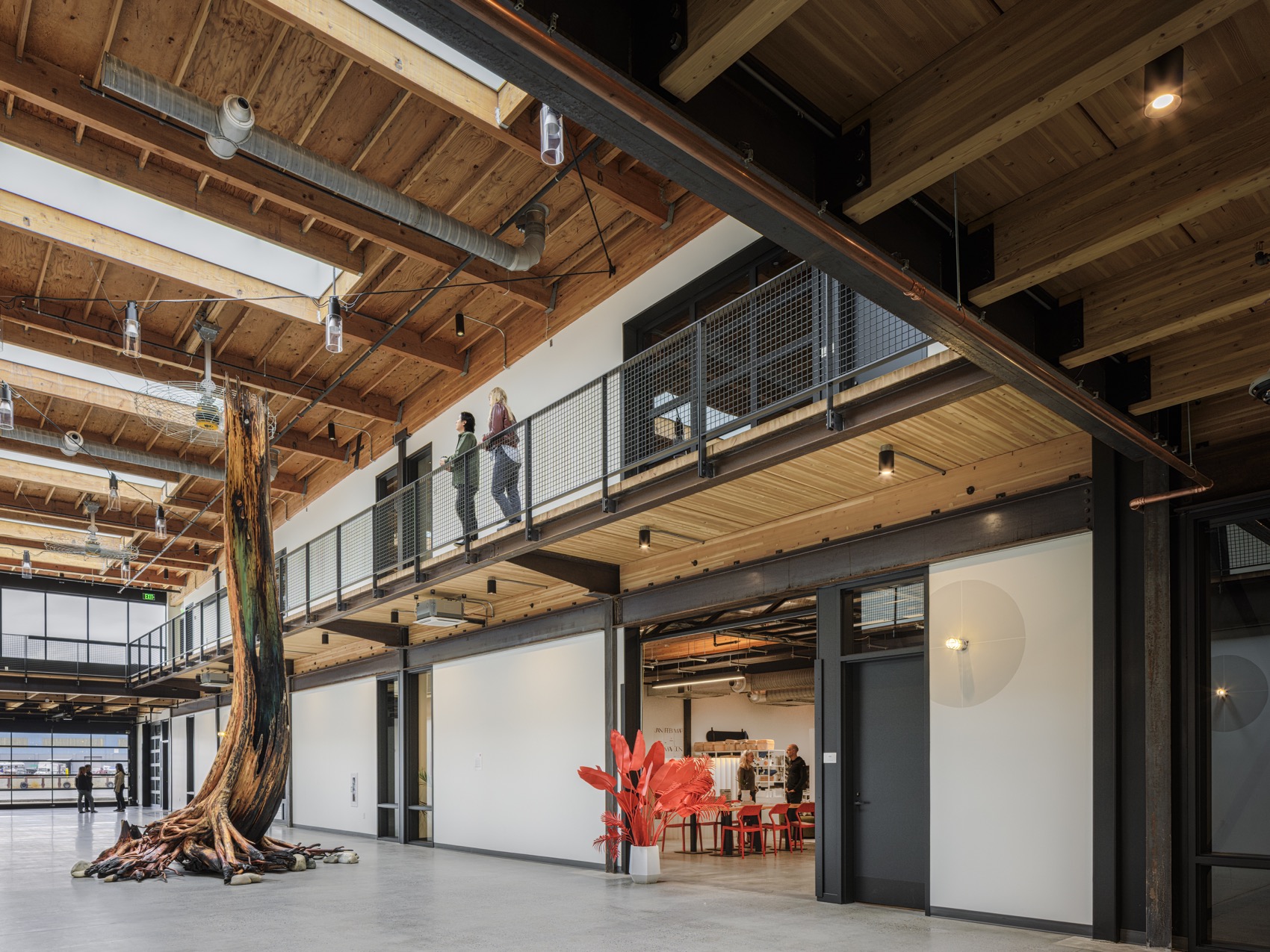
▼工业建筑入口与共享前厅空间,Industrial entry and shared lobby space
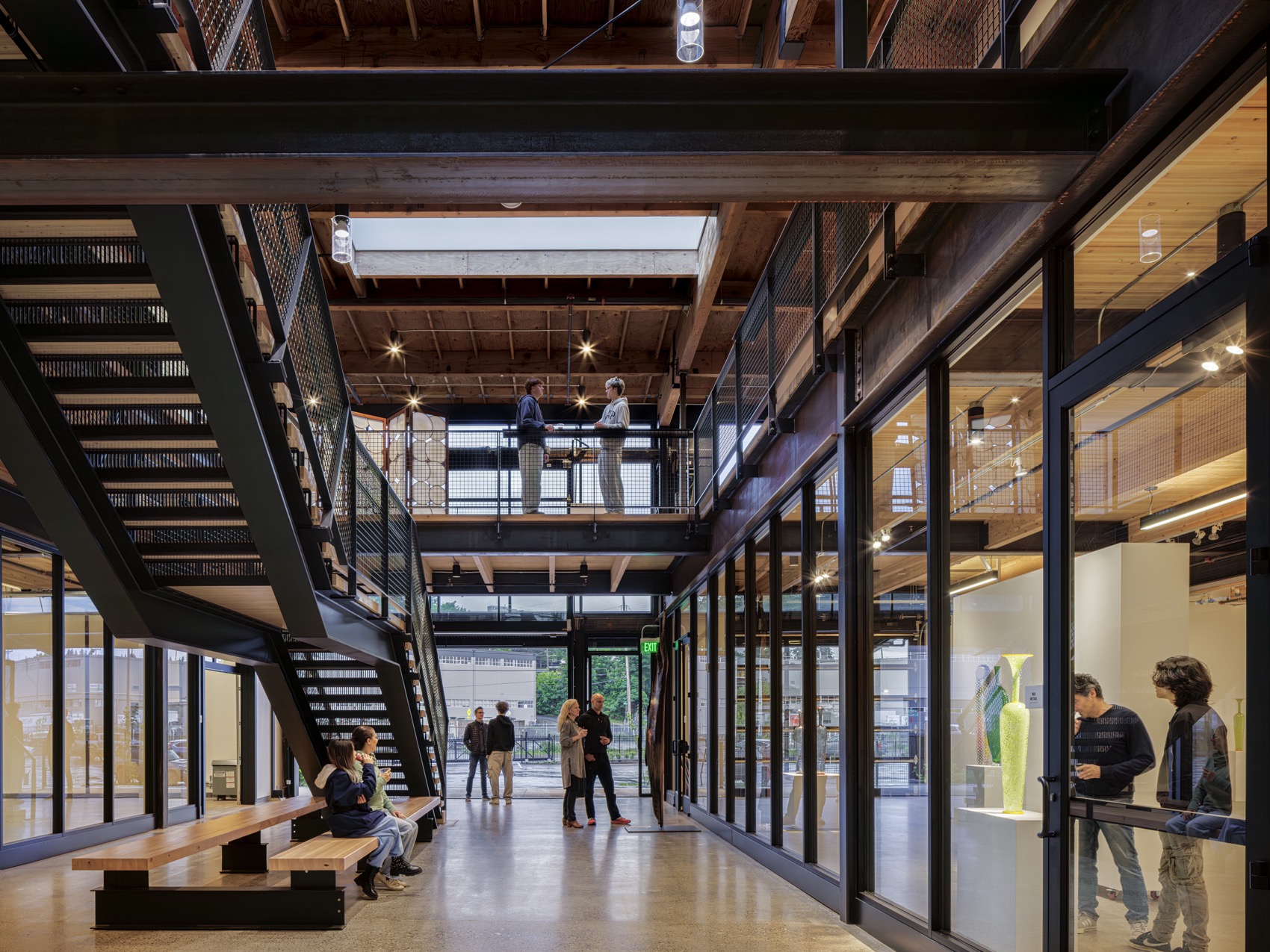
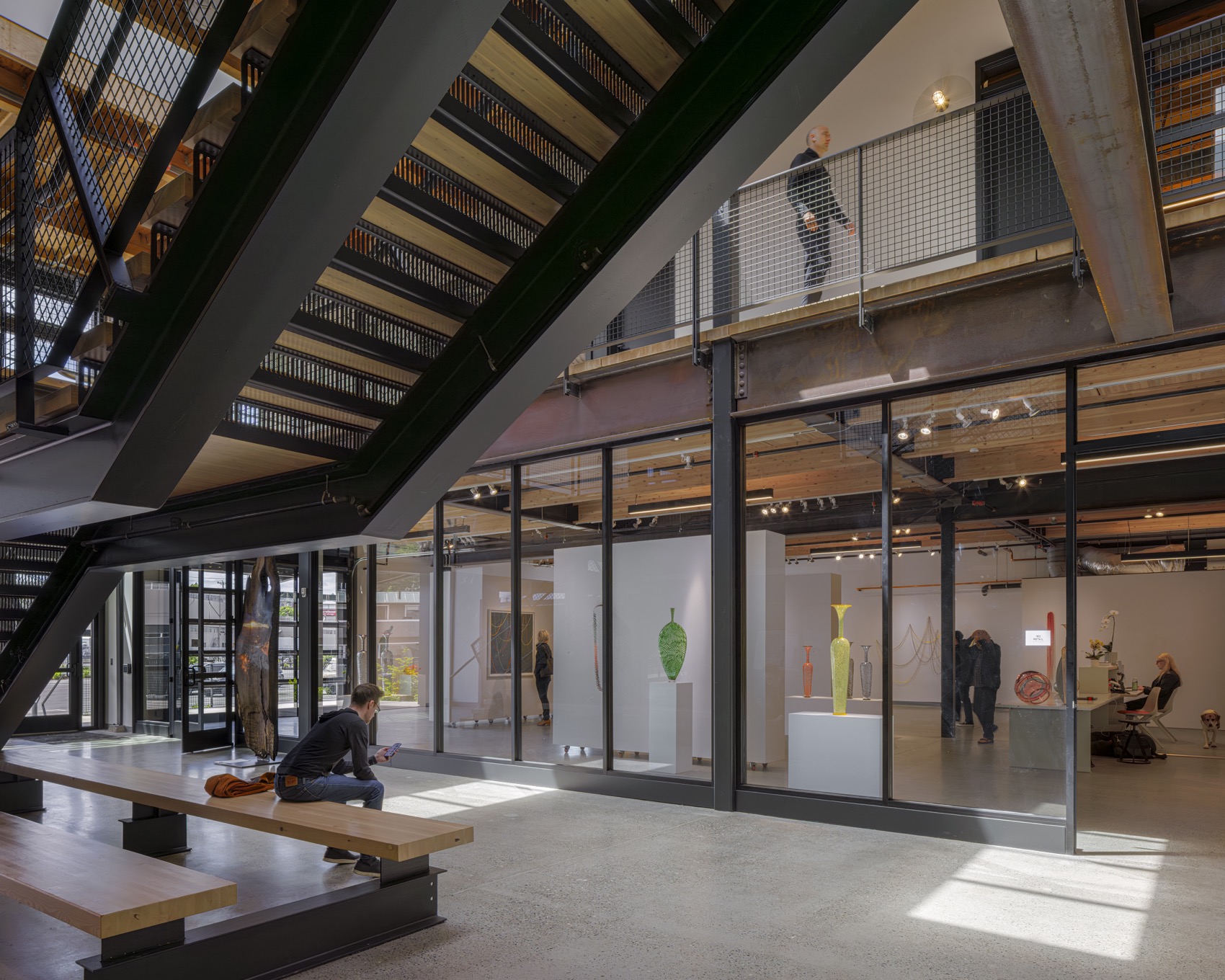
▼木结构夹层中的办公与交流空间,Work and gathering spaces within the timber mezzanine
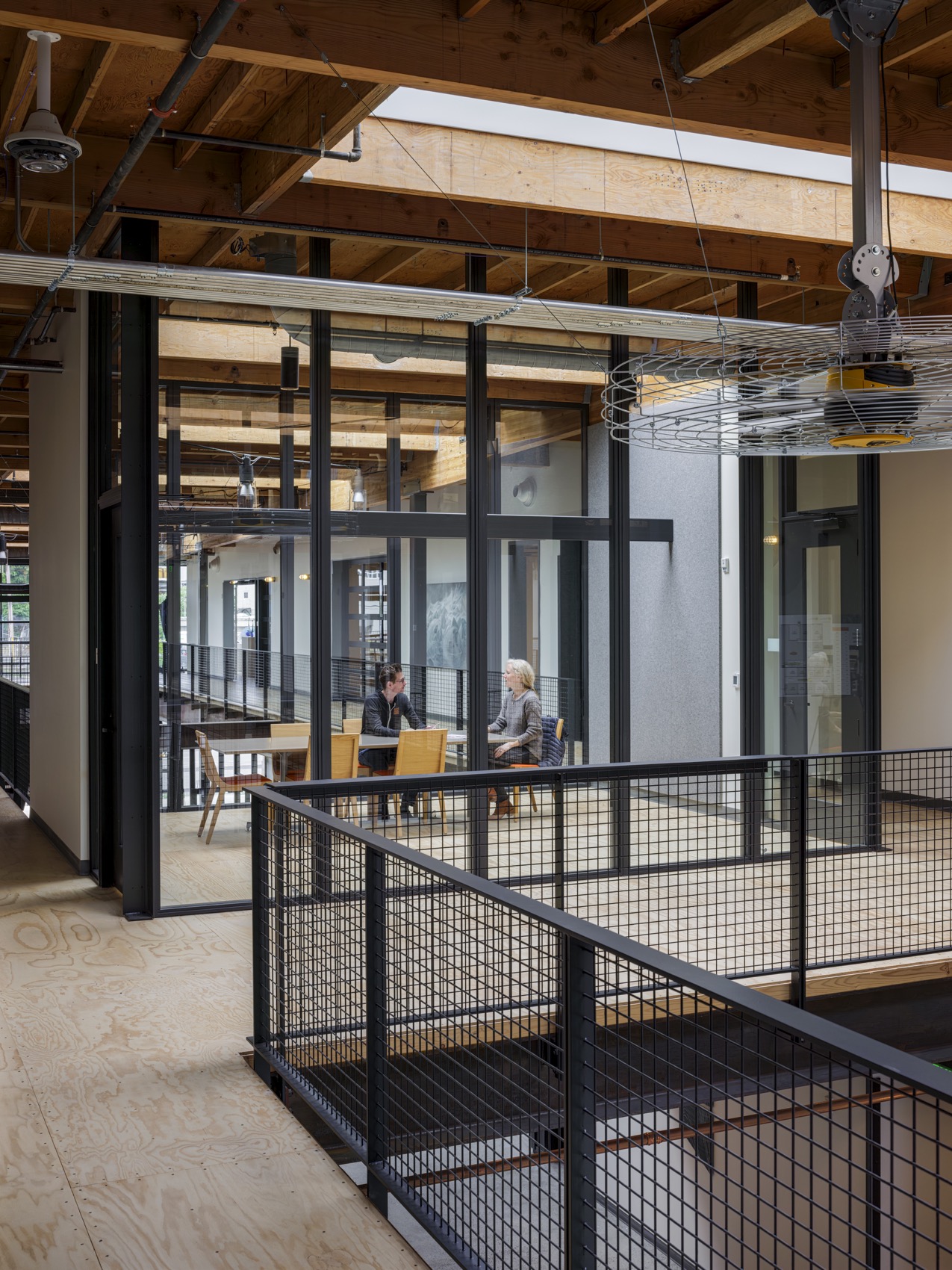
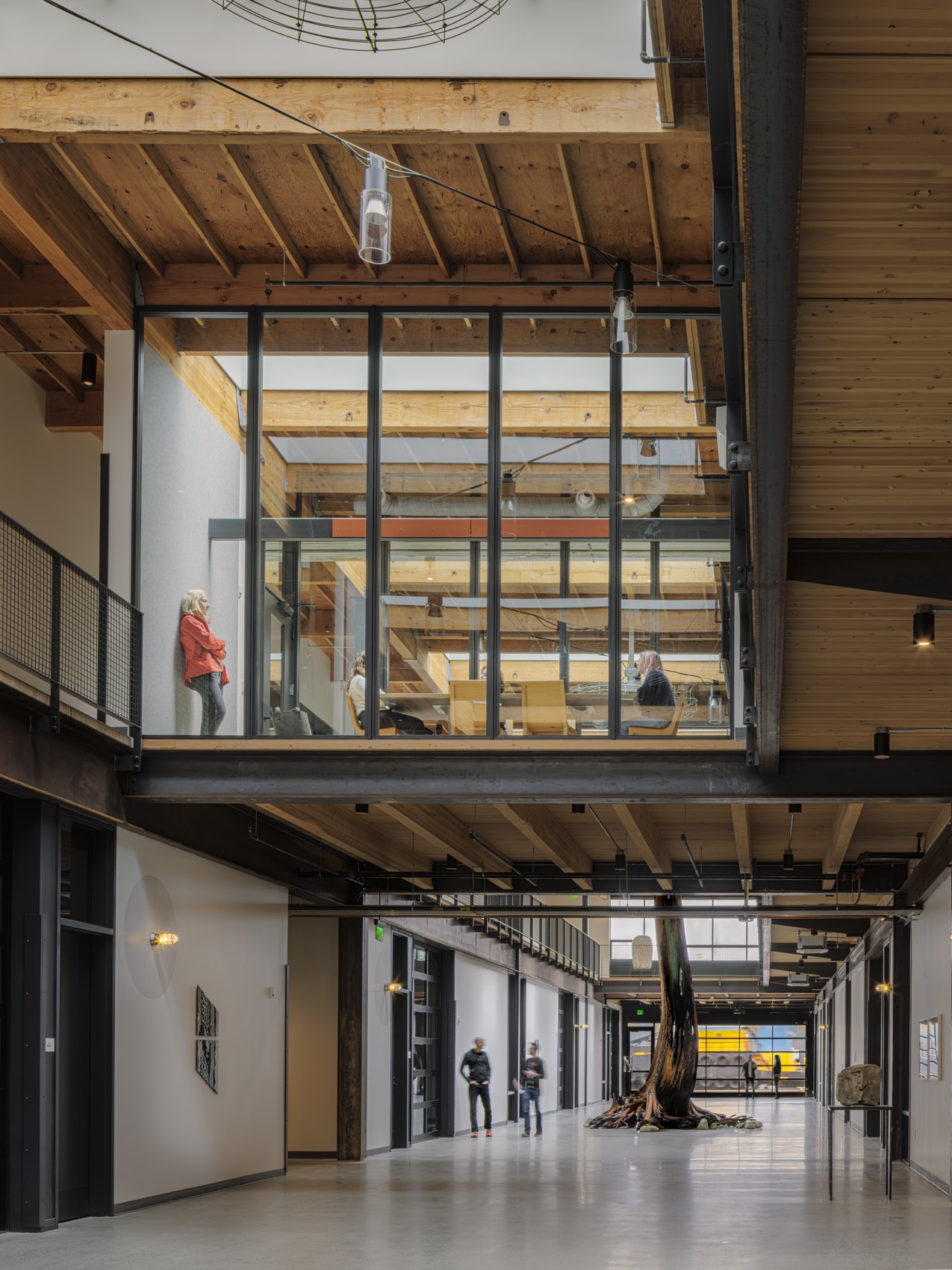
▼木梁与钢架构成开放式内部空间,Timber beams and steel framing shaping the open interior
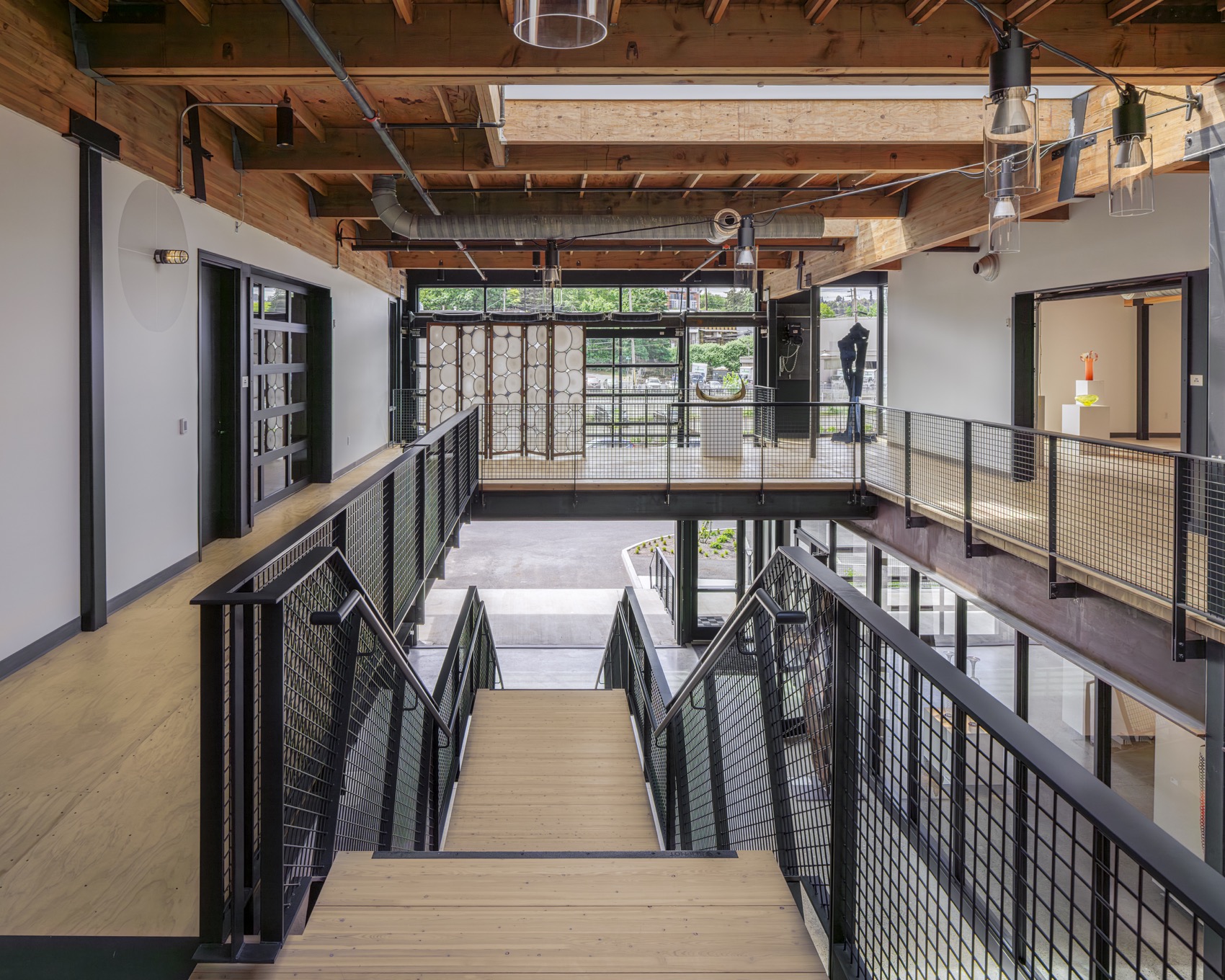
▼保留工业结构的共享办公环境,Shared workspace retaining the industrial structure
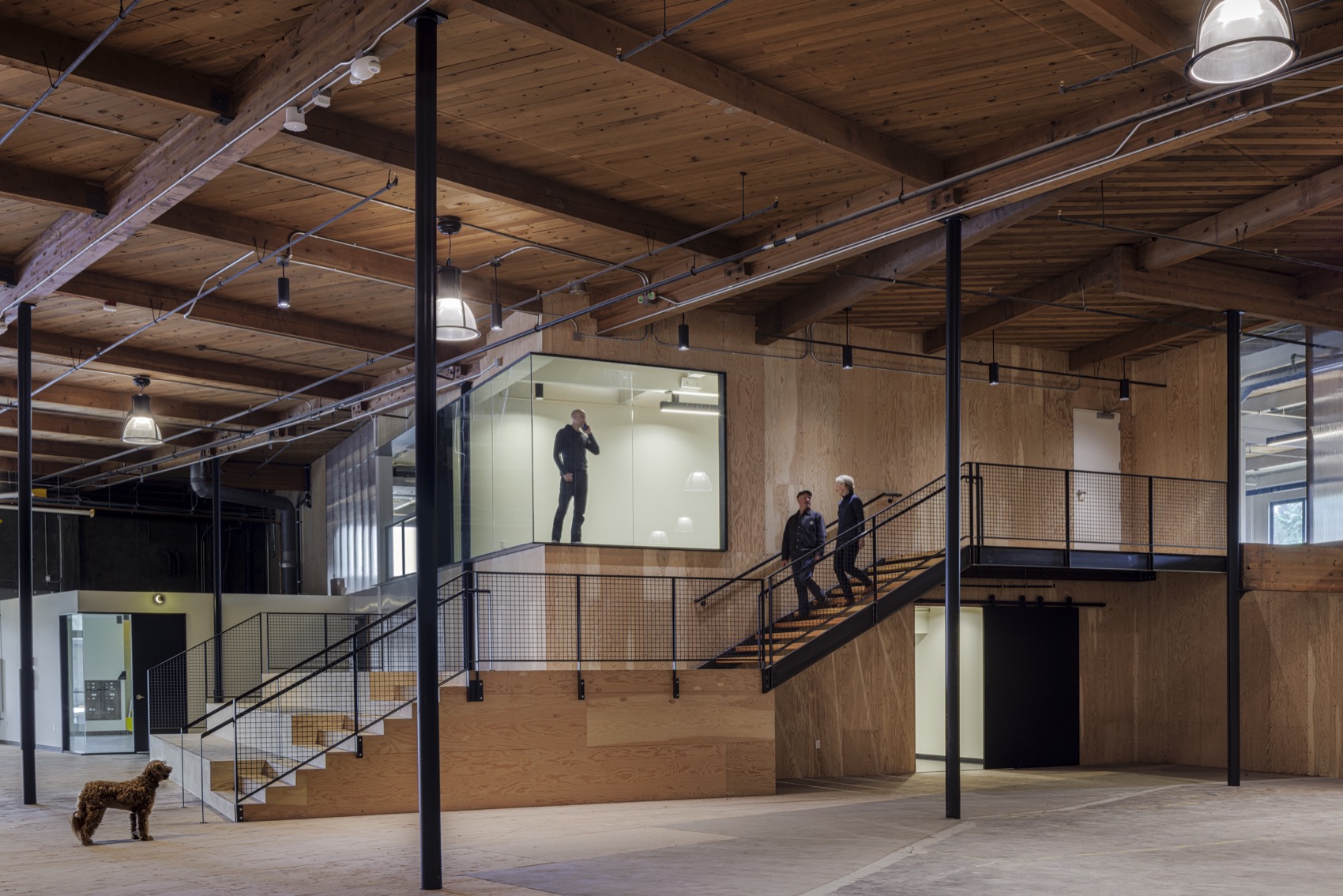
▼开放式共享空间中的交流场景,
Interaction within the open shared interior
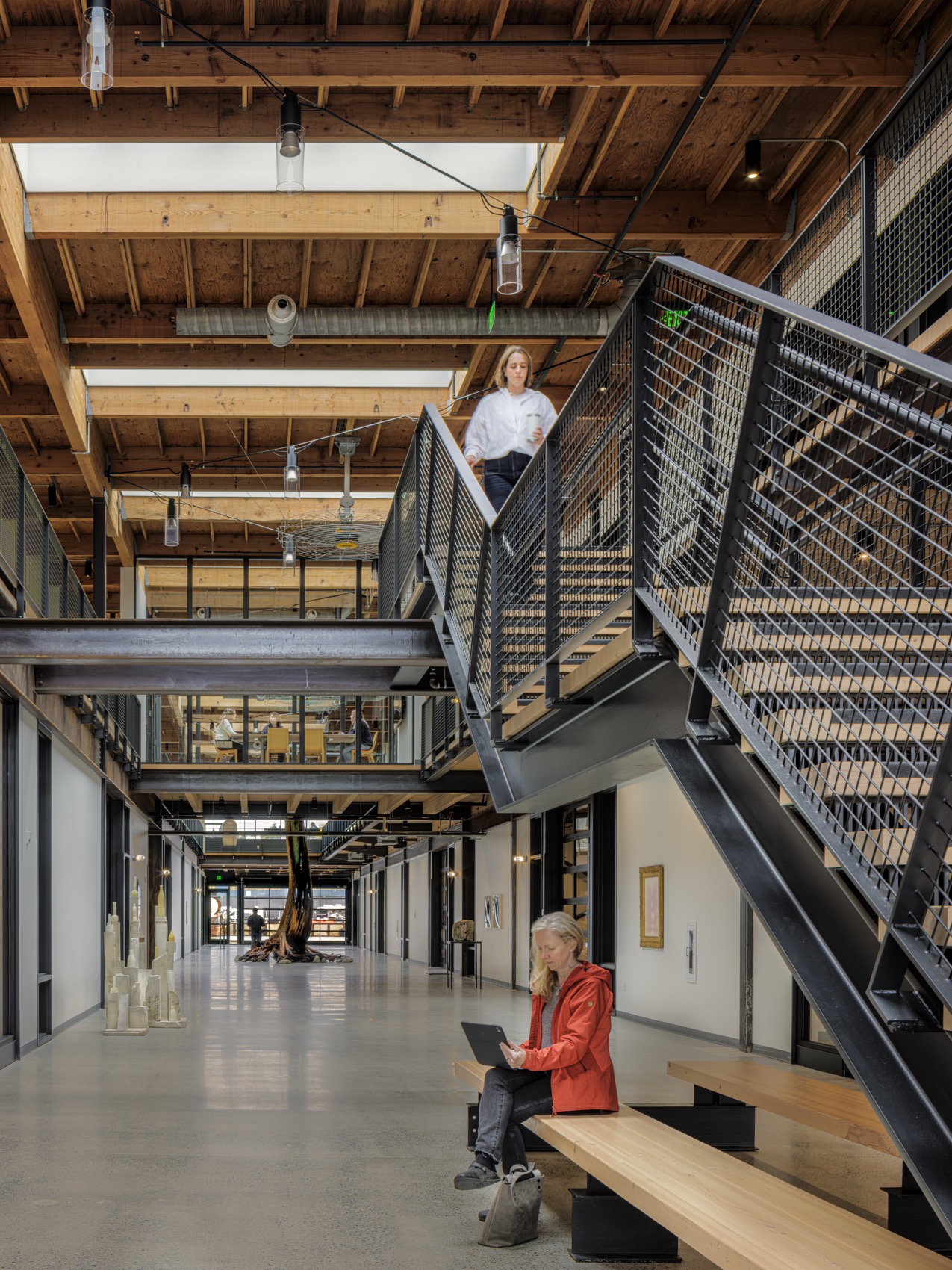
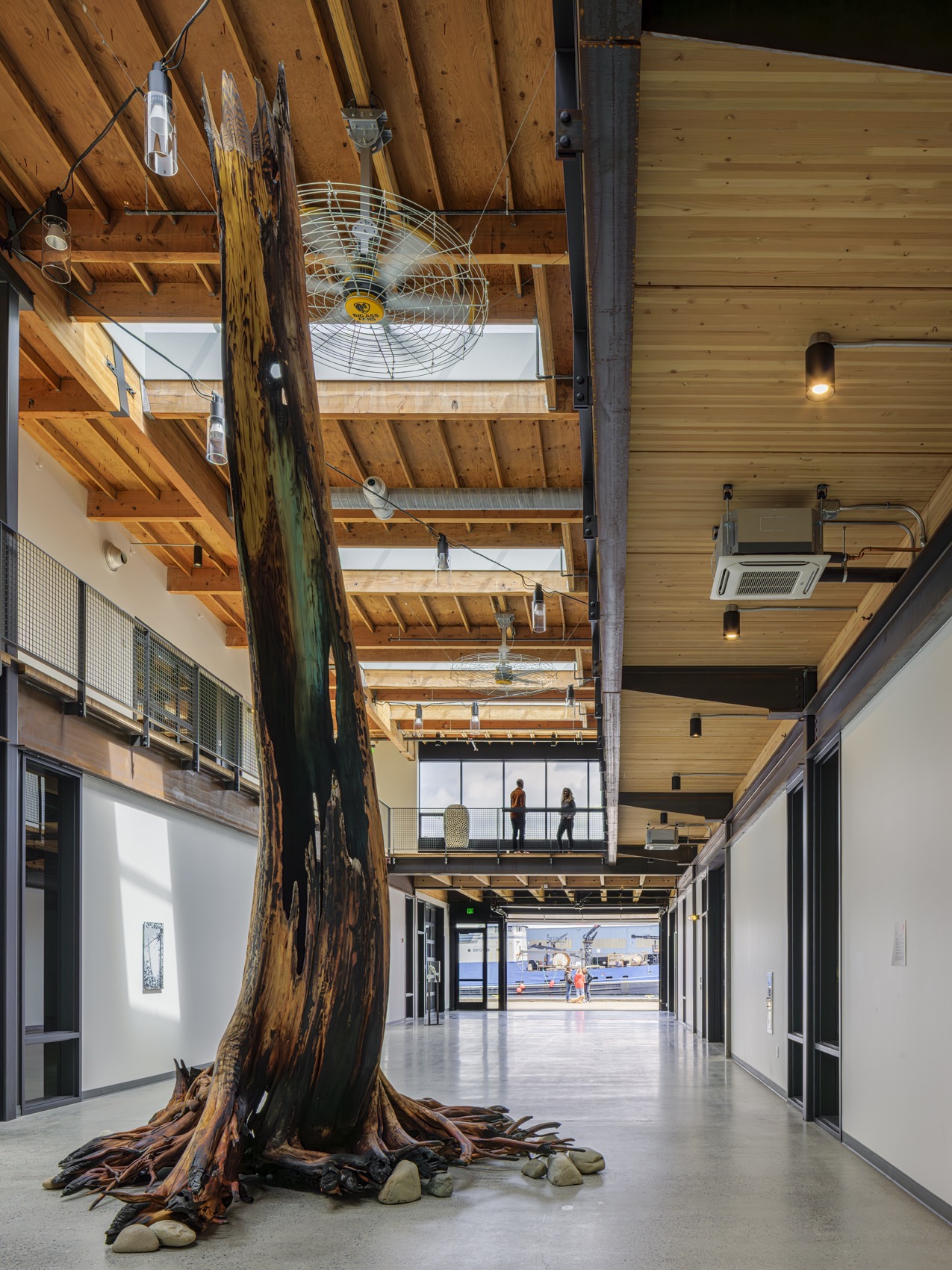
▼艺术装置置于共享廊道中央,
Art installation positioned within the shared corridor
这一项目不仅体现了一次建筑更新,也体现了对一个街区的重新想象。GBA 在前期构思阶段主导了整体定位,将位于巴拉德(Ballard)与皇后安妮区(Queen Anne)之间这一独特地带定义为“West Canal”,并帮助业主设想如何激活场地,并以这些“Yards”作为核心锚点。项目在即时再利用与长期再开发灵活性之间取得平衡,同时应对复杂的滨水与海事工业区划叠加限制。这是一个跨越数十年的更新计划中的第一步——它不仅是建筑的适应性再利用,更是对于“场所”的适应性再利用。
The work reflects not only an architectural transformation but also the reimagining of a neighborhood. GBA led the early ideation, identifying the distinct slice of neighborhood between Ballard and Queen Anne as “West Canal” and helping the client envision how to activate a site and anchor it with these “Yards”. The project balances immediate reuse with long-term redevelopment flexibility, navigating a complex overlay of shoreline and marine-industrial zoning. It is a first move in a multi-decade reinvention—more than adaptive reuse of buildings, it is an adaptive reuse of place.
▼建筑采光,Building daylighting
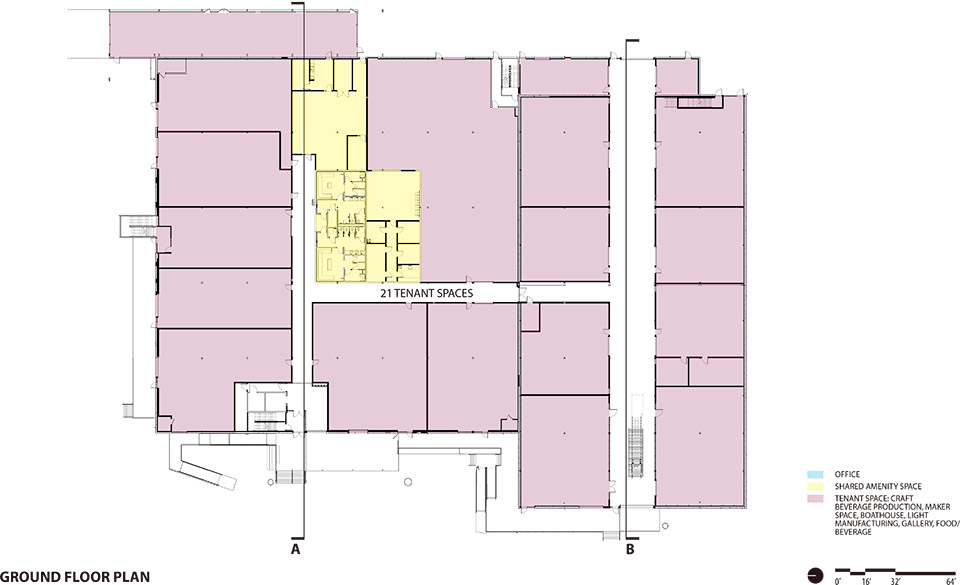
▼地面层平面图,Ground floor plan
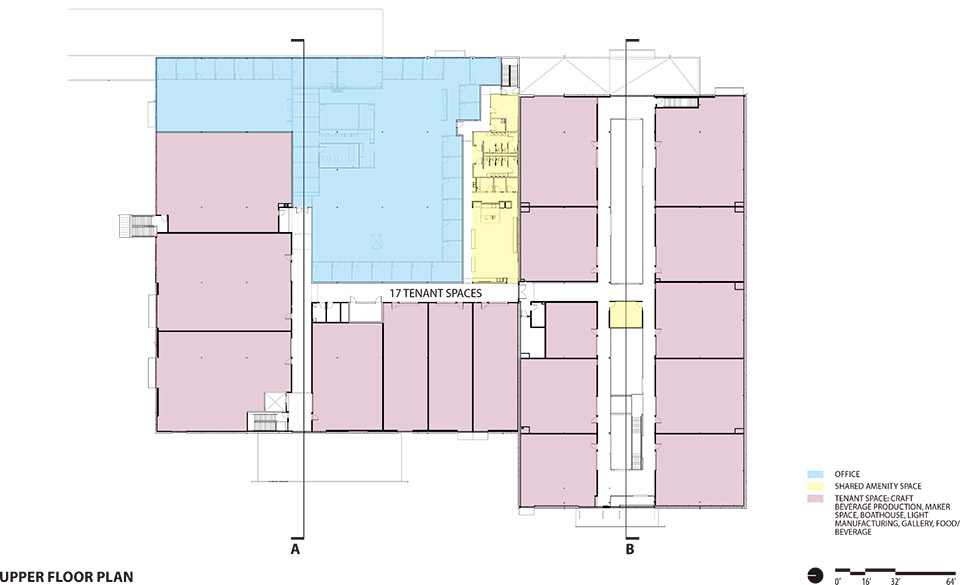
▼上层面层平面图,Upper floor plan
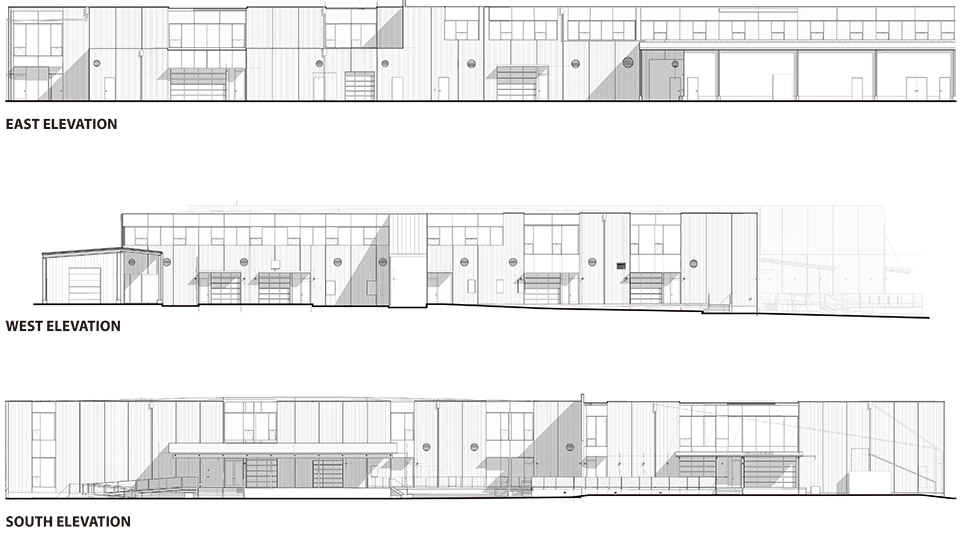
▼立面图,Elevation
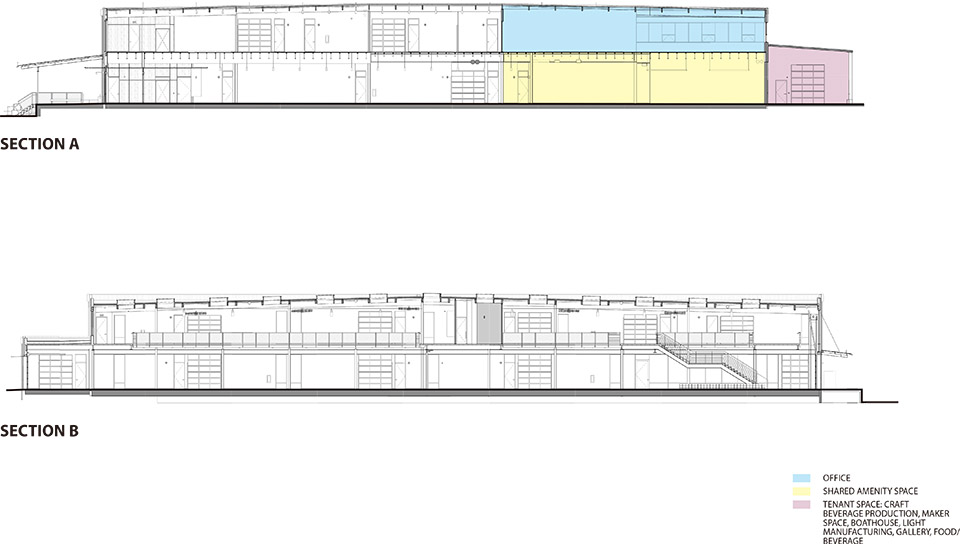
▼剖面图,Section
Project Team
Architecture: Graham Baba Architects
Structural Engineer: Swenson Say Faget
Mechanical Engineer: Ecotope
Electrical Engineer: Case Engineering
Civil Engineer: KPFF
Geotechnical Engineer: Aspect
Landscape: Hewitt, JETT Landscape Architecture & Design
Lighting: Rushing, Case
Acoustical Engineer: A3 Acoustics
Photography
Ed Sozinho