Pinwheel山地避难所,意大利 / EX.
由Andrea Cassi与Michele Versaci创立的设计工作室EX.——同时也是Black Body Mountain Shelter的设计者——在阿尔卑斯山西段海拔2850米处设计了一座全新的山地避难所。
EX. – a design workshop founded by Andrea Cassi and Michele Versaci, also authors of the Black Body Mountain Shelter – has designed a new mountain bivouac in the western Alps, located at an altitude of 2.850 meters above sea level.
▼项目概览,overview of the project
▼项目概览,overview of the project
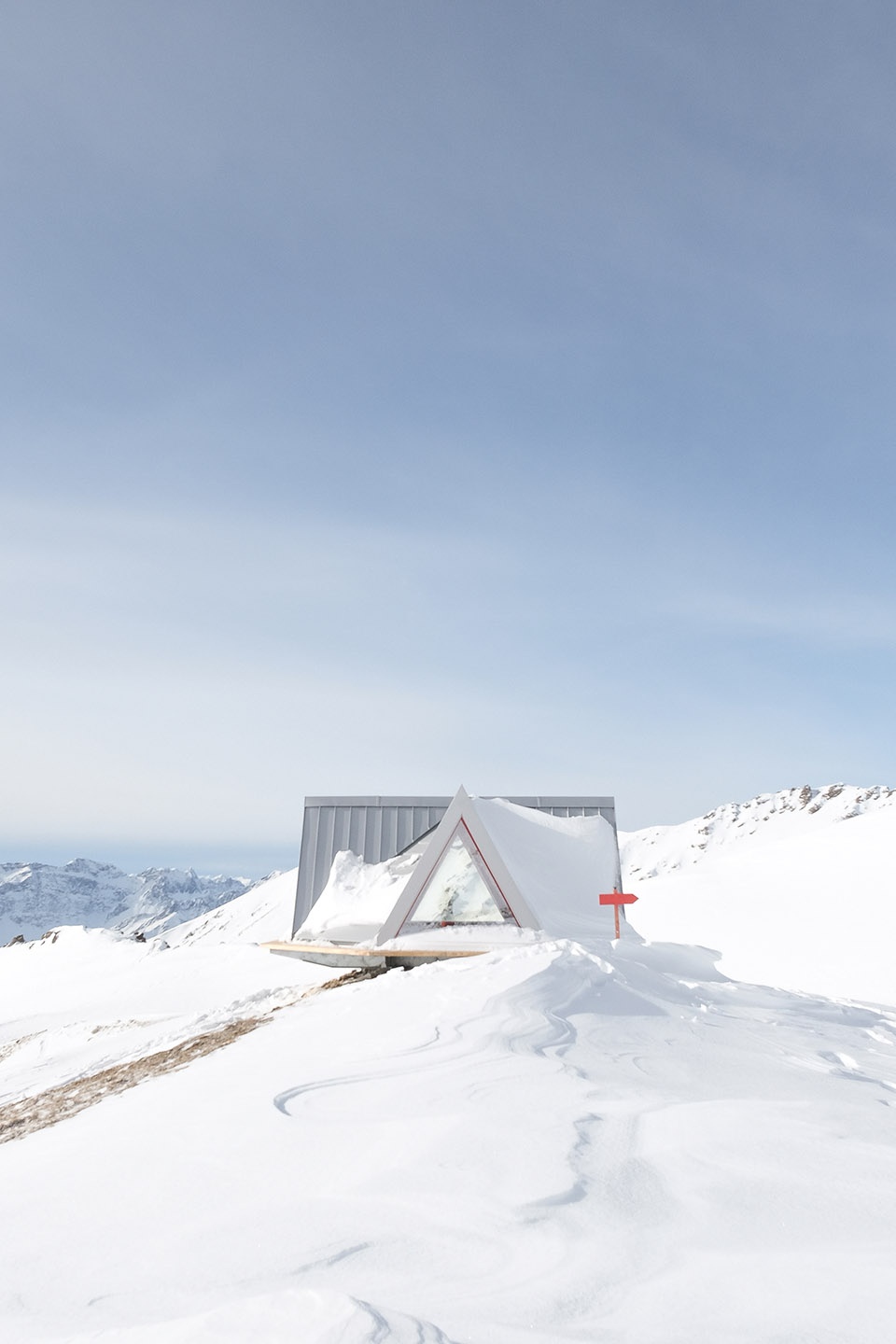
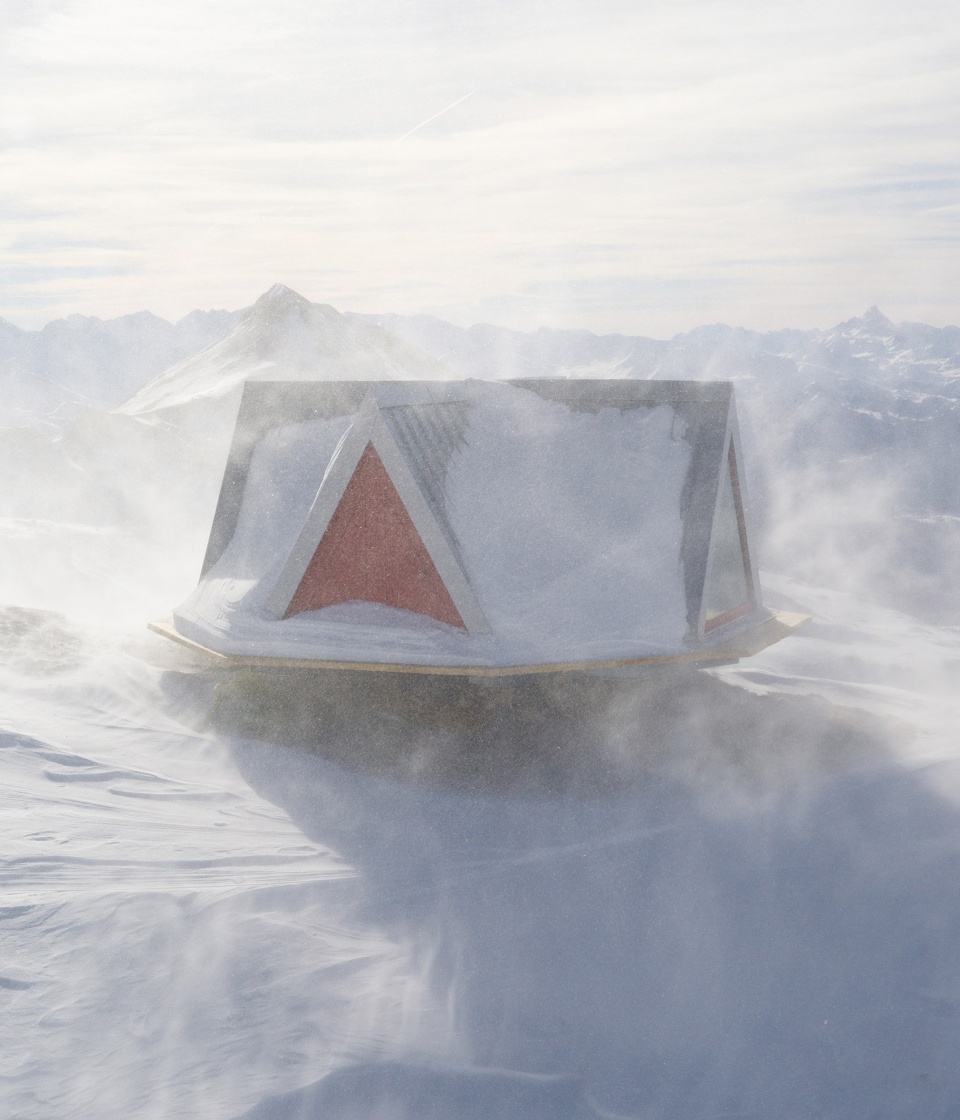
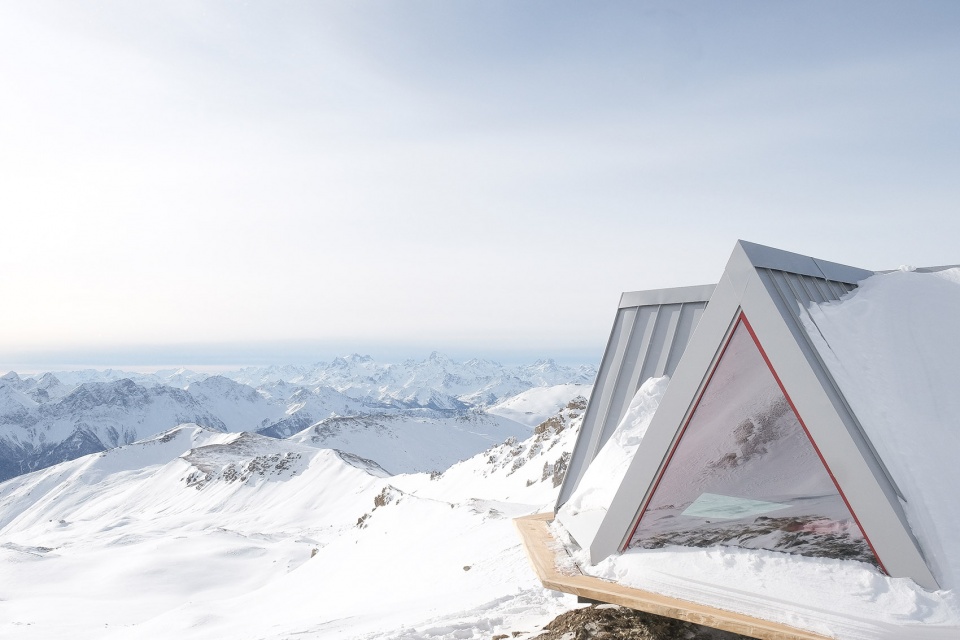
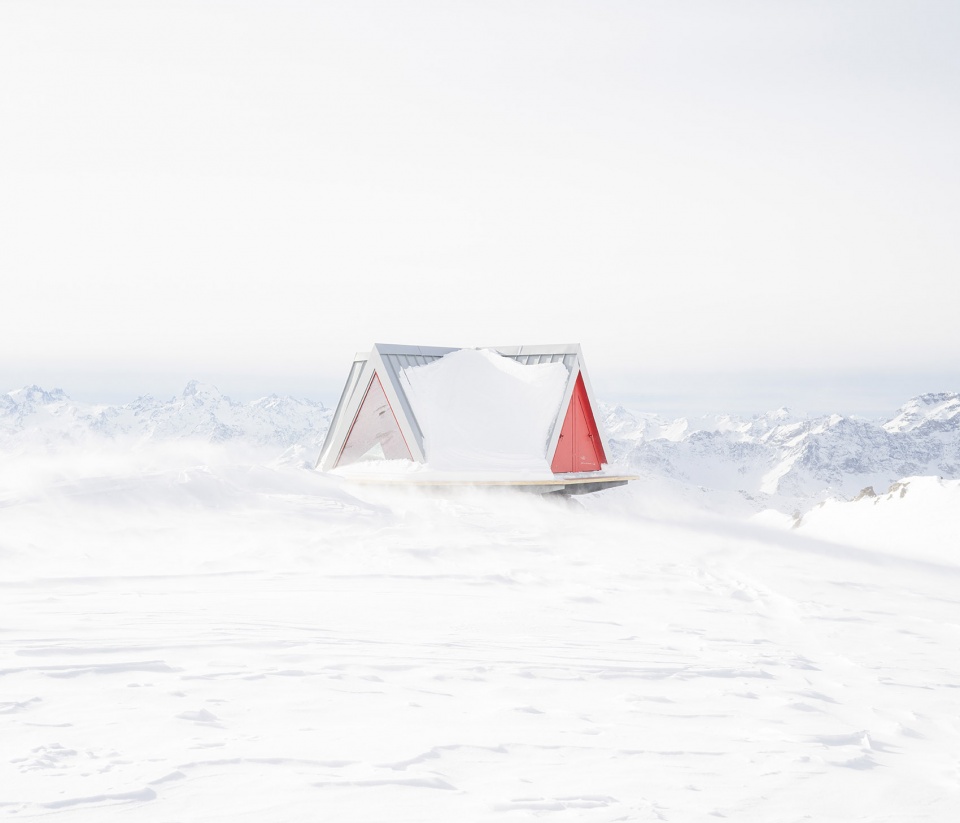
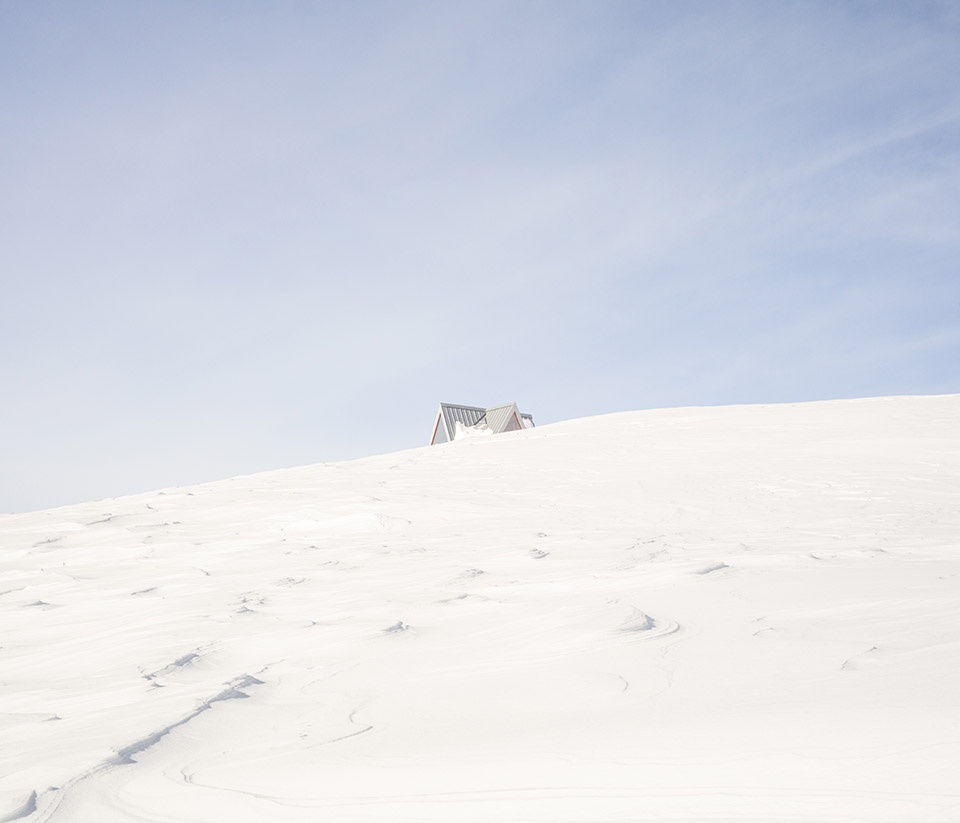
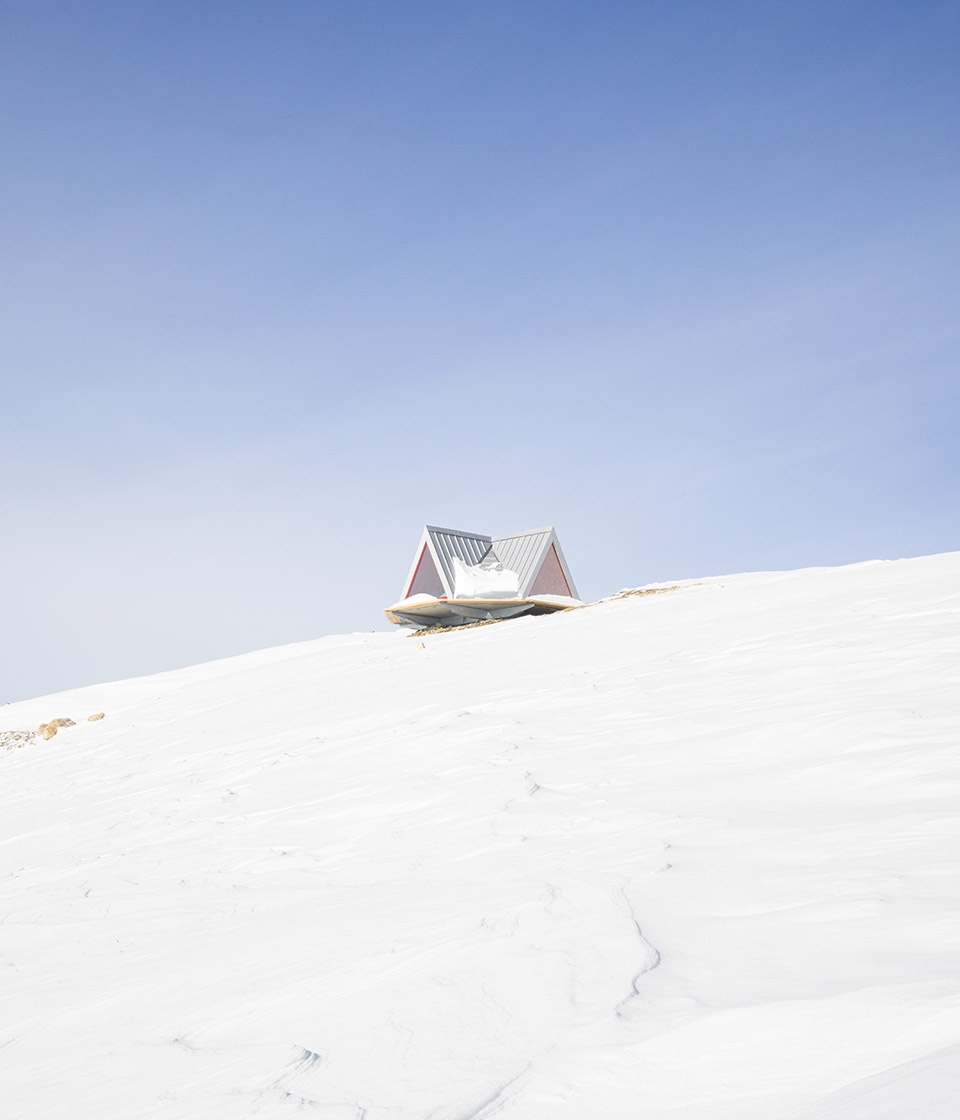
这座避难所为纪念Stefano Berrone而建,是一座由木材与铝材折叠形成的外壳结构,坐落于意大利西北部阿尔卑斯山Seguret山谷偏远的碎石坡地上。作为介入高山景观的一项克制性设计,它呈现为一顶拥有多面折角形态的刚性帐篷。项目基于对日照条件与风向的分析展开设计,在建筑、山谷地形以及气候因素之间建立起持续的对话关系。
The shelter, built in memory of Stefano Berrone, is a folded wooden and aluminum shell situated on a remote scree slope in the Valley of Seguret Mount, in the north-western Italian Alps. This discreet intervention in the alpine landscape takes the form of a rigid tent with a faced shape. It has been designed following the analysis of sun exposure and wind directions, fostering a continuous dialogue between the architecture, the valley morphology, and its atmospheric agents.
▼介入高山景观的一项克制性设计,intervention in the alpine landscape takes the form of a rigid tent
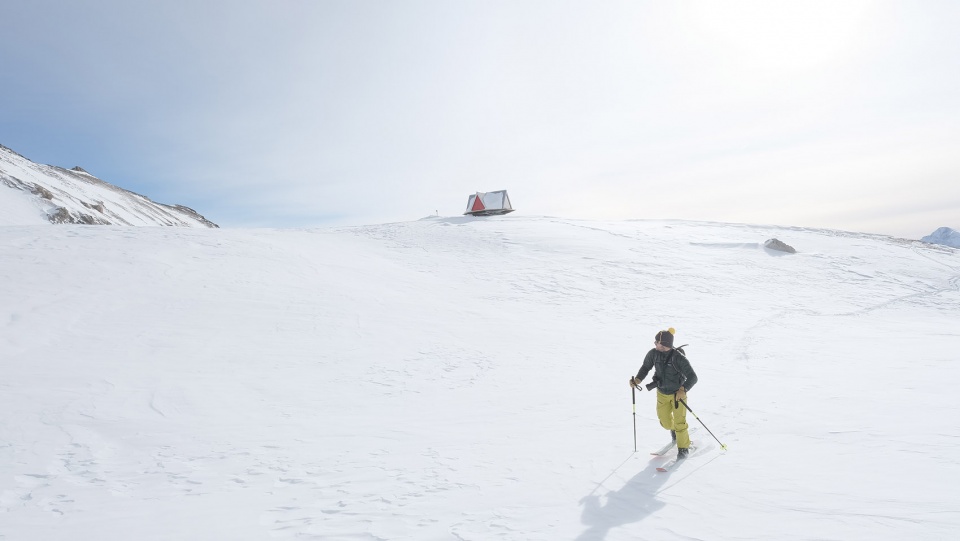
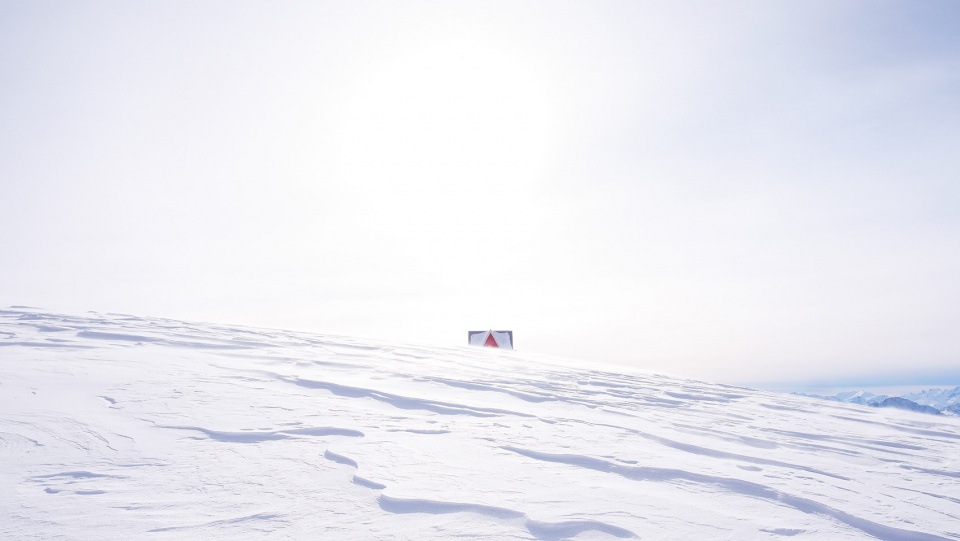
▼由木材与铝材折叠形成的外壳结构,a folded wooden and aluminum shell
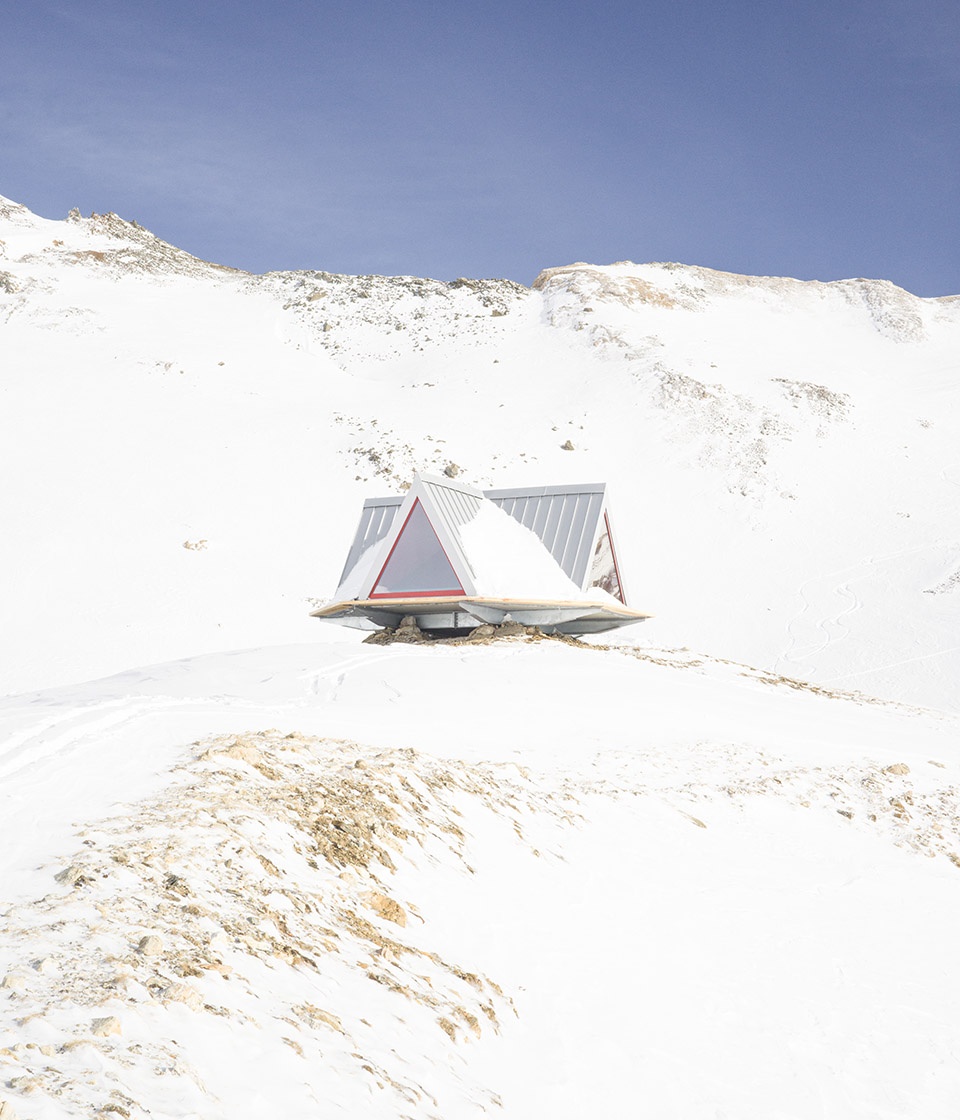
▼介入高山景观的一项克制性设计,intervention in the alpine landscape takes the form of a rigid tent
建筑首先为登山者提供庇护与保护,同时也试图探索人工结构与自然环境之间的关系。这一研究进一步关注项目在长期尺度下对自然语境的影响,以及其与周边环境条件之间的互动方式。
The architecture primarily provides shelter and protection for alpinists, and at the same time helps to explore the relationship between an artificial structure and its natural environment. This investigation delves into the project’s long-term impact on the natural context and its interaction with the surrounding environmental conditions.
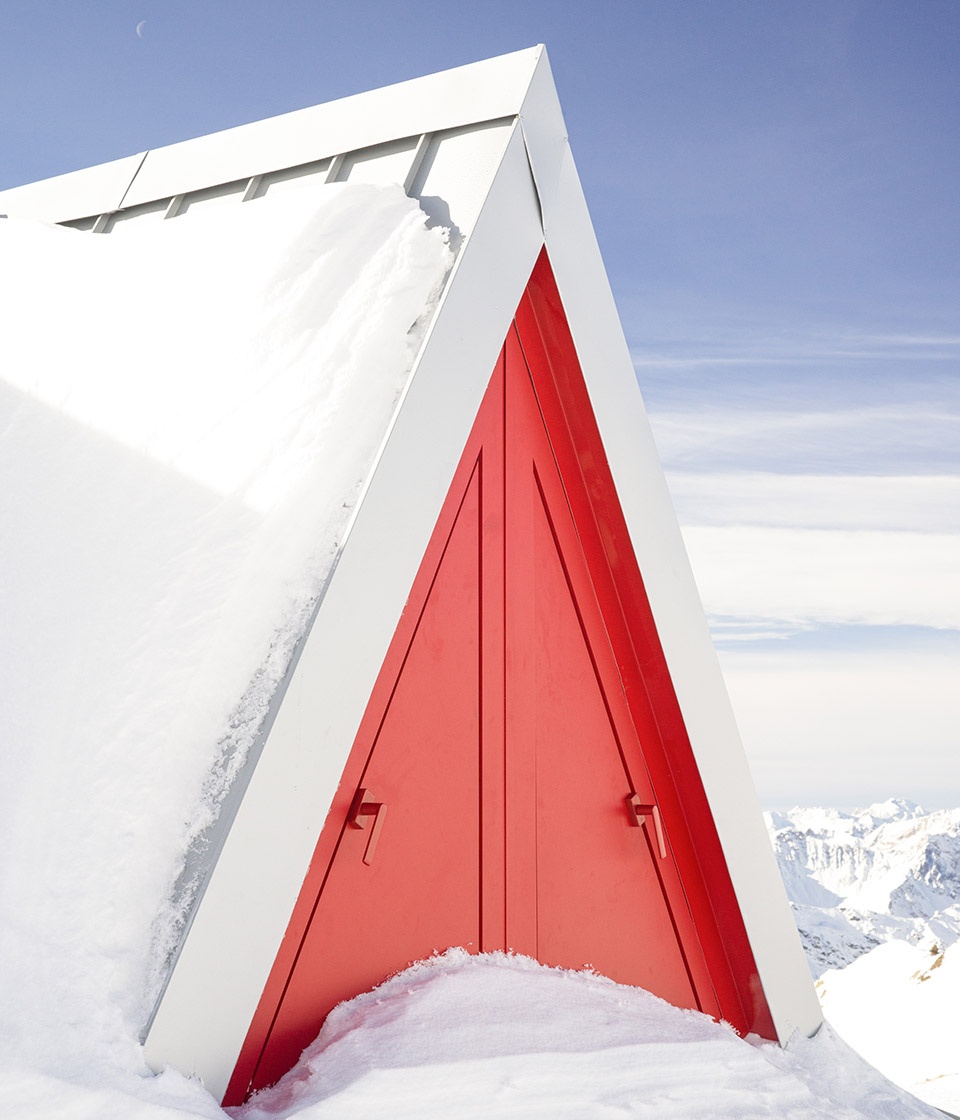
▼避难所入口,shelter entrance
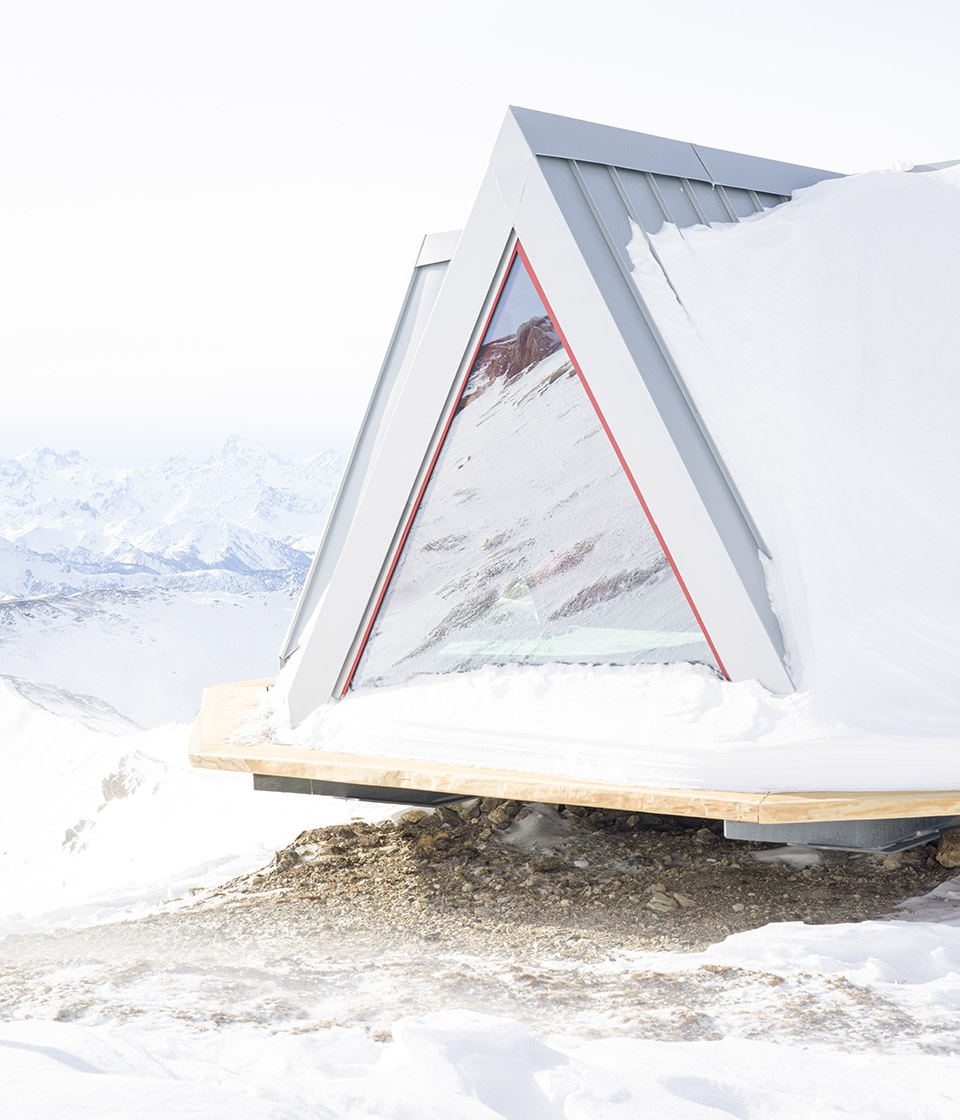
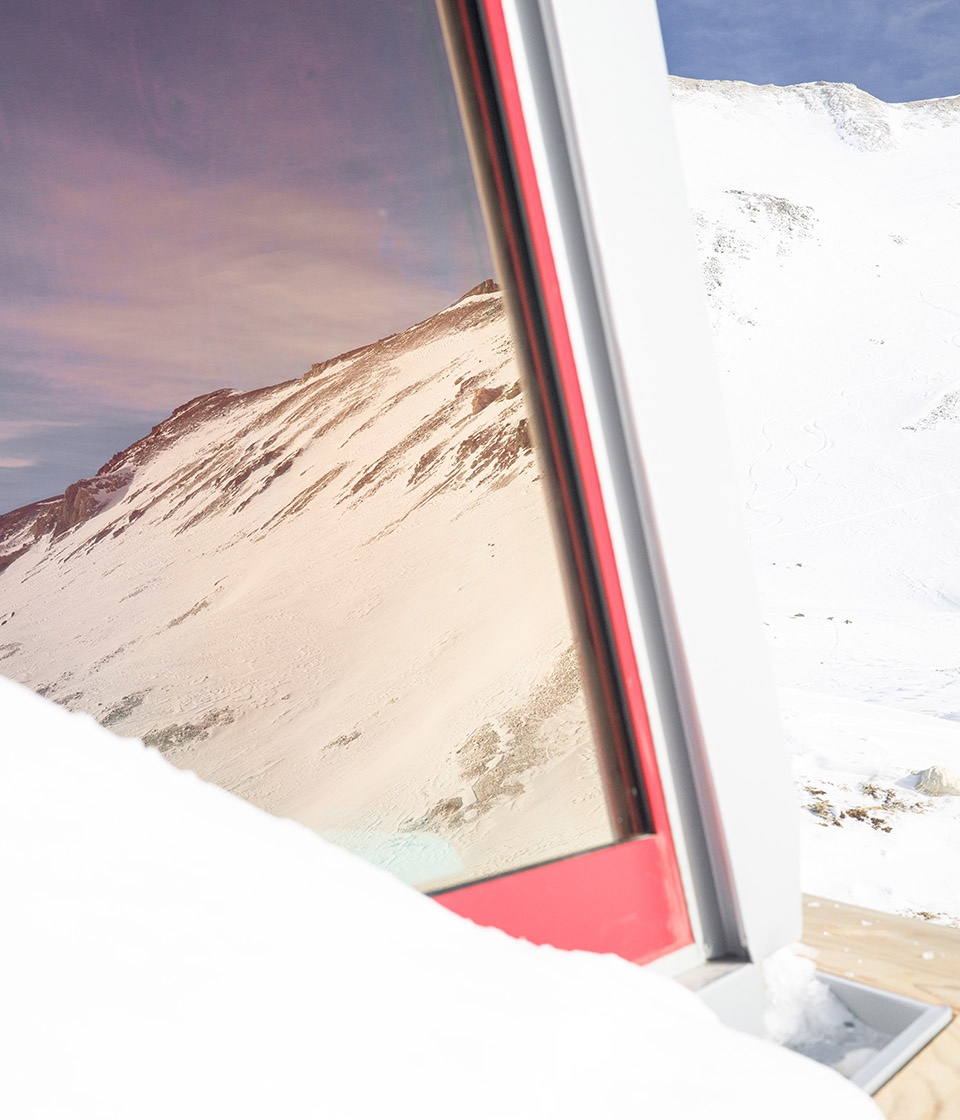
▼避难所窗户,shelter window
项目基于三个核心原则展开:
The project is based on three key principles:
可逆性与轻量化Reversibility and Lightness
Pinwheel Shelter是一座轻盈、低干预且可逆的结构。建造技术的选择同样遵循这一原则:结构外壳由CLT交叉层压木板构成,并由一套置于四个预制基础之上的钢结构底座支撑,以优化整体重量并便于安装与拆卸。最终形成了一套仅用四天即可完成搭建、并且易于拆除的干式建造系统。
▼结构爆炸图,structure axonometric
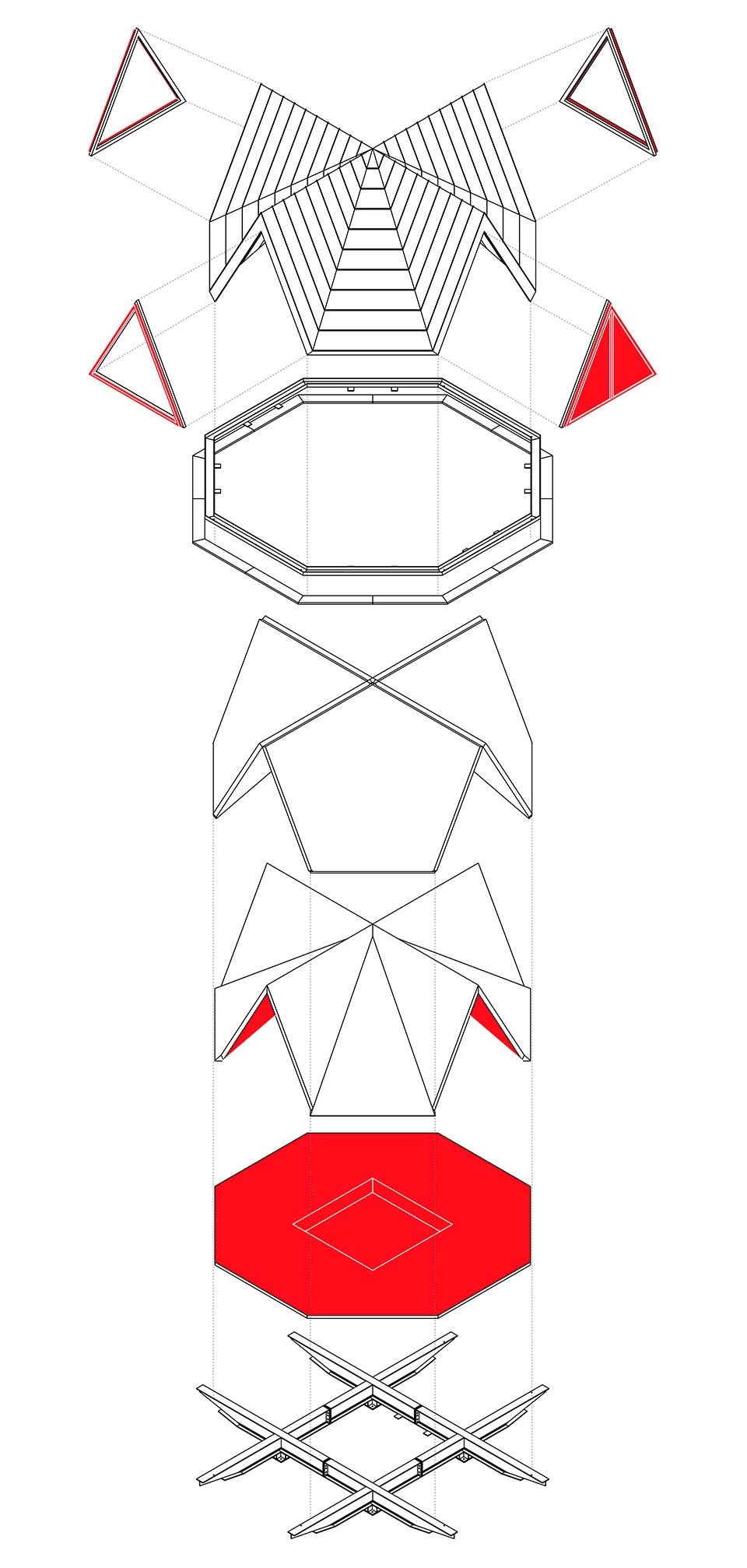
The pinwheel shelter is a light, minimally invasive, and reversible structure. The constructive technology has been chosen according to these principles: a structural shell composed of CLT panels, supported by a steel base resting on four prefabricated plinths have been designed both to optimize weight and to facilitate assembly and dismantling operations. The result is a dry system built in four days and easily dismountable.
▼结构外壳由CLT交叉层压木板构成,a structural shell composed of CLT panels
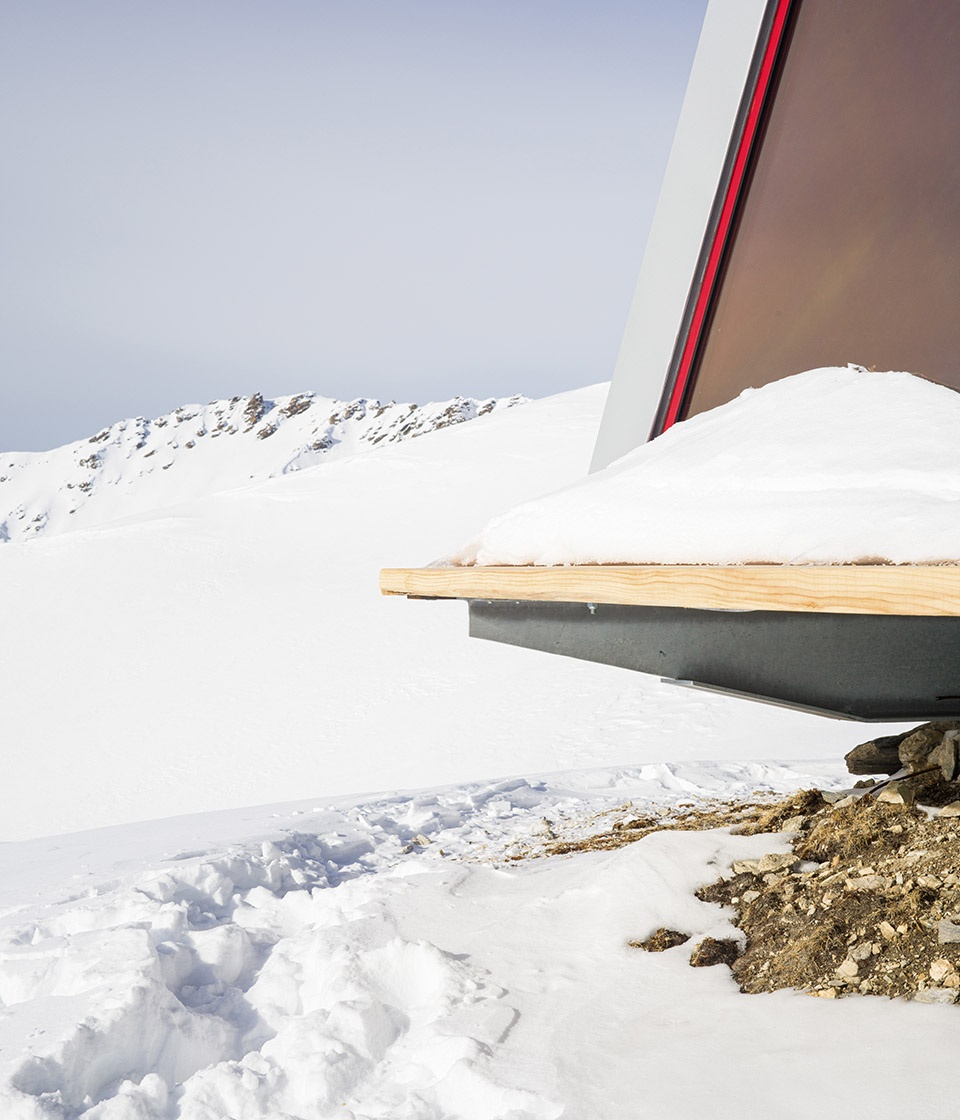
▼钢结构底座,a steel base
建筑与景观Architecture and Landscape
建筑与高山环境之间的关系促成了一种能够实现360度景观体验的空间装置。其方式是将四个窗洞嵌入外壳复杂的多面几何形体之中。铝制外壳定义出一种“气候性的”建筑,与高山光线、岩石色彩以及周围雪坡形成持续对话。建筑通过不断变化的反射关系回应天气条件的变化。
▼轴测图,axonometric
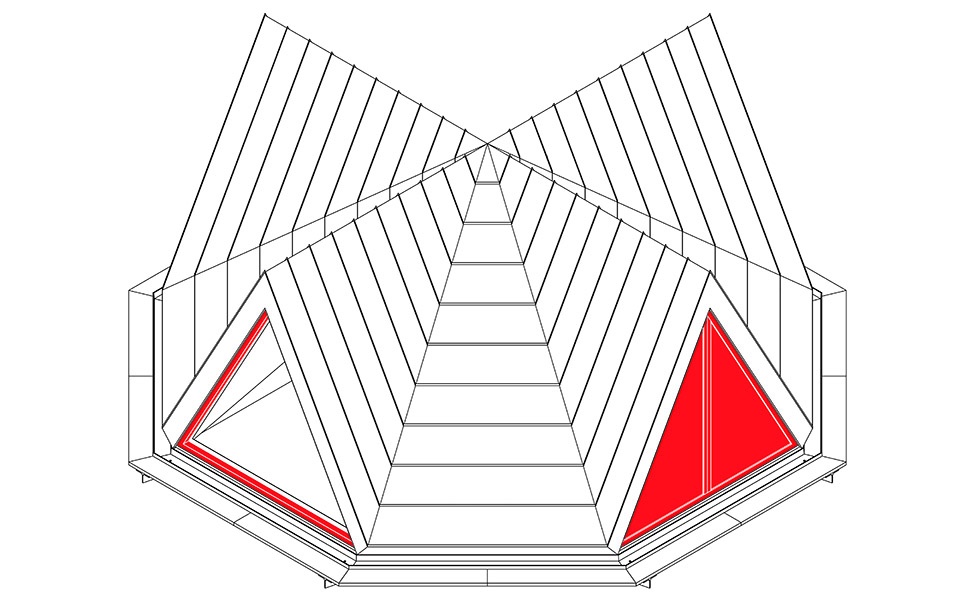
The relationship of the architecture with the alpine environment led to the definition of a spatial device that enables a 360-degree fruition of the landscape. This is achieved through four windows inserted in the multifaceted geometry of the shell. The aluminum shell defines an ‘atmospheric’ architecture, engaging in a dialogue with the alpine light, the colors of the rocks, and the surrounding snow slopes. It creates a constant interplay of reflections and responds dynamically to changing weather conditions.
▼探索人工结构与自然环境之间的关系,explore the relationship between an artificial structure and its natural environment
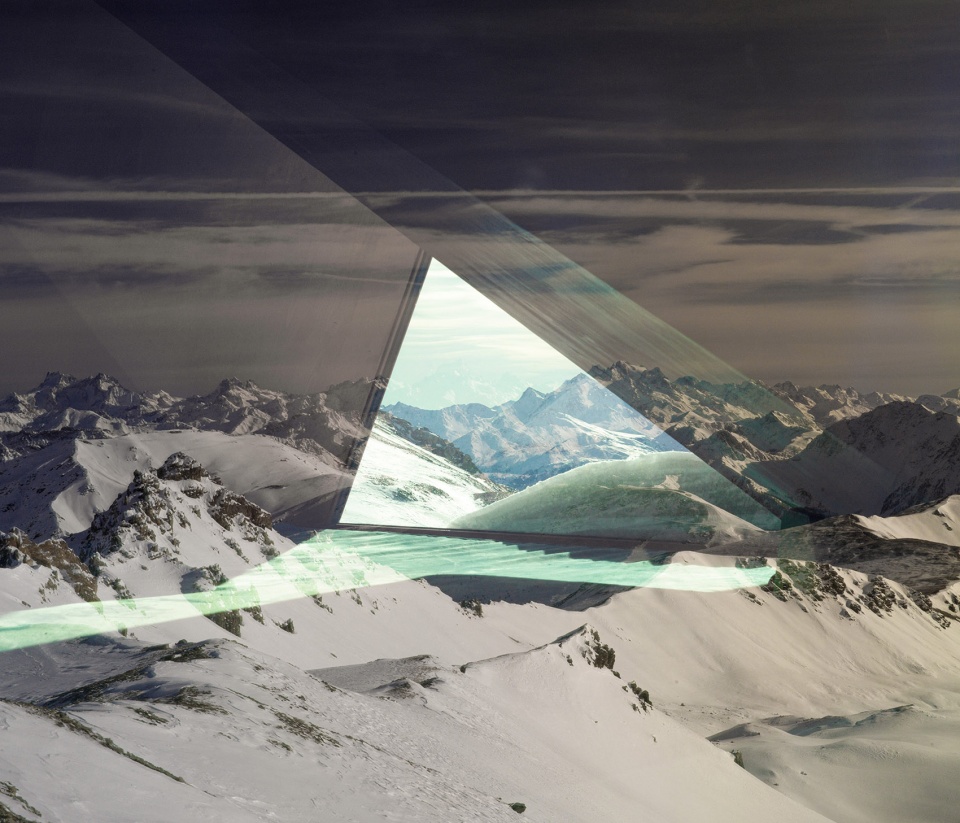
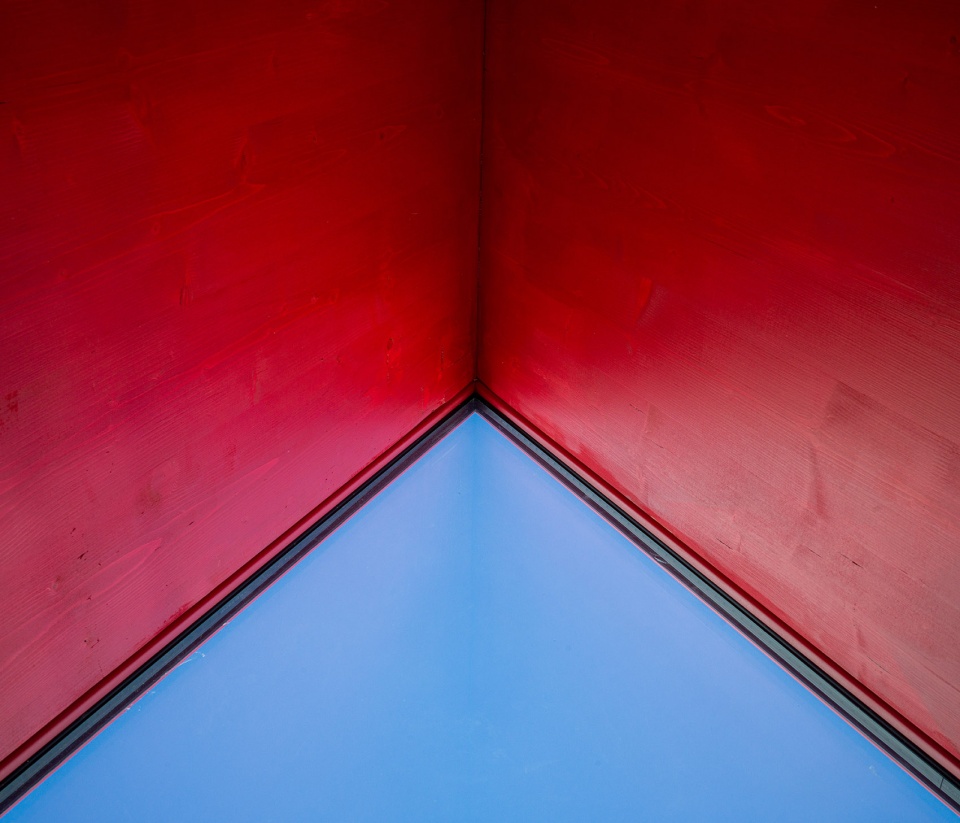
▼窗洞嵌入外壳复杂的多面几何形体之中,windows inserted in the multifaceted geometry of the shell
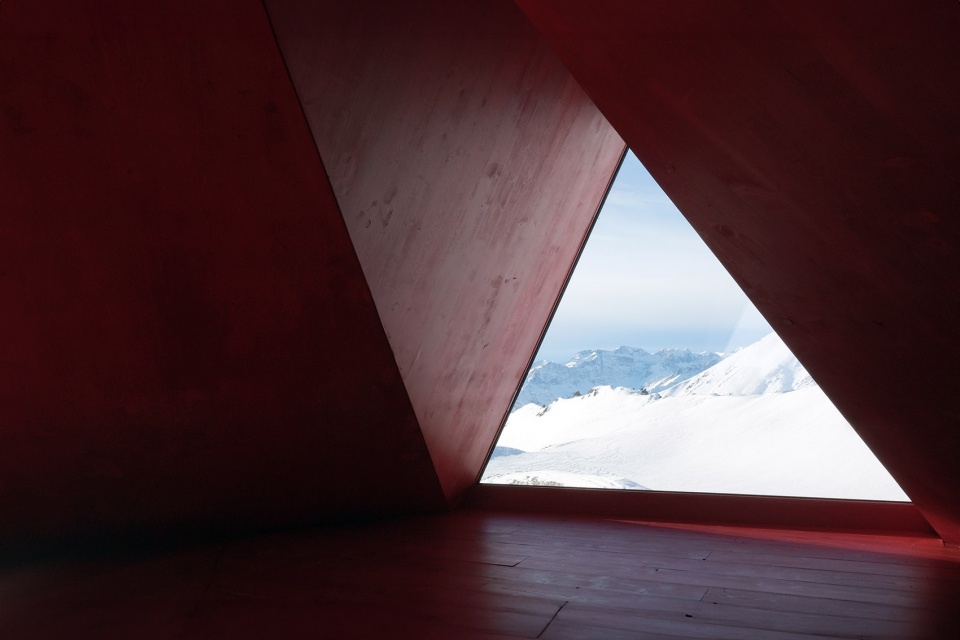
▼窗洞嵌入外壳复杂的多面几何形体之中,windows inserted in the multifaceted geometry of the shell
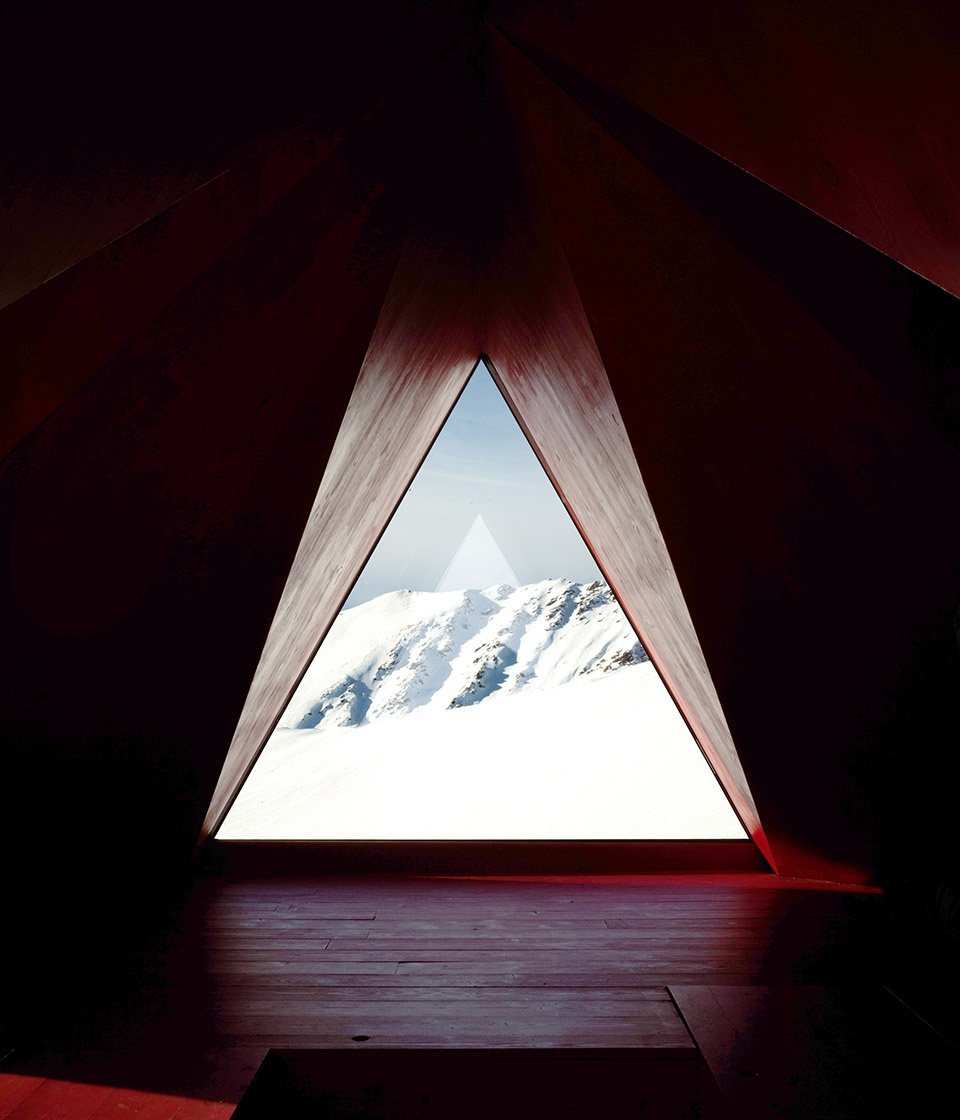
作为聚会场所的帐篷A tent as a meeting place
空间采用放射状组织方式,床位围绕中央空间——一个象征性的“火炉”——展开布置,其比例关系令人联想到榻榻米。较低的室内高度与倾斜屋顶被刻意设计为无法直立行走:如同在帐篷中一样,登山者需要弯腰,并坐或躺在宽大的落叶松木平台上。这种空间配置在尽可能压缩避难所体量、尤其是高度的前提下,实现了8至10个床位。建筑最高点为2.80米,对应外部壳体顶部高度。
The radial organization of the space defines the position of the beds around a central compartment – a symbolic fireplace – following proportions that remind a tatami. The reduced internal height and the sloping roof have been designed to not stand inside the bivouac: like in a tent, the alpinists must duck and either sit or lie down on the wide larch wood platform. This spatial configuration resulted in eight/ten beds minimizing the shelter’s dimension, and particularly its height: the top point measures 2,80 meters corresponding to the top of the shell on the outside.
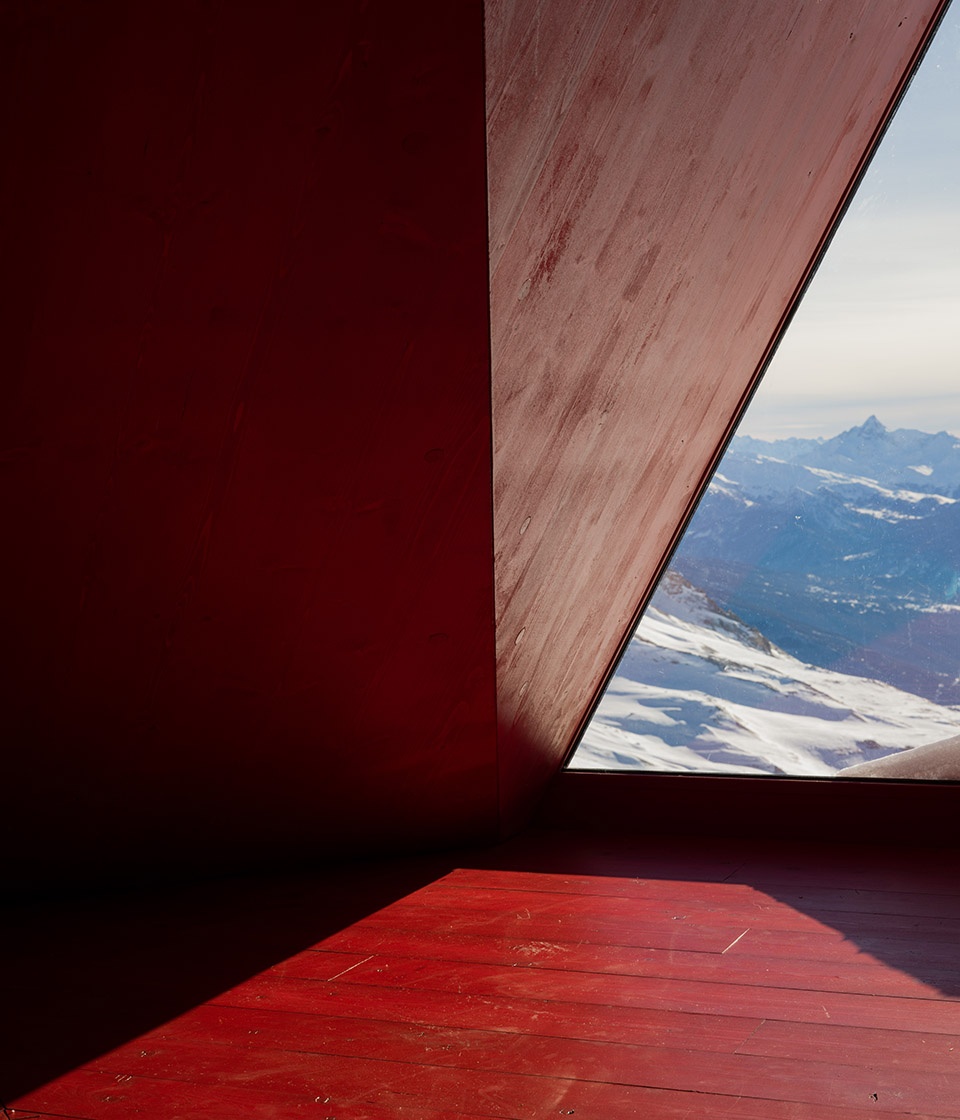
▼如同帐篷一般的室内空间,interior space as a tent
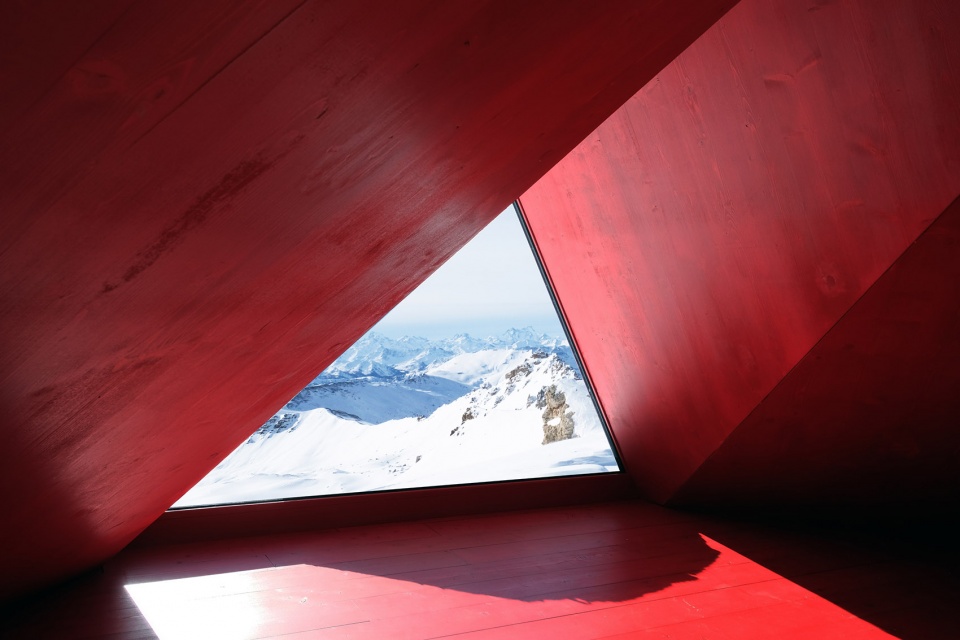
▼如同帐篷一般的室内空间,interior space as a tent
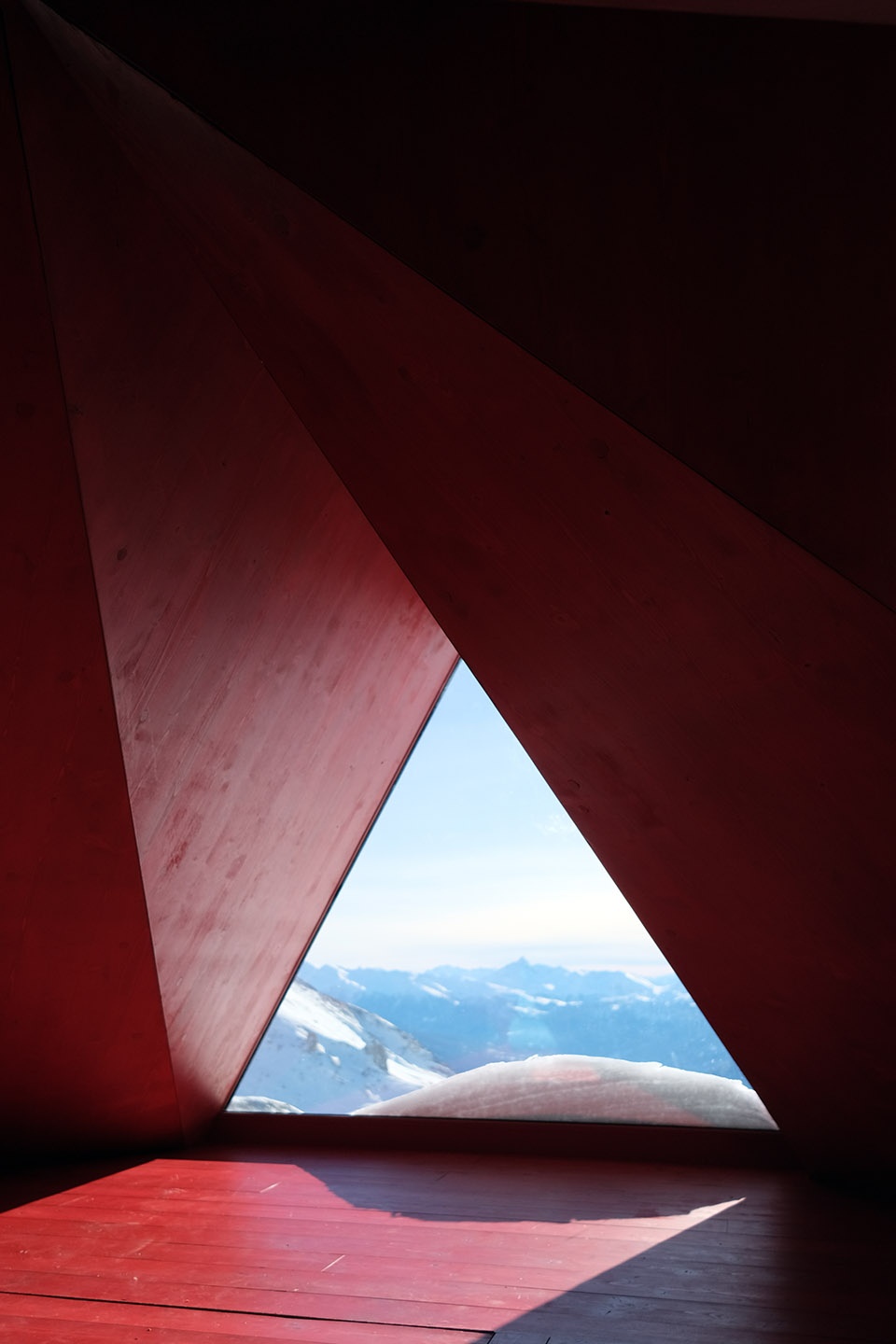
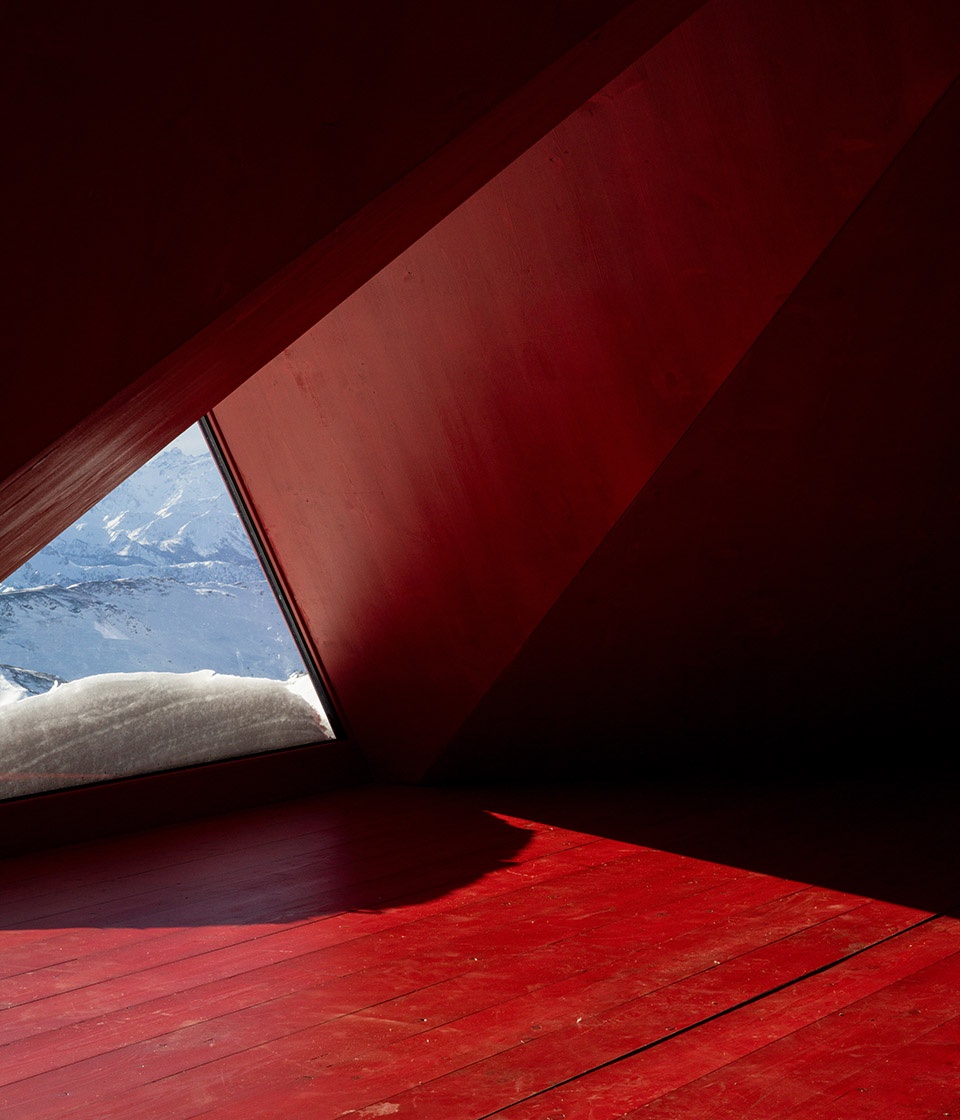
▼登山者坐或躺在宽大的落叶松木平台上,alpinists must duck and either sit or lie down on the wide larch wood platform
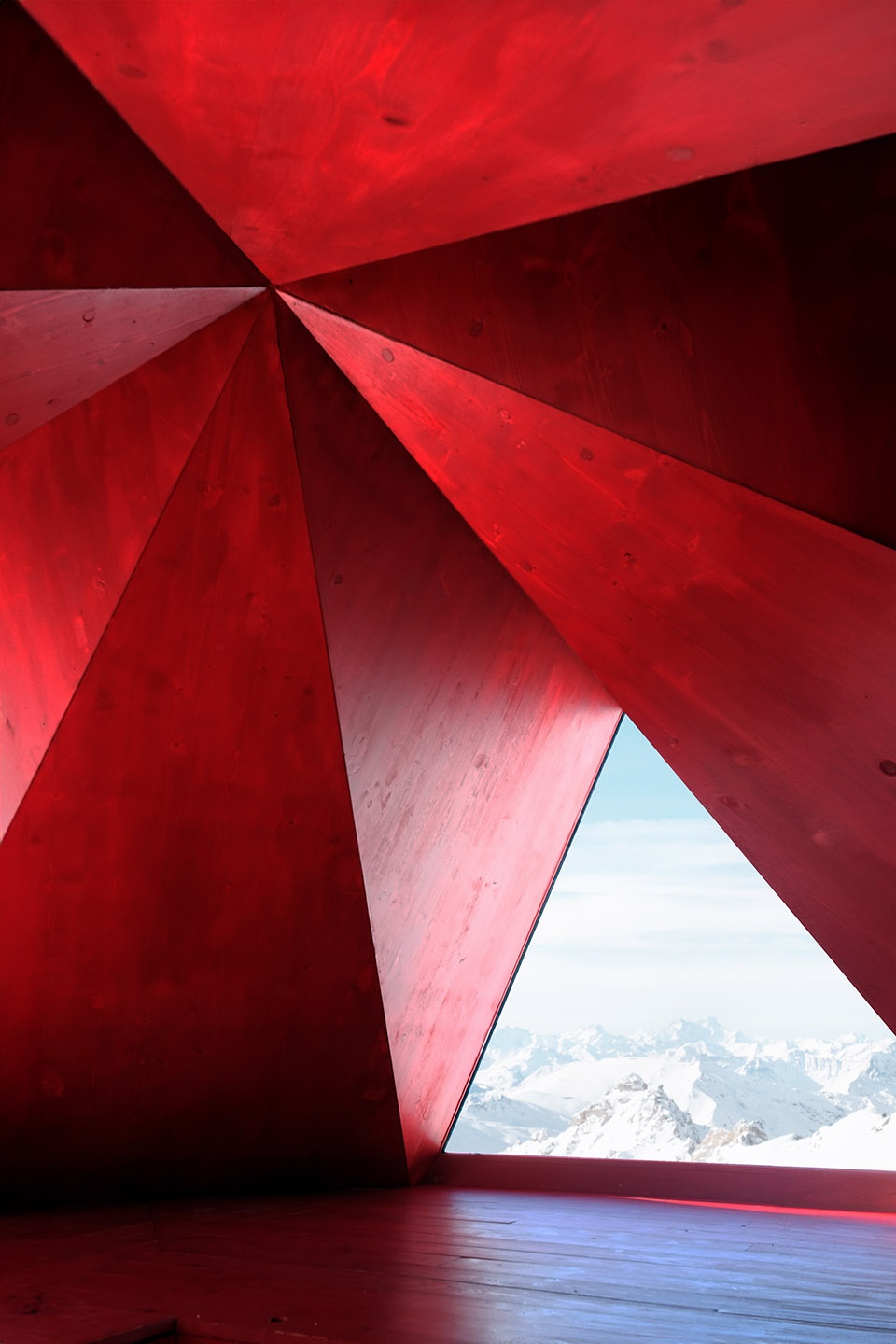
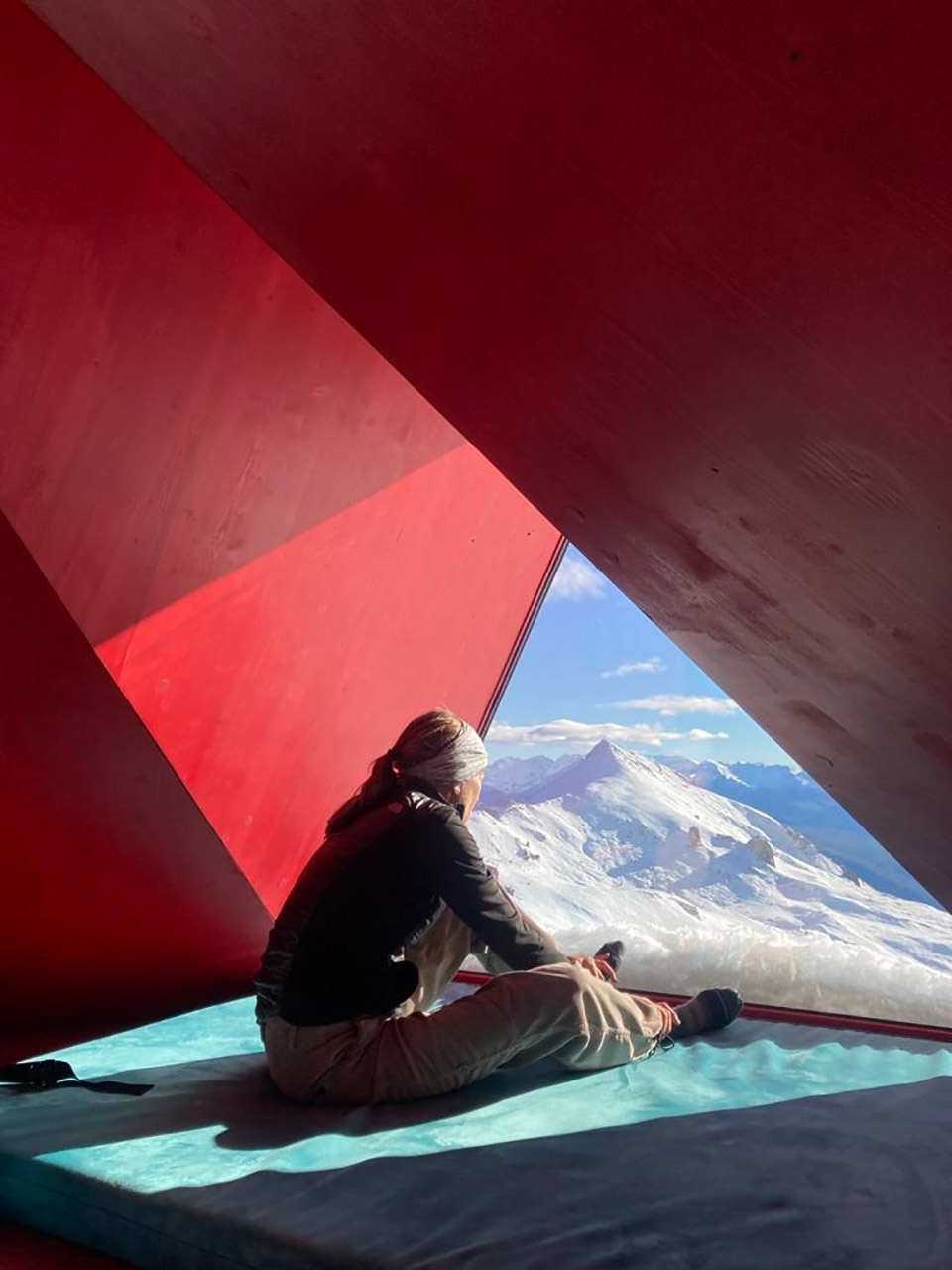
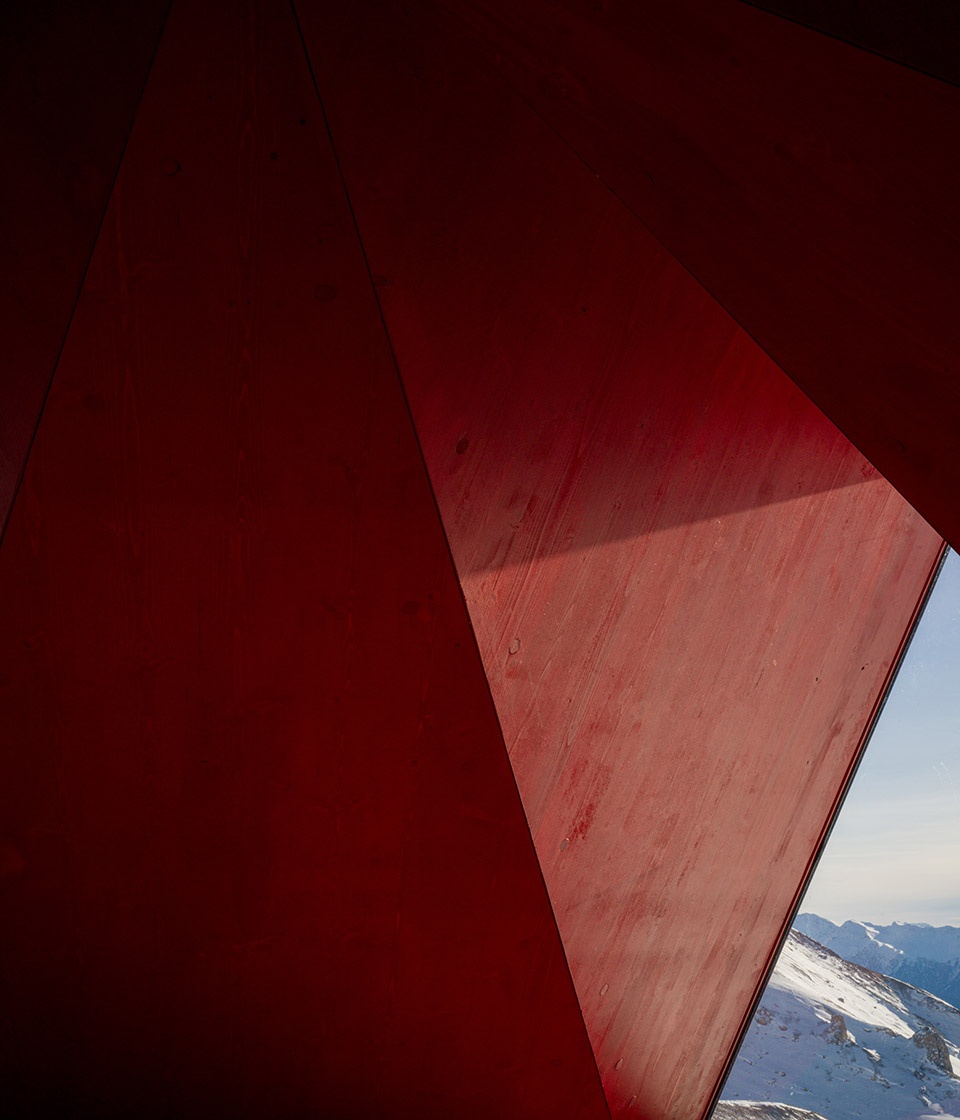
▼较低的室内高度与倾斜屋顶,the reduced internal height and the sloping roof
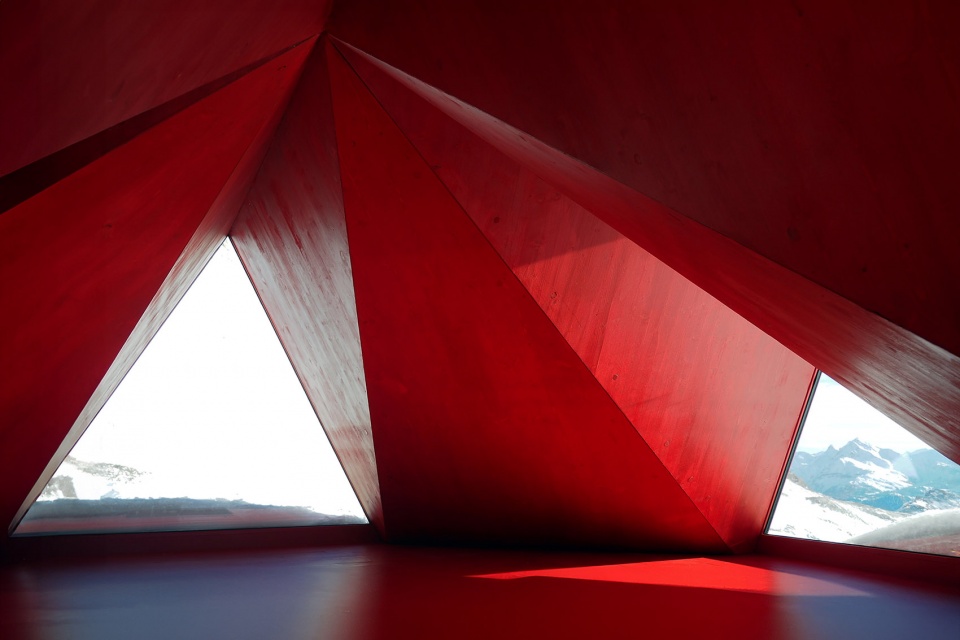
▼倾斜屋顶细部,the sloping roof detail
区位Localization
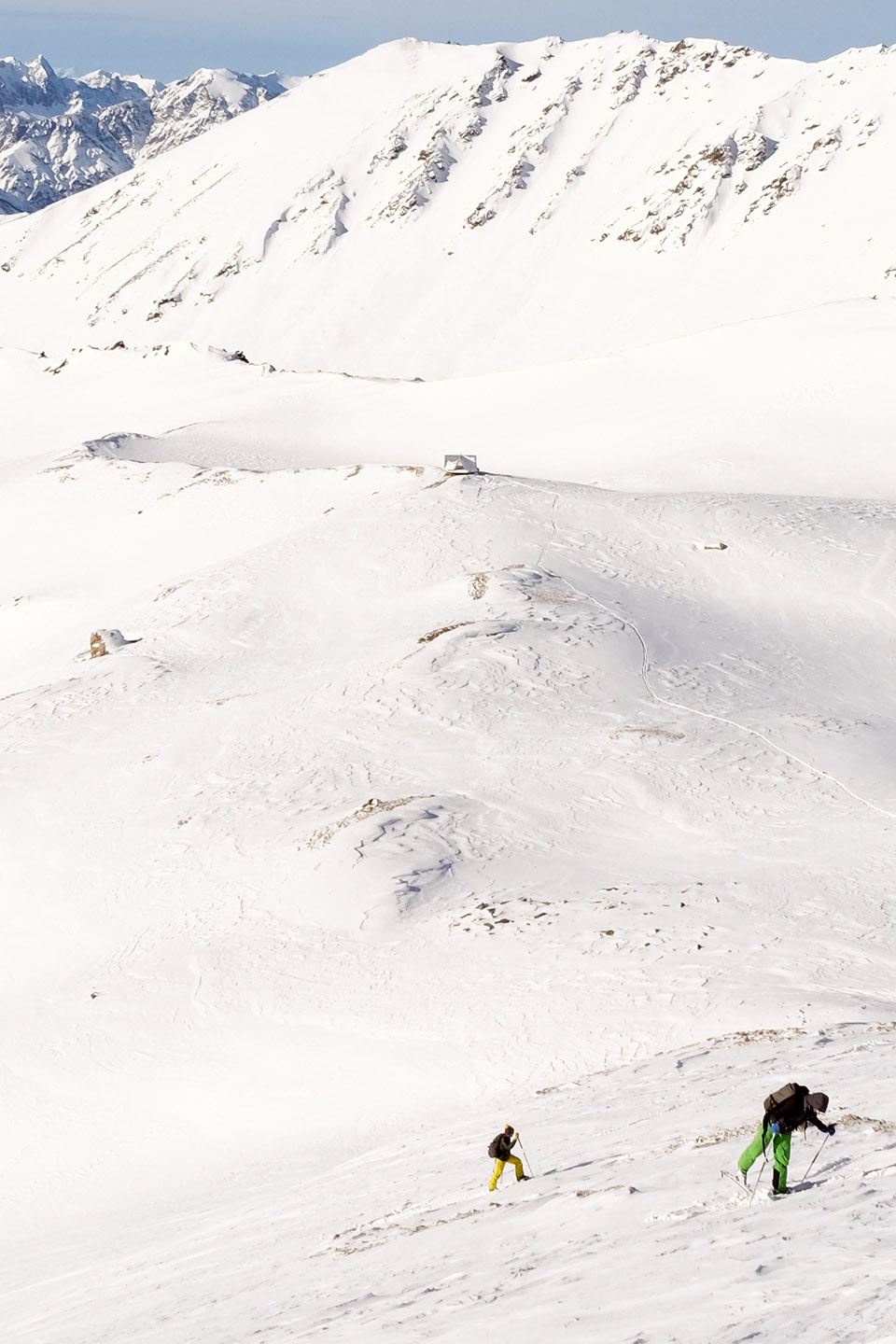
该结构位于上苏萨山谷(Upper Susa Valley),具体介于Seguret山脊与Valfredda之间,处于Oulx与Bardonecchia两座城镇之间。该选址回应了景观逻辑,并尊重山脊天际线的距离关系。同时,它也为穿越该区域的高海拔路线增设了一处中途停留点——这一地区经常遭遇雷暴与突发性天气变化。Seguret山谷周边散落着一些遗迹,但此前并无其他建筑能够支持登山活动。
The structure is in the Upper Susa Valley, specifically between the ridges of Mount Seguret and Valfredda, between the municipalities of Oulx and Bardonecchia. The localization responds to landscape logic and respects the distance from the skyline. Furthermore, it gives the possibility to add another stopover useful to the high-altitude paths crossing this zone frequently subject to thunderstorms and sudden meteorological changes. A few ruins are scattered around the Seguret valley, but no other structure sustains the mountaineering activity.
▼为穿越该区域的高海拔路线增设了一处中途停留点,gives the possibility to add another stopover useful to the high-altitude paths crossing this zone
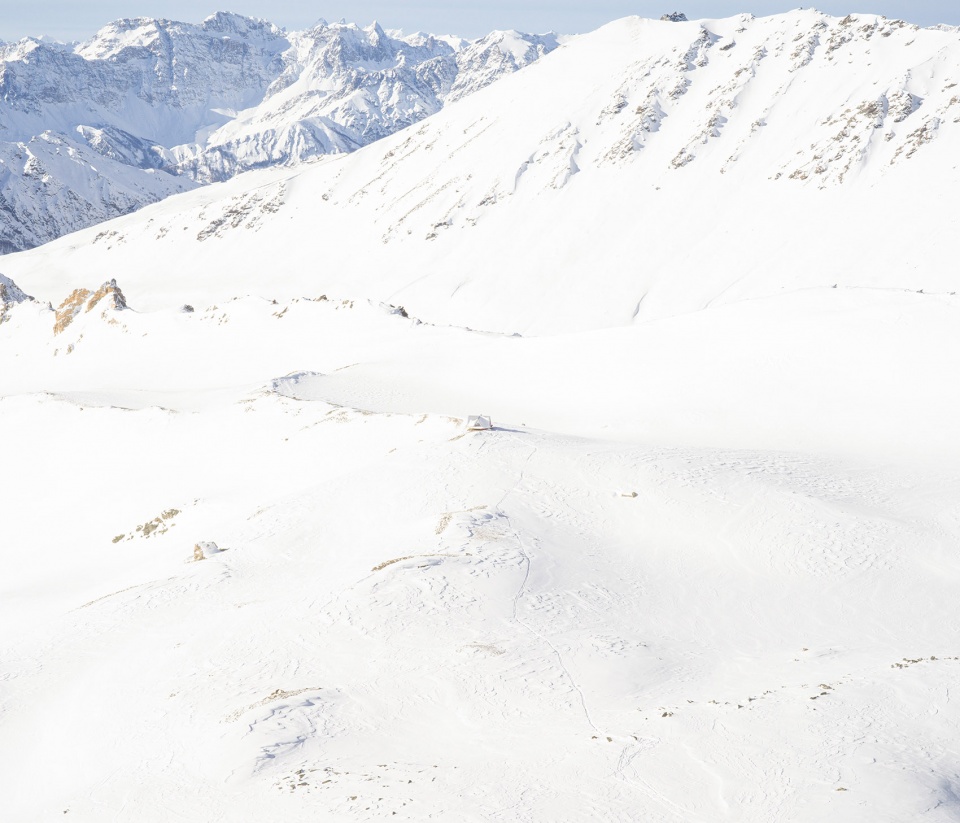
所选择的位置建立起一个新的中转基地,缩短了Oulx山谷与Bardonecchia山谷之间,以及Galambra地区和Monache山谷其他避难所之间的距离。结合Sigot与Blais避难所,以及Valfredda shelter,这座新结构为Ambin Traverse路线增加了一处停留点。该路线是一条徒步与滑雪穿越路线,从Rochemolles或Jaffreau出发,攀登Ambin山后再下降至Clapier山口。新的避难所为路线提供了替代路径,并作为中间节点,缩短了各支撑避难所之间的距离。
The localization chosen defines a new base reducing the distance between the Oulx and Bardonecchia valleys, and the other bivouacs situated both in the Galambra zone and in Vallone delle Monache. Together with the Sigot and Blais bivouacs and with the Valfredda shelter, this new structure allows to add a stopover along the Ambin Traverse: a hiking and ski-touring route going up from Rochemolles or Jaffreau to the Ambin Mount and then descending to the Clapier Pass. This shelter allows an alternative path and defines an intermediate stop, reducing the distance between other supporting shelters.
▼为穿越该区域的高海拔路线增设了一处中途停留点,gives the possibility to add another stopover useful to the high-altitude paths crossing this zone
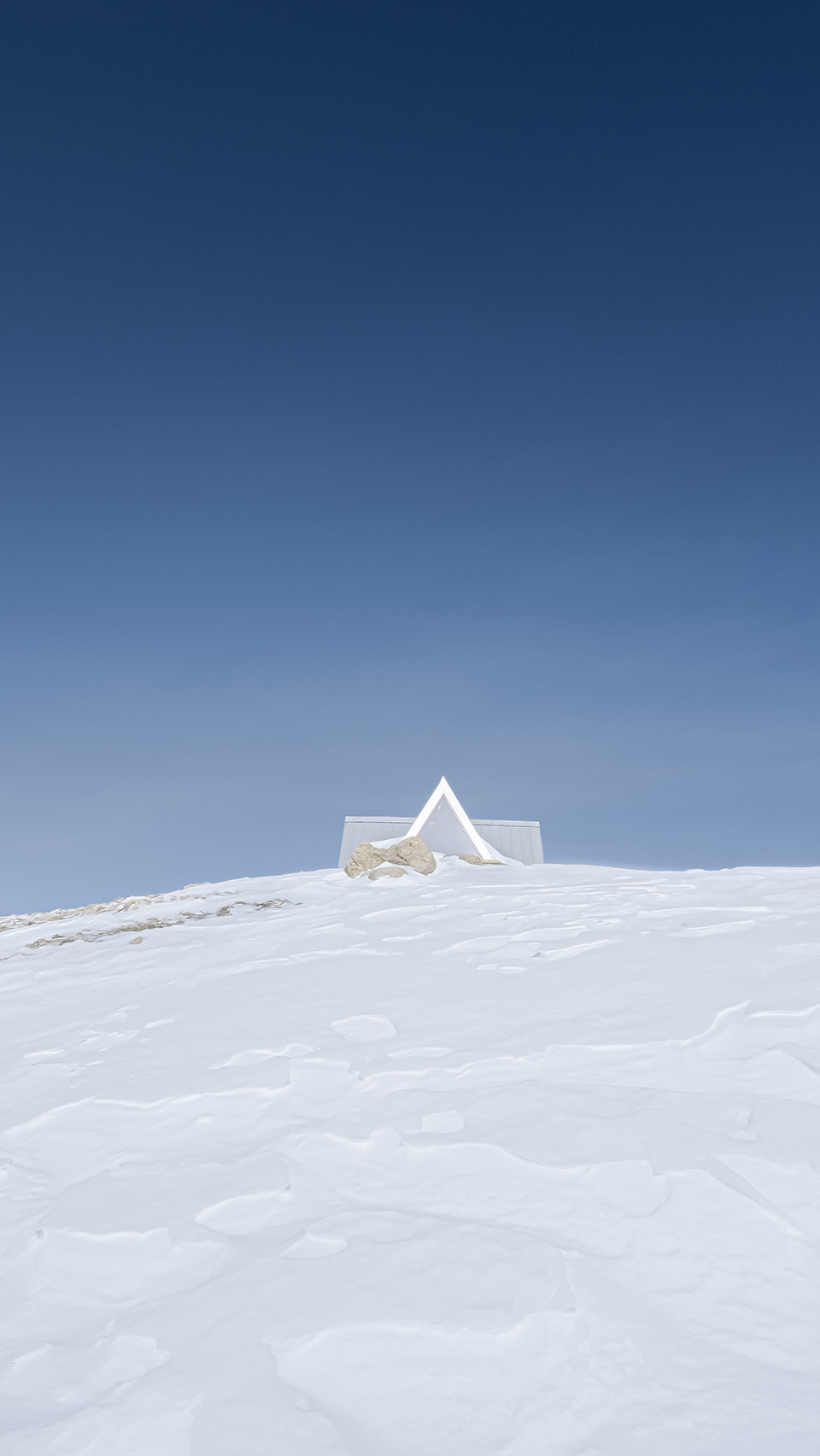
Pinwheel Shelter的选址回应了区域规划层面的后勤需求——这是应急山地避难所设计与建造中的关键因素——其最终位置是在地方政府参与下共同确定的。
The localization of the Pinwheel shelter answers territorial planning logistics, essential for the design and construction of emergency bivouacs, and has been defined with the participation of local authorities.
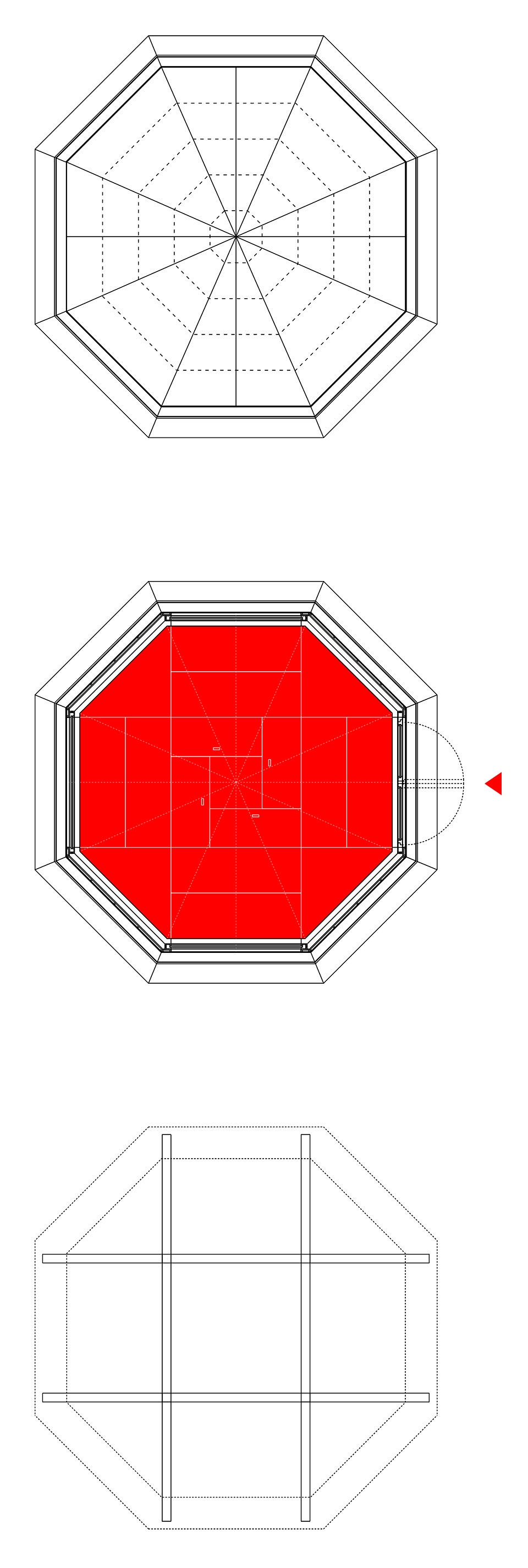
▼平面图,plan
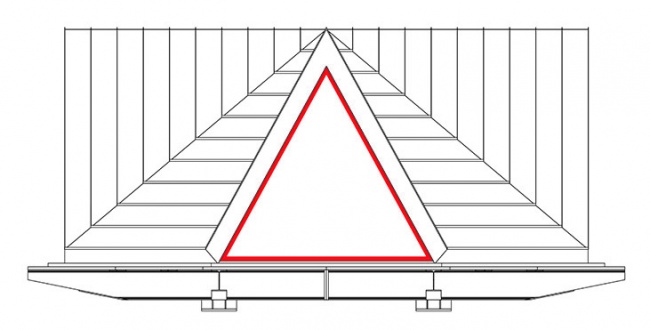
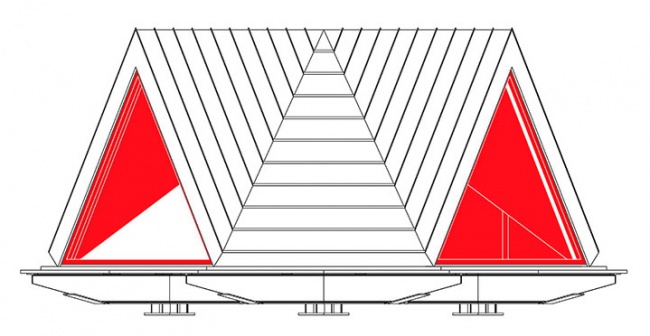
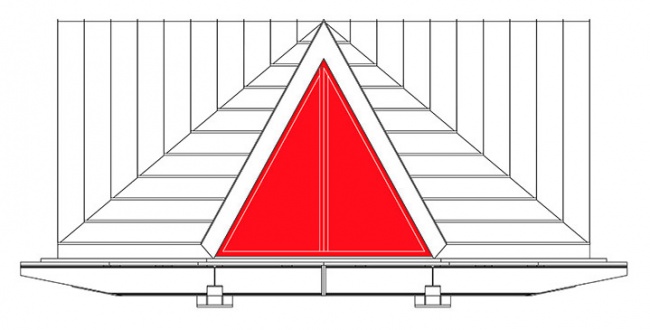
▼立面图,elevation
Design team: Andrea Cassi and Michele Versaci with Serena Giardina, Alberto Benetti (architectural design), GZMZ (renderings), Corrado Curti (structures), Guido Zanzottera (building envelope), Secondo Antonio Accotto (geological report), Paolo Bottino and Marco Trucano (Natural House).
Construction:
Wooden structure, envelope and installation: Natural House (Paolo Bottino, Giuseppe Bertetti, Marco Trucano, Roberto Merlo, Ullah Assad, Gianni Testa, Bottino Legnami, Wood House snc, Serramenti Casale); Mattia Moretto, Guido Ambrosiani, Alberto Pignata.
Foundations: Perfor (Fortunato Treve, Giorgio Pourpour, Sokol Krasniki) and Faure Calcestruzzi
Transportations: Heli Aosta