KAAP大楼,荷兰 / Powerhouse Company + Orange Architects + NEXT architects
位于Grasweg与阿姆斯特丹北岸滨水区交汇处的KAAP,占据着IJ河沿岸的重要位置。这里曾是一片工业港口区域,如今正作为Cityplot Buiksloterham总体规划的一部分,被重新打造为一个全新城区。该城市规划由Studioninedots与DELVA Landscape Architects & Urbanism共同制定。KAAP由AMVEST与COD委托开发,建筑分别由Powerhouse Company、Orange Architects以及NEXT architects设计。项目包含五栋住宅建筑,共计70套公寓、底层商业空间,以及一座循环型餐饮亭,并共同置于未来沿IJ河展开的Oeverpark公园之中。
Where Grasweg meets the Amsterdam-Noord waterfront, KAAP occupies a prominent position on the IJ. Once an industrial harbor area, this part of the city is being reworked into a new district as part of Cityplot Buiksloterham, the urban plan by Studioninedots and DELVA Landscape Architects & Urbanism. Commissioned by AMVEST and COD, with buildings designed by Powerhouse Company, Orange Architects, and NEXT architects, KAAP combines 70 apartments across five residential buildings with ground-floor commercial spaces and a circular hospitality pavilion, set within the future Oeverpark along the IJ.
▼项目概览,overview of the project
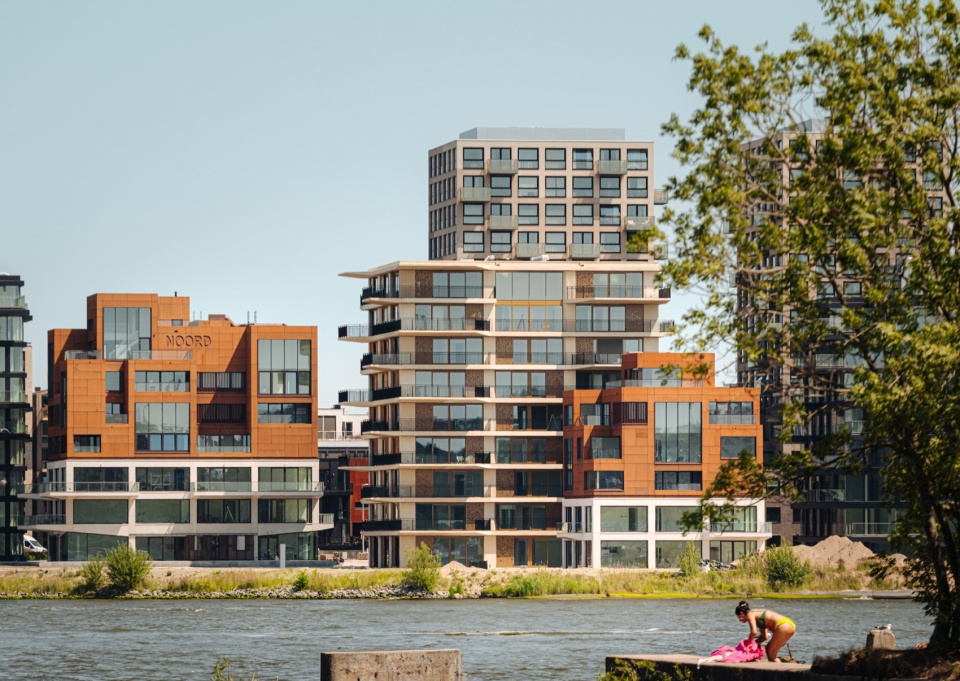
▼位于Grasweg与阿姆斯特丹北岸滨水区交汇处的KAAP,
KAAP at the Grasweg meets the Amsterdam-Noord waterfront
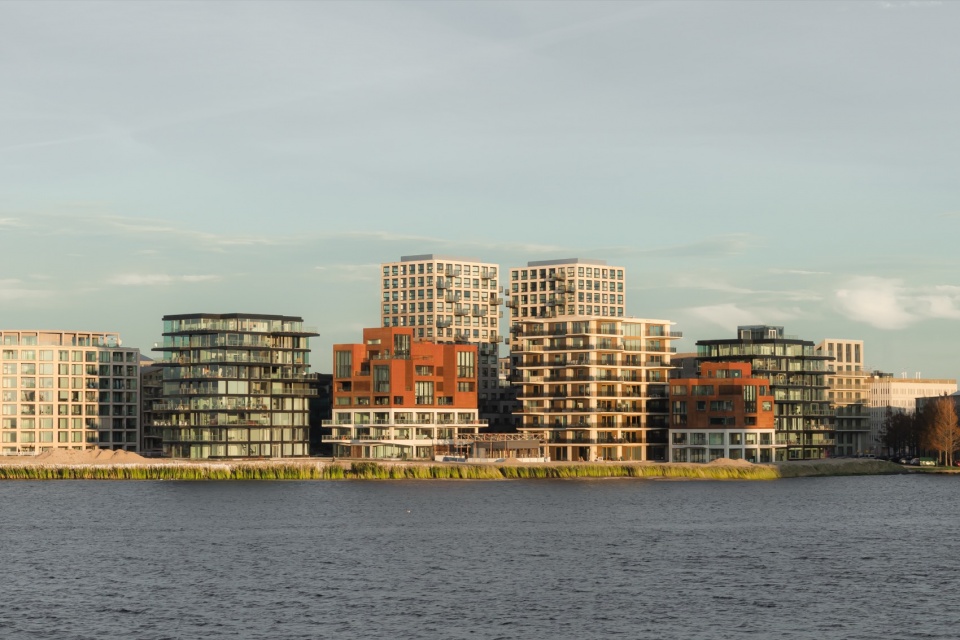
▼立面,facade
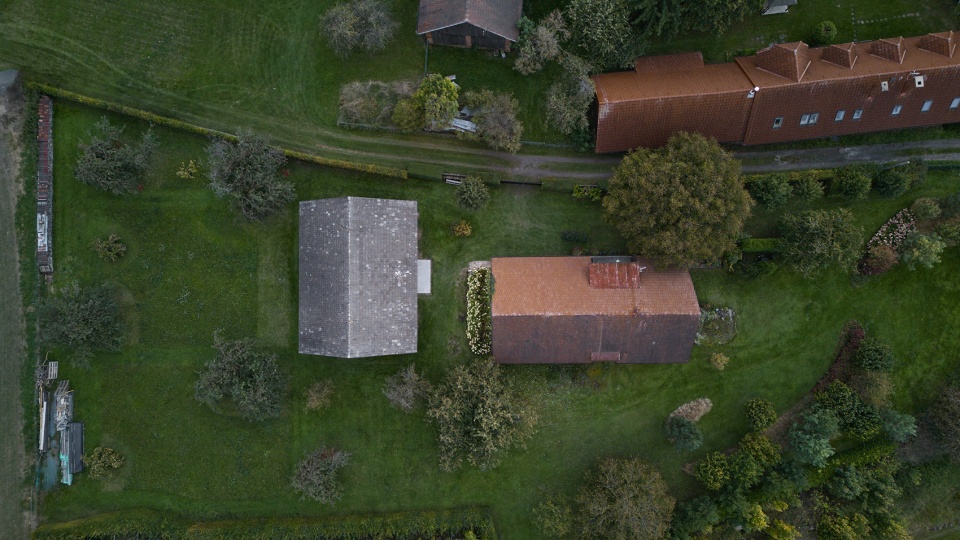
▼鸟瞰,aerial view
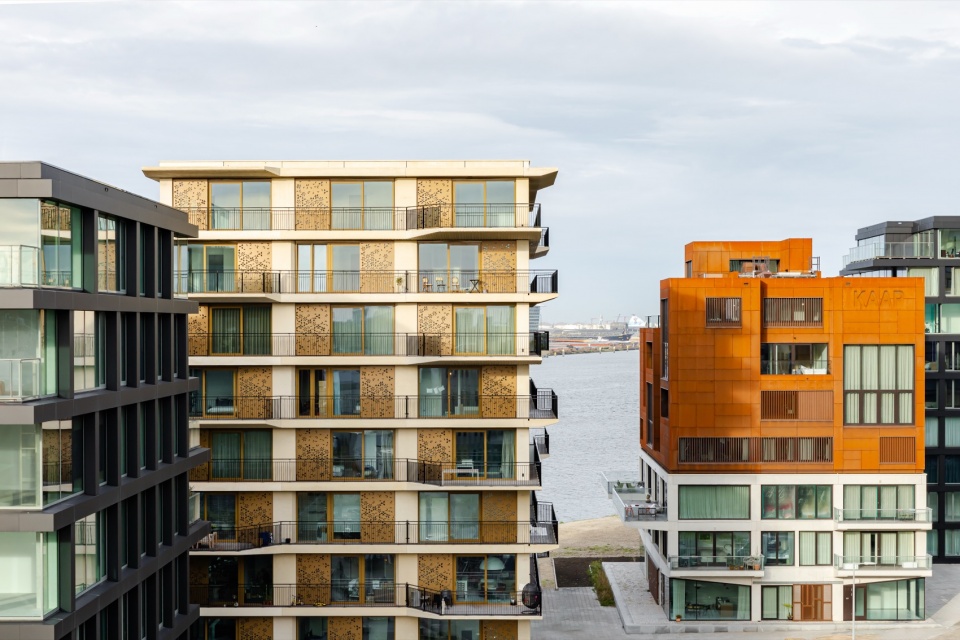
建筑遵循街区的正交网格体系,但相对于斜向穿越场地的Grasweg进行了旋转处理。由此形成了一种更加开放的滨水布局:方案并未形成一整排封闭式建筑,而是在体量之间留出空隙,使自然采光、私密性以及面向水岸的长距离视野得以实现。由DELVA Landscape Architects & Urbanism设计的室外景观空间,将区域内部及沿滨水展开的步行与骑行路径串联起来。结合餐饮亭的设置,项目为滨水空间引入了公共活动,并提升了IJ河沿岸的休闲价值。
The buildings follow the orthogonal grid of the neighborhood but are rotated in relation to Grasweg, which cuts diagonally through the area. The result is a more open waterfront composition: instead of one closed line of buildings, the plan creates space between the volumes for daylight, privacy, and long views across the water. The outdoor space surrounding the buildings, designed by DELVA Landscape Architects and Urbanism connects pedestrian and cycling routes through the area and along the waterfront. Together with the hospitality pavilion, they bring public use to the waterfront and create recreational value along the IJ.
▼建筑外观,building appearance
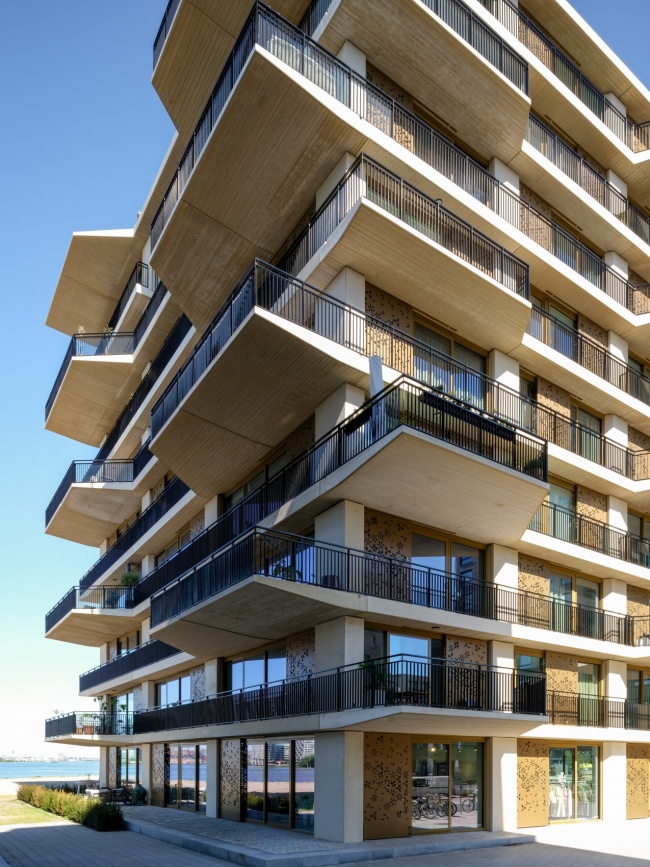
Powerhouse Company设计的Coast与Verde Coast and Verde by Powerhouse Company
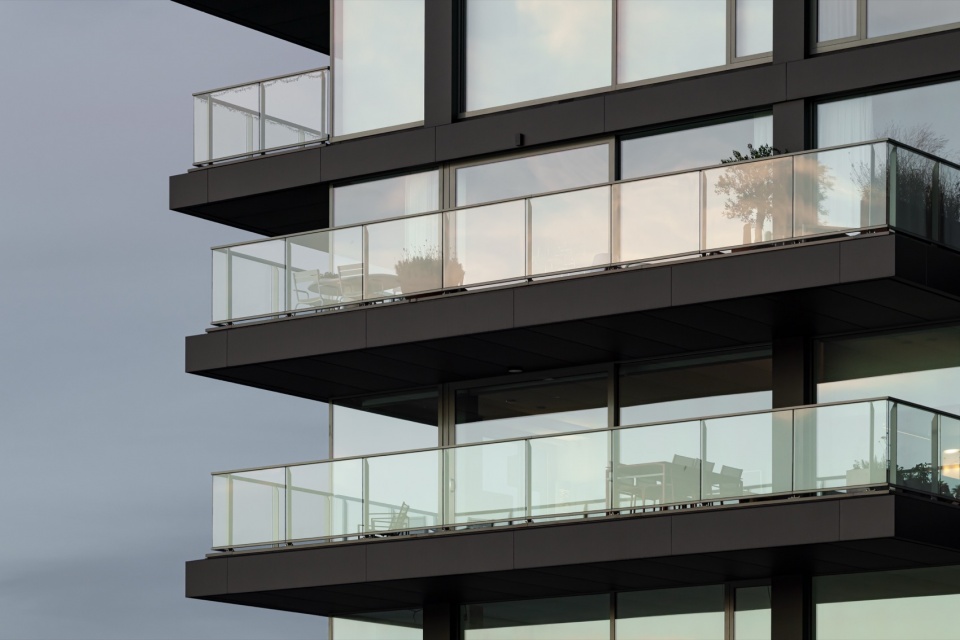
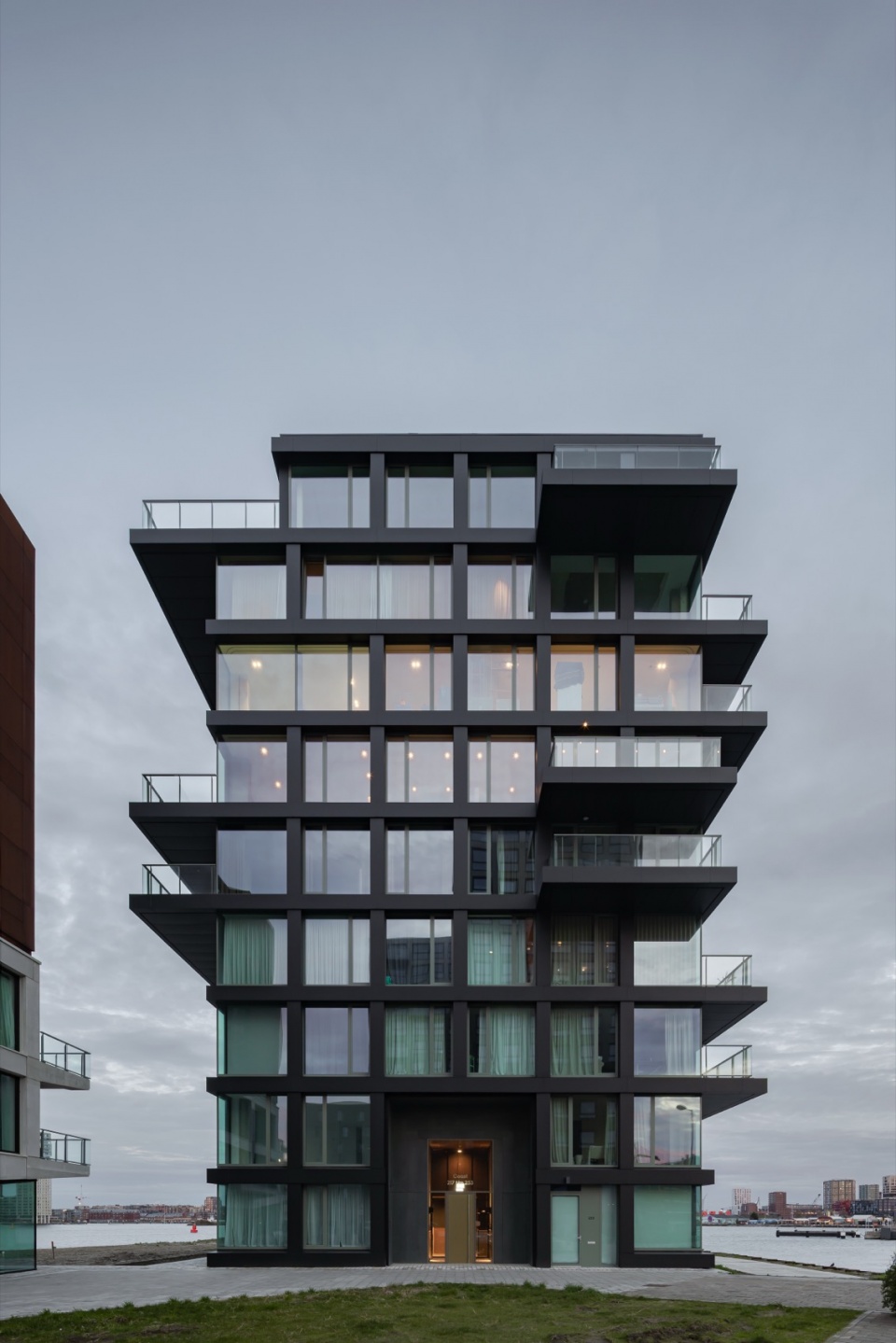
Powerhouse Company设计了位于整体两端的Coast与Verde,它们共同构成整个建筑群的边界框架。玻璃、黑色钢材、强烈的水平线条以及宽敞的户外空间,使建筑呈现出扎根于Buiksloterham工业环境中的独特气质。建筑围绕“城市一侧”与“水岸一侧”的关系展开组织:入口设置于街道侧,而阳台、屋顶露台、转角玻璃以及长距离景观视线则全部朝向IJ河。设计以“现代港口阁楼”为原型:开放且灵活的布局、大尺度窗洞、富有触感的材料,以及室内外空间之间自然流动的关系。
Powerhouse Company designed Coast and Verde, the two outer buildings that frame the ensemble. Glass, black steel, strong horizontal lines, and generous outdoor spaces give the buildings a character rooted in the industrial setting of Buiksloterham. Designed around the shift from city side to water side, entrances are placed on the street side, while balconies, roof terraces, corner glazing, and long views are oriented toward the IJ. The design takes the “modern harbor loft” as a starting point: open, flexible layouts, large windows, tactile materials, and an effortless flow between indoor and outdoor space.
▼入口,entrance
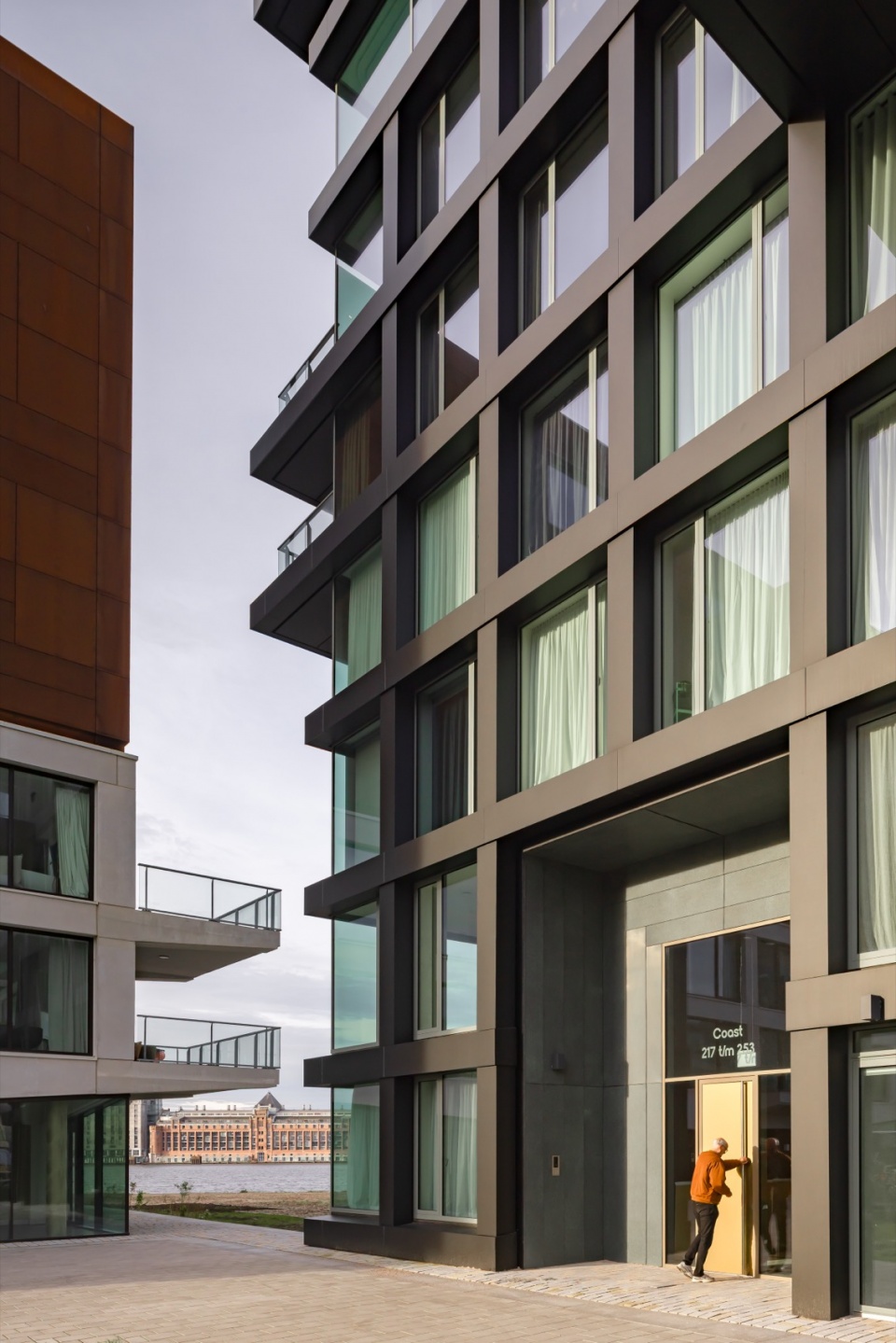
▼玻璃、黑色钢材、强烈的水平线条以及宽敞的户外空间,
Glass, black steel, strong horizontal lines, and generous outdoor spaces
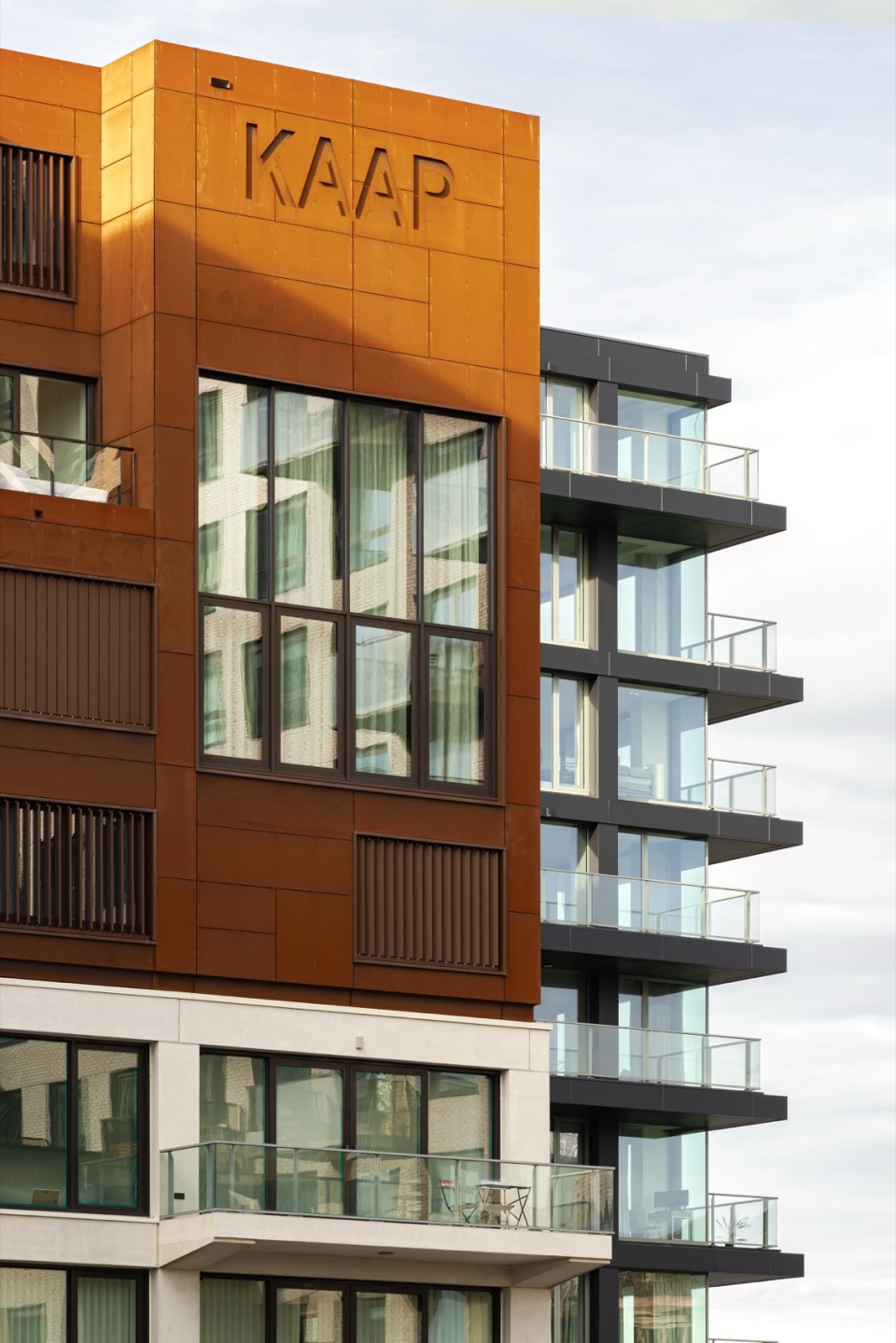
Orange Architects设计的Horn与York Horn and York by Orange Architects
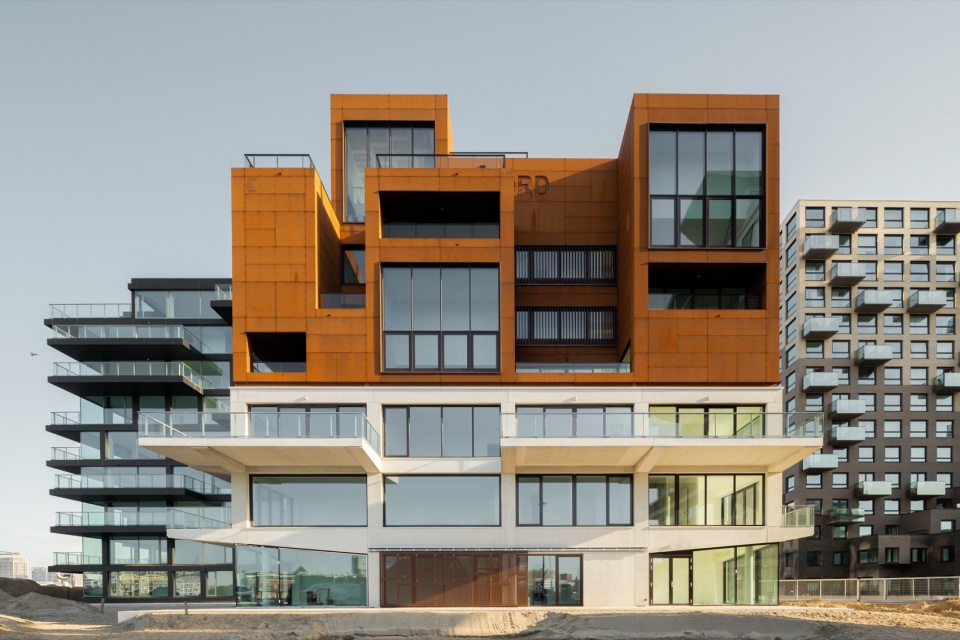
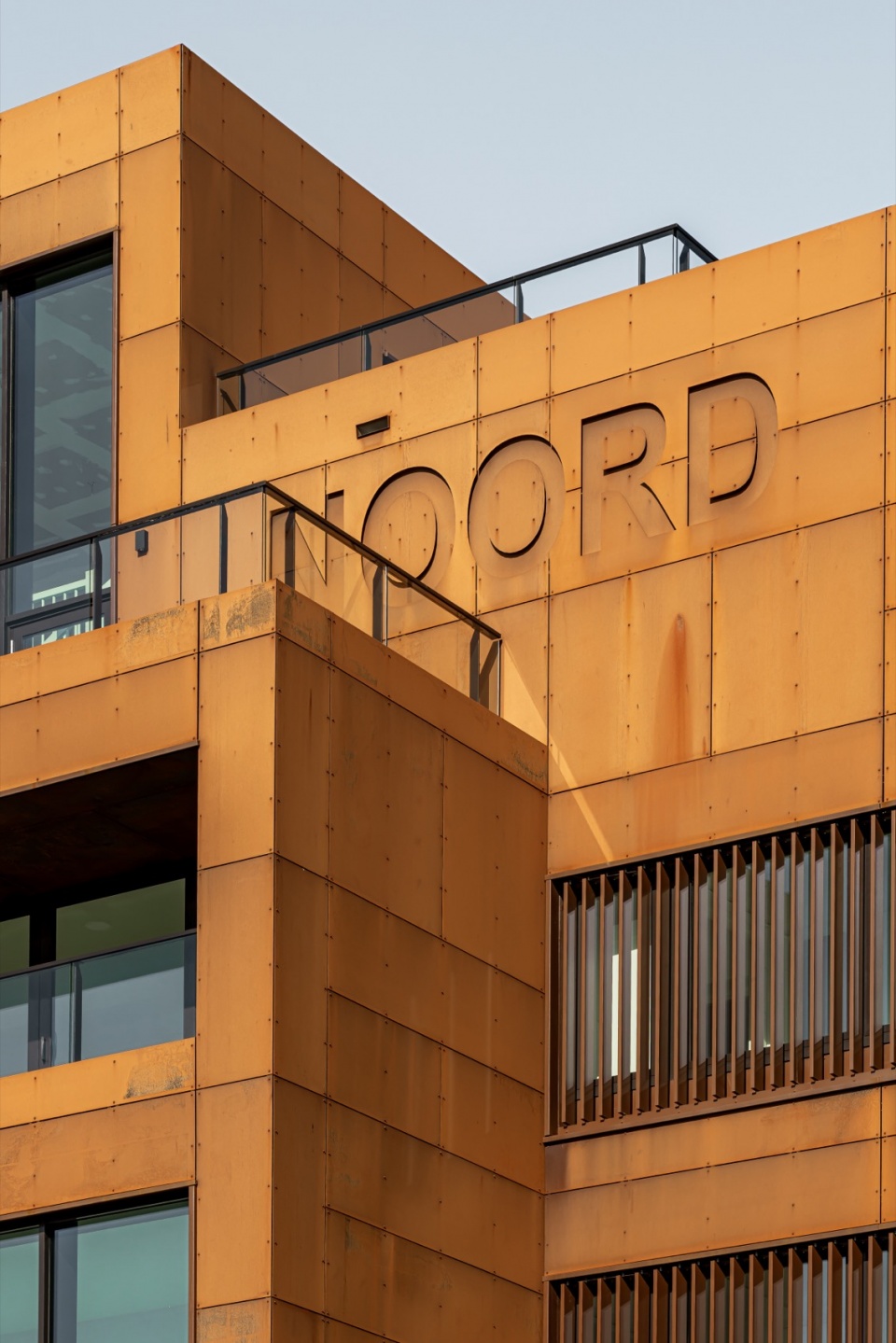
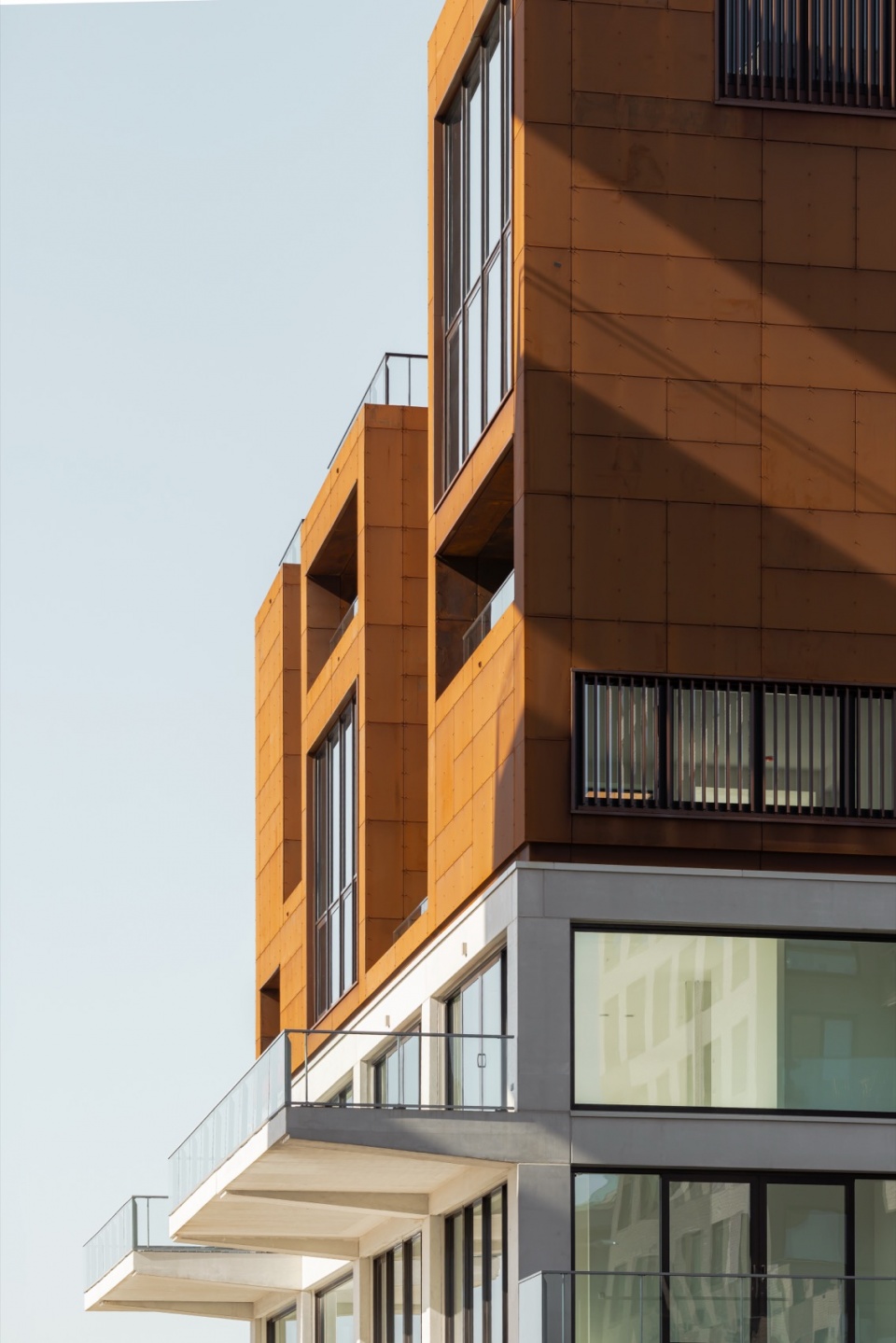
Orange Architects设计了建筑群中的第二与第四栋——Horn与York。两栋建筑均采用白色混凝土基座与雕塑感十足的耐候钢顶部组合而成。这种对比赋予建筑清晰的轮廓,而混凝土与耐候钢的材料语言,则令人联想到阿姆斯特丹北区曾经的工业与造船历史。低层住宅采用水平展开的布局,拥有开放式平面、宽阔阳台以及面向IJ河的景观。更高楼层中,嵌入耐候钢体量中的凉廊与遮蔽式阳台,为住户提供了适应滨水强风环境的户外空间。垂直设置的双层通高窗洞,则将IJ河景与广阔的荷兰天空纳入视野之中。
Orange Architects designed Horn and York, the second and fourth buildings in the ensemble. Each combines a white concrete base with a sculptural corten-steel top. The contrast gives the buildings a clear silhouette, while the material palette is reminiscent of Amsterdam-Noord’s industrial and shipbuilding past through concrete and weathered steel. The lower apartments are horizontally oriented, with open layouts, broad balconies, and views over the IJ. Higher up, loggias and sheltered balconies are integrated into the corten-steel volume, offering outdoor space that responds to the windy conditions along the water. The vertical, double-height windows frame views across the IJ and the wide Dutch skies.
▼宽阔阳台,broad balconies
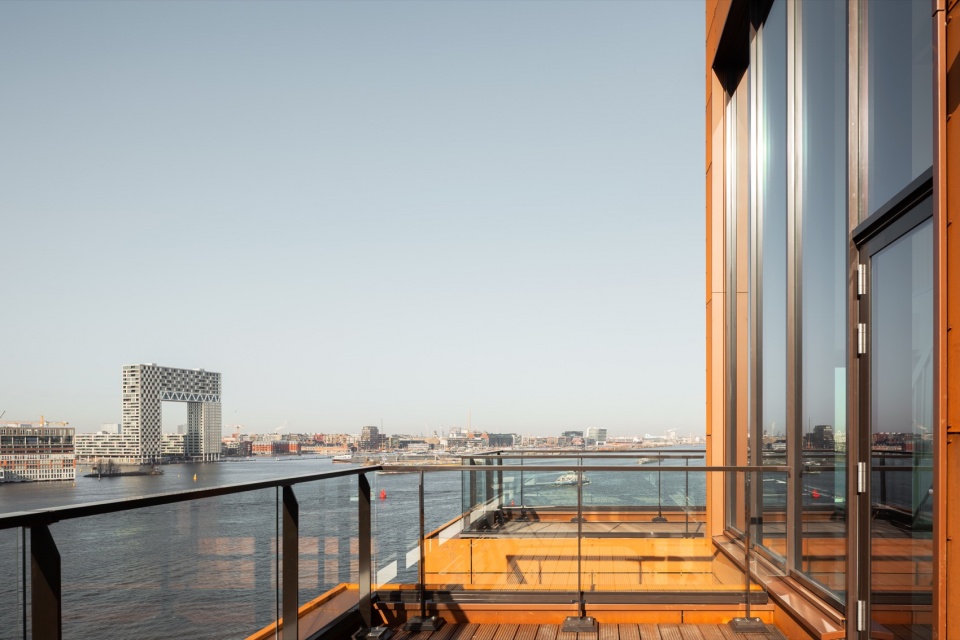
▼幕墙细部,curtain wall detail
NEXT architects设计的循环型亭阁KAAP与Blanc Circular pavilion KAAP and Blanc by NEXT architects
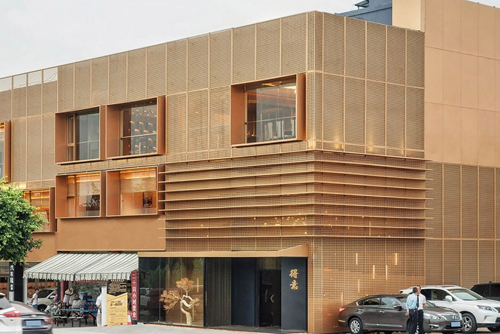
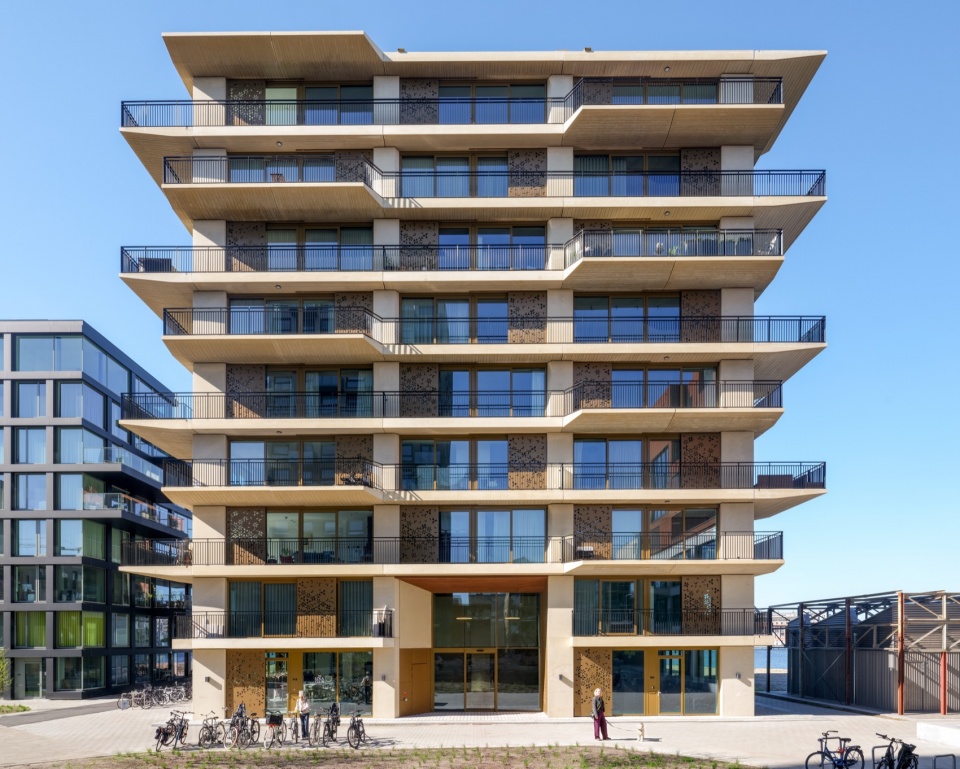
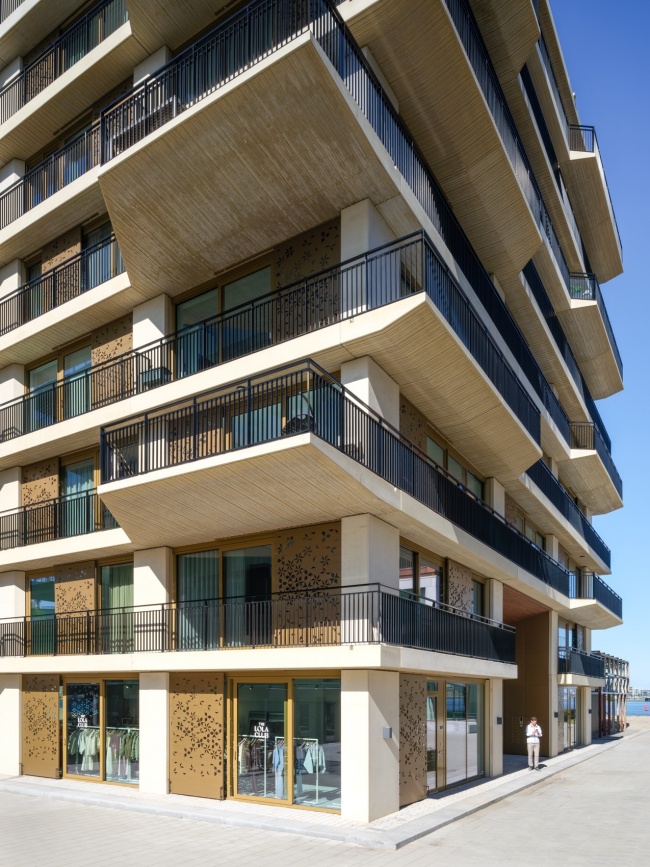
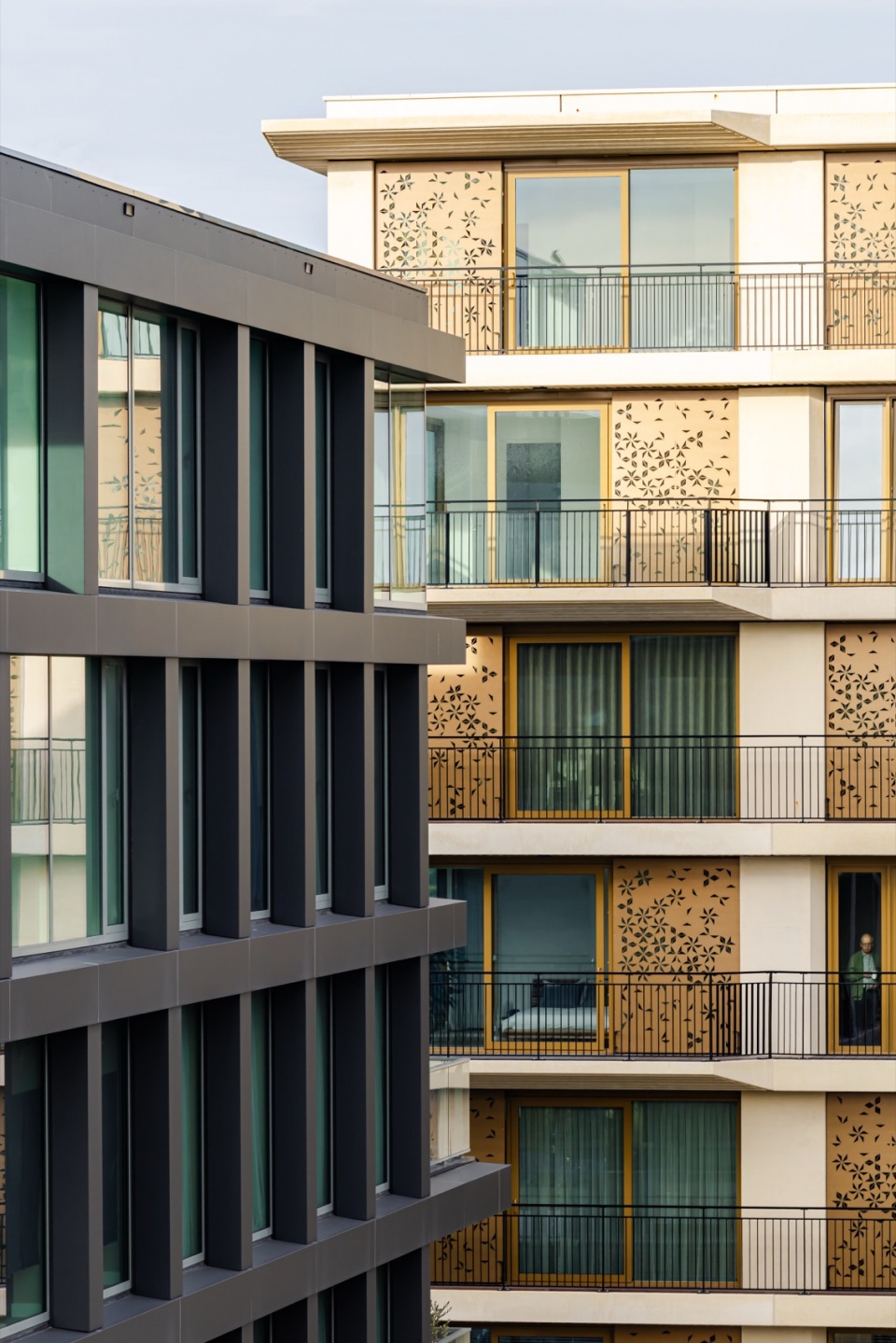
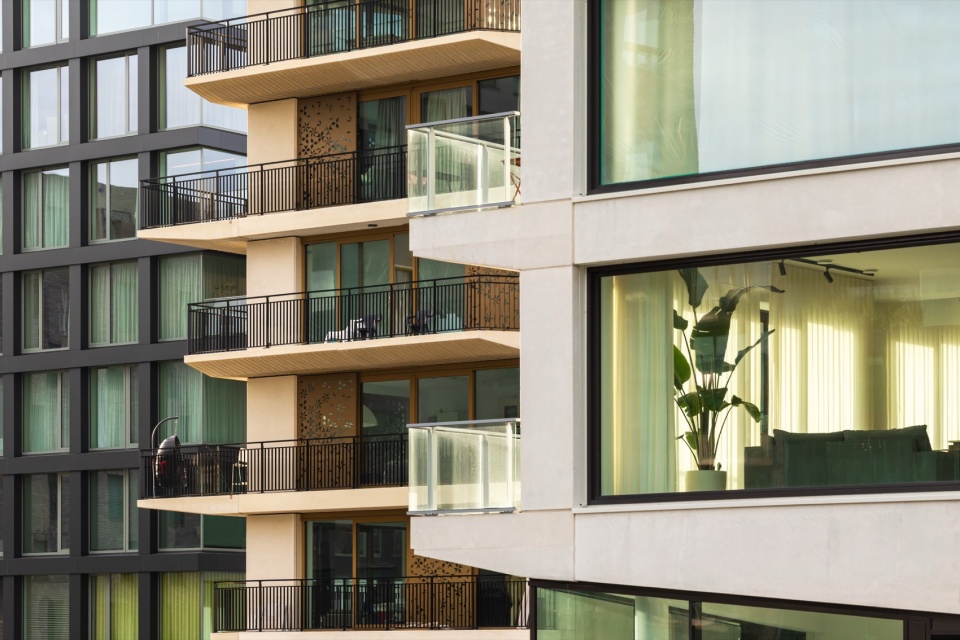
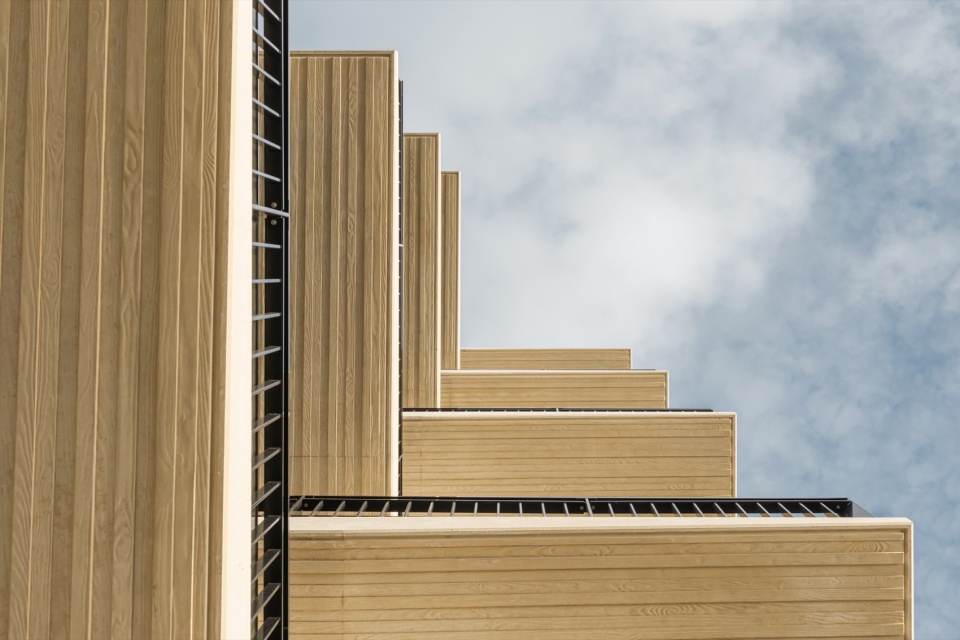
Blanc位于整体规划中心,共包含18套转角公寓,拥有面向IJ河与城市的全景视野。外挑并向外展开的悬臂阳台赋予建筑鲜明的雕塑感,而黄色颜料混凝土与穿孔立面板则营造出温暖的材料表达,同时过滤直射阳光。NEXT architects还设计了KAAP餐饮亭,该建筑采用92%的再生或生物基材料建造,其建筑循环指数(Building Circularity Index)达到82%。建筑材料来自阿姆斯特丹本地合作伙伴的“材料回收”,其中包括来自Cruquius一座工厂的钢结构。
Blanc occupies the center of the plan and includes 18 corner apartments with panoramic views of the IJ and the city. Flared, cantilevered balconies give the building a sculptural profile, while yellow-pigmented concrete and perforated facade panels create a warm material expression and filter direct sunlight. NEXT architects also designed the KAAP hospitality pavilion, built with 92% recycled or bio-based materials and achieving a Building Circularity Index score of 82%. Its materials were ‘harvested’ from local partners in Amsterdam, including a steel structure from a factory on Cruquius.
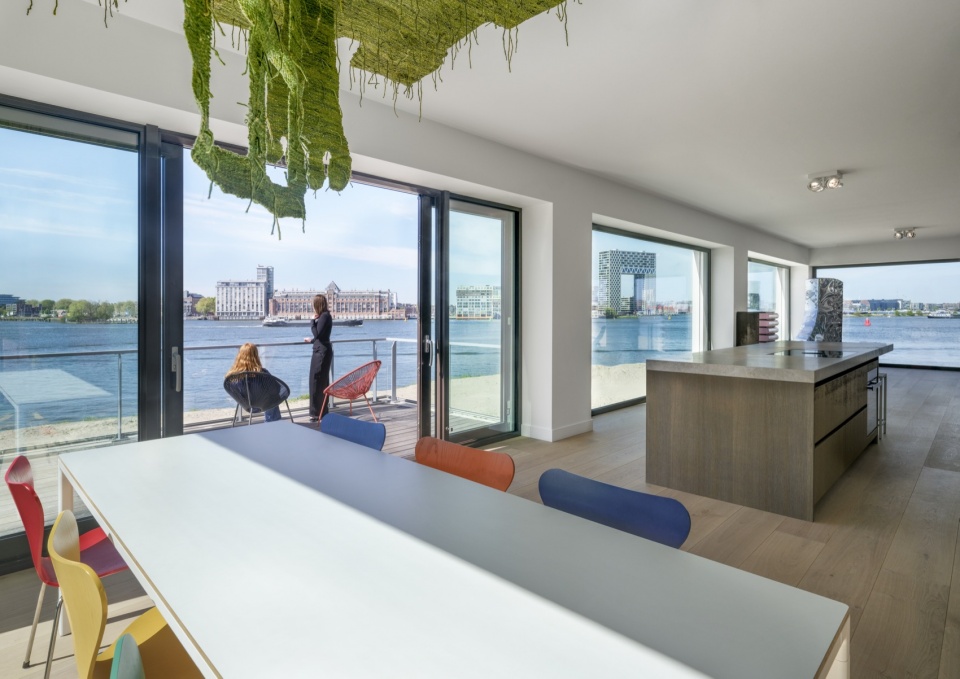
▼客厅,living room
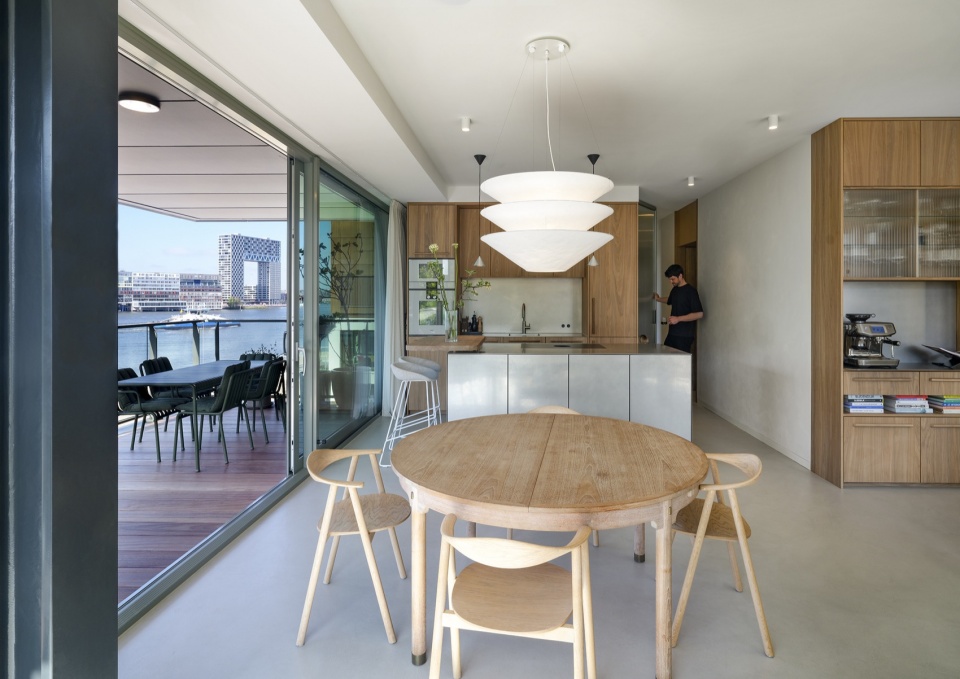
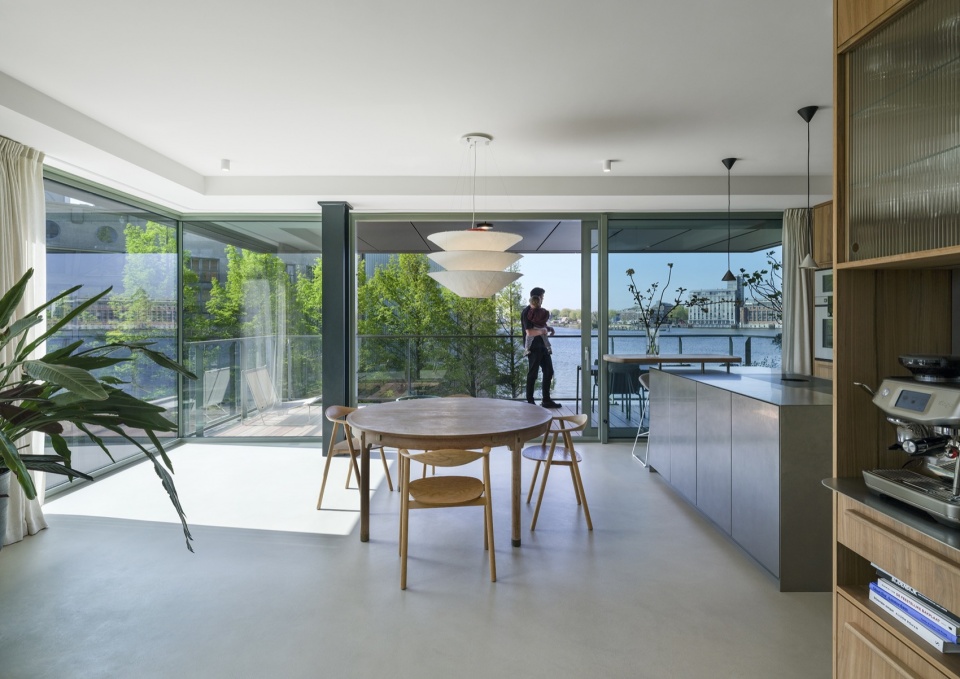
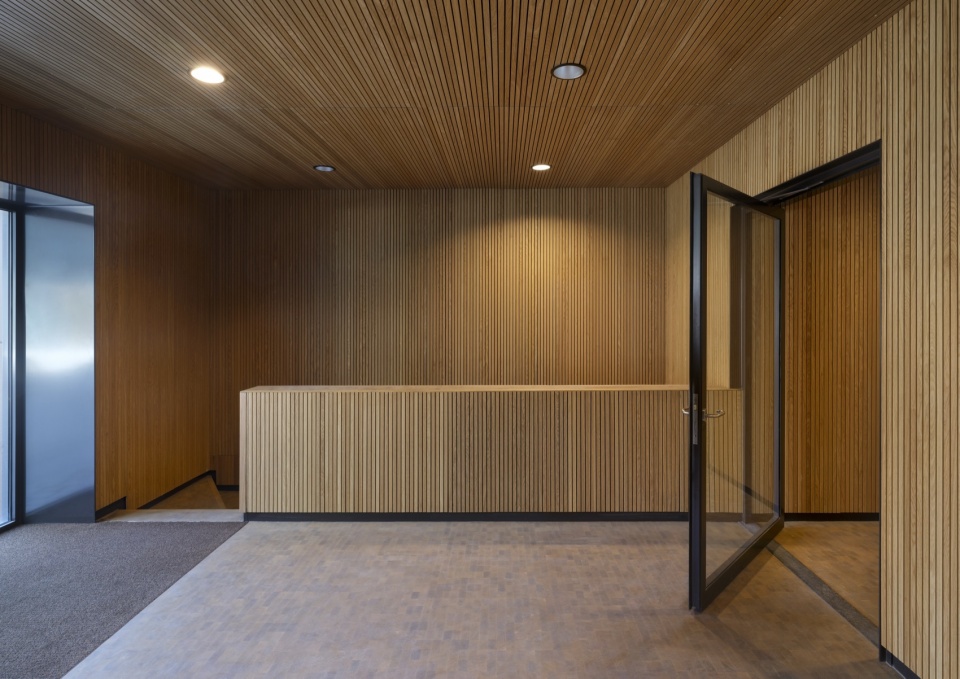
▼过渡空间,transition space
KAAP在为IJ河沿岸提供住宅的同时,也延续了Buiksloterham工业滨水区的场所特质。五栋独立建筑、开放的首层空间以及滨水亭阁,共同将场地转化为一个充满活力的公共场所,使水岸始终保持可见、开放,并与城市保持紧密联系。
KAAP brings housing to the IJ while building on the character of Buiksloterham industrial waterfront. Five freestanding buildings, an open ground level, and a waterfront pavilion turn the site into a lively place that keeps the water visible, active, and connected to the city.
▼项目概览,overview of the project
Client: Kop Grasweg CV (AMVEST/COD)
Architects: Orange Architects – Horn & York
Powerhouse Company – Coast & Verde
NEXT architects – Blanc & pavilion KAAP
Program: Mixed-use, Residential
Size: 13.400 m2 bvo, 3.200 m2 bvo underground, 85 m2 bvo horeca
Location: Kop Grasweg, Amsterdam Noord, NL
Urban planning: Studioninedots
Landscape design: DELVA Landscape Architects & Urbanism, Gemeente Amsterdam
Contractor: UBA
Constructor pavilion KAAP: Groothuis Bouwgroep, Lagemaat BV
Advisors: INBO, Nieman, van Rossum
Realisation buildings: 2025
Realisation landscape: 2027
Photography: Sebastian van Damme, Emile Hoens, Jeroen Musch