Gourmega餐厅,纽约 / Mariam Issoufou Architects
Mariam Issoufou Architects公布了Gourmega的设计方案——这是位于纽约Soho的一家具有社会关怀属性的新餐厅。空间白天作为咖啡馆运营,夜晚则转变为高端晚餐俱乐部(supper club),顾客围坐在由Mariam Issoufou专为空间设计的共享餐桌旁用餐。该项目由美食创意团体Ghetto Gastro的Jon Gray委托打造,餐厅的运营收益将为相邻空间内由Re:Think运营的可持续社区厨房提供资金支持。该社区厨房每周为纽约居民提供30,000份餐食。
Mariam Issoufou Architects reveals the design for Gourmega—a new sociallyminded restaurant in Soho, New York. Designed to operate as a café during the day, Gourmega transforms into a high-end supper club in the evening, where patrons dine around a communal table specially designed for the space by Mariam Issoufou.Commissioned by Jon Gray of culinary collective Ghetto Gastro, the venue will help financially support the sustainable community kitchen run by Re:Think in the adjoining space, which provides 30,000 meals a week to New Yorkers.
▼餐厅概览,overview of the restaurant
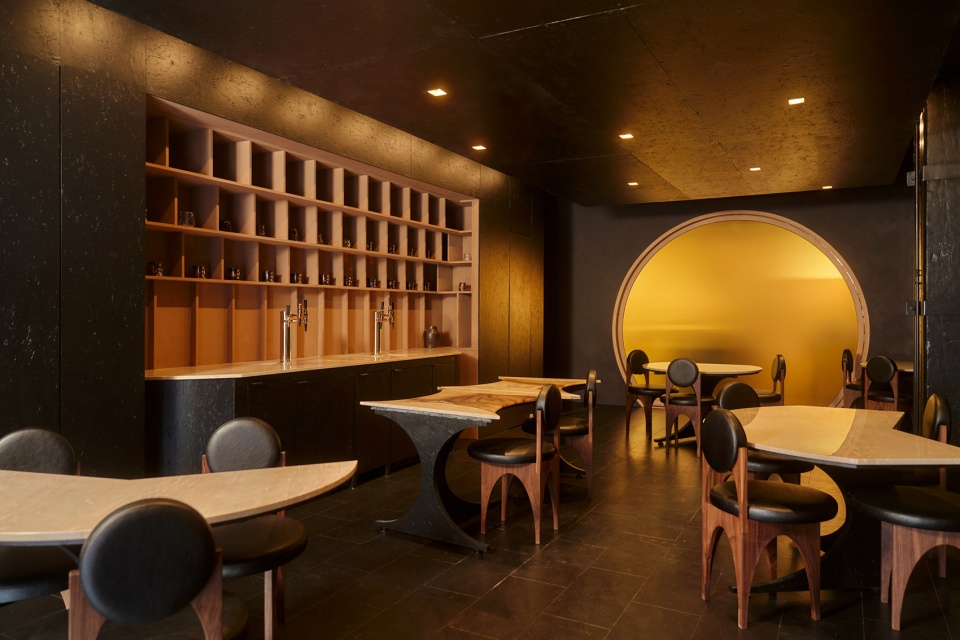
▼餐厅概览,overview of the restaurant
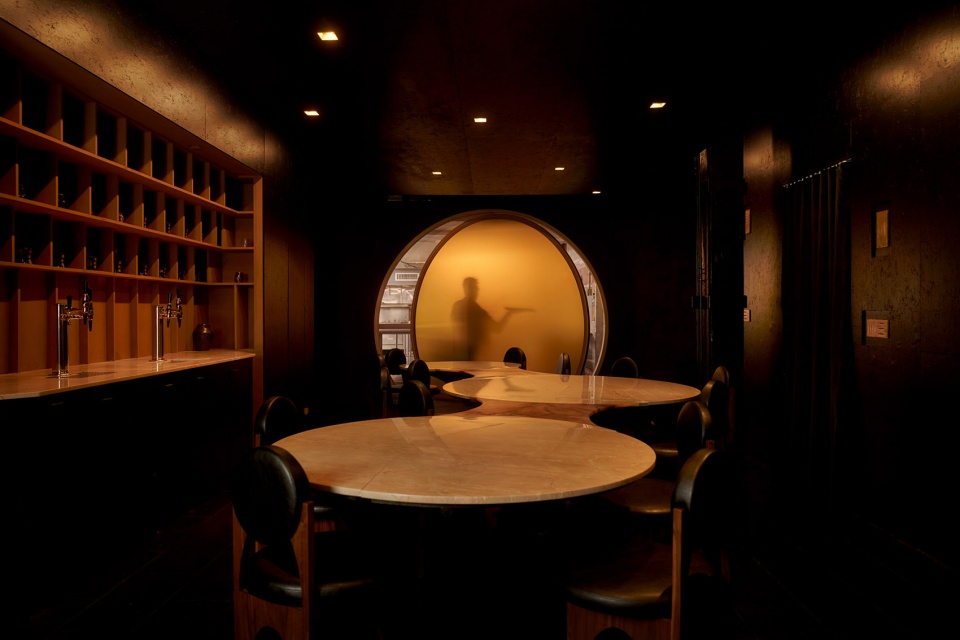
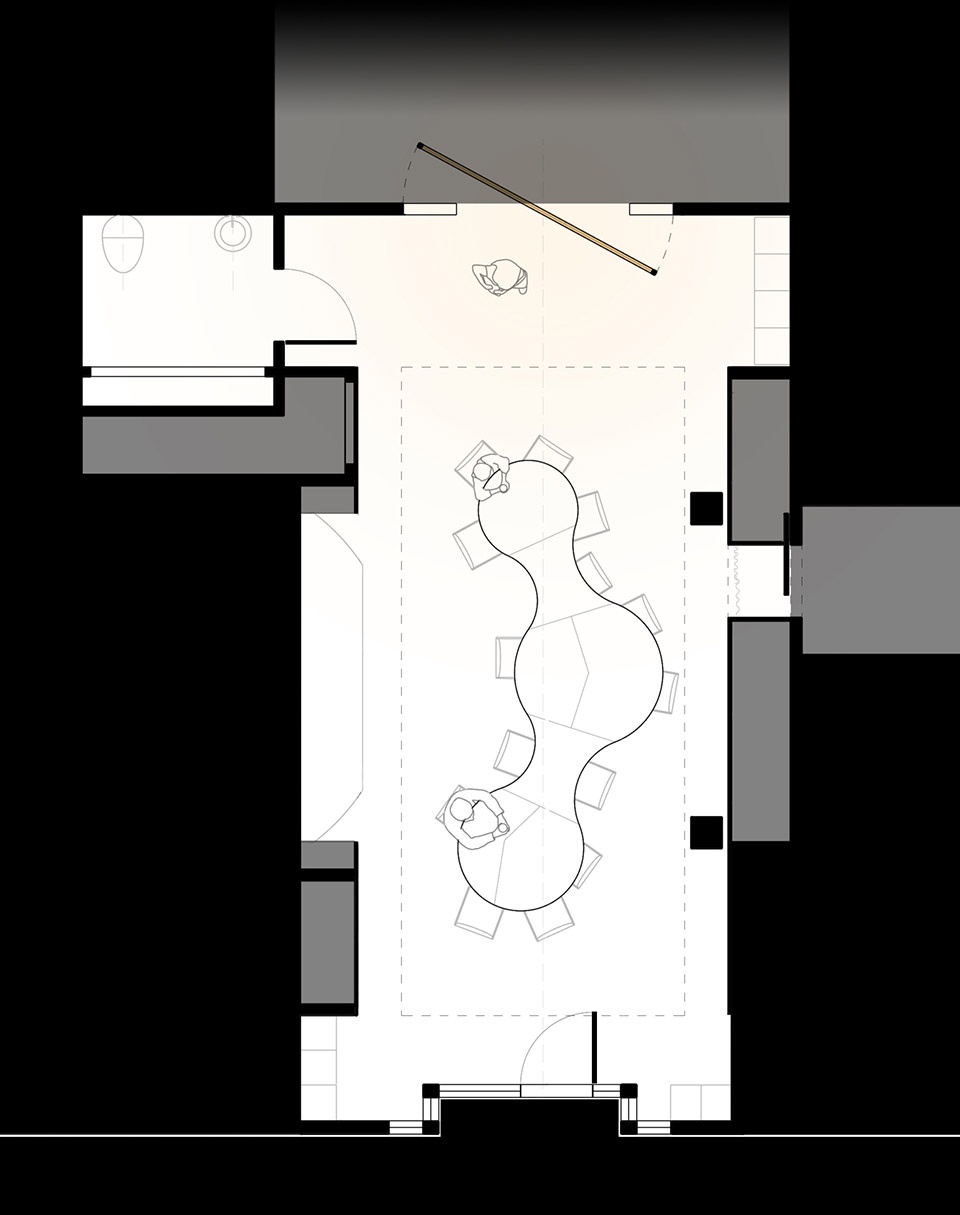
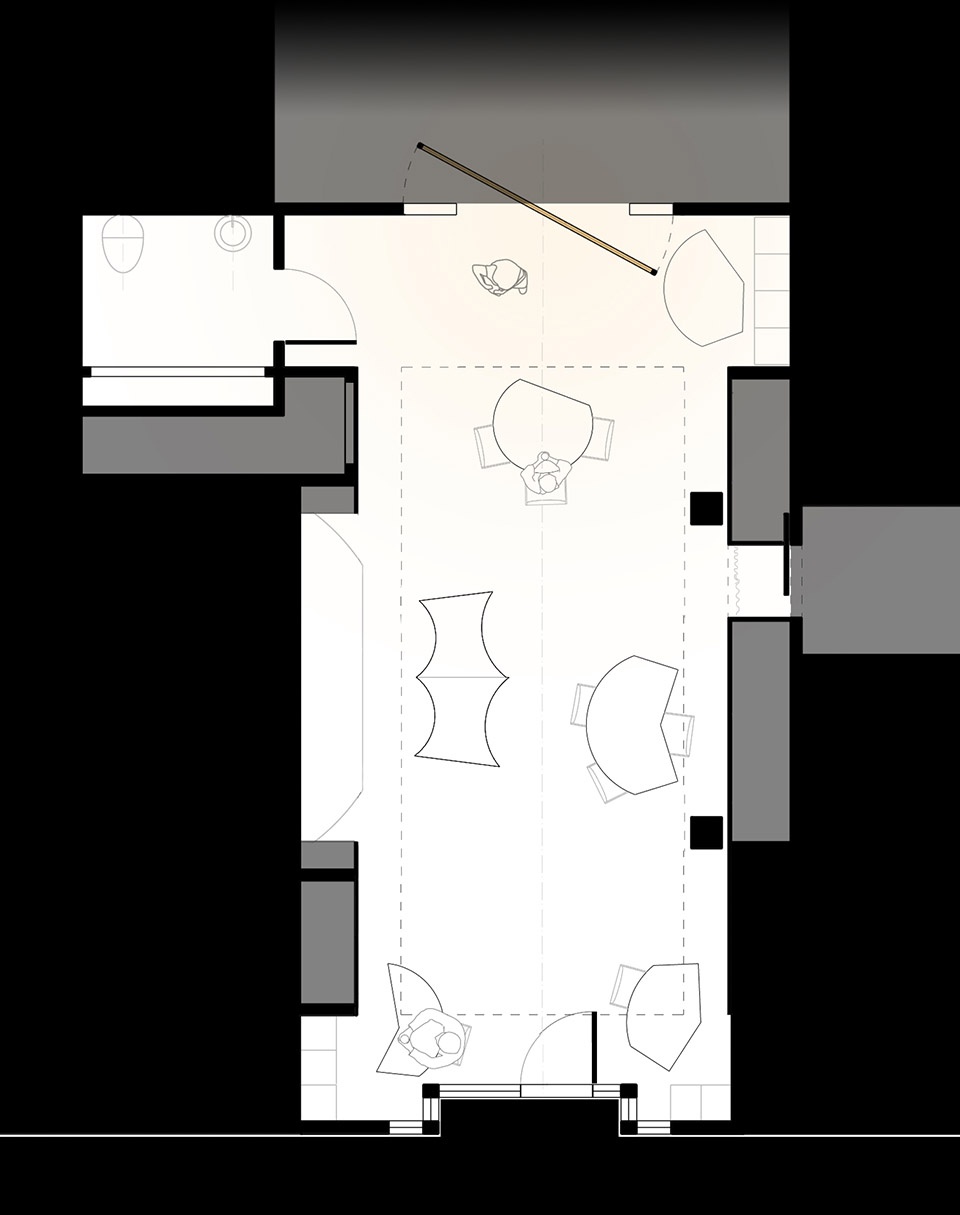
空间的核心是一张定制的有机形态餐桌,其灵感来源于世界各地的共享用餐传统——人们围绕中央大盘菜肴呈环形聚坐共享食物。这张餐桌可容纳14人,鼓励人们在夜晚共同用餐与饮酒。到了白天,餐桌则可以拆分为更小的模块,以适应咖啡馆中的非正式交流。每个模块的几何形态与尺度均经过精心设计,使空间能够在日常与仪式性之间自由转换。
The space centers around a custom organically shaped table inspired by communal eating practices around the world, where people often share meals organized in a circle around a large dish. The table seats 14 people, encouraging a shared eating and drinking experience in the evenings. During the day, the table splits into smaller segments to facilitate informal interactions in the café. The geometry and dimensions of each piece allow for seamless reconfiguration, transforming the space from casual to ceremonial.
▼有机形态餐桌,a custom organically shaped table
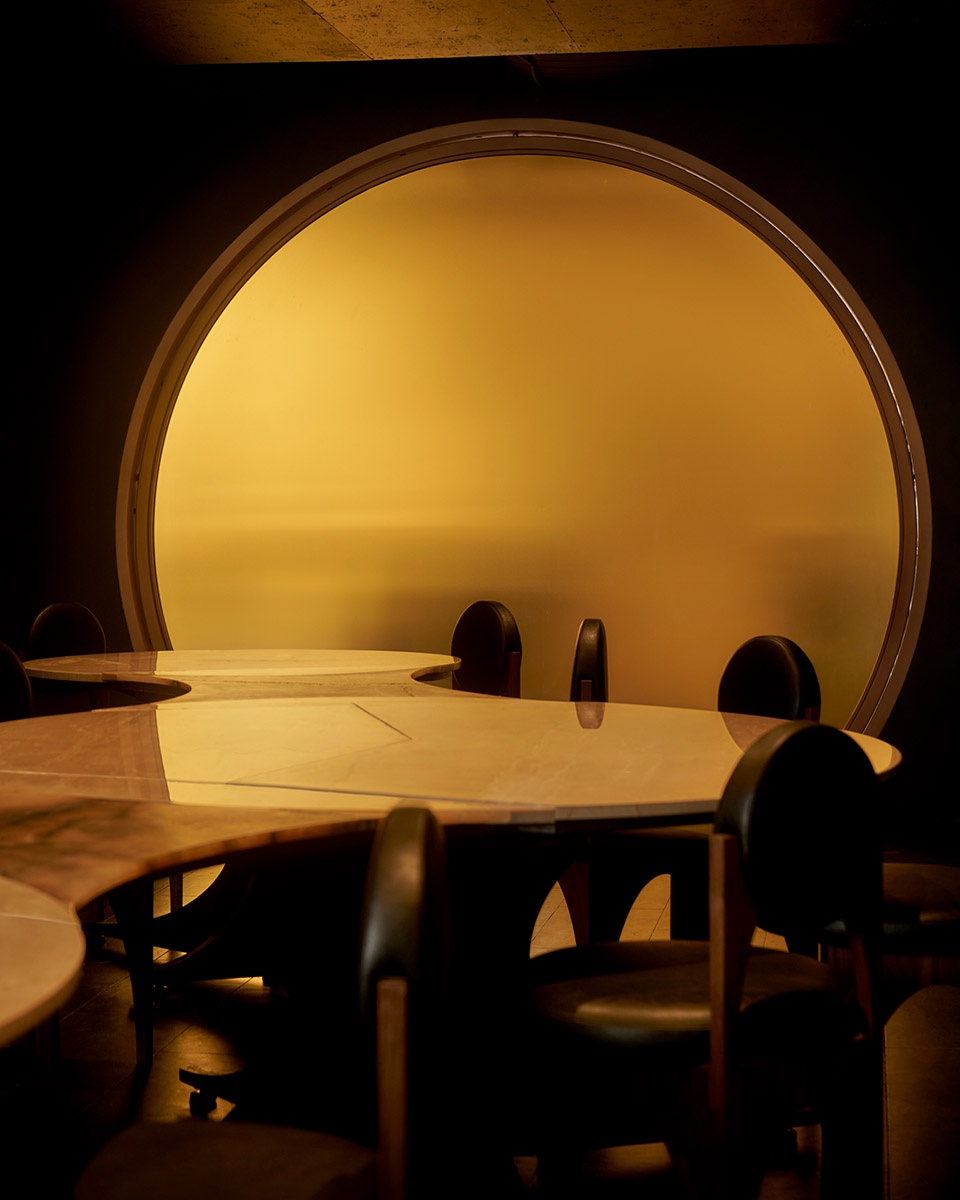
▼有机形态餐桌,a custom organically shaped table
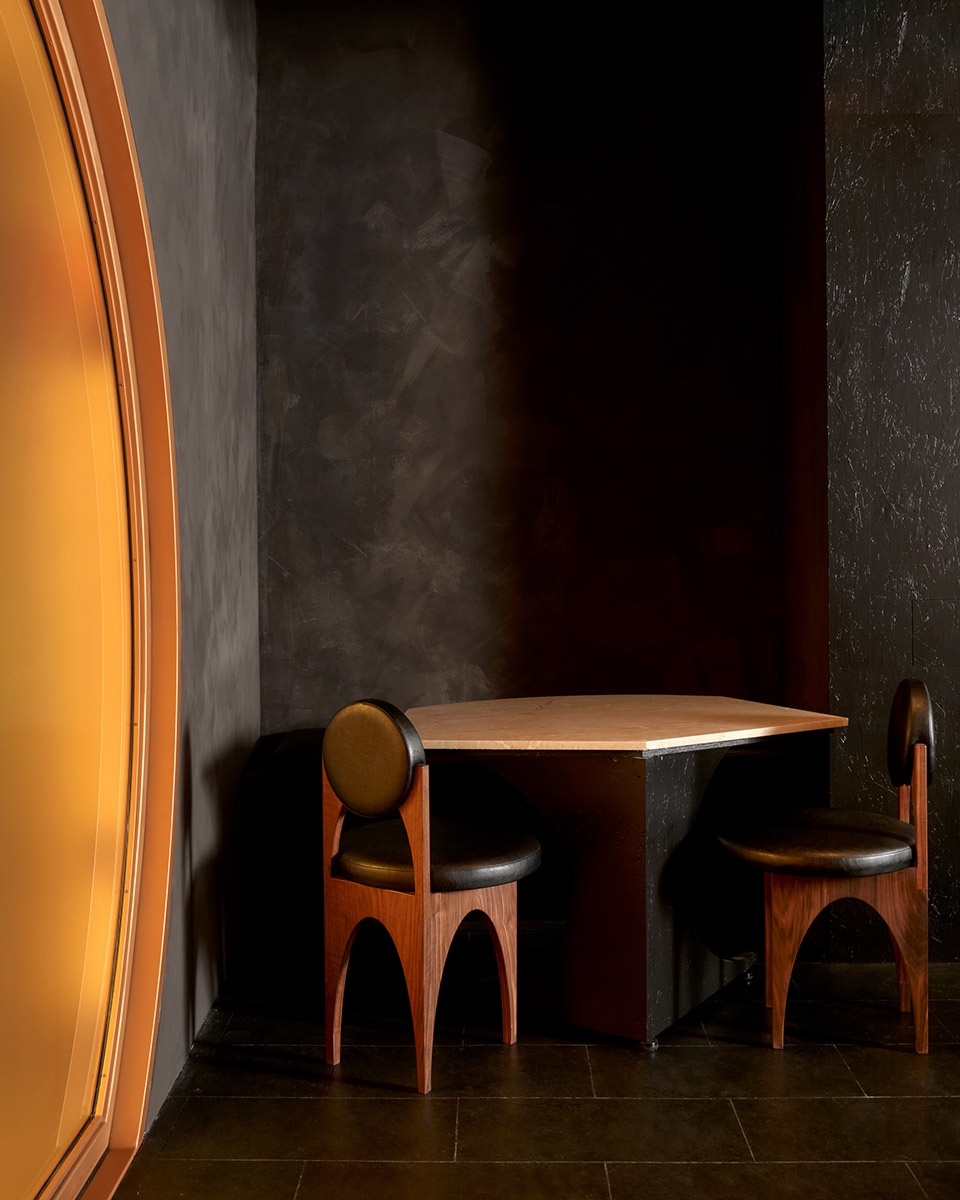
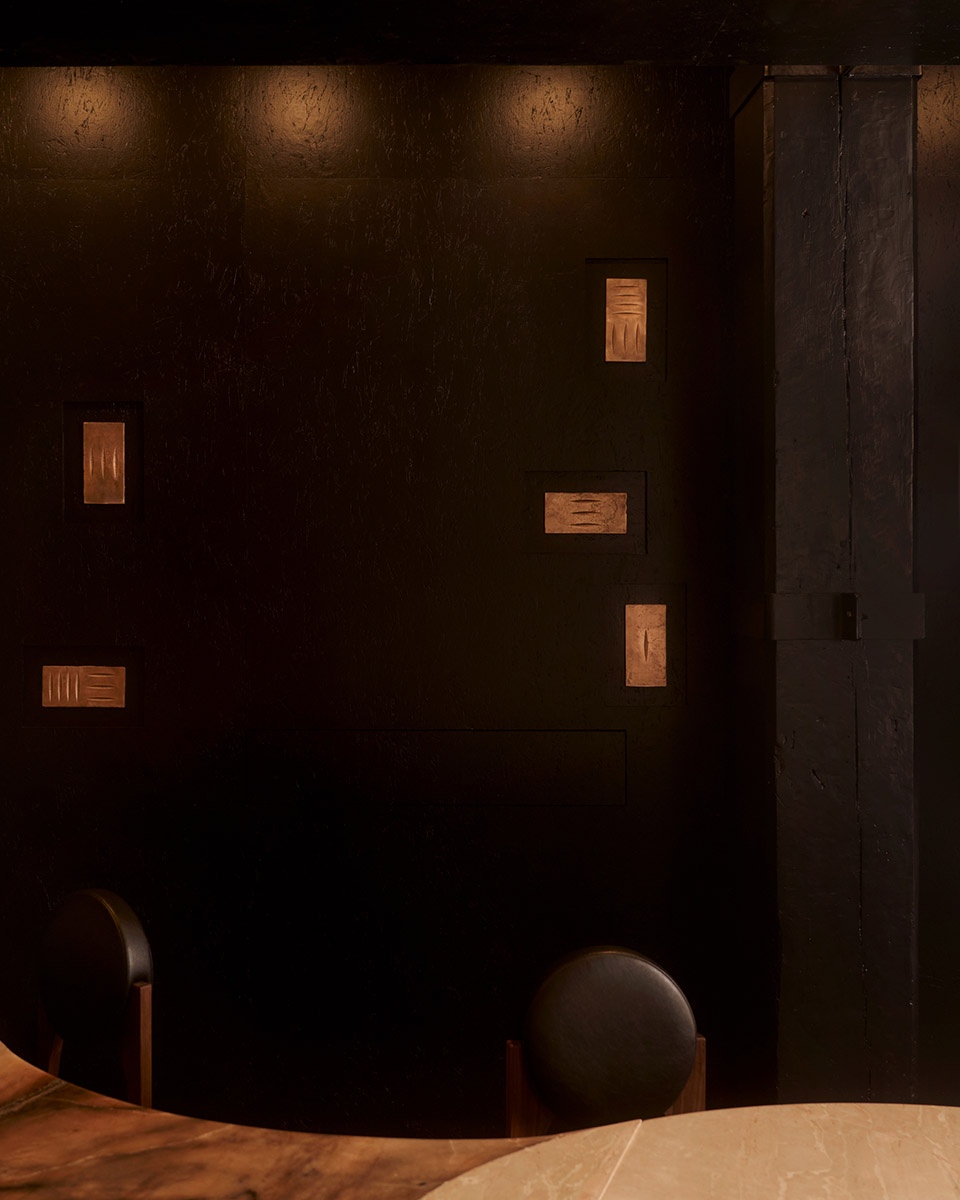
室内建筑通过模块化、材料表达以及文化引用,回应空间使用节奏的变化。Gourmega的概念深受对场地非洲与非裔美国人历史研究的启发。18世纪时,Gourmega所在区域曾被称为“Land of the Blacks(黑人之地)”,在Greenwich Village、Soho以及Washington Square Park周边,曾存在约30座由非洲裔拥有的农场。该区域还曾拥有Black and Tan酒馆——最早服务于非裔美国人的酒吧之一。回应这段历史,室内立面墙以层叠的深度与深色肌理成为空间的视觉锚点。一扇圆形黄色玻璃旋转门通向厨房,半透明的材质隐约展现厨师们忙碌的身影。这一界面既是空间分隔元素,也具有某种表演性,通过投射出的剪影激活整个空间,并模糊了“烹饪准备”与“用餐体验”之间的边界。Mariam Issoufou Architects对于“交叉性可持续性(intersectional sustainability)”的理解,体现在餐厅改造过程中对本地材料采购的坚持。雪花石膏与洞石桌面、黑色喷漆桌腿,以及配有纯素皮革靠背的定制胡桃木椅,共同为空间增添了触觉层次与感官体验——这些元素均由位于纽约的承包与设计建造工作室TW2M在本地完成制作。
The interior architecture responds to shifting rhythms of use through modularity, material expression, and cultural references. The concept for Gourmega was heavily inspired by research into the African and African American history of the site. In the 1700s, the site for Gourmega was called the Land of the Blacks, and approximately 30 African-owned farms existed in the neighborhoods around Greenwich Village, Soho, and Washington Square Park. The area also housed a Black and Tan, one of the first saloons to cater to African Americans. In reference to this history, the interior facade wall anchors the room with layered depth and dark textural contrast. A circular yellow glass pivot door leads to the kitchen, offering a translucent view of the cooks in motion. This threshold functions as
both spatial divider and performative element, casting silhouettes that animate the room and blur the boundary between preparation and experience. Mariam Issoufou Architects’ approach to intersectional sustainability is grounded in the domestic sourcing of the materials used in the restaurant’s renovation. Alabaster and travertine tabletops with black-painted legs and custom-designed walnut chairs with vegan leather backs add tactility to the space and enrich its sensorial experience—all locally produced by New York-based contractor and design-build studio TW2M.
▼以层叠的深度与深色肌理成为空间的视觉锚点,
layered depth and dark textural contrast
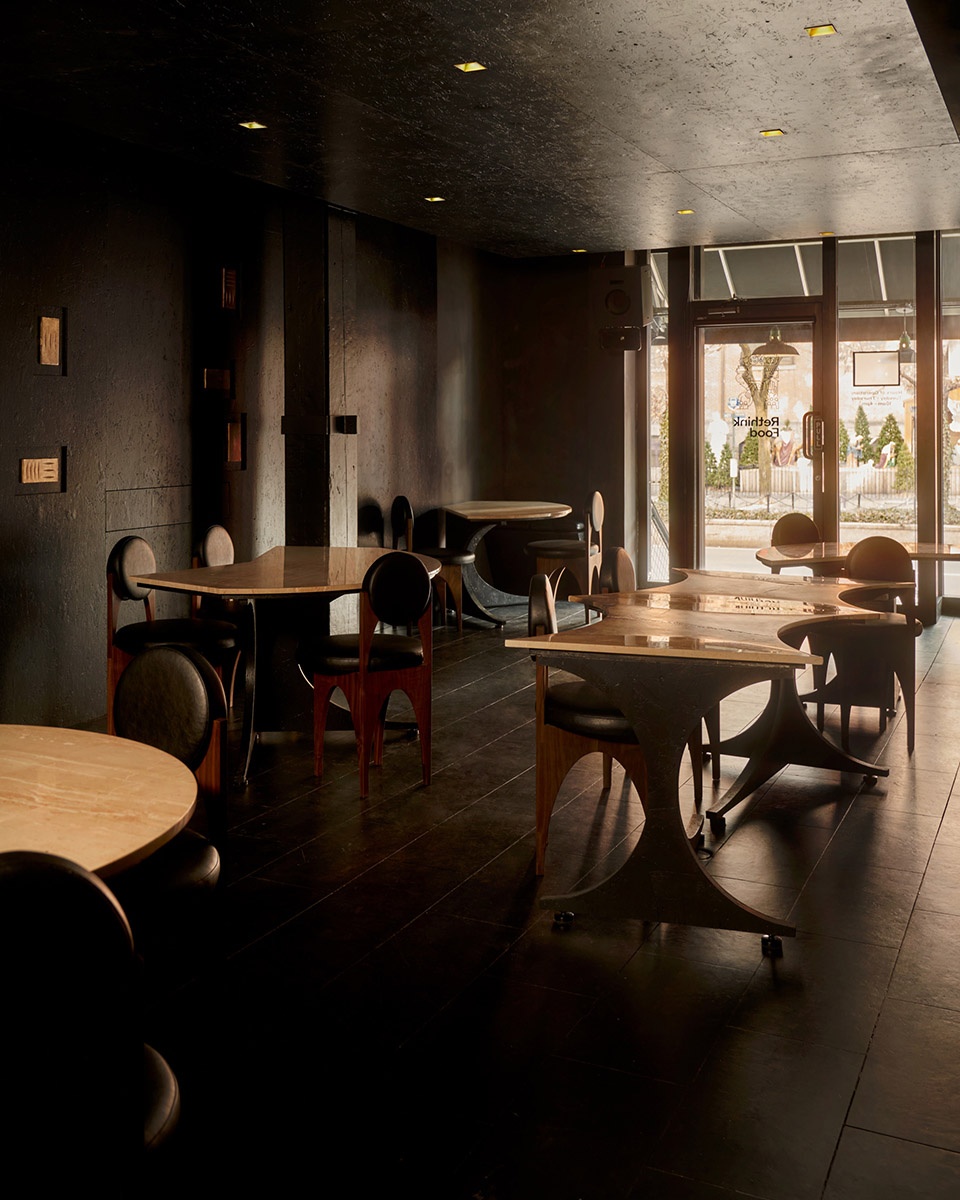
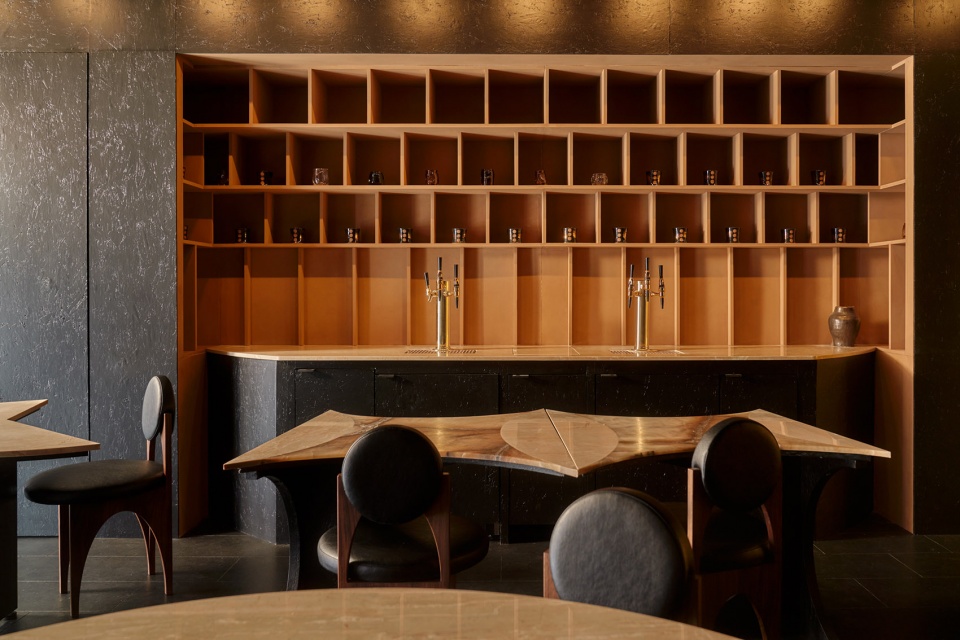
灯光、材料与展示策略共同支撑着Gourmega的双重身份。镜面置物架与精心挑选的陈列物营造出一种“离散族裔”般的氛围,而石材、温润木材以及由尼日利亚设计师Nifemi Marcus-Bello设计的青铜作品,则为空间带来触觉上的沉稳感。
Lighting, materiality, and display strategies were developed to support Gourmega’s dual identity. Mirrored shelving and curated objects evoke a diasporic pantry, while stone, warm woods, and bronze pieces by talented Nigerian designer Nifemi MarcusBello, provide tactile grounding.
▼吧台及用餐区域,bar counter and dining hall
▼以层叠的深度与深色肌理成为空间的视觉锚点,
layered depth and dark textural contrast
随着时间推移,空间氛围也逐渐发生变化——它不再只是餐厅,而成为一个关于仪式、叙事与感官沉浸的场所。
As the day progresses, the space shifts in tone—becoming not just a restaurant, but a site of ritual, storytelling, and sensory immersion.
▼细部,detail

▼平面图,plan