塑料之家,北京/景观
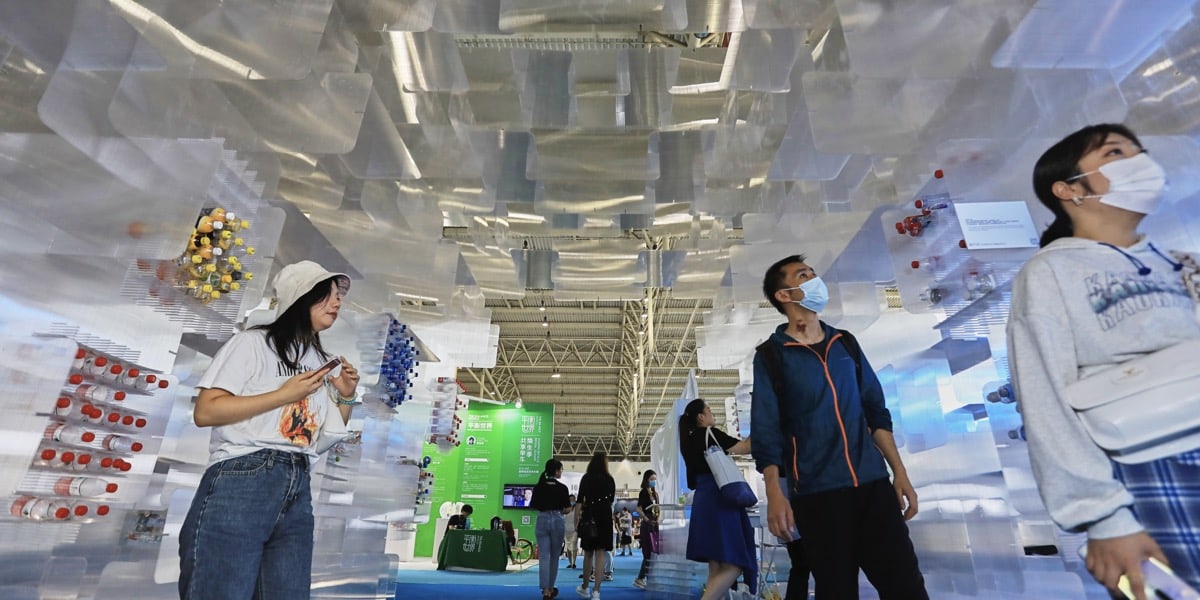
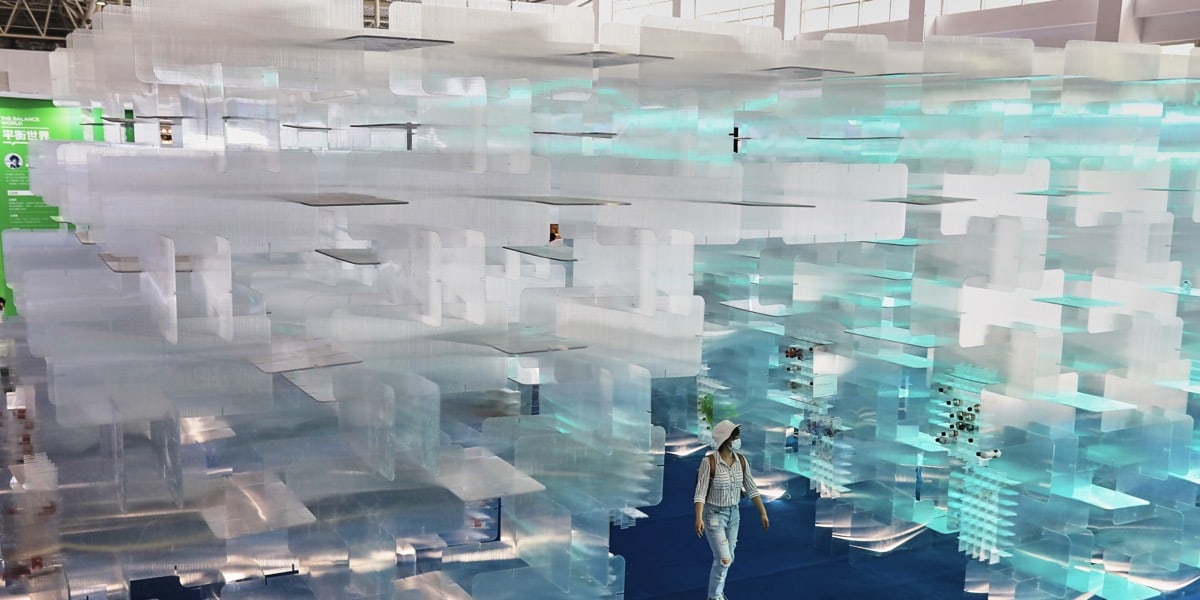
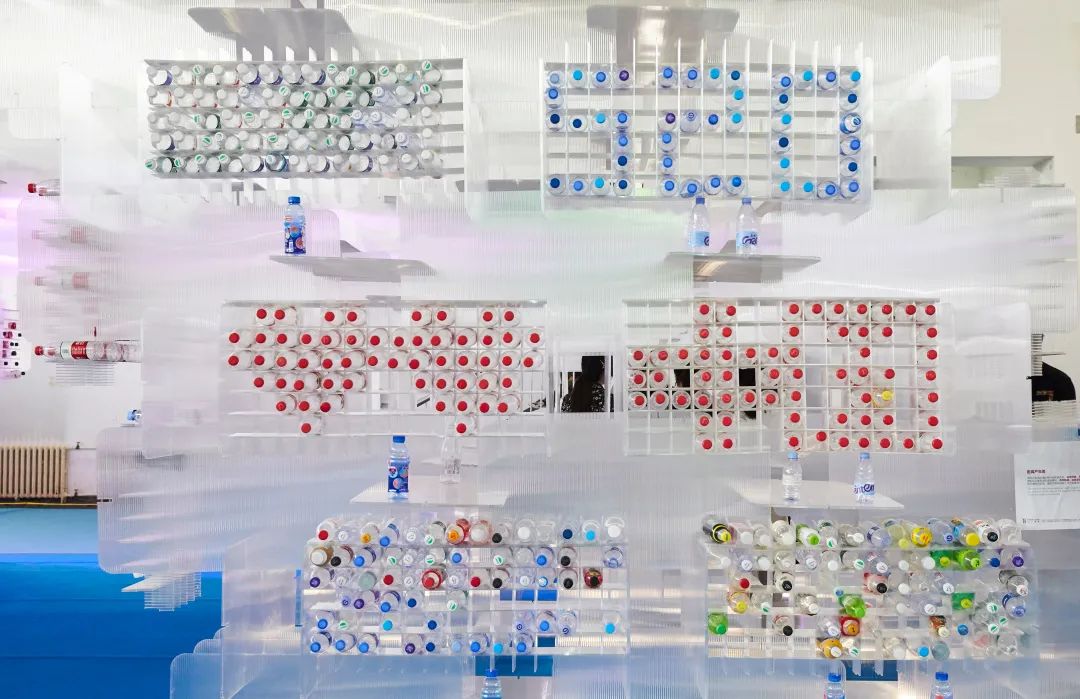
受2020北京国际设计周邀请,大小景观设计并搭建了公益互动艺术装置-塑料之家,并于2020年9月23日-26日在北京设计博览会展出。该装置由塑料板和塑料瓶以榫卯结构组装而成,同时,装置的完整展现借由参观者之手共同完成。
Invited by 2020 Beijing international design week, large and small landscapes designed and built a public welfare interactive art installation - plastic home, which was exhibited at Beijing Design Expo from September 23 to 26, 2020. The device is composed of plastic plates and plastic bottles assembled in tenon and tenon structure. At the same time, the complete display of the device is completed by the hands of visitors.
结构 | Structure
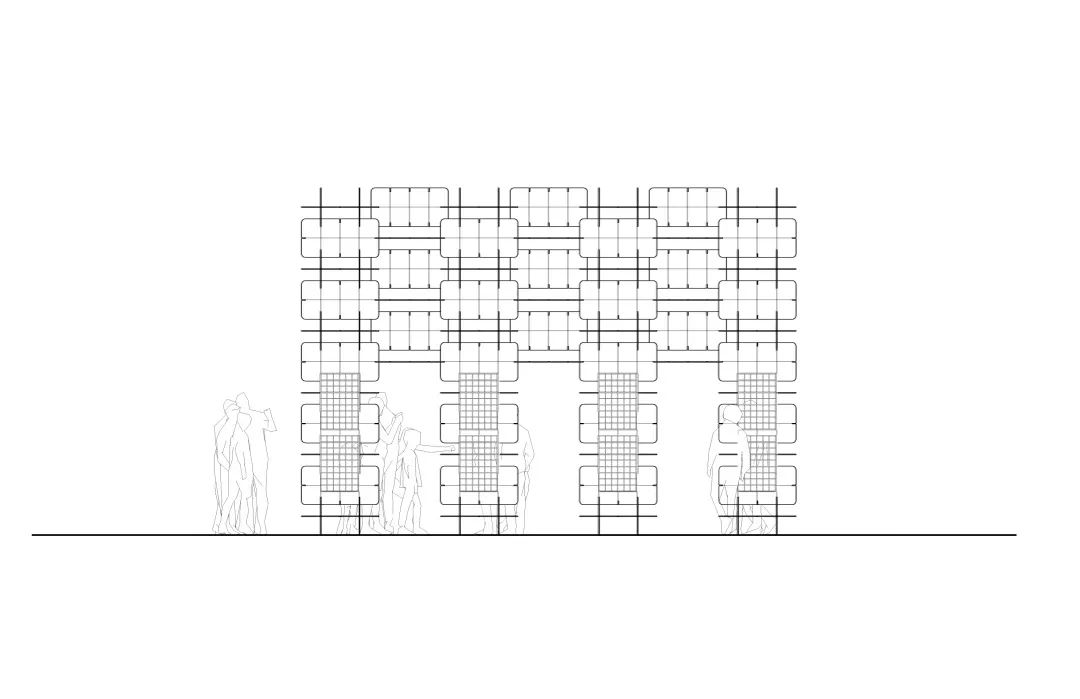
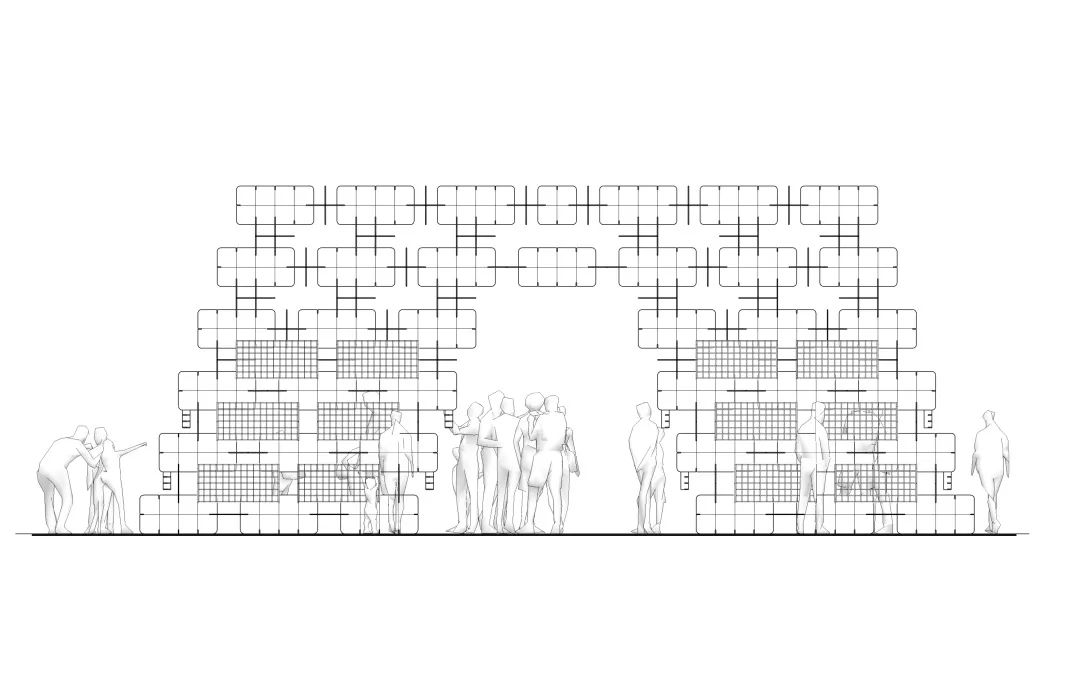
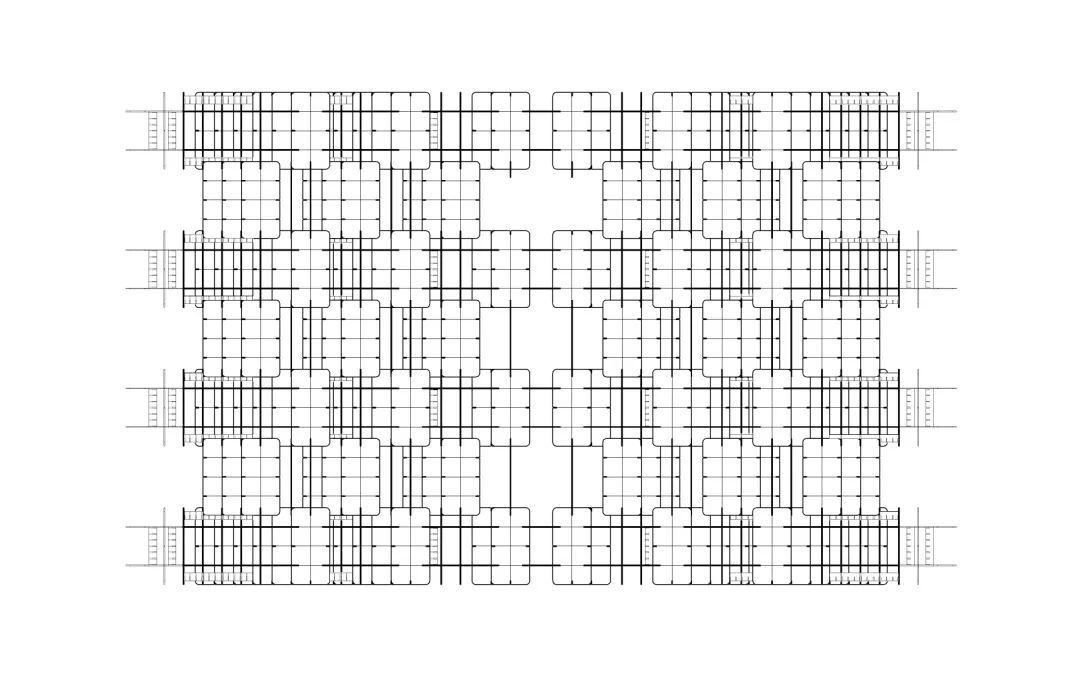
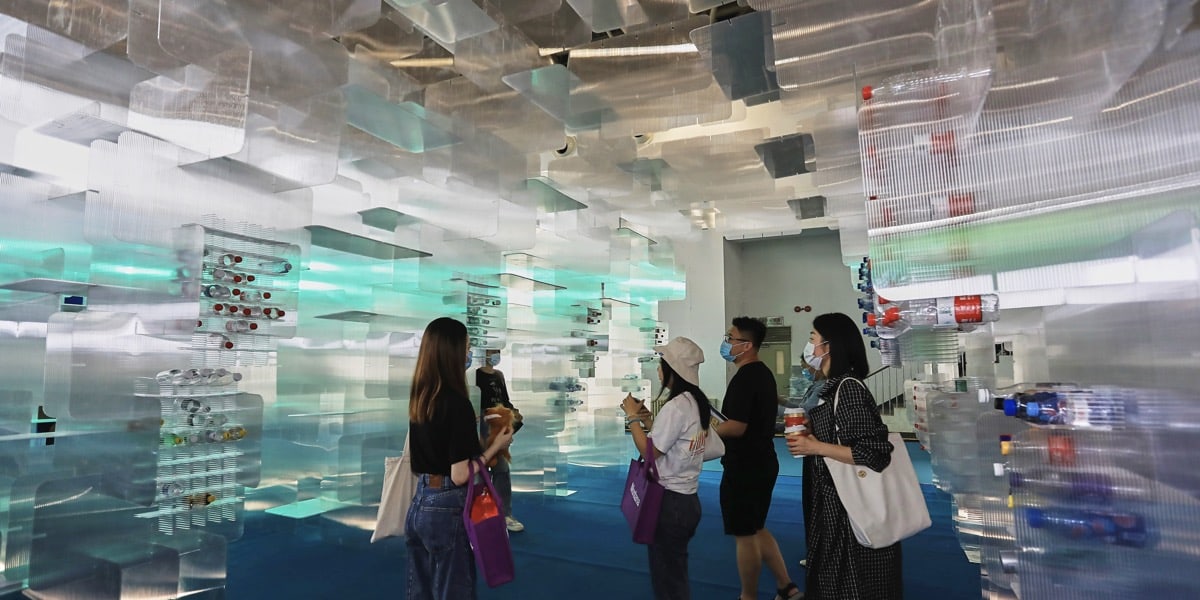
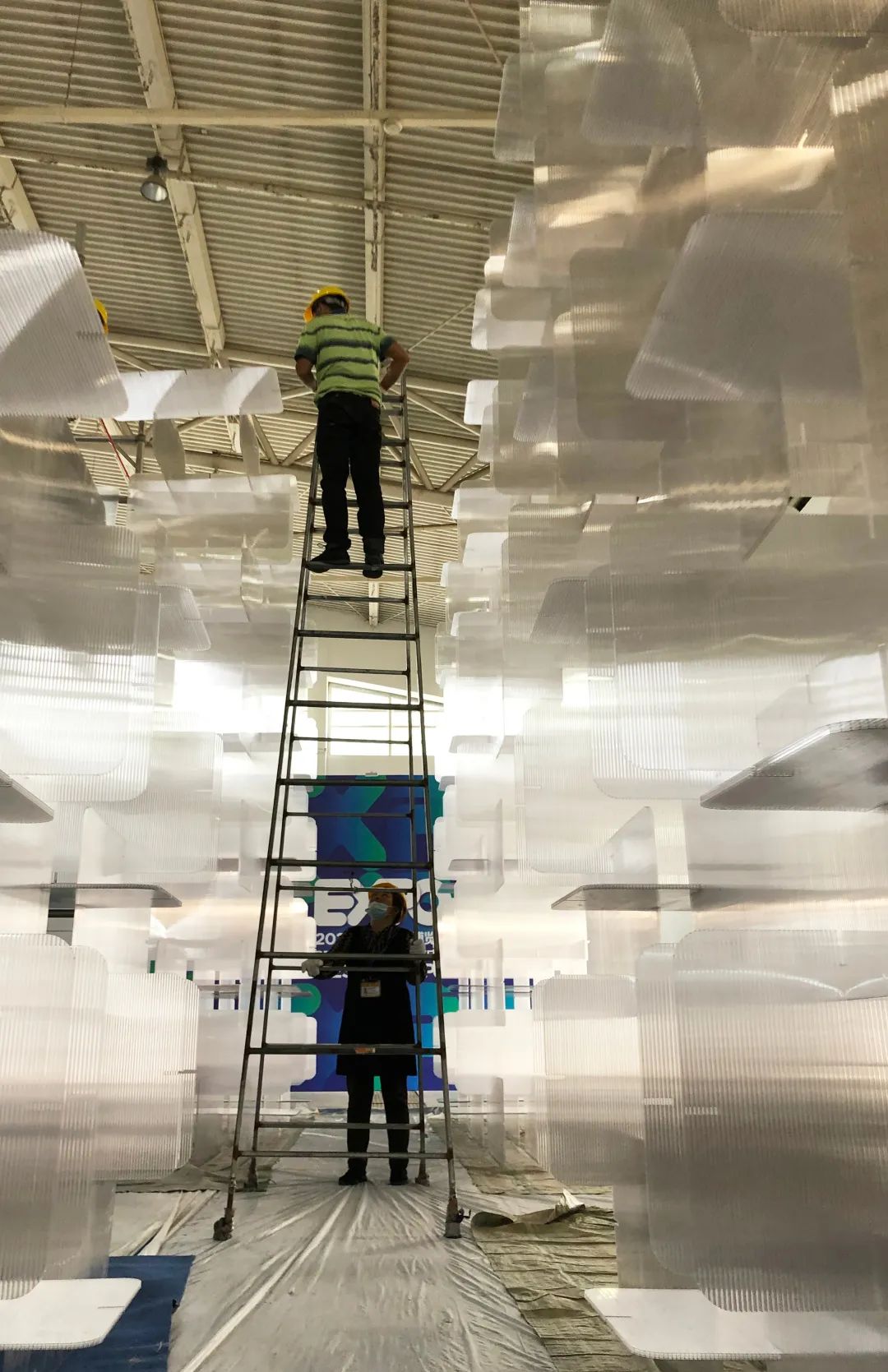
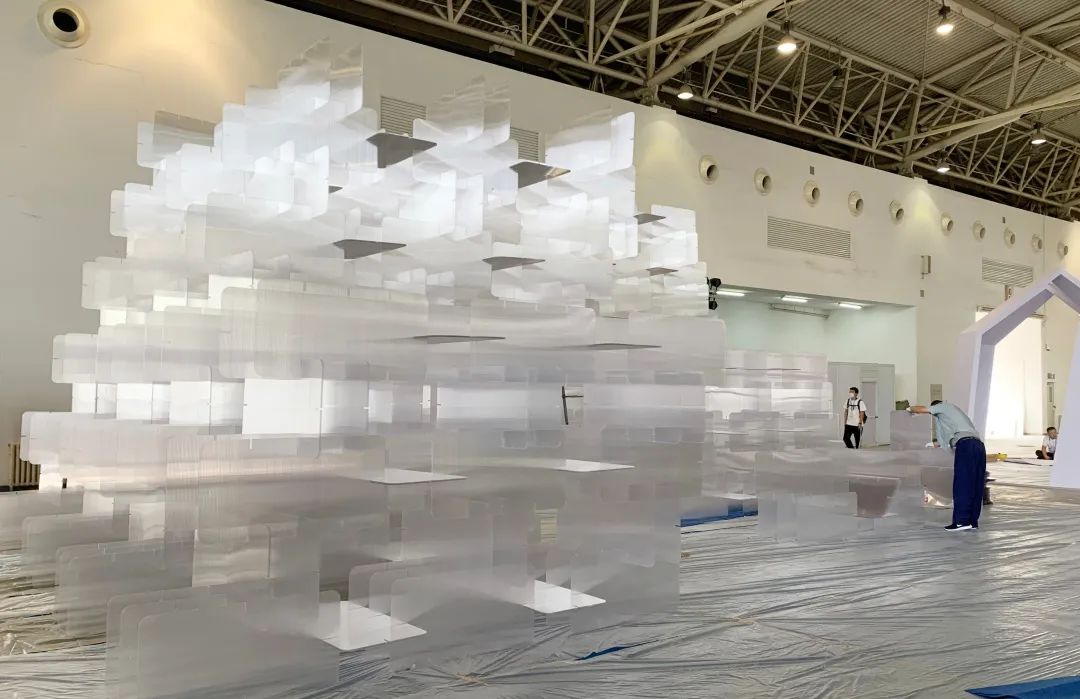
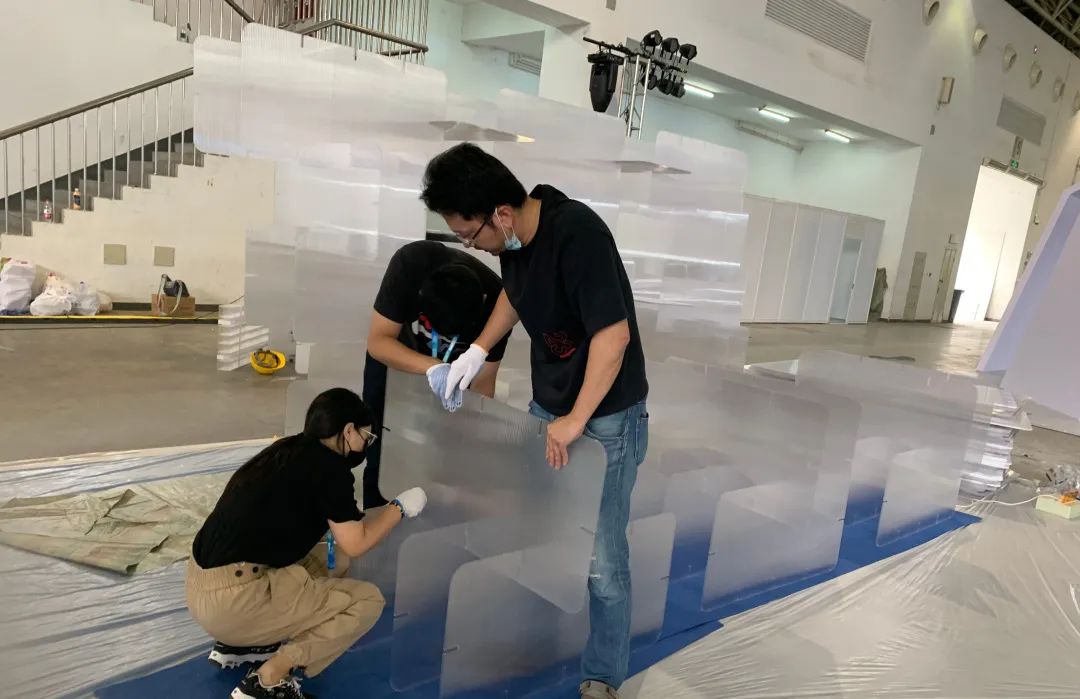
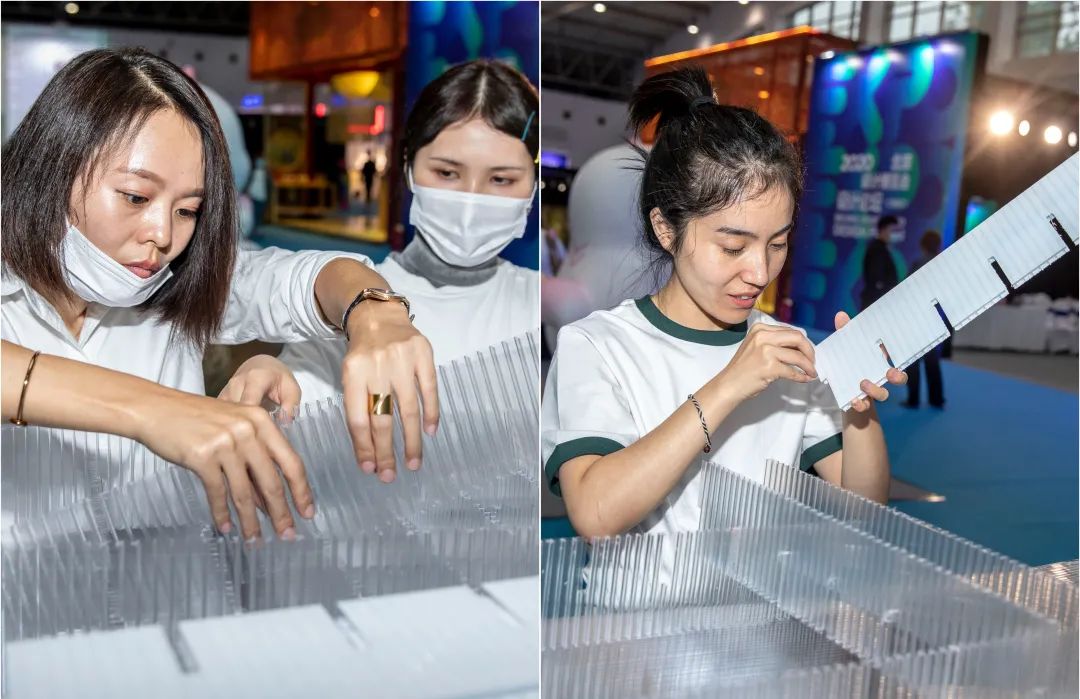
塑料之家由800块透明的PET塑料板组装而成,因其榫卯式的框架结构,组装过程中没有动用螺丝与钉子。它有着开放式的安装体系,家的尺寸可根据需要变化与拓展。在本次设计博览会展出的装置尺寸约10.8米 x 6.4米 X 4.5米(高)。
The plastic house is assembled from 800 transparent PET plastic plates. Due to its tenon and mortise frame structure, screws and nails are not used in the assembly process. It has an open installation system, and the size of the home can be changed and expanded according to needs. The size of the device exhibited in this design expo is about 10.8m x 6.4m x 4.5m (height).
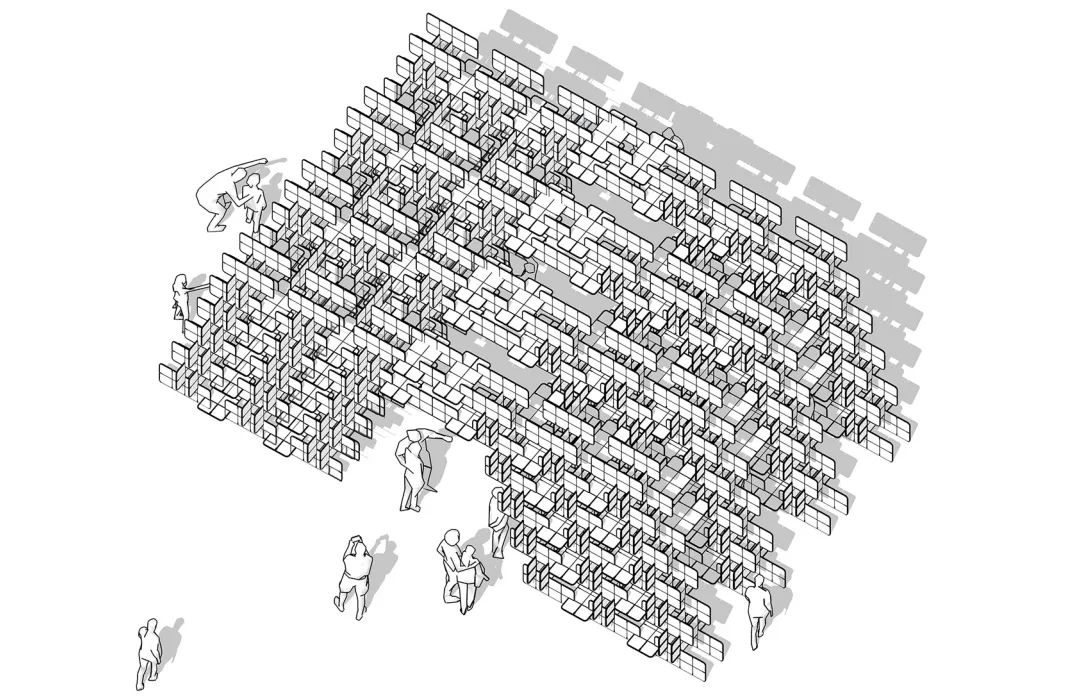
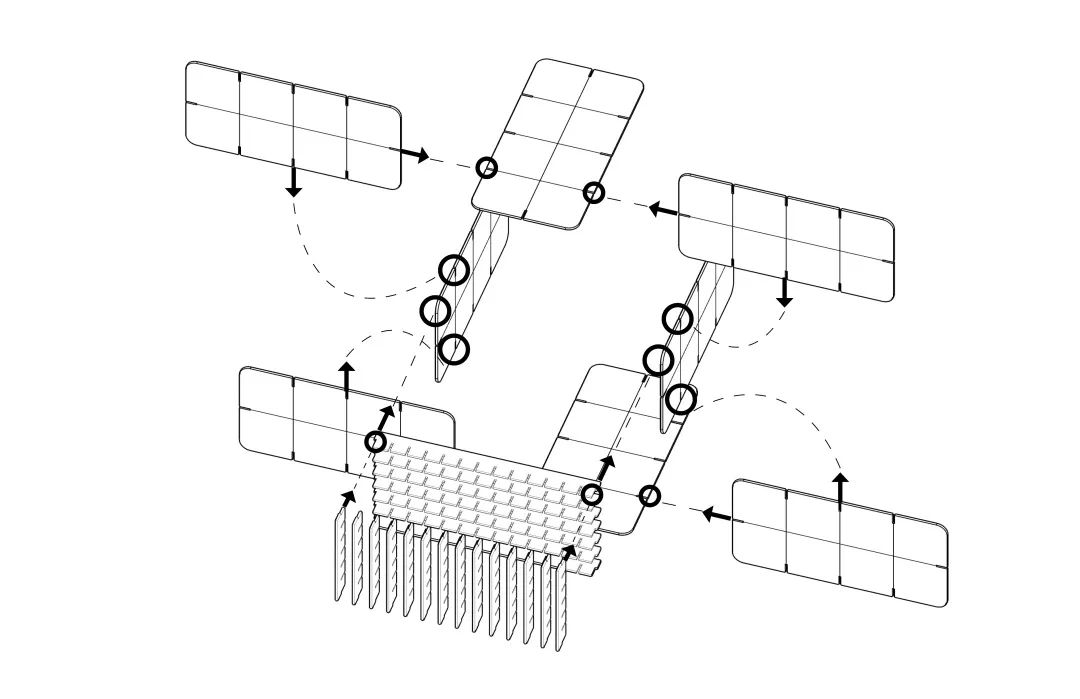
塑料板组装细节,Plastic plate assembly details
表皮 | Skin
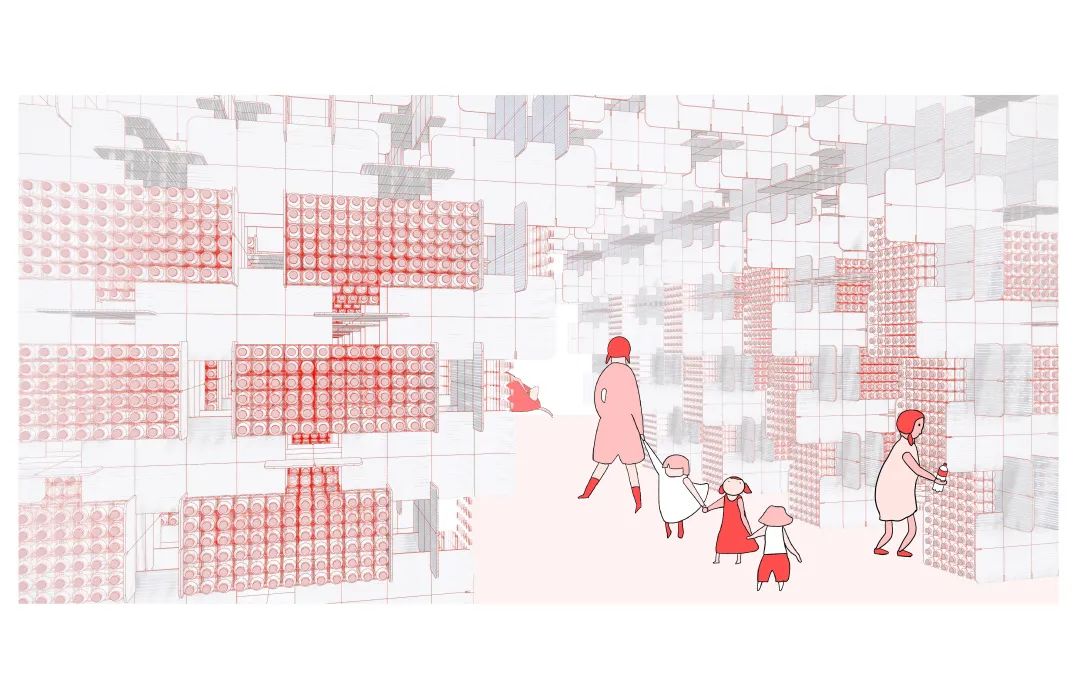
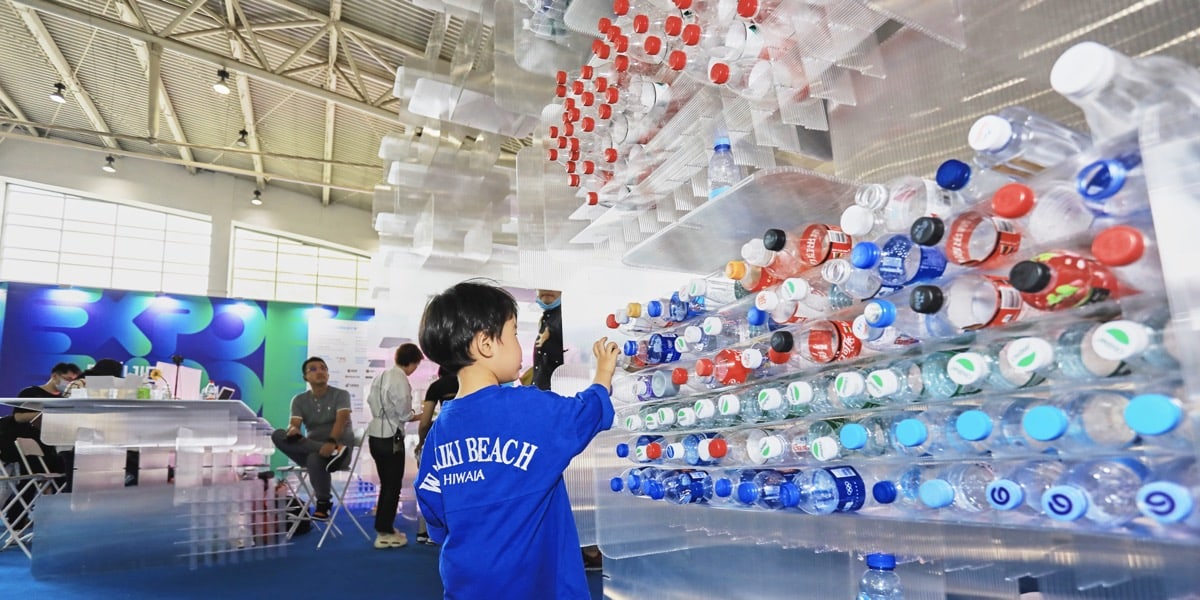
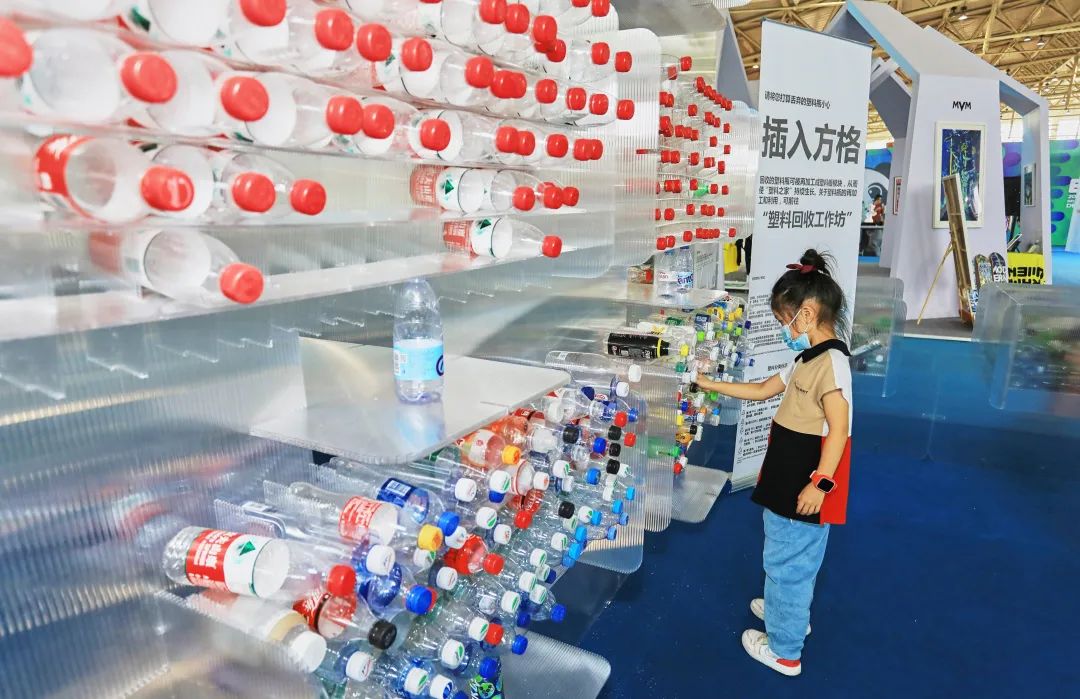
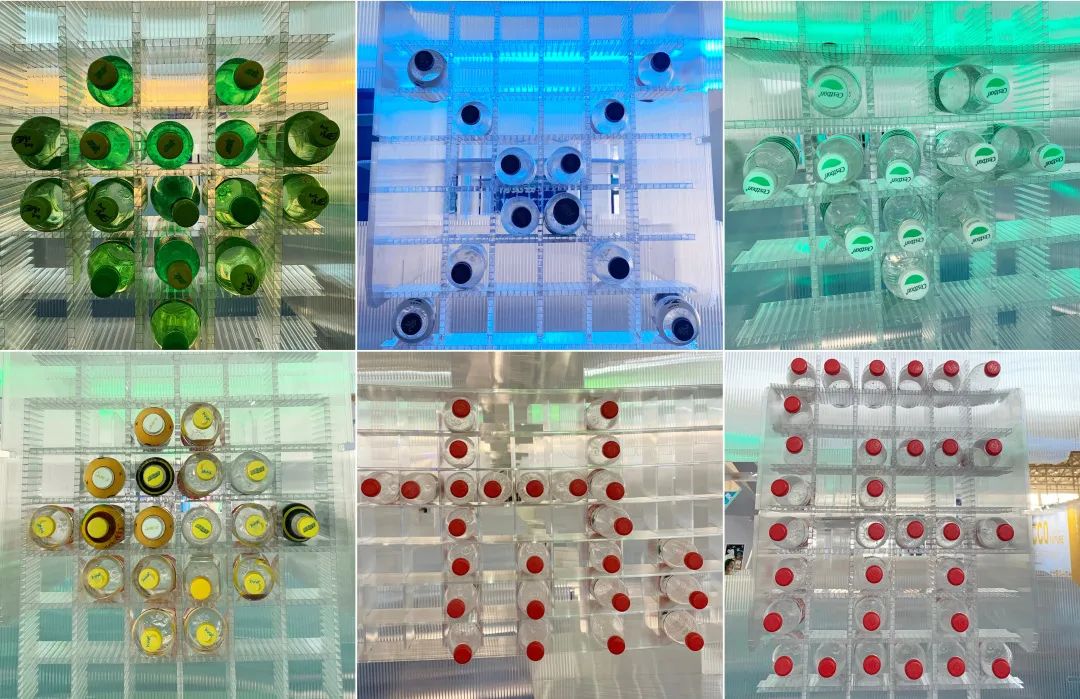
塑料之家的另一种物料是塑料瓶(即我们平时常见的矿泉水瓶、可乐瓶等,又称宝特瓶),它们将作为家的表皮而存在。表皮的安装是通过公众的共同参与完成的,参观者将打算丢弃的塑料瓶插入装置的双层网格中,使装置的表皮逐渐形成有趣而丰富的肌理。当装置的网格被填满时,能收获大约有10000个瓶子。透明轻盈的塑料板与五彩斑斓的塑料瓶交织堆叠,给予穿行其中的参与者虚实交错的有趣感受。
Another material of plastic home is plastic bottles (that is, our usual mineral water bottles, coke bottles, etc., also known as Baote bottles), which will exist as the skin of the home. The installation of the skin is completed through the joint participation of the public. Visitors insert the plastic bottles to be discarded into the double-layer grid of the device, so that the skin of the device gradually forms an interesting and rich texture. When the grid of the device is filled, about 10000 bottles can be harvested. Transparent and light plastic plates and colorful plastic bottles are intertwined and stacked, giving participants an interesting feeling of virtual and real crisscross.
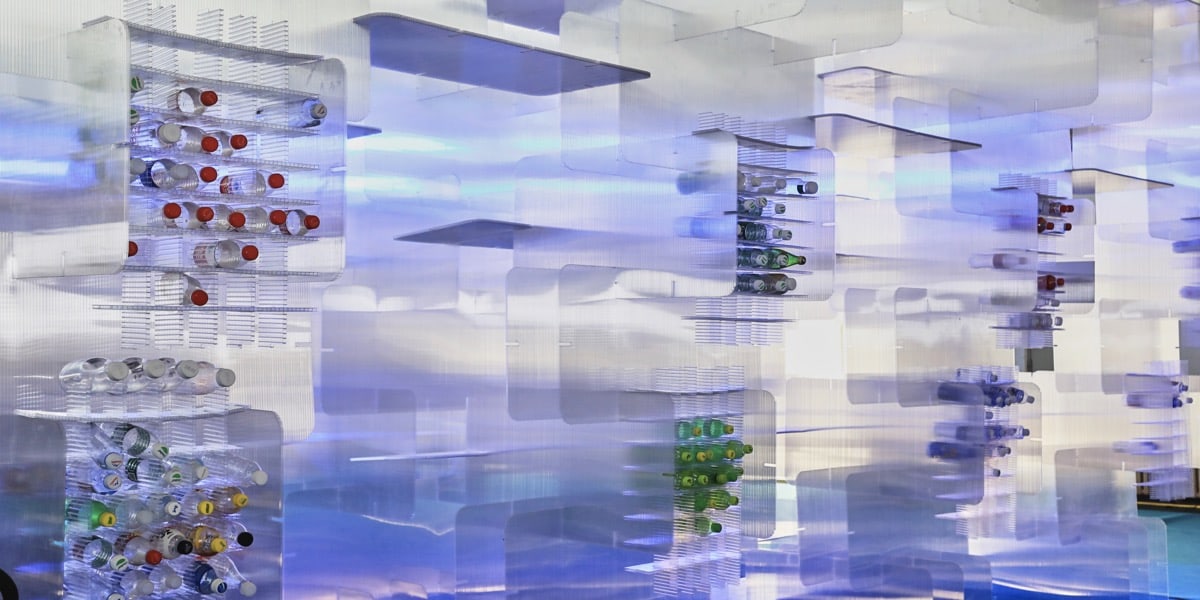
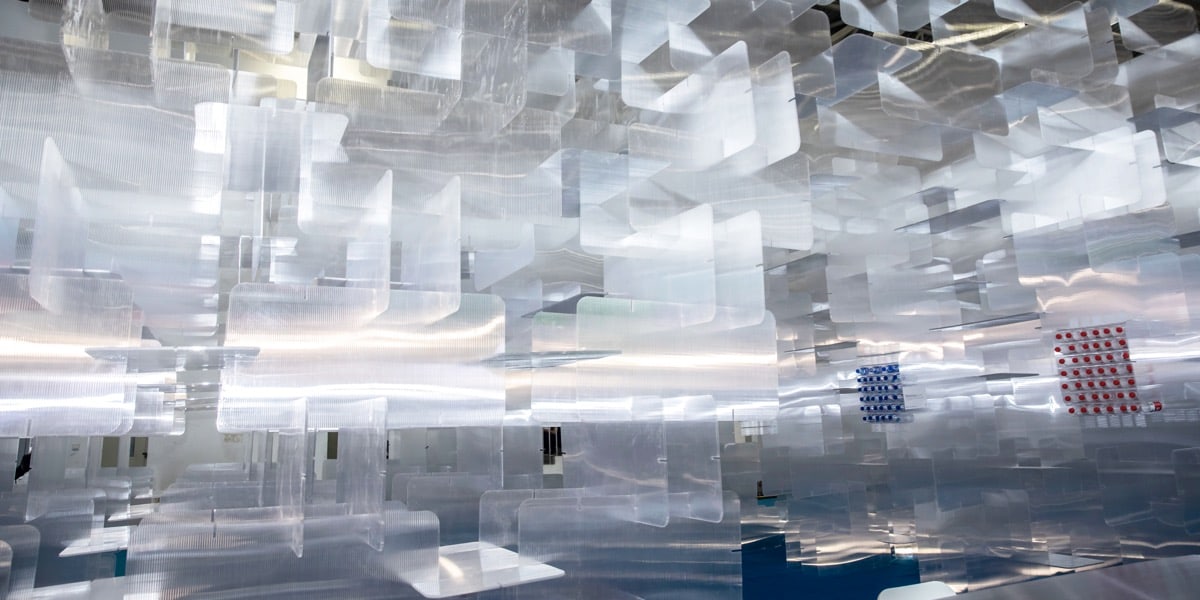
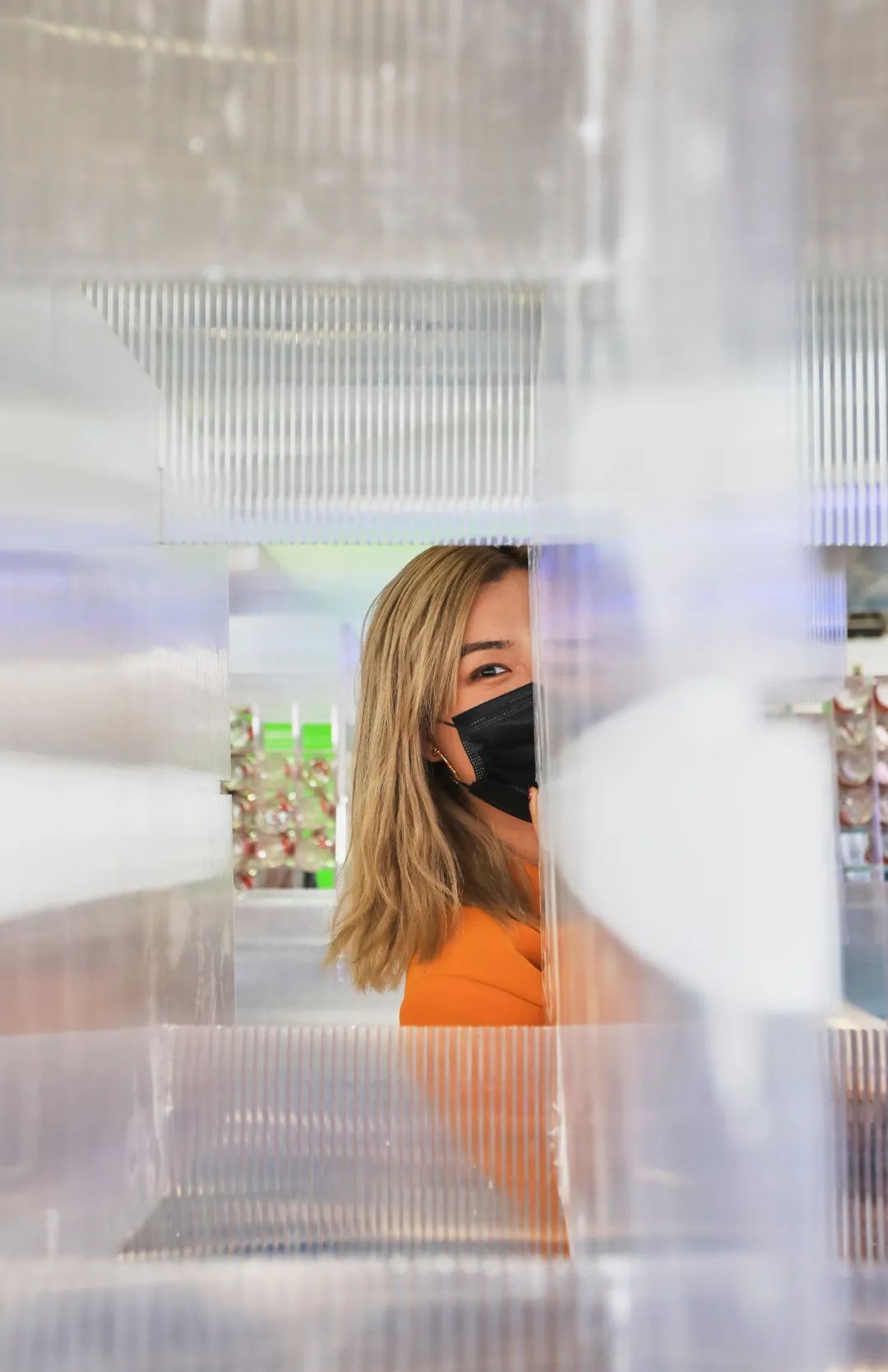
虚与实的交叠甫,The overlapping of emptiness and reality
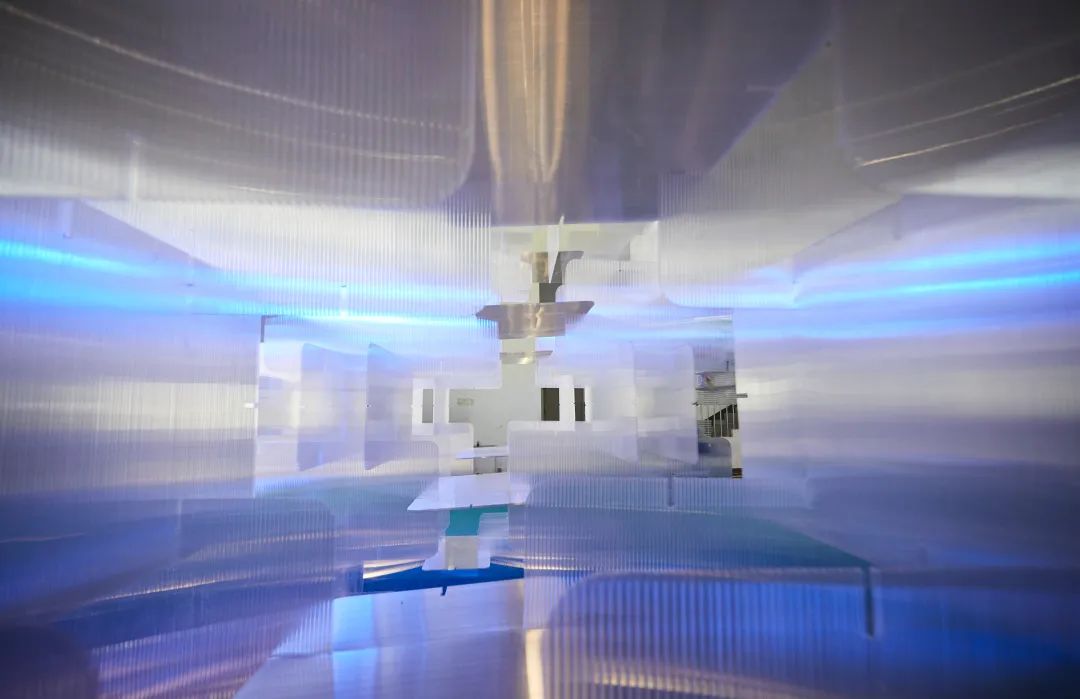
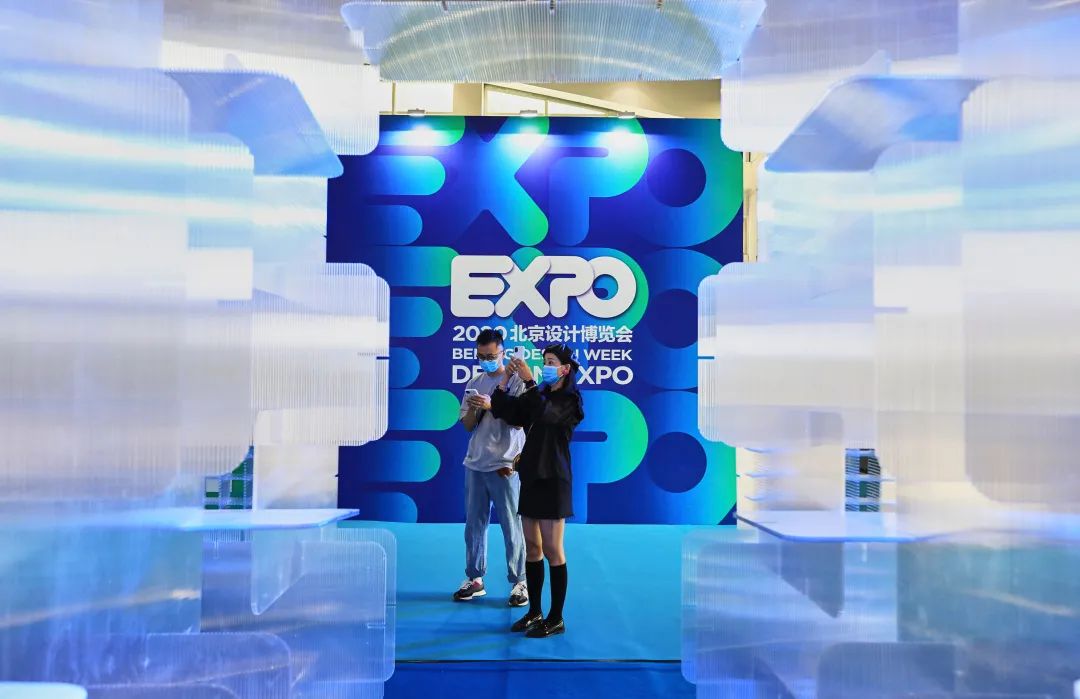
人们在逐渐安装家的表皮甫,People are gradually installing the skin of their homes
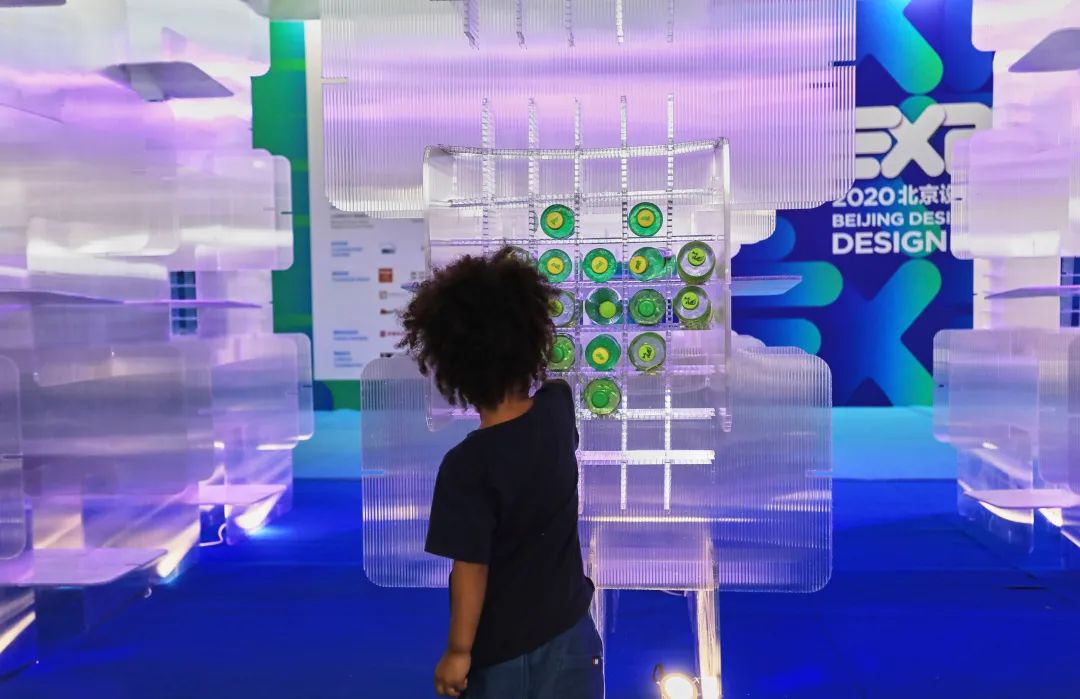
互动 | Interaction
收集后的塑料瓶,可被再加工成塑料板(塑料瓶与PET塑料板共享主要的原材料),用于装置的持续生长。在塑料之家旁,大小景观设置了一处小小工作坊(工作坊的长桌亦由塑料板组装而成),参观者可前往做进一步的互动:用剪刀将收集而来的塑料瓶剪成约1cmx1cm的小碎片,放入长桌上的回收盒中。这些塑料碎片,经过分类、造粒、热熔、铸模、冷却等阶段后,可重新制作成塑料之家中的塑料板。
The collected plastic bottles can be reprocessed into plastic plates (plastic bottles and PET plastic plates share the main raw materials) for the continuous growth of the device. Next to the plastic home, a small workshop (the long table of the workshop is also assembled from plastic plates) is set up in the large and small landscapes. Visitors can go to have further interaction: cut the collected plastic bottles into small pieces of about 1cmx1cm with scissors and put them into the recycling box on the long table. These plastic fragments can be remade into plastic plates in the plastic home after classification, granulation, hot melting, molding, cooling and other stages.
后续 | Next
塑料之家的前身是由大小景观发起的一项长期参与式研究项目未来计划。该项研究旨在向大众科普塑料的回收与再利用,并寻找可结合公众参与的、与工业化塑料循环体系相平行的日常化途径。塑料之家是未来计划的beta版本。下一步,我们计划搭建一套简易的、能够让大众参与进来的DIY塑料回收流程,以便搭建塑料之家中塑料板与塑料瓶的联系。
The predecessor of plastic home is a long-term participatory research project initiated by large and small landscapes, and the future plan. The purpose of this study is to popularize the recycling and reuse of plastics to the public, and to find daily ways that can be combined with public participation and parallel to the industrialized plastic recycling system. Plastic house is a beta version of the future plan. Next, we plan to build a simple DIY plastic recycling process that can involve the public, so as to build the connection between plastic plates and plastic bottles in the plastic home.