间离剧,上海/室内
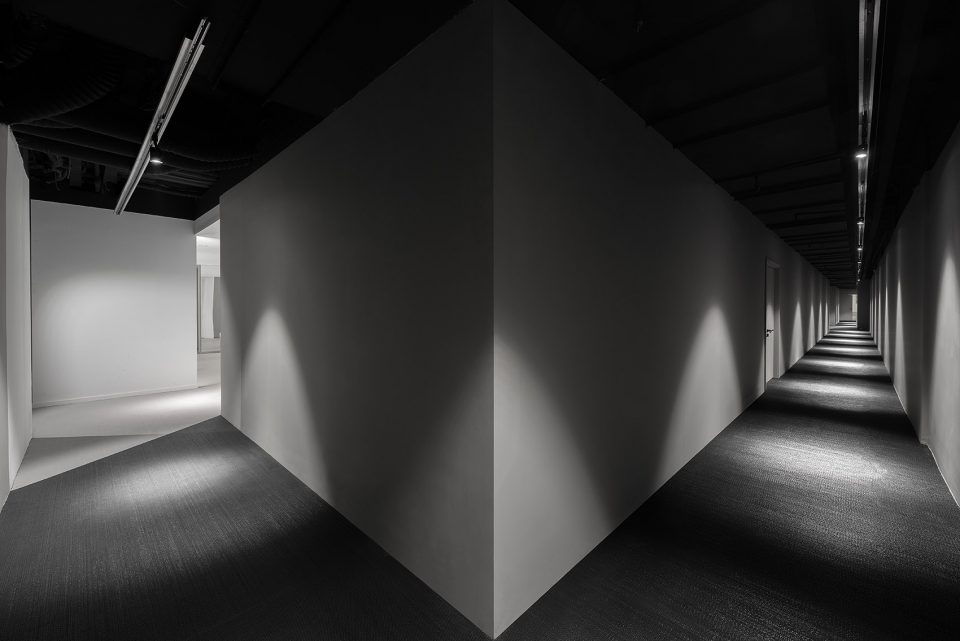
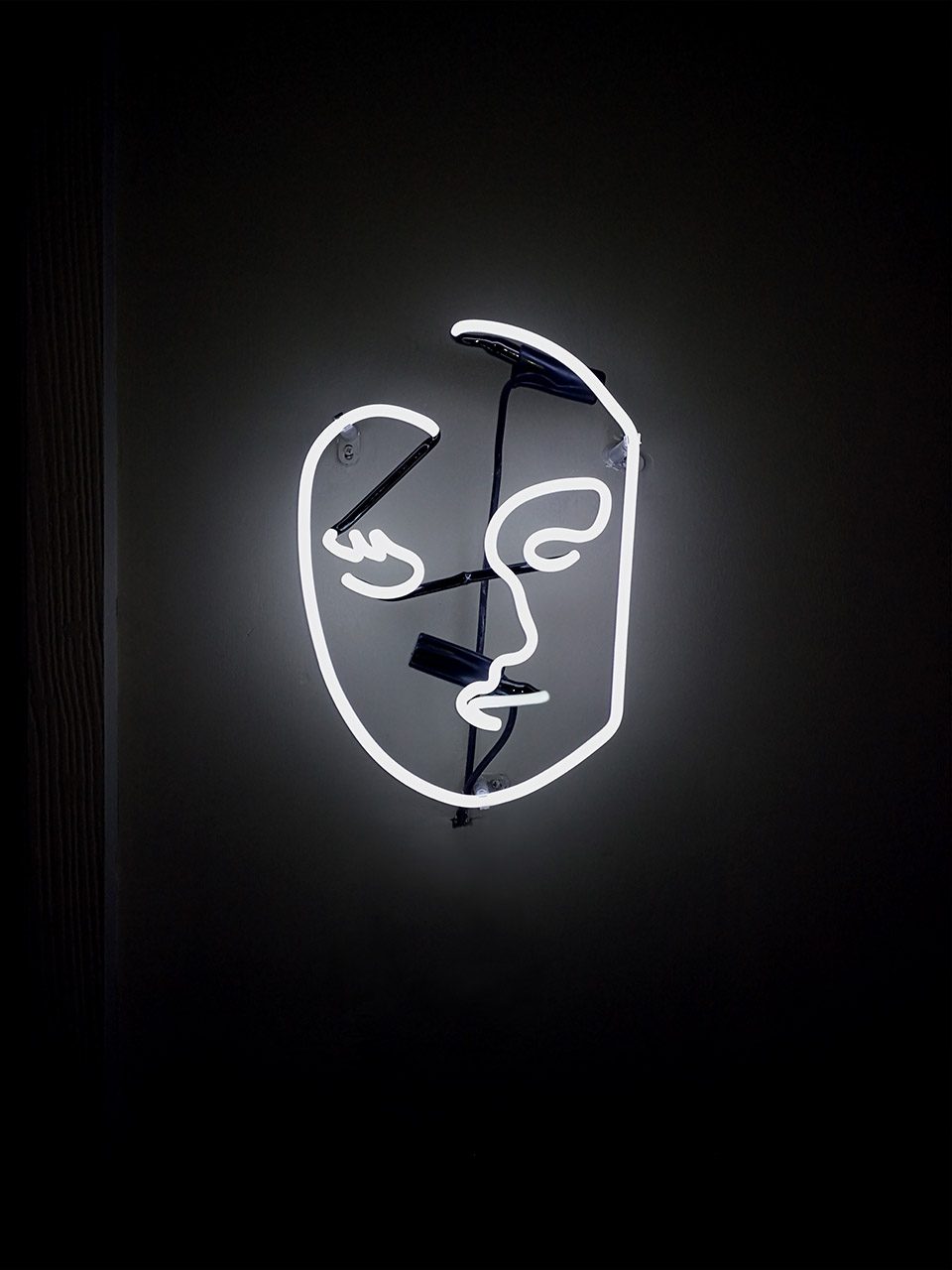
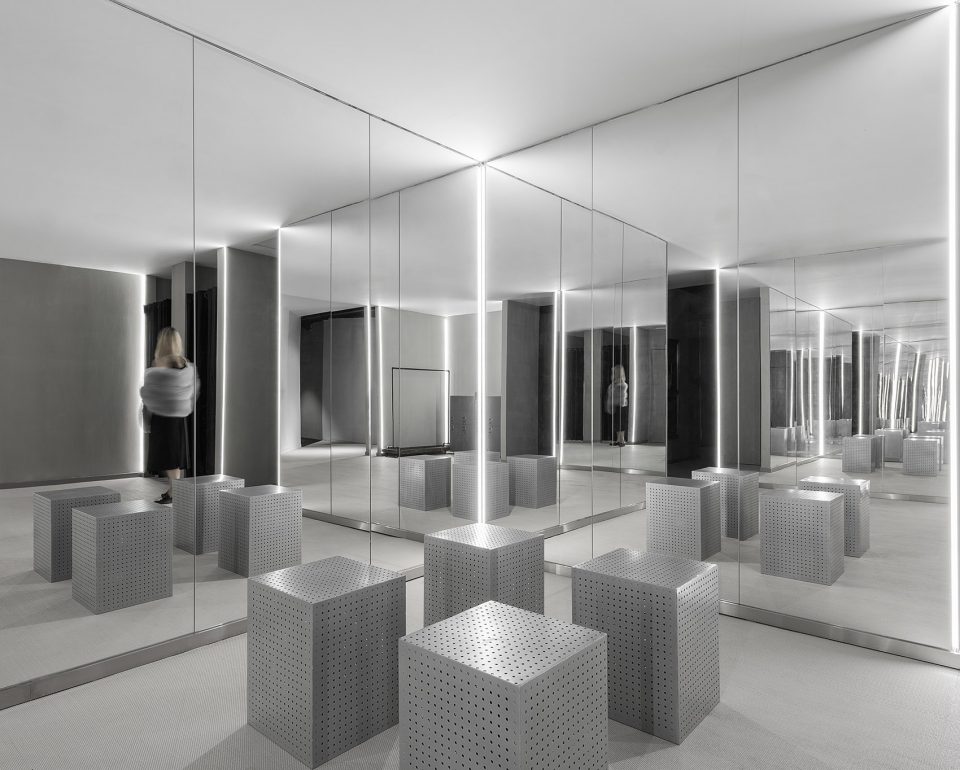
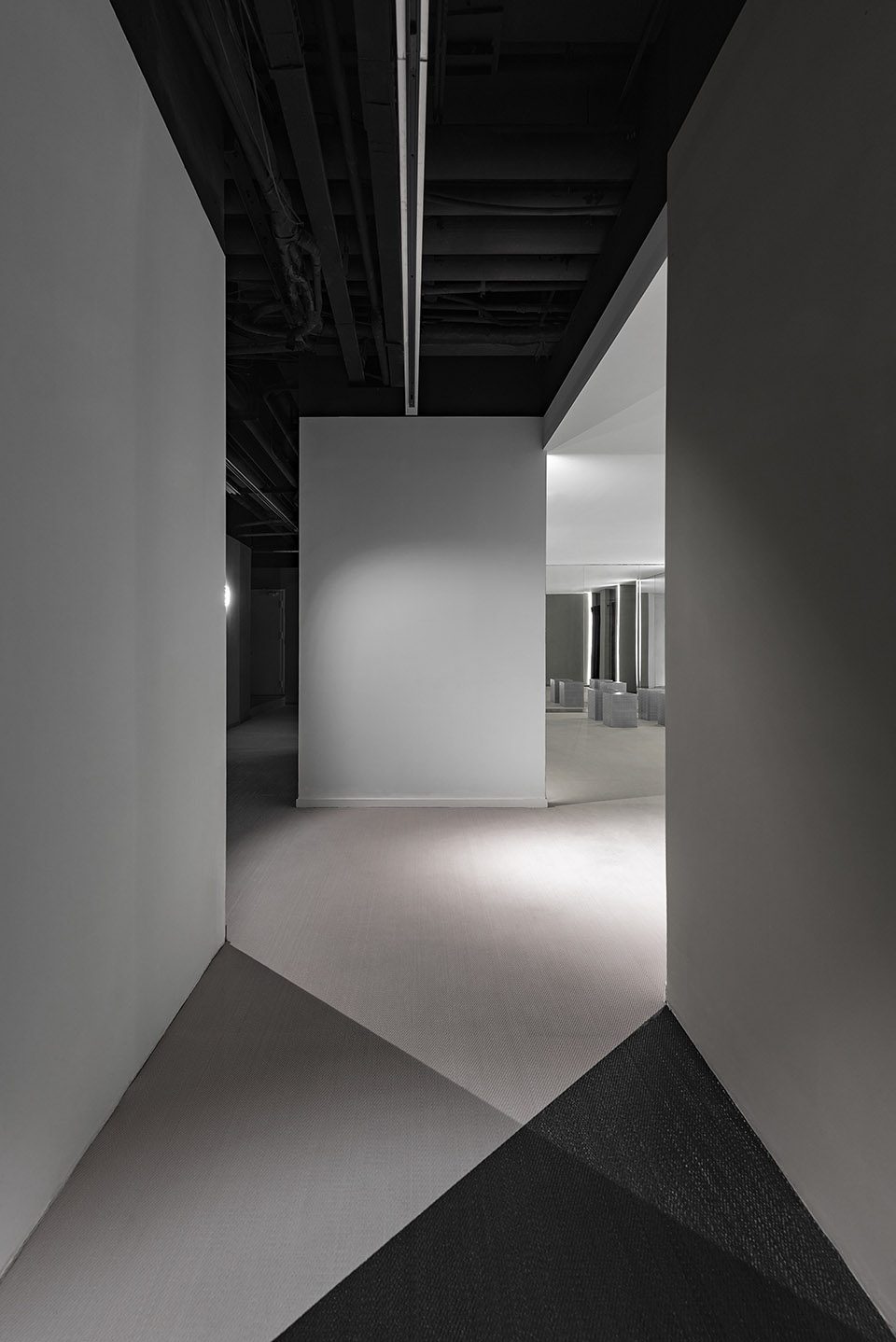
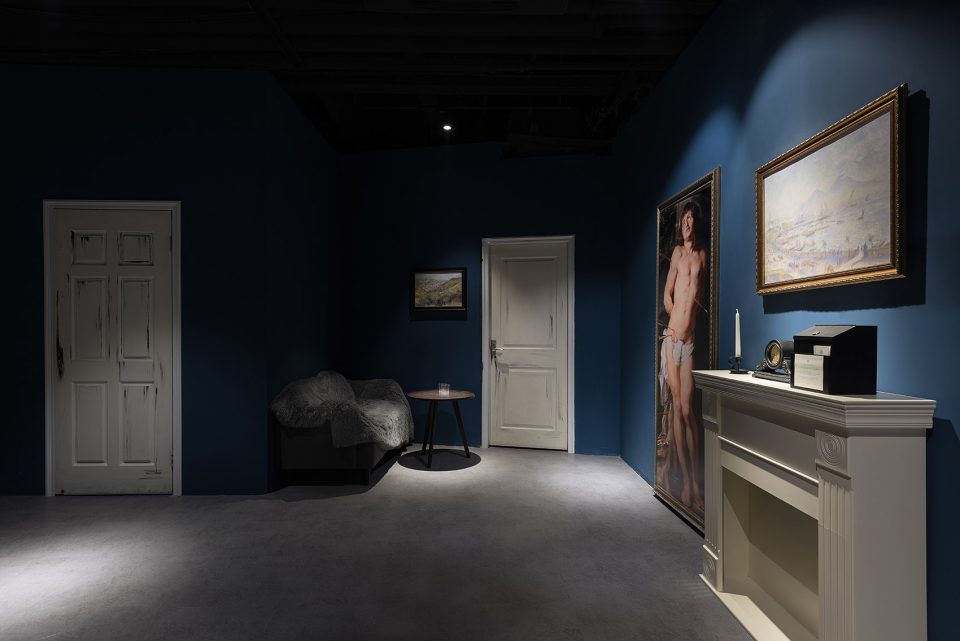
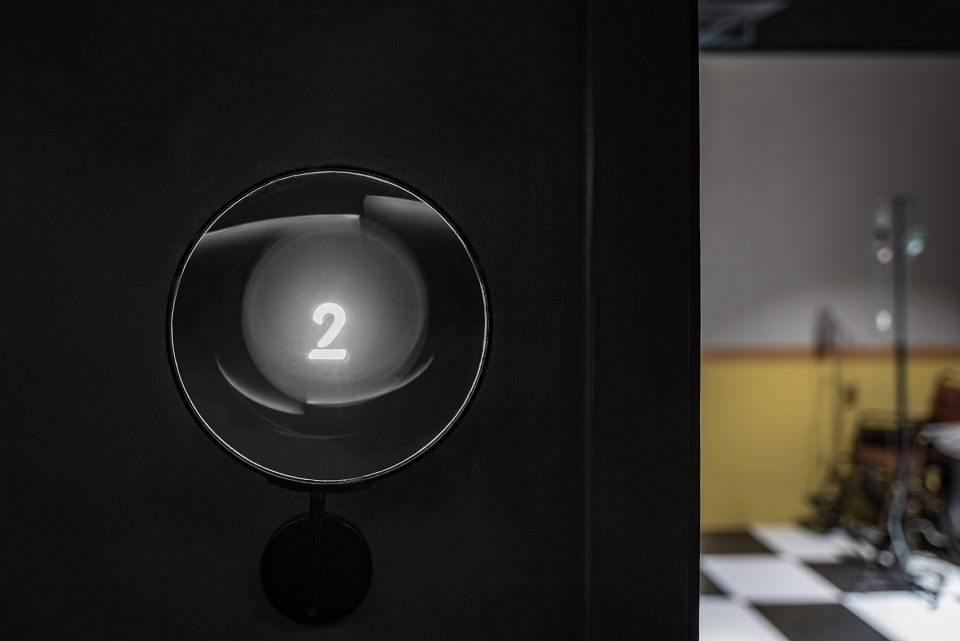
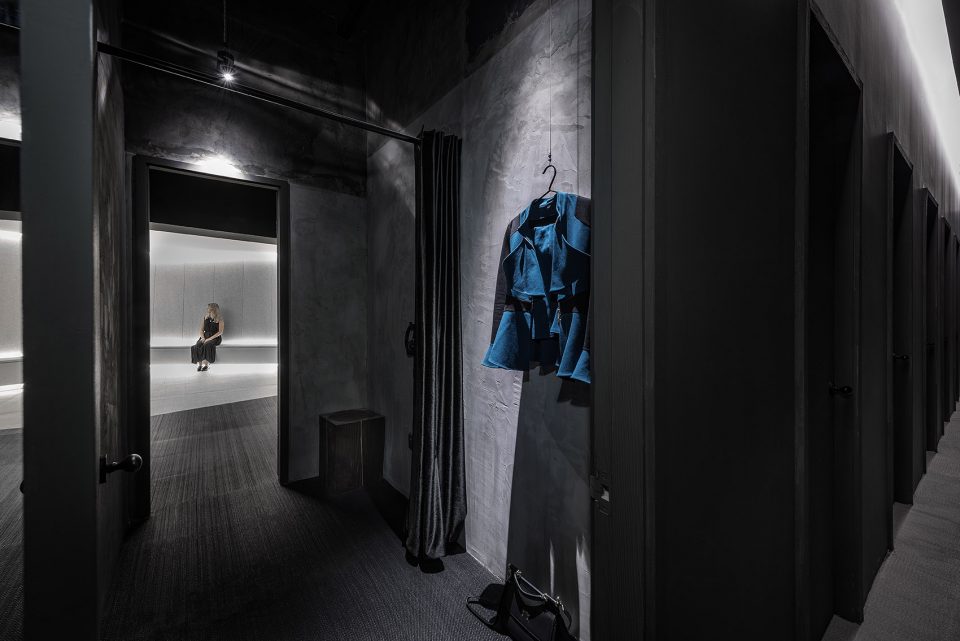
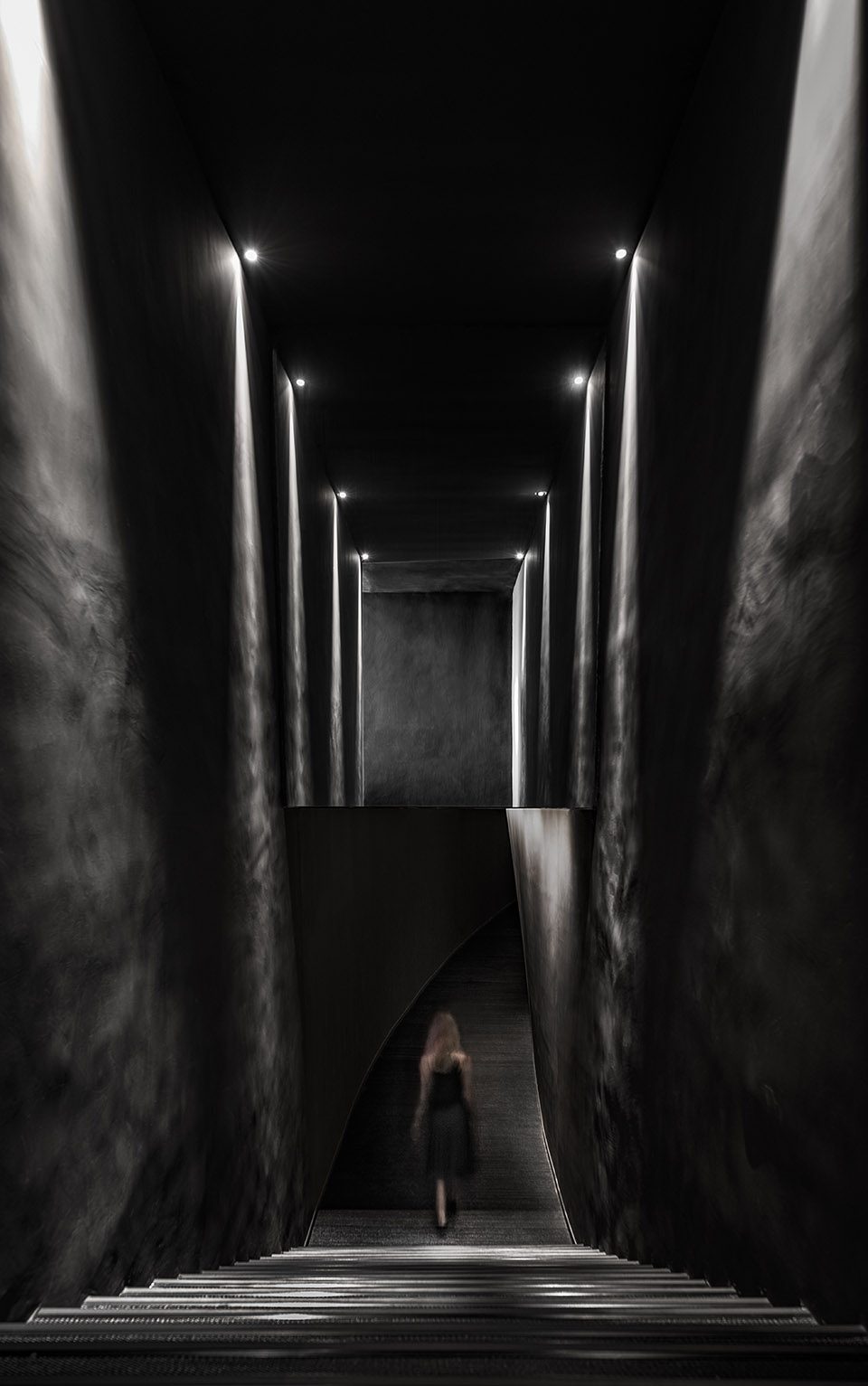
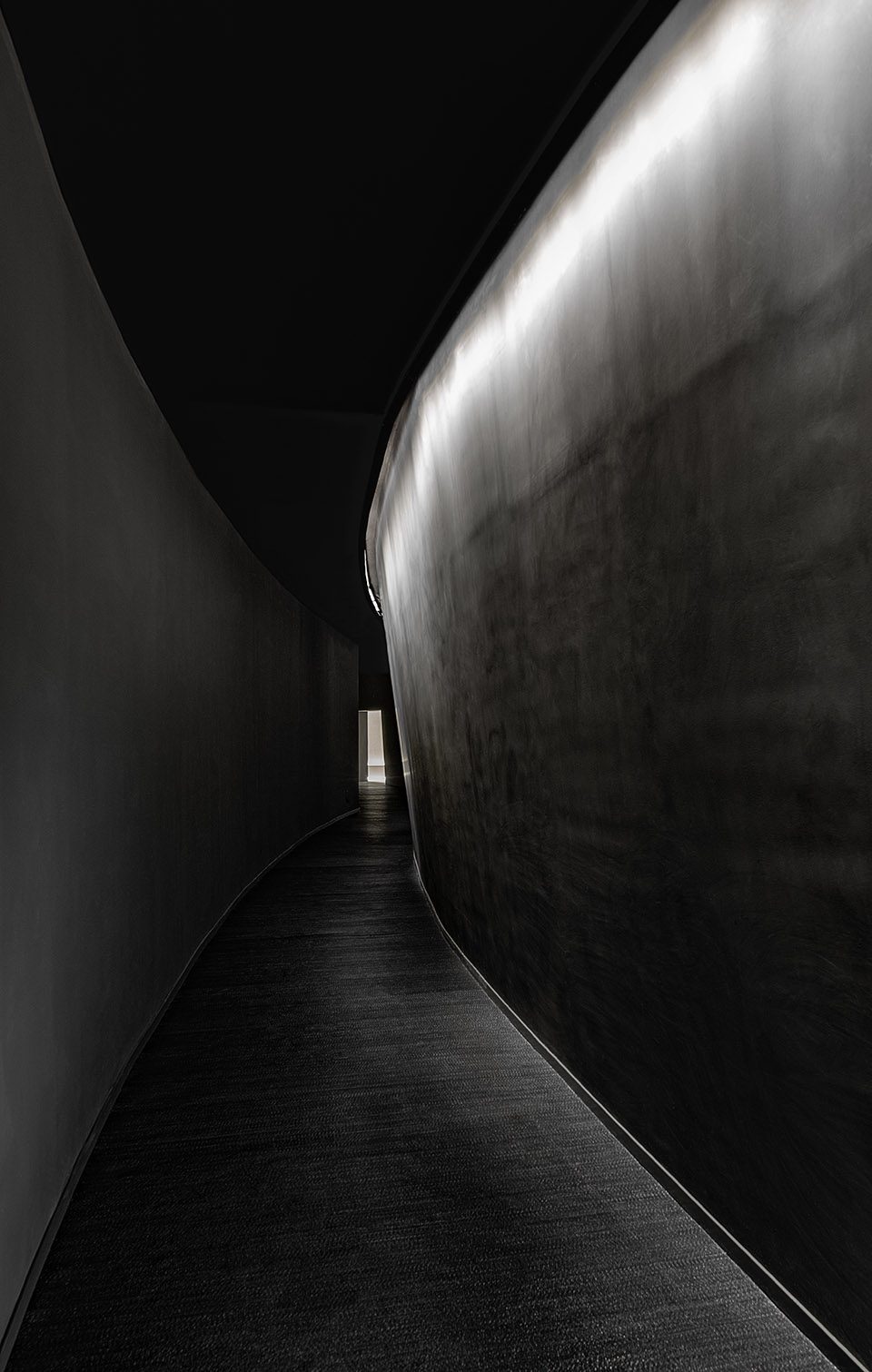
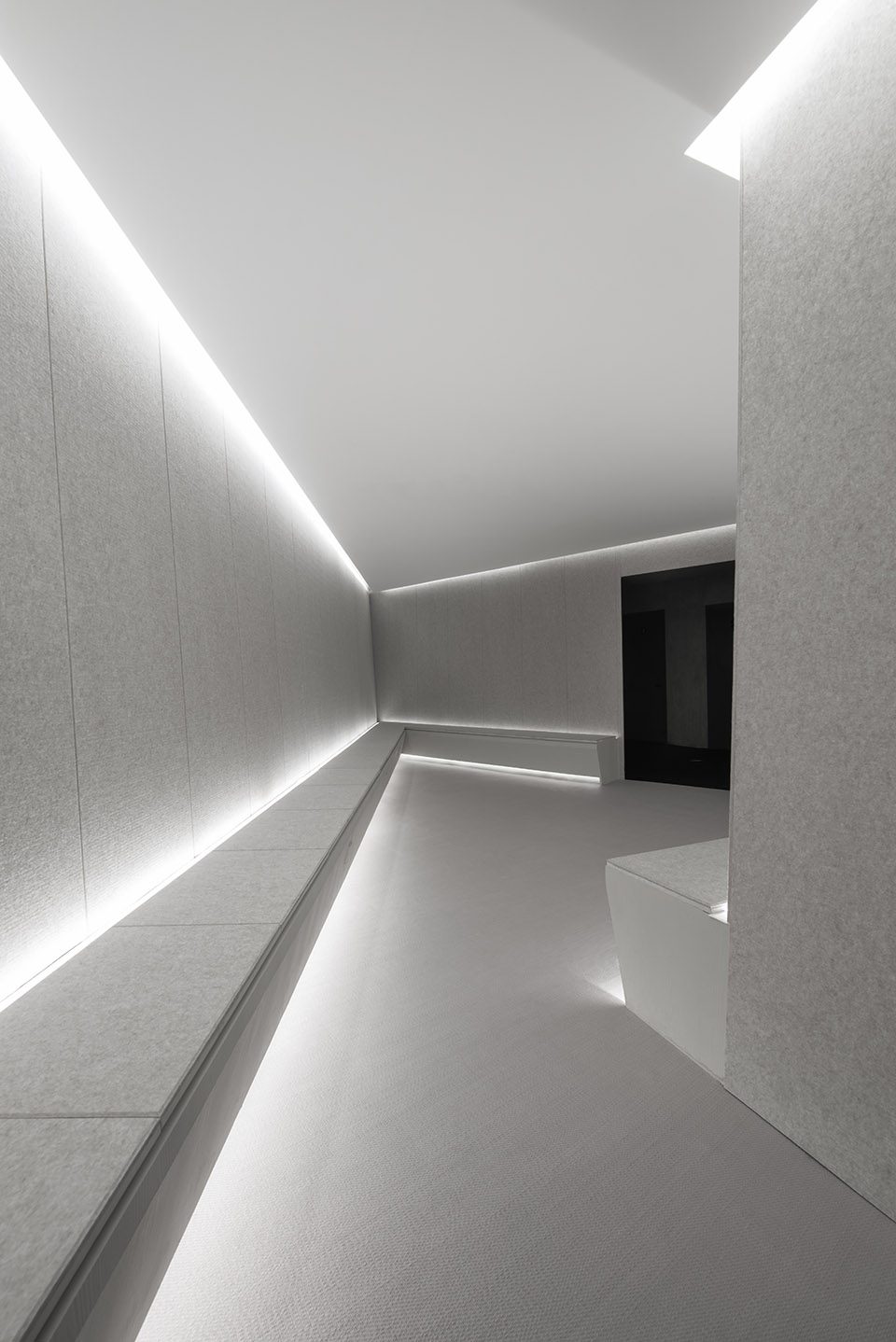
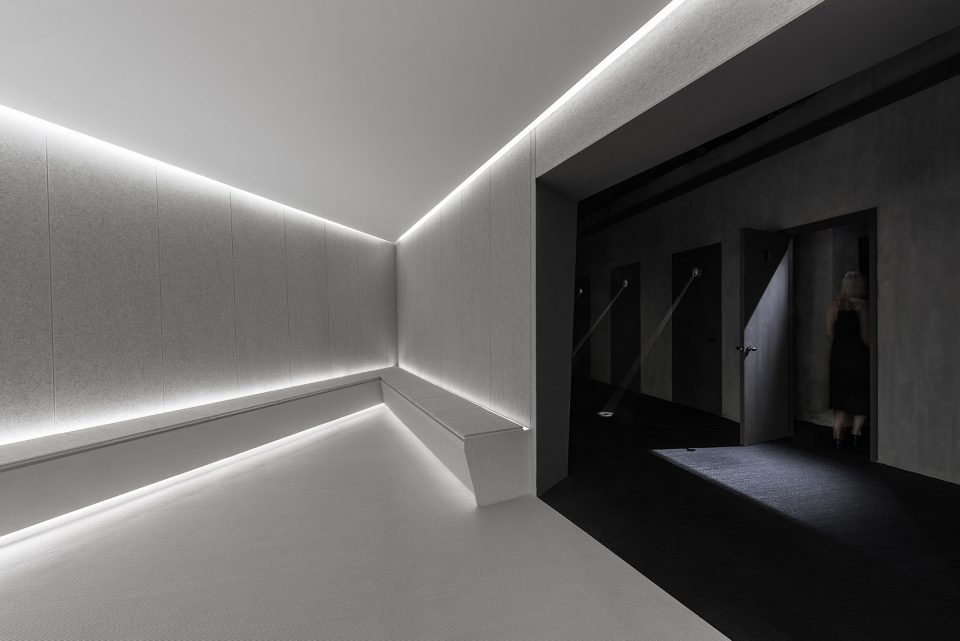
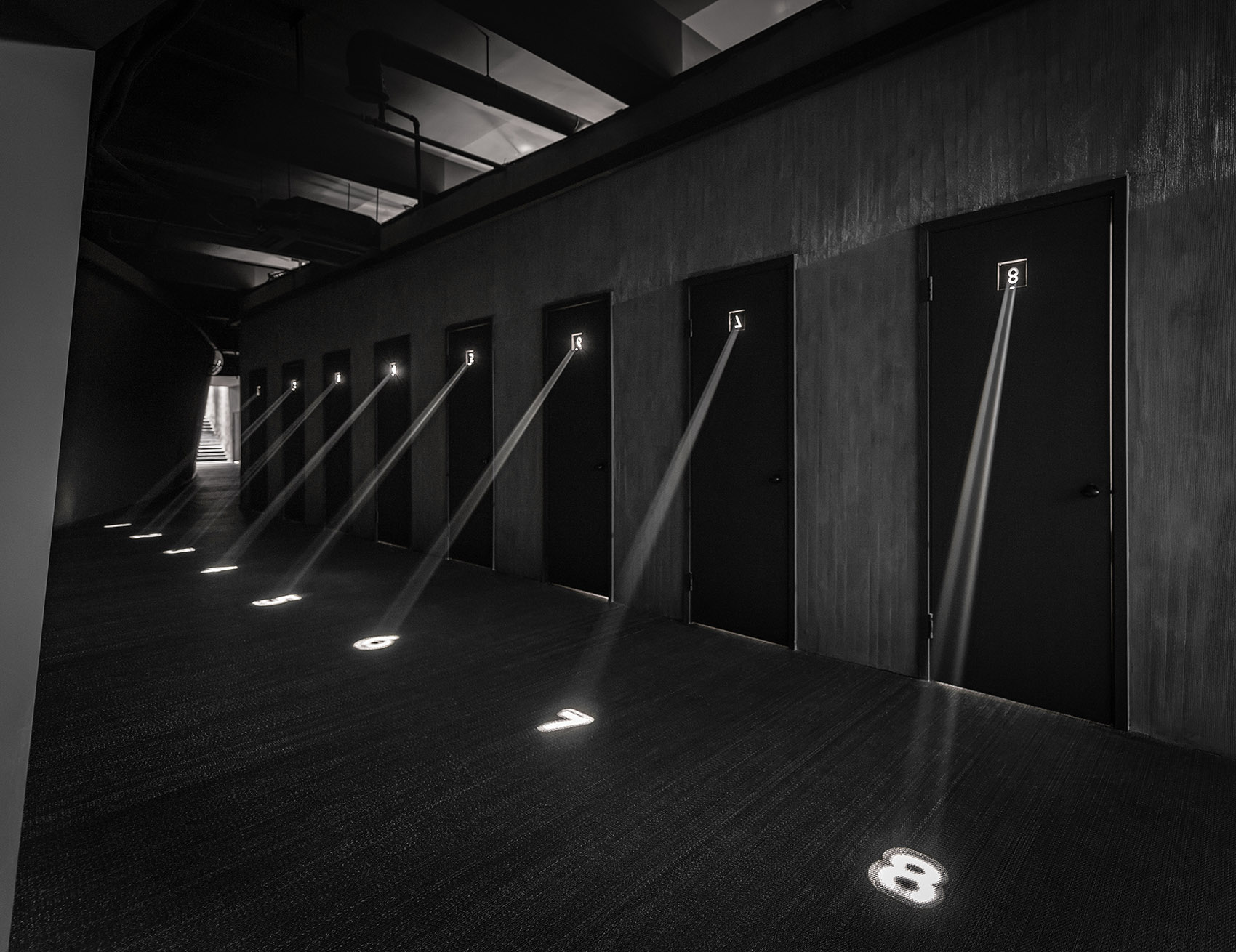
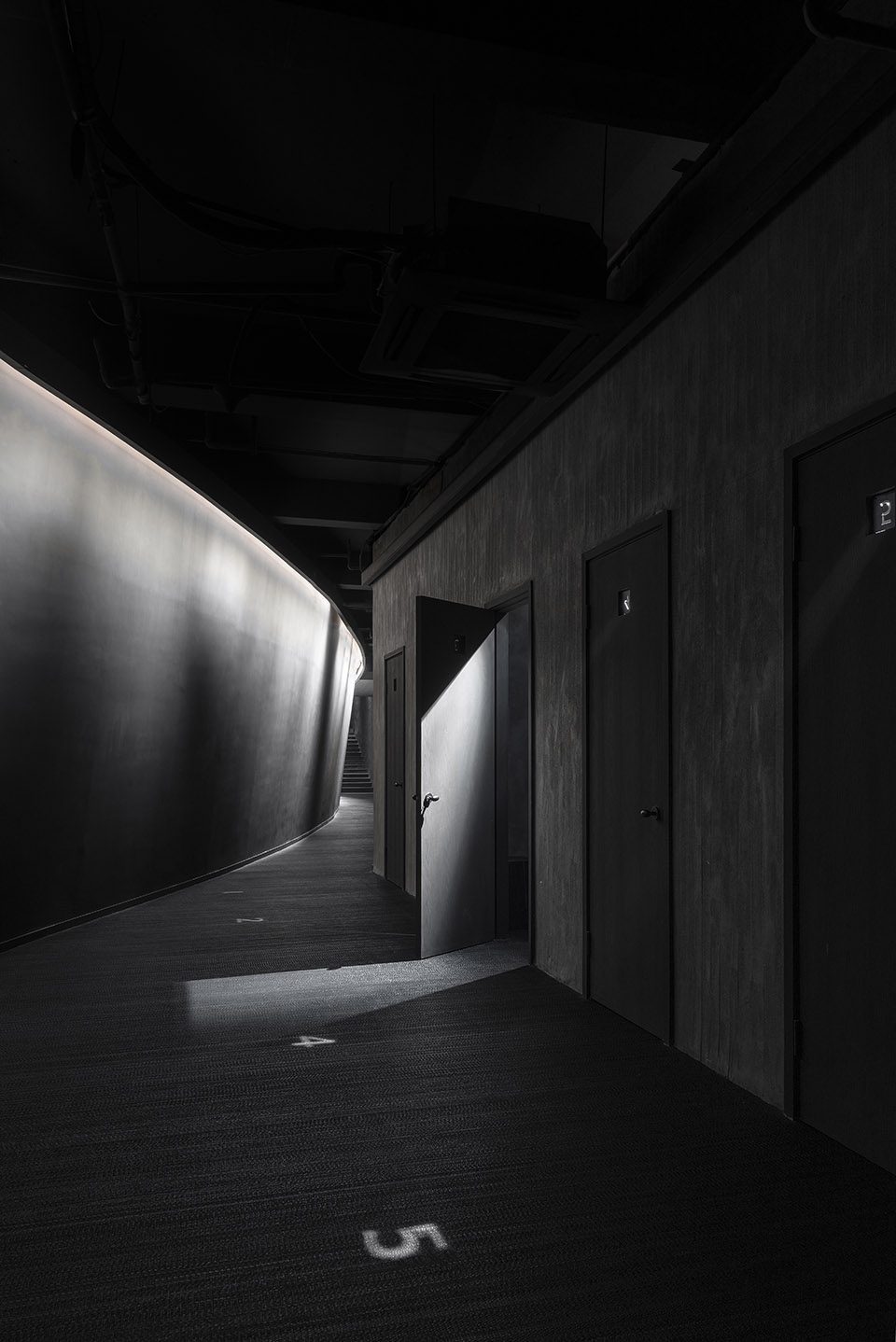
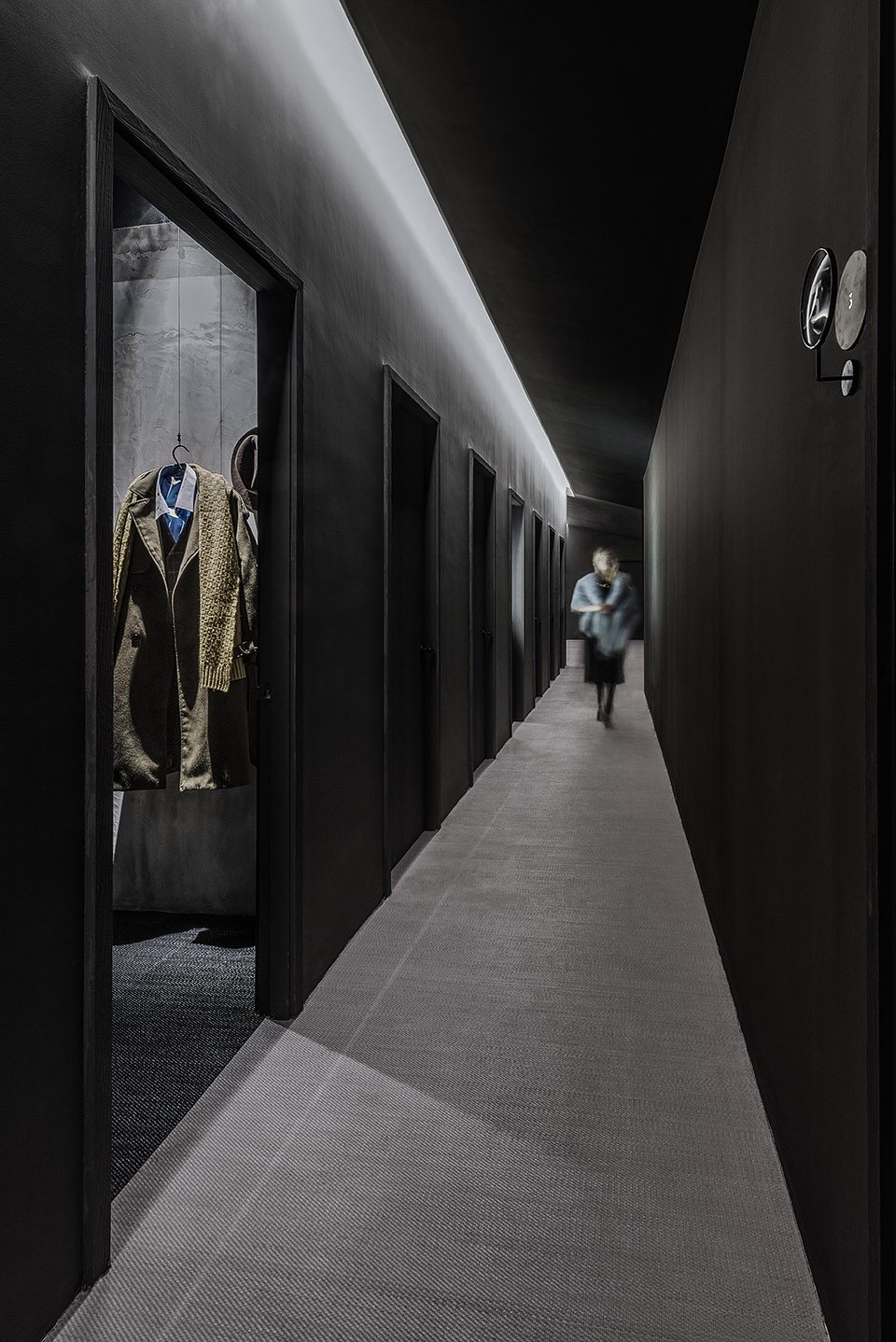
间离剧以独特的形态,为观众提供了别具一格的体验。剧院的构思要求建筑师对空间、事件和运动进行仔细的思考和设计,从建筑层面处理个中关系。MDO在深思熟虑后,决定以夸张的形式、灯光和流线,来应对这一挑战。建筑师将黑色电影的艺术表达和强化的戏剧感融入到设计中,创造出一系列对比性极强的空间;身临其中,就好似在欣赏一组胶片镜头蒙太奇。伯纳德·屈米先生的建筑理论,尤其是1976年的著作《电影剧本》,对此类项目有着深远的影响。MDO采用的诸多策略都参考了电影编辑的概念以及建筑的时空特性。几位知名的黑色电影导演常常用到的变形、重复和叠加等手段,都被建筑师运用起来,以营造五十年代好莱坞情节电影的氛围。
The Jianliju theatre company, in an interesting examination of typology, offers a unique spectator experience where the audience plays an integral part of their performances and productions, as such the brief for their new premises in Shanghai demands a careful architectural approach to the relationships between space, event and movement. MDO, the architects selected to take on this mantle, have addressed these conditions with a deliberate and exaggerated exploration of form, lighting and circulation. The practice has taken the cinematic expression of film noir and applied its heightened sense of drama to the atmosphere within to create a sequence of contrasting spaces that read as a montage of screenshots from a film reel. With work of this nature, the architectural theory of Tschumi, especially the 1976 Screenplays project, is never far away and many of the formal strategies employed by MDO directly reference the parallels with screen editing and the time-space nature of architecture. Tools such as distortion, repetition and superimposition often used by the great directors of the film noir scene have all been applied as a method to soak the interior with all the atmosphere of a 50s Hollywood melodrama.