四川南部水城禹迹岛公园,四川/景观
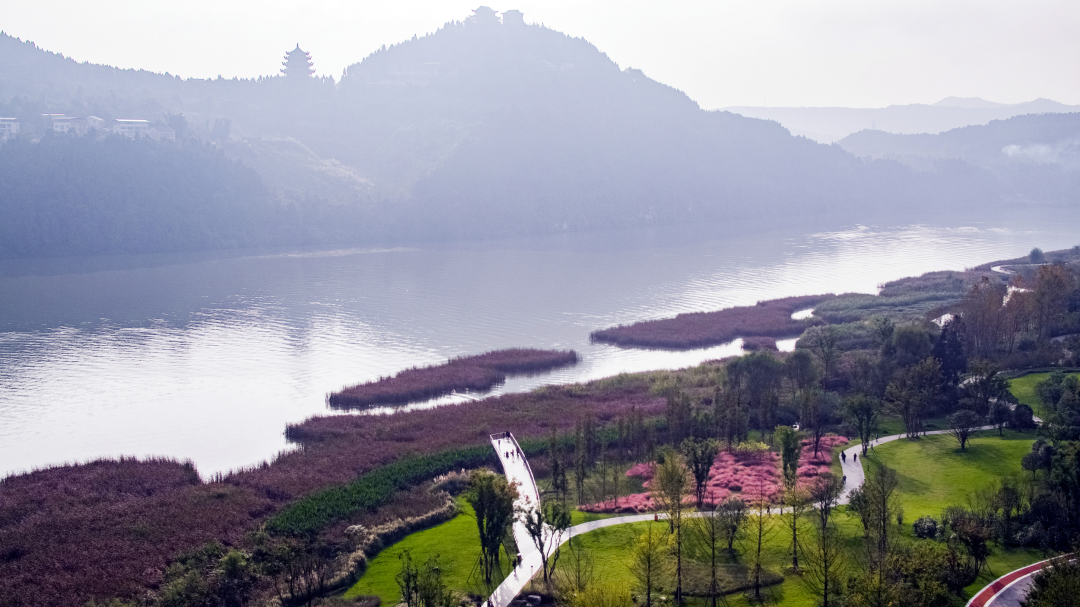
项目位于四川“成渝第二城”之称的南充市南部县满福坝新区。“一部南部史,千古亲水情”,千百年来,嘉陵江水在此浩瀚奔腾,泽润万物,川北人民在此繁衍生息,共谱华章。设计本着敬畏自然、进发未来的原则,提出“嘉陵明珠、璀璨江畔”的理念,将嘉陵江水引入场地,营造城在水上,水在城中的南部水城,为人的亲水活动创造更贴近的直观体验。
The project is located in manfuba new area, Nanbu County, Nanchong City, known as the "second city of Chengdu and Chongqing" in Sichuan. "A history of the south, close to water for thousands of years". For thousands of years, the Jialing River has been surging in the vast expanse, moistening everything, and the people of northern Sichuan have multiplied here, making a brilliant chapter. Based on the principle of respecting nature and advancing into the future, the design puts forward the concept of "Jialing pearl and bright river bank", introduces the water of Jialing River into the site, and creates a southern water city with the city on the water and the water in the city, creating a more close intuitive experience for people's hydrophilic activities.
四川南部水城禹迹岛公园藉由森域景观设计手法,借助城市山水、文化资源的联动,构建了一处文城一体、产城一体、景城一体的生态人居环境。建成后的公园既成为市民休闲健身好去处,又为提升南部县综合承载能力和竞争力,促进县域经济快速发展起到了积极推动作用。
Yujidao Park, a water city in southern Sichuan, has built an ecological residential environment integrating culture and city, industry and city, and scenery and city by means of forest landscape design techniques and the linkage of urban landscape and cultural resources. The completed park has not only become a good place for citizens' leisure and fitness, but also played a positive role in improving the comprehensive carrying capacity and competitiveness of Nanbu county and promoting the rapid development of county economy.
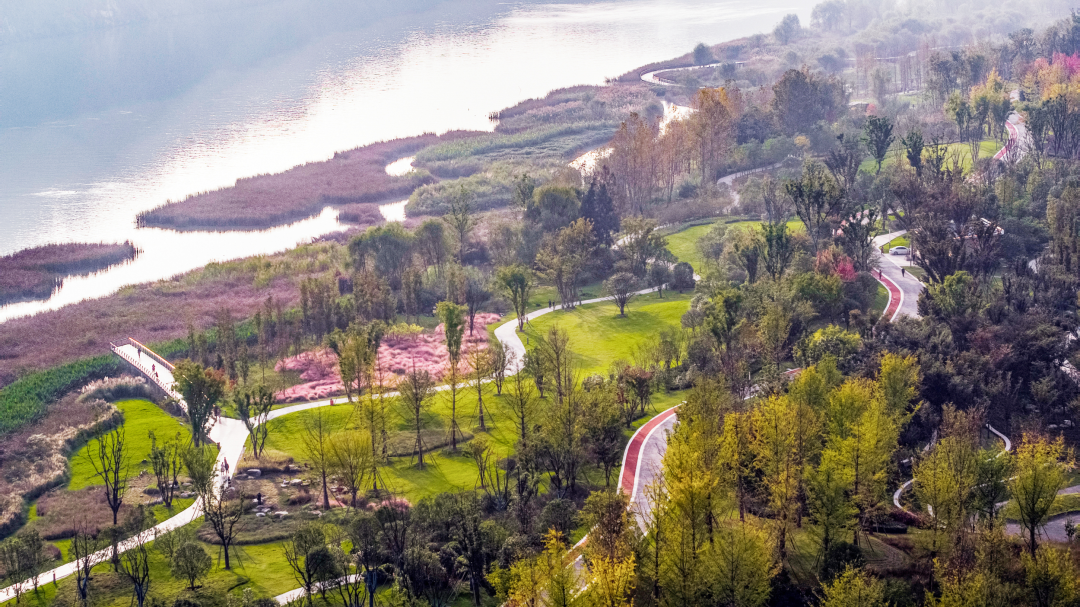
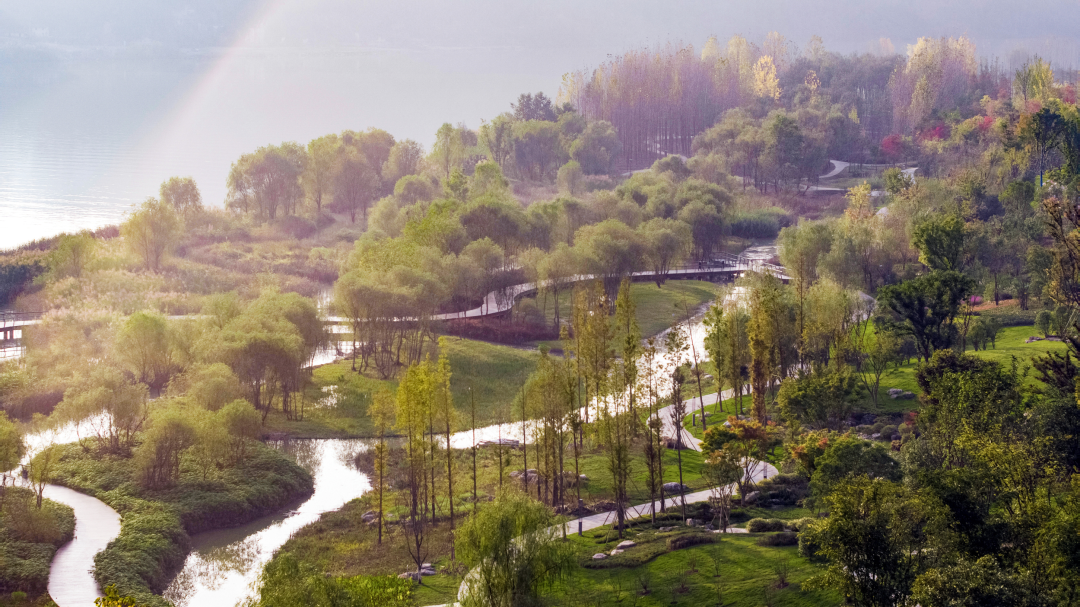
相传上古时期,洪水泛滥,民不聊生,大禹临危受命消灭水患,以疏通河道、拓宽峡口之法,终让水脉畅通,百姓安居乐业。在踏遍神州万里治水的过程中,大禹在南部县亦留下了宝贵的遗迹。为传承历史文化,致敬大禹科学治水的精神,设计在满足大型公园与特征性视觉景观带的前提下,将大禹文化容于整个场地中,通过线条构建与形式象征来展现大禹的一生,打造南部水城相融的文化名片。
According to legend, in ancient times, when floods flooded and the people were unable to make a living, Dayu was ordered to eliminate floods in the face of danger. By dredging the river and widening the gap, the water vein was finally unblocked and the people lived and worked in peace and contentment. In the process of flood control across China, Dayu also left precious relics in Nanbu county. In order to inherit the historical culture and pay tribute to the spirit of Dayu's scientific water control, the design incorporates Dayu culture into the whole site on the premise of meeting the requirements of large parks and characteristic visual landscape belts, and shows Dayu's life through line construction and formal symbols, creating a cultural business card that integrates the southern water city.
作为新老两城的视觉纽带,片区内河水系的打造,充分将水体资源与场地内部结合,实现了曲水连城,蓝绿交织,有机相生的城市发展目标。通过对大地景观的地形梳理及植物的片植,强化自然语境,力求形成一个隔世恍惚的南部画卷盛景。现代景观的场地营造有效提升了城市品质,最终为南部打造一座集民众休闲、形象展示、节日庆典的特质化空间。
As the visual link between the new and old cities, the construction of the river system in the area fully combines the water resources with the interior of the site, realizing the urban development goal of connecting the city with Qushui, interweaving blue and green, and organically growing. Through combing the terrain of the earth landscape and planting plants, strengthen the natural context, and strive to form a secluded Southern painting scene. The site construction of modern landscape has effectively improved the quality of the city, and finally created a special space for people's leisure, image display and festival celebrations in the south.
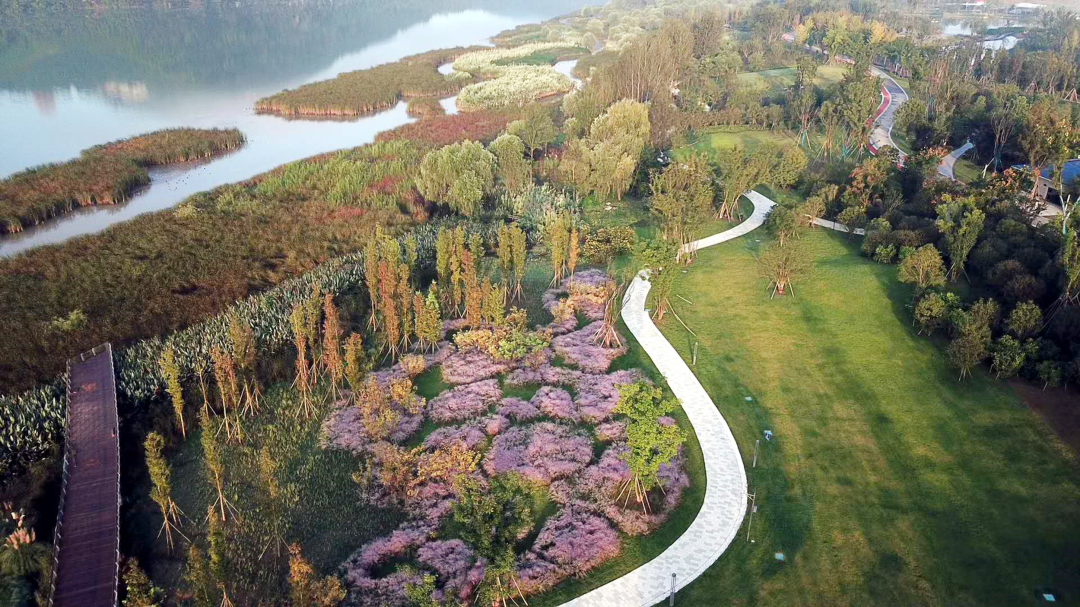
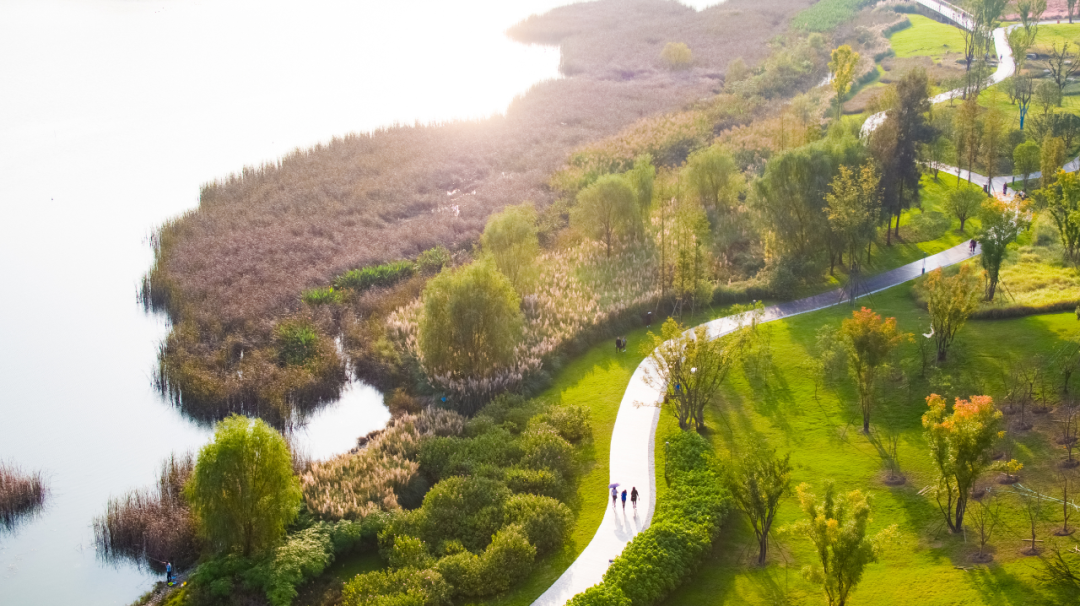
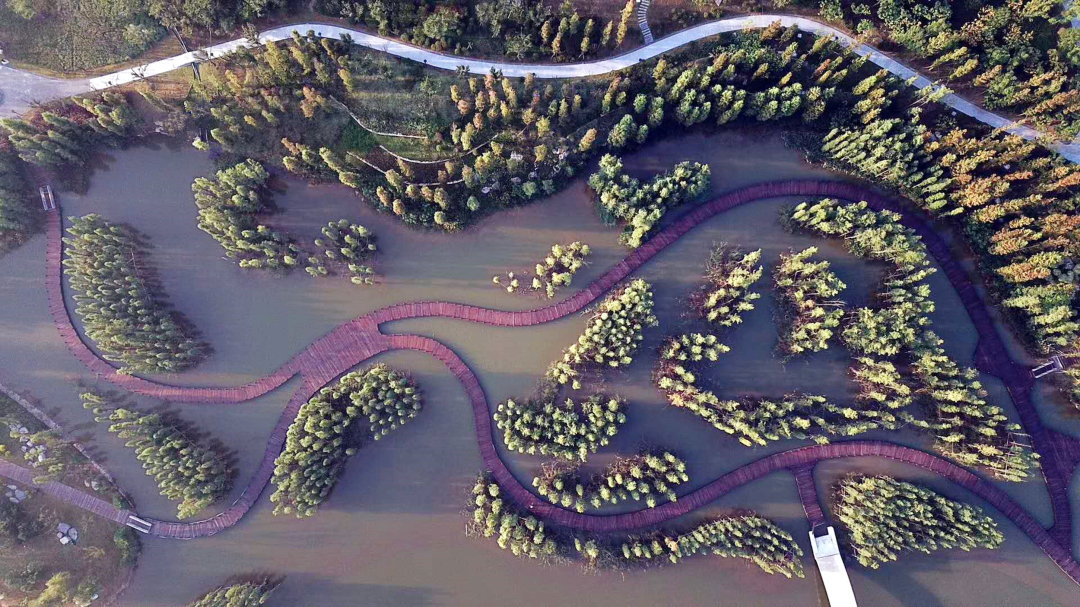
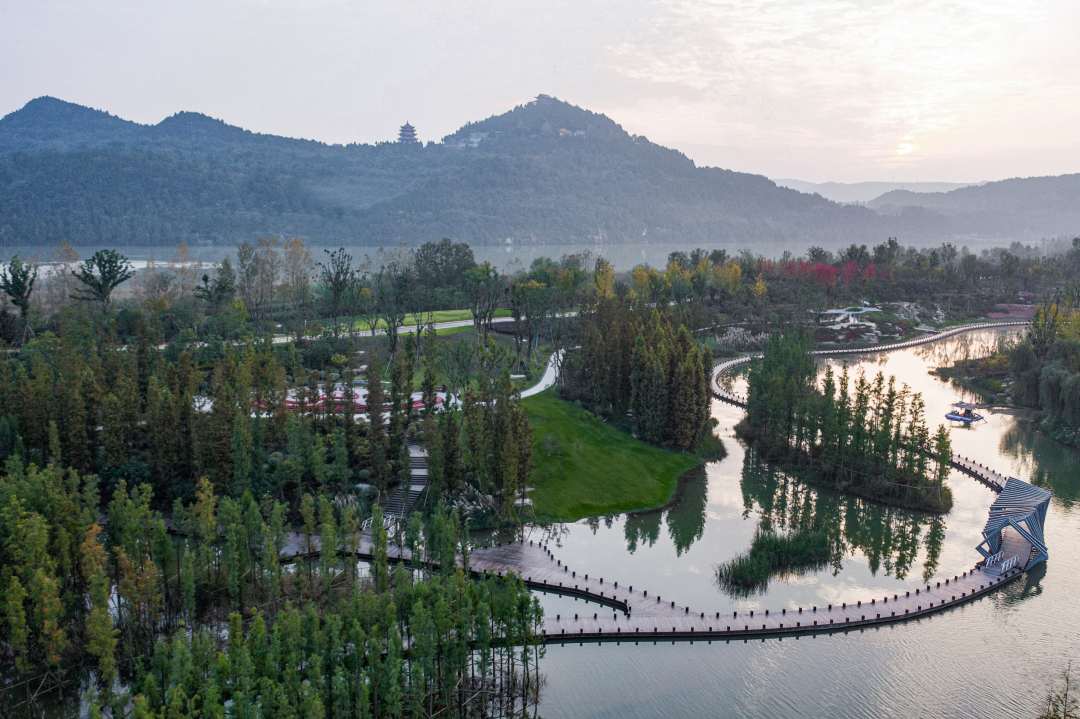
针对现今滨水风光带多只注重湿地营造,从内陆到江边的植被过渡缺失,导致出现强烈的沿江设计带痕迹,景观生态着力缺乏的问题,禹迹岛公园项目借助原生林、补植林、人工片植林和特色景观林巧妙完成过渡带设计,完美实现从原生到人工造景的转换。
In view of the fact that the waterfront scenic zone only pays attention to the construction of wetlands, and the lack of vegetation transition from inland to the riverside, resulting in strong traces of riverside design zones and the lack of landscape ecological efforts, Yuji Island Park project skillfully completes the design of transition zones with the help of native forests, supplementary forests, artificial patch forests and characteristic scenic forests, and perfectly realizes the transformation from native to artificial landscapes.
传统滨水带强调的是湿地系统的生态化打造,将滨水湿地的液泡生态、自净系统做到极致。但是从湿地生态逐步向林区生态转变的过程中,却被城市道路和滨江堤防所阻断。
The traditional waterfront emphasizes the ecological construction of the wetland system, and makes the vacuolar ecology and self purification system of the waterfront wetland to the extreme. However, the gradual transformation from wetland ecology to forest ecology was blocked by urban roads and riverside embankments.
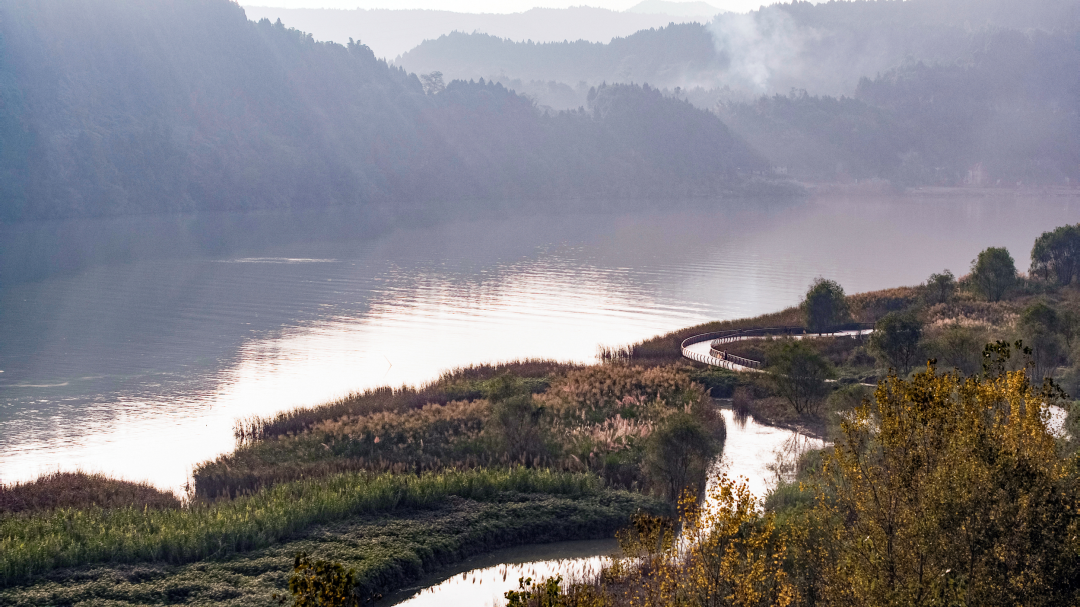
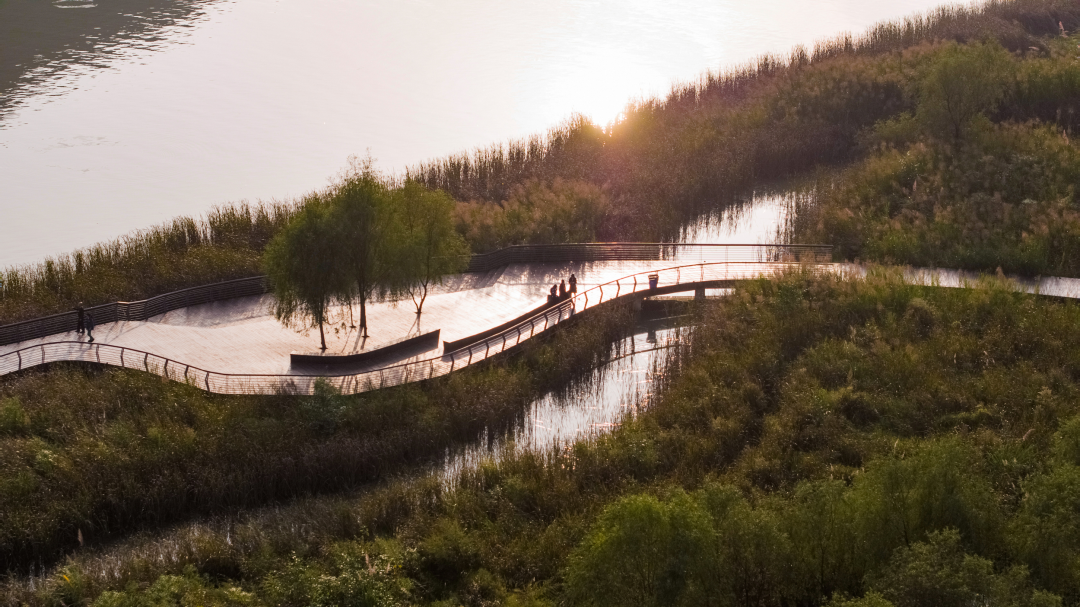
为了营造更完善的生态系统,在规划之初,设计打破固体边界的障碍,充分考虑滨江带与城市滨水公园的结合,由内到外构建了江边滩涂—湿地系统—原生林—人工化园林区域—城市边界的纵深林线,让自然和城市更完美的融合。
In order to create a more perfect ecosystem, at the beginning of the planning, we designed to break the barriers of solid boundaries, fully considered the combination of riverside belt and urban waterfront park, and built a deep forest line from inside to outside of riverside beach wetland system primary forest artificial garden area urban boundary, so that nature and city can be more perfectly integrated.
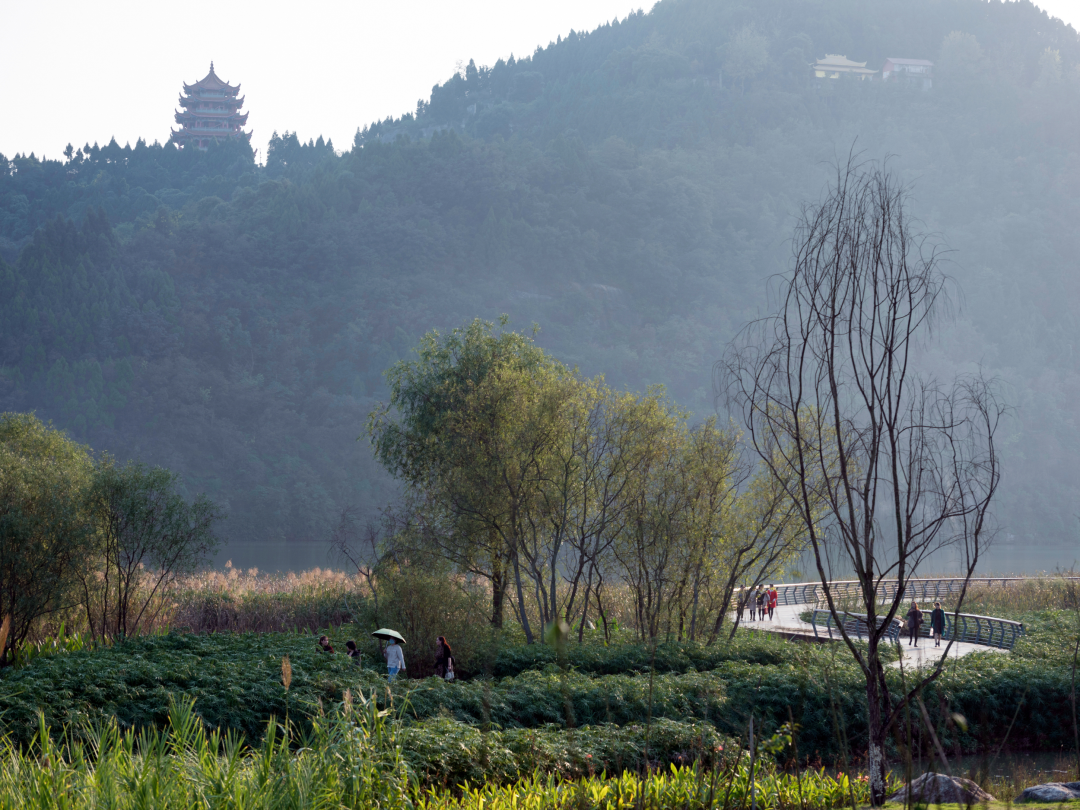
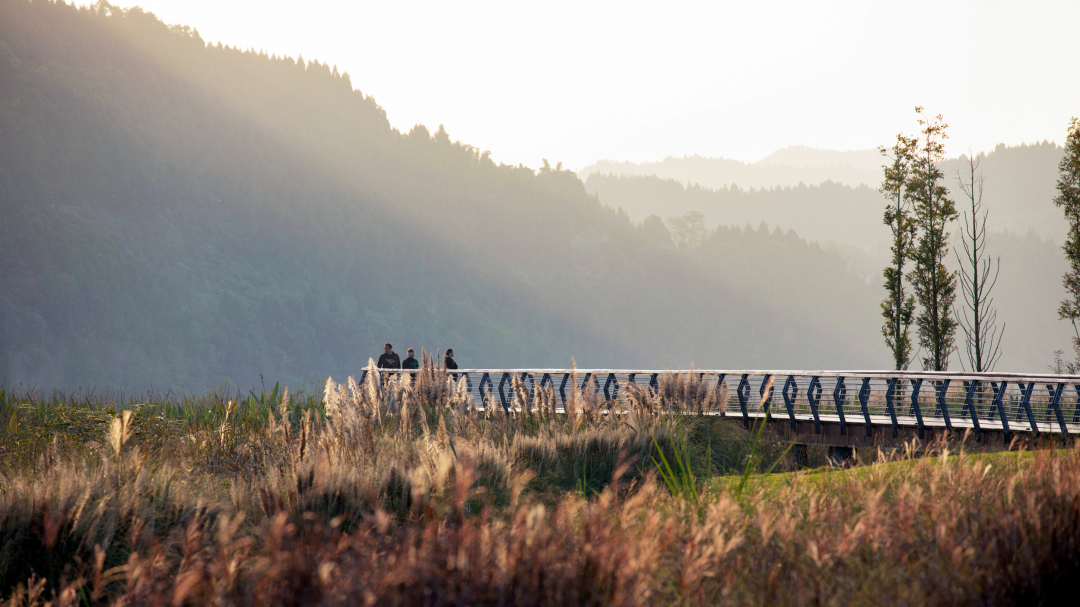
面对滨水空间和城市边界之间通常横贯着的固态防洪措施,传统的设计手法是将其作为平行于河道的空间存在,设计亦依此围绕展开,最终形成了第二条平行于滨水带的线性空间:一条由大小节点和步道系统串联,围绕防洪道路盘桓的固态模式。
Facing the solid-state flood control measures that usually traverse between the waterfront space and the urban boundary, the traditional design method is to take it as a space parallel to the river channel, and the design is also carried out around it. Finally, a second linear space parallel to the waterfront is formed: a solid-state model that consists of large and small nodes and footpath systems in series and revolves around the flood control road.
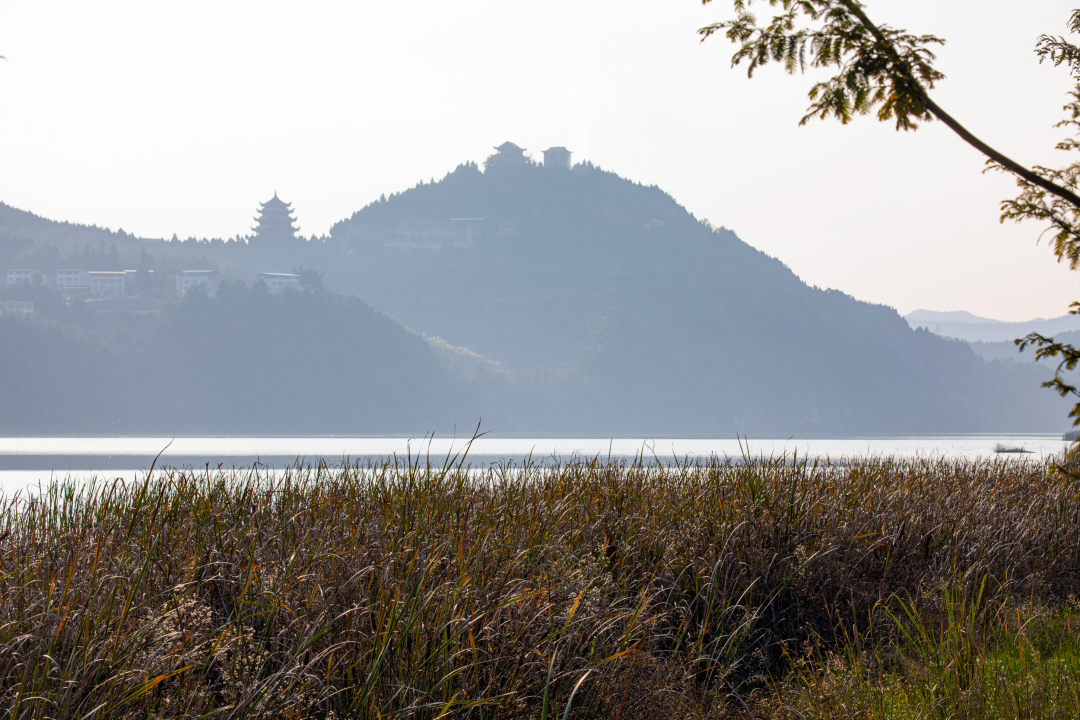
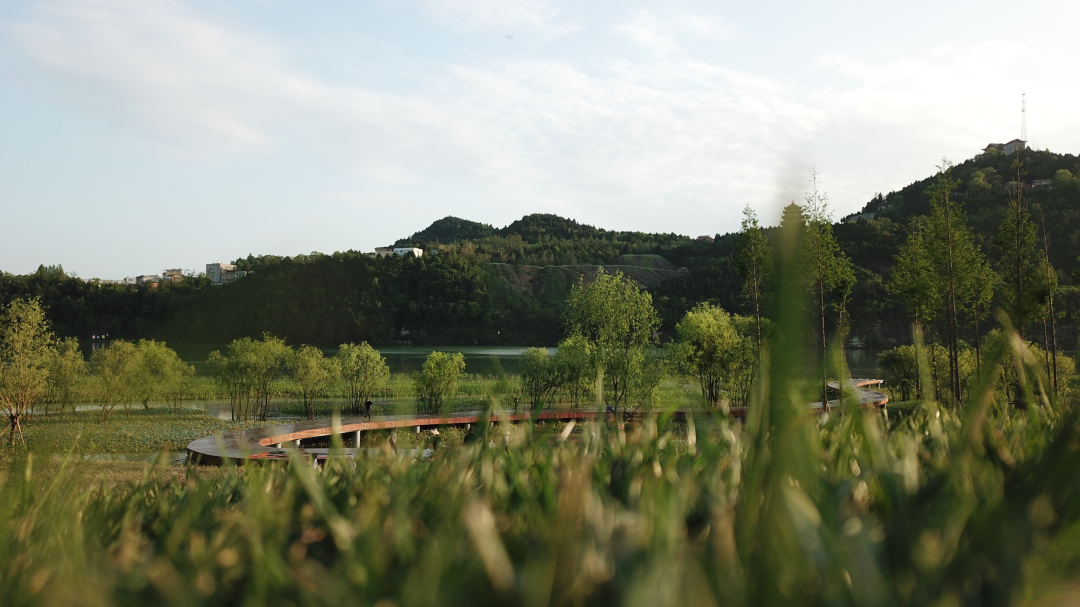
为了规避避防洪措施对整个滨江带的线性控制,设计借鉴中国园林的造景手法,构建了多个不同的“局”形态,通过多个围合空间,打造中国山水画中的连续多灭点场景,形成流动画卷。
In order to avoid the linear control of flood control measures on the whole riverside belt, the design uses the landscaping techniques of Chinese gardens for reference, constructs a number of different "bureau" forms, and creates a continuous multi vanishing point scene in Chinese landscape painting through multiple enclosed spaces, forming a flow animation volume.
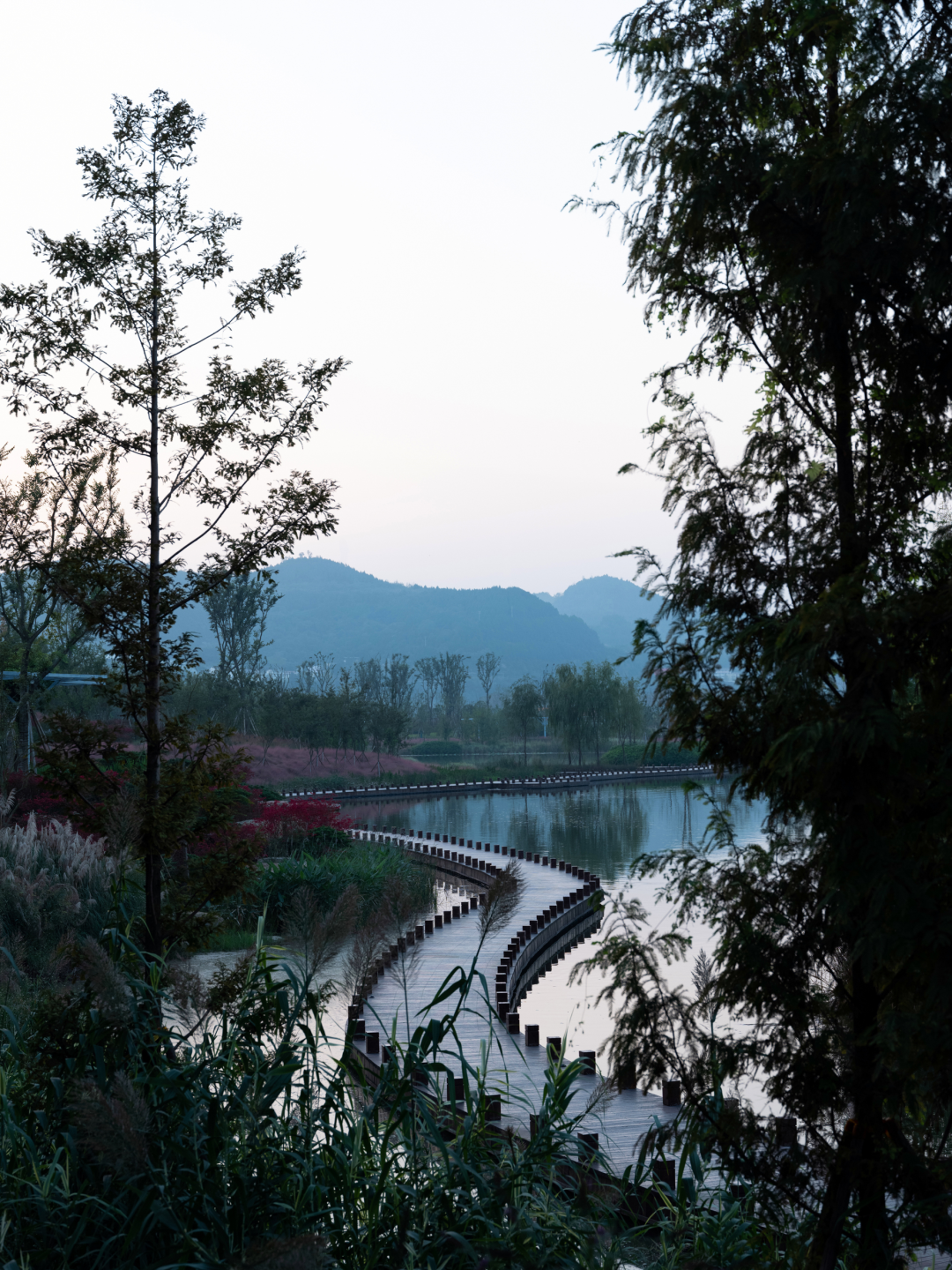
传统的设计中,将滩涂原生林、堤岸补植林、蓝绿人工林三个区域分隔开来的方式对水生态的帮助甚微,由于植物根系发达的特性会导致某些强势树种大面积侵蚀到原本希望分开的其他空间,最后得到的是经不起时间洗刷的环境风貌。
In the traditional design, the way of separating the three areas of beach native forest, embankment replanting forest and blue-green artificial forest is of little help to the water ecology. Due to the characteristics of developed plant roots, some strong tree species will erode to other spaces that originally wanted to be separated, and finally get an environmental style that can't stand the washing of time.
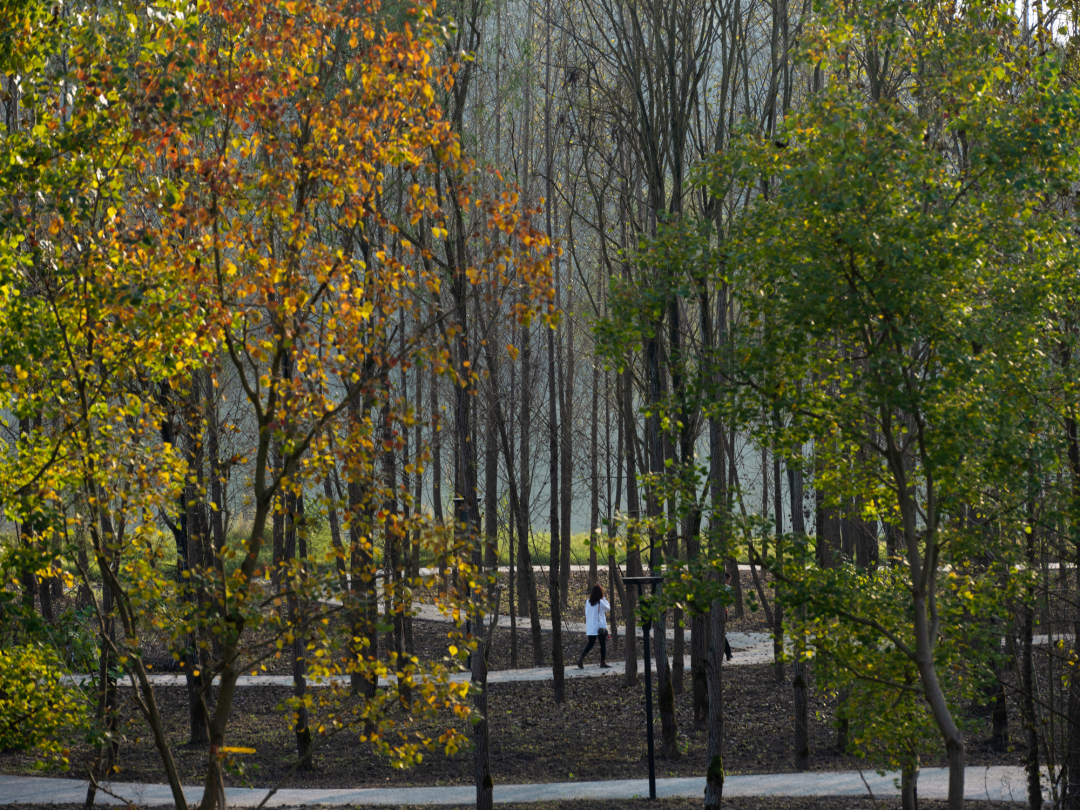
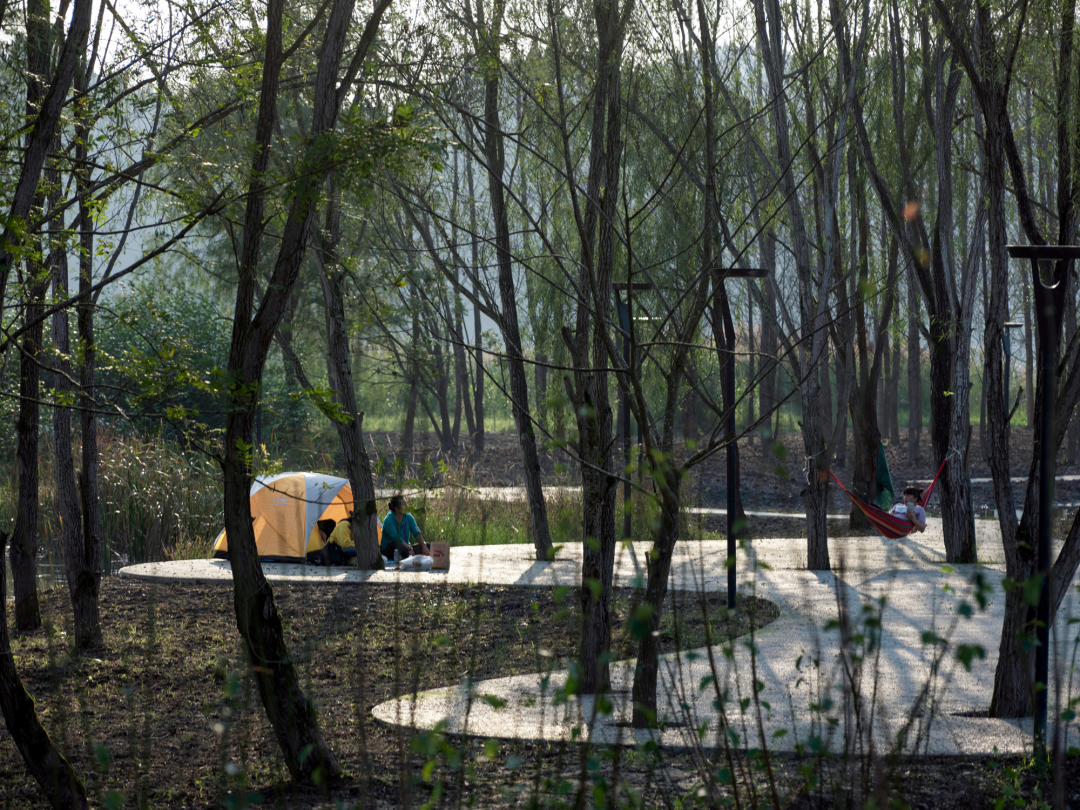
因此,在本项目中,设计对地上和地下空间进行了系统考量。针对地上水岸,通过视觉通廊的打造,在不破坏原生林边界的前提下,对其适当进行组团化梳理,如清理胸径小于10公分以下的乔木等,从而营造山水园林的艺术效果。
Therefore, in this project, the above ground and underground spaces are systematically considered in the design. For the above ground water bank, through the construction of the visual corridor, on the premise of not damaging the boundary of the original forest, it is appropriate to organize it in groups, such as clearing the trees with a diameter of less than 10 cm at breast height, so as to create the artistic effect of landscape gardens.
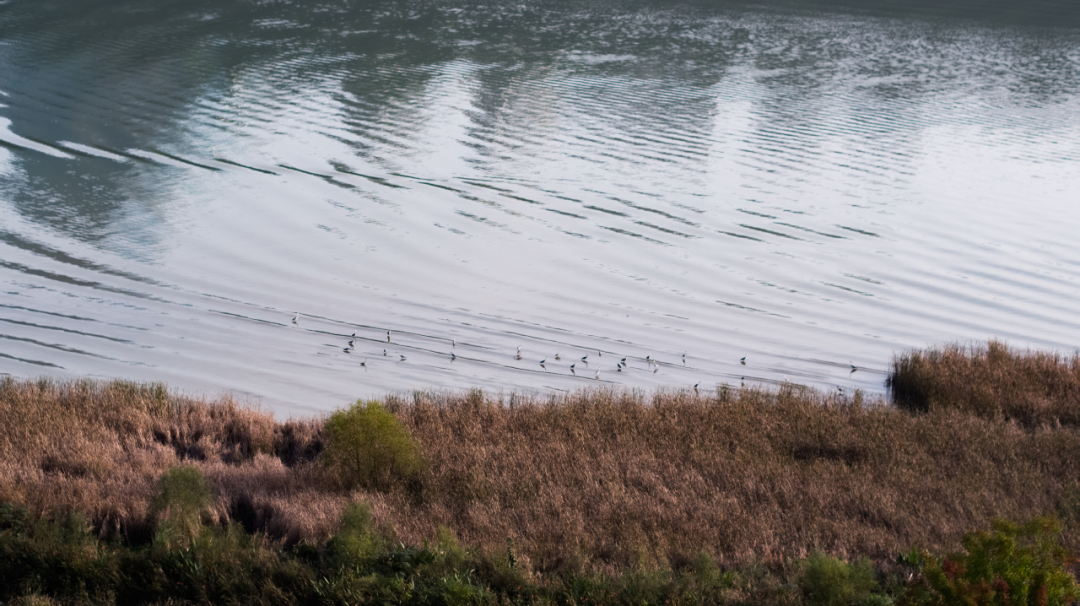
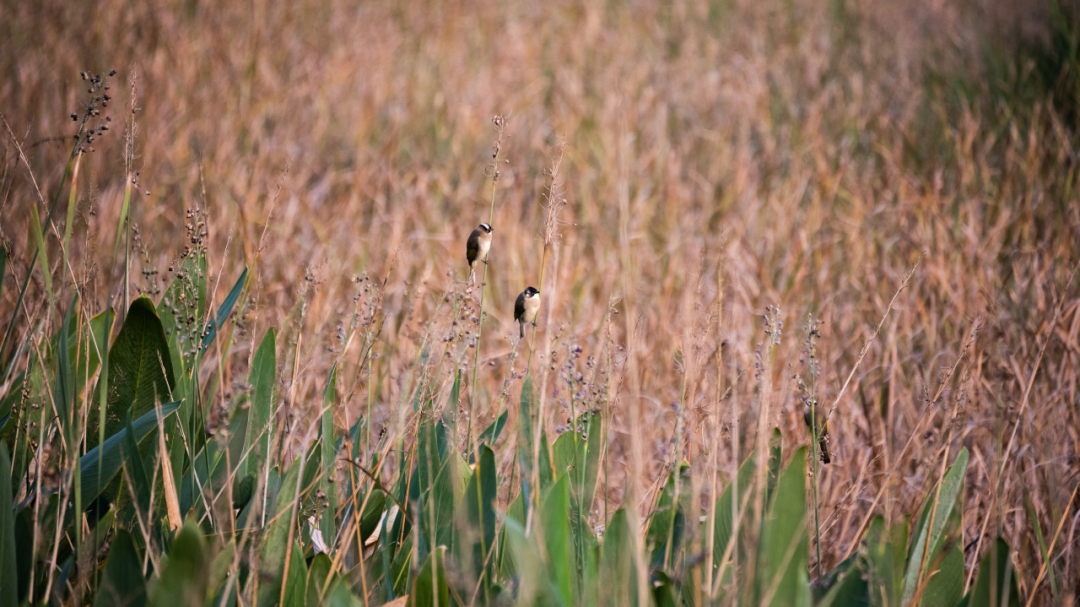
针对地下水岸,则通过人工手段来阻断菖蒲、巴茅、芦苇等植物根系的无限制延展,令水道进入滩涂地块,从而变滩涂为湿岛,改善鸟类的觅食空间和大型鸟类的栖息之地。
For the underground water bank, artificial means are used to block the unrestricted extension of the roots of plants such as Acorus calamus, balauca, reed, etc., so that the waterway enters the beach land, thus changing the beach into a wet Island, improving the foraging space of birds and the habitat of large birds.
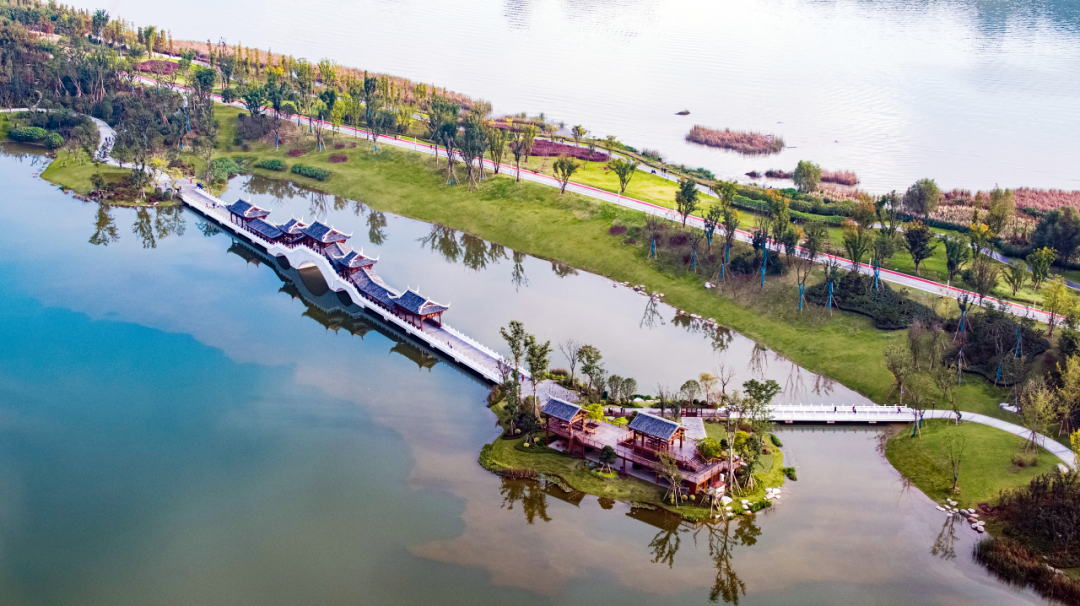
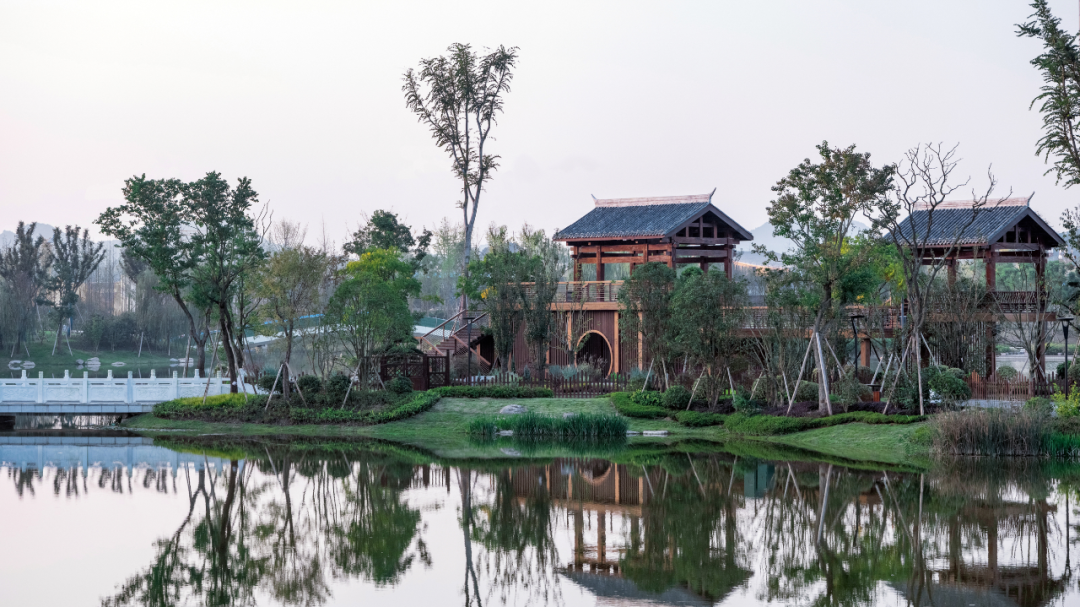
针对地幅阔大绵长的外滩区域,设计通过地形的塑造、植物疏朗关系的调整、密植组团与道路的围合、停驻场地的打造以及特色旱溪的营造,提供了丰富多样的视觉感官体验,使游客在游览的过程中,既能感受到山河磅礴的壮丽,又能有游园细节上的回味。
For the wide and long Bund area, the design provides a rich and diverse visual sensory experience through the shaping of the terrain, the adjustment of the relationship between sparse plants, the enclosure of dense planting groups and roads, the construction of parking sites and the construction of characteristic dry streams, so that tourists can not only feel the majestic magnificence of mountains and rivers, but also have the aftertaste of garden details during the tour.
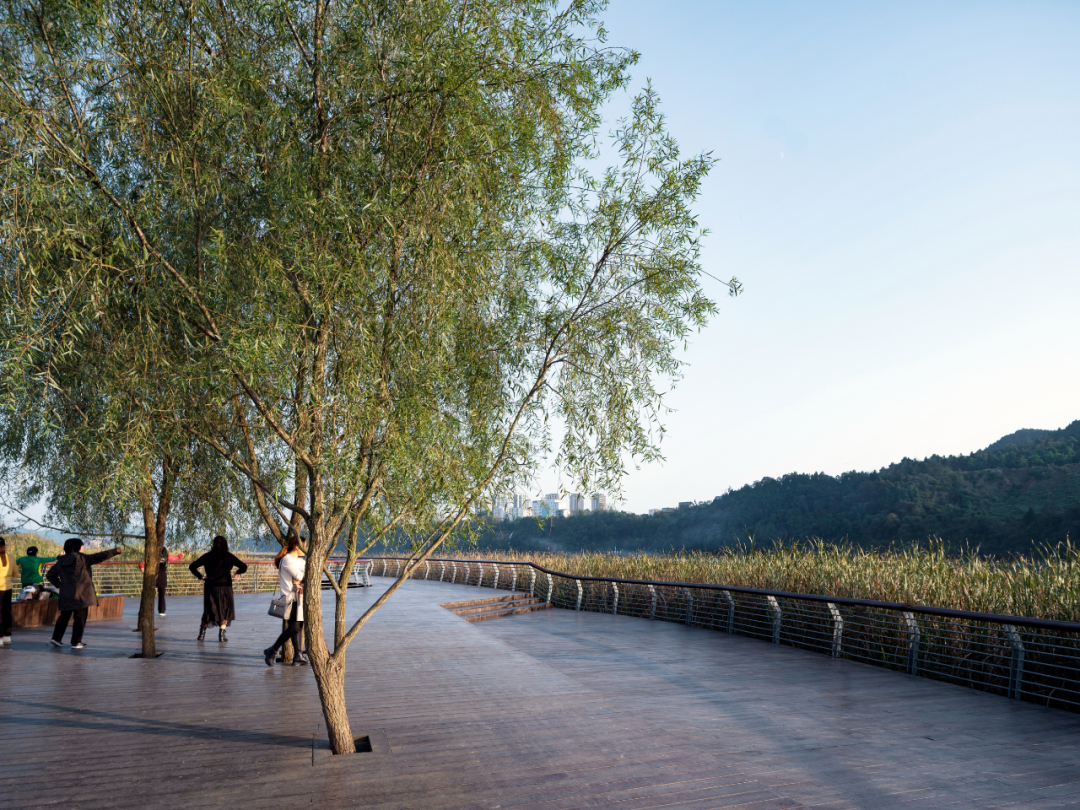
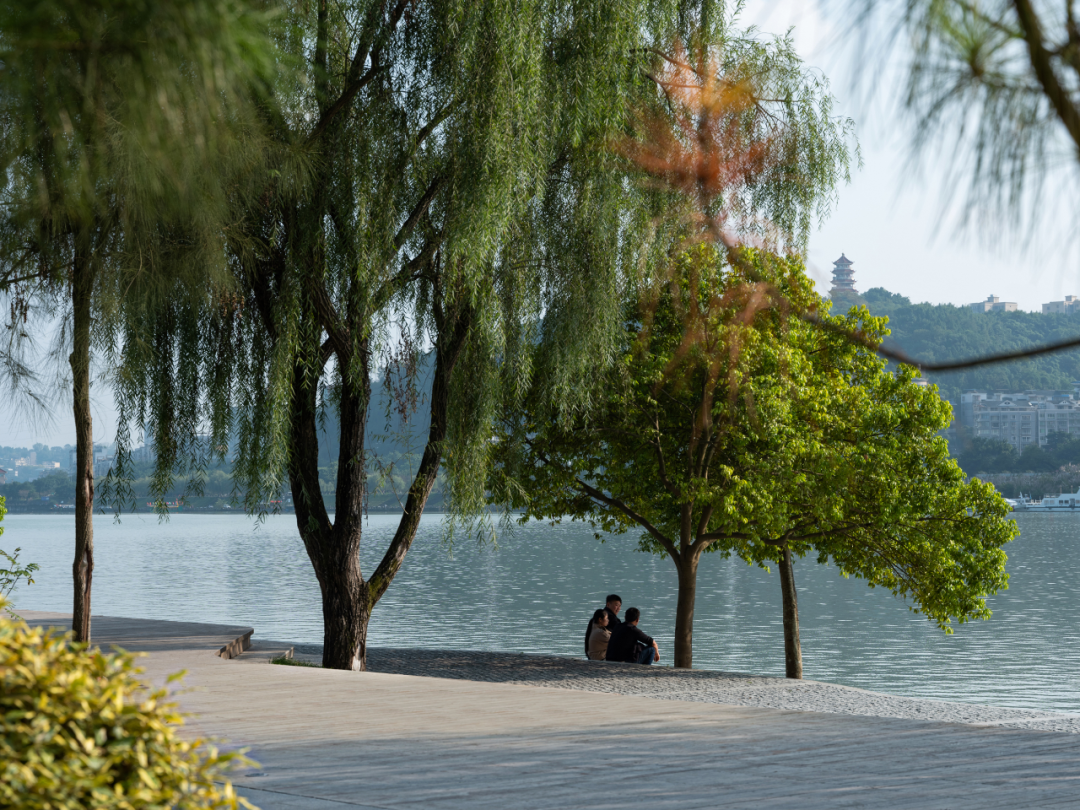
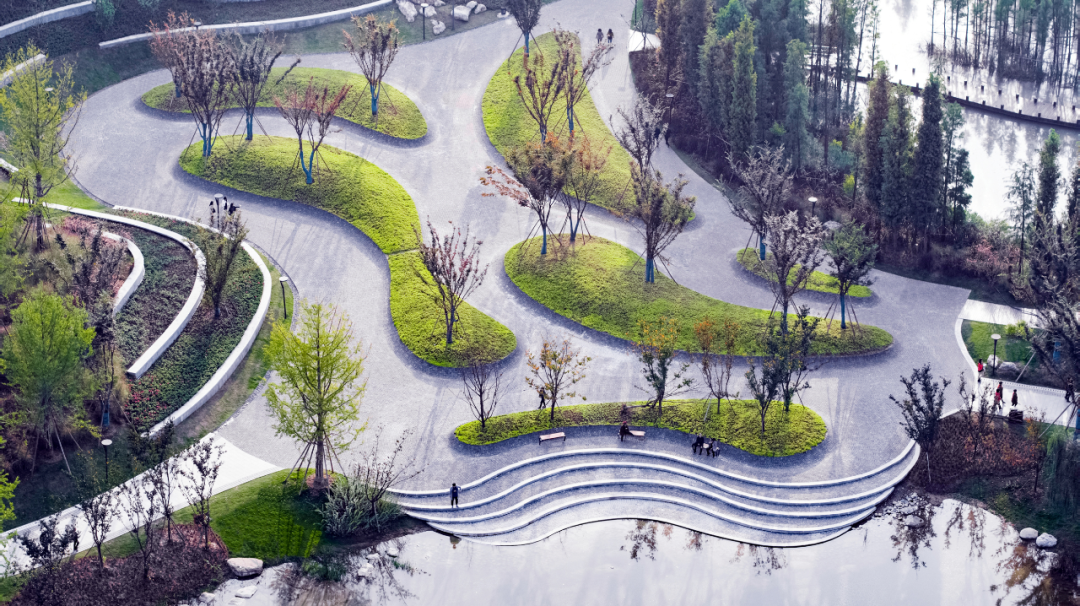
作为市政公园,项目需兼顾游人体验感和参与性,但决不能以牺牲原生林为代价。因此,设计师采用或疏减迁移、或完整保留等方式,实现原生林生态价值最大化。同时,栈道设计亦顺应林下空间进行调整:宽处自然形成停驻小广场,窄处则以蜿蜒小路延伸至林中。游人漫步其中,一切仿若天成,可尽情欣赏自然的乐章。
As a municipal park, the project needs to consider both human experience and participation, but it must not be at the expense of native forests. Therefore, the designers adopt or reduce migration, or complete retention and other ways to maximize the ecological value of the primary forest. At the same time, the design of the plank road also adapts to the space under the forest: the wide part naturally forms a small square for parking, and the narrow part extends into the forest with a winding path. Visitors can enjoy the natural movement as they stroll among them, as if everything is natural.
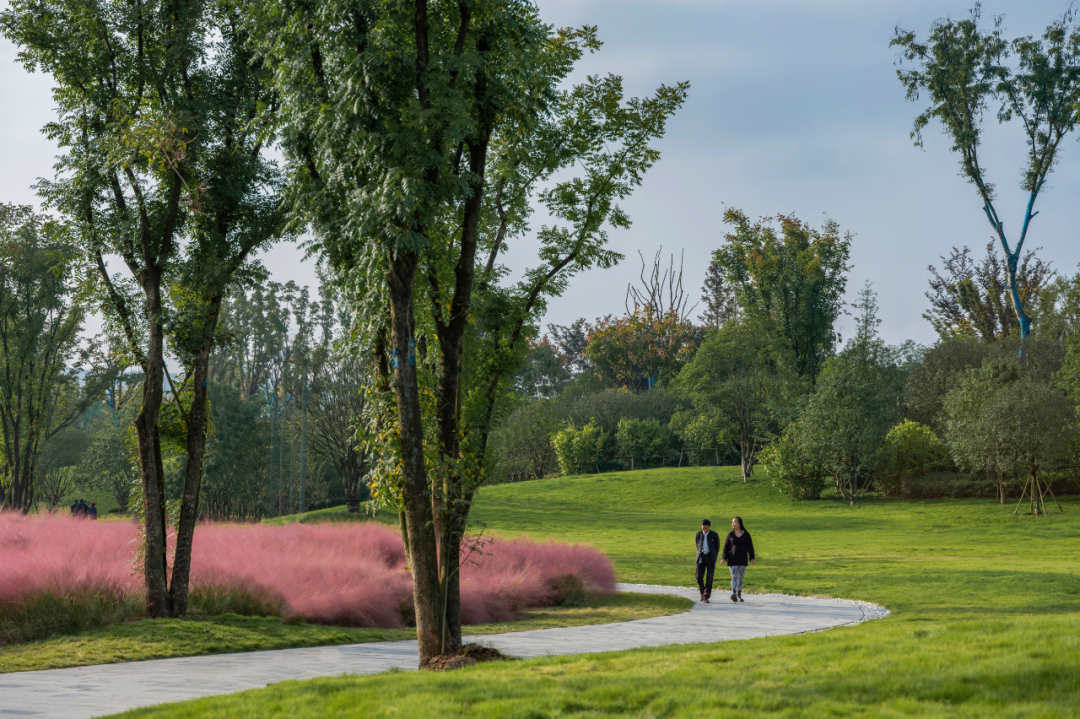
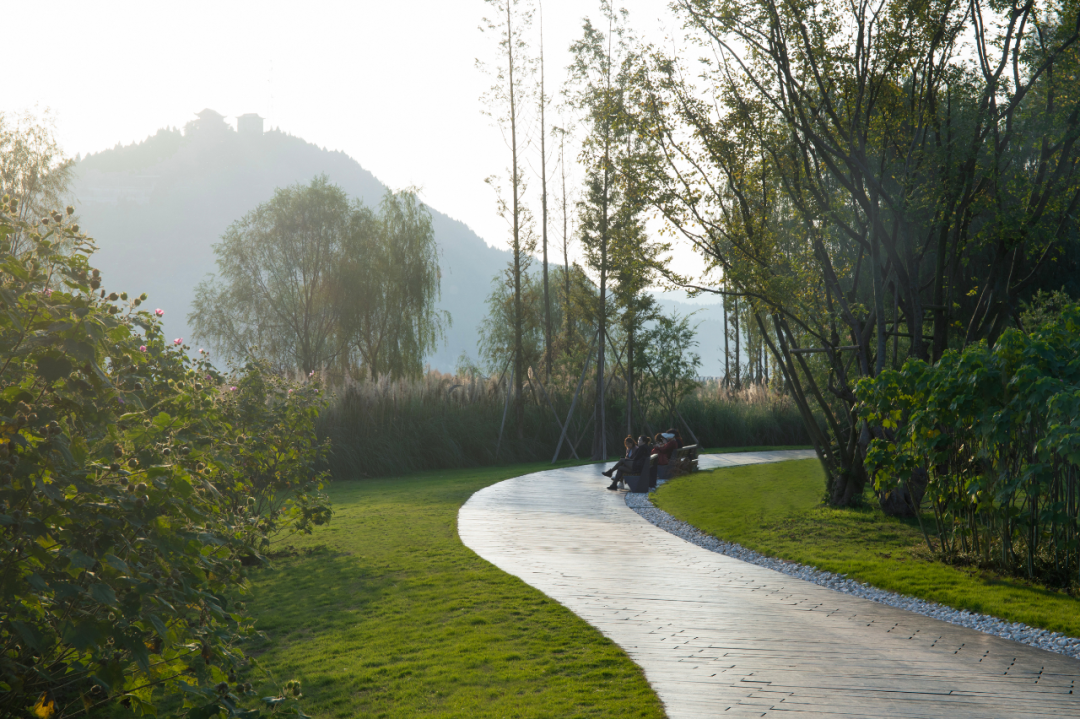
精挑细选的植物构建了一处自然形态格局完整、功能及空间布局疏密有致、景观与植物系统丰富的,以生态为基底的市民活动空间。设计通过原生场地、设计风格、苗木资源等各因素进行整合考量,将变与不变都蕴藏于设计思考中,为每一棵植被都找到最适合生长和被观赏的位置。于每一位游客而言,其到达的当下就是最美的时光。
The carefully selected plants have built an ecological based citizen activity space with complete natural morphology and pattern, dense function and spatial layout, rich landscape and plant system. The design integrates and considers various factors such as original site, design style, seedling resources, etc. changes and invariance are contained in the design thinking, so as to find the most suitable location for each vegetation to grow and be viewed. For every tourist, the moment of arrival is the most beautiful time.
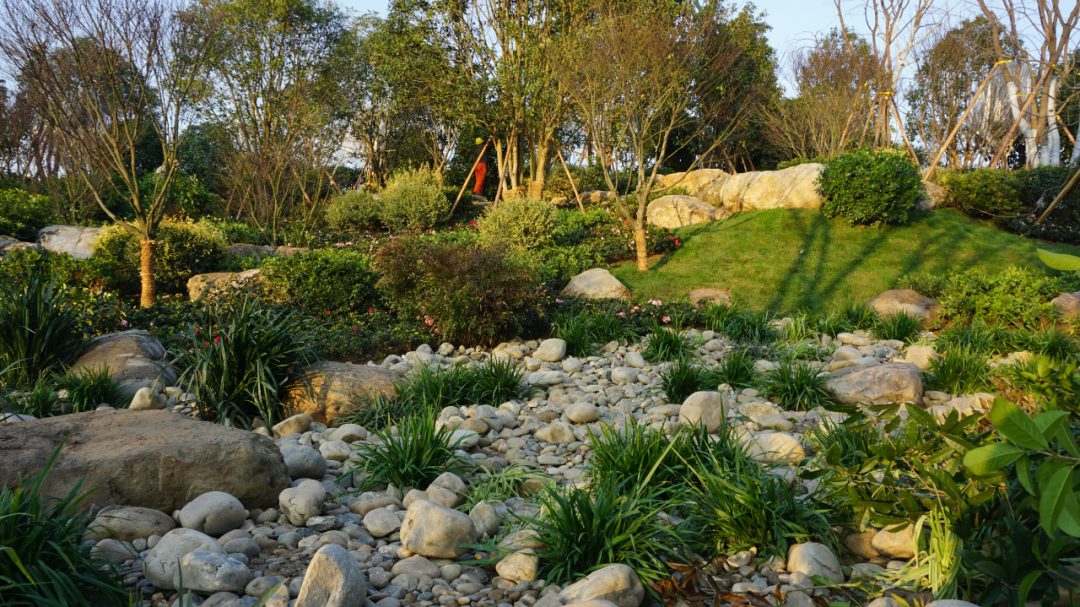
山体设计以“寒梅劲松”为主题,在描绘南部满福坝的画卷中起到画龙点睛的作用。从全国各地精选而来的78株造型黑松,依株型、高度、方向、姿态等不同,与专业的景石大师所布置之景石互为就势,共同勾勒出一幅意境深远的山水墨画。红梅、茶梅等精品植株的加入,则为这幅山水墨画增添了雅致氛围。
The mountain design takes "plum blossom and pine" as the theme, which plays the role of the finishing touch in the painting of Manfu dam in the south. Selected from all over the country, 78 shaped black pines, according to plant type, height, direction, posture and other differences, interact with the landscape stones arranged by professional landscape stone masters, and jointly outline a landscape ink painting with far-reaching artistic conception. The addition of fine plants such as red plum and tea plum adds an elegant atmosphere to this mountain ink painting.
“人道我居城市里,我疑身在万山中”。南部水城禹迹岛公园,以归于自然、融于自然的去风格化手法,平衡河道开发与生态自然的矛盾,营造出历久弥新、生生不息的新型水岸景观空间。春花夏长,秋落冬藏,在禹迹岛公园,人与水以最亲切的形式重新链接,与城市共呼吸,续写着亲水南部新的记忆篇章。
"Humanity I live in the city, I suspect I am in the mountains.". Yuji Island Park in the Southern Water City, with the de stylization method of belonging to nature and integrating into nature, balances the contradiction between river development and ecological nature, and creates a new and everlasting waterfront landscape space. Spring flowers grow in summer, fall in autumn and hide in winter. In Yuji Island Park, people and water are re linked in the most cordial form, breathing with the city, and writing a new chapter of memory in the hydrophilic south.