芽·美术馆,深圳 / 空气联盟建筑事务所 + 筑簉社
项目位于深圳市清水河铁道遗迹内,原为铁道仓库的建筑被夹裹在道路与铁路之间,但我们认为这看似逼仄的城市关系也是一种独特丰富的场所风景与现象。如何把重变得轻盈,把近变得悠远,把暗变得明亮,把日常变得偶然?什么是风景?我们希望在项目中思索这些问题。
The project is located within the Qingshuihe Railway Relics in Shenzhen. The original building was a railway warehouse are sandwiched between the road and the railway; however, we believe that this crowded urban relationship is a unique landscape and place phenomenon. How can we transform heaviness into lightness, proximity into distance, darkness into brightness, and discover the unexpected in the everyday landscape? What is scenery? We hope to ponder these questions in our projects.
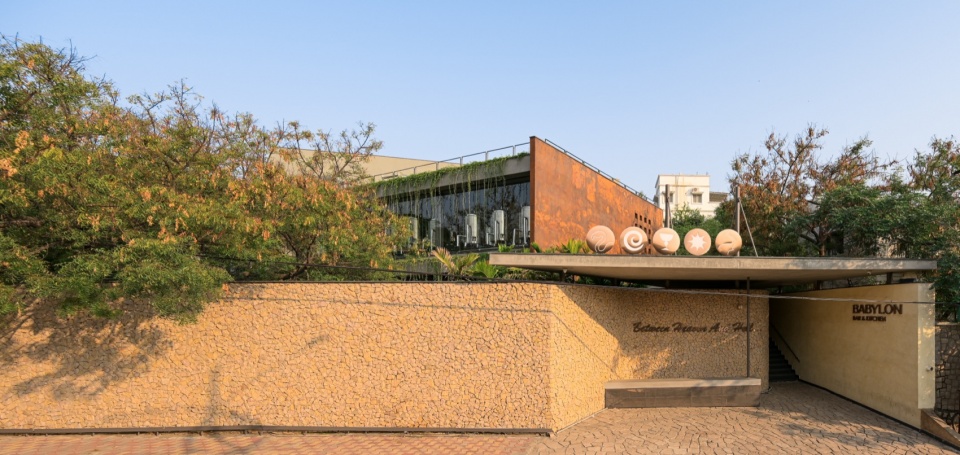
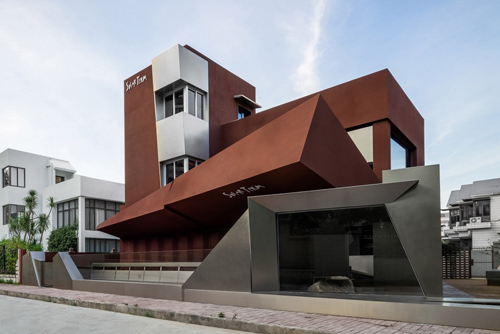
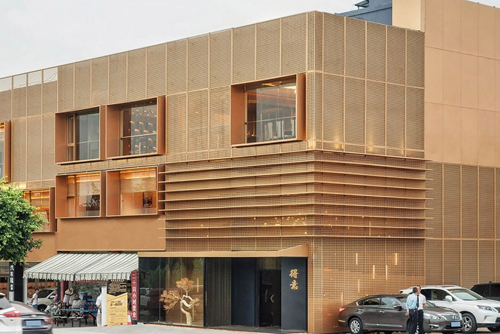
▼项目概览,overview of the project
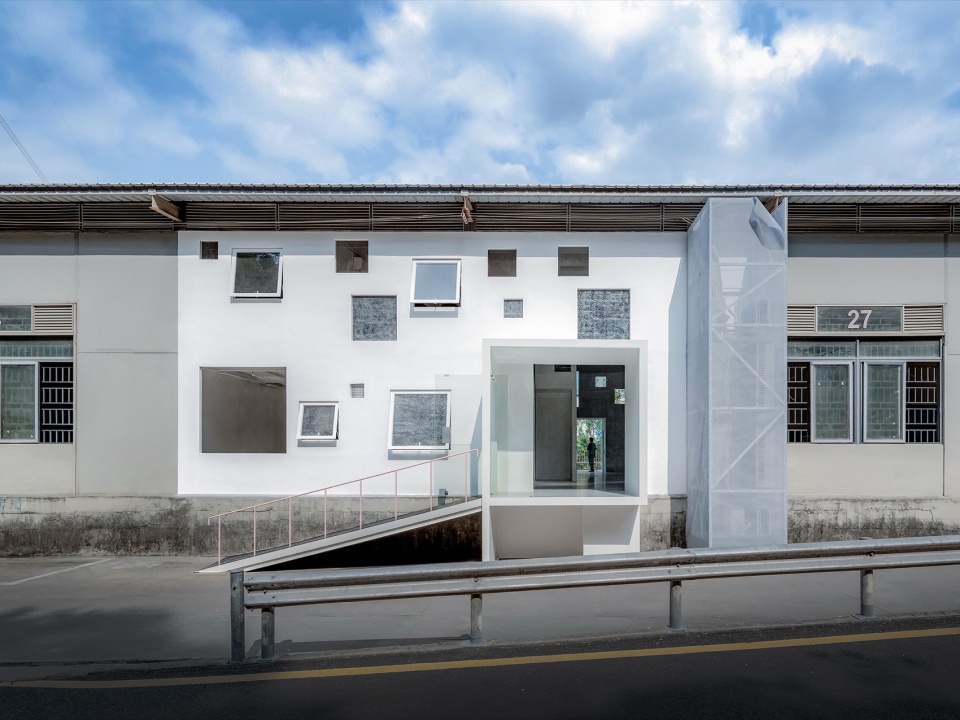
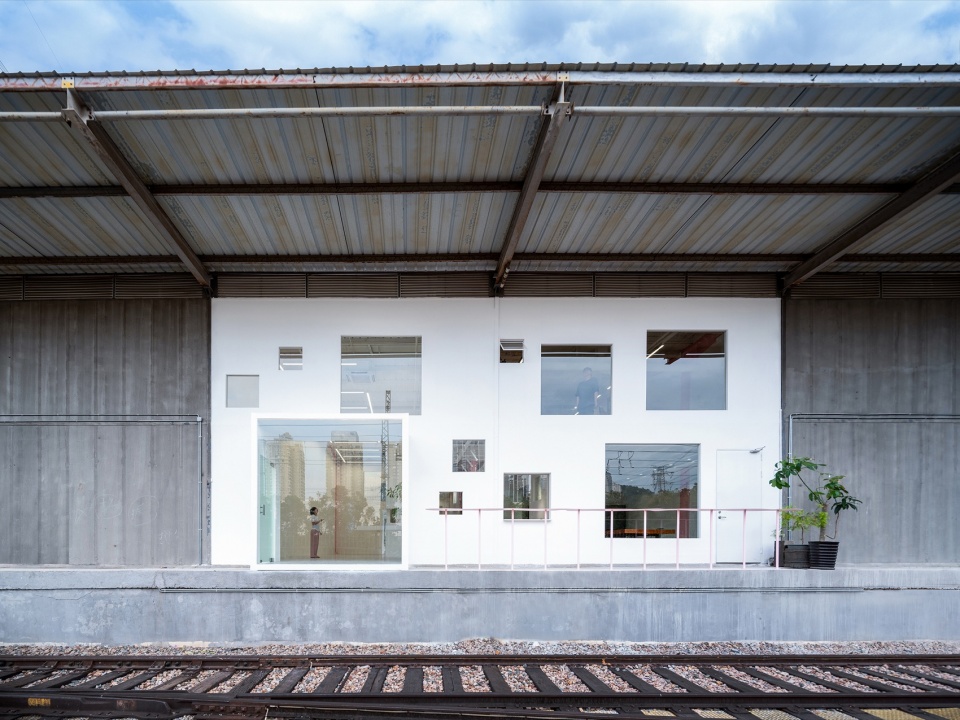
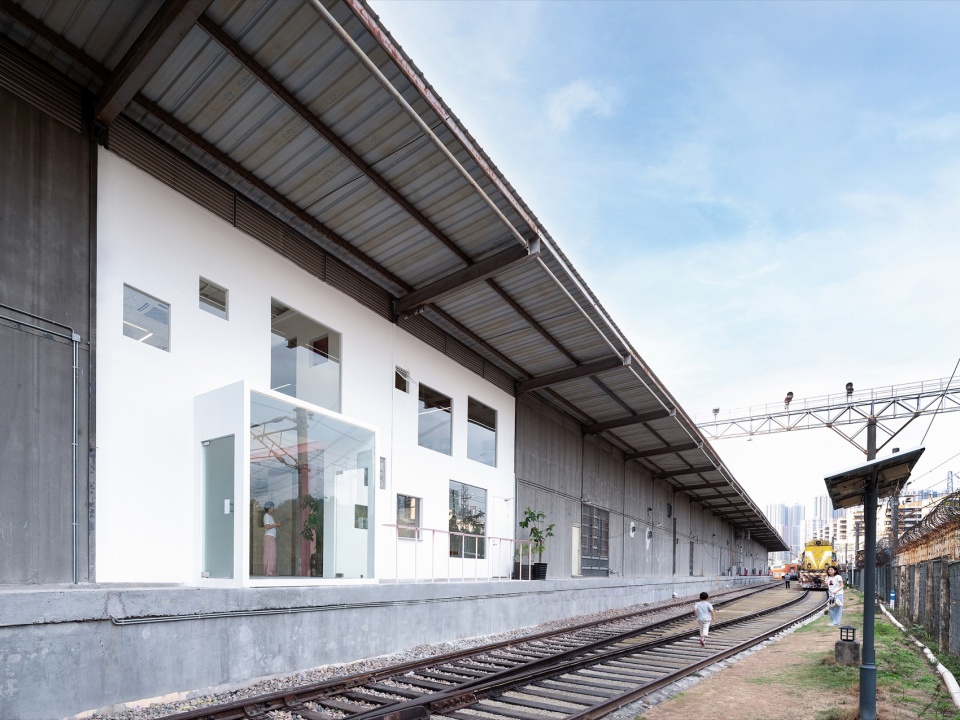
▼立面,facade
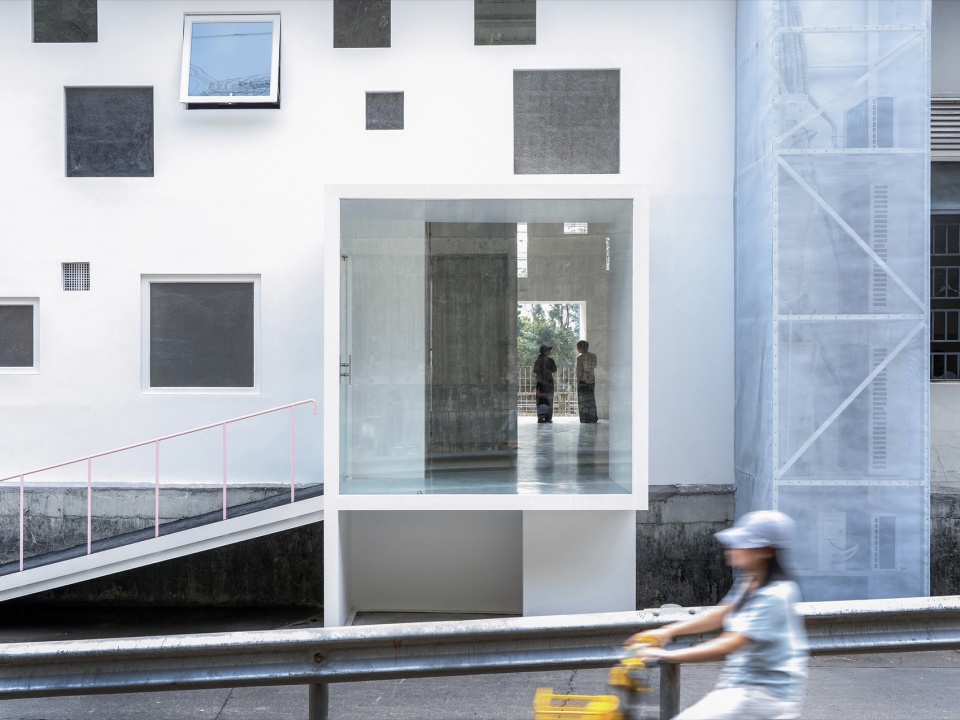
非整体的结构 Non-integral Structure
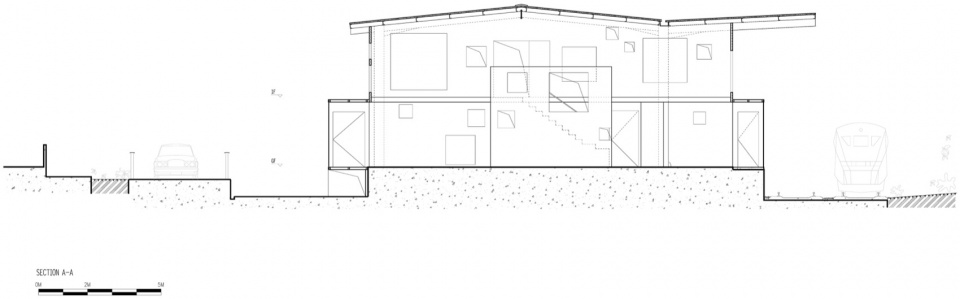
由于旧建筑的结构仅满足自身屋顶的荷载,因此在原结构上新增任何荷载都是被不允许的。如何在不借用原结构的前提设置必要的新结构是项目的挑战。我们运用了“结构聚落”的策略:入口,楼梯,墙体和房间所有即将组成新建筑的空间元素均以独立结构存在,每个结构仅承载其自身,不同元素的结构相互不受力(并置但不连接)。建筑是多个轻量化的独立结构聚合在原屋檐下的群组。
Since the existing structure only bear the load of its own roof, it is not allowed to add any load to it. Therefore, the challenge of the project is to add the necessary new structure without borrowing the original structure. We employed a “structural cluster” strategy: all elements that will form the building, including the entrance, stairs, walls, and rooms, exist as independent structures, each supporting only itself, the structures of different elements not exerting force on each other (juxtaposed but not connected). The building is a group of lightweight, independent structures aggregated under the existing eaves.
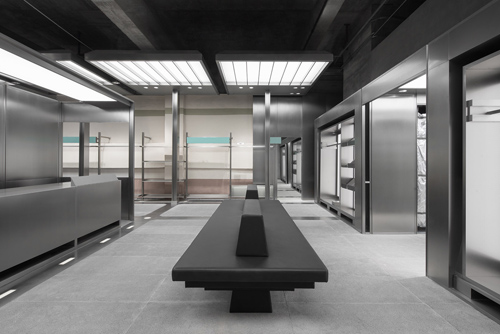
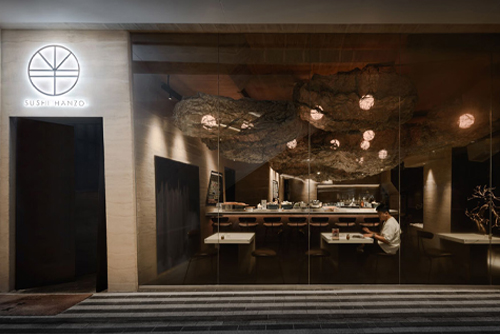
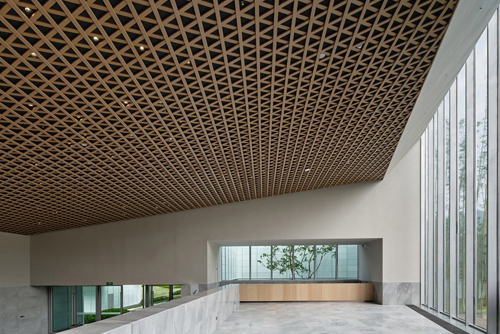
▼室内概览,overview of the interior
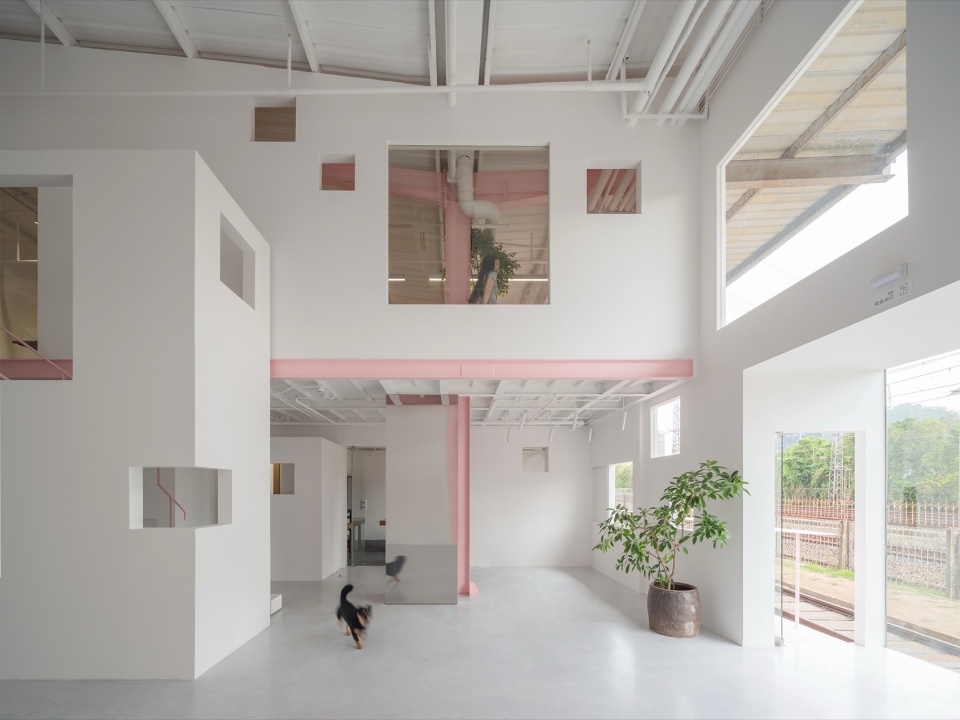
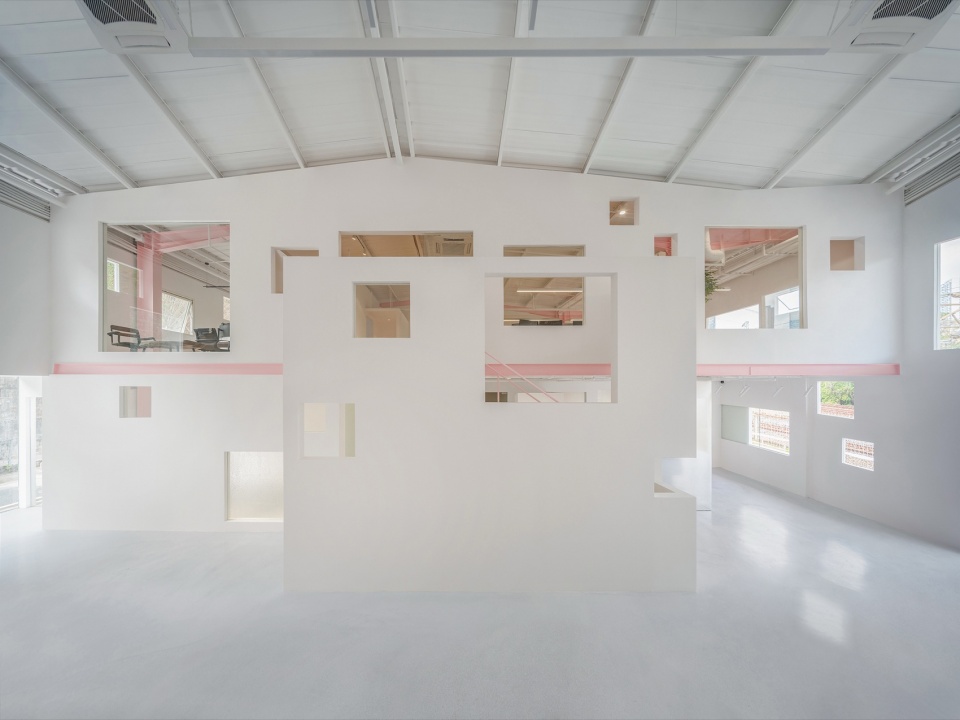
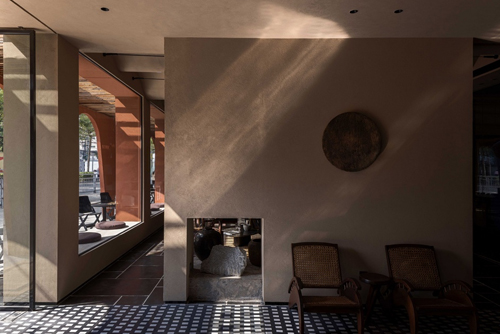
▼墙上的“洞”,The “holes” in the walls
▼家具细部,Furniture detail
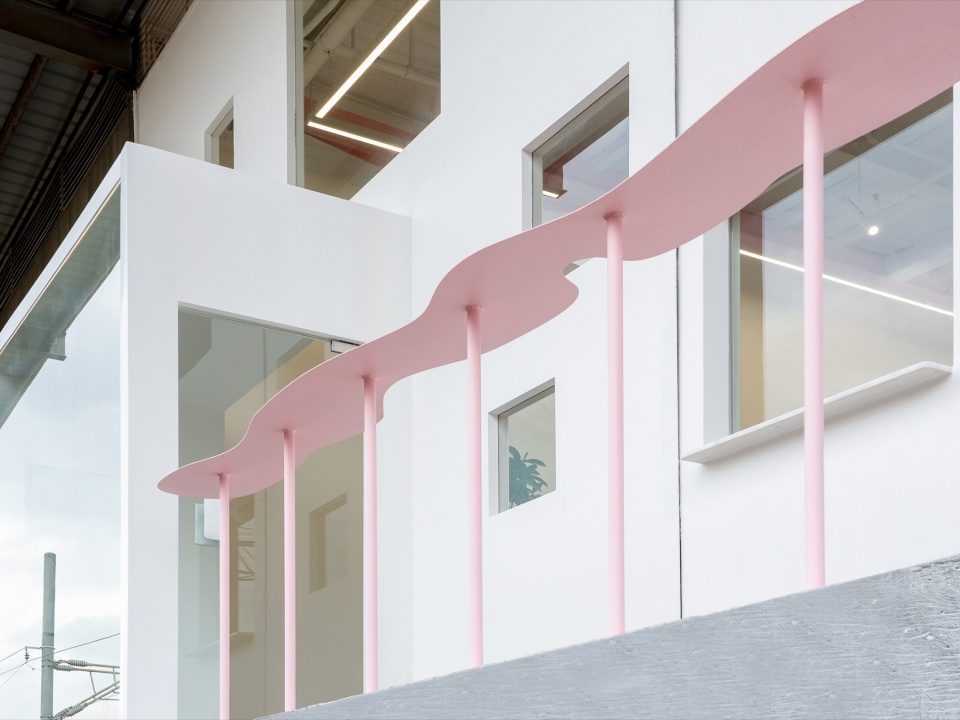
▼露台,terrace
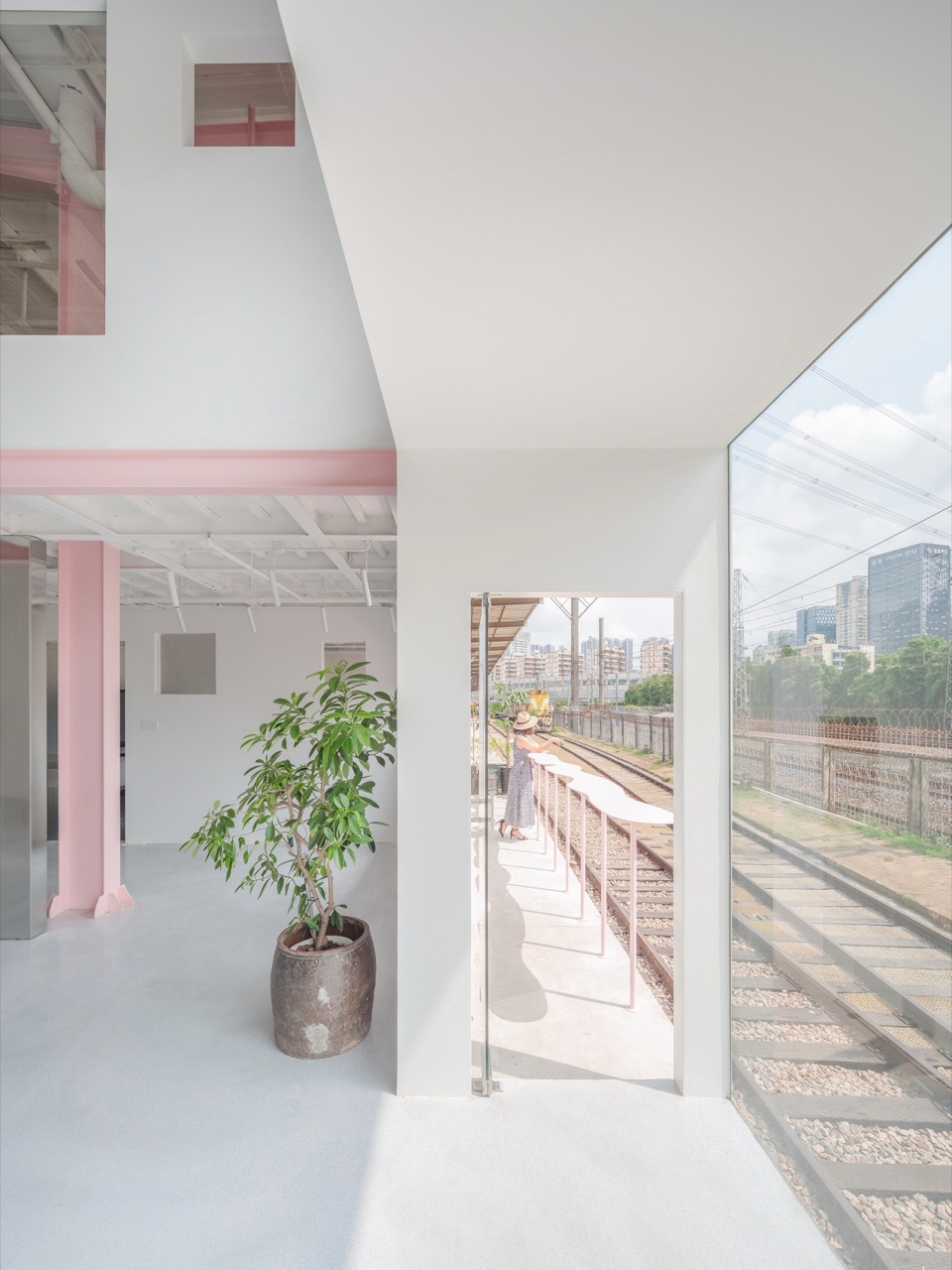
多重透明性的墙体 Multi-layered Transparent Walls
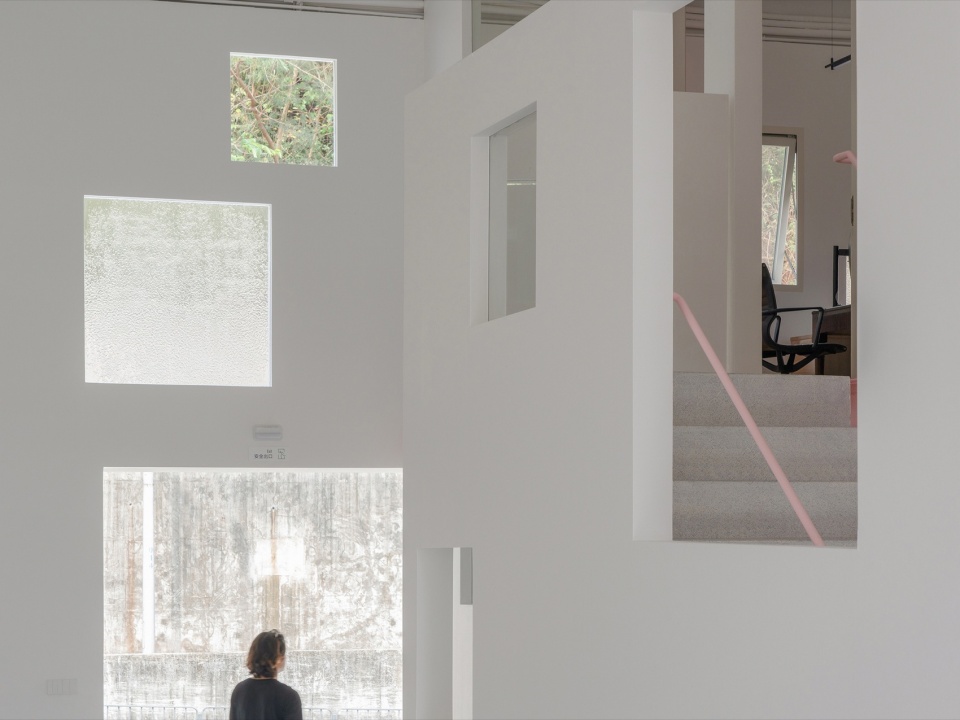
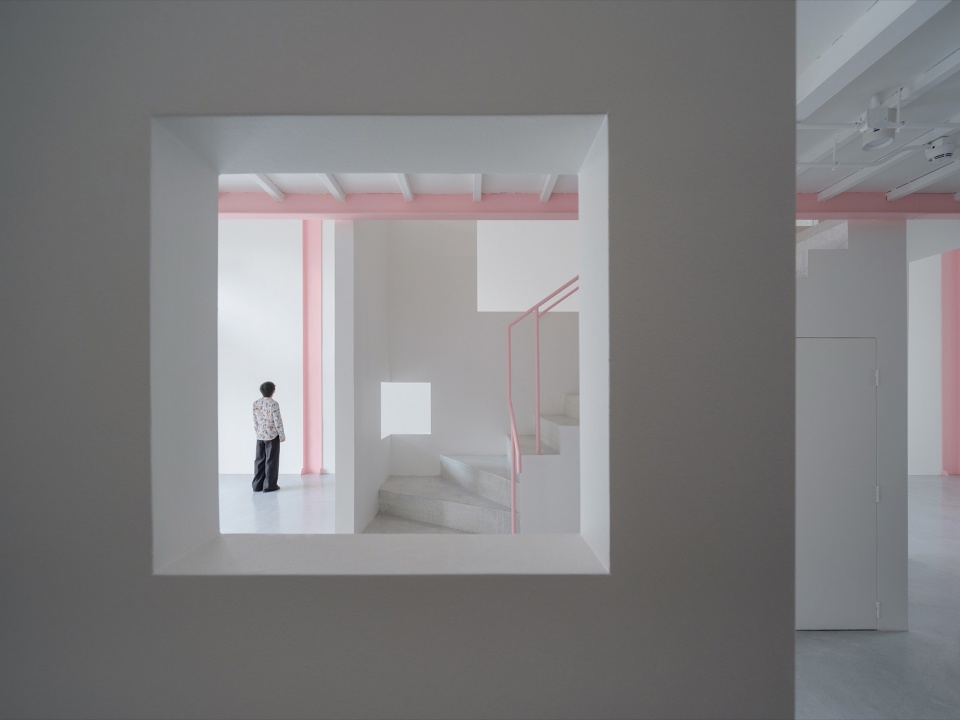
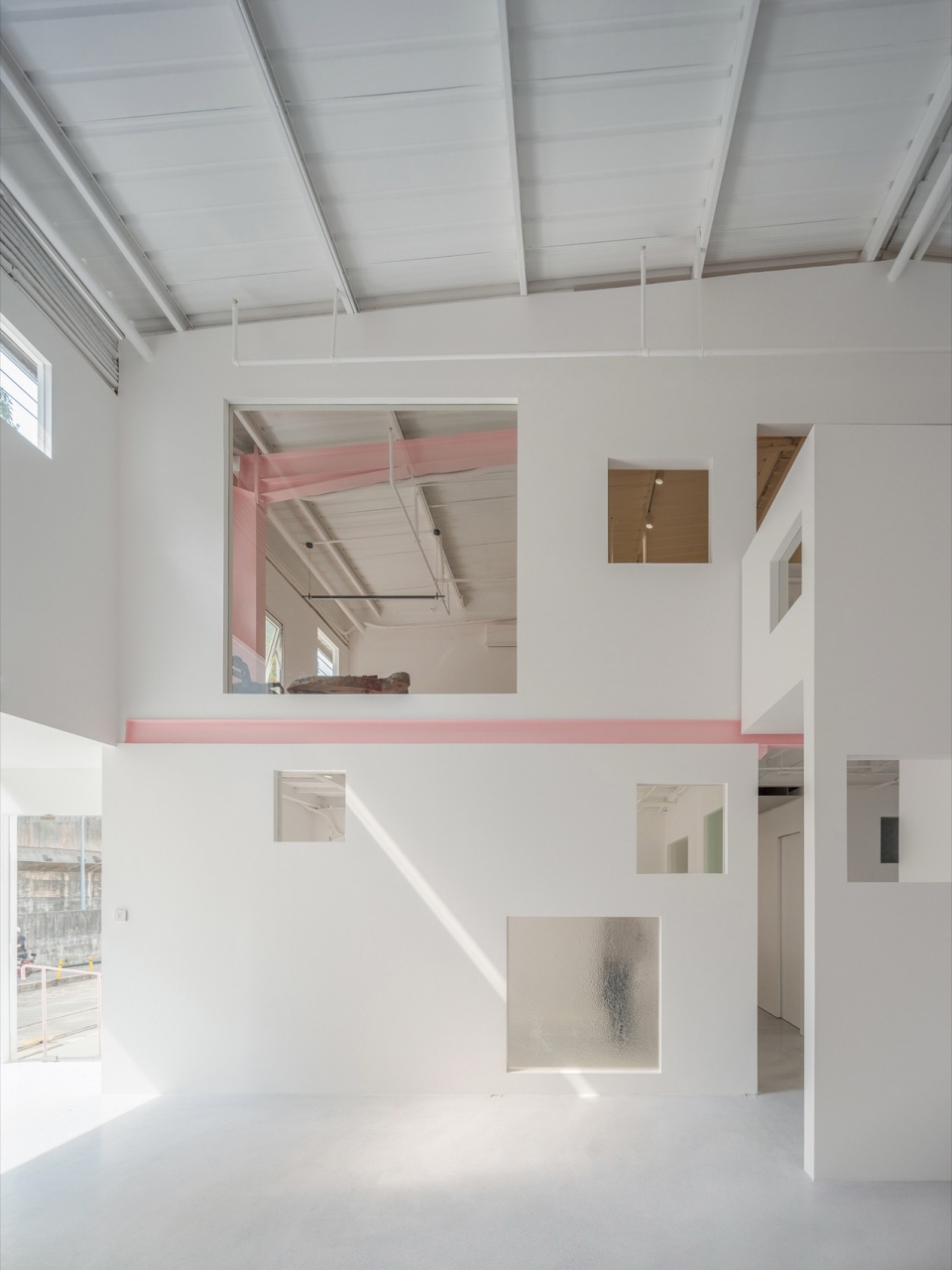
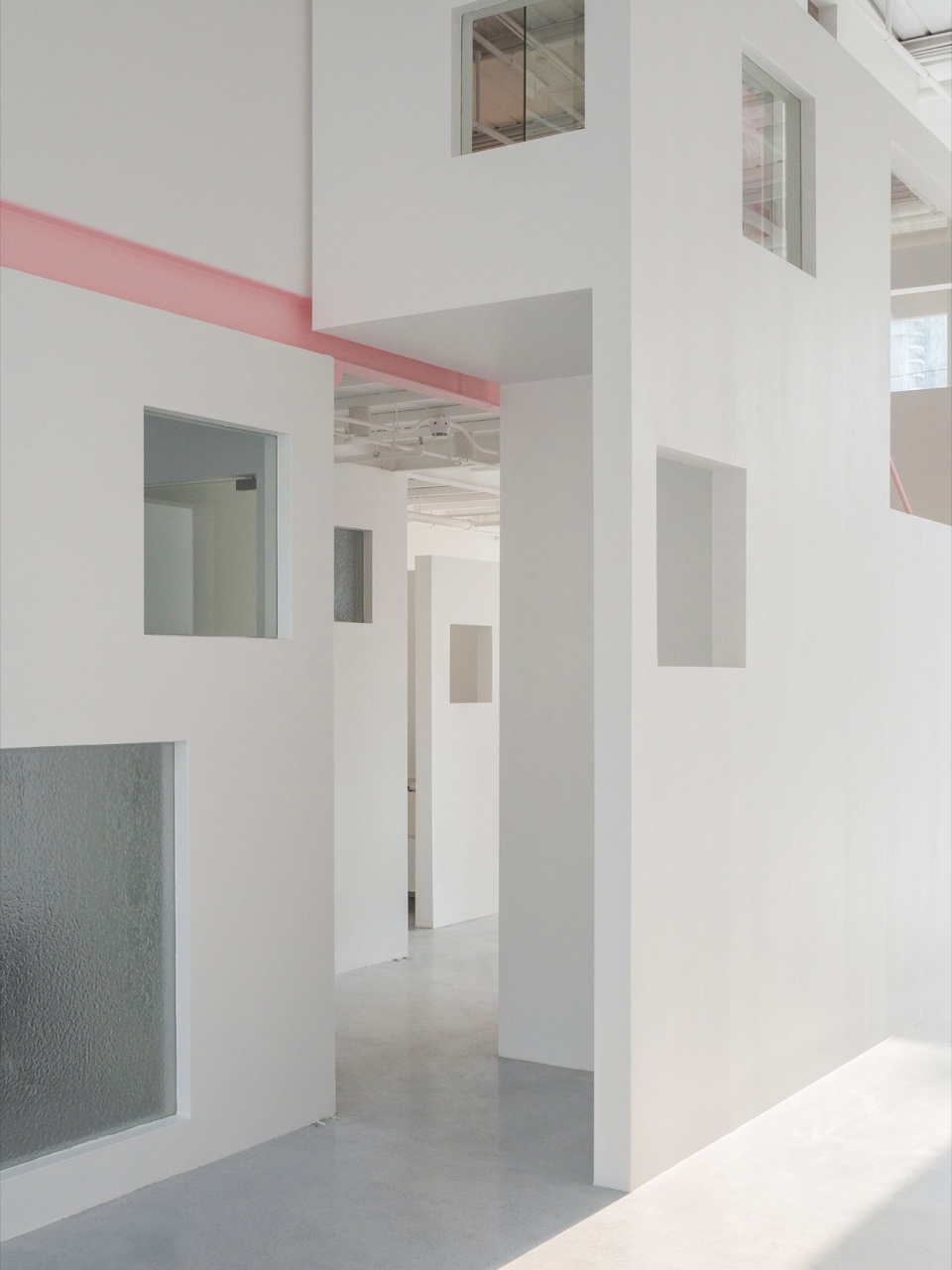
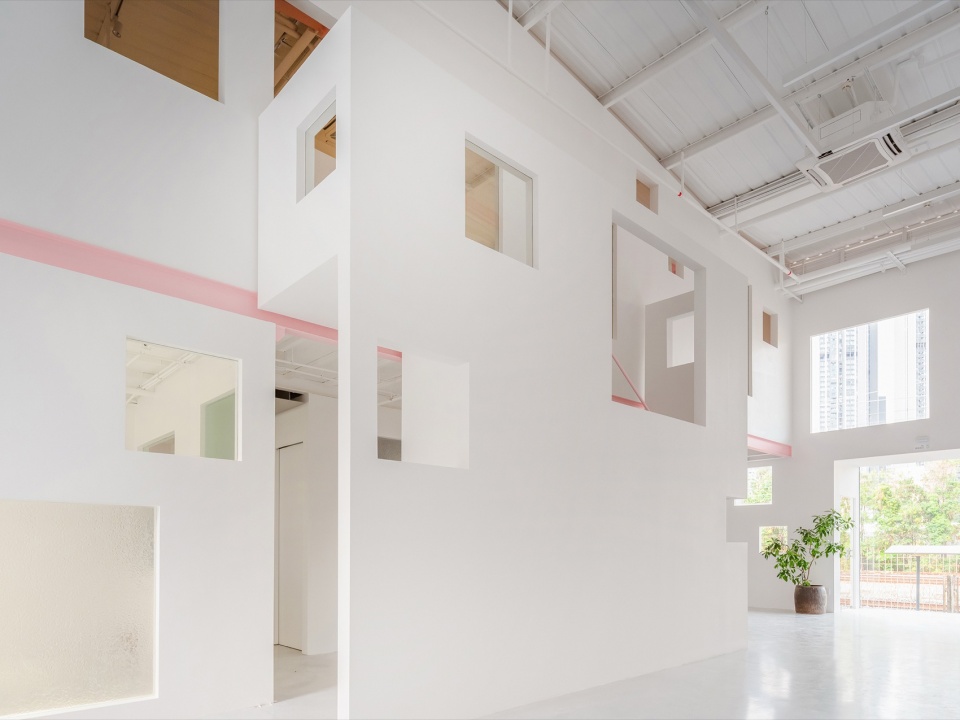
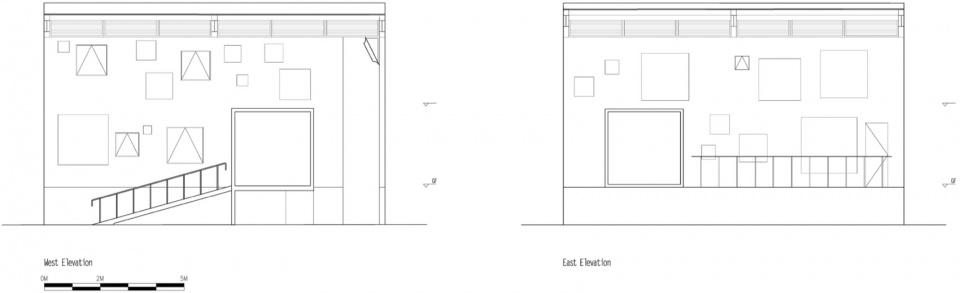
建筑内外墙上的“洞”,在本项目中不应该理解为窗,而应解读为墙是由多种透明性材料组成(局部变化材料的墙)。根据视点,开放与私密,空间的尺度,风景的构成,通风及太阳移动过程的光品质等为前提,墙面由不透明、透明及半透明三种材料按不同比例组成。虽然建筑只有东西两面采光,但通过墙体透明性的重构后,阴暗的仓库变成光与风景可自由流动的明亮空间。
The “holes” in the building walls should not be interpreted as windows in this project, but rather as walls composed of various transparent materials (walls with locally varying materials). Based on considerations such as viewpoint, openness and privacy, spatial scale, landscape composition, ventilation, and the quality of light during the sun’s movement, the walls are composed of opaque, transparent, and translucent materials in different proportions. Although the building only has natural light on its east and west facades. the dark warehouse has been transformed into a bright space where light and scenery can flow freely by reconstructing the transparency of the walls.
▼墙面由不透明、透明及半透明三种材料按不同比例组成,the walls are composed of opaque, transparent, and translucent materials in different proportions
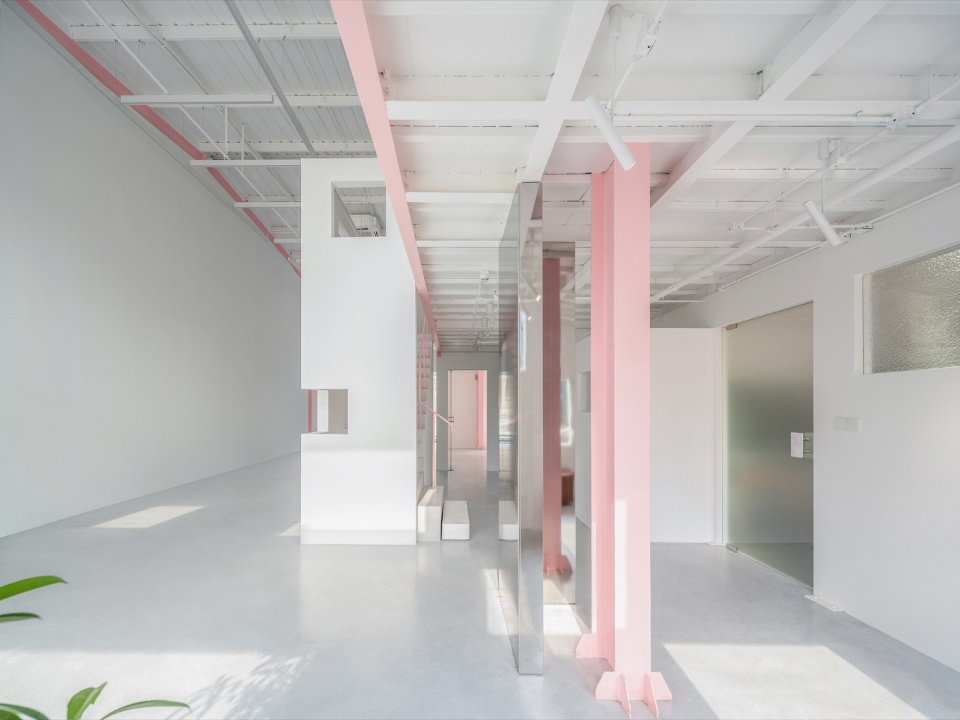
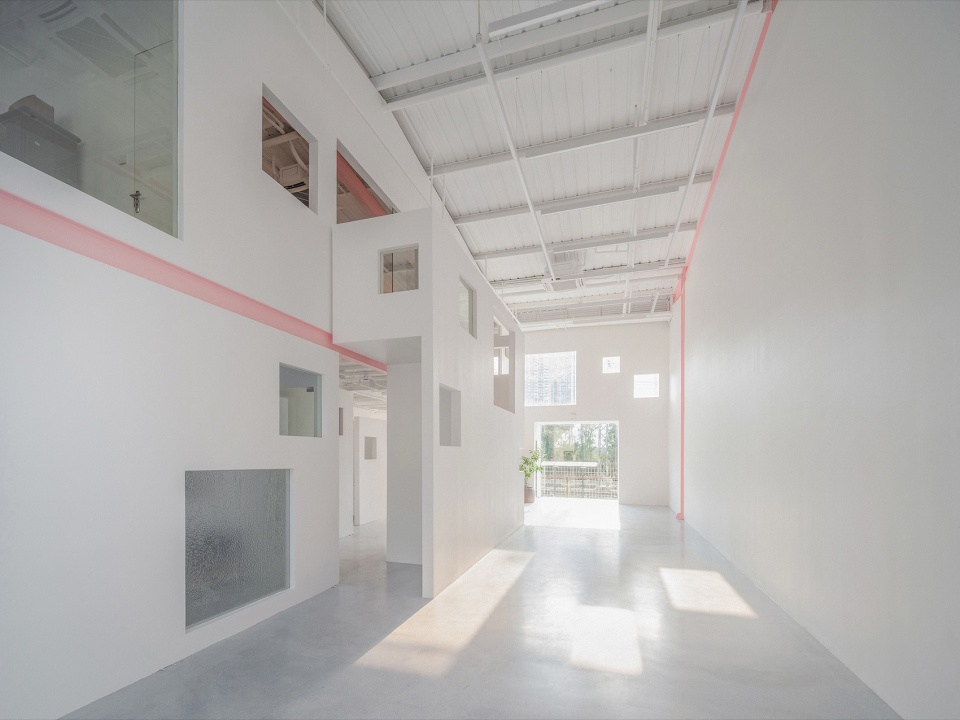
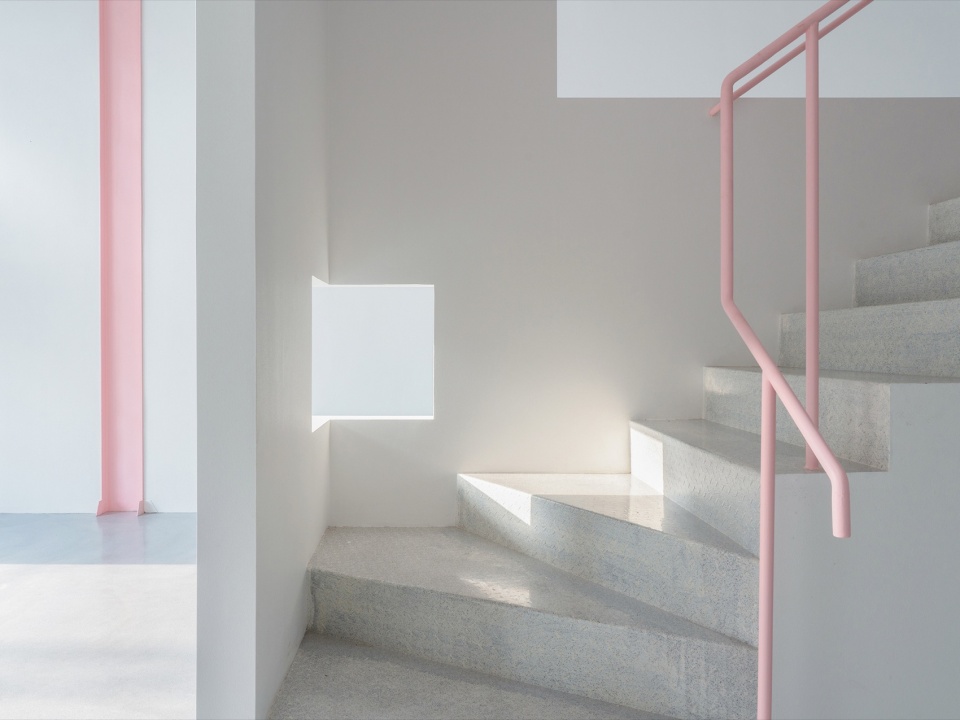
▼楼梯,staircase
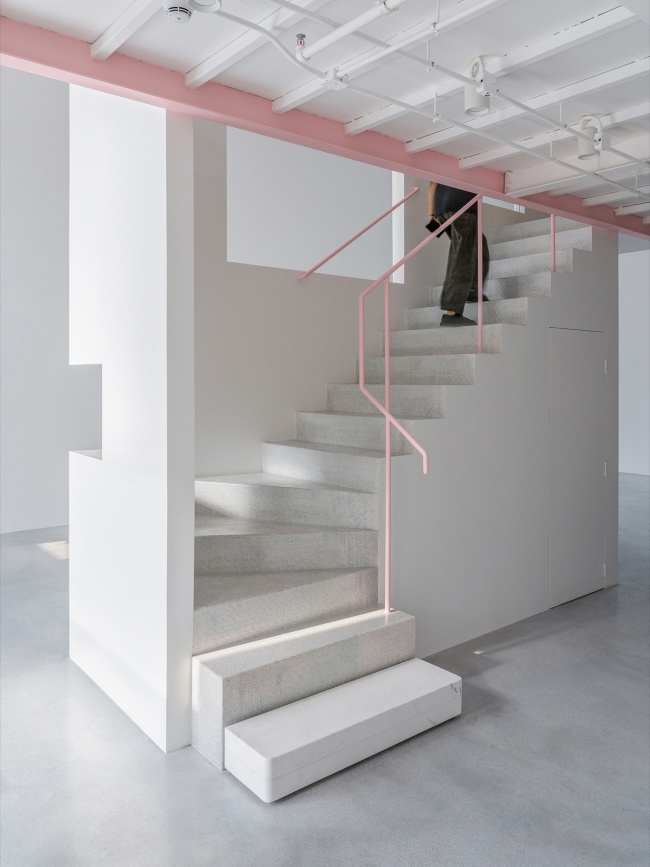
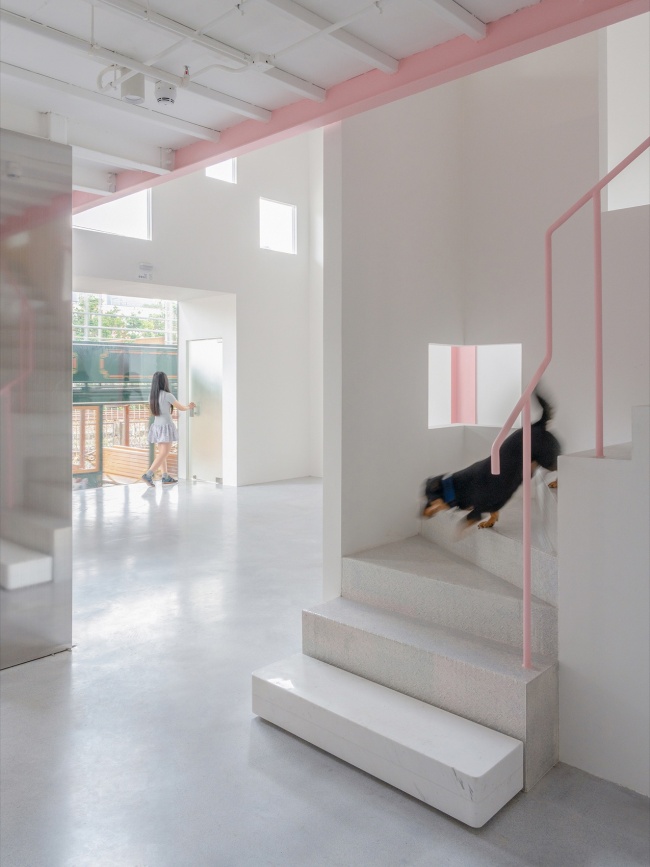
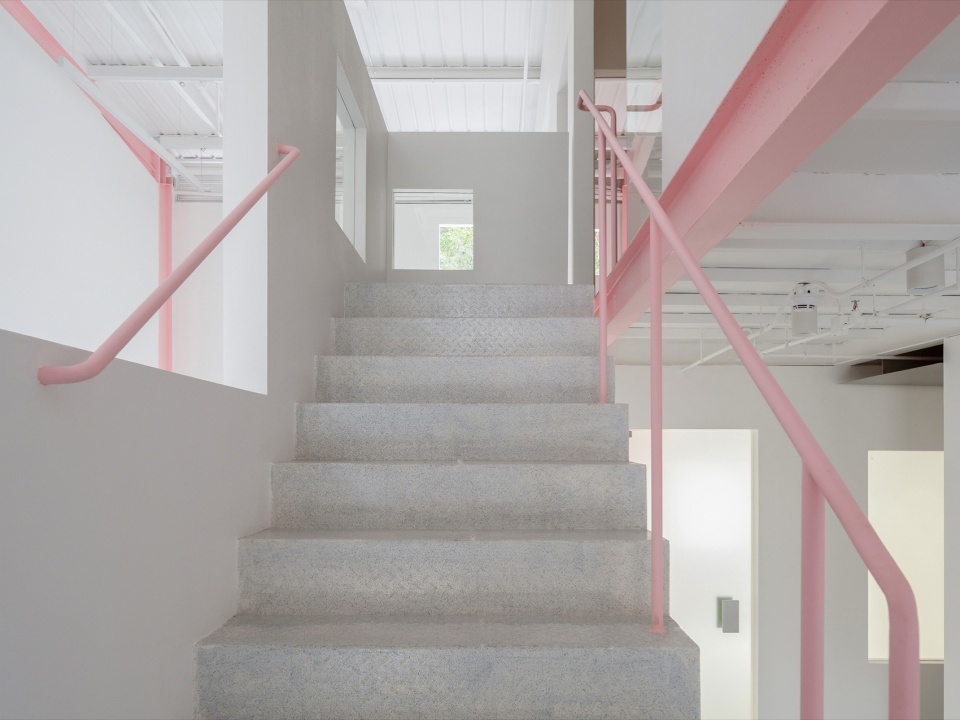
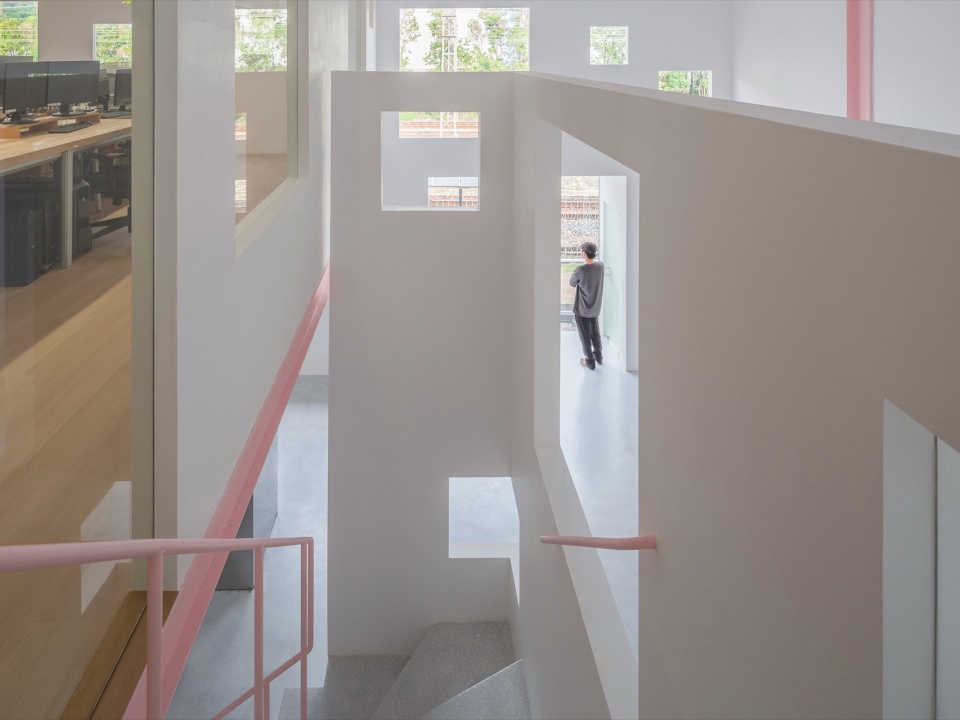
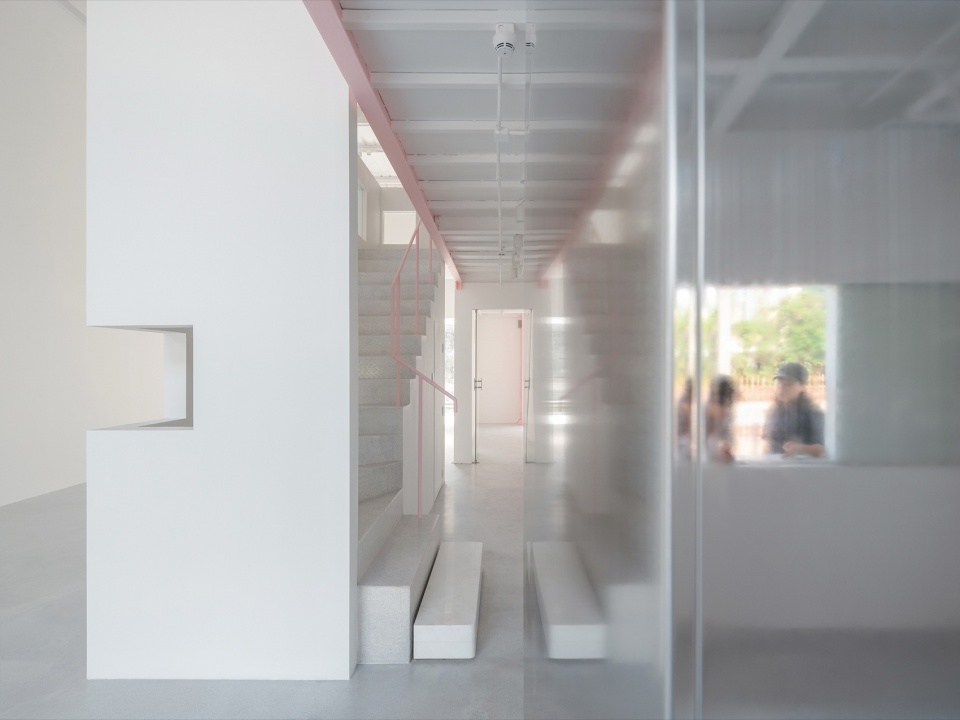
▼走廊,corridor
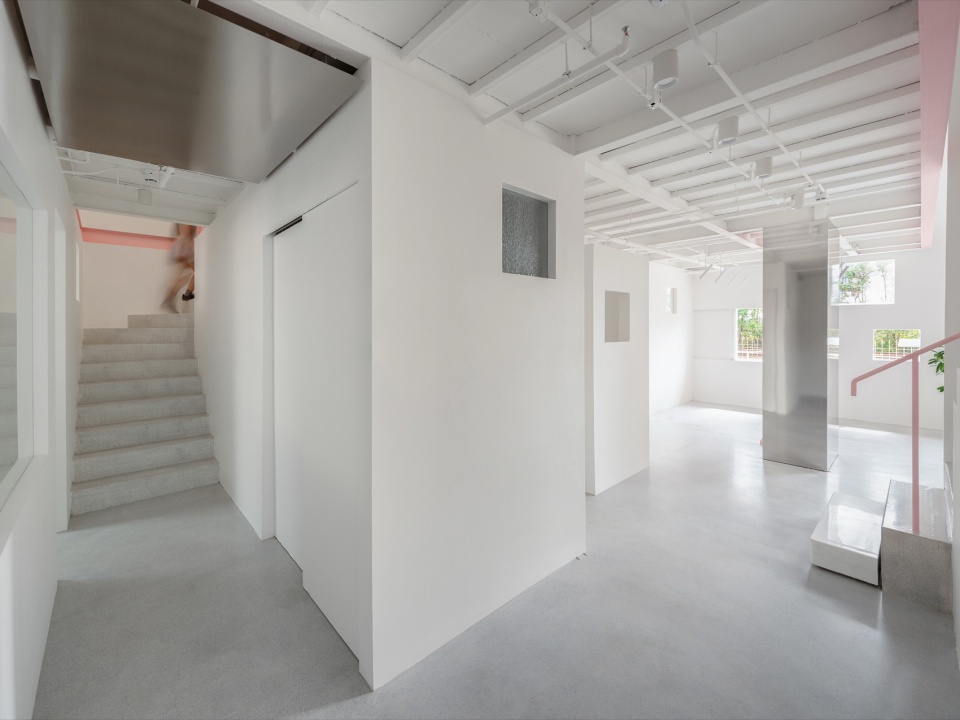
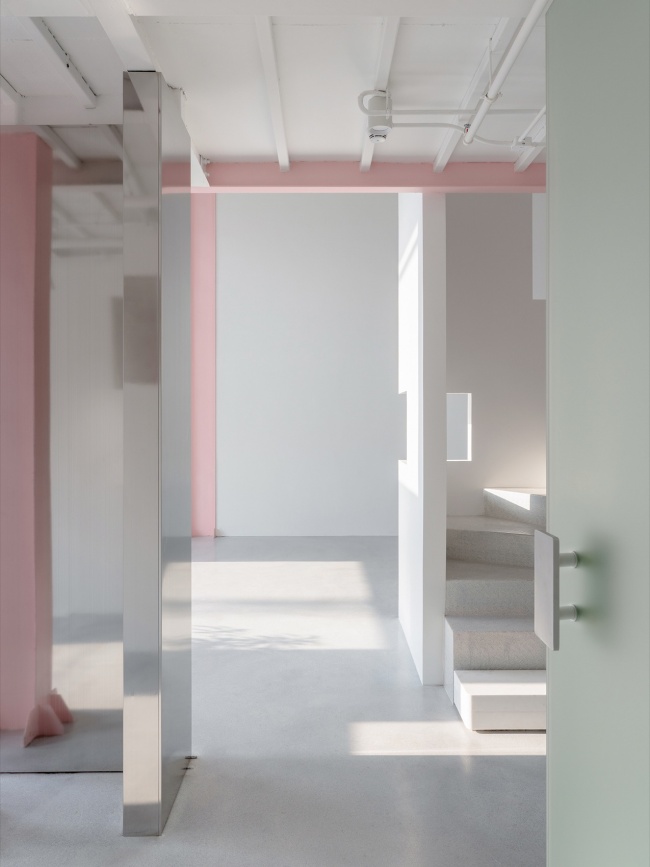
延展的场域 Extended Field
空间流线由水平和垂直两个维度的环形流线交织而成,行走过程有着多维度的空间视感,墙间一个个能看清或看不清的风景和光环绕悬浮在身体的周边,空间轻盈而延展。墙间“虚实”的层叠把建筑的空间感受延展/暗示至更远处,建筑大于其自身。
▼轴测图,axonometric diagram
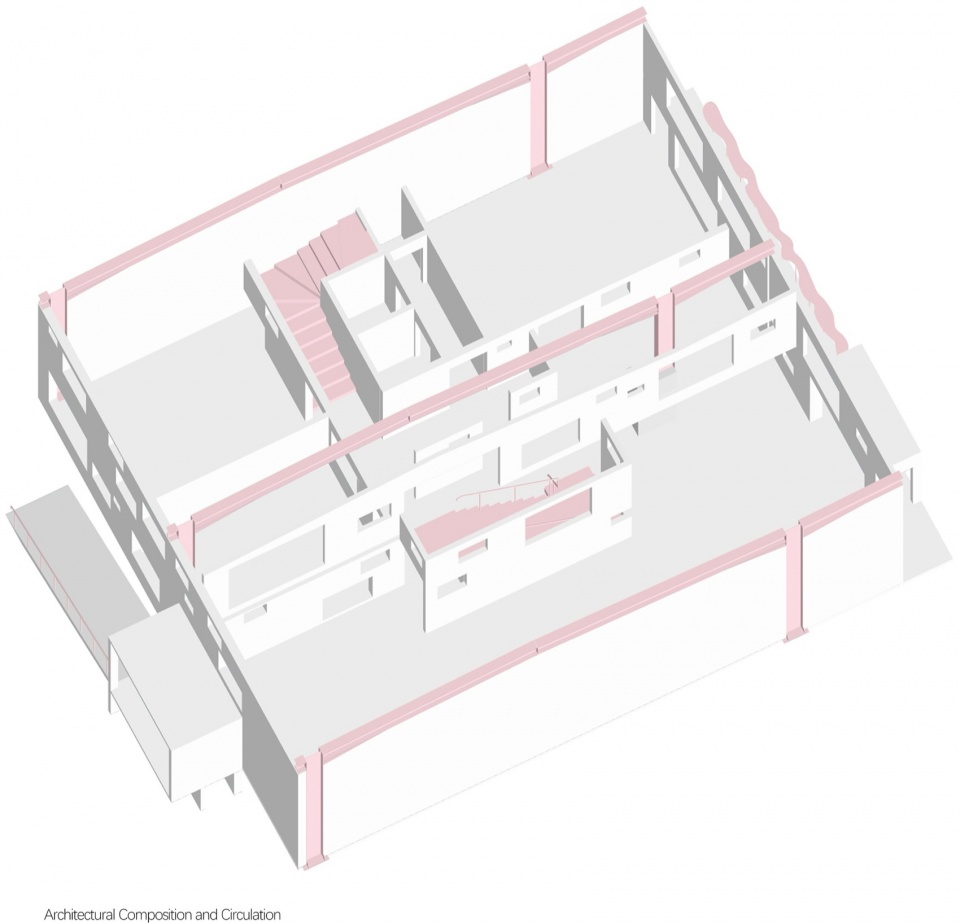
The building’s circulation is interwoven with circular lines in both horizontal and vertical, creating a multi-dimensional visual experience as you walk through it. Scenery and light, some clear and some obscured, surrounds and floats around people, making the space feel light and expansive. The interplay of solid and void between the walls extends the spatial experience of the building to a greater distance, Architecture is greater than itself.
▼夜景,night view
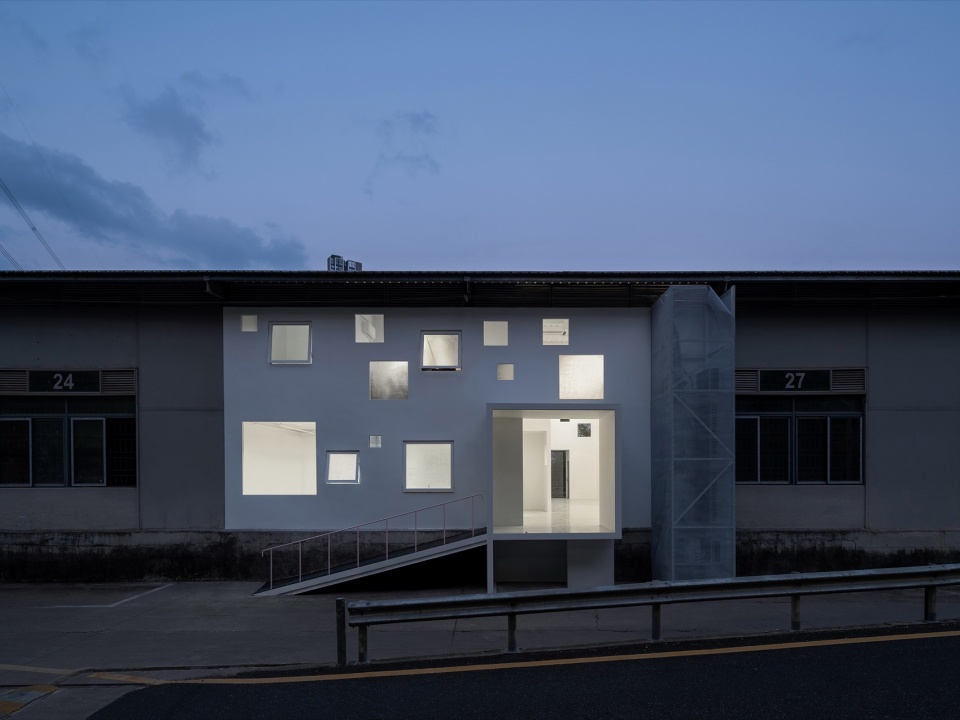
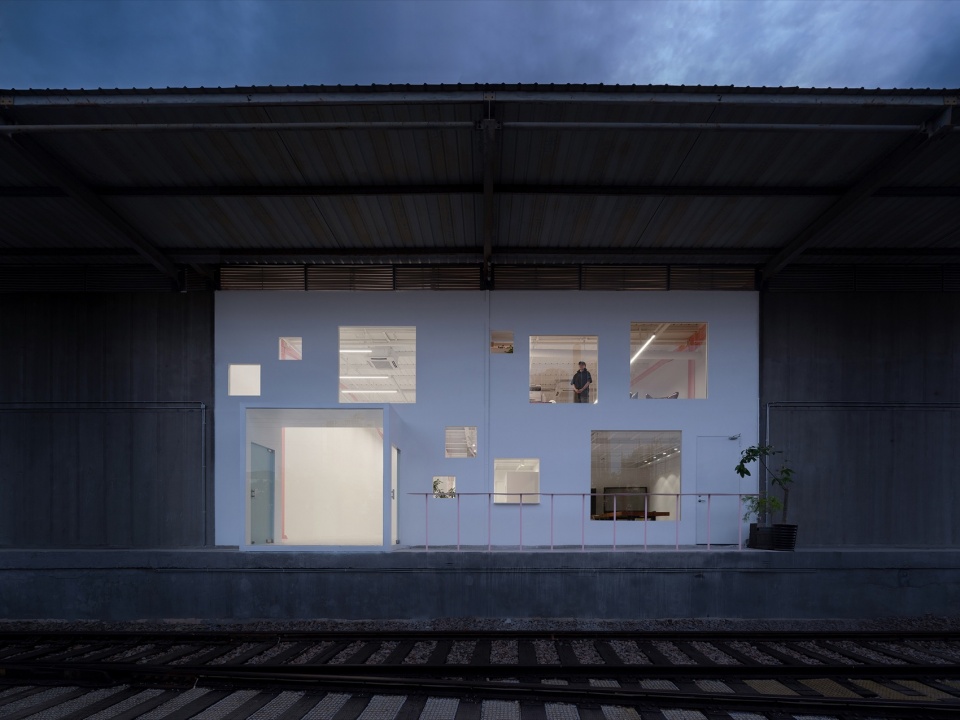
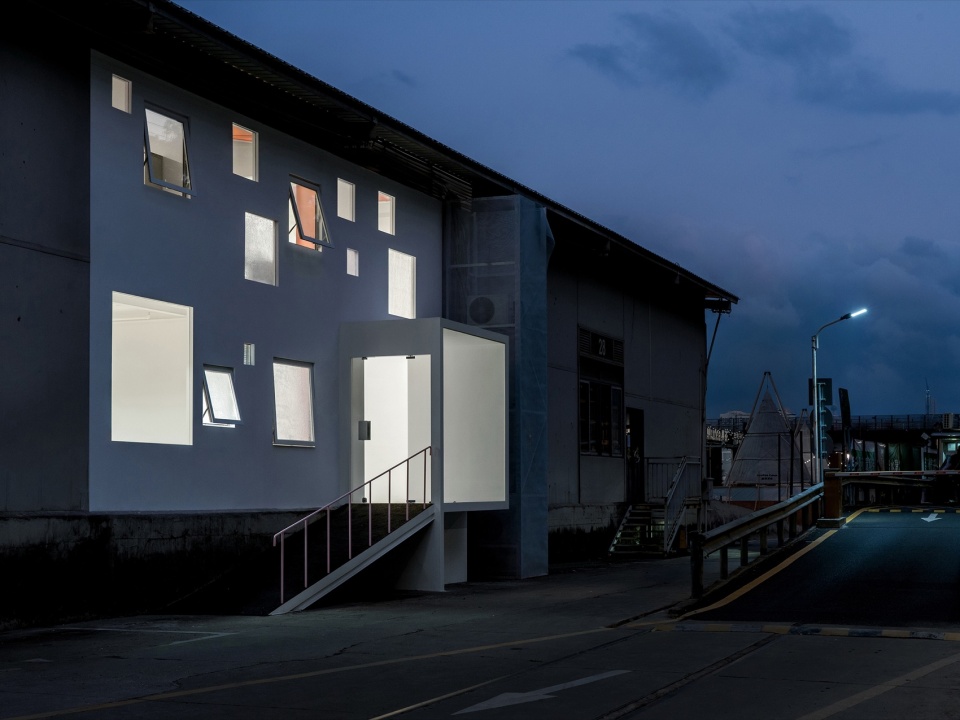
环境的框取、视角的度量,透明性的叠合,使城市多了一分陌生的可赏性。风景,或许也是我们对熟悉城市的回忆和新认知的混合场所意识?最终,这一个个在墙洞中随着身体移动和时间流动永不复现的景致,也是美术馆呈现给到访者的“动态风景”展。
The framing of the surrounding environment, the measurement of perspective, and the overlay of transparency add a touch of unfamiliar beauty to the city. Perhaps scenery is a mixed sense of place, a blend of our memories of familiar cities and our new understanding of them? Ultimately, these scenes, existing within the wall openings, will never reappear the same again when people move or time passes. are also the “dynamic scenery” exhibition that the museum presents to the visitors.
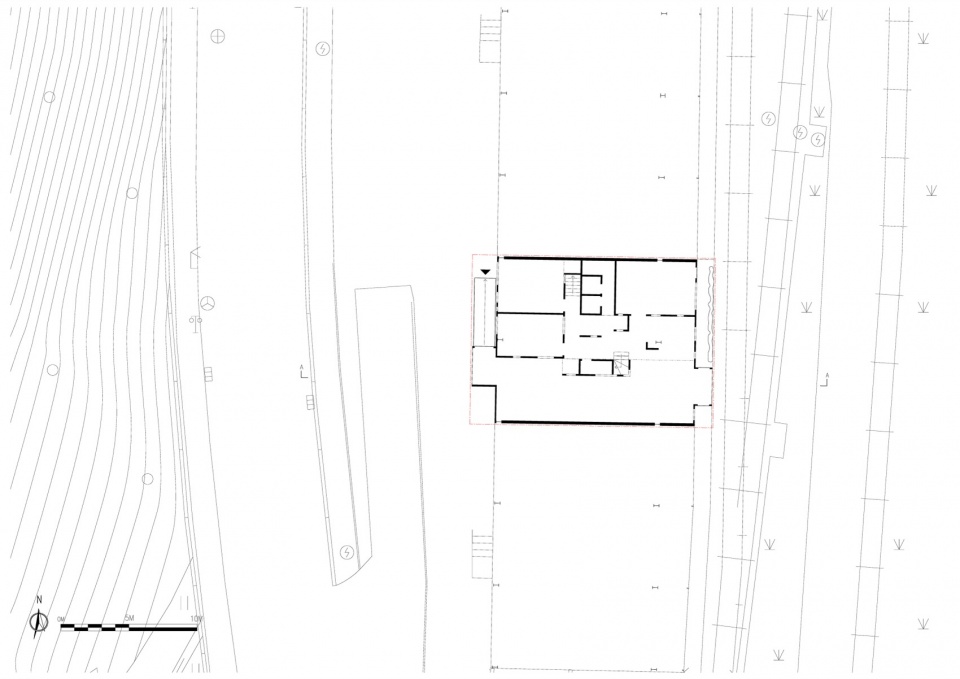
▼总平面,master plan
▼立面图,elevation
▼剖面,section
Project Name: Apelron Contemporary
Completion Year: May 2026
Gross Built Area: 320m2
Design Firm: Aether Architects +Archigress
Company Website: https://www.aethertect.com/
Contact Name: Huang Zelin
Contact e-mail: aether_architects@outlook.com
Firm Location: Shenzhen, China
Lead Architects: Huang Zelin
Lead Architects e-mail: aether_architects@outlook.com
Project location: Qingshuhe, Luohu district, Shenzhen, China
Design Team: Huang Zelin, Li Xiaodong, Li Ying, Liu Dingwen, Peng Jian, Zhao Zheng
Clients: Apelron Contemporary
Engineering: Shenzhen Morgor Design Consulting Co., LTD: Zhang Fan, Cao yuanfeng, Yangrui
Construction manager: Tian Xianhai
Photo credits: Zhang Chao
Photographer’s website: https://cargocollective.com/ZCSTUDIO
Photographer’s e-mail: Chaos_Zhang@foxmail.com