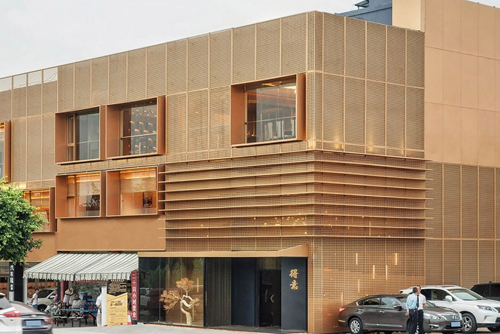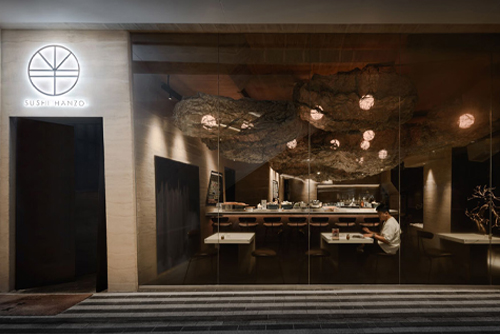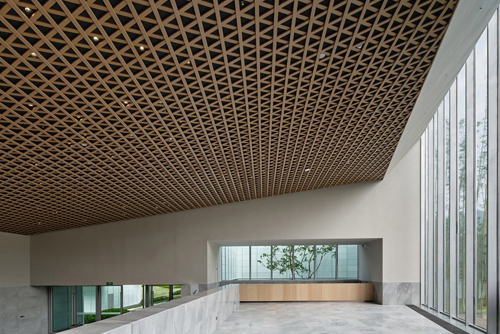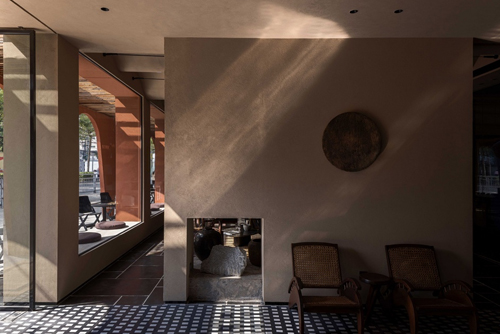
Houm瑜伽中心,印度尼西亚 / Dhanie & Sal
现有住宅被改造为Houm瑜伽和Houm咖啡的新型共居空间。项目从一个简单的方法开始:利用现有建筑,只引入必要的干预。设计并非对建筑进行彻底改造,而是关注控制与克制的平衡——决定哪些元素需要重新定义,哪些可以保持不变。在此过程中,建筑接受现有结构本来的状态,让新的功能在其中自然安置。
An existing house is repurposed into a new communal home for Houm Yoga and Houm Coffee. The project begins with a simple approach: working with what is already there while introducing only the necessary interventions. Rather than fully transforming the building, the design focuses on balancing control and restraint—deciding which elements require careful redefinition and which can remain untouched. In this process, the architecture accepts the existing structure as it is, allowing the new program to settle naturally within it.
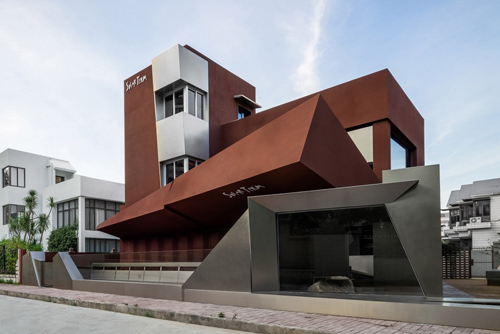
▼改造后的建筑外观,Renovated exterior
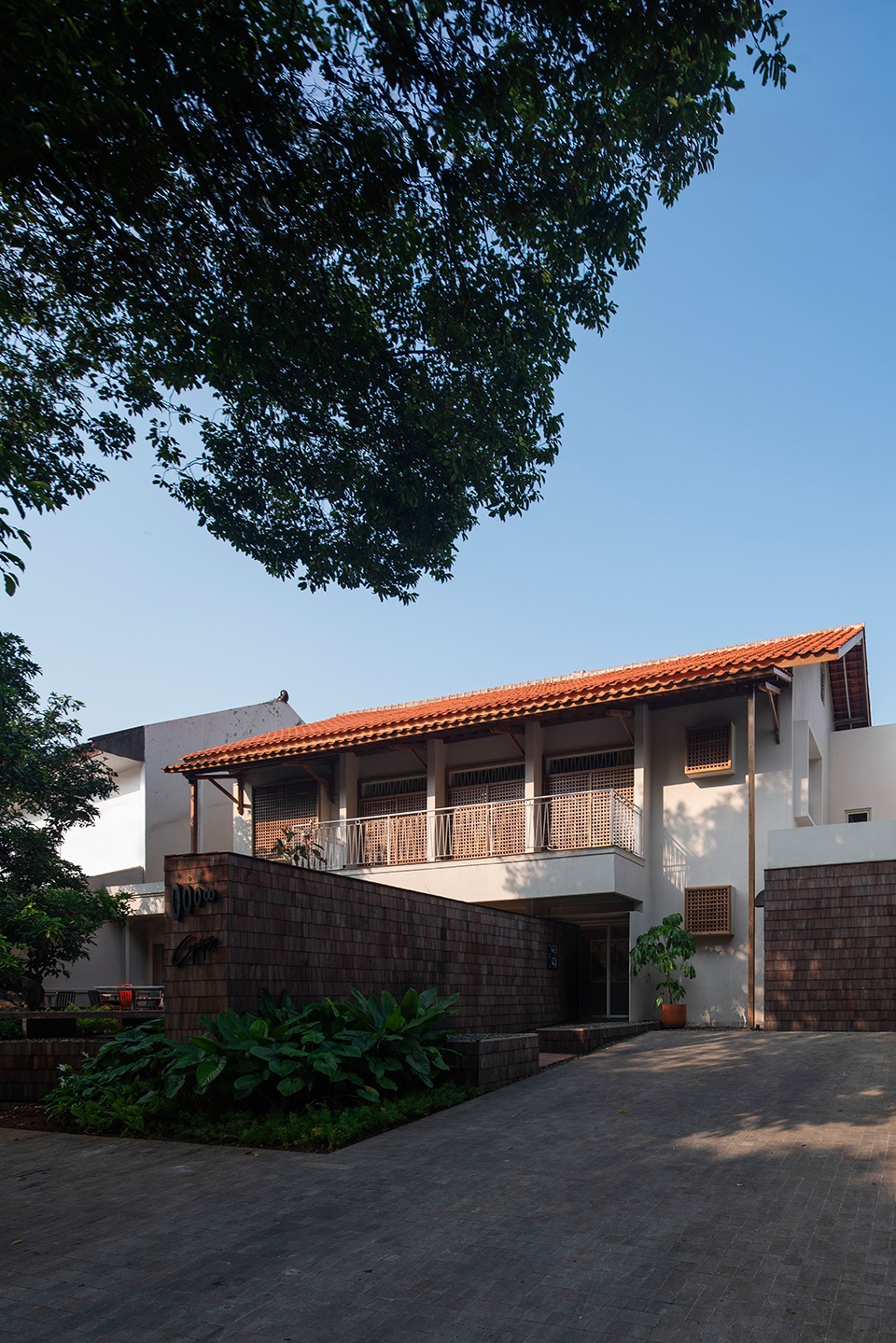
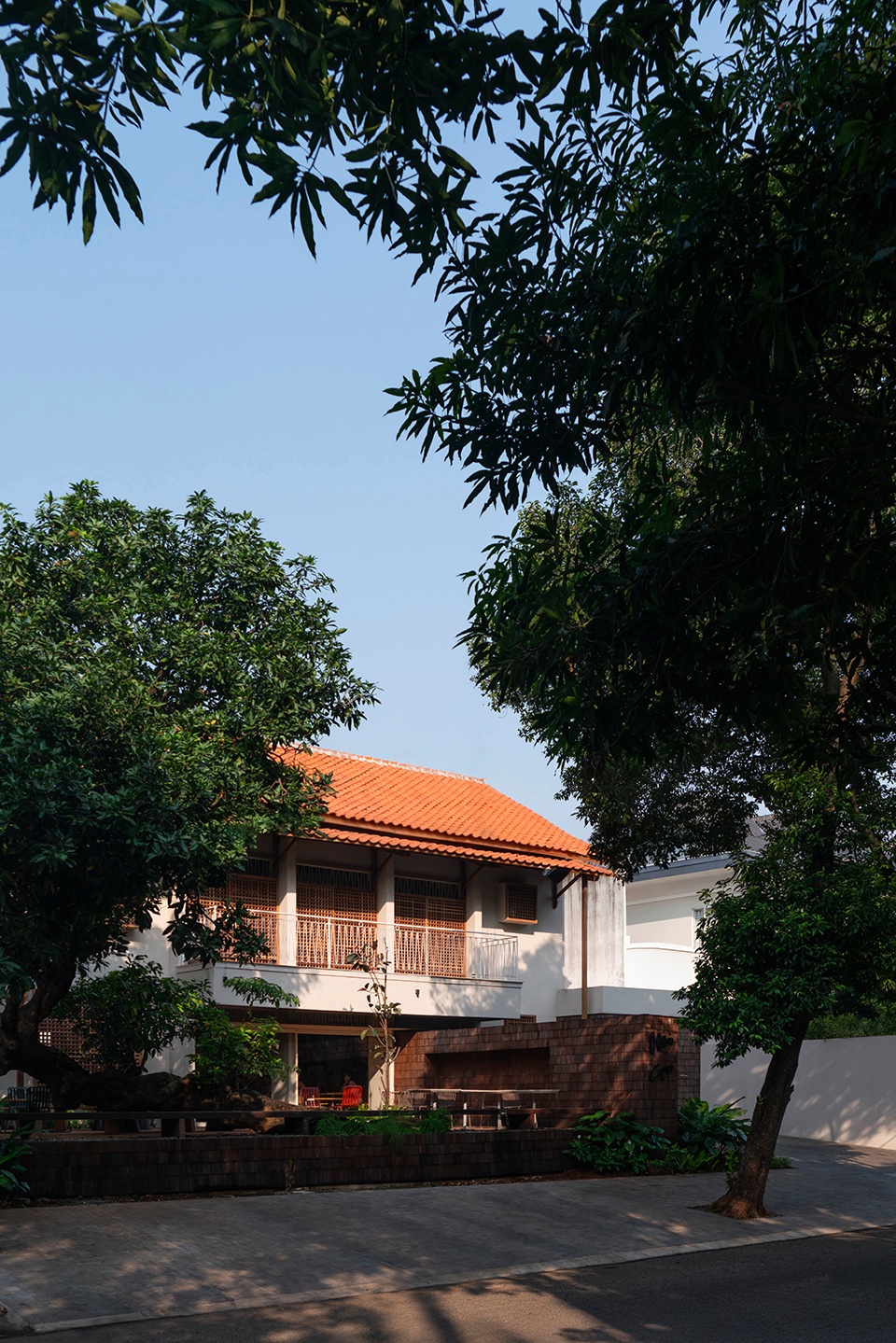
院落向周边街区开放,使建筑从私人住宅的性质转向更加欢迎的公共空间。建筑前方设有开放露台,形成建筑与街道之间的新阈口。露台作为过渡区,将无论是瑜伽课程还是咖啡聚会的室内活动巧妙延伸至户外。这一设计手势软化了私密与公共空间的界限,建立了建筑、邻里与城市之间更为动态的关系。
The compound is opened toward the surrounding block, shifting its character from a private residence into a more welcoming communal space. At the front, an open terrace forms a new threshold between the building and the street. This terrace acts as a transitional zone where the activities inside—whether yoga sessions or café gatherings—can subtly extend outward. The gesture softens the boundary between private and public space, establishing a more dynamic relationship between the compound, the neighborhood, and the city.
▼正立面,Front facade
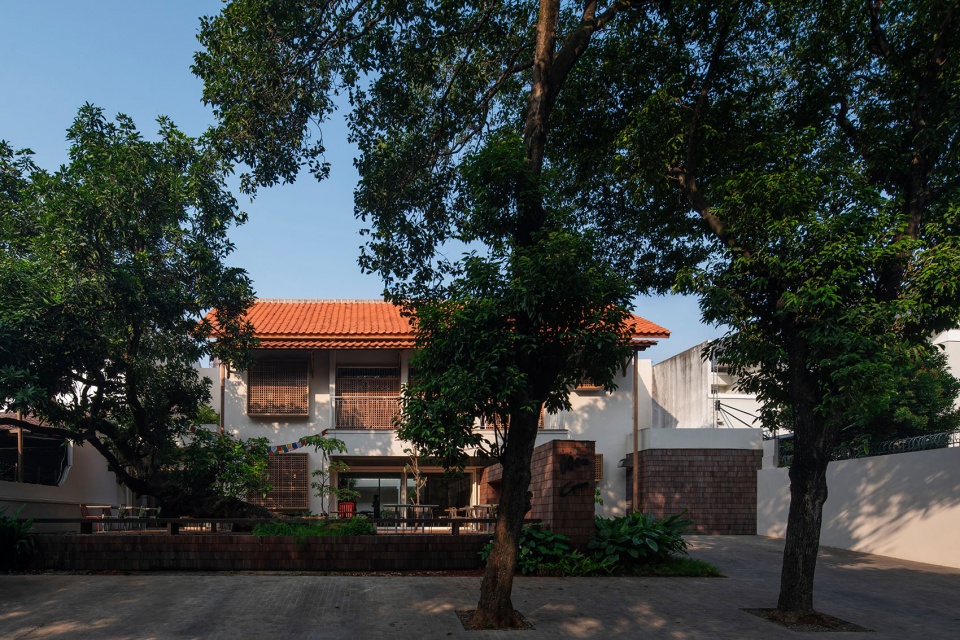
▼正立面近景与开放露台,Front facade close view and open terrace
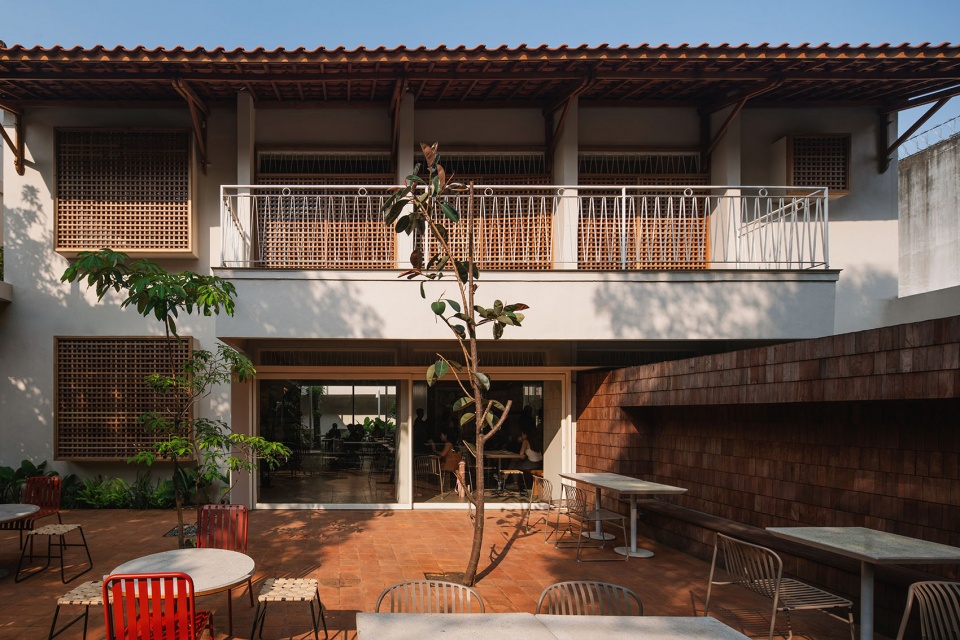
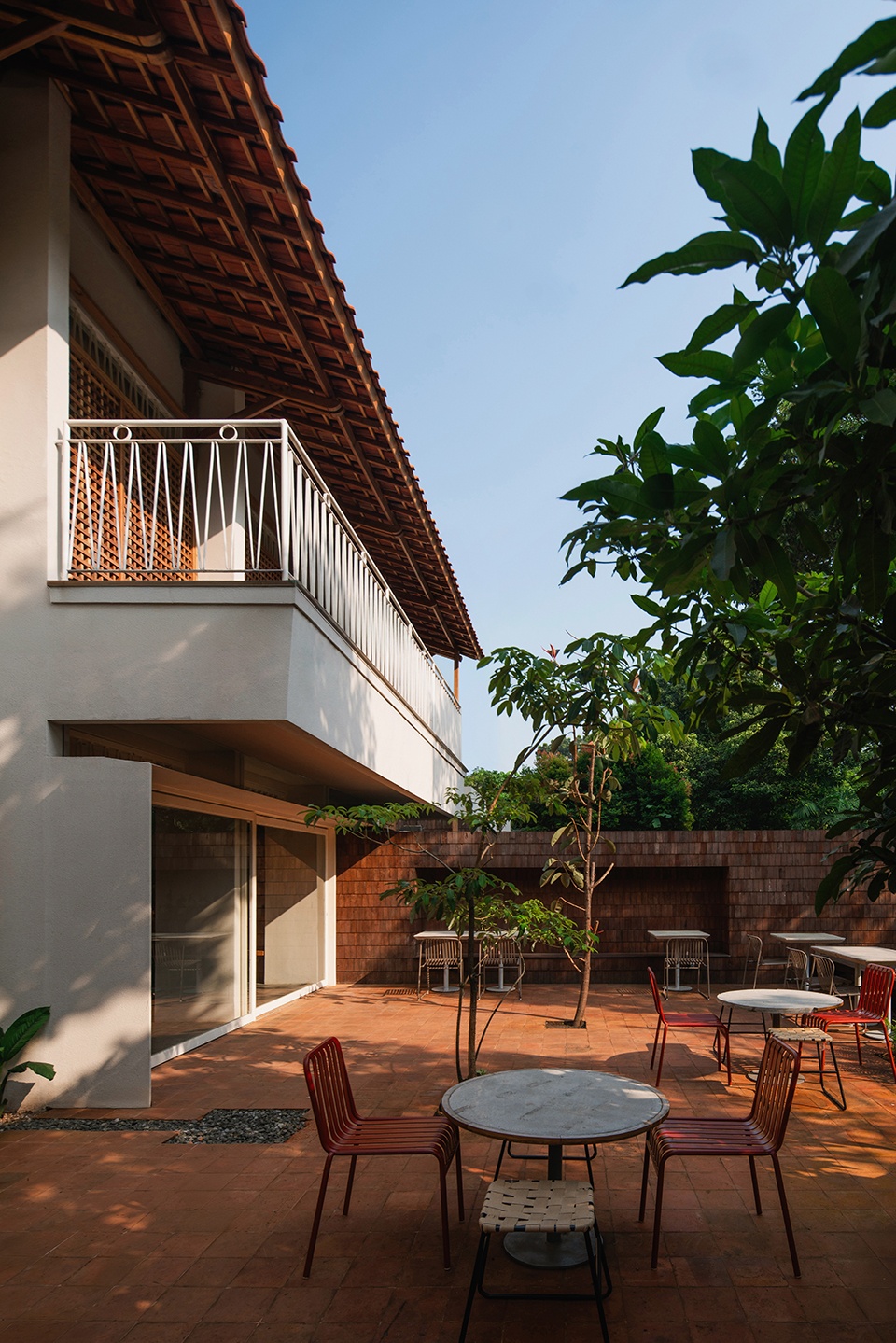
在入口处,插入一个小型独立方盒体,作为到达点的标识。方盒体覆盖木瓦,为入口序列引入独特的建筑元素。虽然造型现代,但体量保持克制,使其与原建筑相协调。木瓦增添了质感与温暖,而紧凑的体量清晰地引导访客的流线及在院落中的移动。通过新的一层木质格栅重新呈现现有住宅。格栅选择性地应用于立面,营造细腻的视觉节奏,同时过滤光线和视线。这一干预帮助统一建筑外观,同时保持开放感与通透性。格栅让外部可隐约看到内部活动,同时为内部空间提供遮阳与隐私。
To mark the point of arrival, a small independent box structure is inserted near the entrance. Clad in wooden shingles, the volume introduces a distinct architectural element that helps define the entry sequence. While clearly contemporary in its expression, the box remains modest in scale, allowing it to sit comfortably alongside the existing building. The wooden shingles add texture and warmth, while the compact form gives clarity to how visitors approach and move through the compound. The existing house is reintroduced through a new layer of wooden lattice screens. Applied selectively across the façade, the screens create a subtle visual rhythm while filtering light and views. This intervention helps unify the building’s appearance while maintaining a sense of openness and permeability. The lattice allows glimpses of activity from the outside while providing shade and privacy for the spaces within.
▼建筑与开放露台近景,Building and open terrace close view
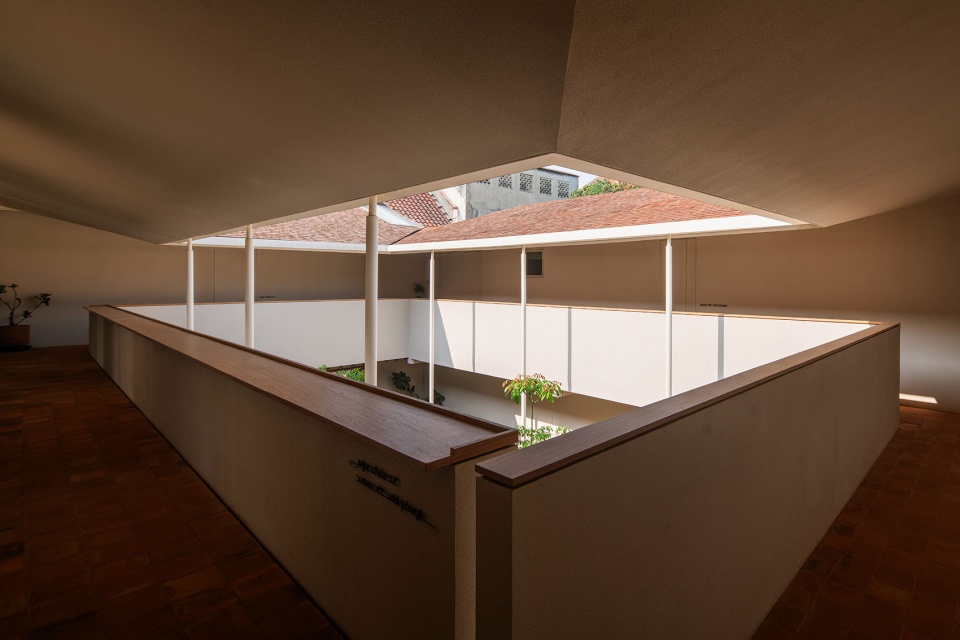
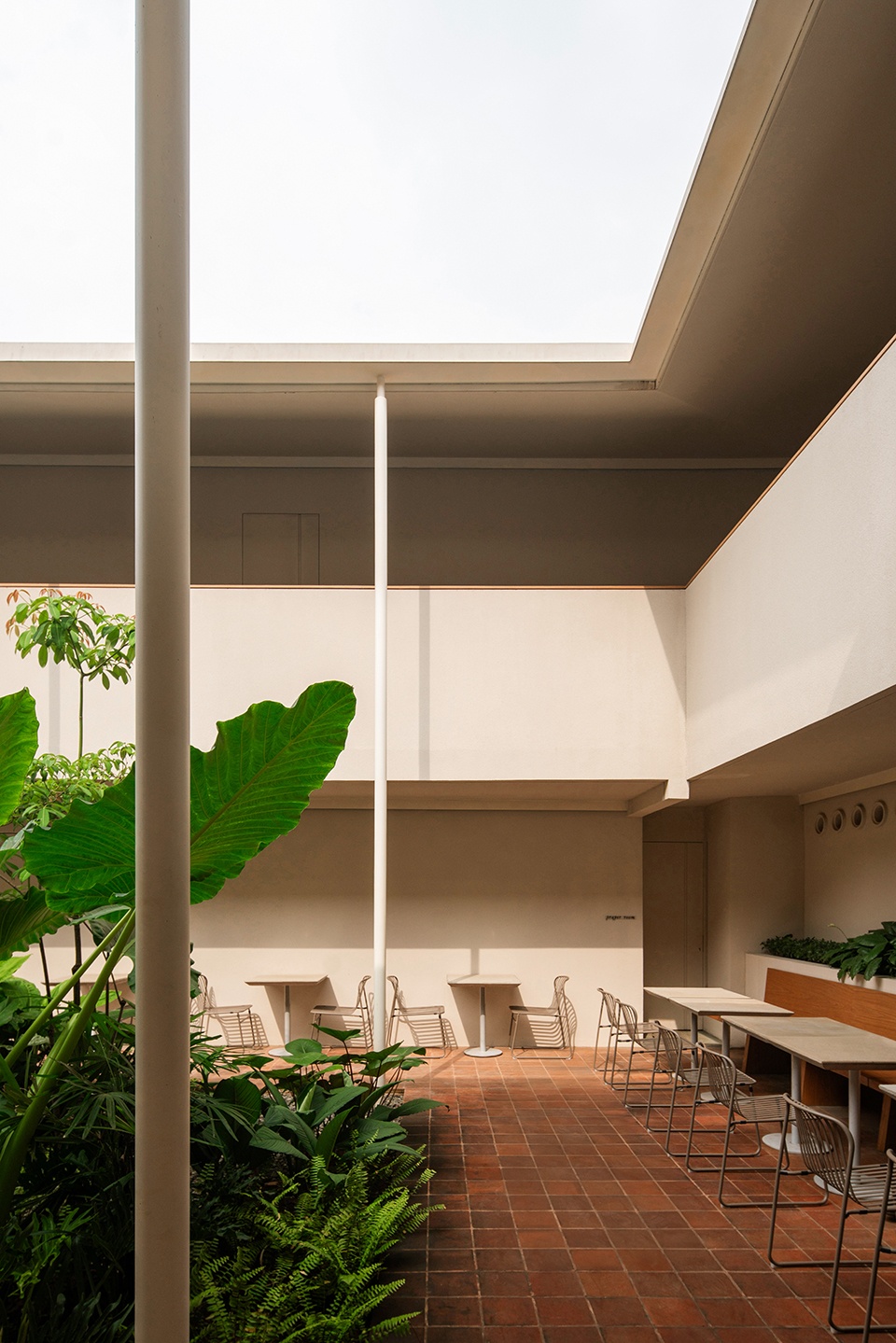
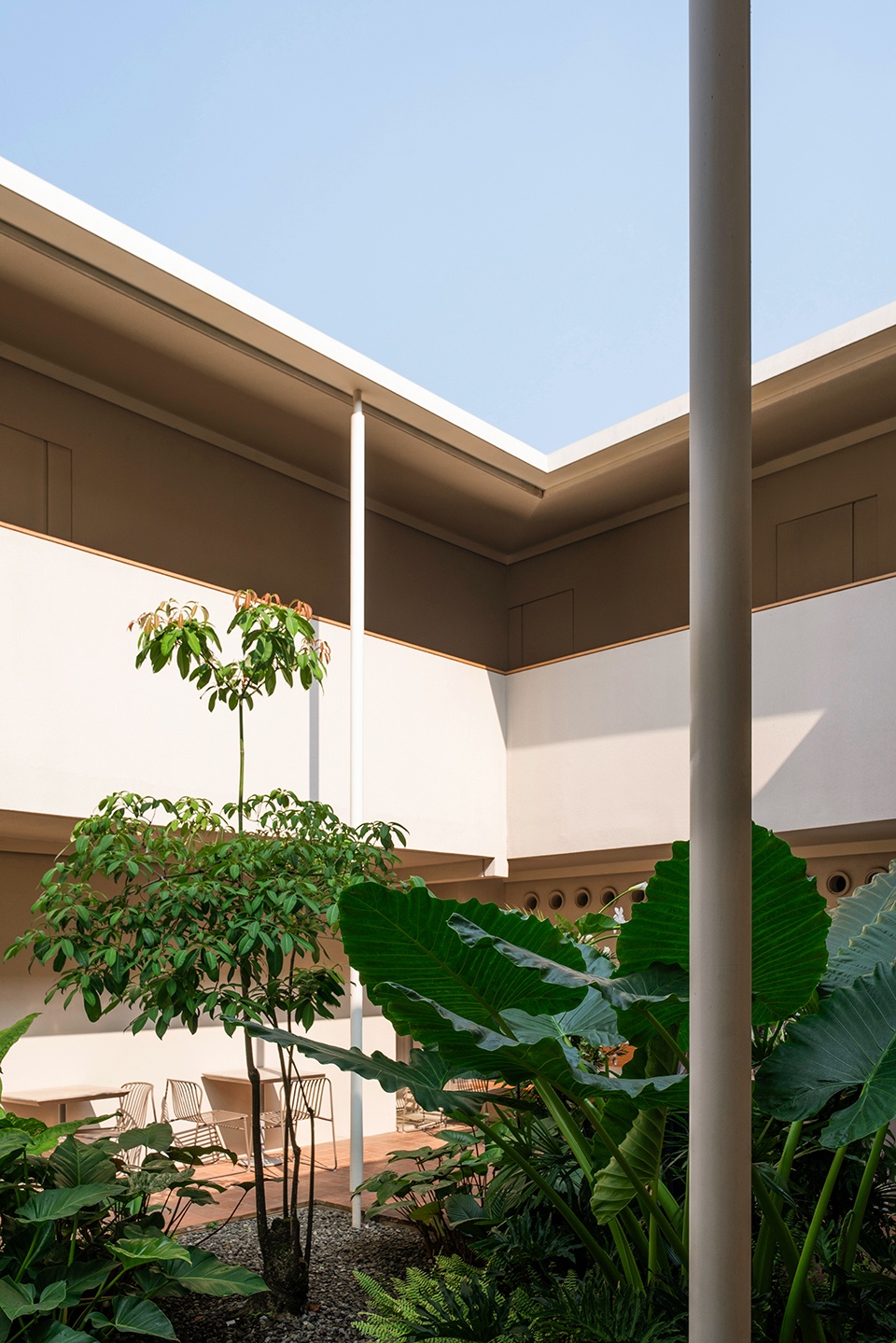
庭院位于建筑群中心,直接向天空开放,成为项目的空间核心,将瑜伽馆、咖啡馆及周边流线连接起来。周围元素被简化处理,避免新增复杂建筑元素。线条、材料和形态被简化至本质,使院落保持宁静、整洁。光、空气和天空成为塑造空间氛围的主要因素。
At the center of the compound lies a courtyard that opens directly to the sky. The courtyard becomes the spatial anchor of the project, connecting the yoga studio, café, and circulation areas around it. Rather than adding new architectural complexity, the surrounding elements are simplified. Lines, materials, and forms are reduced to their essentials so that the courtyard can remain calm and uncluttered. Light, air, and sky become the primary qualities shaping the atmosphere of the space.
▼中央庭院,Central courtyard
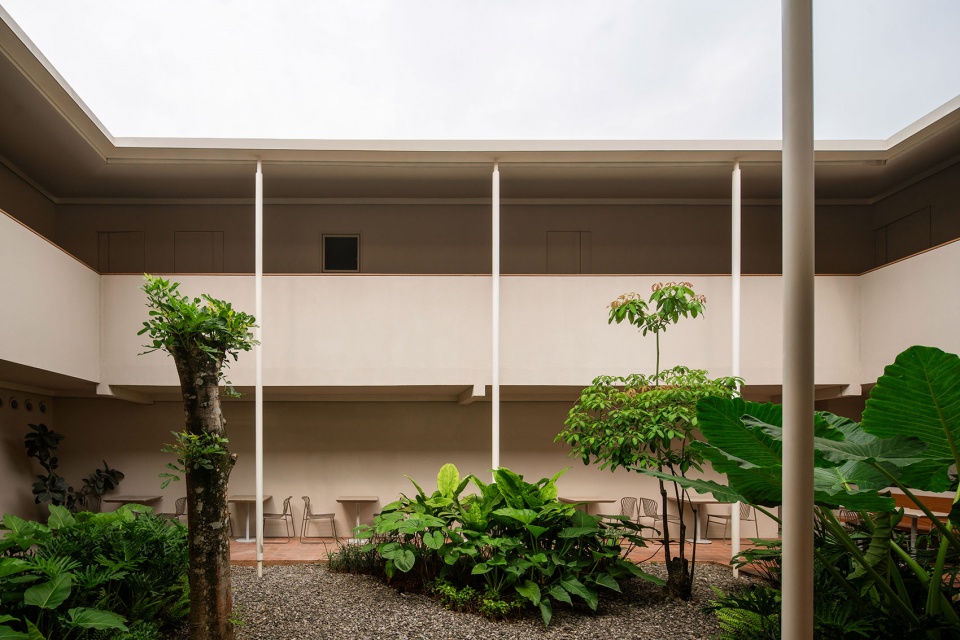
▼二层环廊,Upper-level gallery
▼庭院局部,Courtyard partial view
通过这些适度干预,项目呈现了现有建筑与新功能之间的静默对话。建筑并不试图抹去历史,而是与其原有特性共存。仅通过必要的引入——入口标识、格栅层以及重新定向的院落——住宅逐渐从私人居所转变为共居空间。最终形成一个兼顾活动、聚会与日常仪式,同时保持原有住宅低调存在感的场所。
Through these measured interventions, the project frames a quiet dialogue between the existing and the new. The architecture does not attempt to erase the building’s past, but instead works with its existing character. By introducing only what is necessary—an entrance marker, a layer of screens, and a reoriented courtyard—the house gradually shifts from a private dwelling into a communal environment. The result is a place that accommodates movement, gathering, and everyday rituals while maintaining the modest presence of the original home.
▼咖啡区与楼梯,Coffee space and staircase
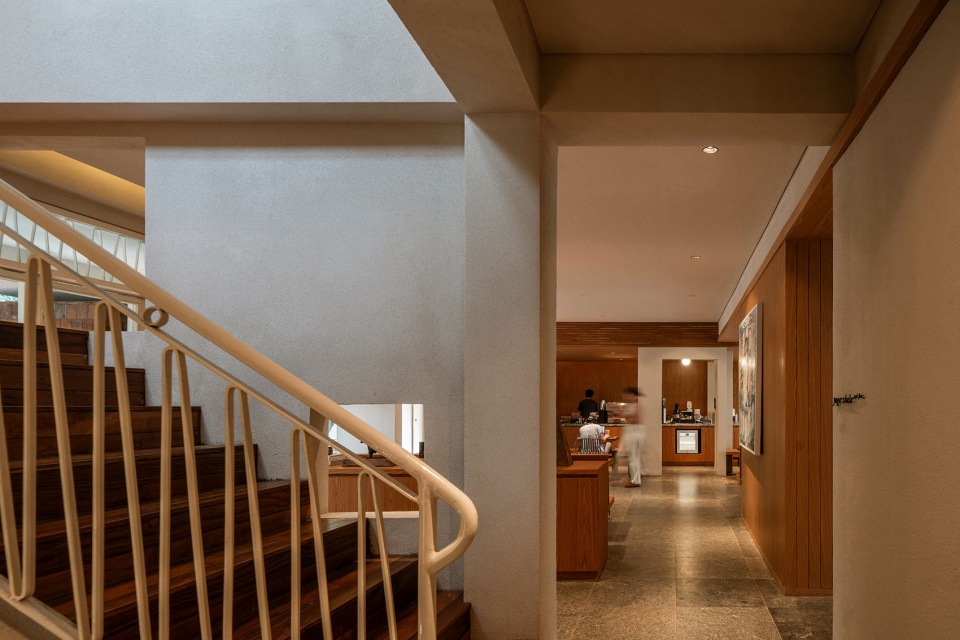
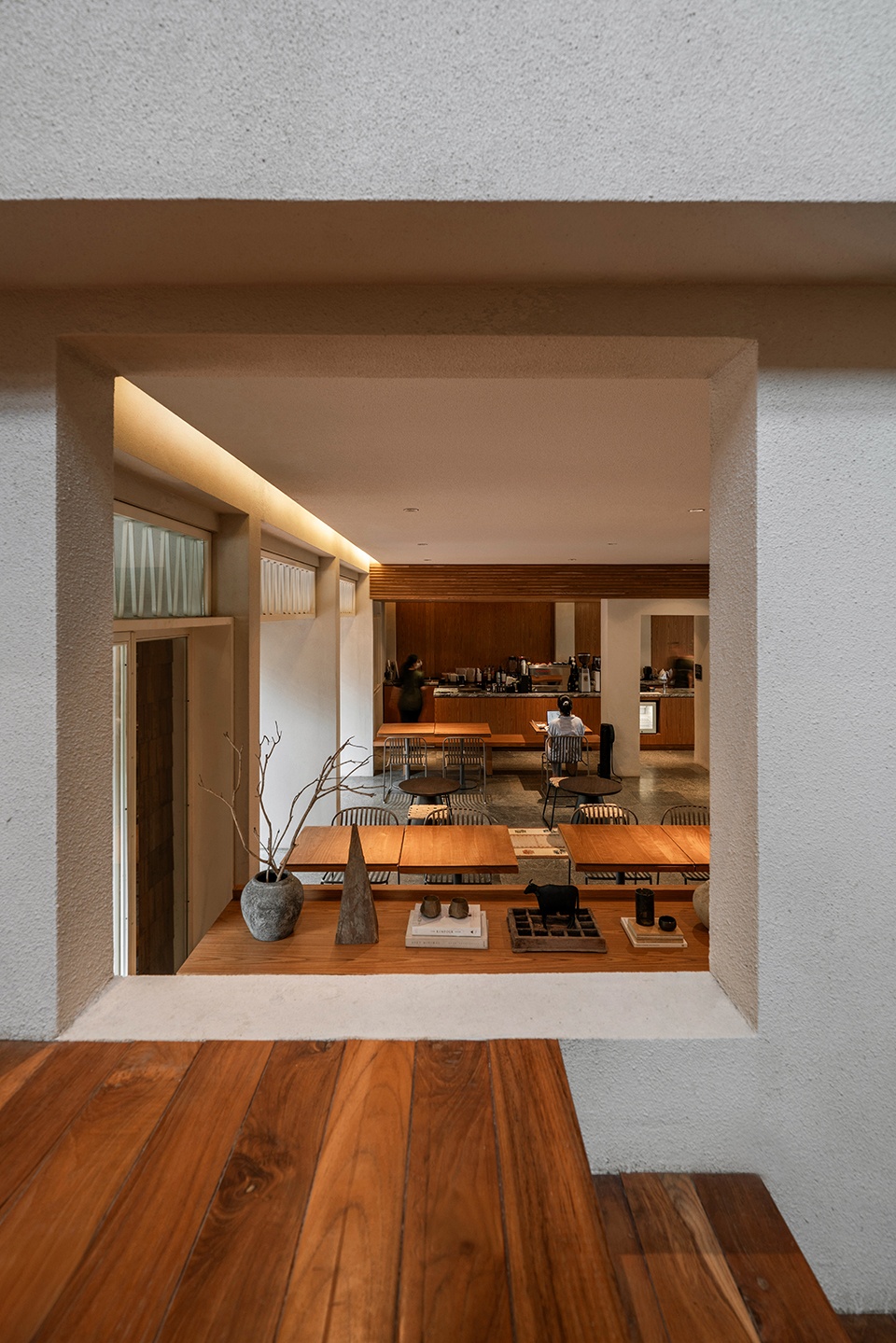
▼室内开窗看向咖啡区,Interior opening towards coffee space
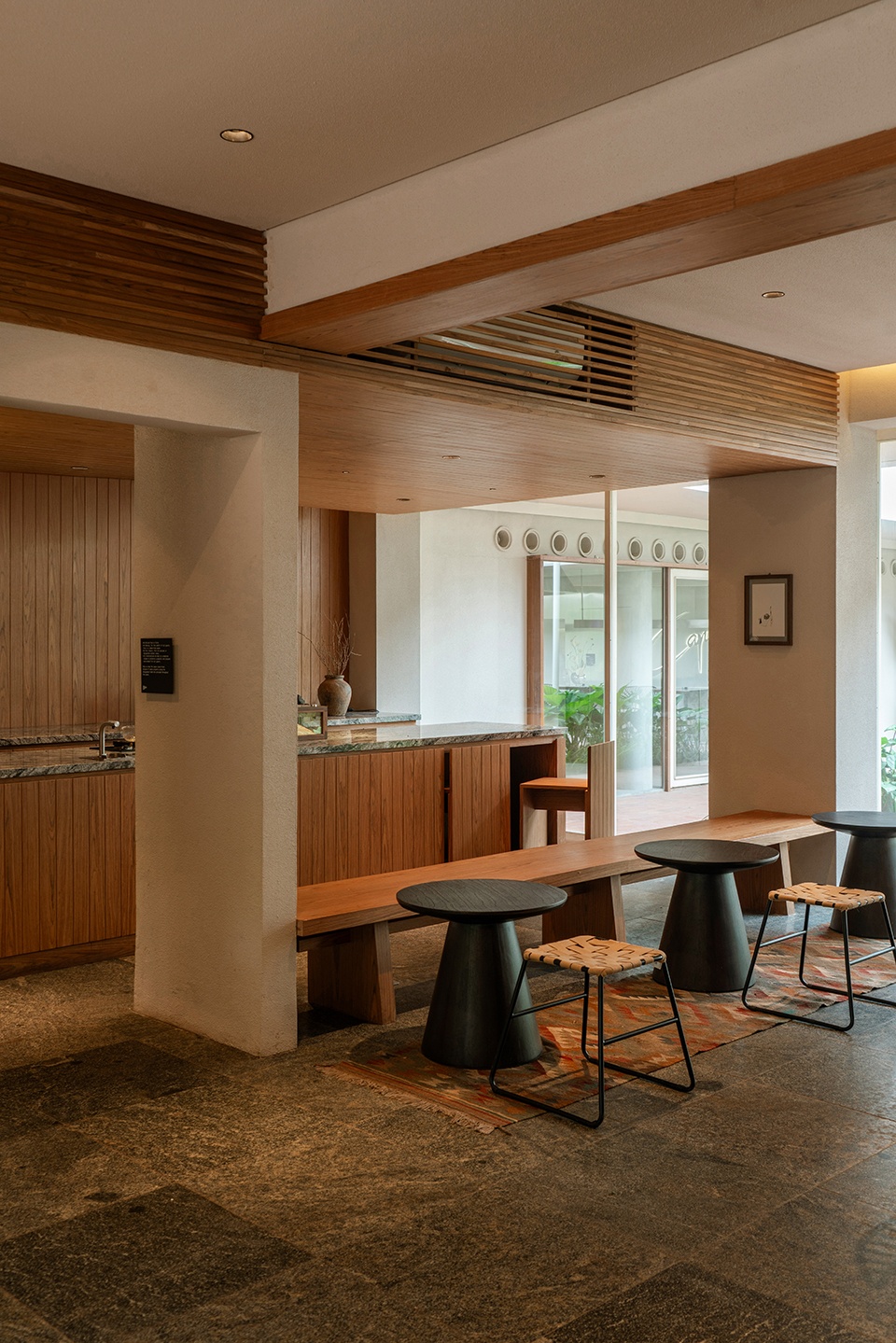
▼咖啡区局部,Coffee space partial view
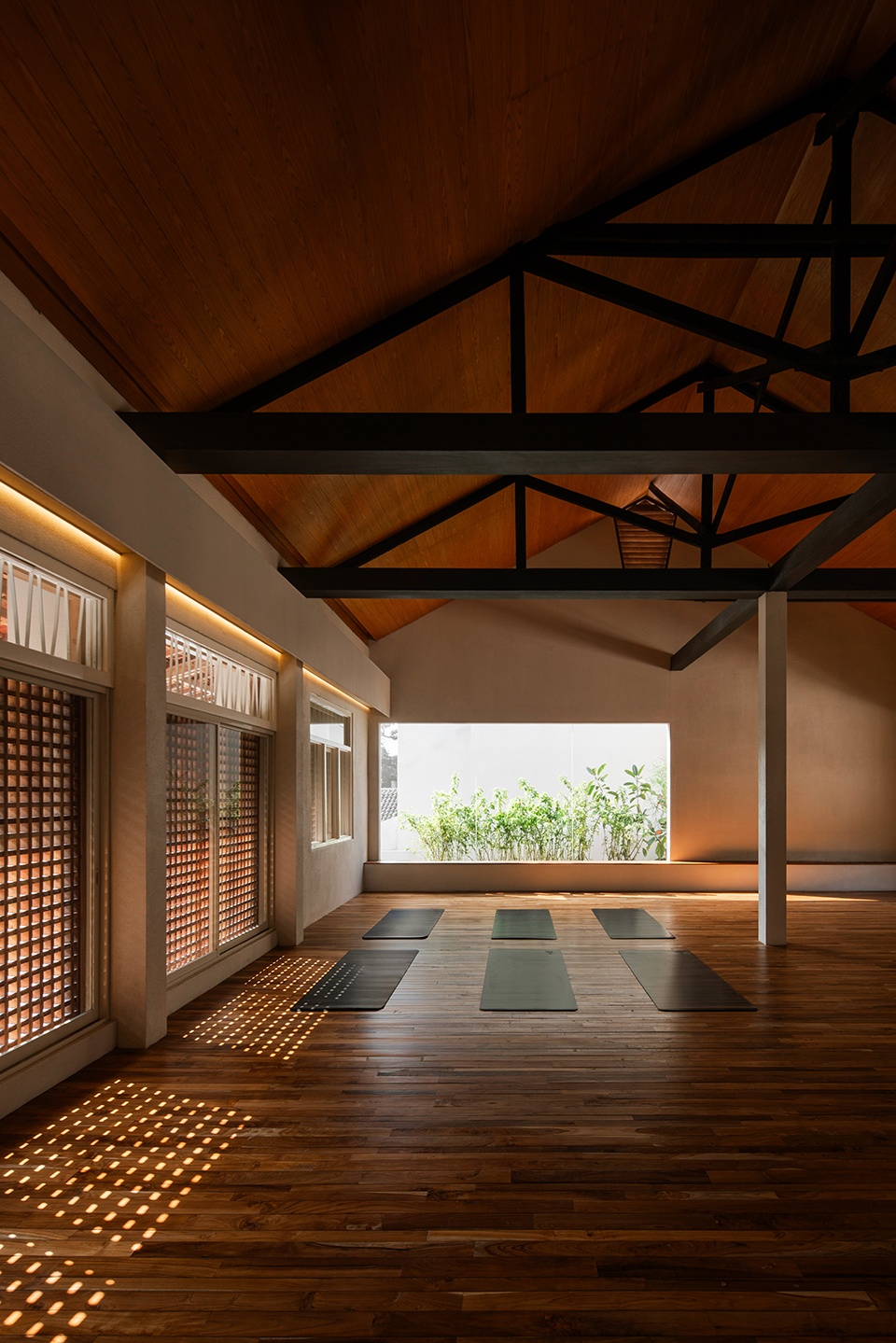
▼瑜伽教室,Yoga studio
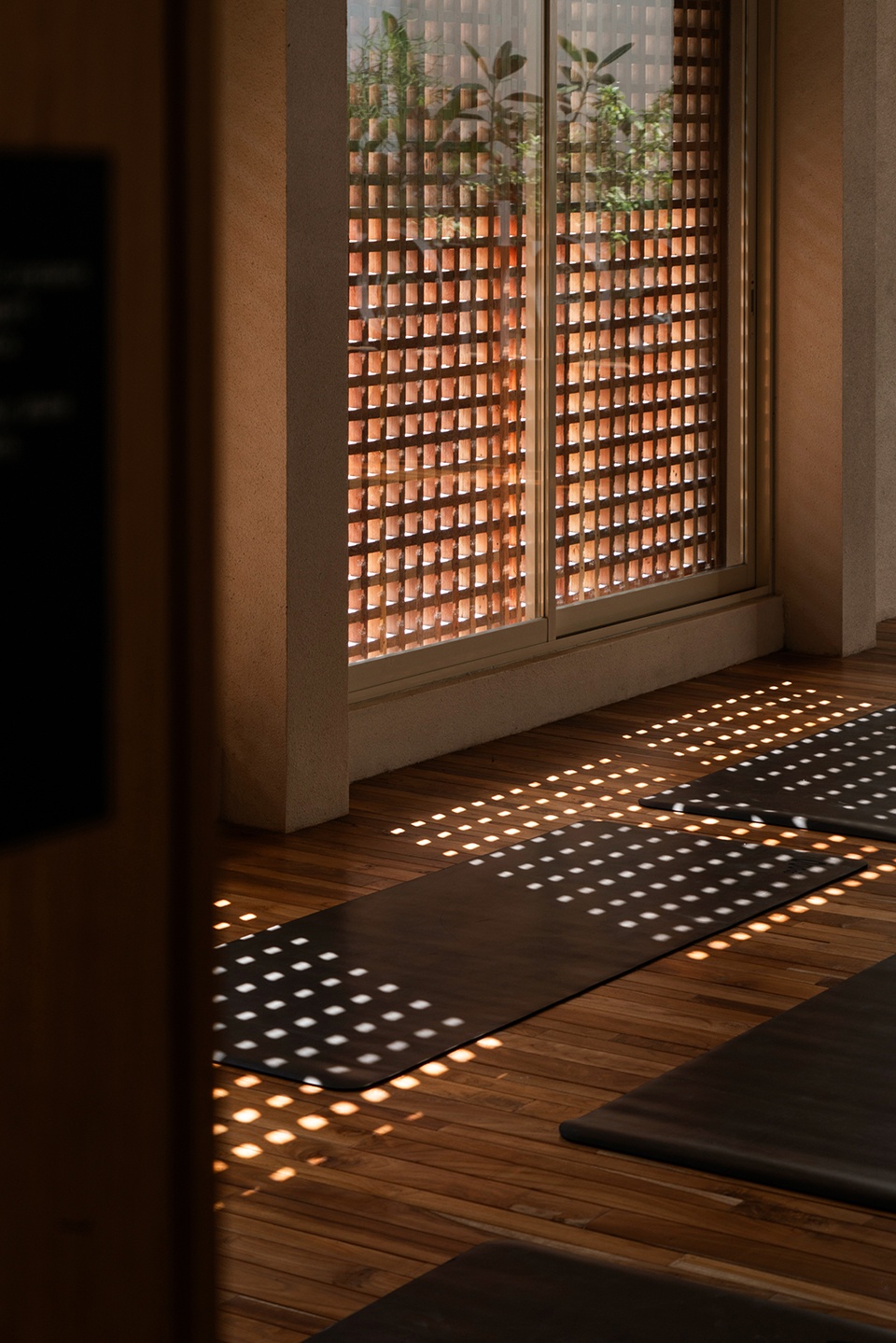
▼瑜伽教室细部,Yoga studio detail
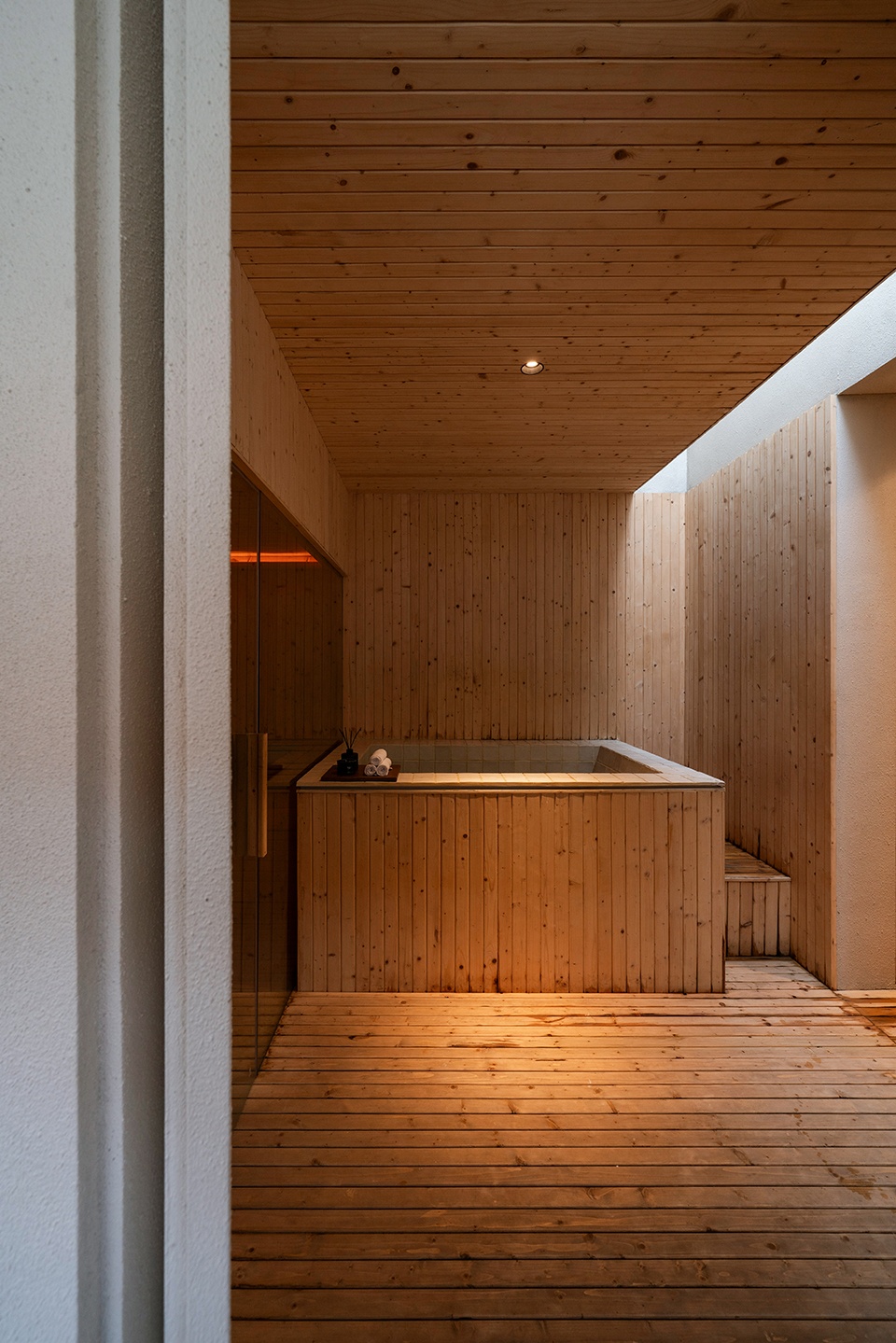
▼木质泡池空间,Wooden bathing space
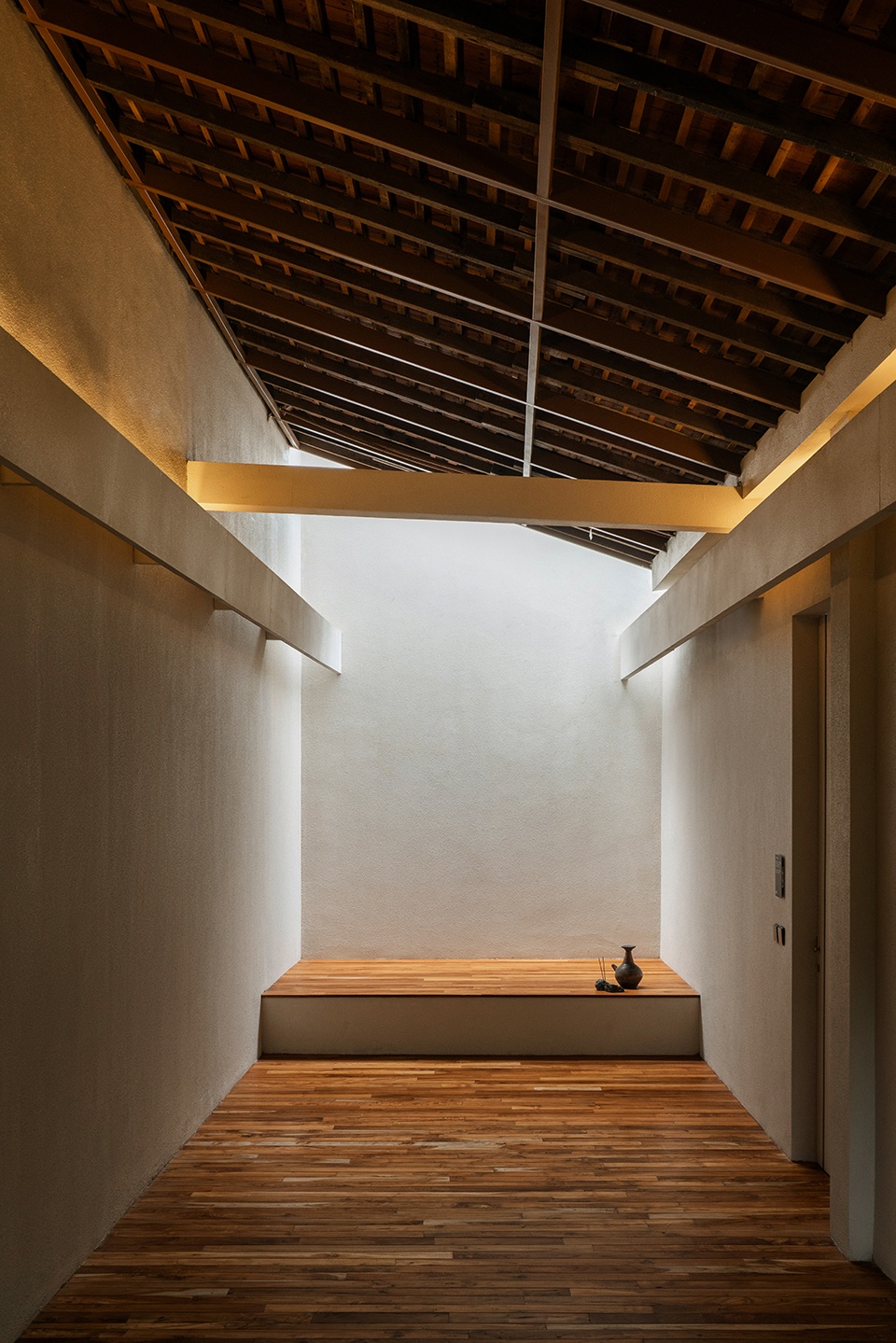
▼冥想空间,Meditation space
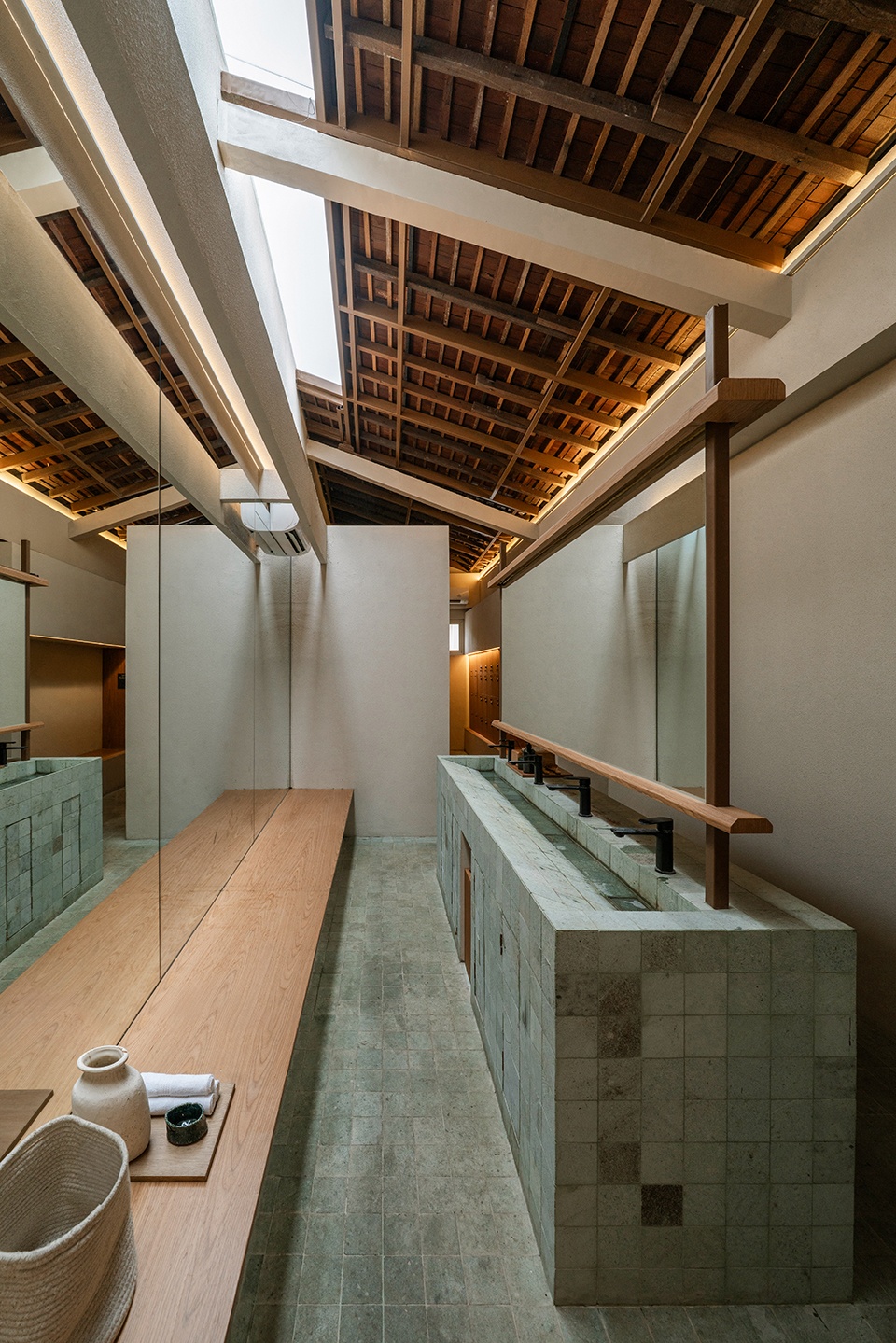
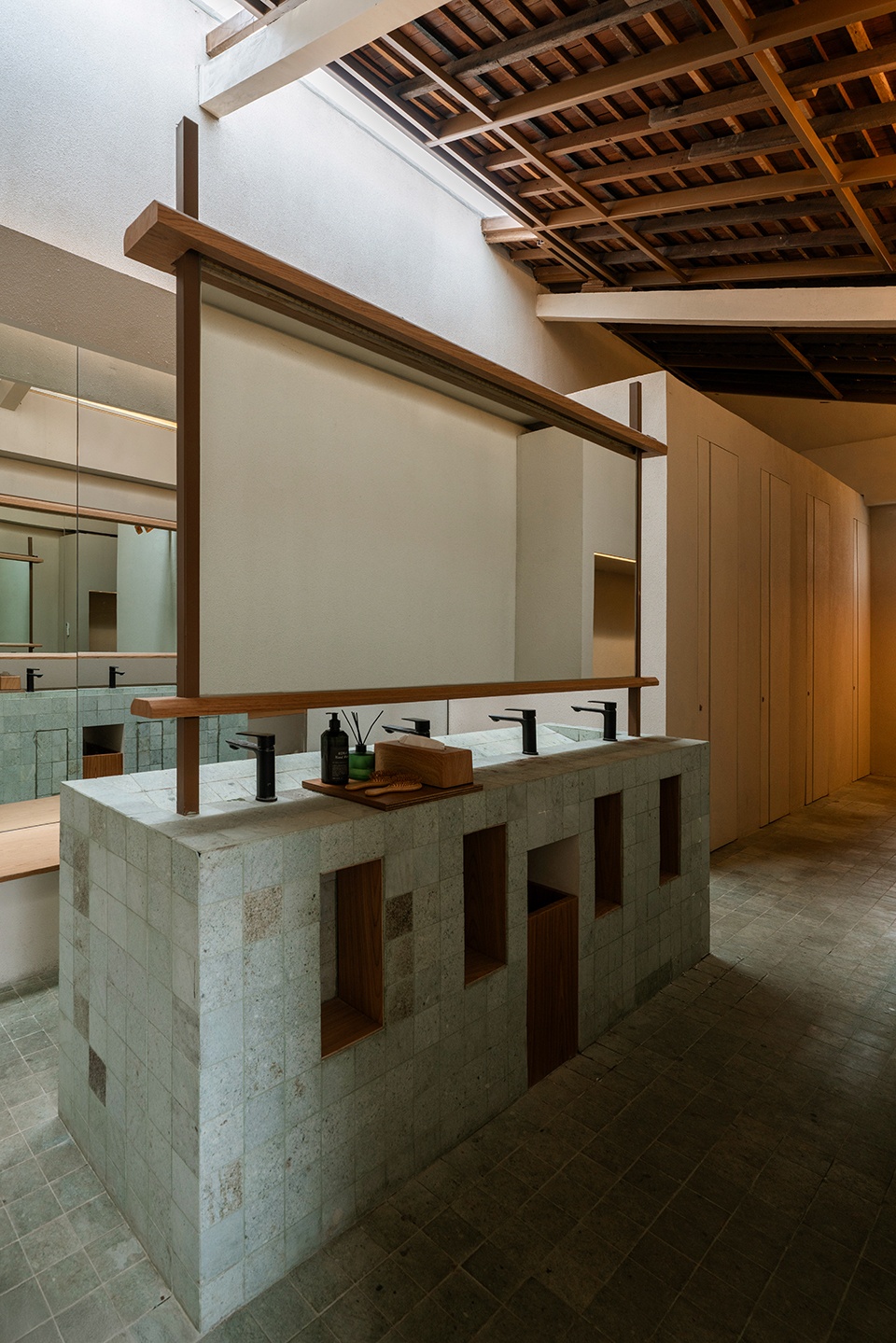
▼盥洗室,Washroom
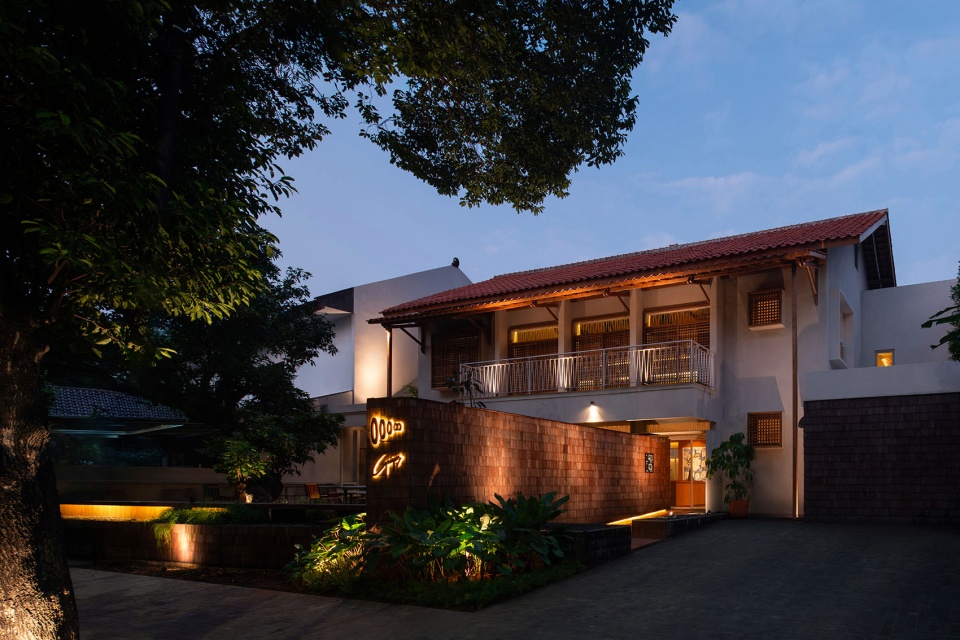
▼建筑外观夜景,Renovated exterior night view
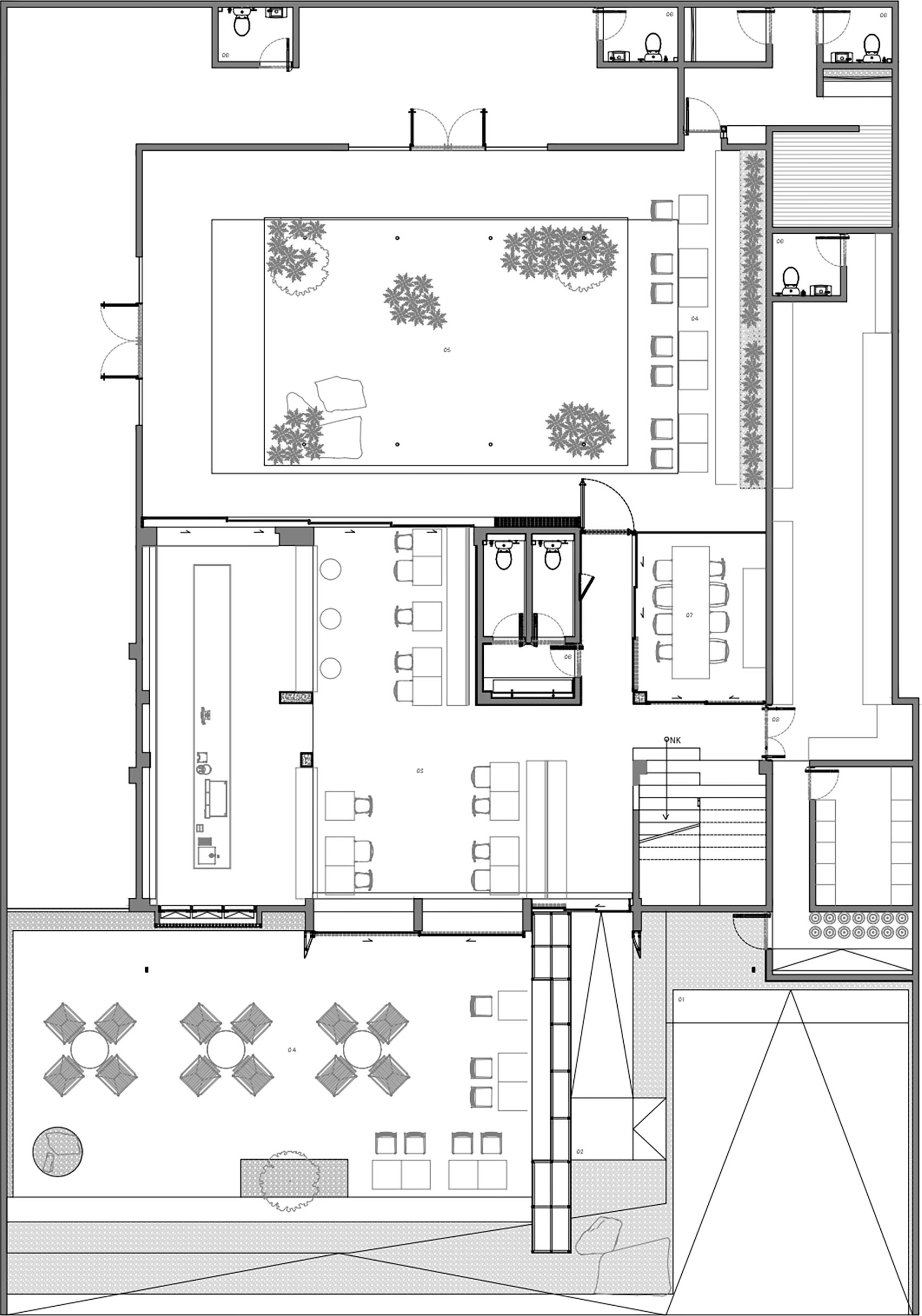
▼一层平面图,First floor plan
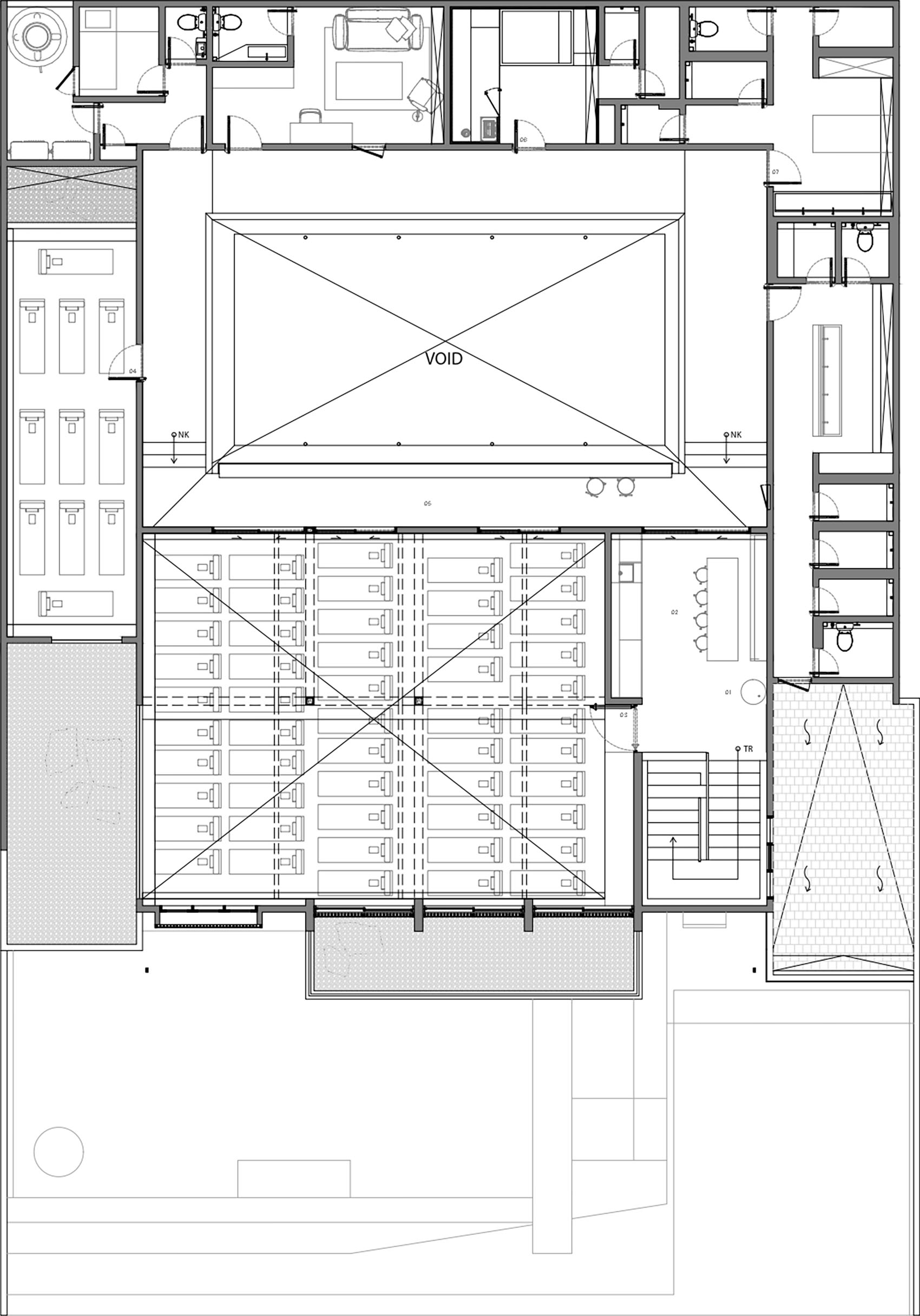
▼二层平面图,Second floor plan
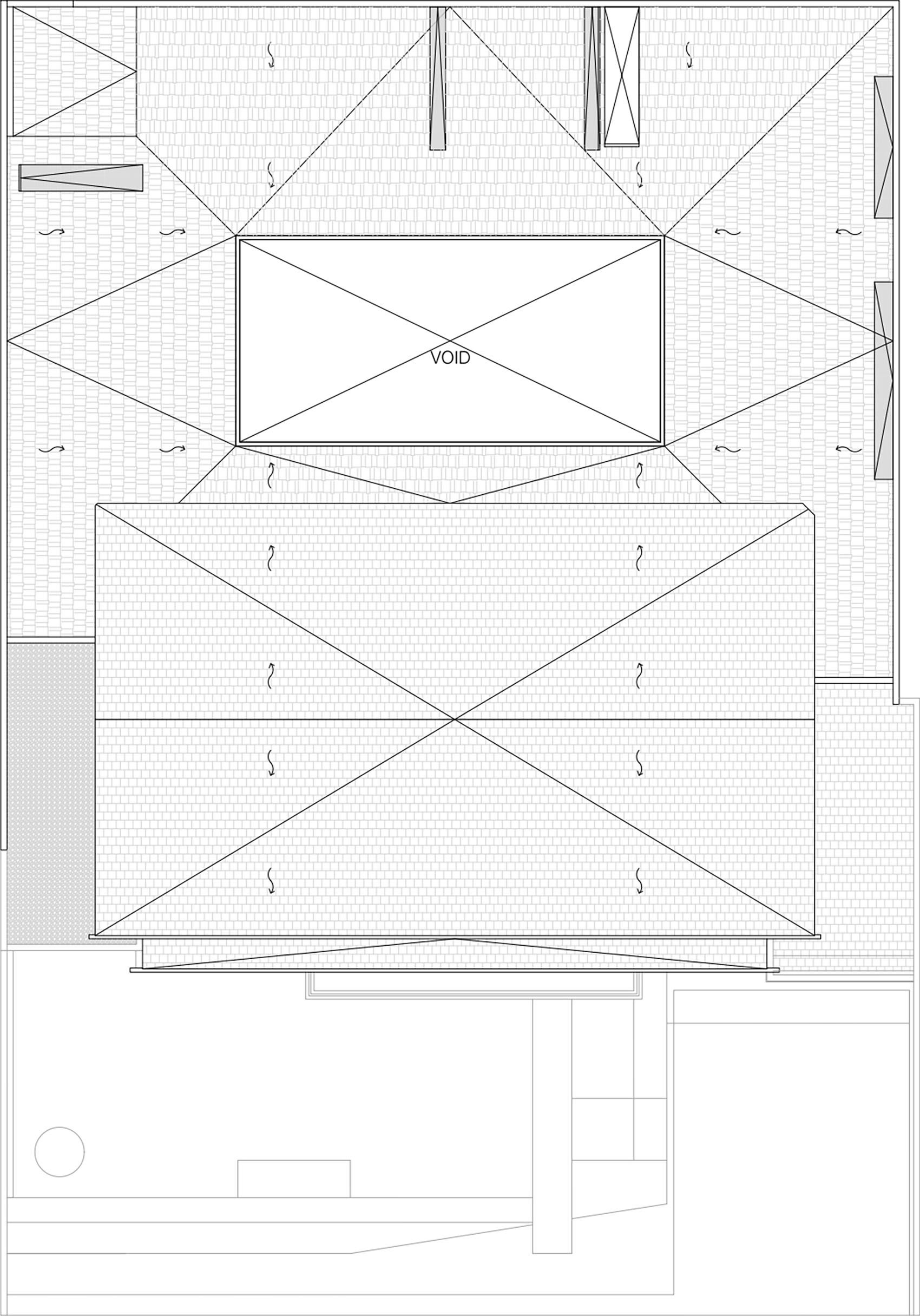
▼屋顶平面图,Roof plan
▼建筑立面,Elevations
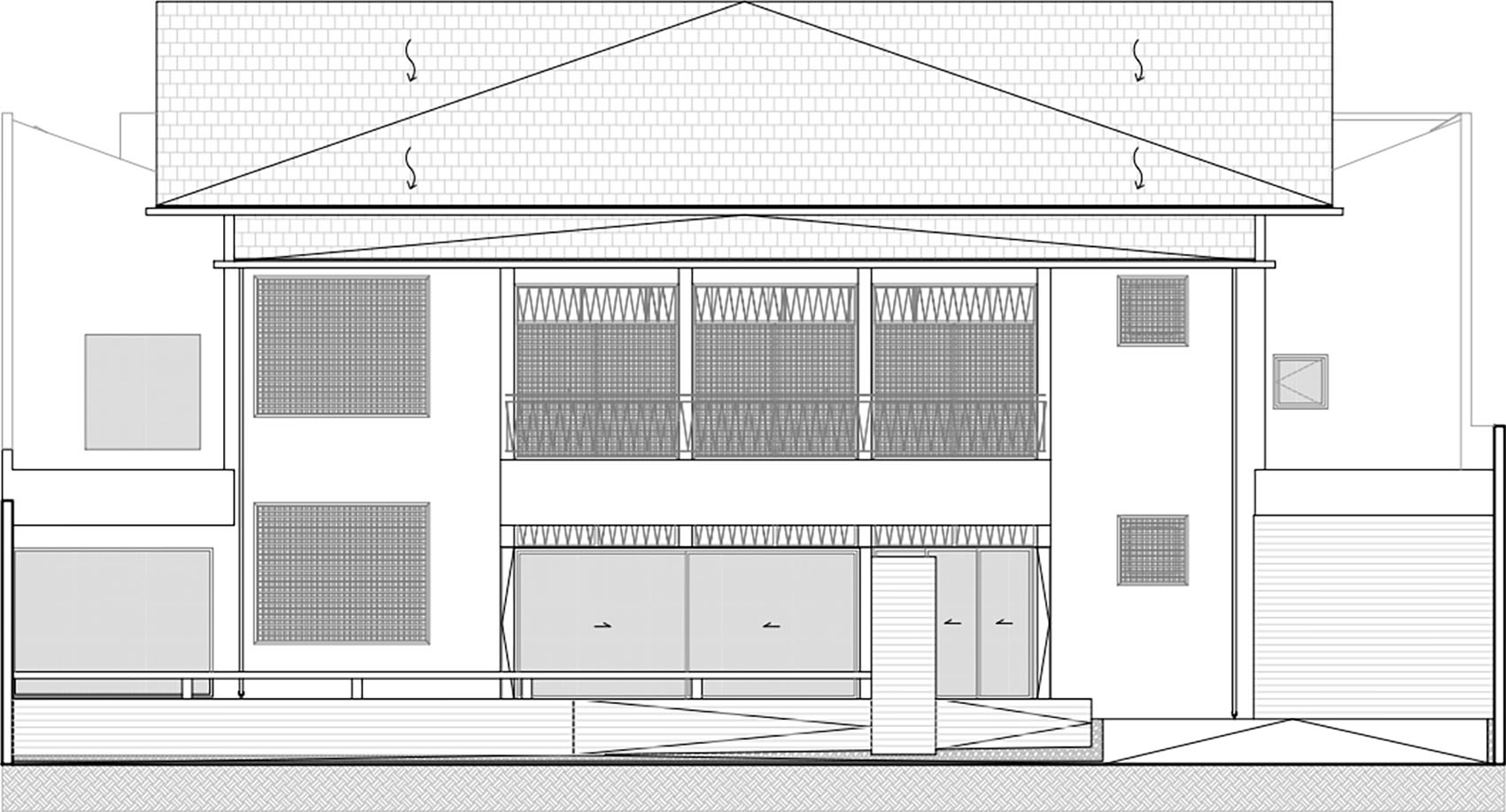
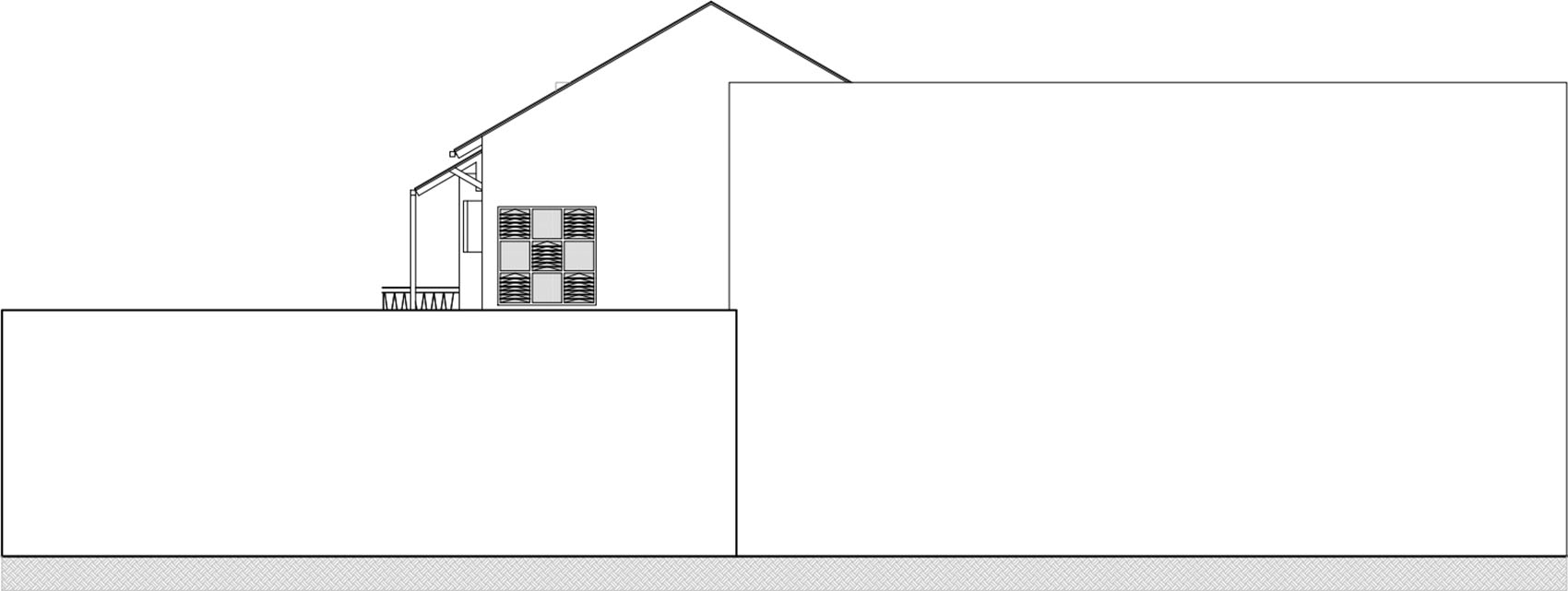
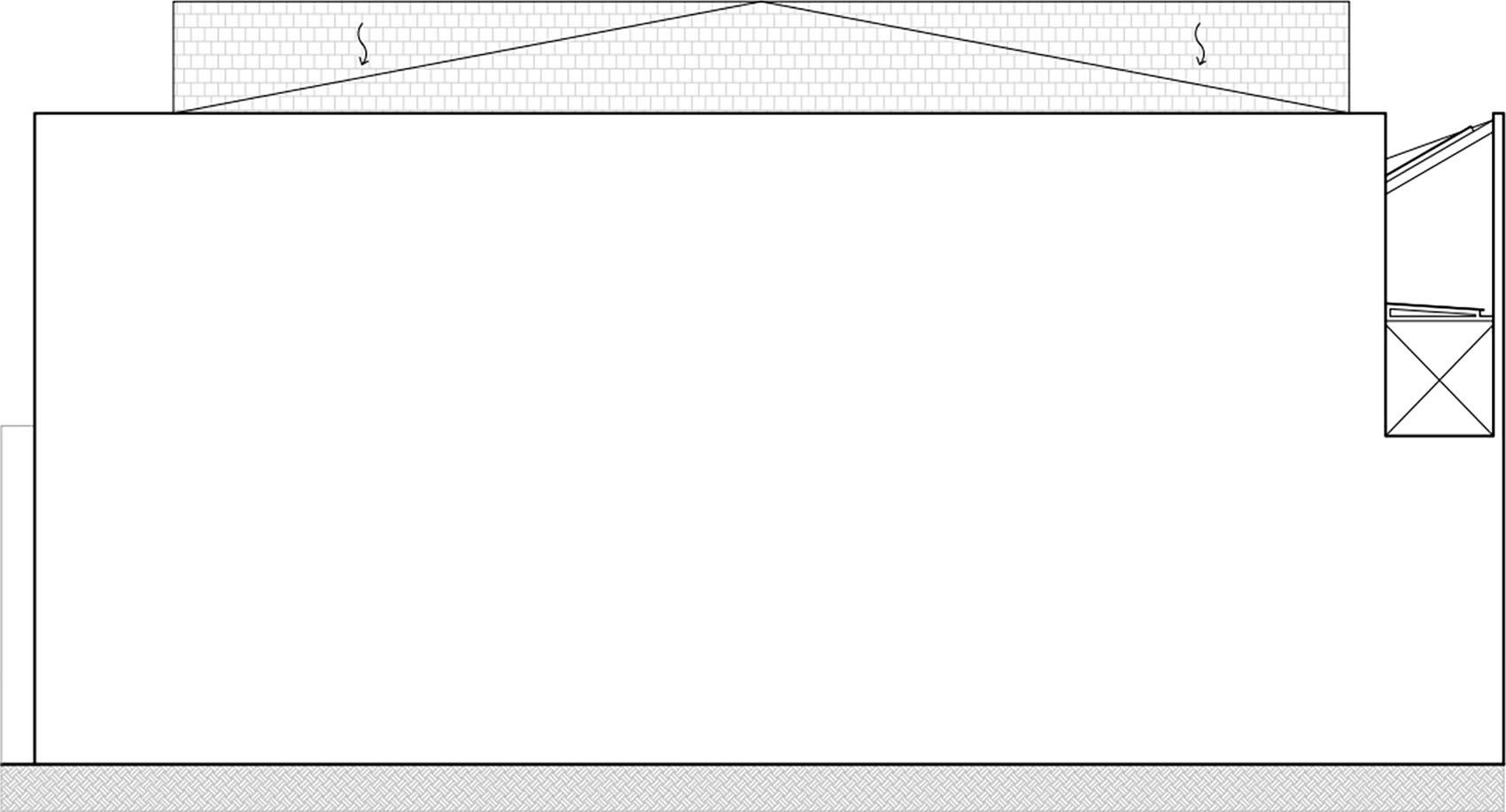
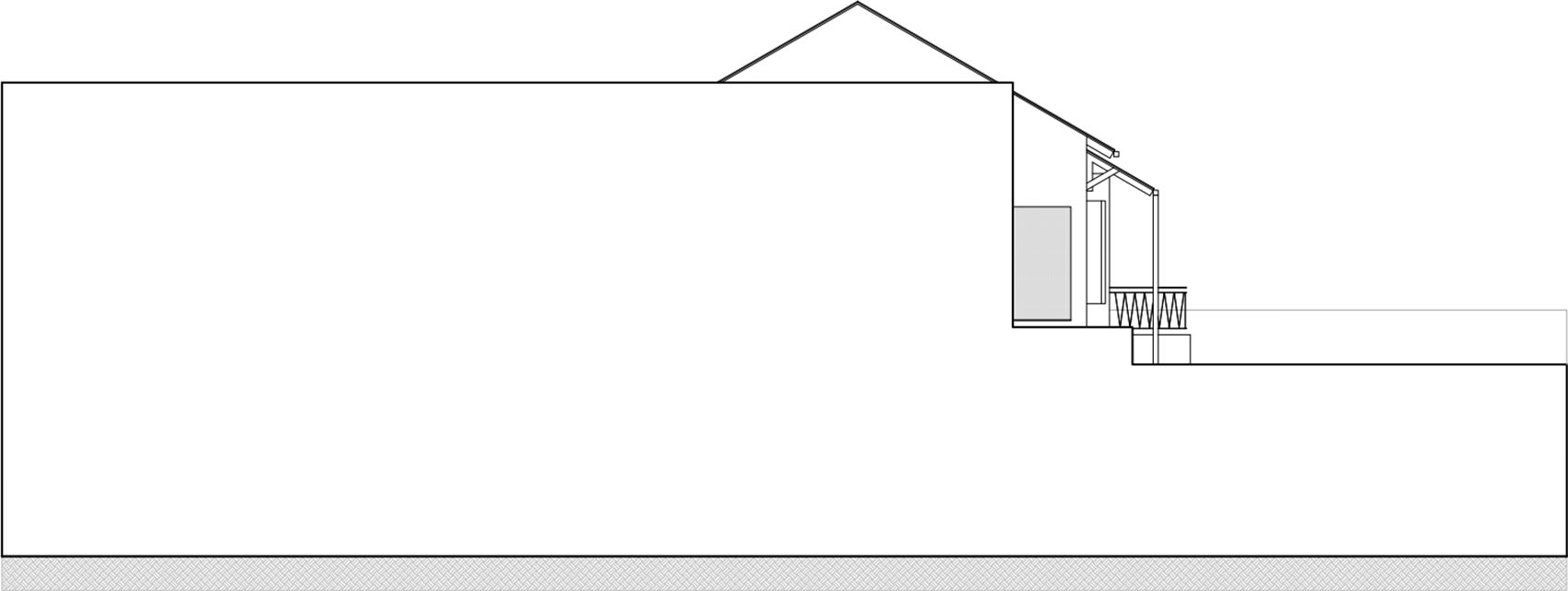
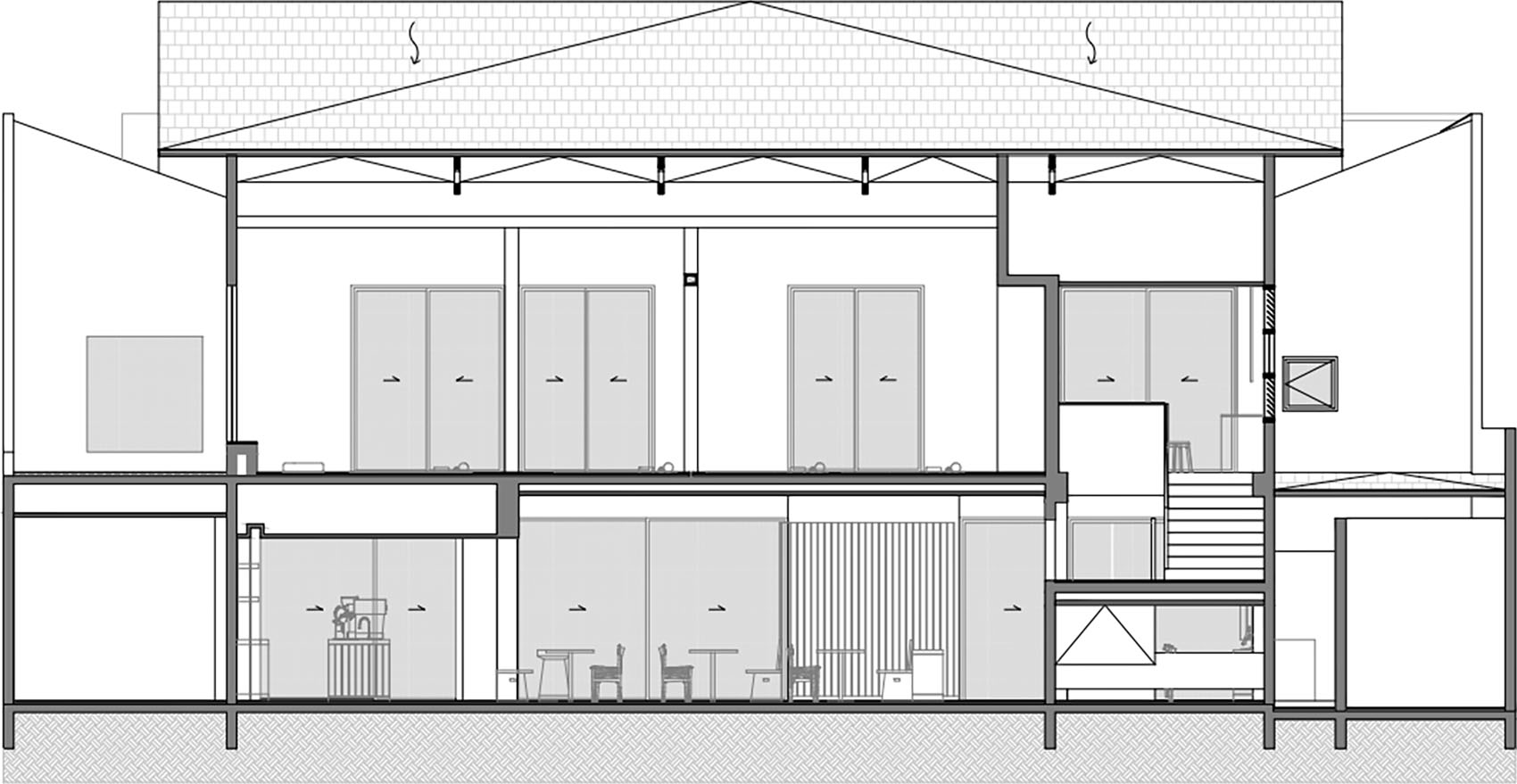
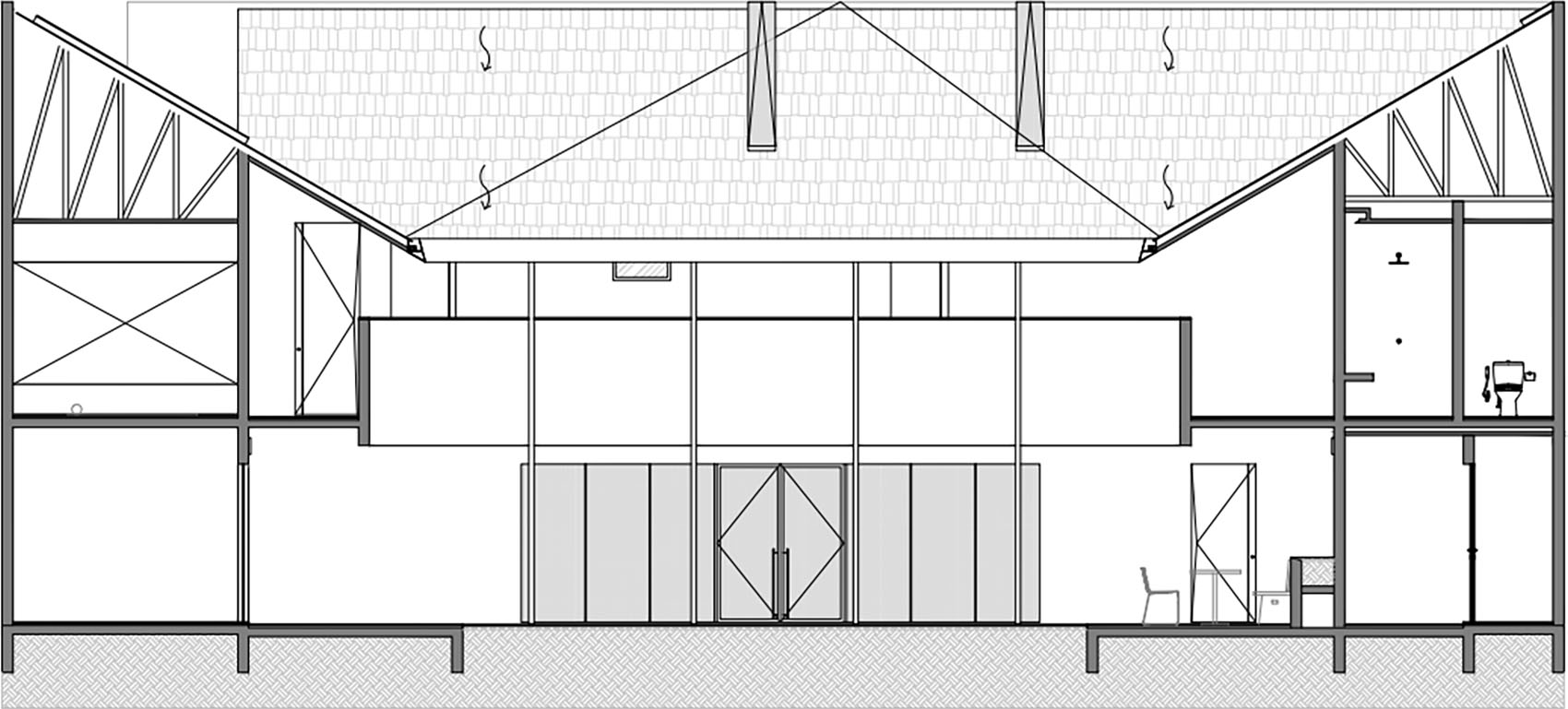
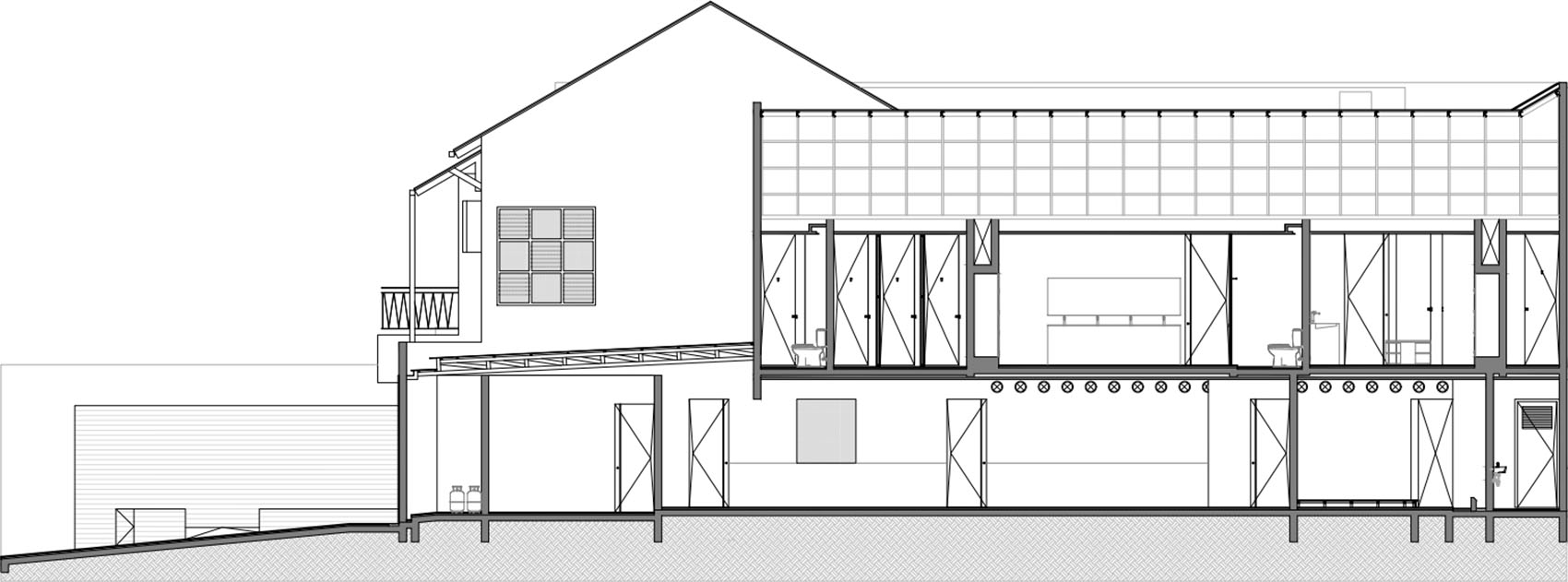
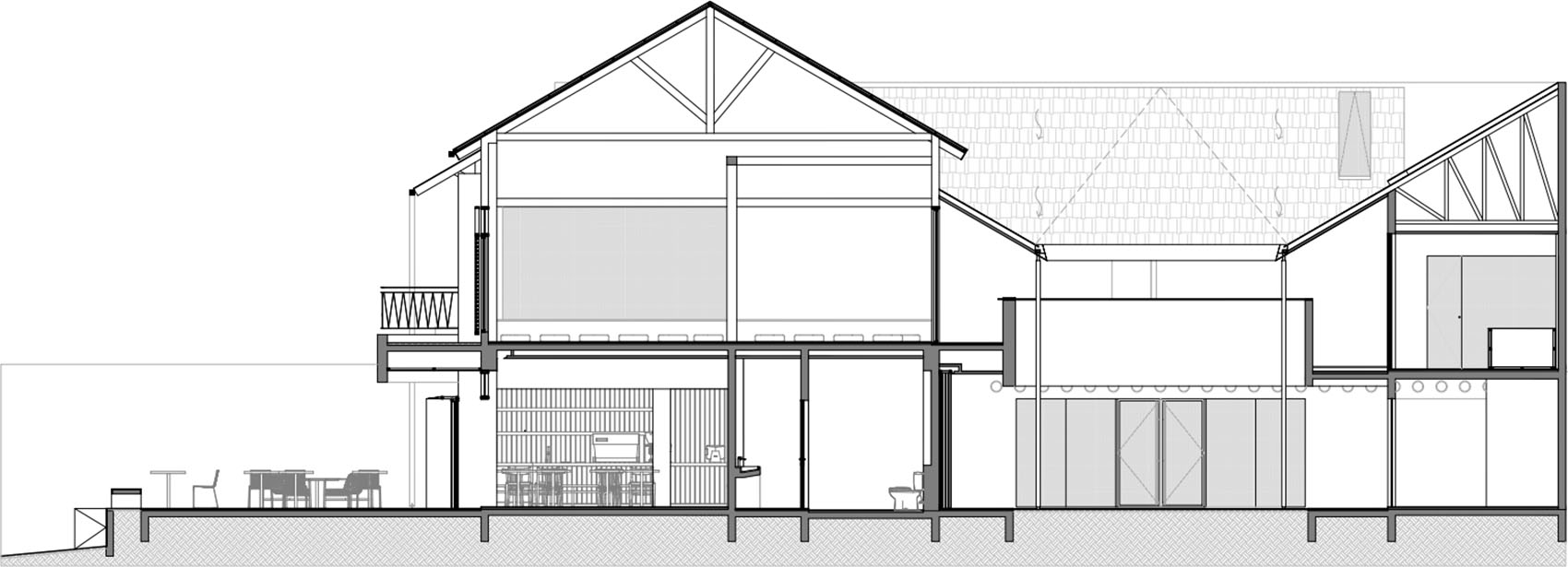
▼建筑剖面,Sections
Project Name : Houm Yoga
Office Name : Dhanie & Sal
Office Website : https://www.dhaniesal.com/
Social Media Account : https://www.instagram.com/dhaniesal/
Contact email : info@dhaniesal.com
Firm Location : South Tangerang, Banten, Indonesia
Completion Year : 2025
Built Area : 951.74 m2
Program Use : Wellness Center
Lead Architect : Dhanie Syawalia, Salman Rimaldhi
Team : Irwansyah Sutaryo, Vania Sabrina Dara
Lead Architect email : dhanie@dhaniesal.com , salman@dhaniesal.com
Team email: irwan@dhaniesal.com , dara@dhaniesal.com
Photographer : Ernest Theofilus
Website : www.ernesttheofilus.com