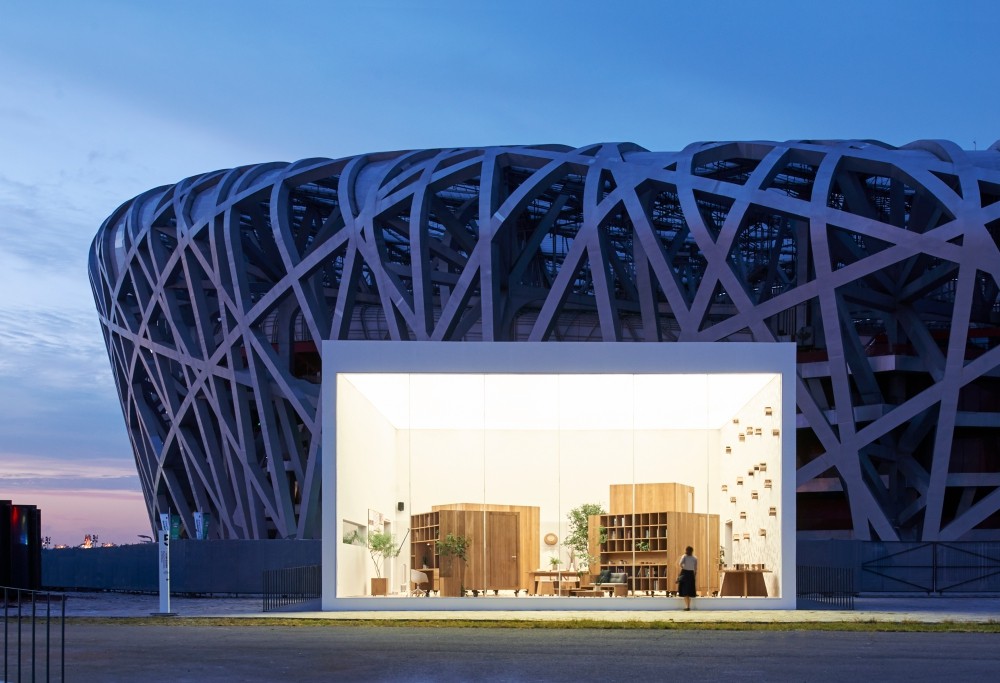
“CHINA HOUSE VISION探索家——未来生活大展” 5号馆,北京/室内
家族和住宅的关系,如同人和衣服的关系。人类会随着身体的成长,根据季节和气候的变化,来选择合适的衣物。同样地,随着家族形态,城市及社会的变化,住宅也不断地改变着自己的样貌。随着时代的变迁,社会的最小单位——家的规模也在迅速的缩小。从小城镇到大城市生活的年轻人大多独居在狭窄拘束的空间里,我们因而萌生出一种共享住宅的思路,在城市中那些空置下来的大楼里添置具备生活功能的家具,让人们住在一起。我们希望通过这种方式,在分崩离析的居住空间中构筑一个共享社区。
The relationship between family and house is very much like human and clothing. Human will choose the right clothes according to the changes of body shape as well as the seasons and climate. Similarly, with the change of the forms of family, city and society, houses are constantly changing their appearance too. Over the years, the size of a family is also shrinking rapidly. A lot of young people moving from small towns to big cities live alone in confined spaces and therefore we have the idea of sharing home – adding ‘furniture’ that provide basic living needs in vacant or abandoned buildings in the city. In this way, we hope to build a shared community in the disintegrating living environment.
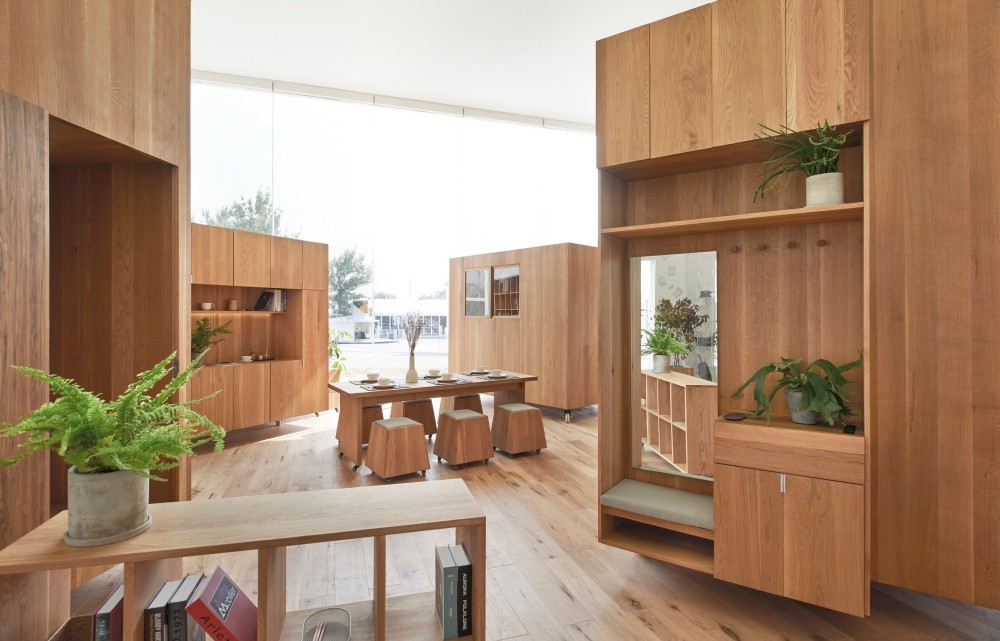
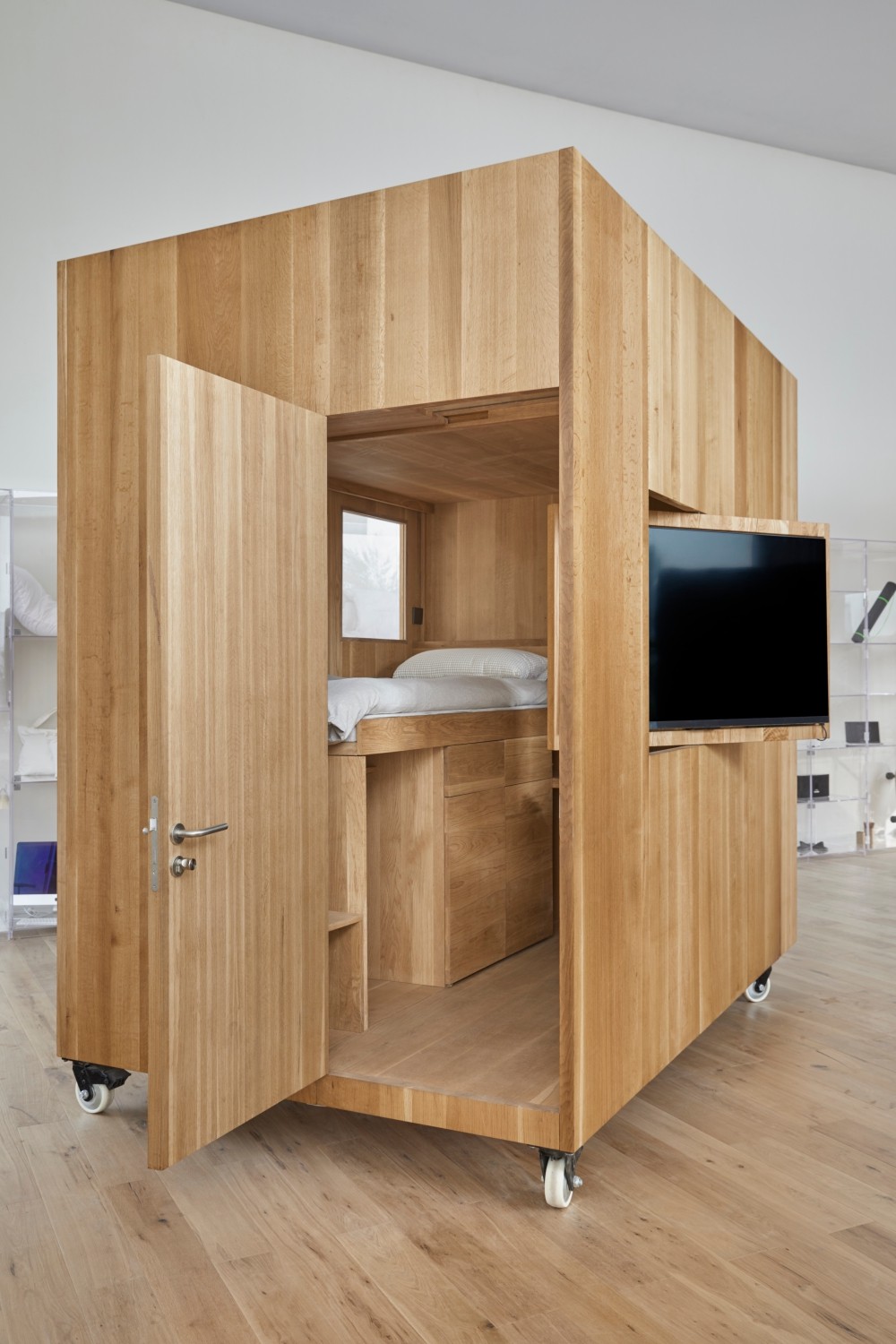
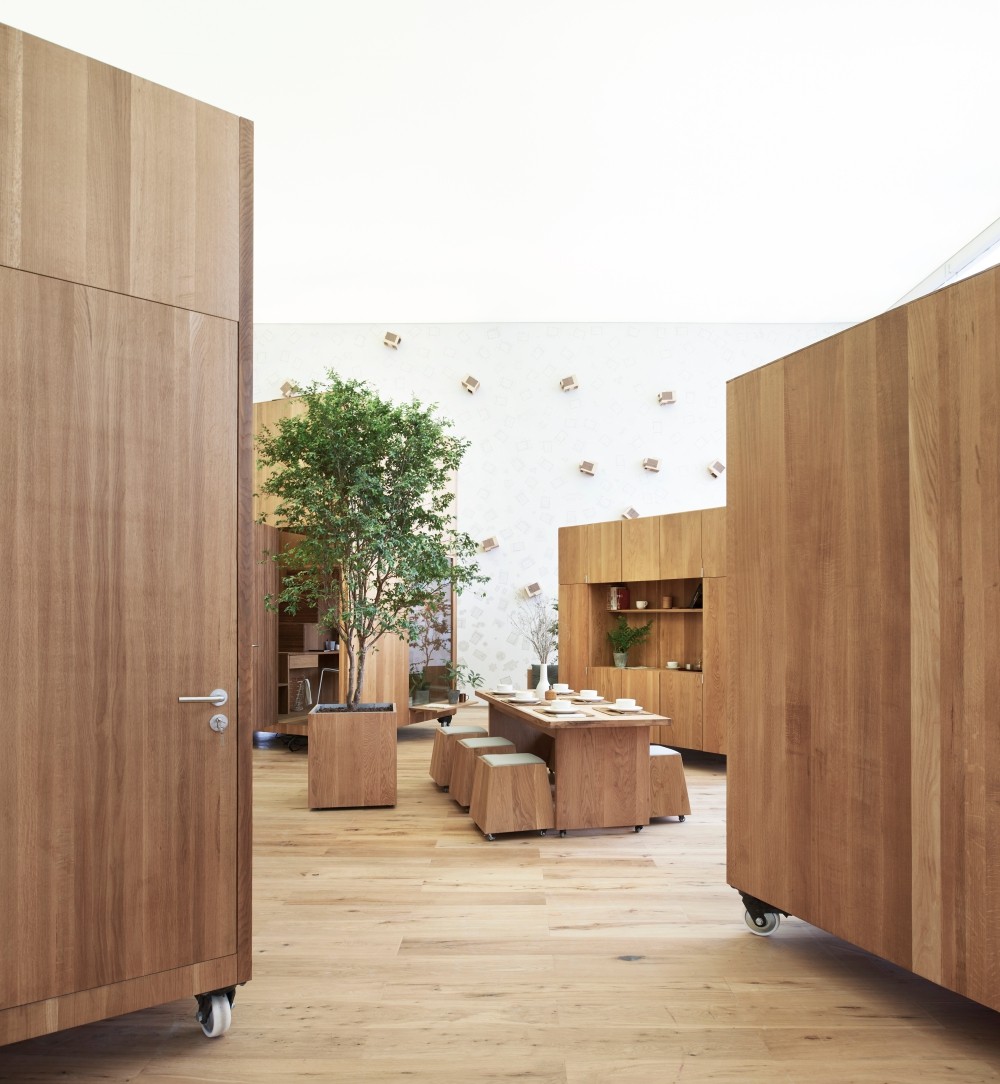
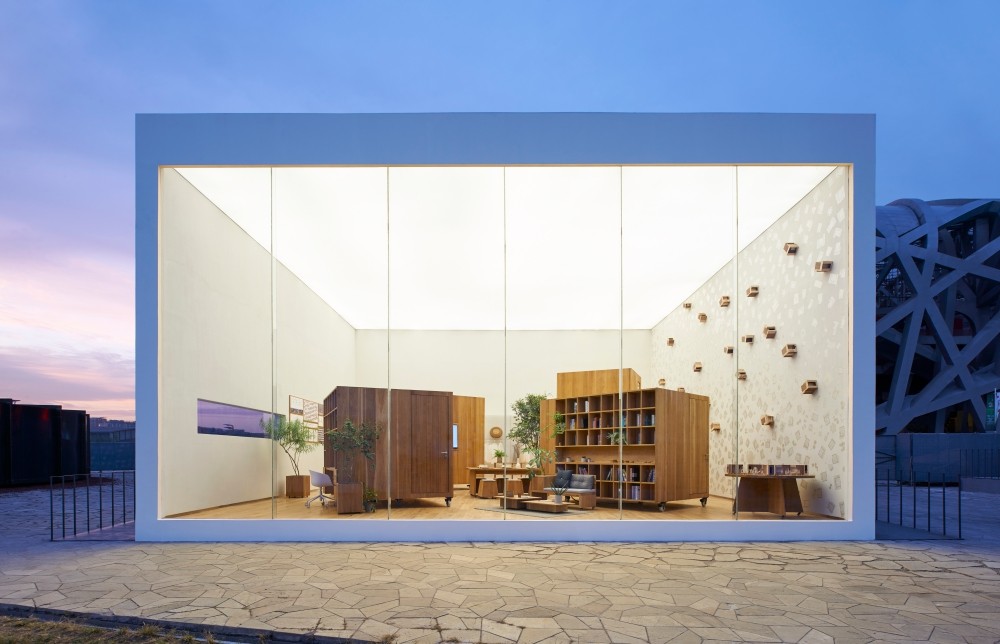
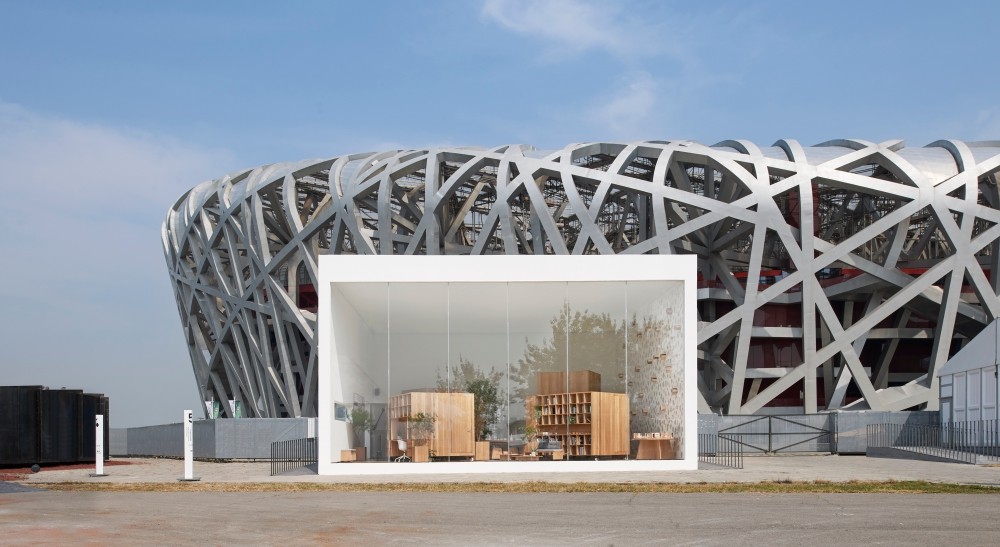
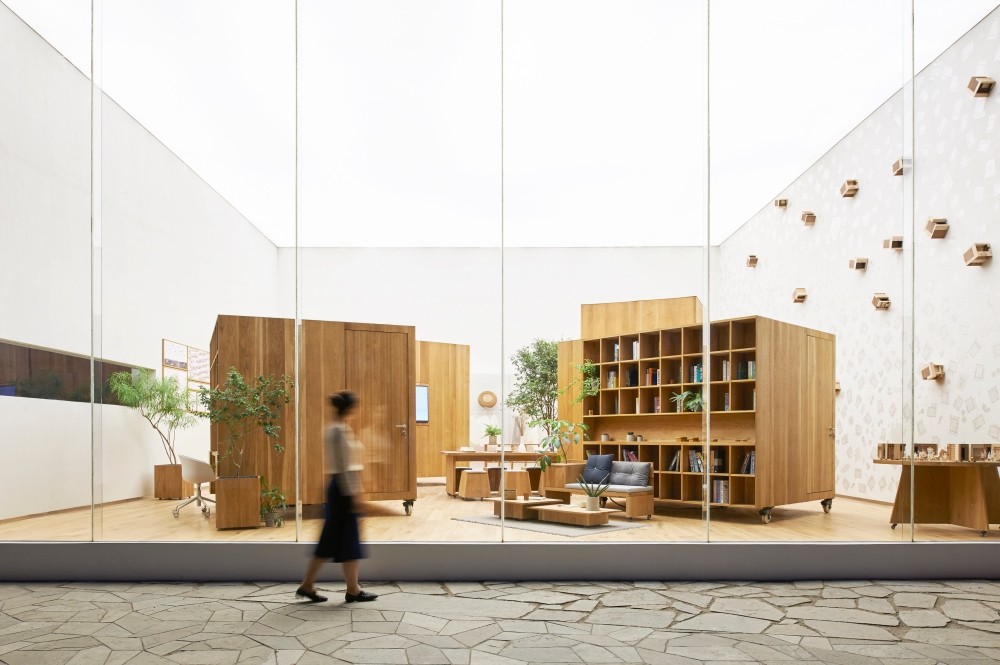
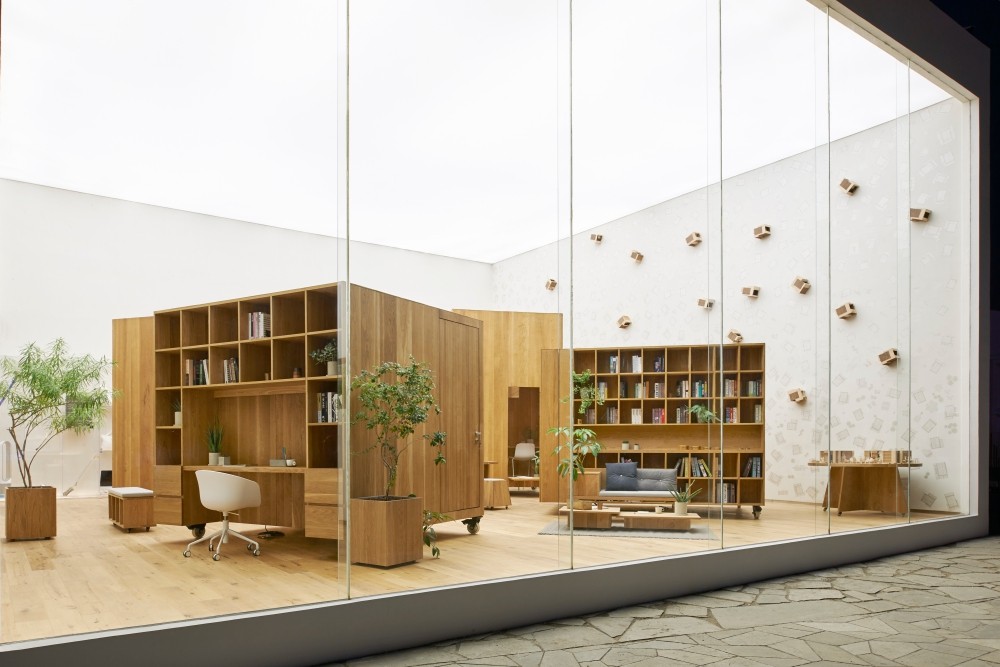
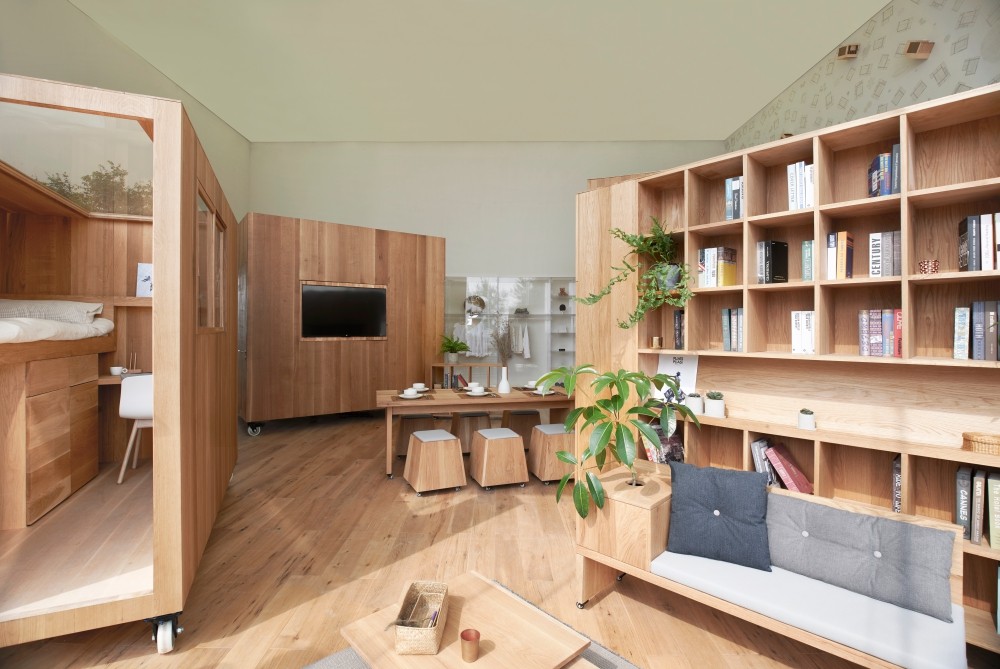
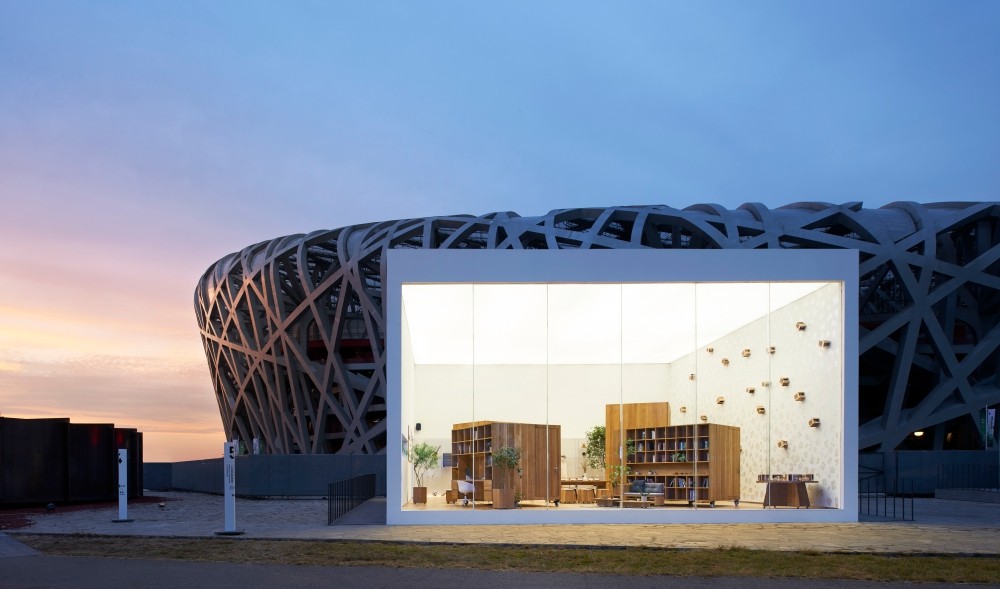
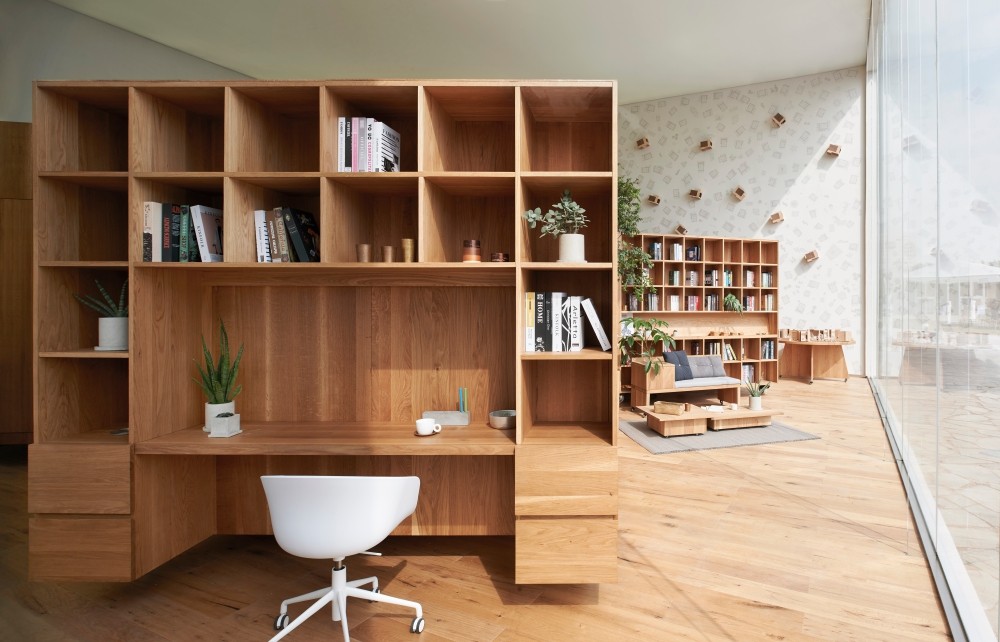
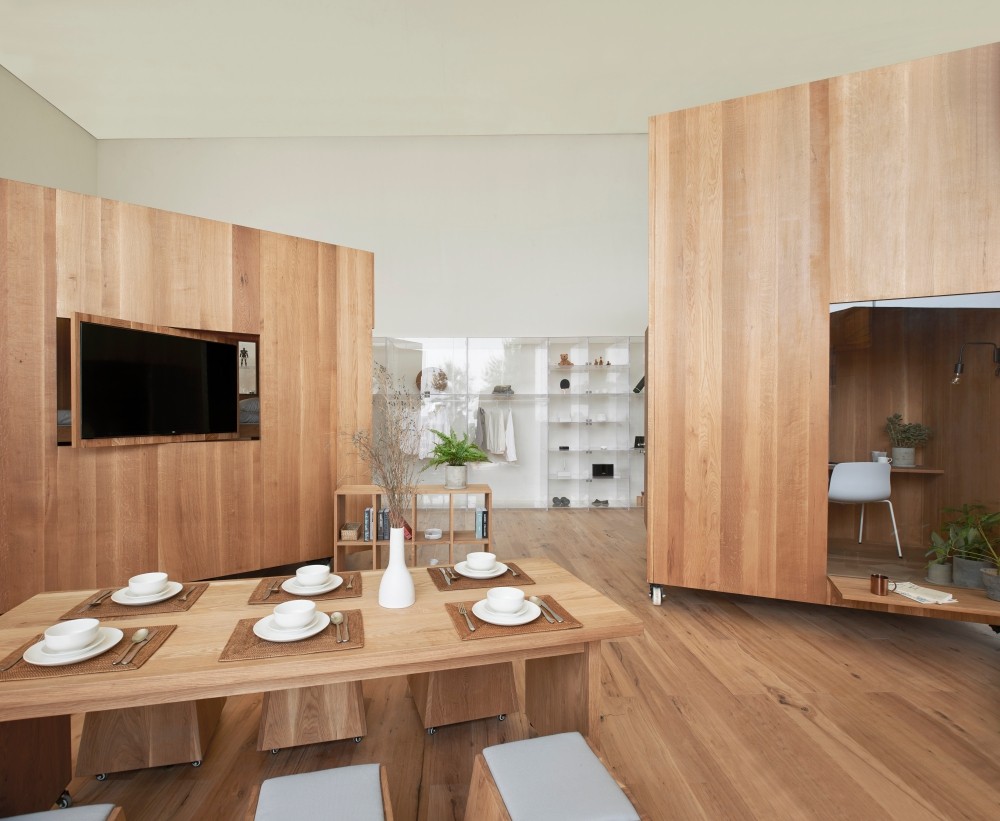
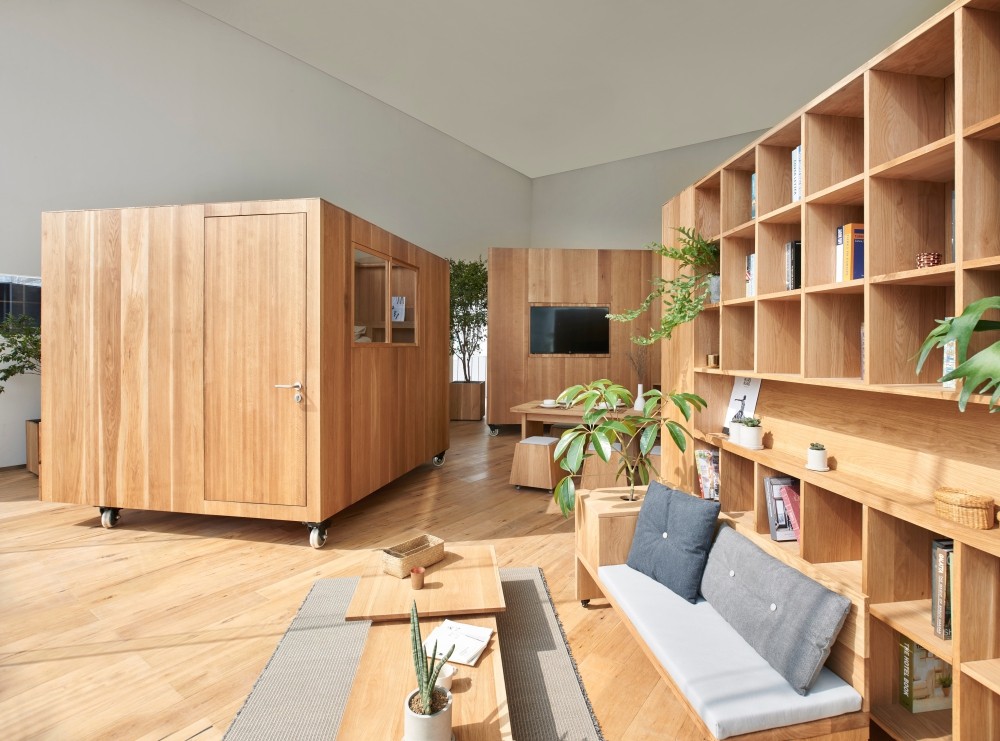
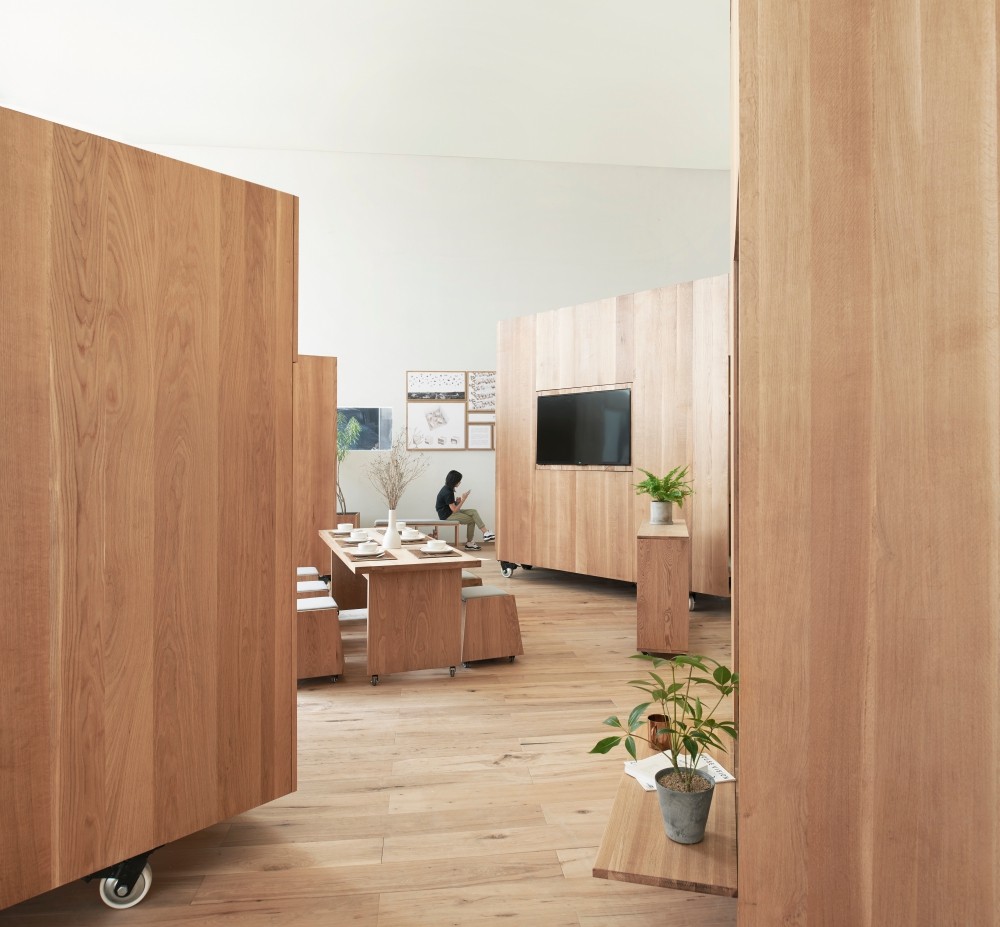
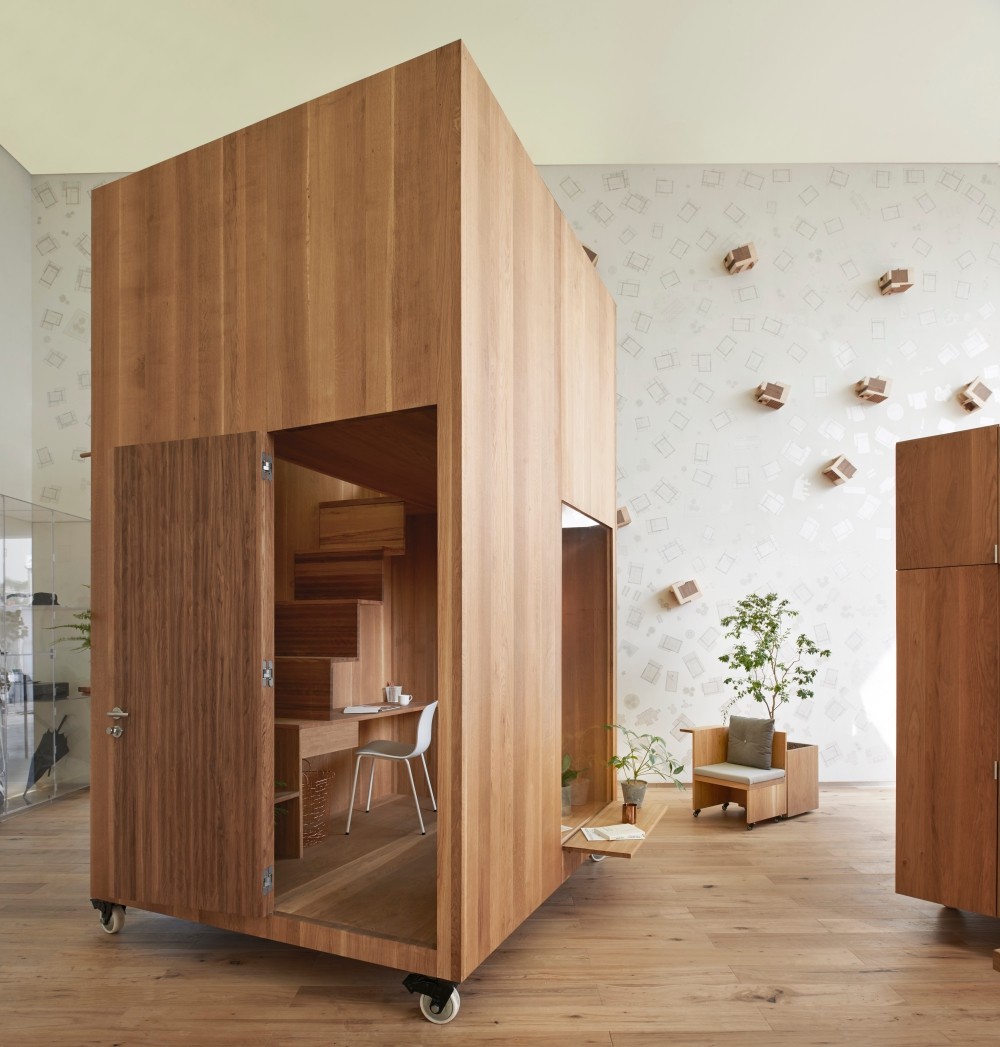
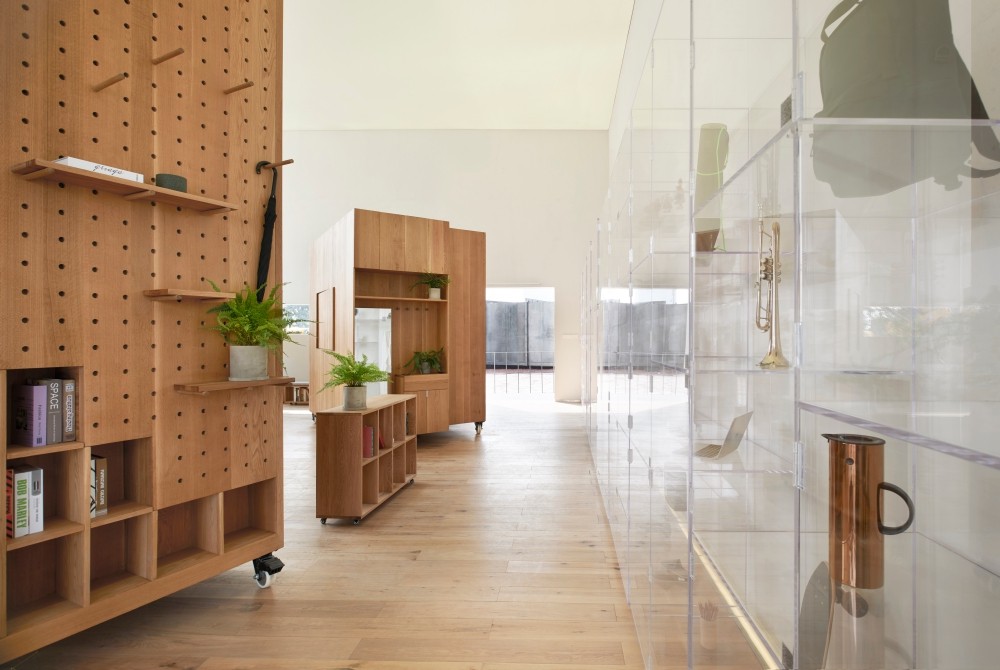
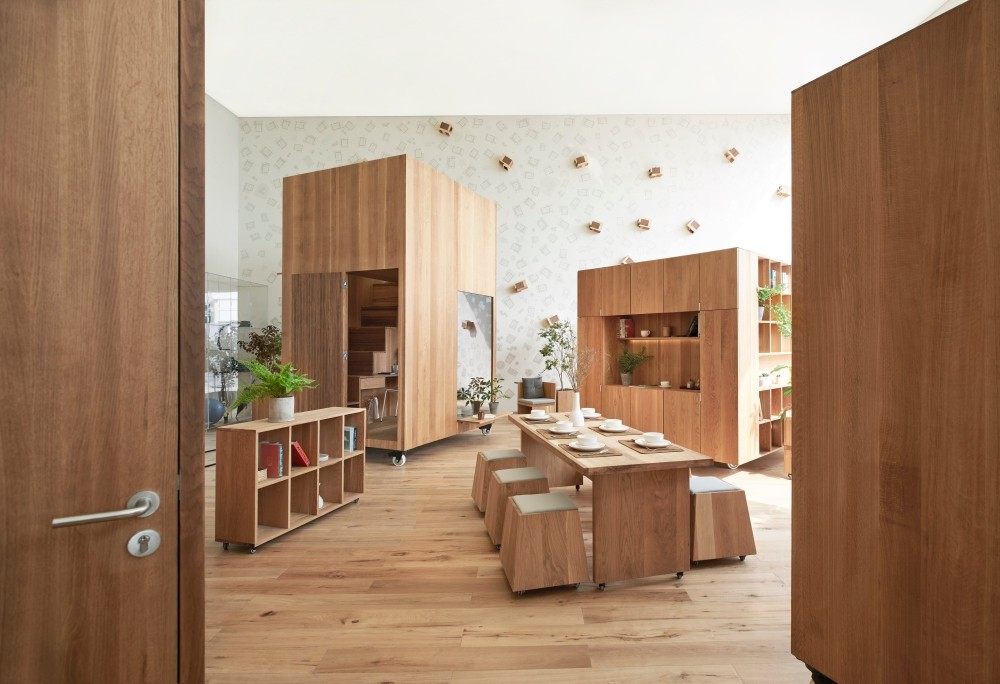
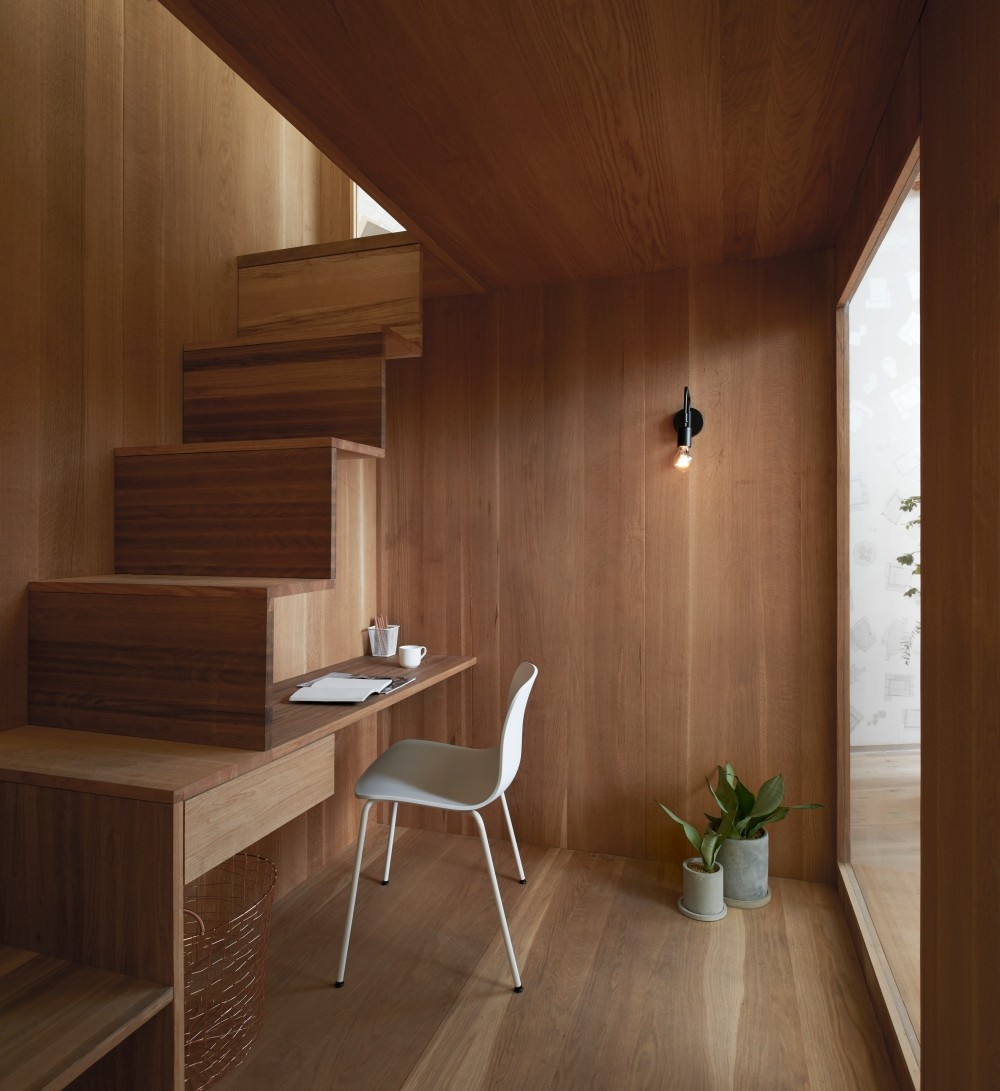
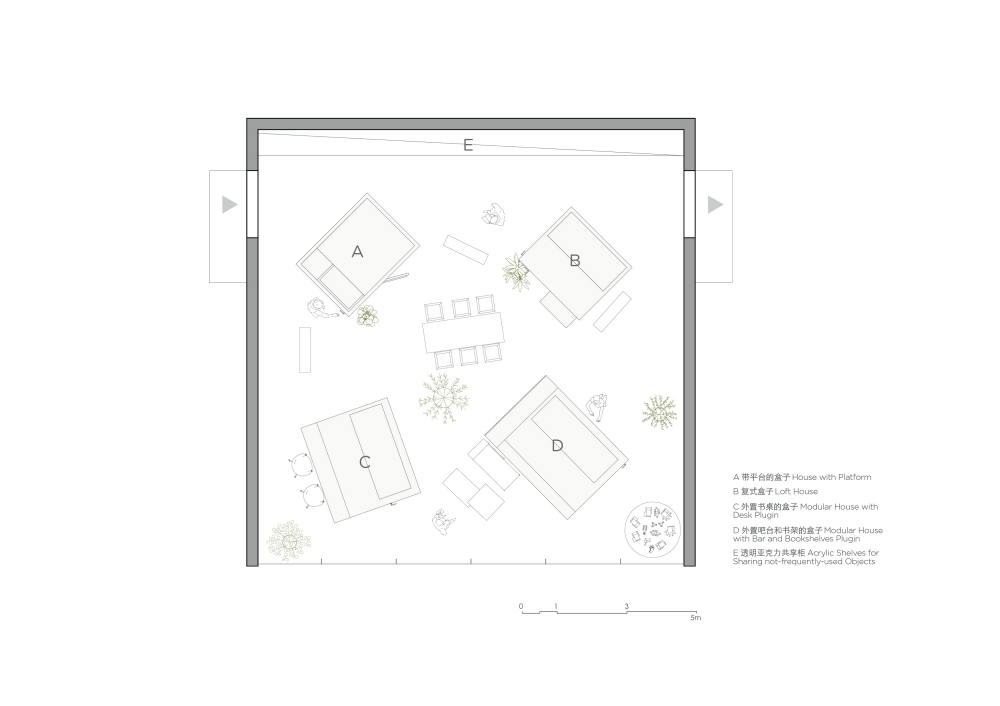
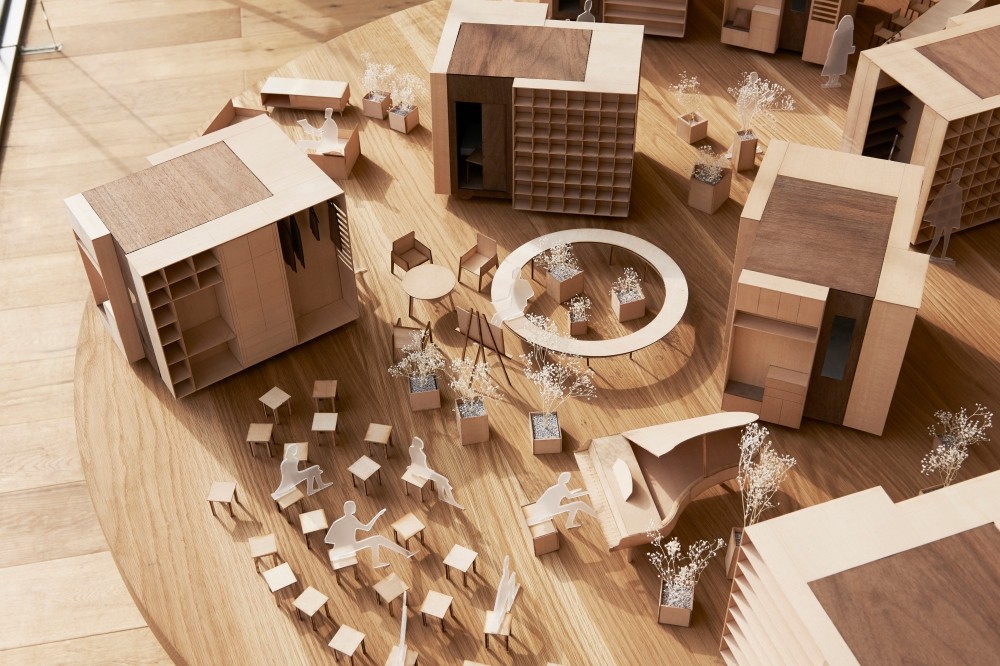
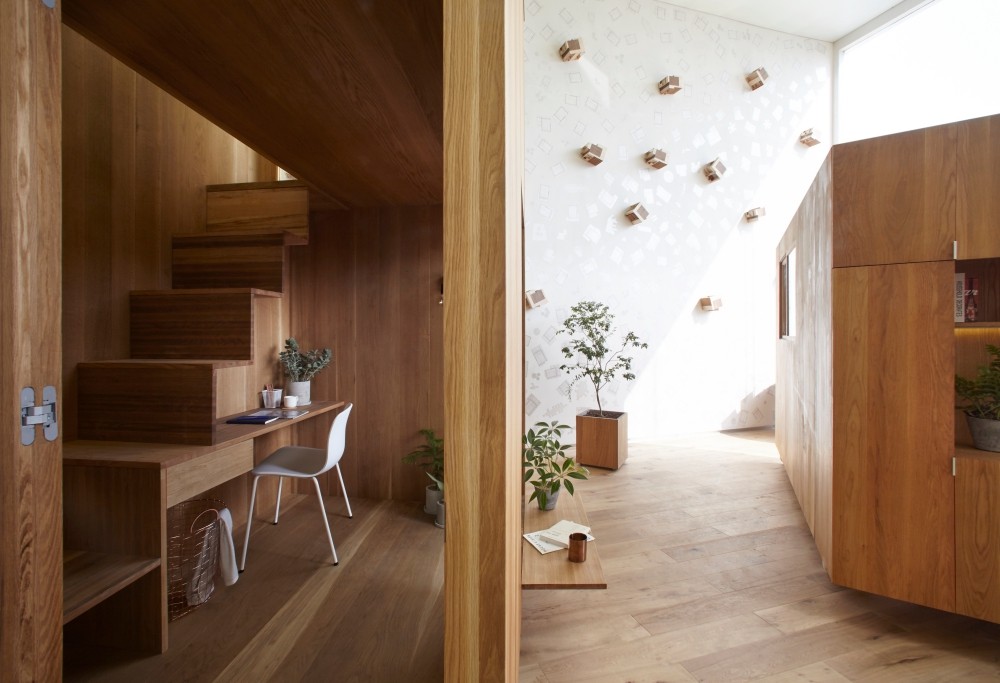
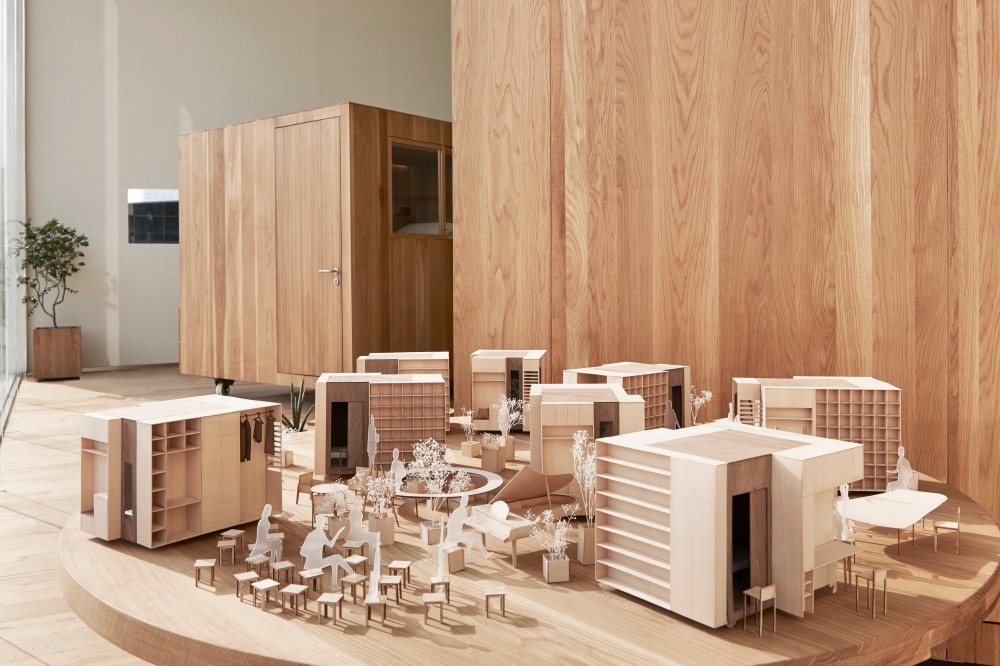
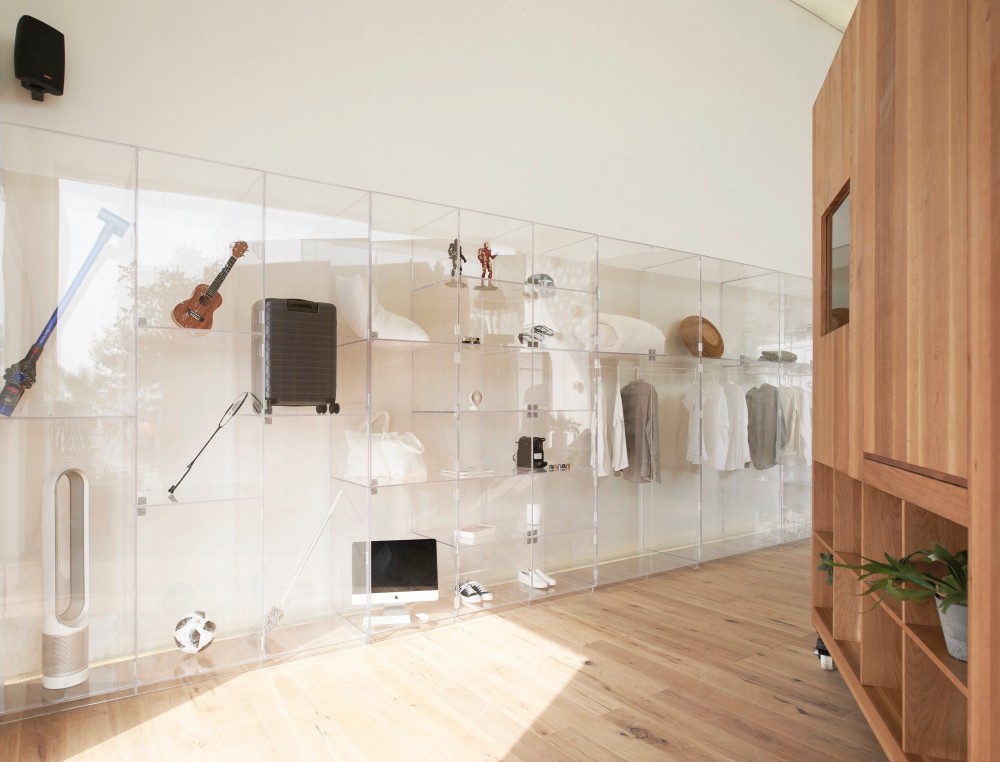
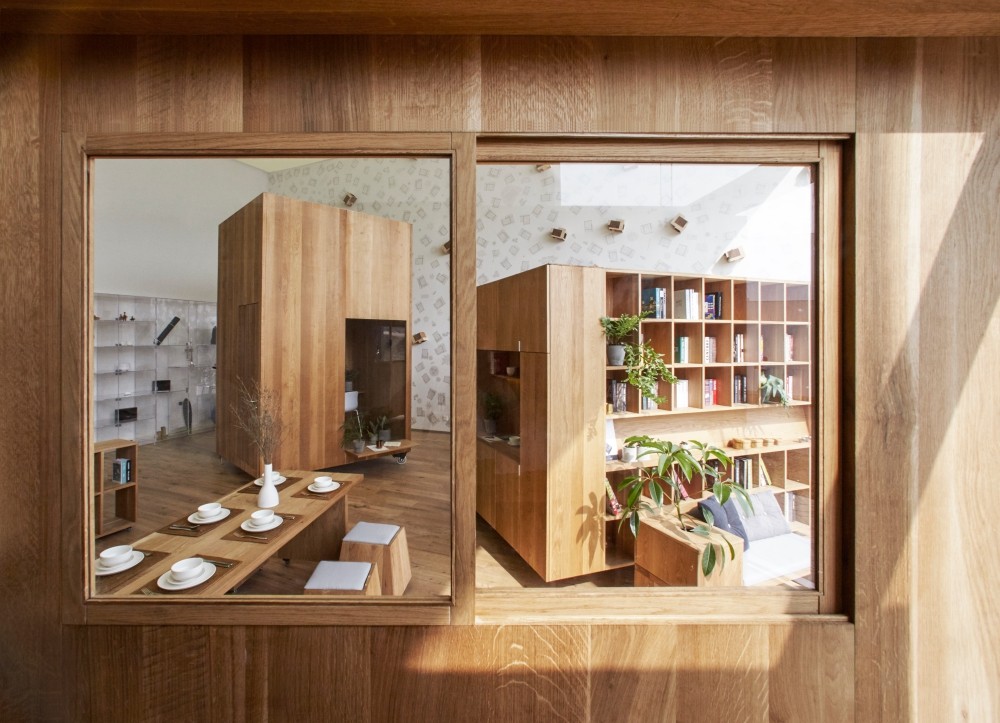
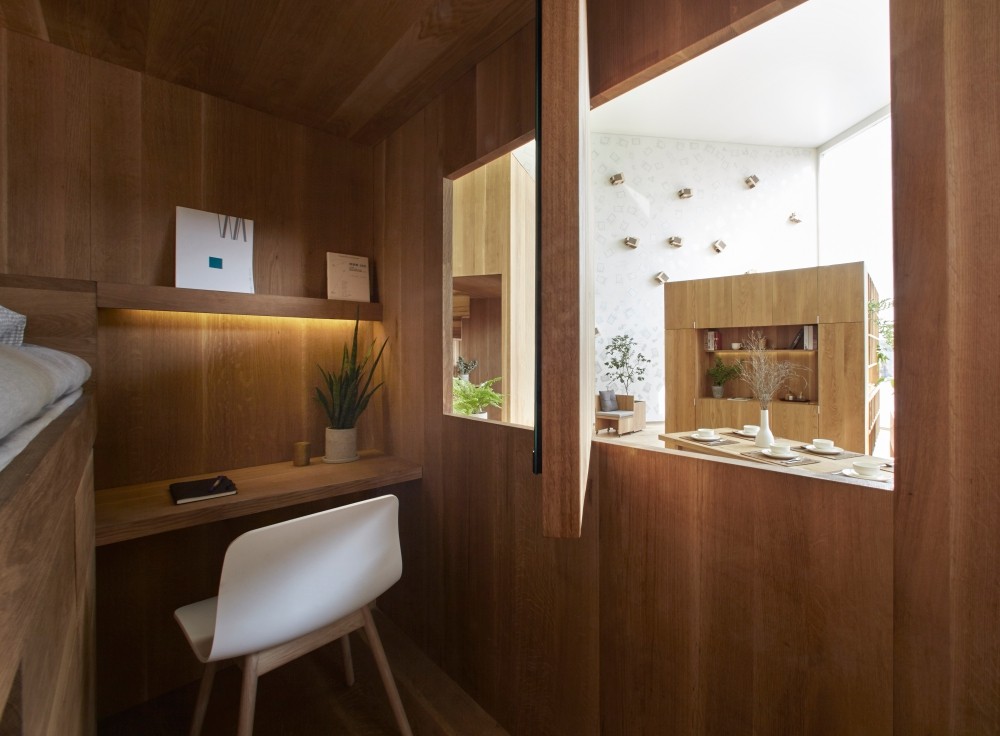
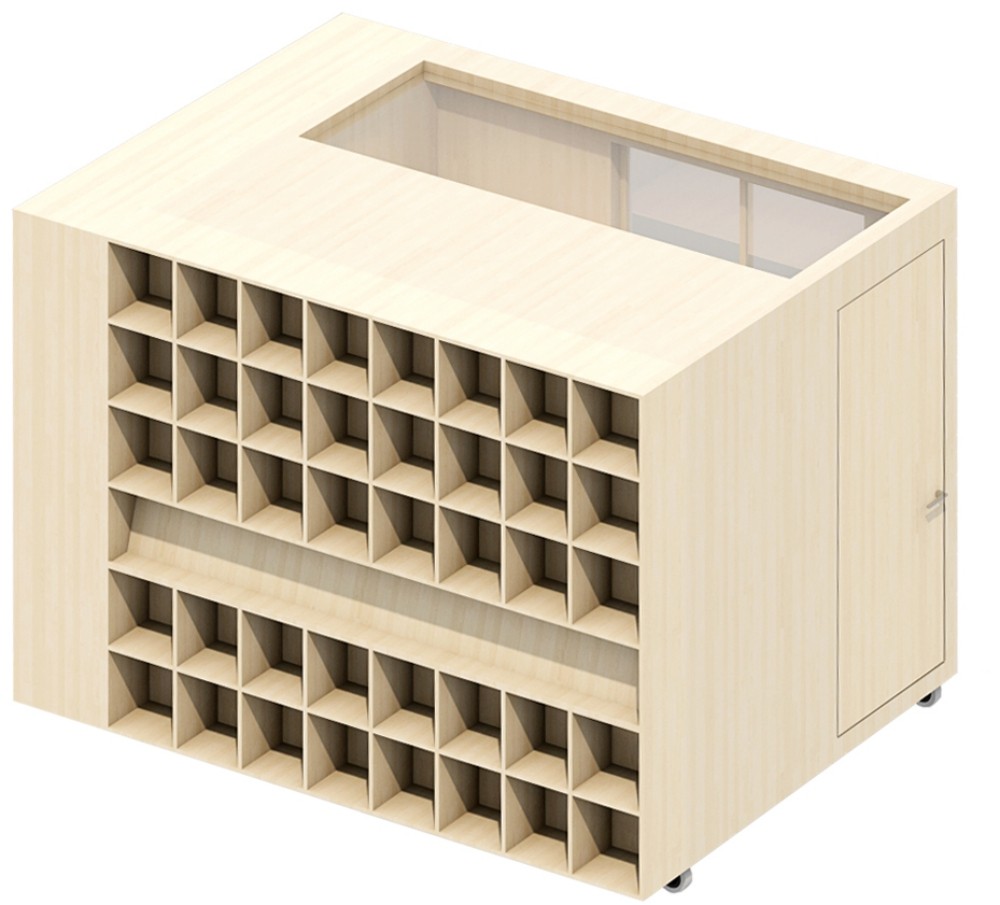
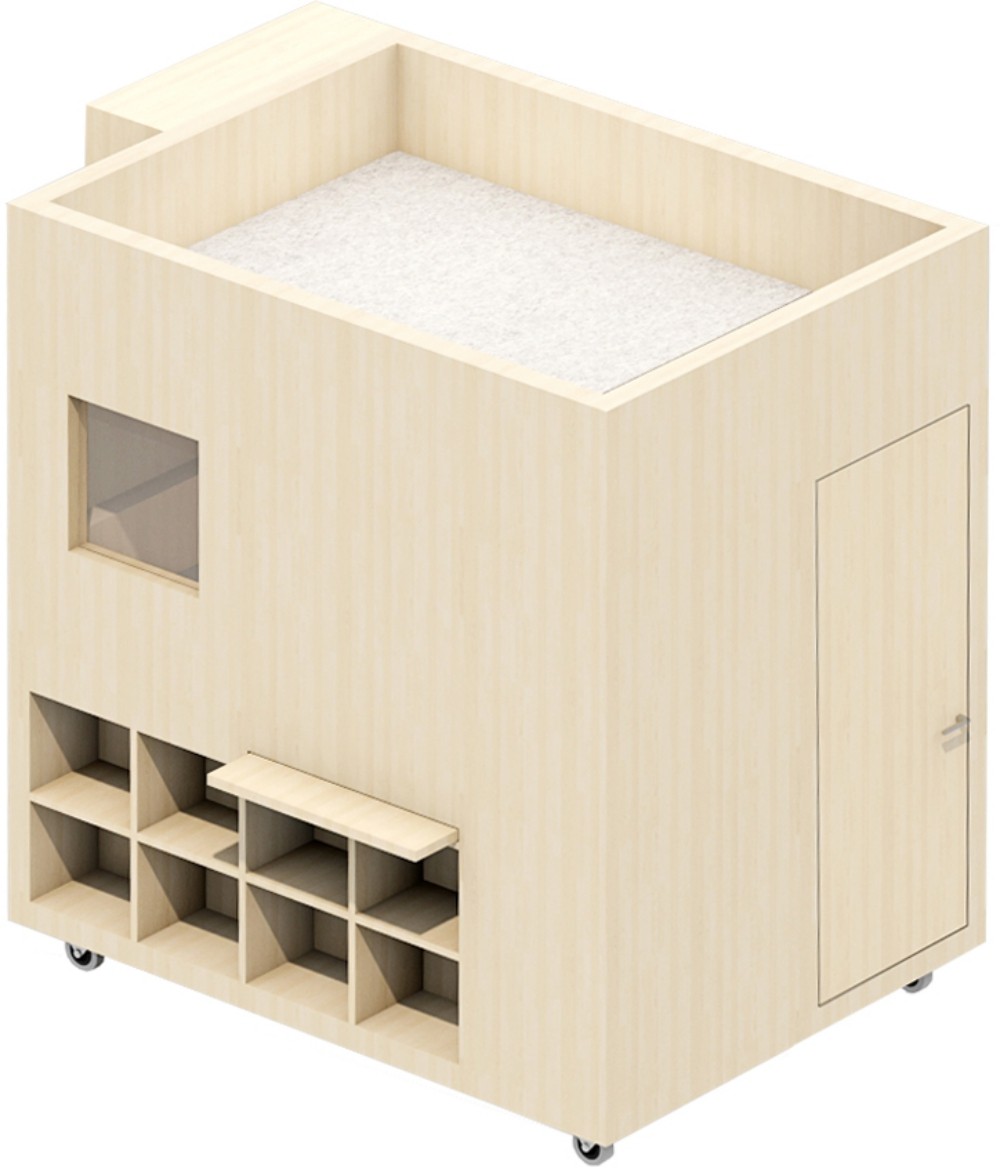
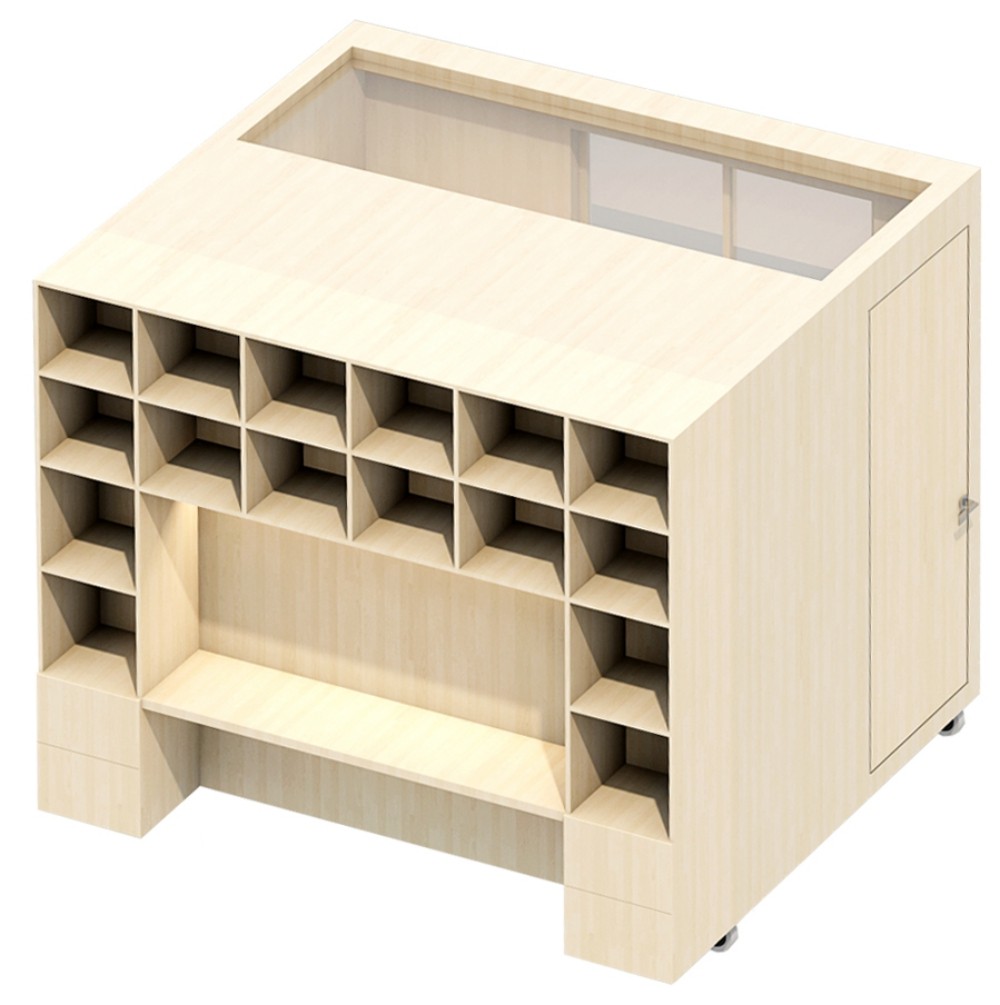
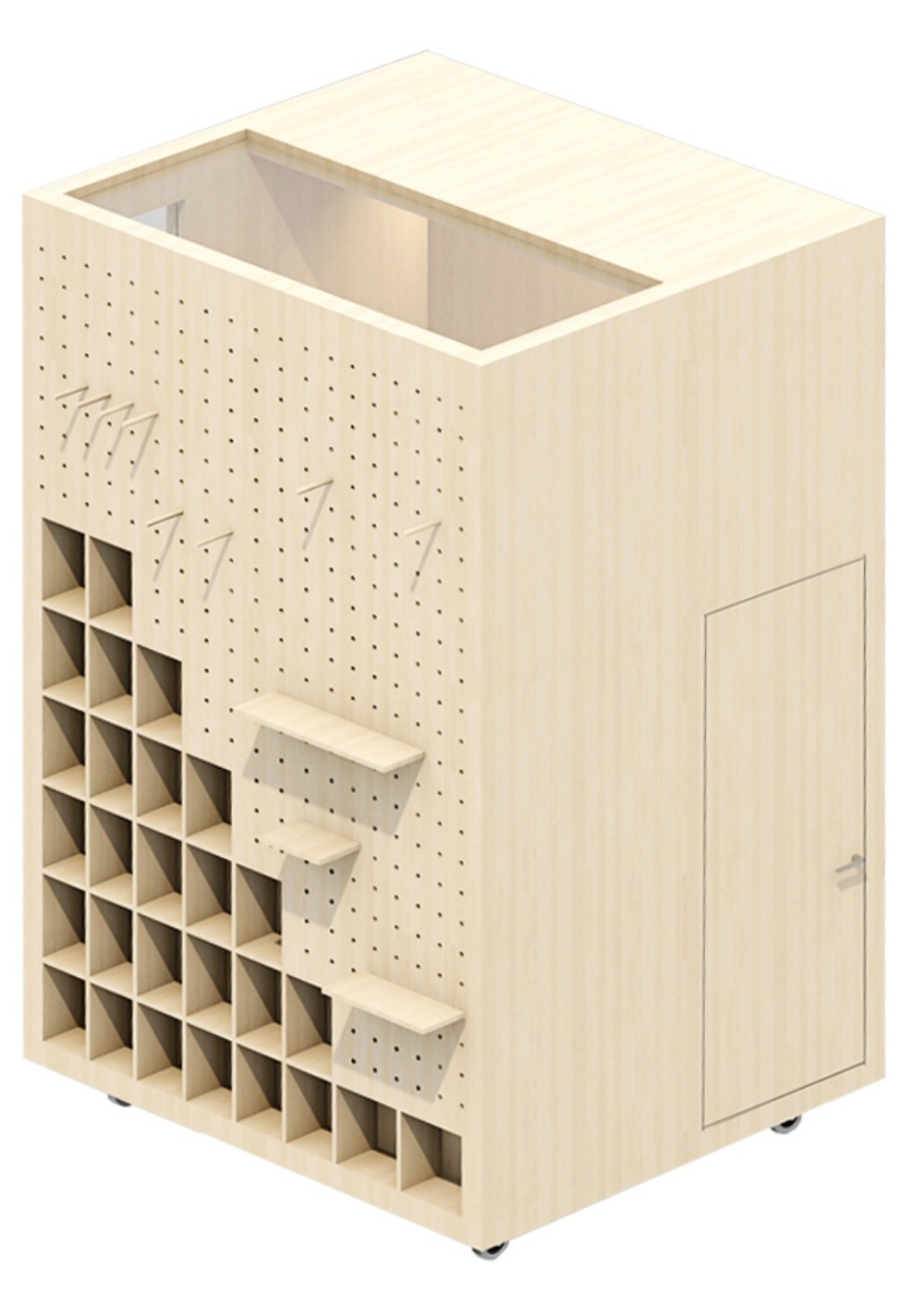
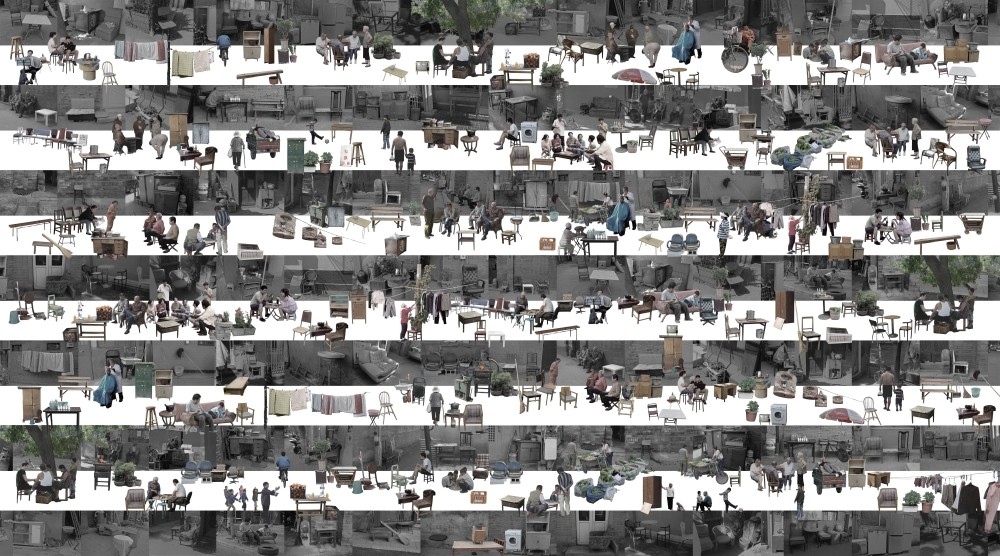
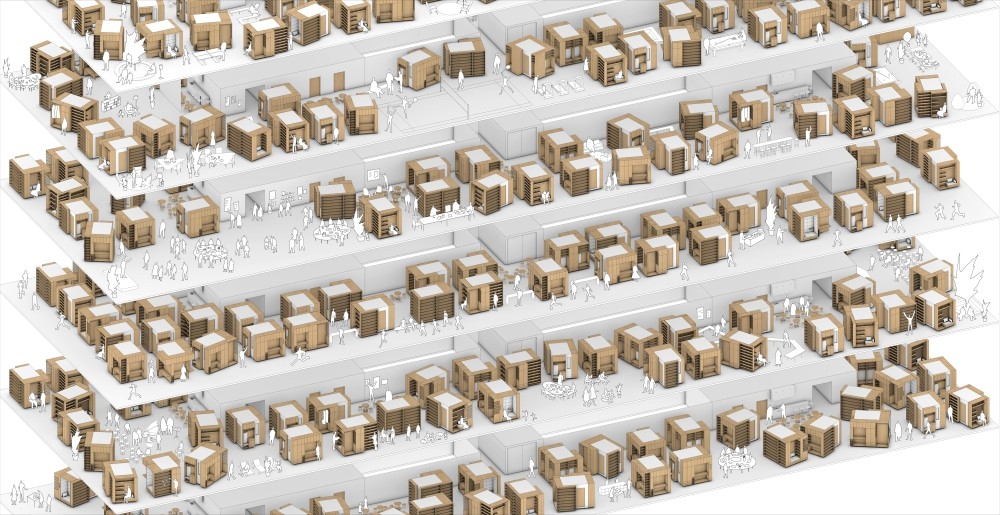
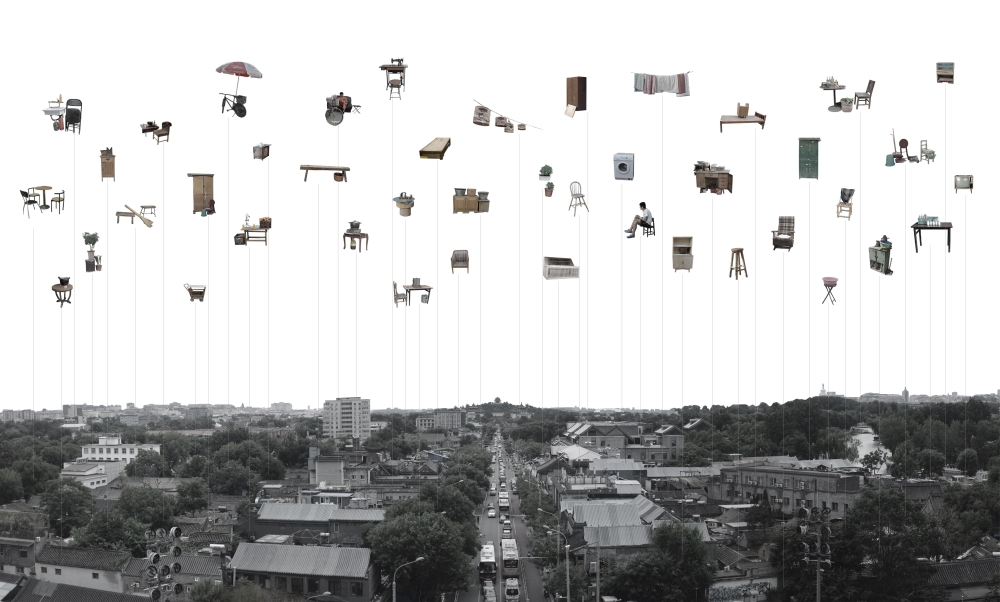
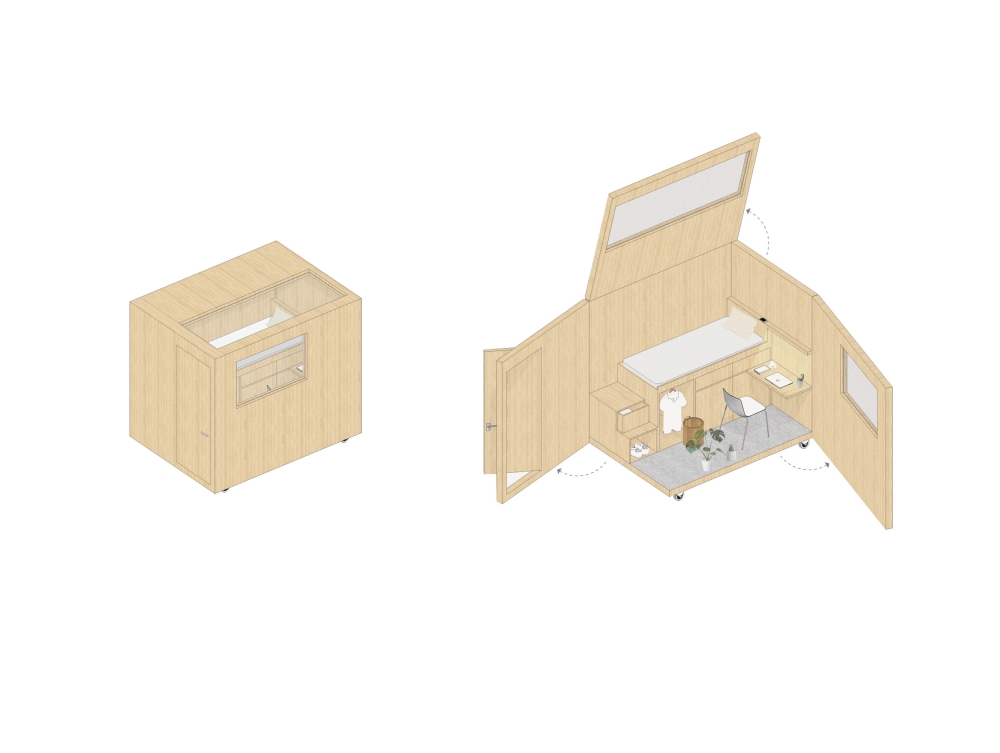
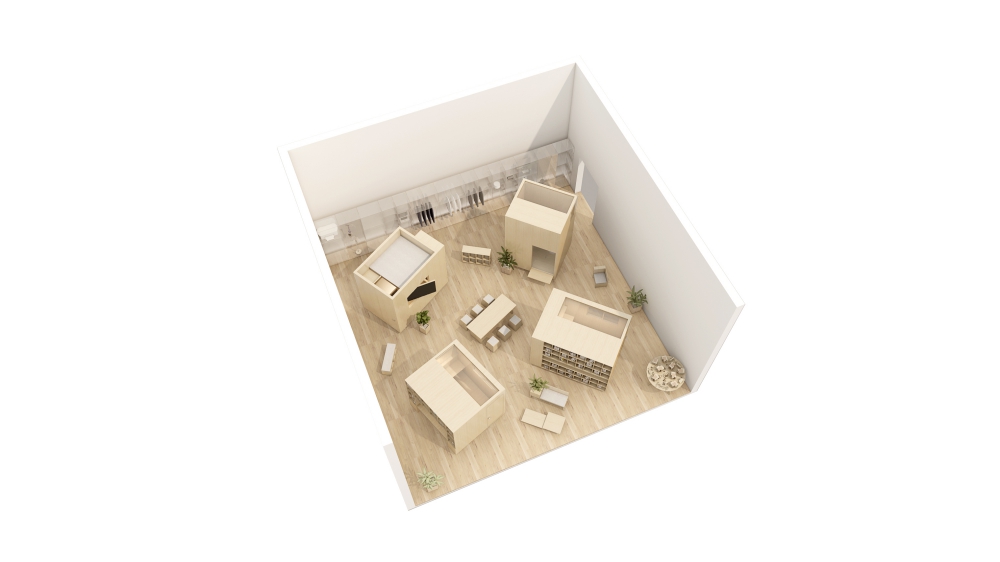
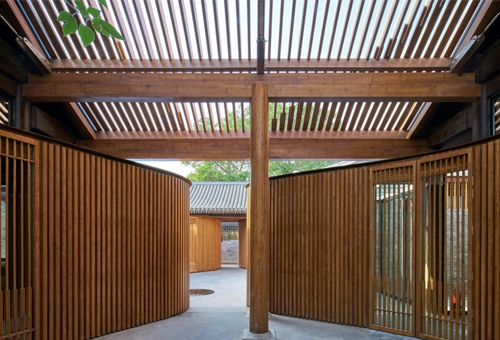
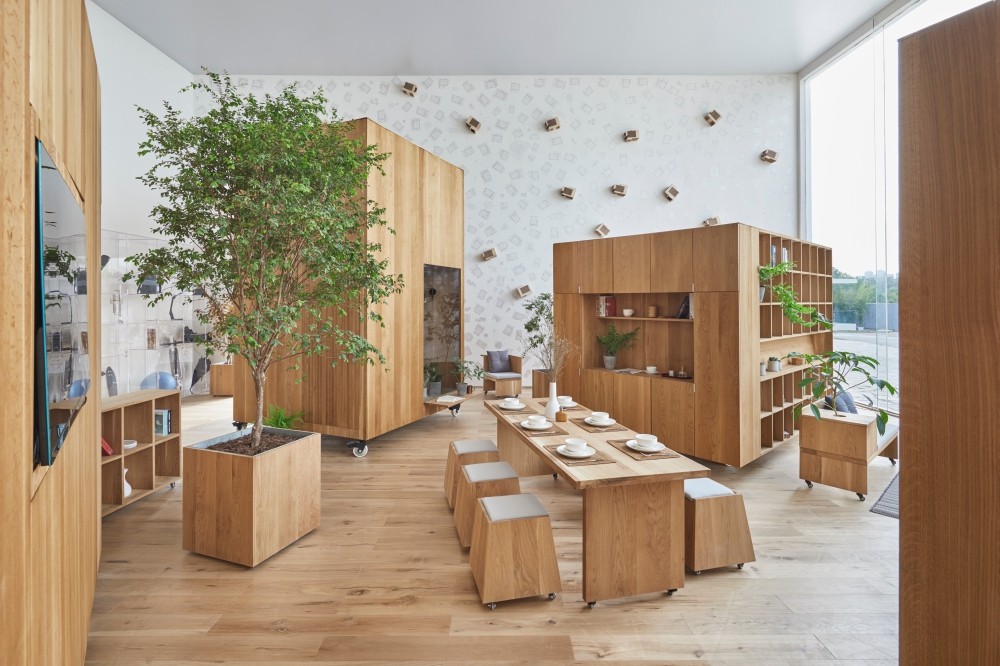
“400盒子的社区城市”为个体时代的城市中生活的年轻人,构想了一种新型的共享社区。在城市中那些空置下来的大楼中,把过去用墙壁隔开的私人空间打开,个人的空间设计成为一个不满5平米的小型可移动的盒子。厨房,卫生间,淋浴间,洗衣间——生活功能安排在盒子之外的公共空间之中,盒子之间的区域可以自由摆放桌椅,沙发,化身公用的起居室,书房。利用大楼现有设备供给水电,盒子家具以内是私人空间,周围则是街坊邻里,即社区空间。这种社区性源于胡同、弄堂等传统空间。在胡同里,家具从室内延伸到室外,既具备私有性质,又具备共有性质,拓展了社区空间。这个方案的基本构想是把个人占有的私人空间缩至最小,为周围腾出宽阔而丰富的公共空间,把整体打造成一个城市,或一个家一般的共享生活空间。
The ‘Sharing Community of 400 Boxes’ provides a new type of shared community for the young generations living in the city. In the vacant or abandoned buildings, walls that used to separate private and public area will be replaced with small movable boxes. Personal space is designed within the box of less than 5 square meters whereas kitchen, bathroom and laundry are located at the common area outside of the box. Loose furniture such as sofas, tables and chairs can be placed at the space between the boxes which then become the common living area or study. The idea of this sharing community is that the private spaces remain within the boxes whereas the surrounding becomes the neighborhood. Furthermore, facilities such as water and electricity can be supplied from the vacant buildings. This concept of community originates from the traditional spaces such as Hutong and alleys. In the Hutong, furniture has extended from indoor to outdoor, it has the quality of both private and sharing which then expanded the community space. The fundamental idea is to minimize the individual private space, enlarge and create a dynamic public space around, and to make the whole into a city, or a family-like shared living space.